

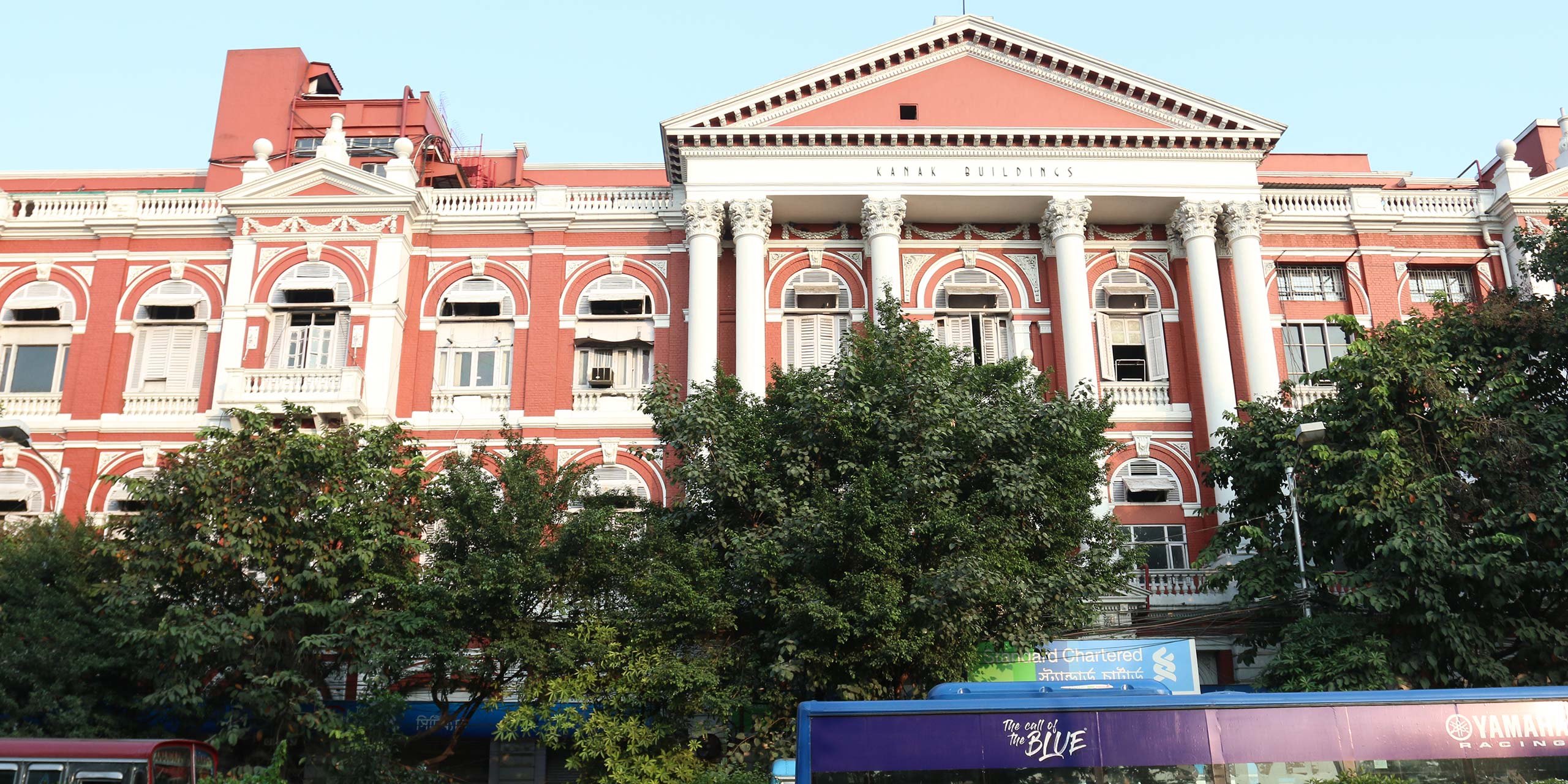
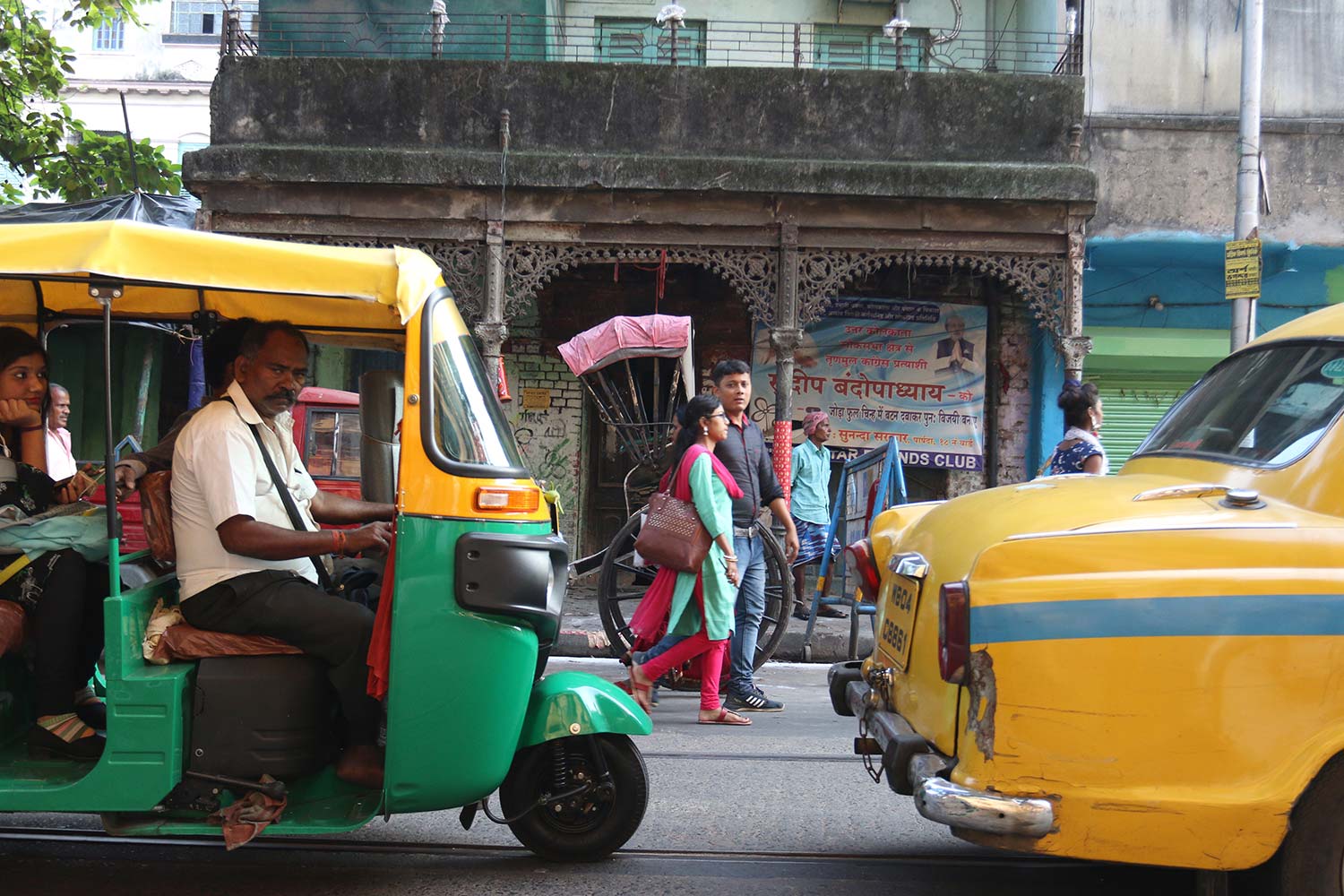
Kolkatans love their city’s monuments, regardless of who built them. A blend of East and West defines the character of the city, and this mix is embraced by locals and visitors alike, shaping Kolkata’s distinctive identity within India’s urban landscape.
Unlike other large Indian cities, the capital of West Bengal has retained a remarkable degree of charm, largely due to the preservation of hundreds of magnificent, yet decaying, buildings dating back to the British occupation.
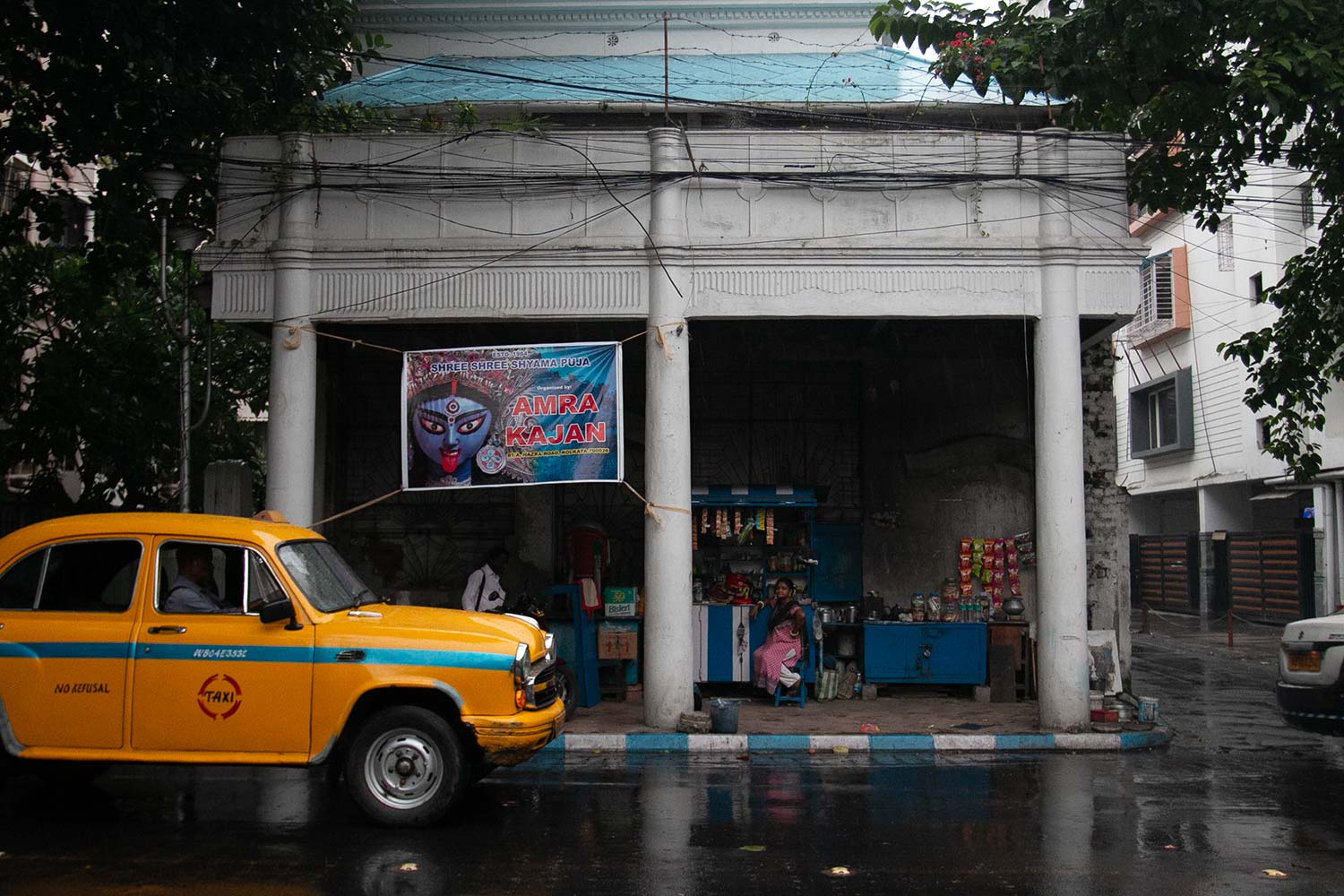
Giant government edifices, local mansions, and historic hotels give Kolkata’s cityscape a glimpse into times past, reflecting the commerce, culture, and struggle of the subcontinent, not least against British colonizers.
Founded in 1690 on the banks of the Hooghly River, Calcutta quickly grew from a fishing village into a flourishing colonial metropolis and served as the British imperial capital until 1911. At the turn of the 20th century, it was one of the world’s most important urban economies.
Kolkata remains India’s most welcoming and open-minded metropolis, a rare outlier of secular politics in a country that has increasingly embraced Hindu nationalism and rapid urban development over the past two decades. Despite its checkered reputation and serious challenges, Kolkata is India’s most enigmatic, liberal, architecturally fascinating, and safest megacity.
North Kolkata
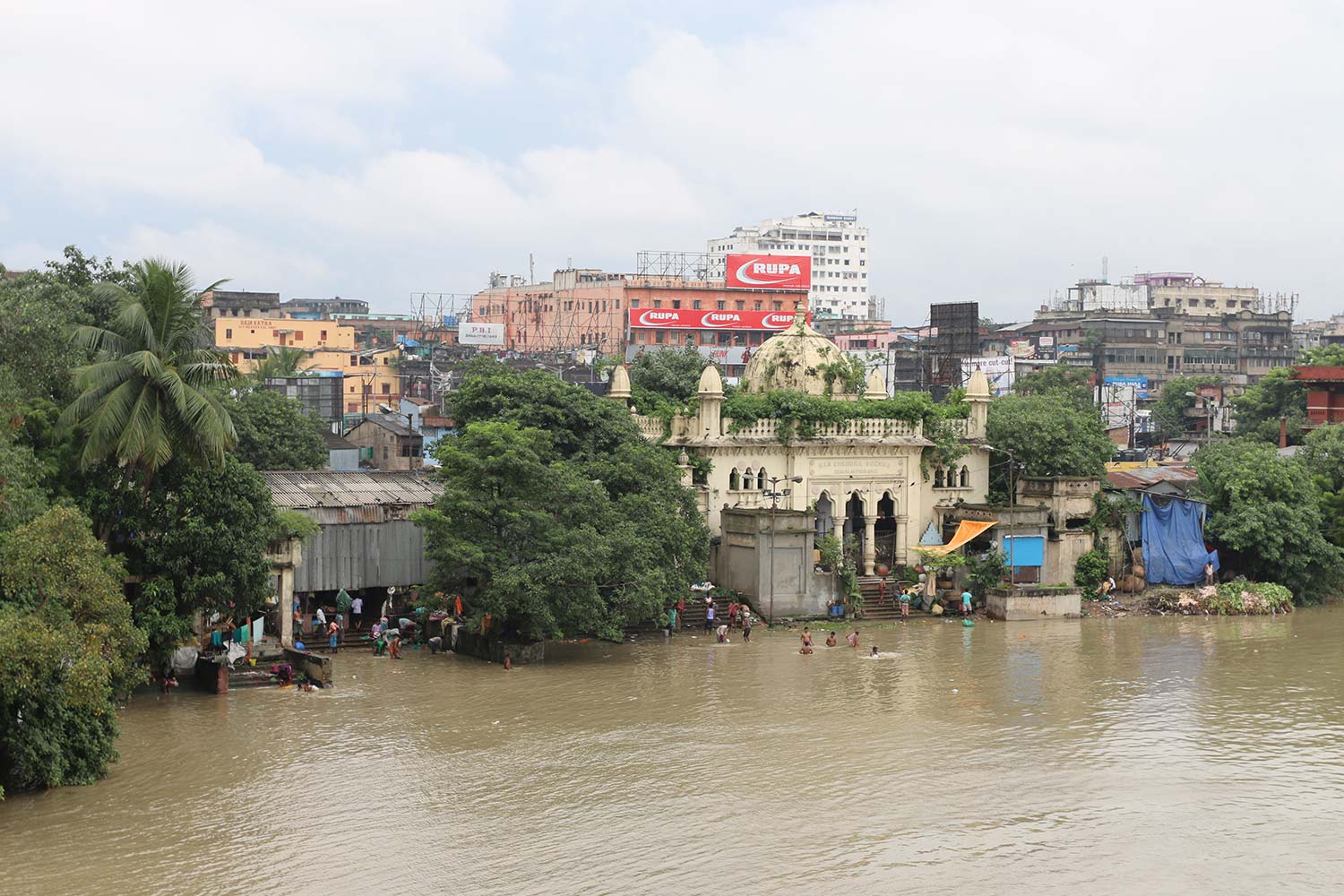
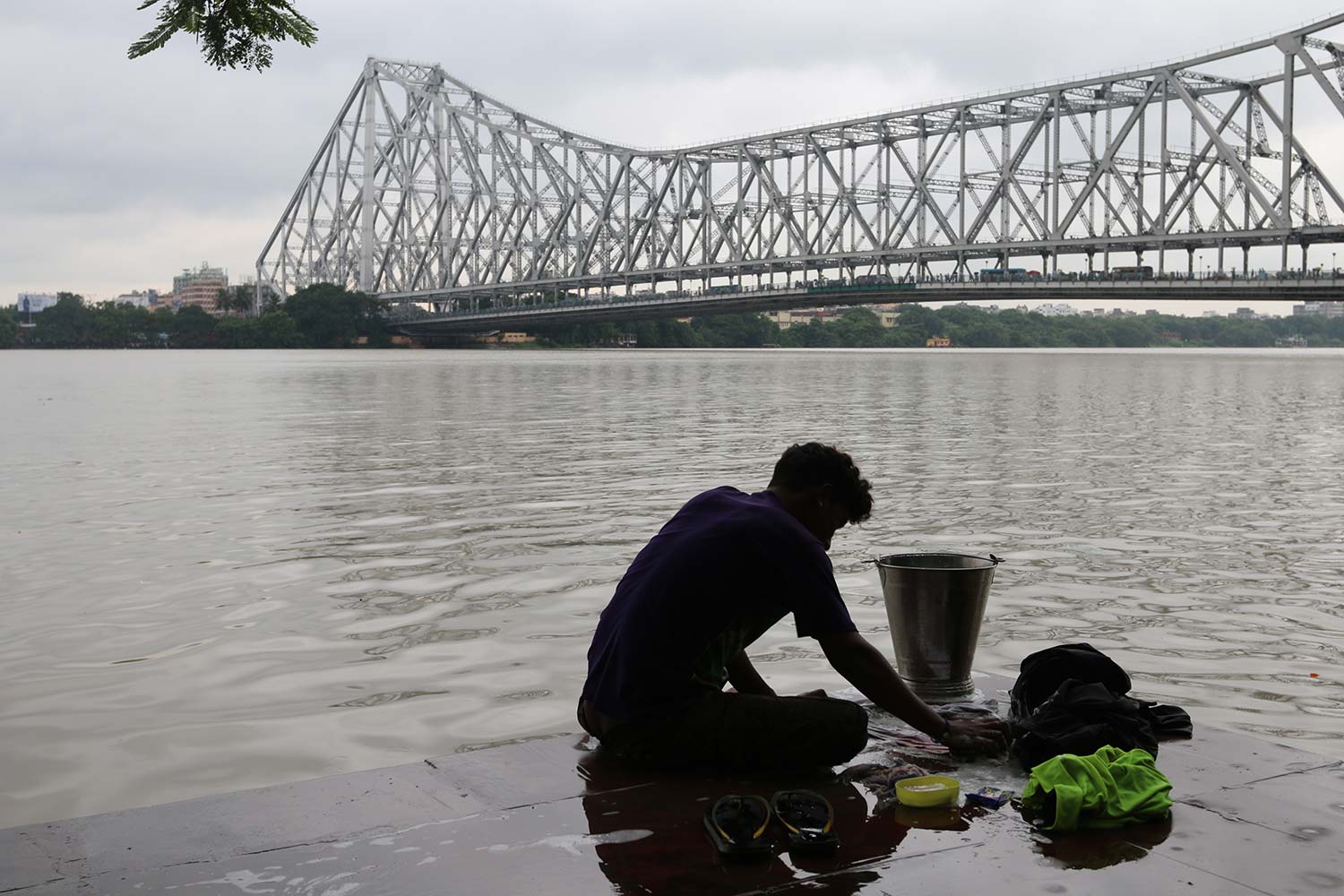
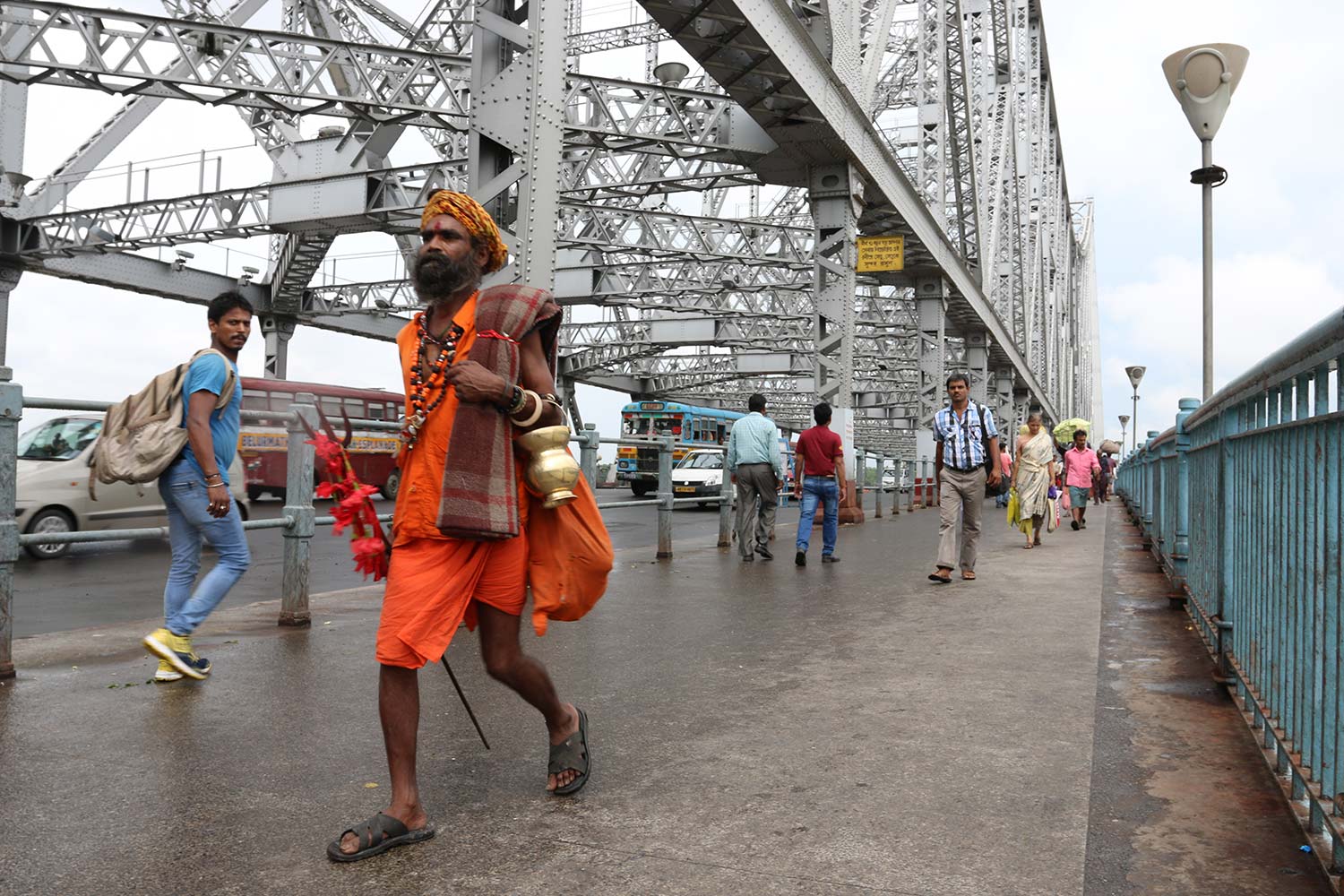
Plunge headlong into the city’s extraordinary history at Howrah Bridge, the third-longest cantilever bridge in the world, which stretches like an iron finger across the Hooghly River. With more than 100,000 vehicles and over 150,000 pedestrians crossing it daily, the structure, also known as Rabindra Setu, is both impressive and iconic. On the Hooghly’s eastern bank just below the bridge, a vast, sprawling flower market, almost a city, offers extraordinary photo opportunities.
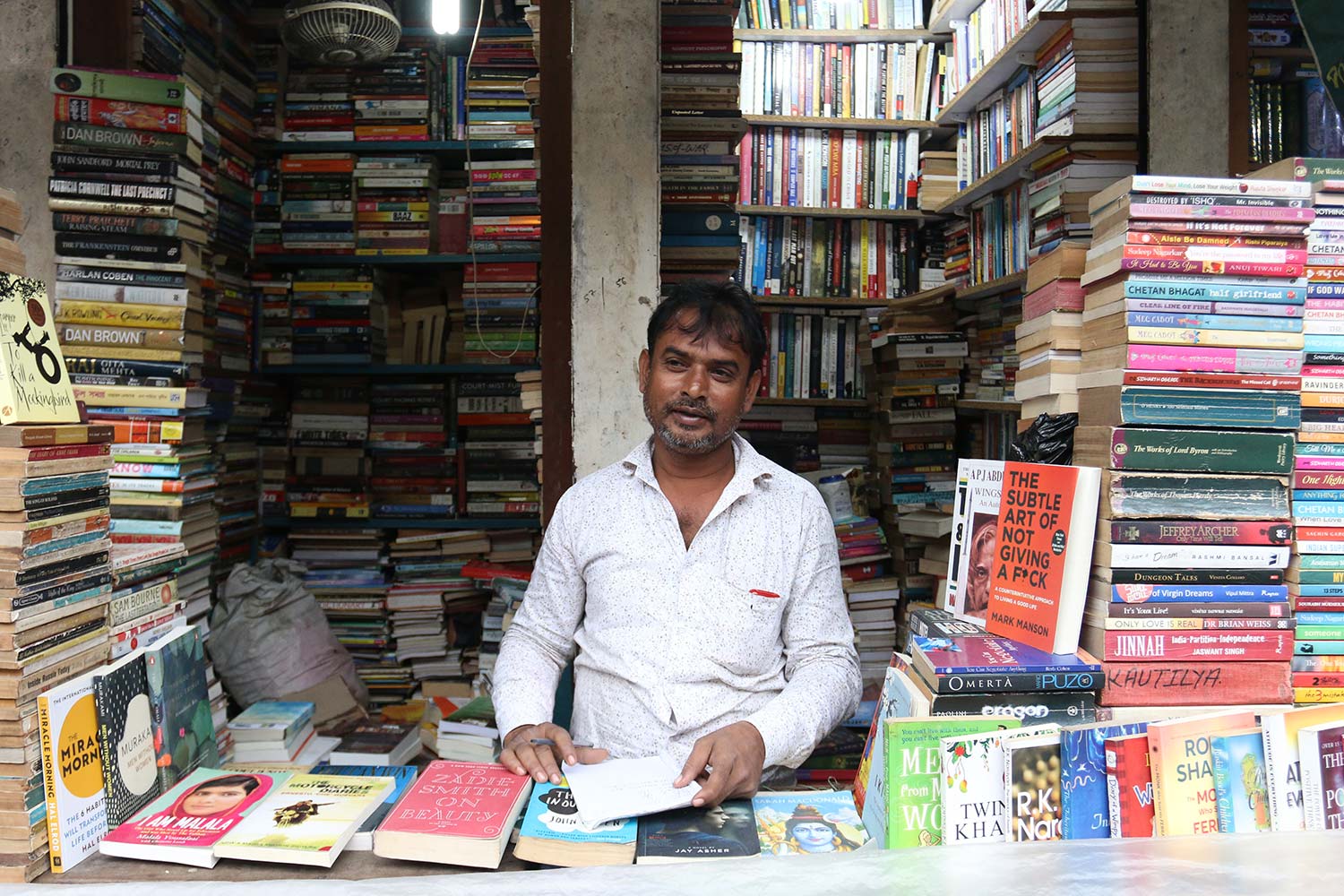
A short distance northwest of the bridge, College Street is home to some of the city’s finest educational institutions. The streets are lined with countless tiny wooden stalls, their vendors huddled among stacks of course books alongside old and genuinely interesting volumes. The Indian Coffee House offers respite from the crowds and was once a gathering place for poets and free thinkers from across the city and beyond, including Satyajit Ray, Rabindranath Tagore, and American Beat writers Allen Ginsberg and William Burroughs.
Farther south, BBD Bagh, formerly Dalhousie Square and renamed in memory of Indian freedom fighters, is ringed by impressive buildings dating from the 18th and 19th centuries, including the massive dome of the General Post Office and the Writers’ Building. Once India’s bureaucratic center, the latter now houses state government offices. “BBD Bagh was once the center of power in the eastern hemisphere, the very heart of the second city of the British Empire,” says Iftekhar Ahsan, a Kolkatan friend who is accompanying me on this odyssey around his city.
West Kolkata
Chowringhee is the city’s swankiest promenade, lined with colonial-era buildings including the Indian Museum, Chowringhee Mansions, and the Asiatic Society, as well as markets, shops, cinemas, and restaurants.
“Kolkata is a very democratic city. When the Park Street Metro Station opened, the area transformed from what sailors once called a city of palaces into a place everyone could visit. The city’s fanciest apartment buildings are found here, but the road is open to all for the price of a metro ticket. That’s what makes Chowringhee so vibrant today,” says Iftekhar.
More than 100,000 exhibits await visitors at the Indian Museum, India’s oldest and largest. While the fossils and skeletons may be of limited interest to some, the collections of Mughal paintings, antique arms, sculptures, ornaments, and Egyptian artifacts, including a mummy, are well worth exploring.
For sheer colonial-era exuberance, the Oberoi Grand stands as one of the city’s most impressive historic buildings. Opened as the Grand Hotel in the 1880s, the restored landmark retains the air of an urban palace, with grand public spaces and an atmosphere of old-world formality.
South Kolkata
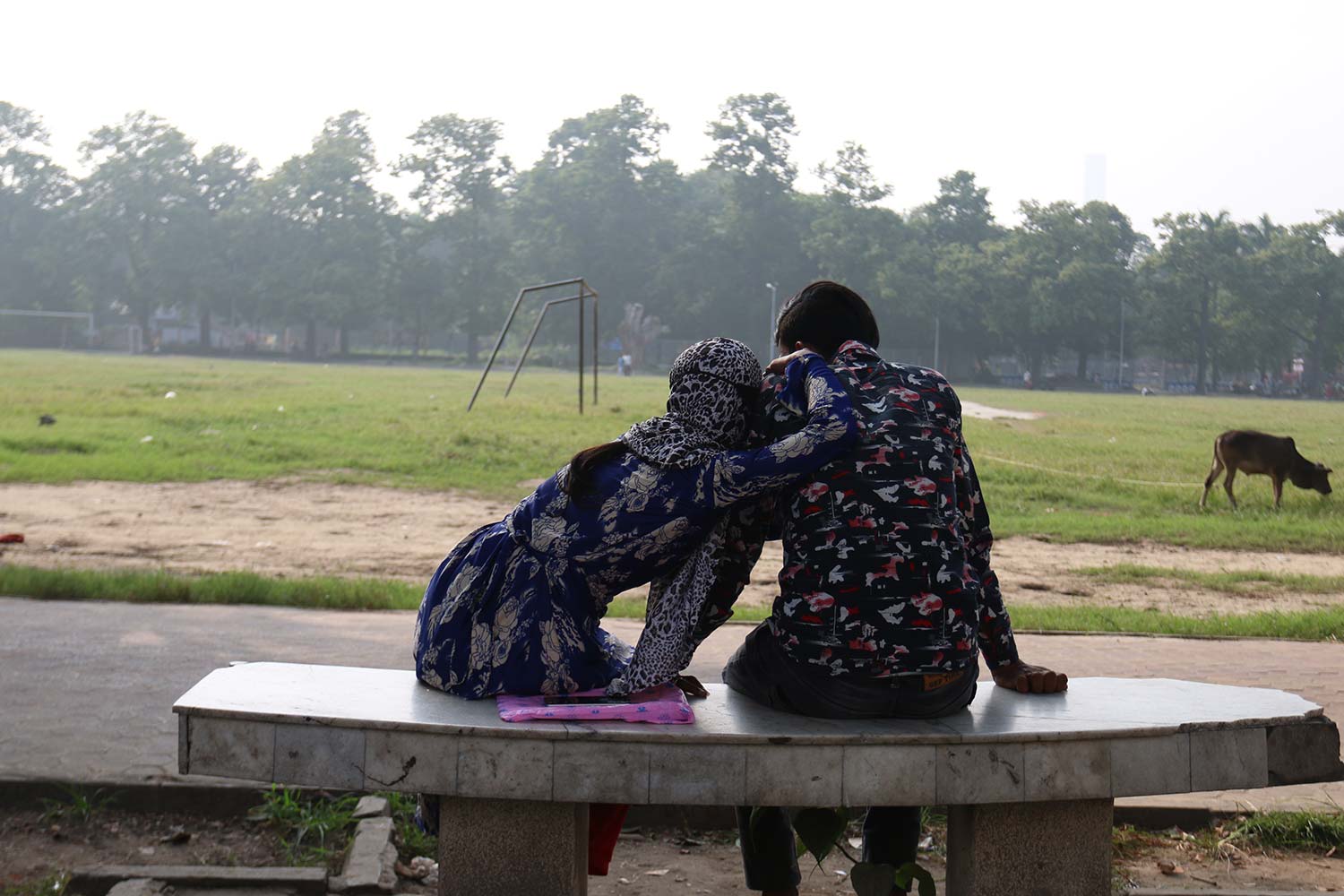
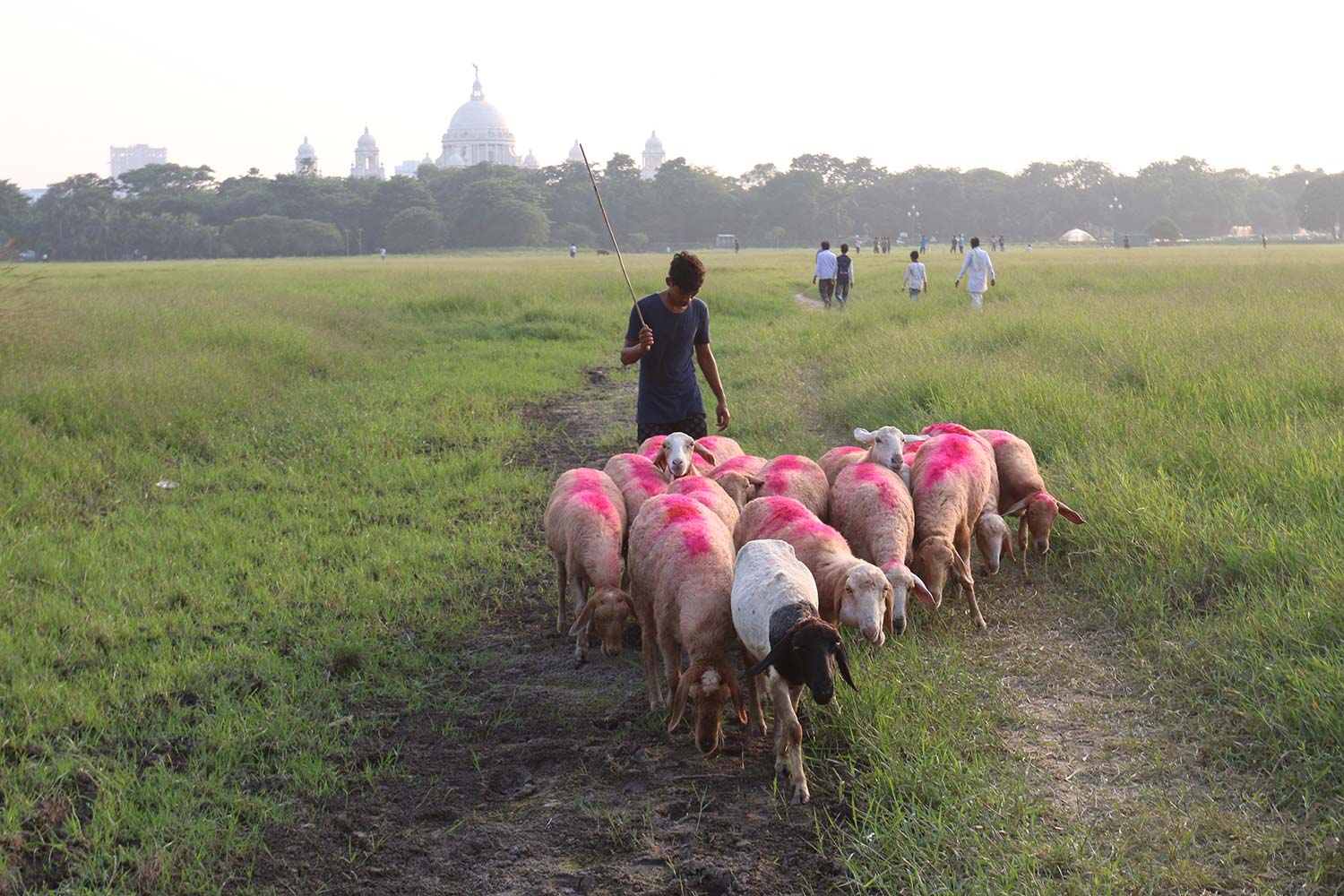
The Maidan, Kolkata’s vast green lung, encompasses a racecourse, social and sports clubs, cricket grounds, football stadiums, and the Victoria Memorial. Completed in 1921, this grand marble monument to imperial ambition now serves as a museum displaying Raj-era paintings and a permanent exhibition on the history of Kolkata.
“The city’s young people like to come here to fly kites, play football or cricket, or go horse riding. There’s even a ladies’ golf club. Kolkata was the funnel through which the colonizers exported their loot, and the city grew rich, orderly, and clean. As a result, the Victoria Memorial remains popular with locals, even if it symbolizes British occupation,” says Iftekhar.
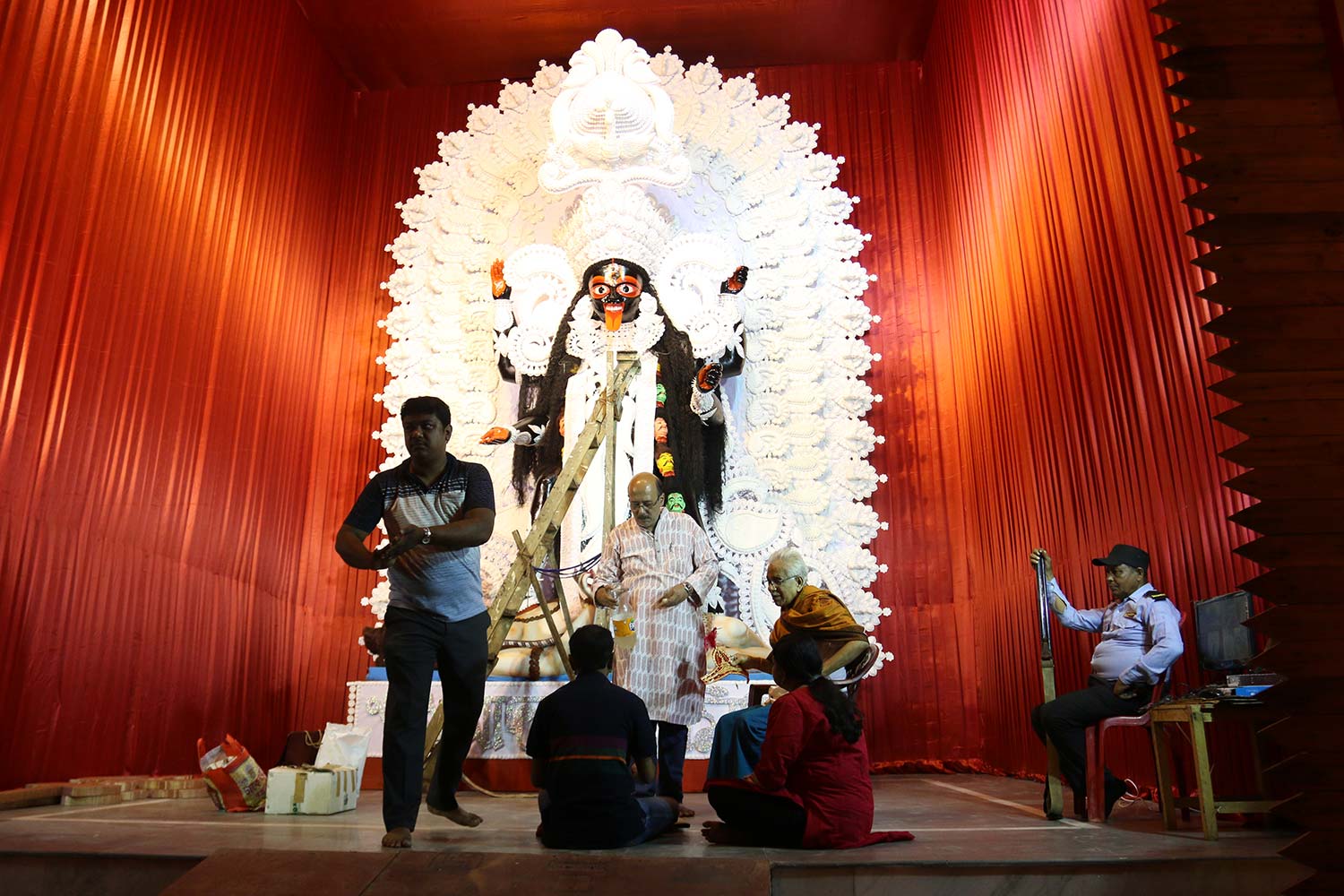
The Kalighat Kali Temple, the city’s oldest Hindu pilgrimage site, is around 200 years old in its present form, though its origins date back at least to the 15th century. The goddess in the temple’s inner sanctum appears ferocious, and the gold on her long, flickering tongue is replaced daily. The temple priests have their fundraising strategies finely honed.
Nearby, the Home of the Pure Heart, formerly Mother Teresa’s Kalighat Home for the Dying Destitute, is one of the city’s most somber and emotionally challenging sites.
Author’s note
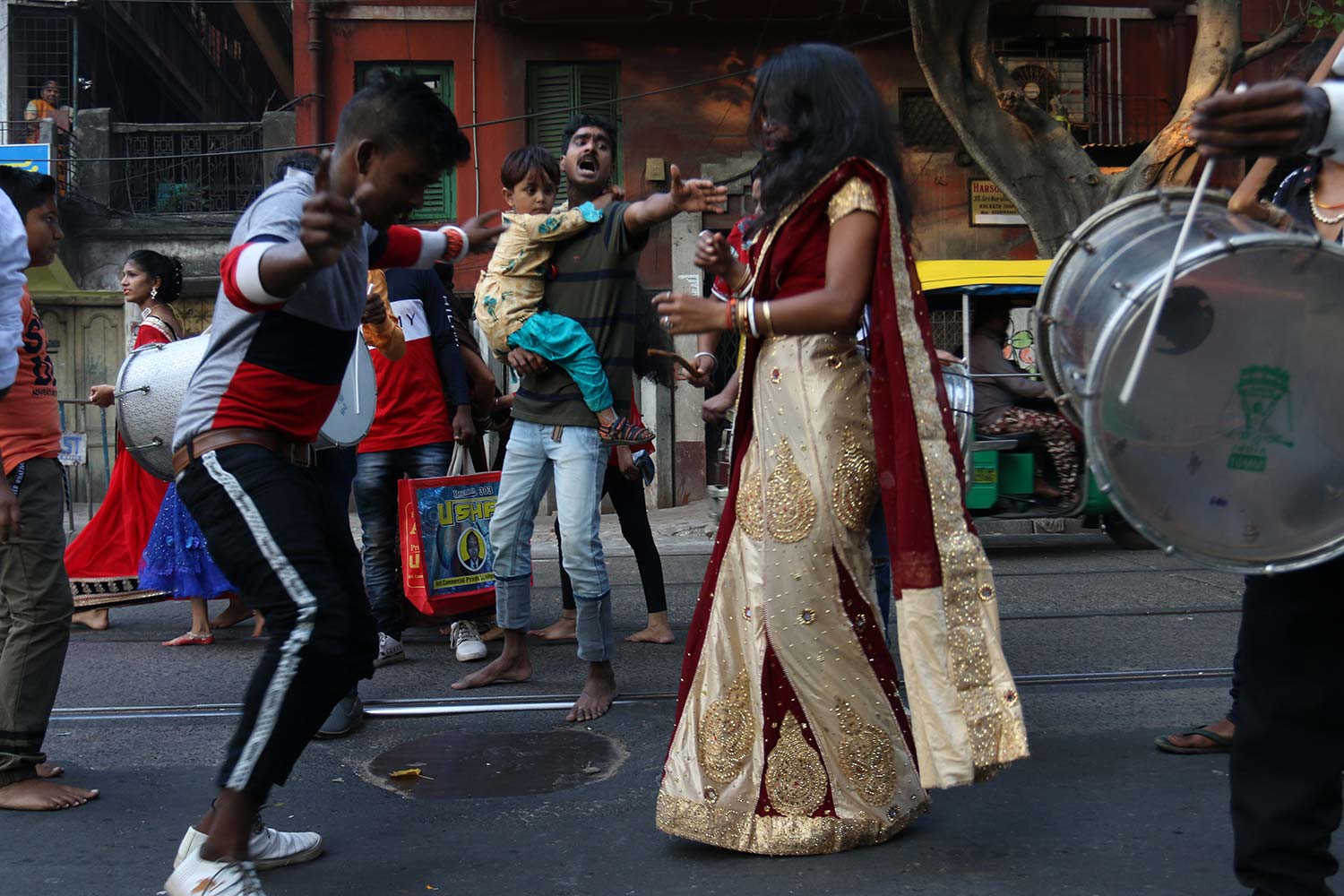
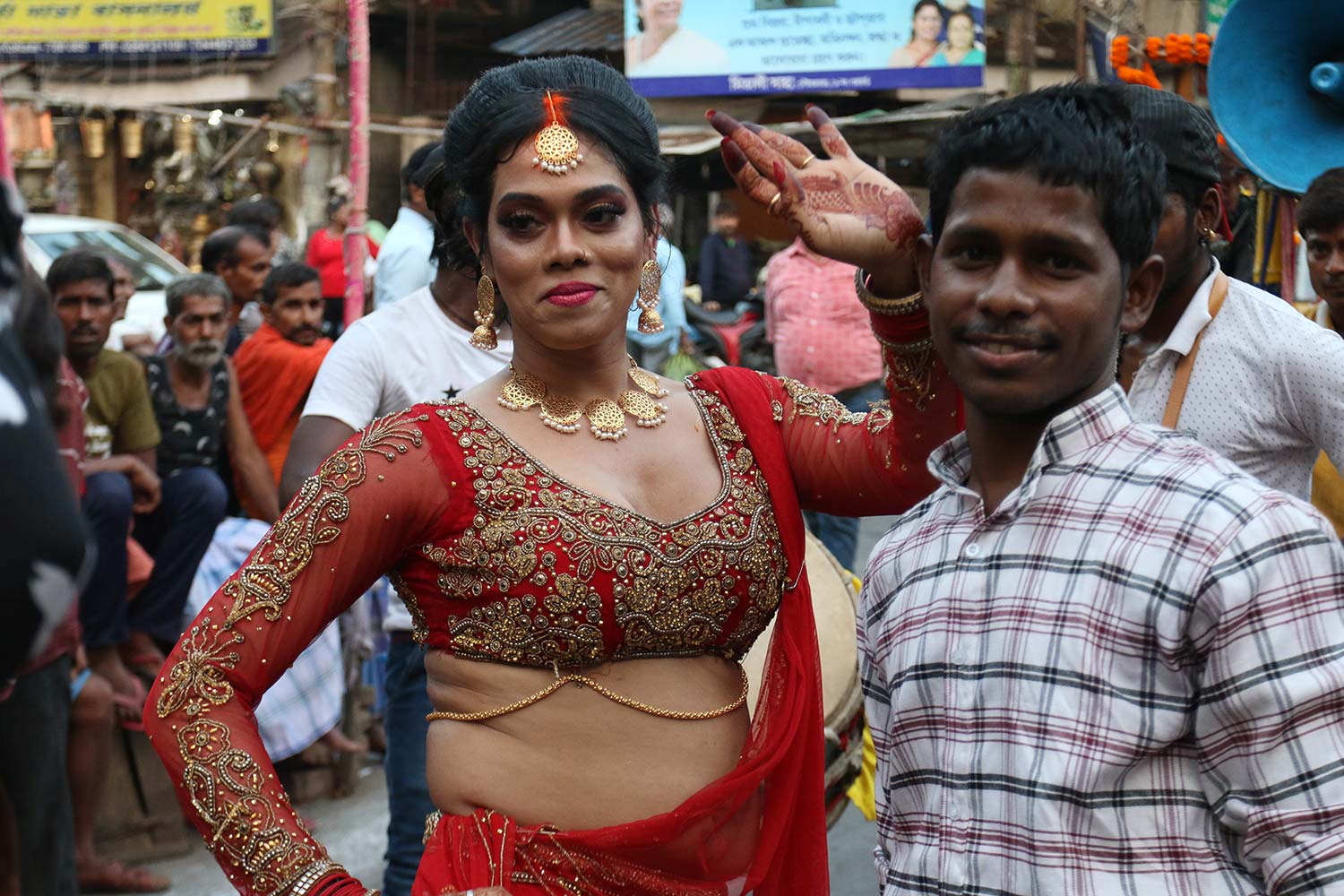
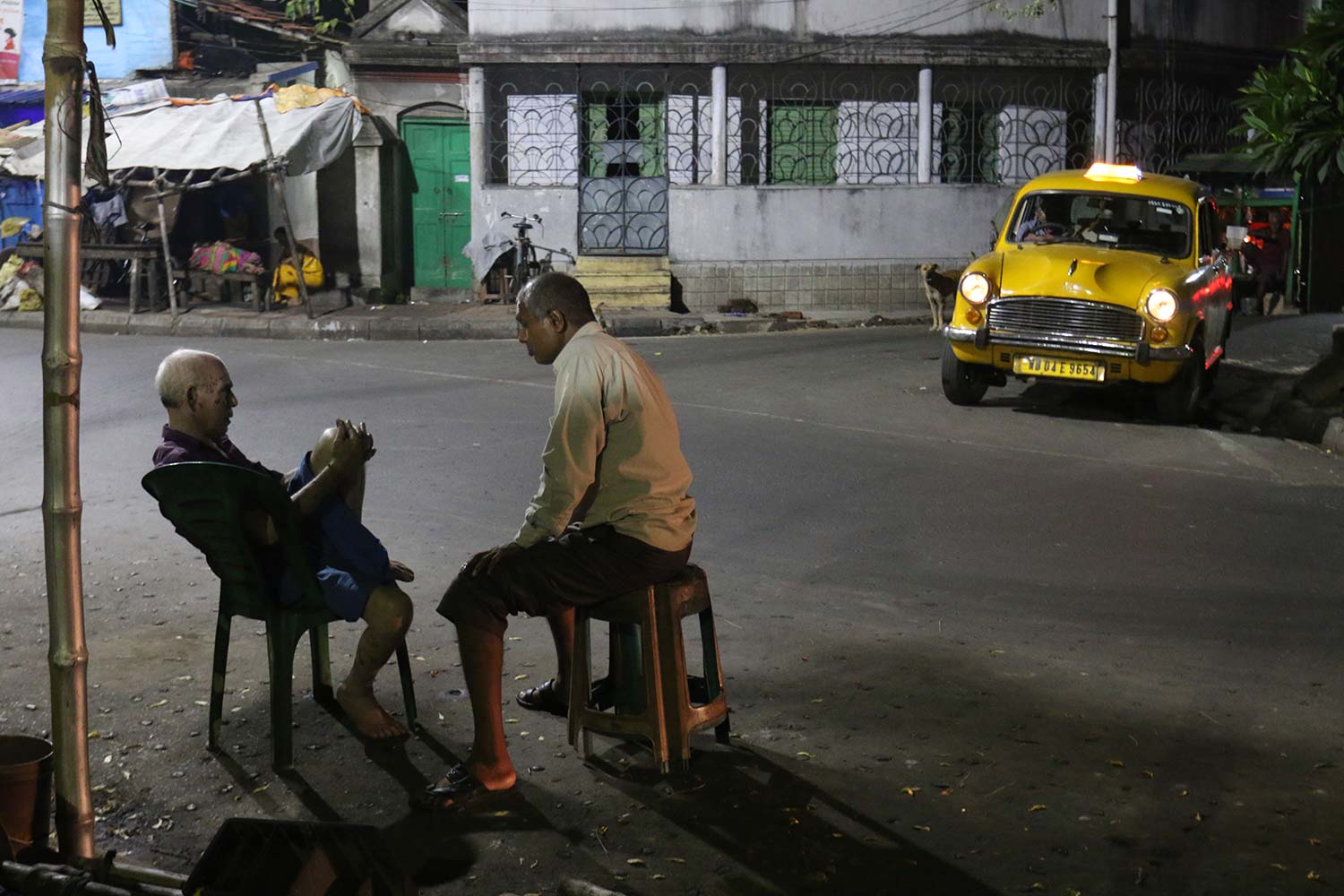
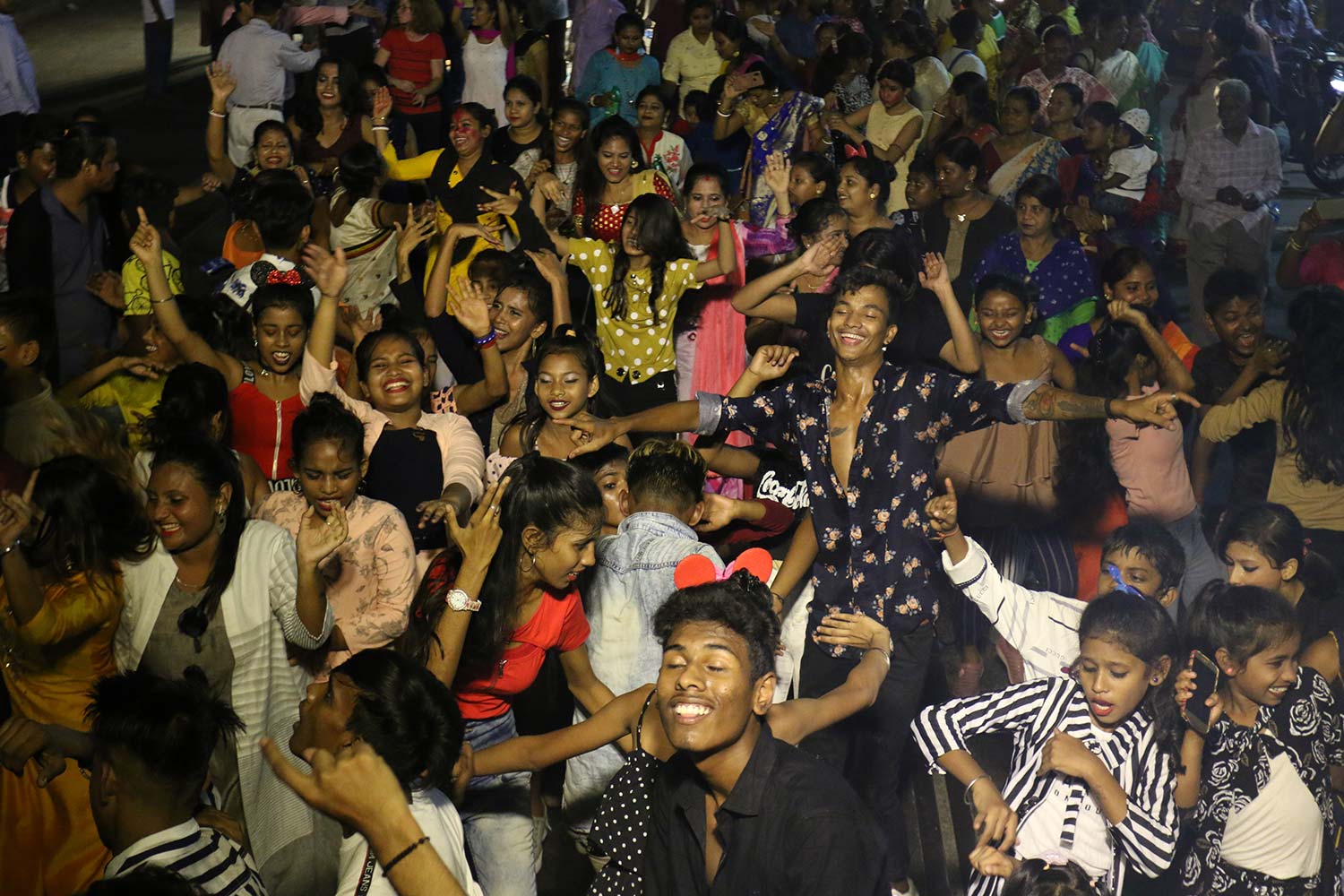
The first time I visited Kolkata, then still called Calcutta, was in the mid-1990s. I was struck by its musty, decaying grandeur and its friendly people, but it was not until 2019, when I returned as a participant in the Indo-European Art Residency to write an homage to Feluda, Satyajit Ray’s fictional Bengali detective, that I truly fell in love with the city and its extraordinary history. The resulting book, Kolkata Noir, is my love letter to the city’s criminal underbelly.