

“In 2008, one of my images of the Dalai Lama was auctioned at a charity event at the Sheraton Grande in Bangkok. The owners liked my work and offered me a job photographing the hotel pool. I spent 48 hours shooting that pool to get the best possible images. They turned out well, and the hotel loved them.”
That was how German photographer Ralf Tooten, best known for Eyes of Wisdom, a series of portraits of the world’s spiritual leaders, began photographing luxury hotels. Since 2008, Tooten and his team have shot countless high-end properties across Asia and Oceania.
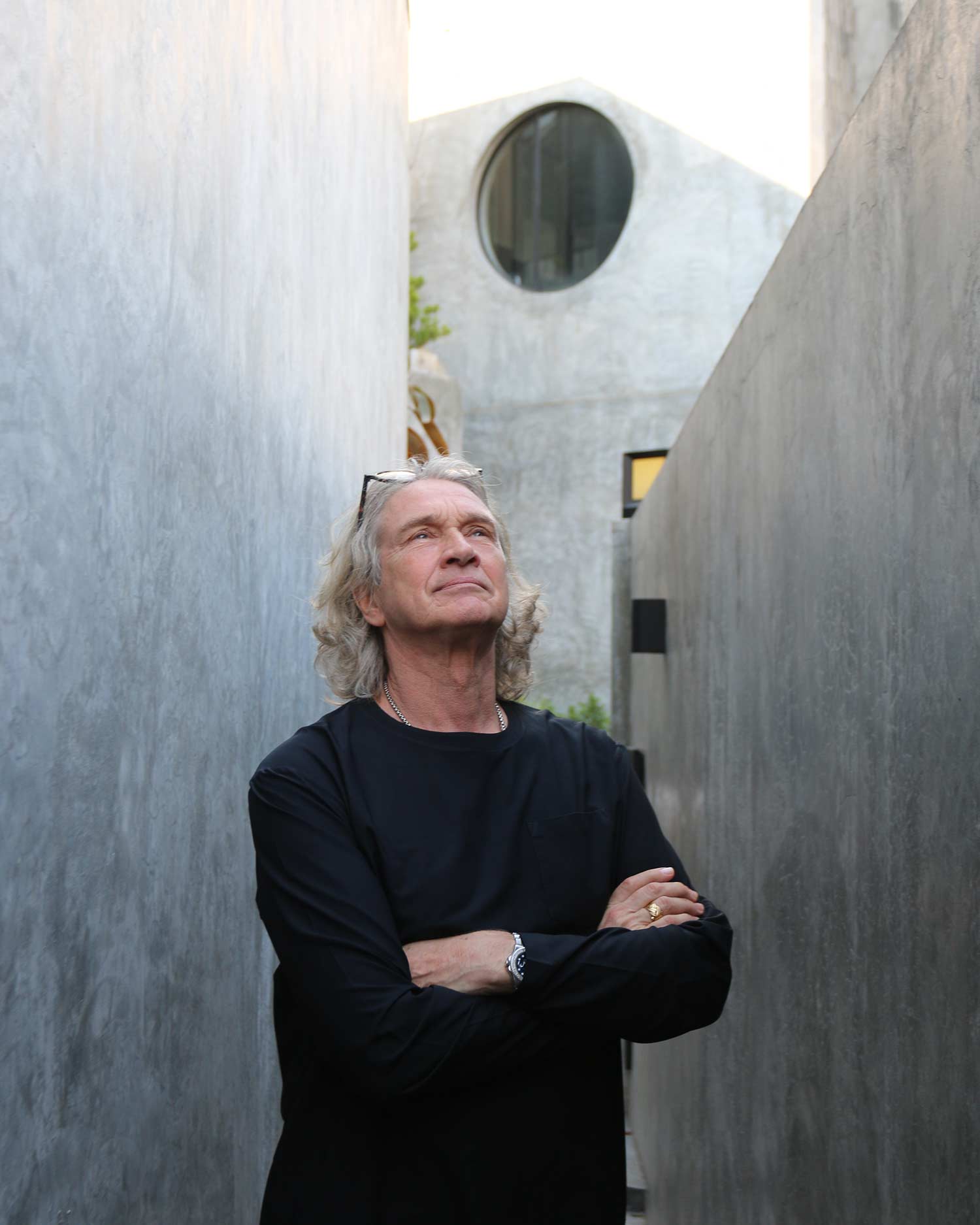
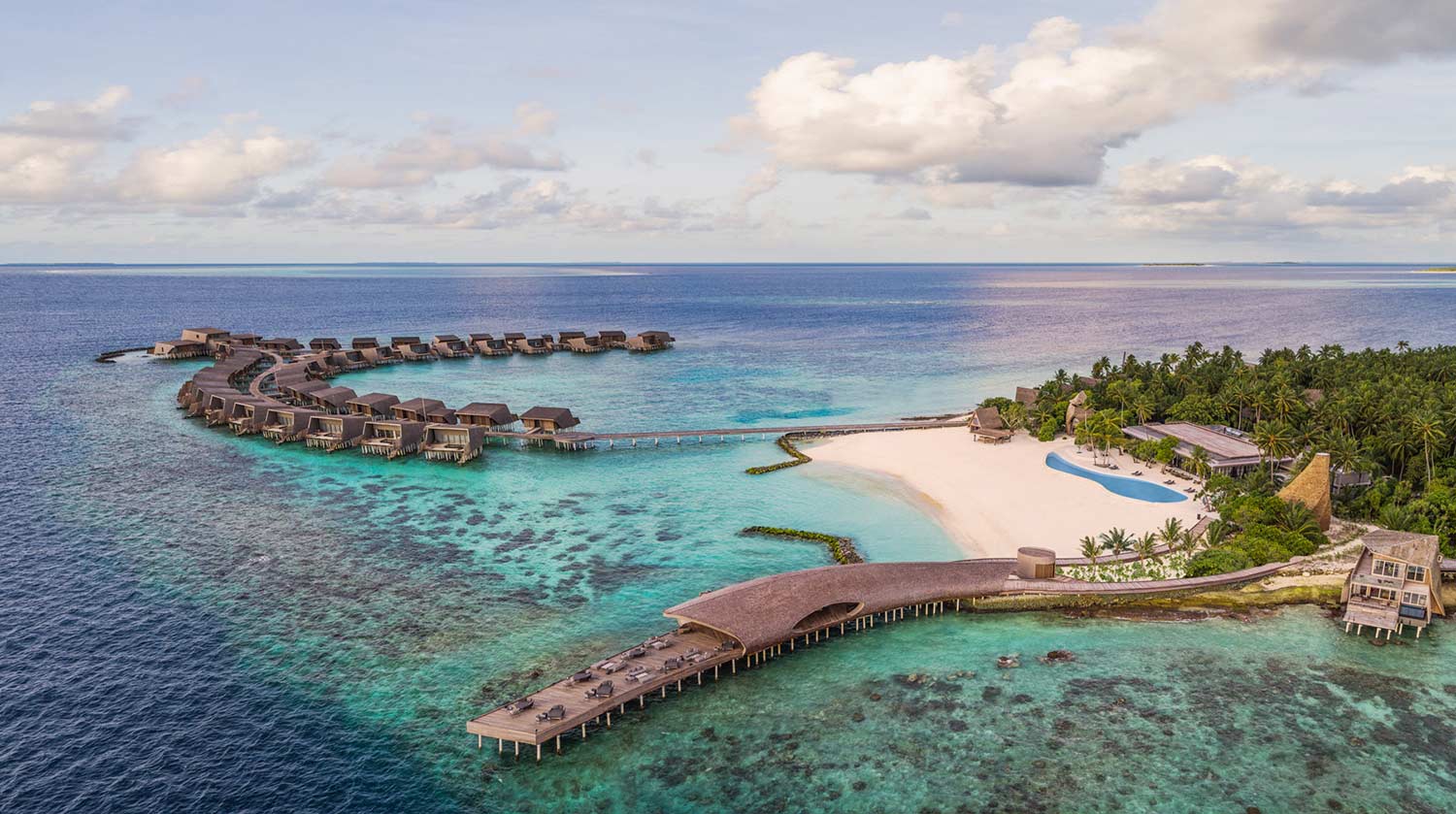
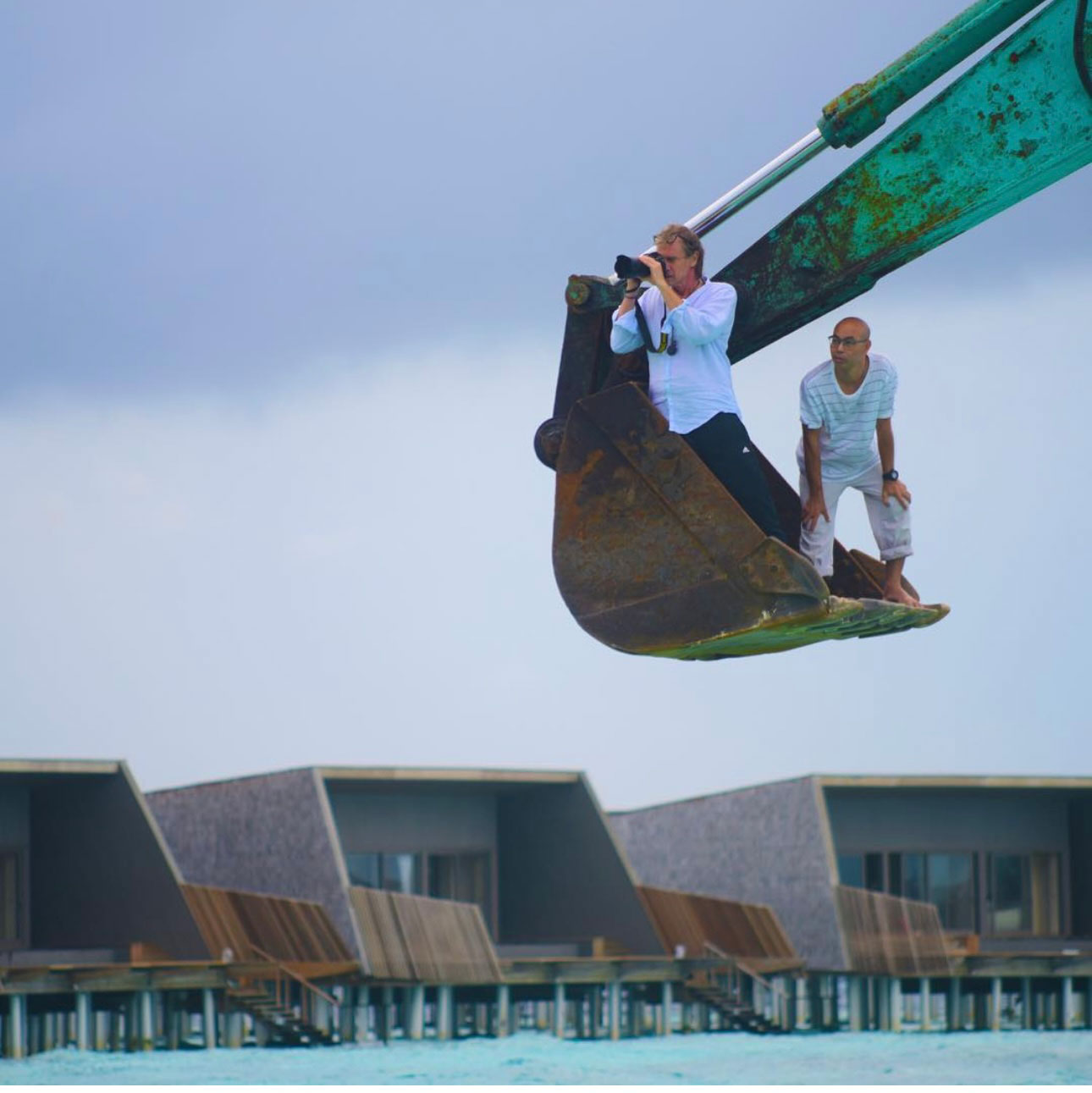
Speaking at Tooten headquarters, his distinctly German-looking home in Bangkok, the 67-year-old is preparing to leave for the Maldives. “I’m waiting for my visa. They know me at immigration in Malé because I fly there so often. I must have been there around 50 times to photograph hotels, though never on holiday.”
Tooten first gained international attention through his behind-the-scenes photography on Volker Schlöndorff’s The Tin Drum (1979). His 2001 book Eyes of Wisdom earned him the Hasselblad Master Award in 2003. In 2004, the project was exhibited at the National Gallery in Bangkok, marking the beginning of his long artistic relationship with Thailand.
“After having worked on Eyes of Wisdom for five years, I was burnt out and visited a friend in Thailand. In Bangkok, I connected with the Goethe-Institut, which agreed to create a touring exhibition of my work. It was then shown in Hanoi, Penang, and other locations in Asia. The best and biggest exhibition was at the National Gallery in Thailand in 2004, which got a lot of great feedback. So, I decided to stay and started Tooten Photography in Bangkok.”
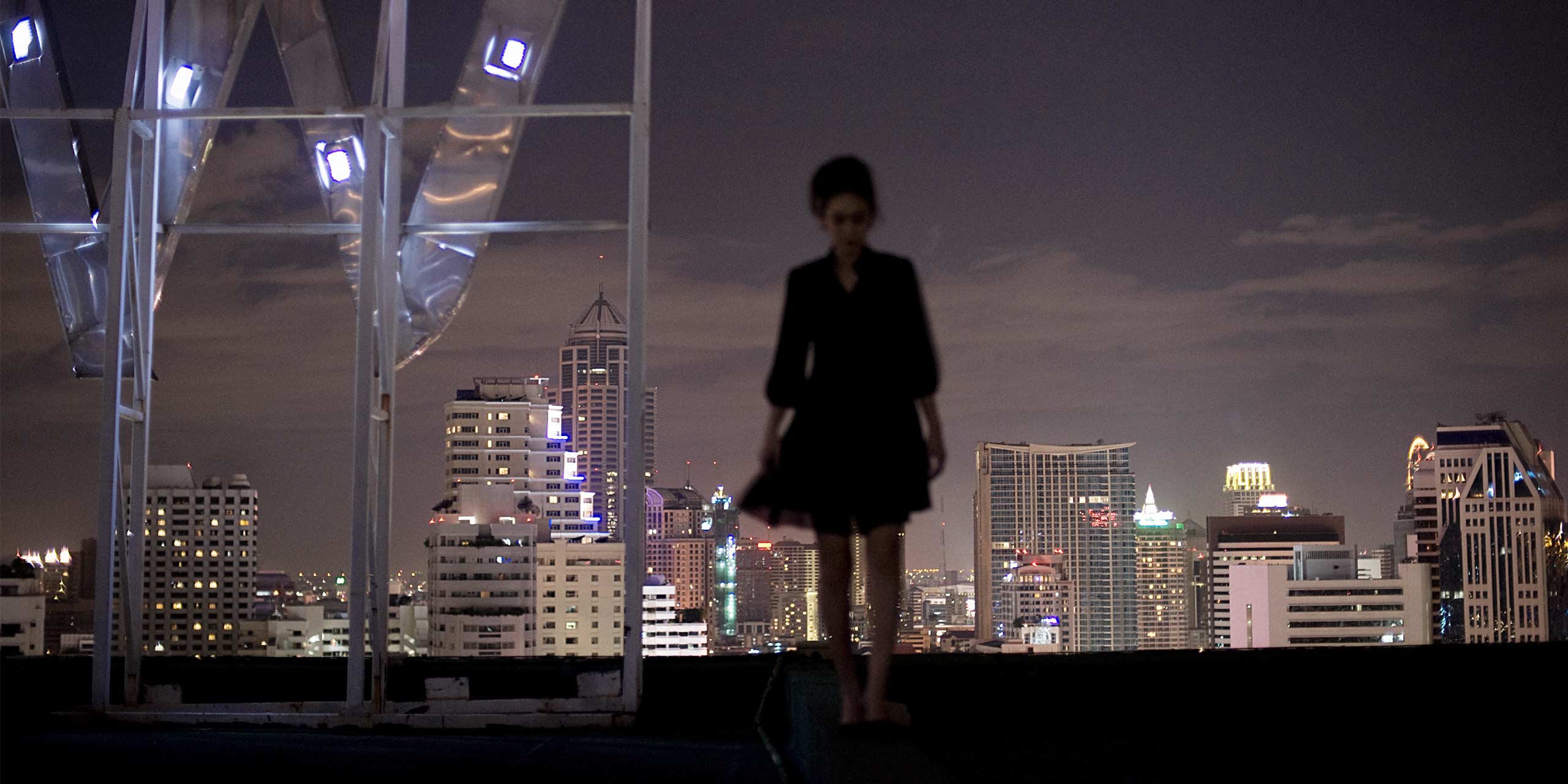
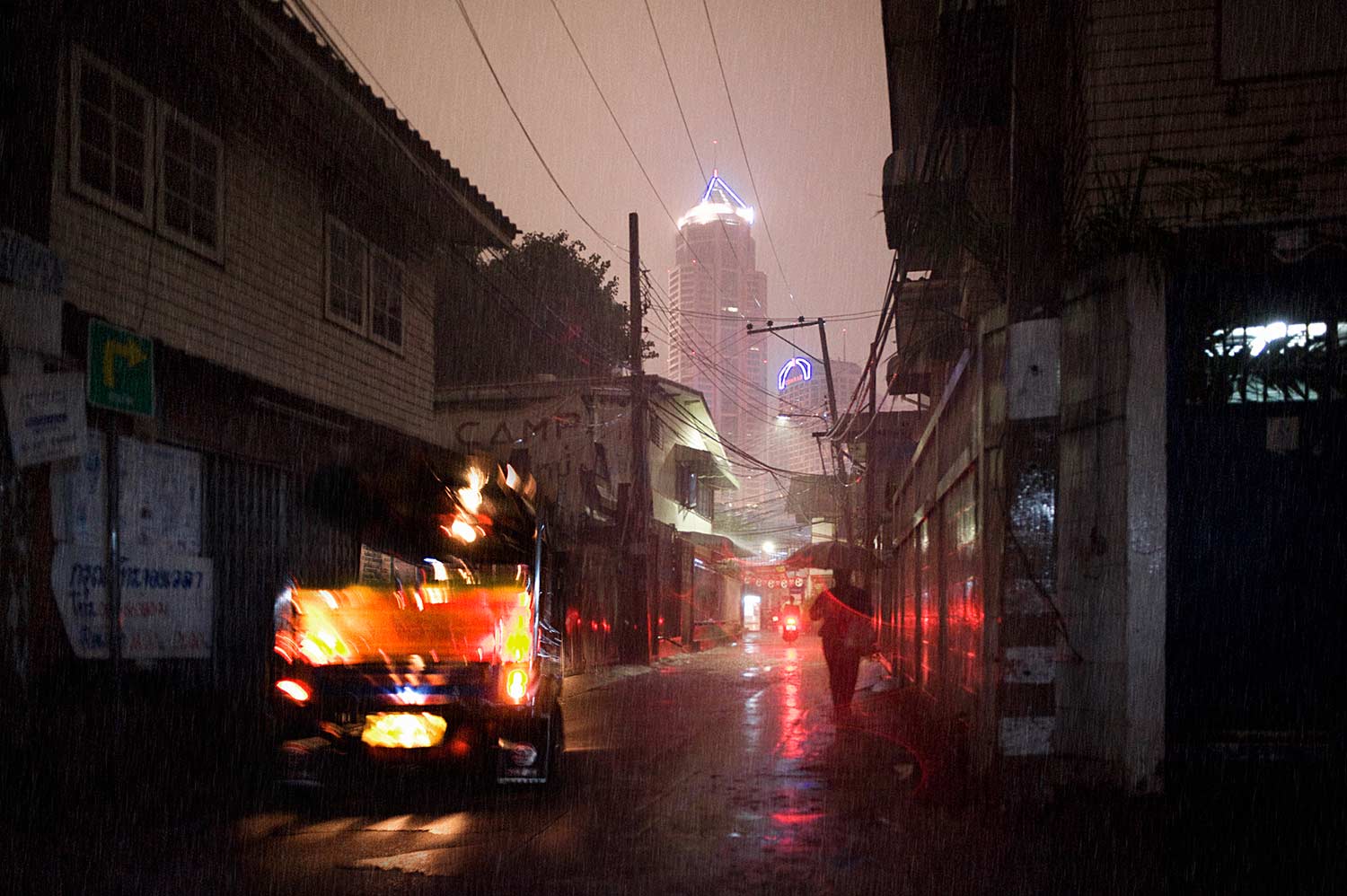
He soon began photographing Bangkok at night, a project that developed into Bangkok Noir, a book published in 2009 with his friend, the late German writer Roger Willemsen.
“In those early years, I ran out of money. I even had to pawn my Hasselblads. But I loved Bangkok, and Roger had lived here as a student and loved both the city and the idea of a book about it.”
After securing a substantial advance, which Tooten invested in production, the two spent two years immersed in the city’s nightlife, producing a raw, cinematic portrait of Bangkok after dark. The book later became a multimedia exhibition at the National Gallery in Bangkok.
Commercial work had always been part of Tooten’s practice. In the 1970s, he apprenticed with architecture photographer Clemens Hartzenbusch and portrait photographer Hildegard Lotz.
“It’s not such a big step from architecture to hotels,” he says. “Roger always said he saw architecture in my portraits.”
Following Bangkok Noir, his large-scale portrait installation R.C.A. (Ratchaburi Construction Workers Open Air) brought monumental images of Thai laborers into public spaces and was later featured prominently in the first Bangkok Art Biennale in 2018-19. Shown across multiple city locations, the work positioned construction workers, often unseen, as central figures in Thailand’s visual narrative.
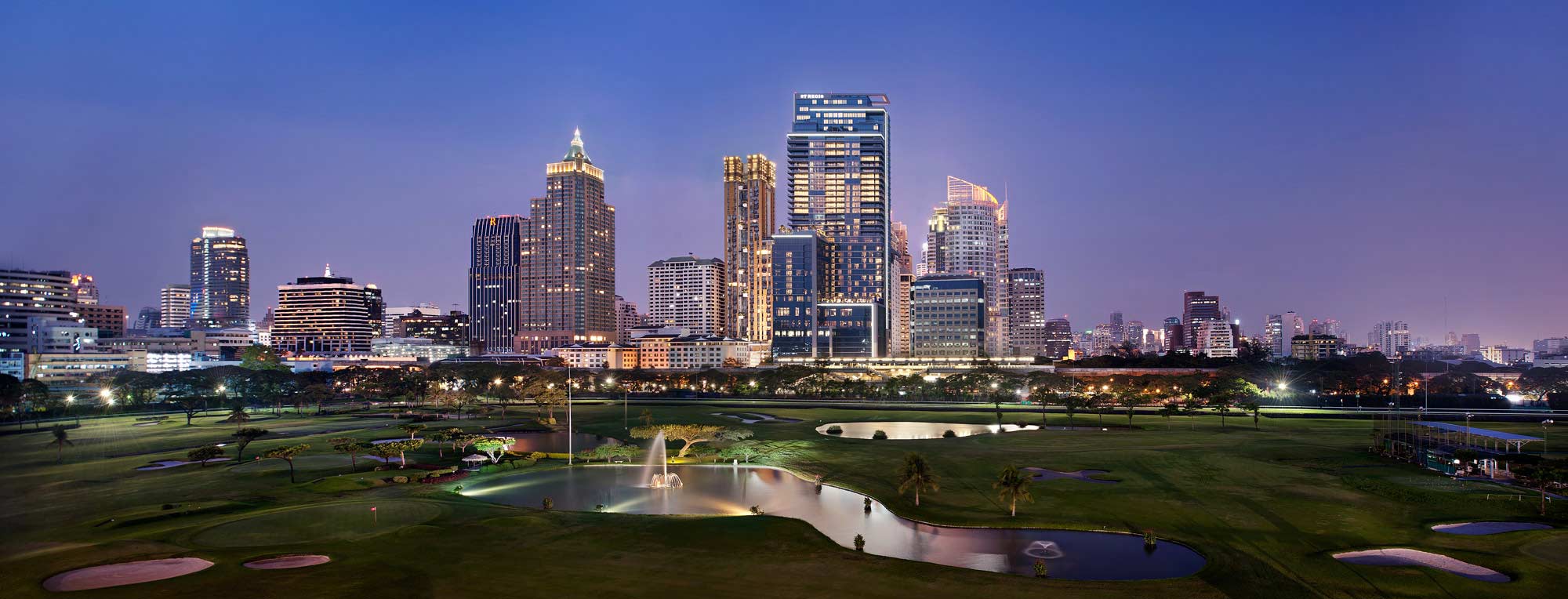
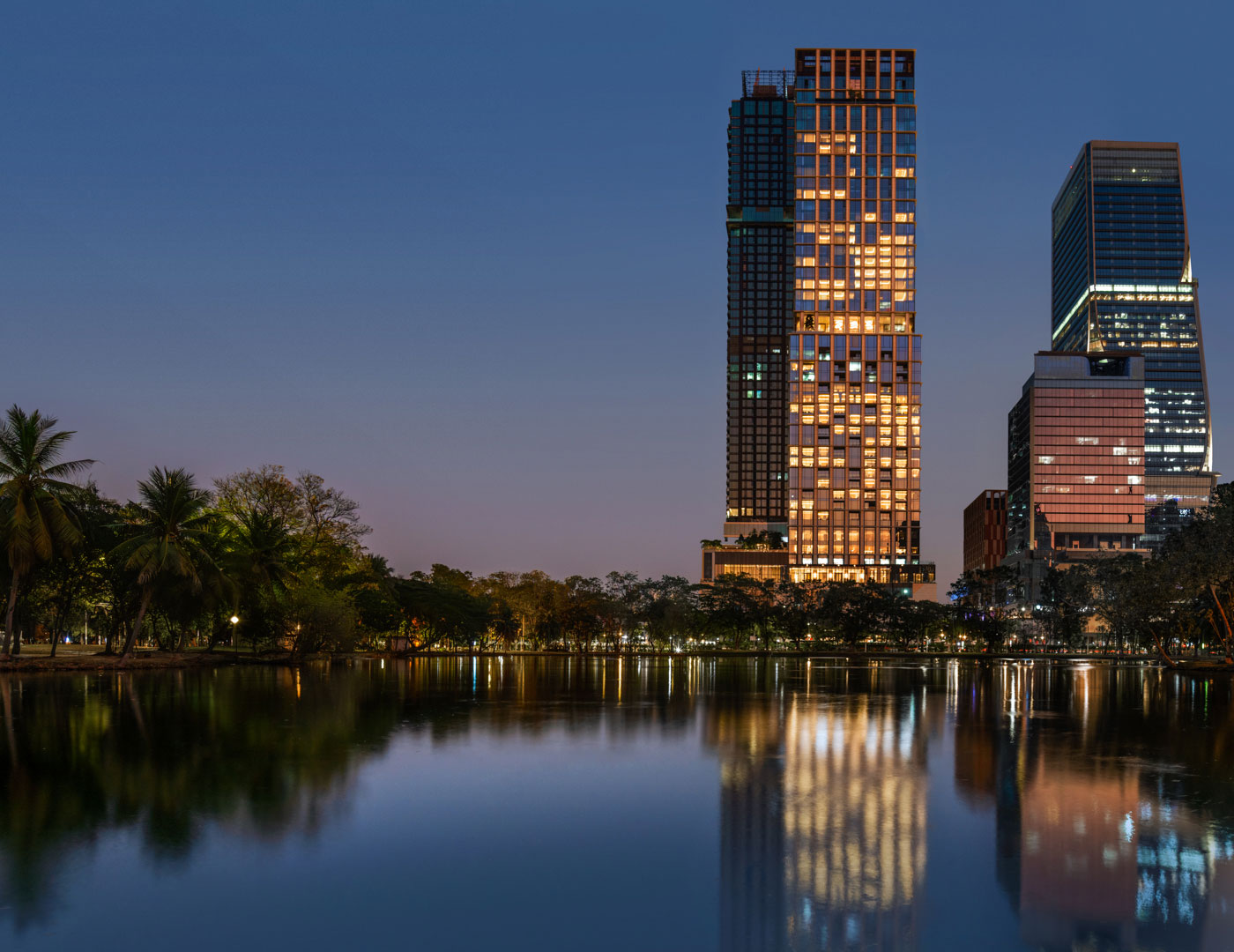
As Bangkok Noir became a bestseller, the Le Méridien hotel brand developed a new visual style and opened its flagship hotel on Surawong Road in Bangkok. It was looking for photographers who could approach hotel imagery with an artistic eye.
“I shot three Le Méridiens back then. My creative approach worked well, and I was able to do crazy things like shooting into mirrors or focusing on water beads in shower rooms. The Starwood hotel brand, which owned Le Méridien, liked what I was doing and asked me to work in all their hotels.”
Tooten began shooting St. Regis, Westin, and W properties, and soon travelled to Osaka, Lhasa, and Singapore to capture luxury hospitality. In 2010, he started working in the Maldives.
“In 2018, Starwood became Marriott. I work with Le Méridien, St. Regis, and W to this day and have shot all the Ws in Asia. I also work with the Ritz-Carlton. Of course, I had to get a good team together to do styling, room prep, and retouching, and I now employ eight people.”
During his work on Bangkok Noir, Tooten met Nuthtanan, aka Tao, who owned several lighting design shops in Bangkok, and the two later married in 2018. When they first met, establishing a relationship was a challenge because the German photographer was always on the road.
“Tao told me, ‘I want to be with you, but you are never home. I will come with you and see what your assistants are doing.’ As she came from an interior design background, we were a good match professionally. And she switched from interior styling to hotel photography.”
For Tooten, this proved to be an essential step forward in the way he photographed hotels.
“She brought a new influence into my work. She was young, female, and Asian, and while she knew about interior design, I came from architecture. Those backgrounds really complemented each other when it came to working in hotels.”
Since then, Tao has embarked on her own hotel projects with her company, The Way Photography Ltd.
“I do the five-star hotels, she does the four-star hotels, but we still work together a lot as well. Often, I do the prep for the shoot, and she finishes the job, so half the time we still work together. We just did a shoot in the Maldives, then I went to Japan, and she went to India for other projects. Back in Germany, I was always wary about working with partners. But if you find a partner who understands what you do, it’s great. There is fun and work, and we make a good team.”
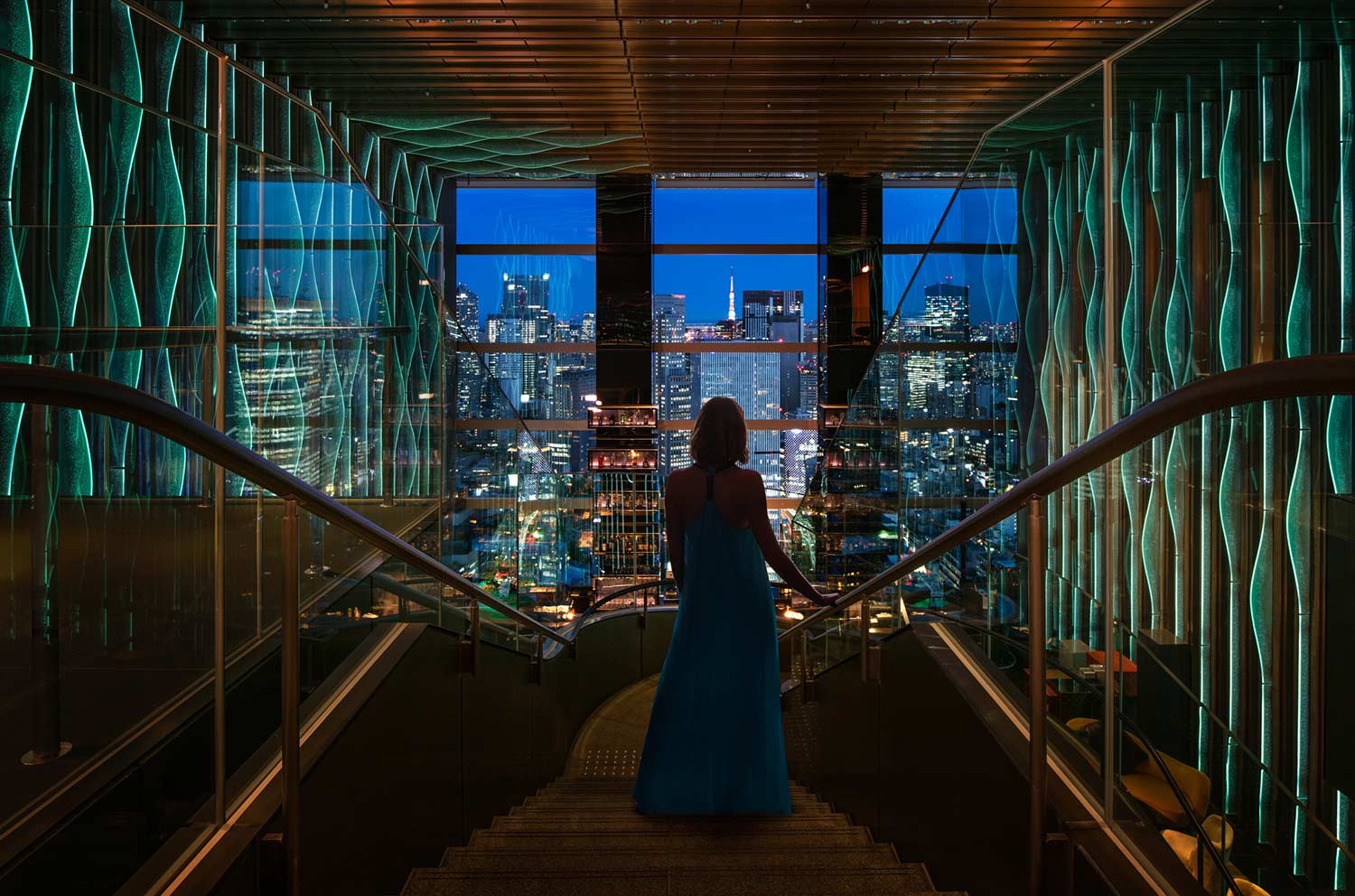
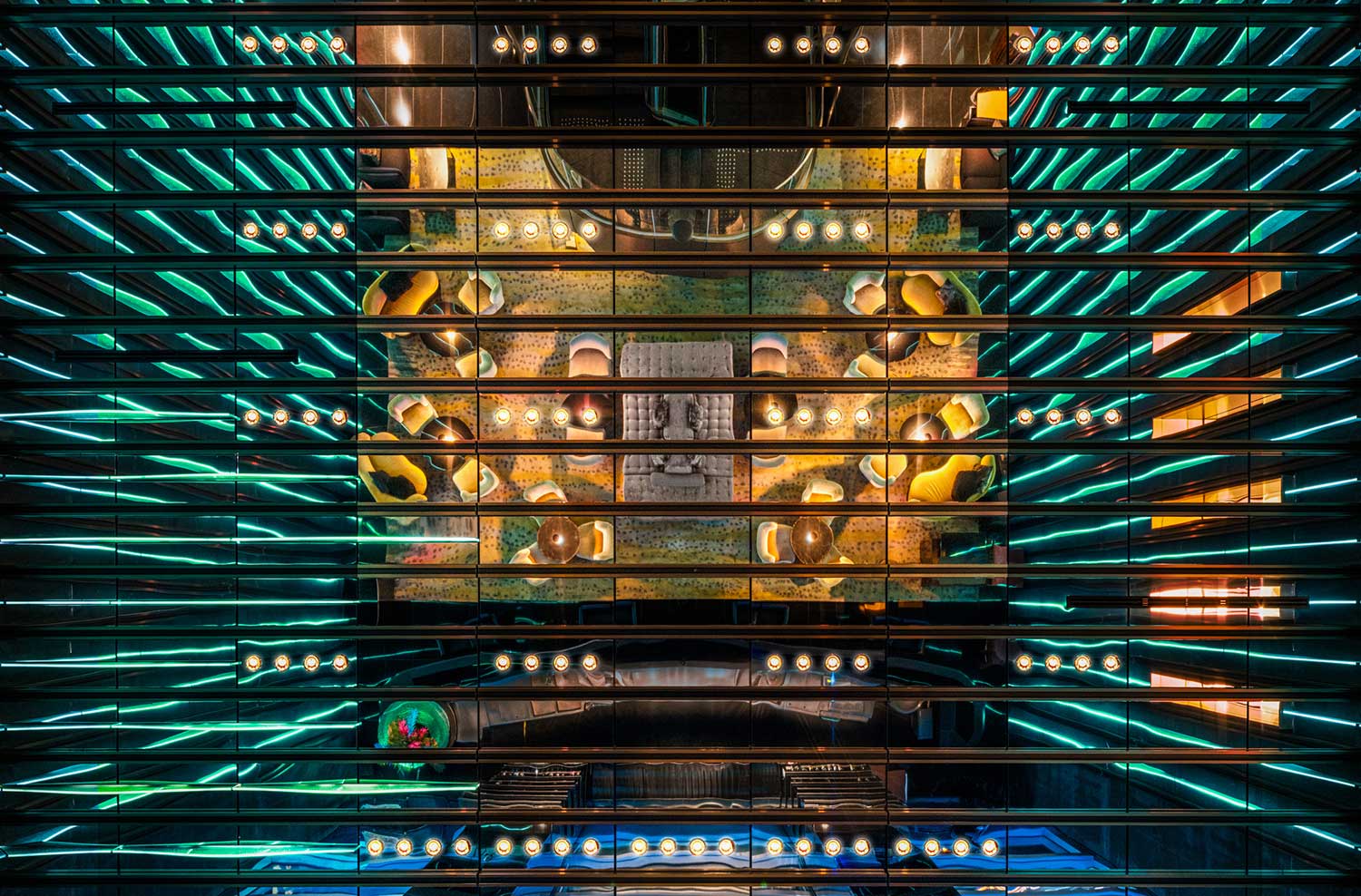
The photographer has some definite favorites.
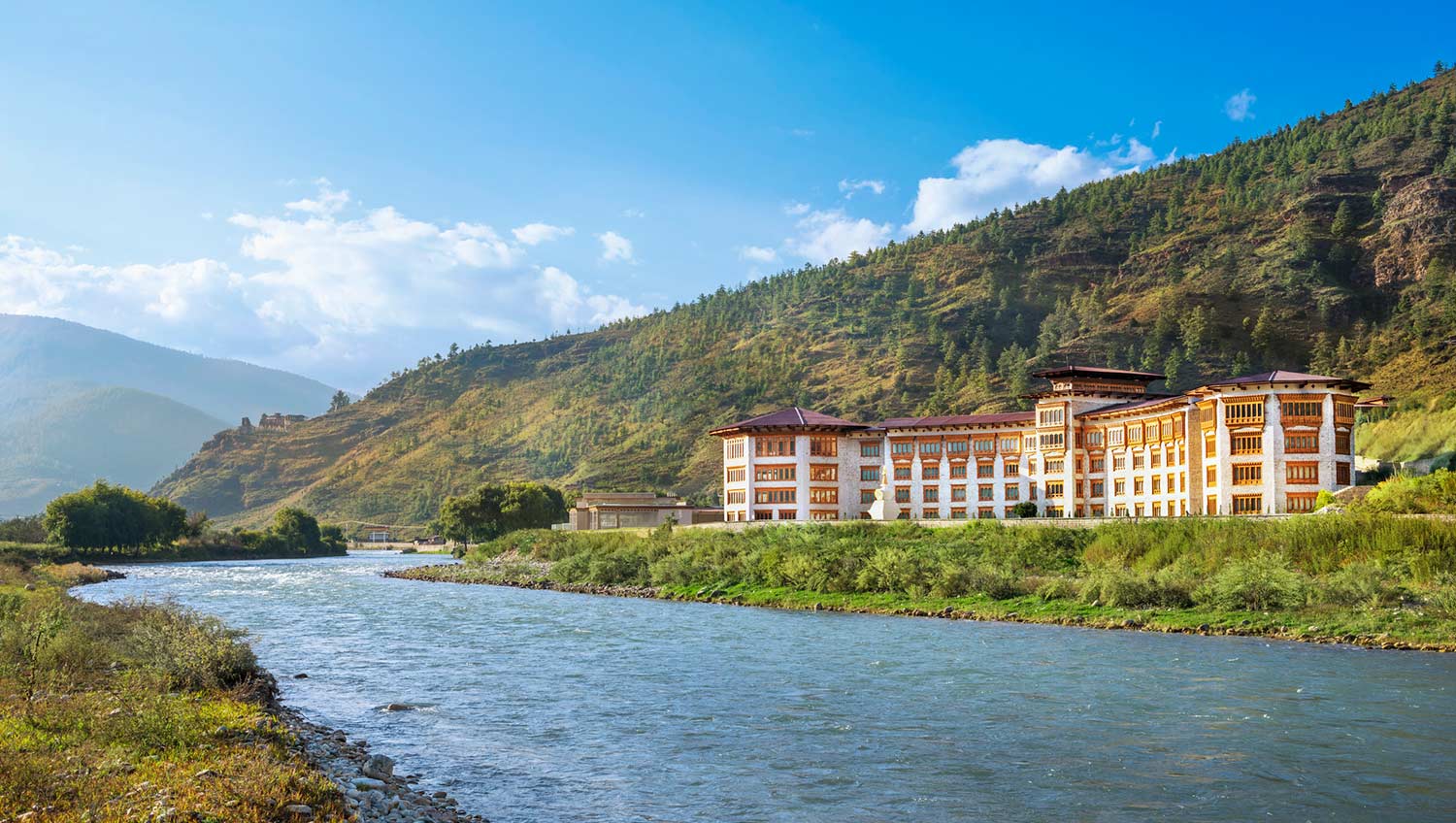
“For sheer atmosphere, Le Méridien in Paro in Bhutan is amazing. The service is incredible, and the way the property sits in the landscape is almost mystical.”
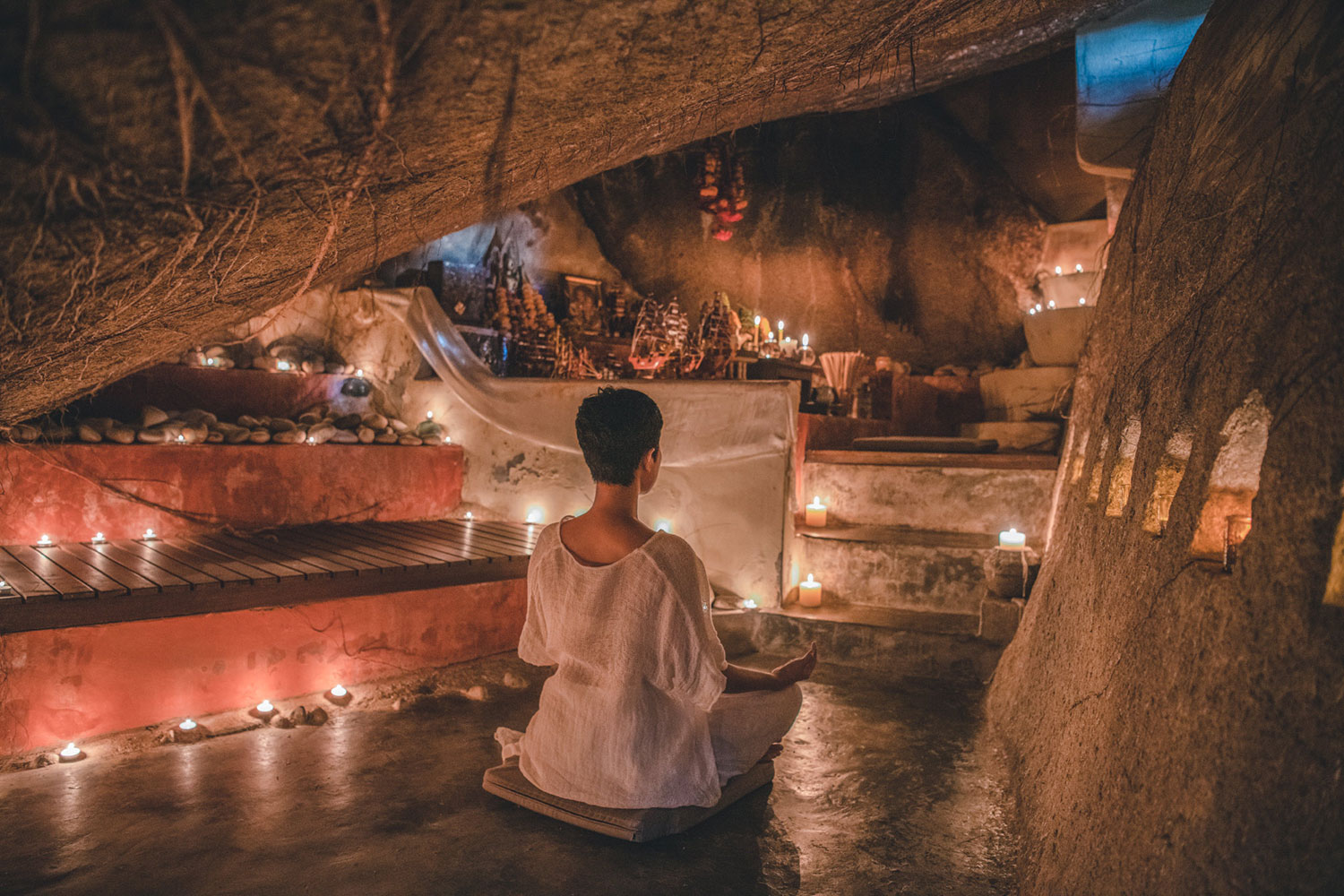
Other standouts Tooten has photographed include The Prince Gallery Tokyo Kioicho and Kamalaya on Koh Samui in Thailand.
“The Tokyo property has a great vibe and service, and the team there is great. Kamalaya also has a special vibe, and I like the fact that it is independent.”
Tooten still loves traveling, but he is trying to reduce his footprint, not least because he wants to spend more time in Bangkok.
“I want to work more on my own projects again. One of my ongoing themes is Ocean Noir. I visited a shrine in Bali, which suggested I should embark on this series of images. In Bali, the beach hotels put floodlights on the waves at night. It looks nice when people have dinner, and the management can see if anyone arrives by boat in the middle of the night. The floodlight illuminates the tips of the waves. After I finished my shoot, I stayed a week and just photographed waves every night. Then I started photographing water in Japan, the reflections of the moon, streetlights, and so on. So I found myself shooting hotels in the daytime and waves at night.”
Tooten exhibited Ocean Noir in Bangkok in 2018 and has since returned to his first major project in Thailand, Bangkok Noir.
“I still love Bangkok at night, even as the city has changed a great deal in the past 20 years. And I have changed too. I no longer smoke or drink Red Bull. Hanging out is not as much fun as it was when I was young. But when I drive around on my scooter at night, I still see many places that look the same as they did back then. I photograph the weird and the surreal, perhaps a wall and a toilet with the rest of the building already gutted, scenes like that. So, there is a new project emerging in relation to the work I did back then. Bangkok is my home, and that’s why I think it’s still interesting for me to work in the city.”