
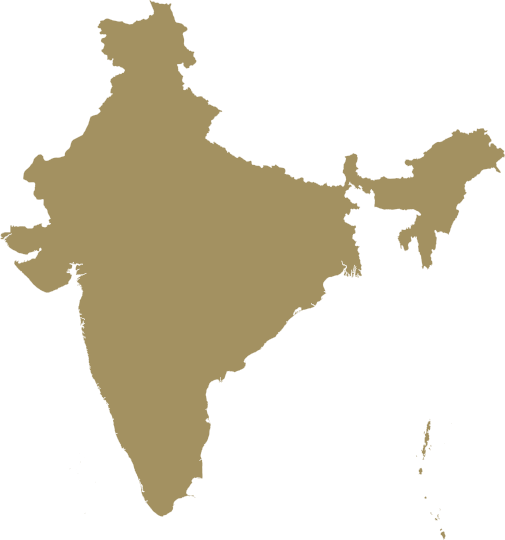

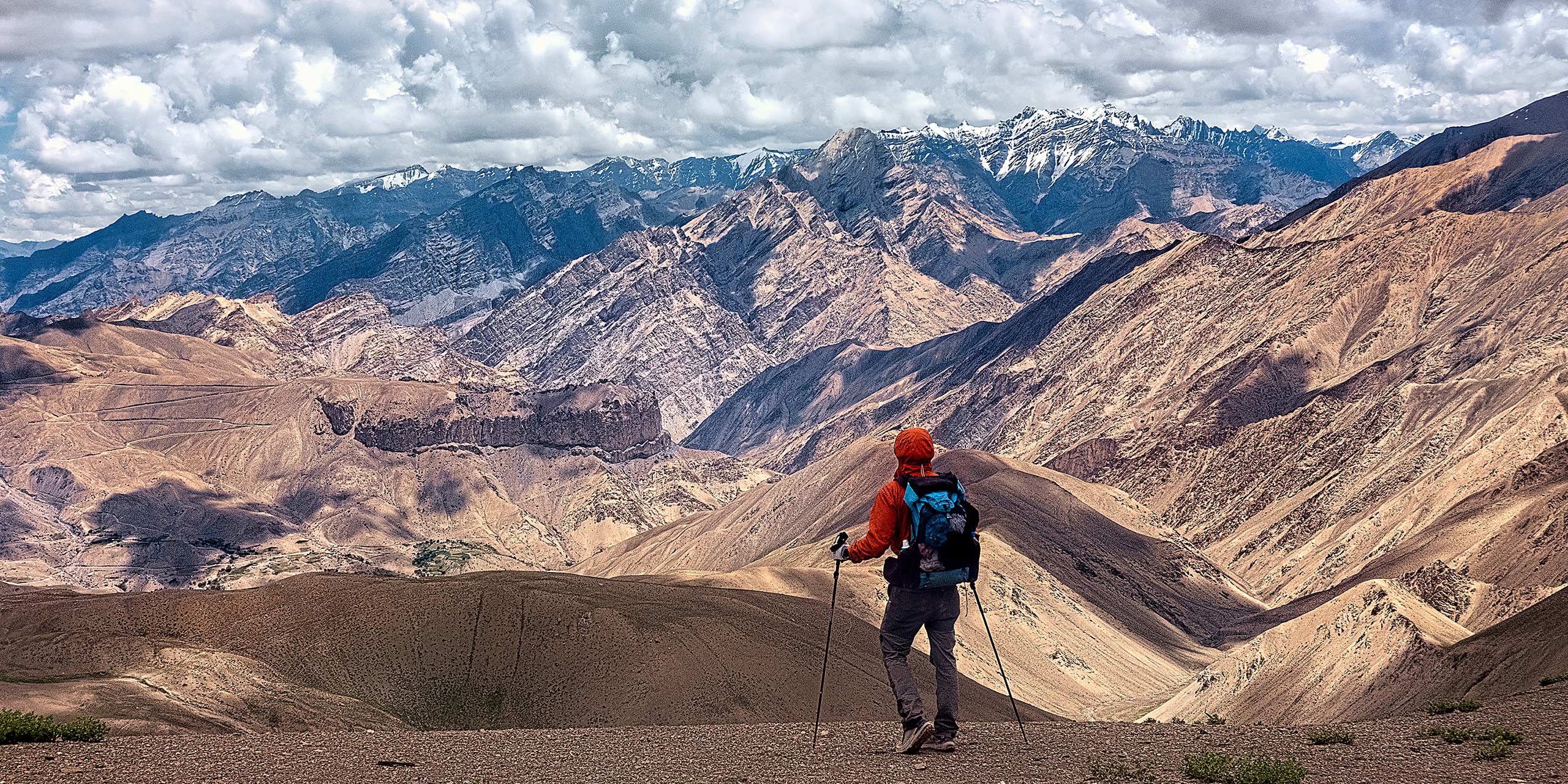
I’m drawn to remote, untouched places, though they’re getting harder to find as the world crowds in. Escaping the Instagram masses now often means permits, time slots, and lottery systems. Still, a few places endure. Zanskar, tucked into Ladakh in northern India, is one of them—a stark, magical landscape that still offers genuine adventure.
Often called a “hidden kingdom,” Zanskar is cut off for eight months each year by heavy snowfall. Its people—pastoralists and devout Tibetan Buddhists—live among dramatic mountain terrain dotted with monasteries.
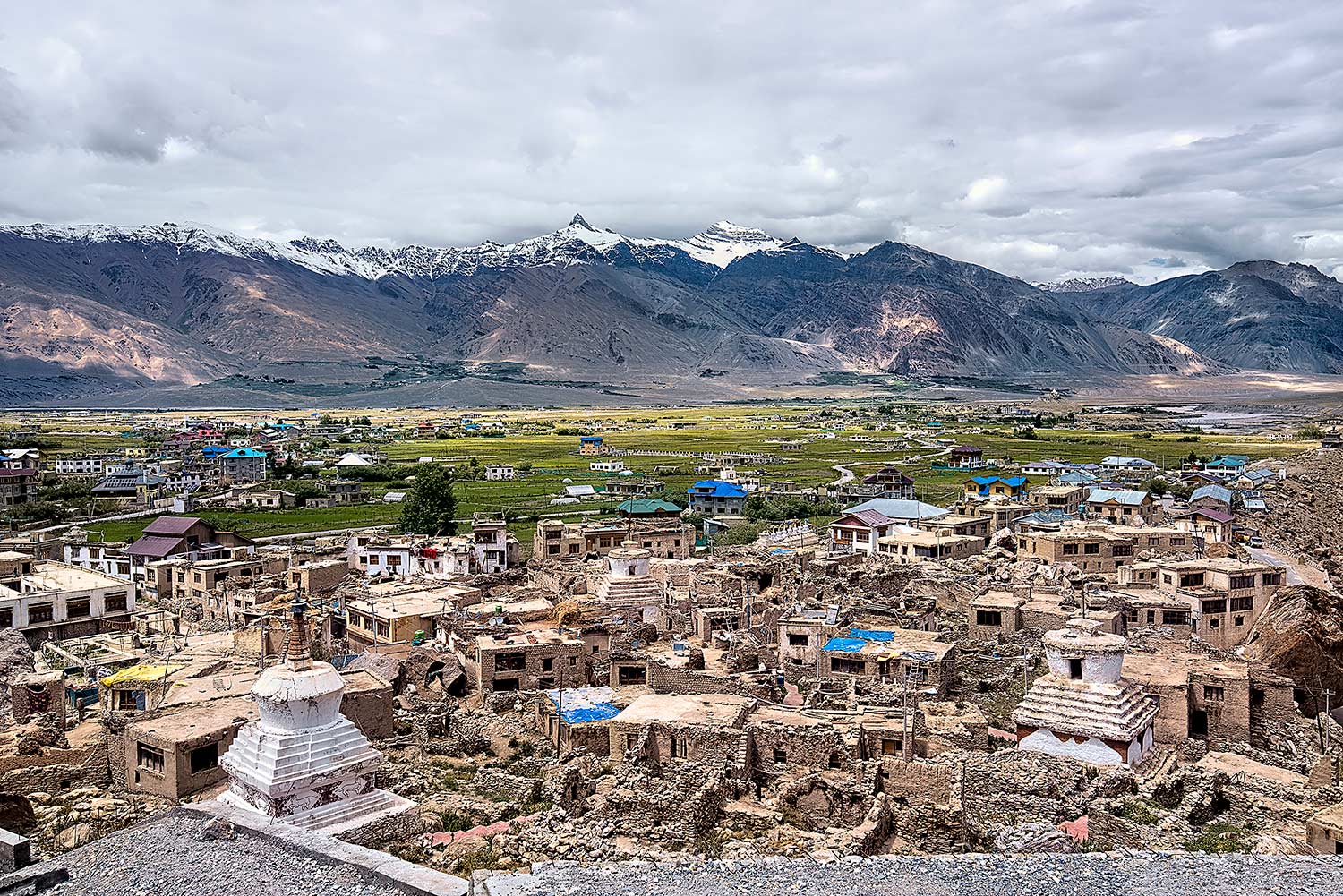
The region feels like Wyoming at altitude: high desert plains framed by snowcapped peaks, where horses, long treks, and high passes remain the main ways around. Rough, landslide-prone roads now reach Padum, the valley’s largest town, but access is still far from easy.
Adventure here has long been defined by epic routes. The Darcha to Lamayuru trek once crossed Zanskar from south to north over several weeks. In winter, locals traveled the frozen Zanskar River—known as the Chadar—enduring temperatures of -40°F, with survival dependent on solid ice.
Much of that is disappearing. Road building across Ladakh has eroded traditional routes, pushing into fragile terrain prone to avalanches and landslides, worsened by shifting monsoon patterns. Access is expanding, but at a cost.
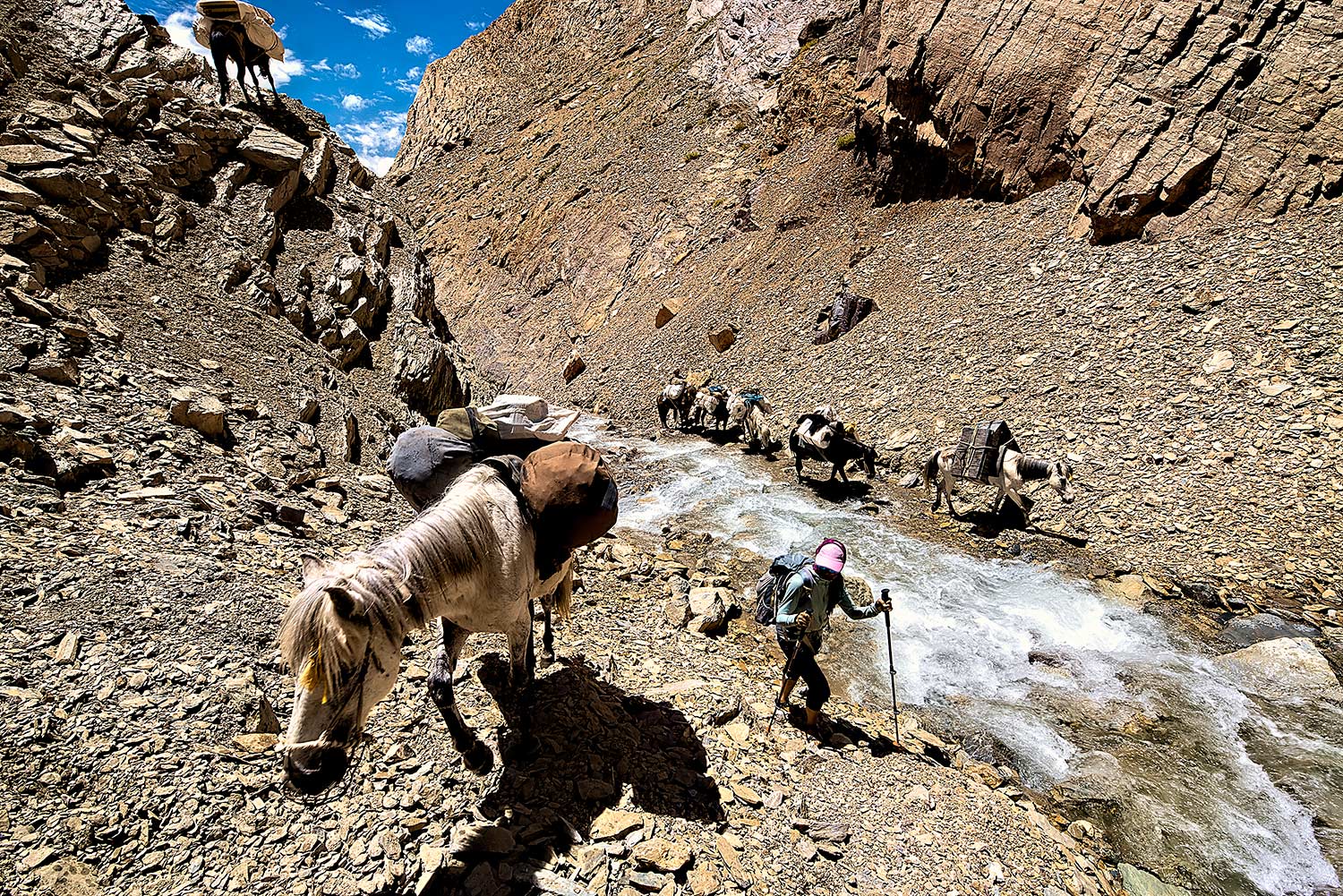
With that in mind, my wife and a group of friends set out to avoid roads altogether. We chose a route down the Tsarab Chu, a 180-kilometer river winding through narrow gorges and canyon paths before climbing over 16,000-foot passes and descending to Phuktal Monastery, then onward to Padum.
Planning the expedition wasn’t straightforward. Several operators warned us off, citing dangerous river crossings, especially after an unusually wet season. But we found a horseman who had recently completed the route. He thought it was possible. That was enough.
We set off with six horses, cooks, and support staff, heading into uncertain terrain.
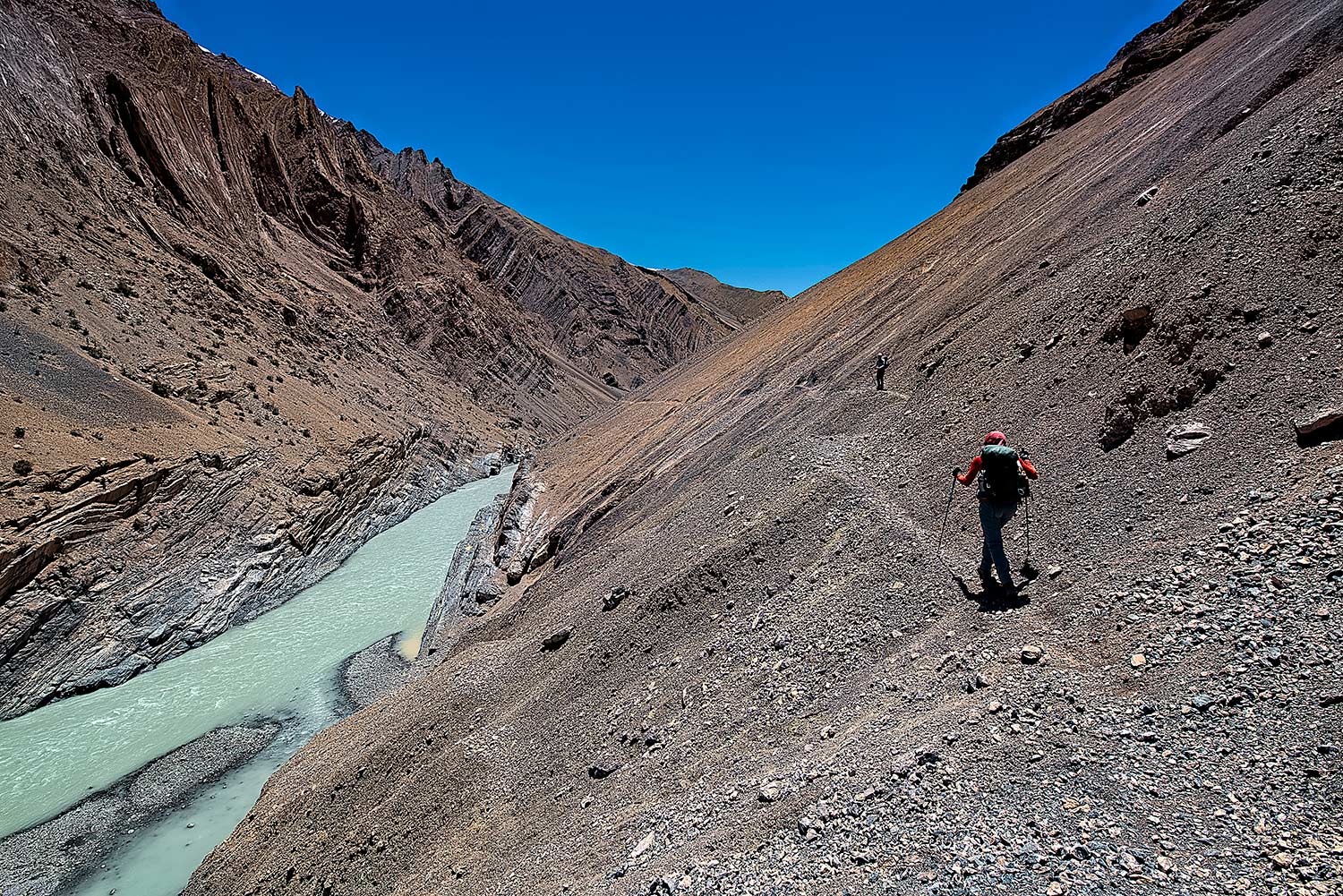
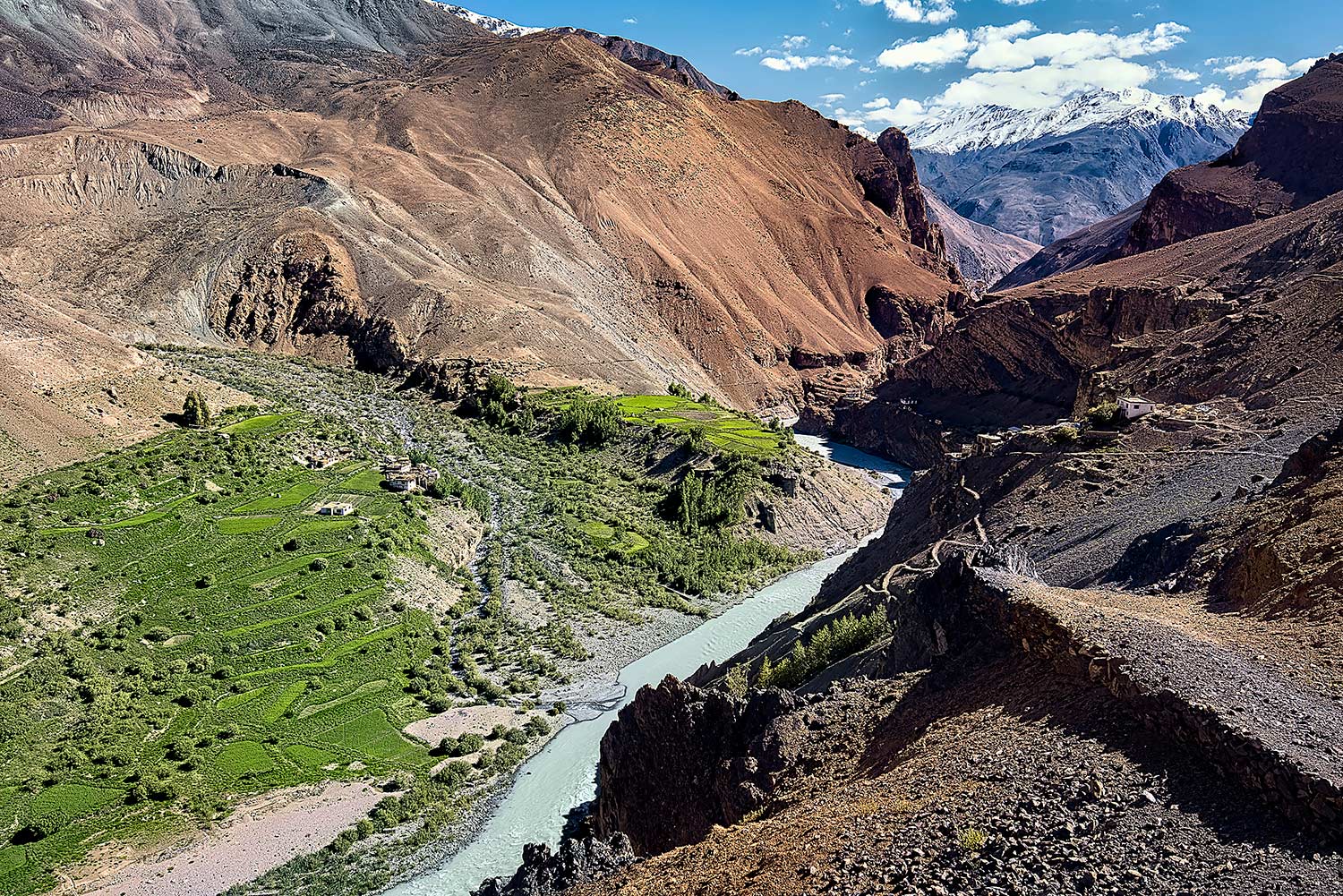
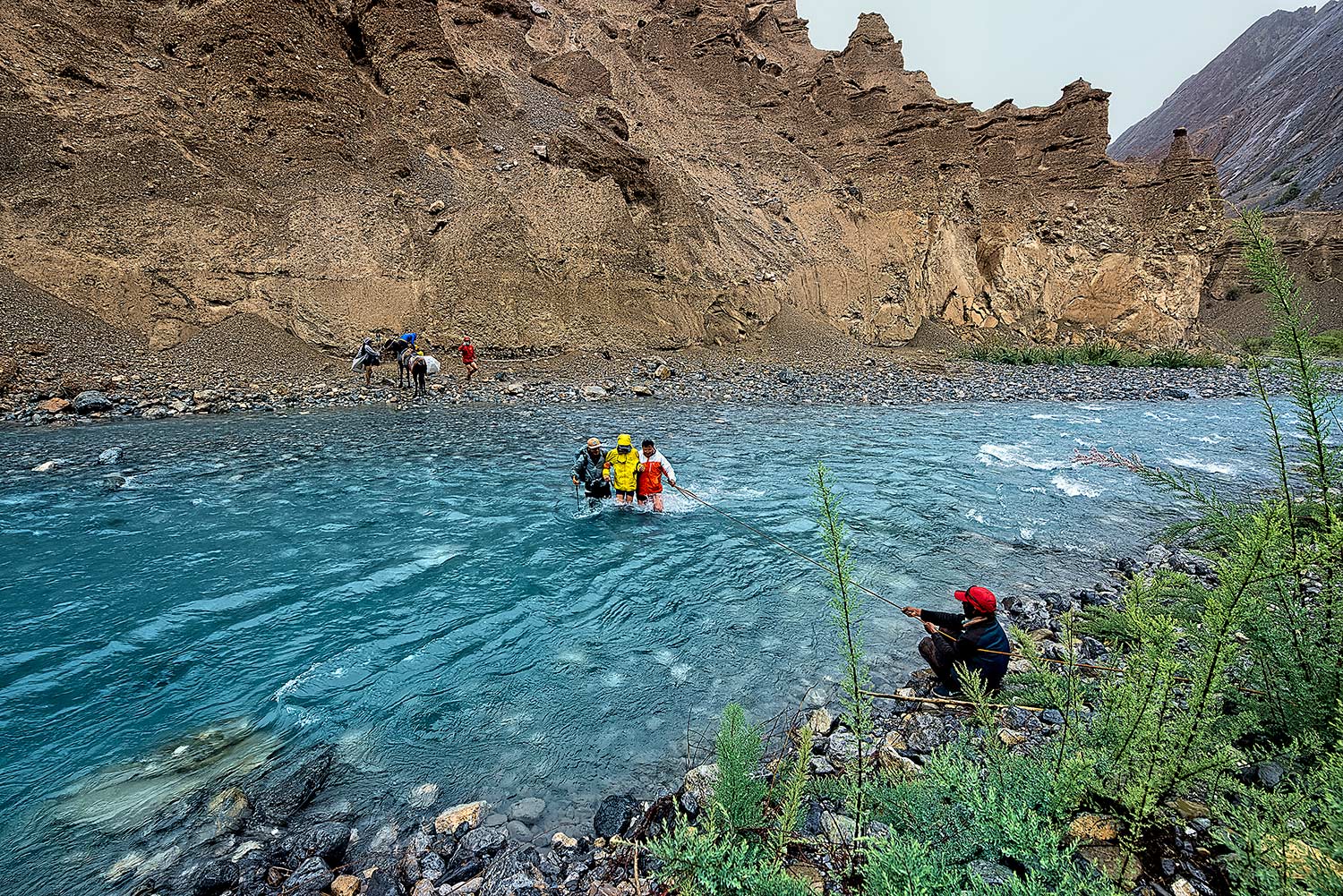
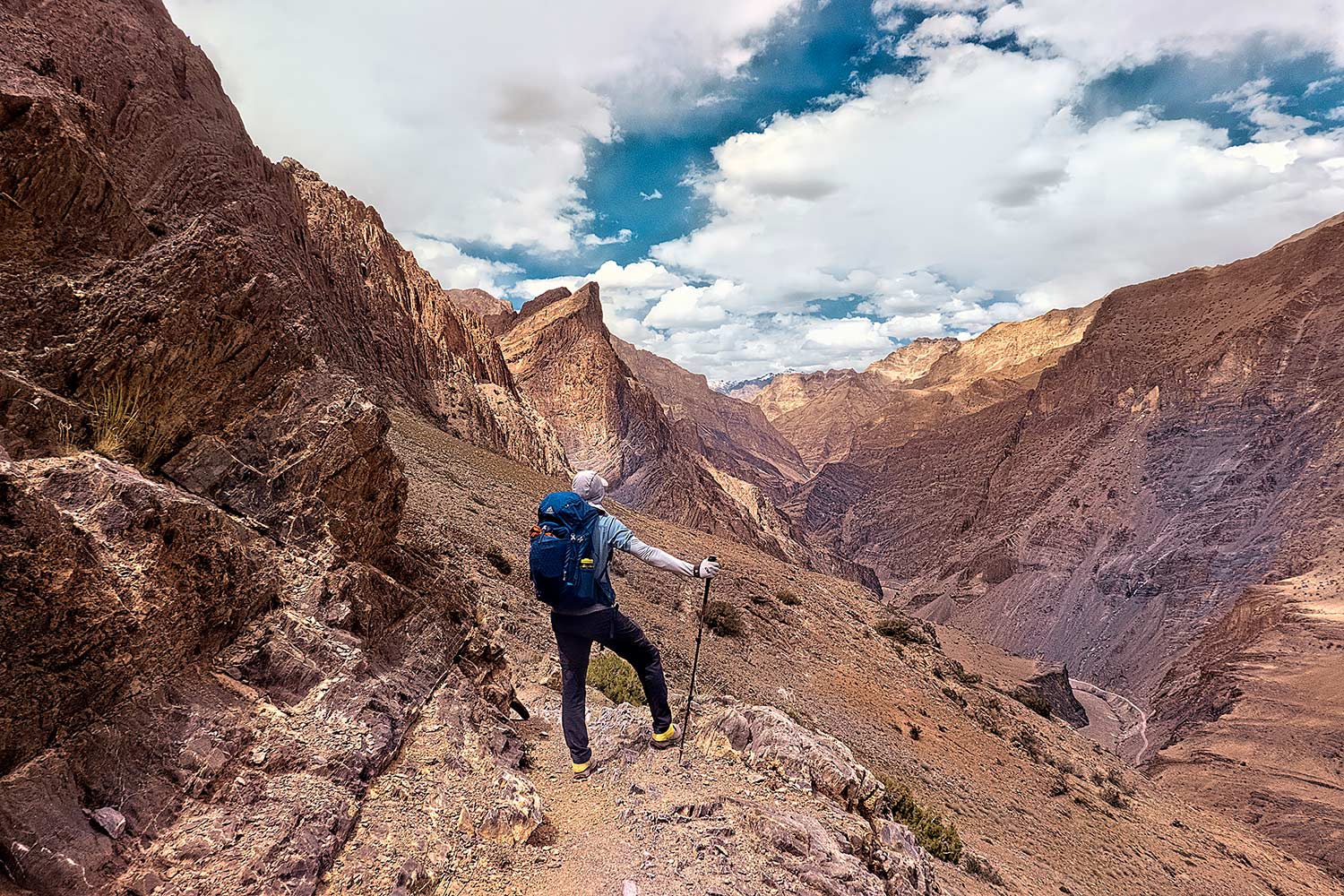
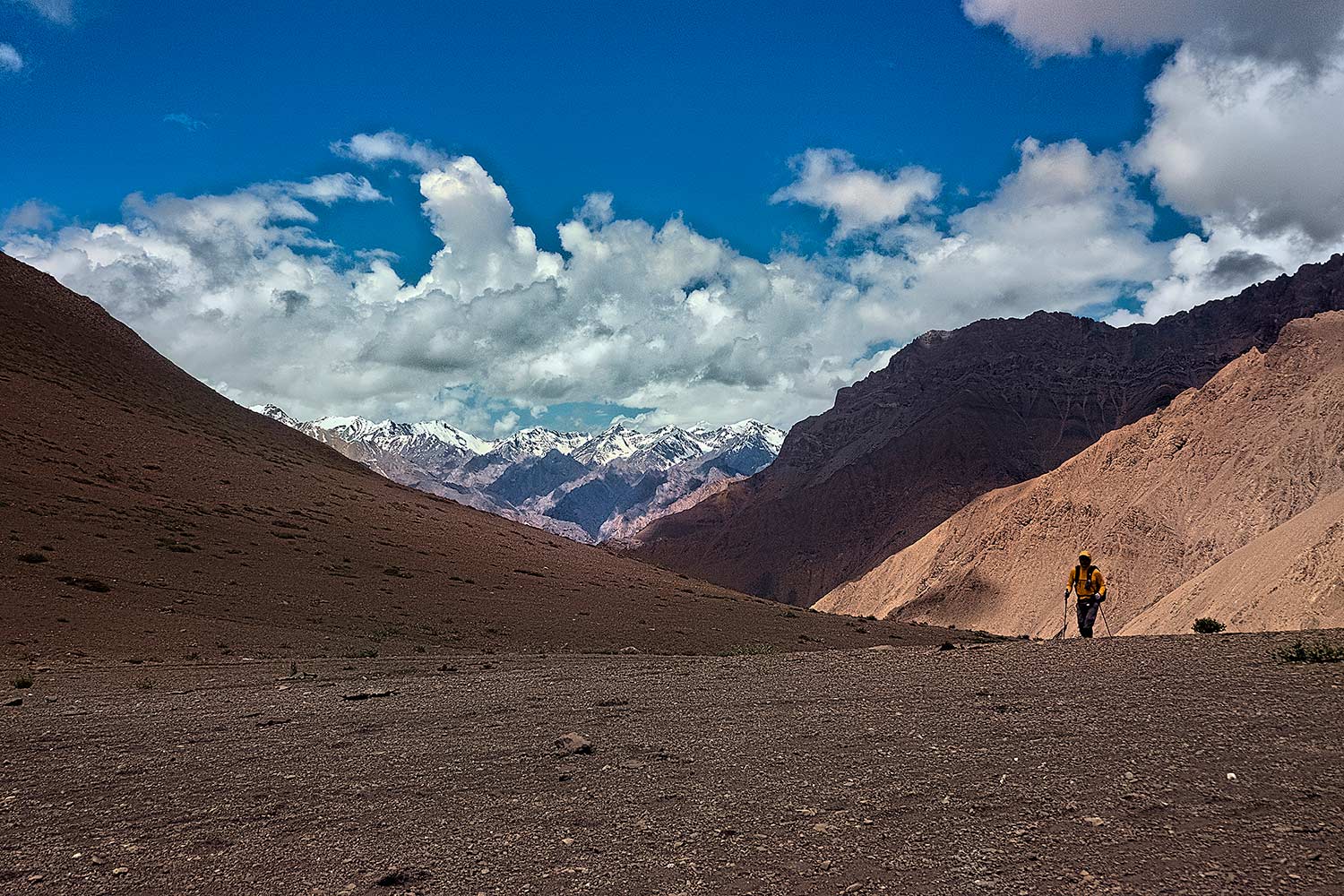
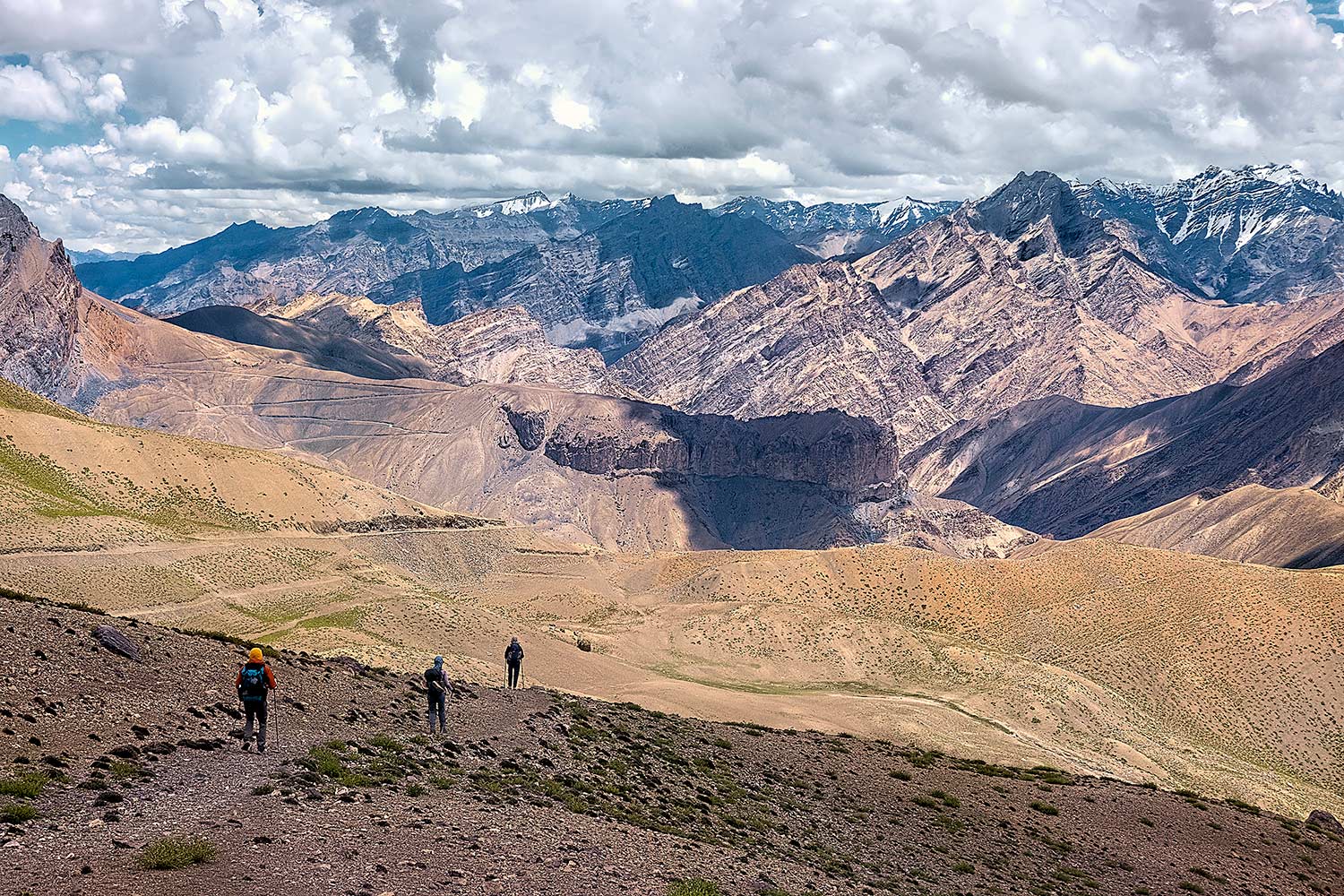
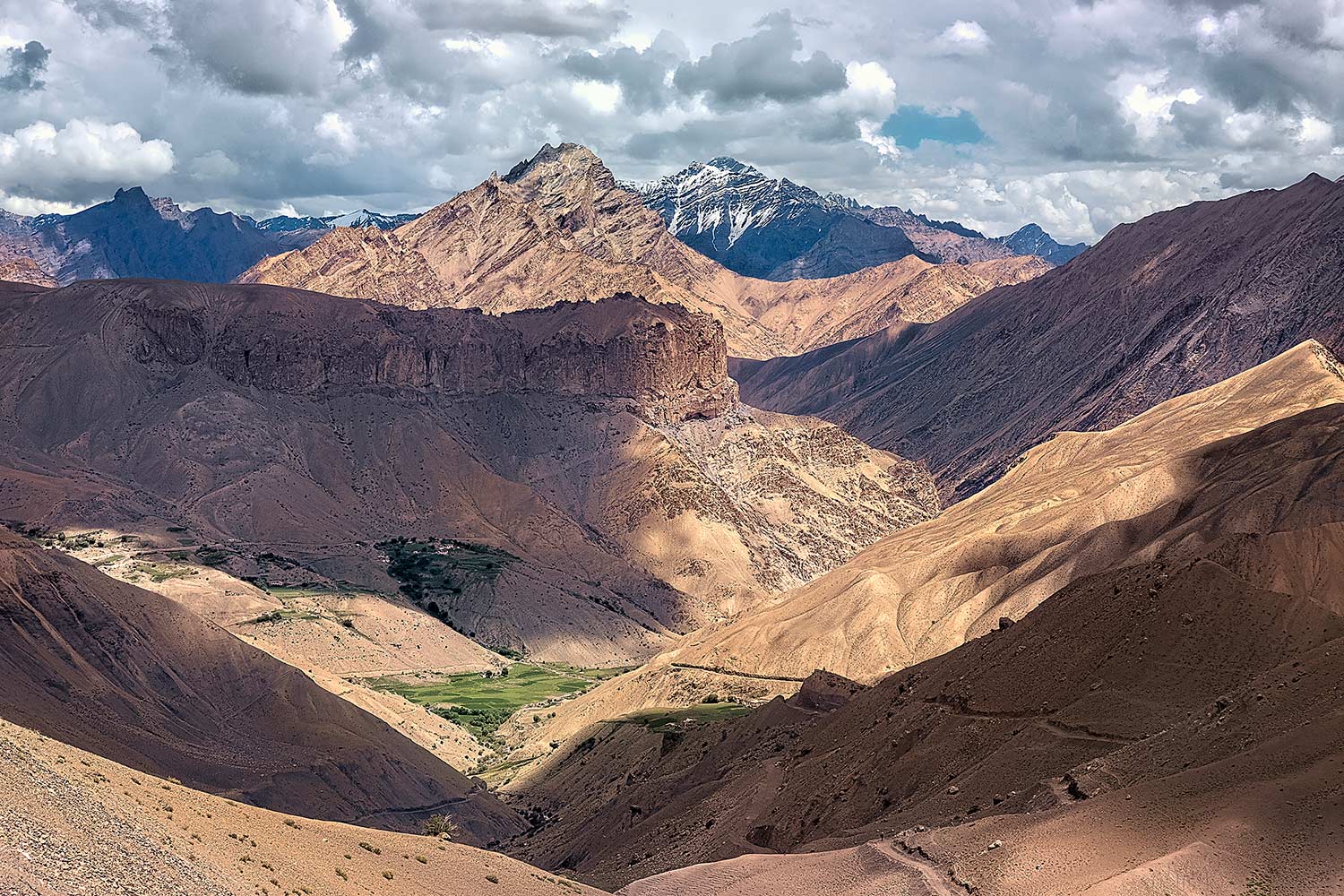
The landscape was striking. The glacial river shifted between turquoise and deep emerald, cutting through dry sandstone cliffs. Trails clung to canyon walls, at times no wider than a foot, with steep drops below. The terrain felt unstable, as if it might collapse with the next storm.
Despite the barren setting, small settlements appeared—green pockets of barley fields carved from the harsh environment. When locals emerged, our horsemen would stop to exchange greetings, butter tea, and updates on conditions ahead.
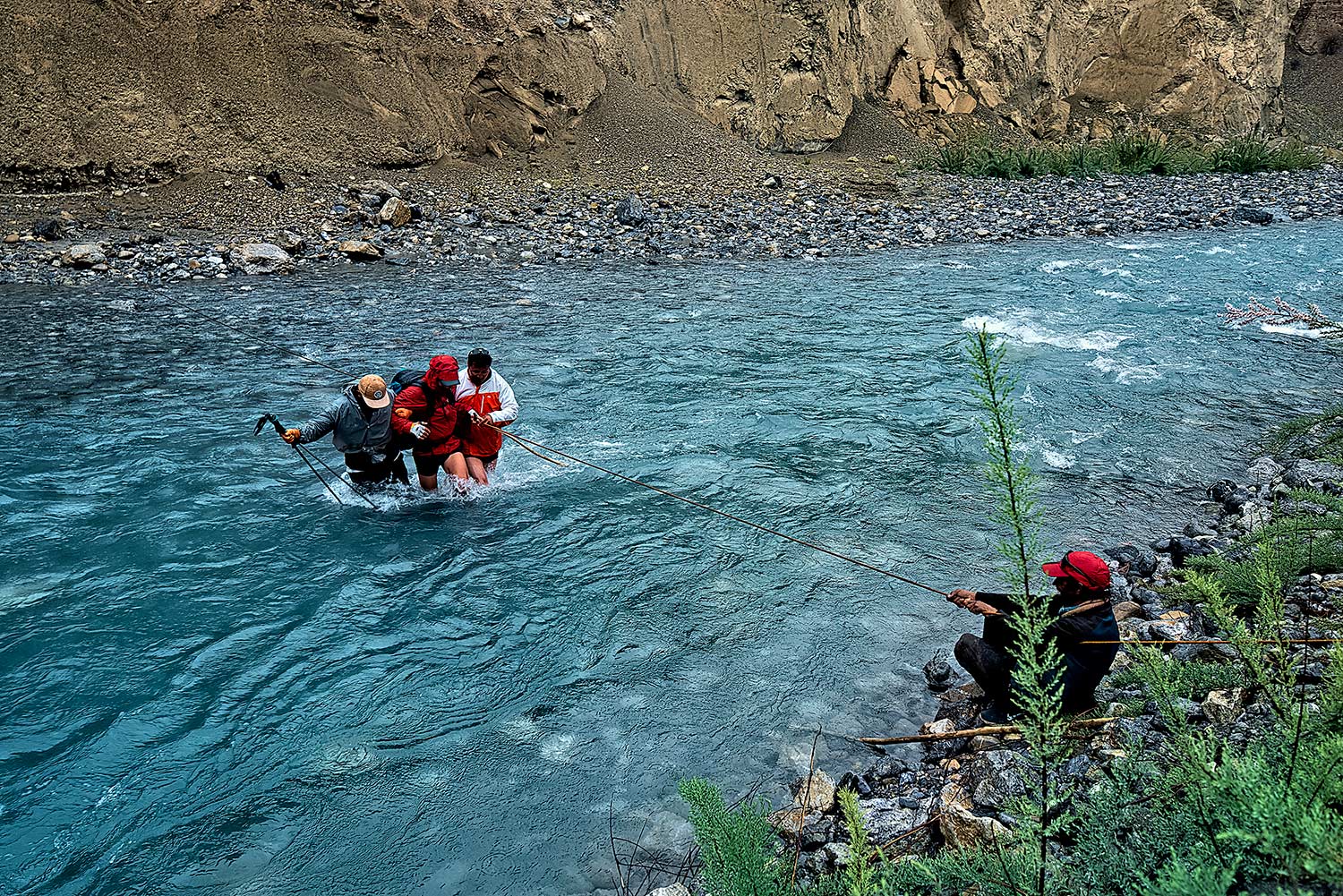
Two days in, we reached the Zara Chu, the largest tributary. It was fast and wide, though only knee to hip deep. Our team rigged a rope across, anchored by a rider on horseback, allowing us to cross safely one by one.
That night, we celebrated with improvised pizza and dwindling chocolate supplies. The mood didn’t last. Rain set in and continued through the next day, leaving us confined to tents. Our guide warned that the Gotunta La, nearly 17,000 feet high, might be impassable with snow. Turning back wasn’t an option either—the Zara Chu would have risen further.
We moved forward.
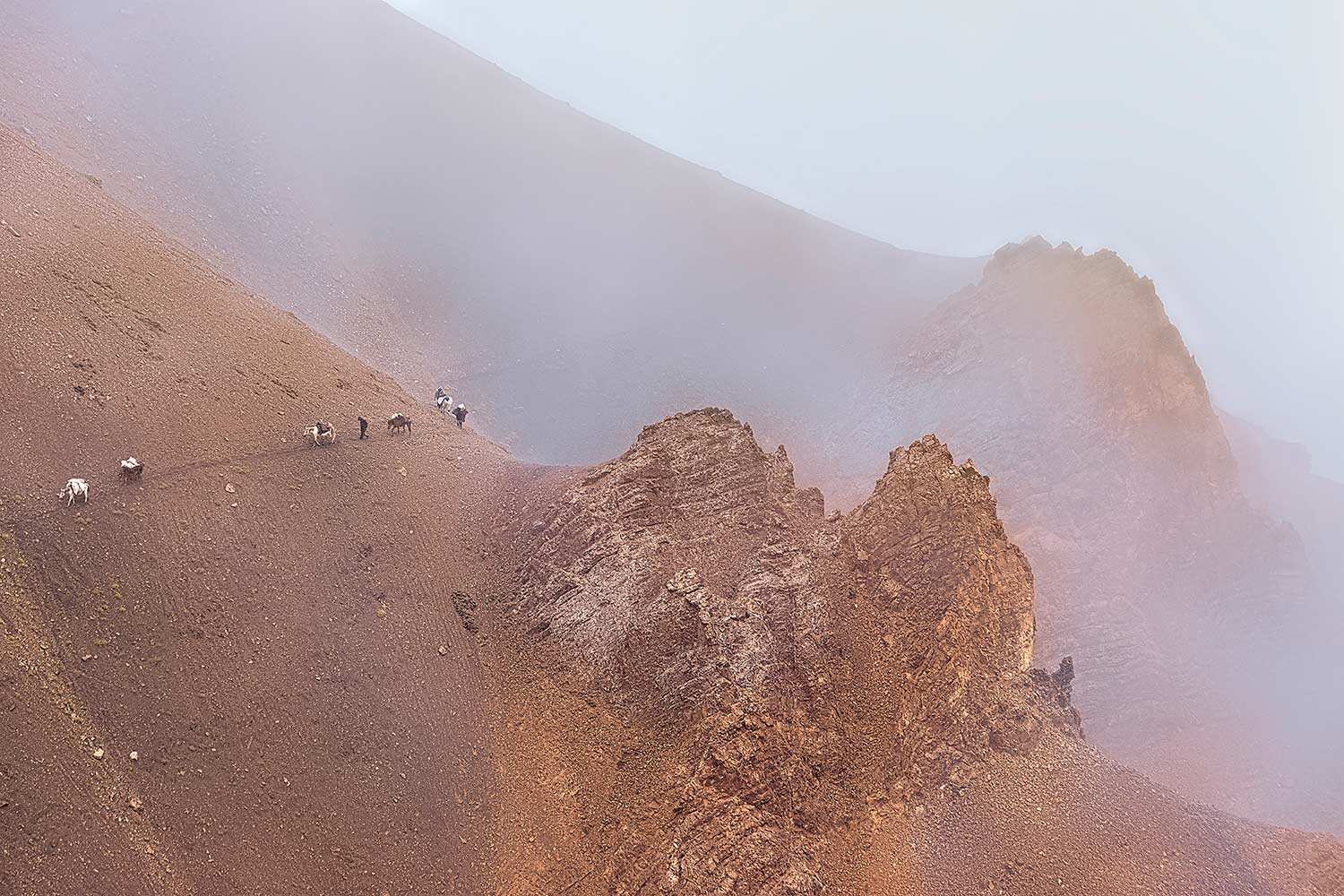
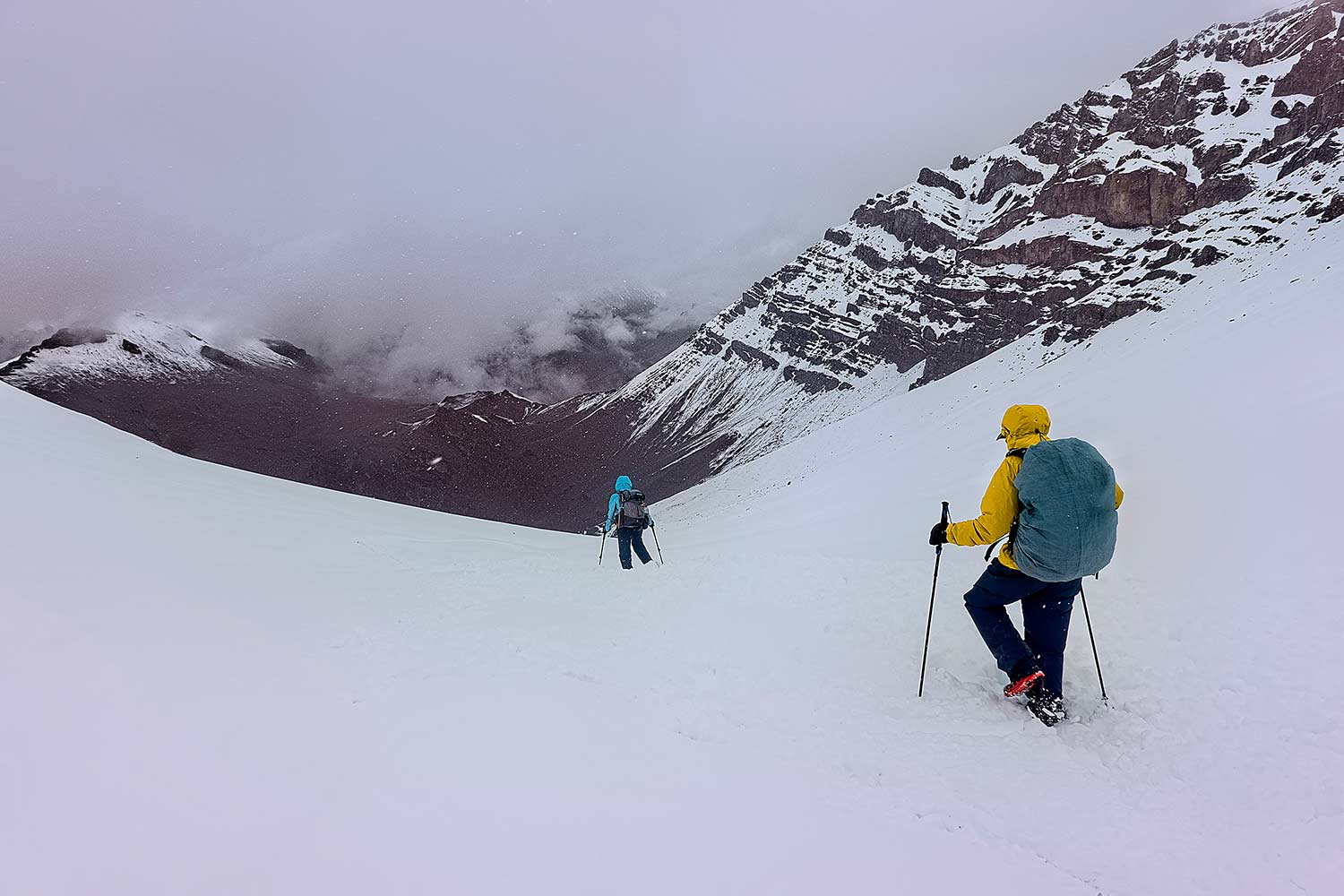
As we climbed past 15,000 feet, the rain turned to snow. Soon we were trekking through a whiteout, a stark contrast to Zanskar’s usual clear skies. Progress was slow. We took turns breaking trail, while our friend’s teenage son pushed ahead, motivated by promises of chocolate at camp.
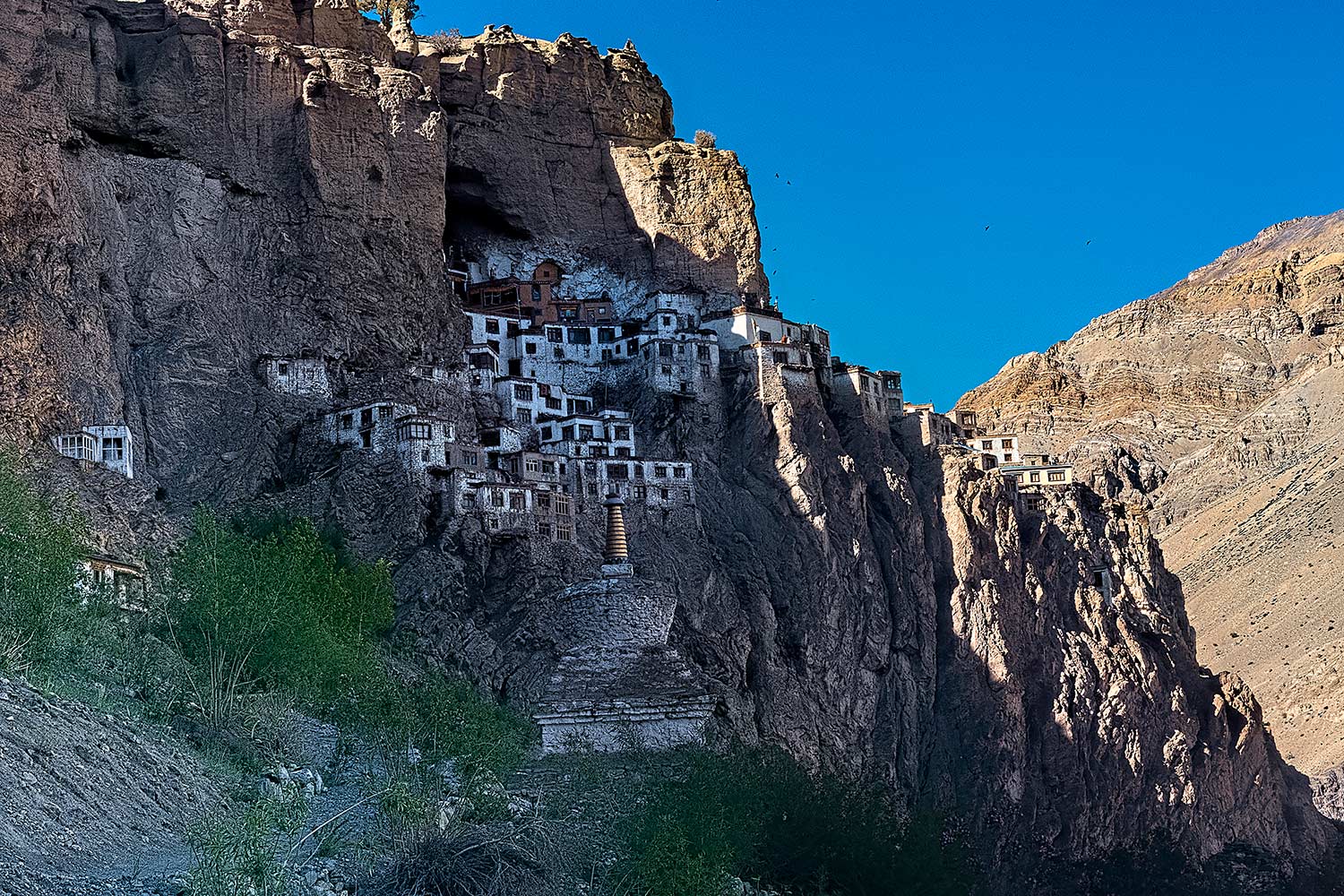
Crossing the Gotunta La, the storm vanished. On the descent, we reached Phuktal Monastery, built into a cliffside cave. Once accessible only on foot, it now has solar power and road access from Padum.
Padum itself is evolving. Glamping sites have appeared alongside basic guesthouses, bakeries now serve decent coffee, and daily jeep connections link the town to Leh, Kargil, and Srinagar. Change is arriving, but the landscape remains extraordinary.
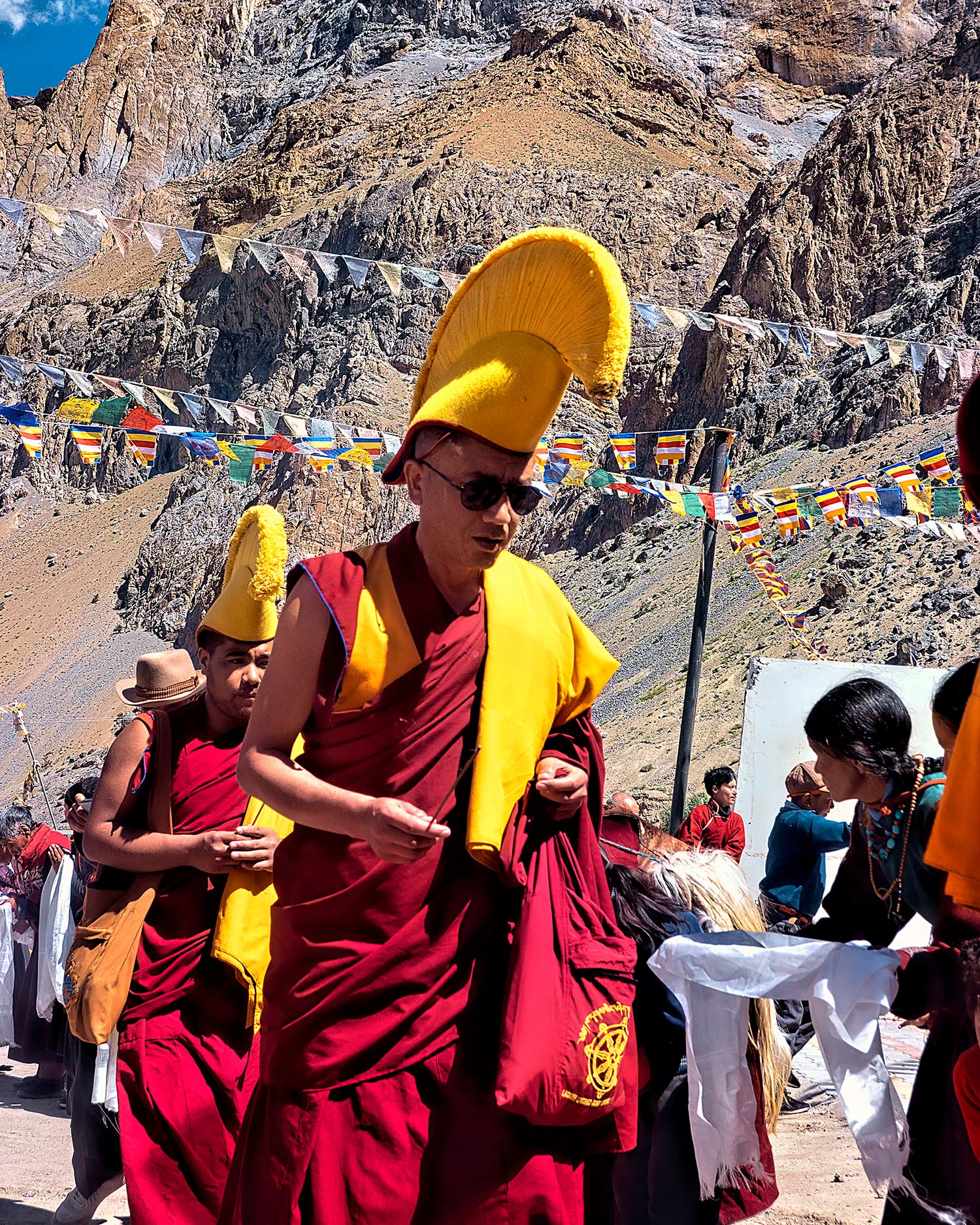
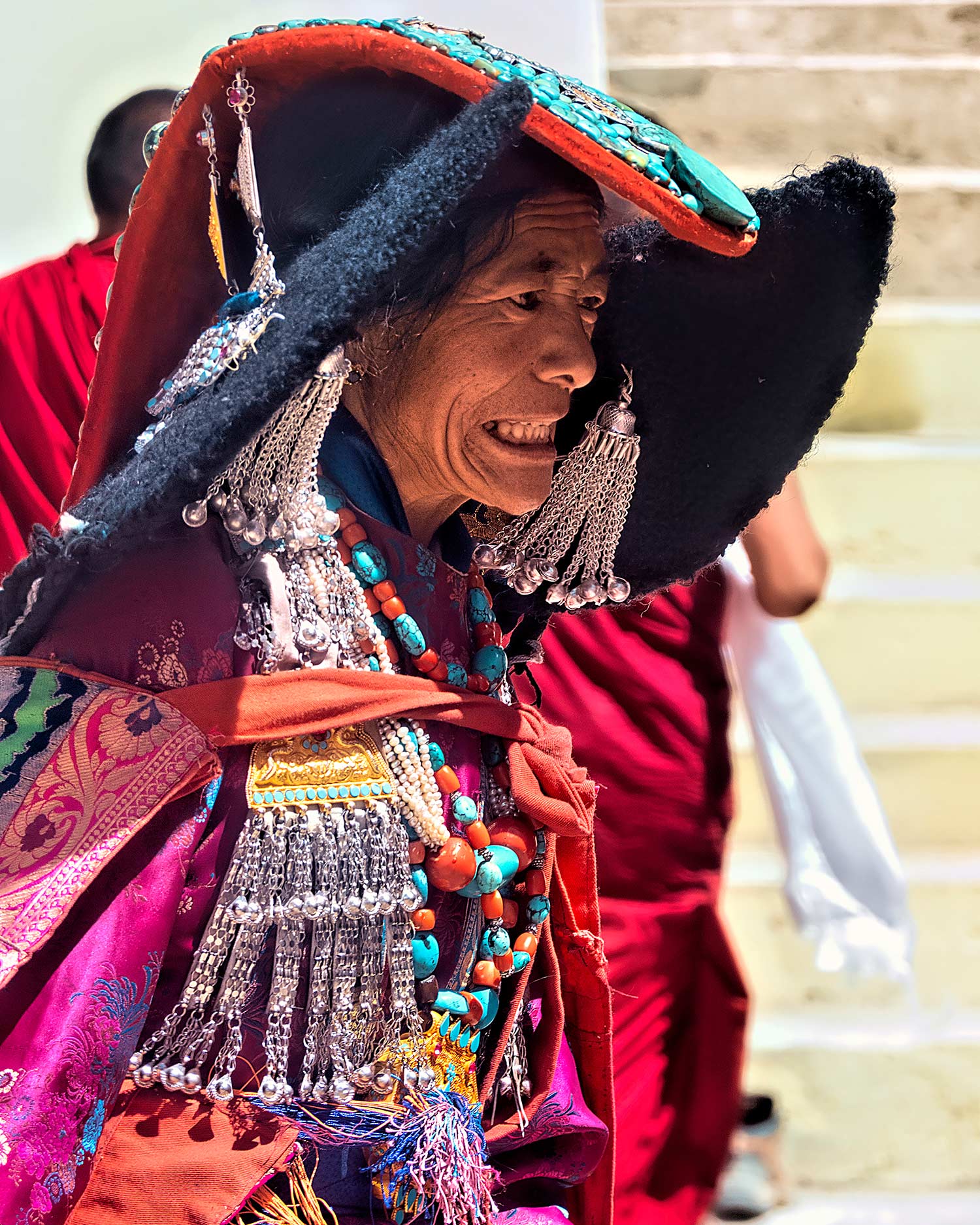
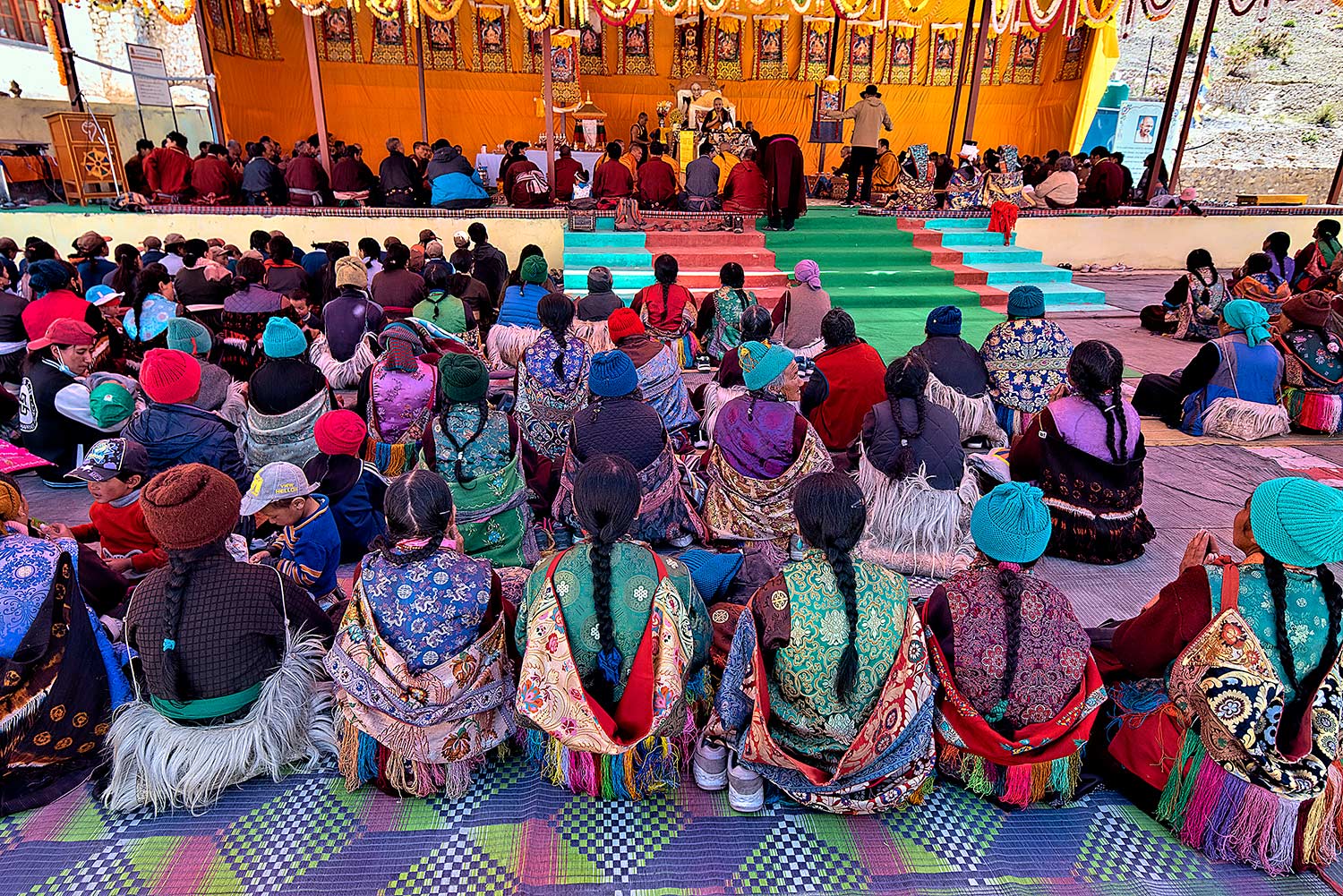
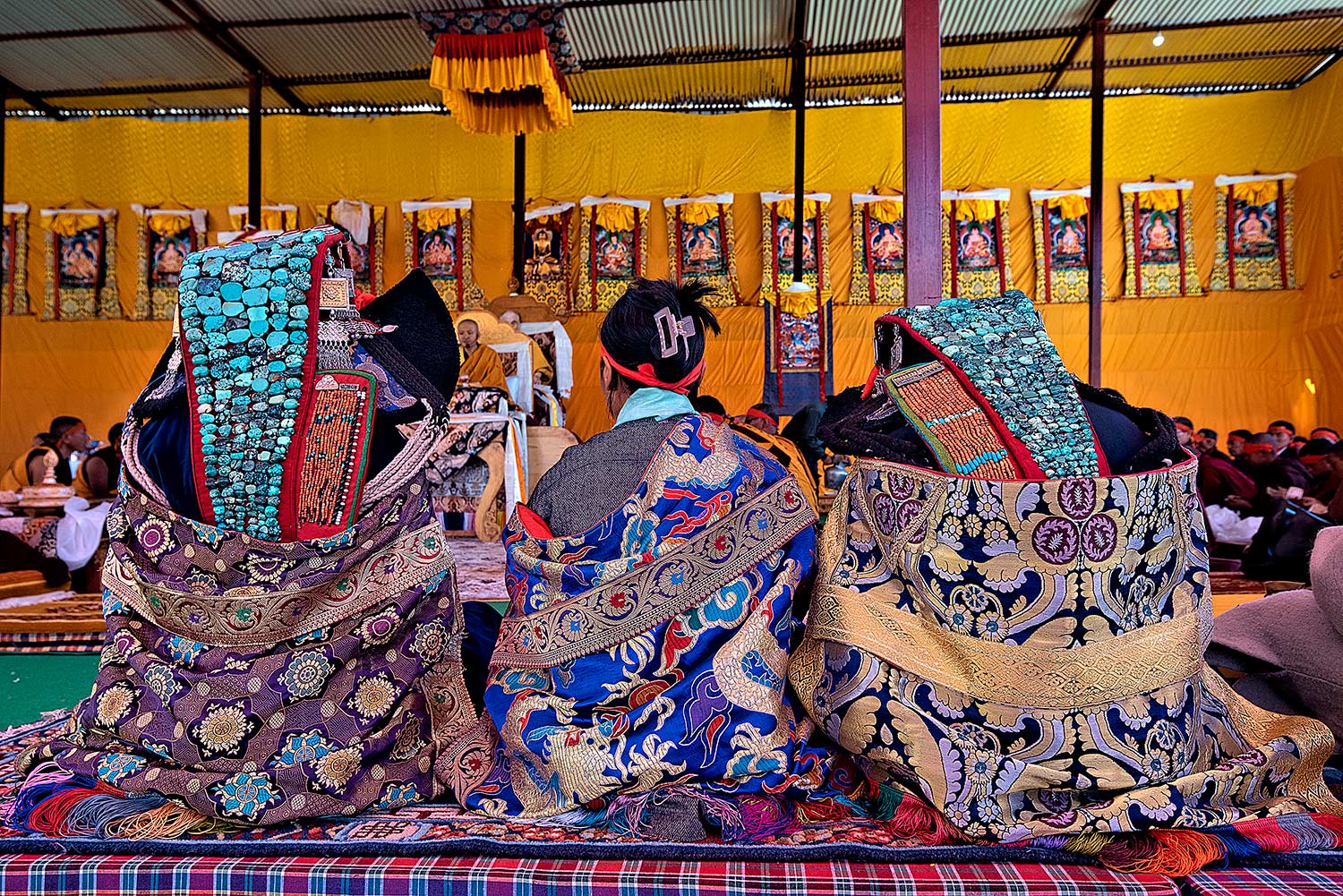
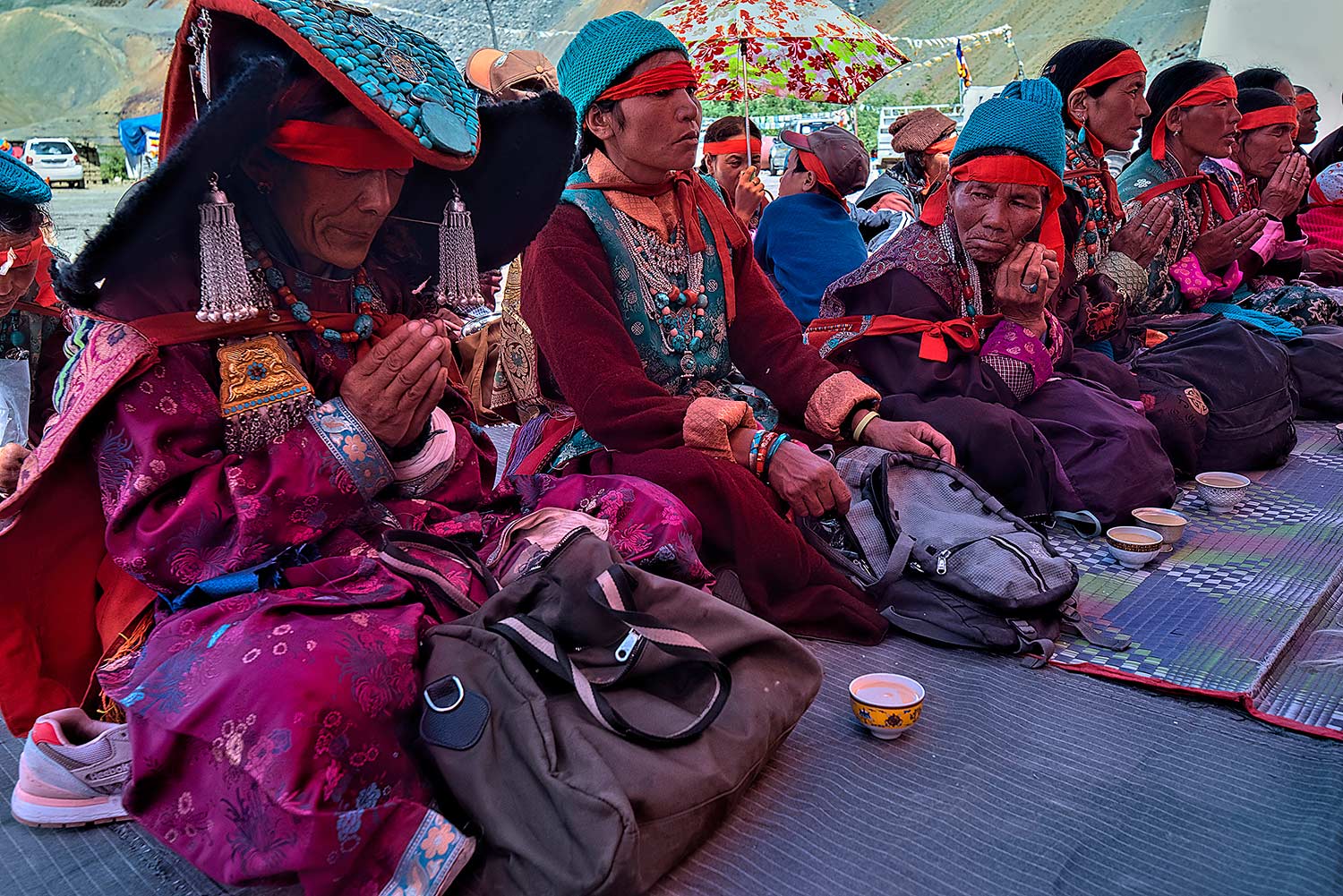
One of Zanskar’s greatest draws is the blend of raw nature and deep culture. Beyond Padum, we encountered pilgrims heading to Lingshed, where a high lama was due to teach. Women in traditional wool robes and ornate, turquoise-studded headdresses walked alongside us.
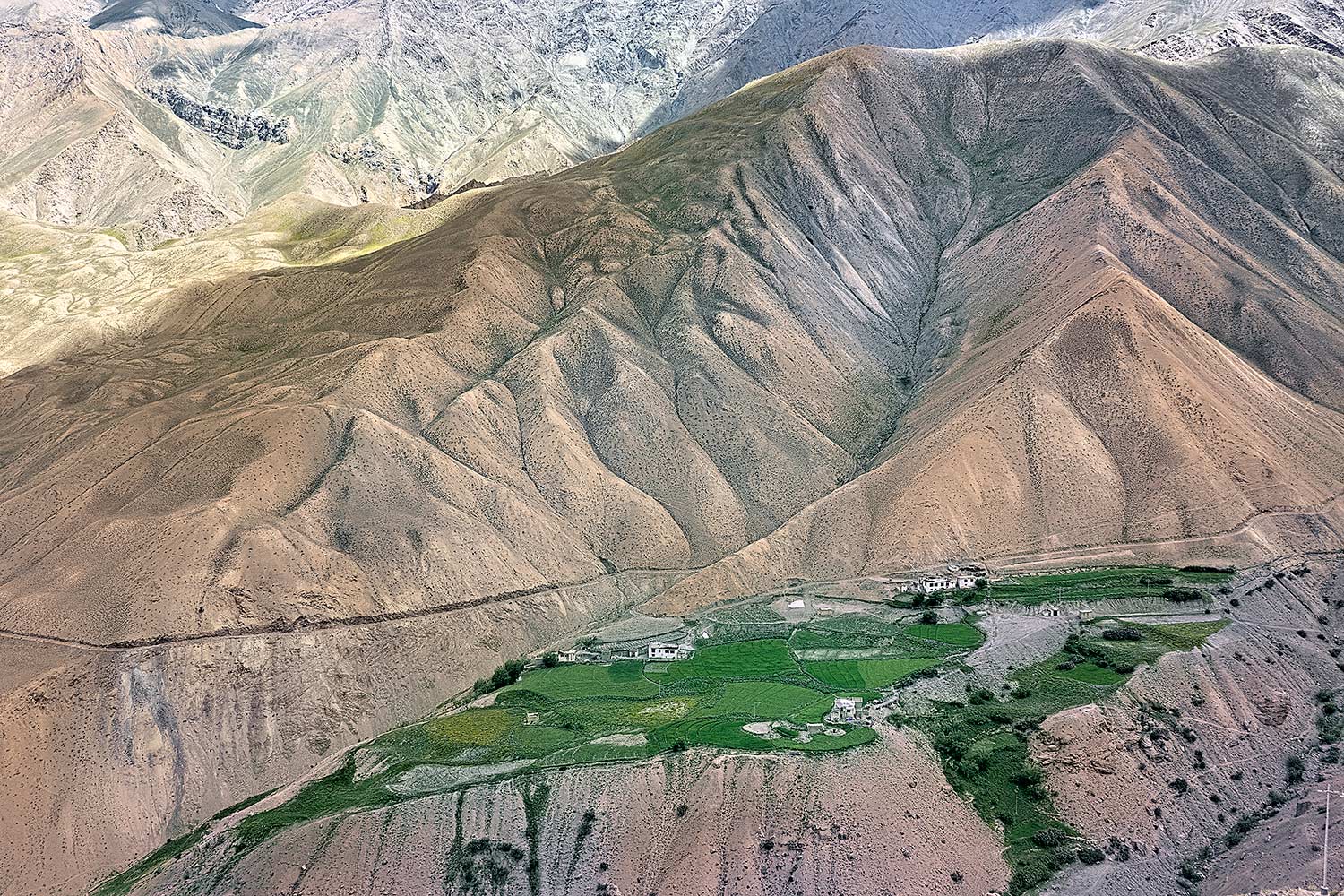
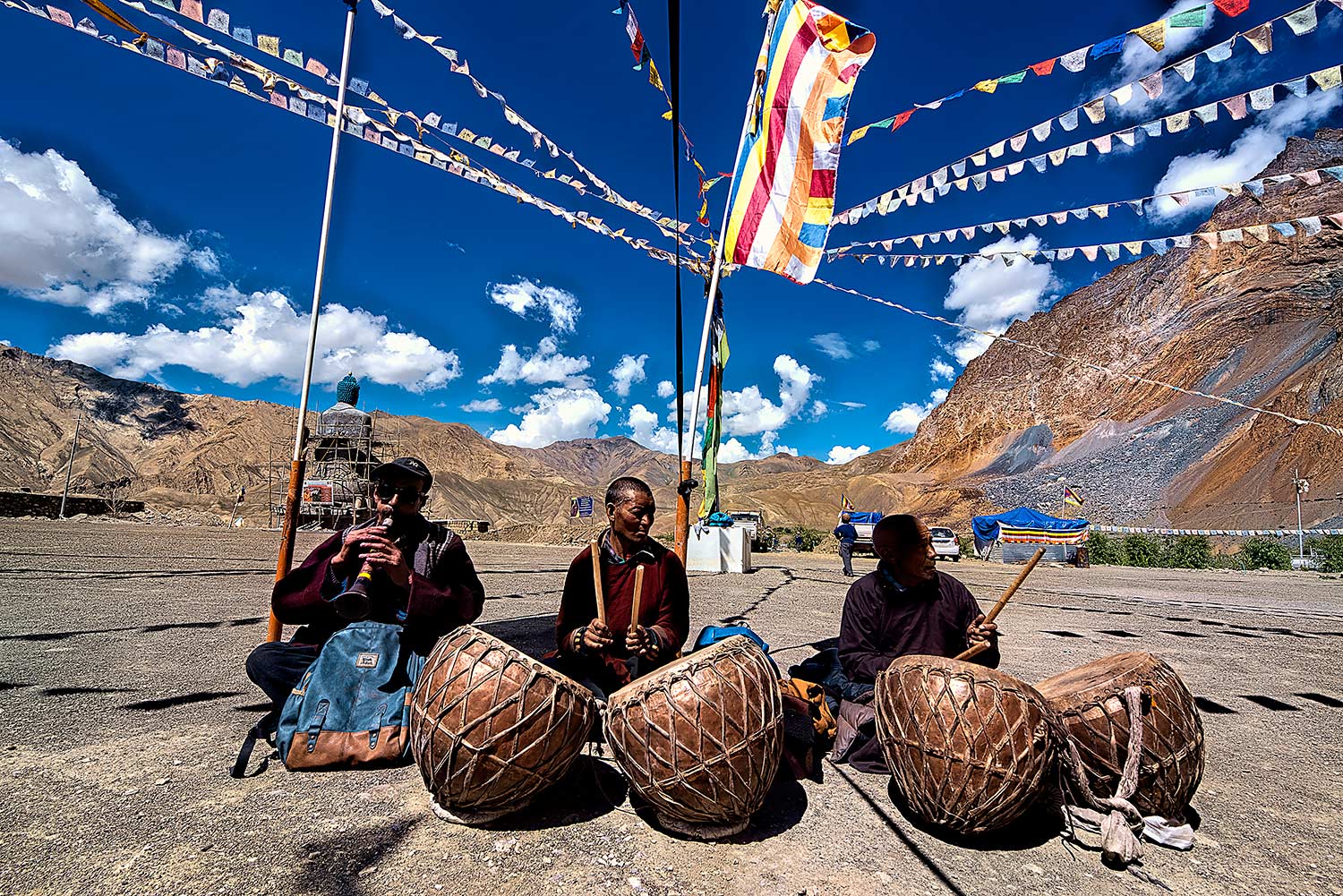
We followed them into Lingshed, descending into fertile fields. Drums sounded, monks chanted, and villagers welcomed us, assuming we had come for the same purpose.
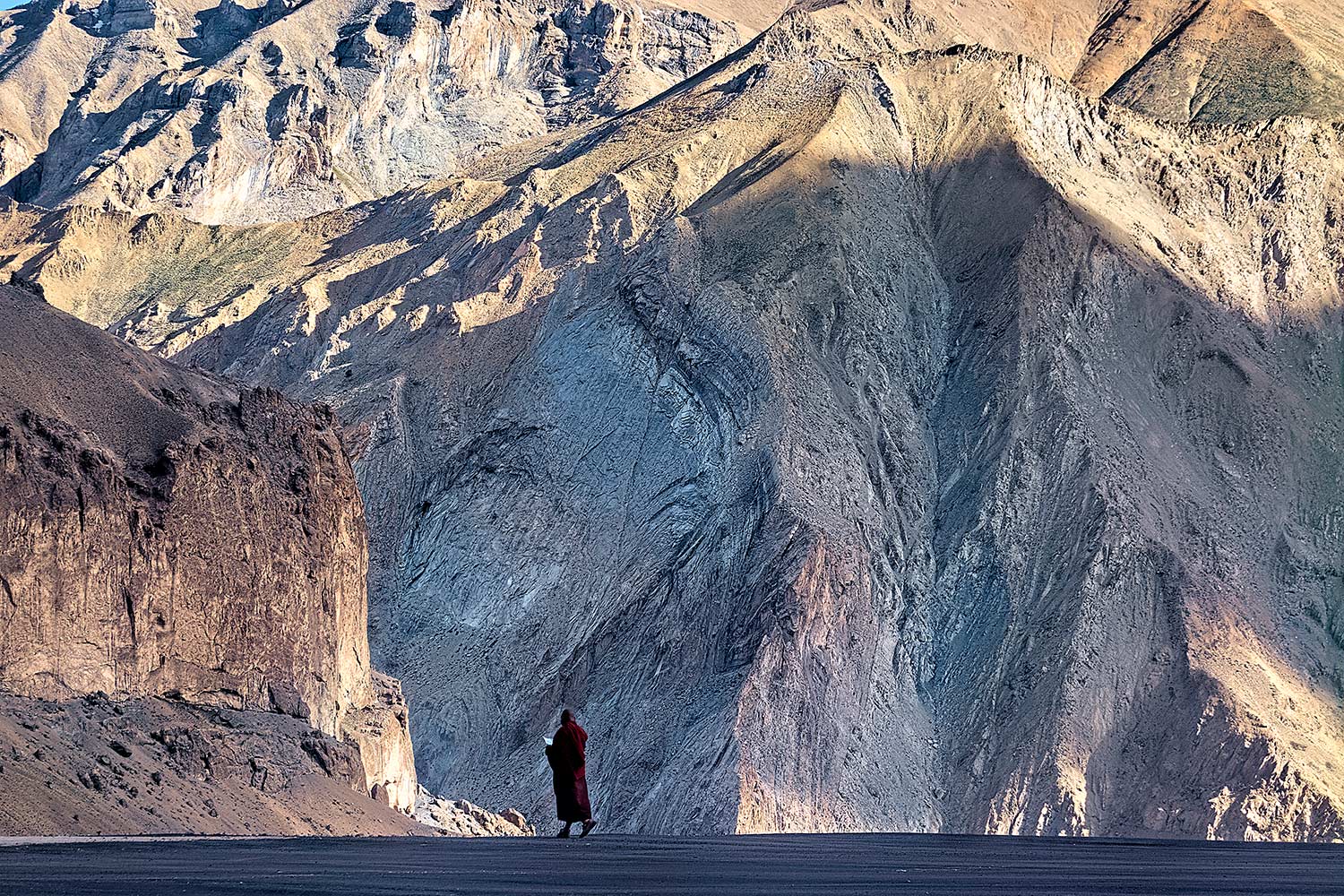
Lingshed captures the region’s contradictions. Two roads lead in, both frequently destroyed and rebuilt. There’s even a paved airstrip, constructed for a visit by the Dalai Lama and rarely used since. Monks now gather there to chant and look out over the mountains—a view we shared over dinner.
Modernity is edging closer, but Zanskar still answers to its terrain. The mountains dictate the pace of change. For now, it remains a place where adventure still feels real, and where time moves slowly enough to appreciate it.