
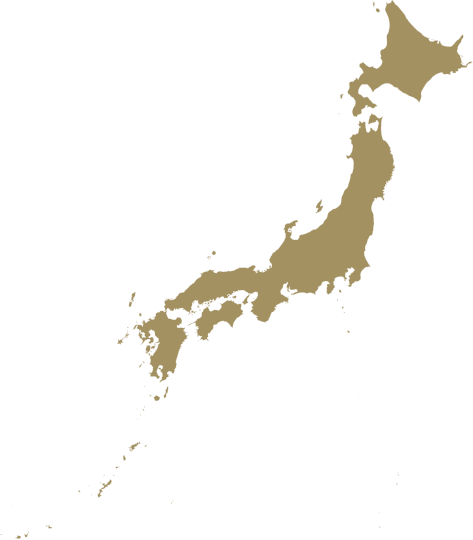


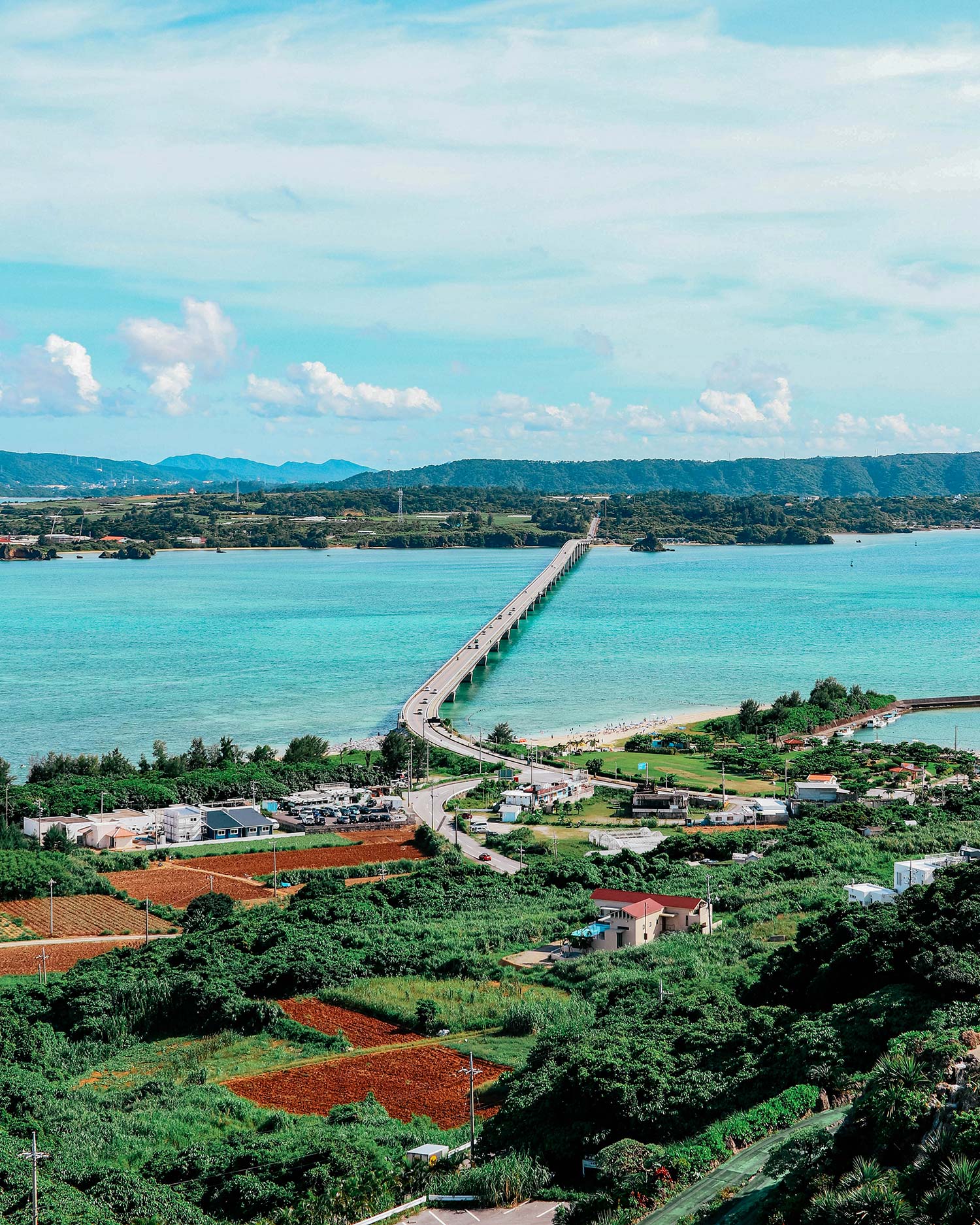
Stretching across the East China Sea between mainland Japan and Taiwan, the Ryukyu Islands are Japan’s southernmost islands. The fragmented archipelago comprises approximately 160 islands, with fewer than one-third of them inhabited. The largest is Okinawa Island, one of the year’s most popular destinations: a subtropical paradise surrounded by colourful coral reefs.
While basking in the sunshine on white-sand beaches framed by palm trees and red hibiscus has undeniable appeal, Okinawa is better known as one of the world’s five original Blue Zones.
As interest in longevity travel continues to grow, attention is turning to Okinawa and a way of living that has nothing to do with miracle cures or the latest biohacking technology.
Instead, Okinawans seem to offer a much simpler answer to a longer life.
Inside the Okinawa Blue Zone
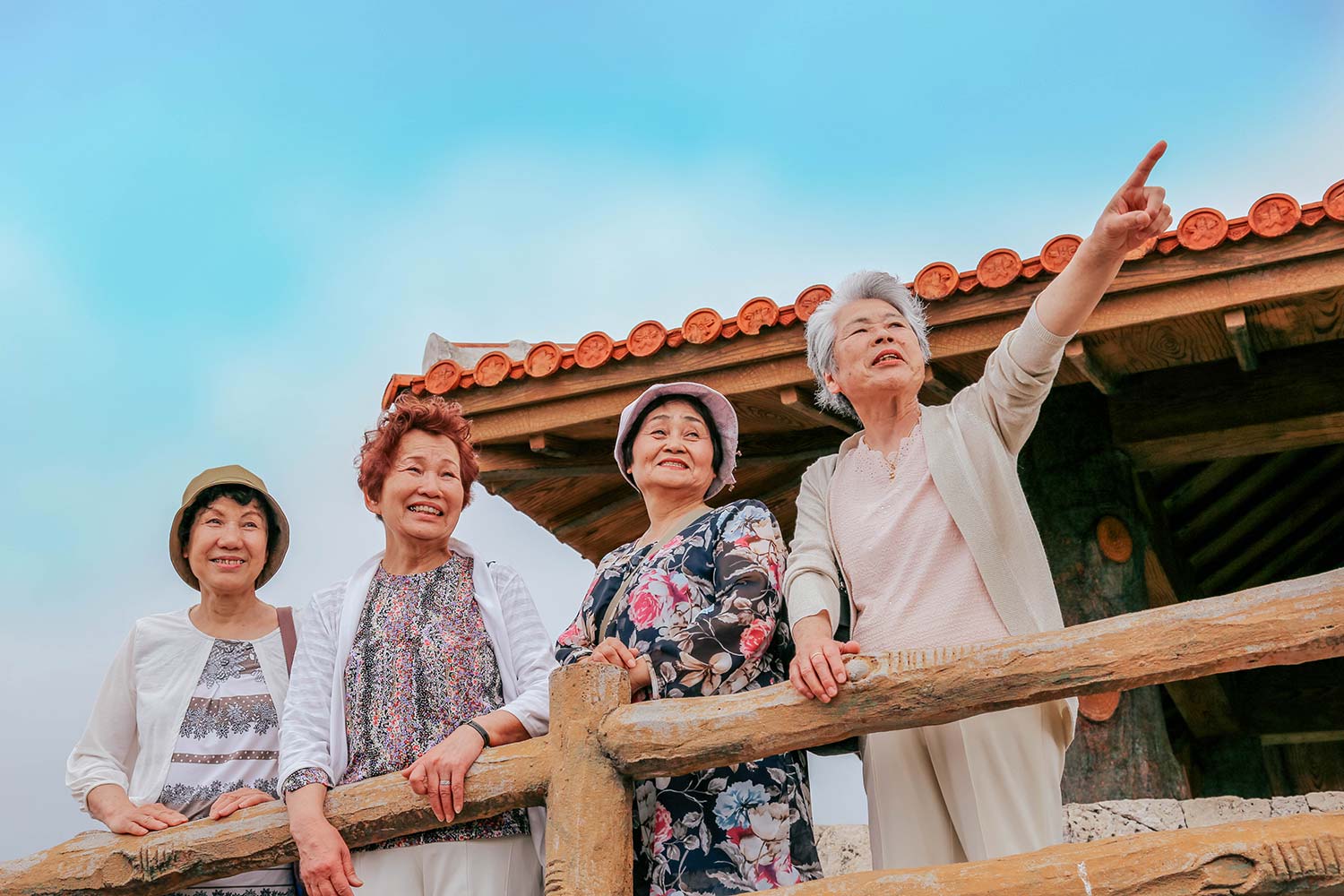
The Okinawa Blue Zone, along with Ikaria in Greece, the Nicoya Peninsula in Costa Rica, the community of Loma Linda in California, and the eastern provinces of Sardinia, is one of several regions where people generally live longer, healthier, and often simpler lives.
The term “Blue Zone” was coined by National Geographic explorer Dan Buettner, who, along with a team of scientists, identified these temperate and subtropical regions as having high concentrations of centenarians and comparatively low rates of chronic disease.
Okinawa is the largest island in the Ryukyu archipelago and home to the capital, Naha. It was once the independent Ryukyu Kingdom, until it was annexed by Japan in 1879. It still retains a distinctive cultural identity shaped as much by its relative isolation as by its history.
That identity can be seen in everything from the food to the language, and the island is also widely regarded as the birthplace of karate.
Wellness without design
Okinawa has long been associated with exceptional longevity and was once referred to as the “land of the immortals”.
It is home to some of the world’s longest-living women, as well as significantly lower rates of cancer, heart disease, and dementia than in many Western countries. The explanation lies not in any single factor, but in a consistent pattern of natural behaviours rather than forced habits.
The frequent sunshine of this subtropical climate encourages time outdoors and a close connection to nature. Much of that time is spent in gardens, where small, routine tasks provide constant movement that never feels like hard work or formal exercise.
Gardening also provides a steady source of fresh vegetables and medicinal plants that contribute to a largely plant-based diet. It also forms part of the Okinawan sense of purpose, or ikigai, often described as a reason to get up each morning.
That sense of purpose is reinforced through daily life, giving structure to routines and encouraging people to look towards the future. Okinawans also place great value on intergenerational relationships and remain closely connected to friends and family, spending time across age groups.
Strong social networks, known as moai, provide lifelong emotional, practical, and sometimes financial support.
The Okinawa Blue Zone diet

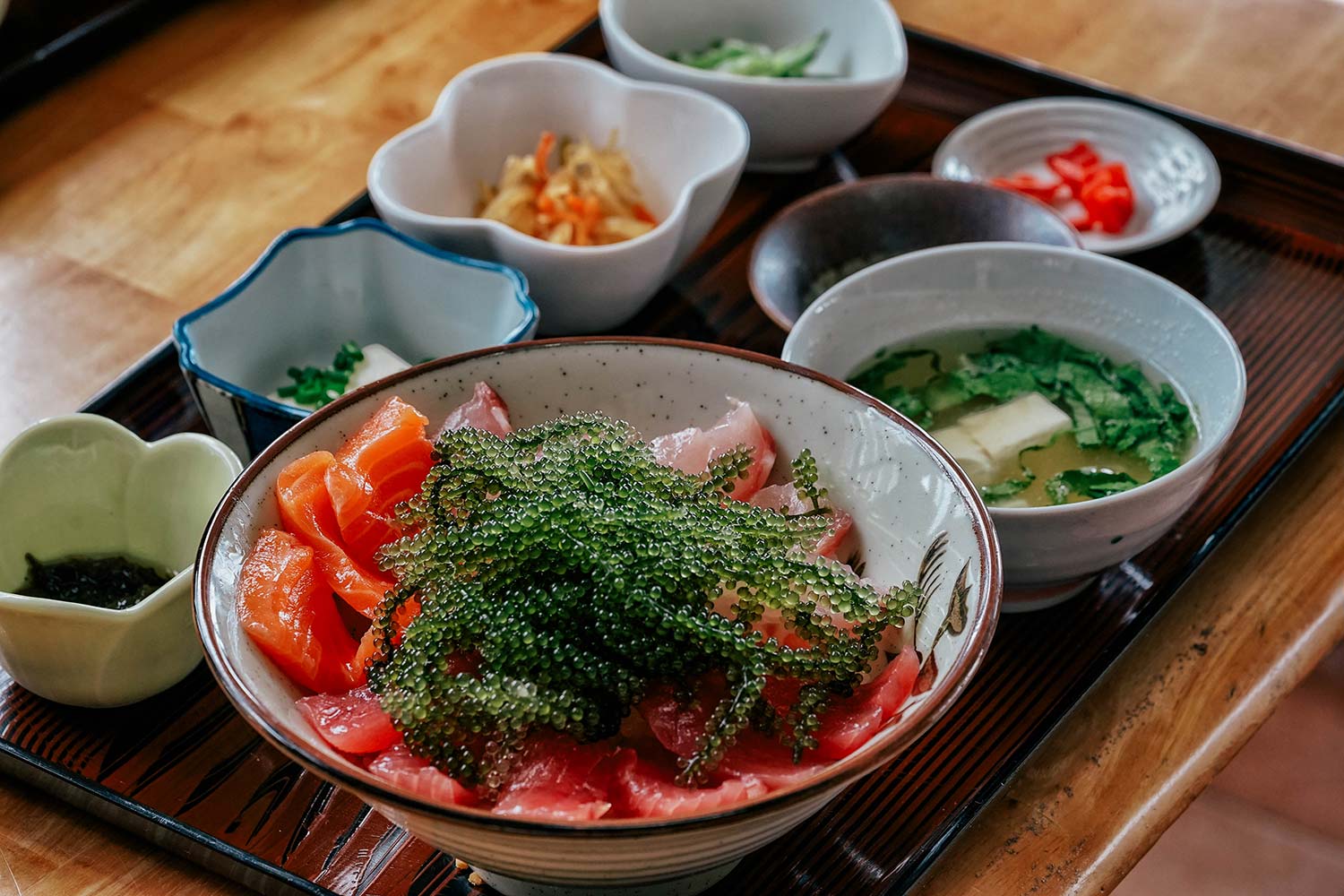
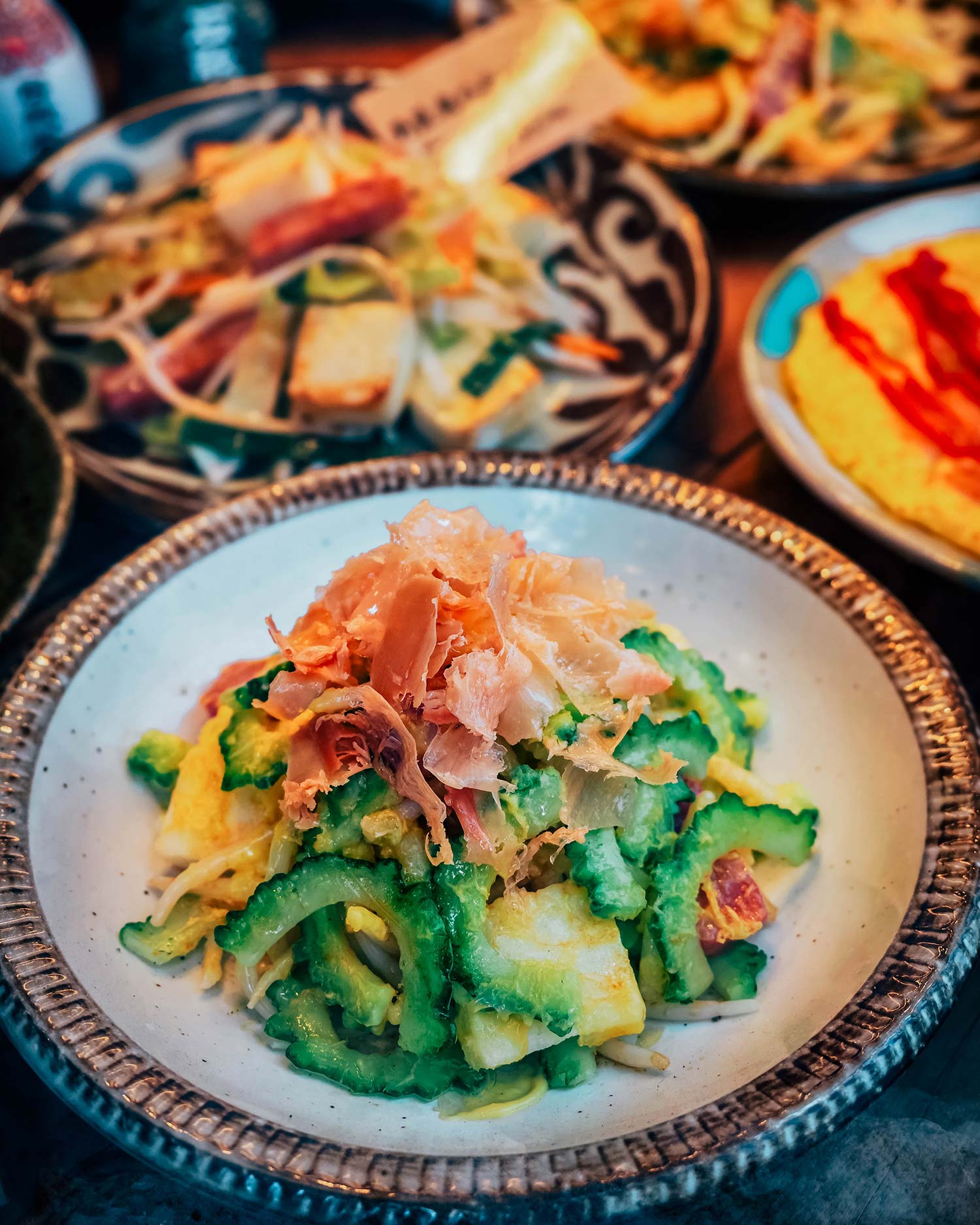
The Okinawa Blue Zone diet is central to longevity, but it is as much about simplicity as it is about specific ingredients.
Sweet potatoes make up a large part of the diet, particularly the purple variety known as beni imo. Rich in antioxidants called anthocyanins, it adds vivid colour to dishes such as gohan and manju.
Rice and soy-based foods such as tofu and miso, along with other vegetables, seaweed, and small amounts of fish, make up the rest of the diet, providing essential nutrients while remaining relatively low in calories. Medicinal plants such as turmeric and ginger, which help protect against illness, are also commonly used in everyday cooking.
Older Okinawans eat an average of seven servings of vegetables a day, helping to lower the risk of disease. Meals are often guided by the mindful practice of hara hachi bu, or eating until around 80% full. It is a philosophy that encourages moderation while emphasising awareness and gratitude.
Movement and place
Diet may have a lot to do with Blue Zone wellness, but daily movement is just as important. It is continuous yet gentle, woven into routines rather than planned as exercise. The Okinawan habit of sitting on the floor to eat and relax means people get up and down throughout the day. This supports posture, flexibility, and mobility, while keeping the body active without it ever feeling like a workout. Along with gardening, walking and cycling also play a central role in daily life and remain common forms of transport.
One place well suited to exploring on foot is Okinawa’s capital, Naha. As the former centre of the Ryukyu Kingdom, it is filled with historic landmarks and sacred sites, some of which can be seen on the Remote Lands Honeymoon to South Korea and Okinawa itinerary.
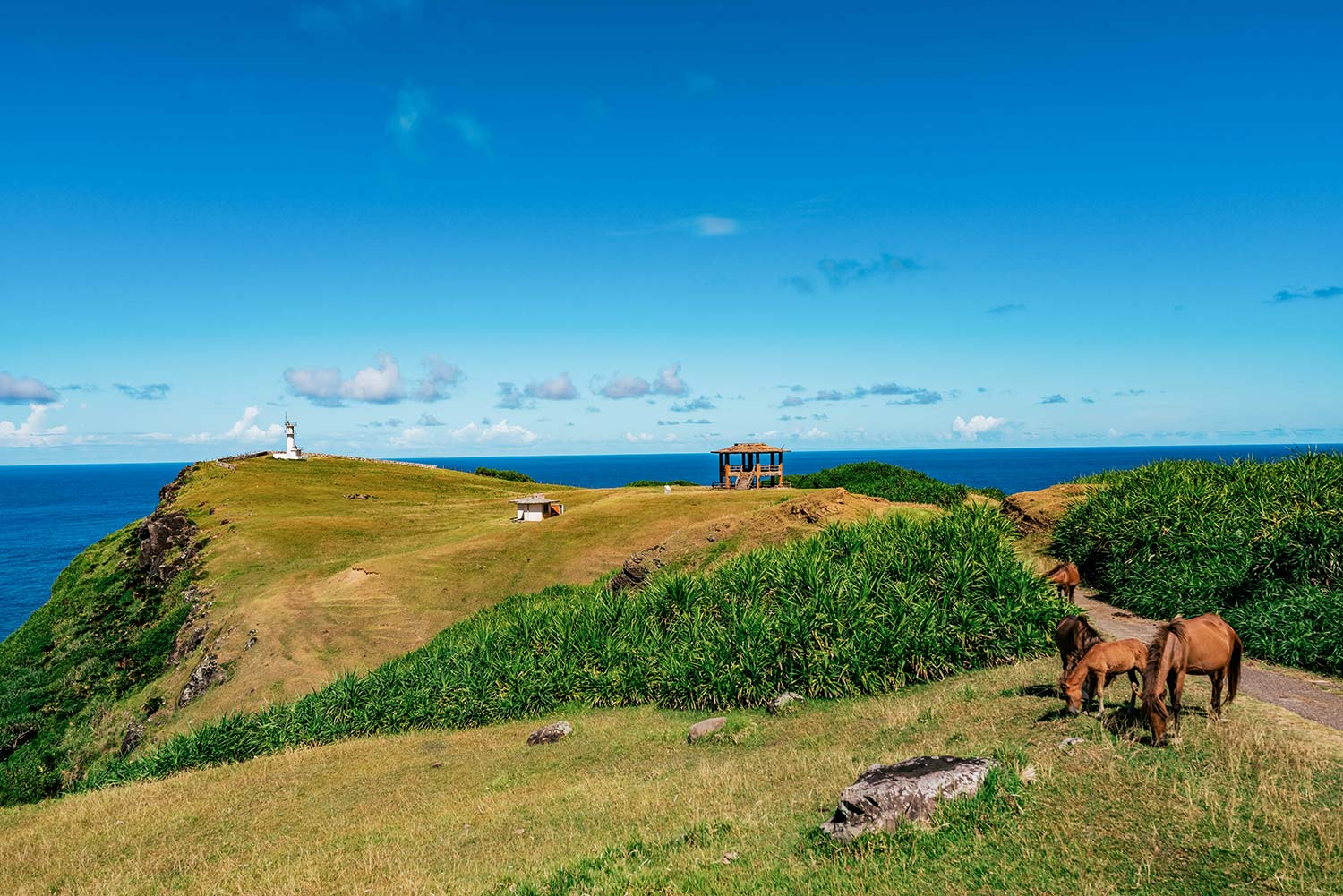
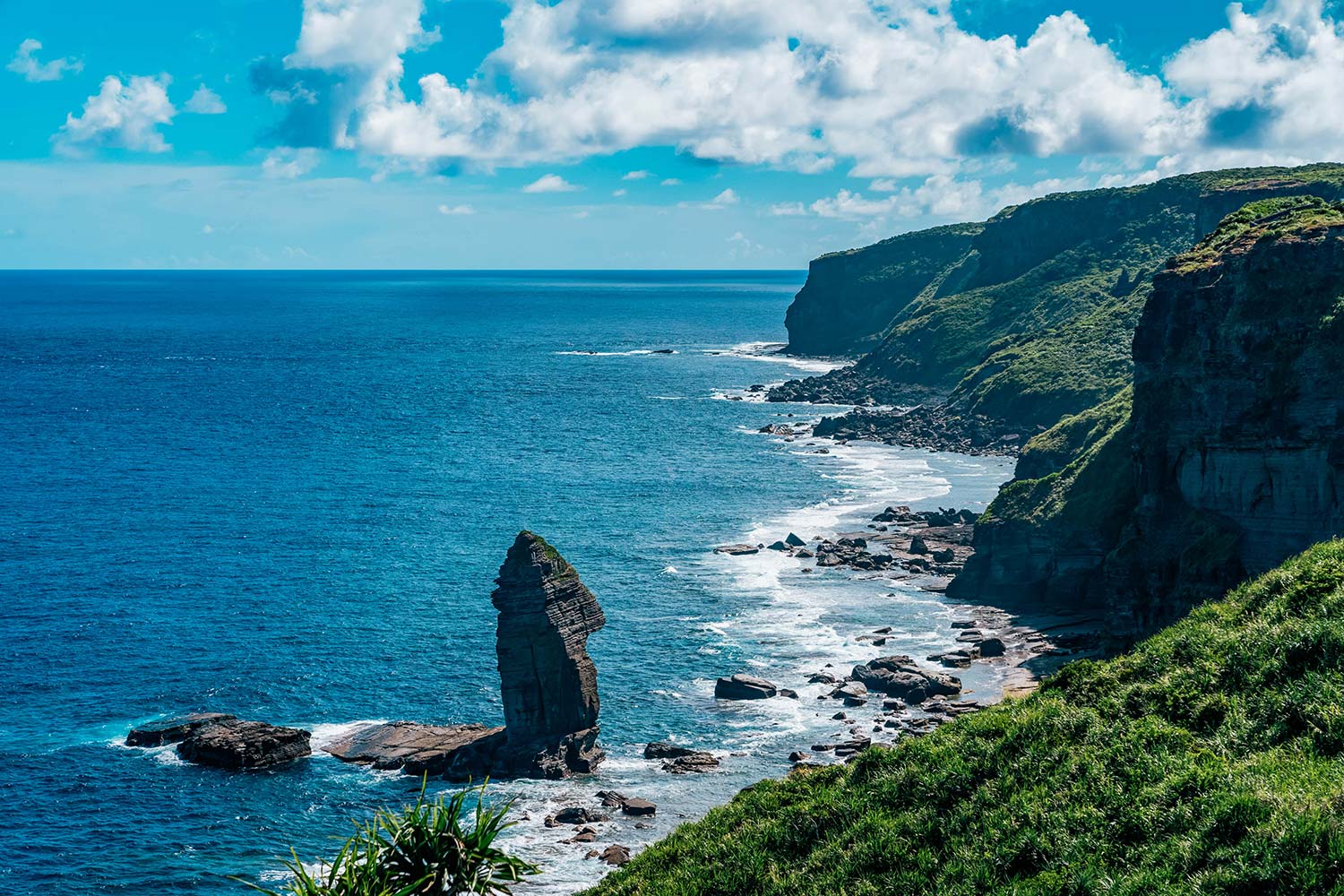
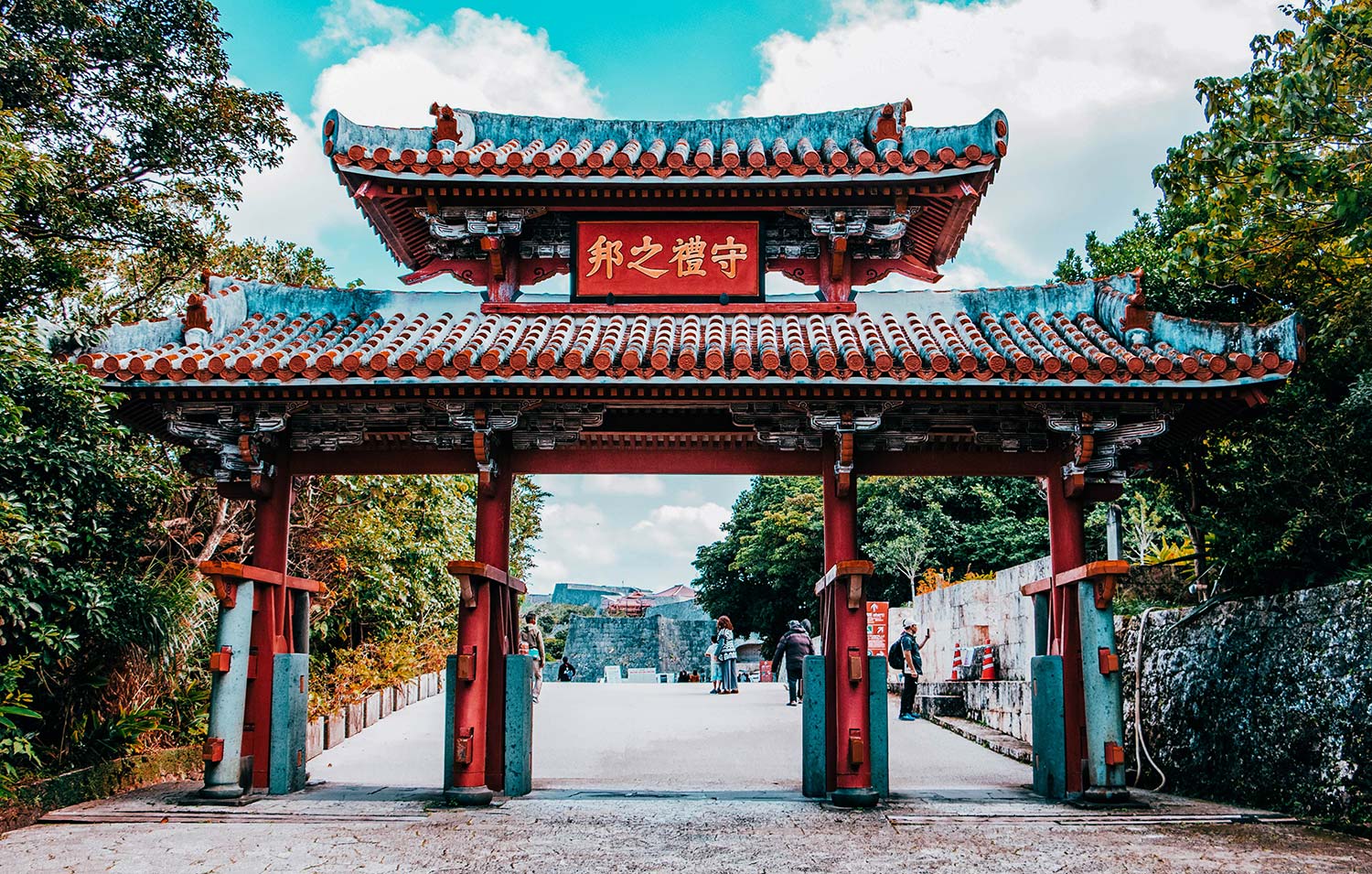
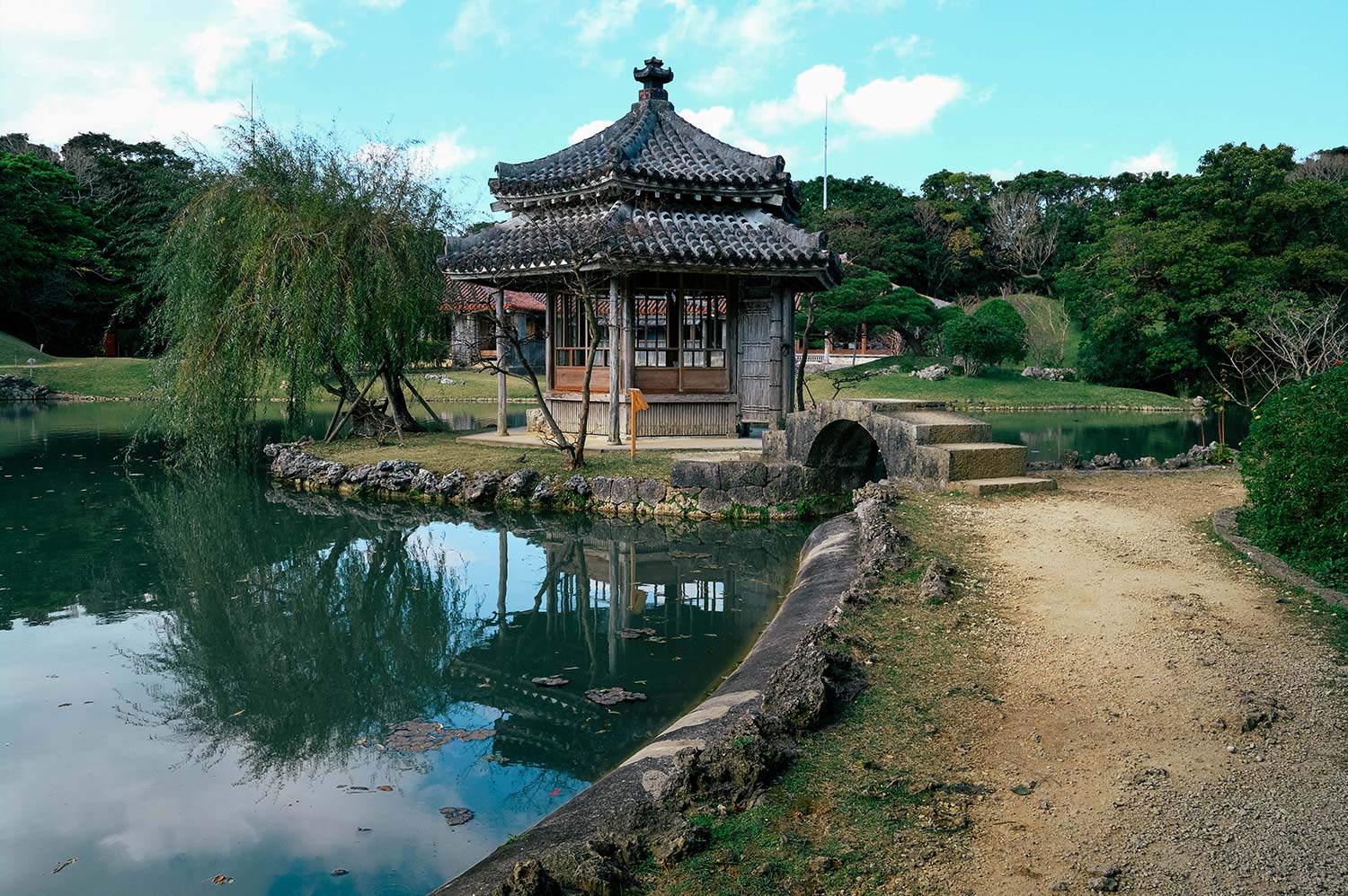
A stay in Naha offers the chance to explore the red-lacquered gates of Shuri Castle, the former royal complex. Nearby, Shikinaen Garden unfolds around ponds, stone bridges, and tree-lined paths, originally designed as a retreat for visiting dignitaries.
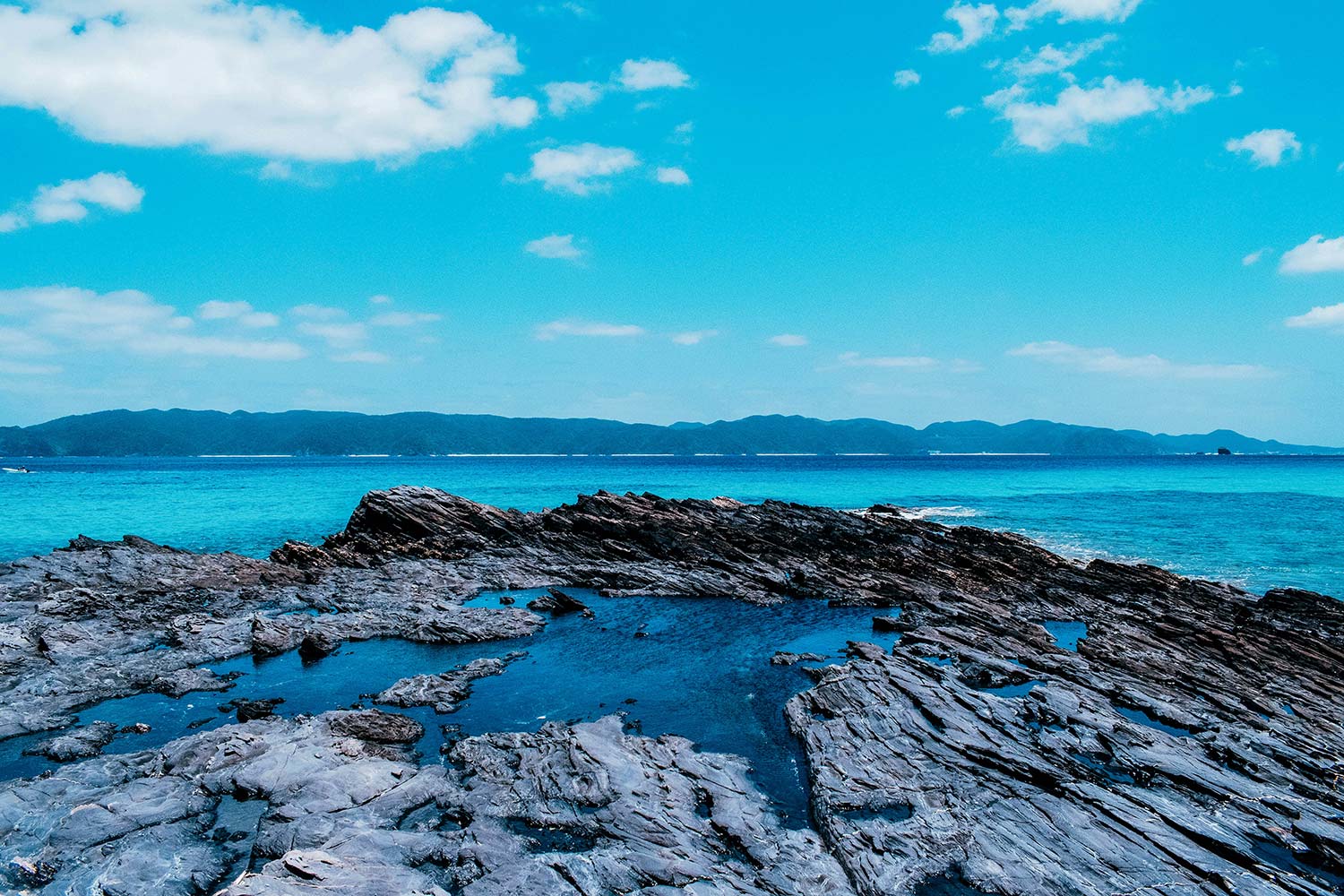
For those drawn to a more secluded tropical escape, the Uncovering the Unique Beauty of Okinawa itinerary transports travellers from Naha to Japan’s westernmost inhabited island, Yonaguni.
Renowned as one of the world’s top diving destinations, its deep waters conceal a vast underwater rock formation made up of terraces and stepped structures, often referred to as the “Atlantis of the Pacific”. Schools of hammerhead sharks can also be seen in the surrounding waters during the winter months.
Bringing the Blue Zone lifestyle home
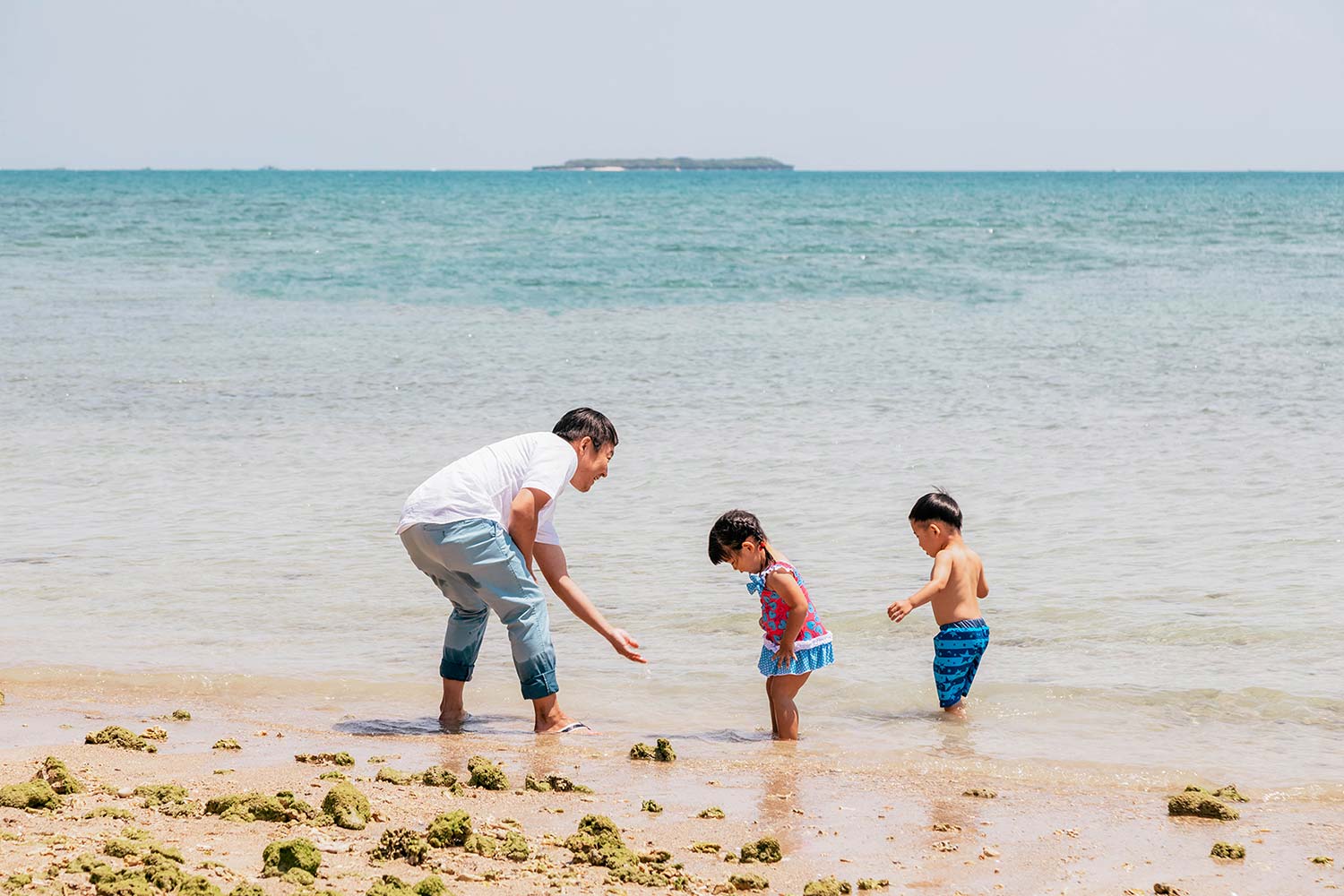
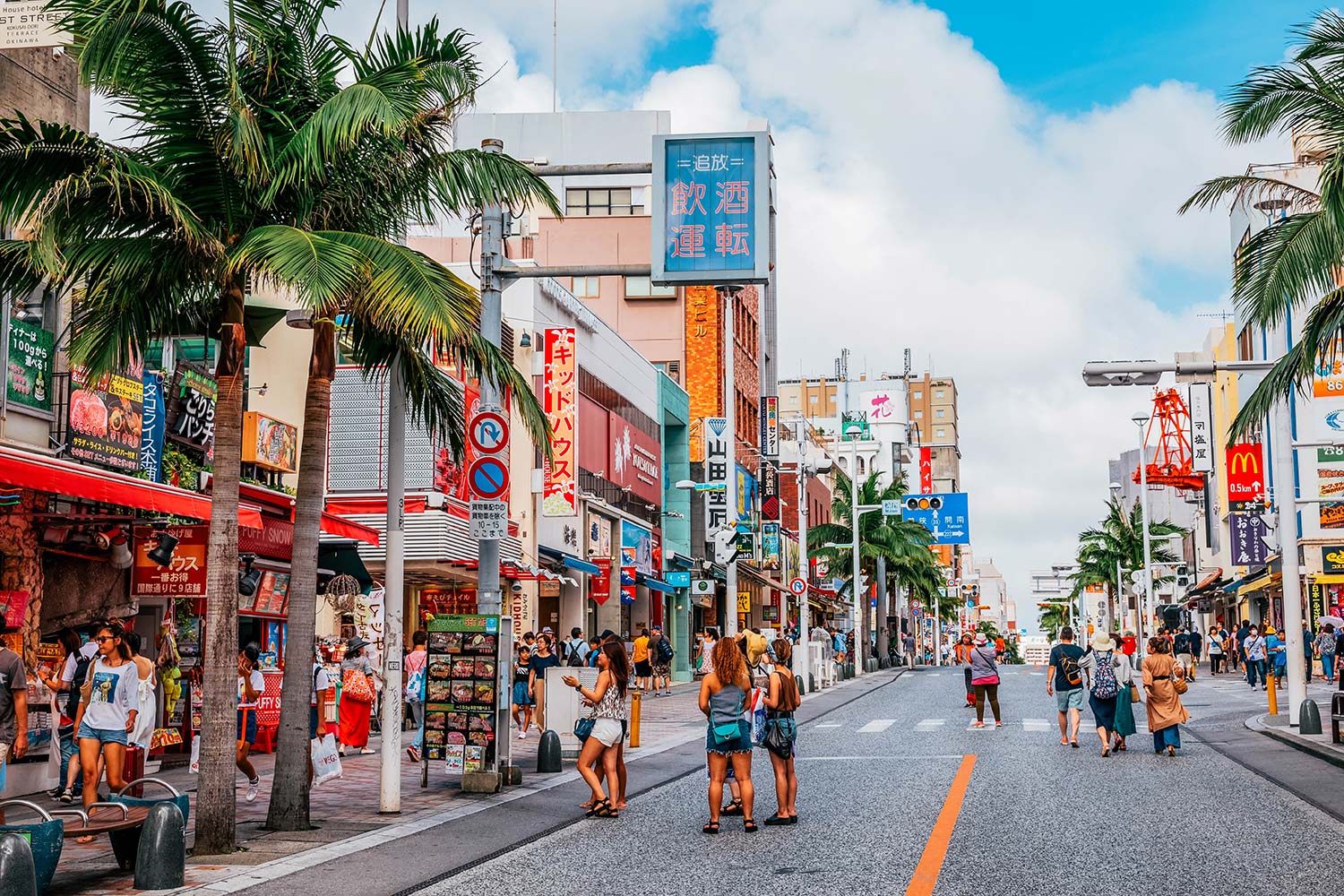

In Okinawa, wellness is not seen as something to be achieved. There are no expensive therapies, no complex routines, and no sense of urgency, which makes for a stark contrast with modern Western life.
Longevity seems to depend less on what is added than on what is left out. In that sense, Okinawa is not a wellness destination so much as a reminder of what wellbeing can look like when it is left to develop naturally.
Although most of us do not have the option of waking up to subtropical temperatures and healing ocean air, some elements of the Blue Zone lifestyle can still be adopted at home. Meals can centre on fresh vegetables, ideally grown locally and prepared simply. Even without access to a garden, the same principle applies: favour seasonal produce over convenience.
Movement follows a similar rhythm. Rather than being defined as exercise, it happens through daily tasks, walking, and time spent outdoors. Social connection is equally central to long-term health and should be maintained over time rather than sought out only when needed. Time spent across generations also matters, with relationships with younger people proving just as valuable as those with older ones.
These habits are not presented as solutions. But when repeated over time, their effects begin to accumulate. What exists in Okinawa is not a system, but a way of life that remains consistent without ever seeming like effort.