


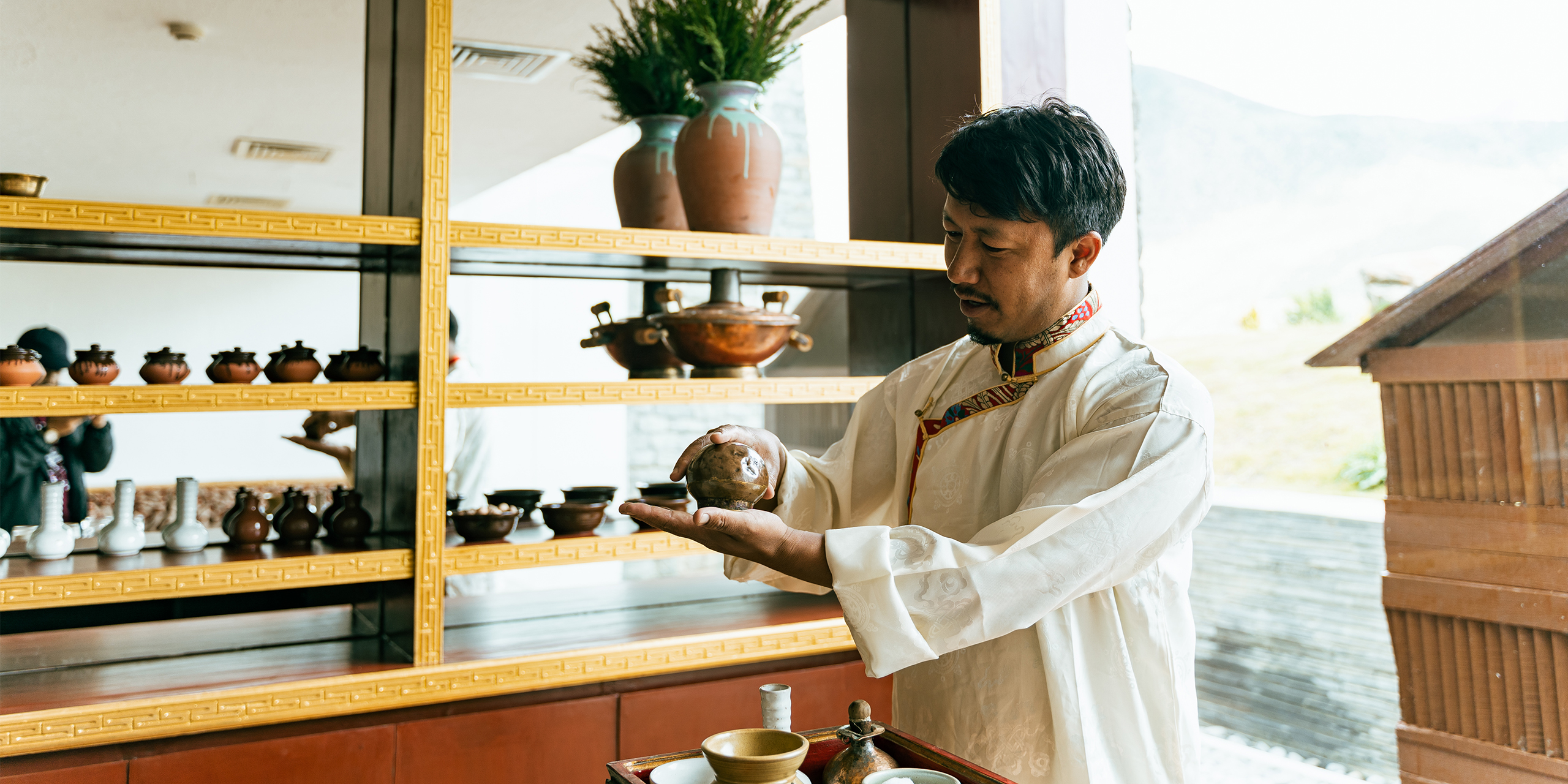
Up in the Himalayas, in the world’s highest regions, spirituality, tradition, and healing exist in quiet harmony. In the mountains of Nepal, Bhutan, and Tibet, wellness is part of daily life, woven into monasteries, village rituals, and ancient texts handed down through generations. These original Himalayan healing traditions are rooted in Buddhist philosophy and guided by the wisdom of Sowa-Rigpa, Tibet’s centuries-old system of medicine. While each country has distinct practices, all share a belief in restoring balance between mind, body, spirit, and the natural world.
Tibet: The Spiritual Home of Medicine

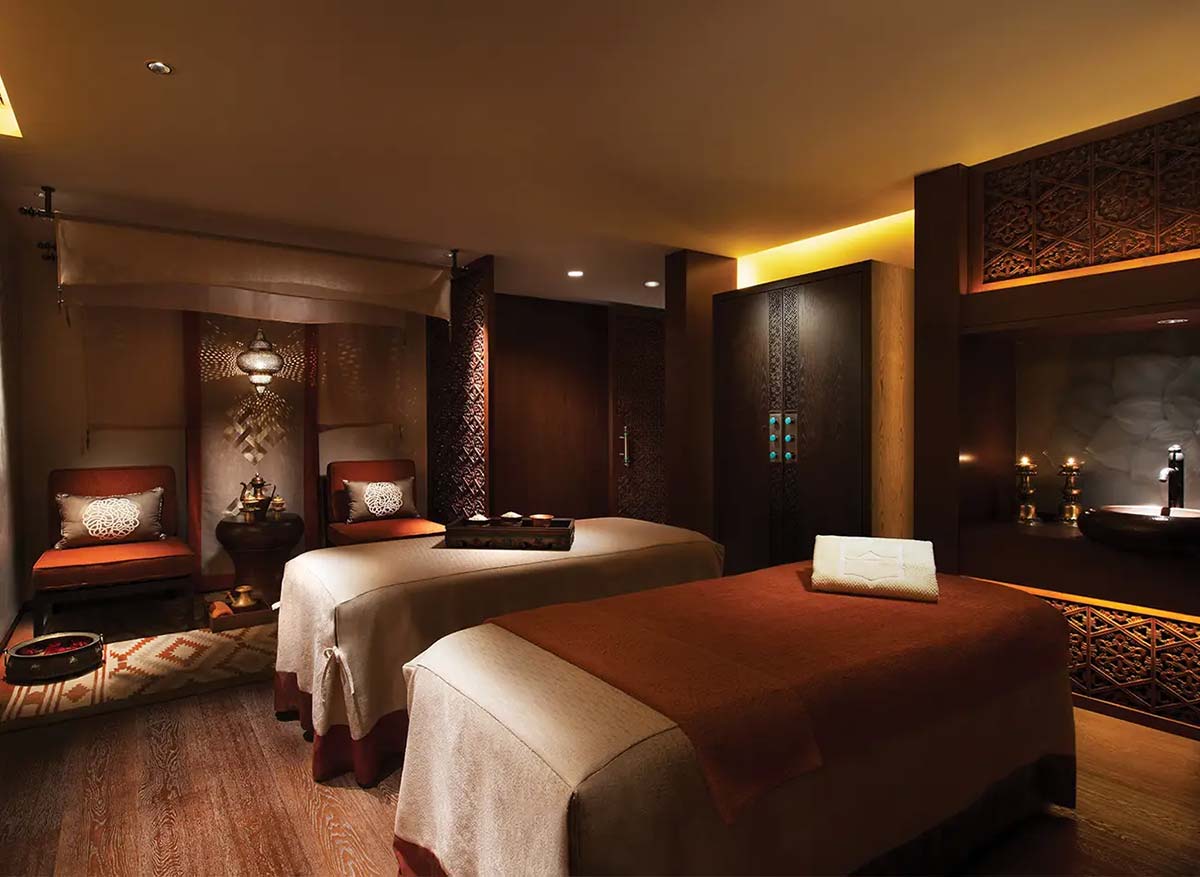
Tibet is the birthplace of Sowa-Rigpa, the “science of healing.”
One of the oldest systems still practiced today, it remains a sacred discipline often conducted in spiritual or secluded settings rather than mainstream clinics. Traditional Tibetan Medicine (TTM) is practised by trained physicians, some of them also high-ranking Buddhist monks or lamas who complete their training in monasteries, uniting medical study with spiritual practice.
The foundation of Tibetan healing is Tendrel, or interdependence. All things are interconnected, and illness arises from imbalances in the five elements (earth, water, fire, wind, space) and the three humours: rlung (wind), mkhris-pa (bile), and bad-kan (phlegm). The goal is total balance.
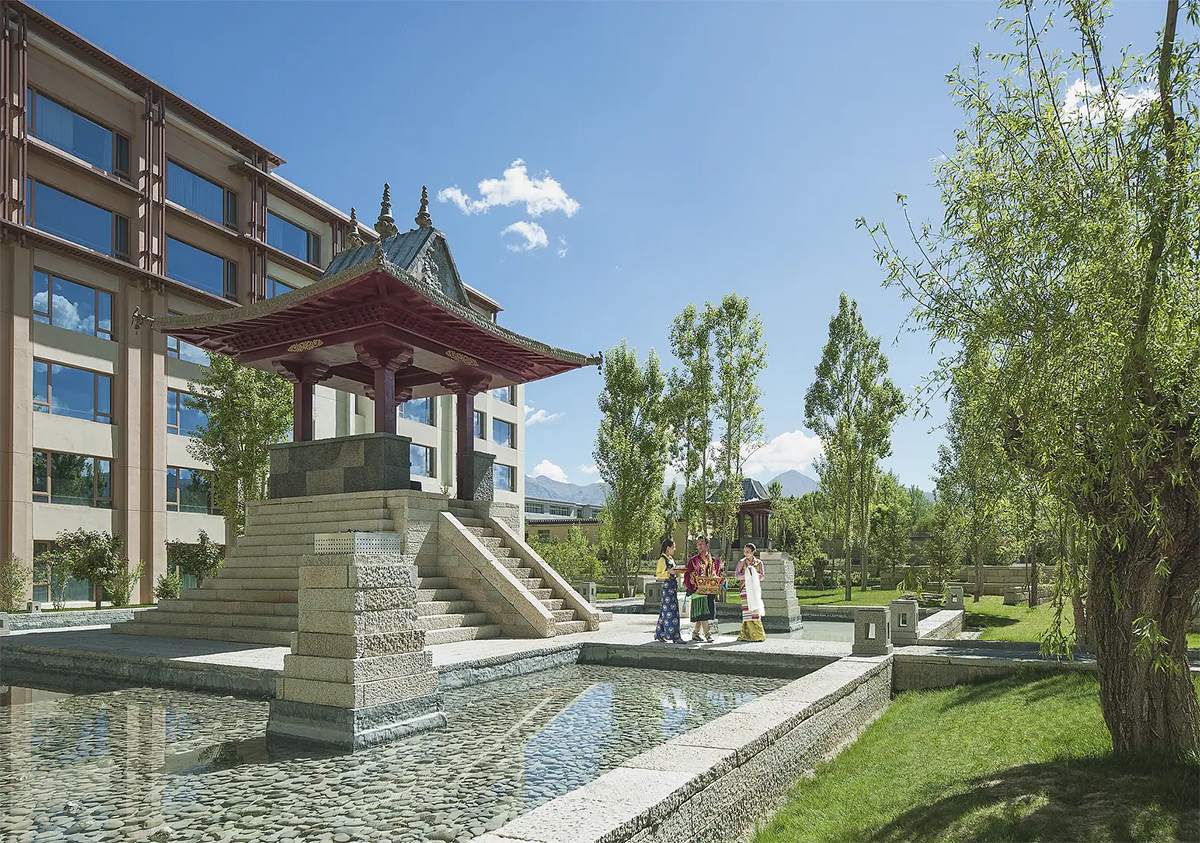
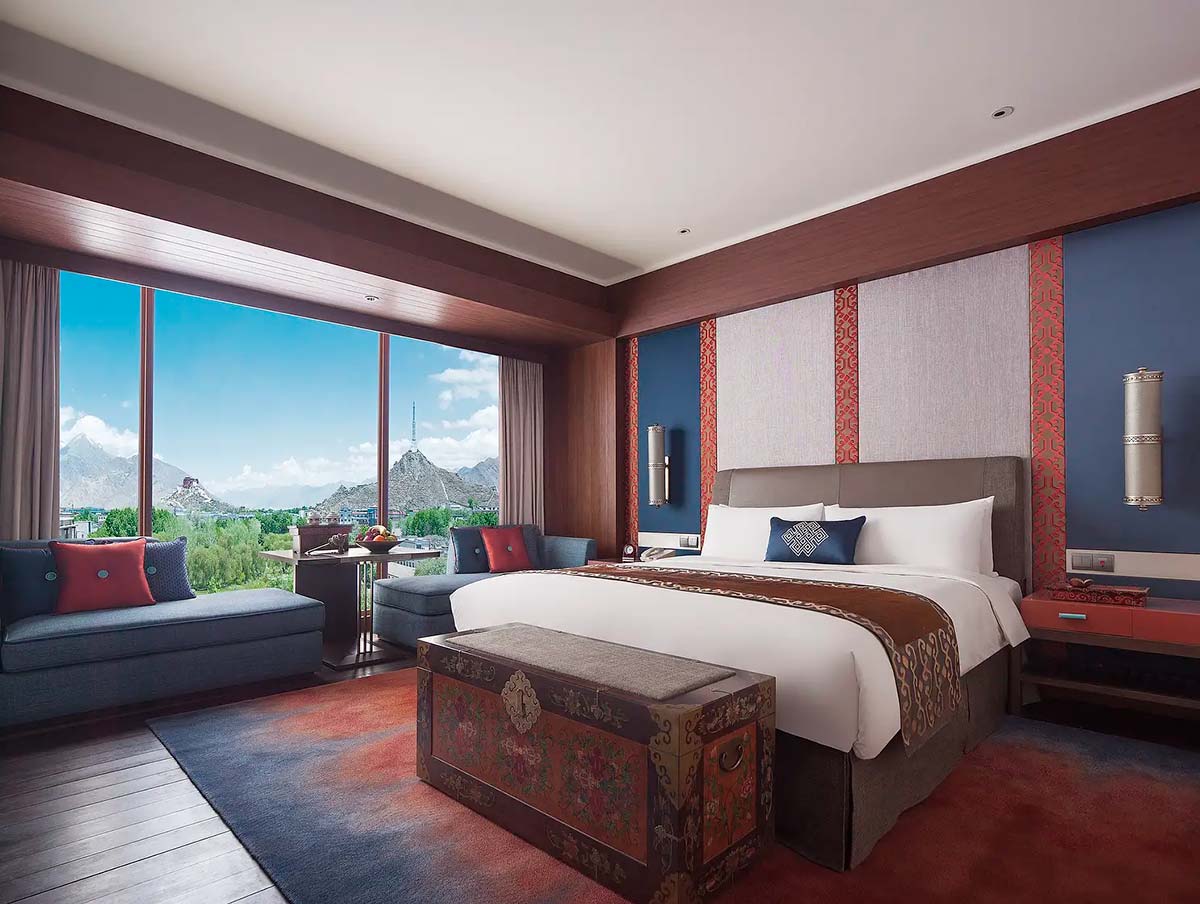
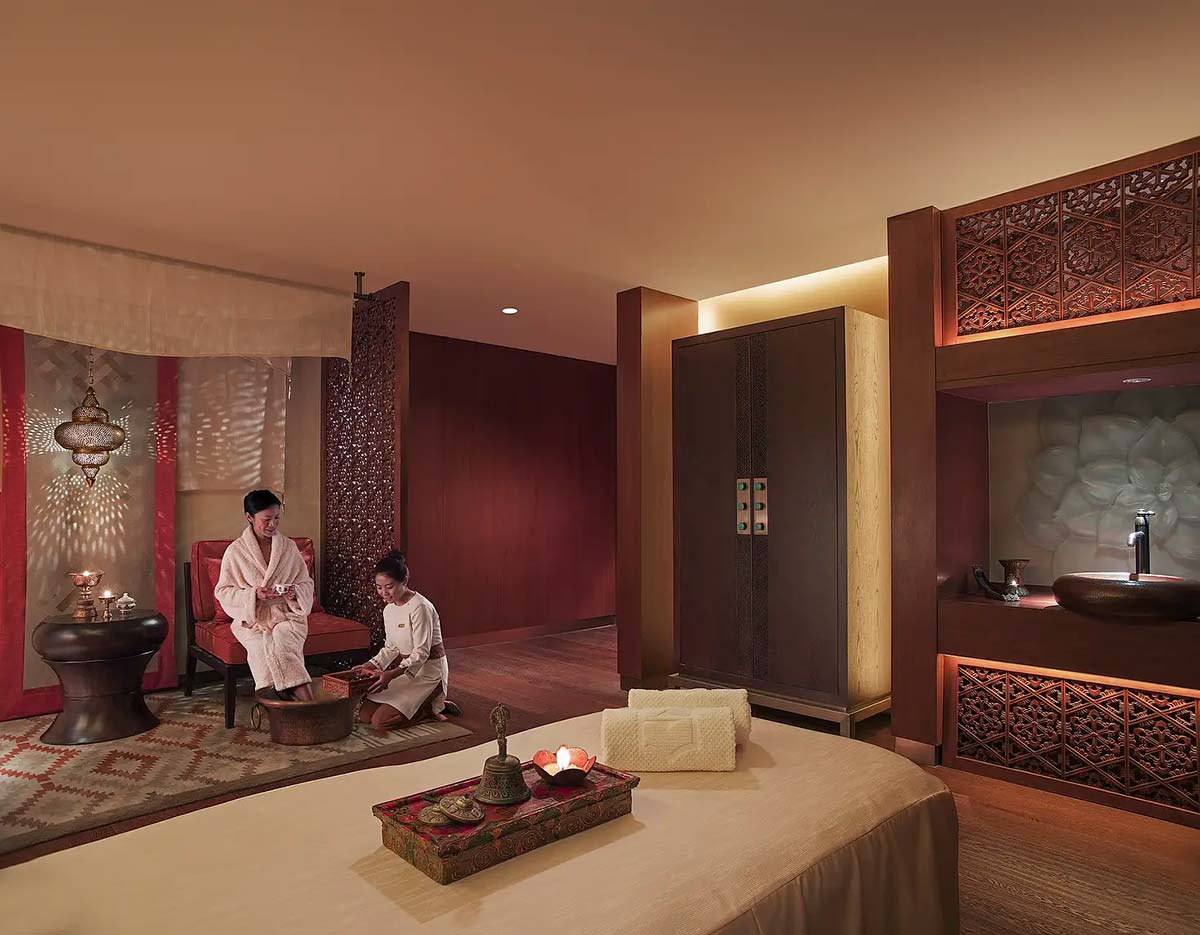
Diagnosis may involve pulse reading, urine analysis, and detailed questioning. Treatments range from herbal remedies and dietary adjustments to moxibustion, mantra chanting, or visualization of the Medicine Buddha. Astrology can also guide diagnosis. Remote Lands’ Classic Tibet itinerary offers access to this heritage, beginning with a stay at the Shangri-La Lhasa and visits to monasteries and sacred sites, including Potala Palace and Jokhang Temple.
Nepal: Healing on the Roof of the World
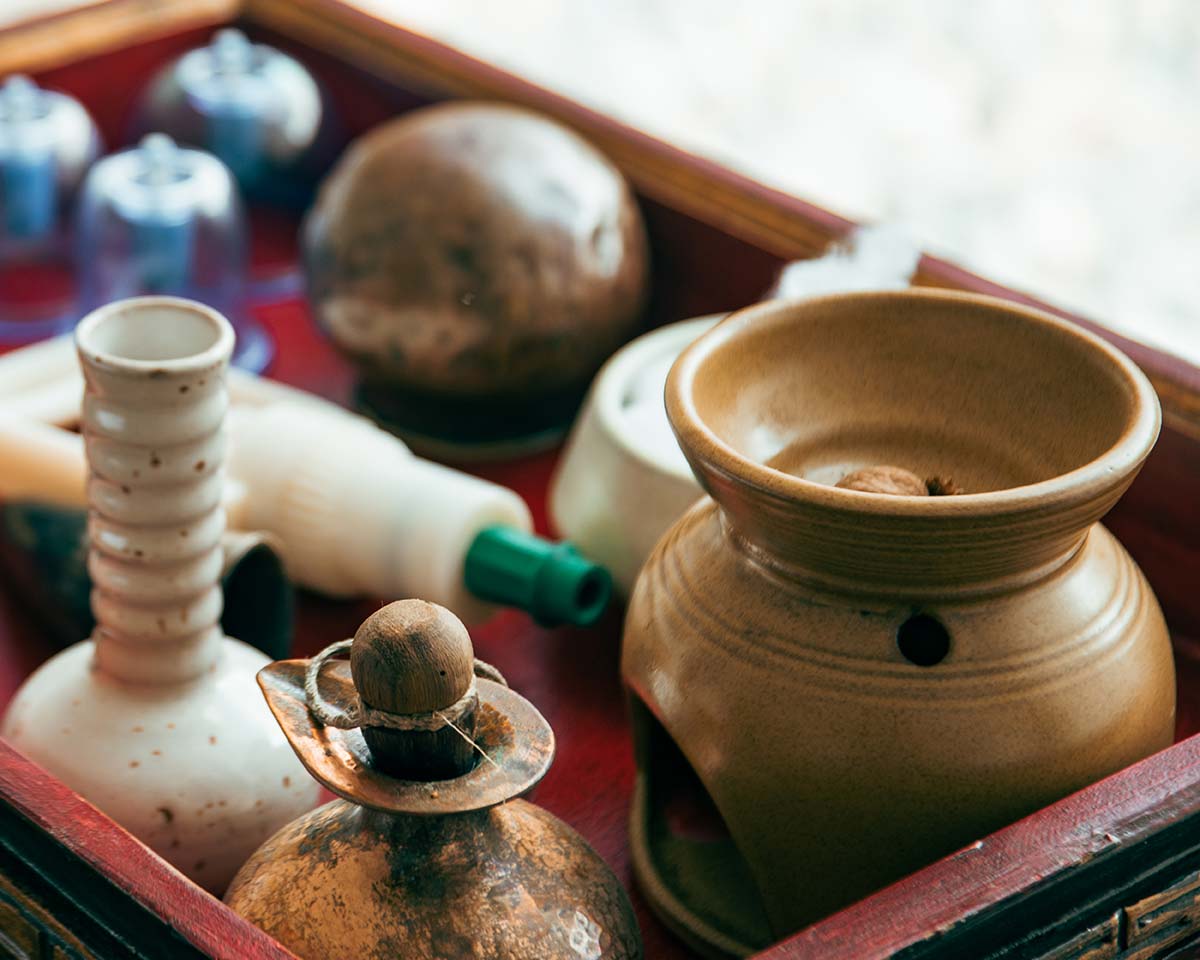
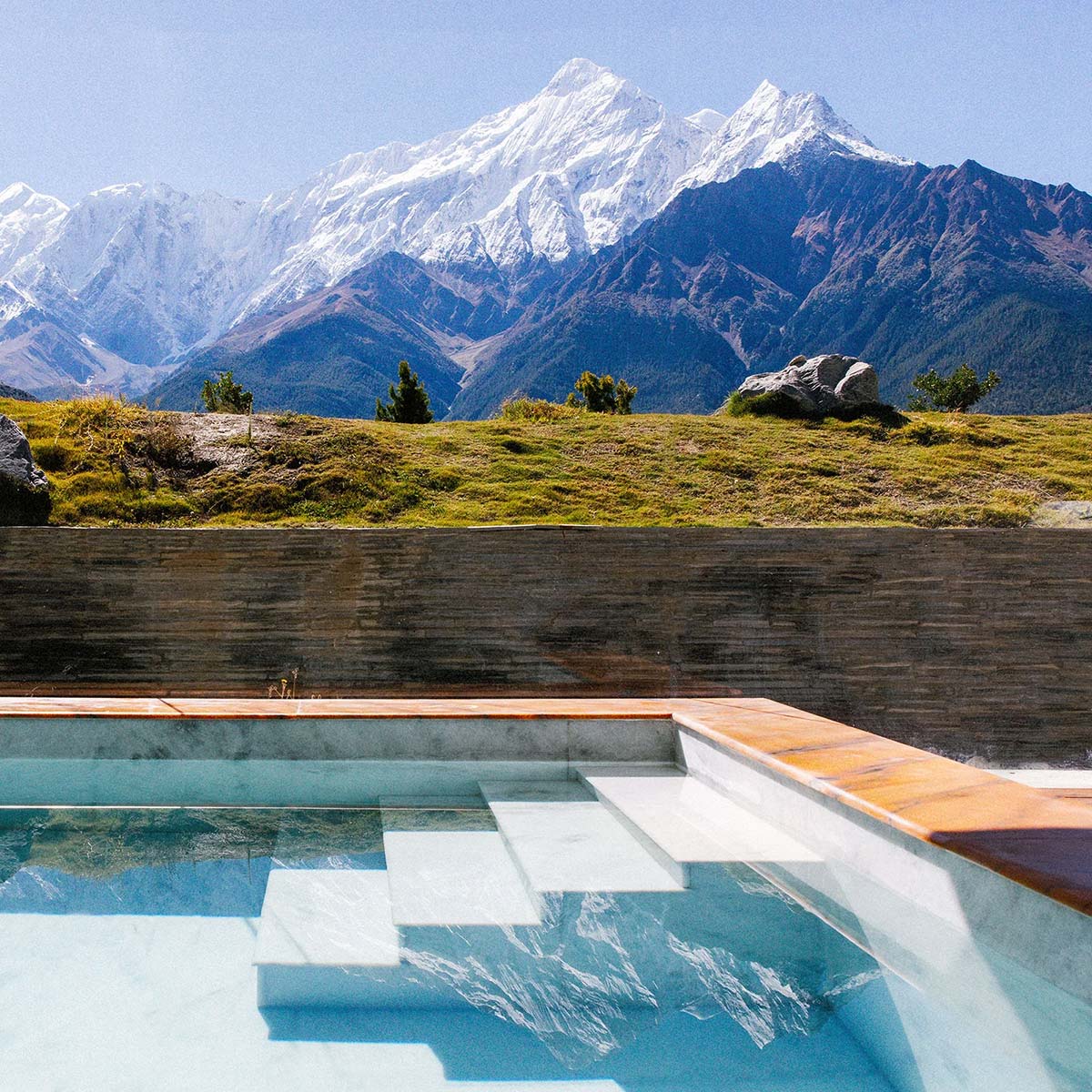
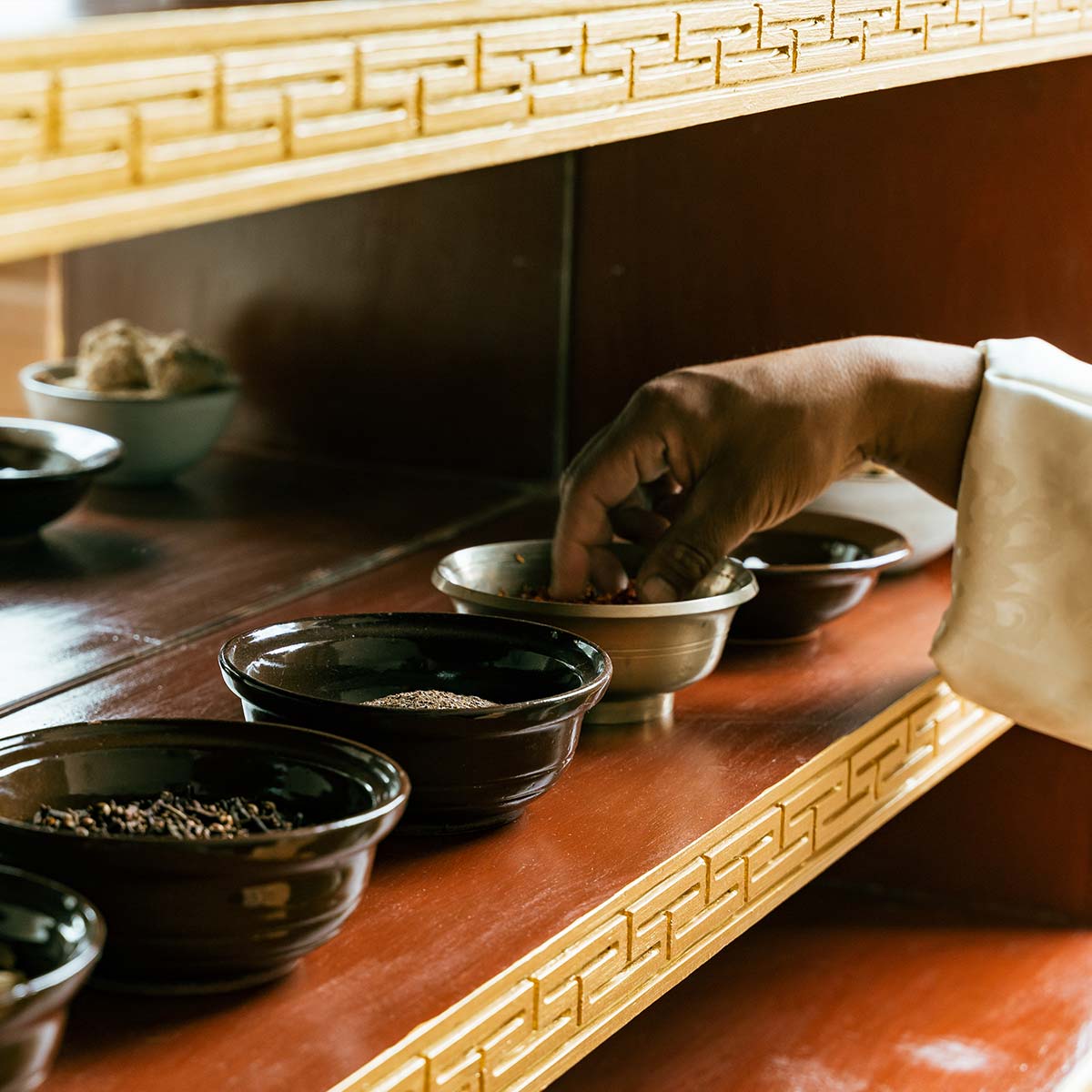
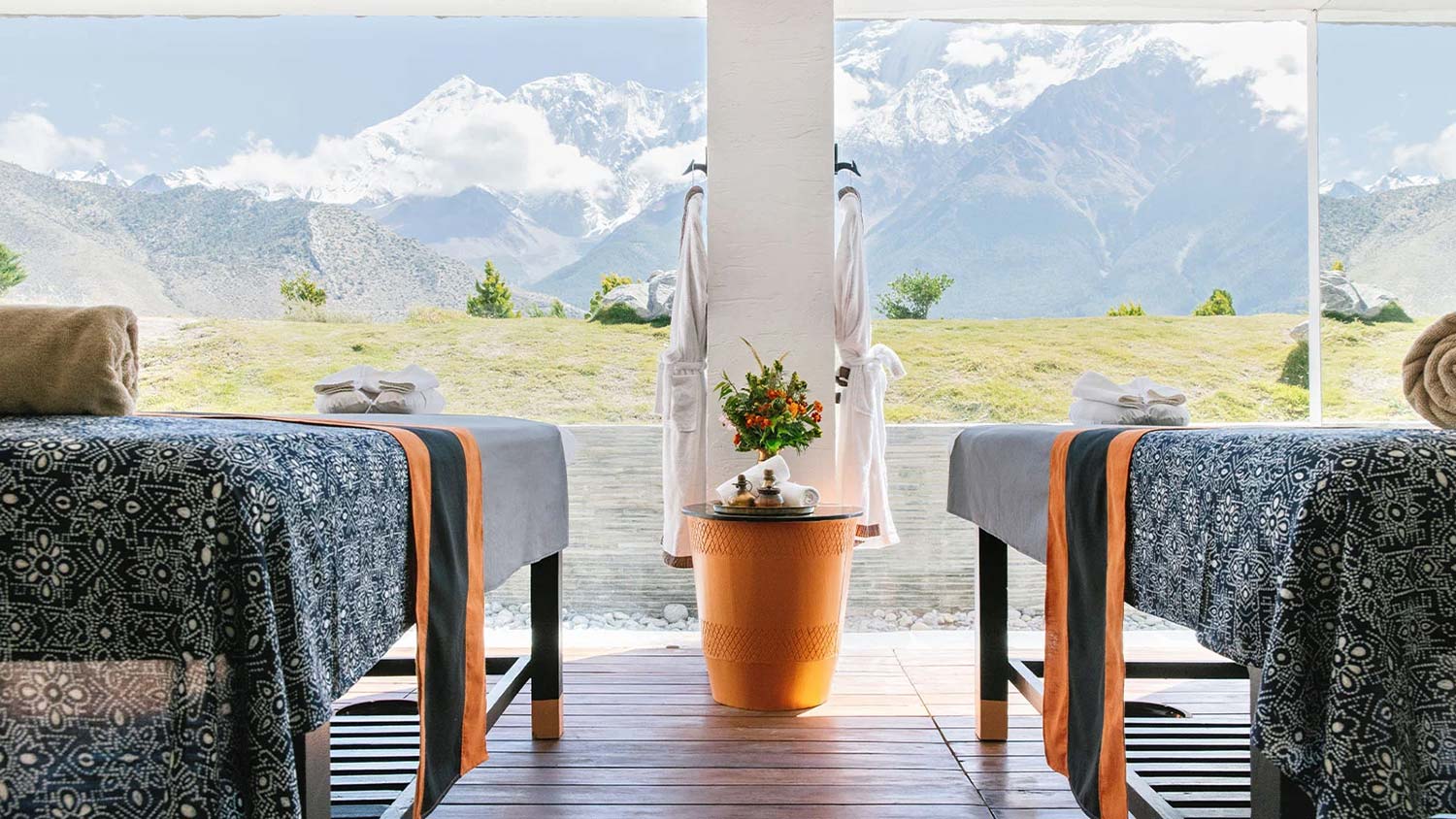
Nepal, home to the highest peaks, also preserves enduring healing traditions. In northern Nepal, among Sherpa communities, Amchi medicine—closely tied to Sowa-Rigpa—focuses on balancing the body’s energies. Amchis, or community doctors, are trained in monasteries or mentored over years. They diagnose by pulse, urine, and questioning, then treat with Himalayan herbs, diet, and ritual. Remedies are powders, pastes, or infusions prepared with plants gathered locally.
In southern Nepal, healing takes on varied forms. Tharu communities rely on baidhs—traditional healers who treat with plants, massage, and mantras. Elsewhere, dhamis or guruwas practice hands-on therapies, while sohrainiyas, often women, provide massage and midwifery. Jhankris, Nepal’s shamans, use drumming, trance, and spirit work to treat deeper imbalances. On Remote Lands’ Classic Nepal itinerary, travelers can explore Mustang, a center of Amchi medicine, with stays at Shinta Mani Mustang and sweeping Himalayan views.
Bhutan: The Harmony of Health and Happiness
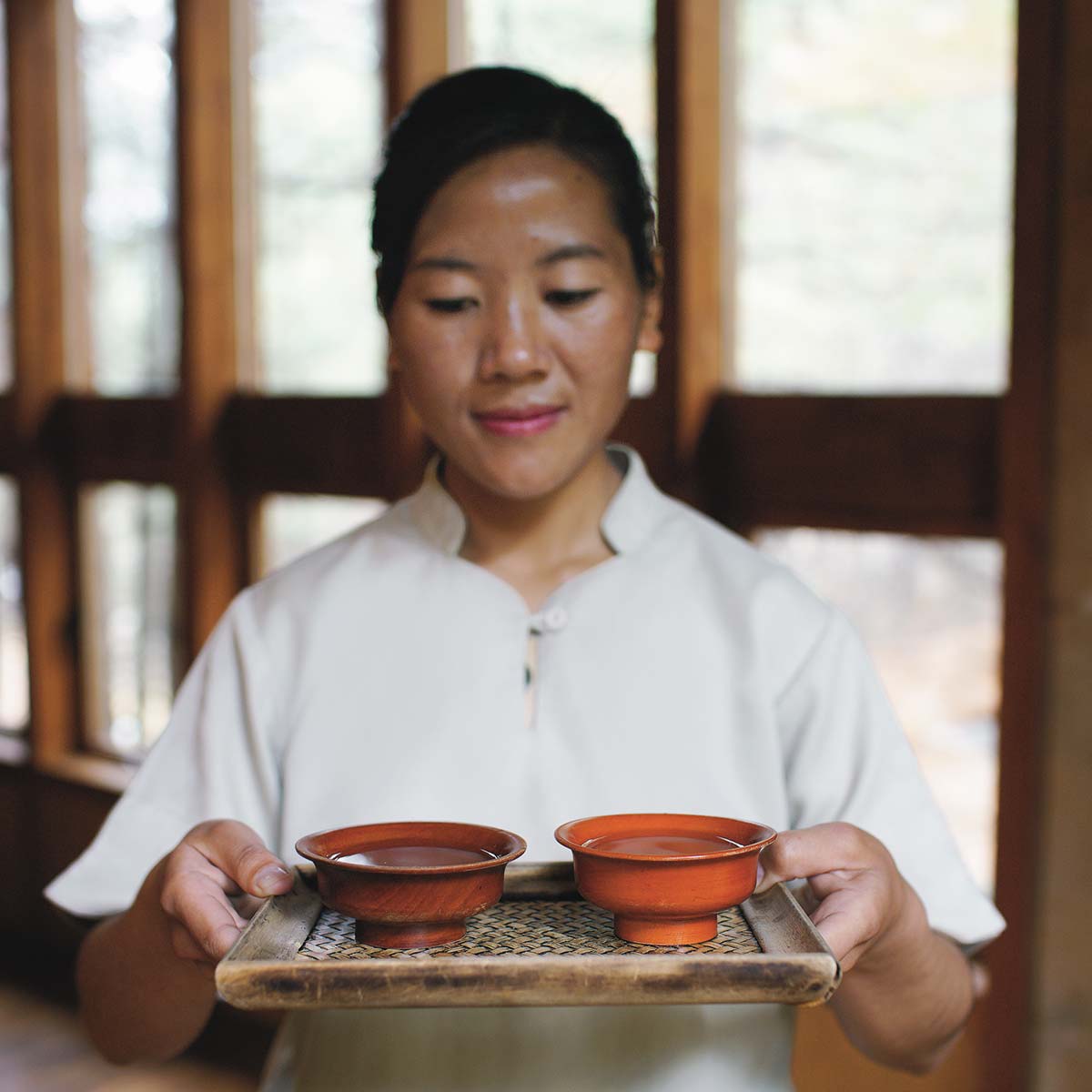
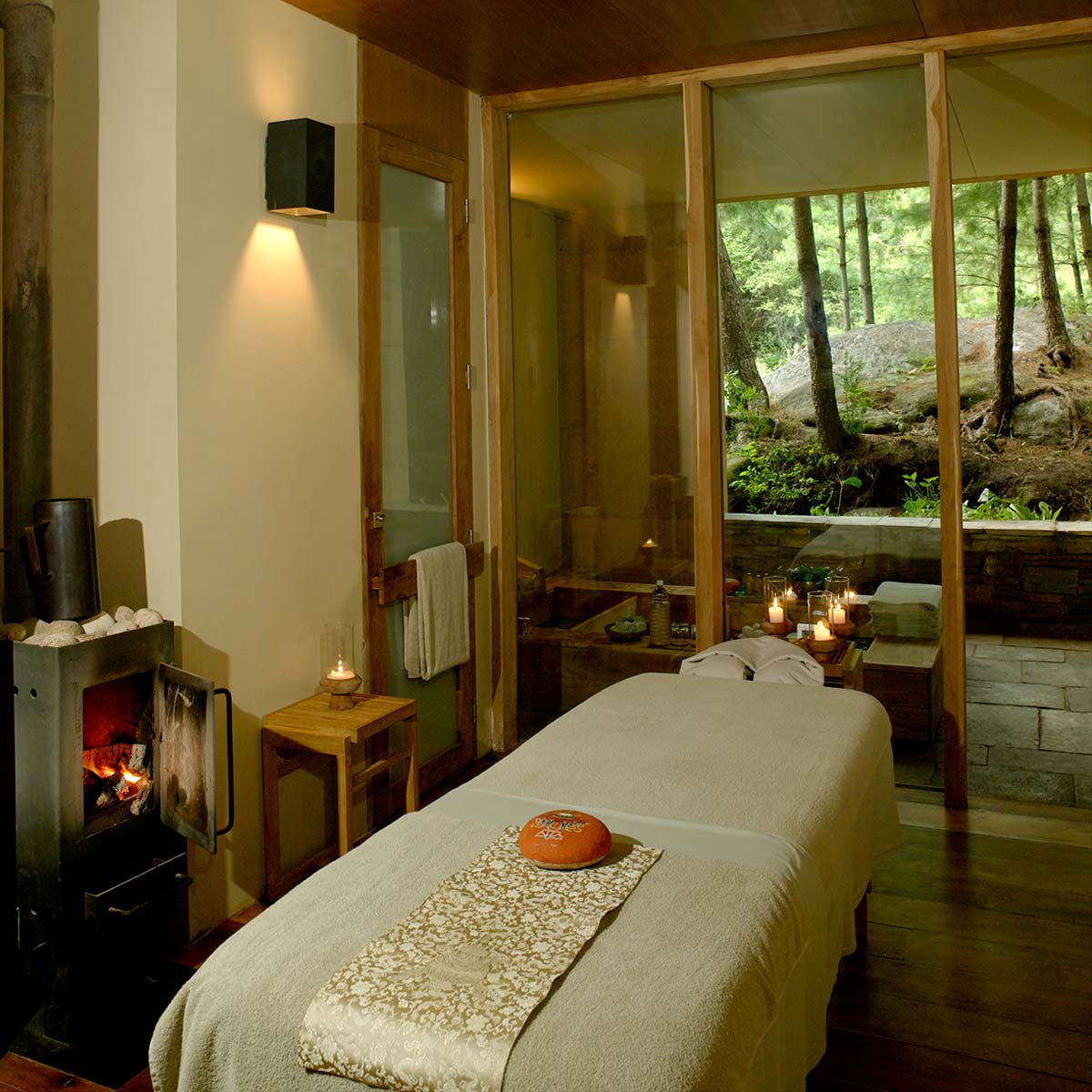
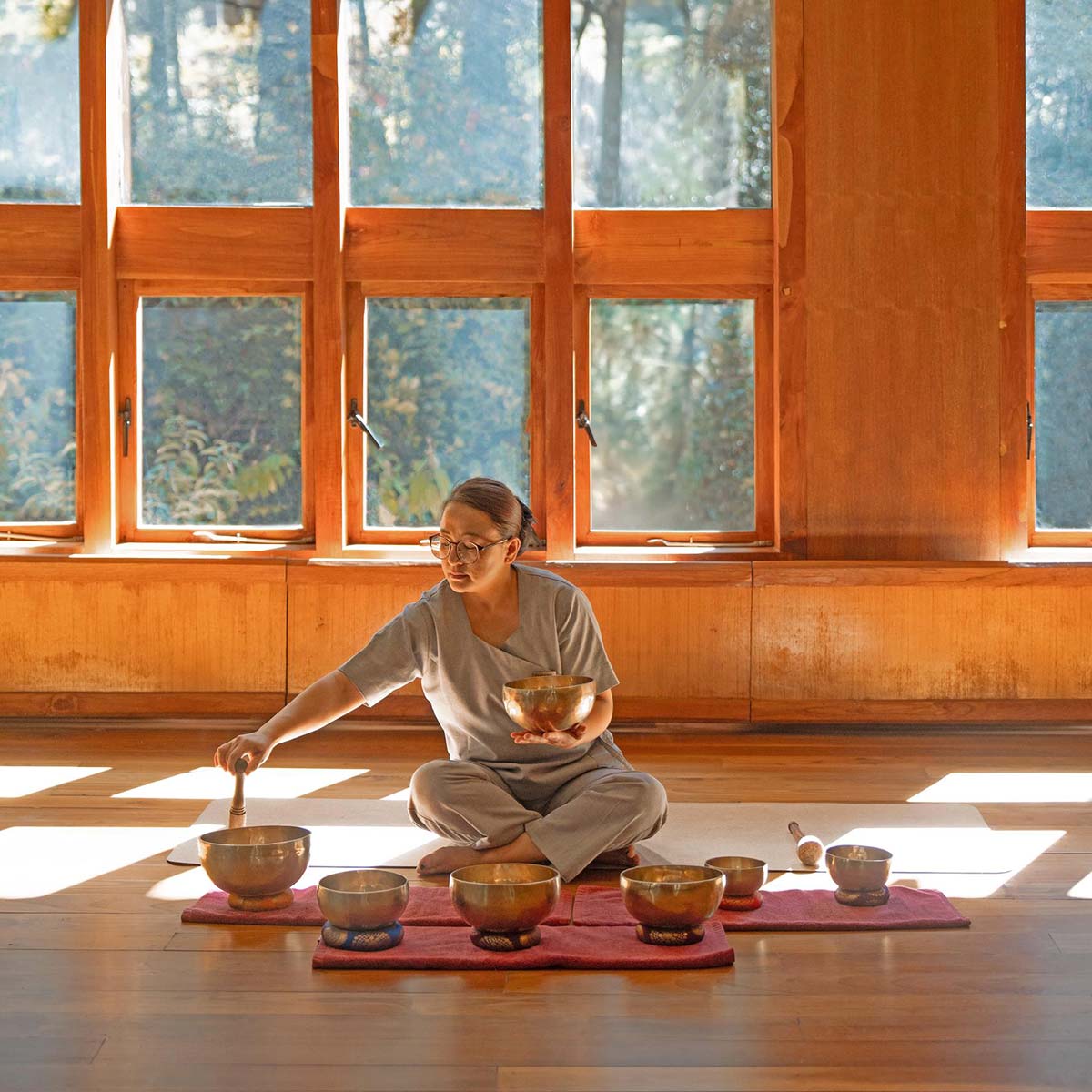
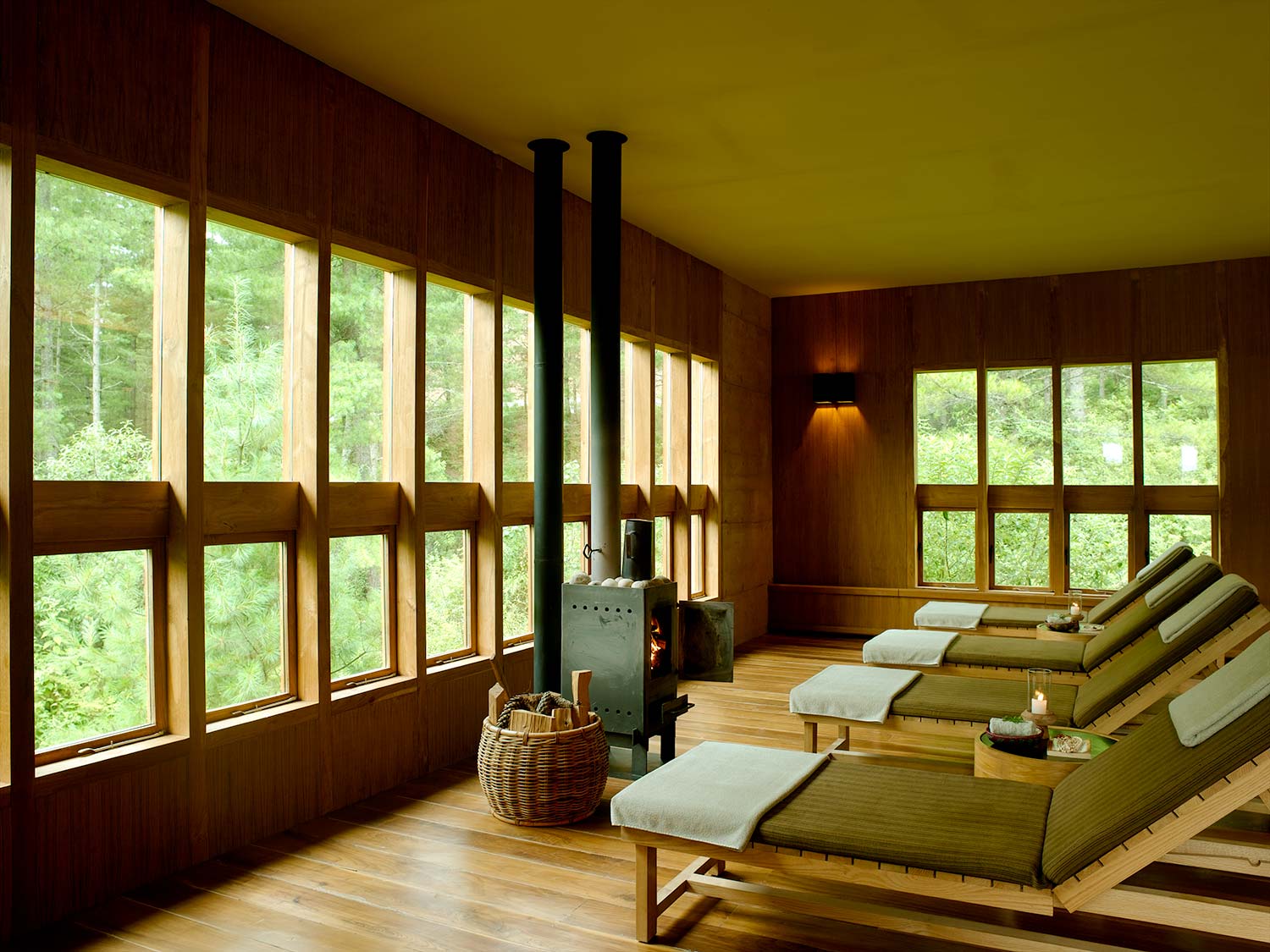
Further east, Bhutan blends Tibetan Sowa-Rigpa with Western medicine, offering both in public hospitals. Of the country’s 7,000 plant species, 600 are medicinal, with half used in treatments. Healing is inseparable from Buddhism, its tradition dating to the eighth century.
Practitioners—drungtshos and smenpas—are trained at the Faculty of Traditional Medicine in Thimphu. Pulse readings, urine analysis, and consultations guide treatment, which may include herbs, diet, and spiritual practices. This tradition reflects Bhutan’s Gross National Happiness philosophy, where even city dwellers often turn to traditional cures for daily or long-term needs.
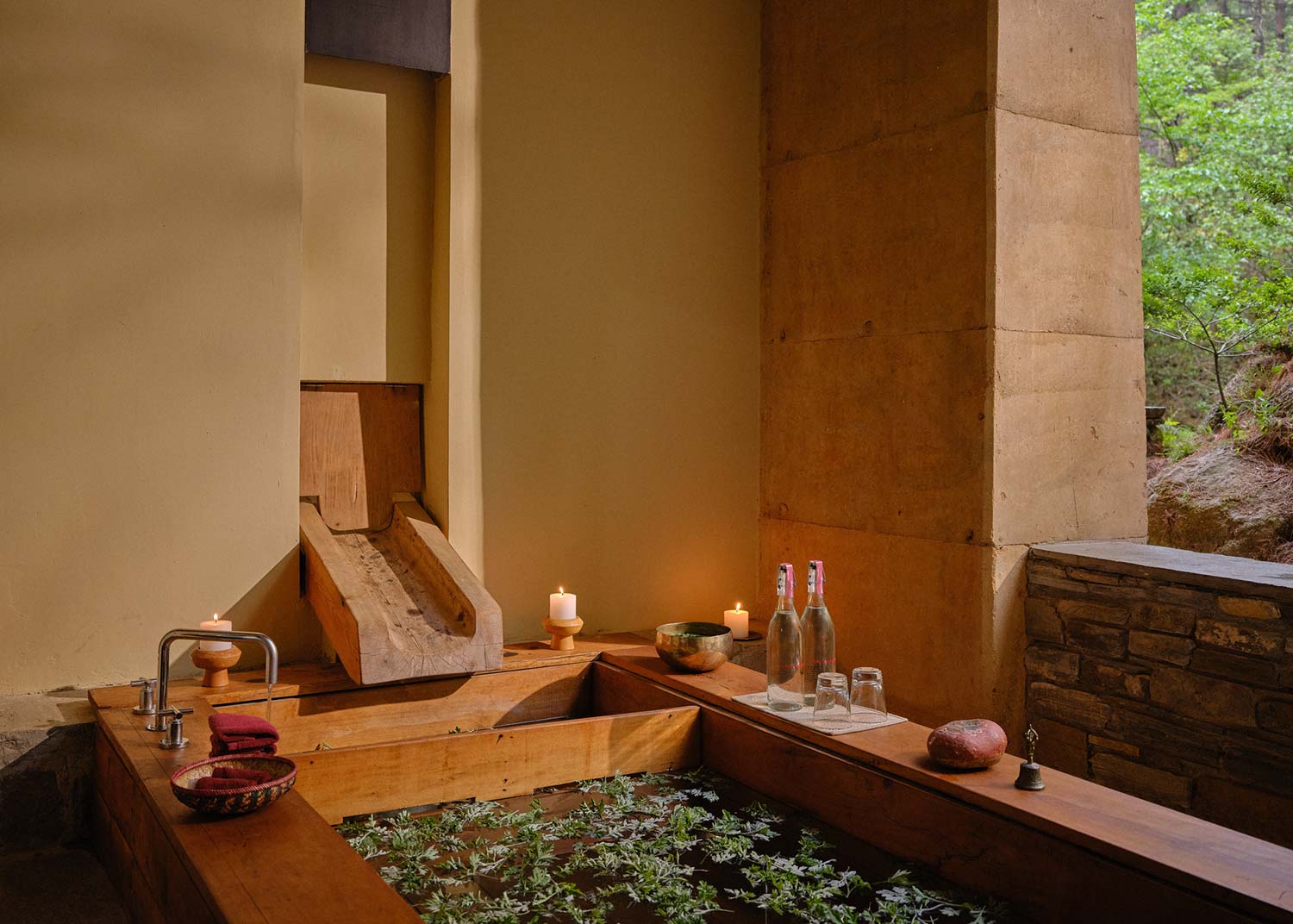
Among the most accessible practices is the menchu, or hot stone bath, where herb-infused water is heated by fire-warmed river stones. Found in rural villages and luxury retreats, menchu baths are used for relaxation, recovery, and spiritual cleansing. Guests at Amankora Paro can enjoy this ritual at the close of the Remote Lands Classic Bhutan itinerary.
Timeless Healing in a Changing World
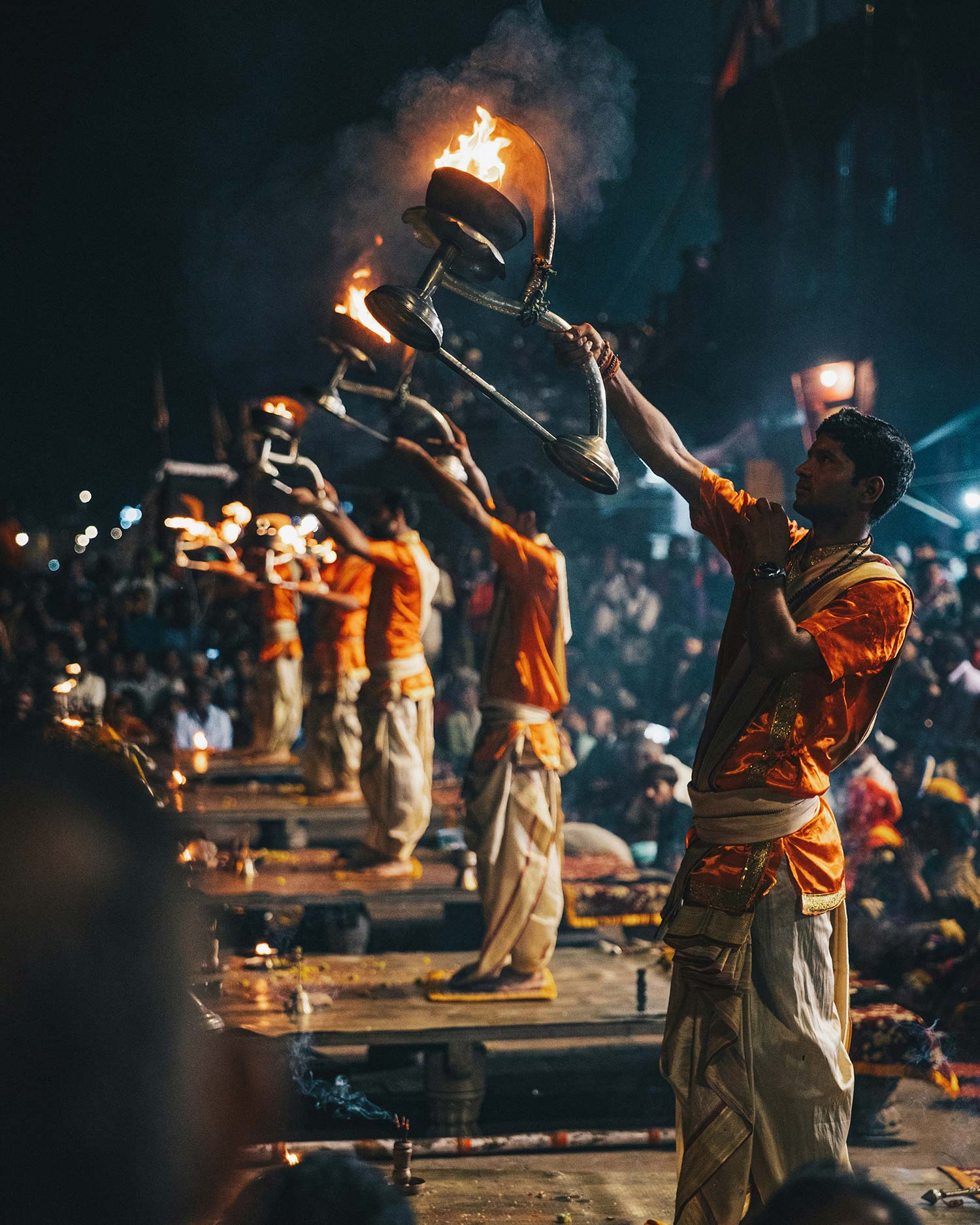
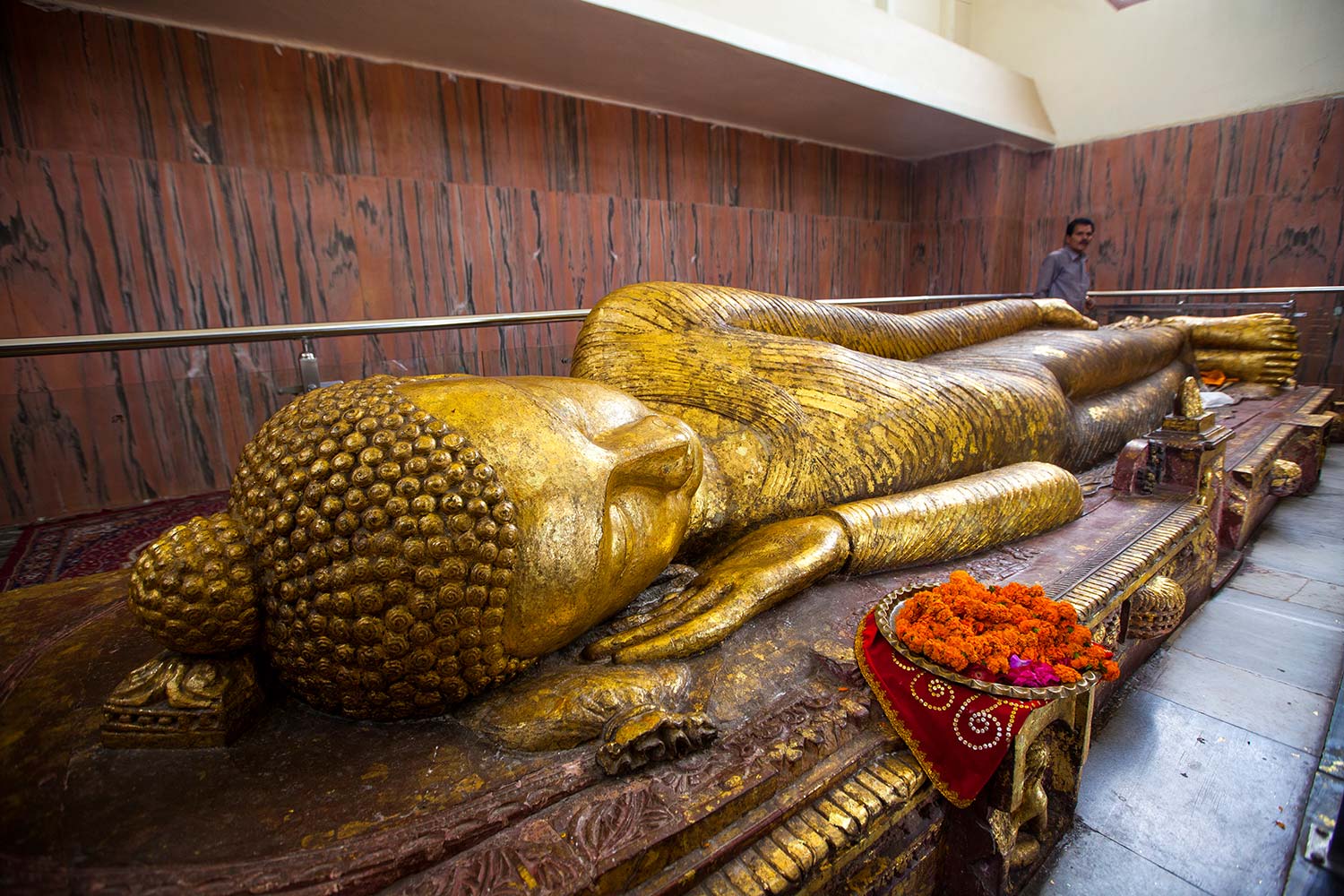
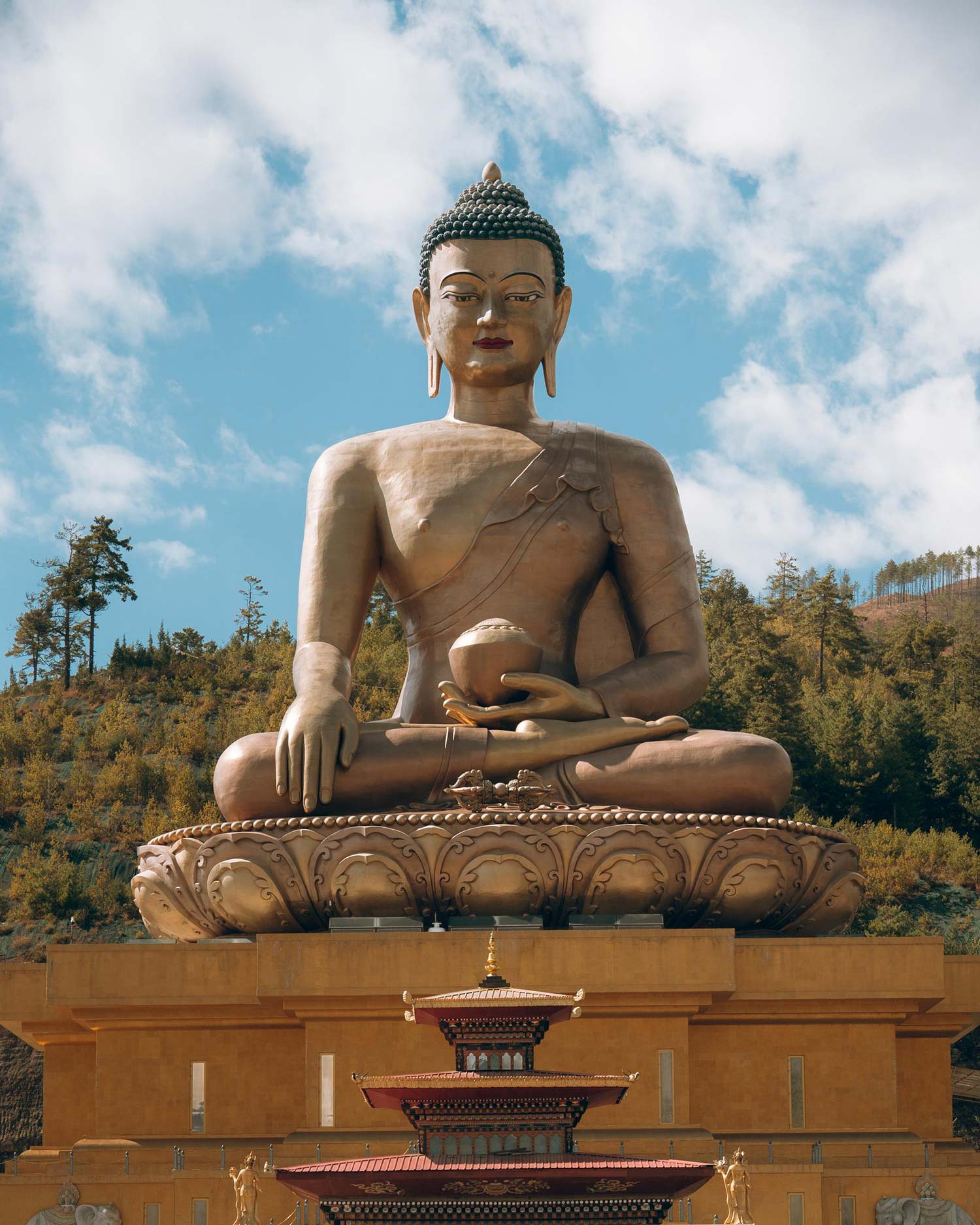
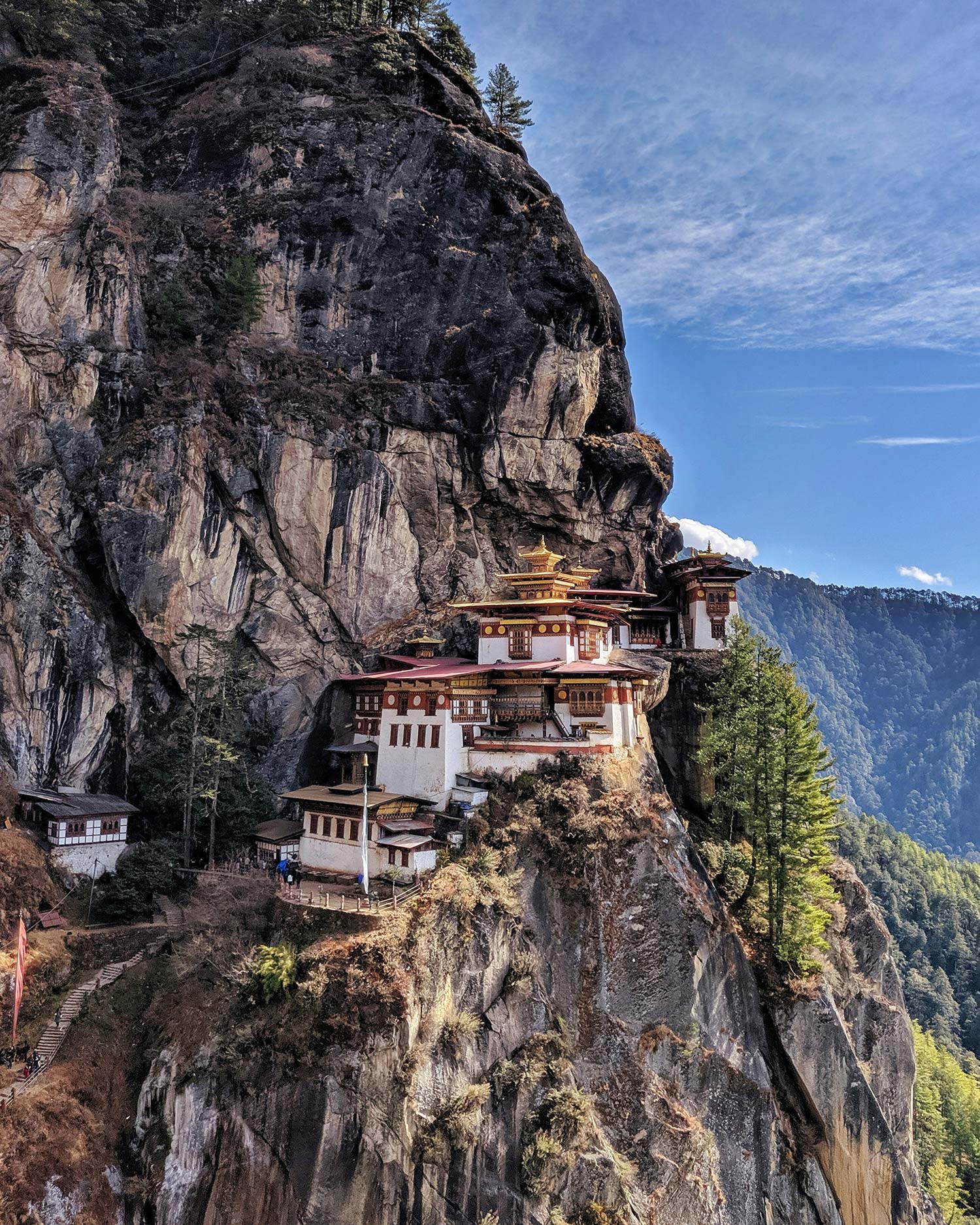
Across the Himalayas, healing endures as a way of life. Spiritual and traditional practices shape how people live, recover, and connect to the world. Each place differs in detail, but all share faith in balance, centuries of observation, and a profound relationship with nature.
With Remote Lands, travelers can explore these traditions with care on the Following Buddha’s Footsteps itinerary, a rare journey through Bhutan, Nepal, Tibet, and India—while taking in the spectacular landscapes of the Himalayas.