

The thrill of setting off somewhere new often comes with hidden strain. Crossing time zones can throw the body out of rhythm, unfamiliar food might upset digestion, and the stress of constant movement can dull the very sense of wonder that travel promises. Traditional Chinese Medicine (TCM) offers a way to restore balance—to care for the body, mind, and spirit as one. Practised for more than 5,000 years, it remains one of the world’s most complete healing systems and an ideal guide for travellers seeking renewal through awareness and connection.
A Philosophy of Balance
In China, TCM — or zhongyi — is not a niche pursuit but a living philosophy. It sees health as the harmony between internal and external forces: body and mind, human and nature, yin and yang. At its core lies qi, the vital energy that flows through invisible pathways called meridians. When qi moves freely, the body thrives; when it stagnates, imbalance appears. Rather than isolating symptoms, TCM reads the whole picture from physical to emotional and environmental impacts, before restoring balance through therapies like acupuncture, herbal medicine, and massage. Its principles extend naturally to travel. A journey, after all, is a kind of transformation: a shift in rhythm, climate, and perspective. TCM teaches that positive experiences nourish Heart Qi, the energy associated with joy and clarity. But those same shifts can challenge equilibrium, manifesting as jet lag, fatigue, or anxiety. In TCM’s view, these are not illnesses to suppress but signs that the body is adjusting to change.
Healing in Motion
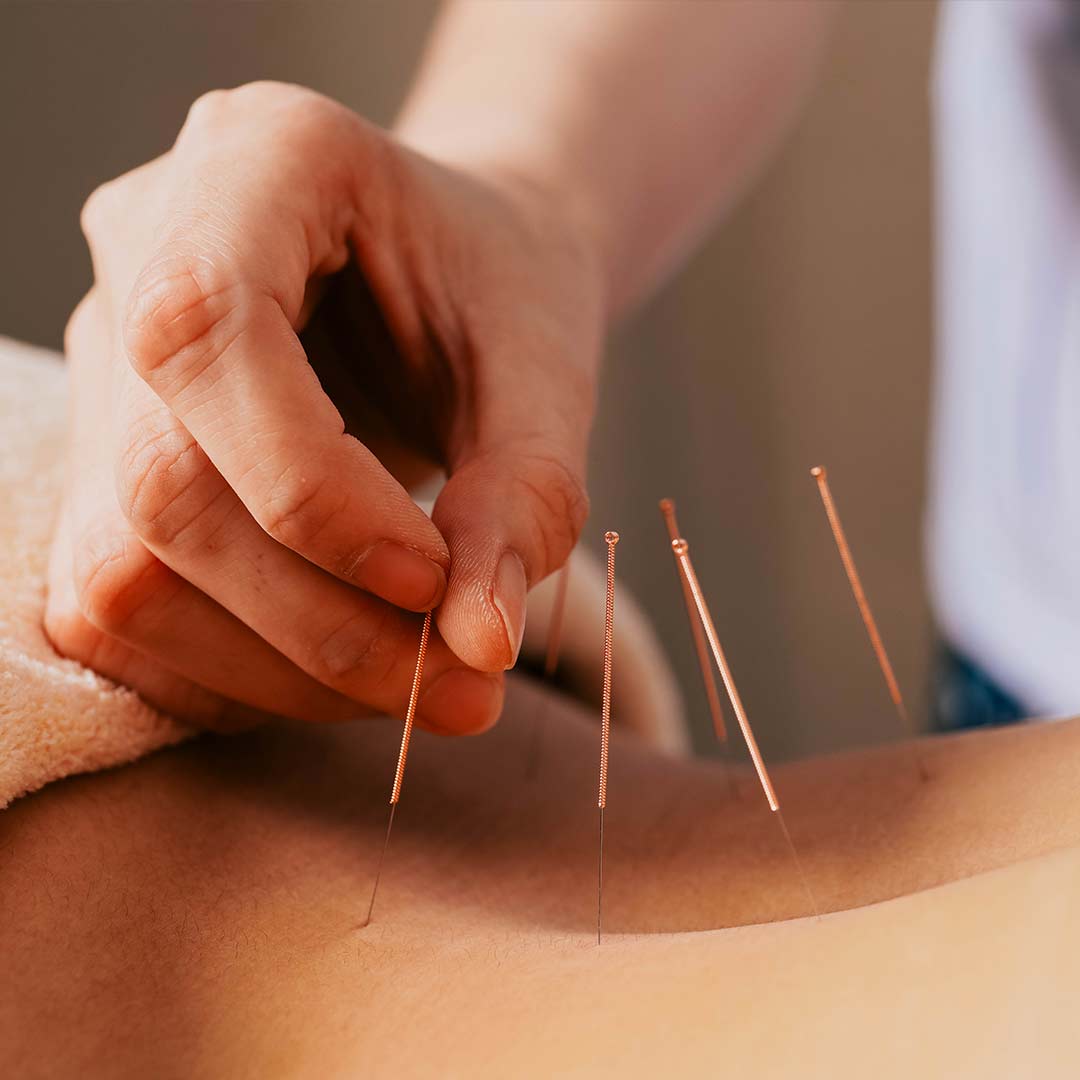
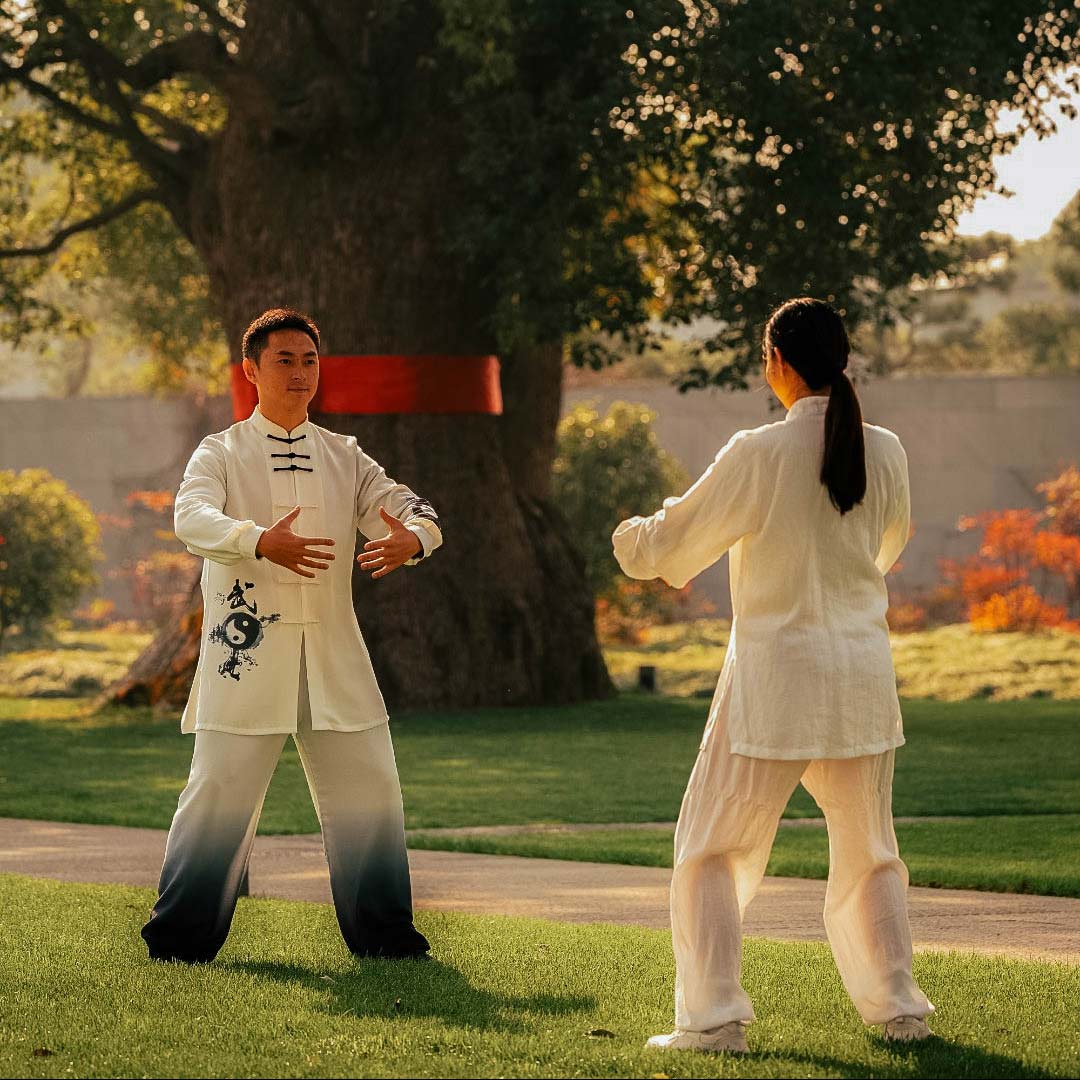
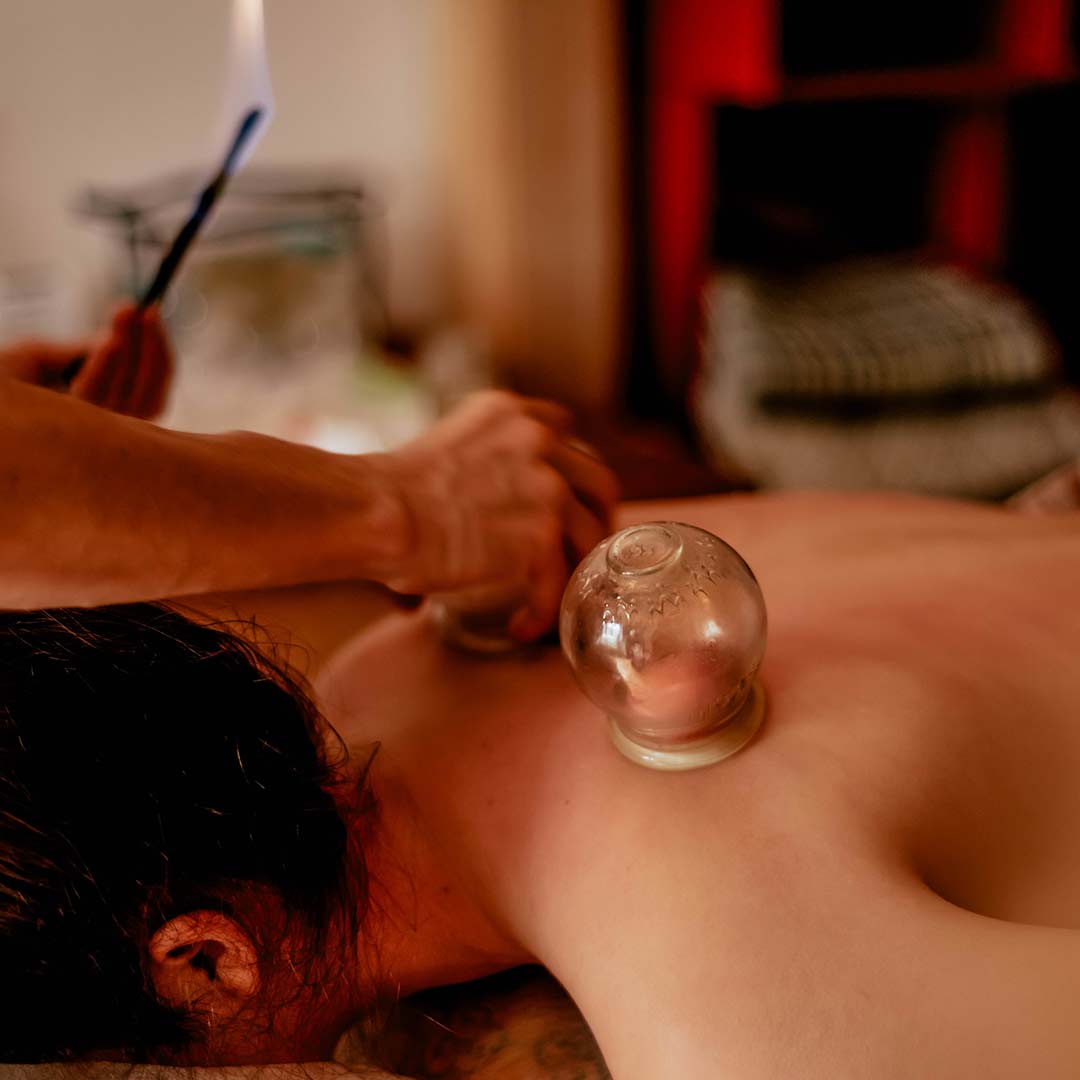
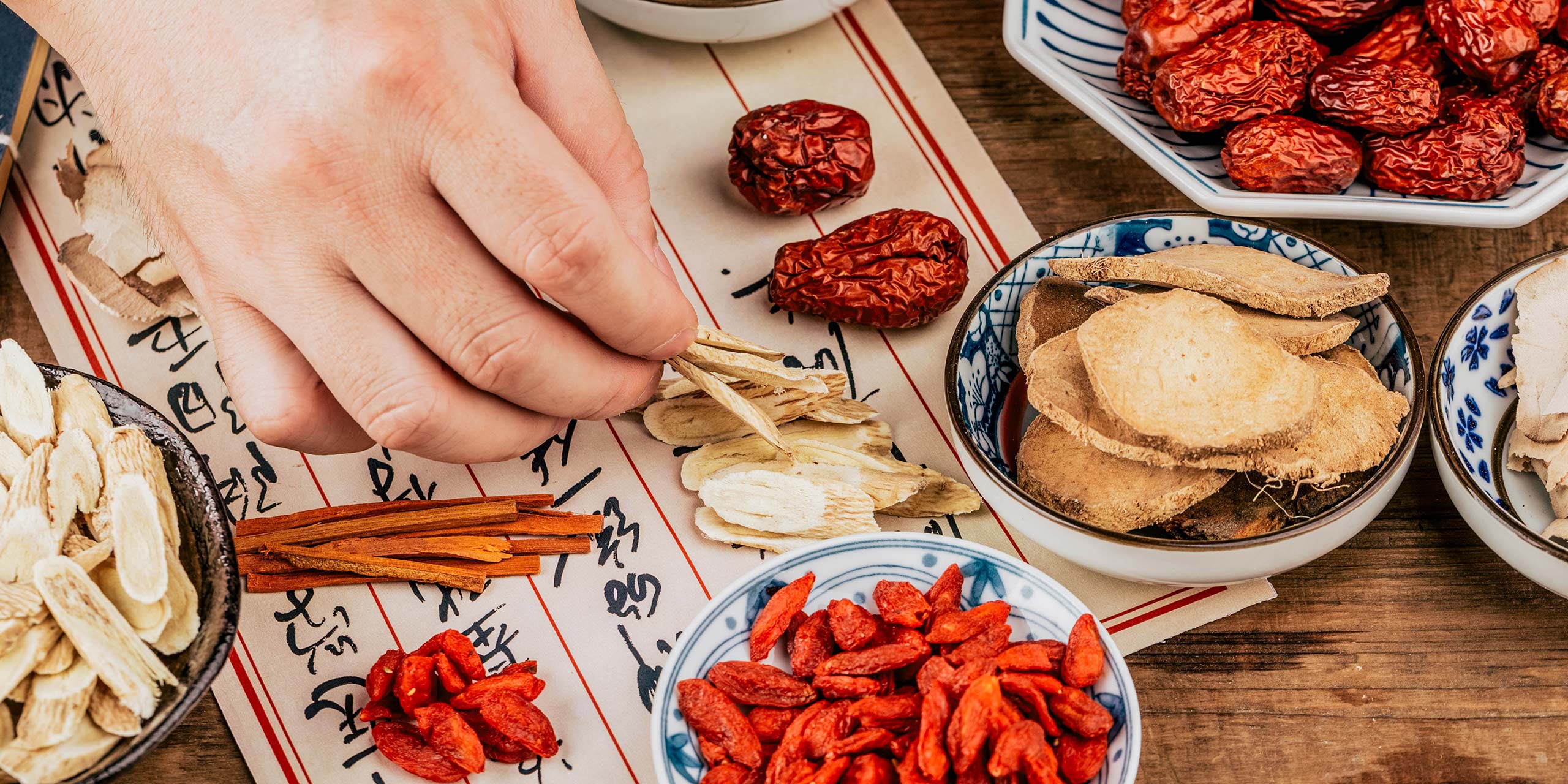
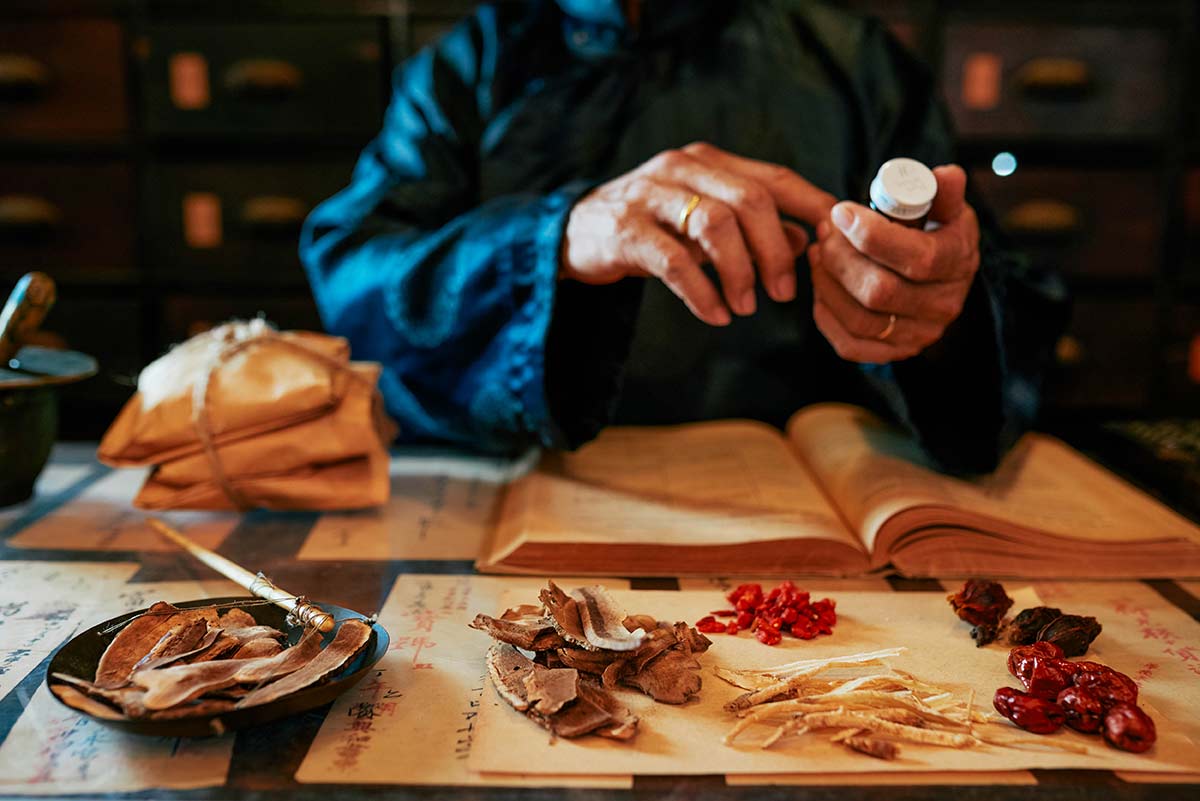
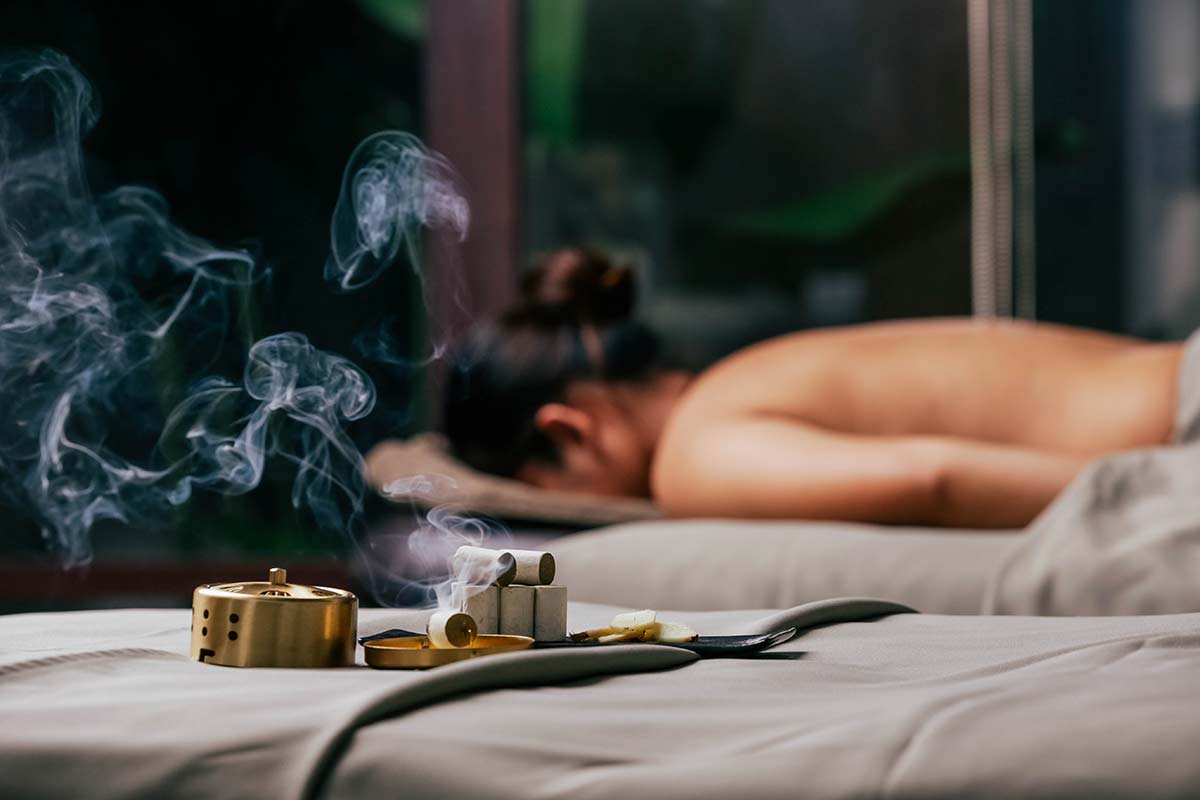
The best way to experience Chinese medicine is to let it move with you. Acupuncture, perhaps its most recognisable practice, uses fine needles to encourage the smooth flow of qi. For travellers, it’s a gentle recalibration after long-haul flights, easing insomnia, headaches, or motion sickness. Herbal remedies, crafted from roots, leaves, and minerals, are tailored to each person’s constitution and the climate they are in. They support digestion, immunity, and sleep, often prescribed as teas or tonics to suit the season. Massage-based therapies such as tuina and cupping relieve tension and stimulate circulation, helping travellers recover from long days exploring. And mindful movement practices such as Qi Gong and Tai Chi align breath and motion to restore focus and calm. They’re easily incorporated into a morning routine, whether on a Shanghai rooftop or amid mist-shrouded peaks in one of China’s national parks.
Even diet becomes part of the healing journey. In TCM, food is medicine: warm, cooked dishes protect digestion, lighter meals aid adaptation in humid climates, and local, seasonal produce keeps the body in tune with its surroundings. Small habits — a cup of ginger tea after a flight, a bowl of broth in cool weather — sustain equilibrium more effectively than quick fixes ever could.
Tradition Meets Travel
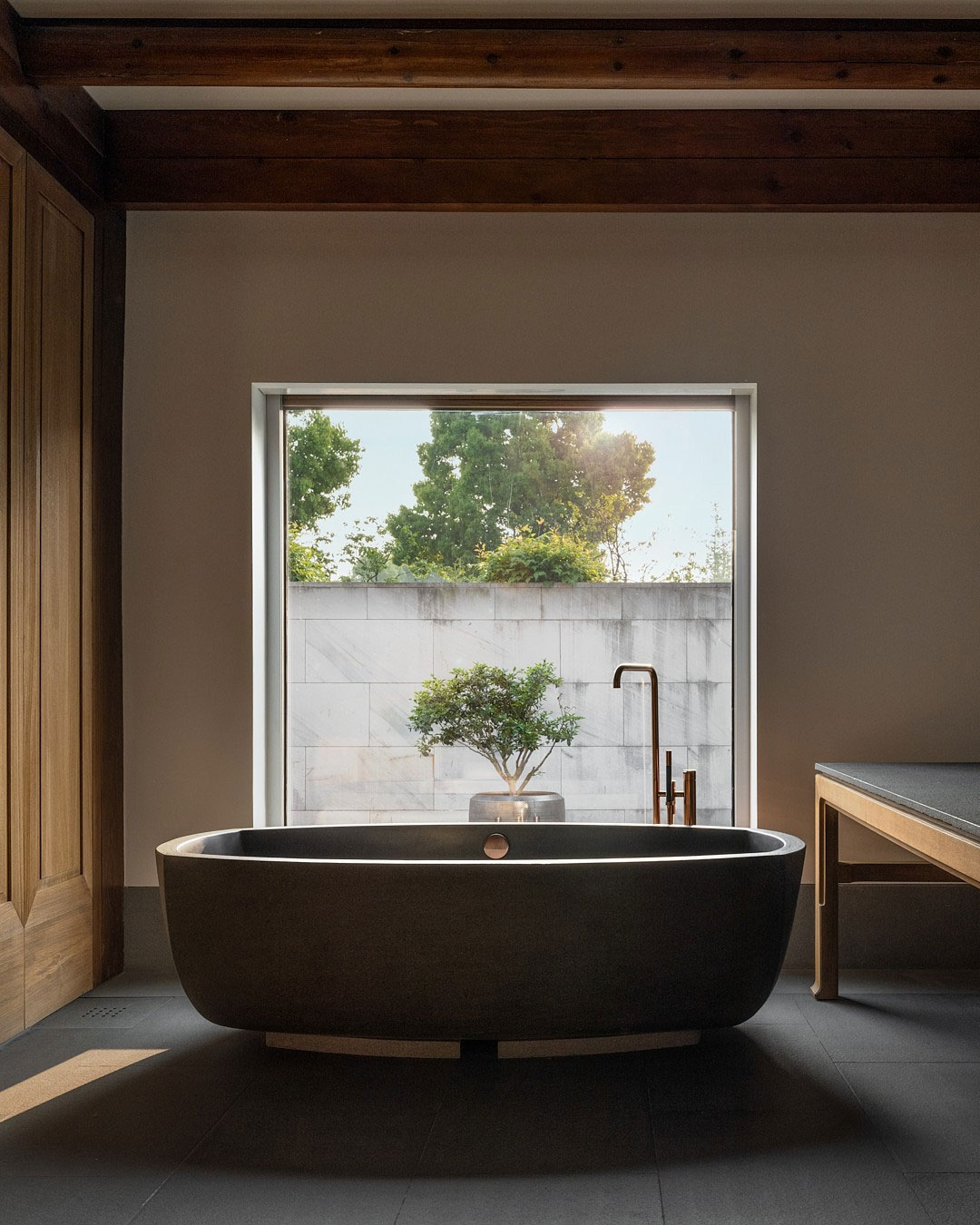
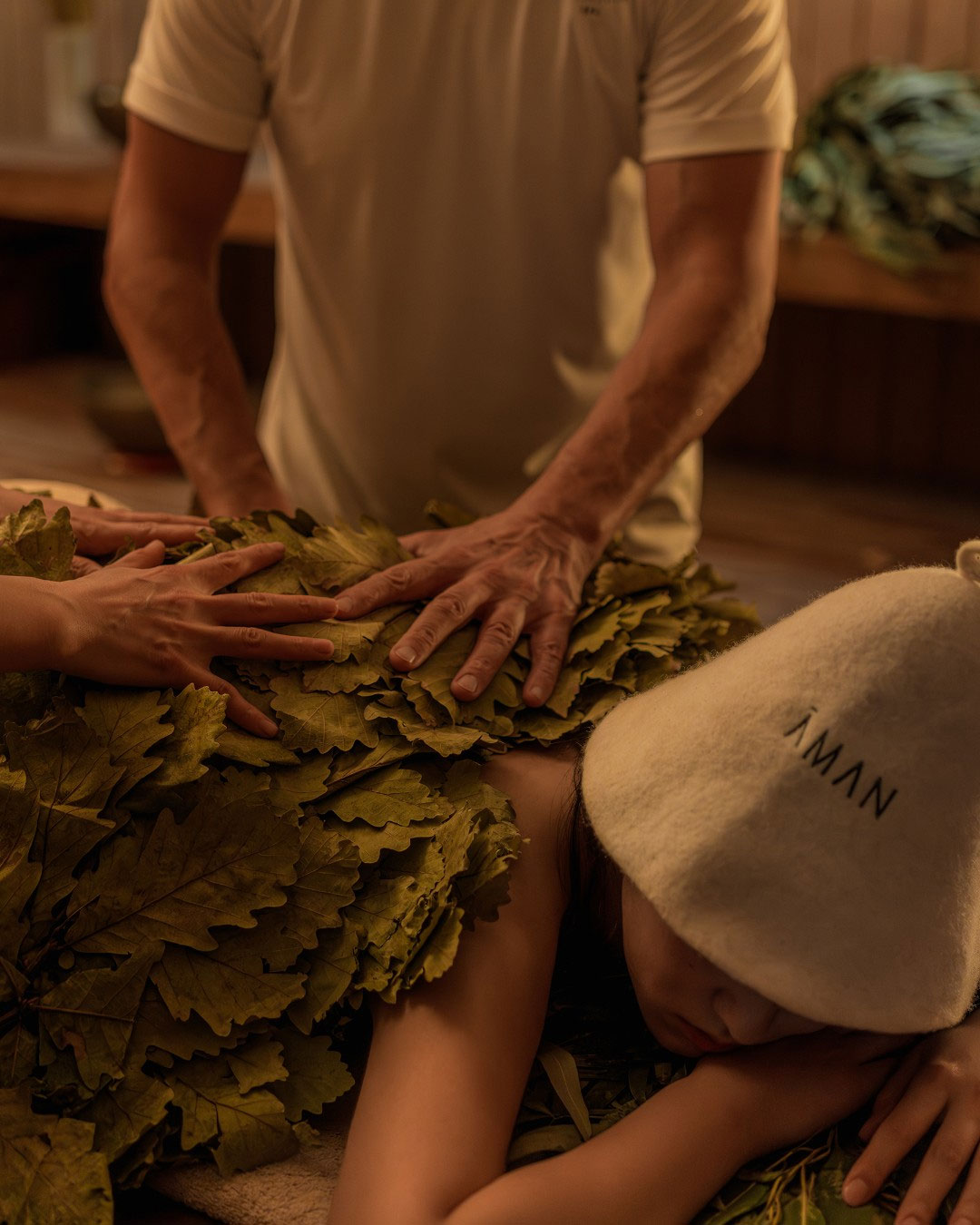
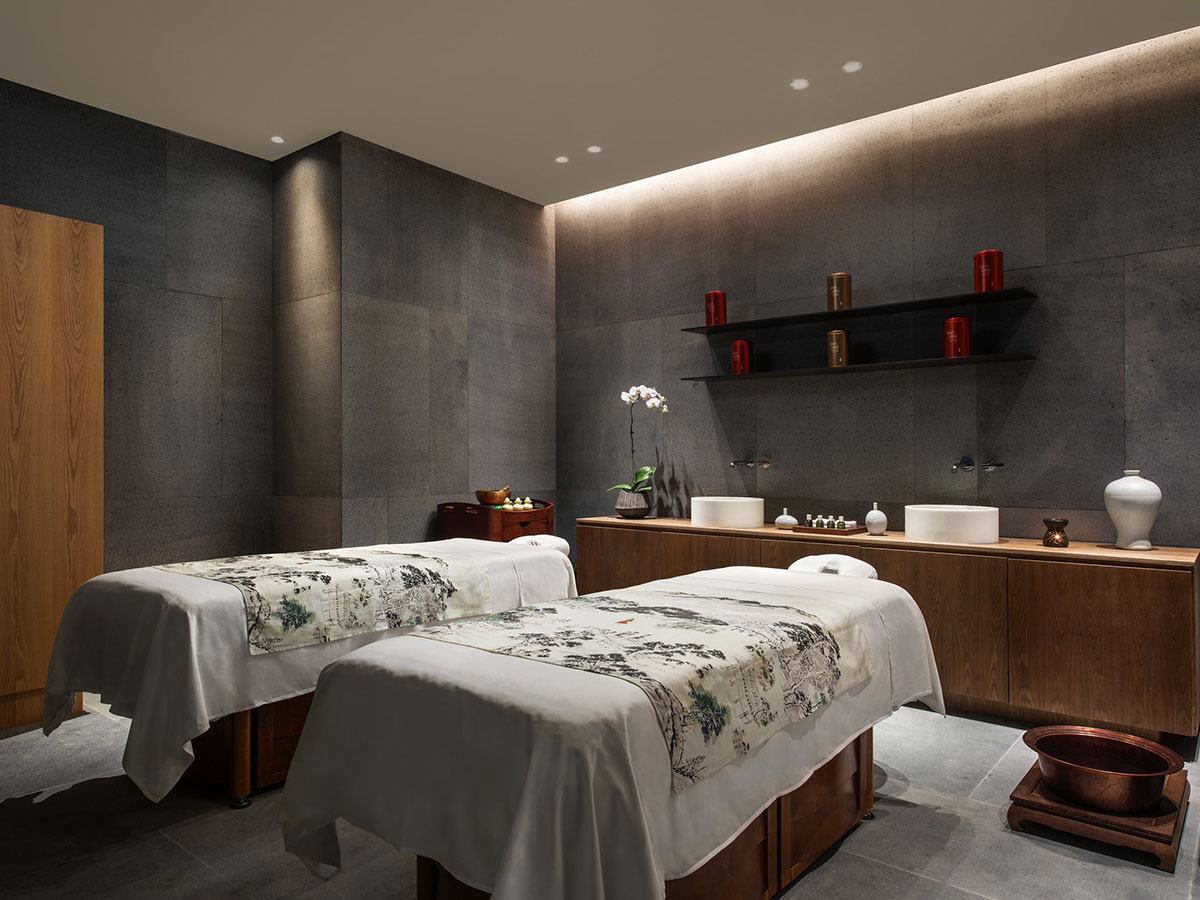
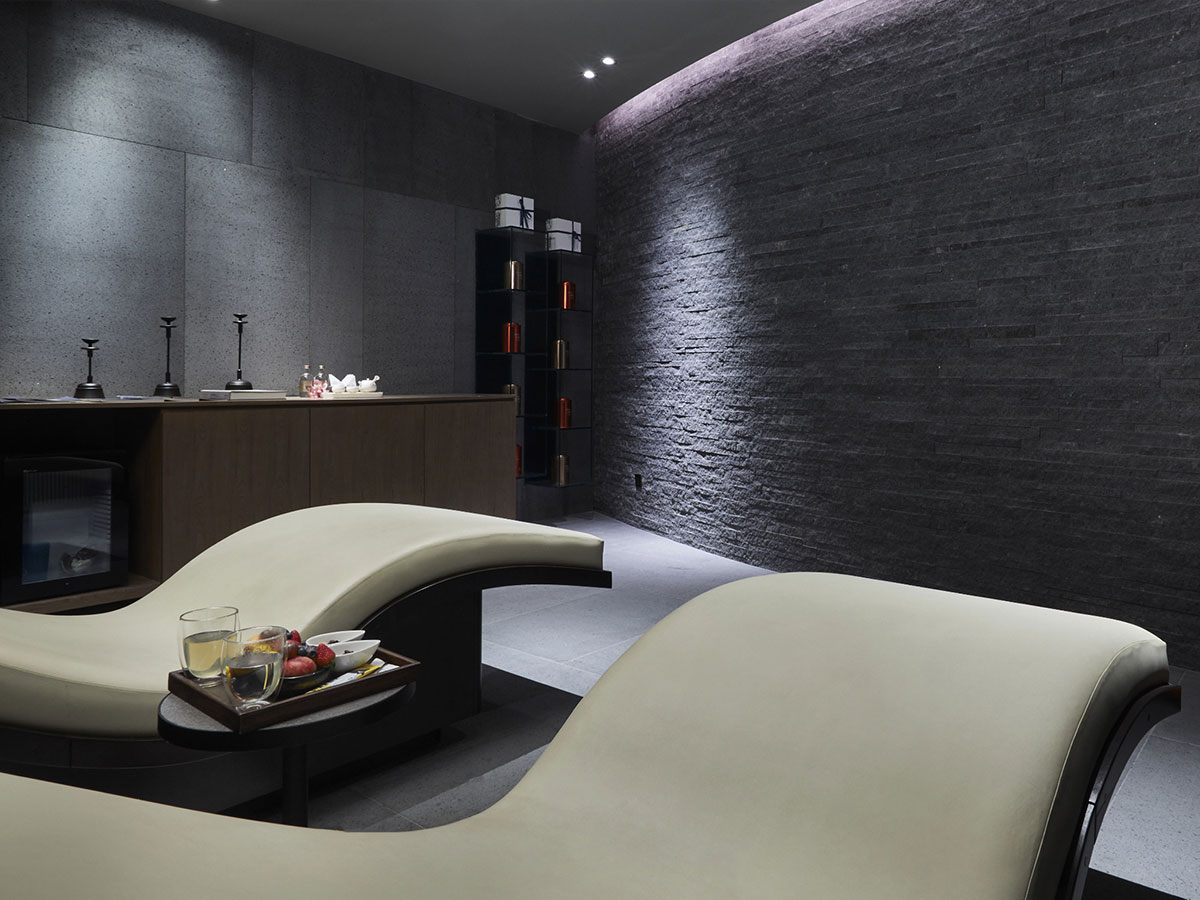
Across China, these ancient practices find elegant expression in contemporary settings. At Amanyangyun and the Upper House in Shanghai, spa rituals blend centuries-old techniques with modern design and serenity. In Hangzhou, the storied pharmacy Huqingyutang reveals the artistry behind herbal medicine that has endured since imperial times. And in public parks at dawn, Tai Chi practitioners trace graceful patterns that echo TCM’s central idea, that stillness and movement coexist in balance. For the modern traveller, Chinese medicine offers more than a menu of treatments. It’s a reminder that health, like travel, is a journey. And it rewards presence, patience, and curiosity. To move through the world with TCM’s quiet wisdom is to experience not only new places, but a renewed sense of harmony within.