


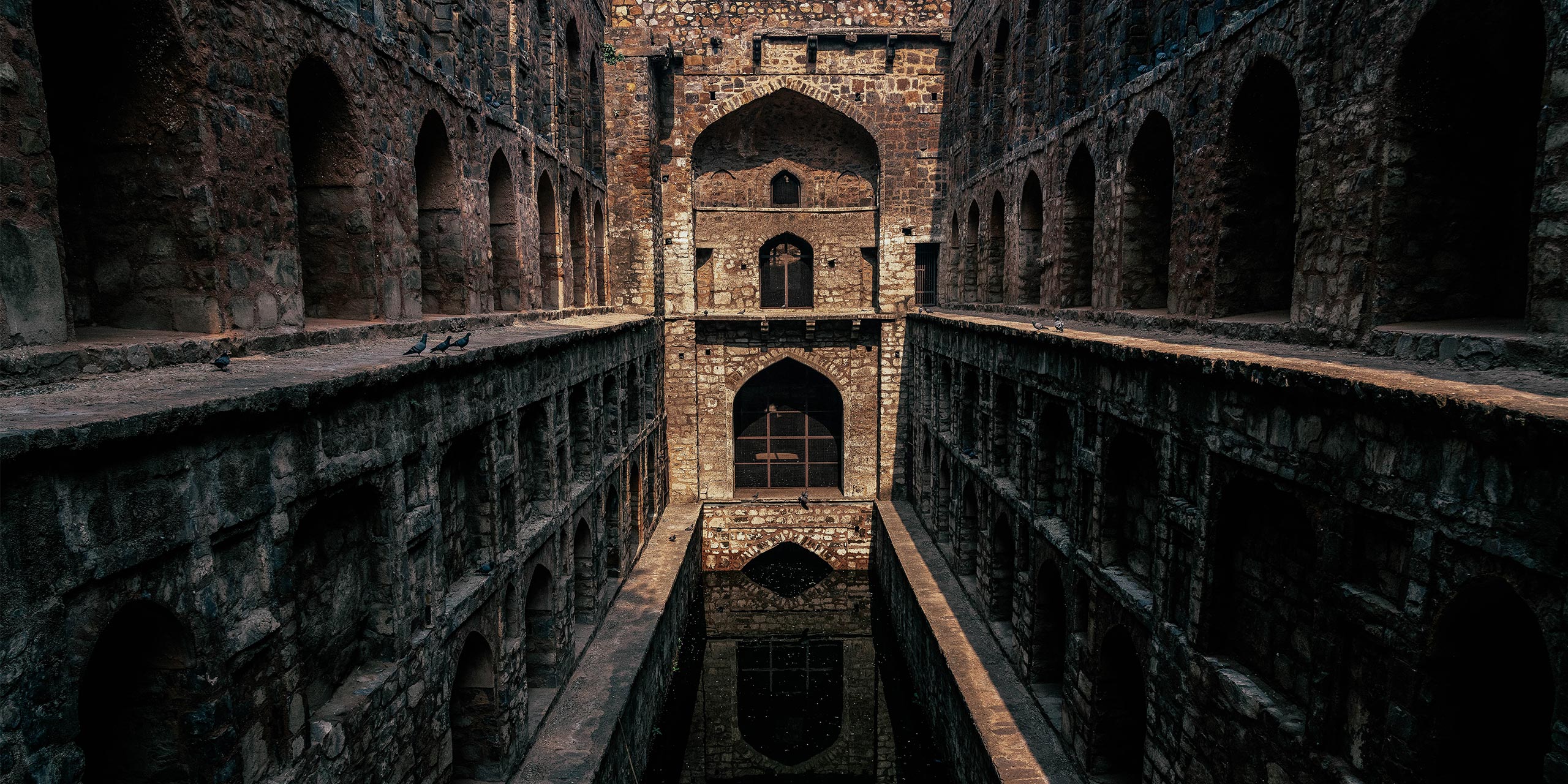
I am regretting my choice to descend beneath Delhi. Sixty seconds ago, I was striding confidently down a flight of weathered stairs, shoulders back and head high. But tension and anxiety took hold as I descended toward the dark base of Agrasen ki Baoli, a historic stepwell.
Ghosts, demons, and supernatural ghouls do not usually perturb me. I’m far more scared of the real and lethal monsters of my homeland, Australia: sharks, crocodiles and snakes. Right now, however, my heart rate is spiking, my skin is covered in goosebumps, my posture is stiff, and my head is reeling.
Something feels wrong. Perhaps it’s all in my head, but a creepy atmosphere enveloped me when I reached the bottom of those stairs, far below street level, and stared into the gloom. Stepwells such as this once supplied water for drinking, washing, and bathing, providing a practical lifeline for surrounding communities.
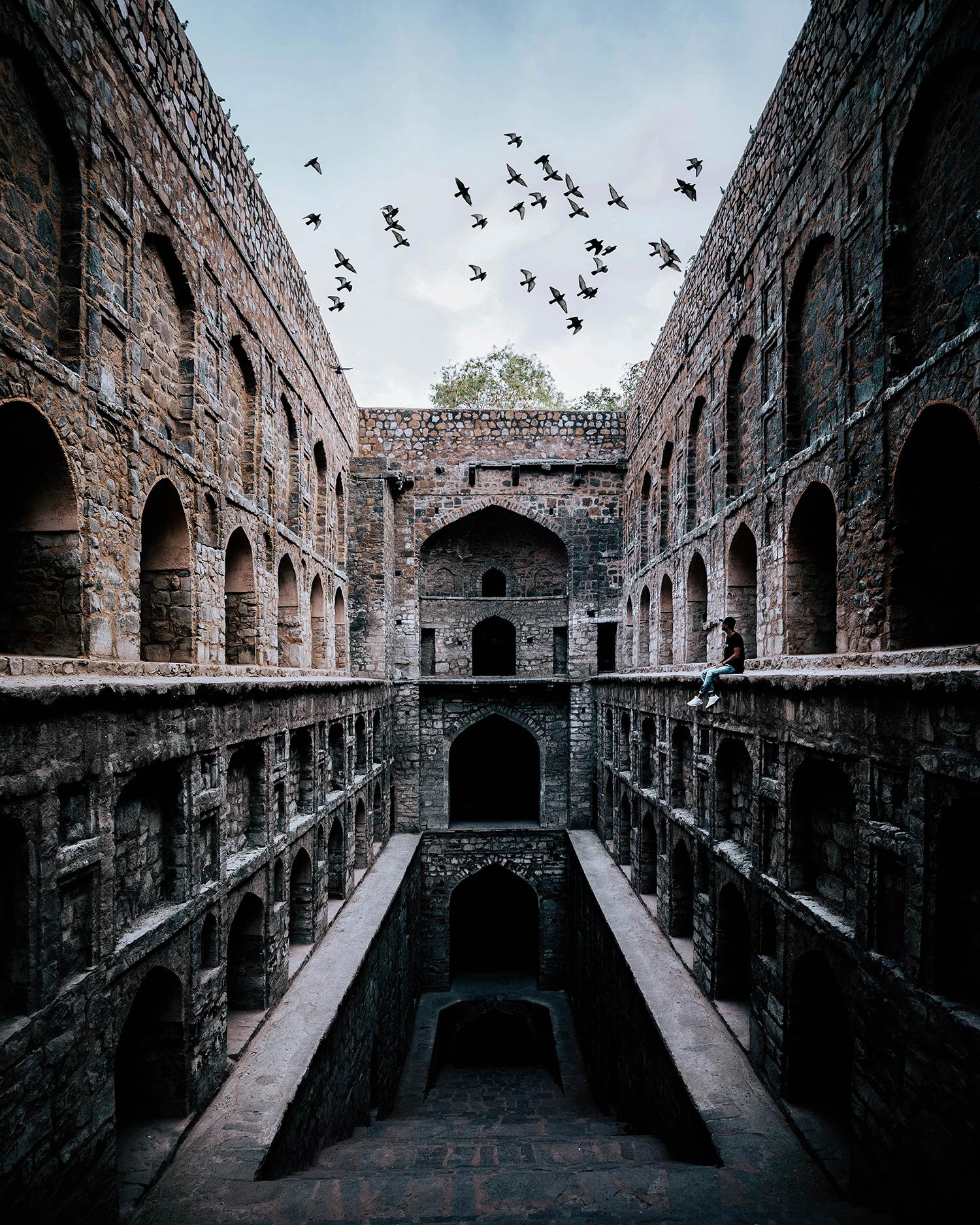
This baoli, however, has acquired a more sinister reputation. Local ghost stories associate Agrasen ki Baoli with jinn, supernatural beings that feature in Islamic belief and folklore. In the tales about this site, they are decidedly dangerous company.
Legend has it that, once the sun sets on Agrasen ki Baoli, its resident spirits try to coax visitors down those stairs before drowning them in the well. Given that I’m writing this story, it’s clear I avoided such a fate. But rarely have my surroundings triggered such an unsettling surge of trepidation.
In retrospect, I shouldn’t have been surprised. Delhi has no shortage of ghost stories. Shapeshifters, imperial specters and malicious spirits are said to stalk some of the Indian capital’s ancient sites, from stepwells to royal hunting lodges, grand forts and giant necropolises.
Delhi certainly seems a tailor-made setting for historic horror stories. This ancient, curiously layered metropolis is the urban equivalent of a Russian doll. Amid the modern capital, or hidden beneath it, are the remains of the settlements that preceded it.
Crumbling walls, sprawling forts and the citadels of former dynasties offer glimpses of those earlier incarnations. Names such as Mehrauli, Siri, Tughlaqabad and Shahjahanabad evoke different chapters of Delhi’s history, each with its own monuments and stories.
Among those stories are tales of jinn. Often portrayed as shapeshifters, these beings are not uniformly malevolent. Depending on the tradition, they can be threatening, benevolent, or somewhere in between.
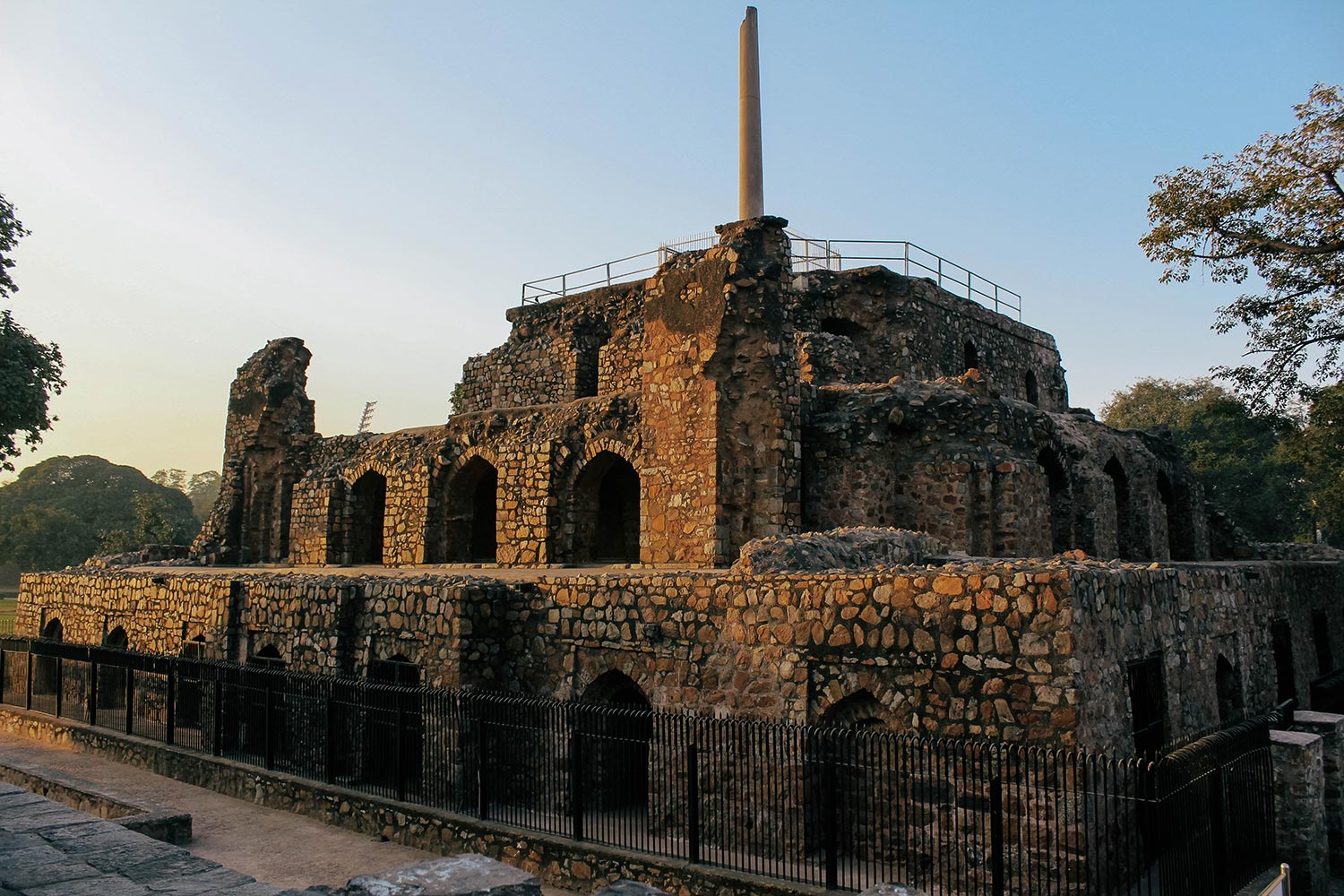
At some sites, visitors appeal to them for protection or assistance. I witnessed one such practice at Delhi’s impressive Feroz Shah Kotla Fort, built in the 14th century as a base for Feroz Shah Tughlaq, the sultan of Delhi.
After walking past its time-worn mosques, crumbling fortifications, baolis and gardens, I reached a small building where a man stood deep in thought before attaching something to its wall. Visitors come to this site to leave letters for its resident jinn, seeking help with their troubles.
Local media reports suggest that similar beliefs surround Anang Tal, a historic reservoir associated with the ruler Anangpal Tomar.
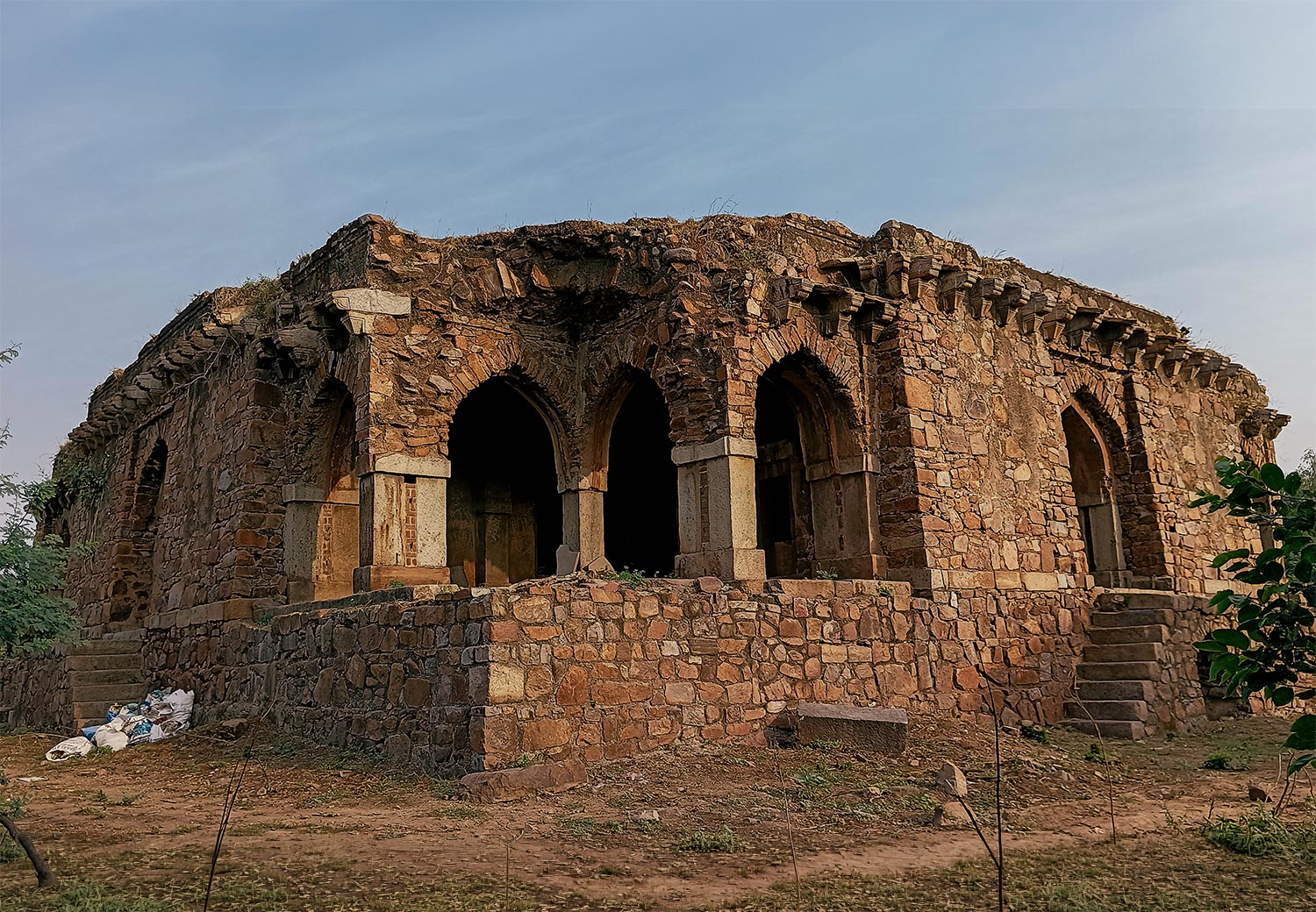
Like Agrasen ki Baoli and Feroz Shah Kotla Fort, it has attracted stories of dangerous jinn. According to these tales, stepping too close to its edge leaves you vulnerable to being dragged into its waters. Some visitors reportedly pay their respects to its spirits, preferring to remain on good terms with whatever might lurk there.
But jinn aren’t the only supernatural beings said to haunt Delhi. In recent years, nighttime walking tours have explored some of its eeriest sites, including Malcha Mahal, an imposing former hunting lodge.
Surrounded by forest in western Delhi, the abandoned mansion has become the setting for another unsettling story. This one centers on Begum Wilayat Mahal, a woman who claimed royal ancestry and lived in the dilapidated building with her family.
Her life there, and her death in 1993, have become entwined with the mansion’s haunted reputation. In the stories that circulate about Malcha Mahal, she never really left.
To this day, her specter is said to patrol the old hunting lodge with a pack of ghostly guard dogs by her side. Their lurking presence echoes the unnerving tales of jinn at stepwells, mosques, and forts throughout Delhi. Across centuries of development, India‘s capital has accrued a vast cast of haunting characters, making it a fitting destination for an eerie, Halloween-themed vacation.