


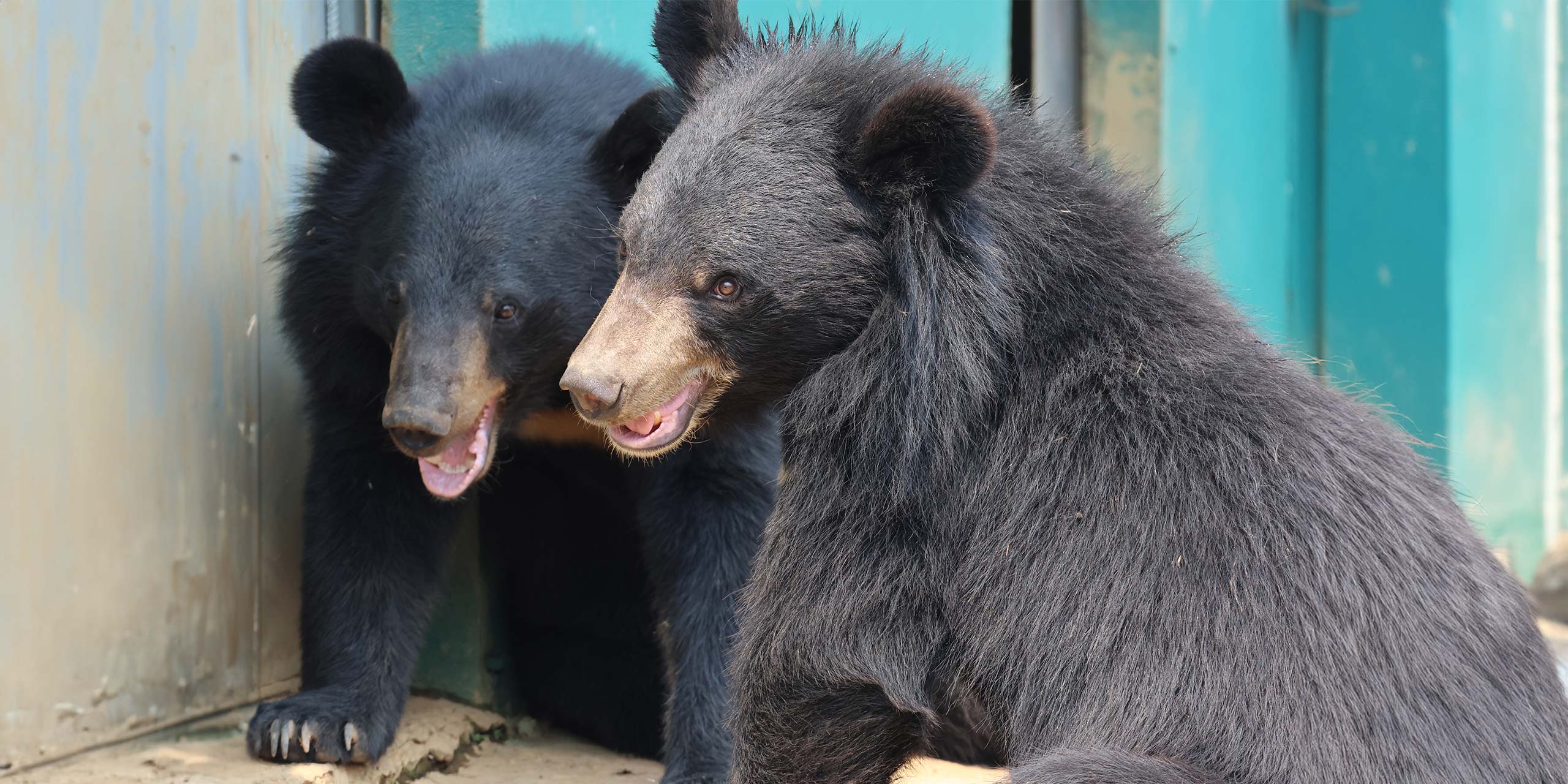
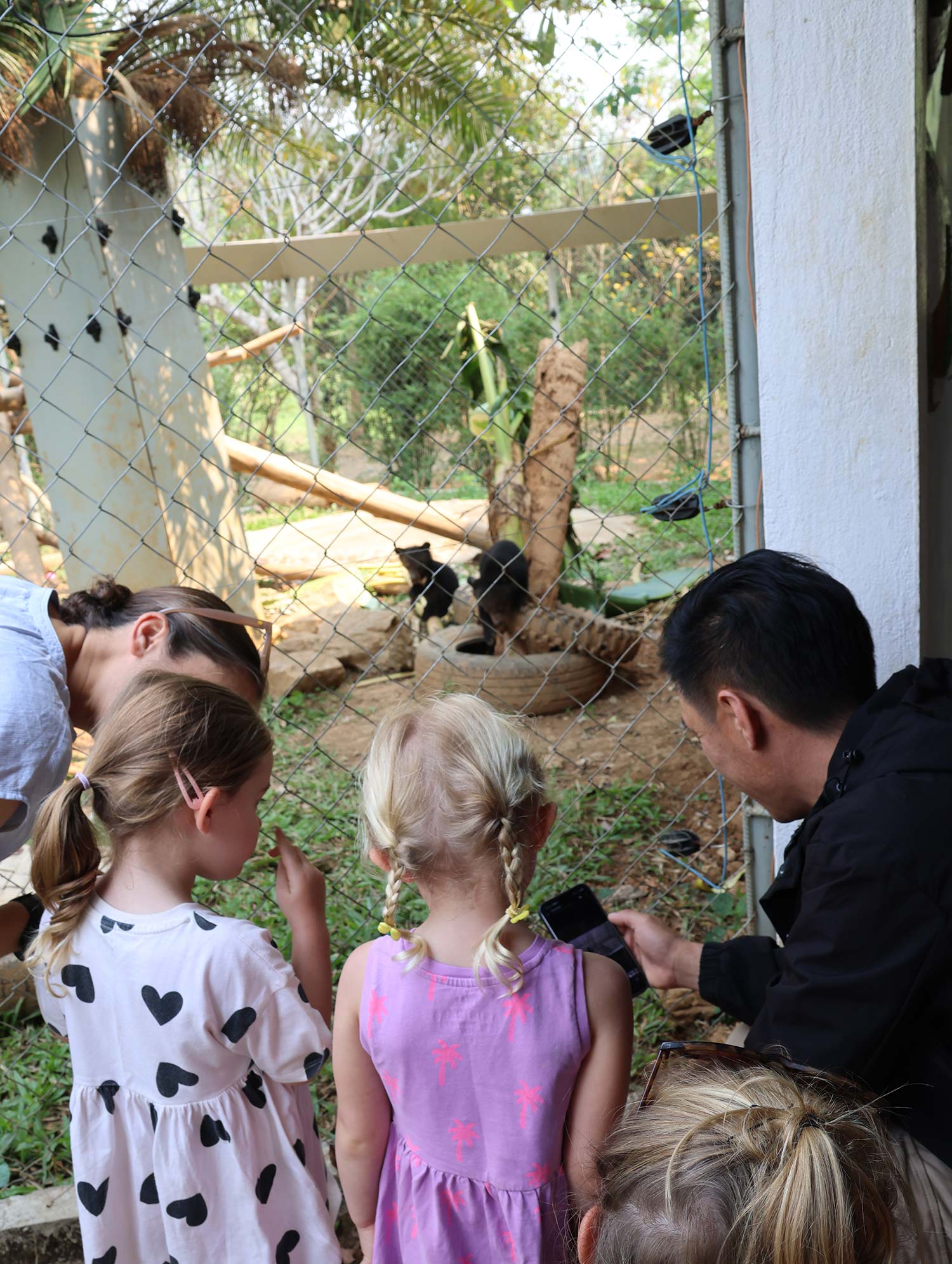
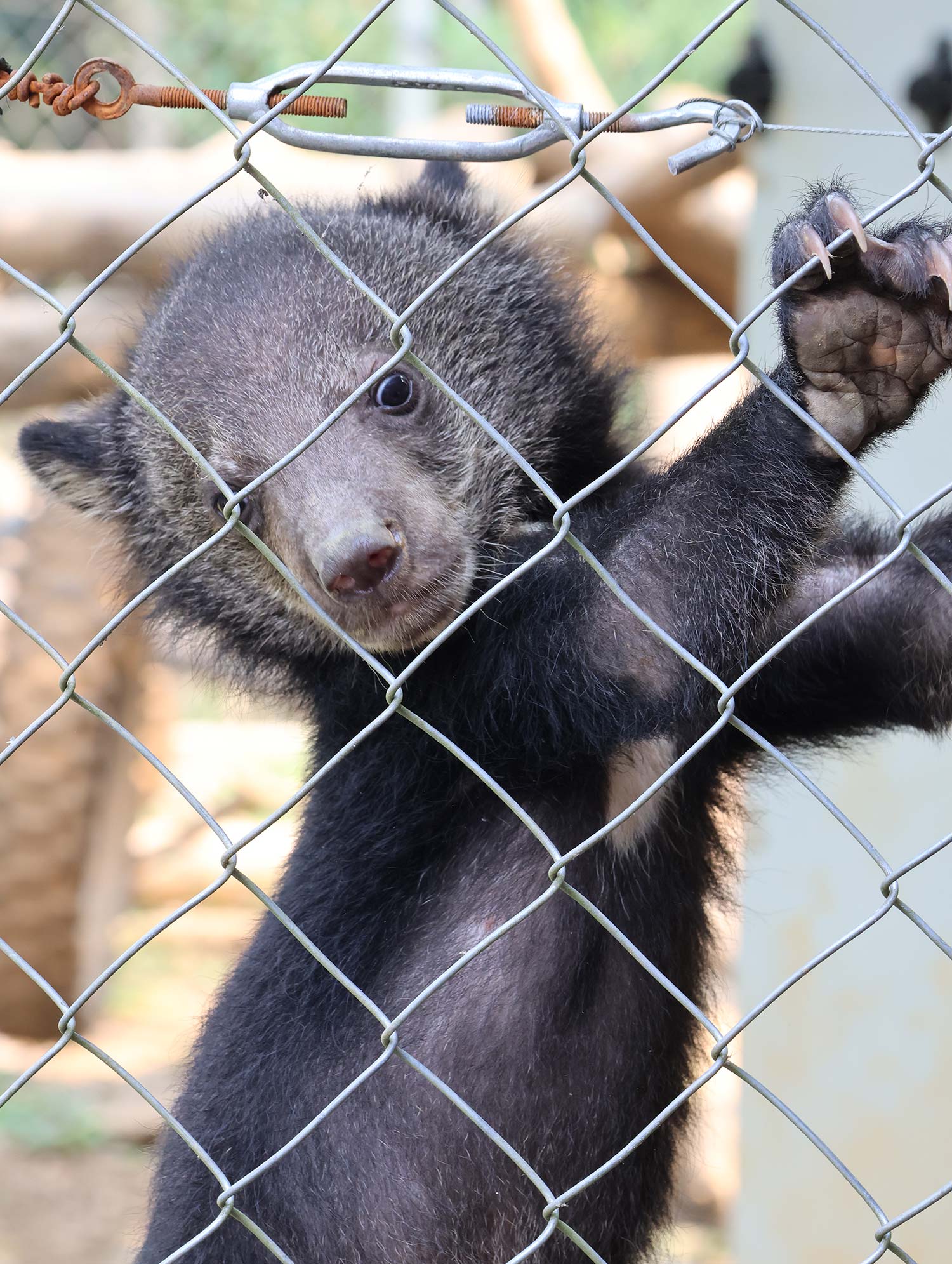
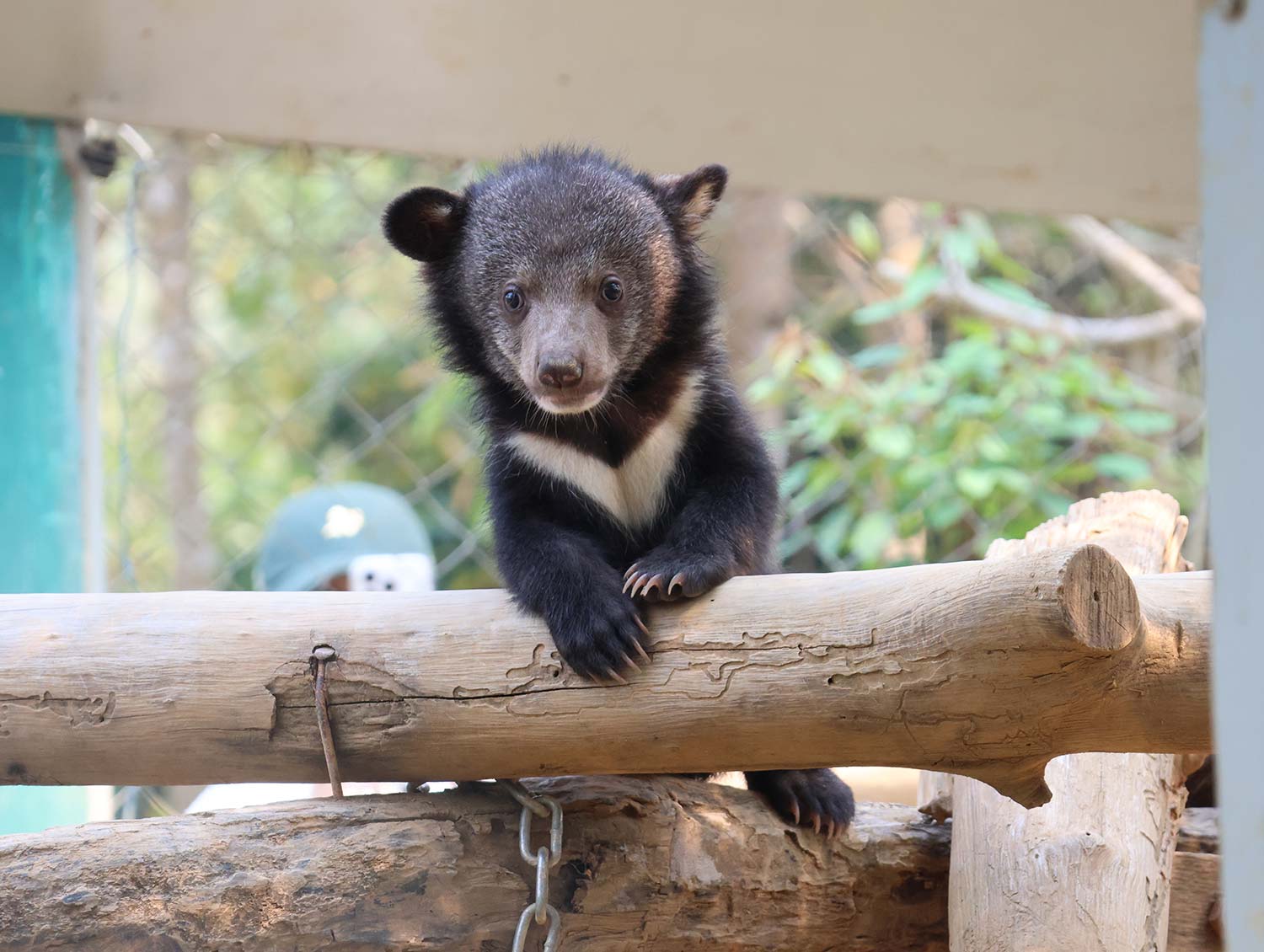
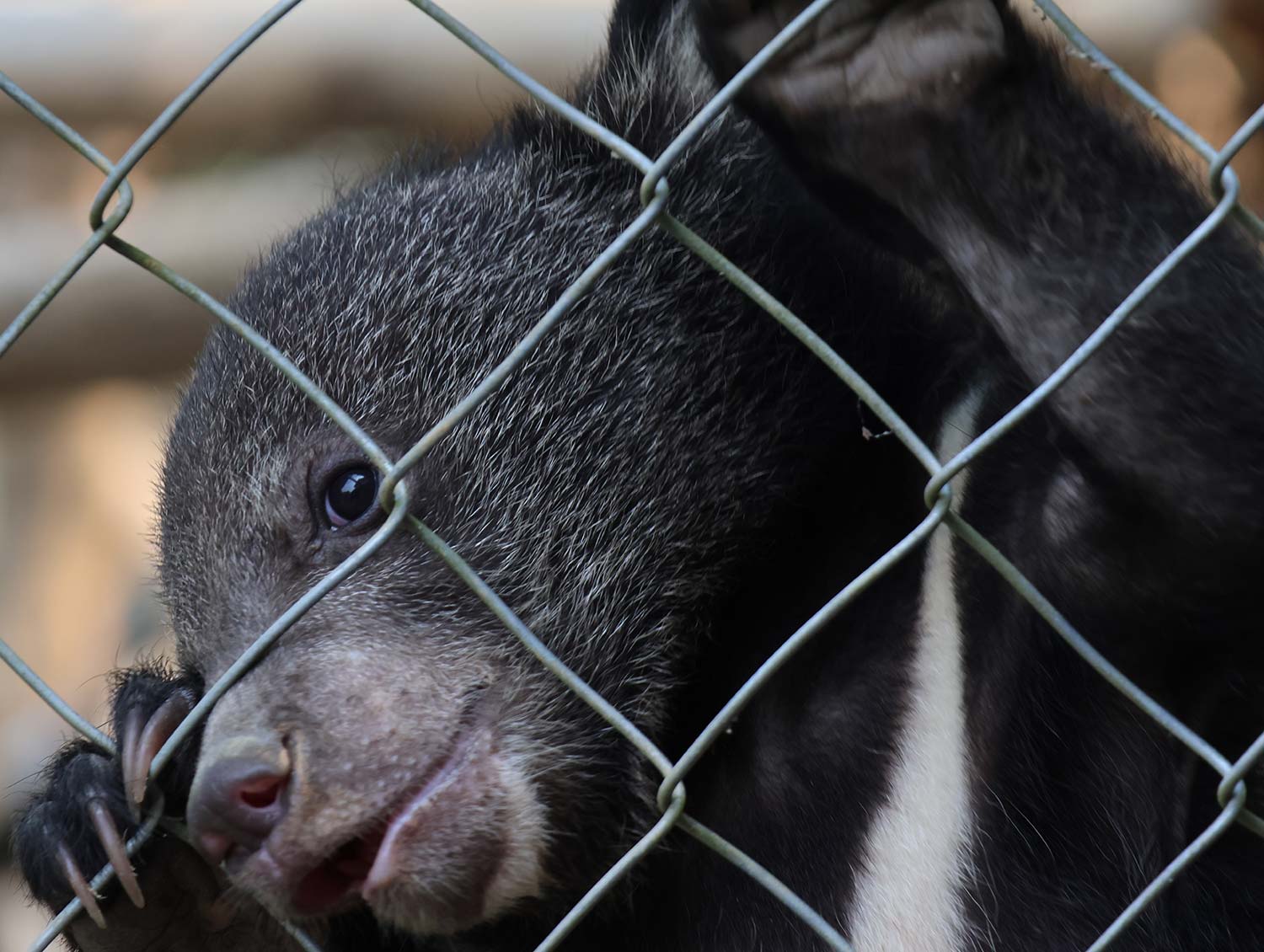
“We have just rescued a couple of bear cubs. The poachers usually kill the mothers and then take the cubs,” Sone, our guide at the Luang Prabang Wildlife Sanctuary, explains while showing us the tiny steel cages the animals are kept in.
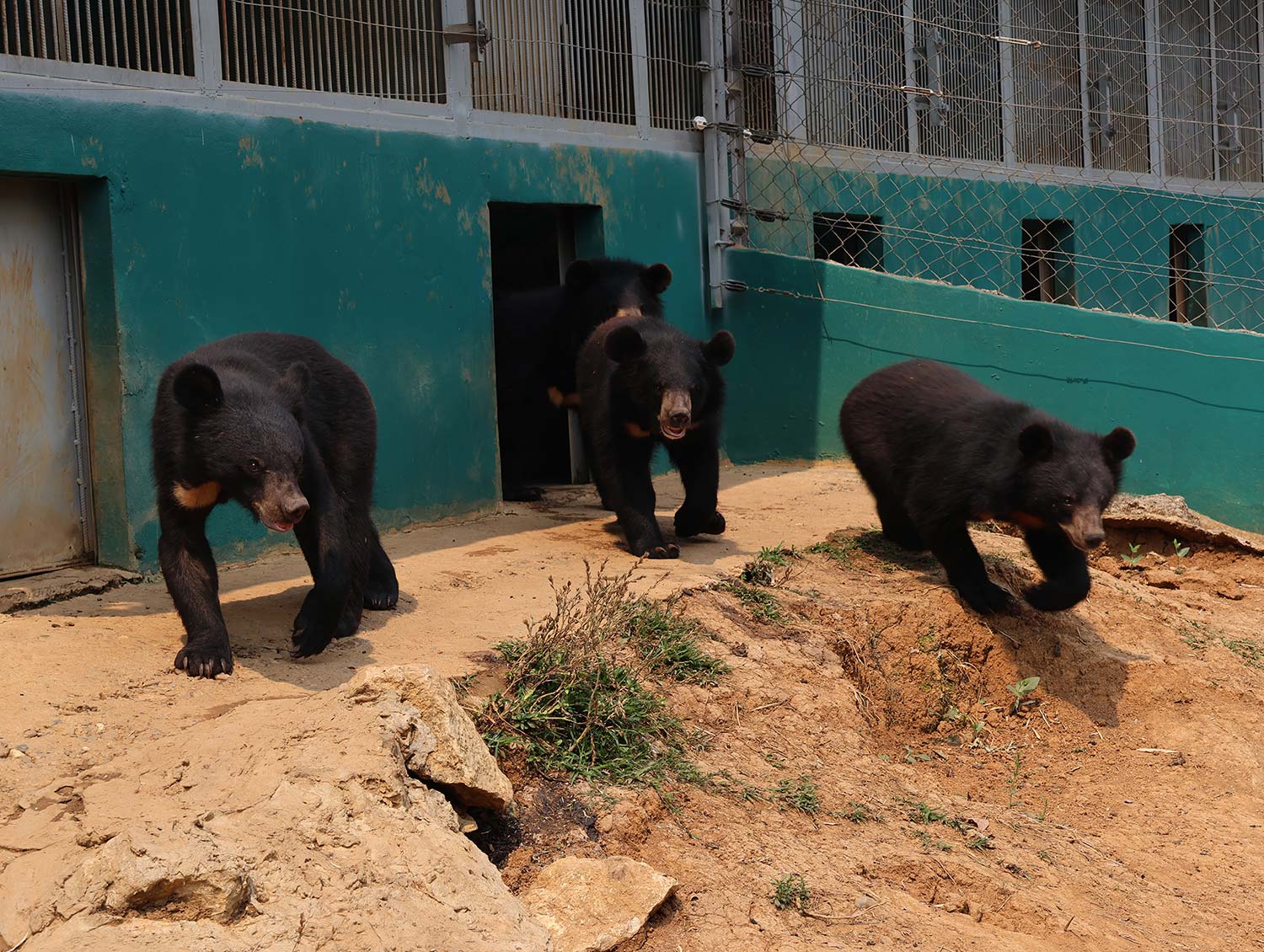
The bear cubs are very recent arrivals and are busy playing in a large outdoor compound, one of eleven dotted around a valley some 30 kilometres outside the UNESCO World Heritage city of Luang Prabang in northern Laos.
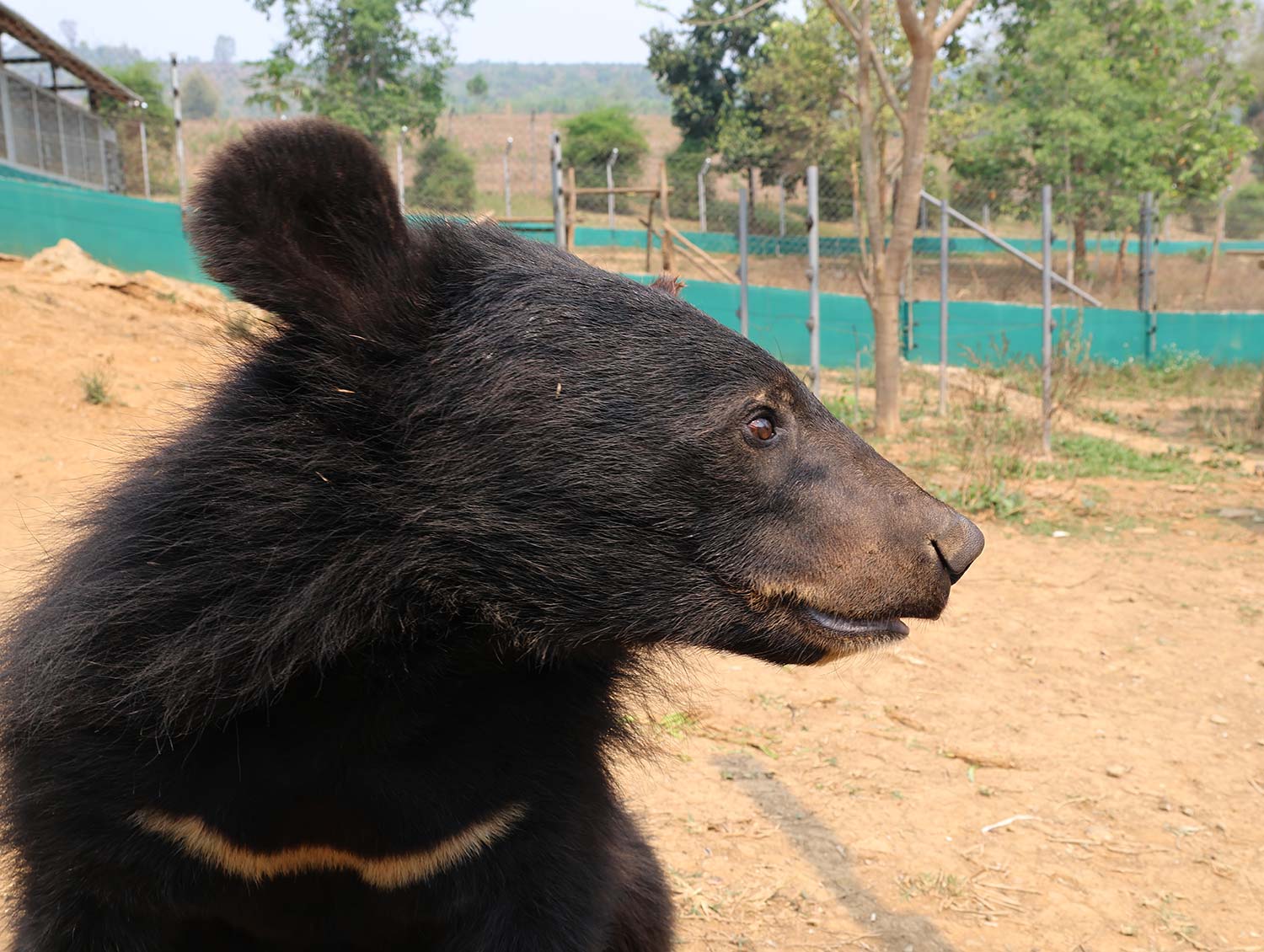
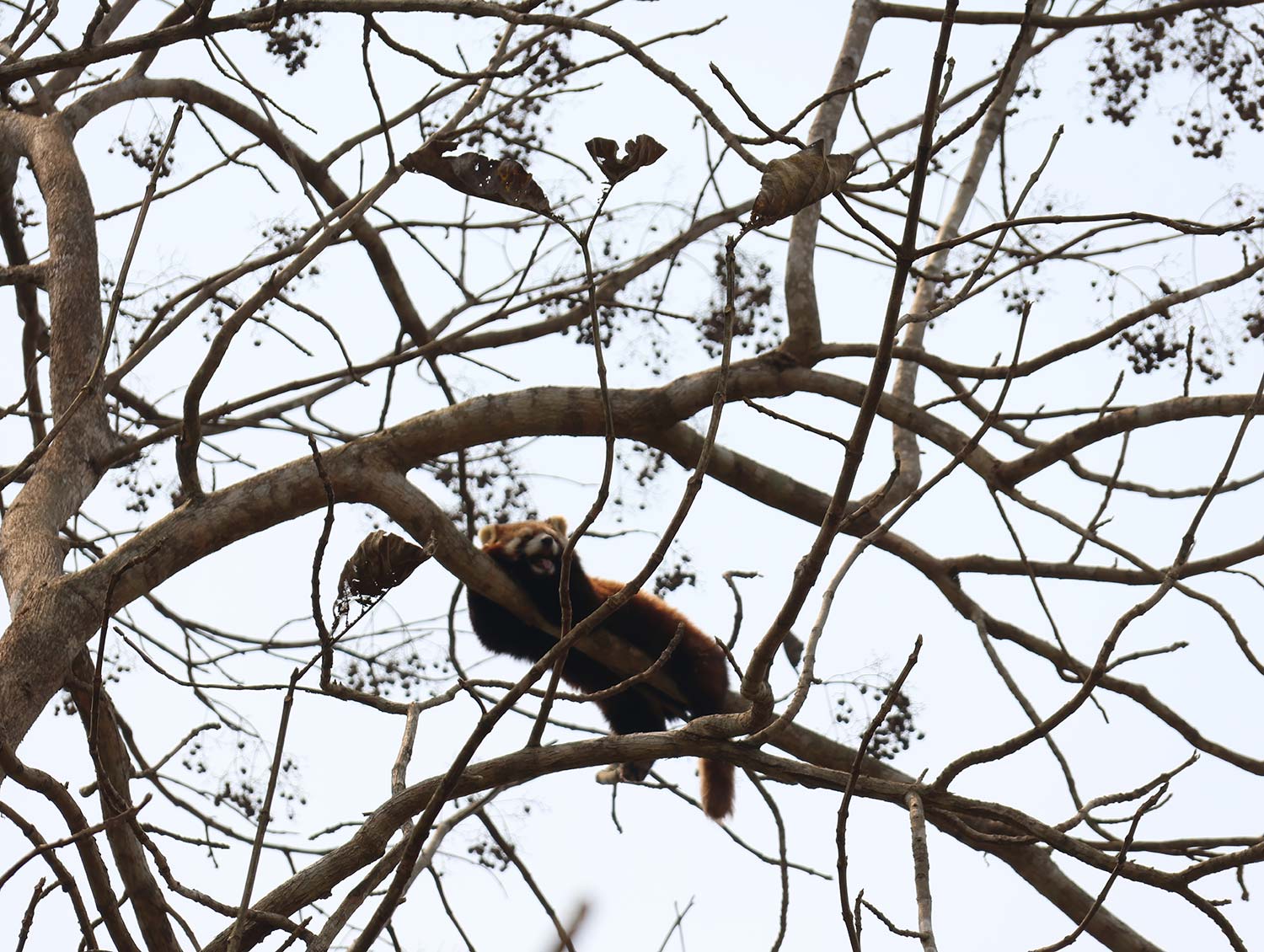
The sanctuary is run by Free the Bears, an international animal welfare and wildlife conservation charity dedicated to rescuing, protecting, and providing sanctuary to threatened bears across Asia. Right now, the sanctuary is home to more than 130 rescued sun bears and moon bears. During my visit to this expansive, lightly forested habitat, I also saw red pandas and several monkey species, including gibbons and macaques.
Wildlife trafficking is a serious environmental issue. It is one of the world’s largest criminal trades, worth billions of dollars annually and often linked to organised crime networks.
Free the Bears CEO Matt Hunt provides some troubling context: “Bears are one of the species affected, particularly for the illegal trade in bile, body parts, and cubs for the pet trade. Pangolins, primates, civets, tortoises, birds, and other mammals are also trafficked. Demand comes from several directions, including luxury wildlife products, traditional medicine, meat, pets, and tourist-driven trade.”
Bears are rescued from roadside zoos, hotels, and entertainment facilities, where they are often kept in extremely poor conditions. Some are used as tourist photo props. That kind of exploitation causes both physical and psychological harm.
Free the Bears is active in Cambodia, Laos, and Vietnam. Tourists usually become aware of the illegal wildlife trade in Laos when they visit the famed Kuang Si waterfalls near Luang Prabang.
Right by the falls, the Tat Kuang Si Bear Rescue Centre, built in 2003, is home to a handful of older bears. But as the Lao government has rescued increasing numbers of animals from poachers, Free the Bears began looking for a larger site. In 2017, the organisation began building the sanctuary.
While the two sites are closely connected, Tat Kuang Si plays a key role in education and awareness, while the Luang Prabang Wildlife Sanctuary provides expansive forest habitat for a range of threatened wildlife.
Hunt explains that Free the Bears works closely with the Laotian government. “Since 2003, we have worked with government partners in Laos to rescue bears from the illegal wildlife trade and bile farms, provide sanctuary, veterinary care, and rehabilitation, and increasingly support other threatened species as well.
“We train government staff in emergency wildlife care. We provide training to several government agencies, including the Department of Forest Inspection and Environmental Police. The programme has been expanding. In 2025, some 60 officers received training.”
That said, Laos has been under a CITES trade suspension since 2023 due to ongoing compliance concerns, including the regulation of wildlife farms and persistent illegal trade in high-value species such as ivory and rhino horn. Hunt suggests that while this reflects the scale and complexity of the situation, it also highlights the urgent need for continued enforcement, stronger regulation, and international cooperation.
“Tackling wildlife crime is not just about rescuing animals but also strengthening the whole response around enforcement and public awareness so we can stop them being taken from the wild in the first place,” Hunt explains.
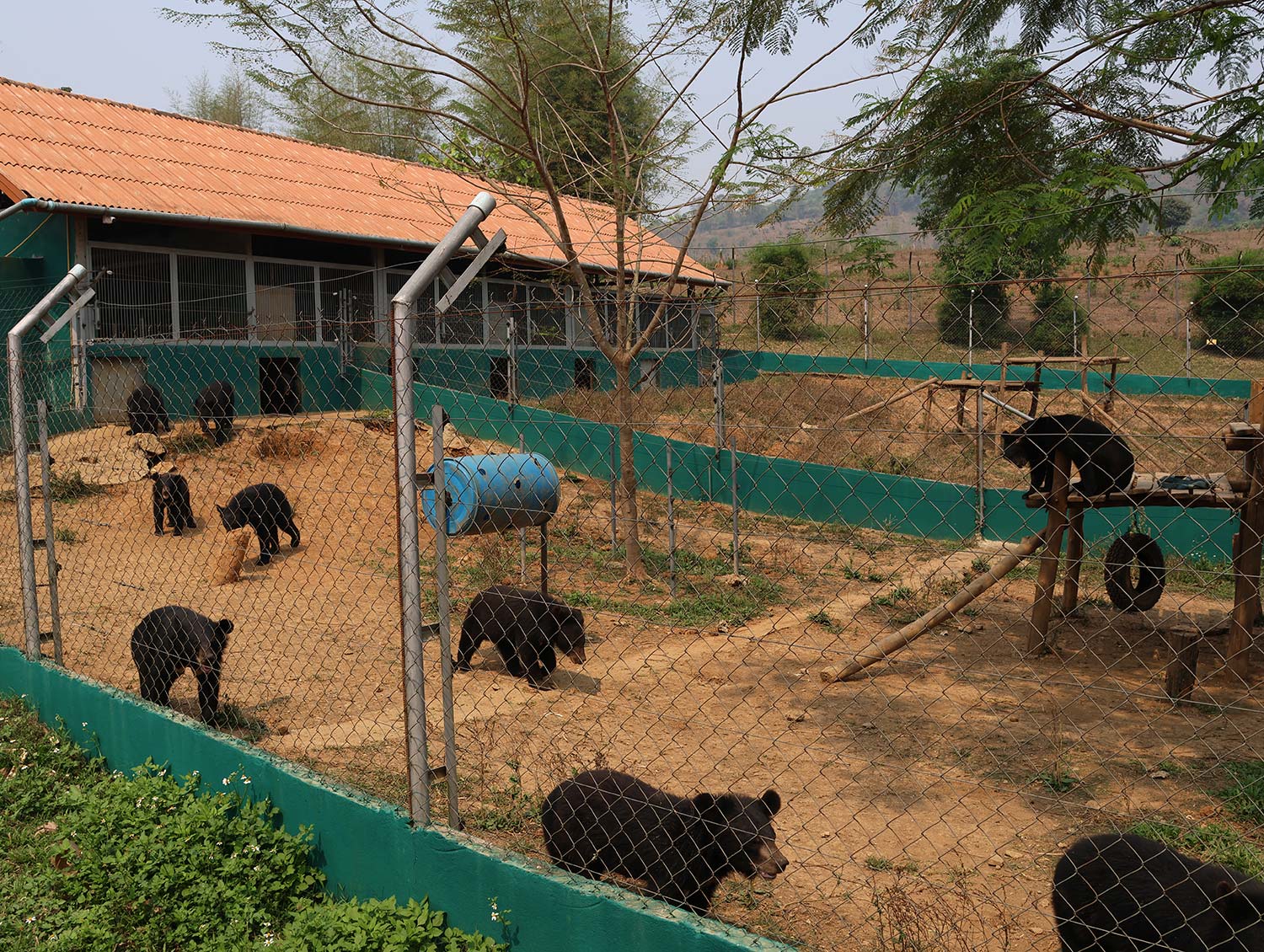
Back at the sanctuary, Sone takes us — a small group of tourists who have braved the unpaved road out of Luang Prabang — around six compounds. Some are as big as football fields, others are much smaller. All have bears roaming or lounging on giant hammocks or in concrete shelters. It feels far more like a retirement home than a zoo.
While the sanctuary has released many other species into the wild, most of the bears here are so traumatised by injuries or long-term captivity that they require lifelong care. Most rescued bears will remain at the sanctuary for life, not least because suitable habitats across Laos and Southeast Asia have shrunk dramatically.
The region is awash with tourist-oriented wildlife experiences, from elephant kingdoms to snake shows, many of them highly exploitative. The Luang Prabang Wildlife Sanctuary is not generally open to the public. There are no walk-ins, no gift shops, no shows, and certainly no touching of animals.
Hunt suggests travellers should look carefully at any attraction involving animals. “Responsible travel plays a huge role in wildlife conservation. We always encourage travellers to research wildlife experiences carefully before booking them. If an attraction allows you to touch, hold, or closely interact with wild animals, that is usually a warning sign that the animals may be exploited.
“Ethical wildlife experiences prioritise the animal’s wellbeing and allow them space to behave naturally. They focus on education rather than entertainment, and funds go to animal care and conservation.”
The Luang Prabang Wildlife Sanctuary offers Bear Care Tours, carefully managed small-scale experiences designed around animal welfare and education. These small-group tours are run by expert local guides with deep knowledge of the culture and context of wildlife protection in Laos.
Sone tells our group about the rescue stories behind some of the animals, the threats facing wildlife in Laos, and the realities of long-term rehabilitation and sanctuary care. We get to prepare food for the bears, but there are no “shows”, and the animals all have access to large forest habitats and dens.
On the day of my visit, it is extremely hot, and I get the impression the bears’ desire for shade significantly outweighs their interest in visitors. But with a population of more than 100, they are easy to spot and readily wander close when they suspect food is involved.
Financing such a huge endeavour is challenging. People can contribute by donating, becoming monthly supporters, joining fundraisers such as the annual Night in a Cage challenge, or booking a sanctuary tour.
The future of combating the illegal wildlife trade remains daunting. Hunt acknowledges the harsh realities. “The illegal wildlife trade is one of the largest black markets on the planet. It’s worth billions each year and affects everything from birds to bears. It is a dynamic threat, changing constantly, and we need to make sure our responses evolve to meet each newly emerging threat.”
Infrastructure and development also contribute to the problem when remote forests are opened. This fragments habitat, increases access for hunters and traders, and accelerates forest loss. Roads, railways, and other large-scale developments make it easier for people to reach previously inaccessible wildlife habitats and move wildlife products more quickly, including across borders. Habitat loss and poaching are deeply linked.
But there is also a silver lining. Bile farms are being shut down, trafficked animals confiscated, public attitudes are shifting, and governments are strengthening their response. The key, Hunt explains, is sustained commitment, with law enforcement, habitat protection, public education, sanctuary capacity, and international cooperation all working together.
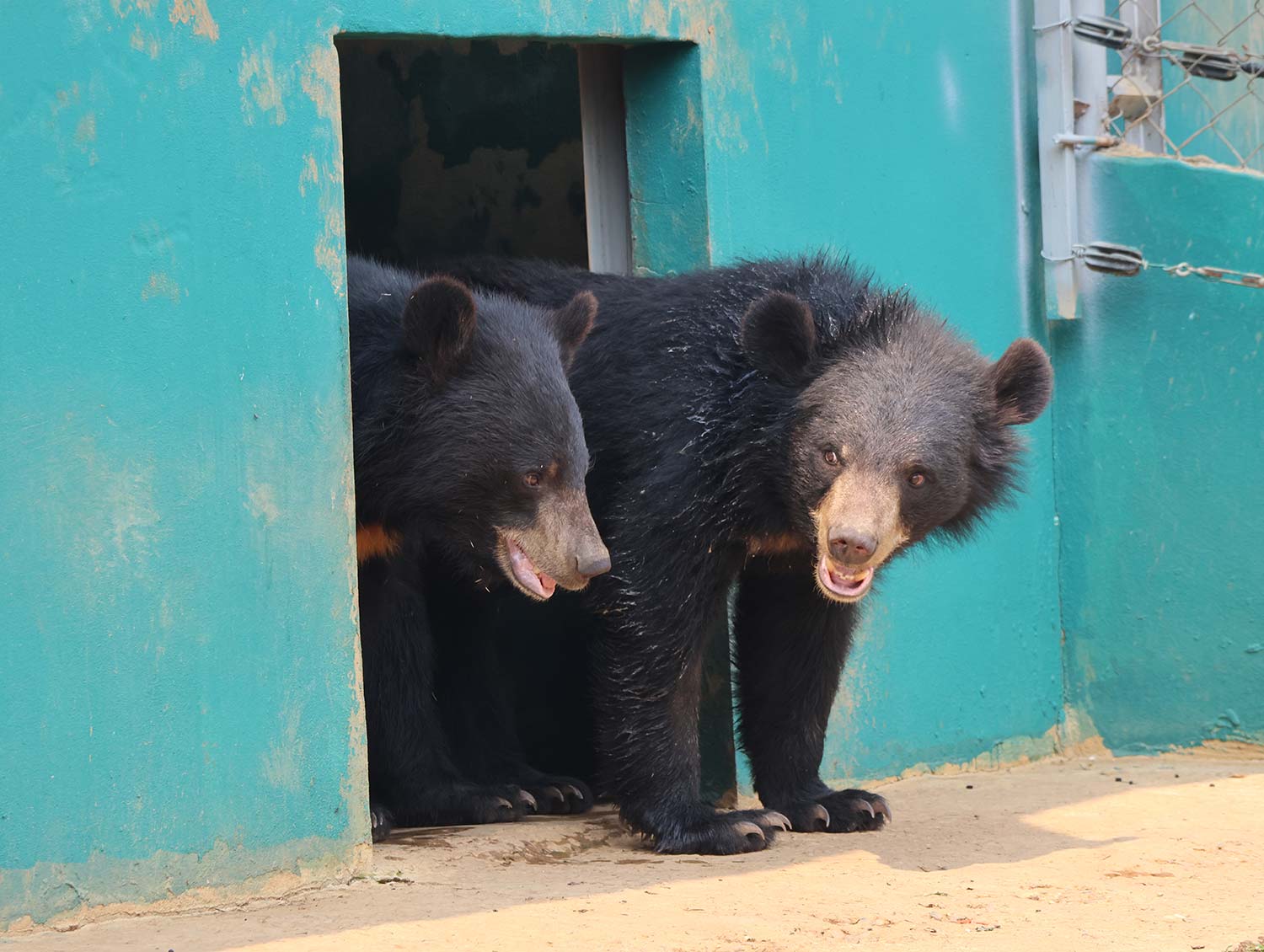
Standing in front of the compound housing the two quarantined bear cubs really drives this home. These tiny creatures will soon grow into adult mammals that belong in the wild. Whether that space still exists when they reach adulthood depends on many factors—above all, the effective protection of forests, the curtailment of unchecked infrastructure development, and the education of people who still mistakenly believe animal parts provide health benefits.
You can support the rescue and recovery of threatened bears by donating to Free the Bears here: https://freethebears.org/pages/donate
Alternatively, book a tour to the sanctuary at: https://freethebears.org/pages/bear-care-tour-laos
Or spend a night in a cage: https://night-in-a-cage-2026.raiselysite.com