



In the salt-worn village of Kirinda, on the fringes of Sri Lanka’s Yala National Park, fishermen set aside their nets and picked up tools.
Most had never built anything larger than a wooden boat. But with hands-on training, they helped construct Wild Coast Tented Lodge—a low-impact luxury camp at the jungle’s edge, operated by conservation-led brand Resplendent Ceylon.
No big firms were flown in. Local crews led the build, supported by a handful of specialists in bamboo and natural materials.
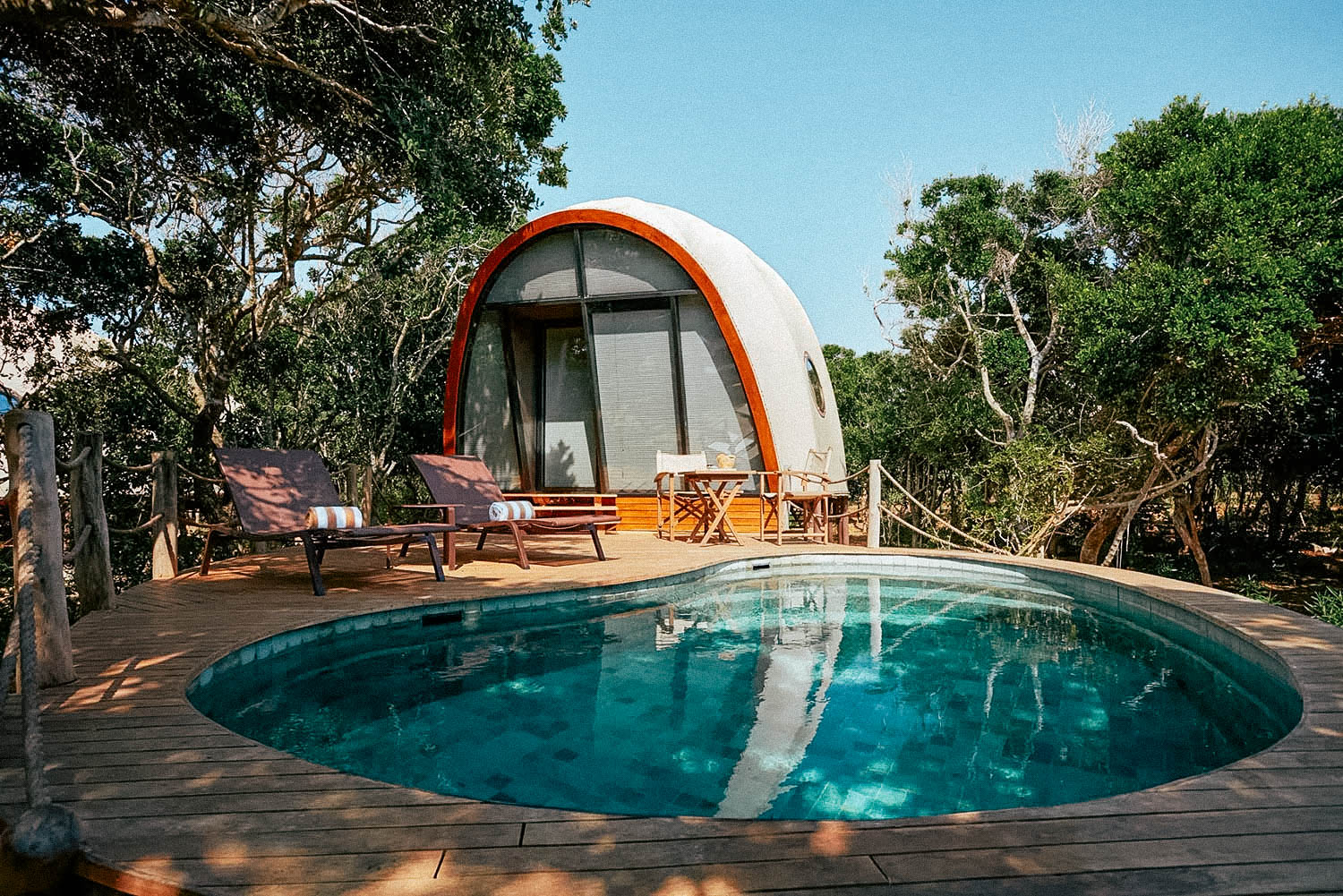
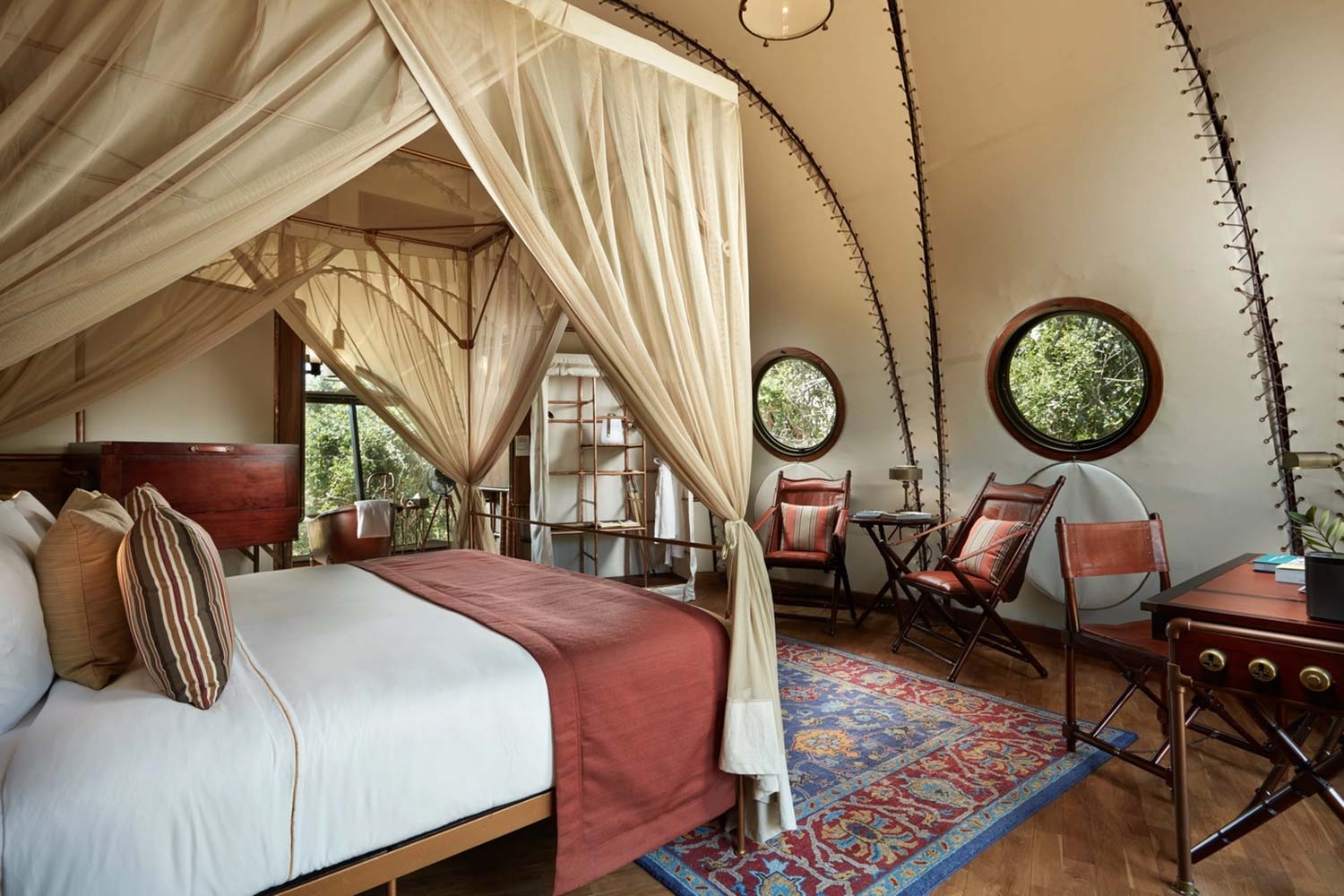
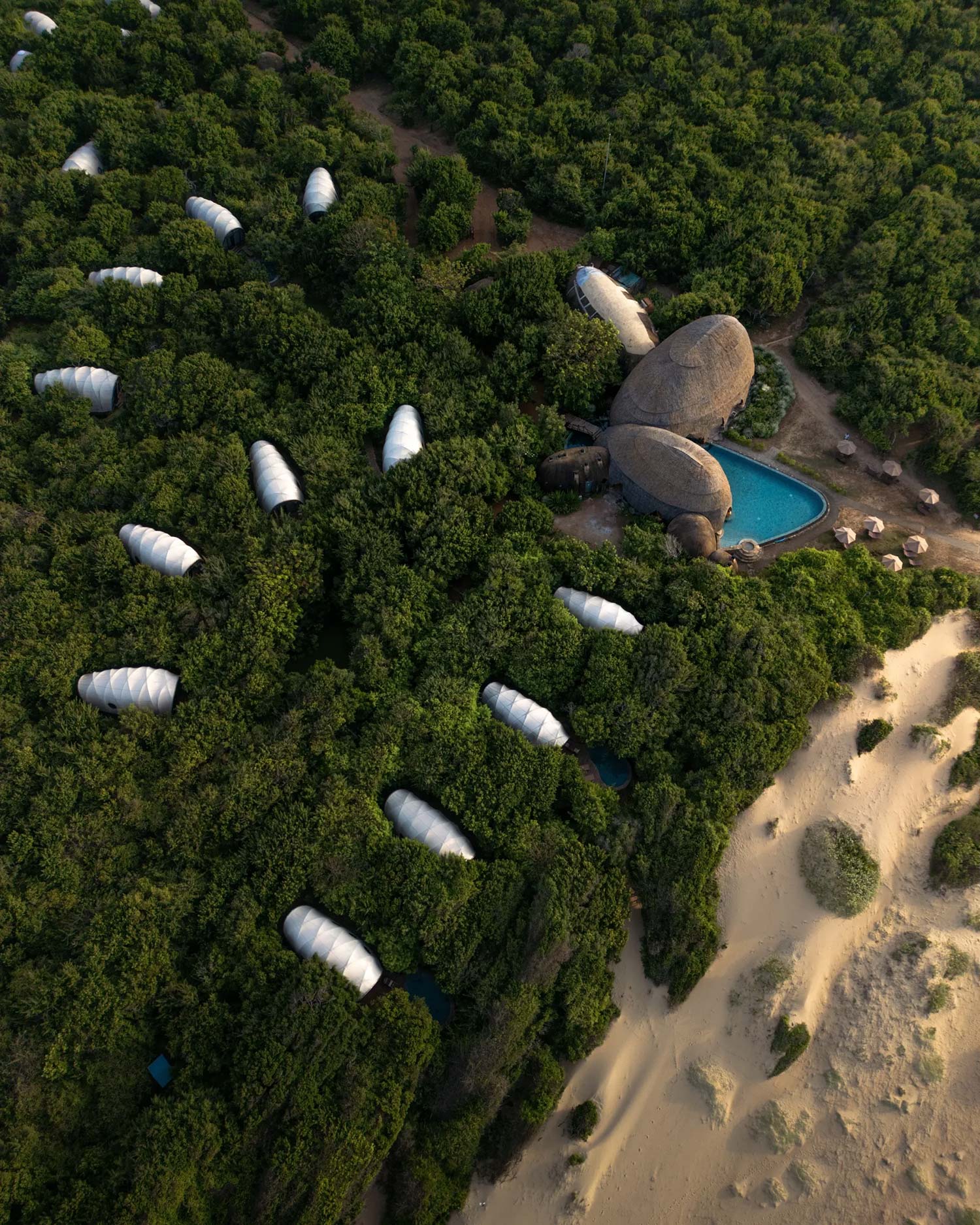
Across Asia, high-end resorts are increasingly shaped by the places they occupy. From the forests of Cambodia to the islands of southern Thailand, architecture is evolving. Buildings trace tree lines, animal paths, and natural airflow. Design begins with observation—coaxed into being slowly, and carefully, with fewer certainties upfront.
“Nature doesn’t care about your blueprint,” says Louis Thompson, founder of Nomadic Resorts, the designers behind Wild Coast. “If you don’t respect the environment, it will remind you.”
Nomadic Resorts specialises in bioclimatic architecture and regenerative design. Its projects span Asia and Africa, often in remote or ecologically sensitive areas. Rather than applying a fixed style, the team adapts to local conditions, drawing on vernacular building traditions and contemporary engineering to create structures that belong to their setting.
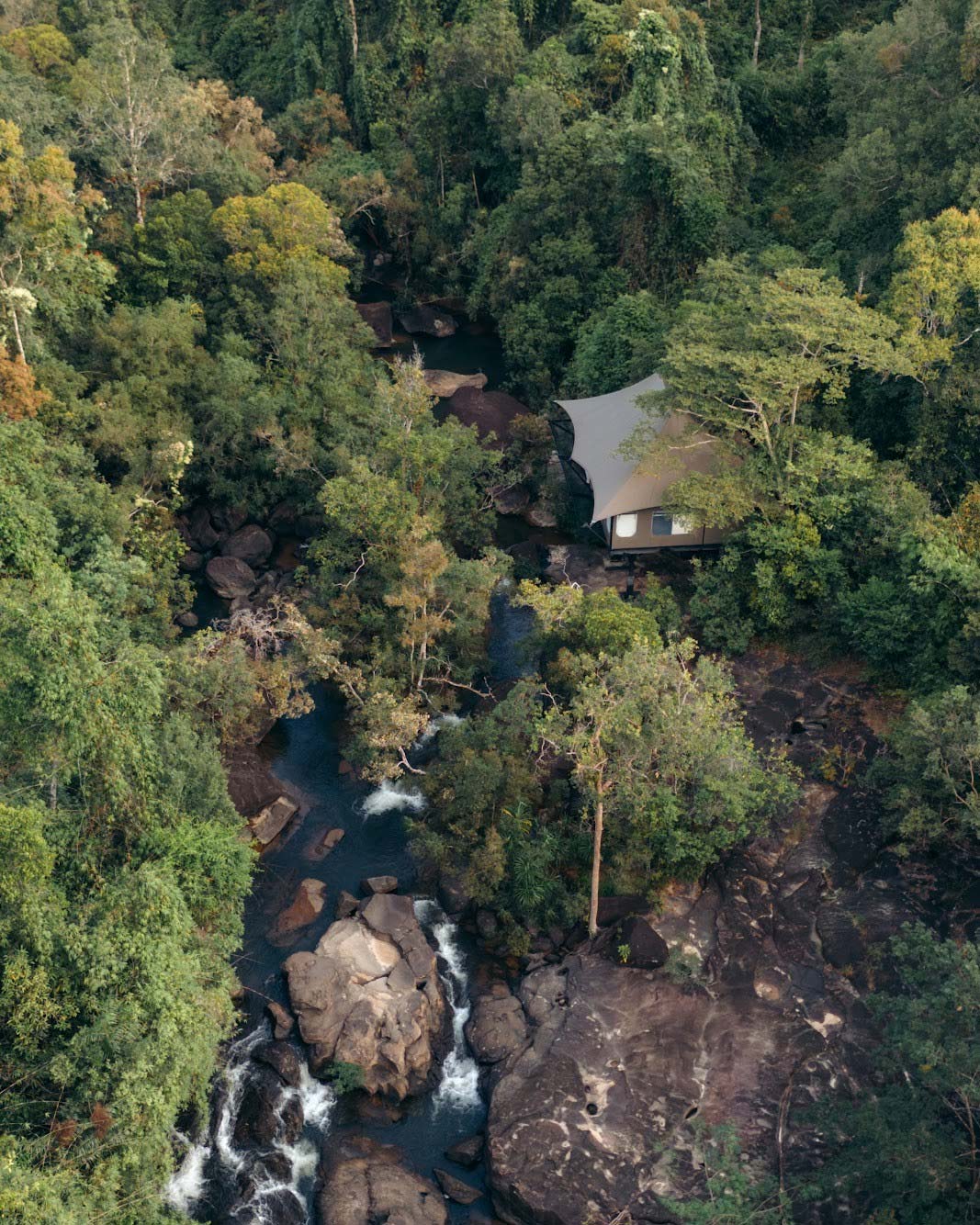
Often, Thompson begins a project by walking the land. At Wild Coast, the terrain guided each decision. Placements were adjusted according to slope, vegetation, and light. Structures were raised to minimise impact. Trees were left standing. Paths followed the ground’s existing lines.


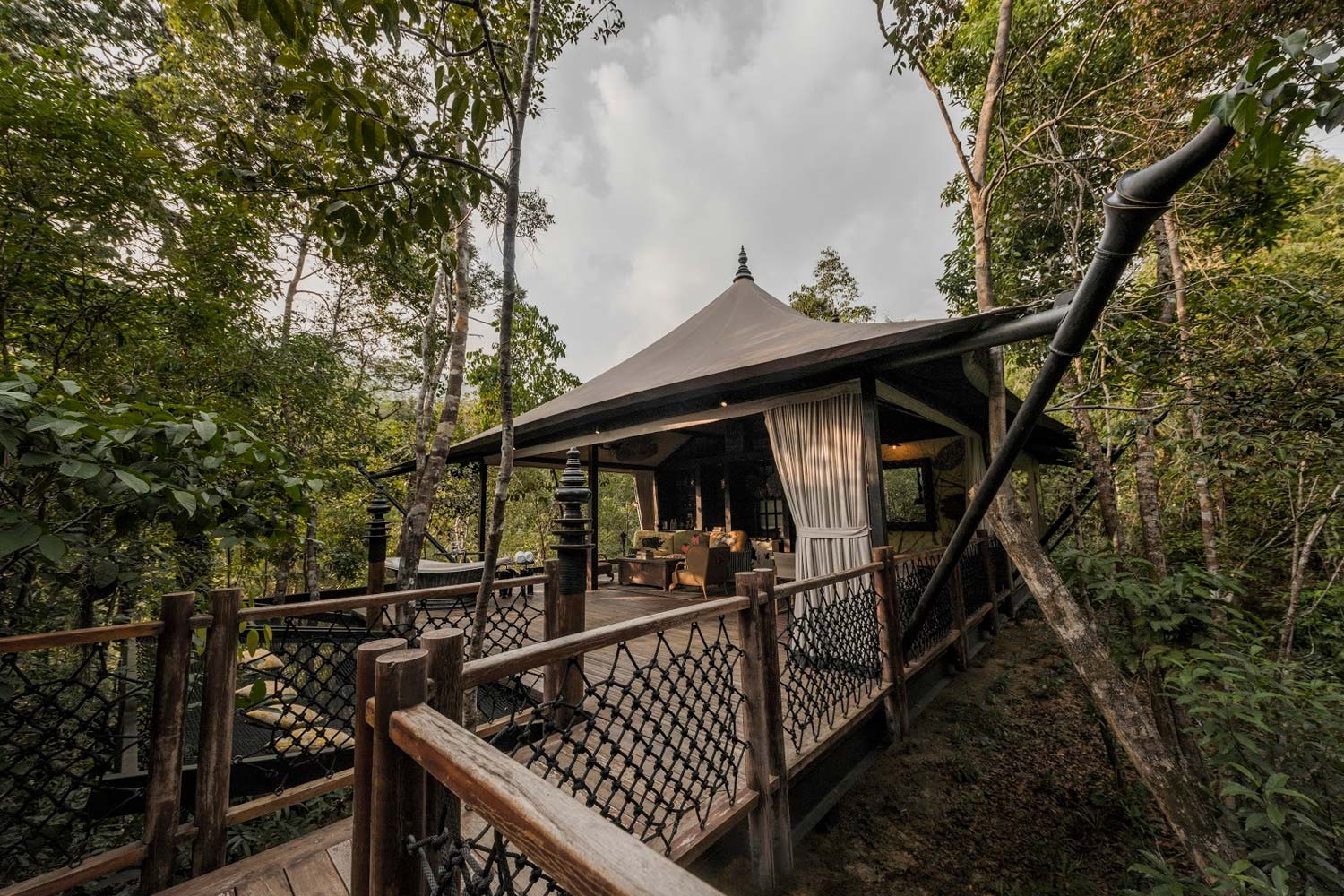
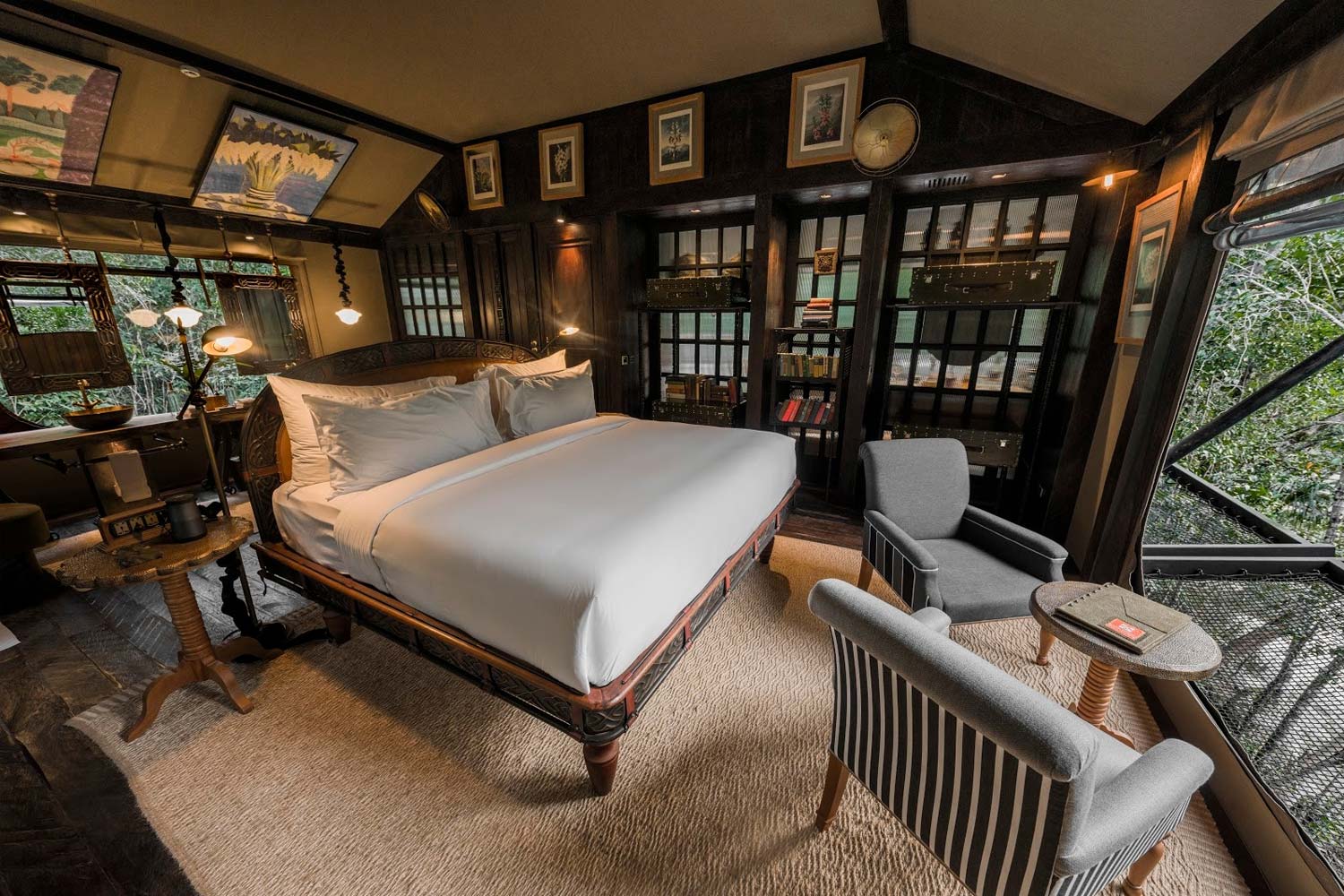
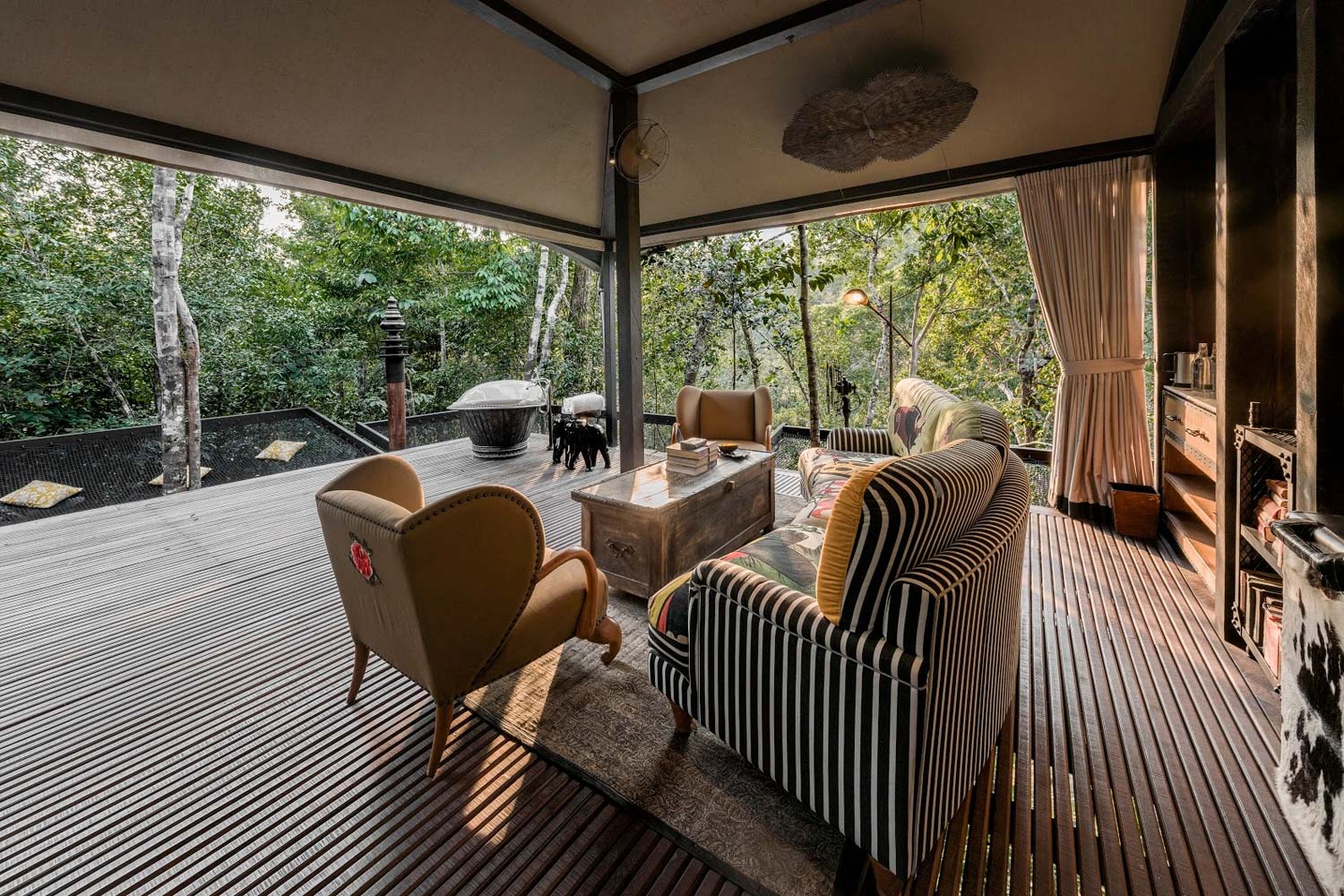
The same thinking guided the design of Shinta Mani Wild in Cambodia. Conceived by maverick designer Bill Bensley, the property blends theatrical design with ecological rigour. True to Bensley’s ethos, the lodge channels high-end tourism into direct conservation funding and community engagement.
“Guests often don’t realise just how much we’ve done to protect the site,” says Laura Robinson, who oversees operations and sustainability at the property. “We used ox and cart to bring building materials, simply to avoid cutting trees for wider access.”
That commitment carries through the entire guest experience. With guidance from the lodge’s ‘Adventure Butlers’ and a full-time naturalist team, guests gain insight into a forest that is preserved and actively protected.
“It leaves guests feeling part of something bigger,” Robinson explains. “They’re not simply staying in nature. They’re part of its story.”
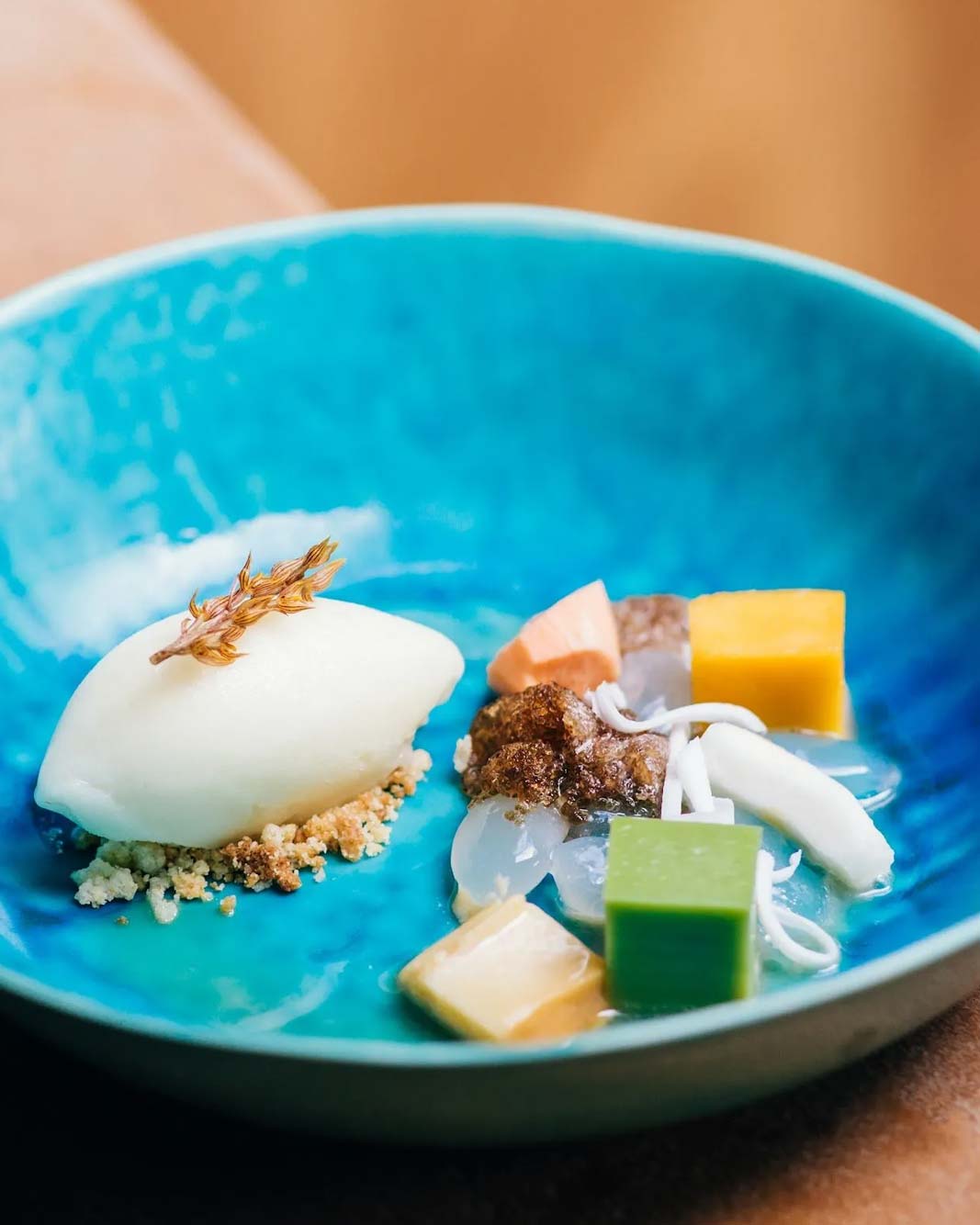
That sense of place carries through to the culinary experience. Meals are crafted using locally sourced and foraged ingredients, reflecting creativity and connection to the landscape.
“Most guests are surprised by what we can do out here,” she adds. “The variety, the quality—delivered in the middle of the jungle.”
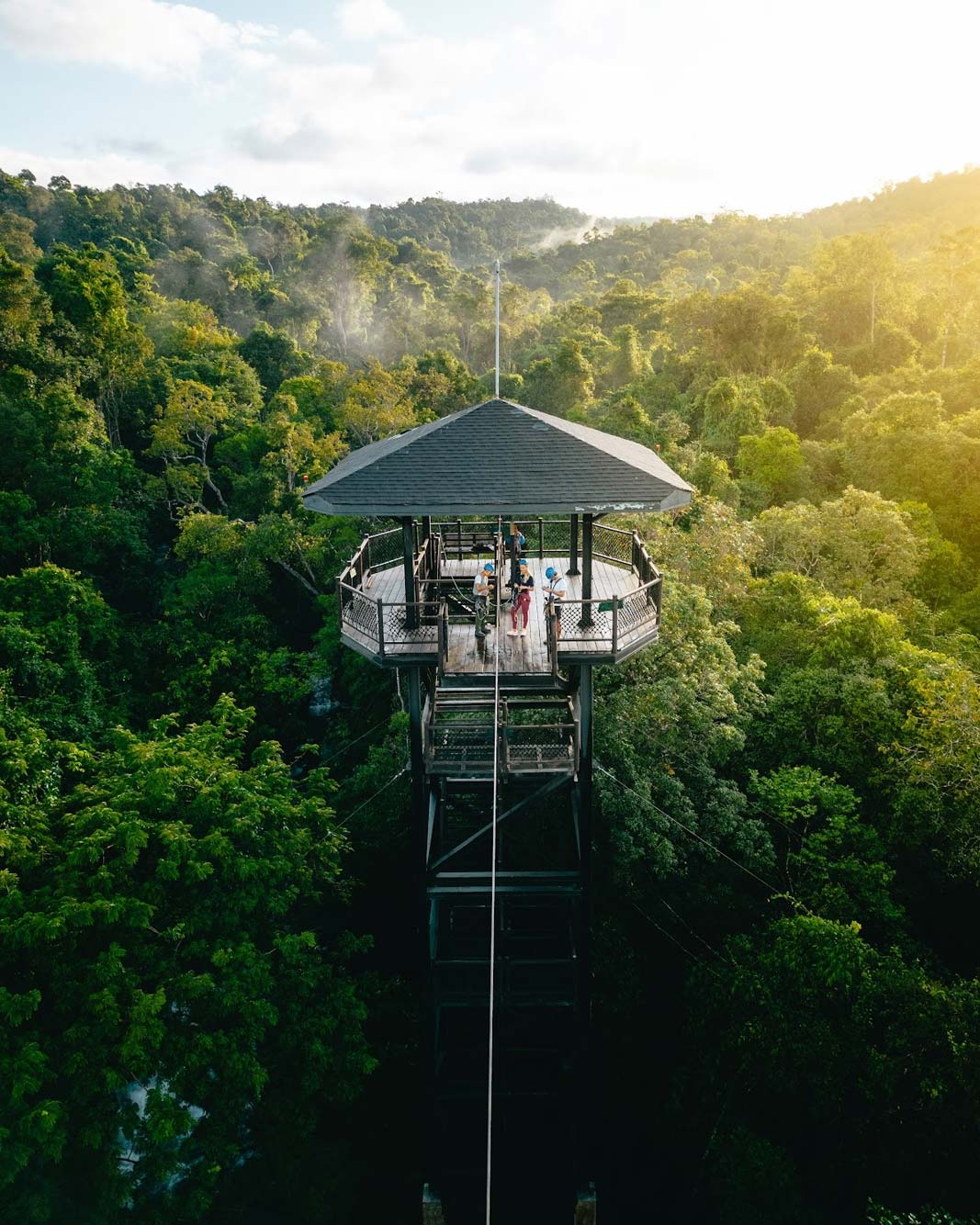
This approach tends to attract a particular kind of traveller. Guests often arrive ready to engage. Many have stayed in remote safari camps across Africa and seek something equally immersive but rooted in Southeast Asia. Ziplining into the property sets the tone—playful, immersive, and intentional.
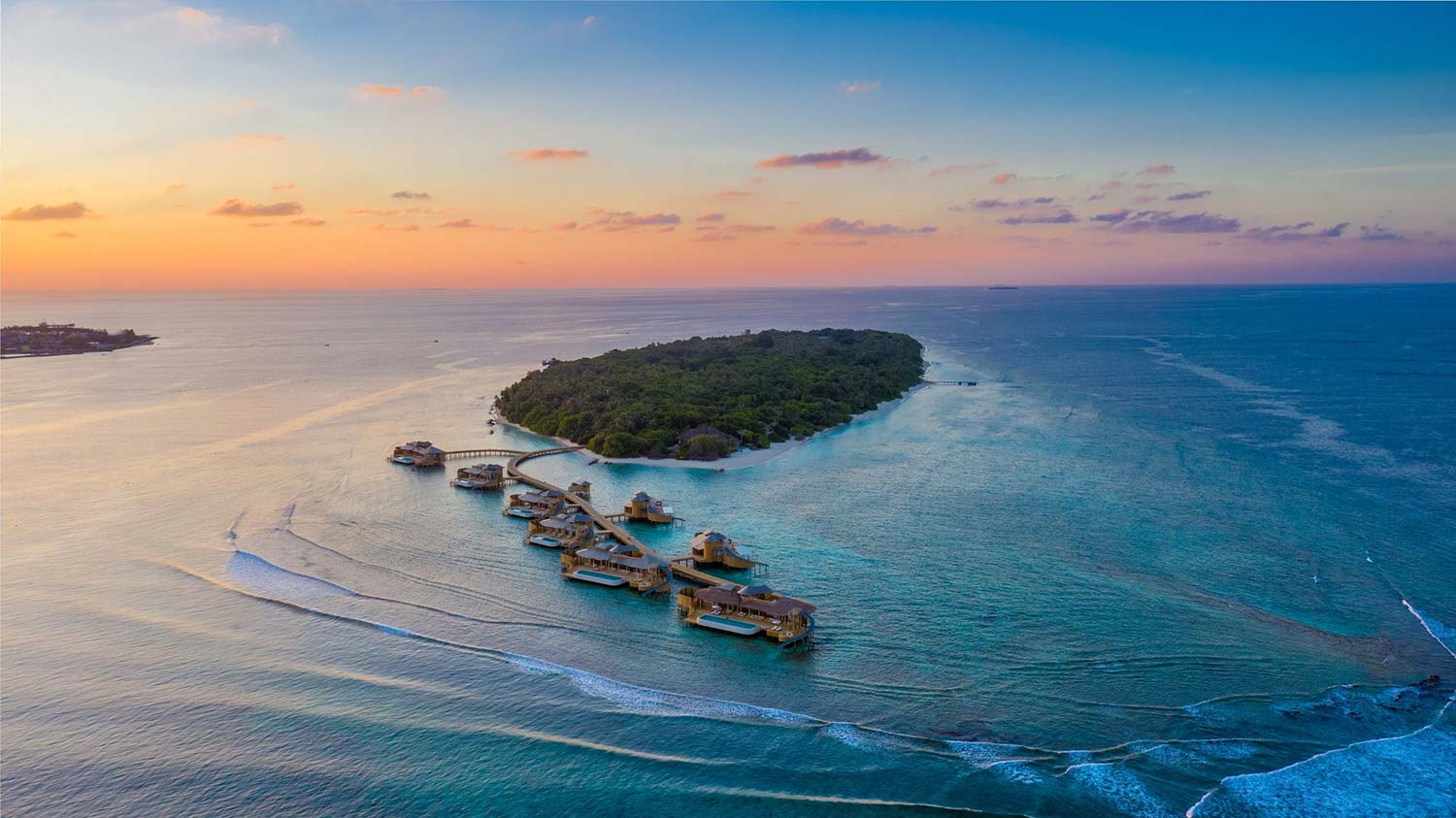
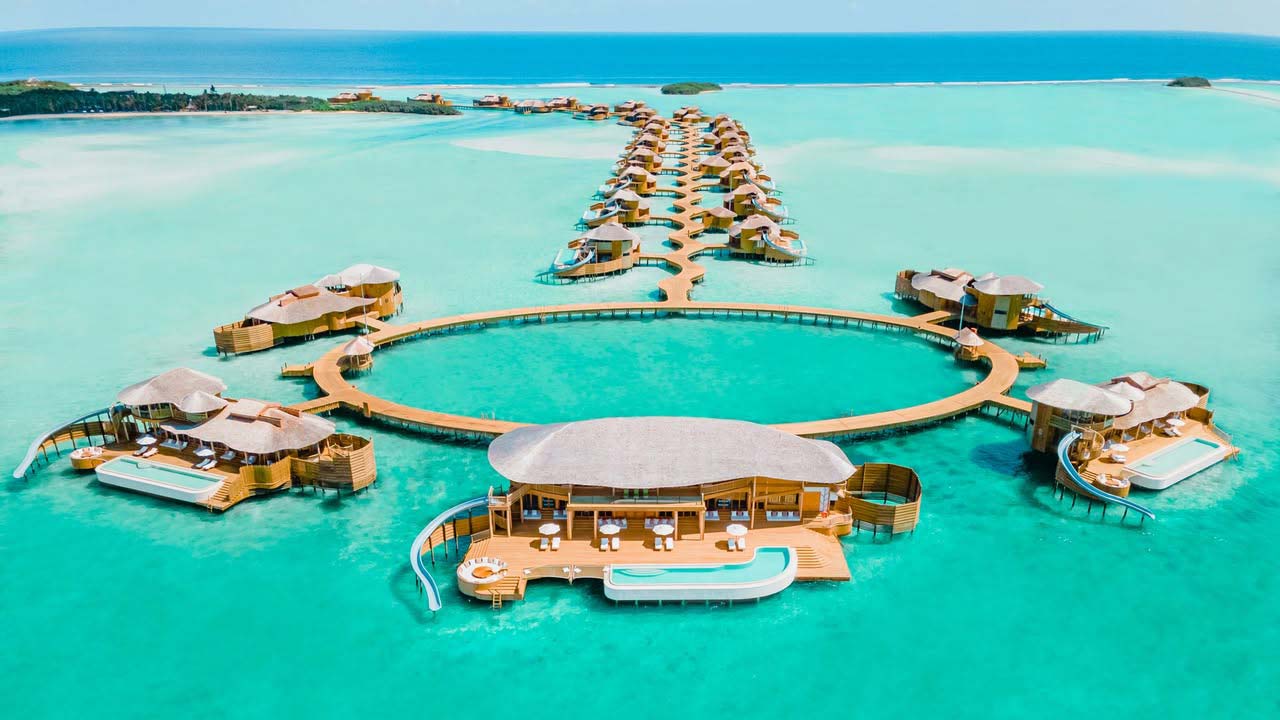
Few brands have embraced this approach as fully as Soneva, which has long challenged conventional resort design through its nature-first philosophy.
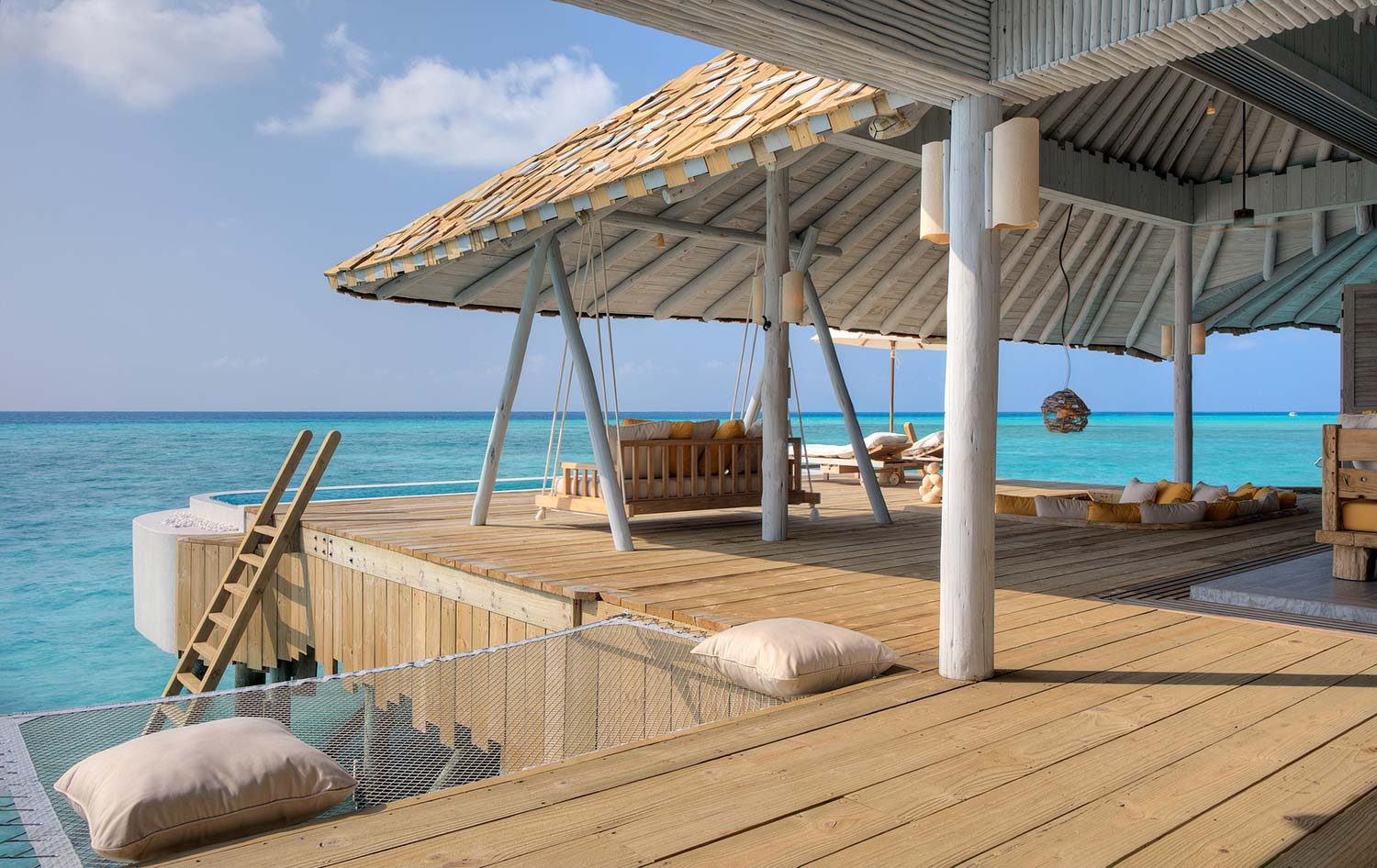
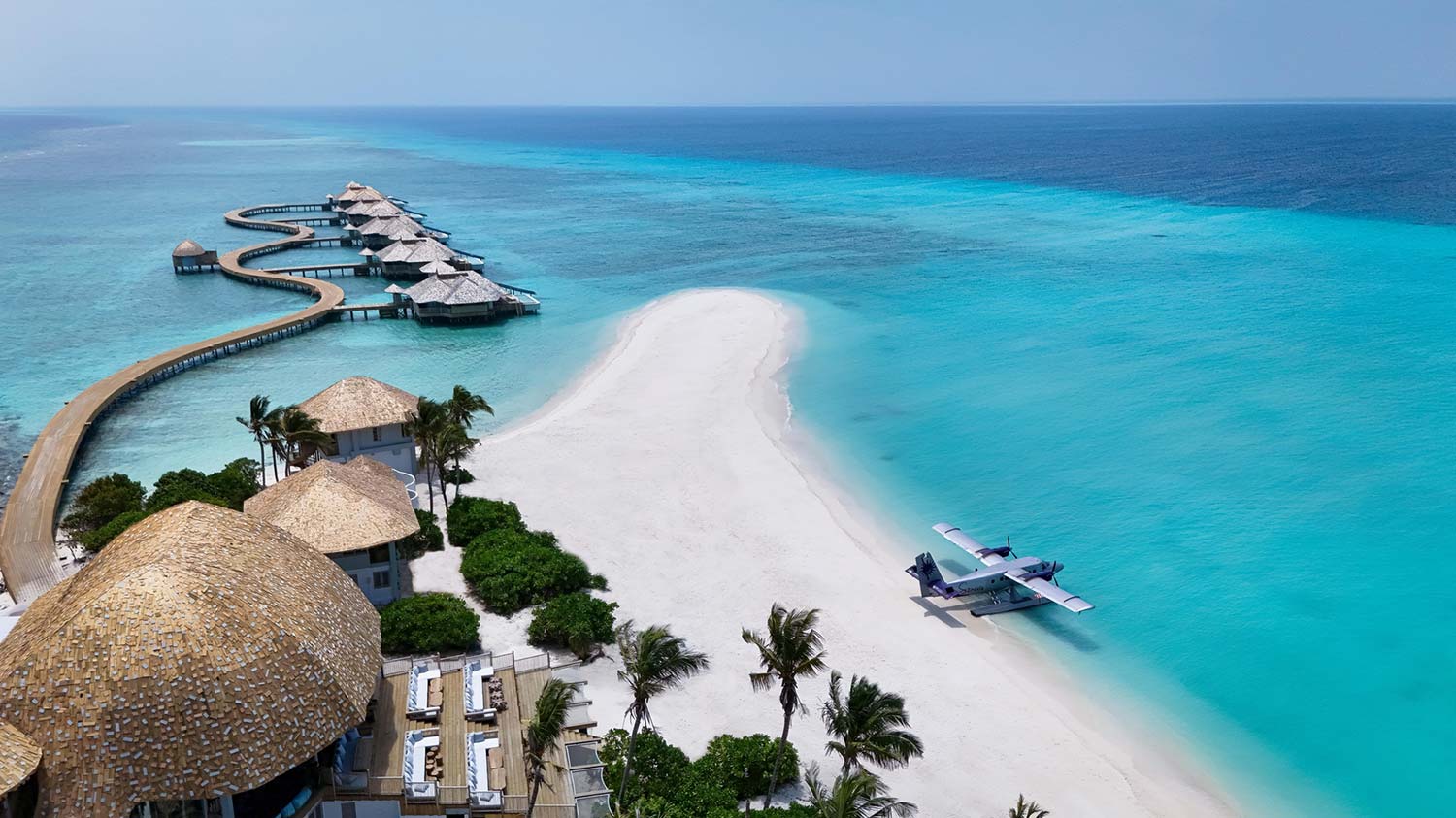
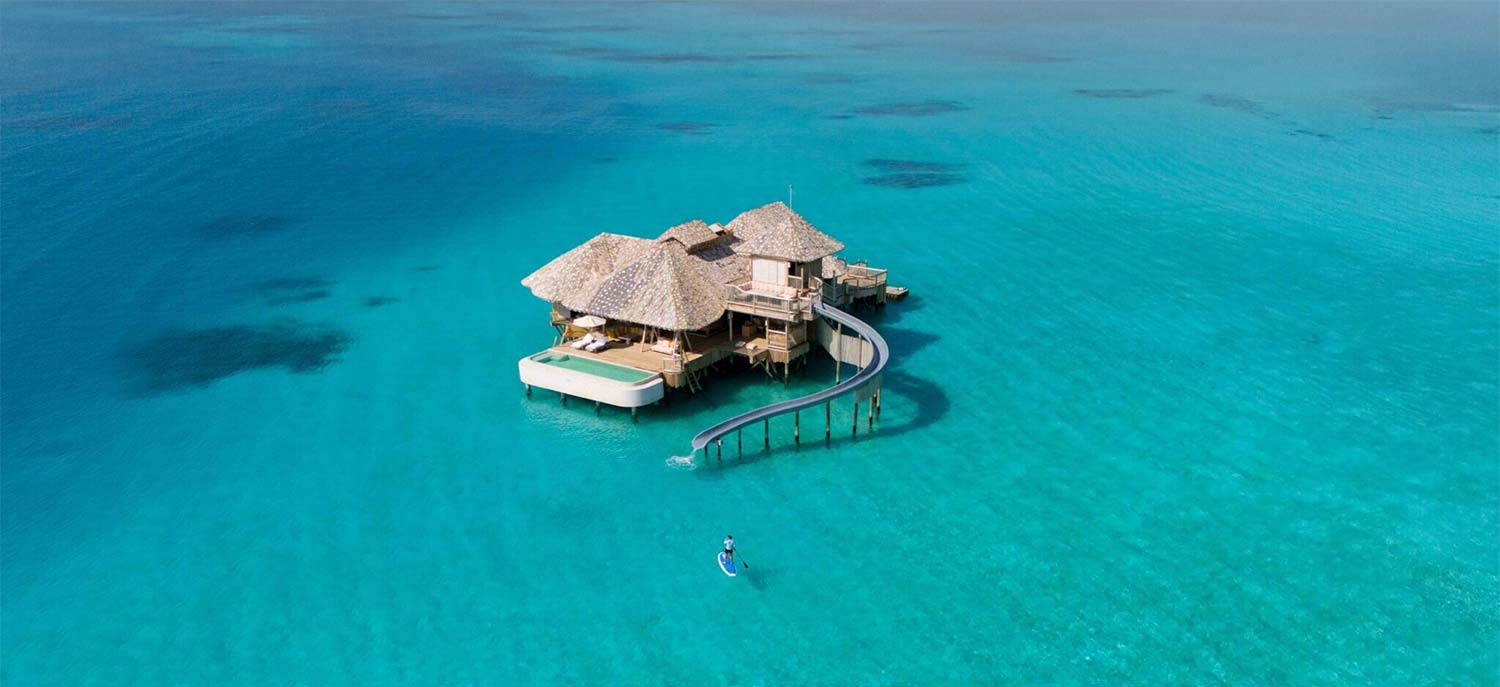
This ethos carries through to the Maldives, where Soneva Fushi, Soneva Jani, and the newly launched Soneva Secret all apply the brand’s signature approach. Even Soneva in Aqua, the brand’s two-cabin yacht, is designed to deliver a sensory experience while treading lightly at sea. Founded by Sonu and Eva Shivdasani, the group helped define eco-luxury in Asia and continues to evolve its model across the region.
Importantly, this sensitivity to place extends beyond design. It shapes how these hotels are built and how teams collaborate.
“By the end, they were eating together every day and swapping skills,” says Thompson. “That’s sustainability in action.”
In tropical Asia, this kind of design often begins with a simple question: can comfort be achieved without air conditioning?
It’s not a new idea. Traditional homes across Southeast Asia were built to suit the climate. Thai teak houses were raised to catch the wind and avoid flooding. Khmer homes stood on stilts, with shaded eaves and open walls. In Bali, bales (traditional open-air pavilions) let air move freely between pillars. These forms kept interiors cool and dry using little more than orientation, materials, and spacing.
That logic was later pushed aside by colonial architecture, which introduced concrete, glass, and rigid layouts that often ignored local conditions. Many modern hotels still follow this model. However, some are rediscovering older techniques and adapting them with contemporary tools.

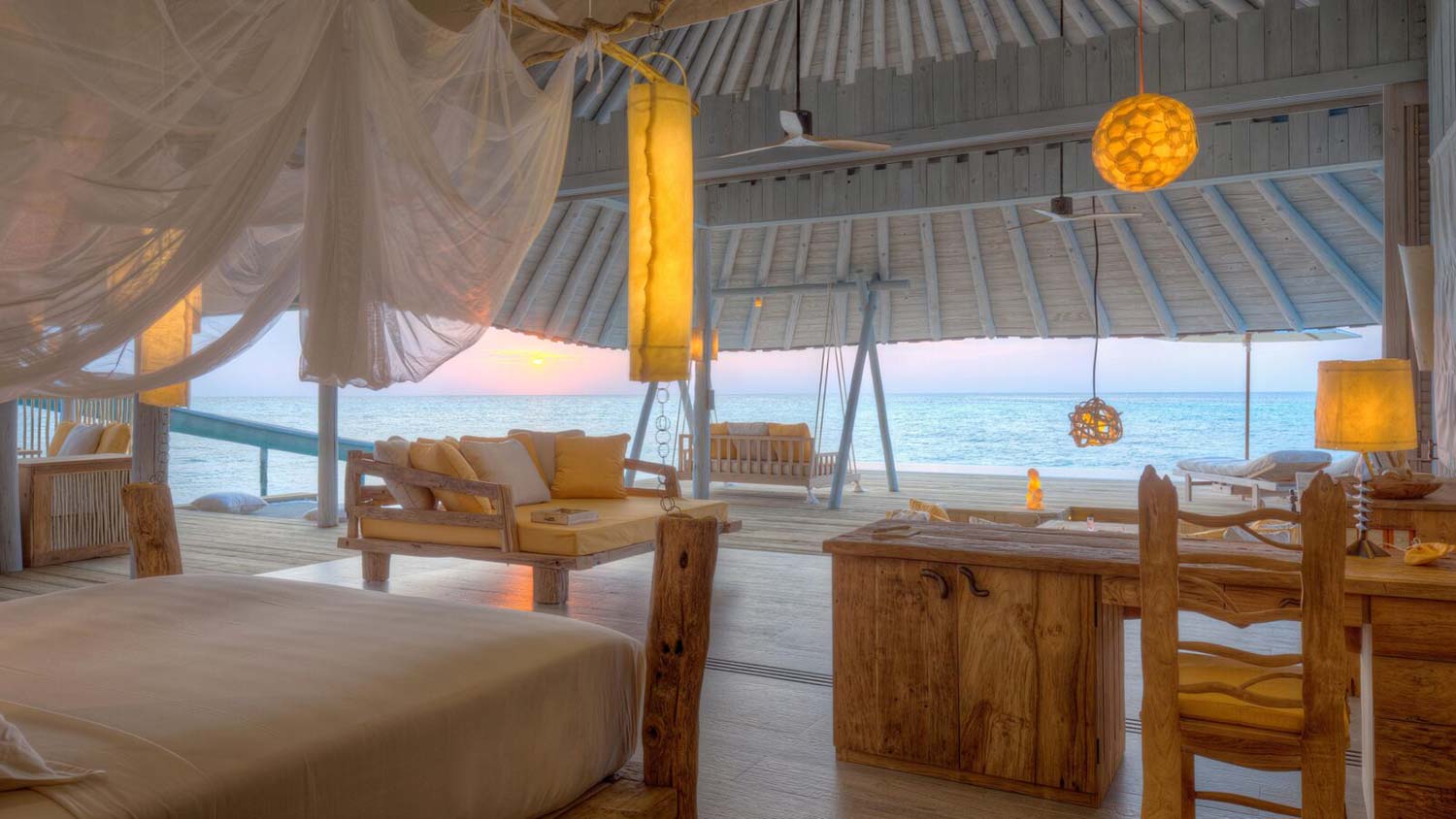
“For centuries, architecture has used airflow for cooling,” says Thompson. “We just forgot how to build that way.”
This approach doesn’t romanticise the past. It pays attention to what the landscape already offers. Wind direction, tree cover, and building orientation can reduce the need for artificial cooling. When those factors are respected, comfort becomes simpler and sustainability more intuitive.
It also shapes how these hotels operate. Layout and materials influence maintenance, staffing, and even the rhythm of guest interaction. Expectations shift. Guests notice the breeze through the bamboo, the changing light, and the sounds at night. Presence replaces performance. The experience becomes the product of awareness.
These properties remain outliers in an industry still dominated by concrete and control. But they offer a glimpse of what’s possible when design begins with the land itself. As climate risks mount and travellers look for meaning beyond material excess, the appeal of this slower, site-led approach is growing.
What started in places like Kirinda—with local hands shaping a lodge guided by jungle contours—is now shaping a wider rethinking of luxury. One that values presence over performance, attention over opulence. The blueprint is shifting. The land is speaking. Slowly, the industry is beginning to listen.