


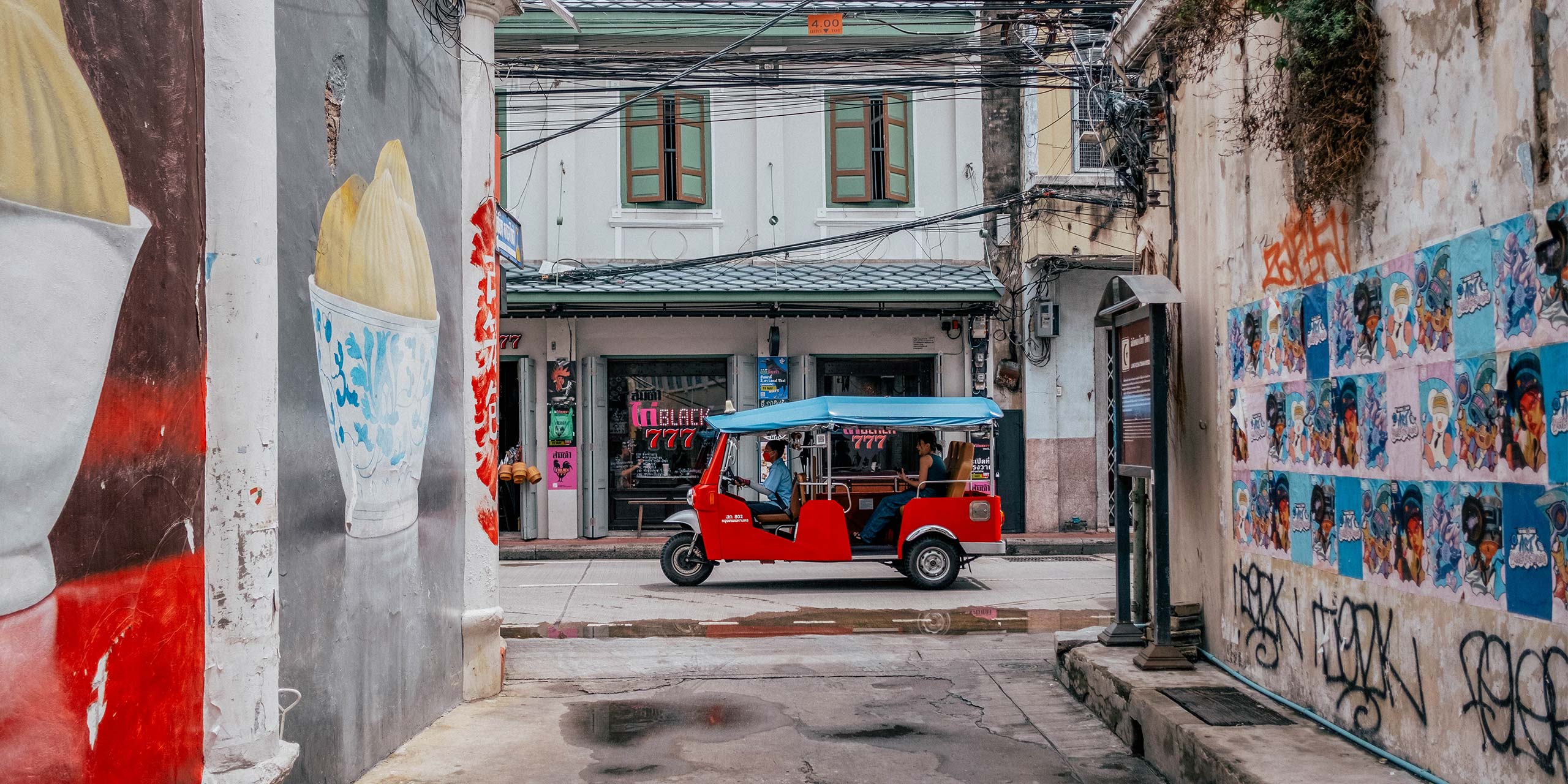
Chinatown is one of the few places in Bangkok where it pays to lose your bearings.
Off the main strips, narrow roads converge and tangle or lead nowhere at all. Maybe a shrine. Sometimes someone’s living room. Aromatic scents of spices and herbs hang heavy in the air while sheet metal is hammered in open-front shops, the sound bouncing between the walls.
Heat and smoke rise from street food stalls, disorienting and delicious in equal measure. Little appears to have changed along these sois in the past century.
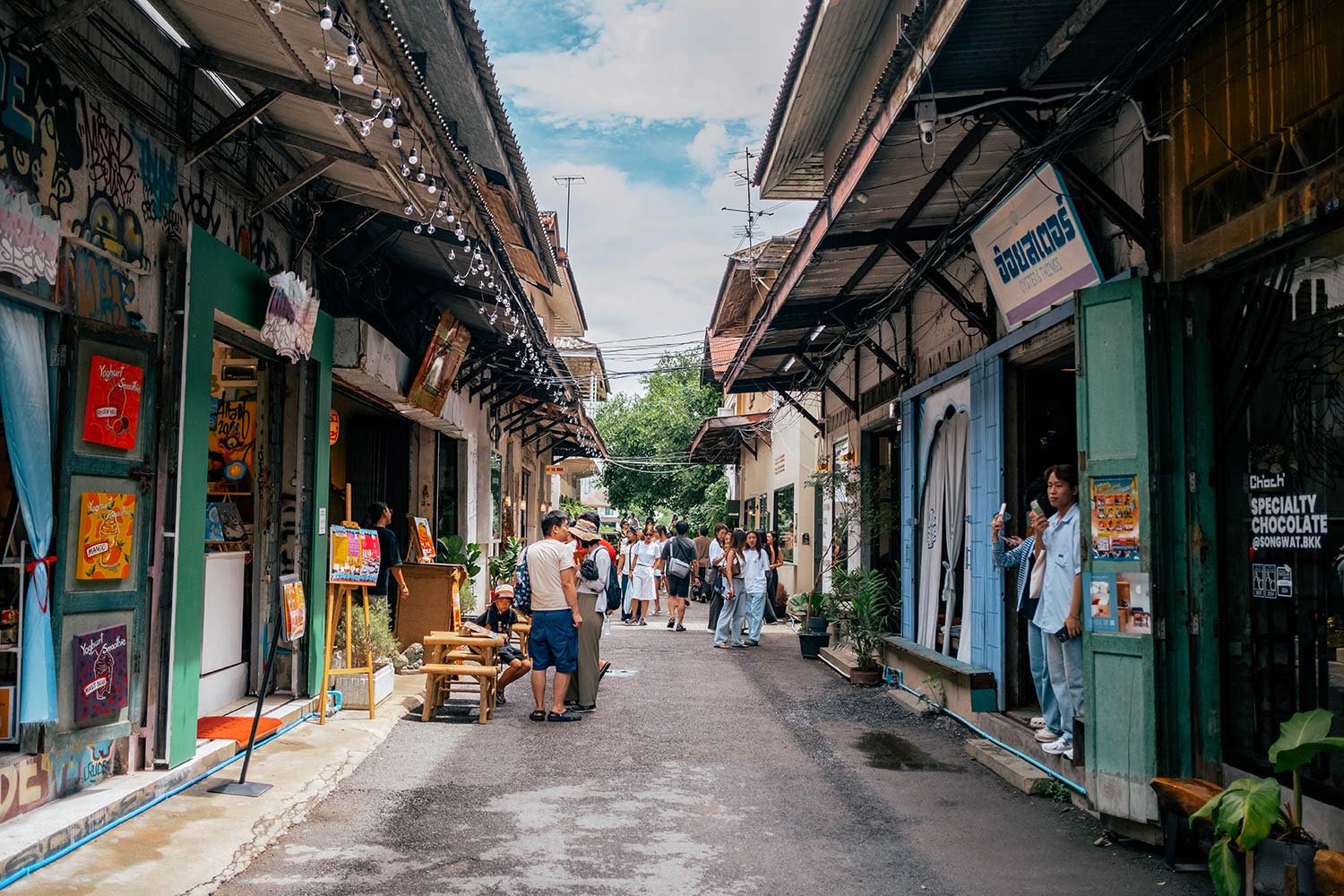
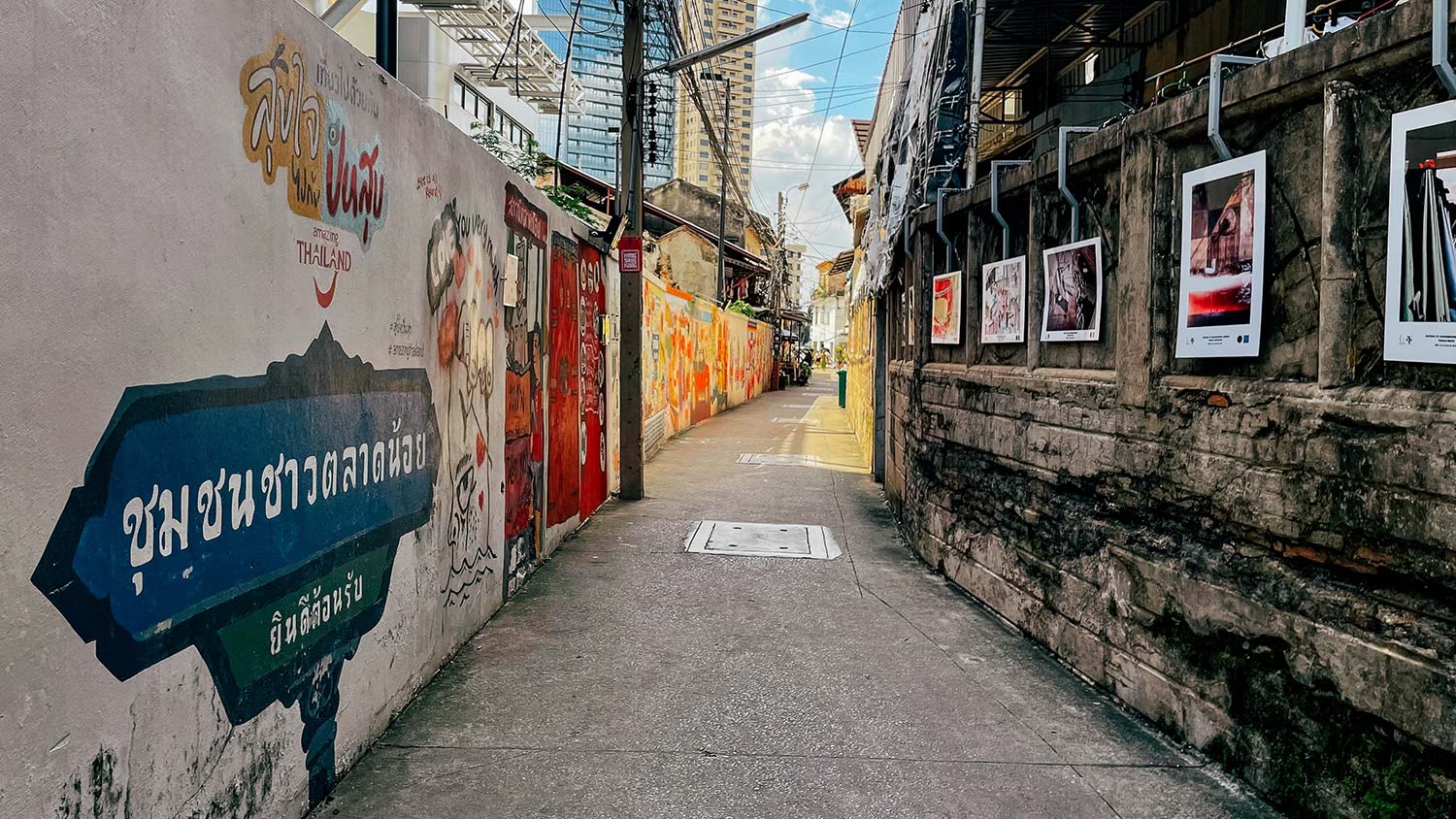
In more recent years, though, pockets of the district such as Soi Nana, Song Wat, and Talat Noi have developed contemporary identities of their own. Some stretches only really wake up after dark. Others draw people in for food and small bars. A few quieter lanes reward slower wandering, with boutiques, galleries, and studios tucked between workshops and warehouses.
The district is no longer defined solely by nostalgia. Its food, shopping, and nightlife scene has become part of the appeal. And while getting lost in the labyrinth remains reason enough to visit, it’s worth seeking out the latest wave of tenants leaving their mark on some of Chinatown’s more curious corners.
Dine
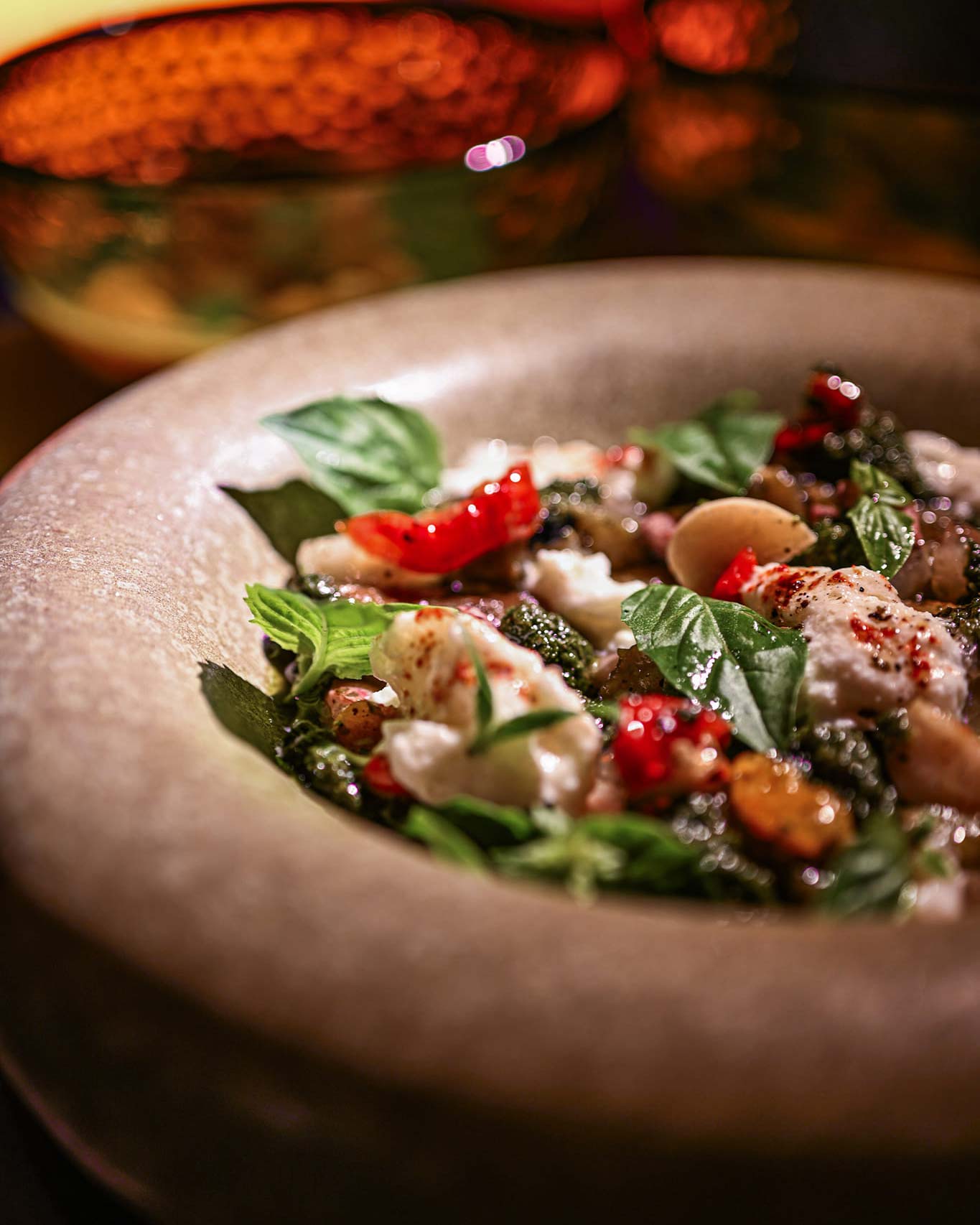
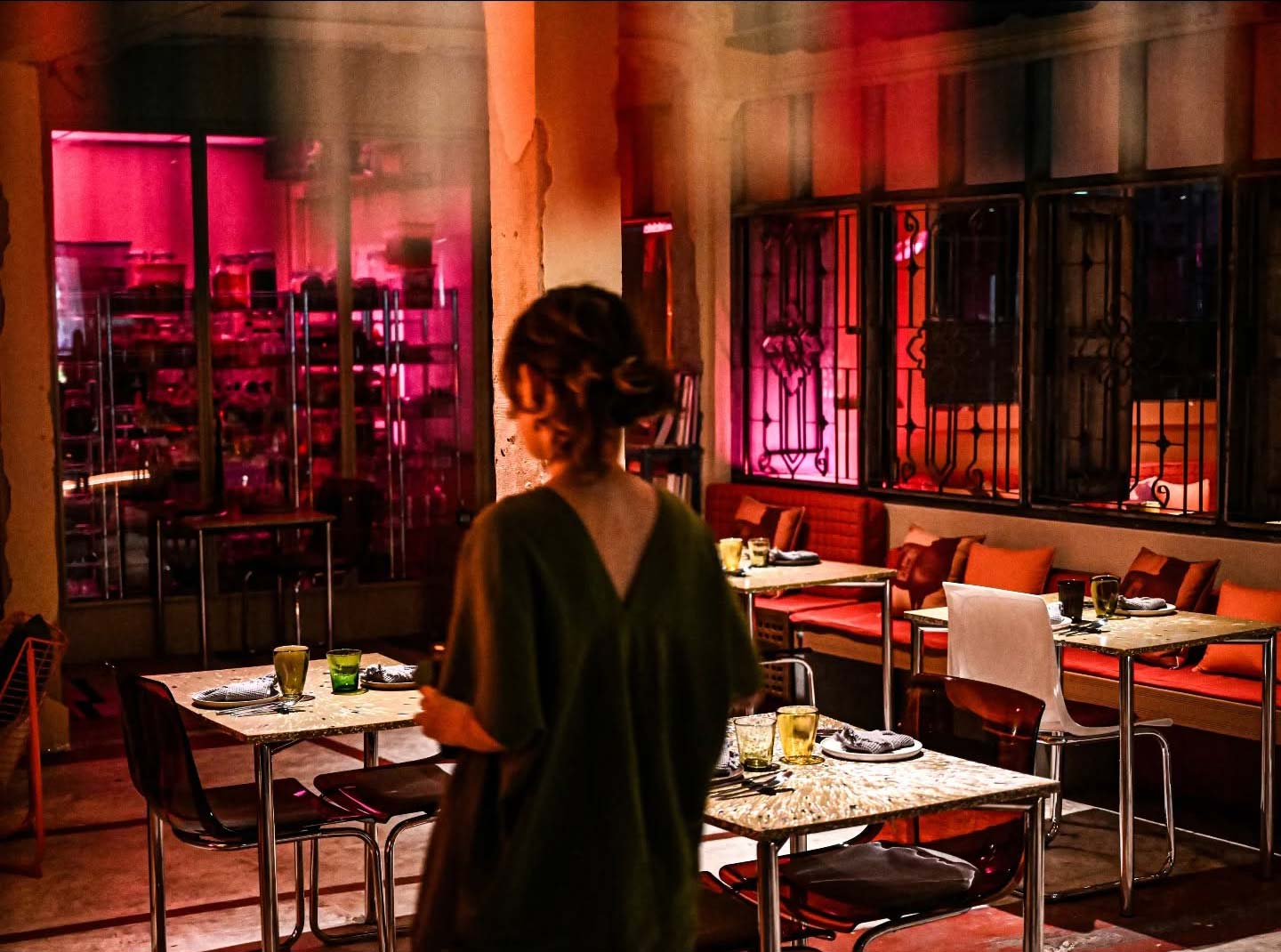
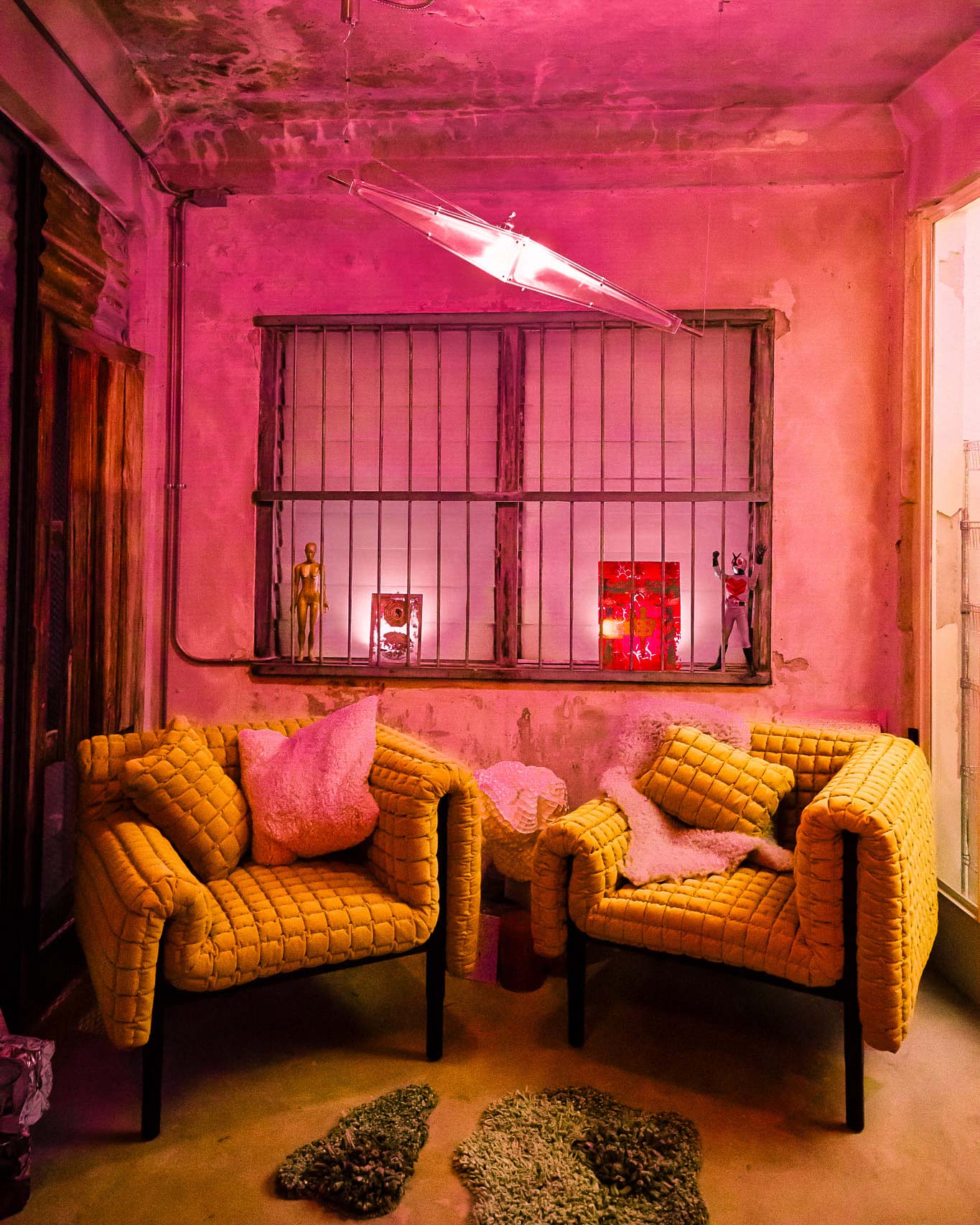
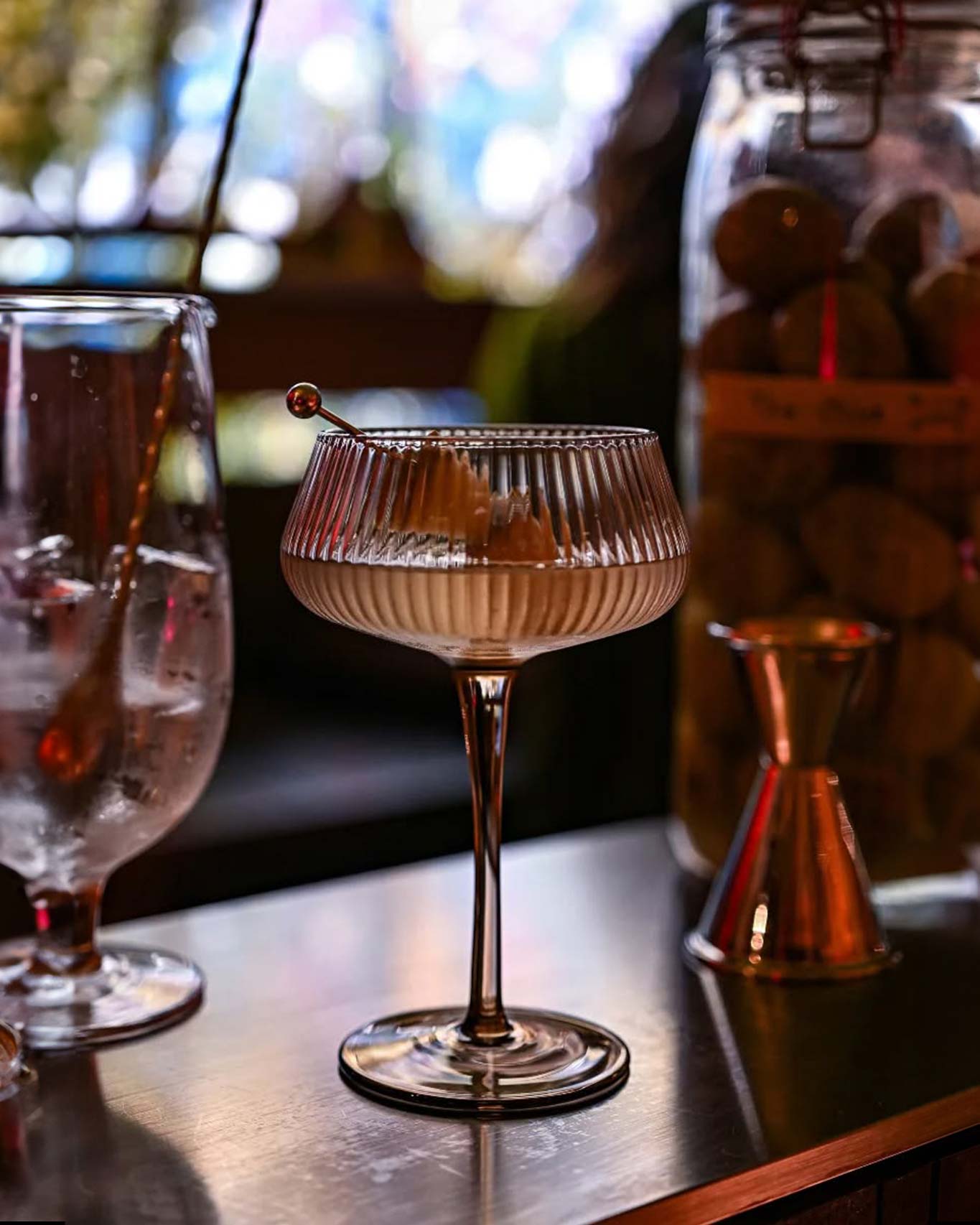
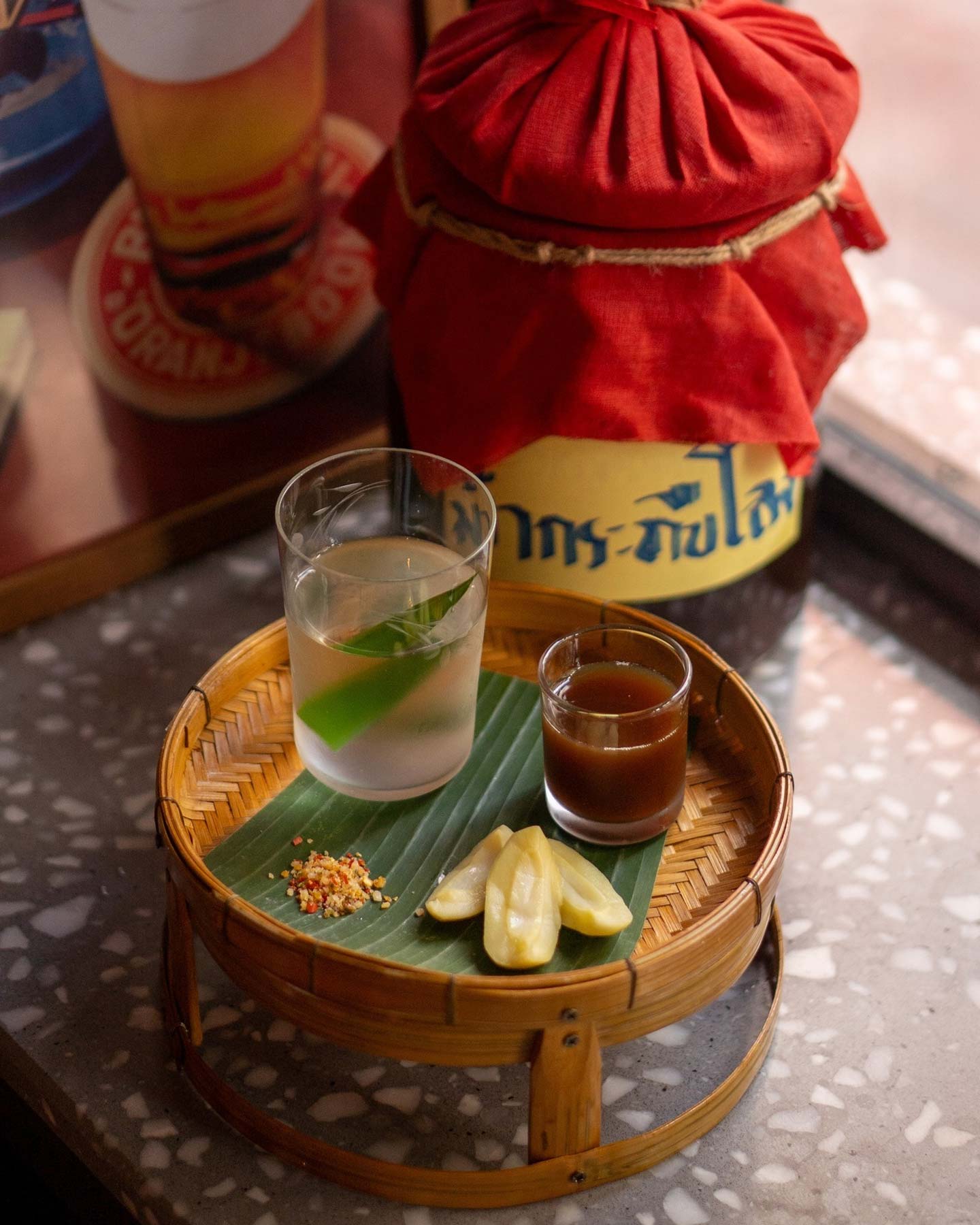
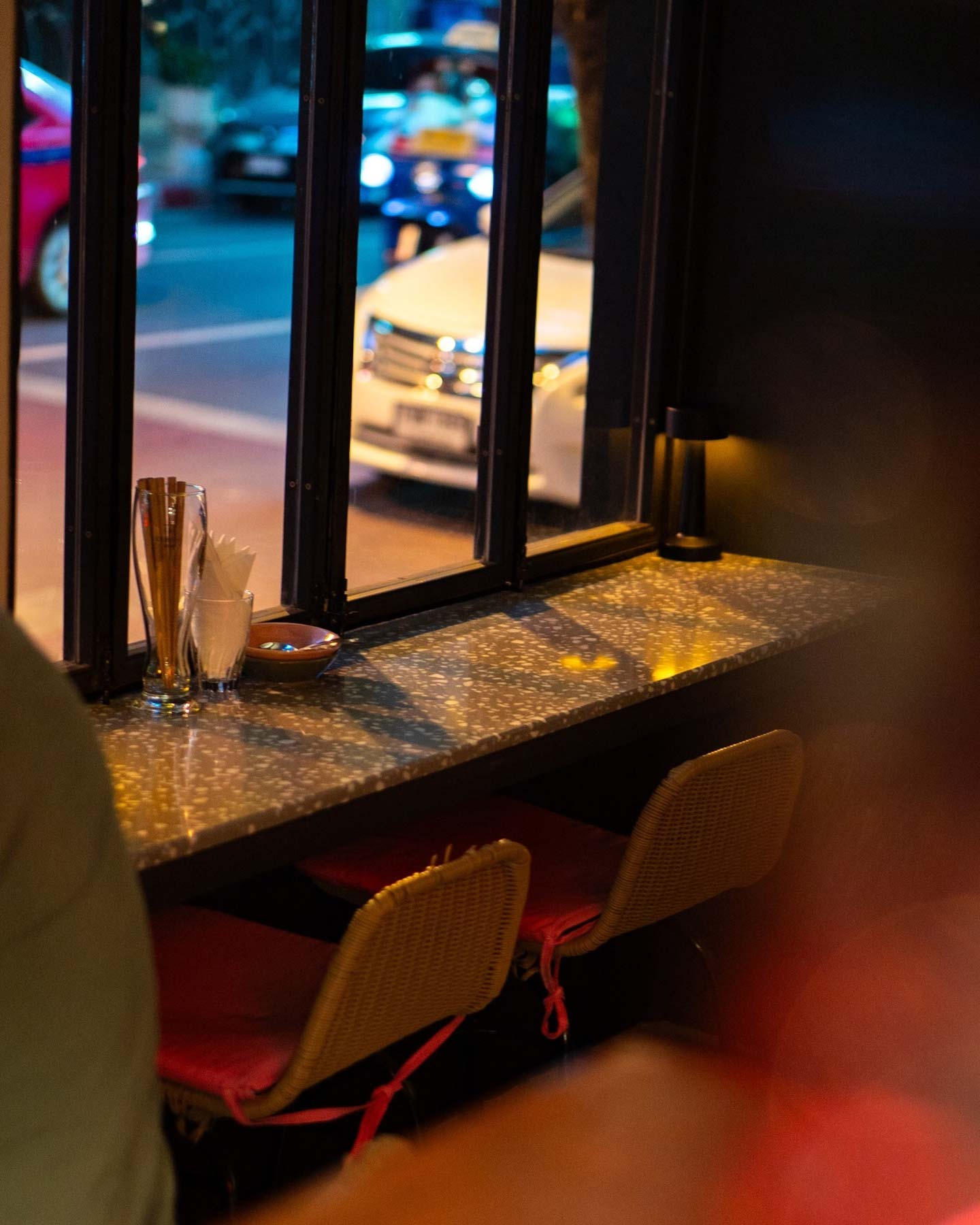
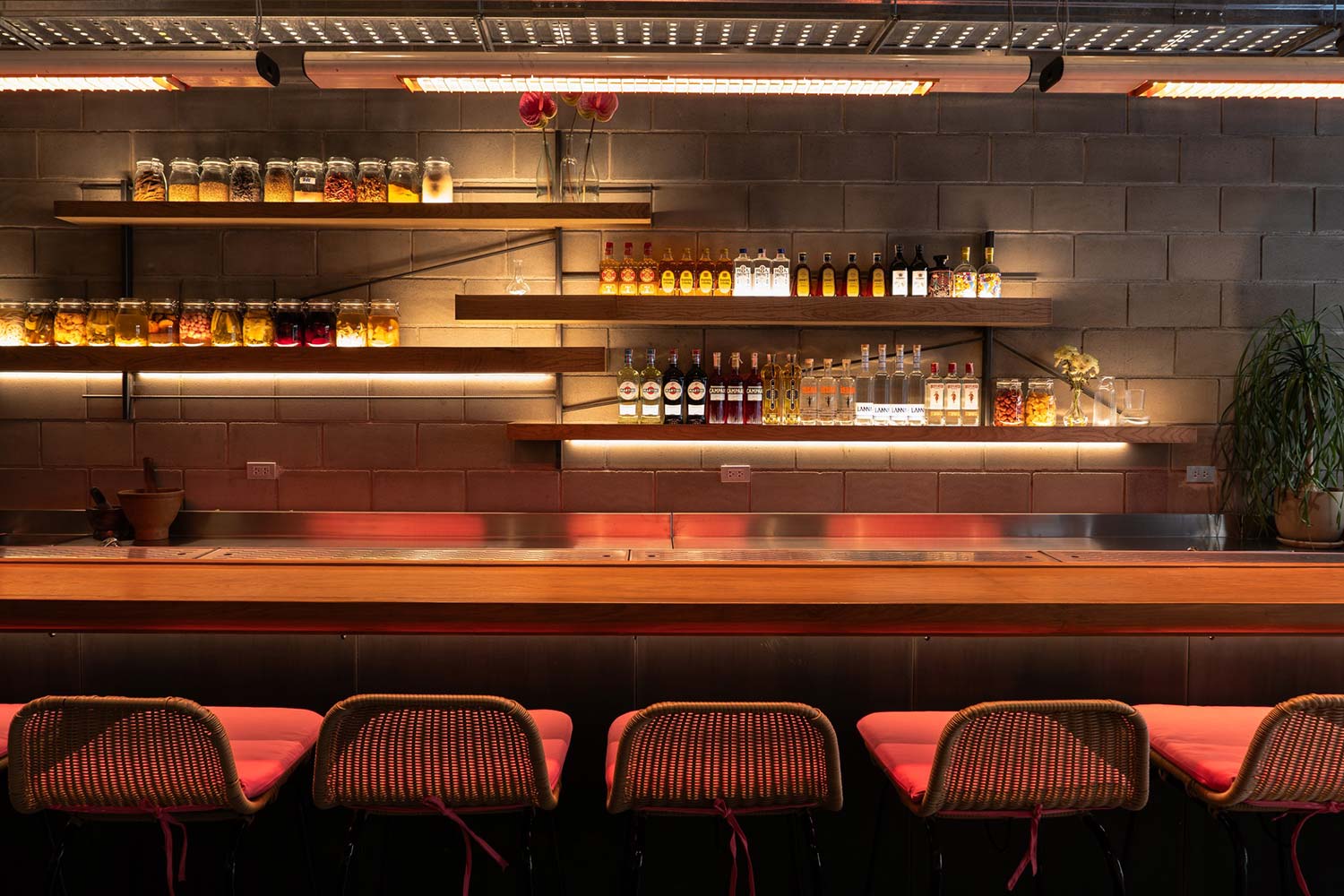
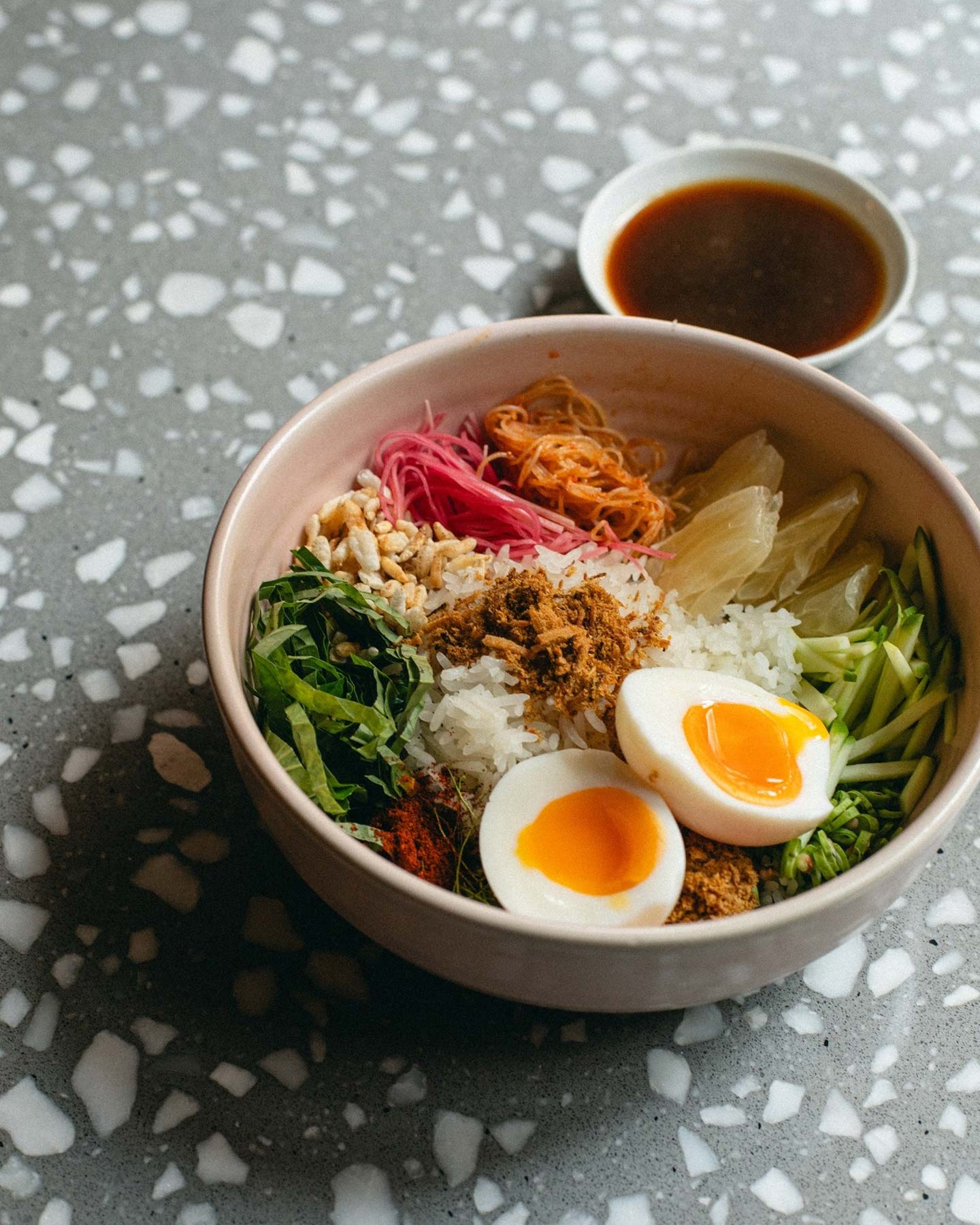
Restaurants in Chinatown tend to take whatever space they can get. Some sit upstairs, reached by narrow staircases. Others spill onto the street or tuck themselves into old warehouse corridors.
At Electric Sheep, inside The Warehouse—a restored industrial block in Talat Noi that now houses studios, design shops, and small creative businesses—the cooking bends Thai instincts toward sharper, Mediterranean-leaning ideas. Grilled seafood, bright herbs, and precise seasoning form the backbone of the regularly rotating menu. The room is spare—metal surfaces, low lighting—with the warehouse structure left visible rather than styled over. Charmkok, on Charoen Krung Road, shifts through the day. Lunch is quick and practical: noodles, green curry with winter melon, and coconut rice with prawn curry. In the evening, tables thin out and people stand. The menu moves toward richer plates, like smoked pork belly with sugarcane, as foot traffic drifts in from nearby cafés and creative spaces.
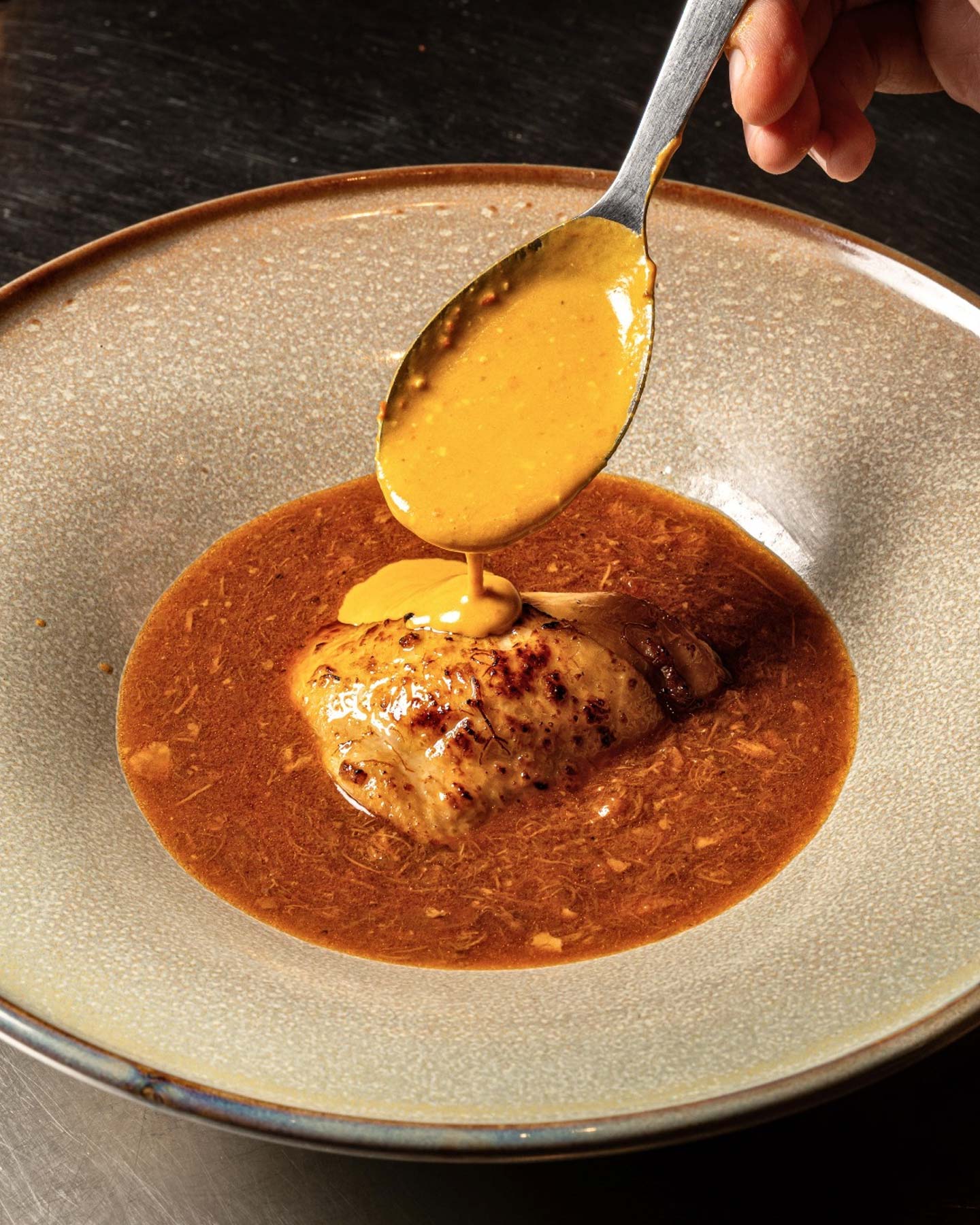
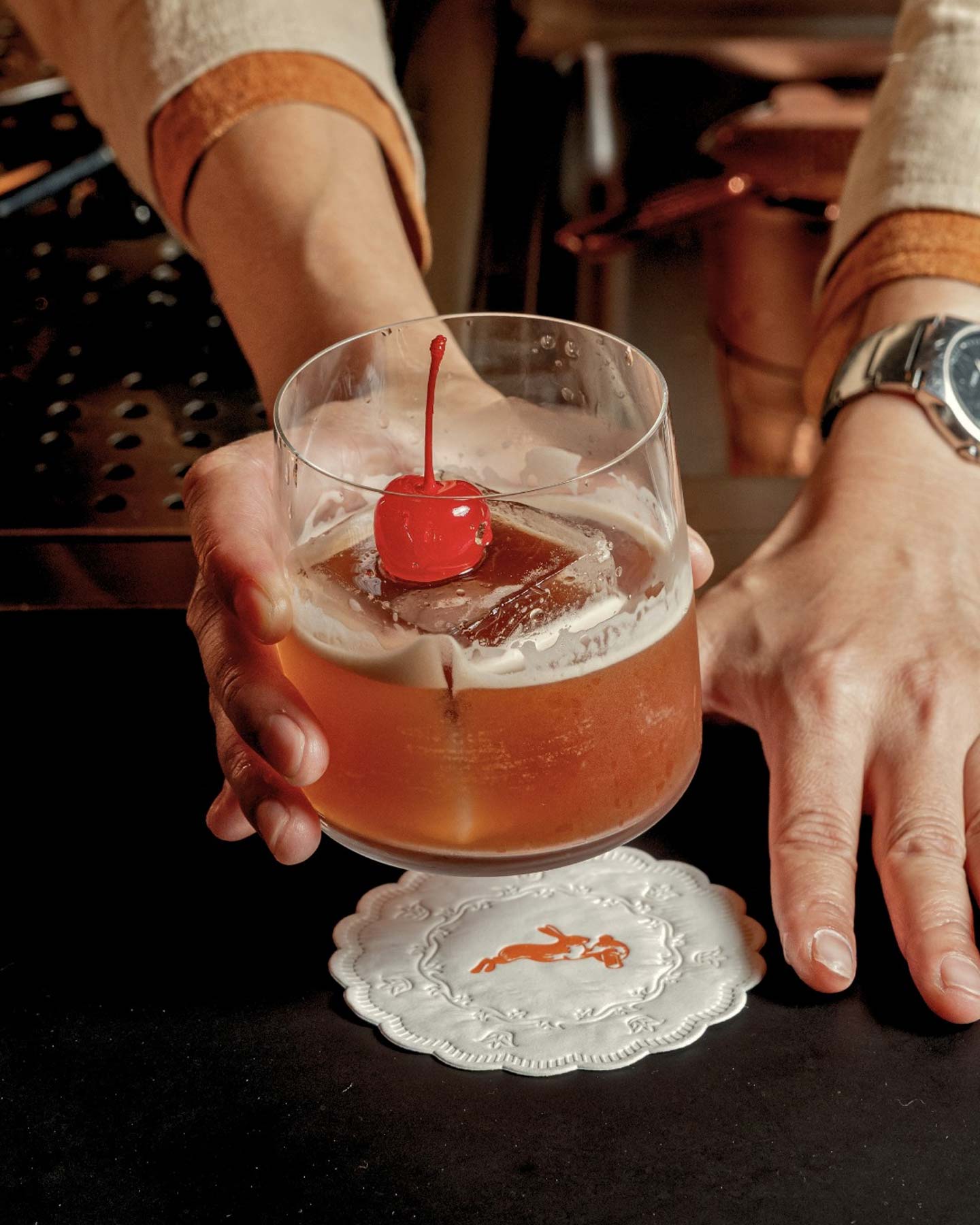
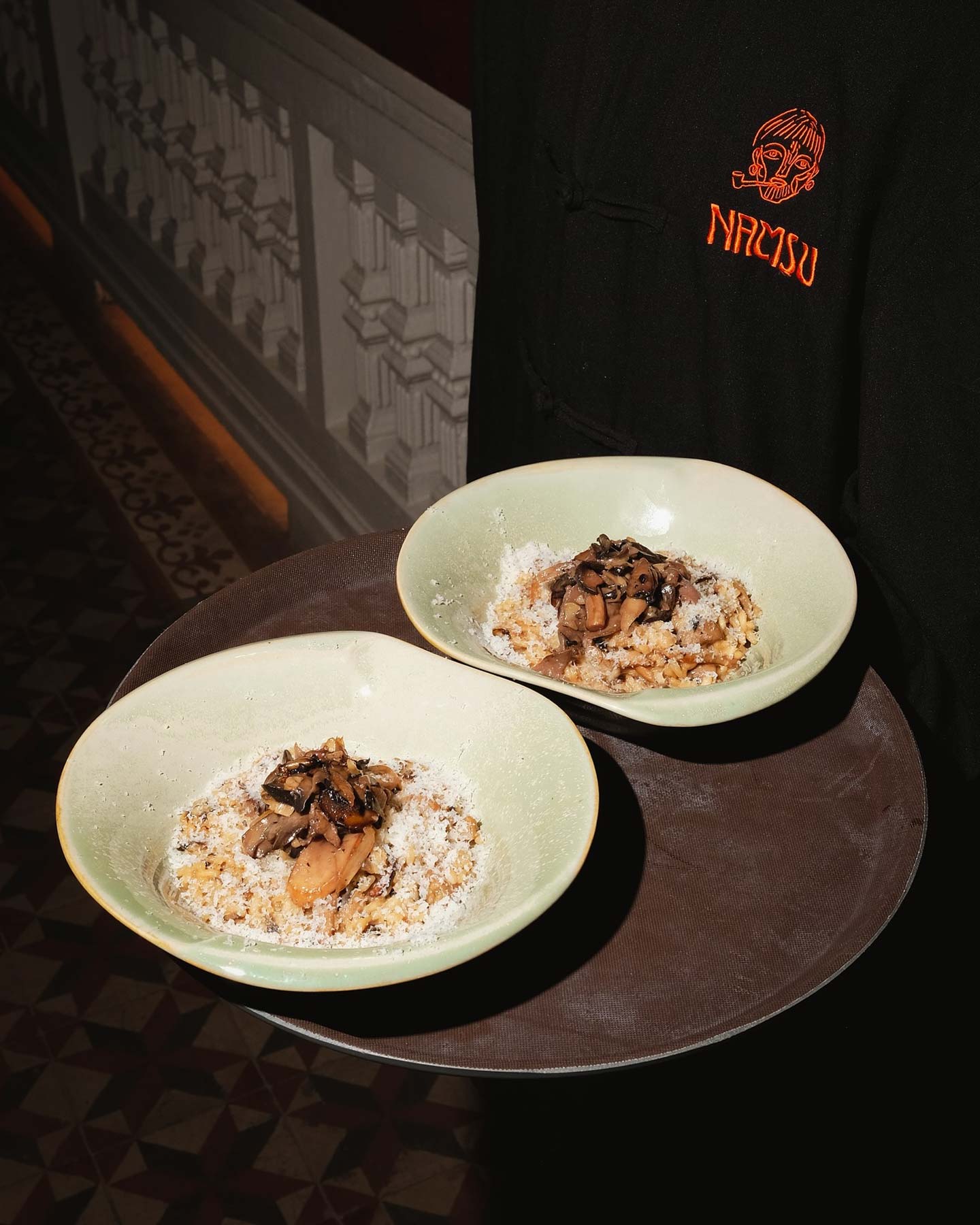
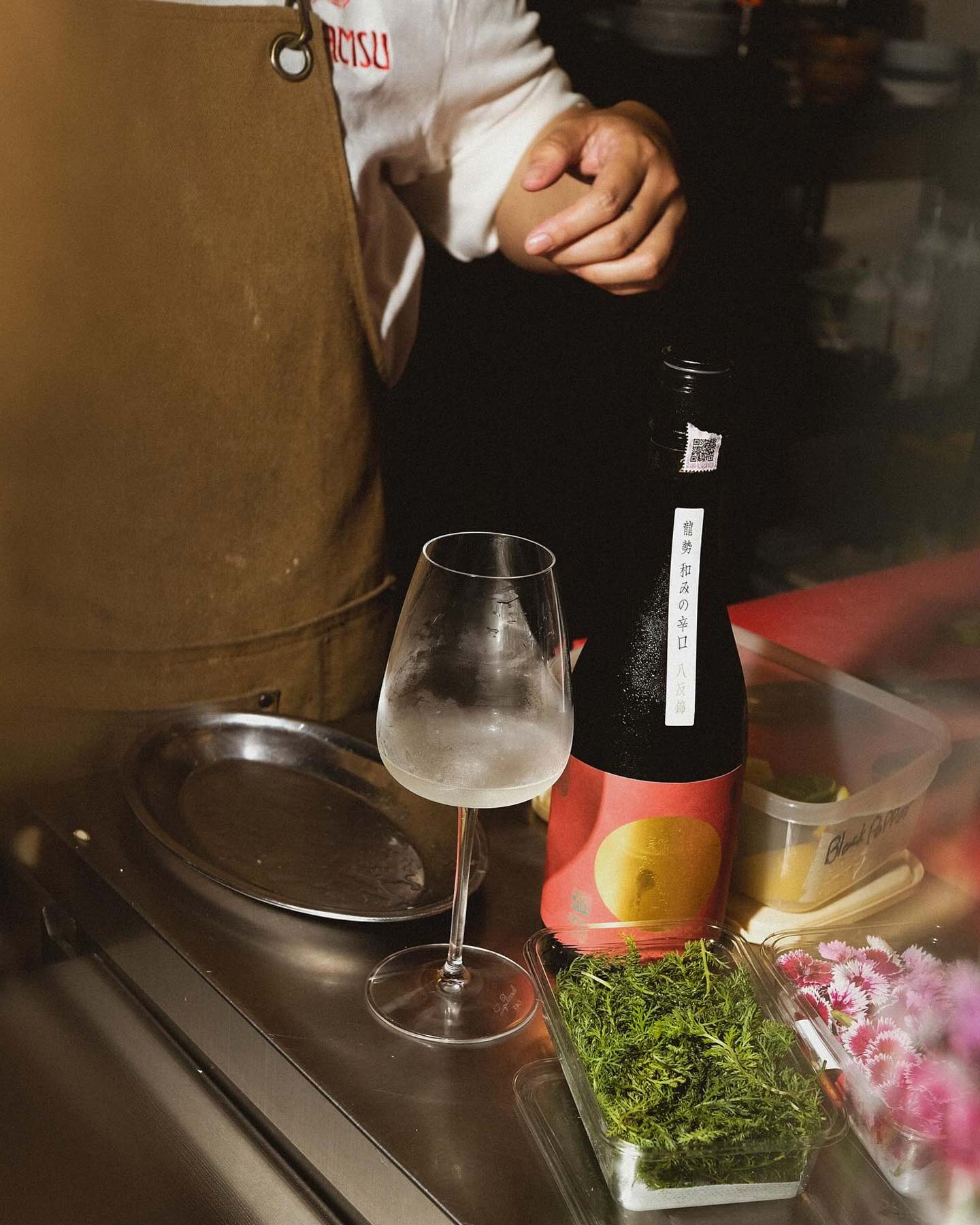
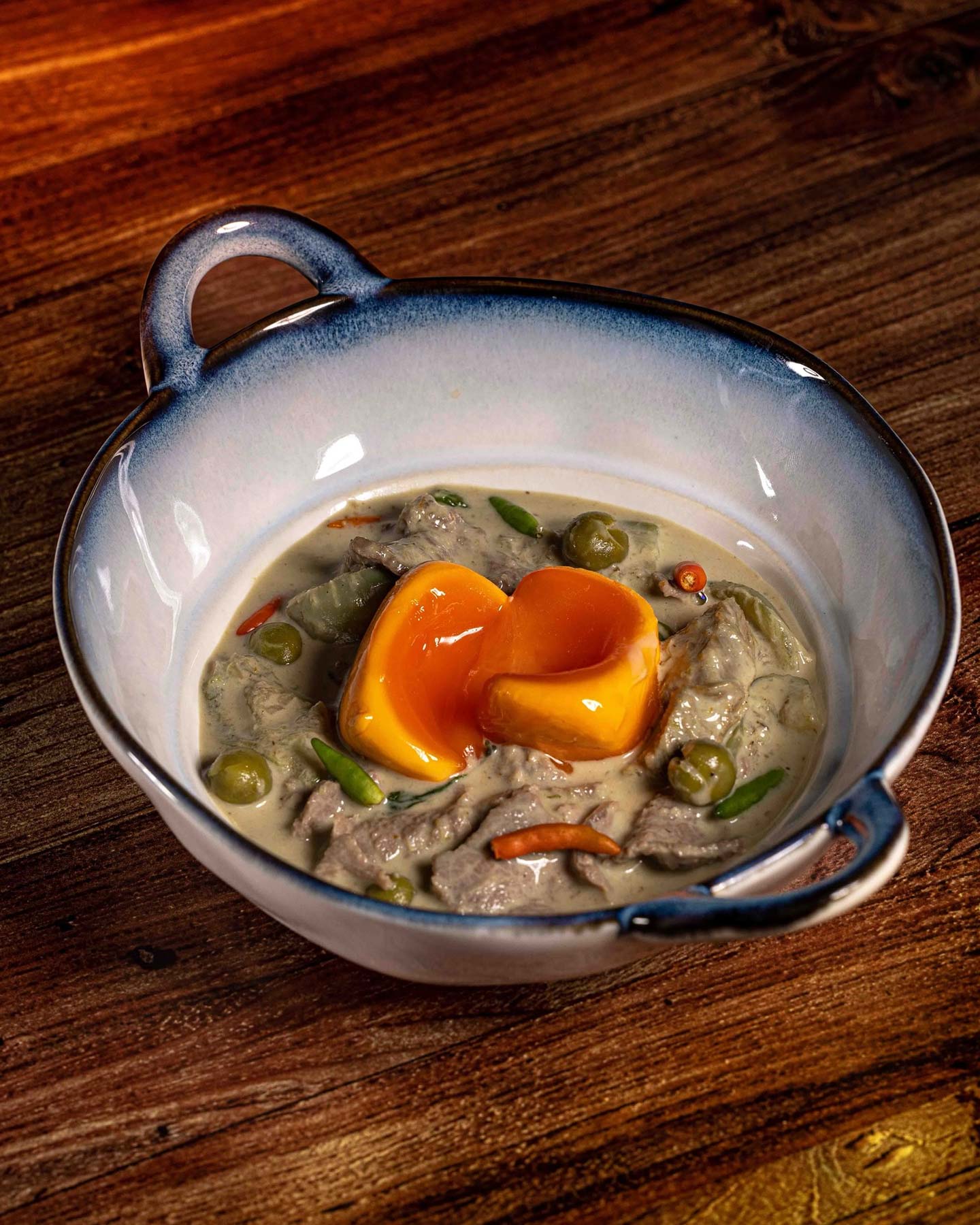
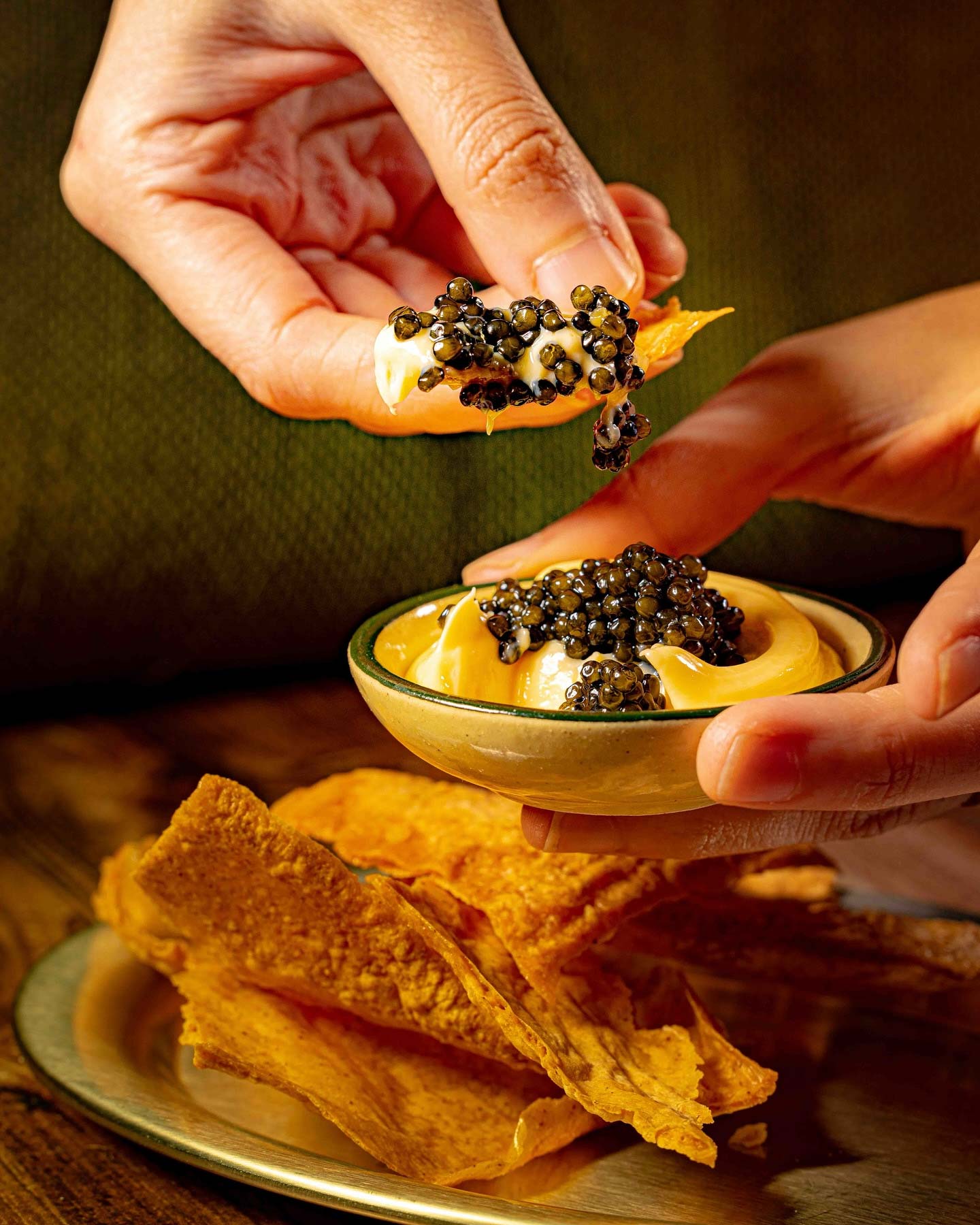
Beyond those backstreets, Soi Nana picks up speed. Xin Xe Goi, run by the team behind Ba Hao, occupies a multistory space where food and drink share equal footing. Contemporary Chinese-Thai small plates anchor the menu, with familiar flavors nudged just enough and a concise drinks list alongside.
Namsu, meanwhile, occupies the second floor of a vintage shophouse and brings Shan State cuisine to Bangkok with sake bar sensibilities. Chef Honey Rae Zenang’s menu draws on fermentation, charcoal, and herbs, shaped by both Shan heritage and Japanese technique. With one of the city’s larger curated sake lists and an easygoing upper-floor setting, it’s a departure from the neighborhood’s more familiar fare.
On nearby Song Wat Road, Khao San Sek puts Chef Pichaya “Pam” Soontornyanakij back in familiar territory. The kitchen works close to the foundations of Thai cooking—heat, acidity, sweetness, salinity, and aromatic depth—handled with the assurance of a chef recently named World’s Best Female Chef by World’s 50 Best.
Shop
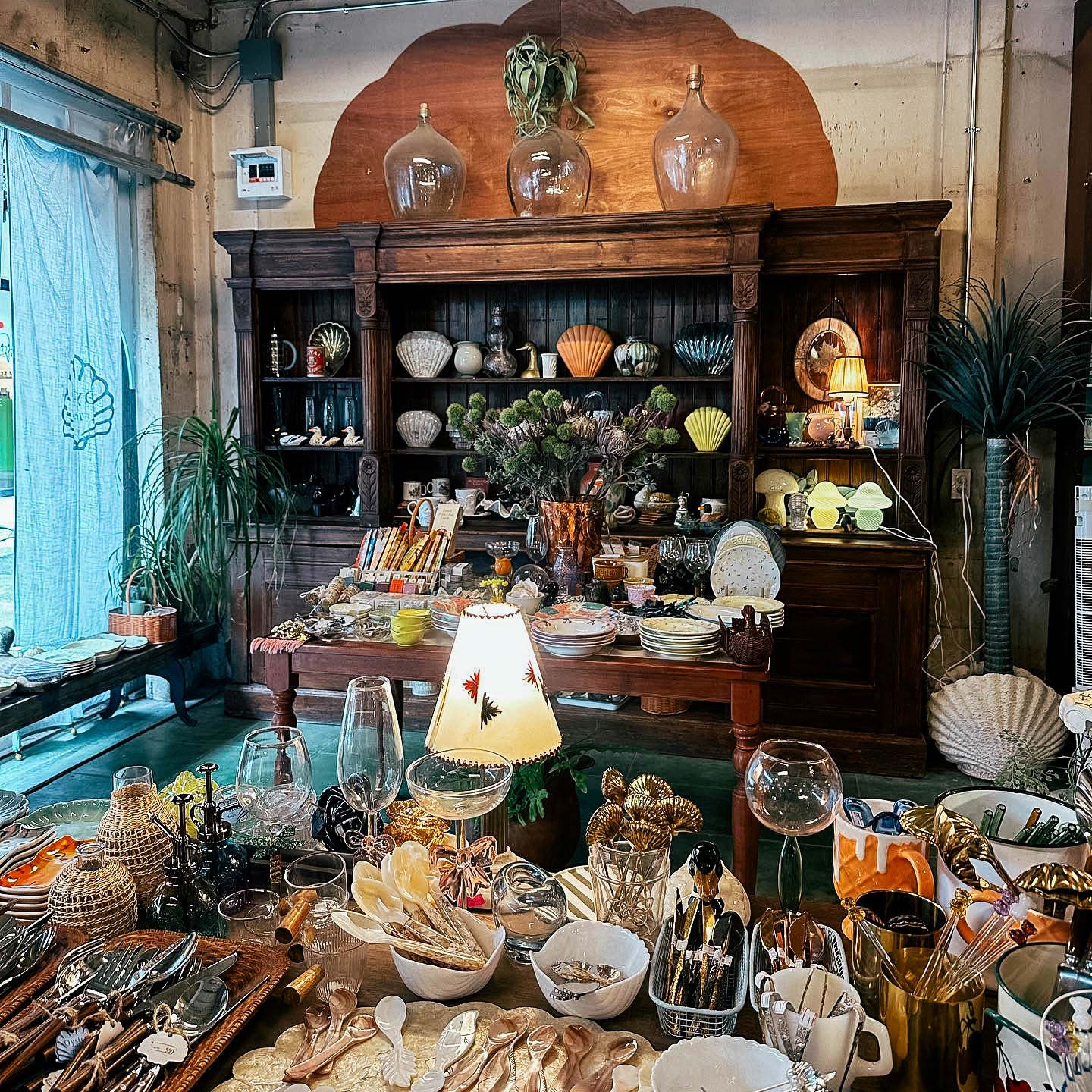
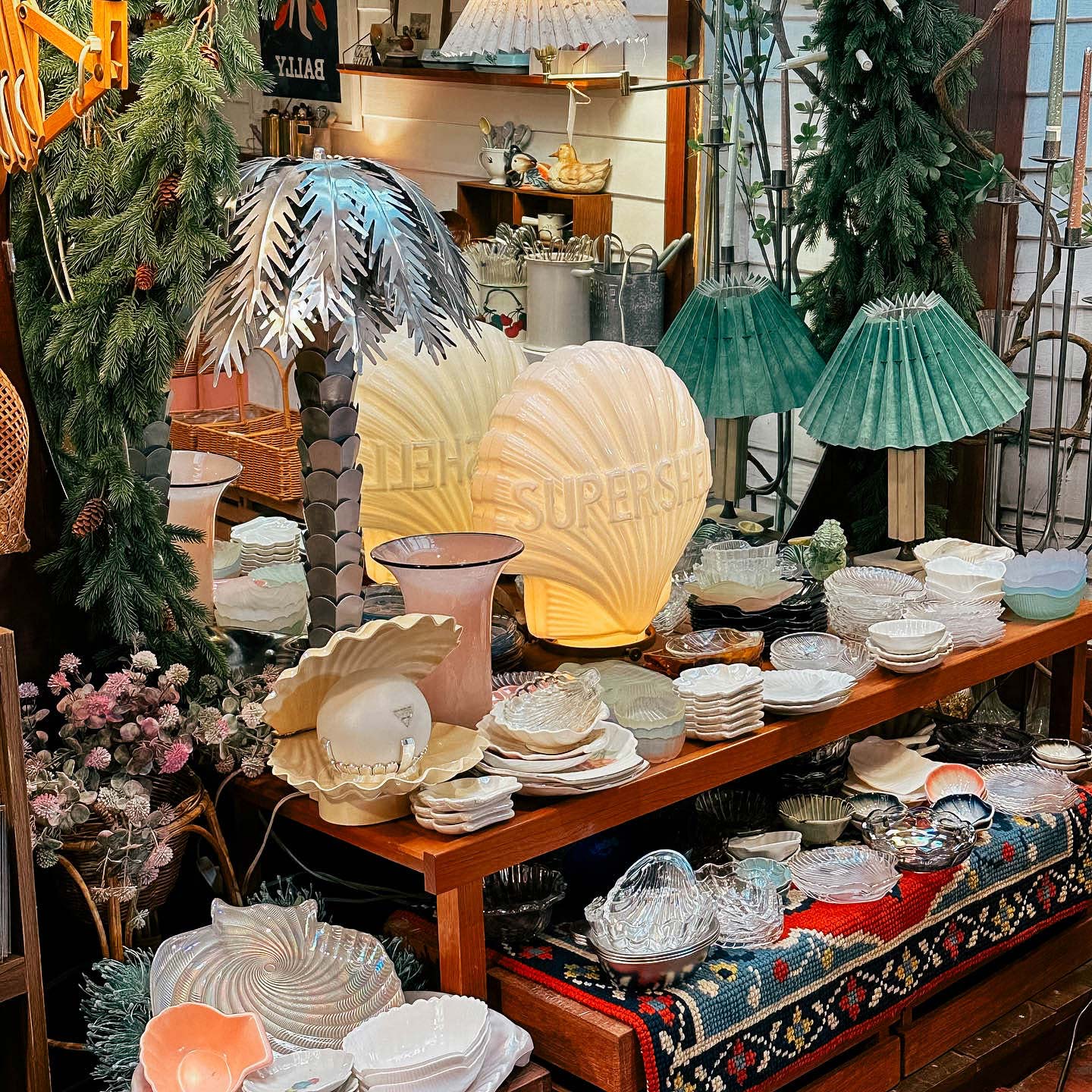
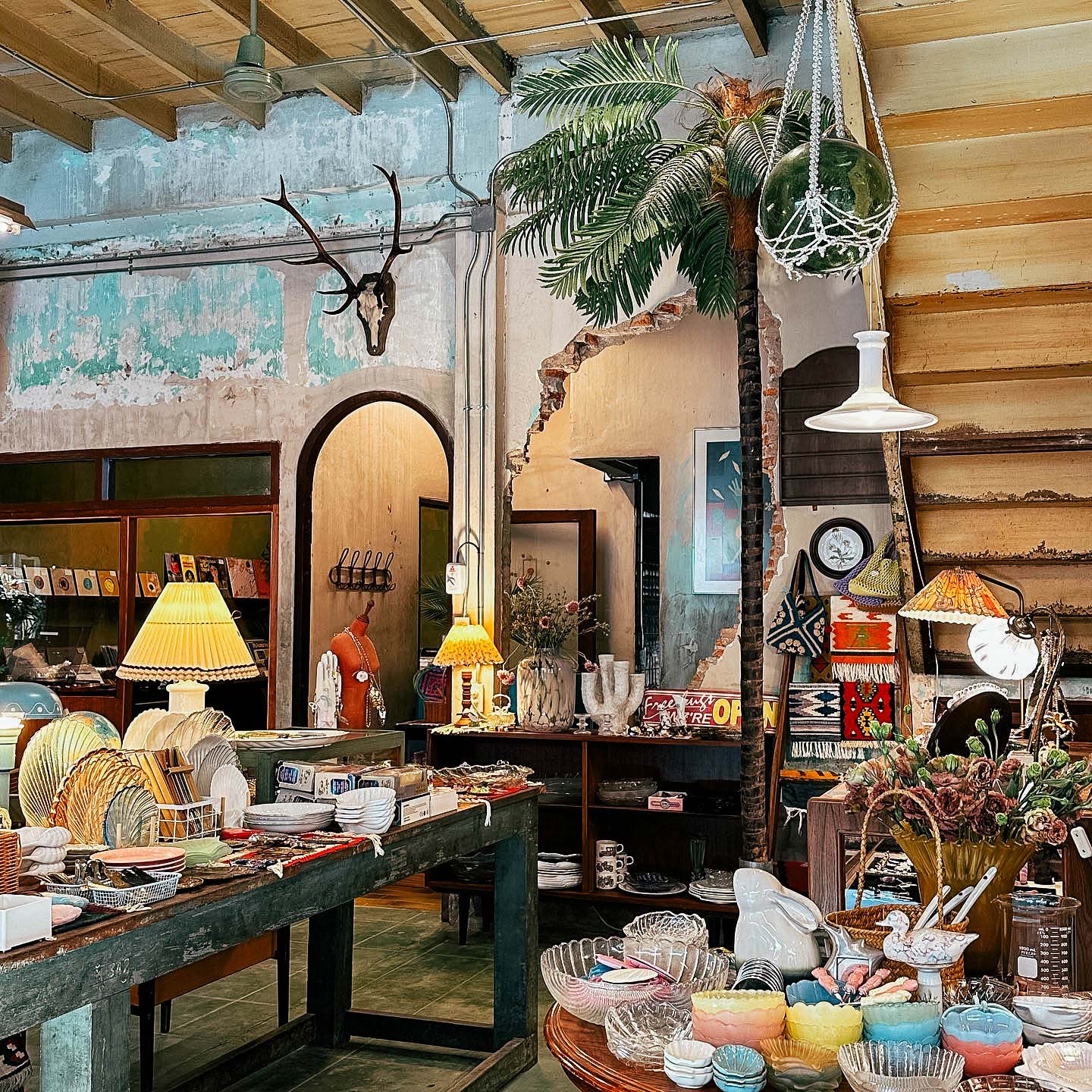
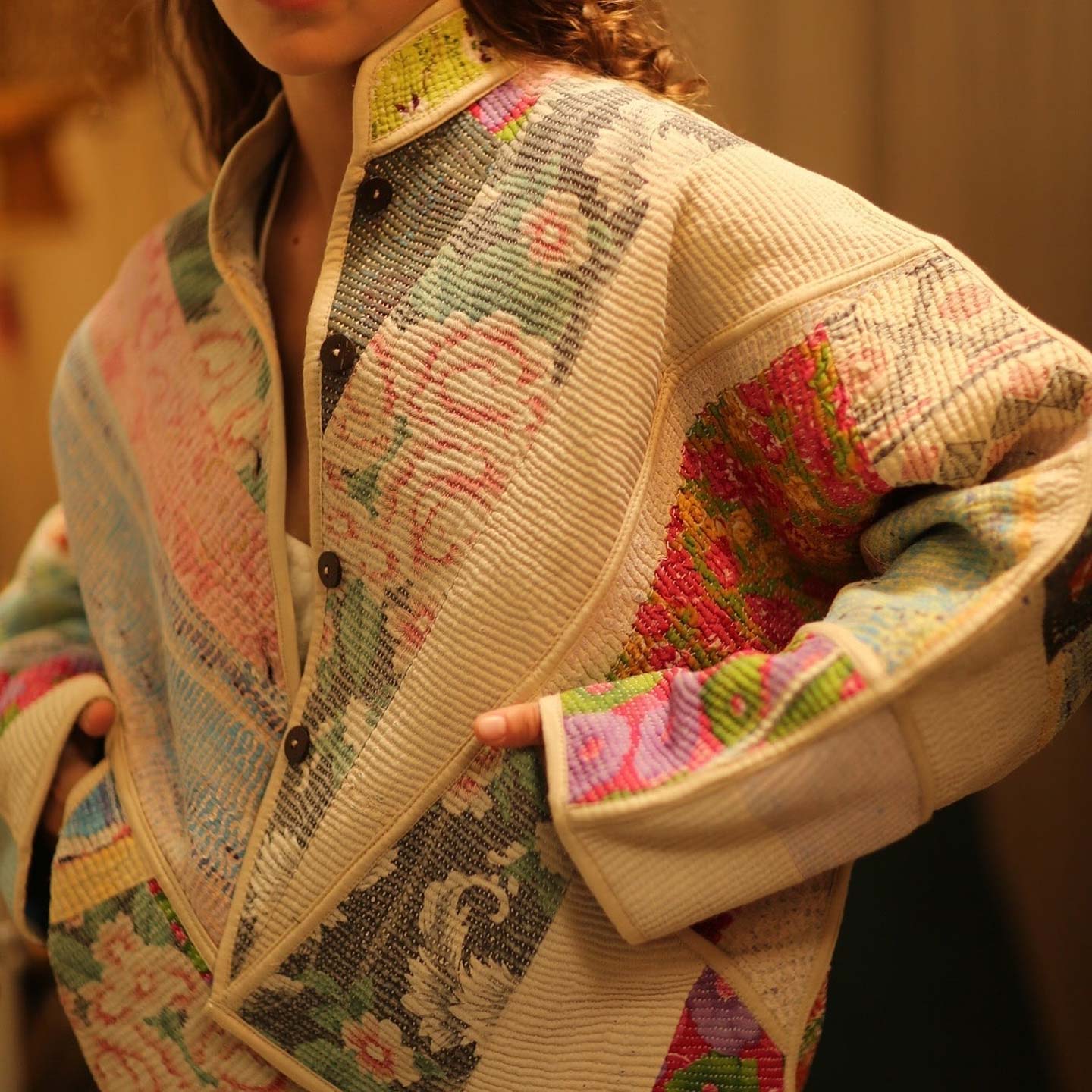
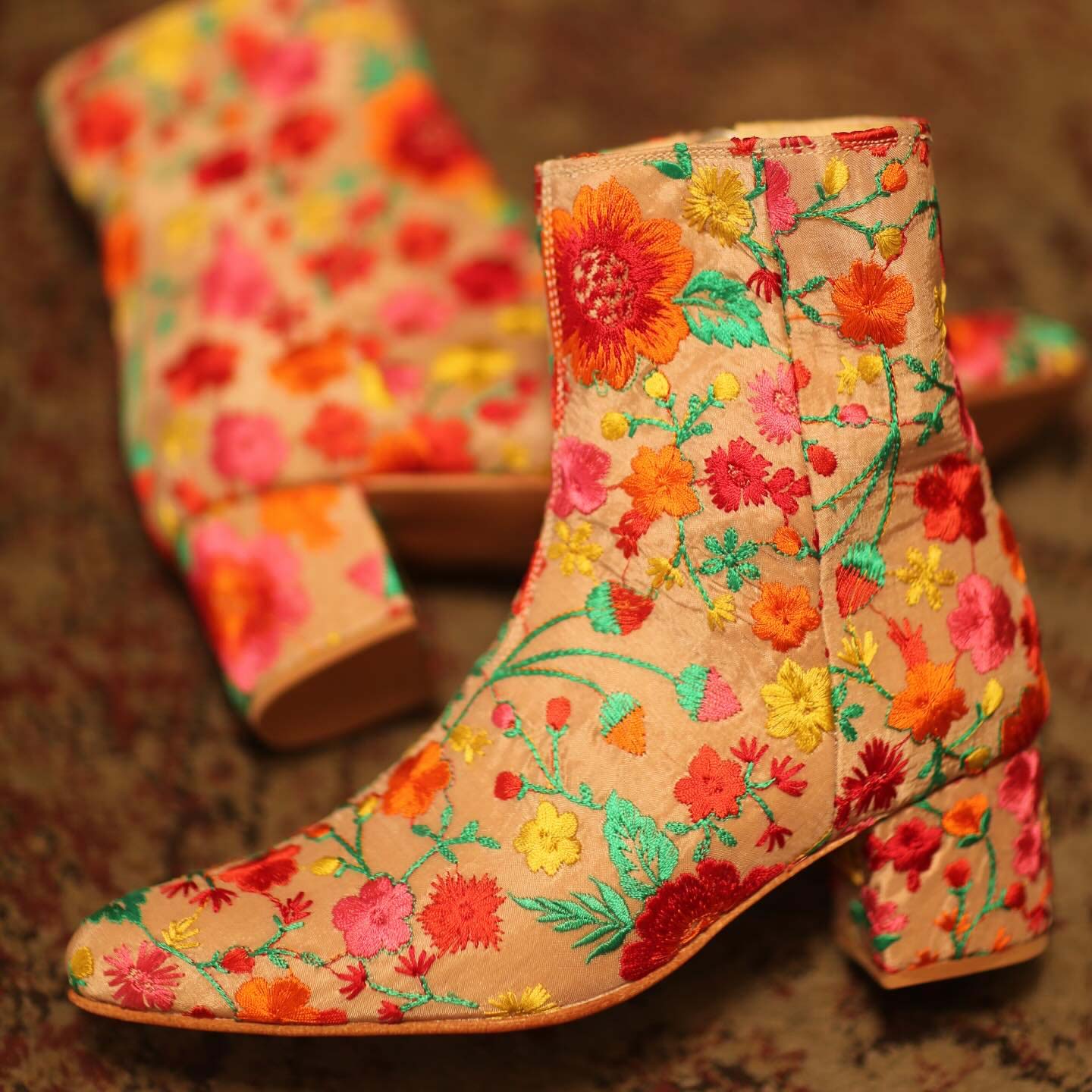
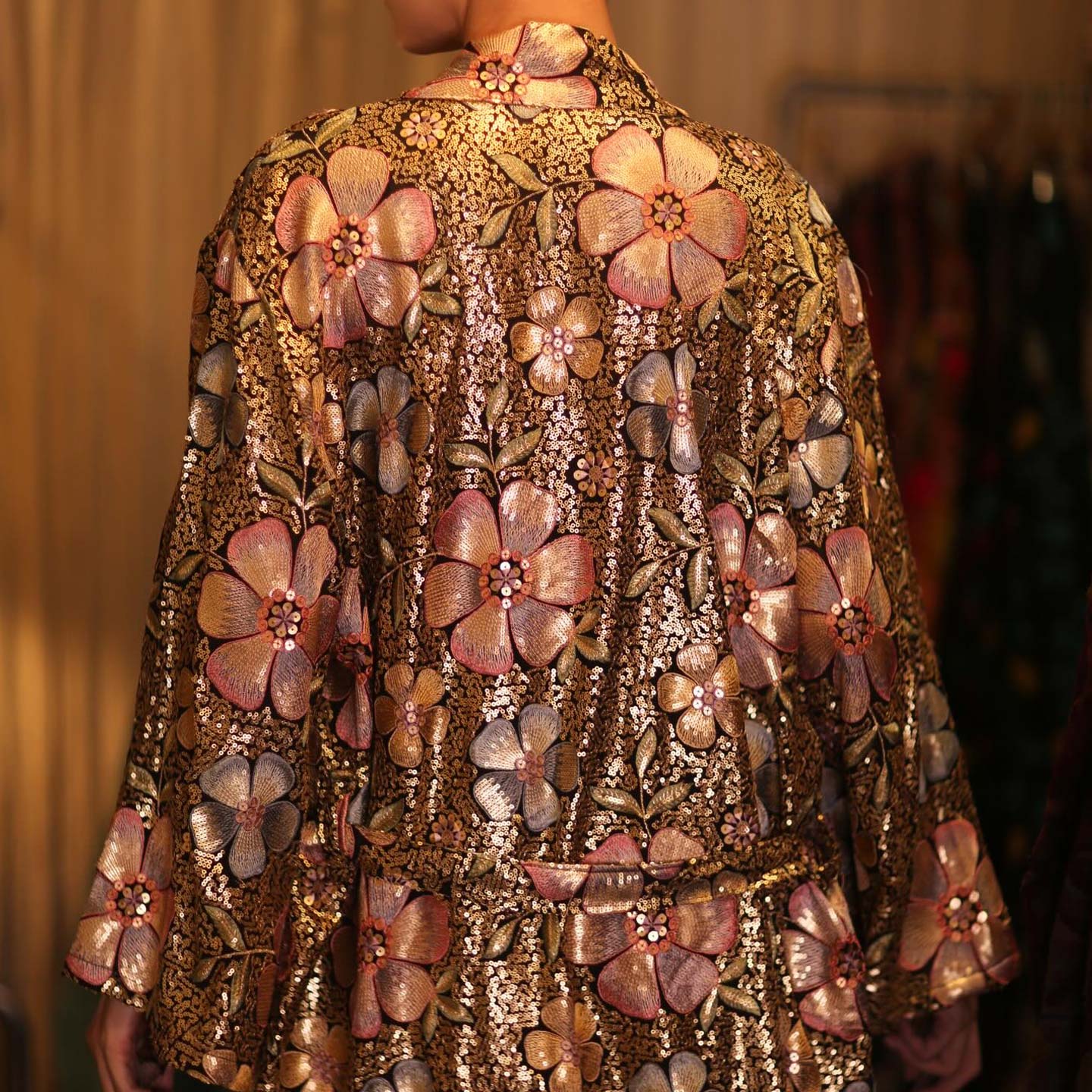
Chinatown’s creative current runs just as strongly through its shopfronts as its stovetops.
Oyster & Things, on Song Wat Road, is an easy place to pause. The shop focuses on everyday objects with character: enamelware in soft tones, hand-picked ceramic plates, vintage-leaning utensils, and small home accessories. Nothing feels mass-produced. The pieces are useful and tactile, chosen with an obvious eye for longevity.
MOMO carries that same practicality into clothing along an alleyway in Talat Noi. Known locally for small-batch clothing and footwear, the boutique favors natural materials, clean tailoring, and pieces built to wear in rather than wear out. Shirts are cut from soft cottons and linens; shoes are produced in small runs, and accessories feel timeless rather than trendy.
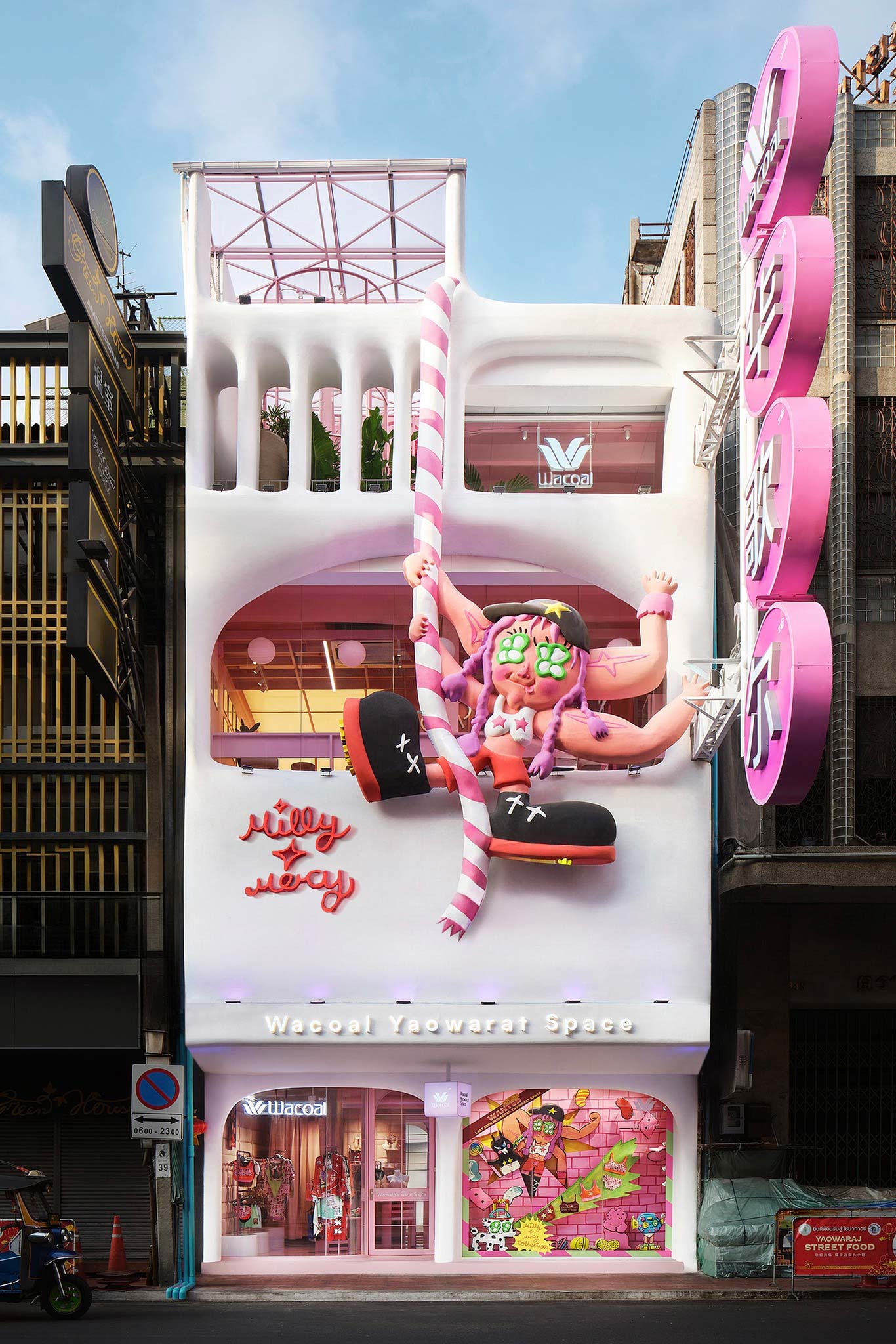
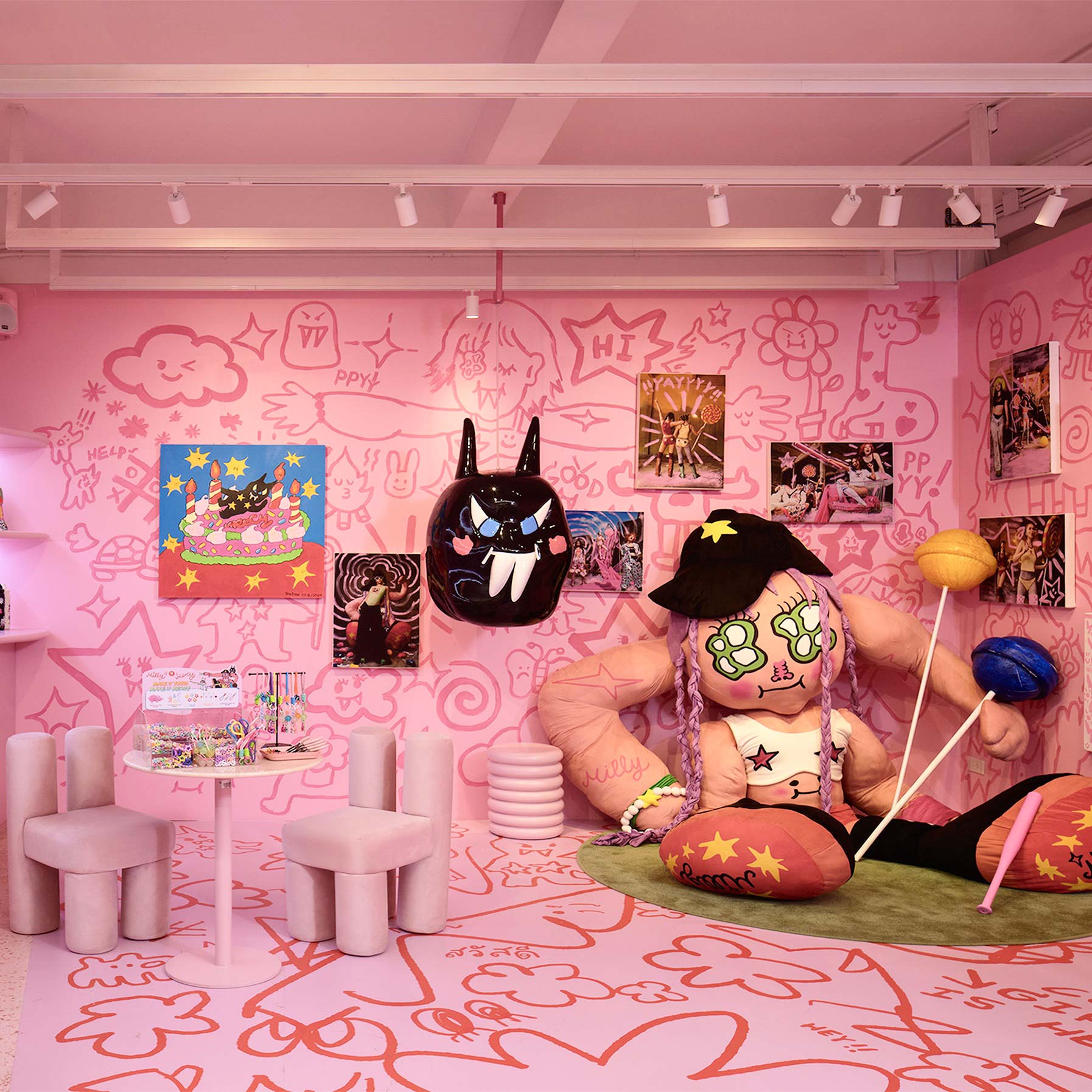
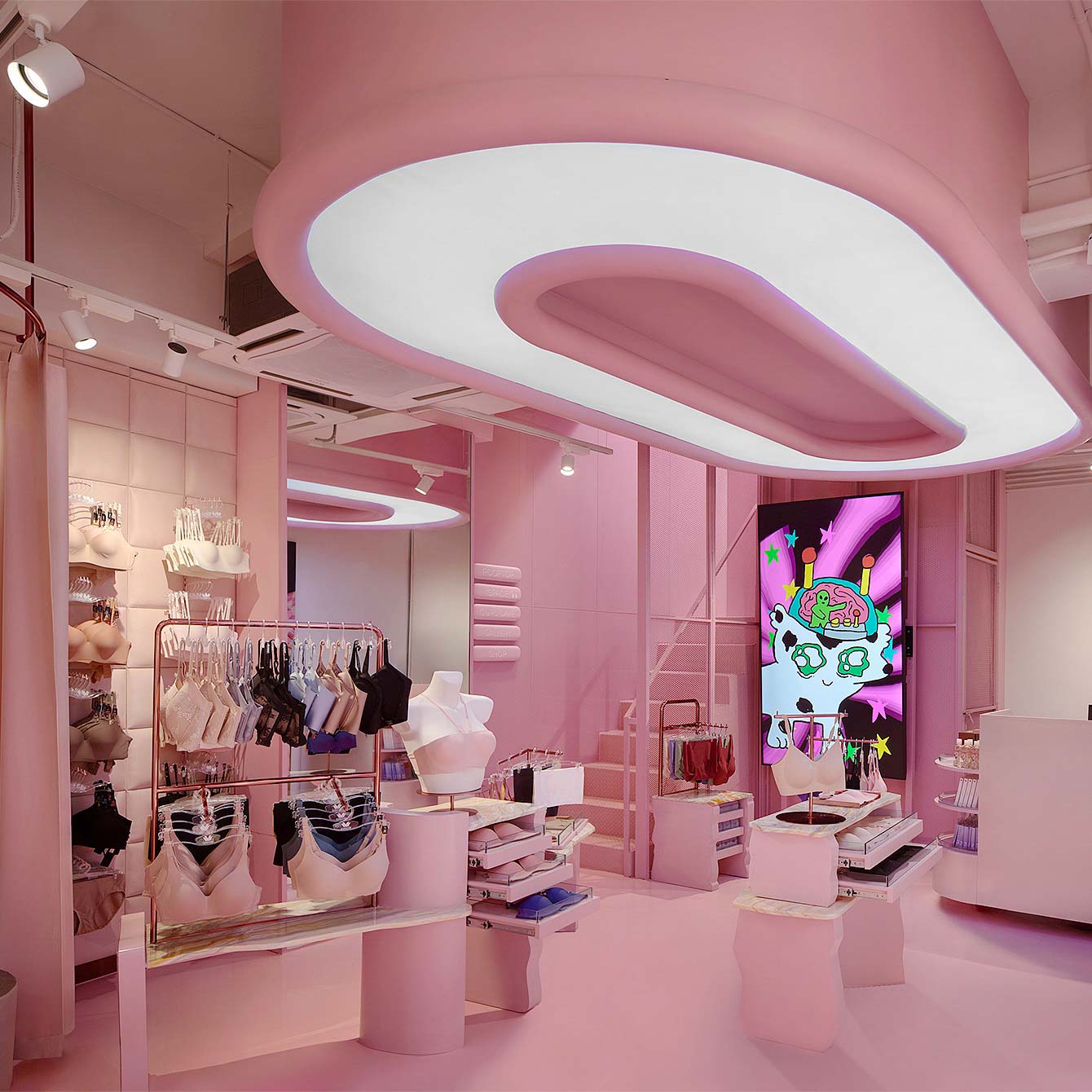
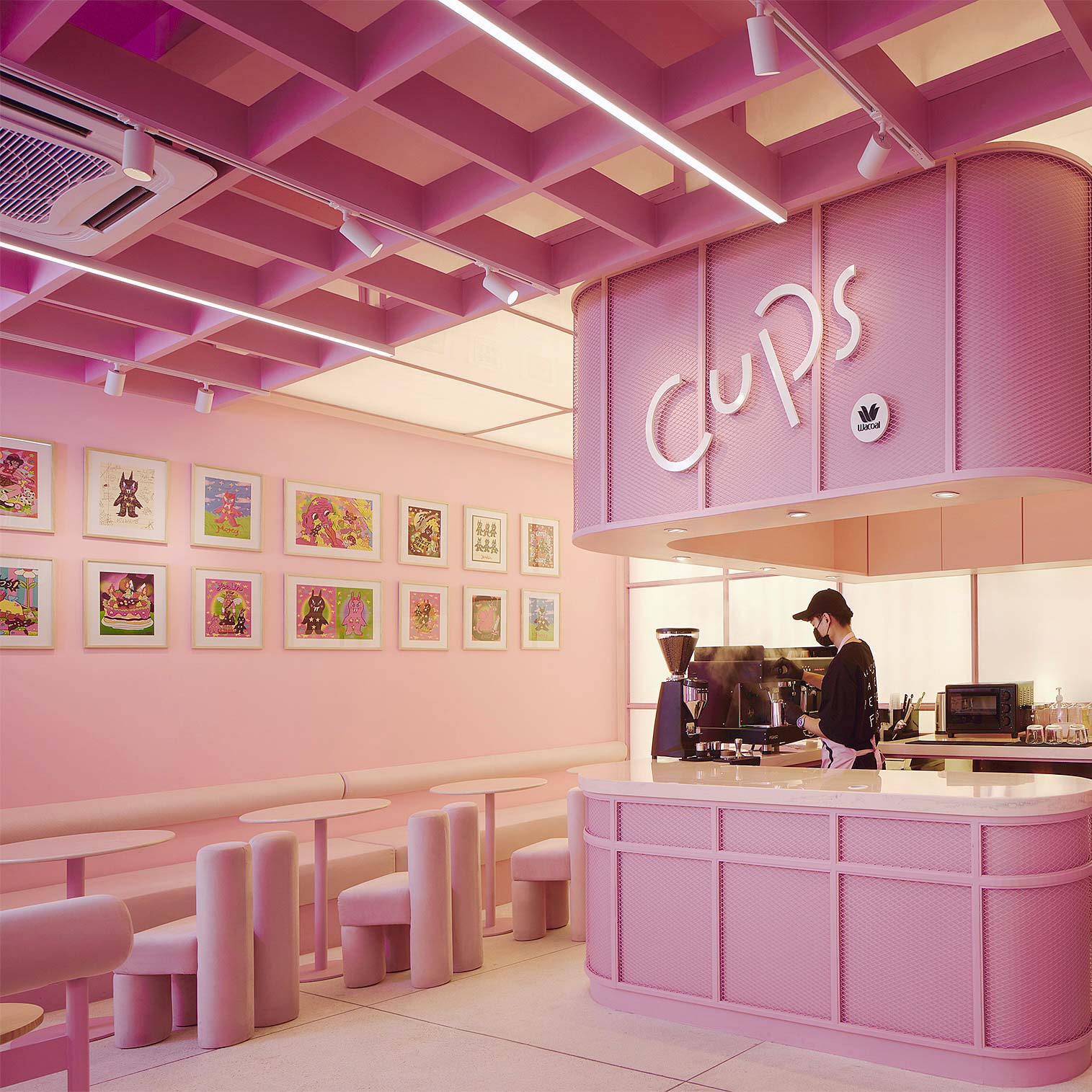
Launched in early 2025, Wacoal Yaowarat Space sees the Japanese lingerie brand take over a full shophouse frontage, combining retail with rotating art installations and a small café. The space sits somewhere between shop and gallery, its polished finish a contrast to one of the city’s most frenetic thoroughfares.
Then there’s Sampheng Lane (Soi Wanit 1). Long before the boutiques arrived, this was where the district did its work—and it still is. Textile stalls, ribbon sellers, toy shops, and hardware counters run shoulder to shoulder. Carts push through. Bargaining voices rise and fall. If newer shops hint at where Chinatown is drifting, Sampheng explains why it can do so without losing its footing.
See
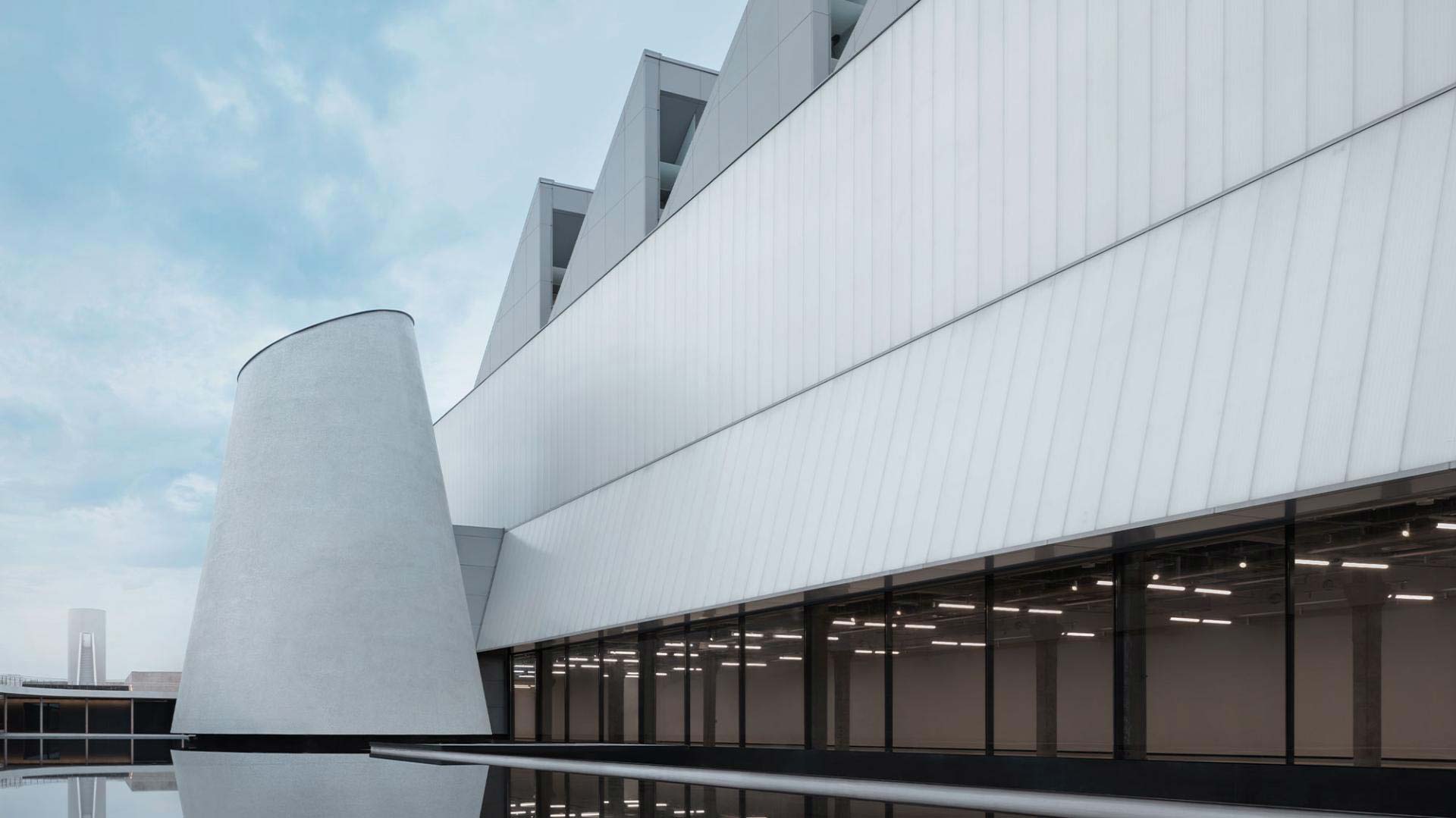
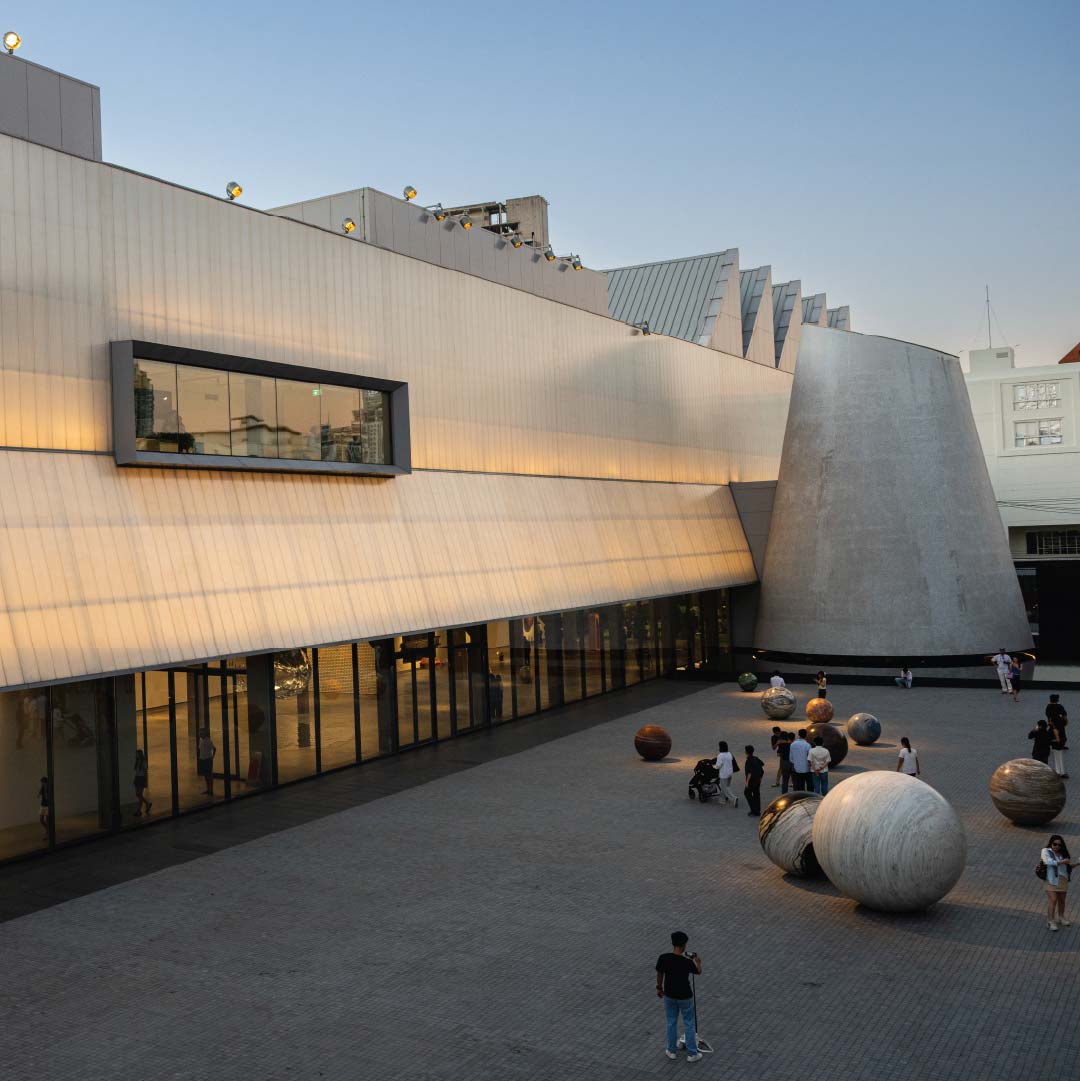
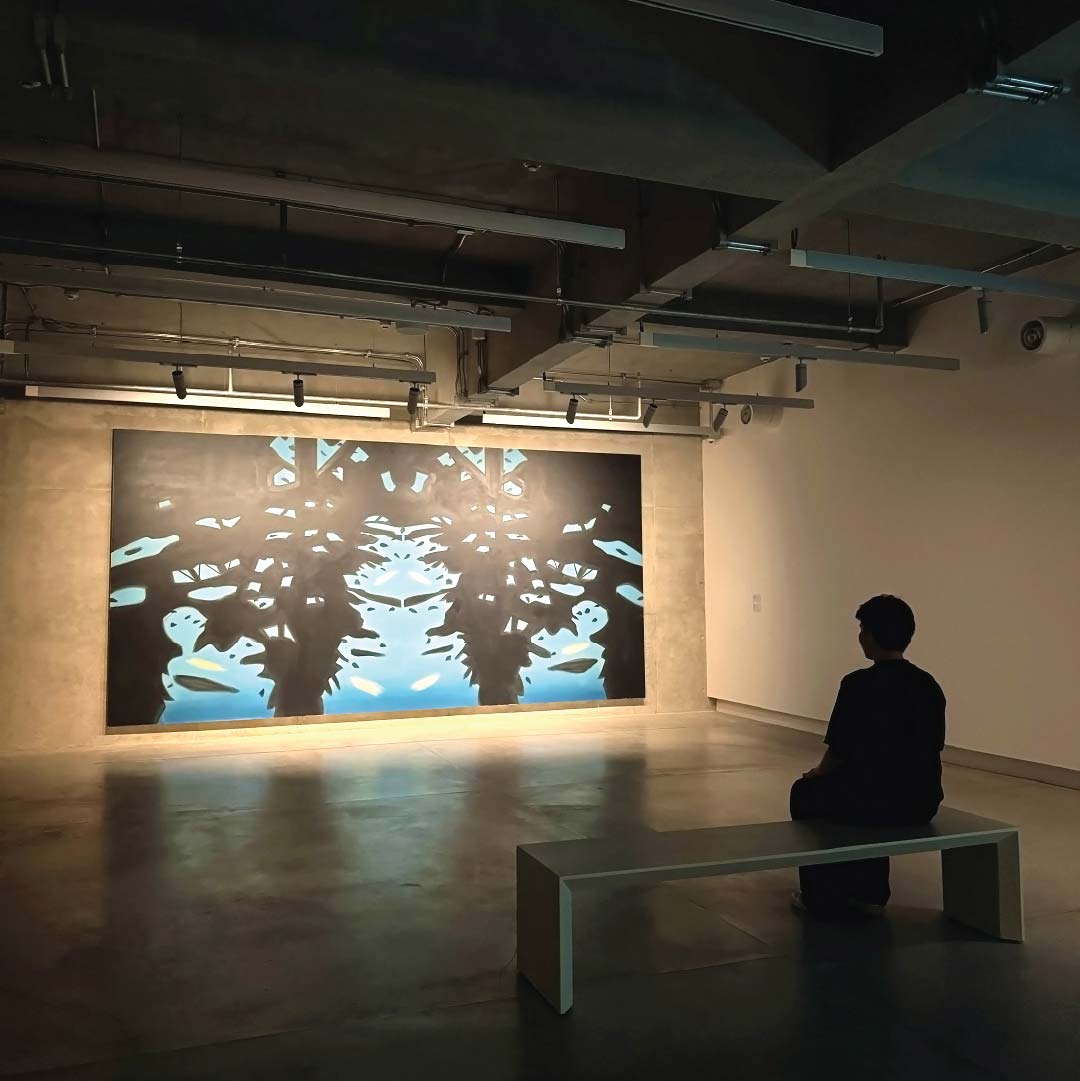
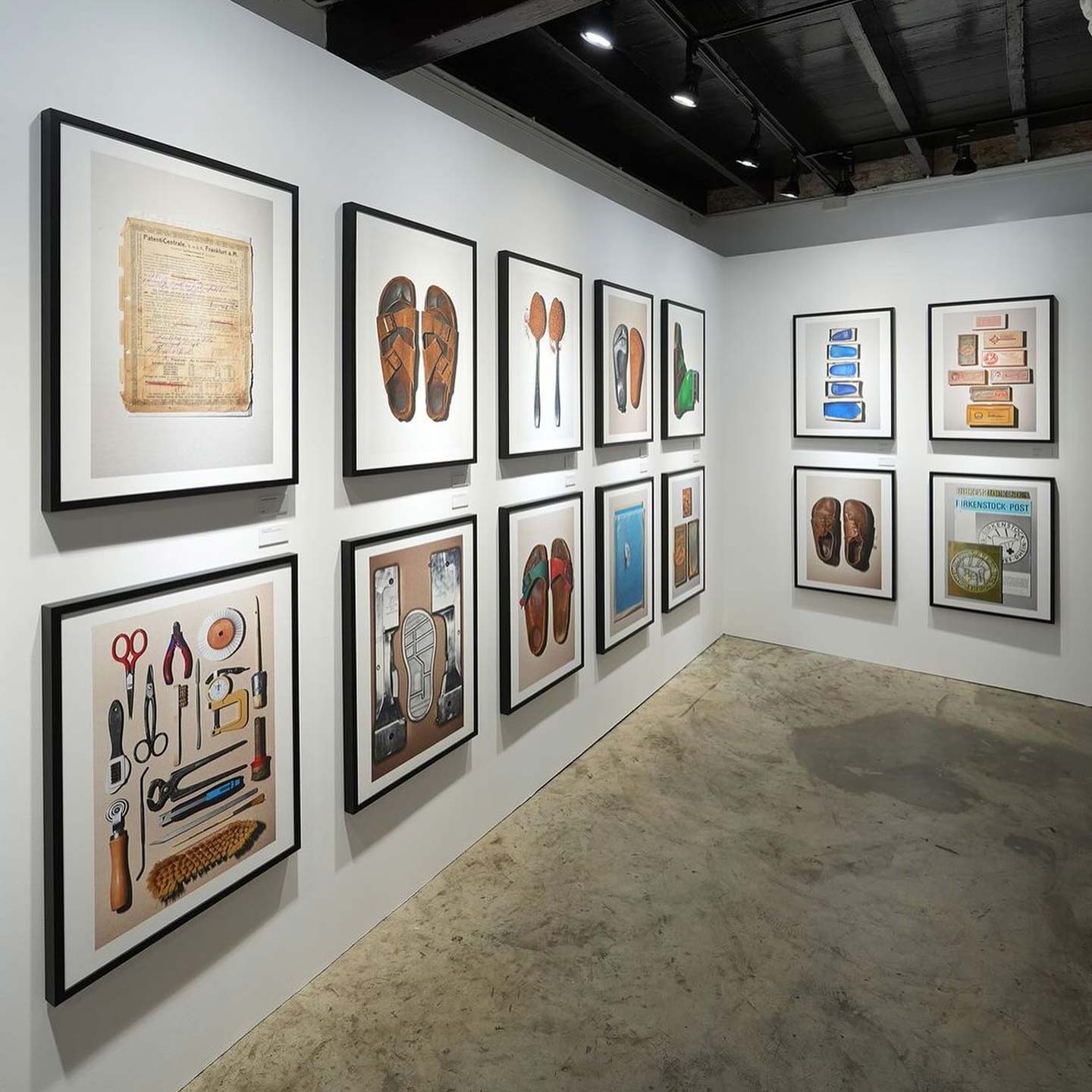
Dib Bangkok opened in December 2025, bringing one of the first major museums dedicated to international contemporary art to Thailand. The building retains its industrial frame—sawtooth roof, exposed beams, wide spans—alongside purpose-built galleries such as The Chapel, designed for large-scale installations. The opening program pairs international artists with Thai craft traditions.
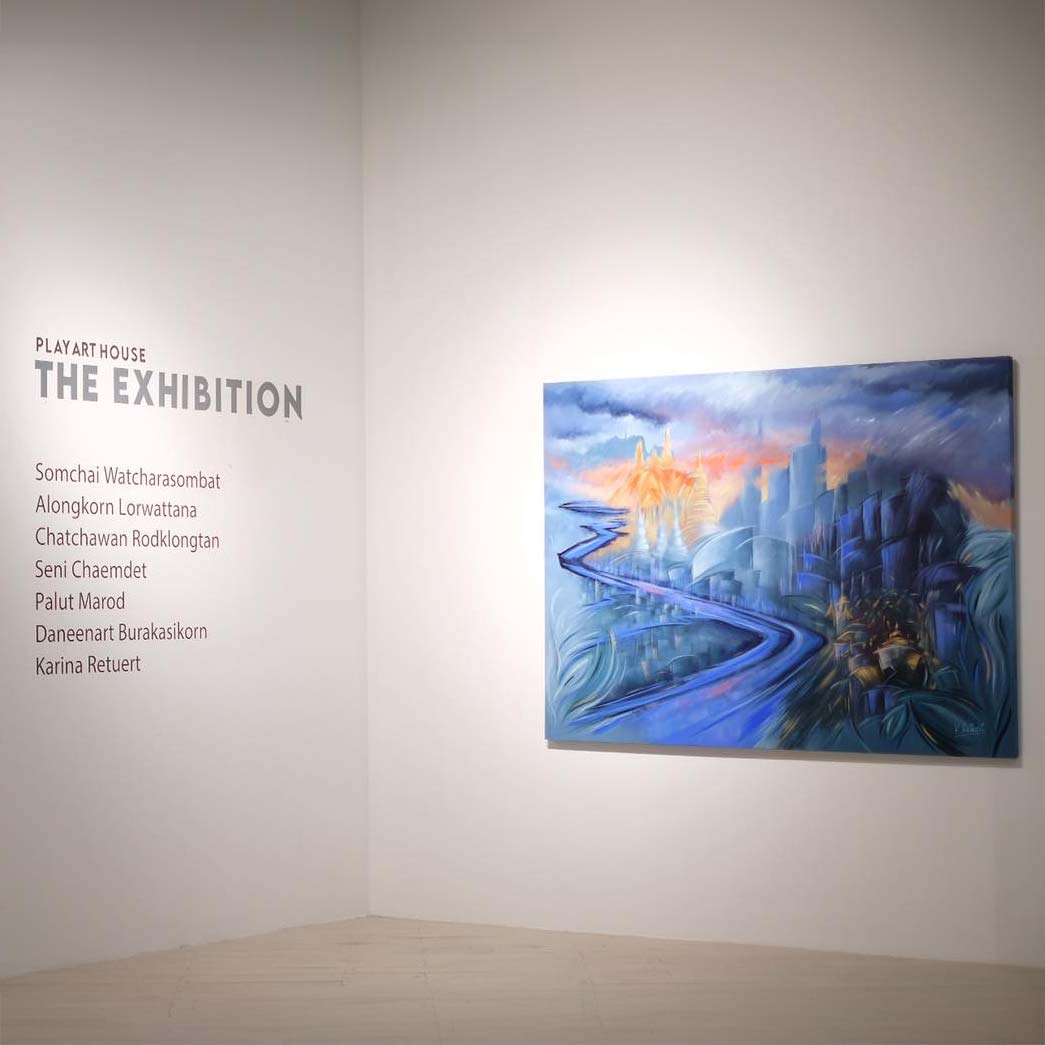
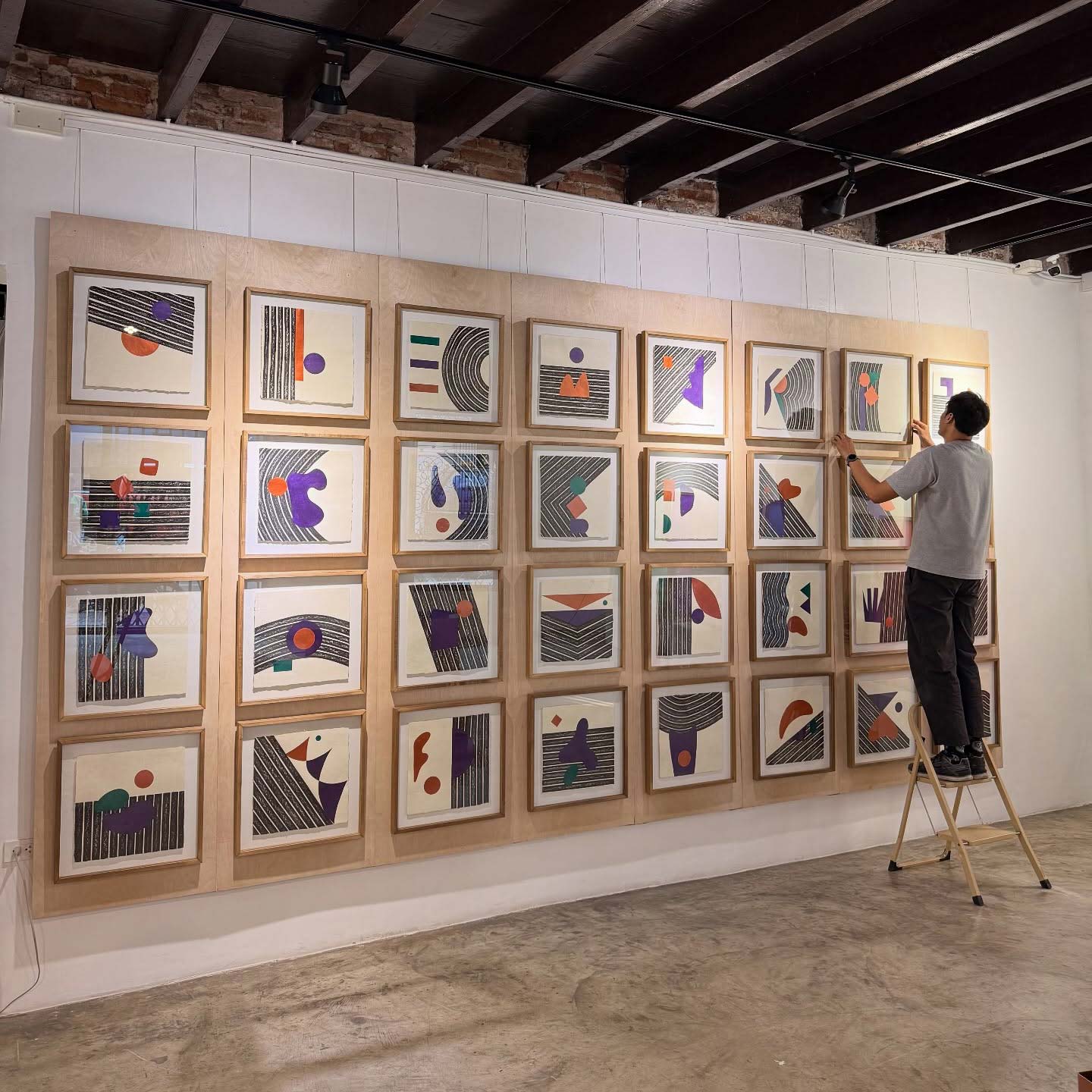
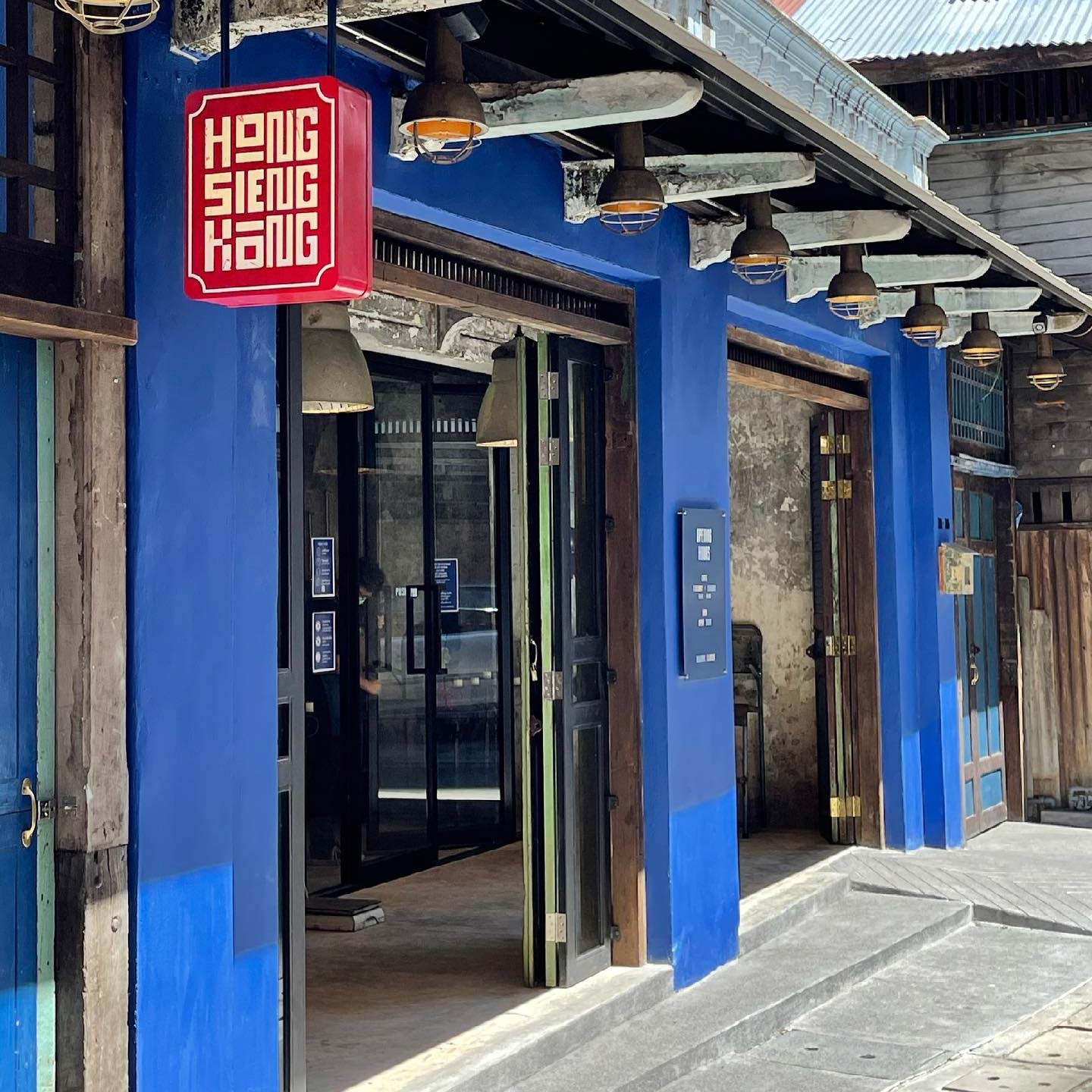
That attention to local material culture runs closer to the street at PLAY Art House, housed in a deep-blue, century-old shophouse on Song Wat Road. The gallery focuses on emerging Thai and regional artists, with exhibitions that often draw directly on the surrounding neighborhood, including its trading past, shifting streetscape, and architecture.
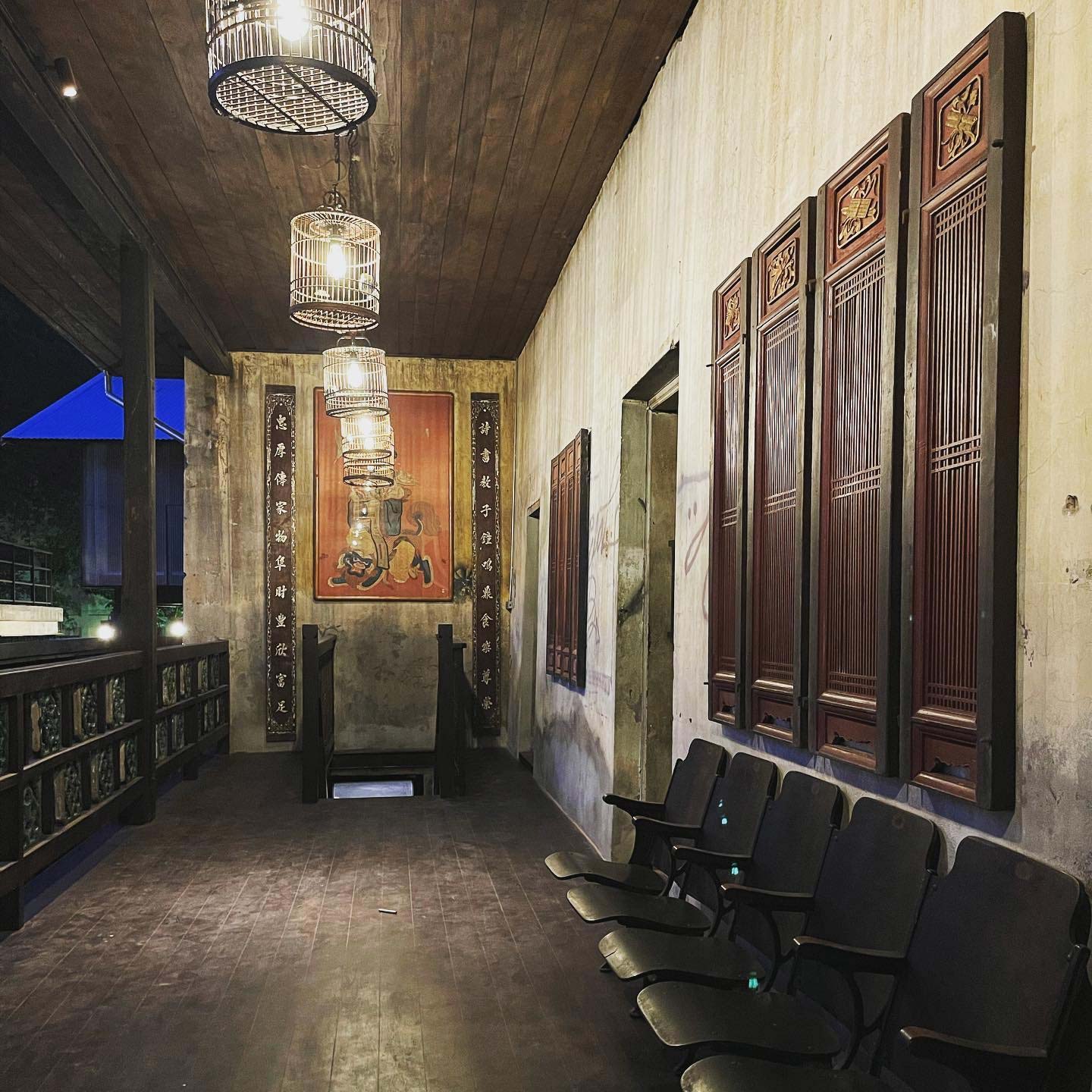
Talat Noi, though, remains the area’s most reliable exhibition. Narrow lanes thread past rusted workshops, shrines, garages, and faded facades. Paint flakes. Machinery sits beside offerings. Stories surface block by block. A slow wander (camera optional) offers the clearest sense of how the area has evolved over the decades.
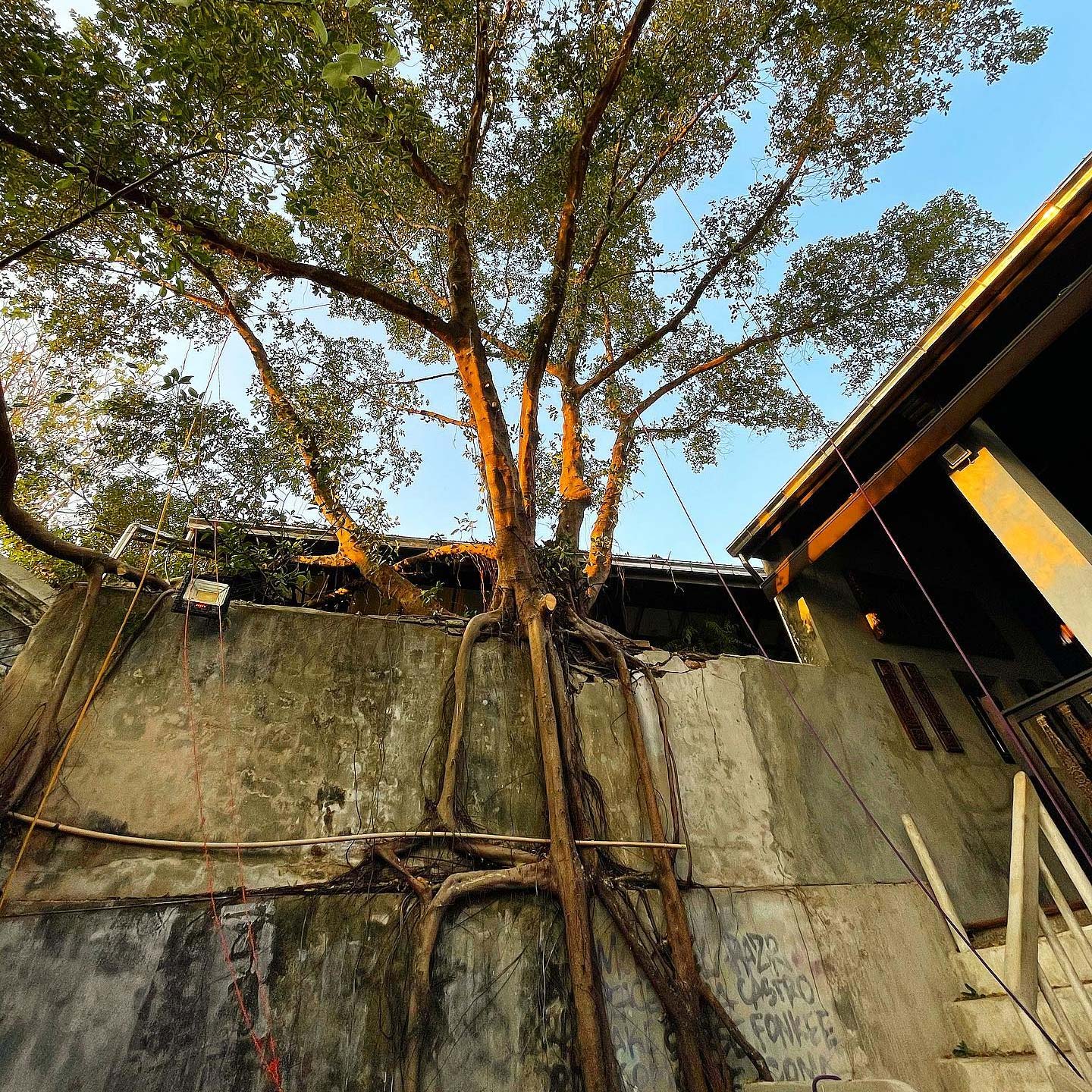
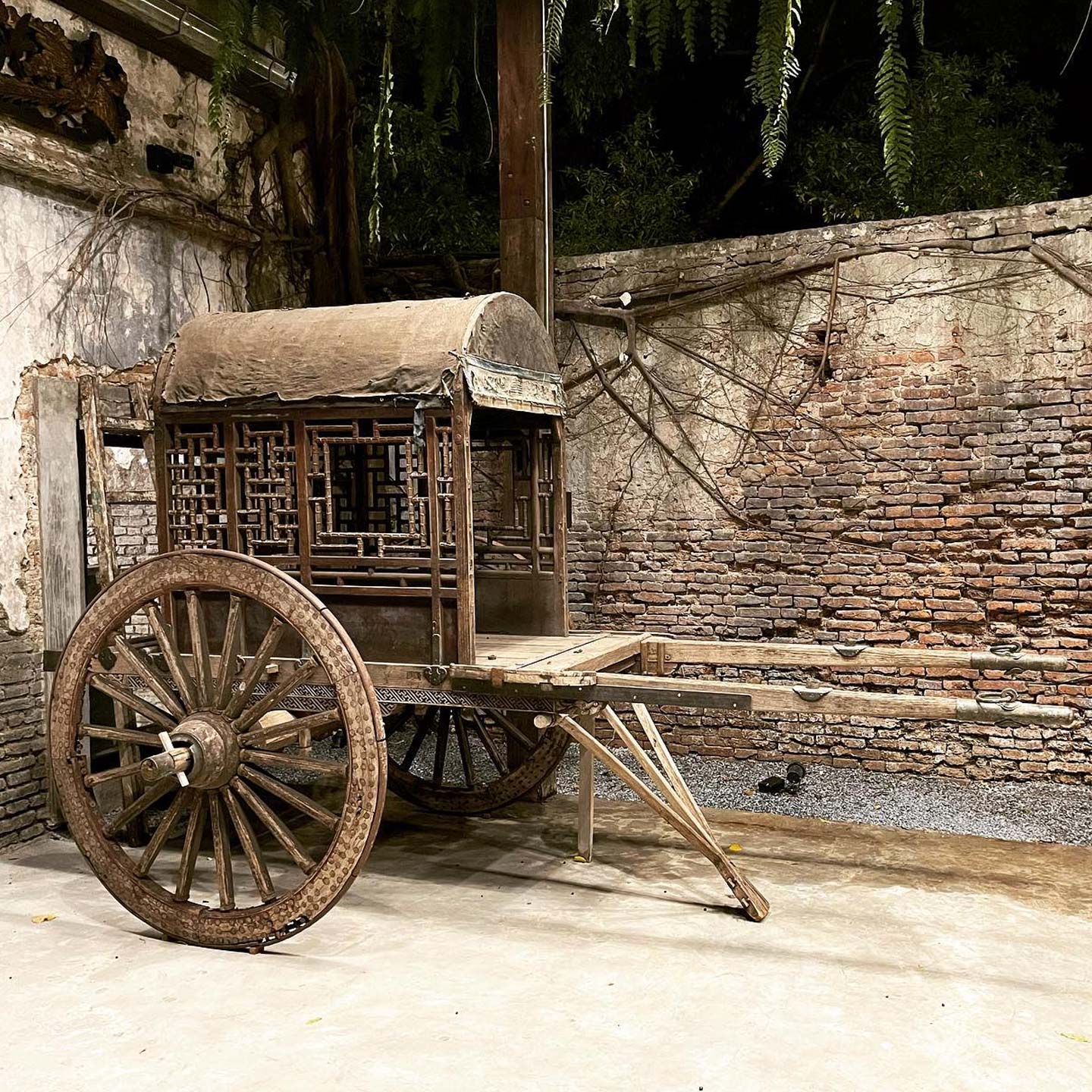
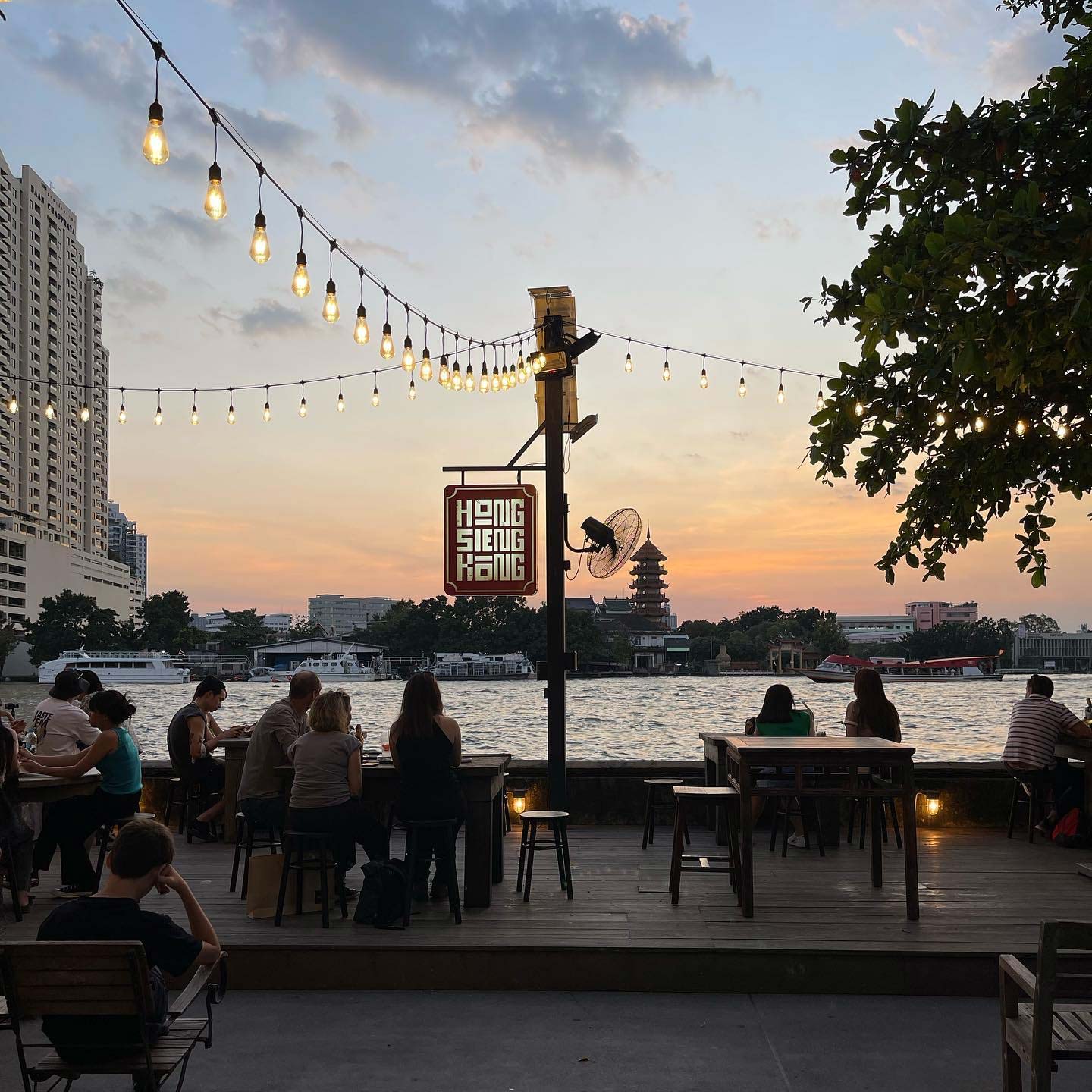
A short boat trip across the river, Hong Sieng Kong sits inside a 200-year-old Sino-Portuguese warehouse complex. Antique workshops, contemporary art, a café, and an open courtyard share the space, with the preserved structure—cracked plaster, timber beams, river-worn bricks—giving every exhibition an organic, lived-in backdrop.
Drink
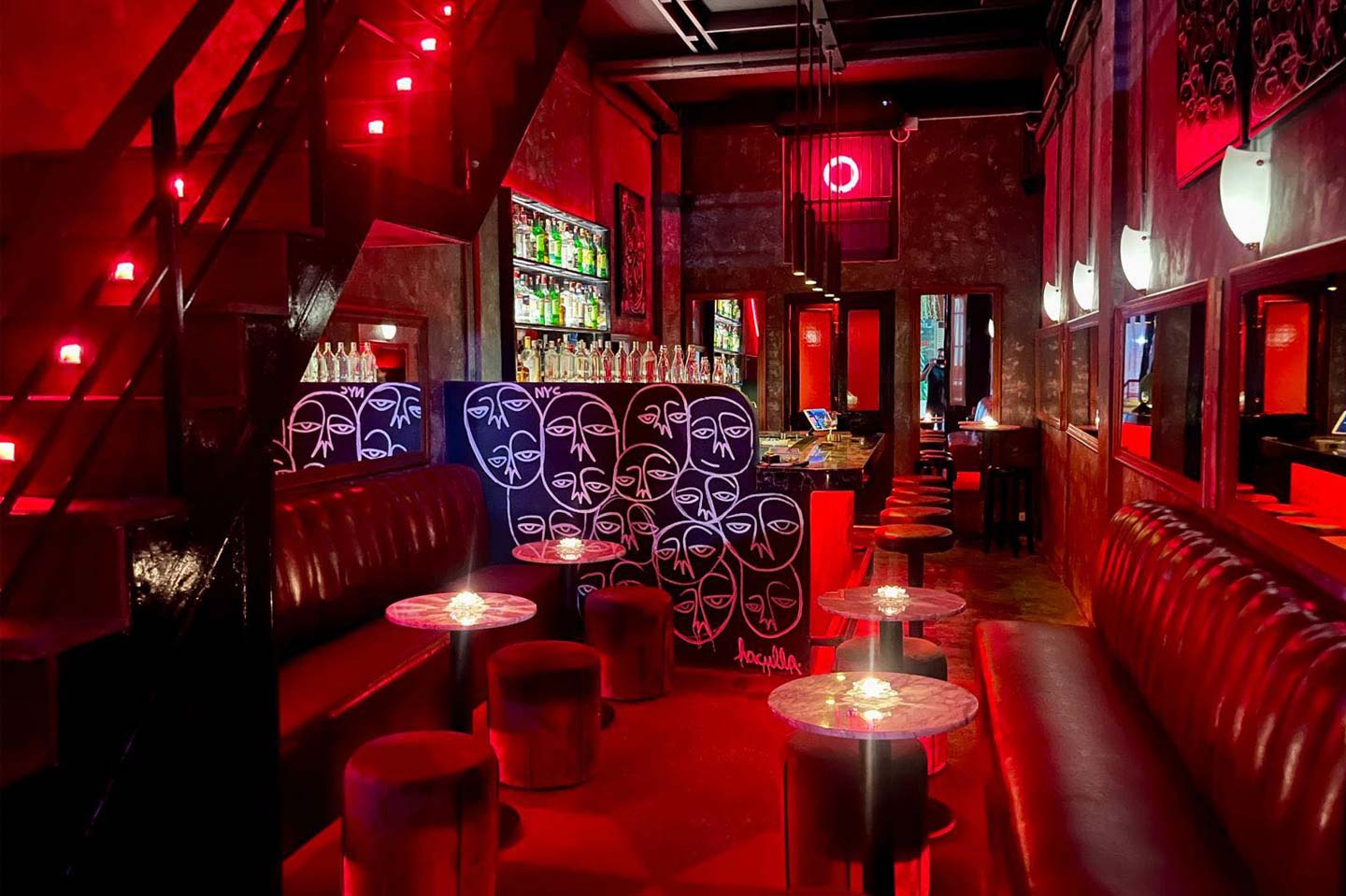
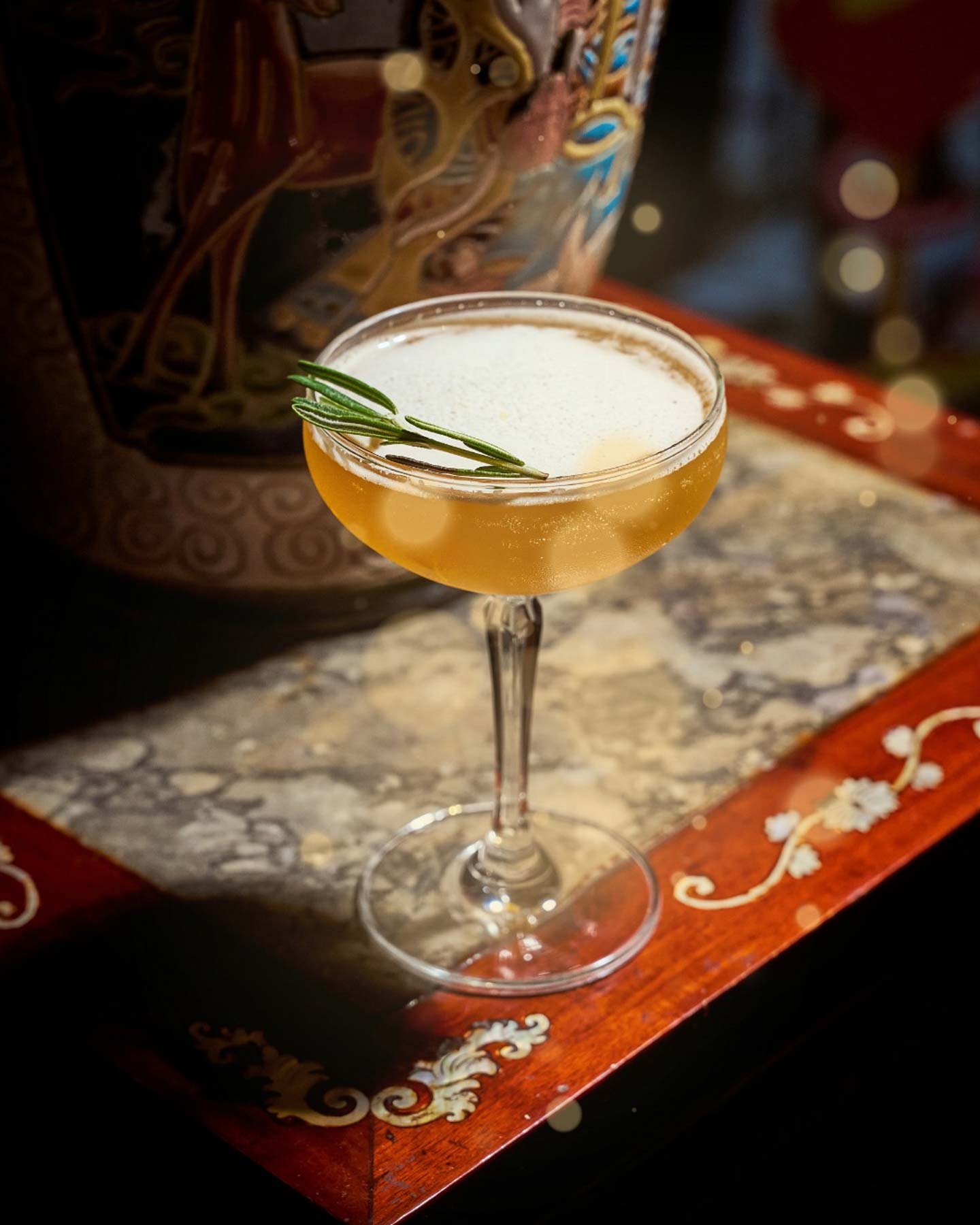
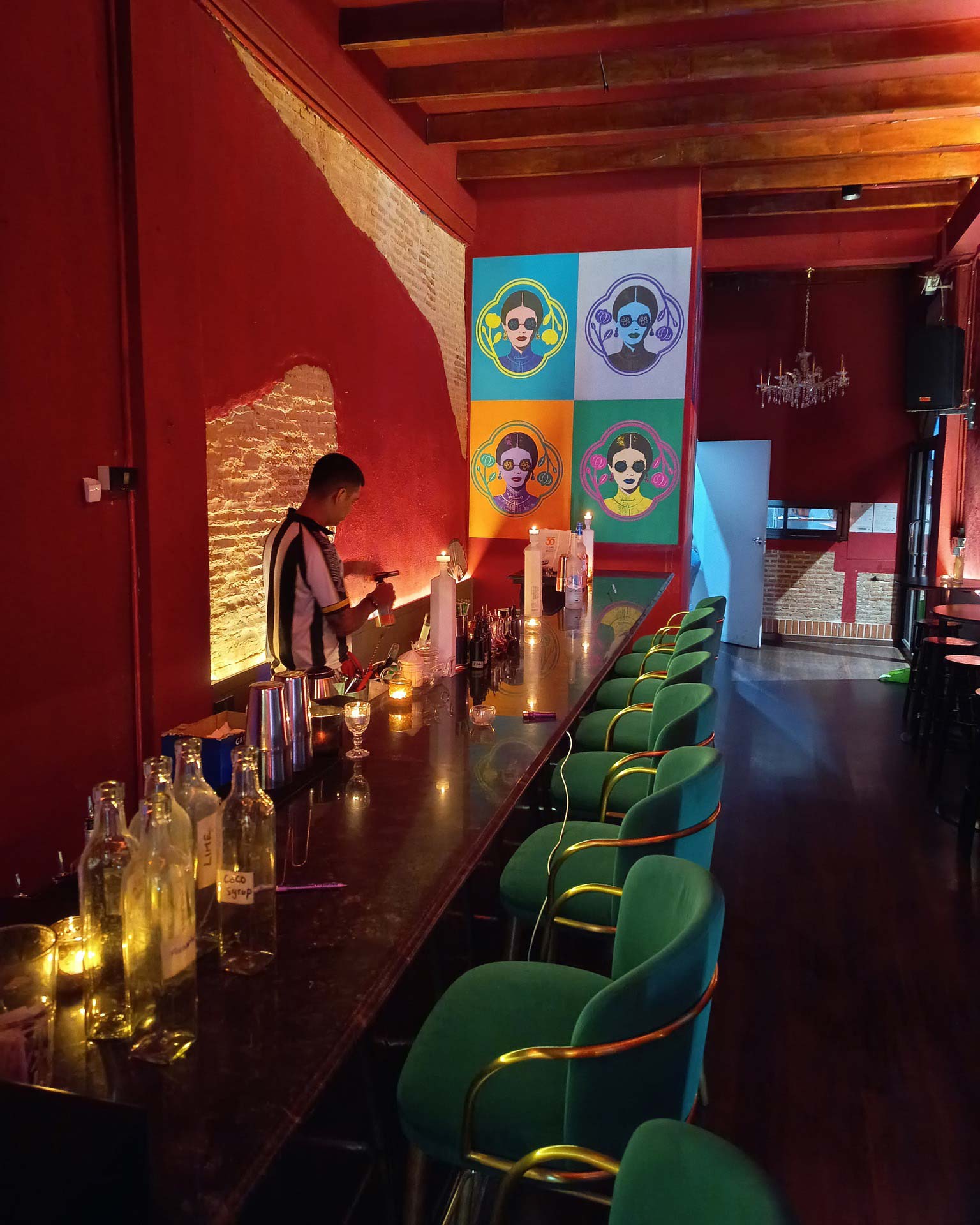
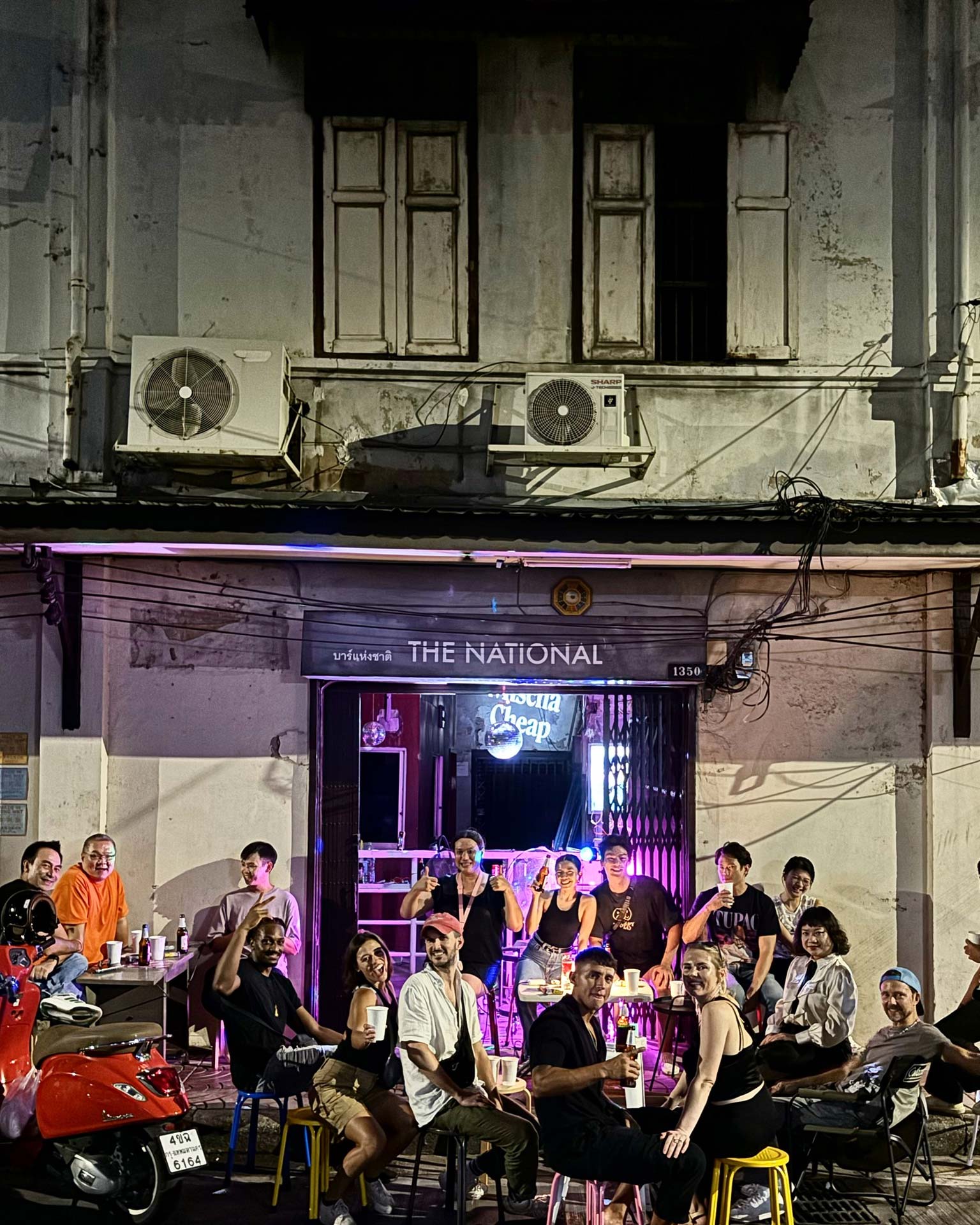
Chinatown’s after-dark energy has broadened in recent years, and 2025 brings two of the neighborhood’s most interesting new bars.
Chinatown Yacht Club, set in a renovated shophouse near Soi Nana, is the more playful of the two. The ground floor functions as a casual clubhouse—relaxed and bright, drawing in groups drifting over from dinner—while the rooftop opens out to wide skyline views. Drinks are unfussy, built around crisp spritzes, light rum mixes, and seasonal Thai touches.
The recently opened Madame K takes a more polished approach. Styled loosely around a vintage tailoring shop, the room is softly lit, with small design details throughout. Cocktails use Thai ingredients sparingly—kaffir lime oils, spiced syrups, citrus infusions—folded into familiar flavor profiles. A tight menu of Peranakan-leaning dishes keeps the balance between bar and dining room.
For all the newer arrivals, Ba Hao remains the reference point. Its restored shophouse, red neon, and Sino-influenced interiors helped set the tone for Soi Nana’s revival, and the drinks still follow that line: Chinese liqueurs, five-spice, preserved plum, chrysanthemum. Time has done most of the work here. The bar feels settled, familiar, and closely tied to the street outside.
On Song Wat Road, The National Bar feels deliberately unhurried. Local spirits such as lao khao and sato anchor the menu, the room stays compact and mid-century in tone, and conversation tends to take over as the night wears on