

In the mid-18th century, the region that is now Nepal was a patchwork of small kingdoms and several city-states in the Kathmandu Valley, including Kathmandu, Patan, Bhaktapur, Lalitpur and Kirtipur. Prithvi Narayan Shah, the king of Gorkha, launched a long and bloody campaign to unify these territories under a single rule and forge a strong, centralised Nepali state. Kirtipur played a pivotal role in this unification campaign. To this day, the rarely visited hill town five kilometres southwest of Kathmandu offers stunning Newar architecture and provides insights into traditional Newar cultural life.
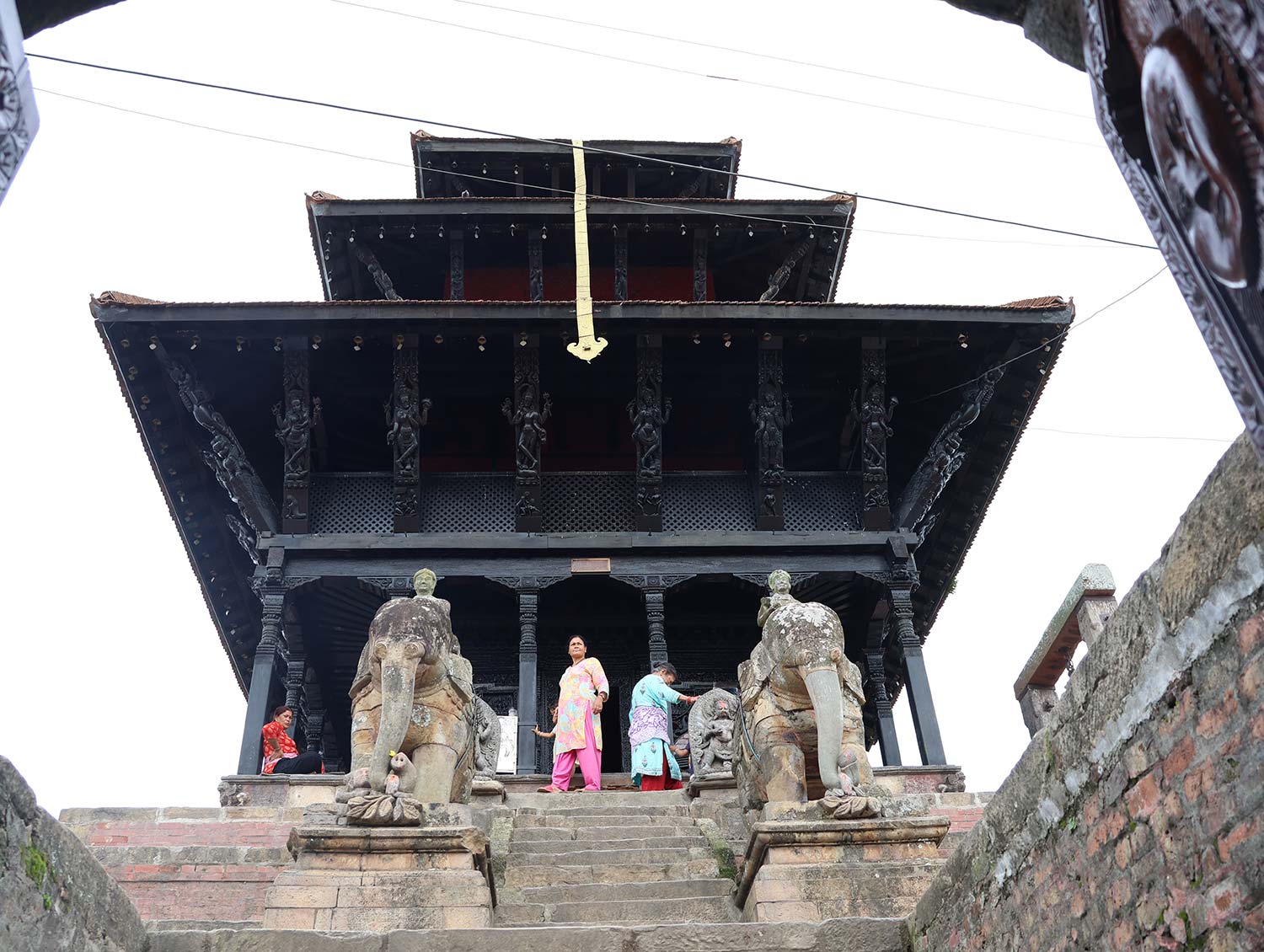
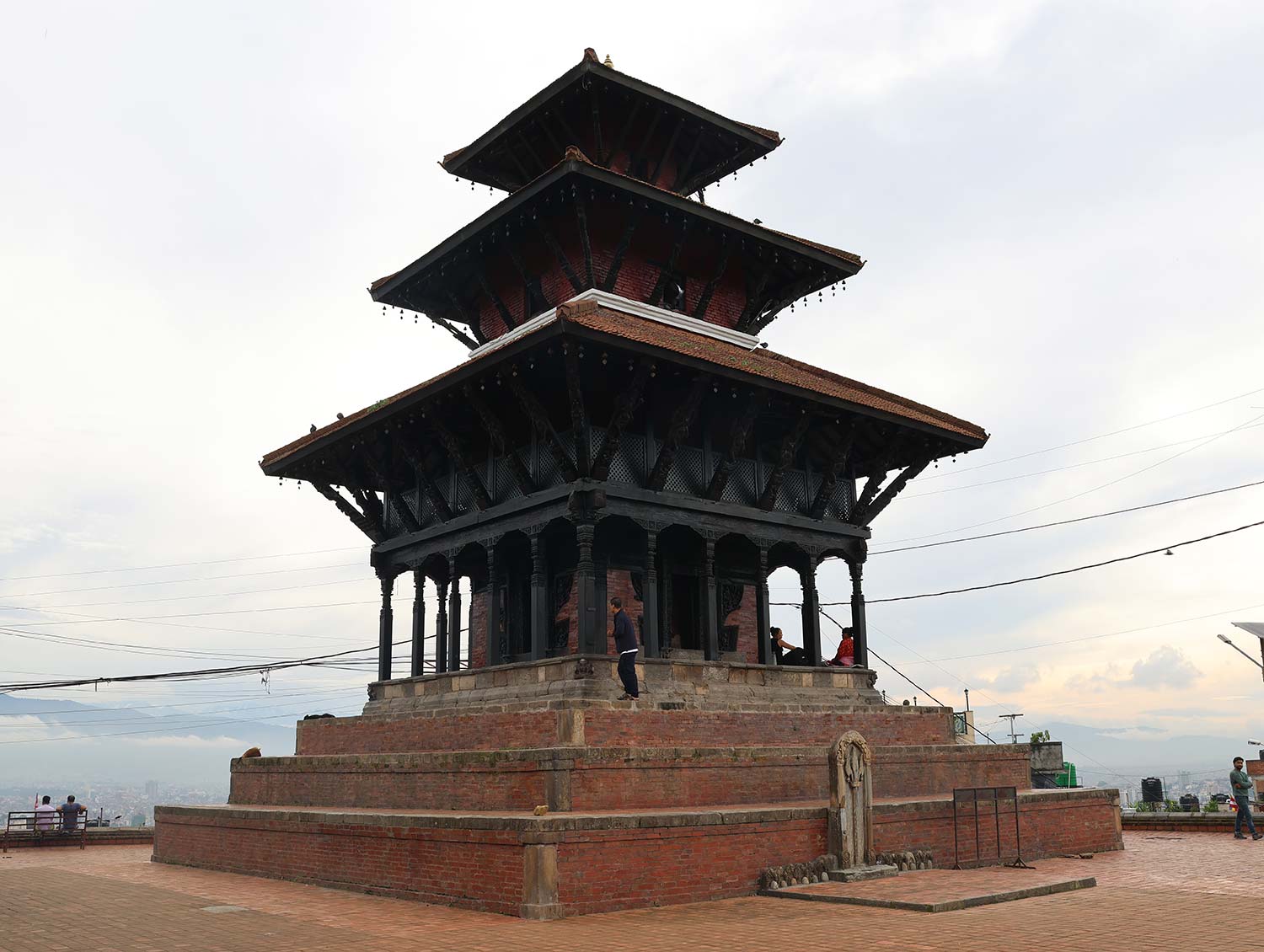
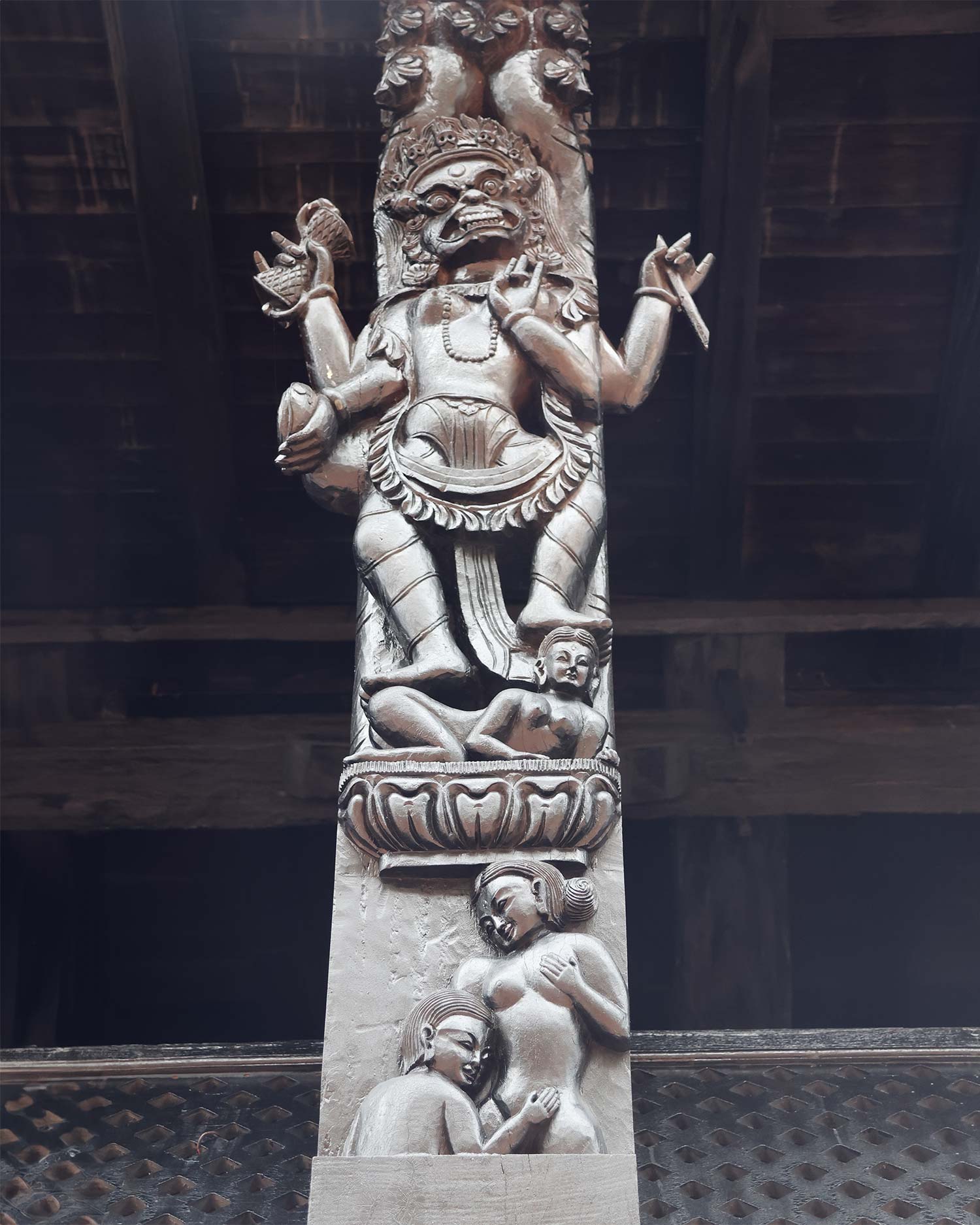
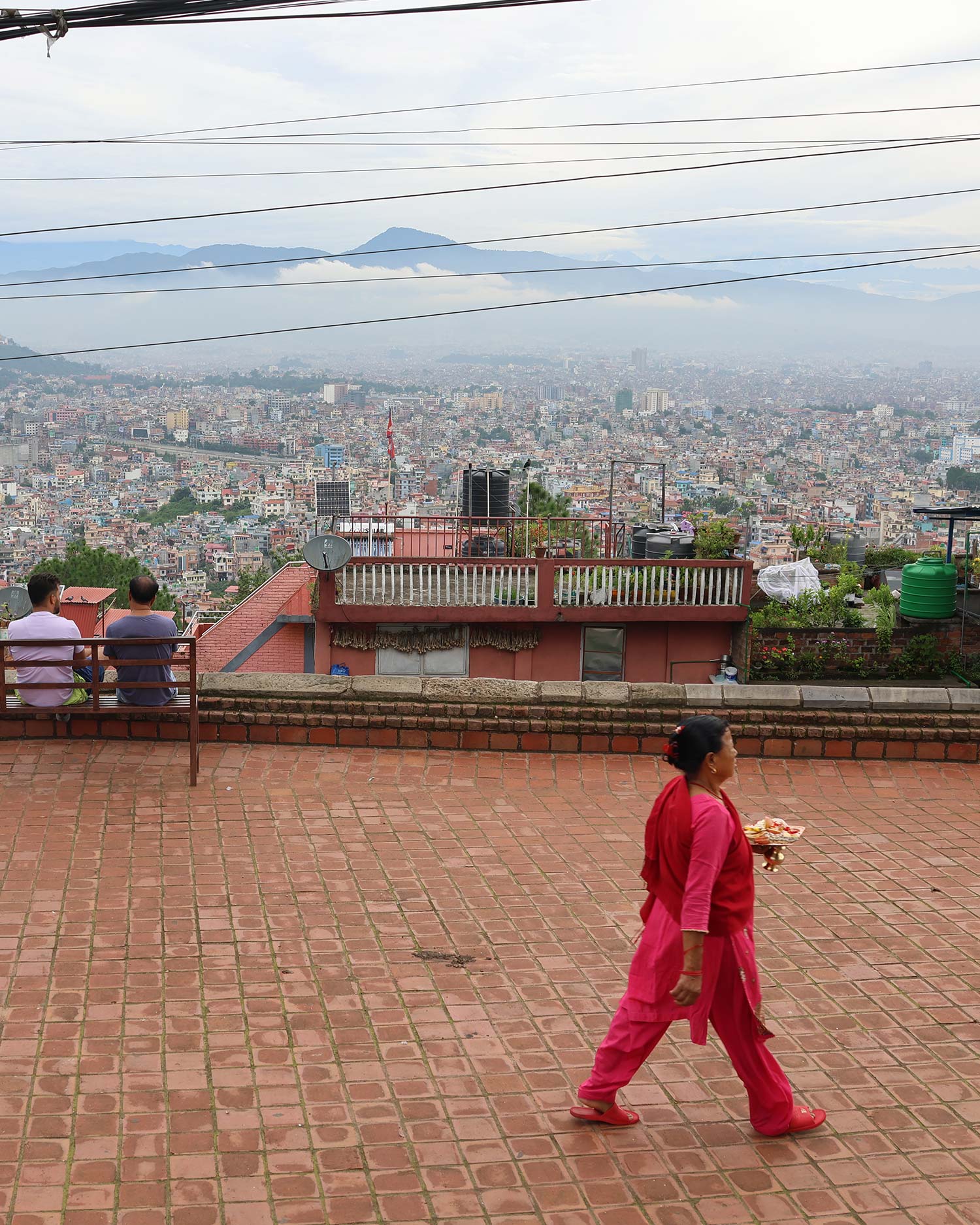
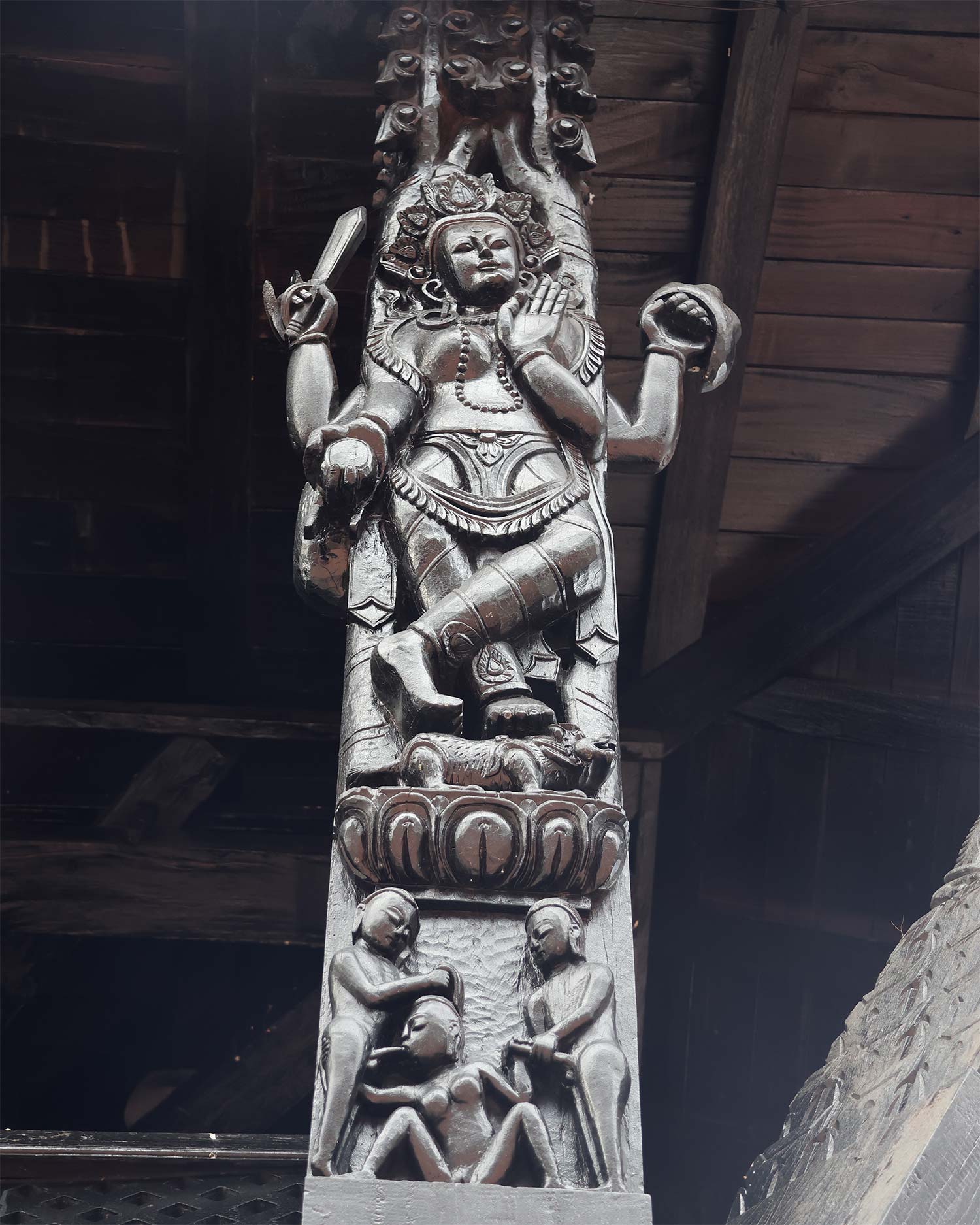
Sunrise comes early in the Kathmandu Valley. The views from the highest point of Kirtipur, the 17th-century, three-storeyed, pagoda-style Uma Maheshwor Temple (locally known as Kwacho Dega), are stupendous. The entire valley is visible from here, as are the surrounding hills. On a clear day, visitors may catch a glimpse of the mighty Himalayas, particularly Langtang, Dorje Lhakpa, Chobhu Bhamure and Gaurishankar. The wooden beams beneath the top roof are adorned with explicit erotic carvings. Old ladies come to pray, stray dogs rest on the temple steps, and young men and women lounge on benches, chit-chatting and absorbing the views. The peaceful panorama offers no hint of the bloody and dramatic history of this hilltop community.
Kirtipur was founded in 1099 AD, but it truly came into its own in the 18th century, when the then-fortified city emerged as a centre of resistance against the invading kings of Gorkha, who sought to absorb the culturally and economically rich Kathmandu Valley into their sphere of influence.
In 1736, the Gorkhali king Nara Bhupal Shah first attacked the valley, but his troops were badly beaten. His son, Prithvi Narayan Shah, continued the campaign by attempting to cut off all passes and roads into the valley, choking the trade routes between Tibet and India that had made Kathmandu rich. By 1763, his army had blocked access from the west, south and east and attempted to curtail the movement of grain to starve the Newar into submission. Anyone trying to break the siege was hanged from trees along the roads leading into the valley. The king of Kathmandu asked the East India Company for help, but Shah’s troops routed the British forces before they ever reached the valley.
Prithvi Narayan Shah’s troops attacked Kirtipur three times and were repelled twice by its citizens. During the first assault, Shah was almost killed in battle and escaped only by disguising himself as a saint. The second assault was led by his brother Surpratap, who lost an eye in battle as his troops retreated, bloodied and beaten. In 1766, Shah’s fortunes changed. According to records of Capuchin monks, an aristocrat from Lalitpur betrayed his people and let Shah’s troops into the city. Shah proved to be a merciless invader: he ordered the ears and noses of all men over the age of 13 cut off to show the rest of the valley what would happen if resistance continued. Only the town’s musicians were spared. The defeat eventually led to the conquest of the entire valley and the unification of Nepal.
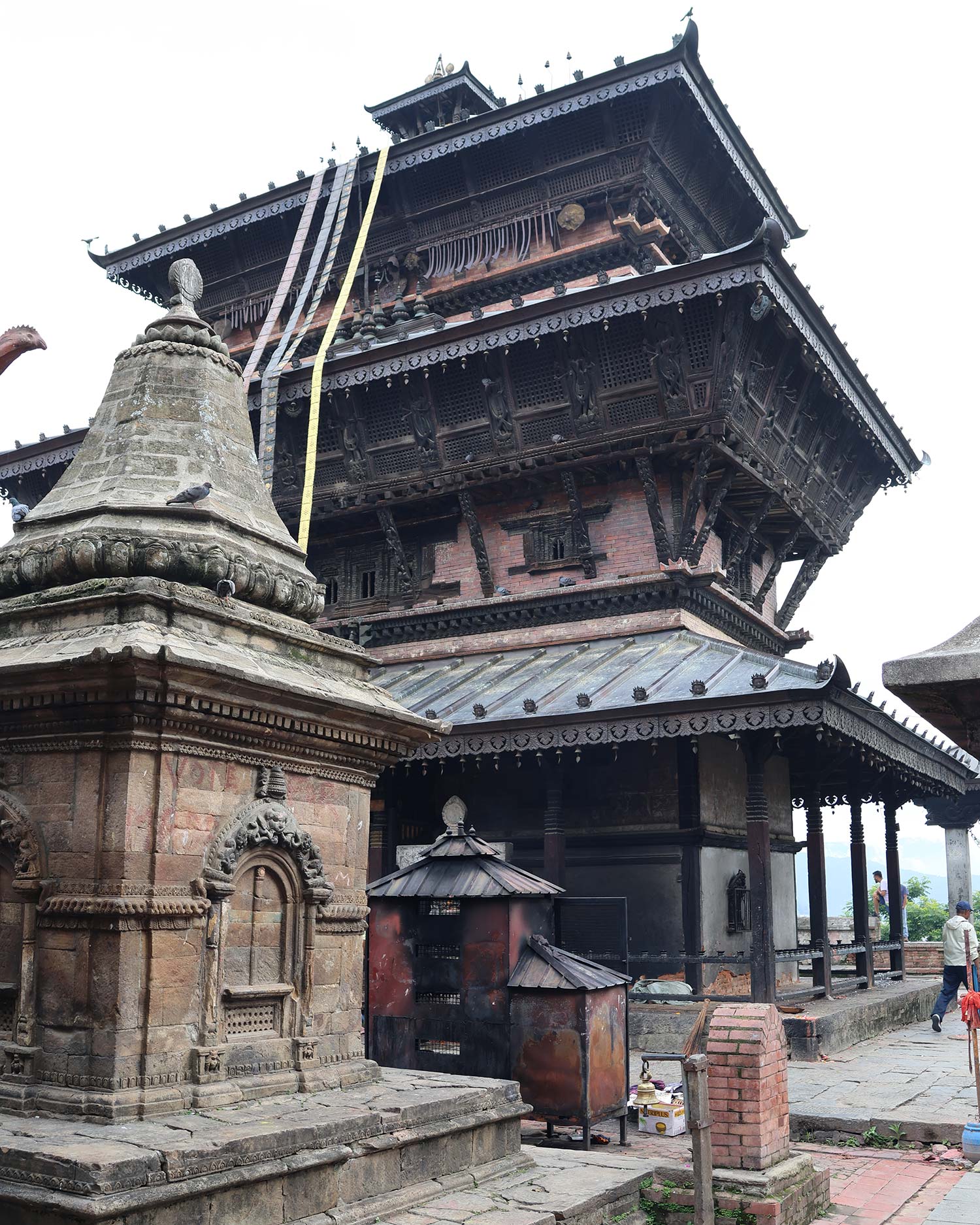
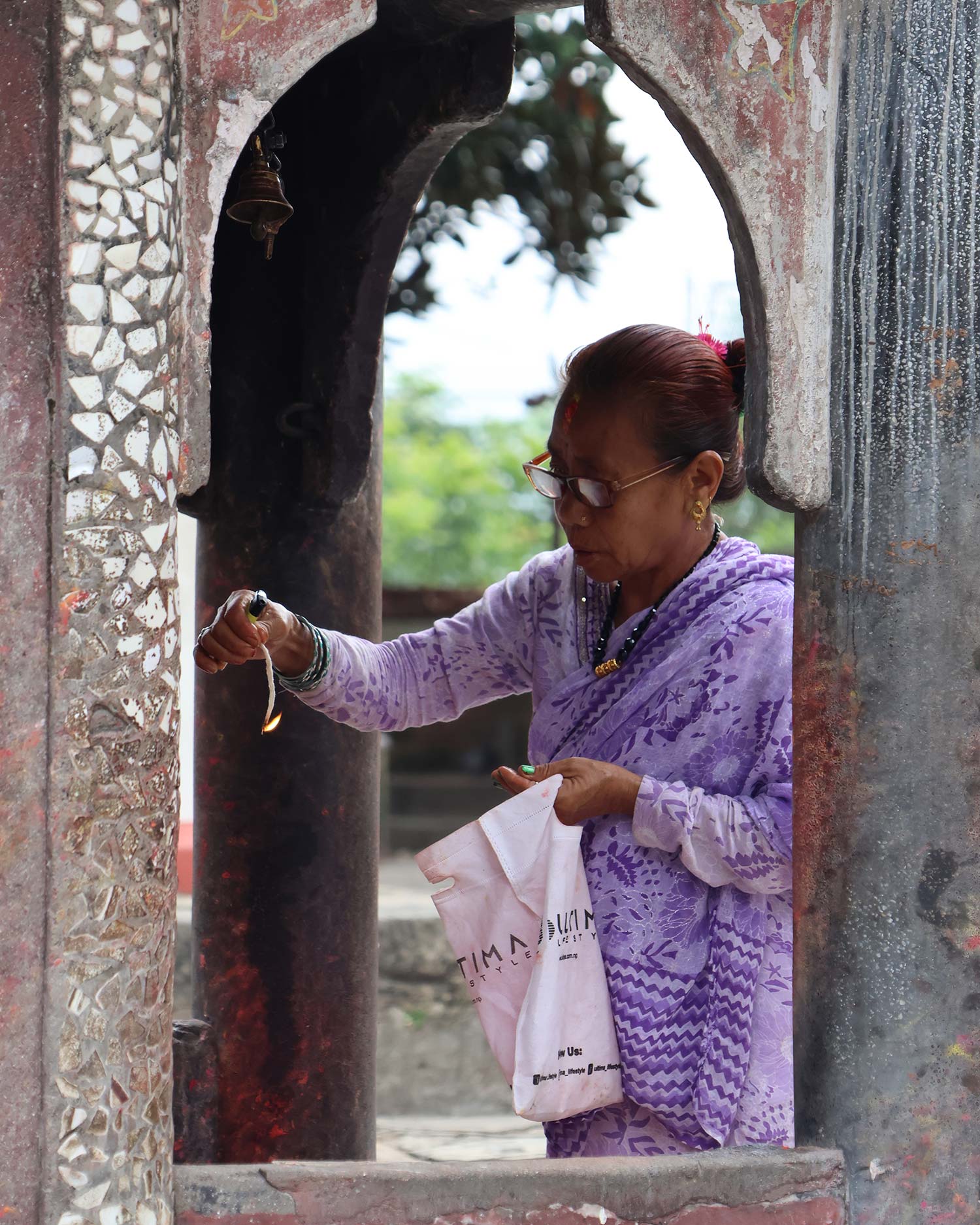
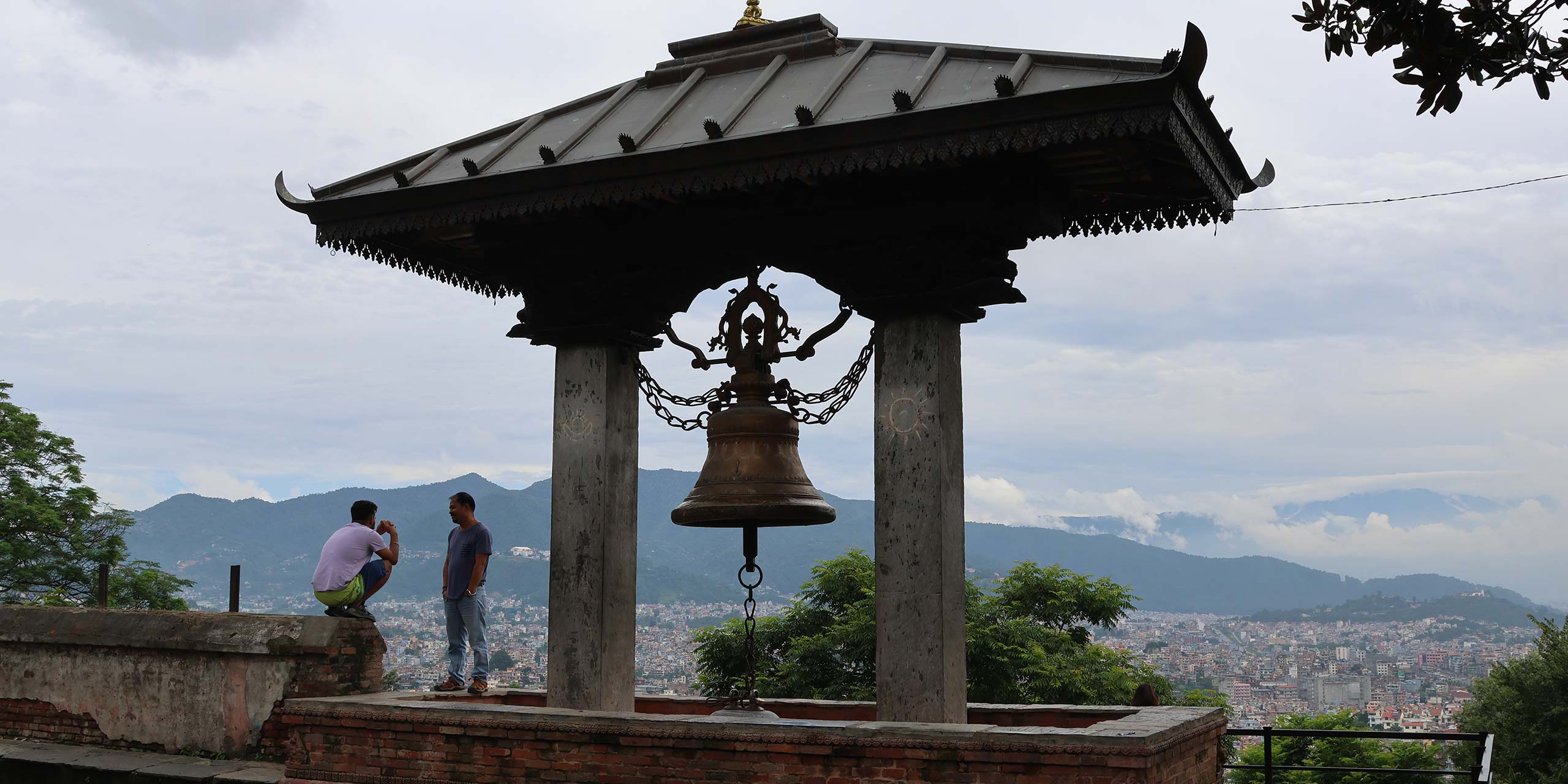
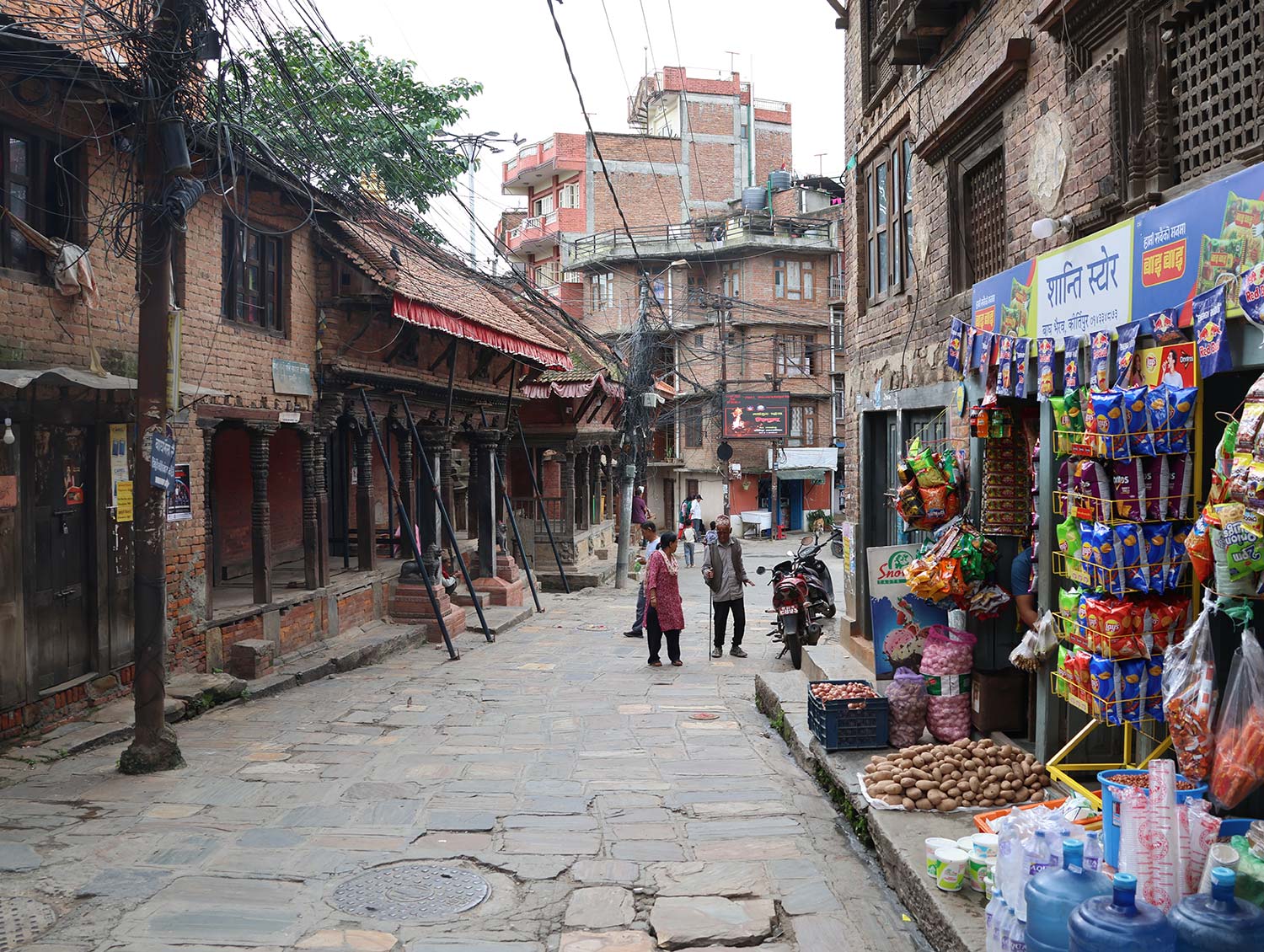
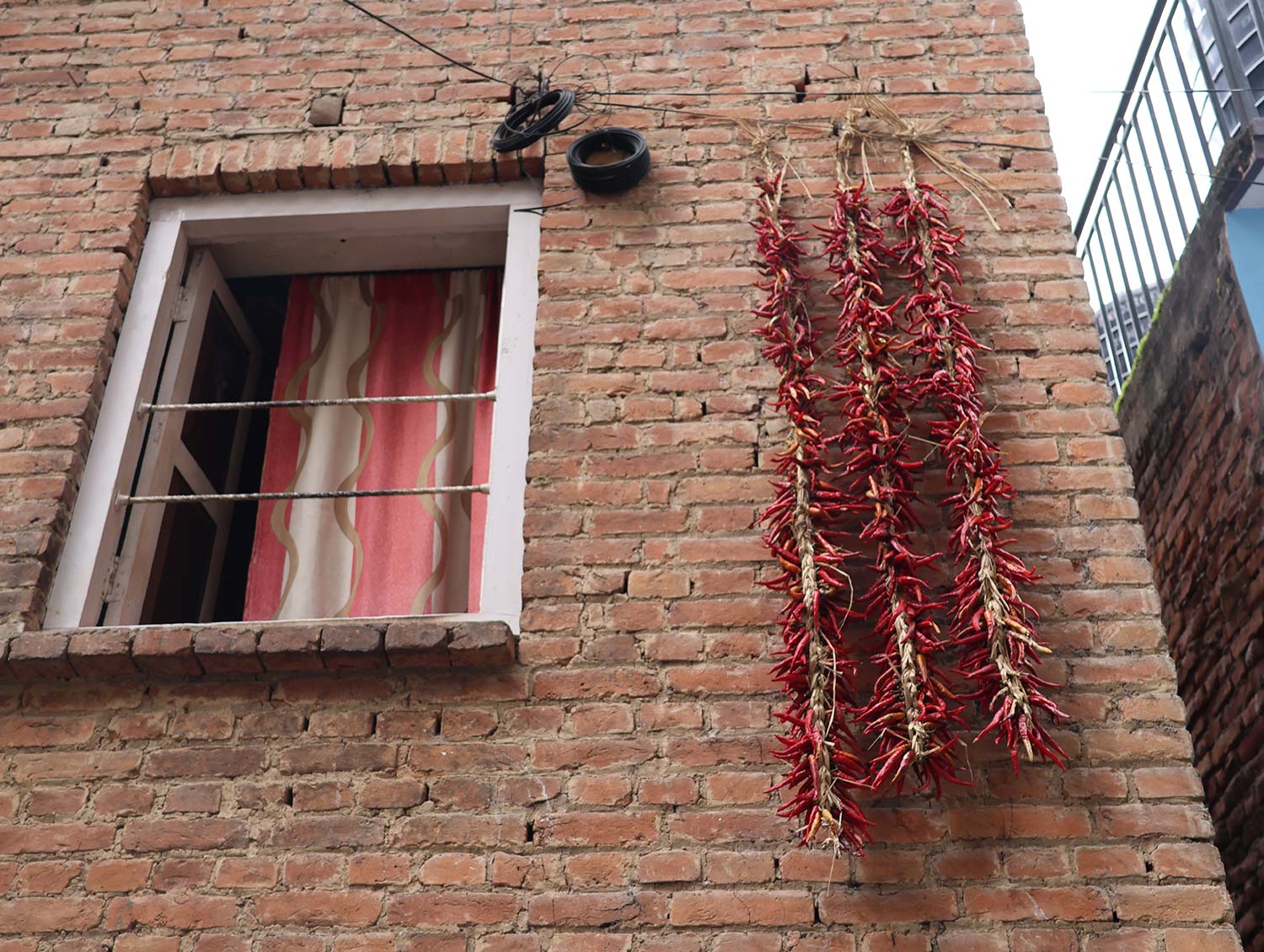
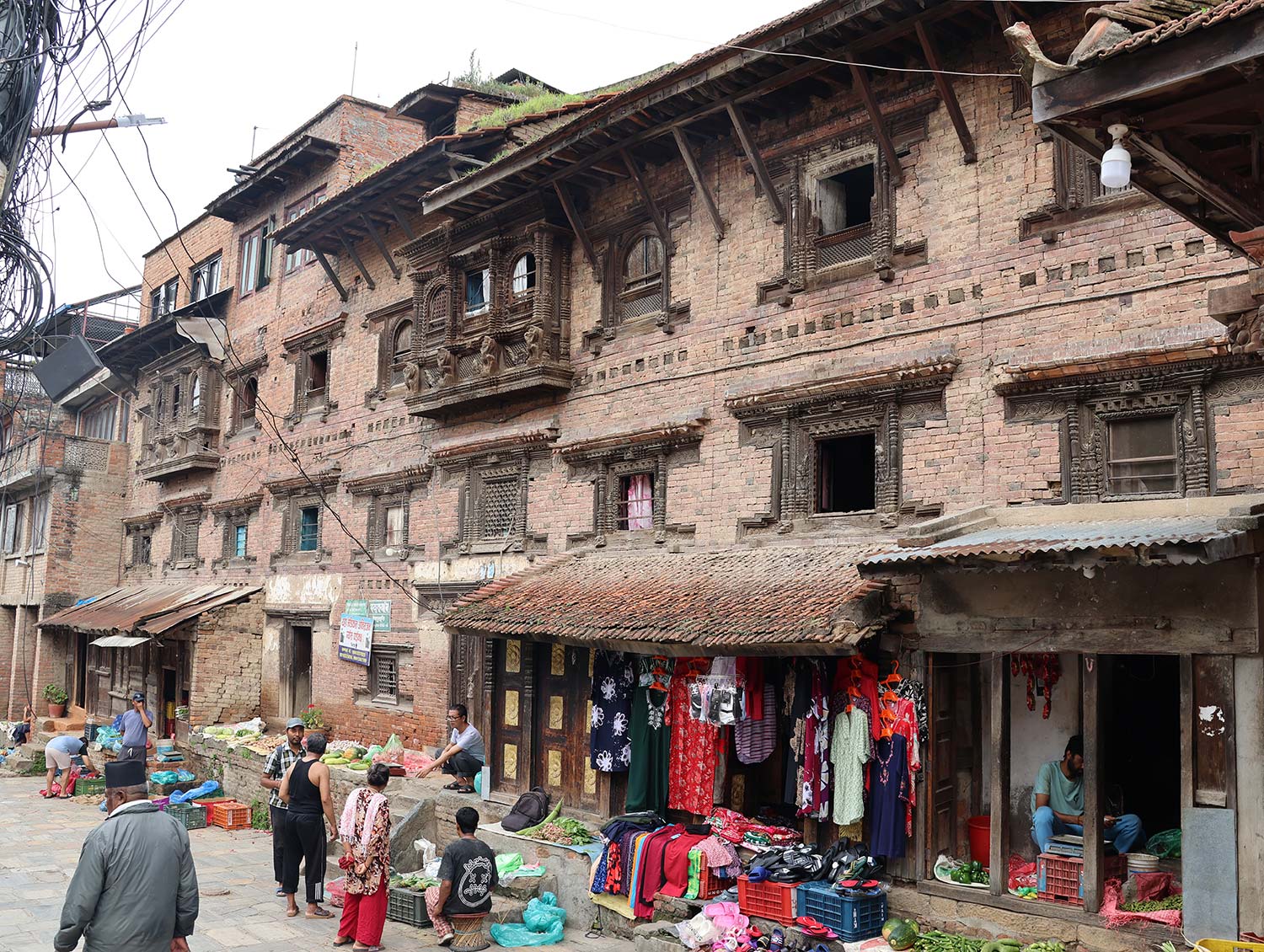
Nonetheless, Kirtipur retained its Newar character, and many of its citizens remain staunchly anti-monarchist to this day. Unlike neighbouring communities such as Kathmandu, Patan and Bhaktapur, Kirtipur remains off the tourist track, even though it has been added to UNESCO’s tentative World Heritage list. Narrow alleys lead up from the sprawling Kathmandu University campus between large red-brick townhouses, temples and palaces, all the way to the Uma Maheshwor Temple.
The spiritual and communal heart is the Bagh Bhairab Temple, a few hundred metres east of Uma Maheshwor. Bhairab is the most terrifying form of Shiva, destroyer and creator of the universe. Built in the 16th century, the temple stands at the centre of a wide courtyard dotted with shrines and idols made of stone and bronze.
I first stepped into the courtyard in the mid-90s, on a trip with my mother, who is still talking about the experience. Back then, community elders, both men and women, gathered in a pavilion next to the temple to accompany the sunrise with bhajans, devotional Hindu songs. I distinctly remember the rousing music, the smell of hashish wafting from clay pipes smoked by the musicians, and clear Himalayan views.
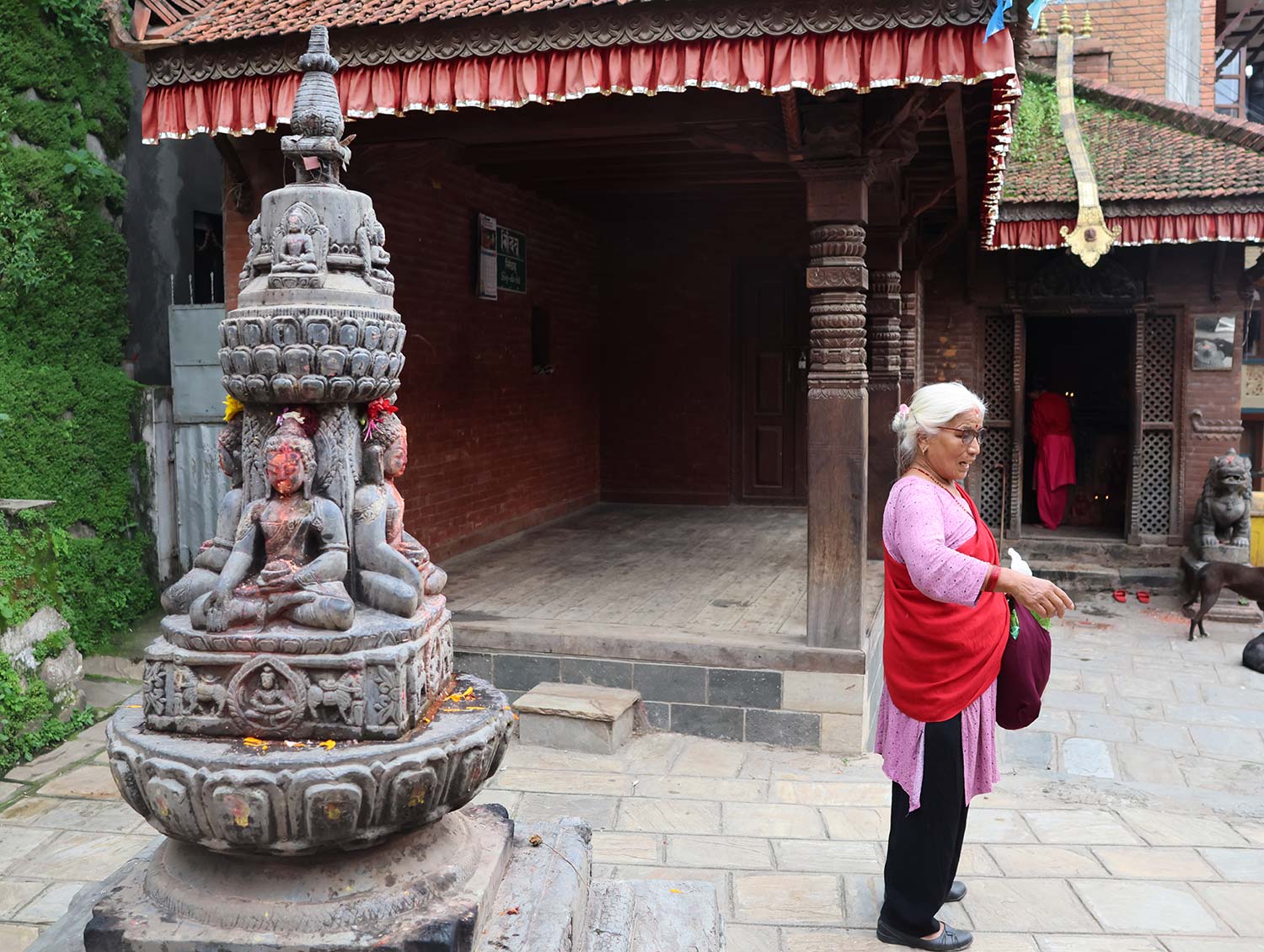
Thirty years after my last visit, the elders still gather most mornings. While smog and pollution have increased significantly, the snow peaks still briefly reveal themselves, floating on gunmetal-grey rain clouds. The hashish smokers are gone, but the music still soars across the courtyard and adds a rich ambience to the medieval proceedings. The hustle and bustle of the valley and Kathmandu’s dysfunctional traffic do not reach this spot, which seems to exist in a time of its own choosing. Instead, bells ring, and animals are occasionally sacrificed on the temple grounds.
The only traces of the dramatic siege of Kirtipur are found below the top pagoda roof of the temple. Here, machete-like weapons allegedly used in the collective disfigurement of Kirtipur’s male population dangle in a long row, interspersed with helmets and shields — silent witnesses to the massacre that led to the foundation of the modern state of Nepal.
Outside the temple courtyard, a rectangular water tank teeming with fish is framed by the erstwhile palace of Kirtipur’s rulers on one side and family homes built after the 2015 earthquake on the other. Merchants sit around the tank selling vegetables and clothes. Shoppers linger and chat. Dogs lie lazily on doorsteps. The distant sounds of prayer songs waft across ancient paving stones. A few motorbikes pass, but once their sound fades, Kirtipur’s street life seems to revert to its 18th-century heyday. Glorious.
Kirtipur is open daily. Entry is free.