

“When I seat myself on the mat, one by one they come forward and tie little bells on my arm; a young coconut is brought into which I am requested to spit… After this, they wash my hands and my feet, and afterwards, with the water, sprinkle their houses and gardens.” — James Brooke, 1845
When Englishman James Brooke sailed up the northwest coast of Borneo in 1839, he could not have imagined the adventure he was about to embark on. After quelling a rebellion by Dayaks (tribal groups with a penchant for headhunting), he was rewarded by the Sultan of Brunei with the title Rajah of Sarawak. Upon James’s death in 1863, the title passed to his nephew Charles, and then in 1917 to Vyner, Charles’s eldest son, who continued to rule Sarawak until the Japanese invasion during World War II.
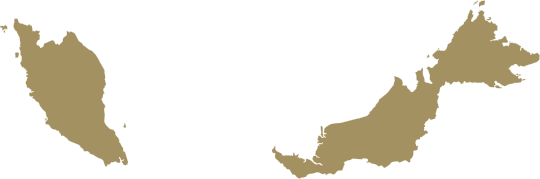
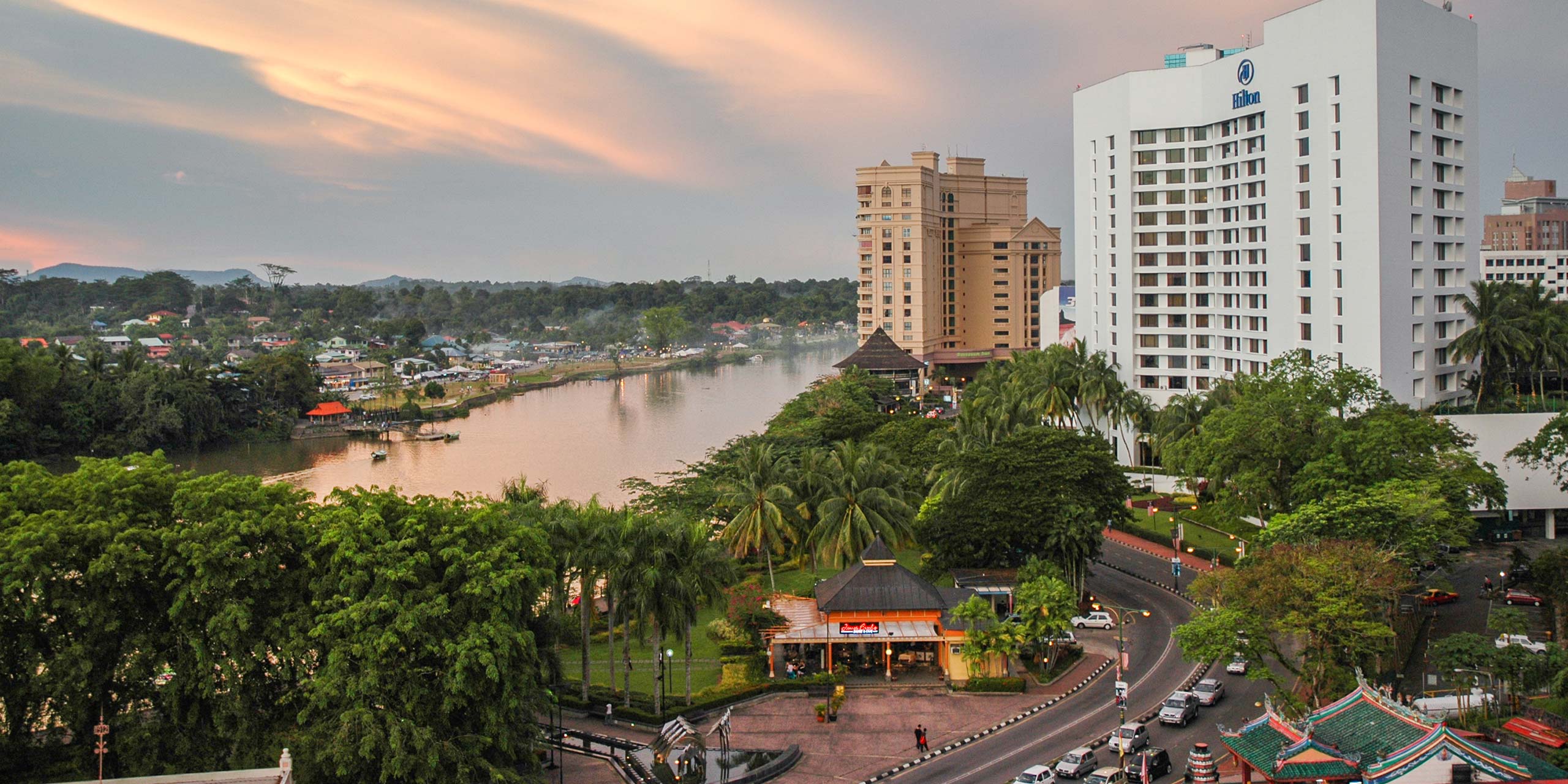
The White Rajahs, as the Brooke dynasty came to be known, are now long gone, but several reminders of this unusual period in history remain in Sarawak, now the largest state in the Federation of Malaysia. Its capital, Kuching, is one of Asia’s most endearing cities, with a multiethnic population, attractive colonial architecture, a pleasant riverside promenade, and a lively nightlife. The rest of the state remains almost as it was in James Brooke’s day—a vast tangle of tropical rainforest harboring some of the world’s strangest animals and plants, including the orangutan and the enormous rafflesia.
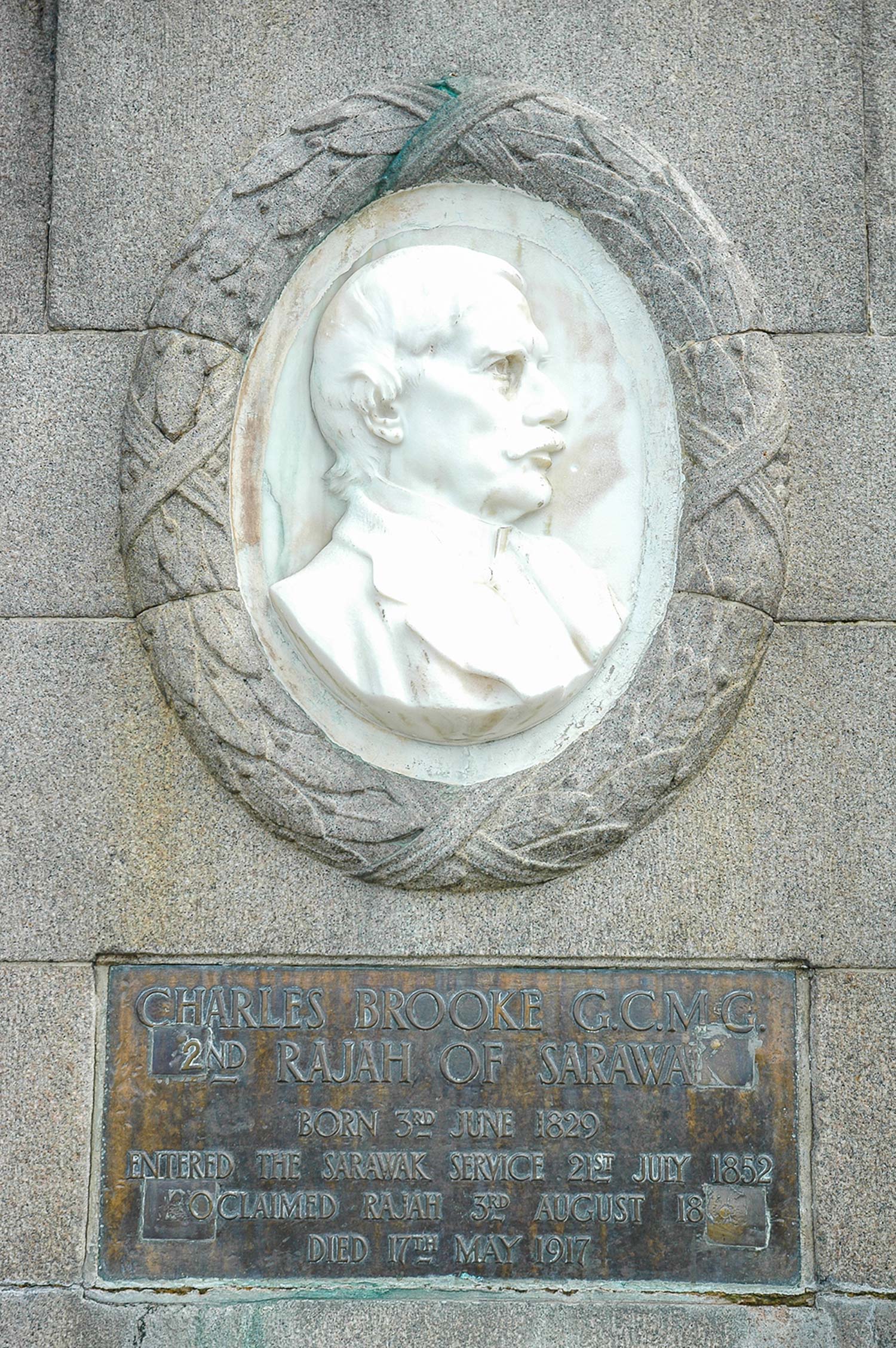
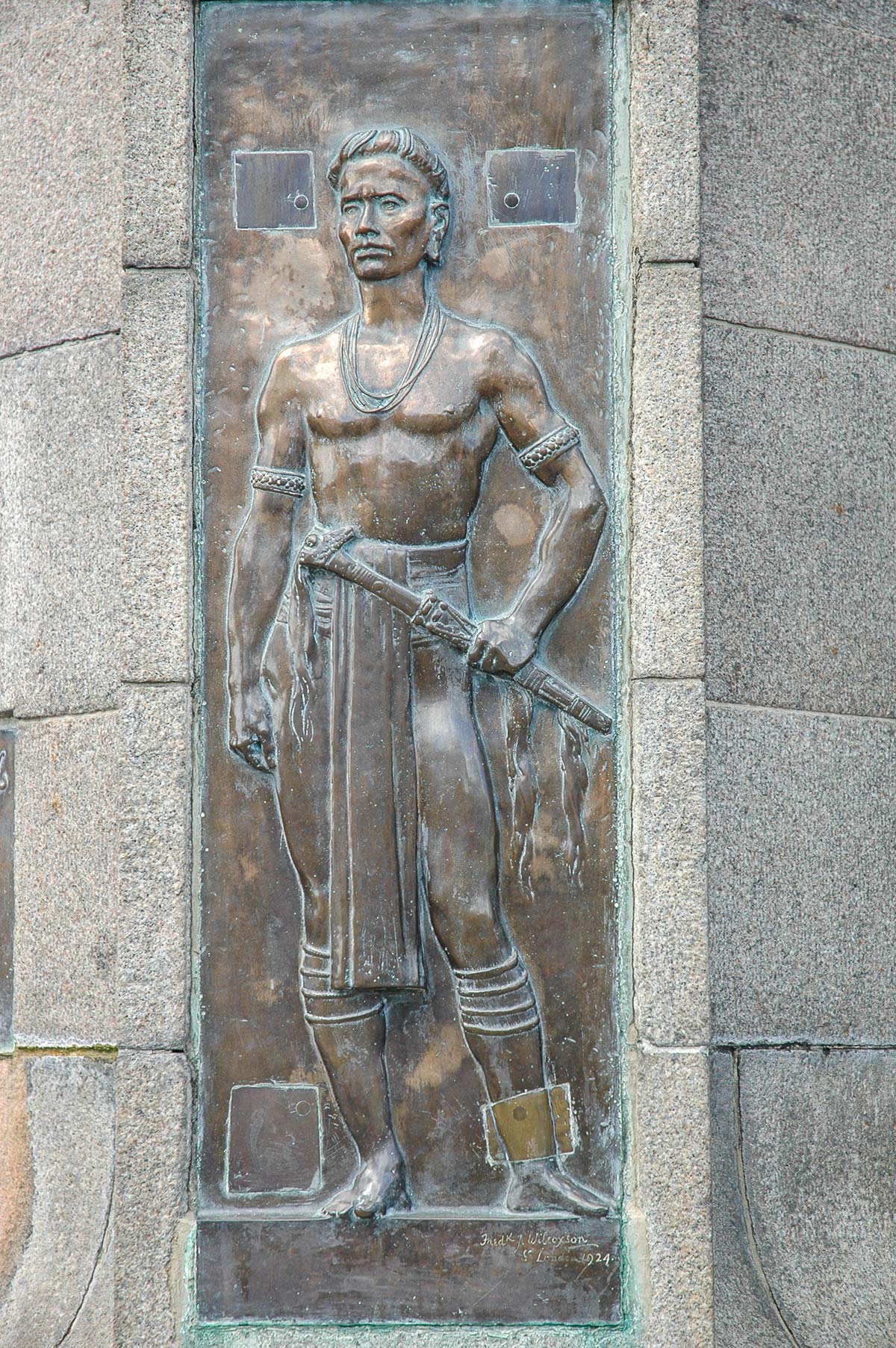
The best place to begin tracking the White Rajahs is in the heart of Kuching, where several colonial buildings have been restored to their former splendor. In front of the courthouse and its shady colonnade stands the Charles Brooke Memorial, bearing a marble relief of the Rajah’s face along with brass plaques depicting Sarawak’s four main ethnic groups: Malays, Chinese, Dayaks, and Orang Ulu.
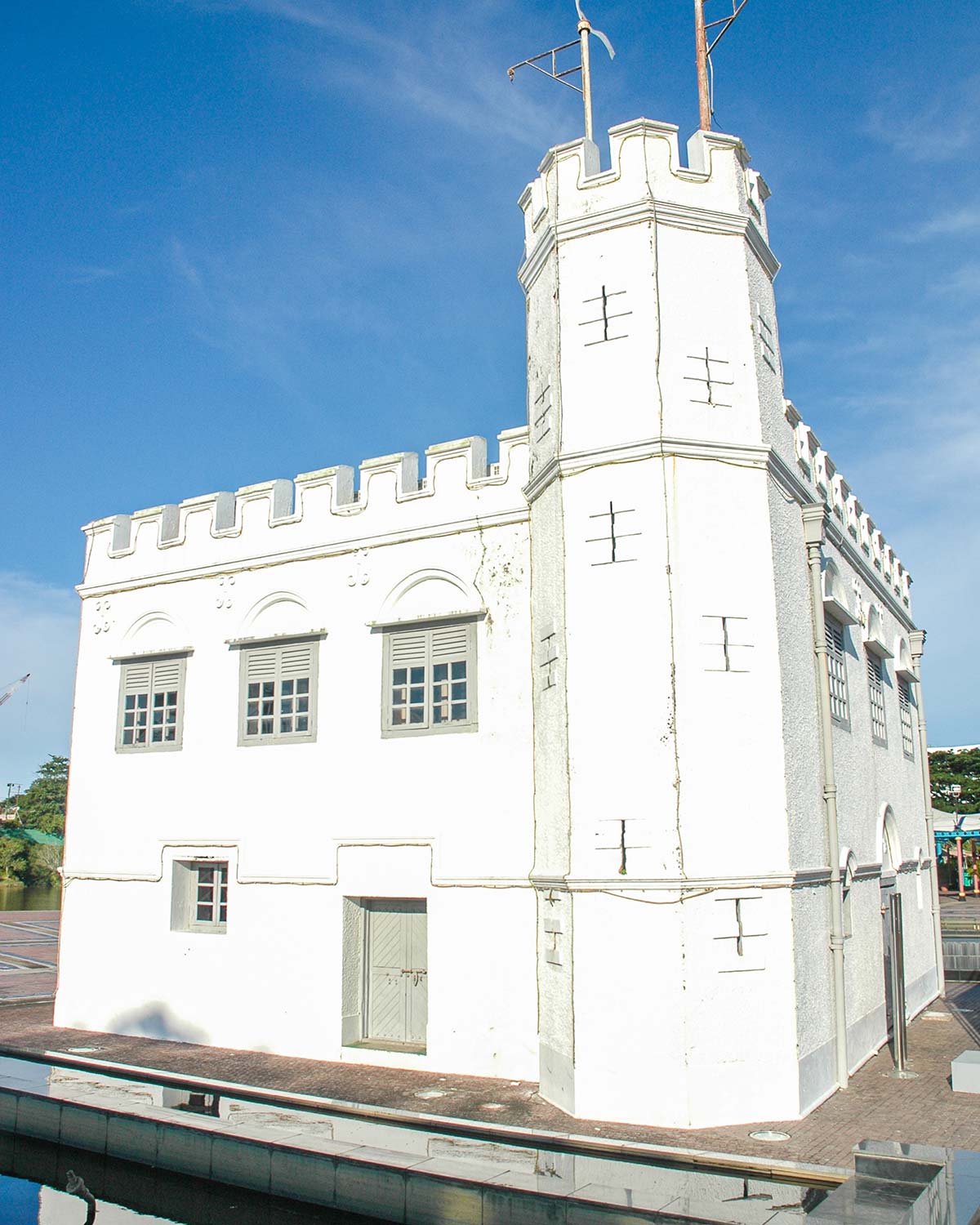
Dayaks refer to indigenous groups such as the Iban and Melanau who live near the coast, while Orang Ulu include groups such as the Kenyah and Kayan who inhabit the interior. Between the courthouse and the Sarawak River stands the Square Tower, built by Charles Brooke in 1879 to protect the town from river attack, though it was also used as a prison.
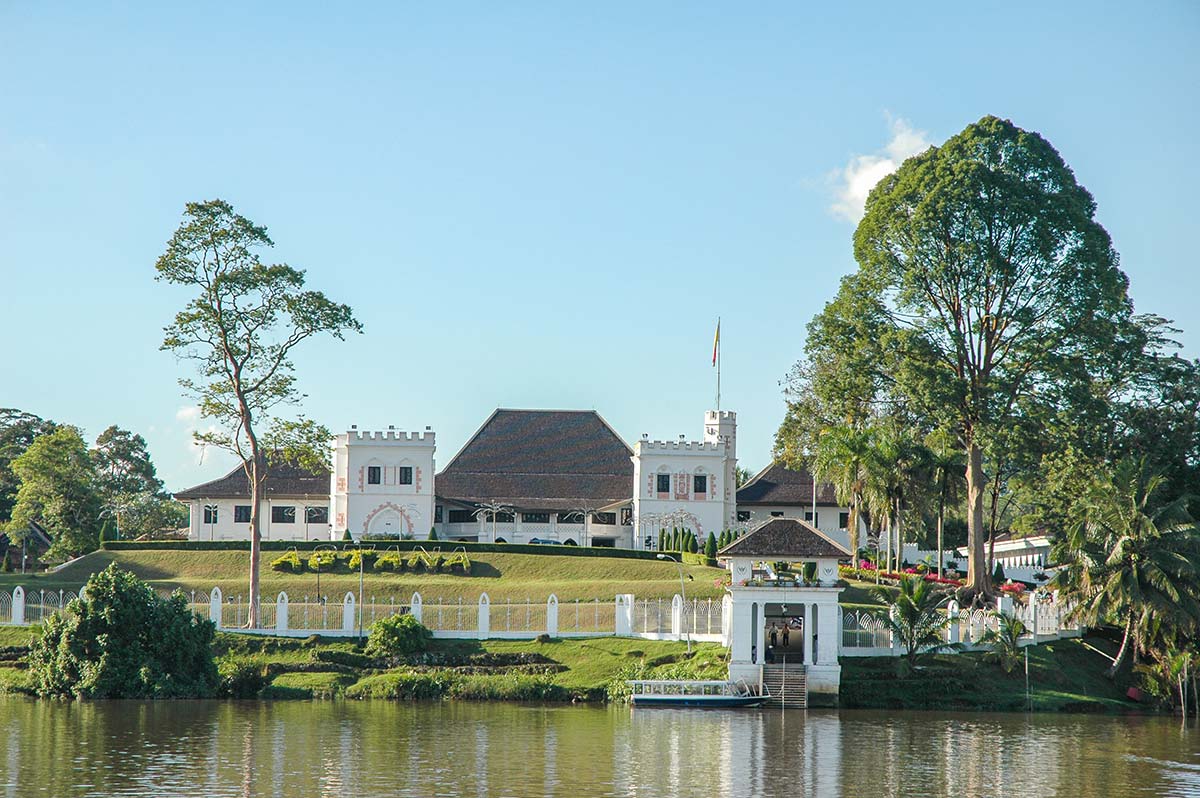
Across the river from the Square Tower, on the sloping north bank, stand Fort Margherita and the Astana, both built by Charles Brooke in the 1870s. The fort, named after Charles’s wife, was constructed to protect the city against attack by Dayaks, while the Astana served—and still serves—as the governor’s residence.
Charles Brooke appears to have been a classic English eccentric. He was known to spy on his staff in the fort from the balcony of his residence, the Astana, using a telescope to spot any evidence of idleness. On one occasion, during a spot check, he caught an employee asleep at his desk and became so enraged that he ordered his carpenter to remove the arms from all chairs so staff would be less comfortable at work.
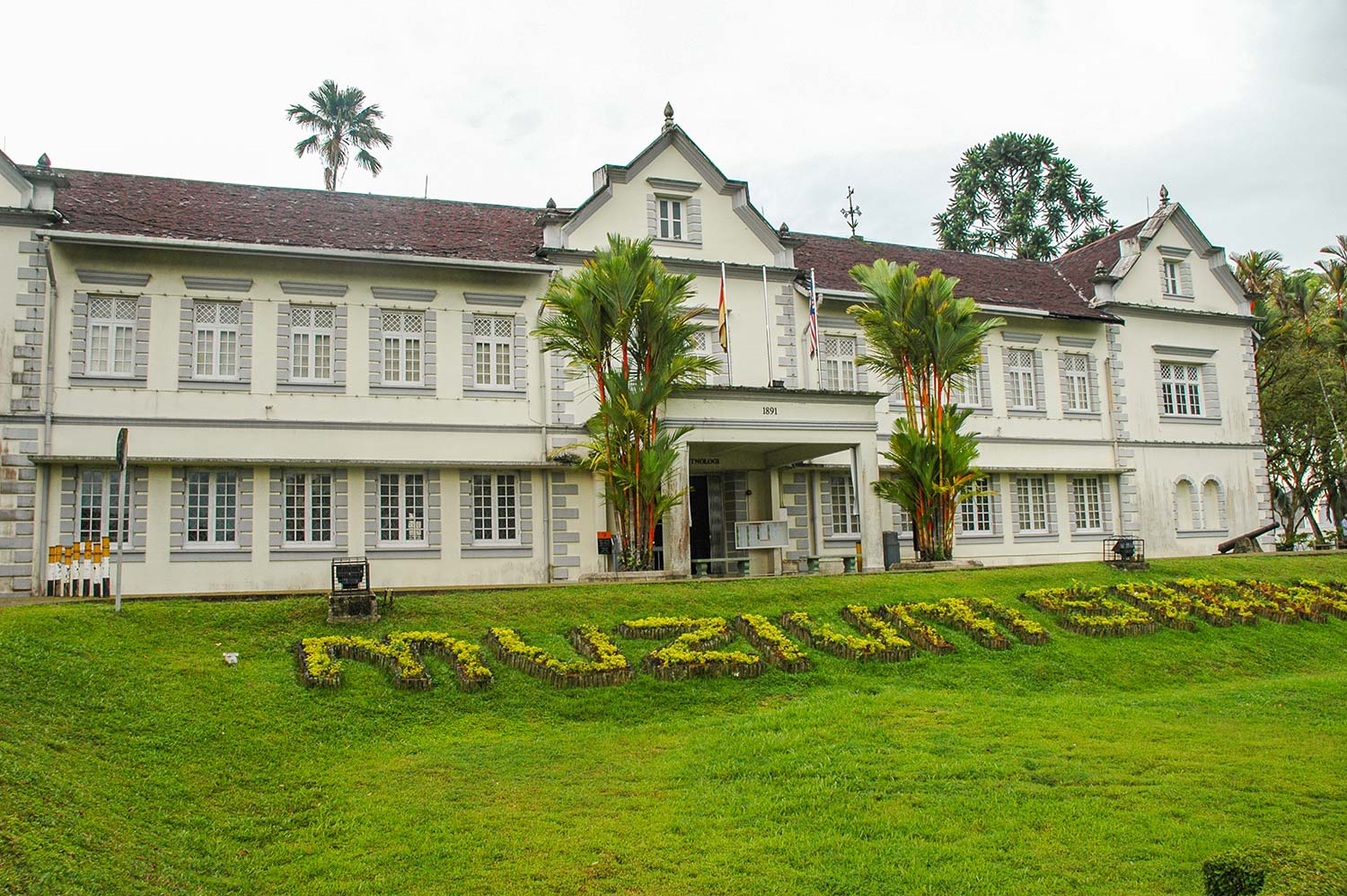
Sarawak’s cultural and natural diversity is showcased at the Borneo Cultures Museum, which opened in 2022 and replaced the old Sarawak Museum. The latter was built by Charles Brooke in the late 1880s and contained specimens of several species discovered by naturalist Alfred Wallace, who spent a number of years studying Borneo’s plant and animal life in the 1850s.
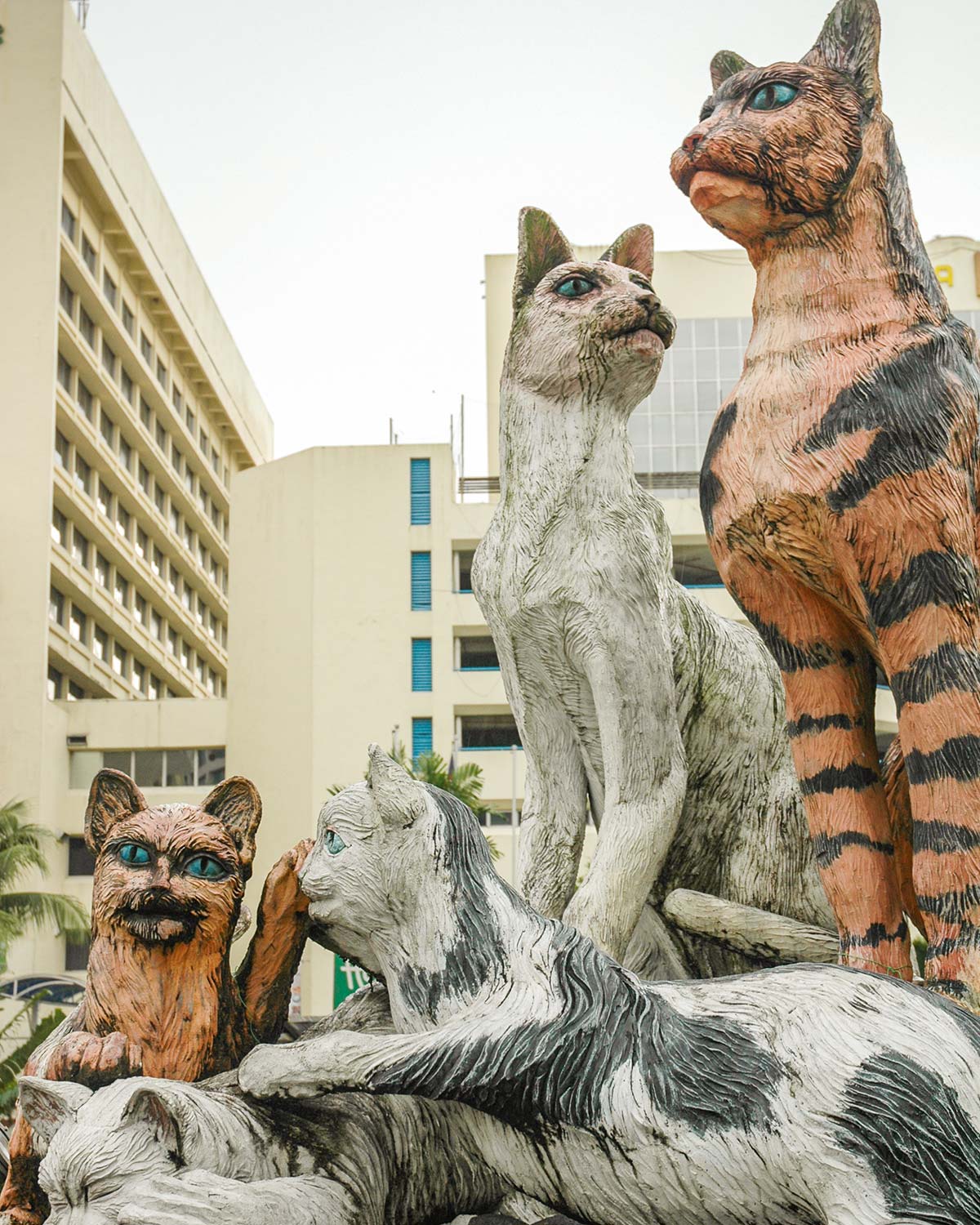
Several of these species were new to science, including the Rajah Brooke Birdwing Butterfly, whose brilliantly colored wings prompted Wallace to name it after James Brooke. A bridge connects the old museum, currently under renovation, with the Borneo Cultures Museum, which features themed exhibits across five floors.
Apart from its well-preserved historical heritage, Kuching boasts a beautiful riverfront promenade with landscaped gardens ideal for a morning or evening stroll. Stretching about a kilometer southeast from the Square Tower, the Kuching Waterfront offers plenty of benches for enjoying river views, and plaques embedded along the path recount significant historic events that took place here.
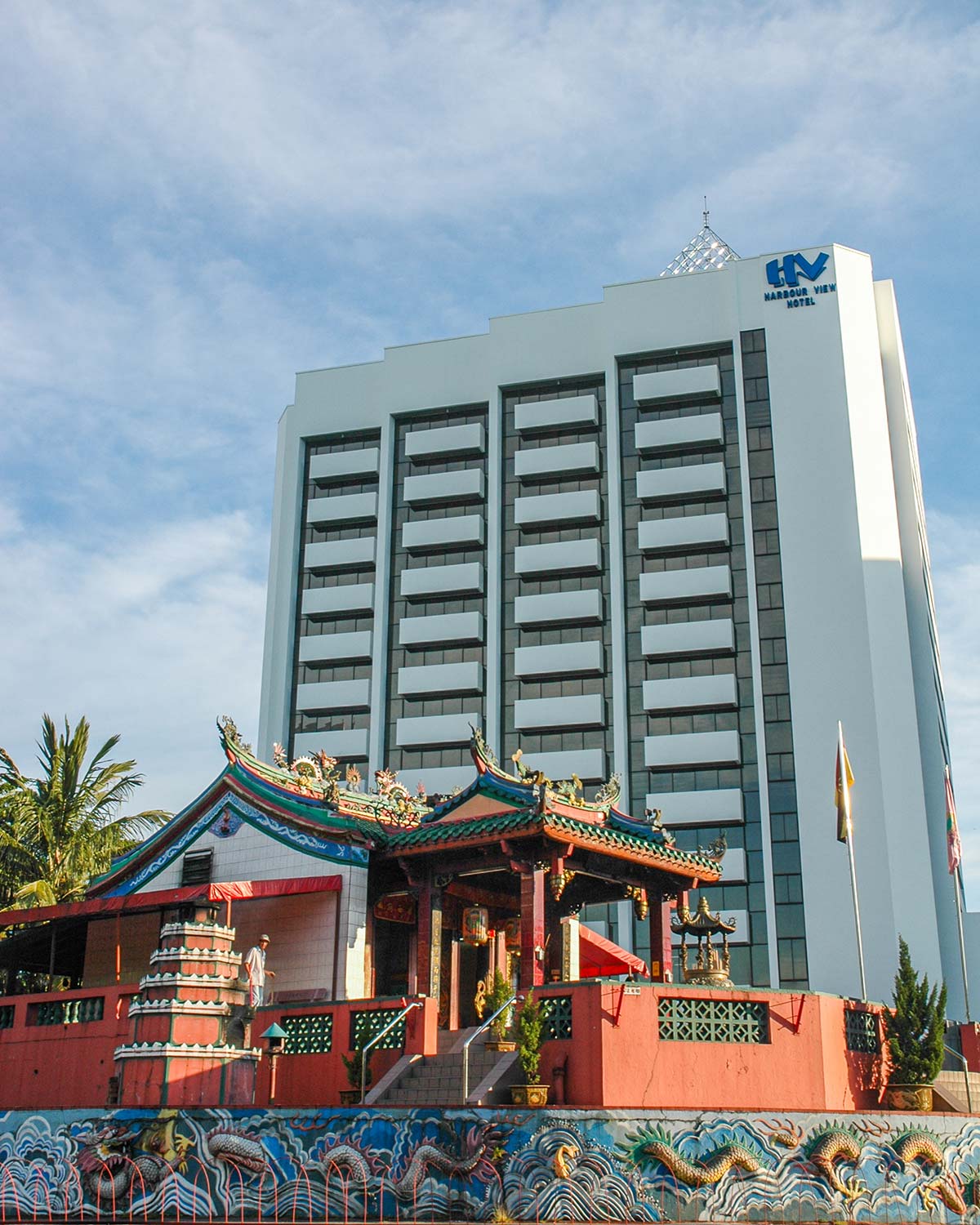
Shops along the Main Bazaar, running behind the waterfront, sell Bornean crafts and souvenirs. At the southeastern end of the waterfront, Tua Pek Kong is a colorful Taoist temple, while the Chinese History Museum provides an overview of the evolution of the Chinese community in Sarawak through text and imagery. In the evenings, the waterfront becomes a lively gathering place, with families enjoying snacks from riverside stalls.
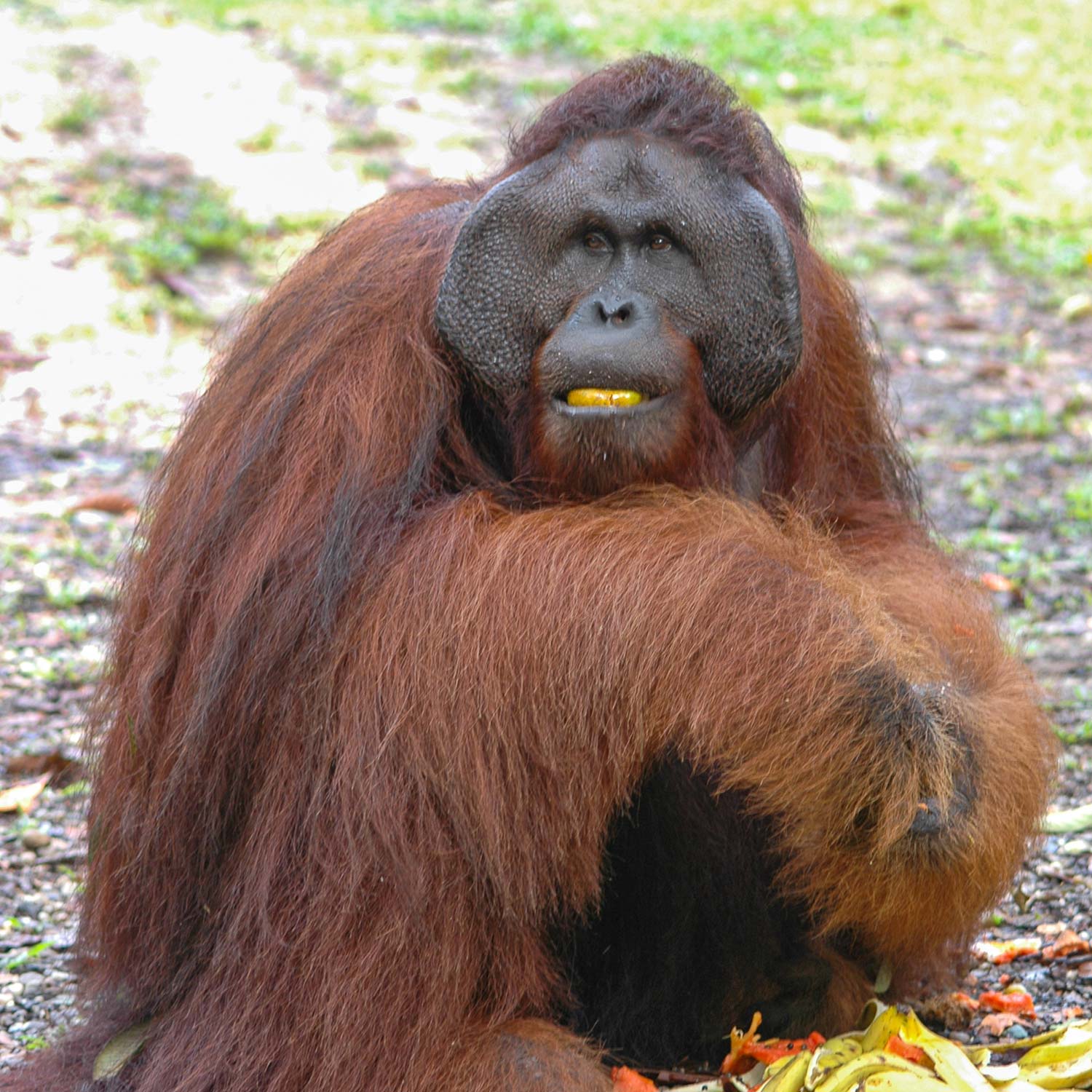
After a few days in Kuching, many visitors are eager to explore the interior. A common first stop is the Semenggoh Nature Reserve, a short ride south of town. Animals in the reserve—including crocodiles, gibbons, porcupines, and hornbills—were orphaned due to hunting or rescued from captivity. The main attraction, however, is the orangutan, whose expressive face and playful antics delight visitors. Feeding times at 9 a.m. and 3 p.m. offer the best viewing opportunities.
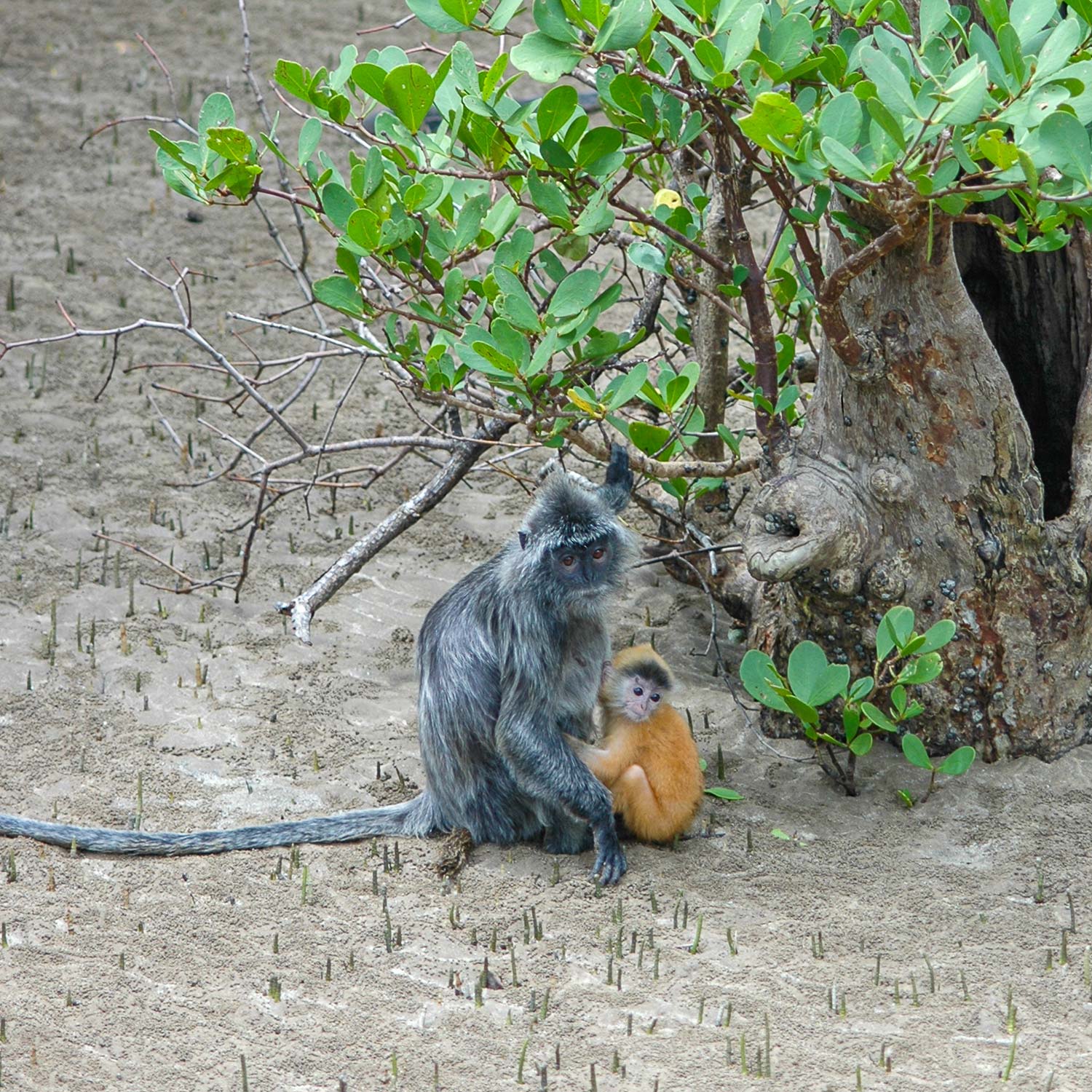
Two additional coastal destinations north of Kuching are the Santubong Peninsula and Bako National Park. Dominated by 810-meter Mount Santubong, the peninsula features resorts along Damai Beach, while the Sarawak Cultural Village hosts daily performances of traditional music and dance by indigenous groups. Bako may be one of Malaysia’s smallest national parks, but its well-developed trail network allows independent exploration, and sightings of proboscis and silvered leaf monkeys are common.
During James Brooke’s rule, his territory covered only what is now Sarawak’s southwest corner, but his nephew Charles expanded control across the entire modern state. To maintain authority, he built forts in key riverside towns staffed by soldiers from Kuching. Some of these forts still stand along the Rajang River, including Fort Emma in Kanowit and Fort Sylvia—named after Vyner Brooke’s wife—in Kapit.
A journey by express boat along Sarawak’s principal river recreates some of the excitement the White Rajahs must have felt while exploring uncharted regions. Kapit exemplifies these upcountry market towns, with a bustling riverside market and a busy jetty where boats arrive and depart throughout the day.
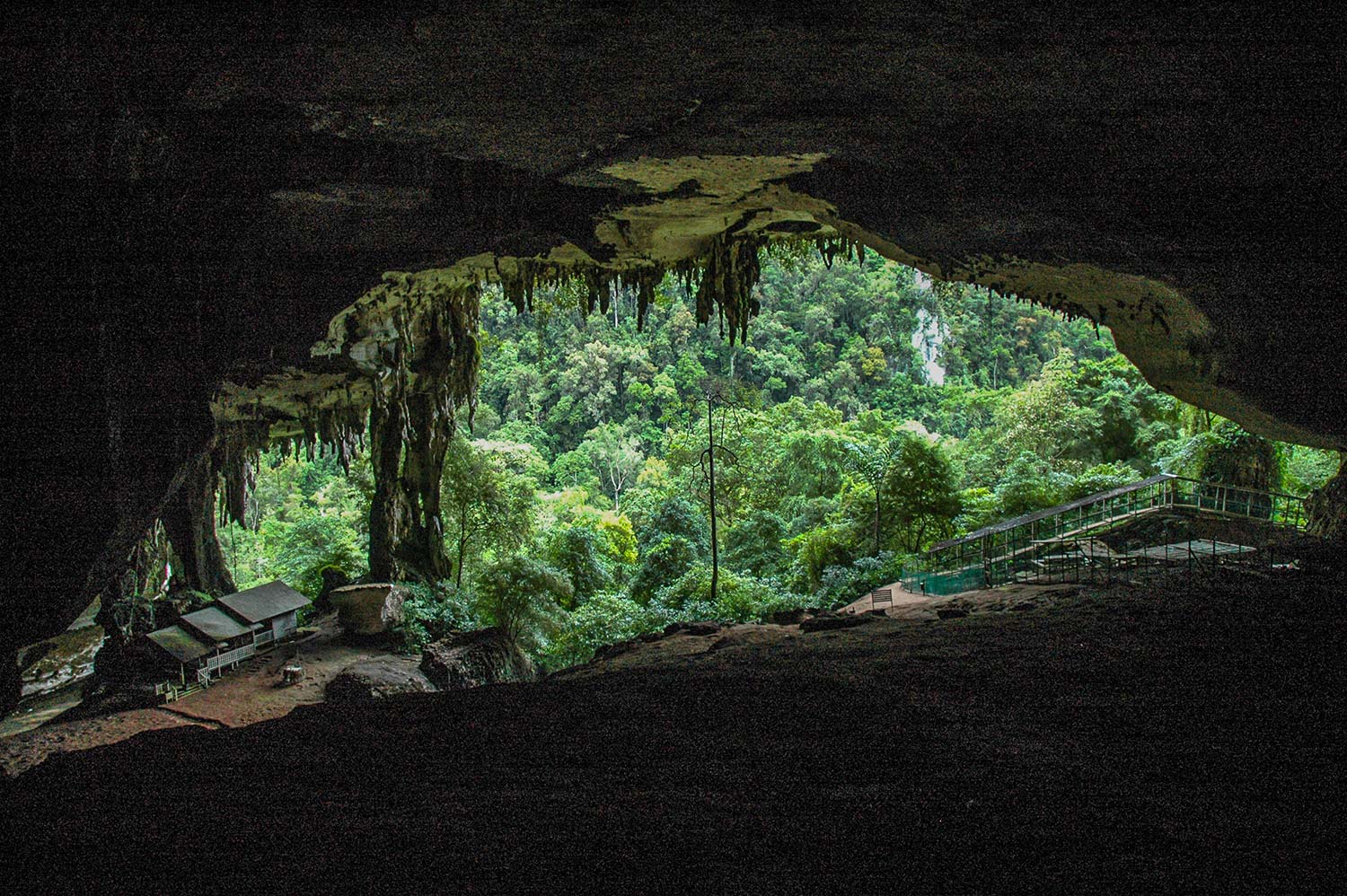
To experience Sarawak’s most impressive natural wonders, visitors must head northeast, where caves in Niah National Park and Mulu National Park rank among the largest in the world. The White Rajahs were likely unaware of these remote sites, though modern tour operators now make access straightforward.
The mouth of the Great Cave at Niah rises an astonishing 60 meters high and 250 meters wide, and excavations reveal human habitation dating back 40,000 years. In Mulu National Park, Deer Cave contains the world’s largest cave passage, exceeding 170 meters in height and stretching two kilometers in length, while Clearwater Cave is believed to be among the longest globally at over 200 kilometers.
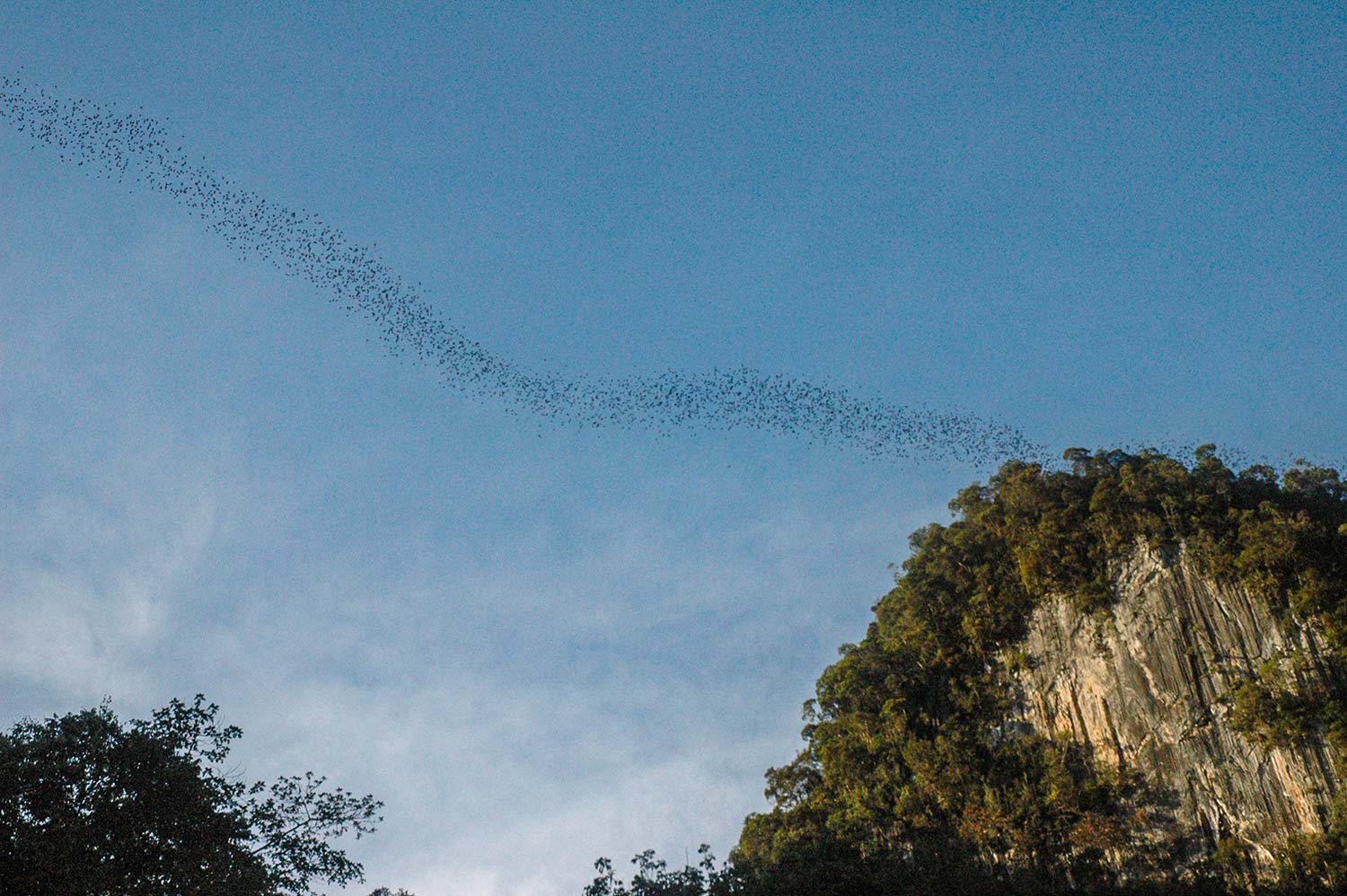
Mulu also features a canopy skywalk offering panoramic jungle views, and the nightly bat exodus from Deer Cave is a remarkable spectacle.
The White Rajahs may never have fully understood the natural wealth within Sarawak’s borders, yet their rule left an enduring imprint on the region’s history. While modern travelers can no longer sail into the unknown to establish personal kingdoms, tracking the White Rajahs of Sarawak offers a compelling journey through historical, cultural, and natural landscapes found nowhere else in the world.