

The Kathmandu Valley has been home to two of the world’s great religions, Hinduism and Buddhism, for millennia.
From the 5th century AD onward, the valley’s Newar inhabitants shaped one of the world’s most accomplished artistic and architectural urban landscapes. Temples, stupas, and palaces display exceptional craftsmanship in brick, stone, wood, and bronze, with most major monuments dating from the 15th to 18th centuries.
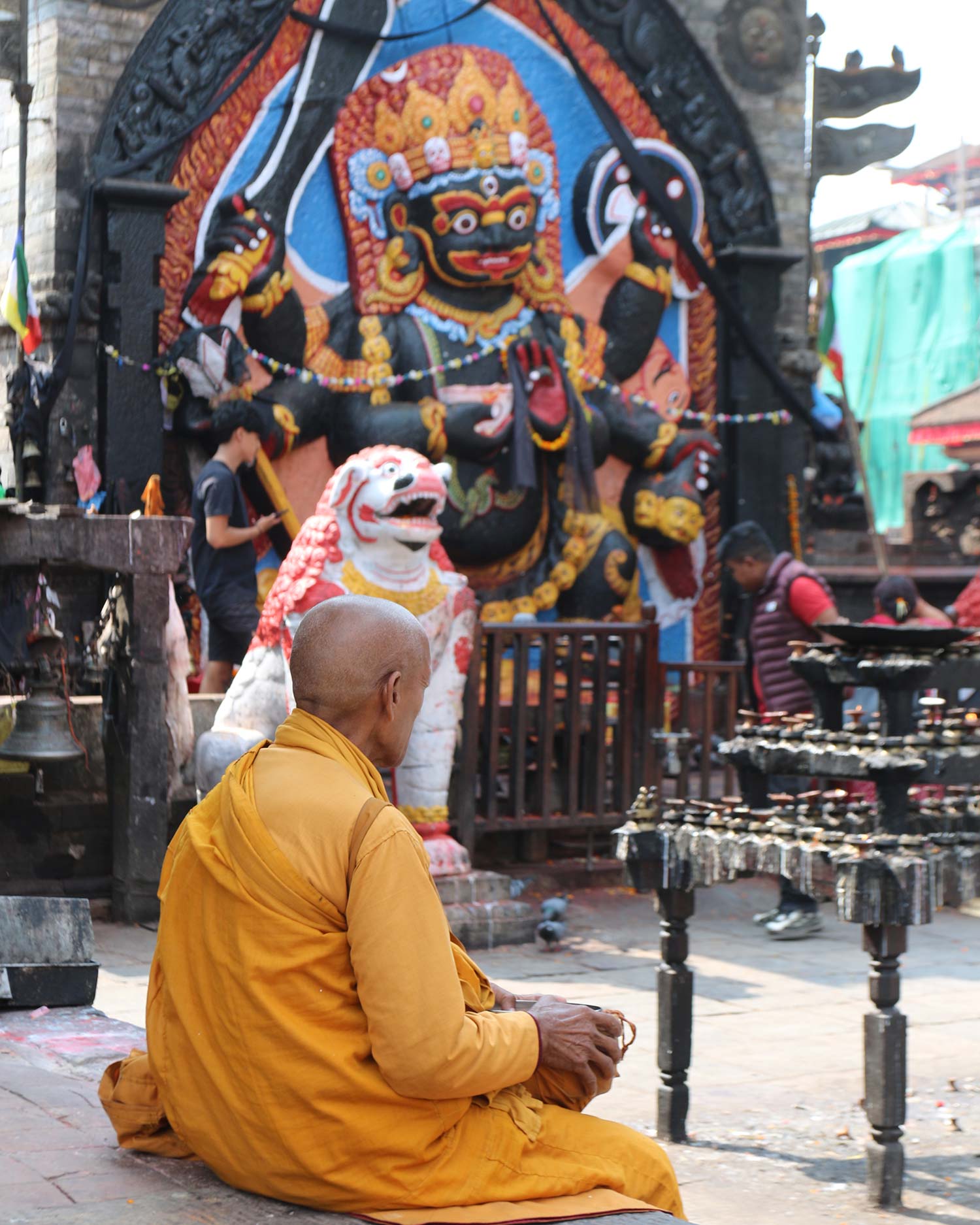
Despite rapid urbanization, political upheaval, and the devastating 2015 earthquake, traces of this artistry remain everywhere. In the historic cities of Kathmandu, Patan, and Bhaktapur, temples and shrines appear on nearly every street corner, woven into daily life rather than preserved behind ropes.
Many monuments remain active religious spaces. Children play football in temple courtyards, locals gather on temple steps to talk or rest, and carved gods and demons gaze down from wooden beams—sometimes benevolent, sometimes fearsome, occasionally explicit—on all who pass below.
The valley’s monuments were first protected under national law in 1956 and inscribed as UNESCO World Heritage Sites in 1979. Together, the seven sites represent not only architectural achievement, but a living cultural ecosystem that continues to anchor community life.
Guna Raj Luitel, editor-in-chief of Nagarik Daily, sees Nepal’s heritage as a witness to the country’s past rather than a static attraction. “We once served as a trade link between Tibet and India,” he says. “These sites remind us who we were—and give us confidence in who we can become.”
Kathmandu Durbar Square
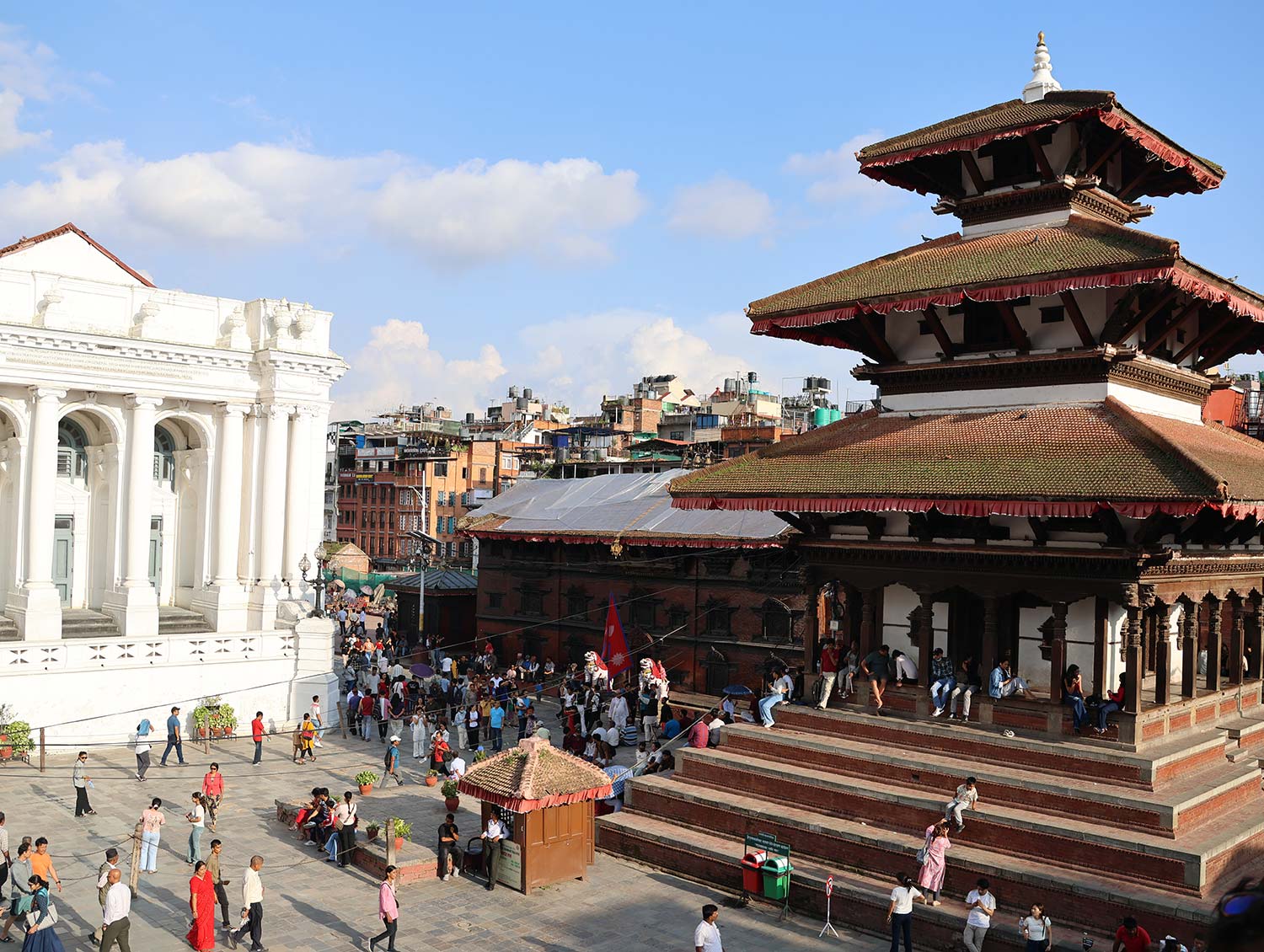
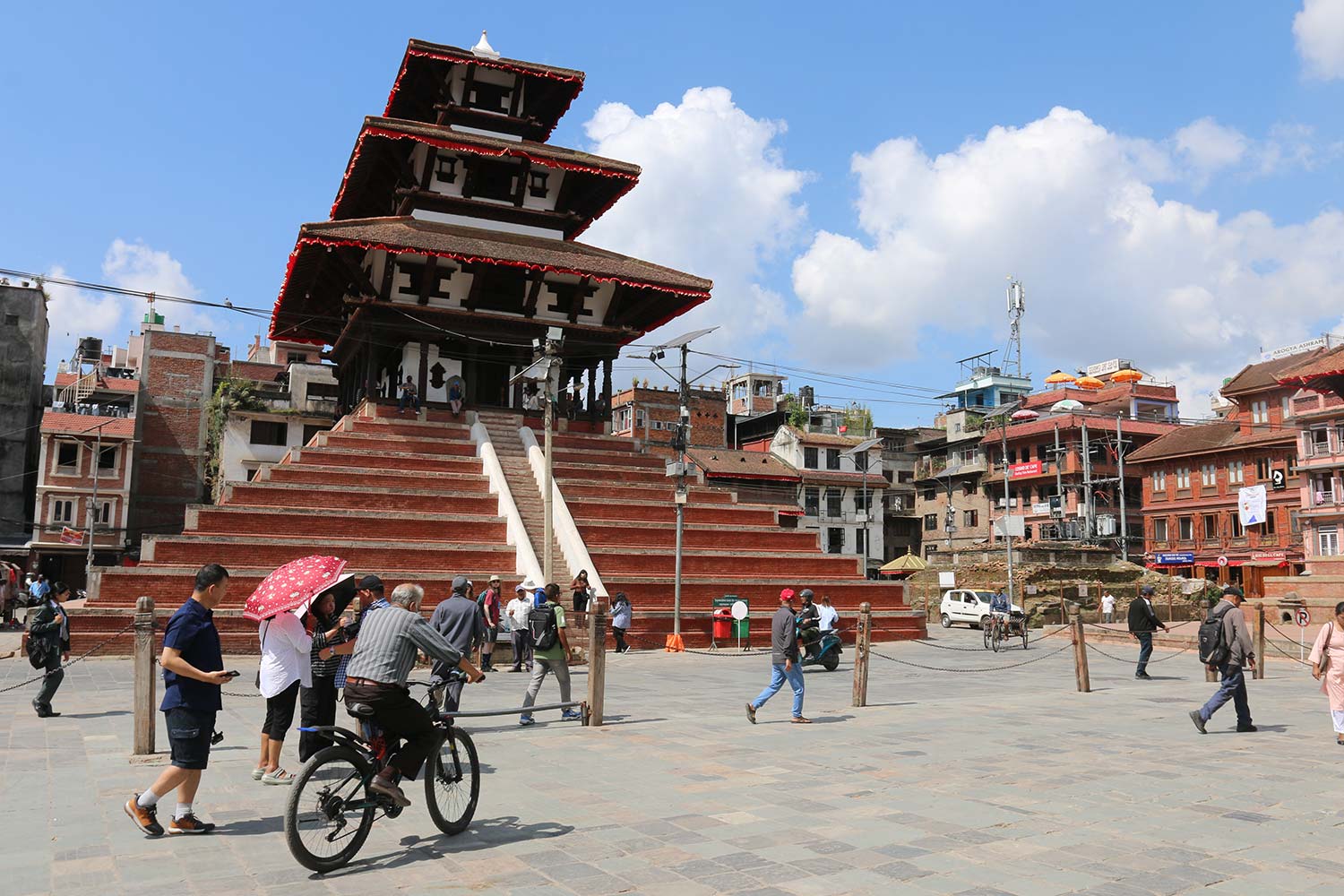
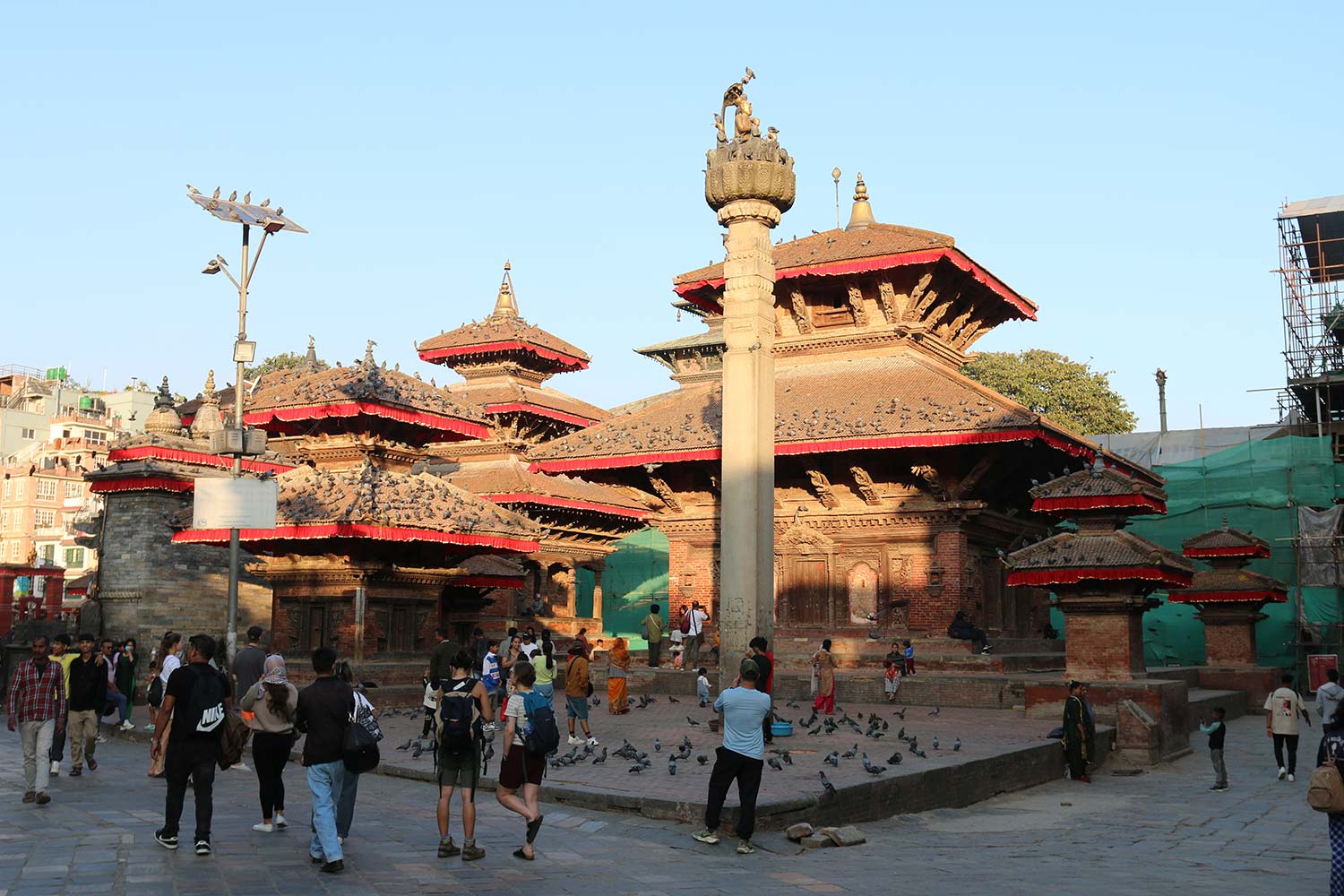
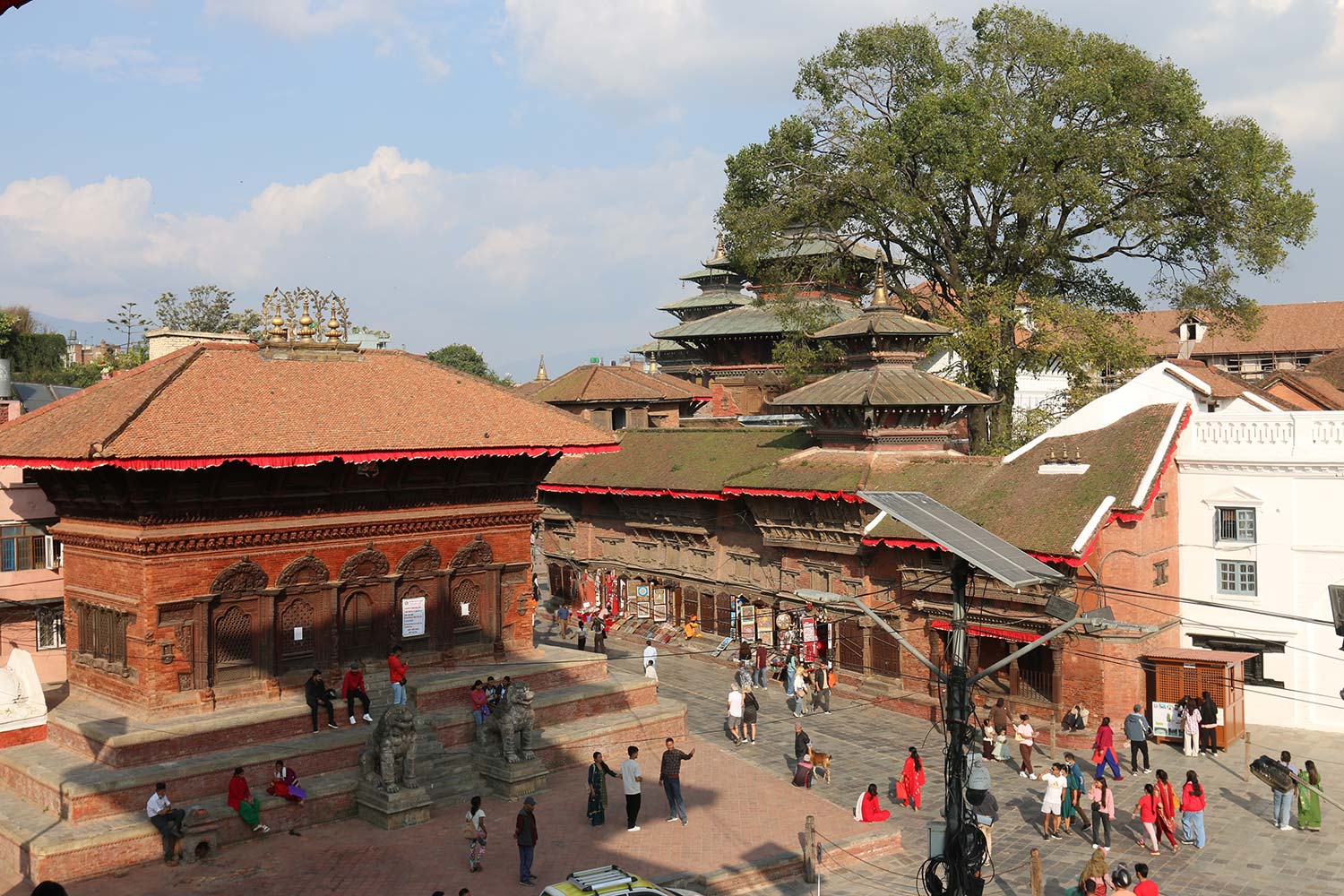
Kathmandu Durbar Square, also known as Hanuman Dhoka or Basantapur, is the architectural and symbolic heart of the capital. Construction began in the 3rd century AD, though most of the structures visible today date from the 16th to 18th centuries. Palaces, temples, and shrines cluster around a civic space that remains deeply embedded in everyday life.
Locals visit daily to sit on temple steps, attend festivals, or observe political demonstrations. Highlights include Kumari Ghar, home of the Living Goddess; the nine-story Nautalle Durbar Palace; and Kasthamandap, a 7th-century public shelter that collapsed during the 2015 earthquake and has since been rebuilt.
Patan Durbar Square
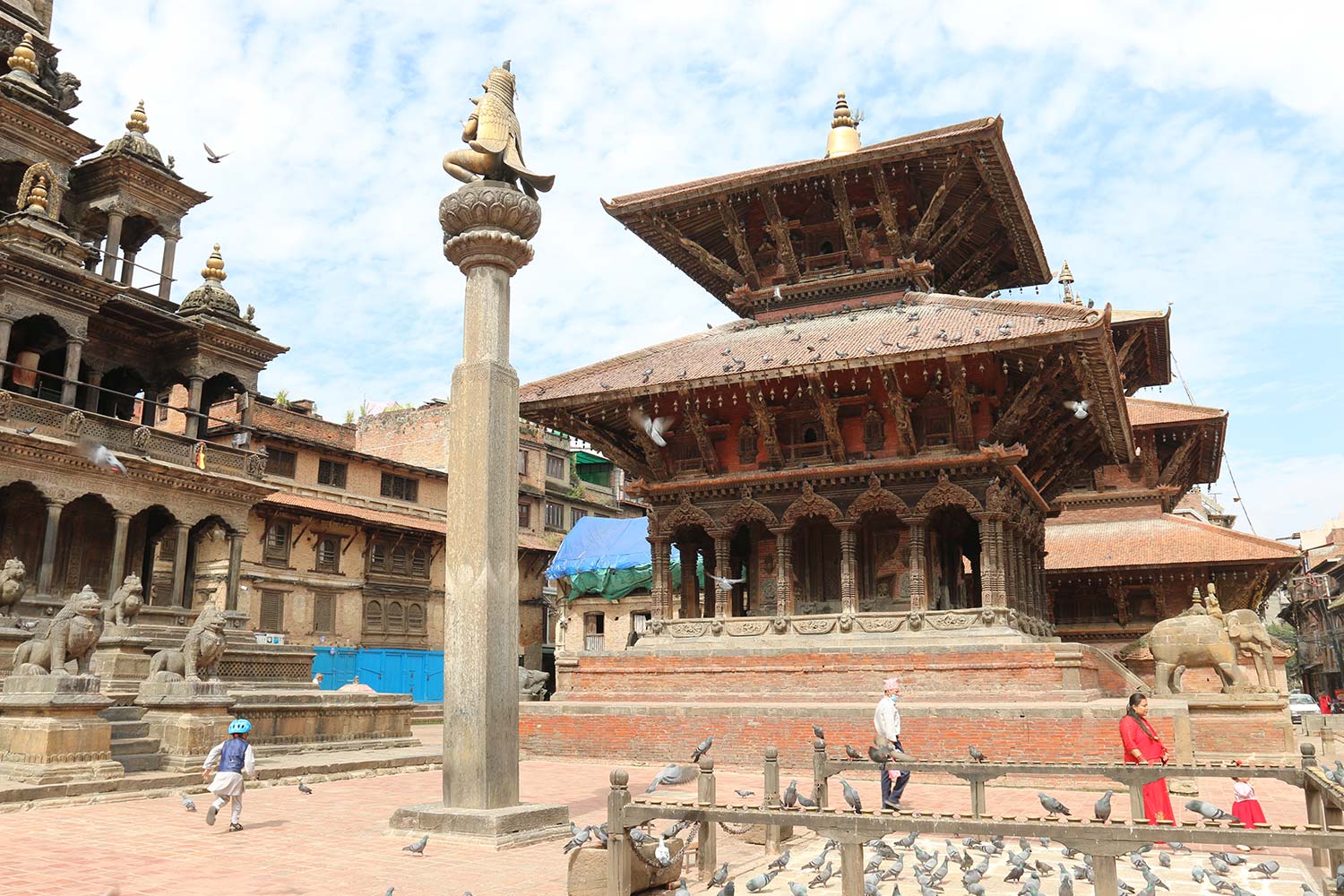
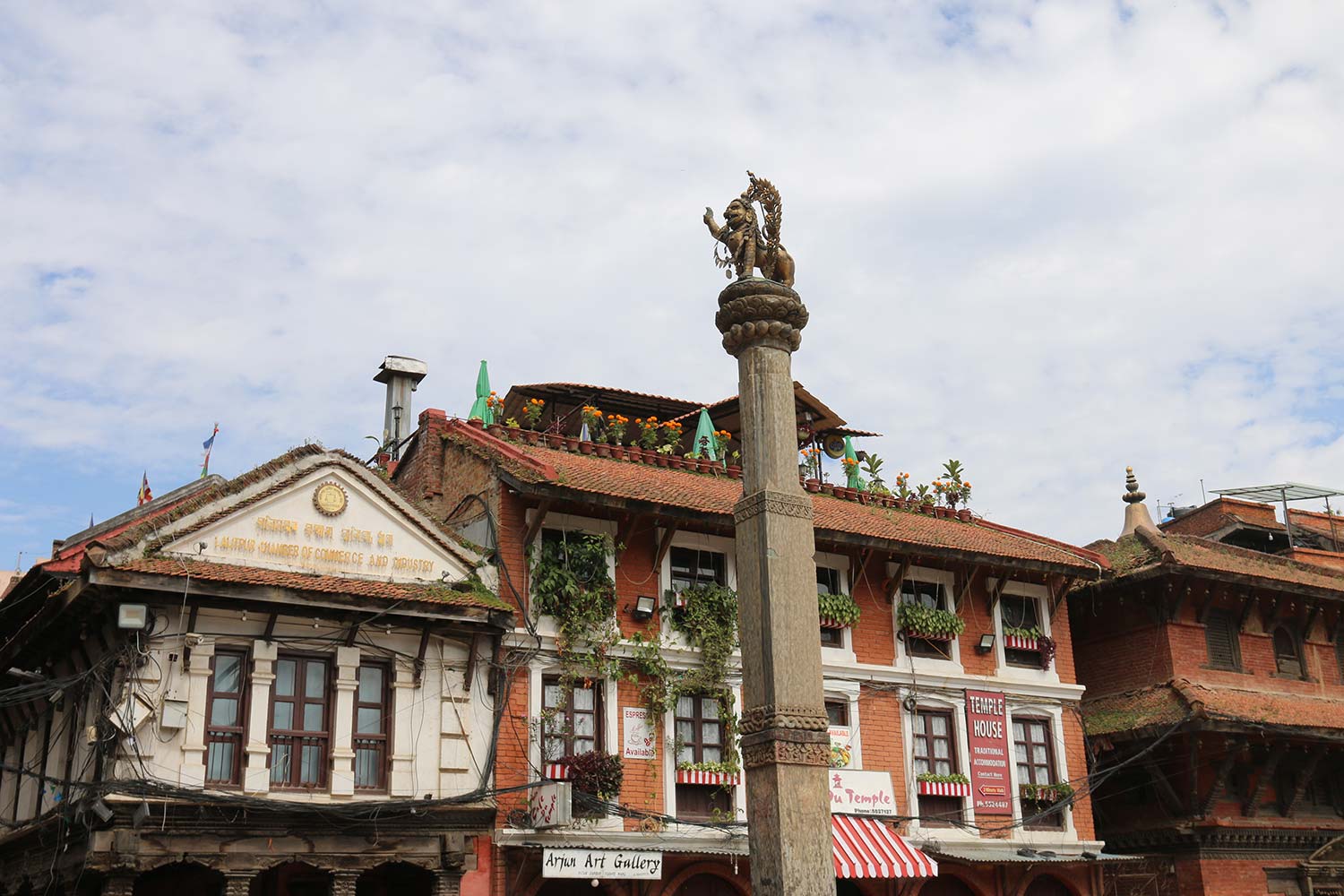
The precise age of Patan Durbar Square in Lalitpur remains uncertain, but its atmosphere feels notably more intimate than its Kathmandu counterpart. Paved with red bricks and framed by palaces and temples, the square reflects Patan’s long Buddhist heritage, even as many shrines are dedicated to Hindu deities.
The restored Patan Museum, housed within the former royal palace, displays an outstanding collection of sculptures and historical photographs documenting life in the Kathmandu Valley. The surrounding lanes reward exploration, revealing smaller shrines adorned with finely detailed bronze, stone, and wood carvings that showcase the refinement of Newar artistry.
Bhaktapur Durbar Square
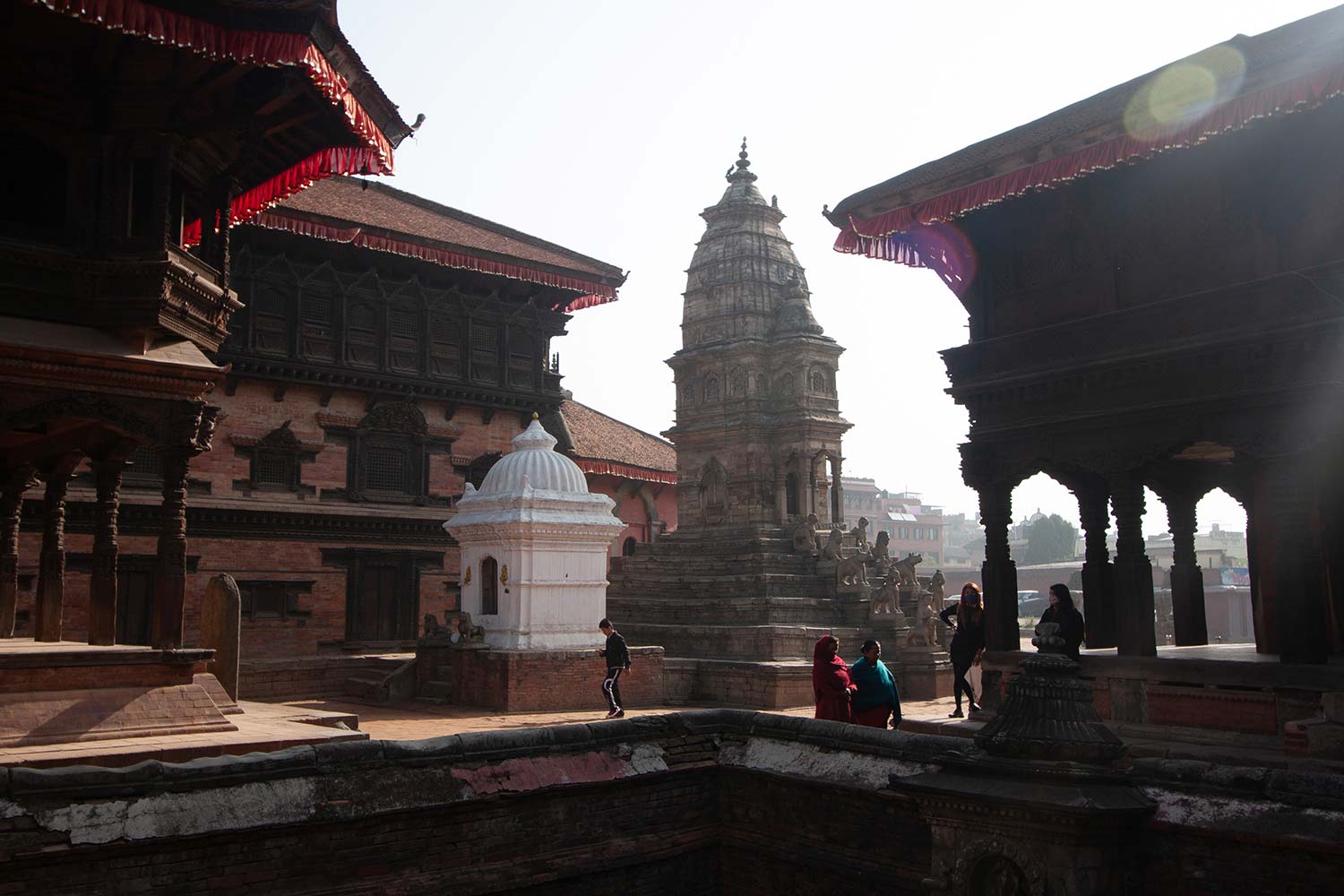
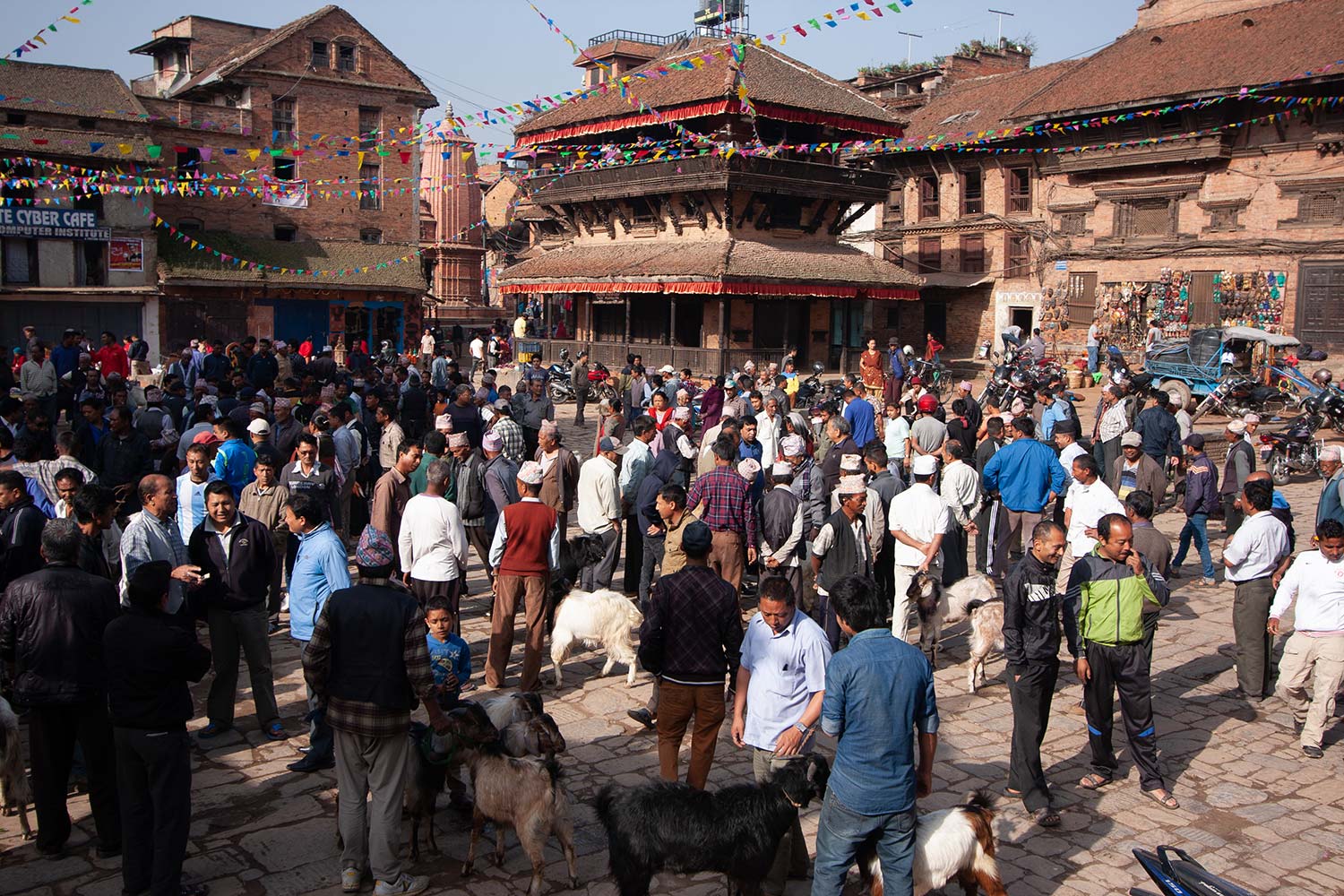
Bhaktapur Durbar Square once formed the heart of a vast royal complex of 99 courtyards, though centuries of earthquakes have reduced that number to just a handful. Even so, the square remains one of the valley’s most evocative historic ensembles.
Temples and palaces here are distinguished by their intricate wood carvings, particularly the Palace of 55 Windows, whose decorative frames and murals depict Hindu deities and scenes from the Ramayana. The restored Chyasilin Mandap pavilion, once used for royal audiences, adds a layer of legend and local pride to the site.
Boudhanath Stupa
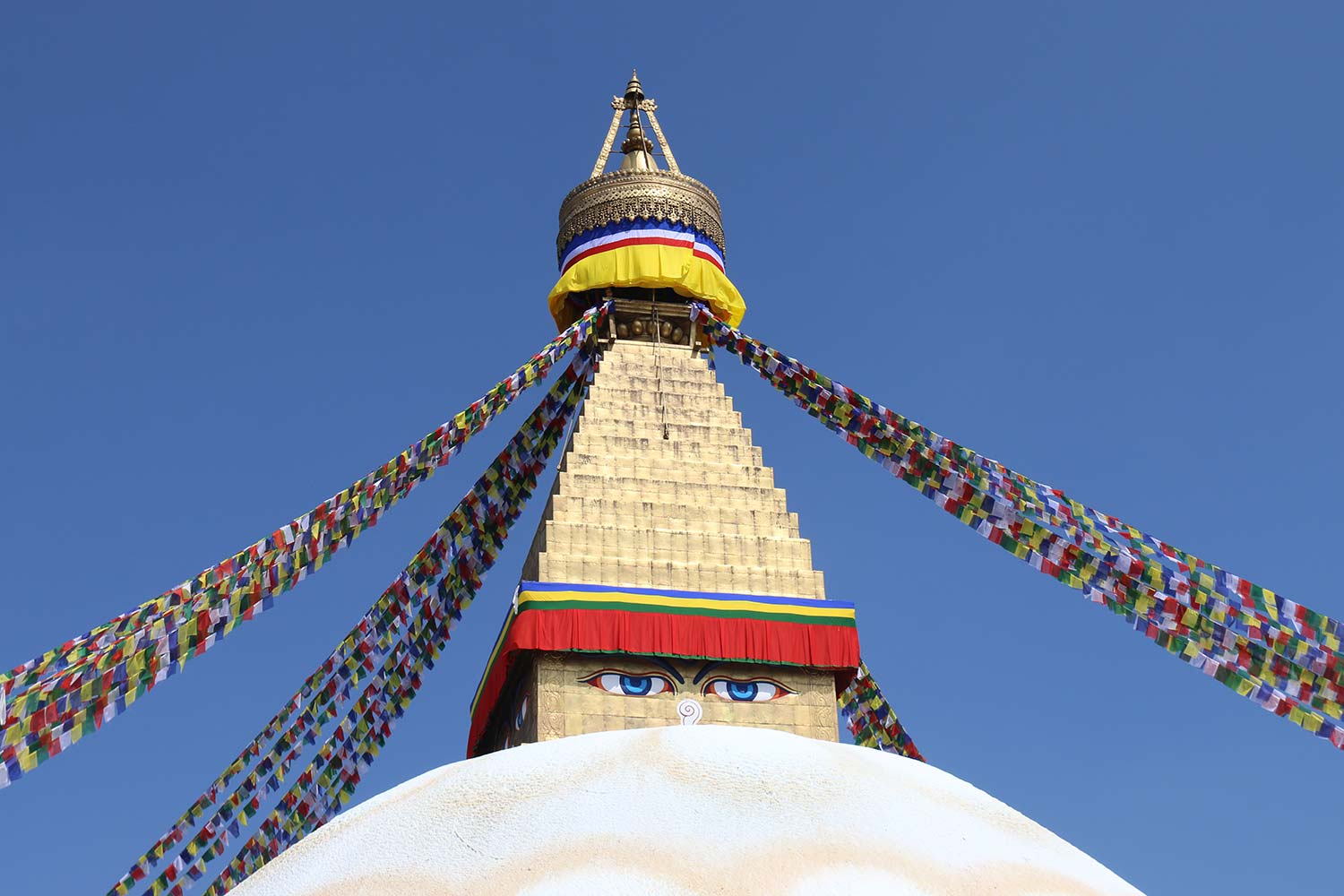
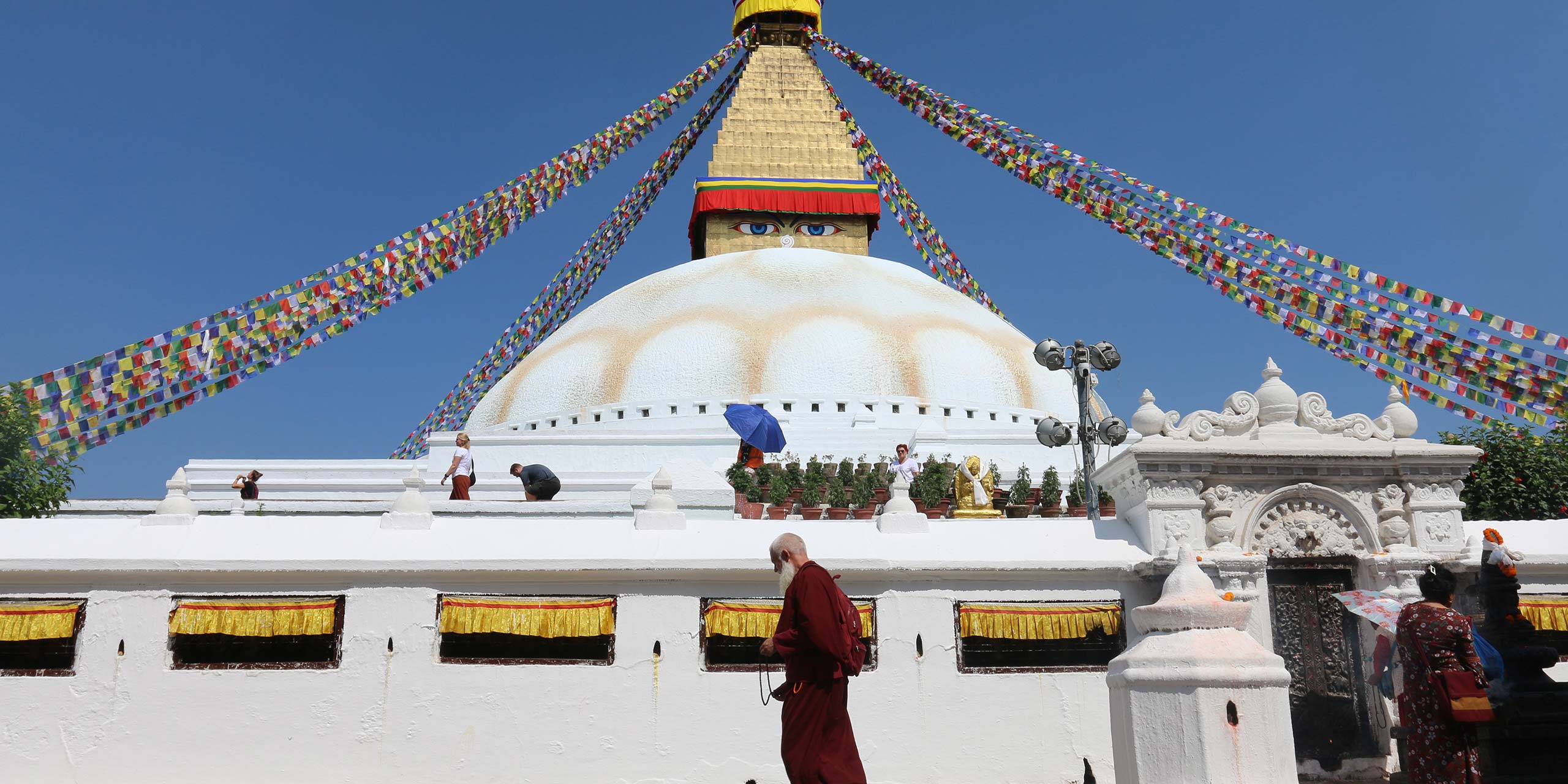
Boudhanath, also known as Khasti Chaitya, is the largest stupa in Nepal and among the largest in the world. Rising from a circular plaza lined with monasteries, prayer shops, and cafés, it has long been associated with Tibetan Buddhism.
Founded around the 5th century AD, the stupa once served as a key stop on the trade route between Tibet and India. After 1959, it became a focal point for Tibetan refugees, who established dozens of monasteries around its base. Pilgrims still circle the stupa daily, prostrating as they move. Badly damaged in the 2015 earthquake, it was fully restored the following year.
Pashupatinath Temple
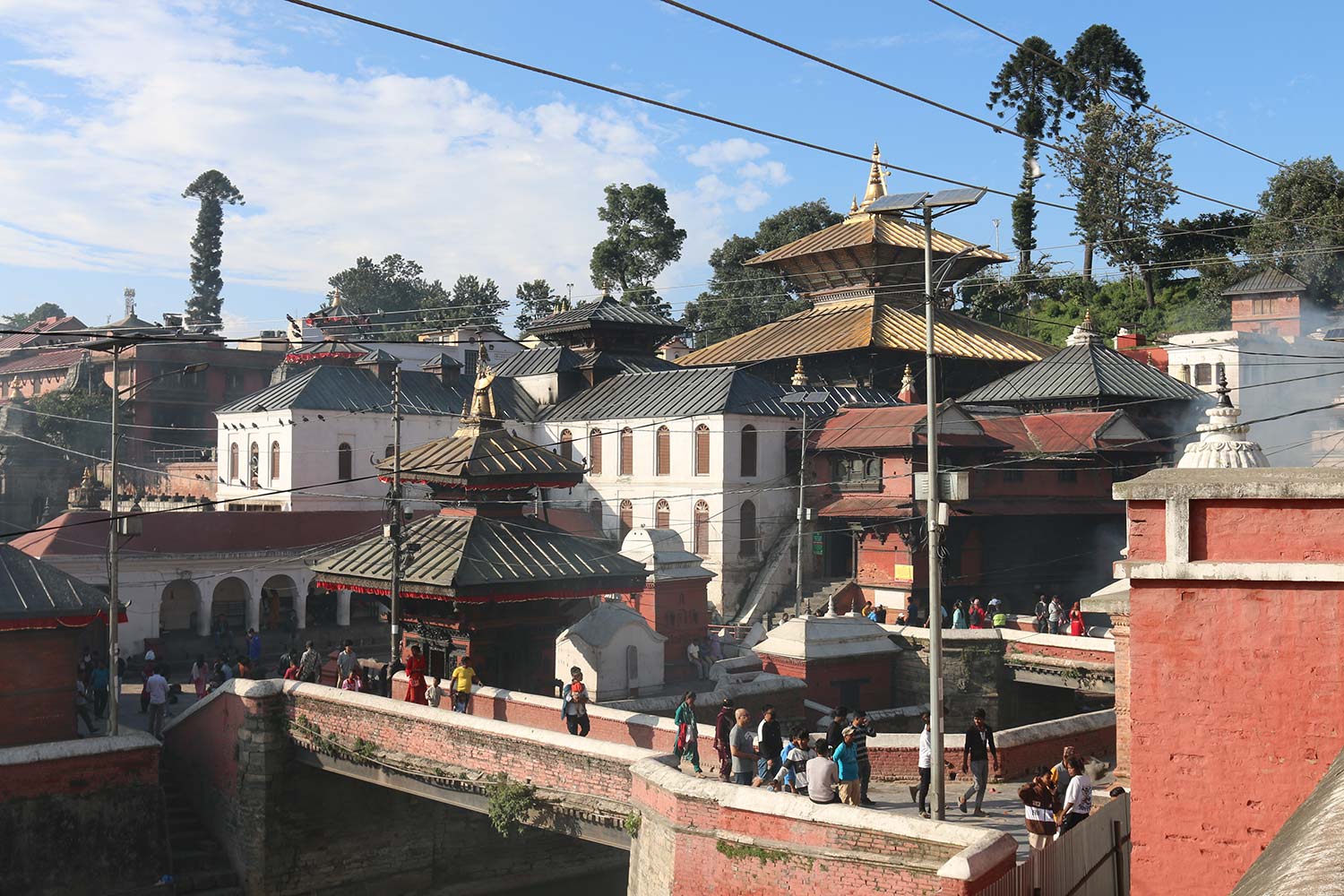
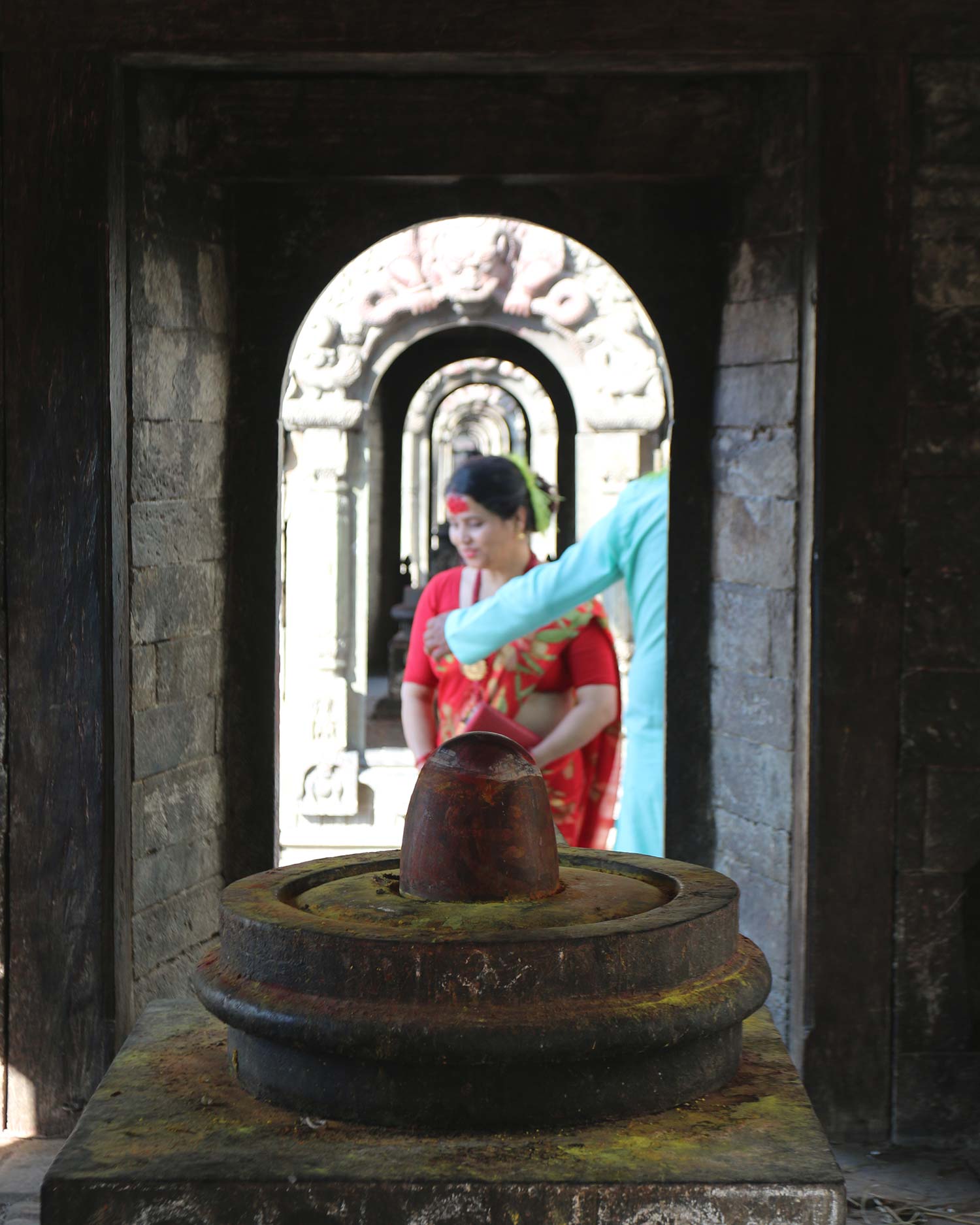
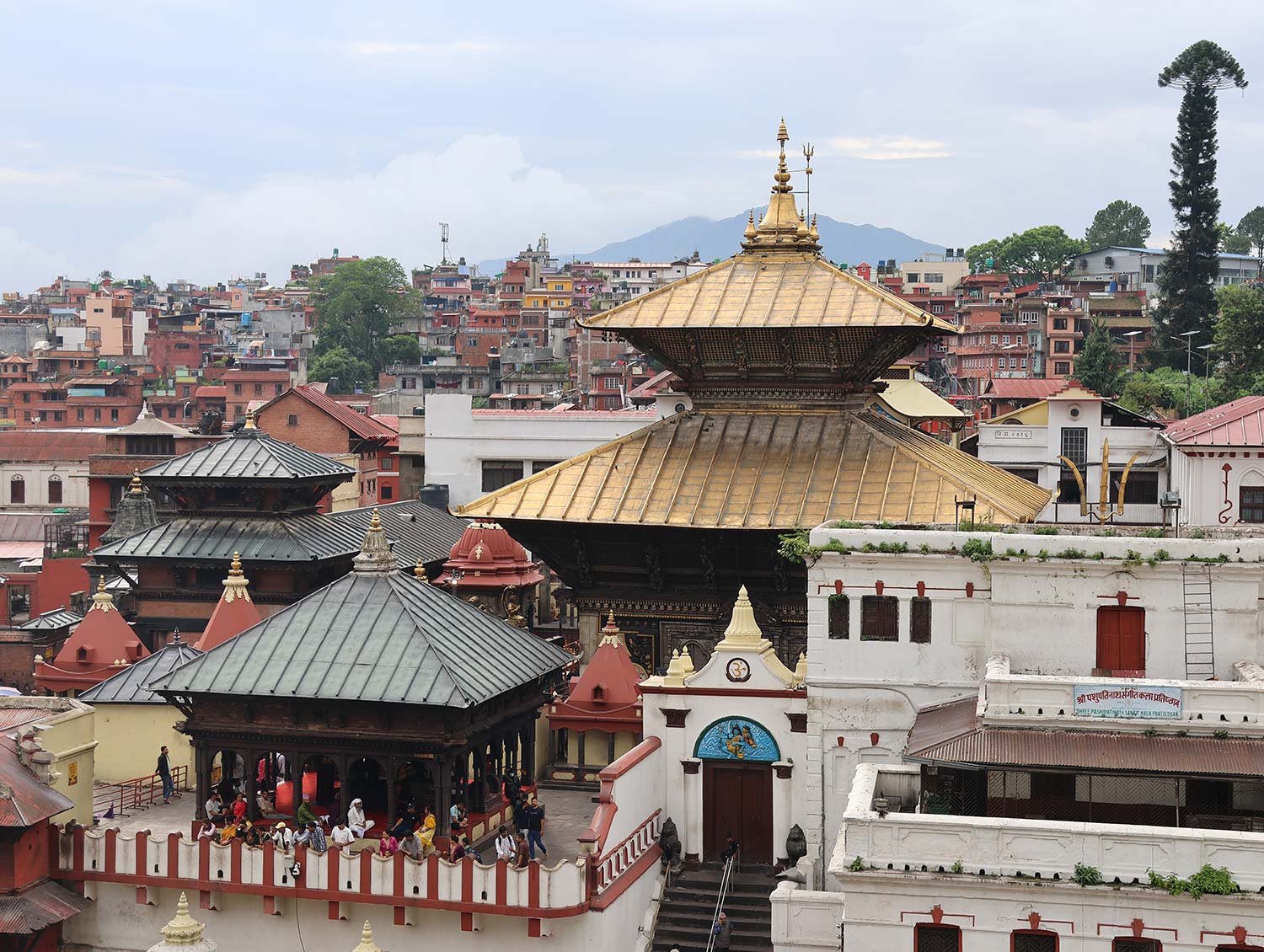
Nepal’s most sacred Hindu temple, Pashupatinath occupies a stretch of the Bagmati River east of Kathmandu. While the main shrine is closed to non-Hindus, the wider complex offers one of the valley’s most powerful cultural experiences.
Cremation ghats line the riverbanks, operating nearly around the clock, while stone terraces and Shiva shrines cascade across the opposite hillside. Evening aarti ceremonies draw large crowds, and the grounds also function as a social space for pilgrims, locals, monkeys, and wandering sadhus.
Changunarayan Temple
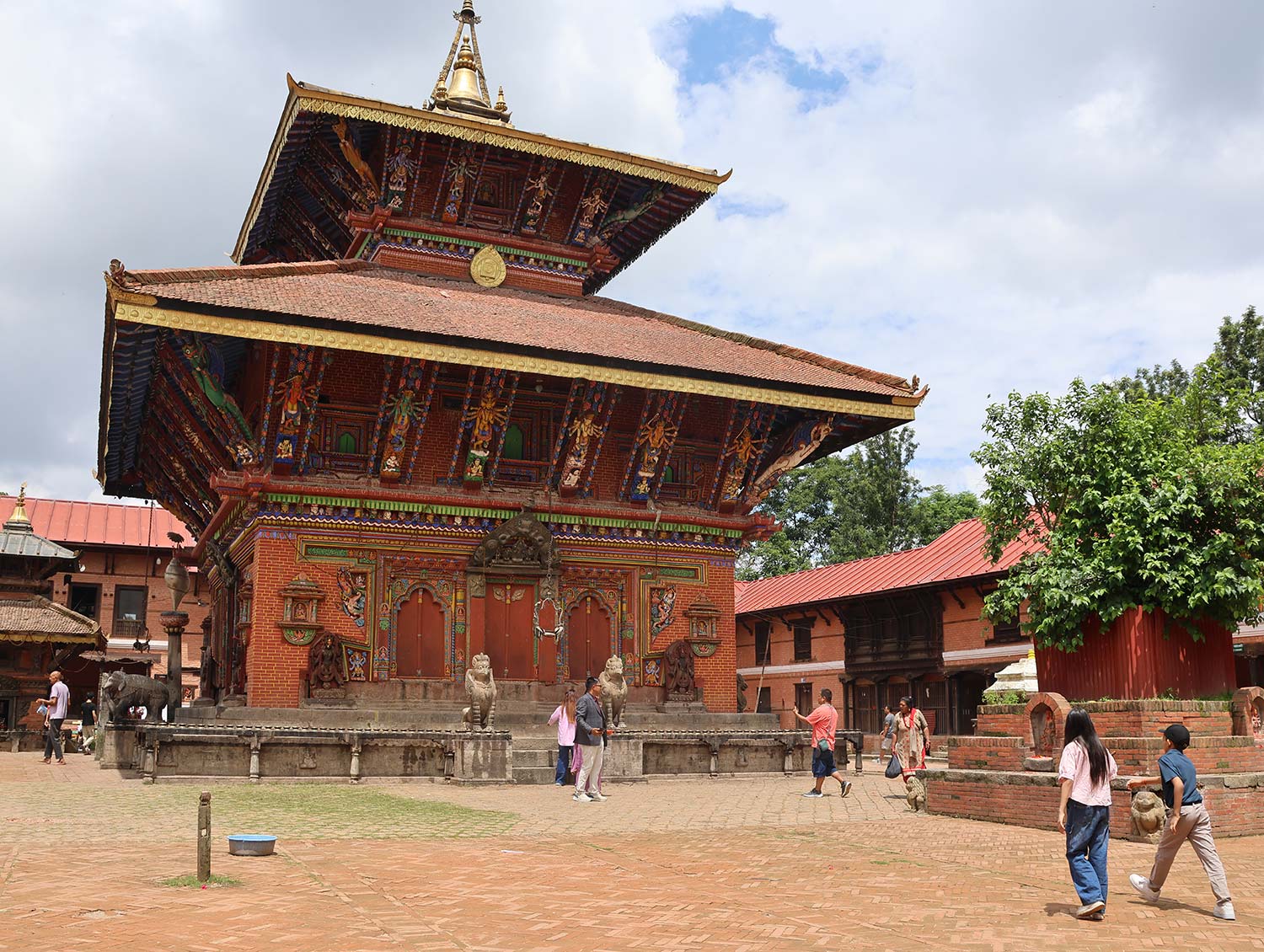
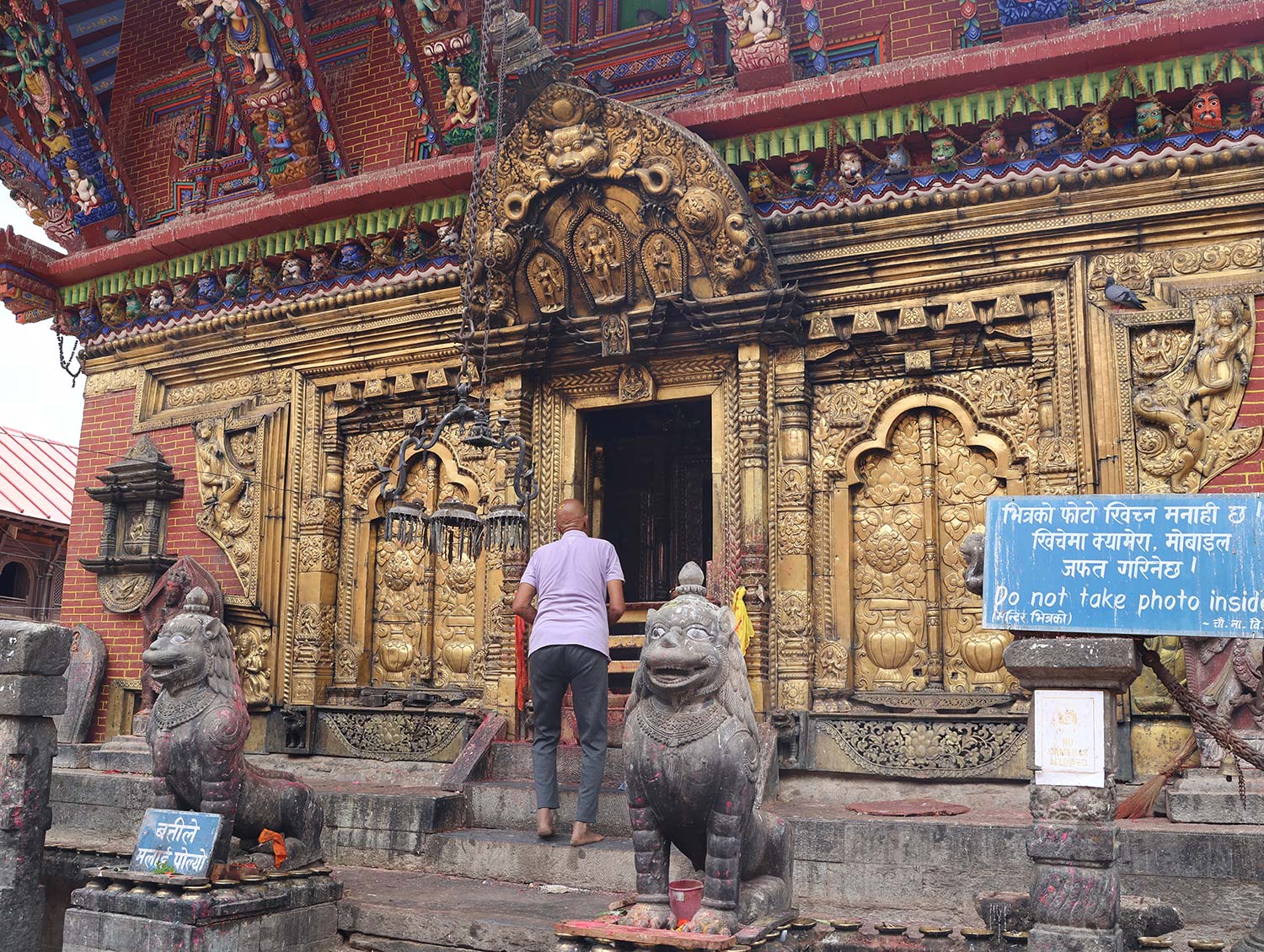
Dating to the 4th century AD, Changunarayan is one of the oldest temples in the Kathmandu Valley. Dedicated to Vishnu, the hilltop complex is notable for its ancient Sanskrit inscriptions and guardian sculptures representing lions, mythical beasts, griffins, and elephants.
Destroyed in the 2015 earthquake, the temple was rebuilt over five years. A small adjacent museum displays unusual ethnographic objects, while the temple itself remains a reminder of both the valley’s deep antiquity and its ongoing resilience.
Swayambhunath
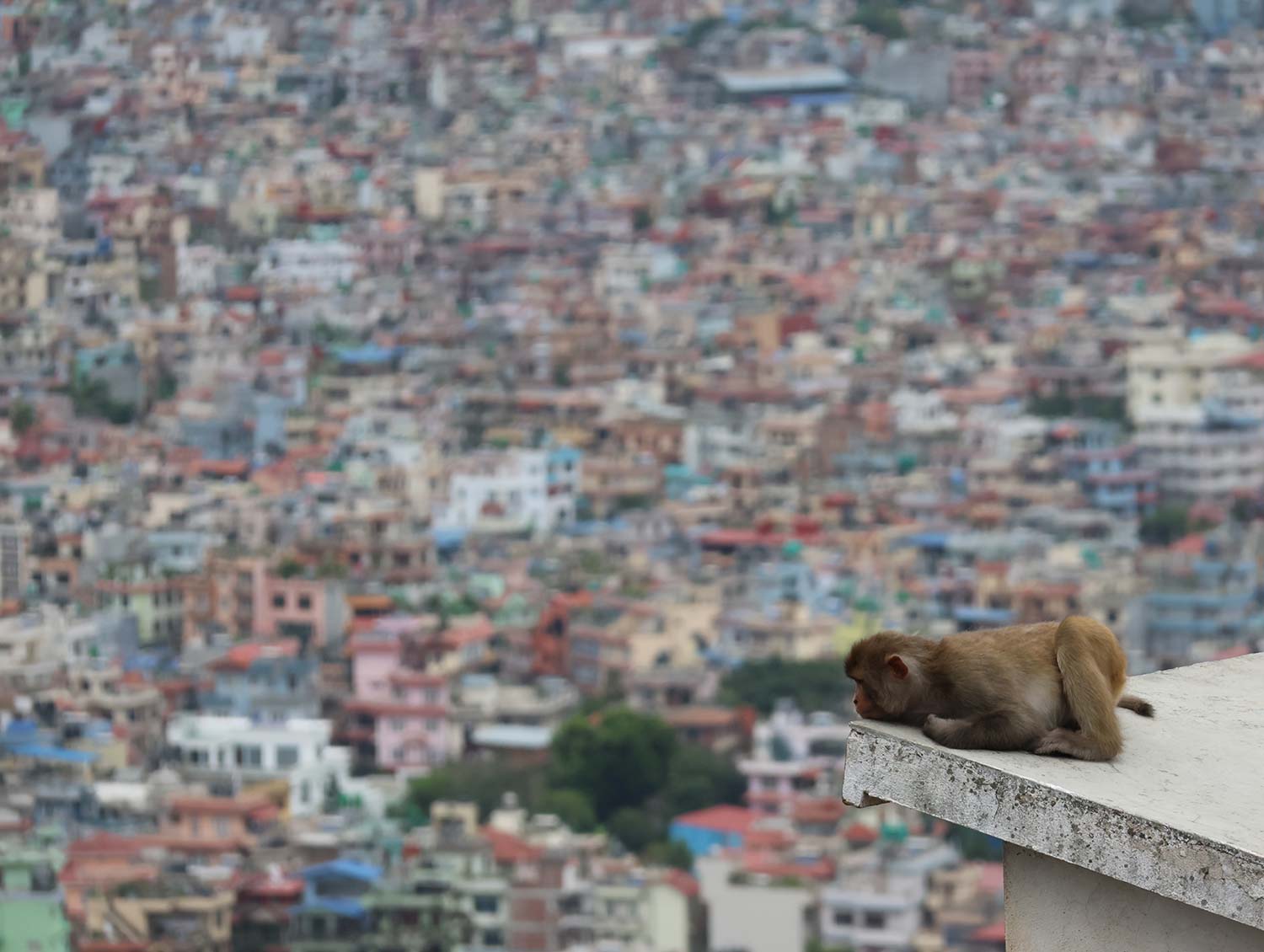
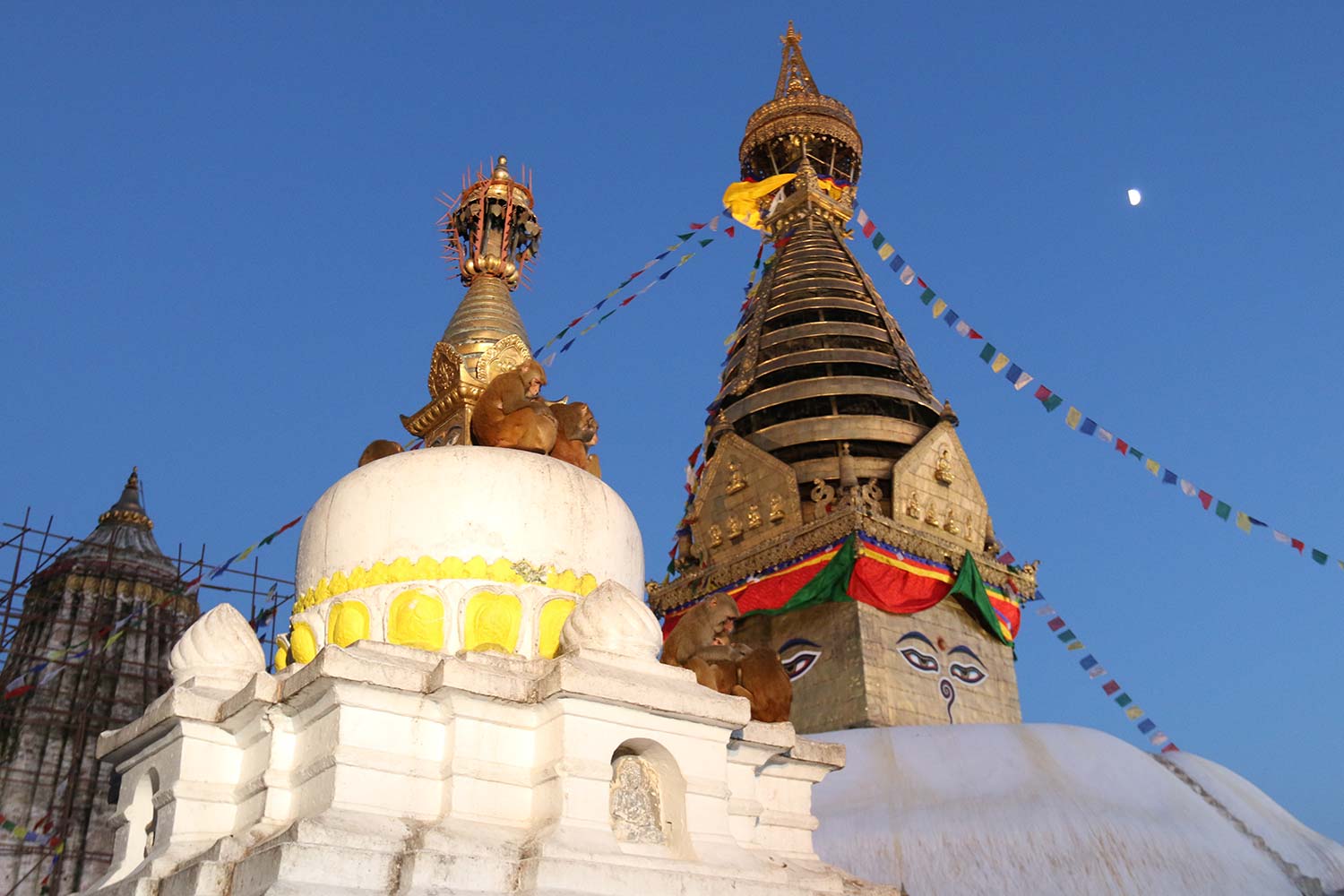
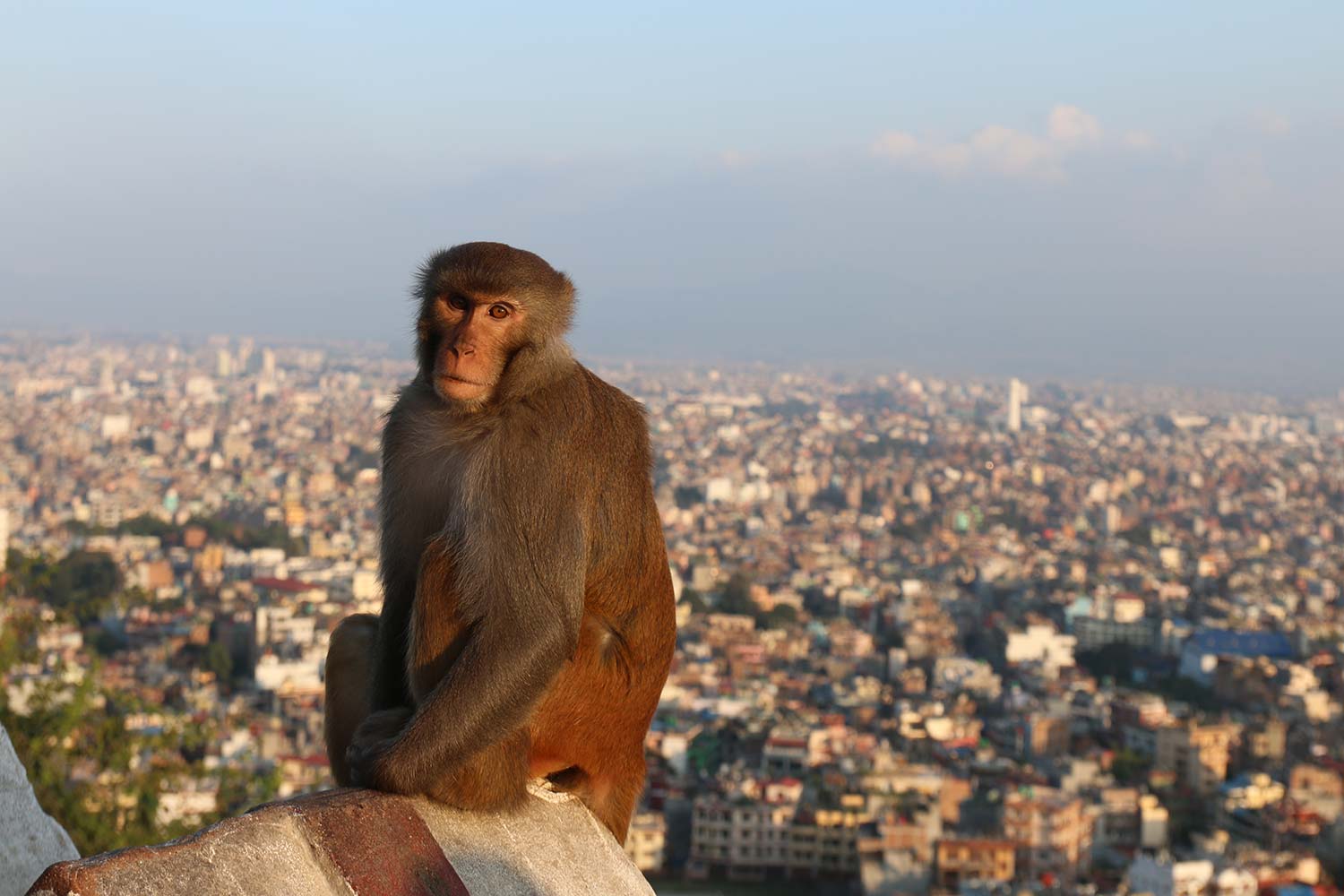
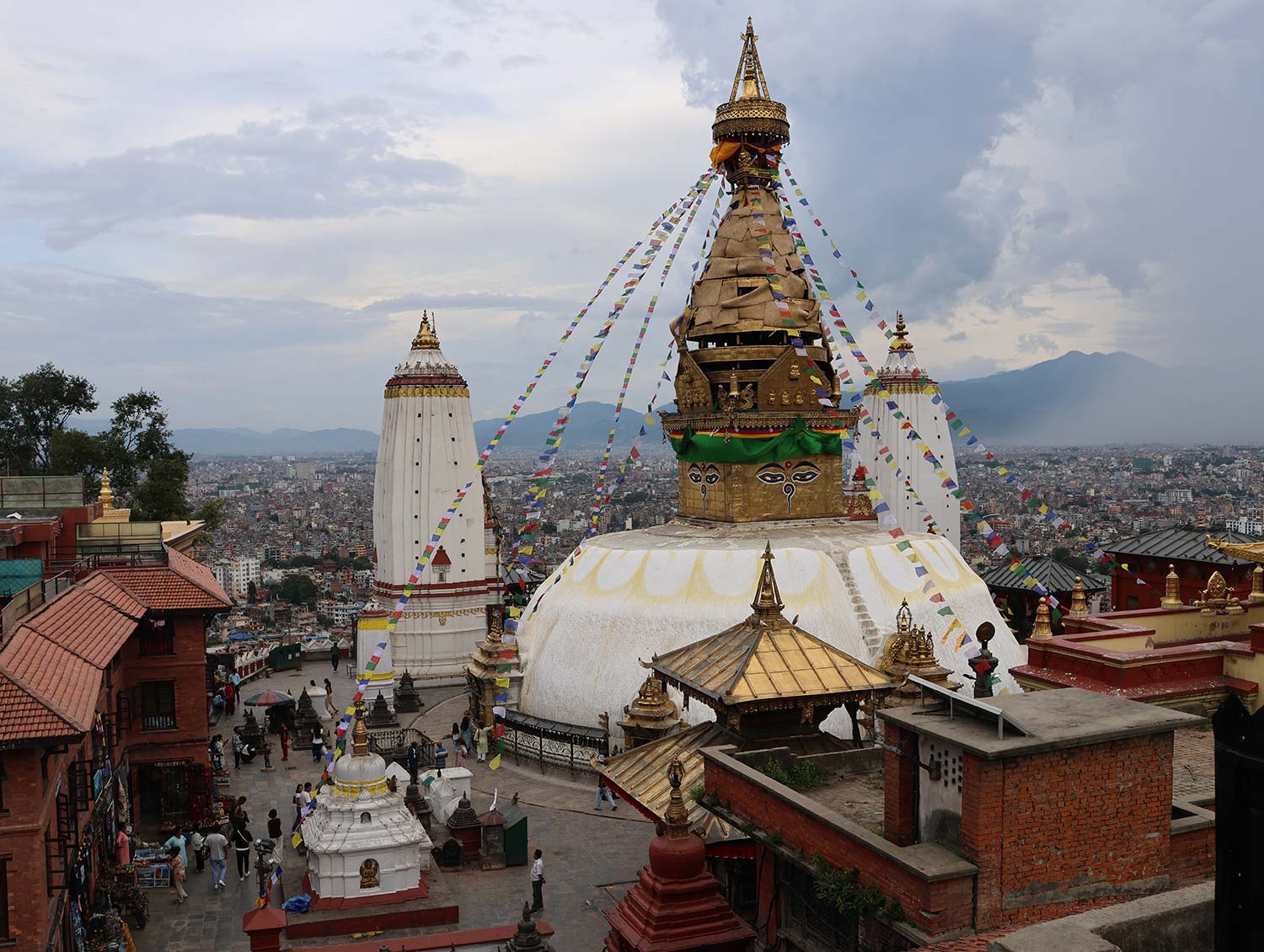
Perched on a wooded hill west of Kathmandu, Swayambhunath is one of the valley’s most iconic landmarks. Believed to be more than 2,500 years old, it is the oldest Buddhist monument in the valley and one of the most important pilgrimage sites in the world.
The stupa, painted with the all-seeing eyes of the Buddha, draws both Newar and Tibetan pilgrims. The steep climb to the summit is rewarded with expansive views over the city, particularly at sunset, while the site’s resident macaques add an unpredictable, if entertaining, presence.