


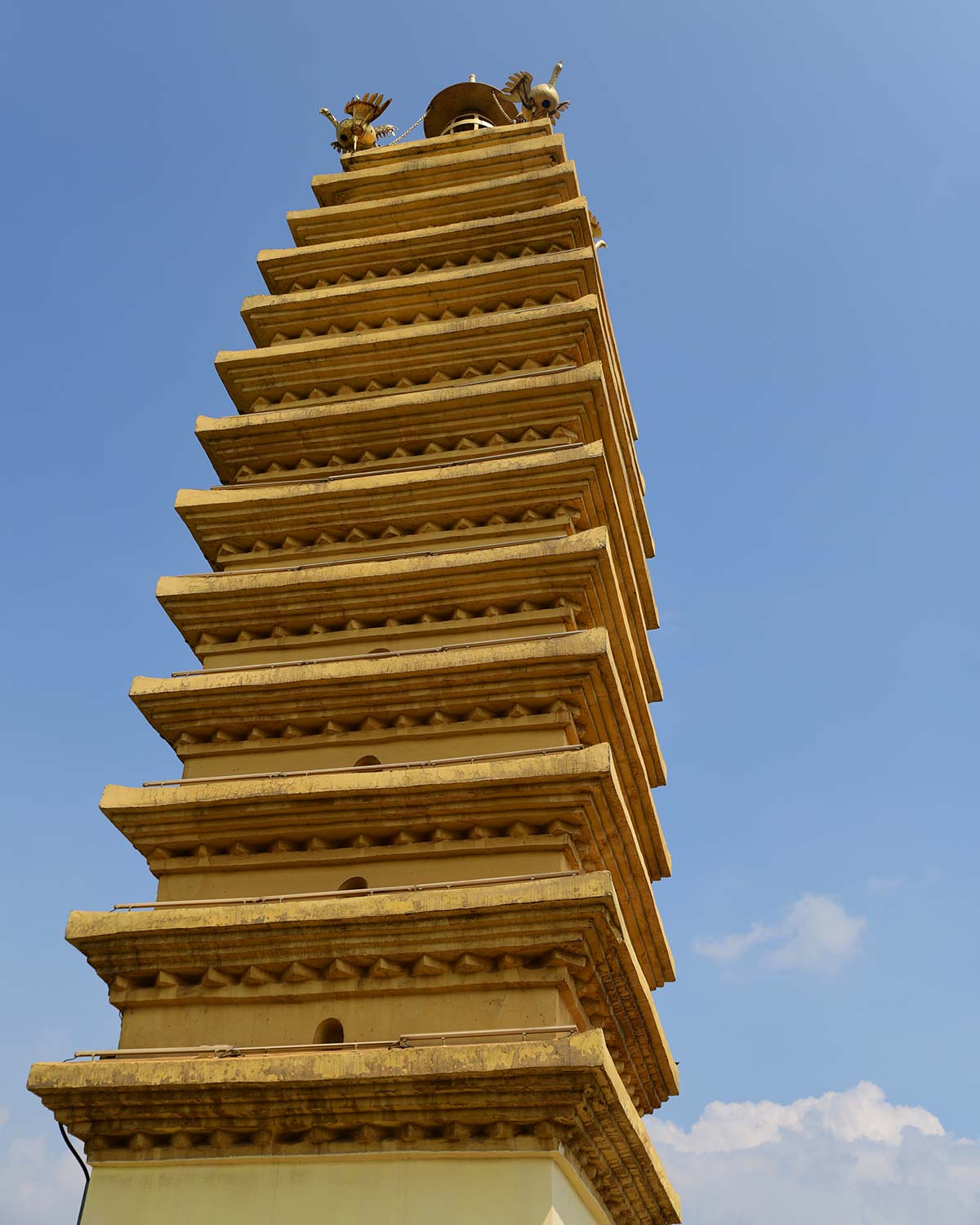
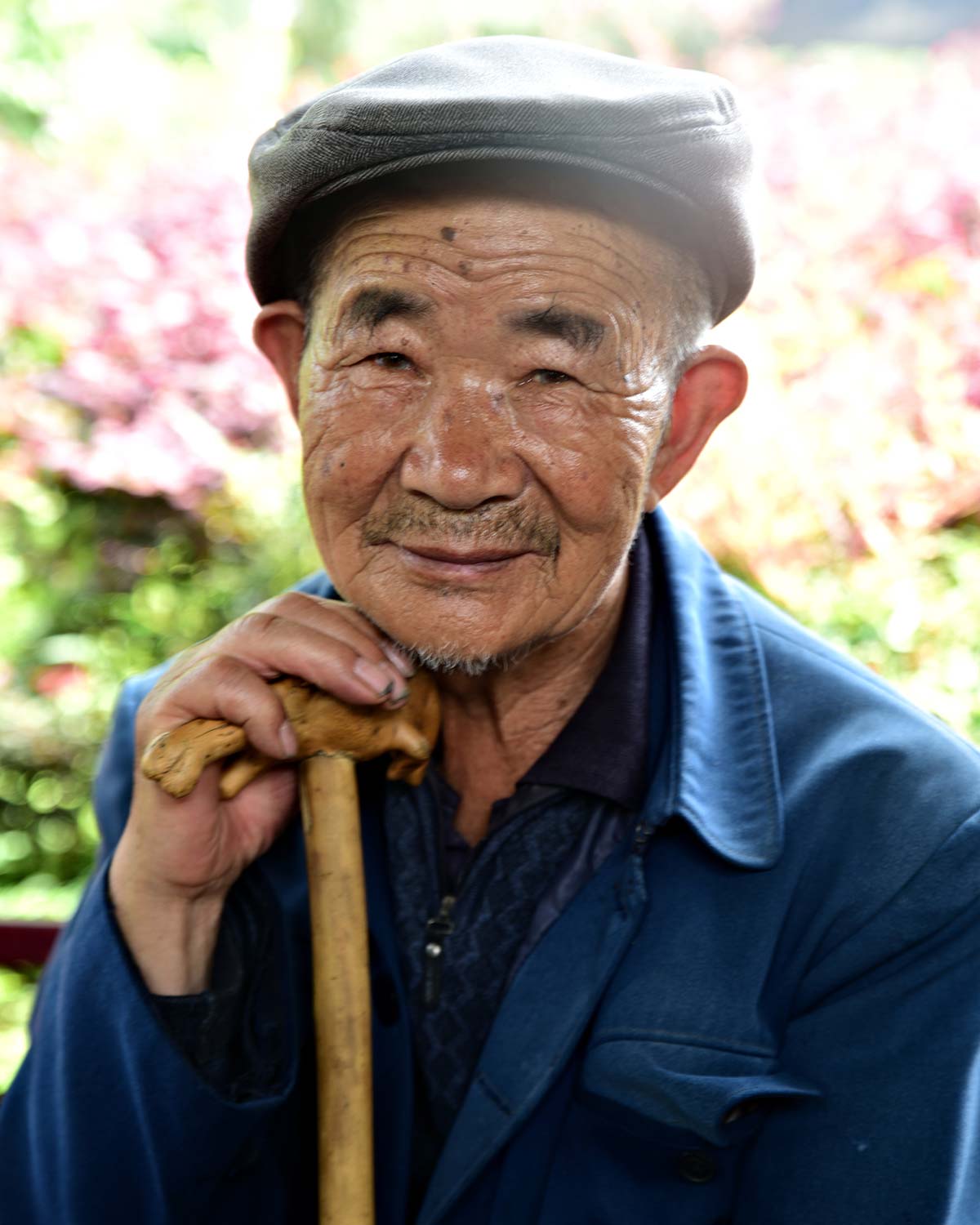
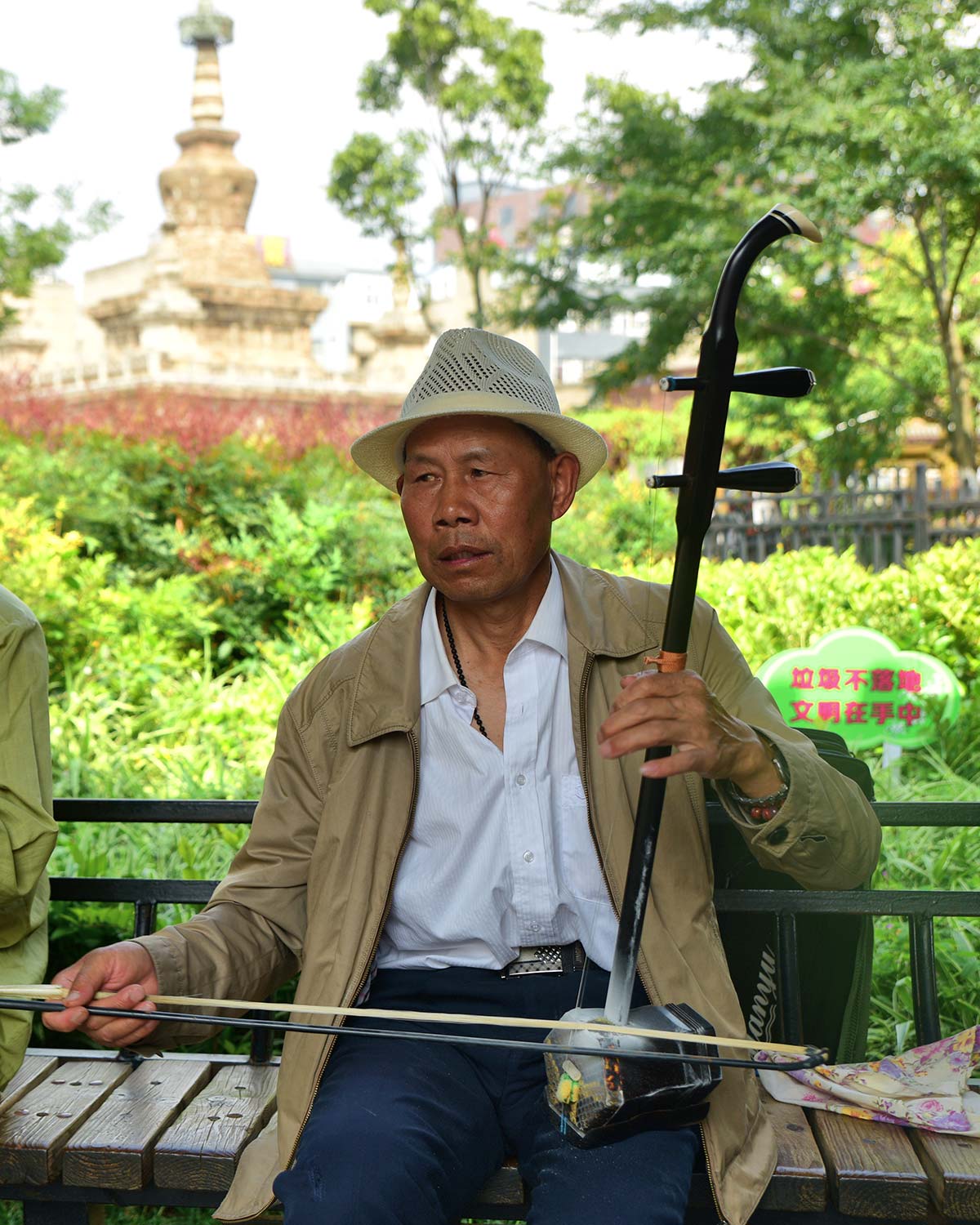
Seated on a wooden bench beneath a timeworn pagoda, two elderly Chinese men make eye contact and nod. Immediately, they lift their bows and, in pleasing unison, begin to play erhus. These 1,200-year-old stringed instruments, China‘s answer to the fiddle, produce gentle, plaintive notes.
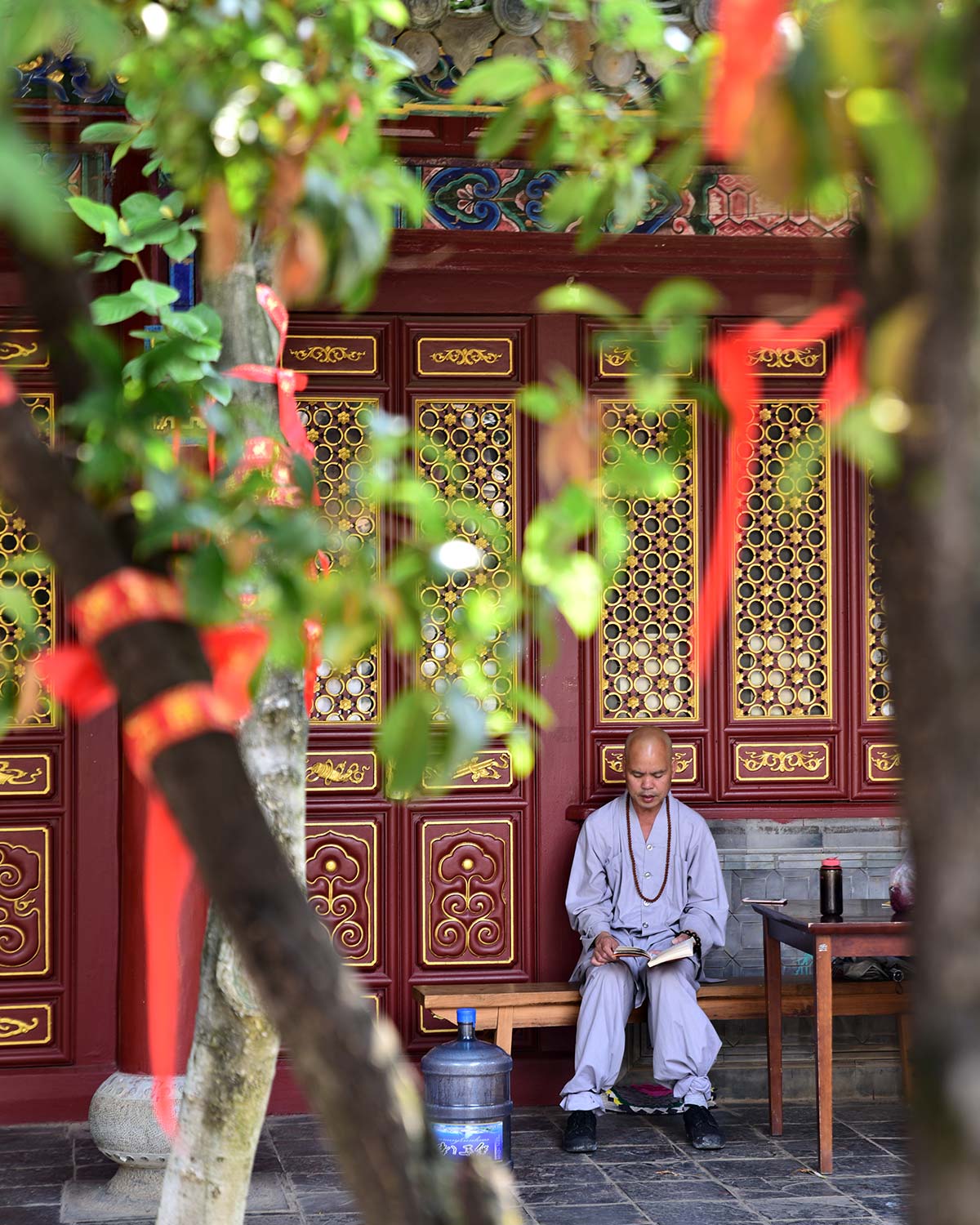
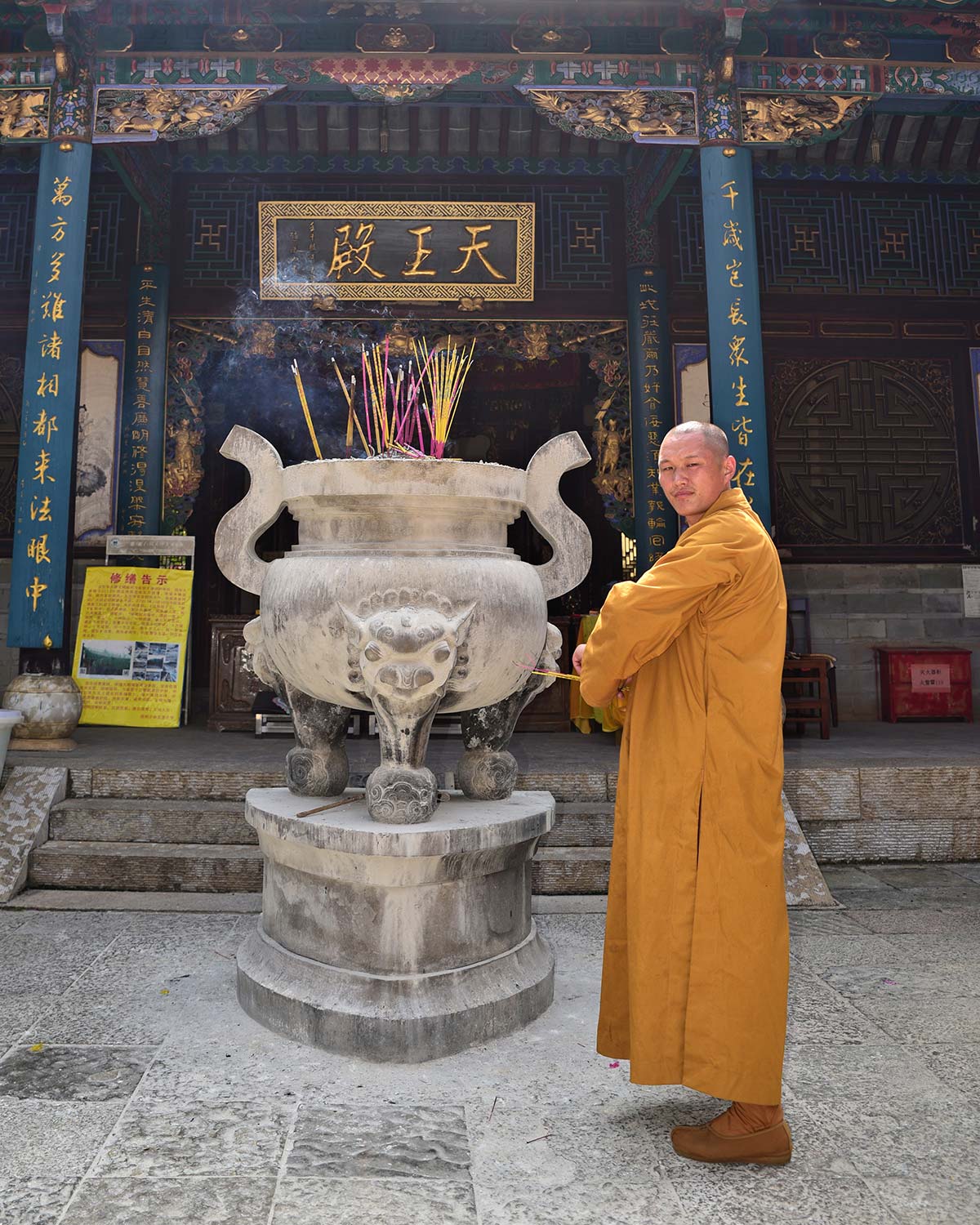
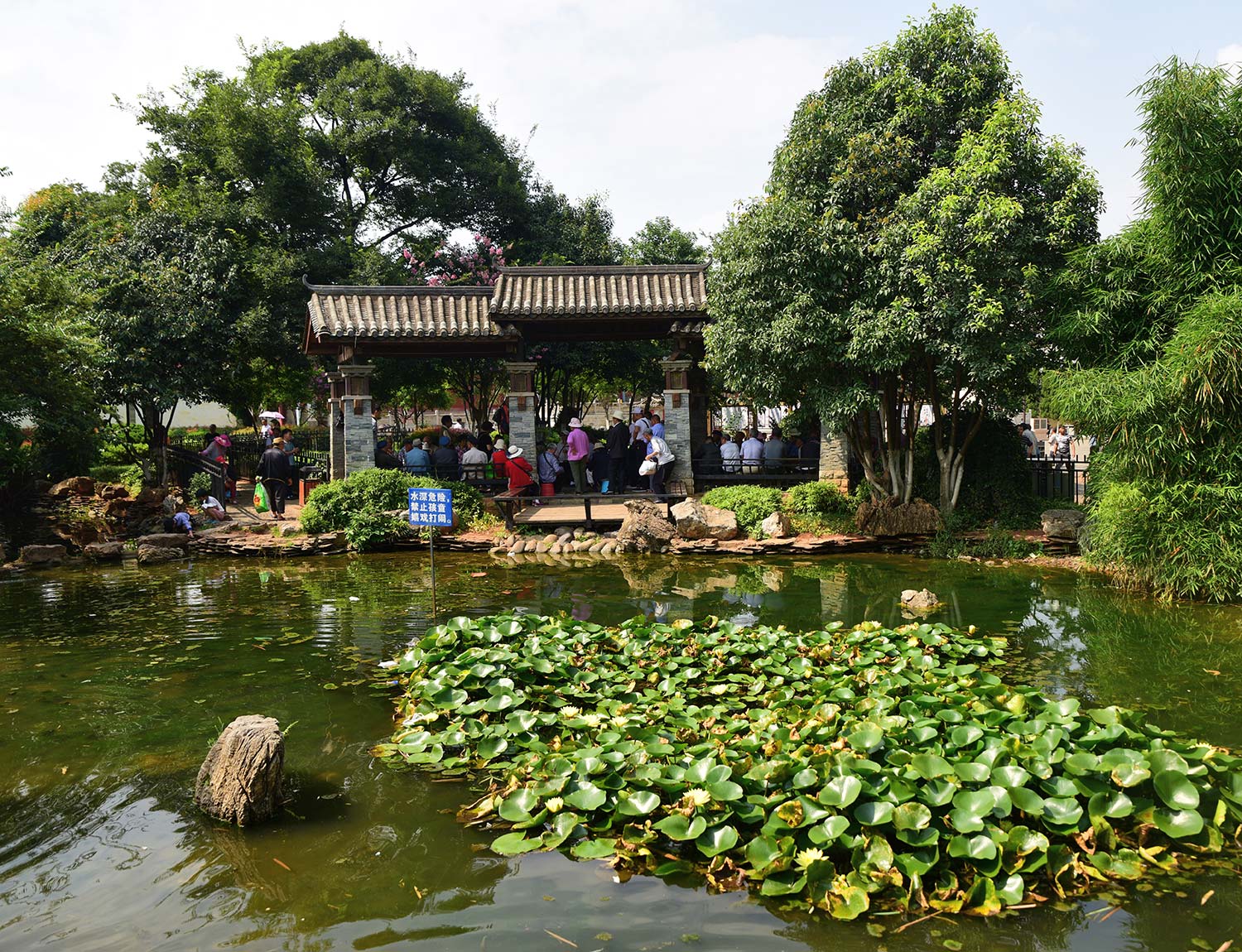
The music soon captivates a group of similarly aged Chinese women. Gracefully dressed, they sway and twirl in the pagoda’s afternoon shade, careful not to interrupt a game of mahjong unfolding beside a nearby pond or the hushed conversation of robed monks standing outside the adjacent Buddhist temple.
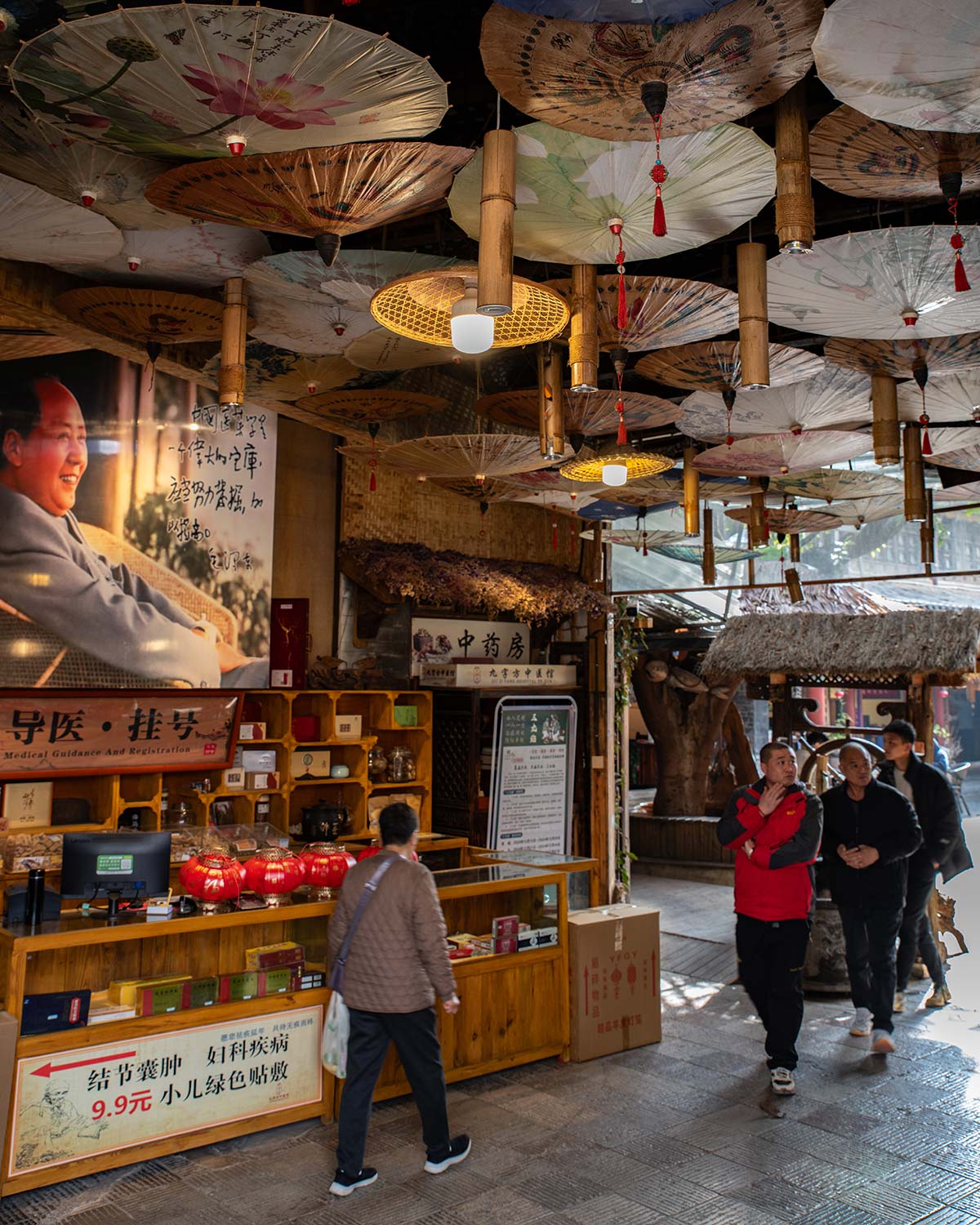
The tranquility is eventually broken by the delighted squeals of children chasing one another through this petite park in downtown Kunming. Soon they vanish down stone streets that wind away from the park past teahouses, dim sum restaurants, and art galleries in the historic neighborhood known as Guandu Ancient Town.
Kunming may now be a modern city of five million people dotted with skyscrapers, but its soul lingers here in 1,000-year-old Guandu. One of China’s most intriguing historic quarters, it offers a glimpse of how this vast country once looked. Some buildings are reconstructions, and most shops cater to visitors, yet that tourist veneer has not erased Guandu’s time-warped charm.
Guandu’s history is not well explained by signage. In fact, the best way for visitors to understand this district is to temporarily swap its ancient setting for the hyper-modern Yunnan Provincial Museum, just one kilometer to the south.
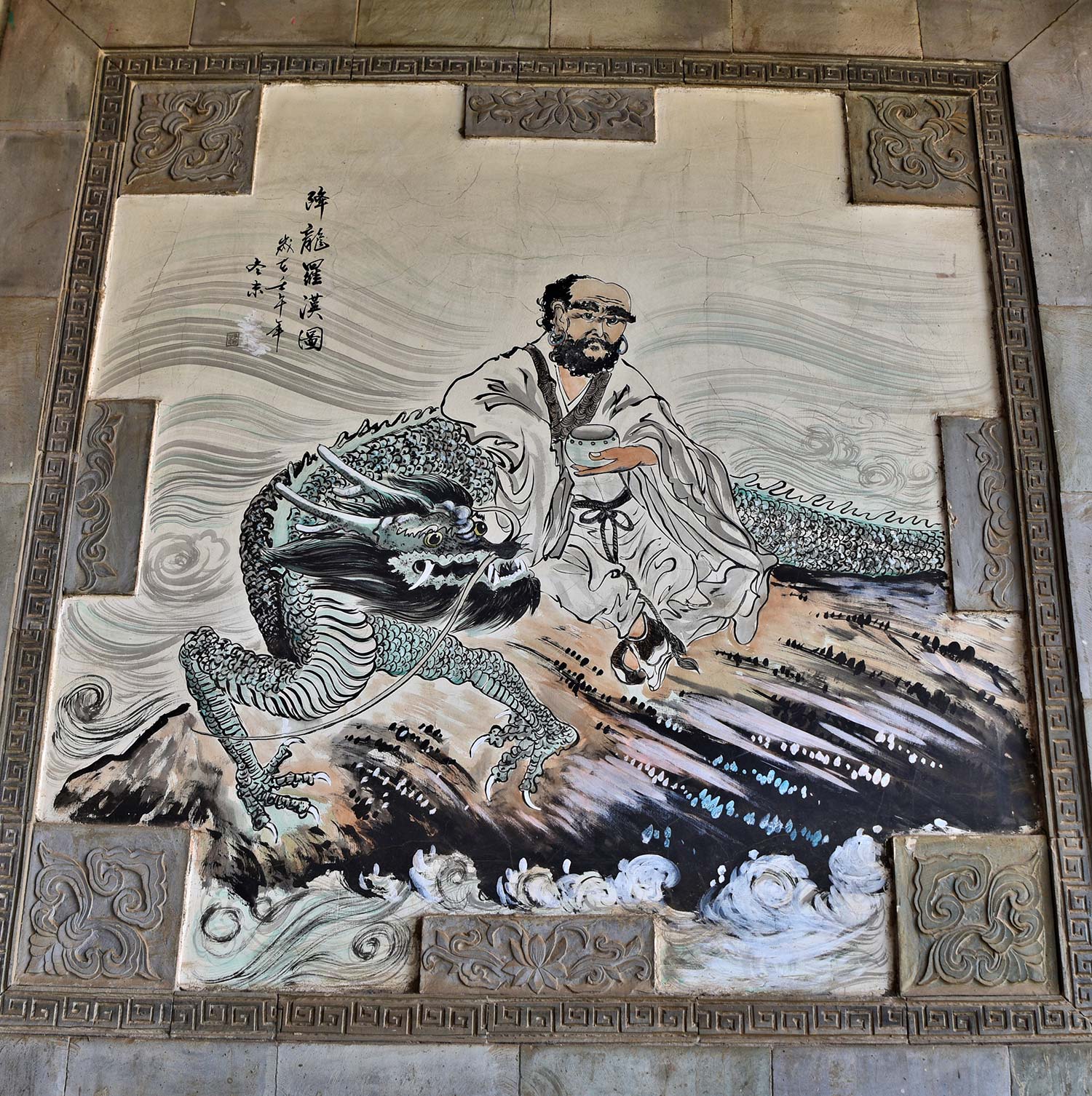
Clad in shimmering bronze panels, the vast museum opened in the Guandu area in 2015. Through videos, photographs, maps, artifacts, and artworks, it provides a detailed portrait of Yunnan’s history, culture, and environment. Kunming, after all, is the capital of this rugged province in southwest China.
The museum notes that the area around Kunming has been inhabited for up to 30,000 years, beginning with tribes who fished in Dianchi Lake, the vast body of water that borders the city. Kunming itself did not become the capital of Yunnan until 1276, some three centuries after Guandu Ancient Town was founded.
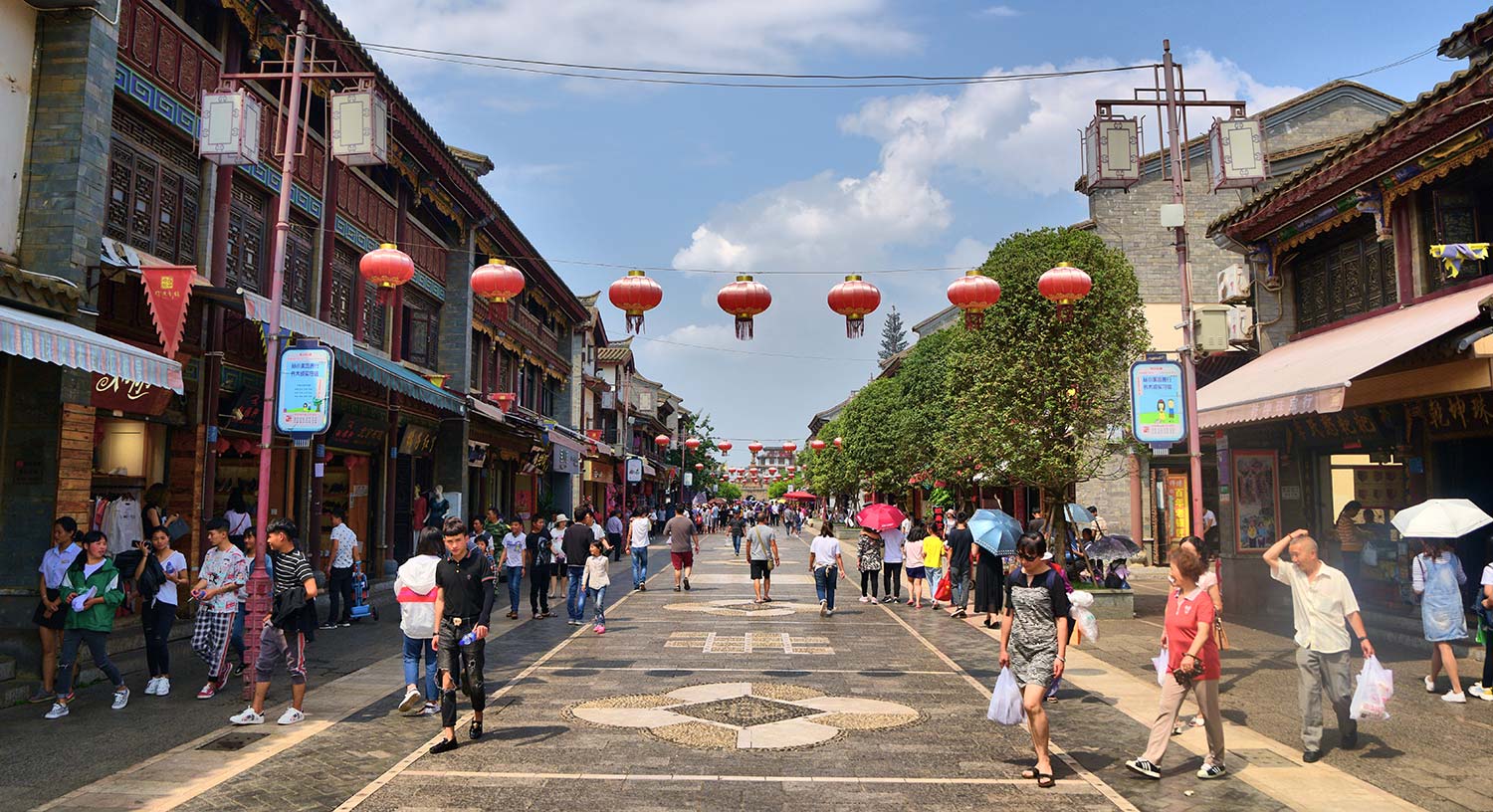
Back then, Guandu was a small, standalone settlement where farmers gathered to trade goods and services. The museum explains that this lively marketplace centered on Guandu’s main square, which remains the neighborhood’s hub. Today, instead of bustling commerce, the plaza draws domestic tourists eager to admire the heritage architecture surrounding Kunming’s most distinctive district.
Kunming itself is a surprisingly overlooked destination. The city is green, orderly, and modern, yet overshadowed by China’s many headline attractions. Beijing offers imperial grandeur. Shanghai dazzles with its futuristic skyline. Xi’an has the Terracotta Warriors. Chengdu is synonymous with giant pandas. Suzhou is famed for its classical gardens, while Guangzhou and Shenzhen benefit from their proximity to Hong Kong.
Many of those cities sit on China’s busy coastline. Kunming, by contrast, lies deep in the farmland of Yunnan Province in the country’s southwest. For most travelers, it is simply the gateway to Yunnan’s remarkable landscapes, which range from tropical rainforests in the south to snow-dusted peaks in the north and the vast drama of the Tibetan Plateau.



Yet Yunnan’s natural beauty also enriches Kunming itself. Few Chinese cities occupy such a striking setting, wedged between jungle-clad mountains and the vast, glassy waters of Dianchi Lake. This scenic spot, ringed by walking trails, lies just a ten-minute drive west of Guandu.
Driving from the lake toward Guandu reveals Kunming’s future: gleaming condominium towers, enormous shopping malls, upscale retail streets, and endless construction sites. Then the taxi approaches a tall traditional paifang gate, painted with vivid Chinese motifs and characters.
Beyond it lie the weathered stone lanes of Guandu.
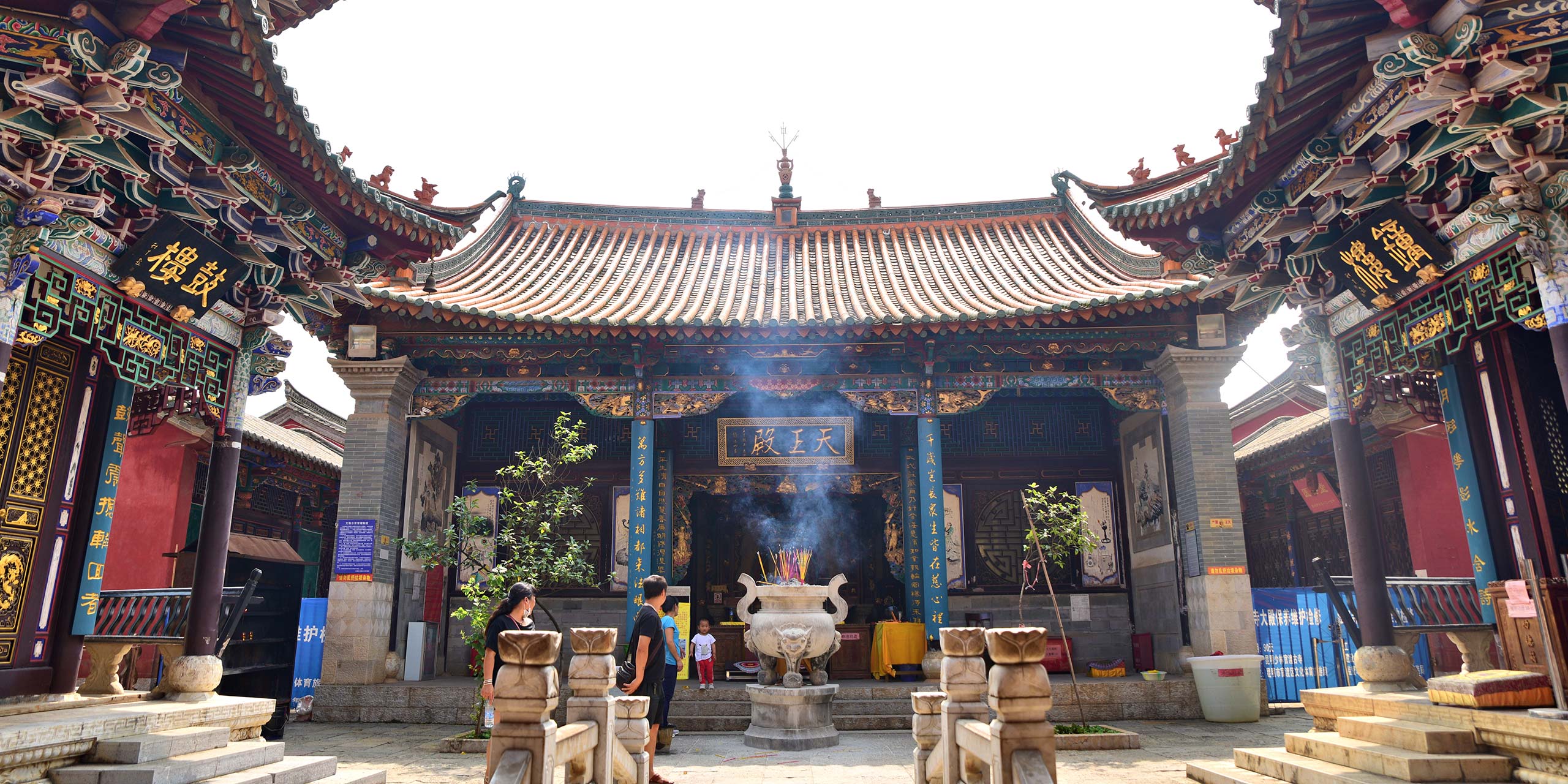
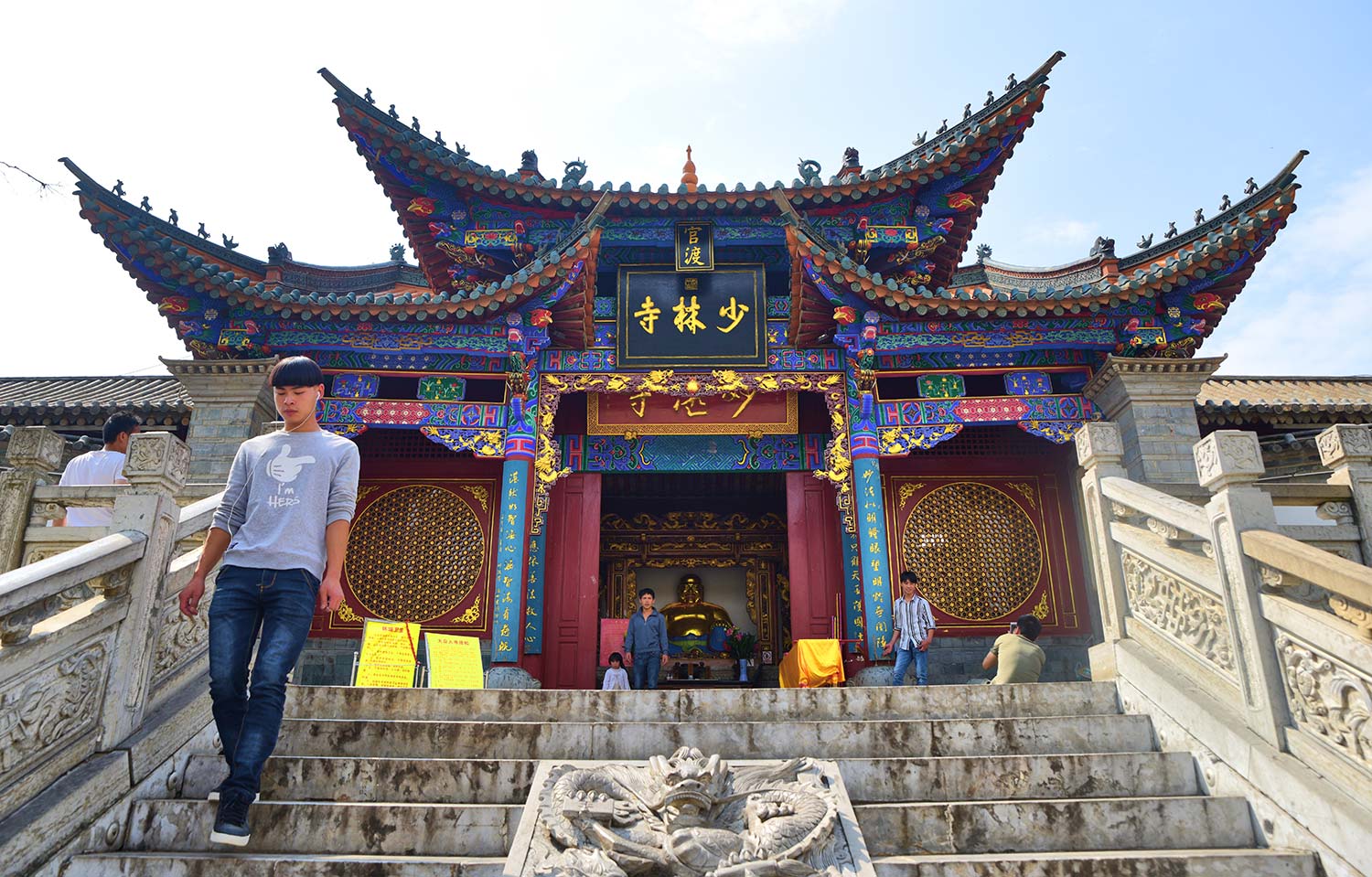
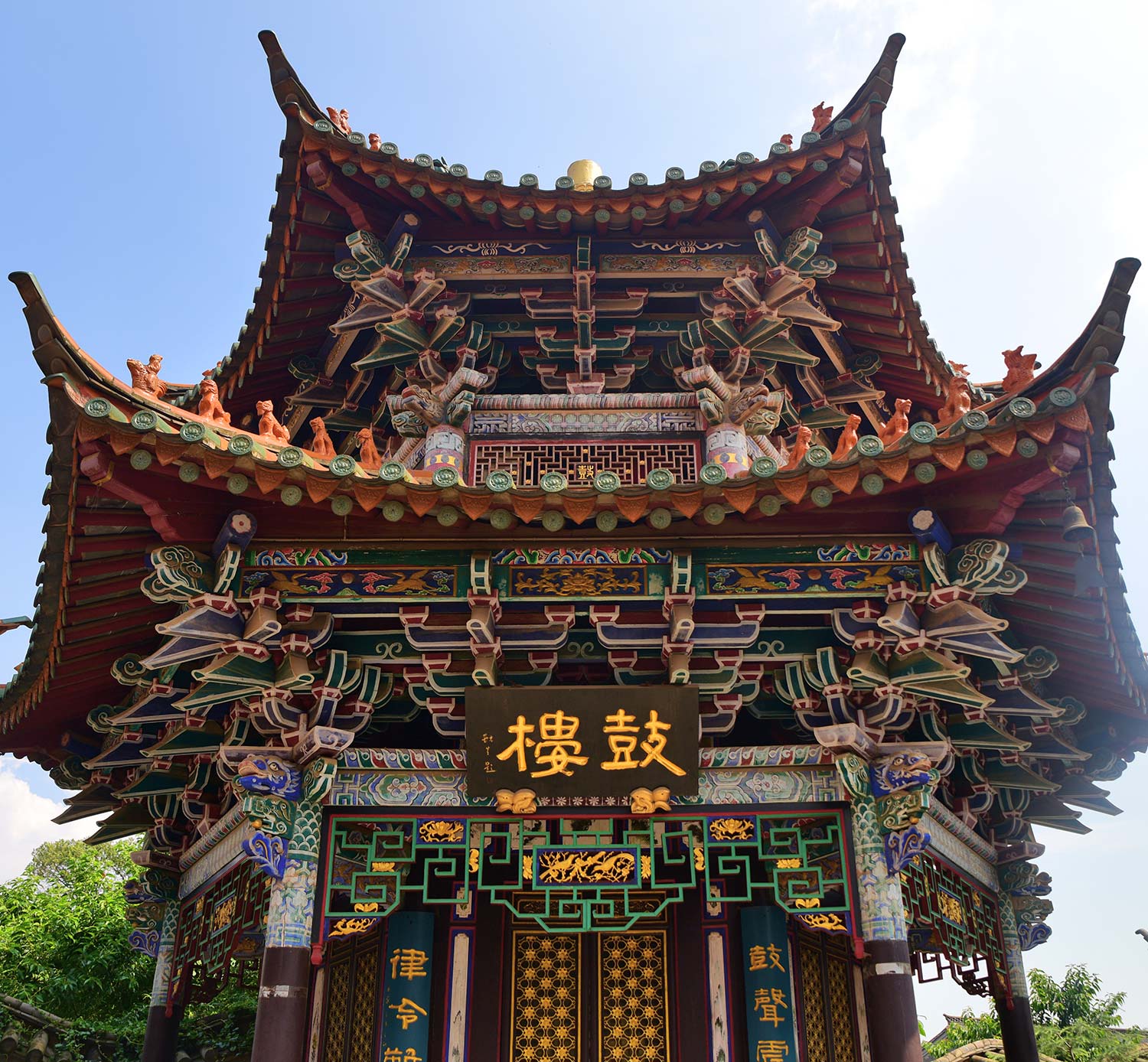
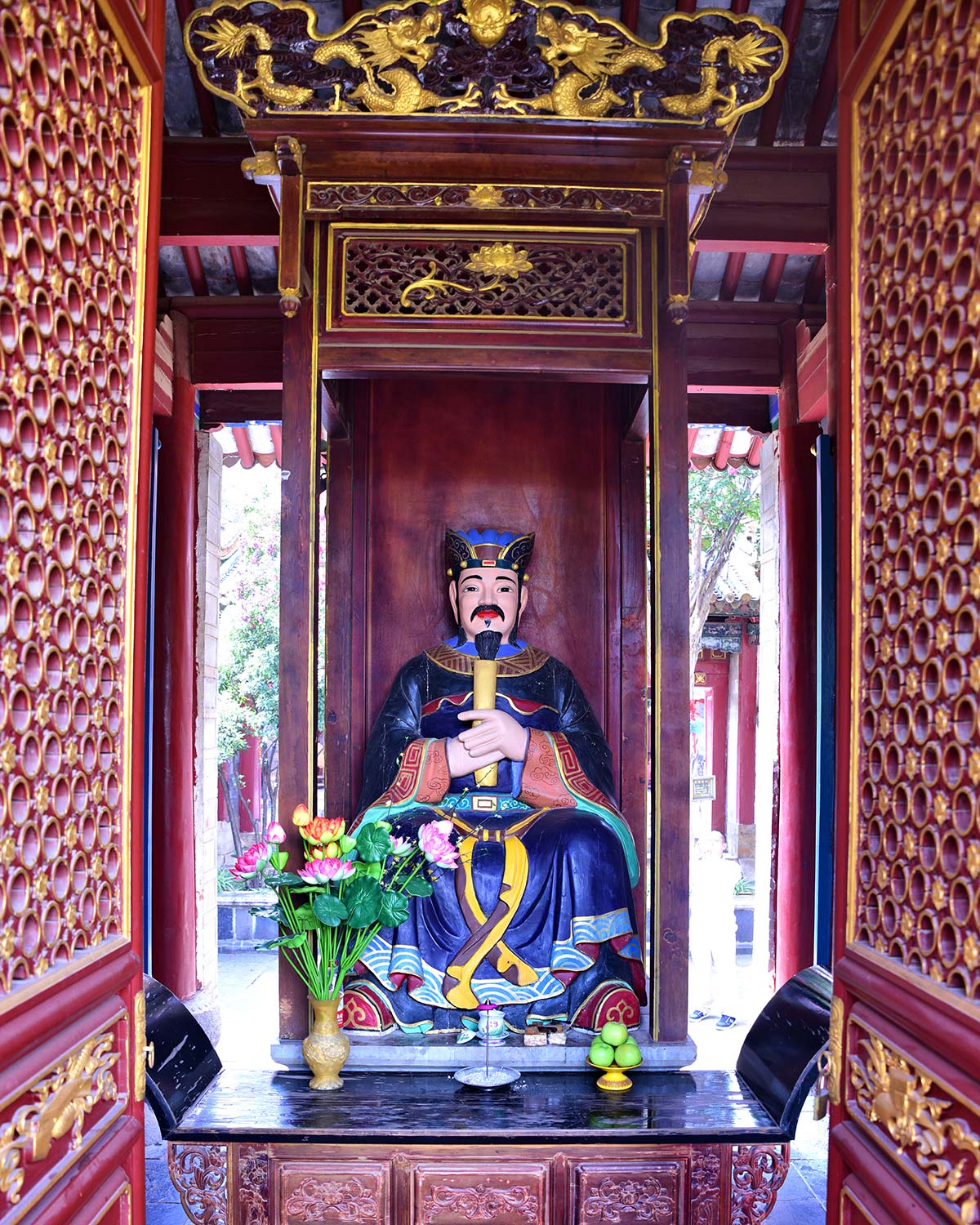
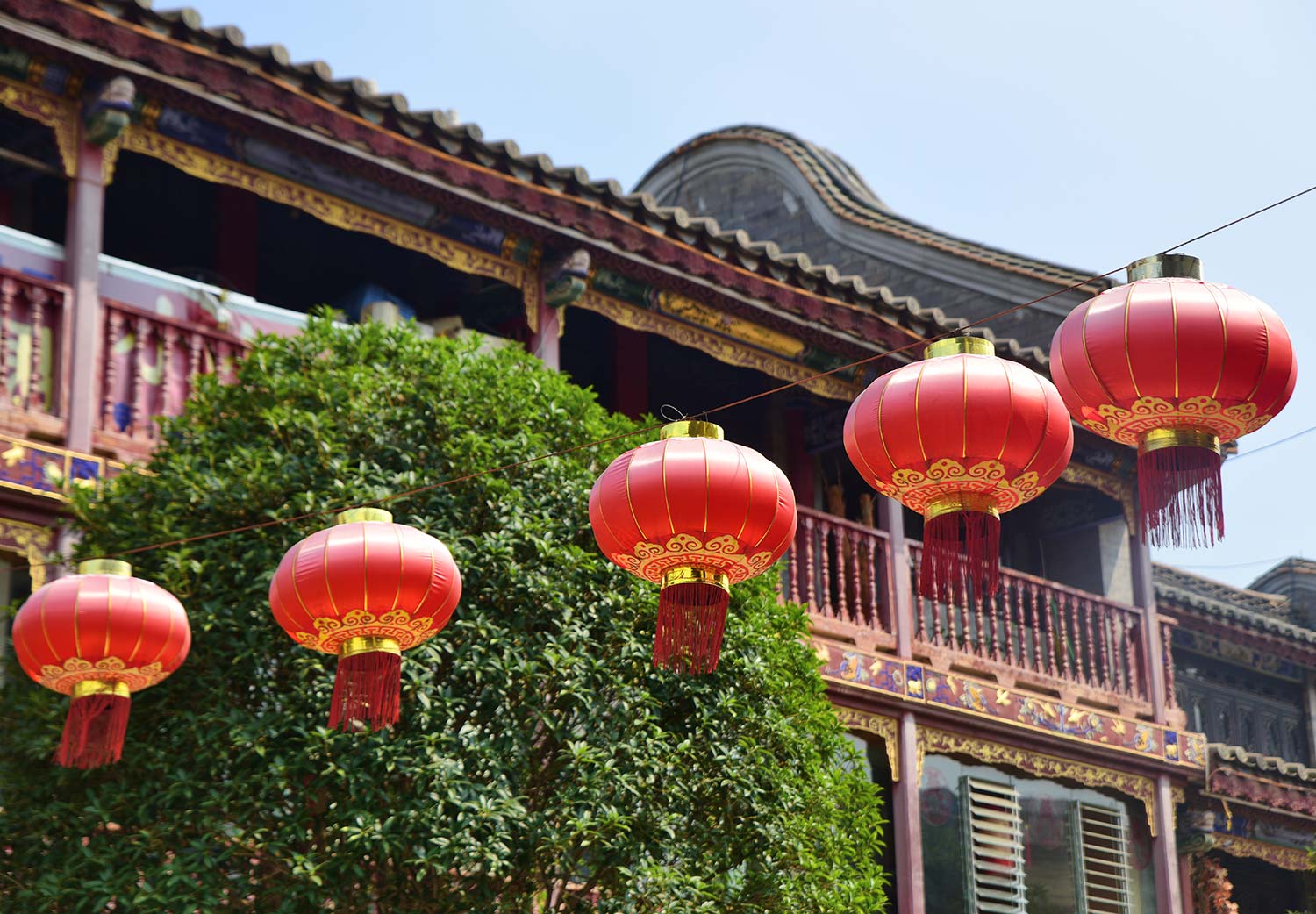
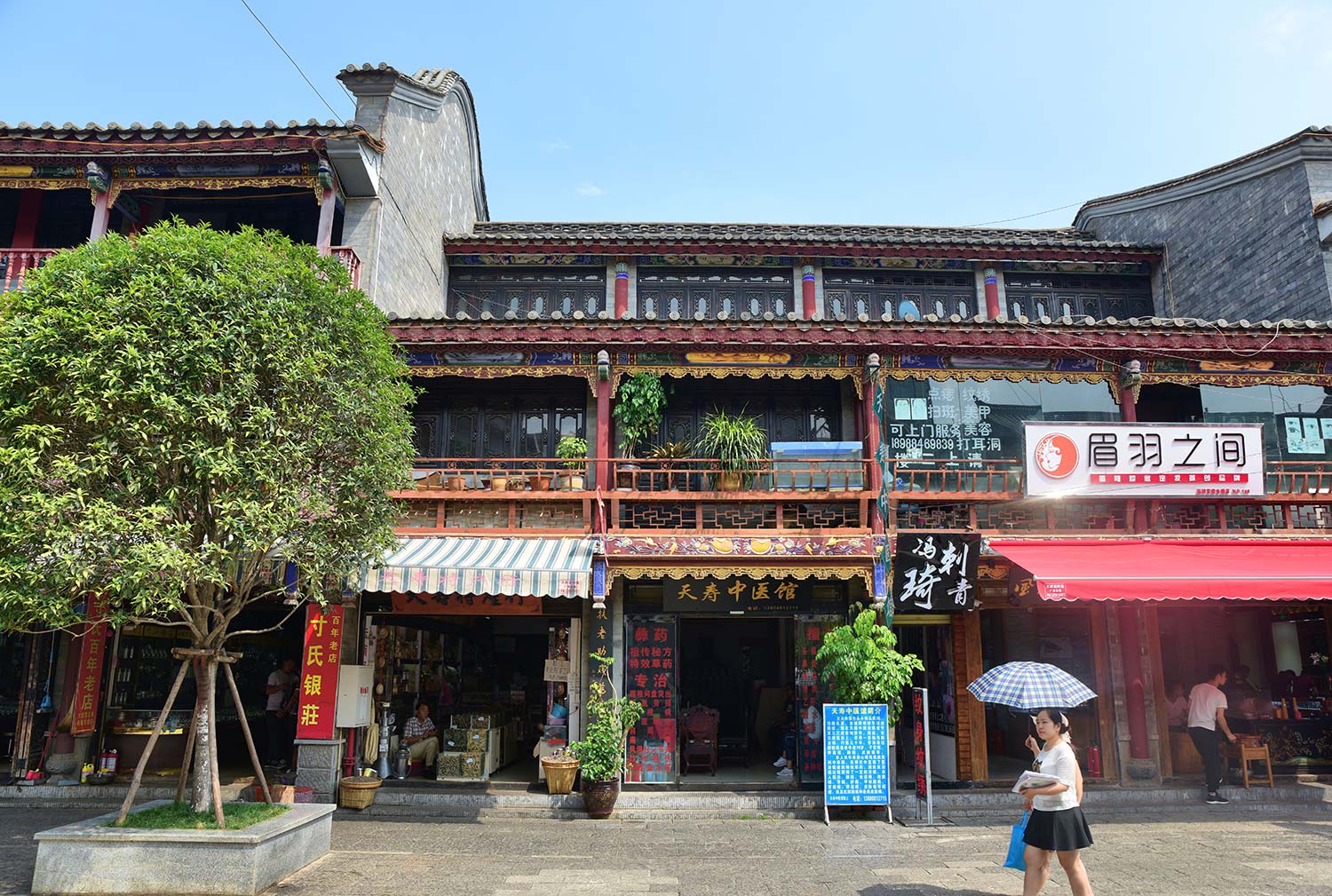
Historic buildings scatter this photogenic neighborhood, including half a dozen pavilions and a dozen temples, some dating as far back as the Song Dynasty (960–1279 AD).
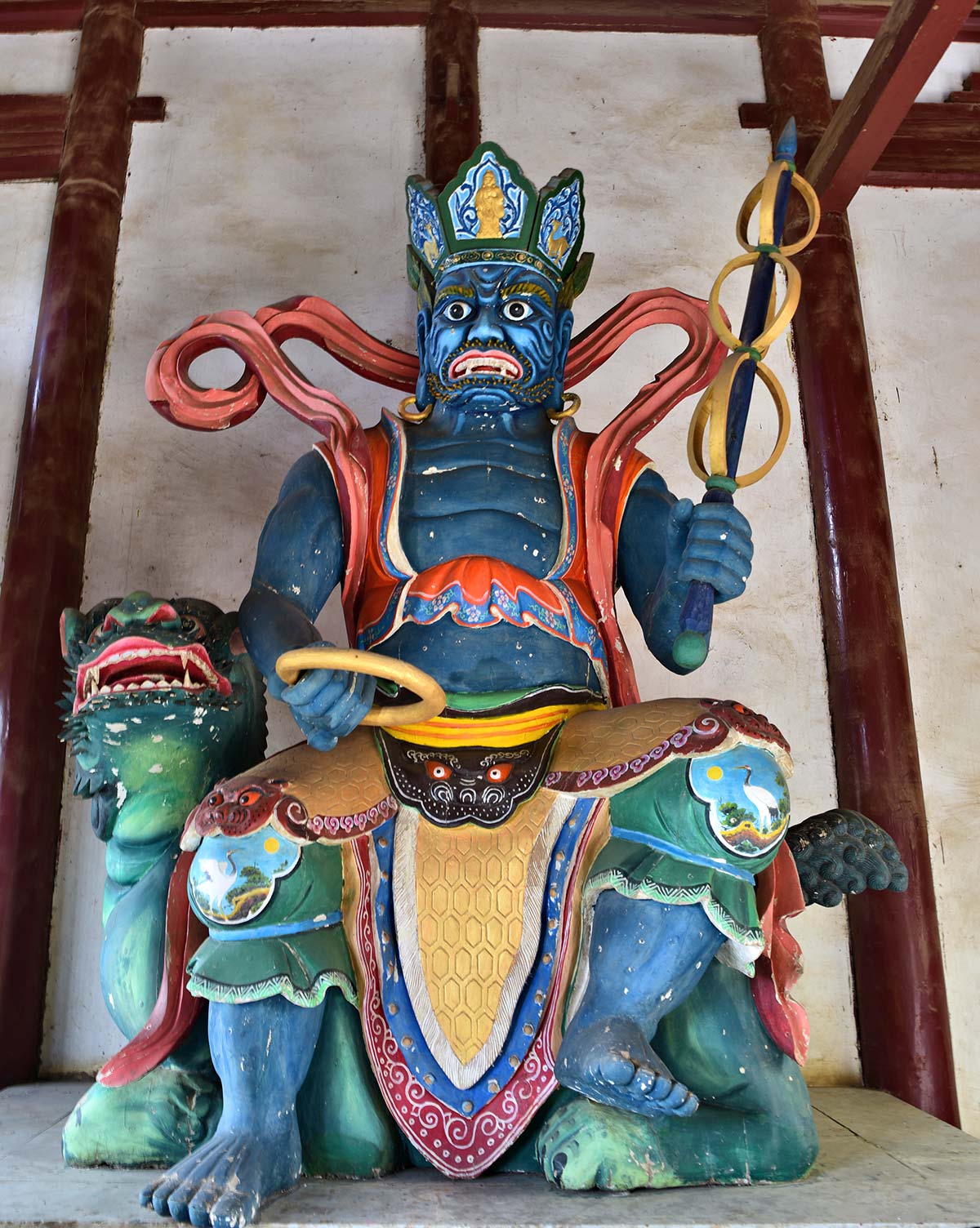
None rivals the majesty of Fa’ding Temple, originally built about a thousand years ago. The rainbow palette of its ornate wooden gate complements a vivid interior filled with hand-carved sculptures of China’s mythical beasts: phoenixes, turtles, and dragons.
Similar statues appear throughout Guandu’s temples. The creatures also perch along the roofs and eaves of shophouses and halls across the district. According to tradition, they protect the neighborhood and bring prosperity.
Judging by Guandu’s enduring appeal, they may have succeeded. More than a millennium after its founding, this historic enclave not only survives but thrives, offering visitors a rare glimpse of a gentler past.