


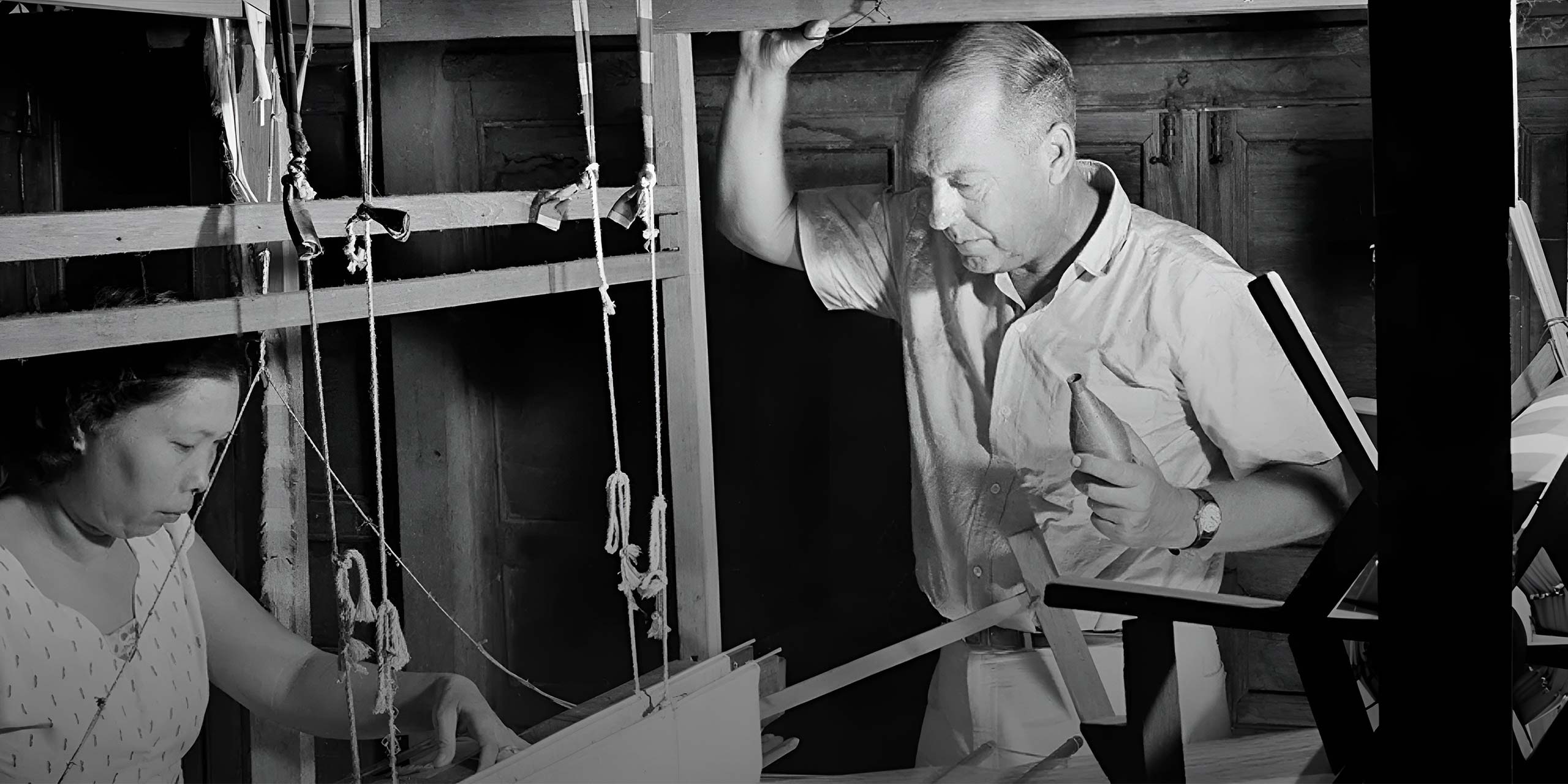
Few Americans shed one life and slipped into another as completely—or as mysteriously—as James Harrison Wilson Thompson.
Architect by training, spy by wartime necessity, silk impresario by instinct, and ultimately a man who stepped off a garden terrace into the Cameron Highlands and never came back, Thompson remains as much a legend for how he vanished as for how he lived.
Between those two points runs a life that shadows America’s own uneasy passage through Southeast Asia—ambitious, improvisational, and not without moral contradiction.
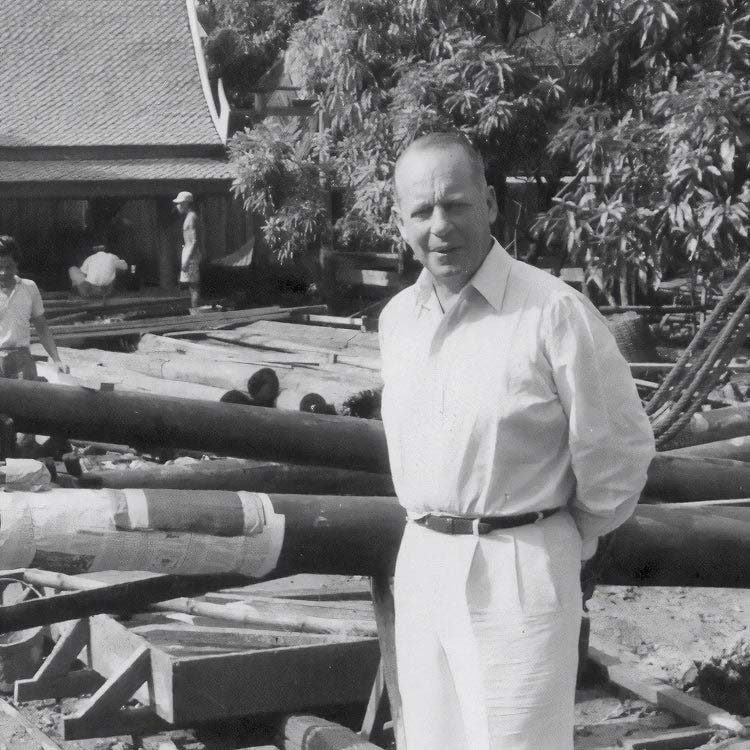
Born in 1906 in Greenville, Delaware, Thompson came up in a world where expectations were as finely tailored as the suits he would later abandon. His father ran a successful textile business; his mother traced her lineage to Union General James Harrison Wilson. Princeton followed, then architecture, then New York—designing tasteful homes for clients who expected permanence.
It might have stayed that way. A Manhattan life, cultured and comfortable, shared with his wife Patricia “Pat” Thraves, a former model with an eye for the arts. Evenings at the ballet, committee boards, the slow accumulation of status.
Then came war.
Pearl Harbor broke whatever inertia held him in place. Thompson resigned his post, joined the Delaware National Guard, and soon found himself funneled toward a new kind of work—less drawing rooms, more shadows. At Fort Monroe, a perceptive officer steered him toward the newly formed Office of Strategic Services, where his combination of discipline, curiosity, and social ease made him an unlikely but effective recruit.
Under William J. Donovan—“Wild Bill” to those who knew him—the OSS operated with a looseness that suited Thompson. He trained, traveled, absorbed. North Africa, Europe, then Ceylon, where parachute drills and briefings on Indochina politics prepared him for a region most Americans could barely locate on a map.
By the time he reached Bangkok in 1945, the war was ending. For Thompson, something else began.
He didn’t go home.
Partly it was the place—humid, kinetic, layered with histories that seemed to invite reinvention. Partly it was personal. His marriage had collapsed in his absence. Family ties had frayed. The old life no longer fit.
Bangkok, in those days, made room for men like him.
Postwar Bangkok was a city in recovery, improvising its future from the debris of occupation. Thompson moved easily through it. In 1946, he joined a small circle of investors—six in all—who scraped together modest capital to revive the battered Oriental Hotel. Among them were photographer Germaine Krull, Prince Bhanu, Pote Sarasin, and a handful of others who, like Thompson, sensed opportunity in the city’s reopening.
The venture was short-lived for him. He clashed over expansion plans and moved on within a year. But the episode revealed something important: Thompson wasn’t interested in maintaining things. He wanted to reshape them.
That instinct found its true outlet in silk.
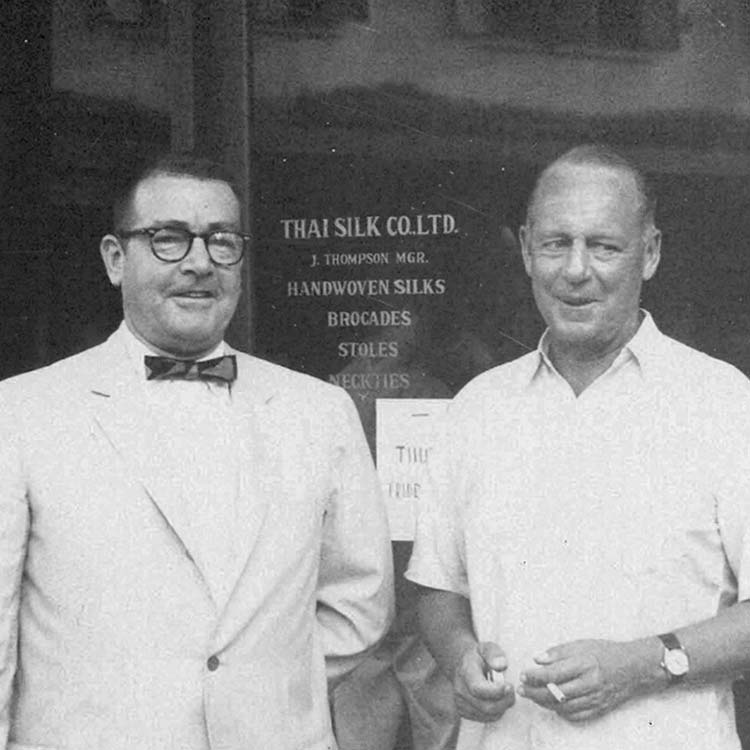
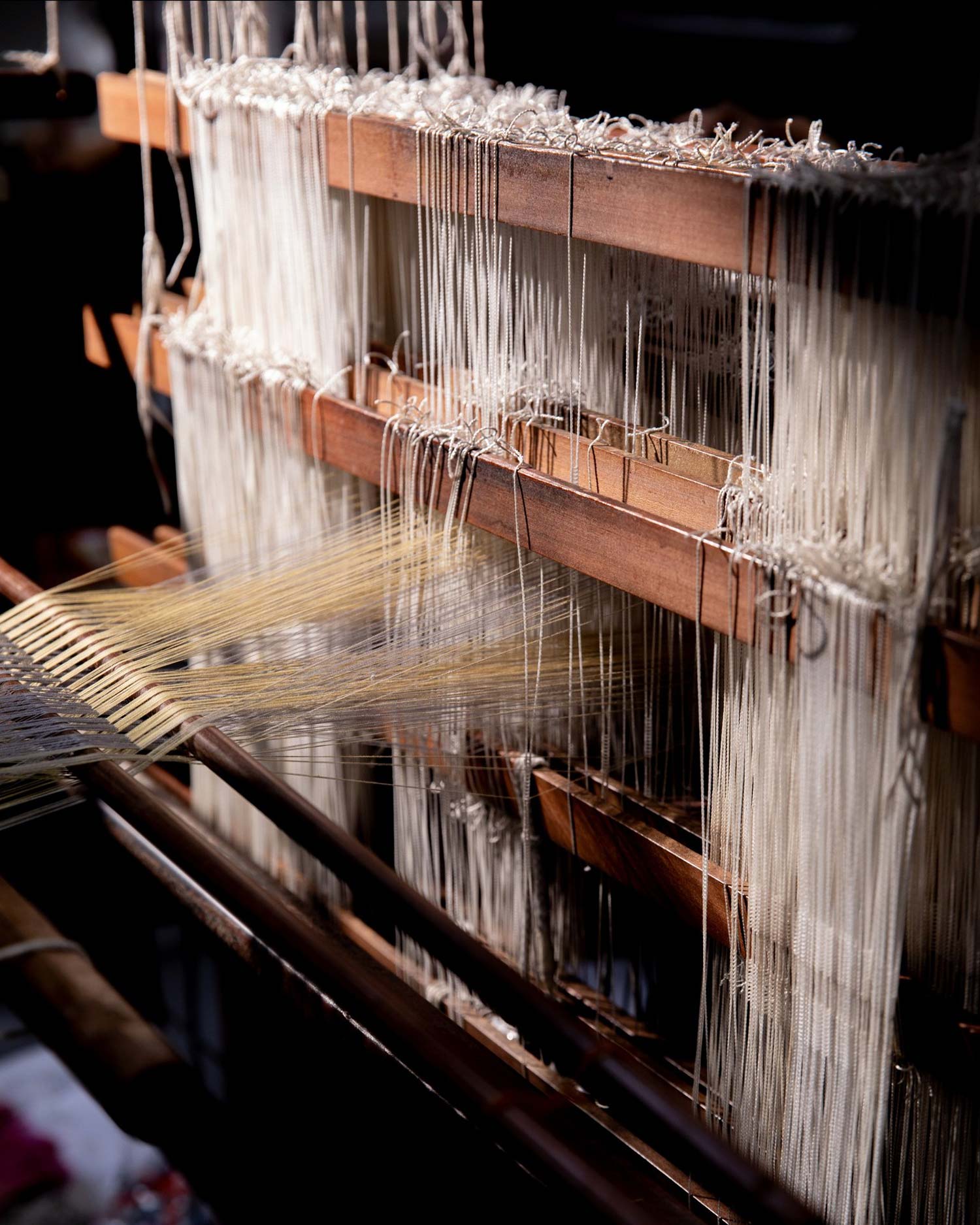
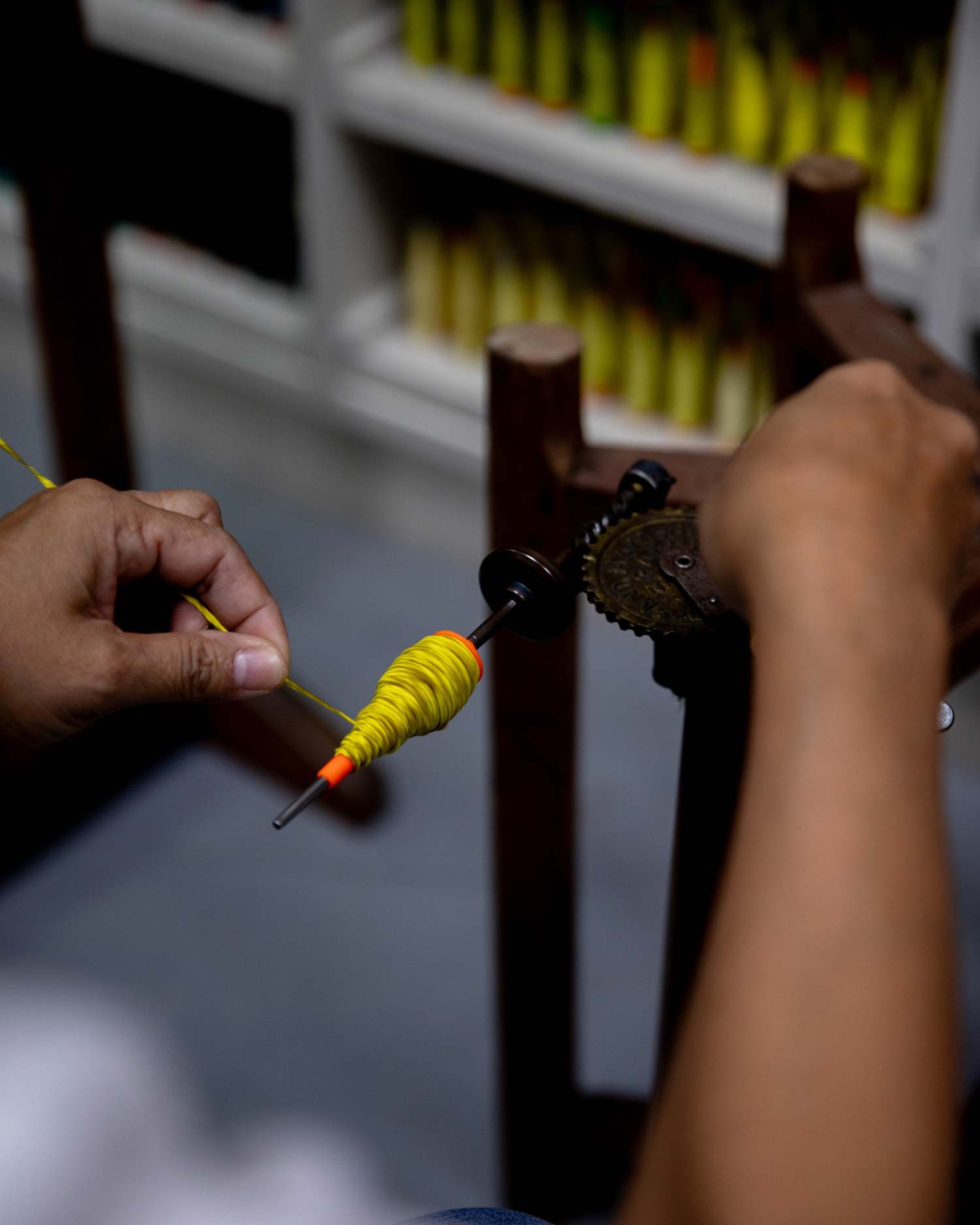
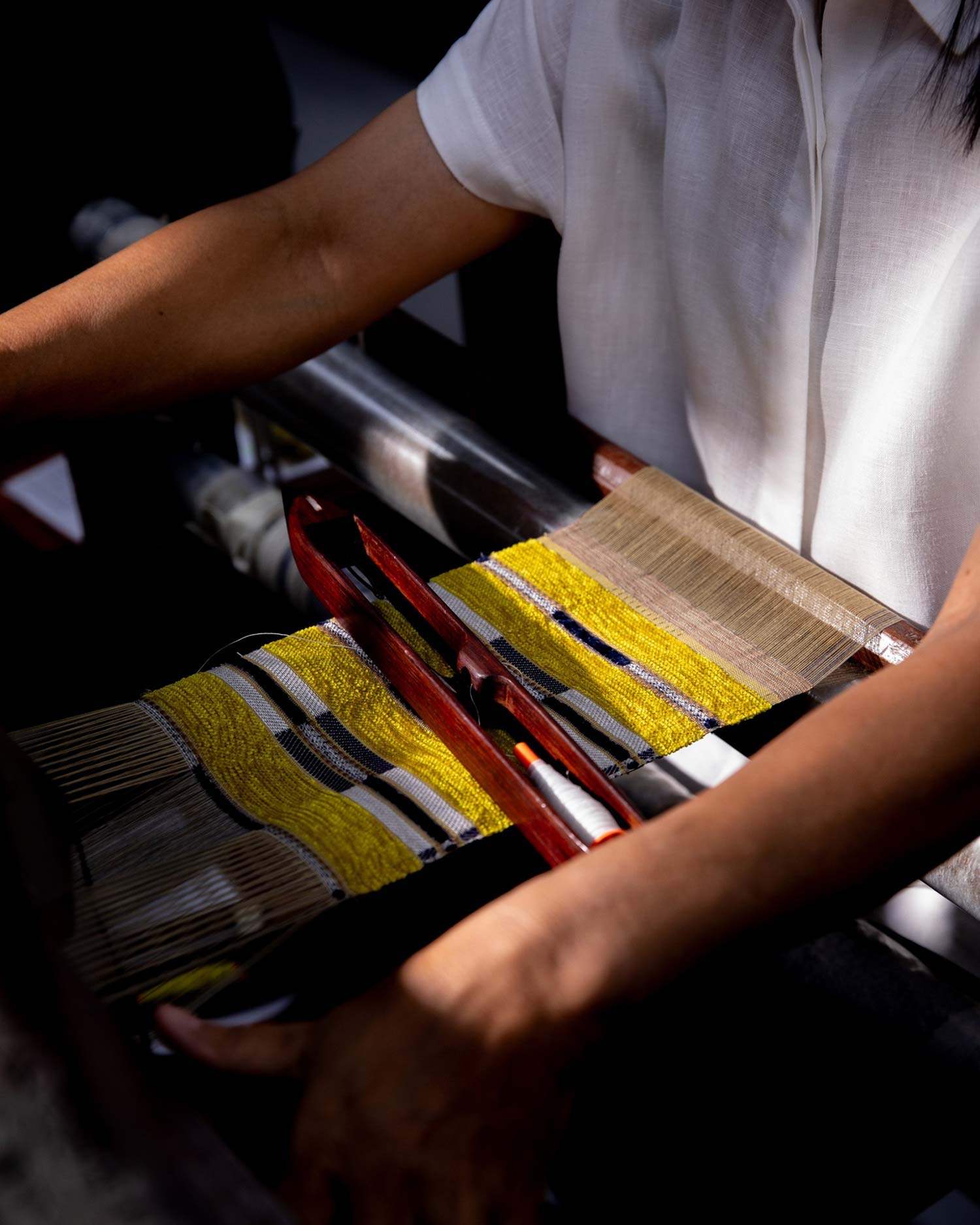
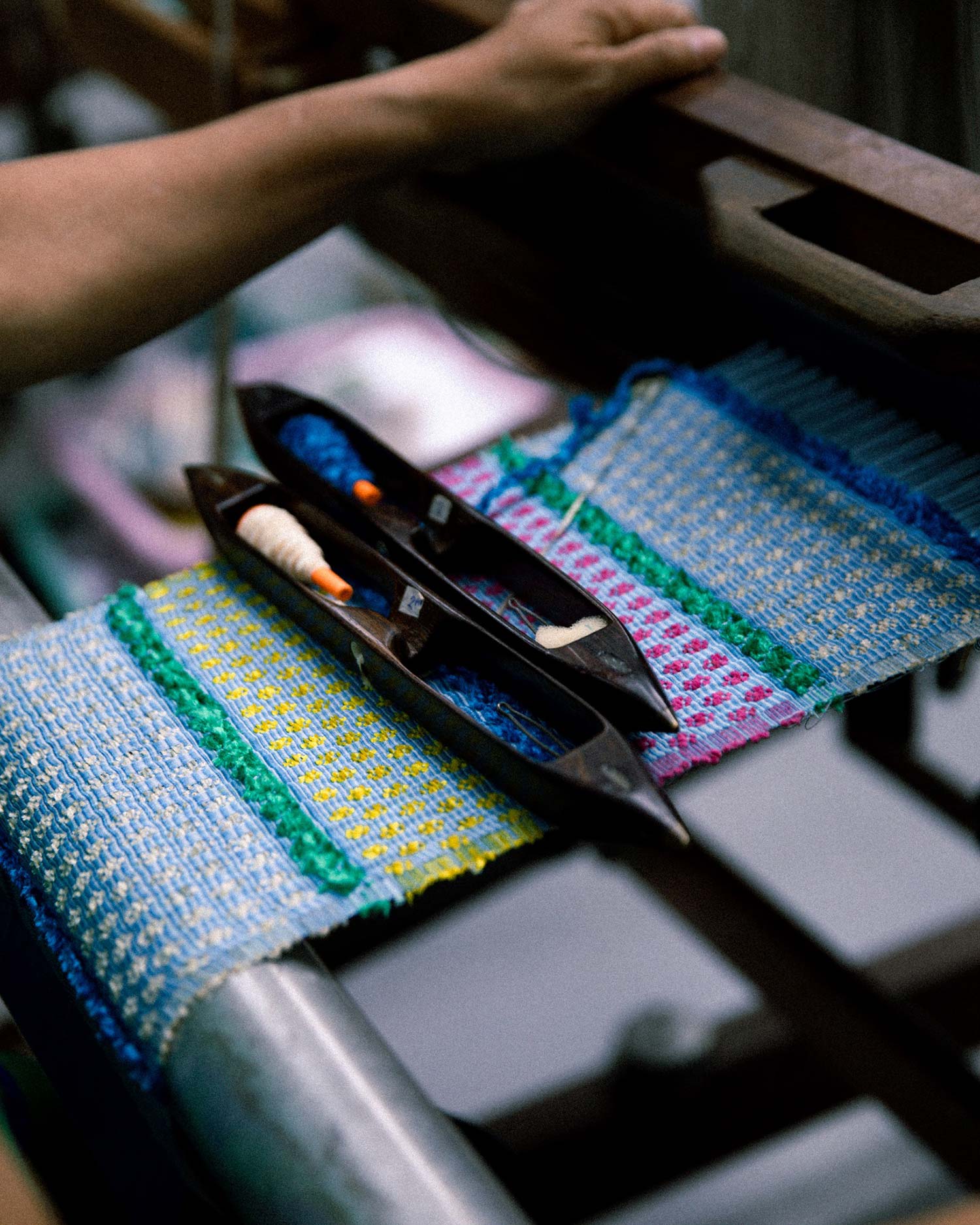
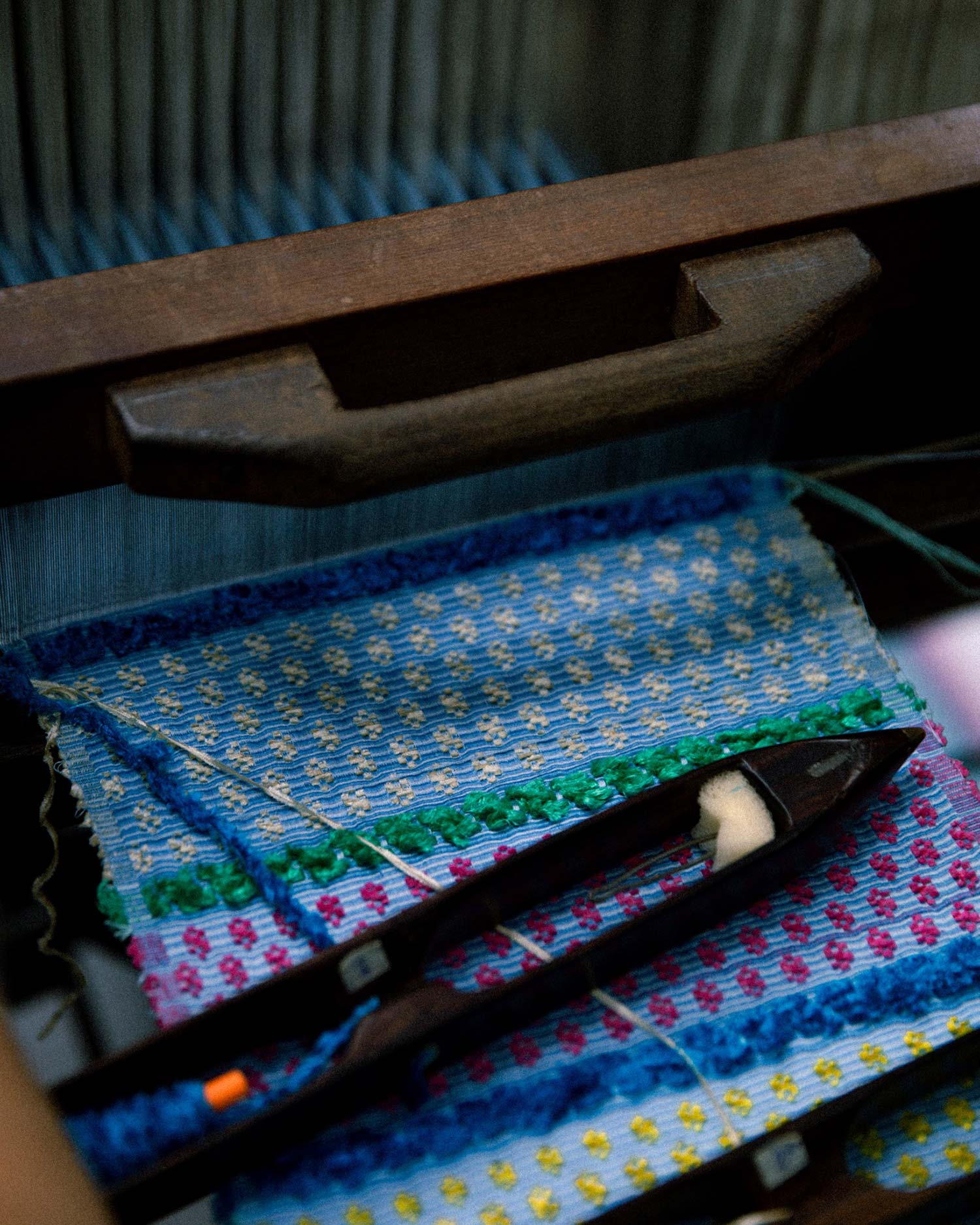
At the time, Thai silk was fading into obscurity—handwoven, inconsistent, largely confined to domestic use. Thompson saw something else: texture, color, irregularity as virtue rather than flaw. In 1948, he helped launch what would become the Thai Silk Company. He worked closely with weavers, paid fairly, insisted on quality, and introduced colors bold enough to catch Western eyes.
He was also a natural salesman, though not in any conventional sense. He sold stories as much as fabric.
The breakthrough came when American tastemakers took notice. A Vogue editor championed the cloth. Soon after, the Broadway production of The King and I appeared in shimmering Thai silk. Suddenly, what had been local craft became global fashion.
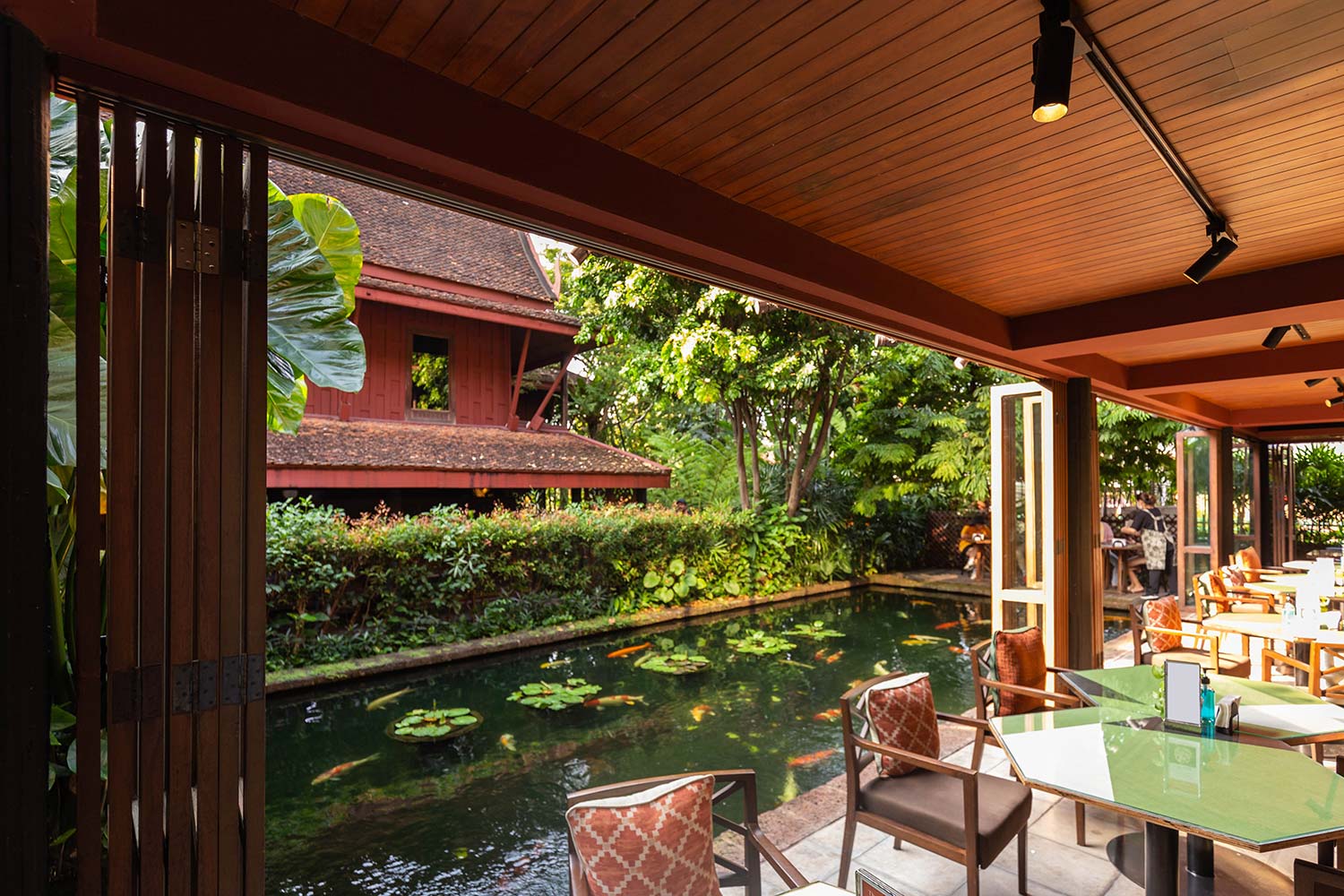
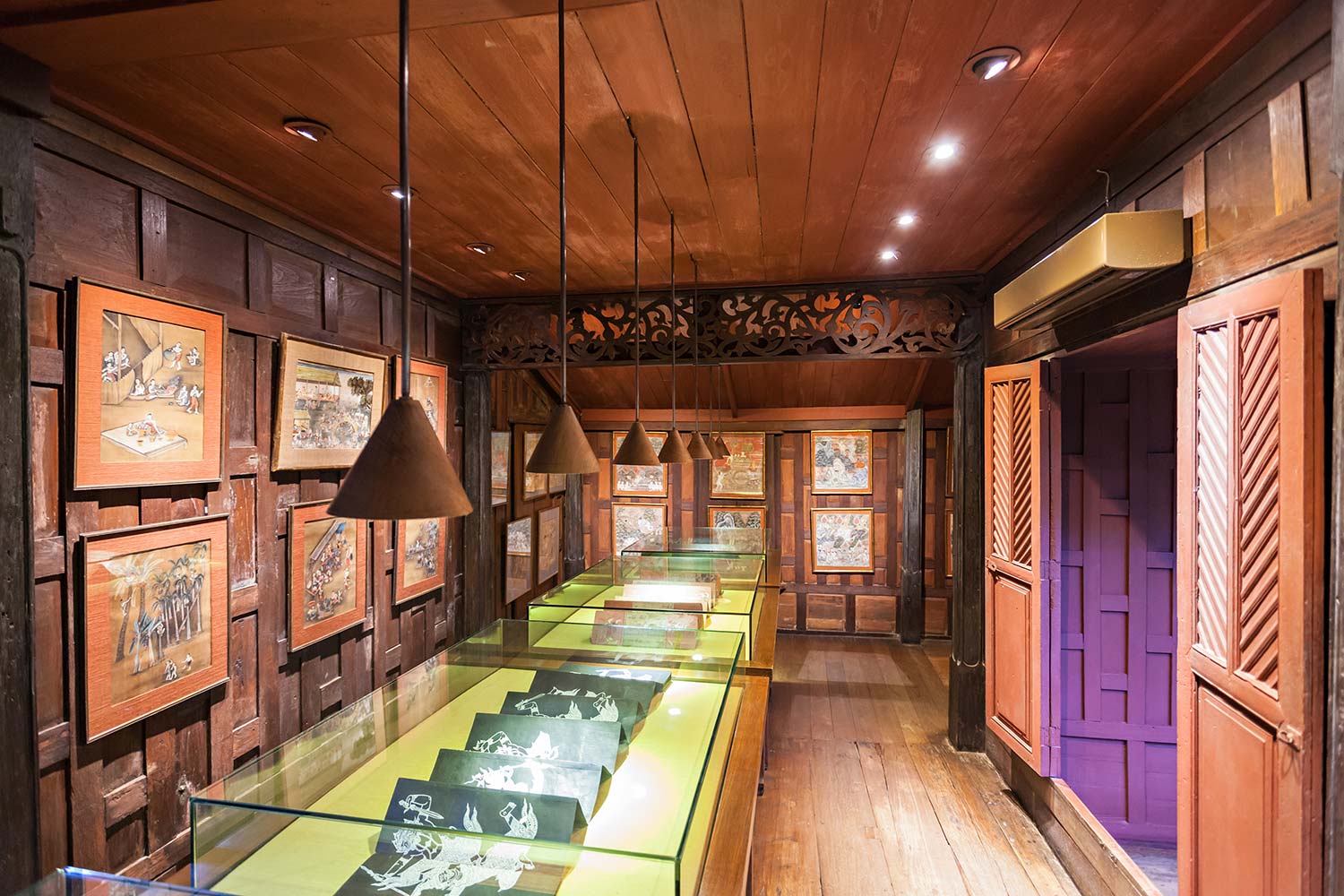
Bangkok society took notice, too. Thompson’s teakwood house—assembled from old structures brought downriver and rebuilt—became both residence and statement: part museum, part salon, entirely his.
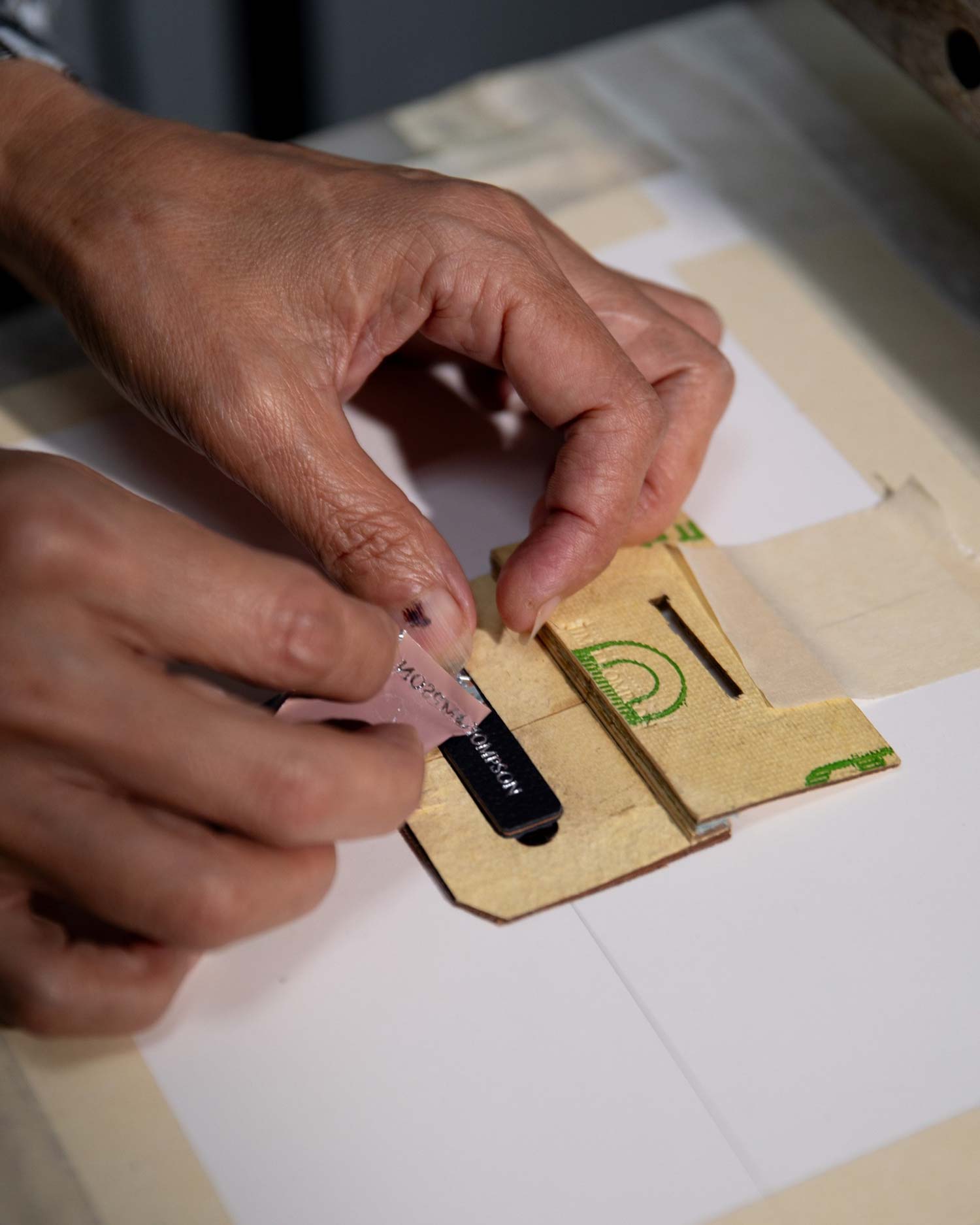
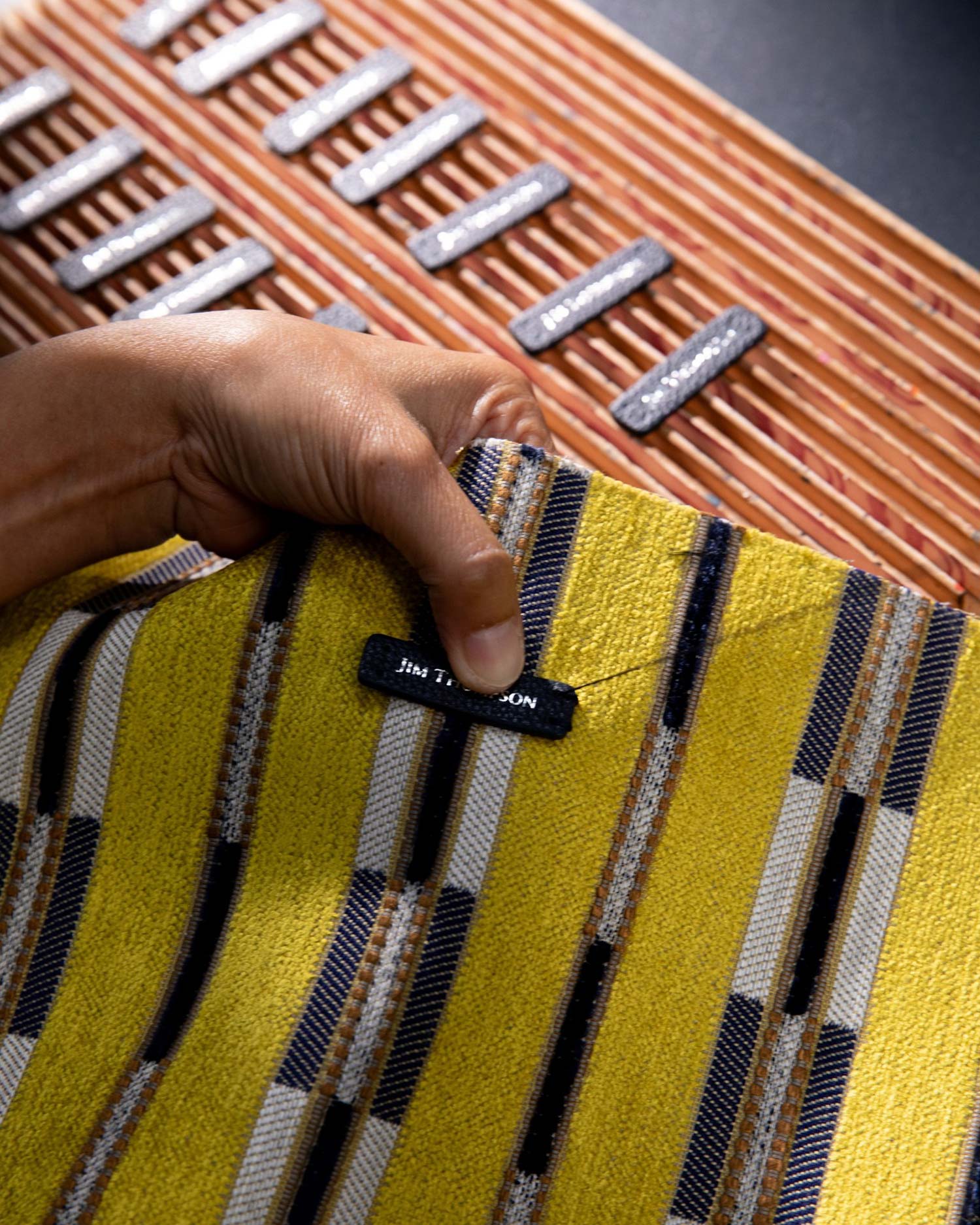

Silk alone does not explain Jim Thompson.
Even after leaving formal service, he remained, by many accounts, a useful contact for American intelligence in Bangkok. The networks he had developed during the war—among Thai, Lao, Vietnamese—did not simply dissolve. They evolved.
Afternoons might find him receiving visitors from across the region: nationalists, exiles, men with causes that did not always align neatly with Washington’s. Weekends might take him northeast, into areas where allegiances shifted as quickly as the terrain.
He believed, it seems, in the promise of independence movements across Southeast Asia. Not as abstractions, but as lived realities. That belief put him increasingly at odds with the direction of U.S. policy as the Cold War hardened into doctrine.
Where Washington began to favor stability—often defined as strongmen—Thompson leaned toward self-determination, even when it came wrapped in inconvenient ideologies.
It was not a comfortable position.
By the mid-1950s, official enthusiasm for his involvement had cooled. Contacts were discouraged. Questions were asked. He, in turn, grew more outspoken—critical of American policy in Vietnam, uneasy with the expanding footprint of U.S. power in the region.
Friends noticed changes. Restlessness. Irritation. A man who had once thrived in ambiguity now seemed worn by it.
In March 1967, Thompson traveled to Malaysia, heading for the Cameron Highlands—a landscape of tea plantations, cool air, and colonial-era cottages perched along narrow roads.
He stayed at Moonlight Cottage, owned by his friend Marie Bowers. Nearby, Constance “Connie” Mangskau, a longtime acquaintance, occupied another cottage. The rhythm was easy: meals, conversation, the kind of quiet that comes with altitude.

On Easter Sunday, after church and a picnic, Thompson returned to the cottage. He mentioned sitting out on the terrace.
At some point in the afternoon—no one can say exactly when—he was gone.
For a man trained to survive in difficult terrain, it was a disappearance that made little sense.
Theories arrived quickly and have never entirely left: accident, abduction, political silencing, voluntary exit. Each explains something. None explains everything.
Months later, his sister was murdered in the United States, deepening the sense that the story extended beyond a single vanished afternoon.
Jim Thompson’s life resists tidy conclusions.



He helped revive a traditional craft and turned it outward, giving Thai silk a global presence without stripping it of its character. He moved easily between cultures, yet never fully belonged to any one of them. He served his country, then questioned it—publicly, and at a time when such questioning carried consequences.
In Bangkok, his name lingers—in fabric, in architecture, in the half-told stories that surface over drinks in old rooms.
In the Cameron Highlands, the landscape remains indifferent. Tea bushes, mist, the same narrow paths.
Somewhere between those two places—between the city he helped shape and the hills where he disappeared—sits the unresolved figure of Jim Thompson: not just a man who vanished, but a man who never quite settled into a single version of himself.
And perhaps that is why he endures.