


If the 2010s marked the apex of the sustainability rush, the late 2020s may well launch the golden age of “purpose-driven” travel. Visitors are increasingly seeking meaningful experiences and ways to explore the world more consciously. It’s no accident that Travel + Leisure chose “Travel for Good” as the central theme of its inaugural Luxury Summit Asia in 2025. And yet, despite all the buzz, it can still be difficult to discern which programs and initiatives are making a real difference.
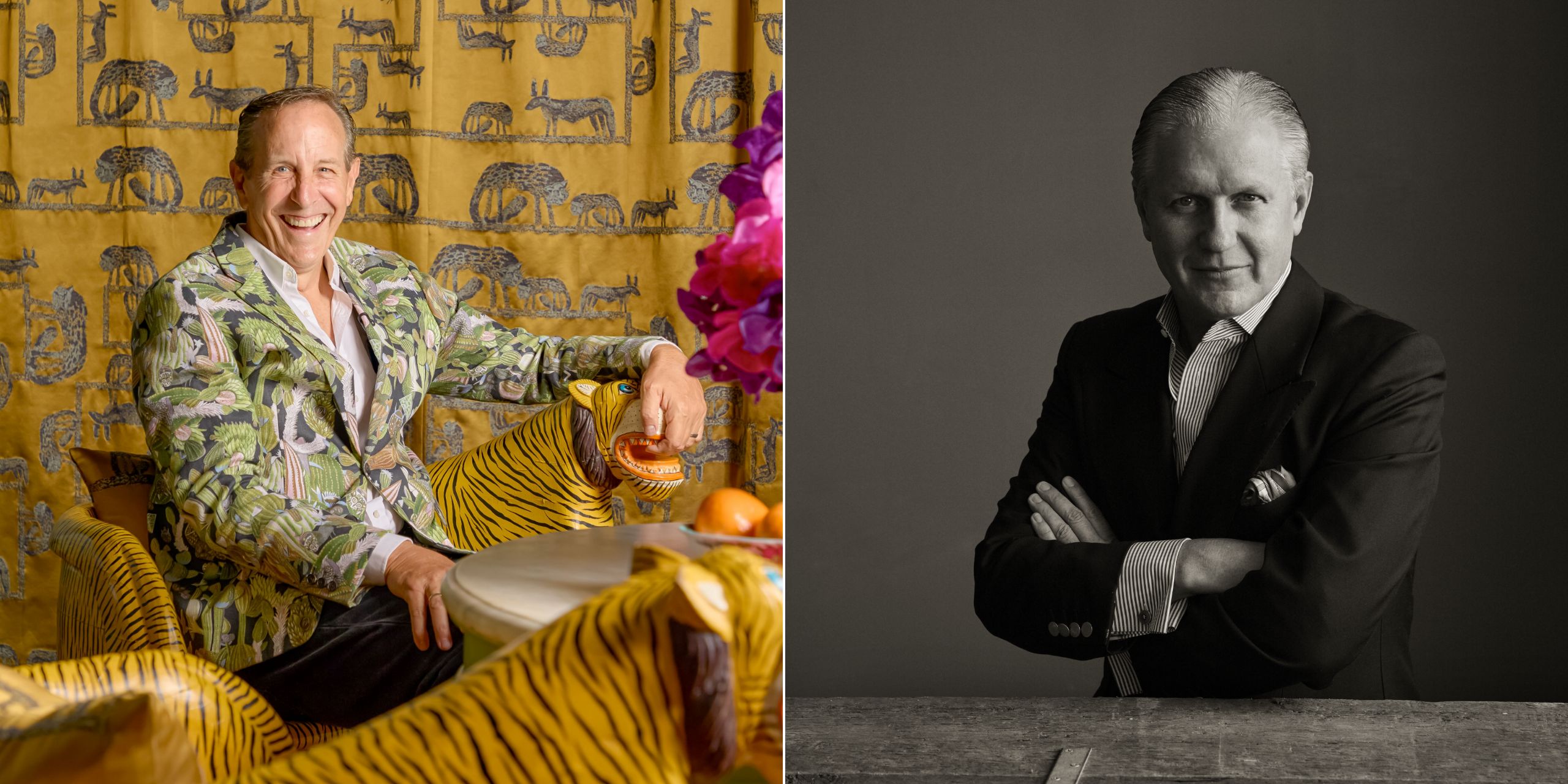
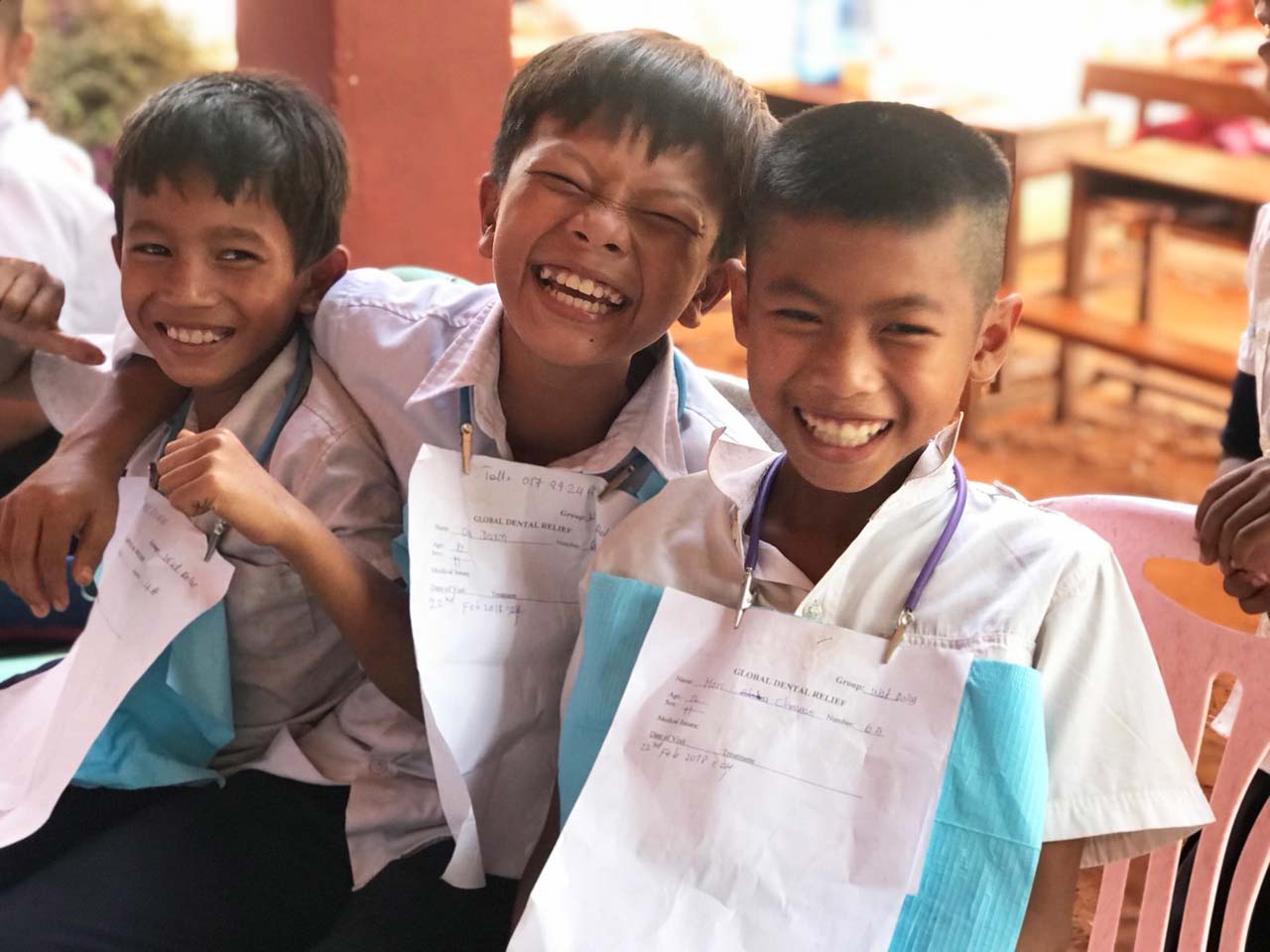
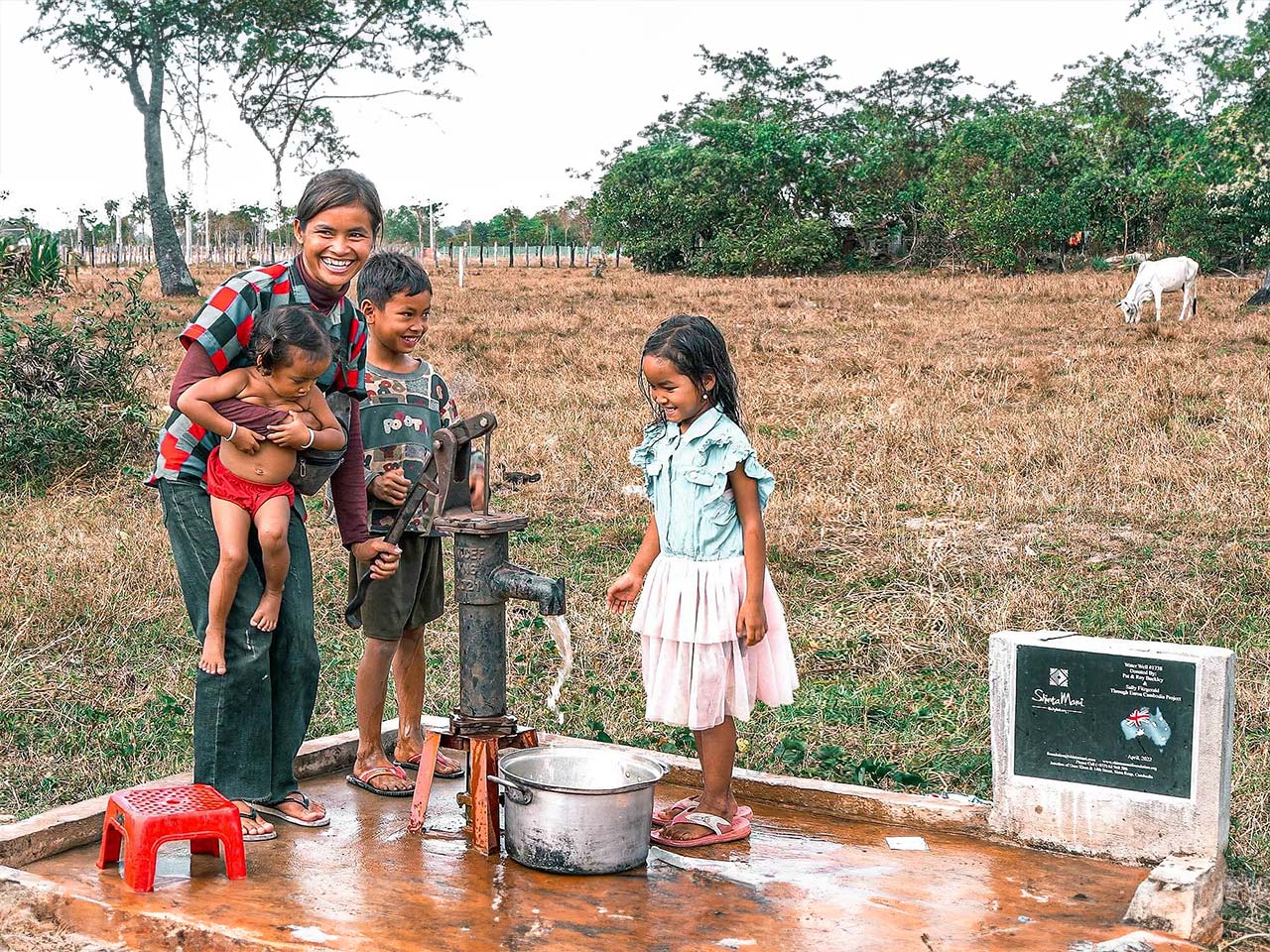
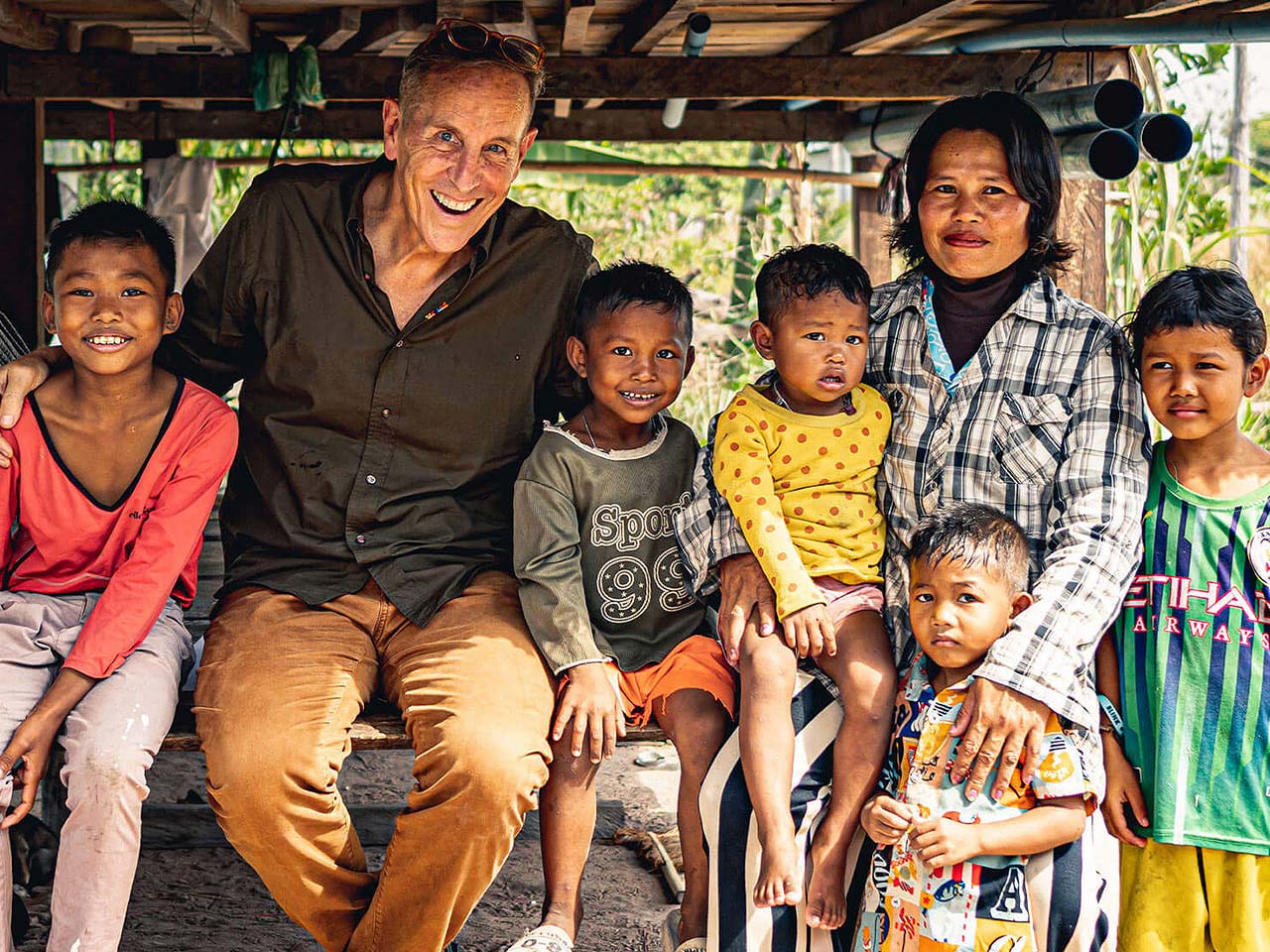
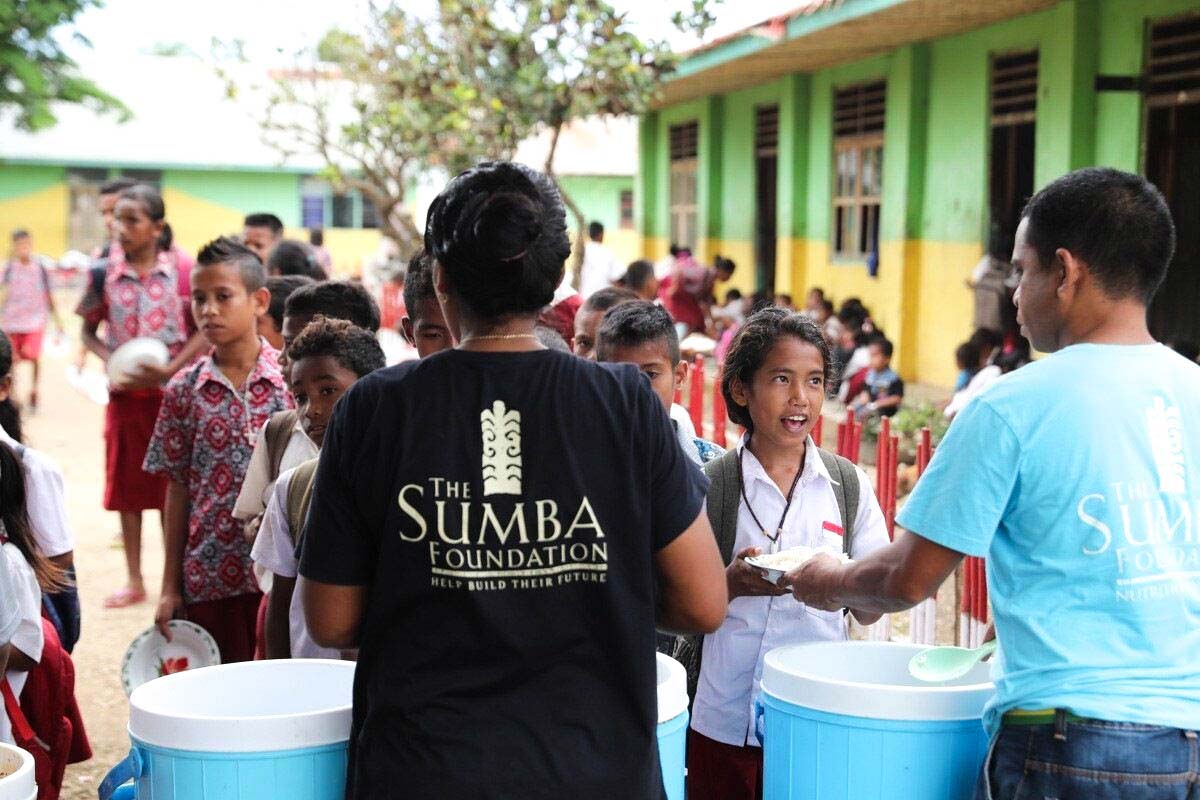
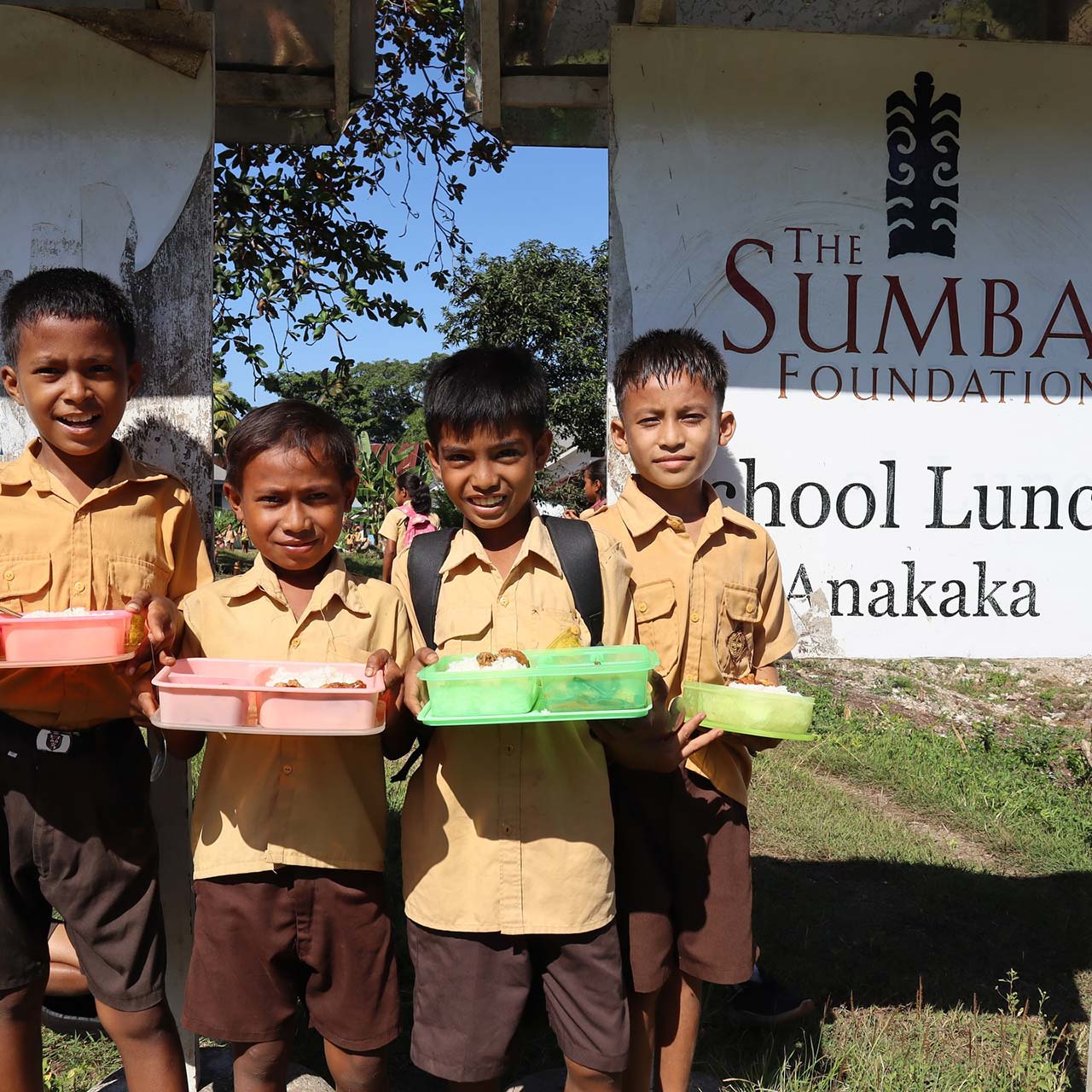
Two individuals who have helped define purpose-driven travel in Southeast Asia are Bangkok-based architect and designer Bill Bensley and hotelier James McBride of Nihi Sumba in Indonesia. Bensley began working with the Shinta Mani Foundation in 2004 to alleviate poverty and improve the lives of people in Cambodia, while McBride, as co-founder and CEO of Nihi Resorts, has worked with the Sumba Foundation since he and Christopher Burch arrived on the island in 2012. Sumba is one of Indonesia’s most impoverished islands, and the foundation is dedicated to helping the indigenous population through malaria control, clean water access, healthcare, and education.
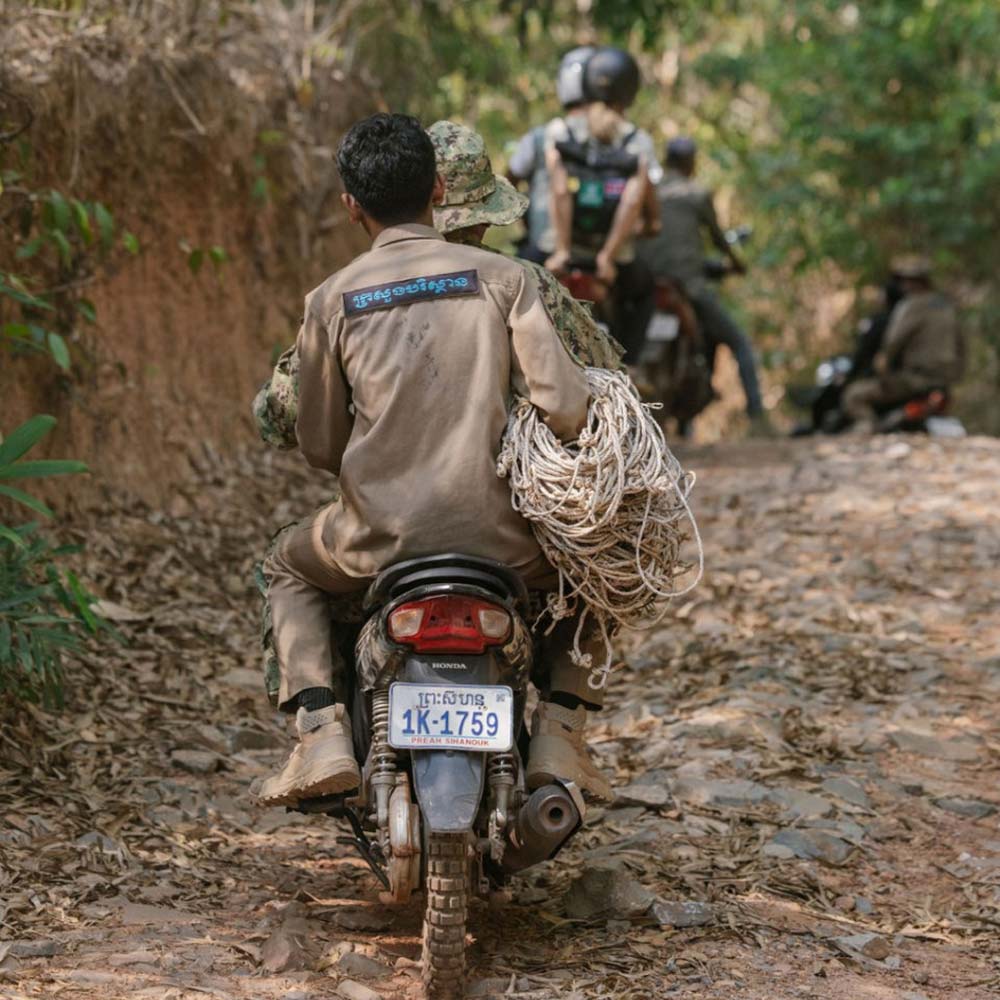
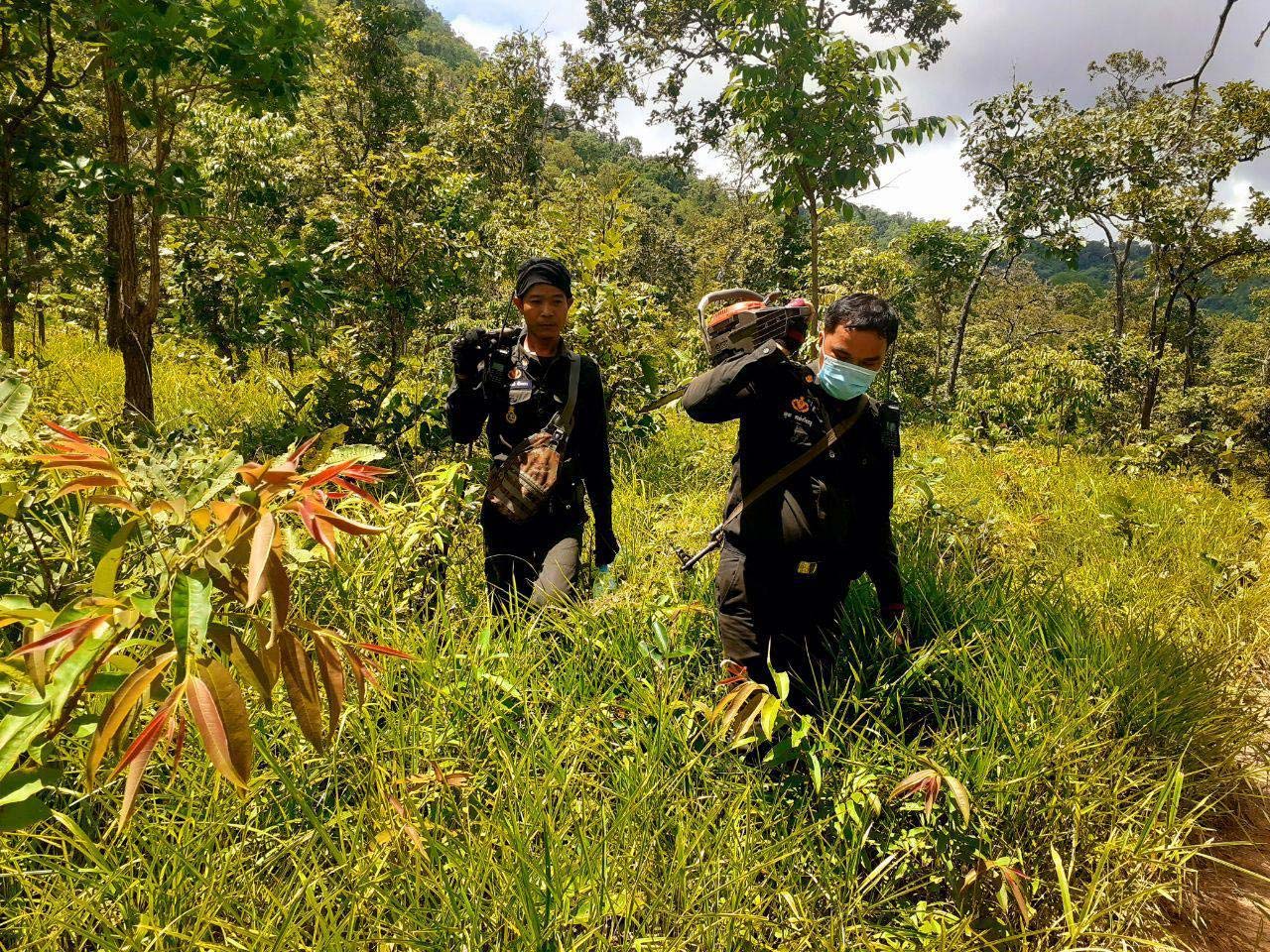
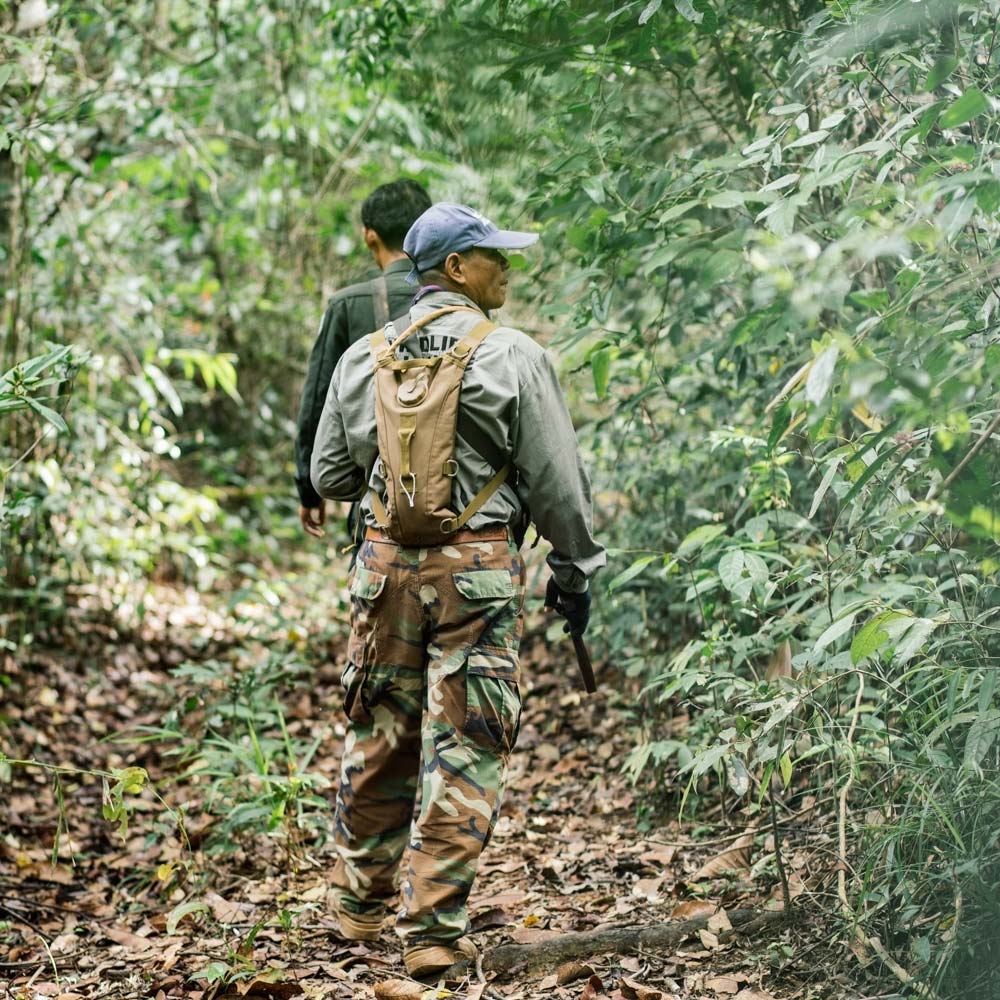
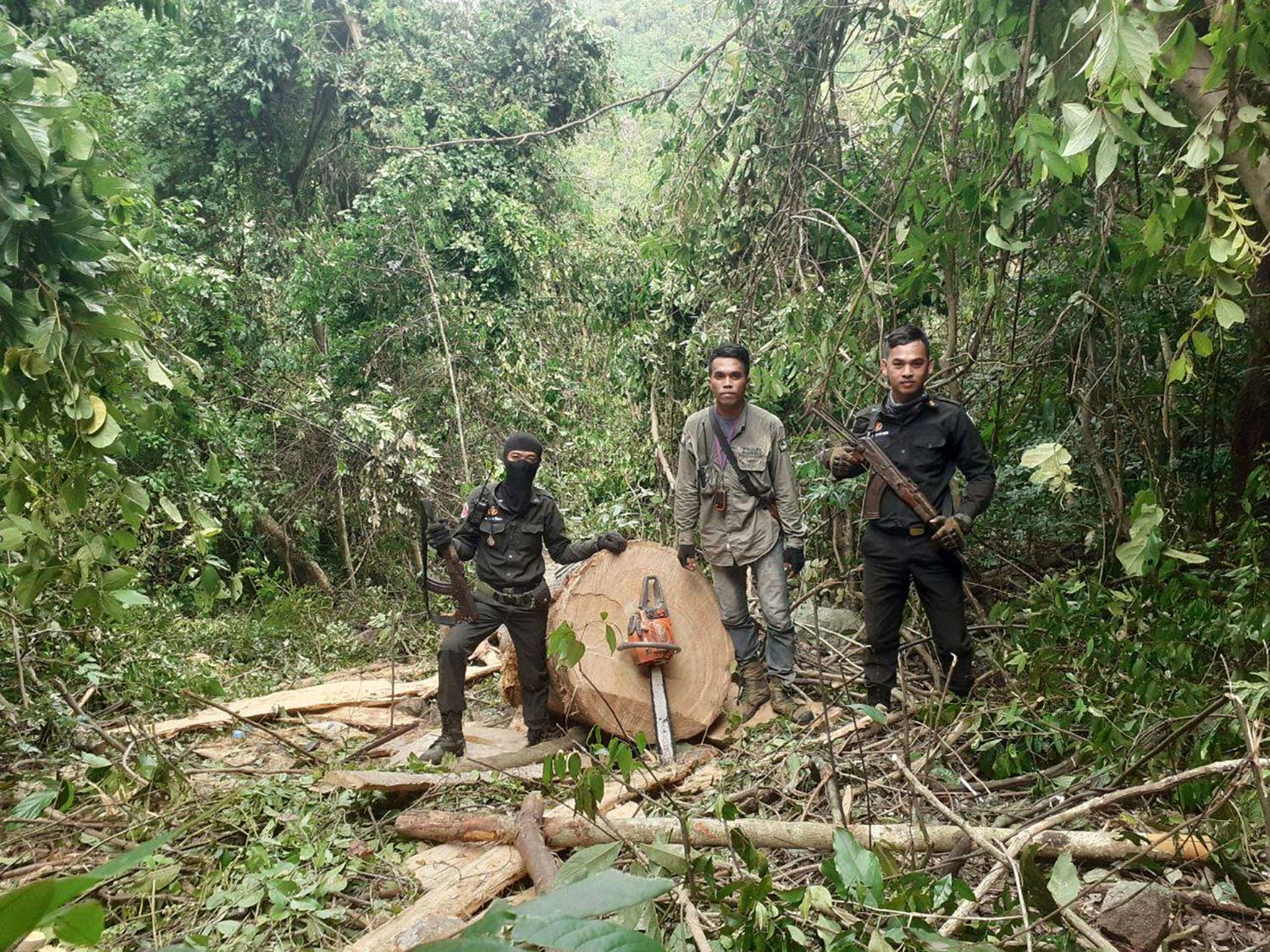
Through their partner resorts, both foundations offer guests opportunities to participate. At Nihi, for instance, visitors can tour local schools and help students practice English. At Shinta Mani Wild, in Cambodia’s Cardamom Mountains, guests can sign up for an anti-poaching patrol with rangers and officers from Wildlife Alliance.
Bensley says, “The truth is, if you’re not careful, luxury and purpose can easily become just words on a brochure. At Wild, there’s no performance, no ‘foundation washing.’ The forests we protect, the wildlife corridors we maintain, and the communities we support are tangible, measurable, and ongoing.”
McBride shares a similar perspective. “Greenwashing and foundation-washing can become guises that help hotels pay the bills,” he says. “People have got to be very cautious of that. When guests can go into the field and see where their money is being deployed, it’s easier to understand the impact. It helps when they can support one specific thing.”
“At Nihi, whether it’s the spa safari, the horses, or the farm, everything’s real. Nothing’s skin-deep. The things we do are robust, and we’re responsible to the environment, to our people, and to our guests. In our hiring practices, 90% of our staff are Sumbanese. When you take the responsibility seriously, you can feel it, see it, and understand it.”
While they share a common drive to give back, the two foundations have different origin stories and approaches. At Nihi, Wednesday evening programs introduce guests to the Sumba Foundation through a cultural feast, traditional dance, and a short film called The Longest Ikat.
Bensley, meanwhile, uses his own artwork to raise awareness of environmental issues, with proceeds from his paintings supporting the Shinta Mani Foundation. This January in Paris, he debuted a textile collaboration with Jim Thompson to coincide with the company’s 75th anniversary. The collection, titled Wild, draws inspiration from the Cardamom Mountains and their endangered wildlife. As with many of his projects, a portion of the proceeds supports conservation and community initiatives in Cambodia.
The Sumba Foundation itself began in 2001, eleven years before McBride’s arrival. Claude and Petra Graves, founders of Nihiwatu (the resort that preceded Nihi), began community outreach as soon as they built their first bamboo hut on the beach in 1989. Because two of Sumba’s traditional kingdoms were at war, the need for diplomacy quickly became apparent.
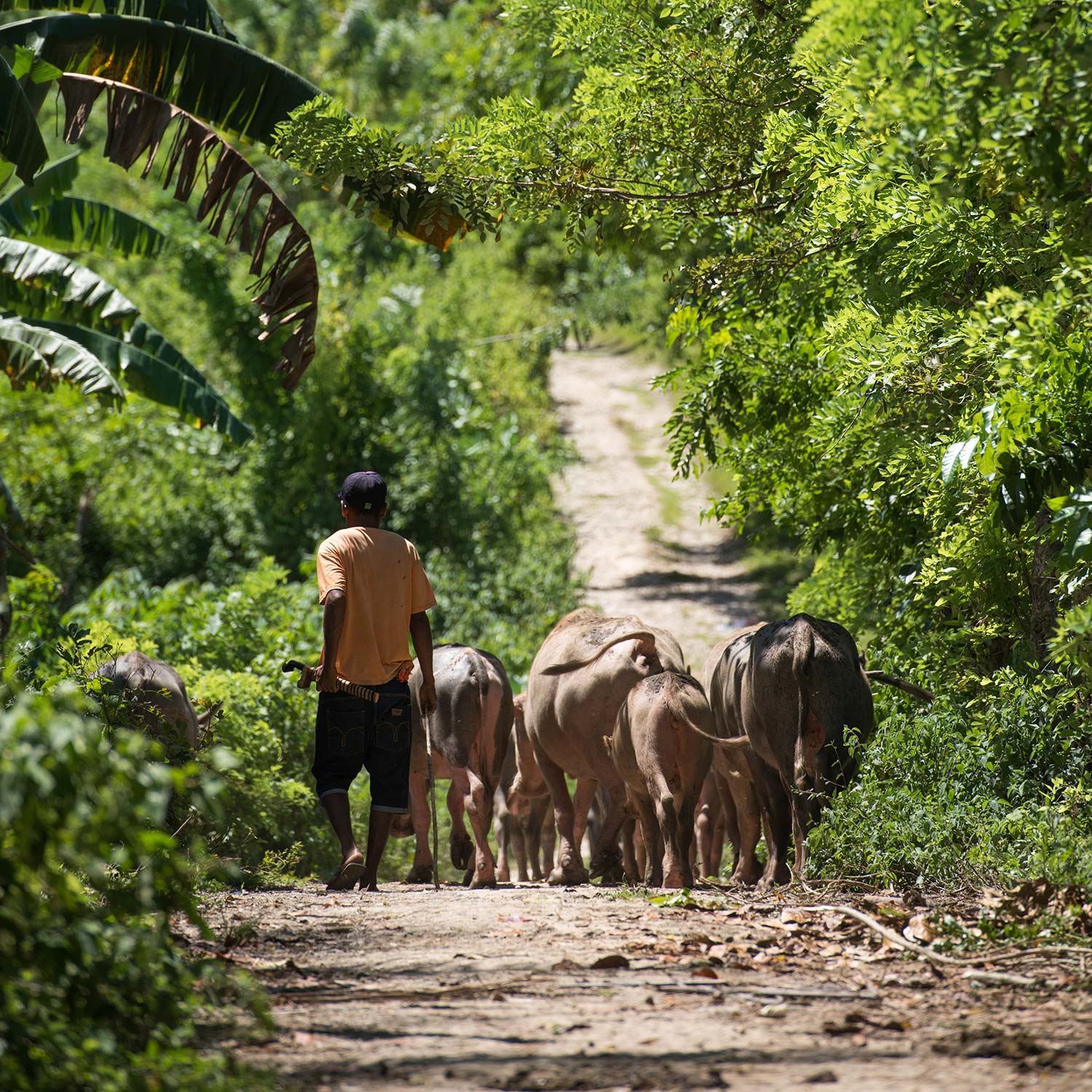
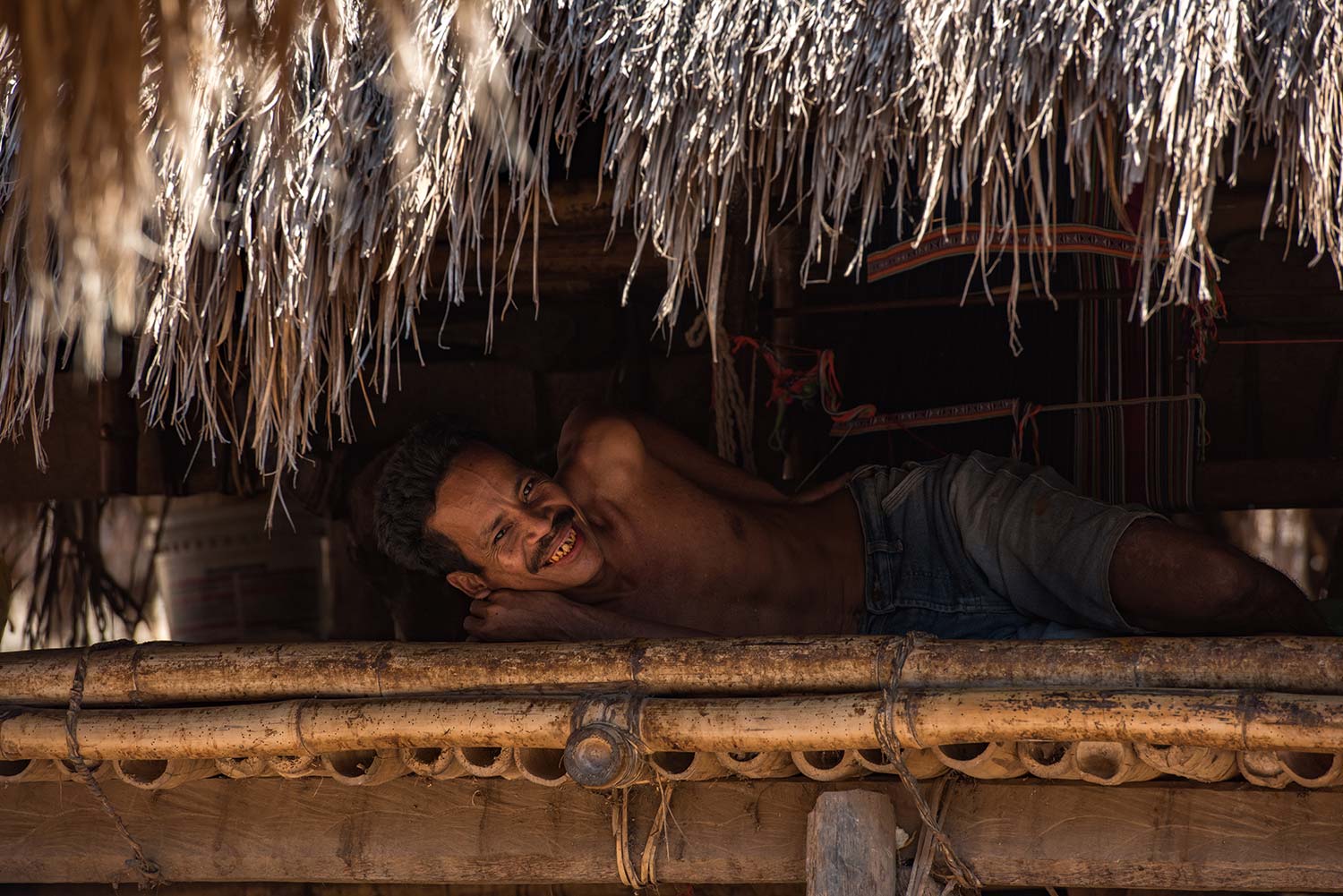
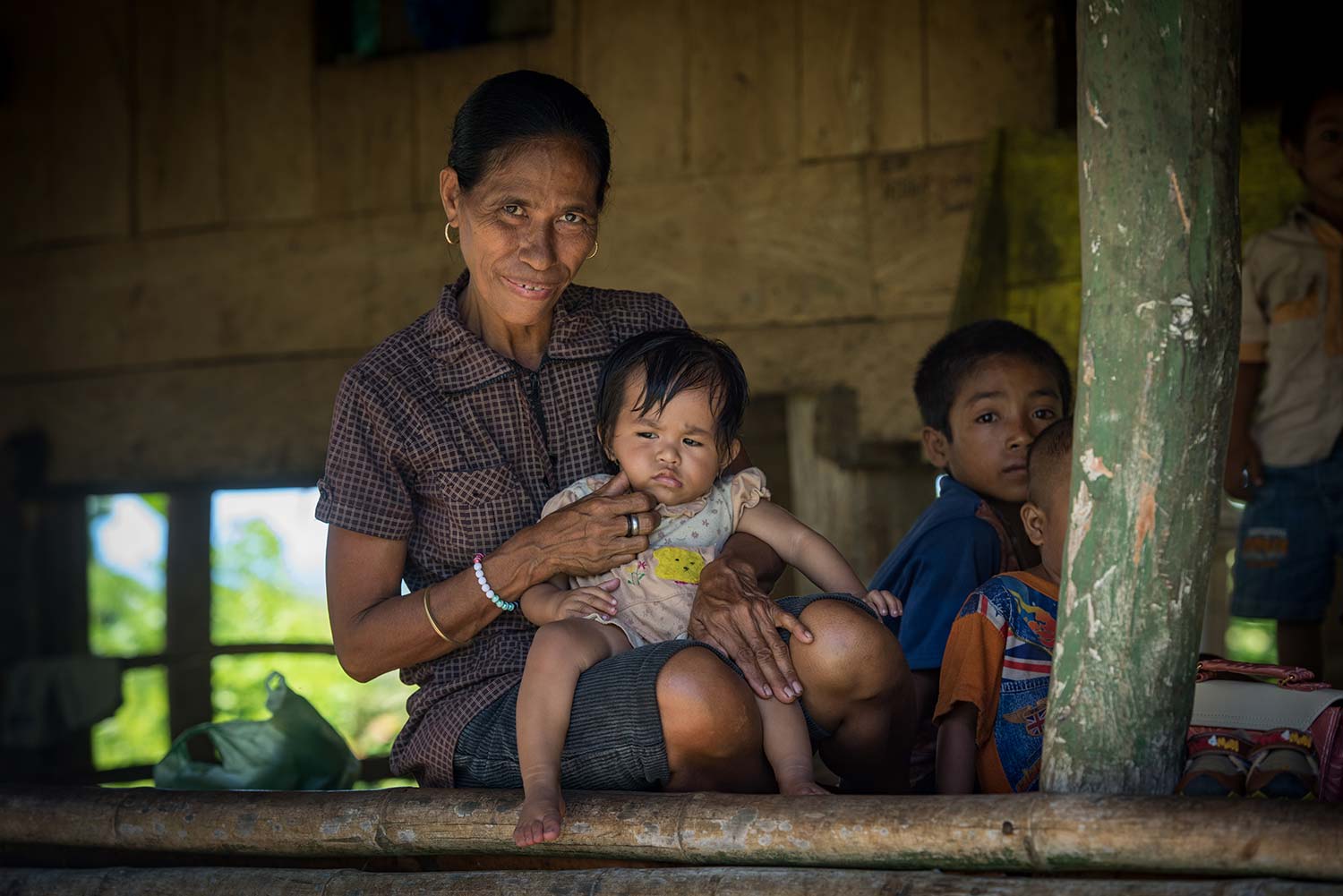
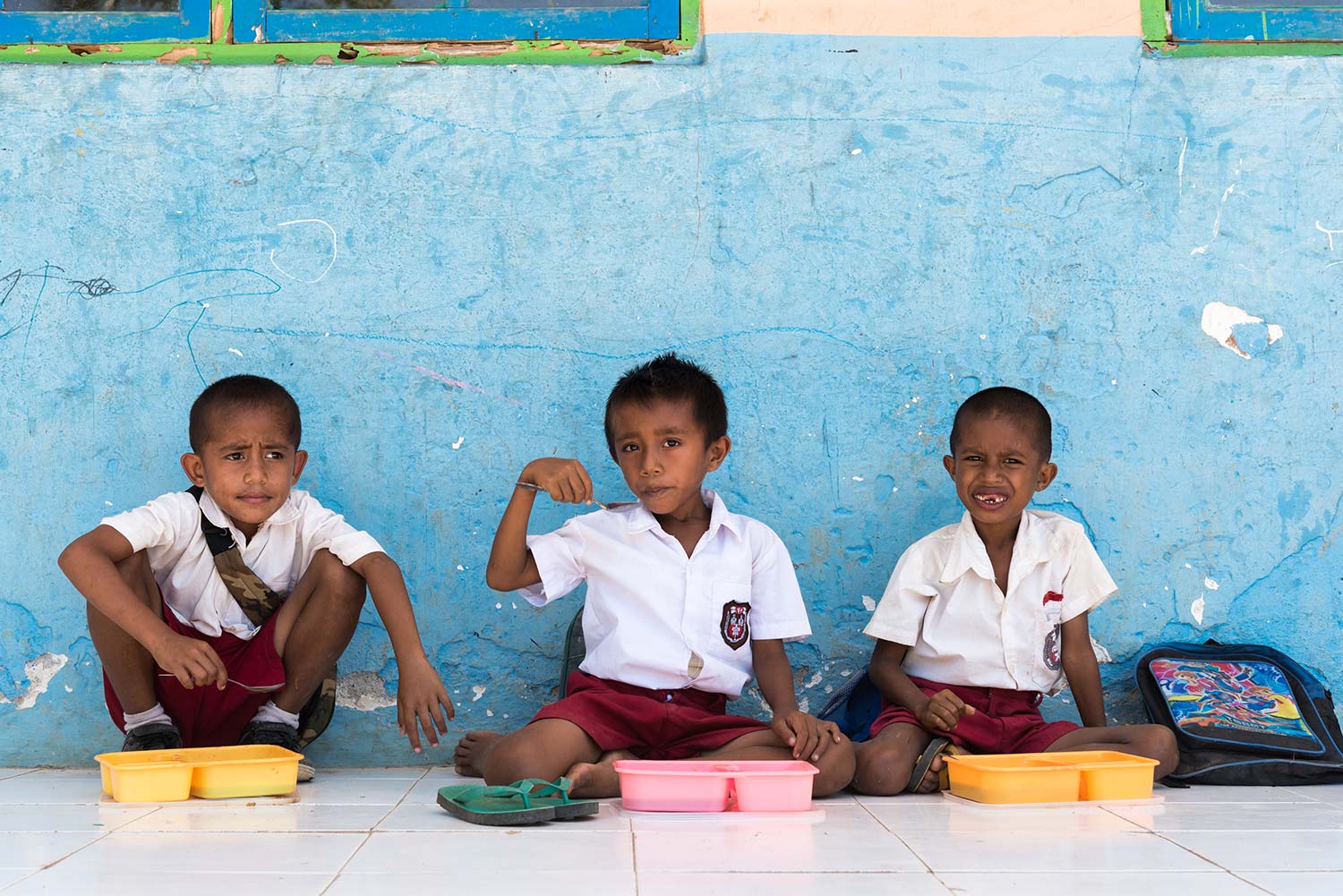
McBride notes, “Given the nature of Sumba, people were extremely poor, suffering, very tribal and isolated. Had the Graveses not helped, they probably would have had their heads cut off. But it was also simply the right thing to do. Two out of four children were dying from malaria, so they felt compelled to help however they could. And it continued from strength to strength. As the community saw the foundation giving back, they became more supportive in return.”
When McBride and entrepreneur Christopher Burch took over the property and rebranded the renovated resort as Nihi Sumba, they embraced the foundation’s mission and elevated its reach. The Christopher Burch Family Foundation, established in 2025, is now the Sumba Foundation’s largest benefactor. It also supports English Goes to Kampung, the Sumba Hospitality Foundation, and marine conservation initiatives around the island.
“Chris became very involved in enhancing the programs,” McBride says. “He funded all the operating costs for the first ten years, so the money raised could go directly to the cause.”
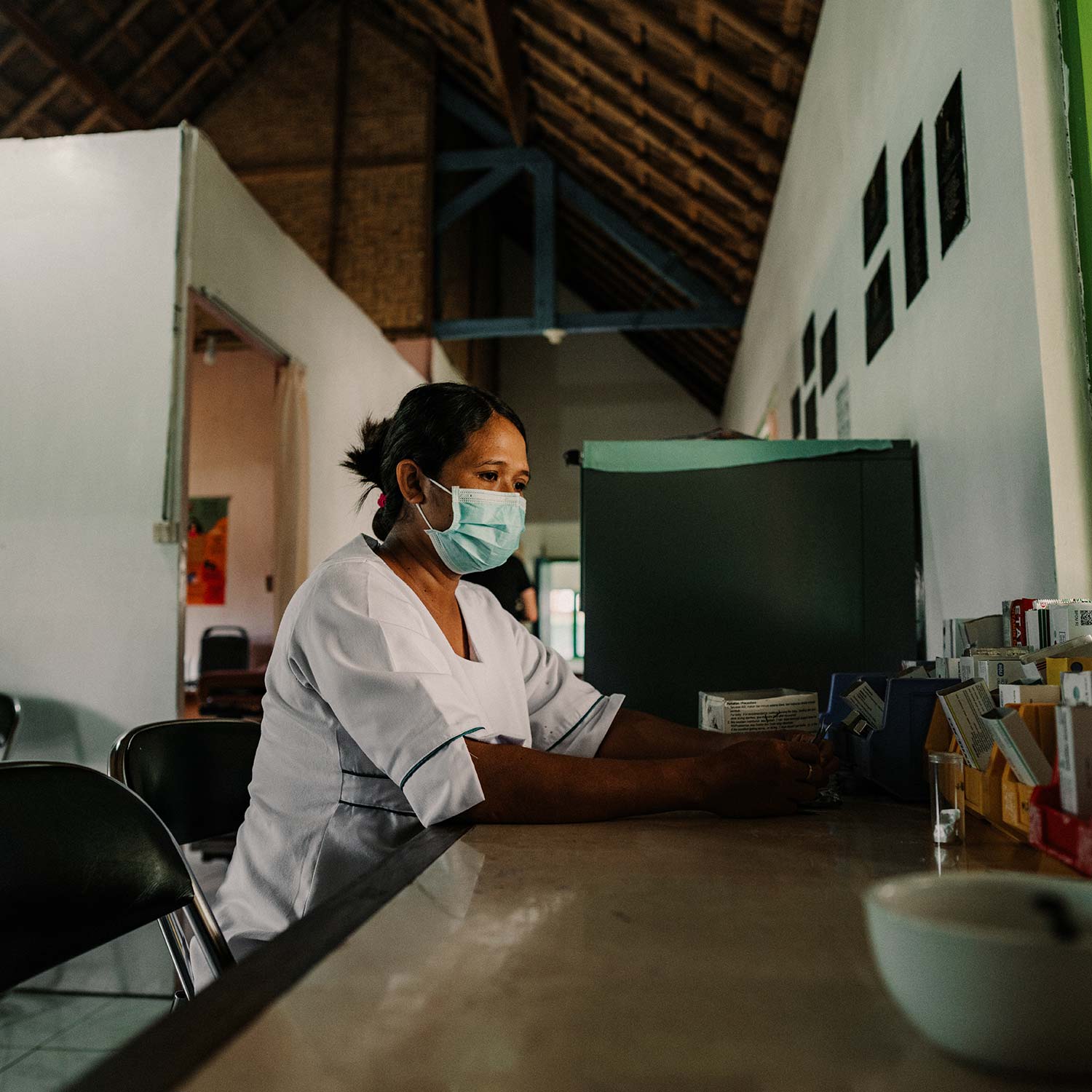
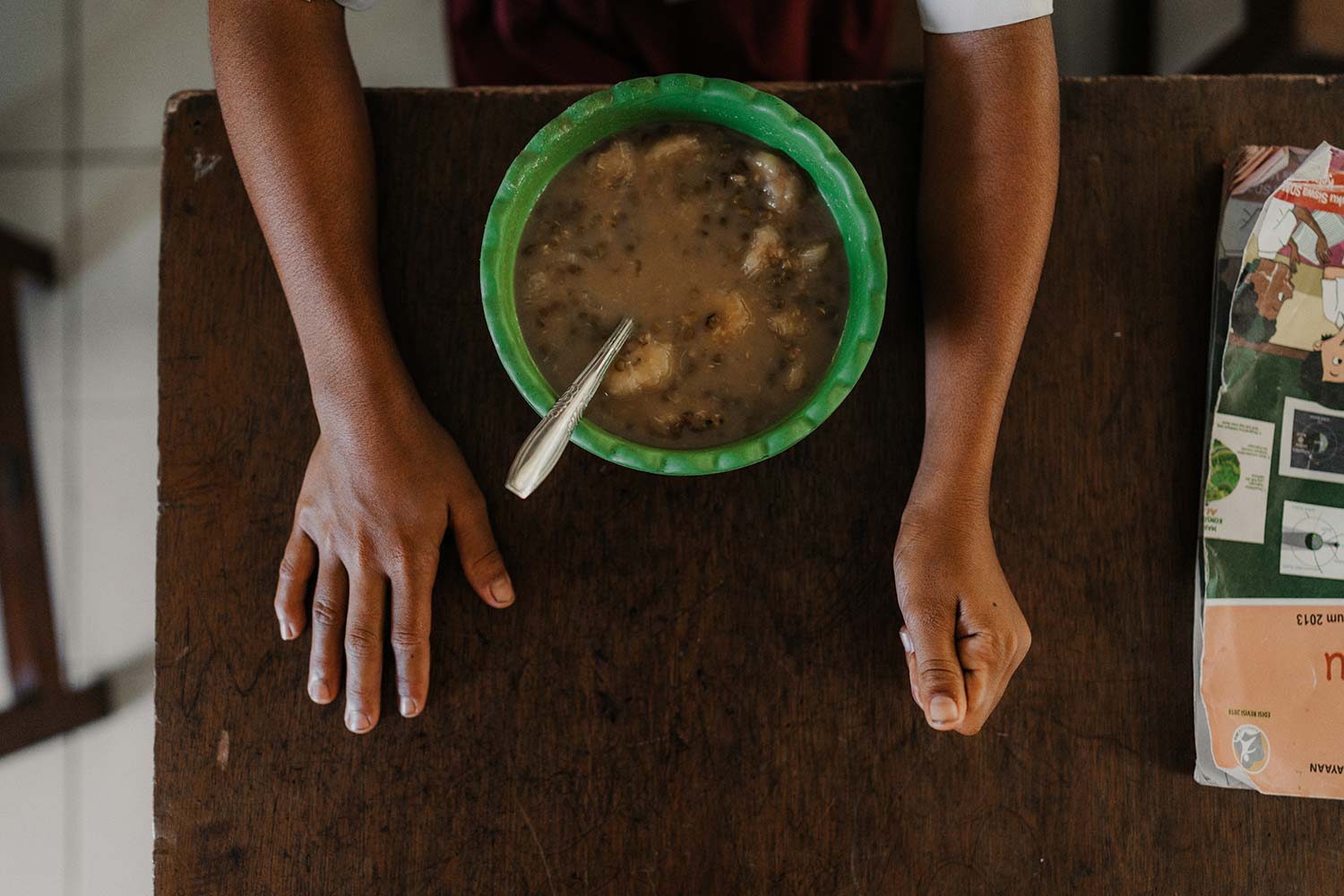
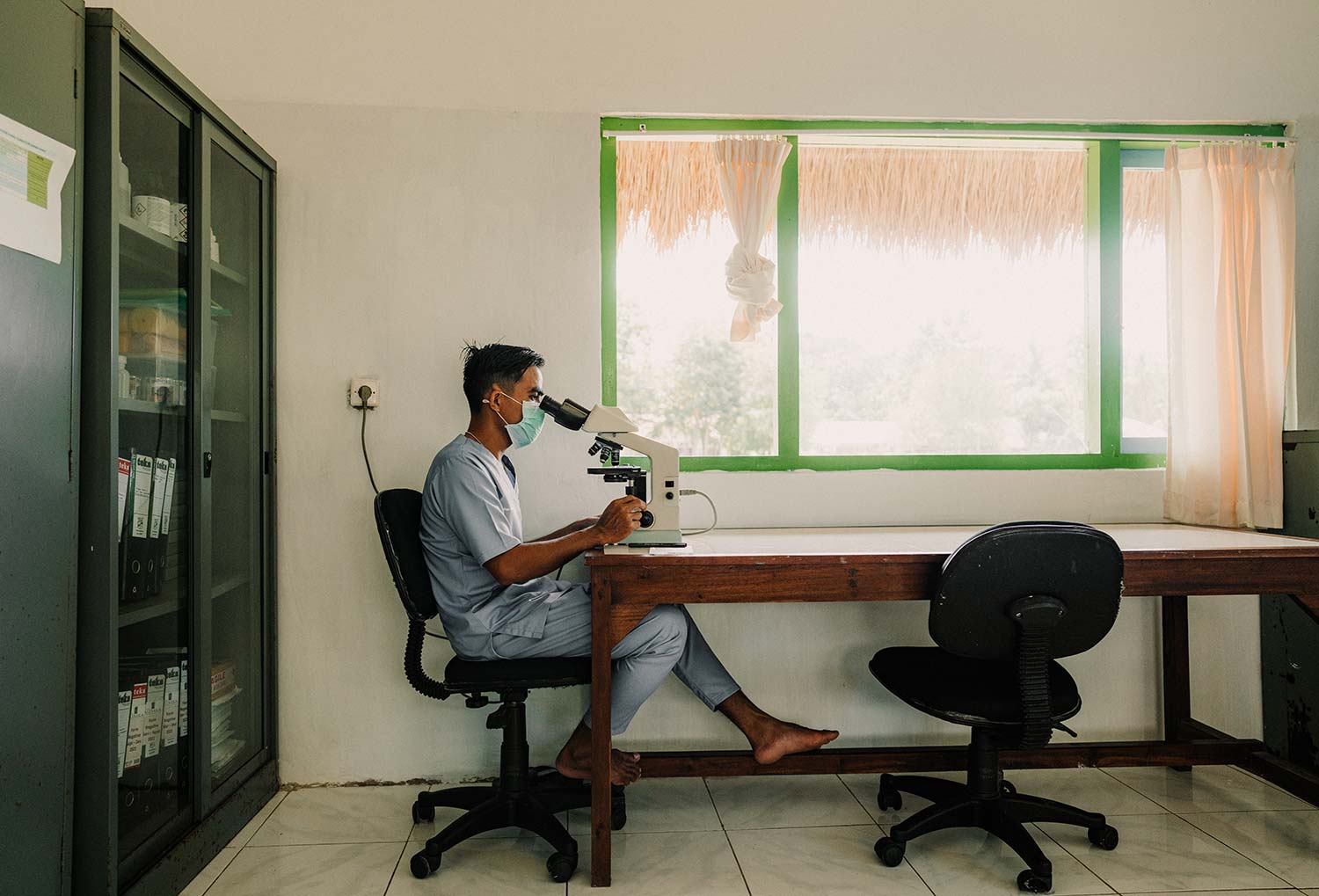
Like McBride, Bensley partnered with a businessman to expand his efforts. Witnessing the depth of poverty in Cambodia moved him to tears, and coming from the relative wealth of Thailand, the disparity felt profoundly unfair.
“Everything really began in Angkor,” he explains. “After years abroad, my good friend and business partner, Cambodian entrepreneur Sokoun Chanpreda, returned home with a vision to use hospitality as a force for social good. Together, we established the foundation in 2004.
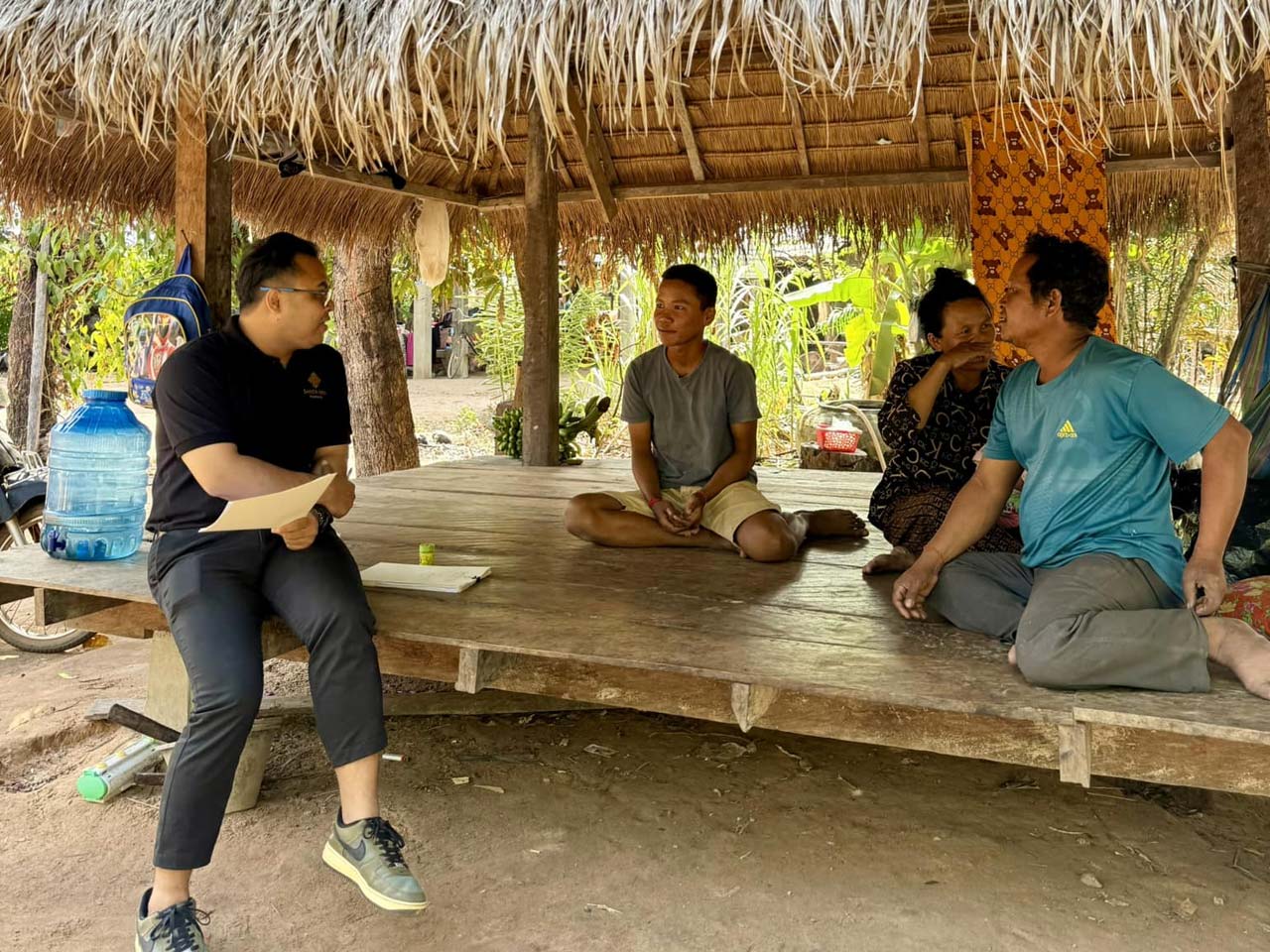
One initiative is the Shinta Mani School of Hospitality in Siem Reap, which provides free training for up to 30 underprivileged Cambodians each year to help them secure employment in tourism. I have never missed a graduation, and my heart swells with pride seeing these young adults finish the program and support themselves and their families.”
While the vitality of their respective foundations sits at the heart of their hospitality philosophy, both Bensley and McBride understand the need for balance. Guests remain free to choose their level of engagement.
Bensley says, “Do guests come because they know their stay supports something meaningful? Absolutely. But it’s never the only reason. Many come for the adventure, the raw beauty, the quiet you can only find far from city lights. When they discover that every night spent at Wild contributes to conservation, education, and community well-being, it deepens the experience. It turns a vacation into something with purpose, and that stays with them long after they leave.”
McBride agrees. “Nihi is an expensive place, so many of our guests are wealthy, and they want to help because they see the work is real. Sometimes they educate their children about the projects and return later to see the progress. Maybe there was a village with no water, and on their next visit, they see it running to homes. Maybe their donation restored someone’s sight through cataract surgery. When you involve your children in helping others, then yes, you’re enjoying a $50,000 holiday, but you’re also doing something good. And is there anything bigger than that?”
“It’s not just philanthropy on display,” Bensley says. “It’s a way of living, a story that guests become a part of. That, to me, is the magic.”