

Bangkok was once known as the Venice of the East, its riverside neighbourhoods cross-hatched with an intricate network of canals. Many of those canals, unfortunately, were paved over when the city turned its back on boats and embraced the automobile, making the Venice comparison somewhat less relevant.
These days, it could be argued that Bangkok‘s stronger bond with Venice lies in the art world, as both cities host major art biennales. The Bangkok Art Biennale (BAB), which began as a leap of faith back in 2018, is now entering its fifth edition and continues to grow in size and stature, although it’s still understandably eclipsed by its Venetian counterpart.
This year’s BAB runs from October 29, 2026, to February 28, 2027. During these four months, Bangkok will become a sprawling platform for artistic discovery, presenting artworks and installations by artists from Japan, China, Hong Kong, Malaysia, Myanmar, South Korea, Germany, France, Italy, Iran, Canada, Russia, Vietnam, Nepal, Thailand and beyond.
Having attended all four previous Bangkok biennales, I should warn visiting art lovers that experiencing BAB in its entirety requires zigzagging across the city’s cultural, historic and public spaces. But that’s always been half the fun of exploring this civic art extravaganza.
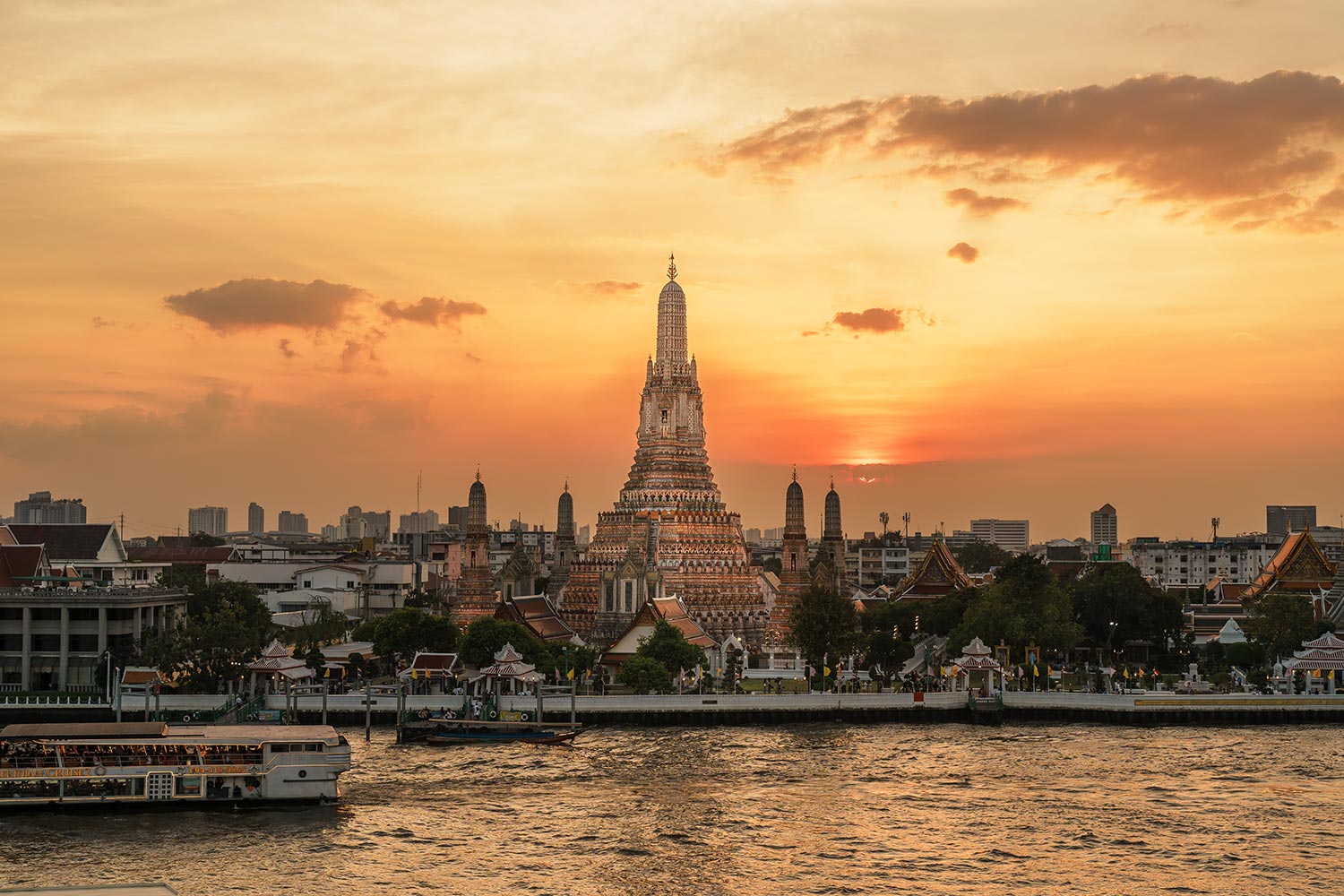
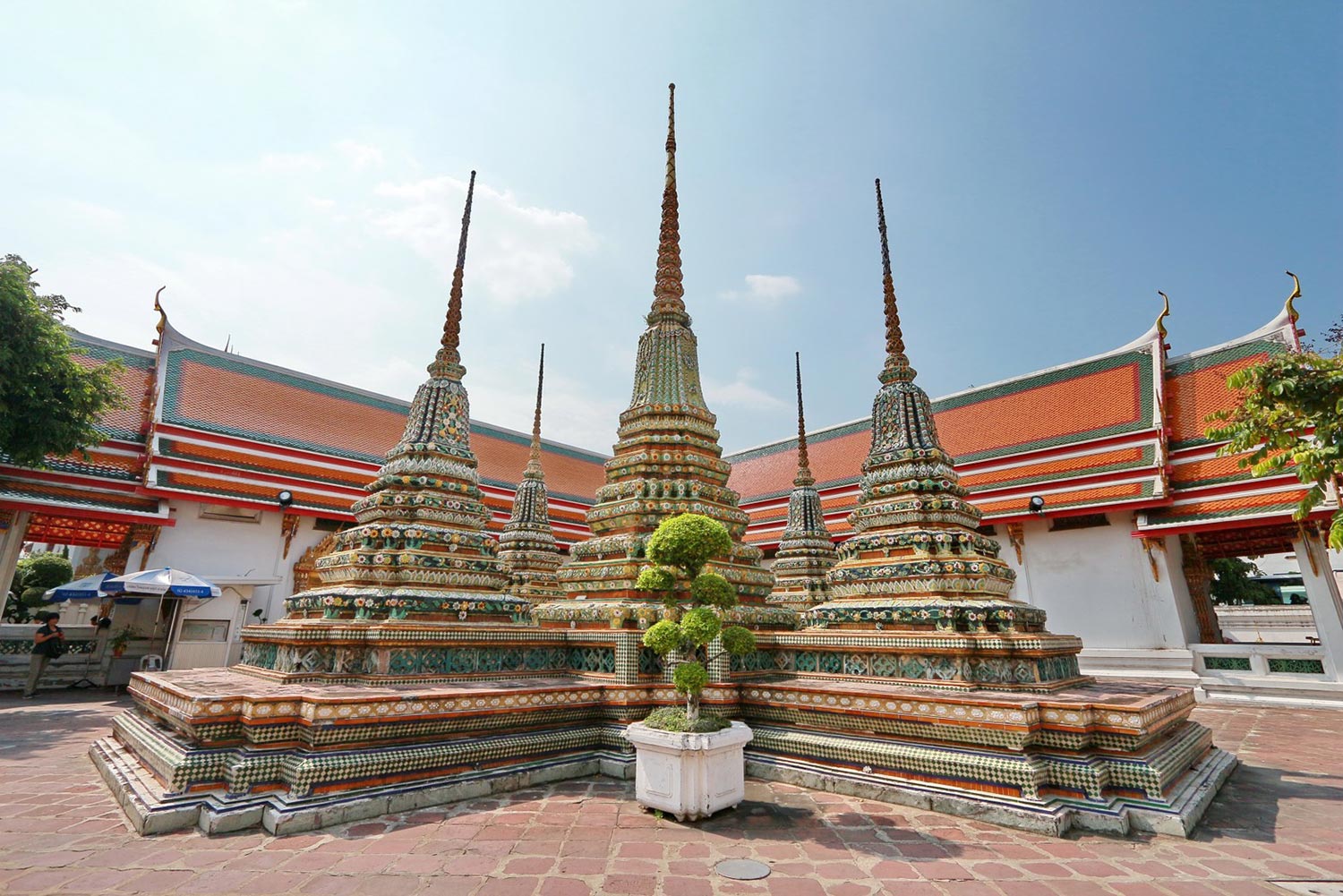
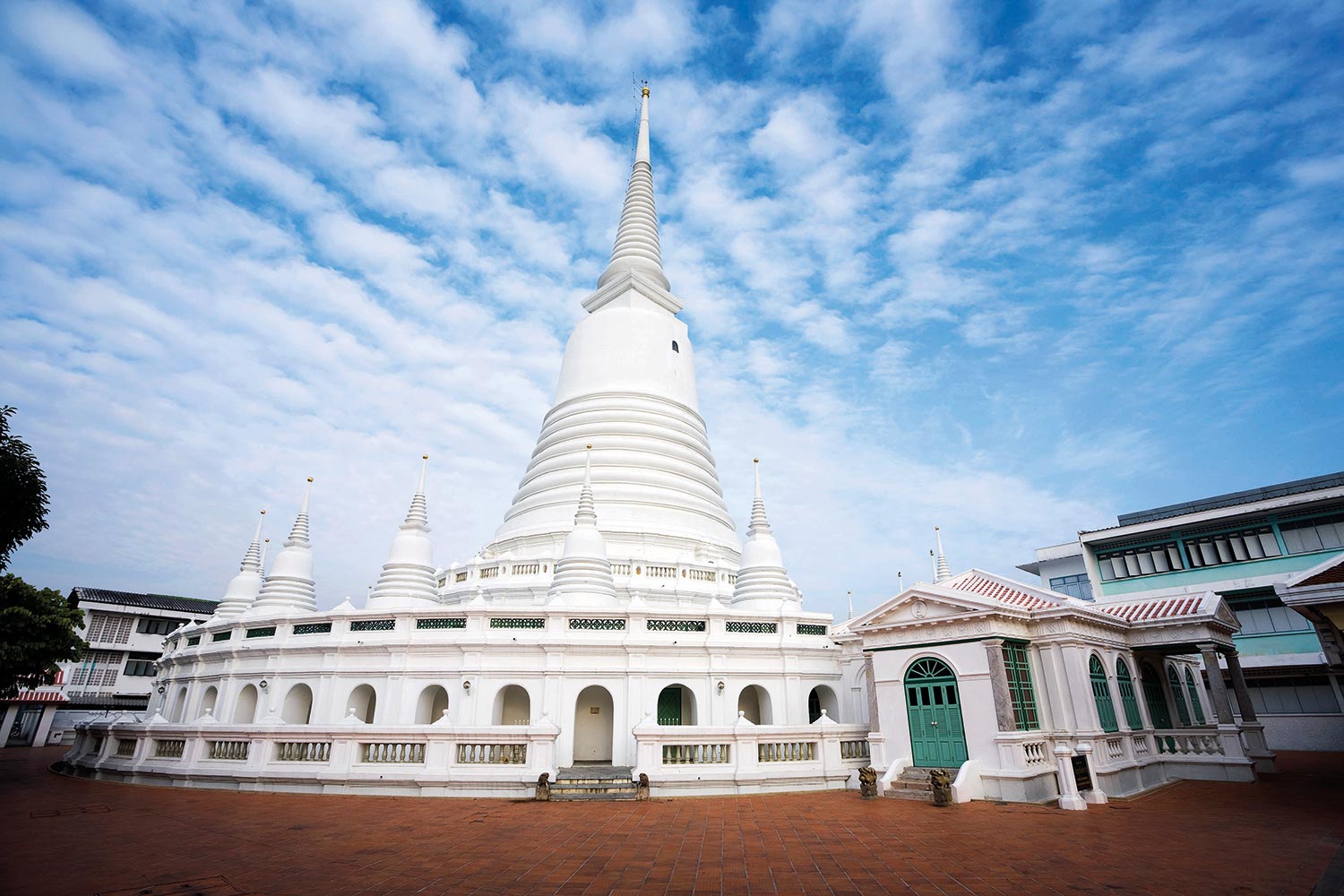
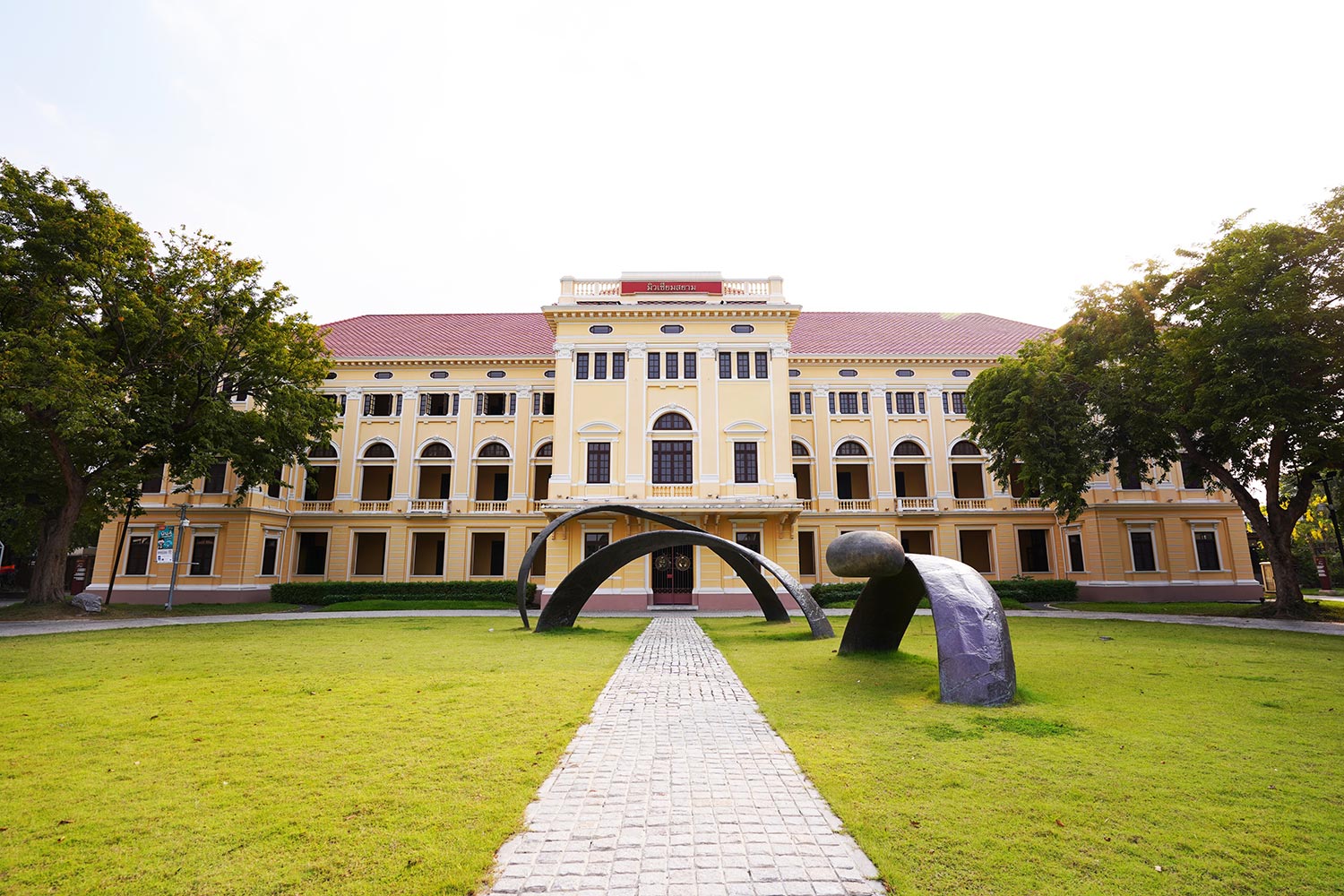
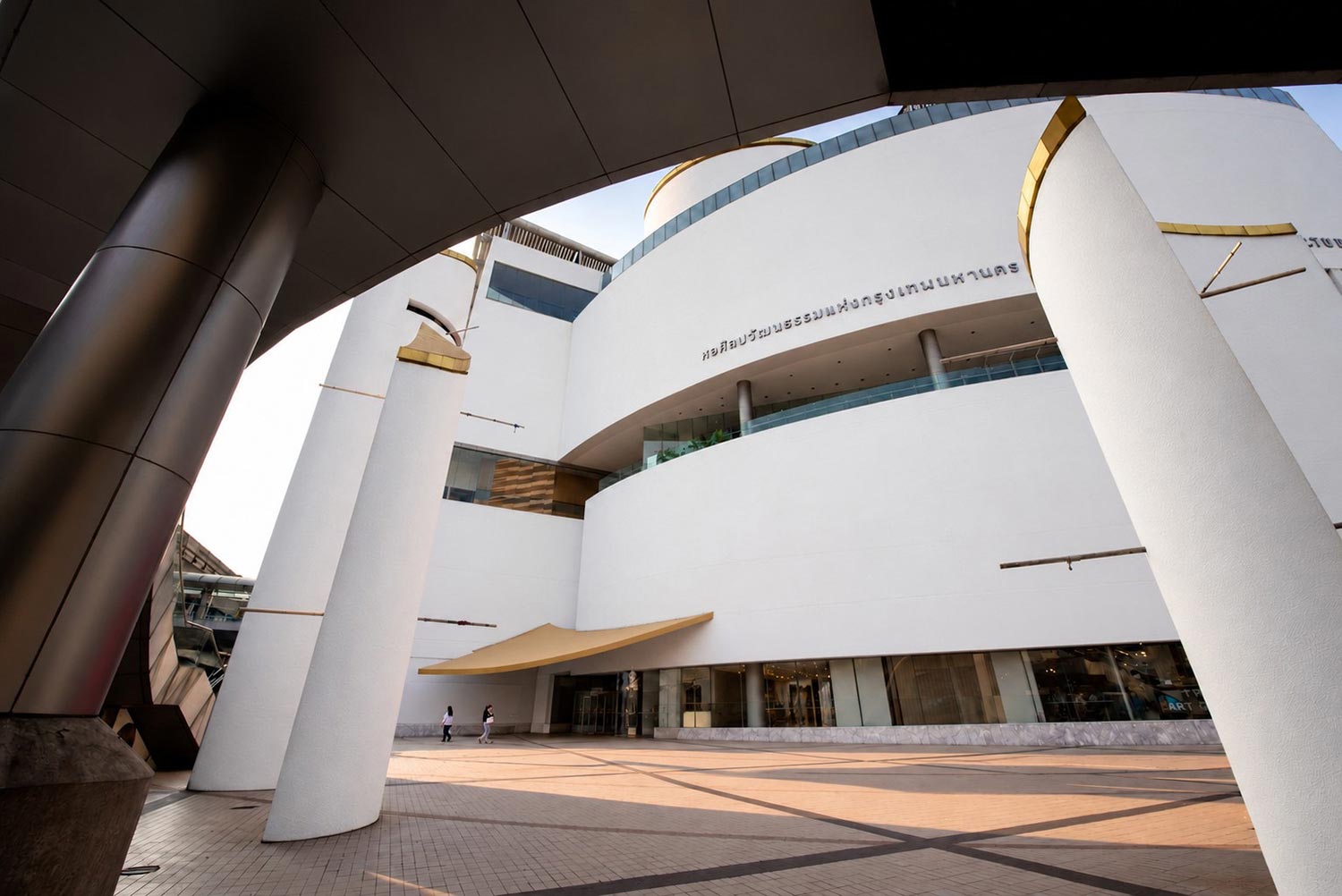
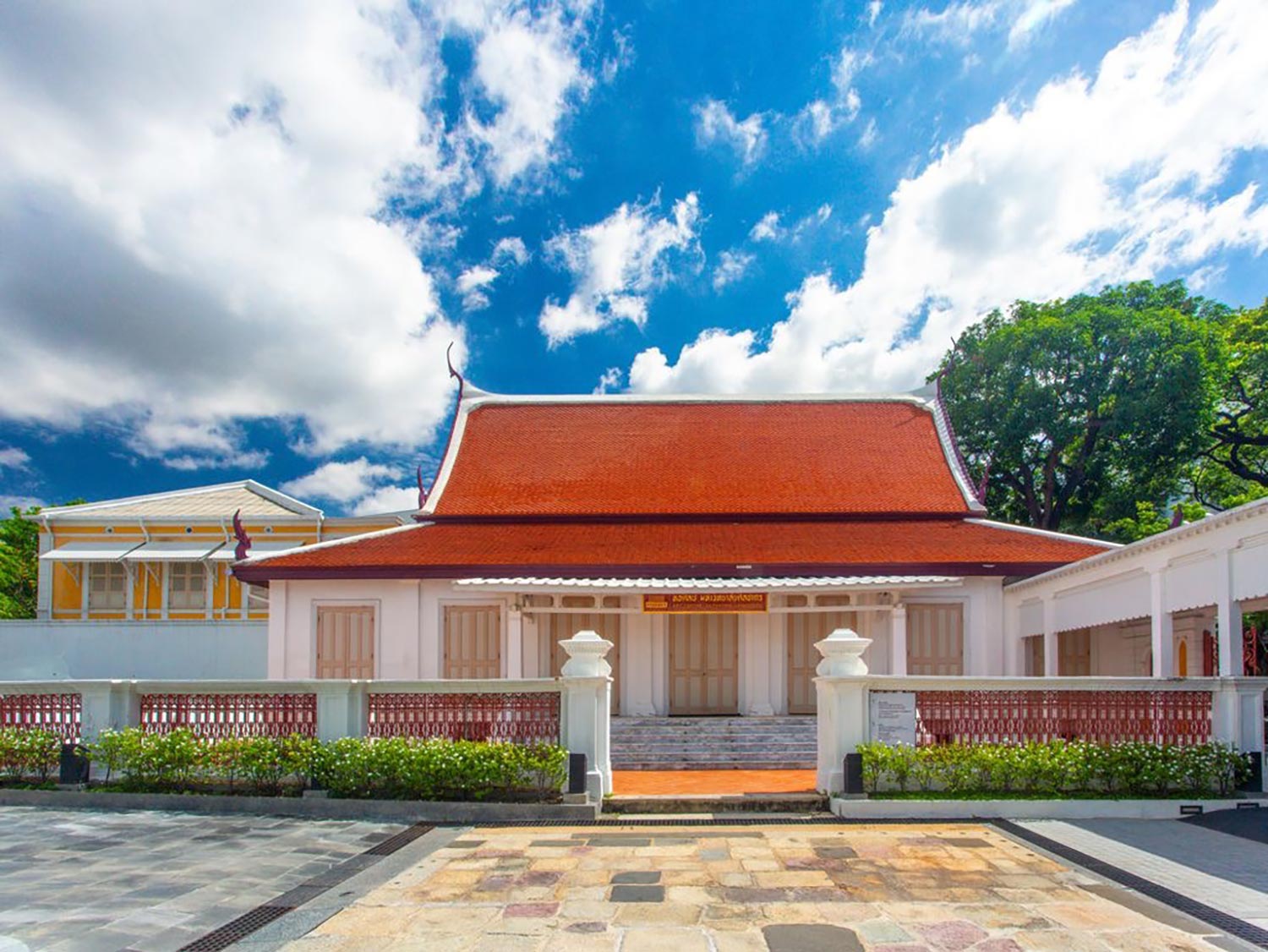
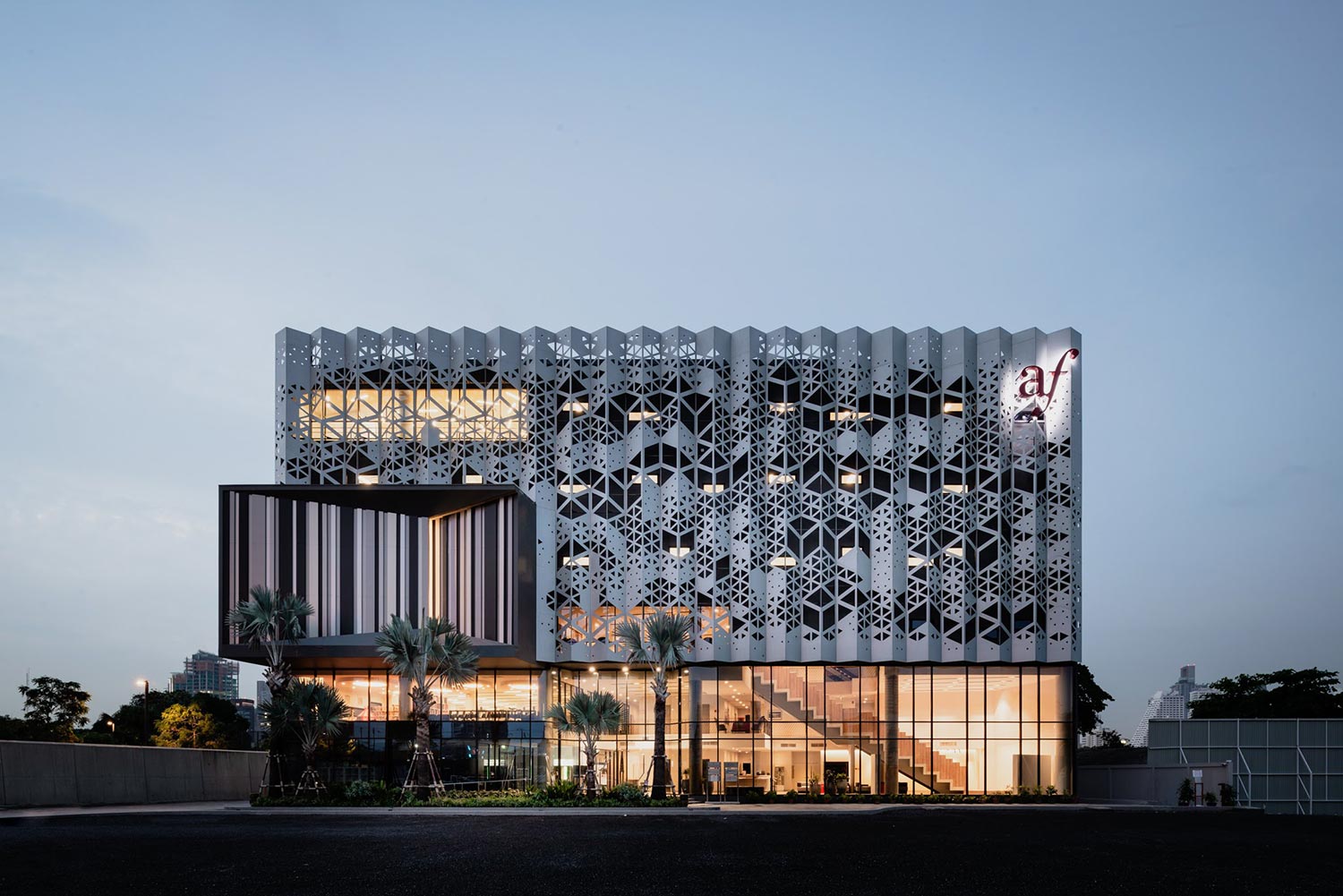
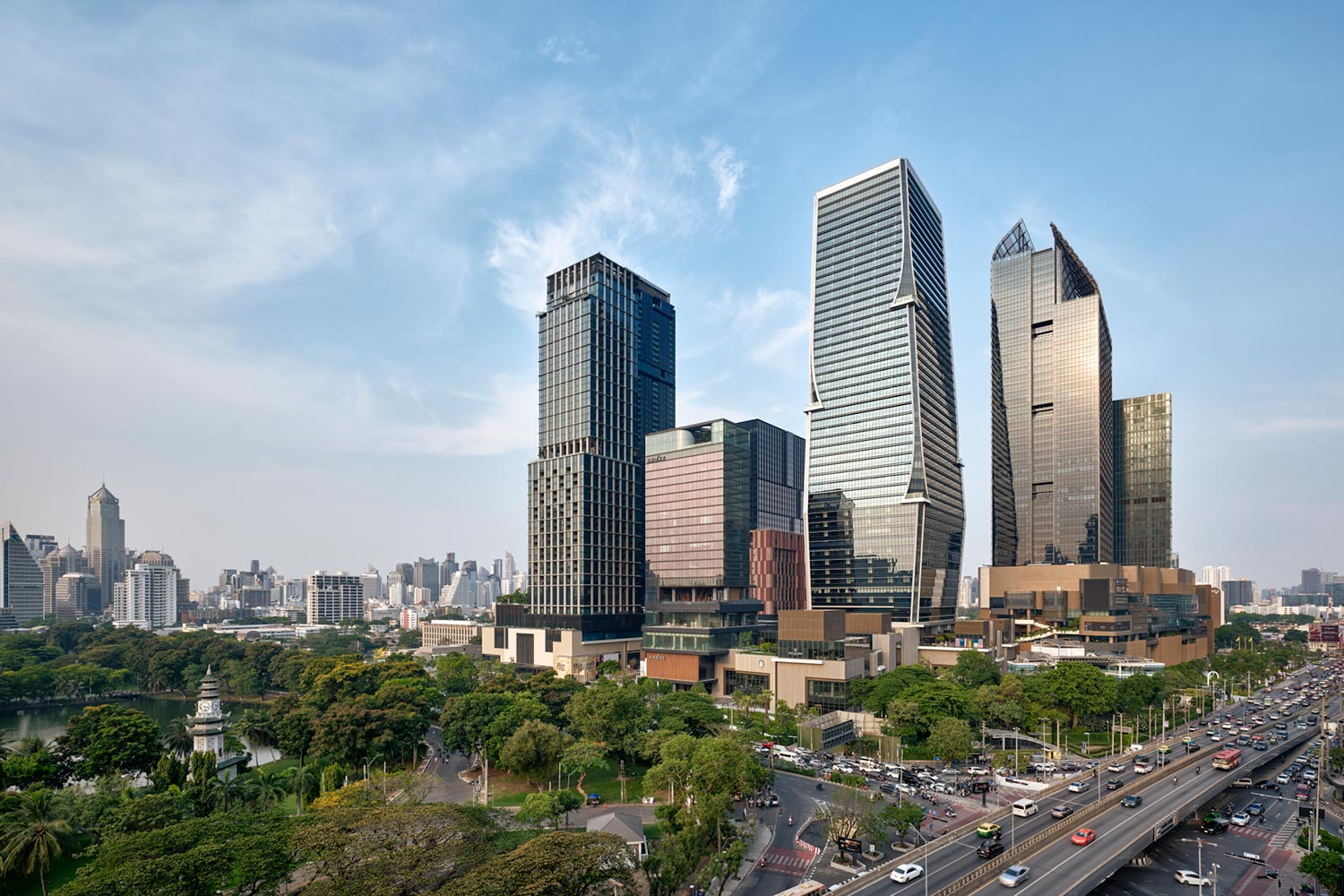
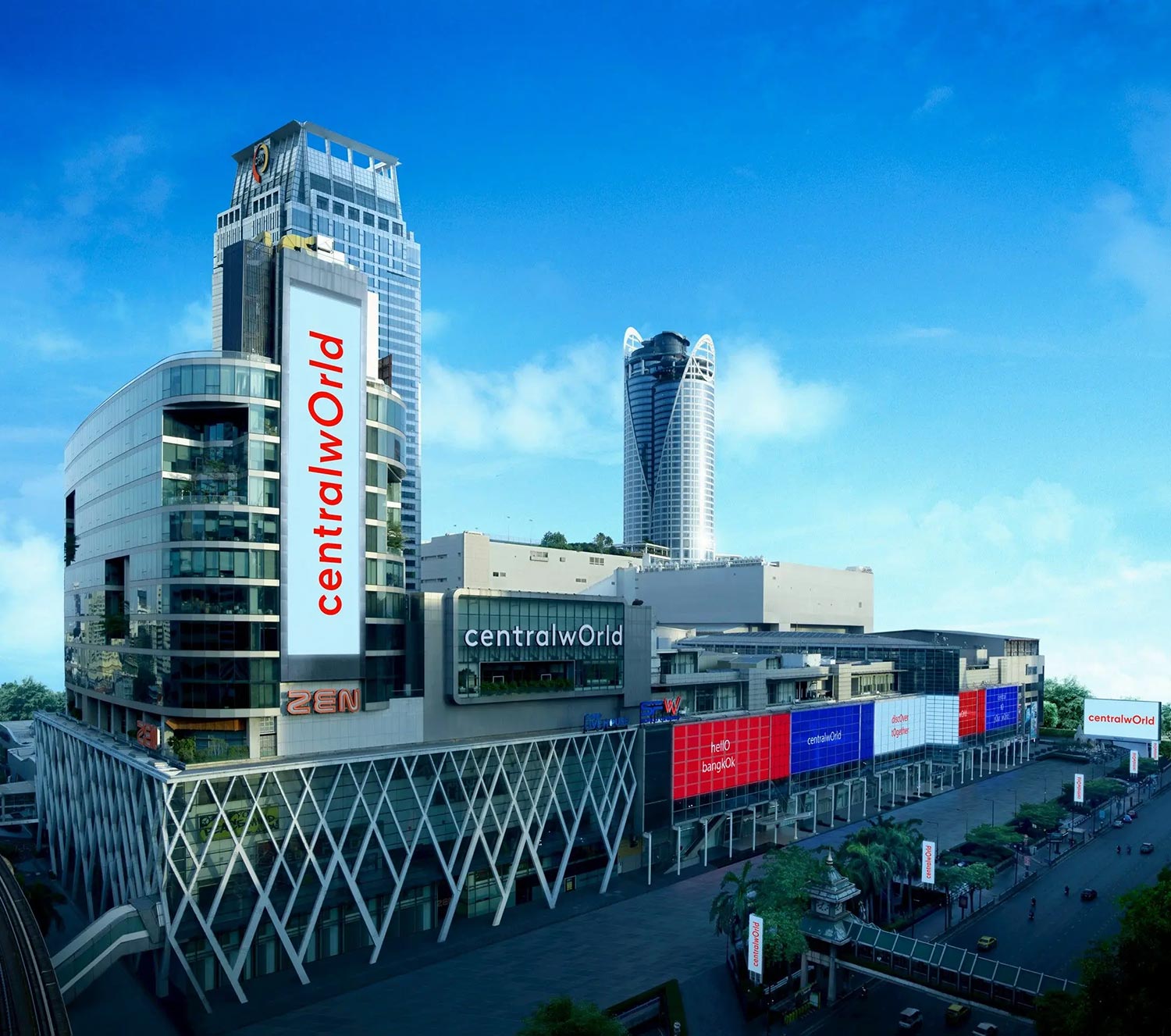
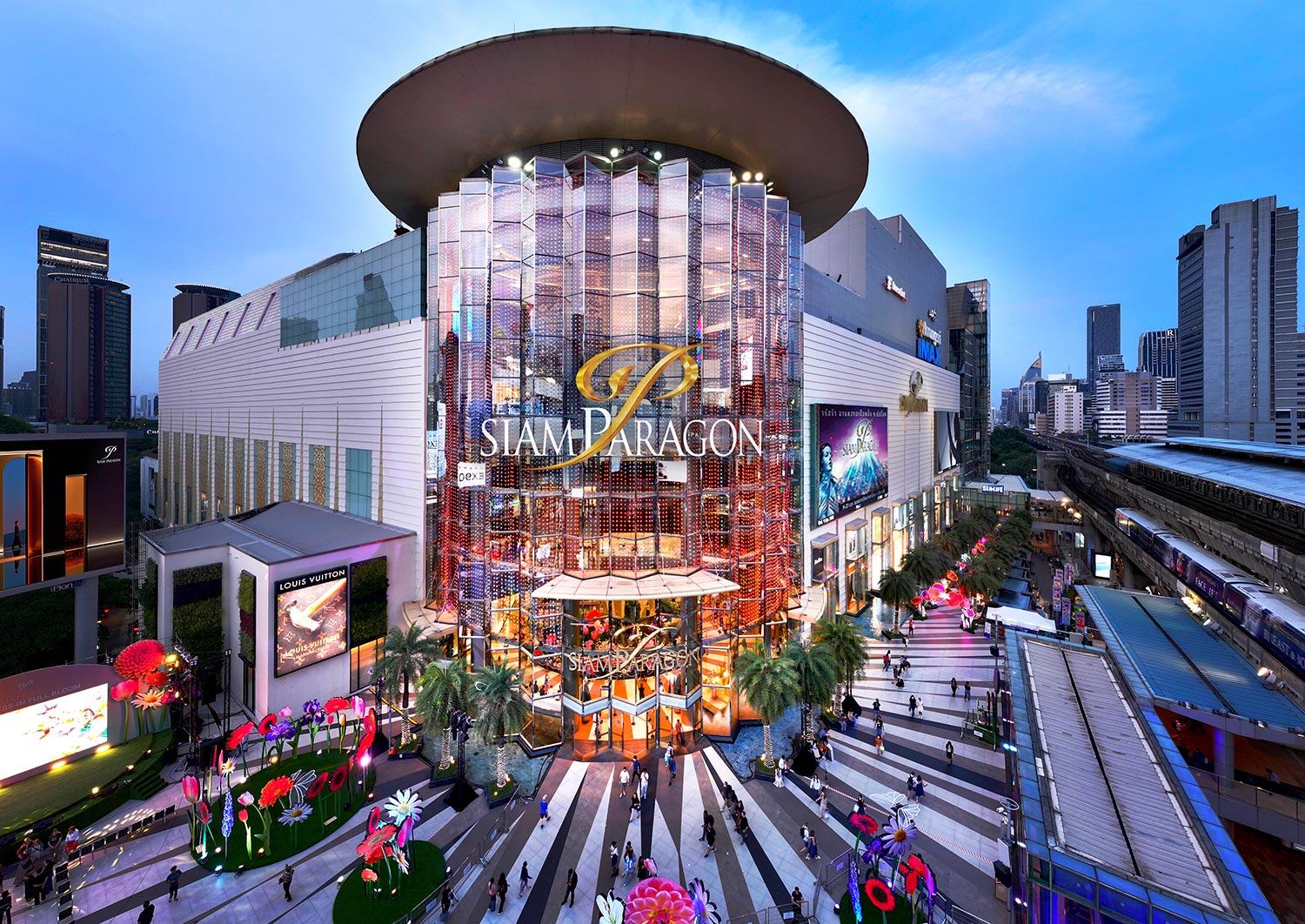
Along the Chao Phraya, the prominent sites housing displays this time around include Wat Arun, Wat Pho, Wat Prayoon and Museum Siam. Other venues include the Bangkok Art and Culture Centre (BACC), the National Museum Bangkok, the Art Centre at Silpakorn University and Alliance Française Bangkok, alongside major retail destinations One Bangkok, CentralWorld and Siam Paragon. By connecting sacred temples, national collections, educational institutions and commercial districts, BAB encourages art lovers to experience the city from different perspectives.
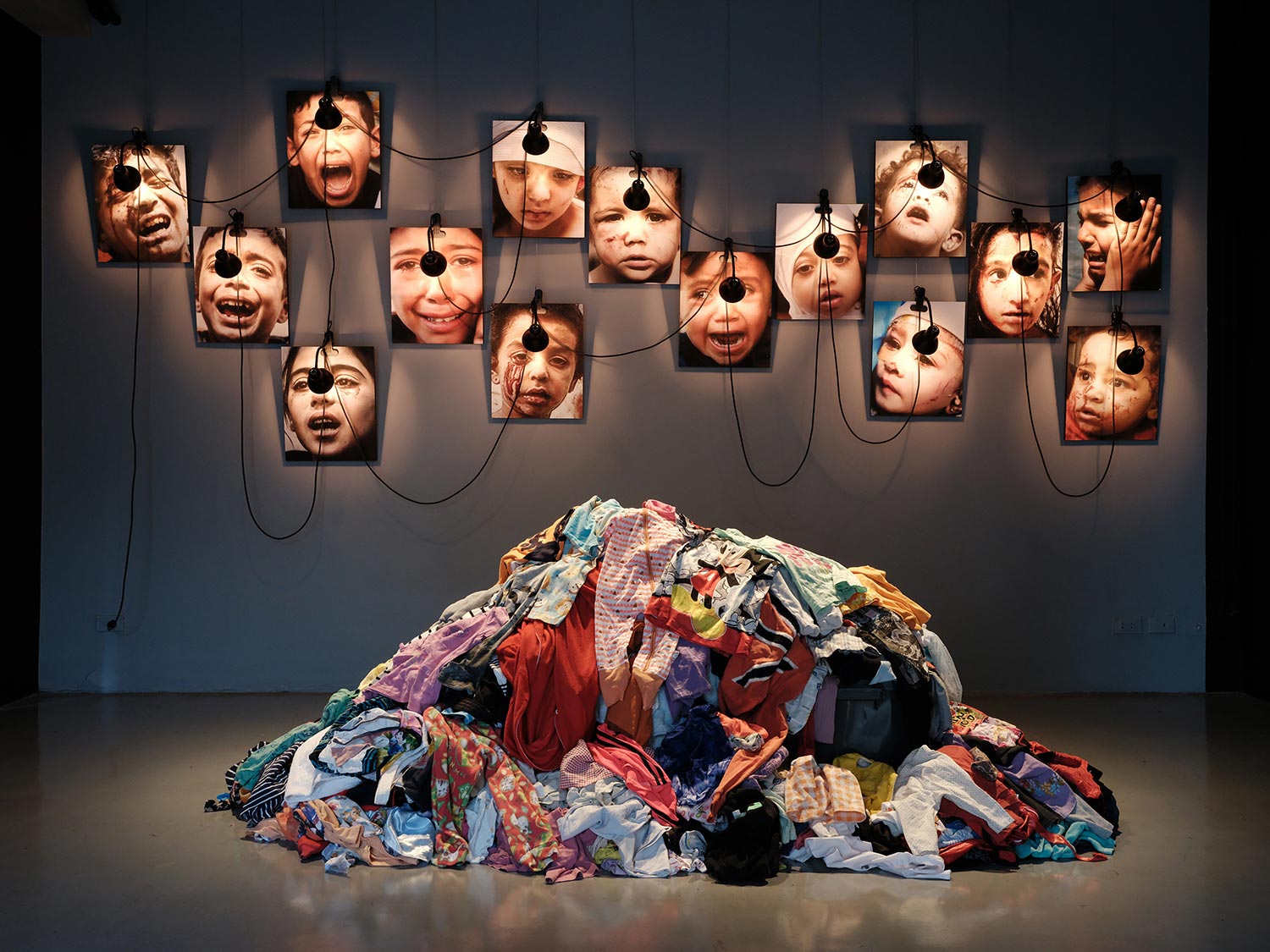
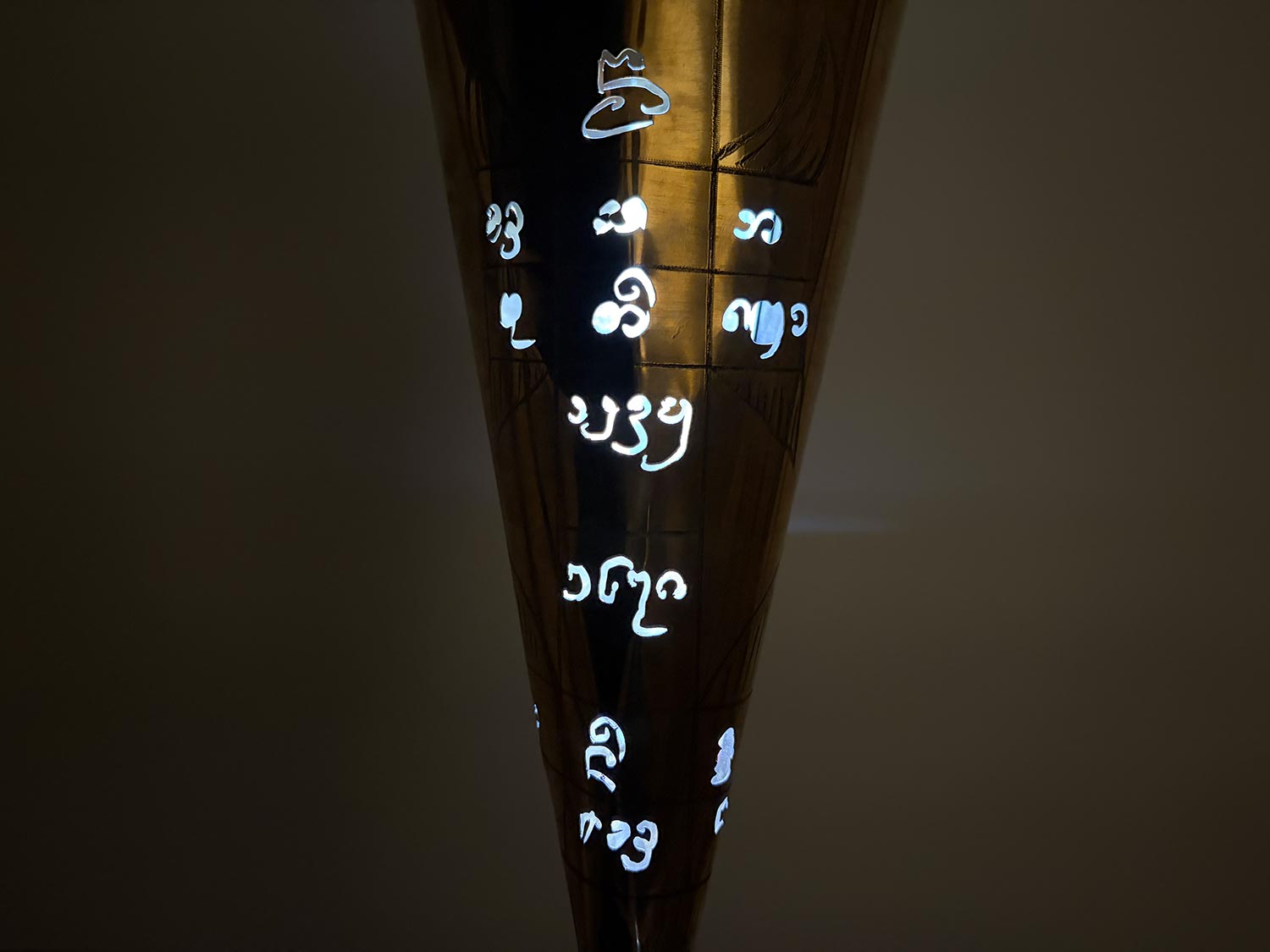
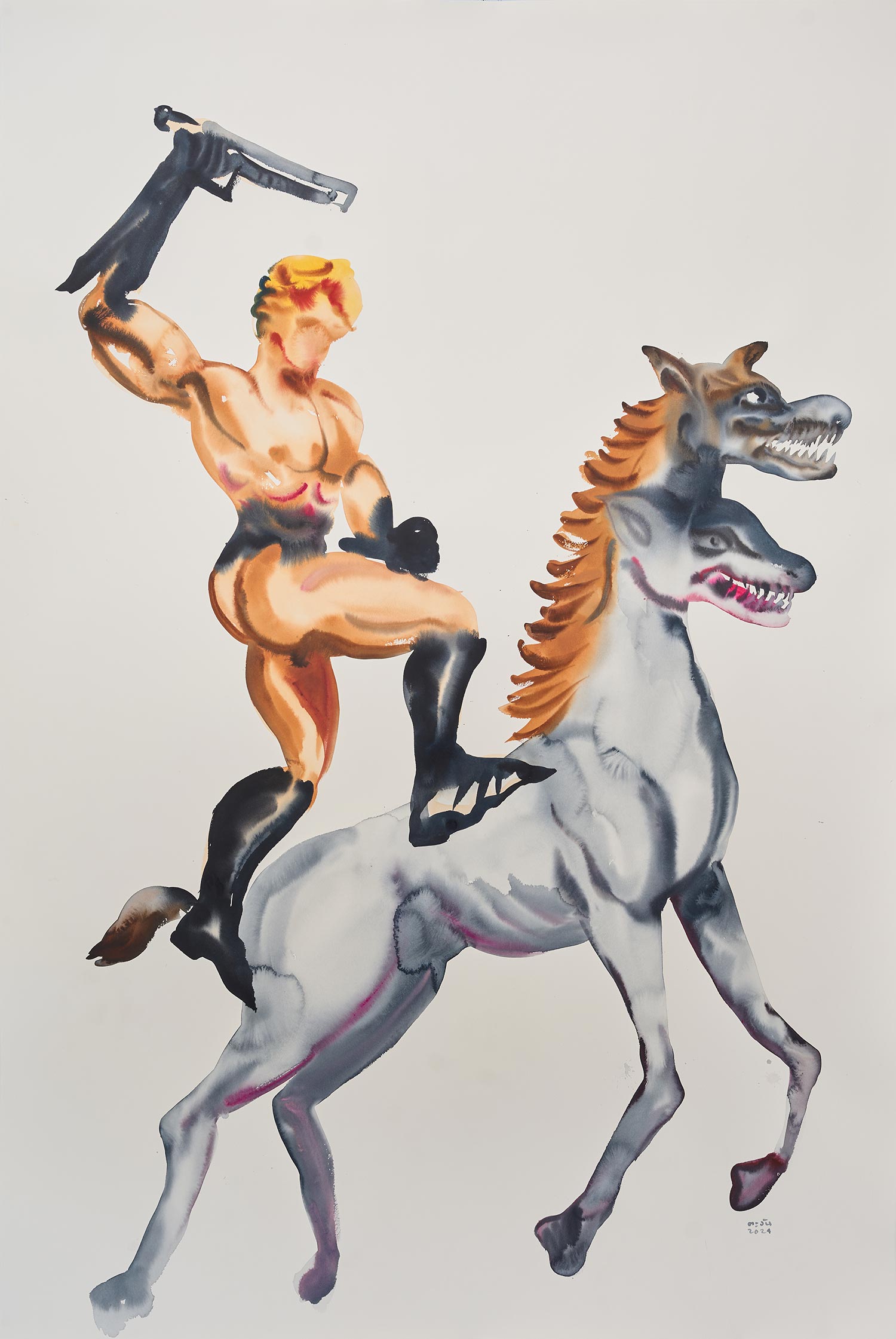
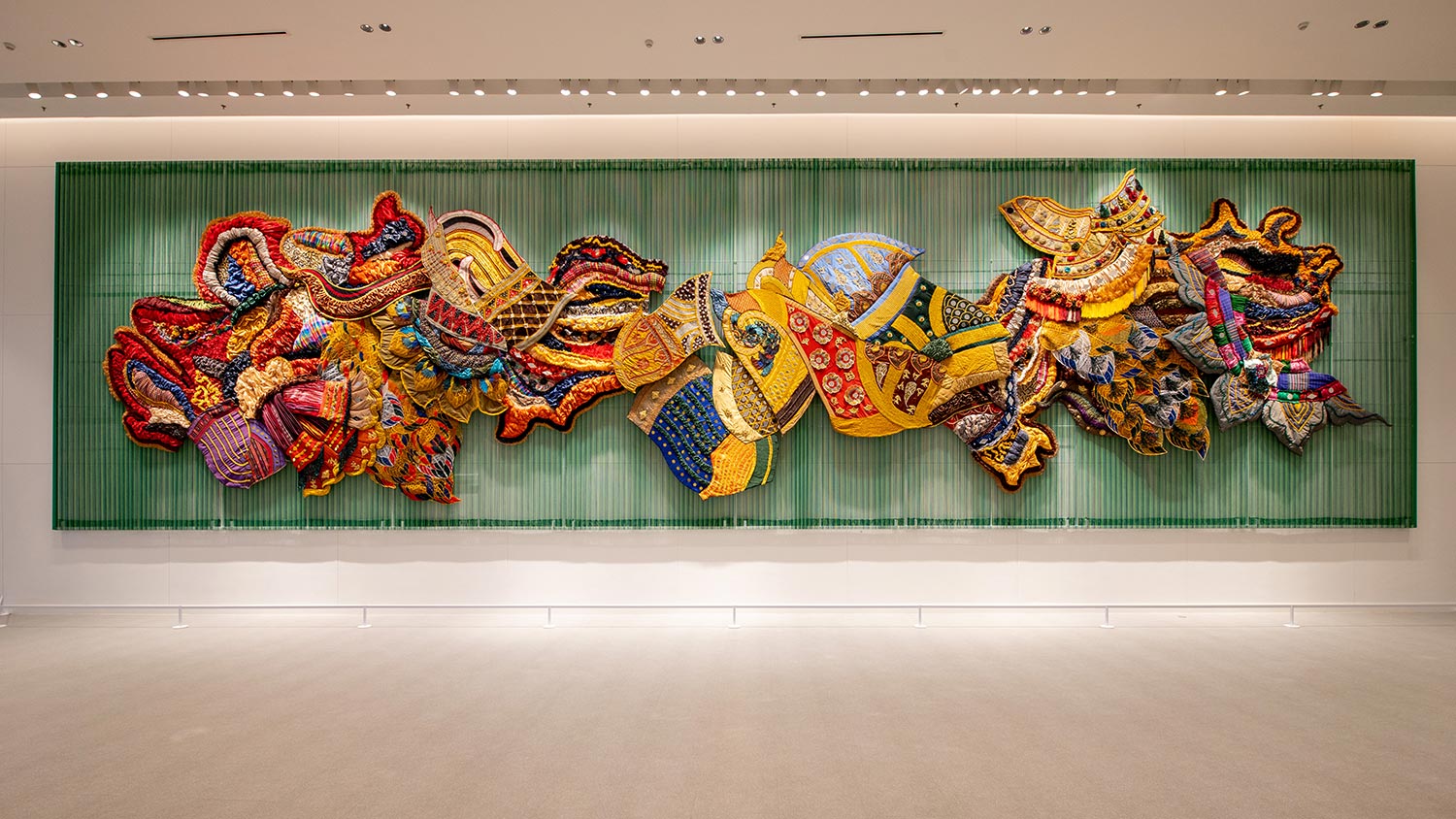
The line-up for this fifth edition features 72 participating artists and collectives, showcasing painting, sculpture, photography, moving image, textiles, installations and performance art. As always, a sizeable proportion of the artists are homegrown. Notable Thai names on the roster include Manit Sriwanichpoom, a contemporary photographer known for his ‘Pink Man’ series; Sudaporn Teja, a multidisciplinary artist whose work brings together abstraction and conceptualism; Tawan Wattuya, recognised for both his distinctive watercolour technique and his willingness to tackle social and political issues; and textile artist Ploenchan Vinyaratn, who this year will create a woven passageway from surplus yarns, fabric scraps, cardboard and even broken pickleballs. One surprising entry for 2026 is Udom Taephanich, a well-known stand-up comedian and satirist who also happens to create art.
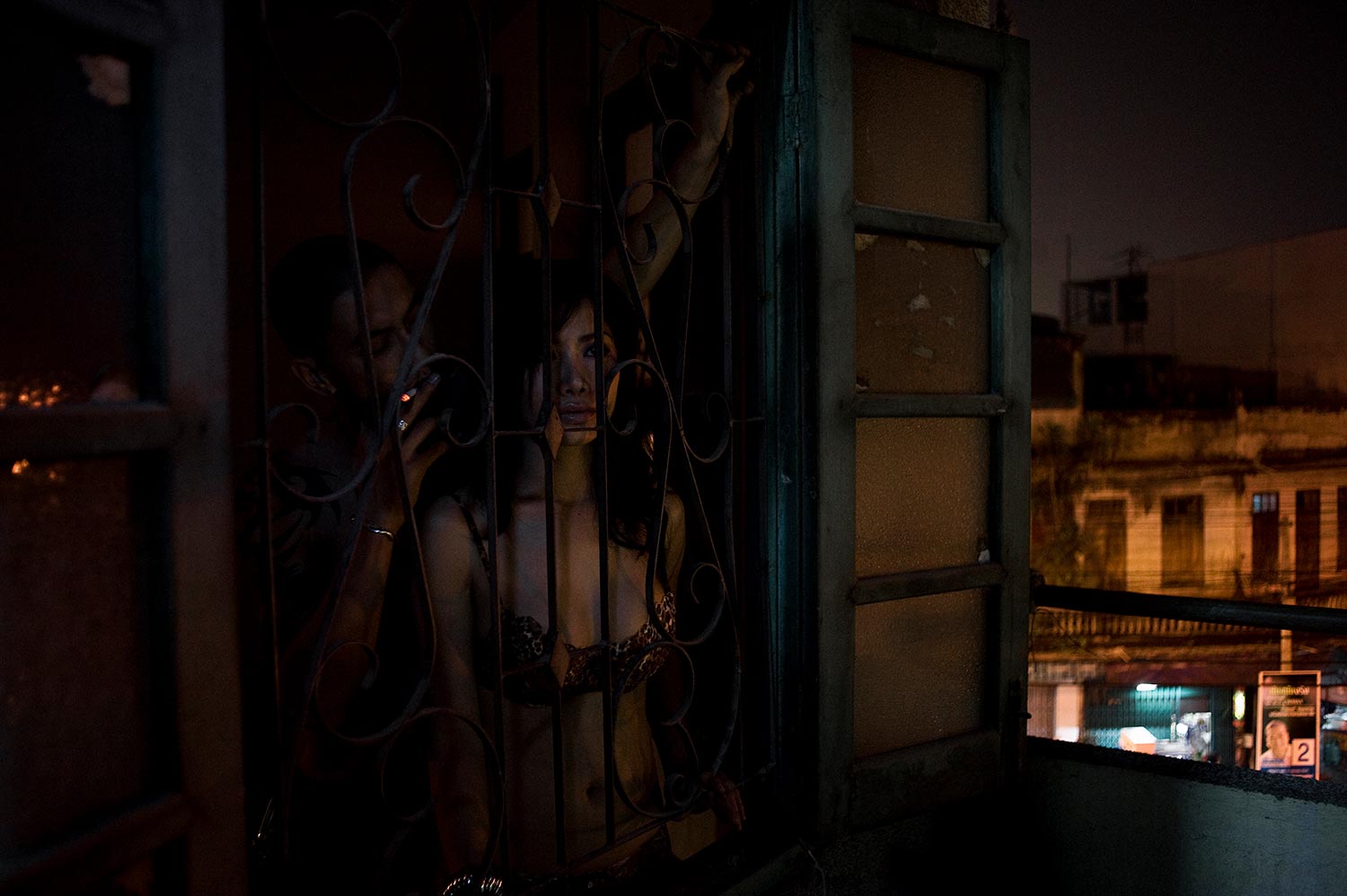
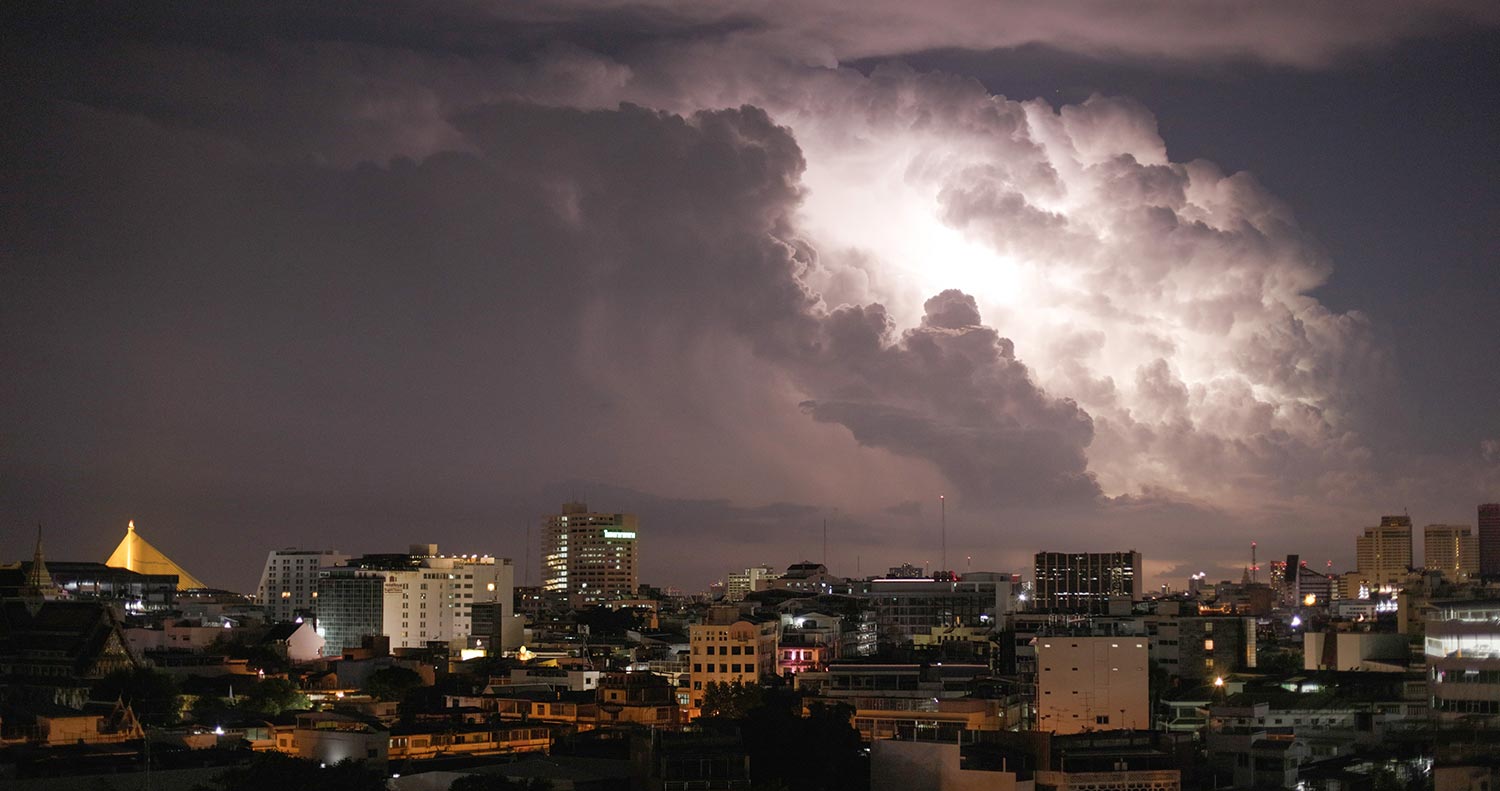
Alongside the Thai contingent are two artists who hail from Europe but long ago decided to make Thailand their home. German-born Ralf Tooten has resided in Bangkok since 2003 and balances a successful career as a commercial photographer with an interest in documenting the grittier and more bizarre sides of his adopted homeland. Also based in Bangkok for the past two decades is Cedric Arnold, a British-French multidisciplinary artist working across moving image, sound installations, photography and mixed media.
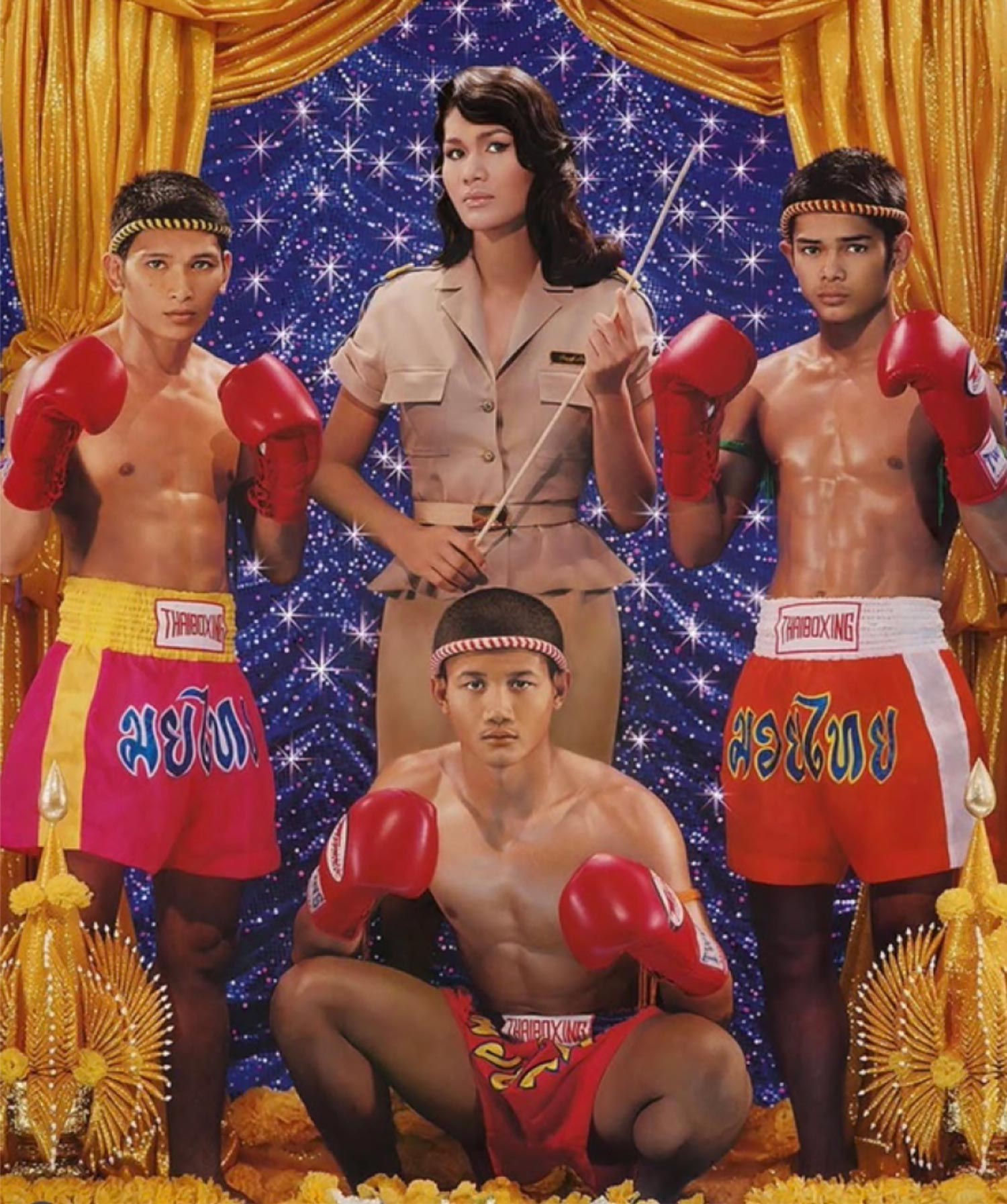
One of the big international names to look out for is Pierre et Gilles, a French duo who continue their exploration of mythology, pop culture, religion and fantasy through their distinctive hand-painted photographic tableaux. The pair have been producing works together since 1976, designing record sleeves, directing fashion shoots and creating portraits of everyone from Marilyn Manson, Marc Almond and Madonna to Kylie Minogue, Tilda Swinton and Catherine Deneuve.
Another highly anticipated participant is the Japanese photographer Nobuyoshi Araki, now 86, known primarily for images that blend eroticism and bondage in a fine-art context. Other well-established names taking part include AES+F, a prominent Russian contemporary art collective founded in 1987, and the American artist Max Hooper Schneider, who presents speculative ecosystems that blur the boundaries between nature, technology and civilisation.
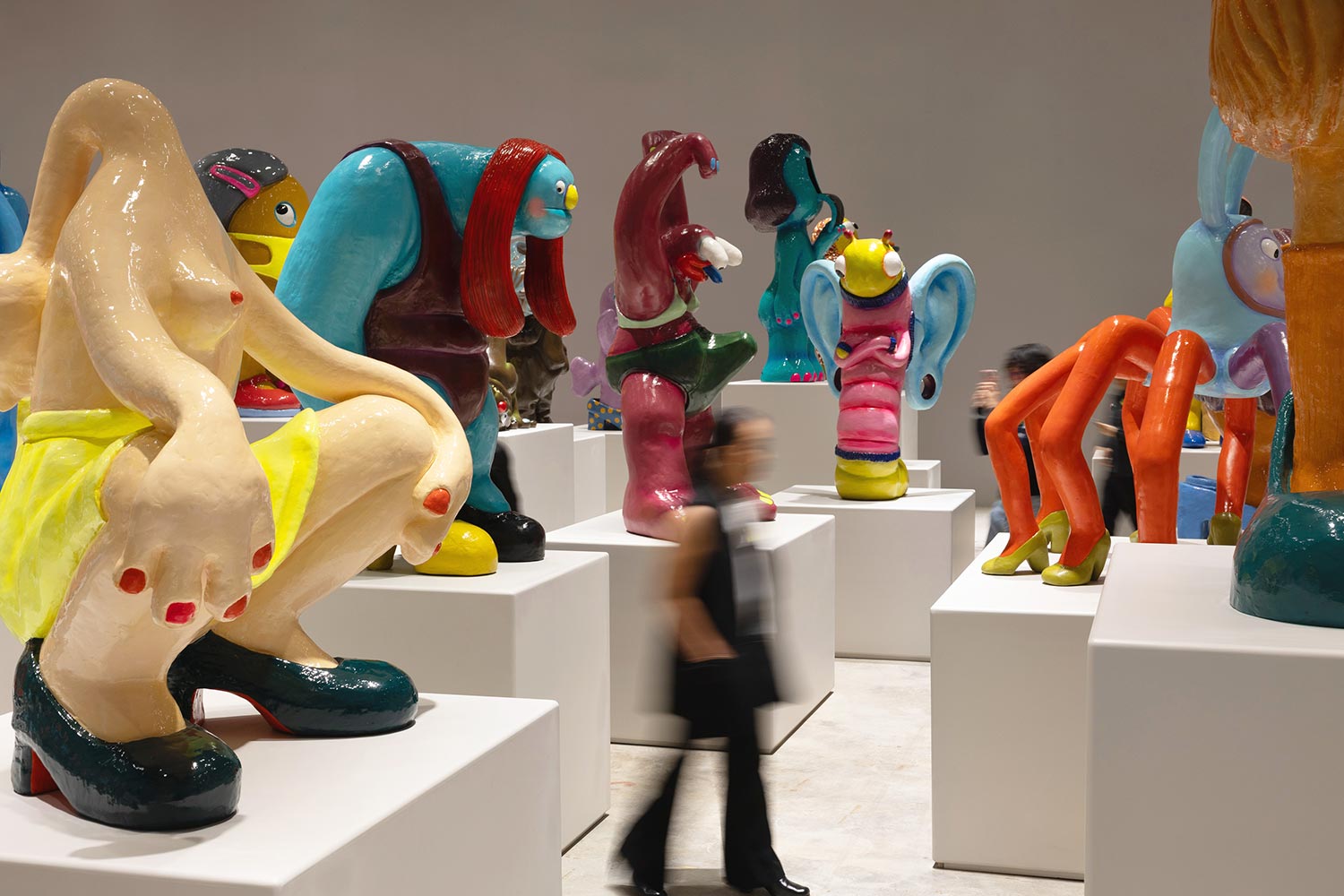
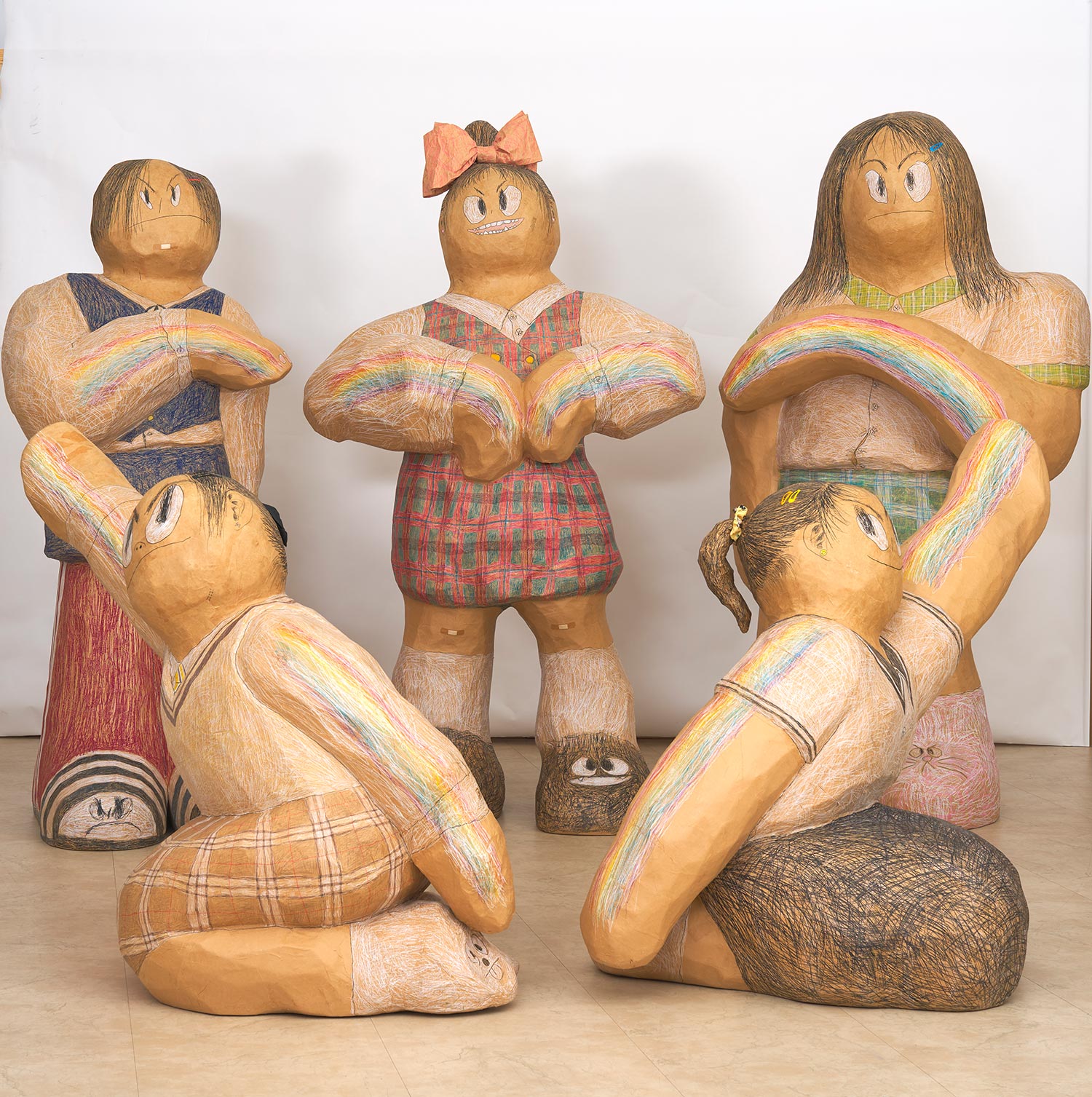
Among the younger participants is the 21-year-old Chinese artist Yanran Chen, who explores alienation and resilience in the digital age through a distinctive visual language that weaves together mechanical, organic and cybernetic elements. Another rising star of note is Shin Min, a South Korean sculptor and installation artist who uses paper and mass-produced items to create unsettling pieces addressing societal pressures, women’s labour and structural inequalities faced by vulnerable groups. In 2025, she was awarded the inaugural MGM Discoveries Art Prize at Art Basel Hong Kong, so expectations are high for her second BAB appearance, following her debut in 2024.
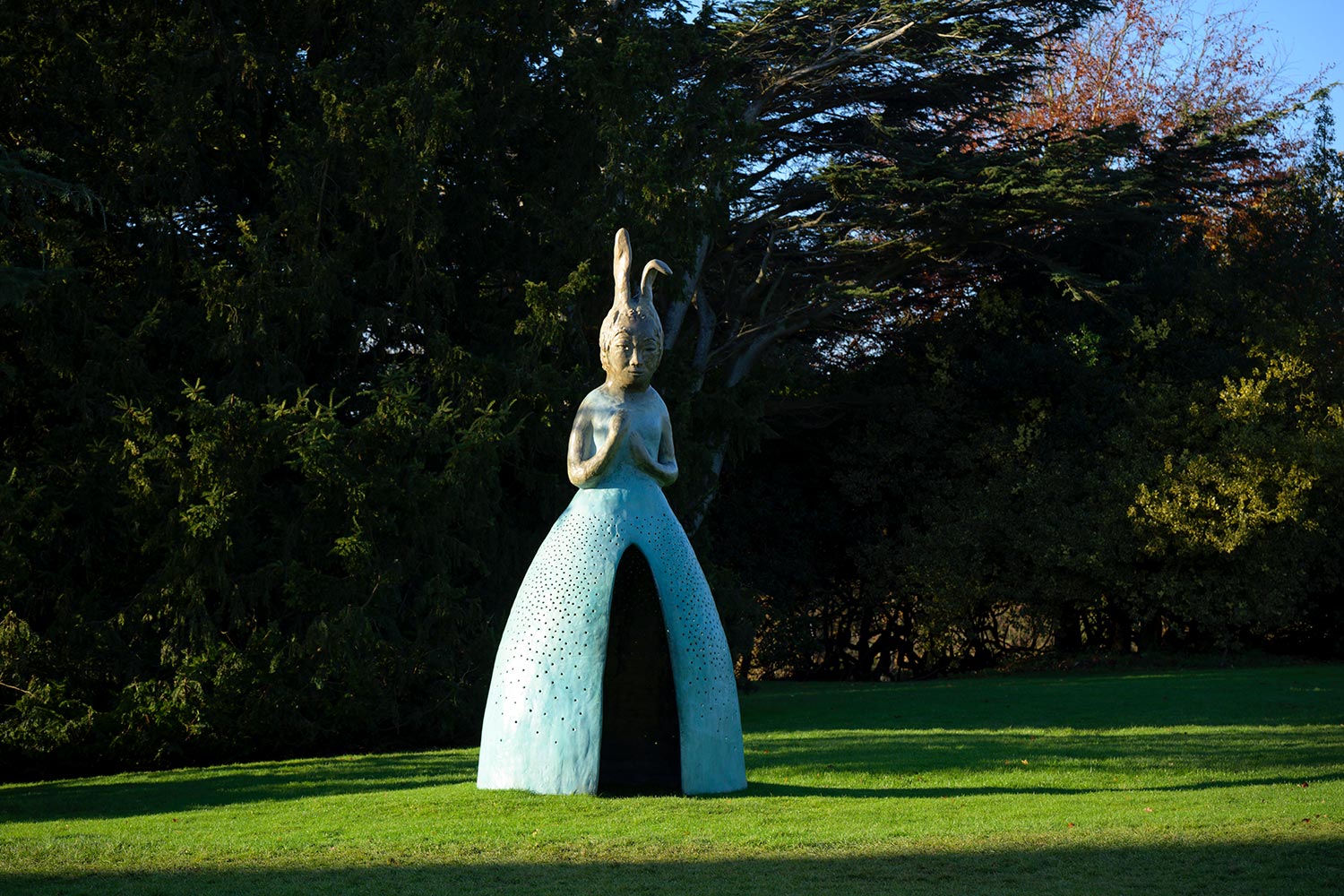
Site-specific artworks and installations are also a big part of each BAB edition. For 2026, Japanese-Swiss artist Leiko Ikemura will present a work at Bangkok’s famous Wat Pho, the Temple of the Reclining Buddha, that connects mortality, rebirth and Buddhist iconography. Meanwhile, in the Throne Hall of the National Museum Bangkok, Chinese artist Liu Jianhua will unveil ‘Square (Siamese Triangle)’, a specially created configuration of steel and glazed porcelain.
This year’s BAB is also introducing collaboration programmes connecting the biennale with Thailand’s wider contemporary art scene. The ‘BAB Plus’ programme will see exhibitions staged at local art spaces such as 100 Tonson Foundation, Bangkok CityCity Gallery, DIB 26 and the Jim Thompson Art Center, while the ‘BAB Fringe’ series will extend its reach through collaborations with Rongsi 1984+1 Gallery, Helu-Trans (Thailand) and Warin Lab Nomad.
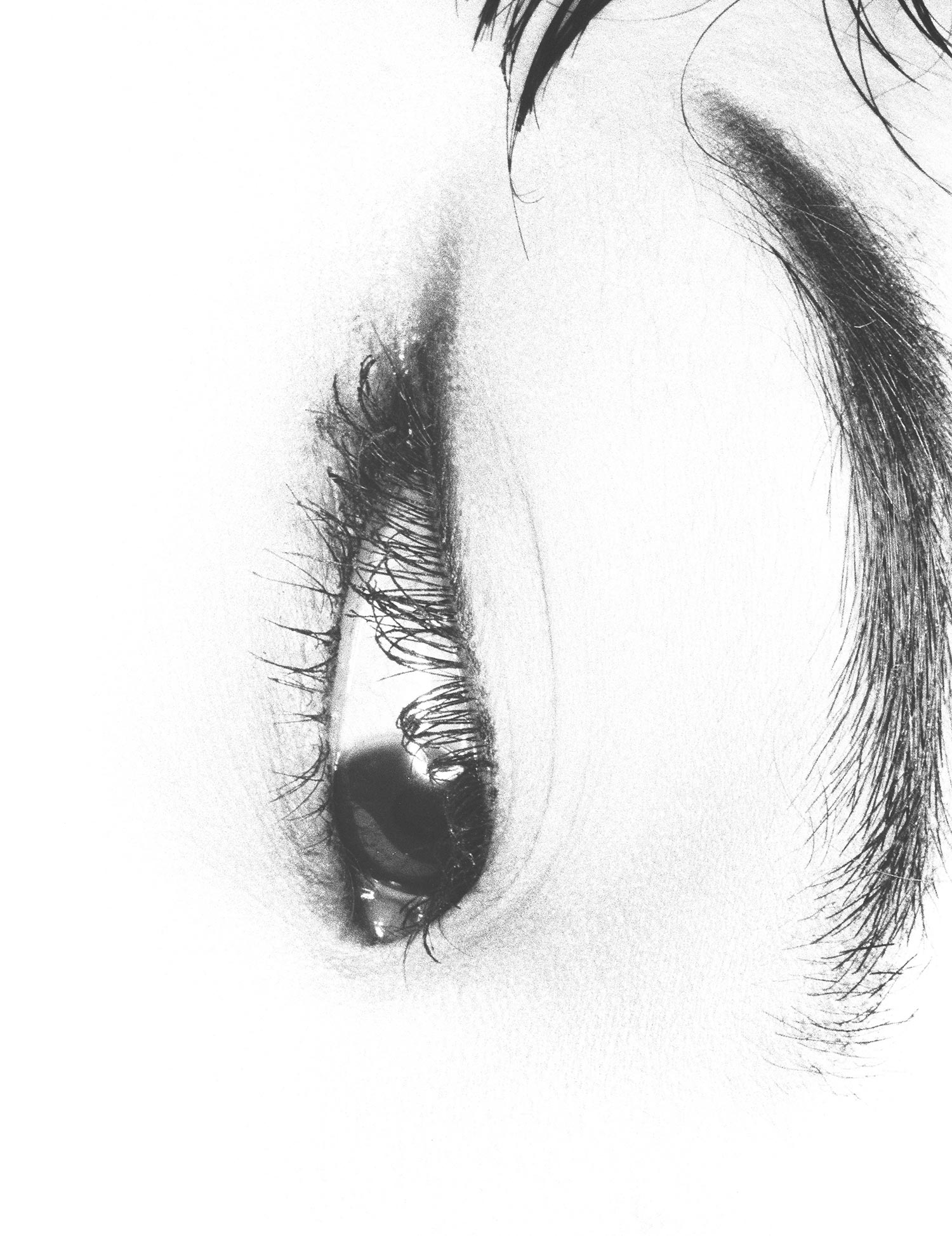
All the artists, collectives and galleries participating in BAB 2026 will be addressing this edition’s main theme: ANGELS & MARA. And while the “angels” part of that title is pretty straightforward, the “mara” half of the equation is about more than just demons. In Buddhist cosmology, Mara symbolizes death and the darker elements of human nature such as anger, jealousy, hatred, and lust. In turn, this overarching concept becomes more about hope versus despair; reflecting on the fact that in a world numbed by political propaganda and brainwashing campaigns, our perception of reality is trapped within the blurred borders of right, wrong and whatever lies in between.
Exploring such complex and occasionally uncomfortable themes is nothing new for the team behind BAB, which is led by Prof. Dr. Apinan Poshyananda, the event’s Artistic Director and Chief Executive. Working together with his team of carefully chosen curators—a group that alternates with each edition—Dr. Apinan isn’t afraid to push the boundaries of what is considered art. Past editions of BAB have showcased the gruelling performance art of Marina Abramović, a mammoth, site-specific wax installation by Anish Kapoor, and even the manic scribblings of the recently deceased Peerachai “Samer” Patanapornchai, who spent over 20 years wandering the streets of Bangkok covering public spaces, walls, and pavements with cryptic writings, compulsive calculations, and mind-boggling maps.
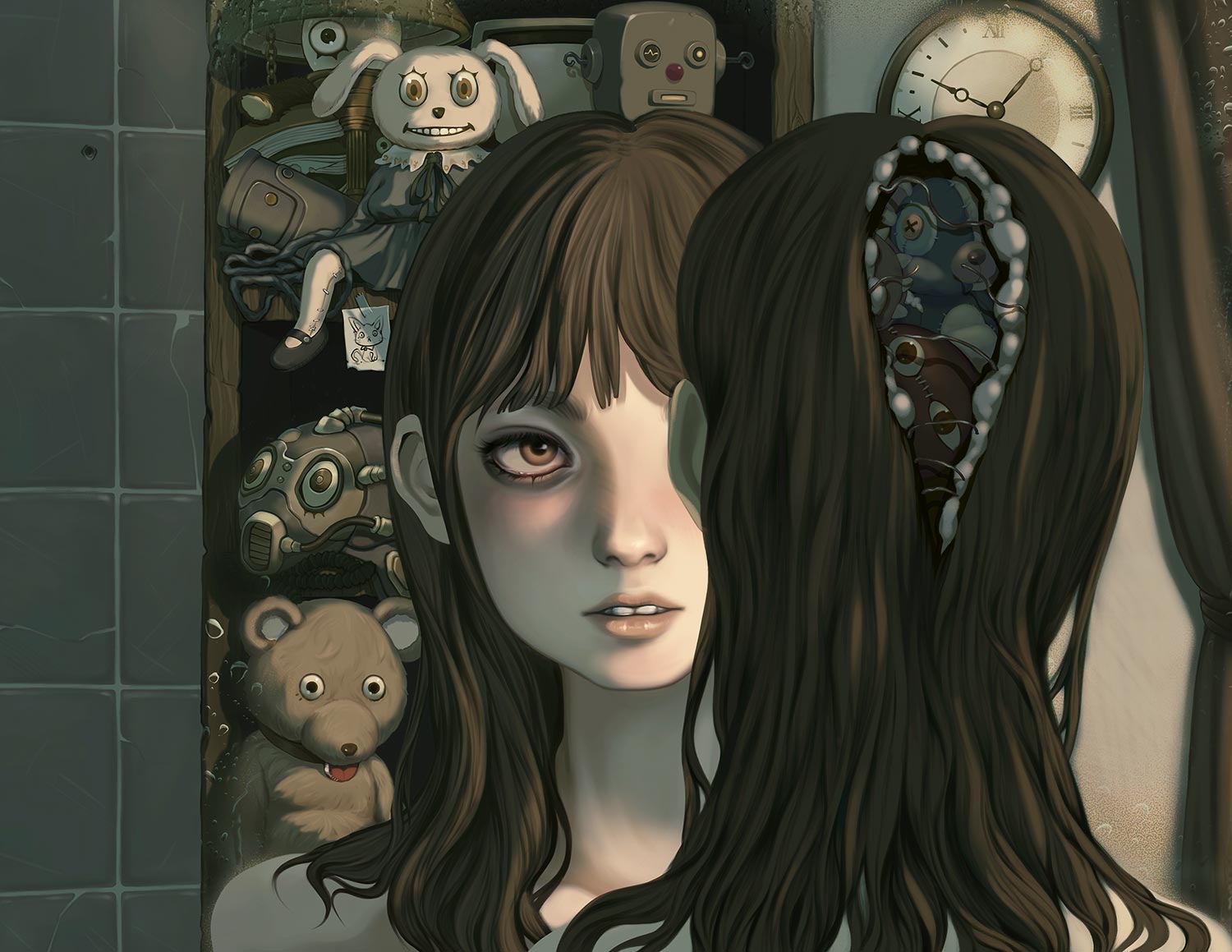
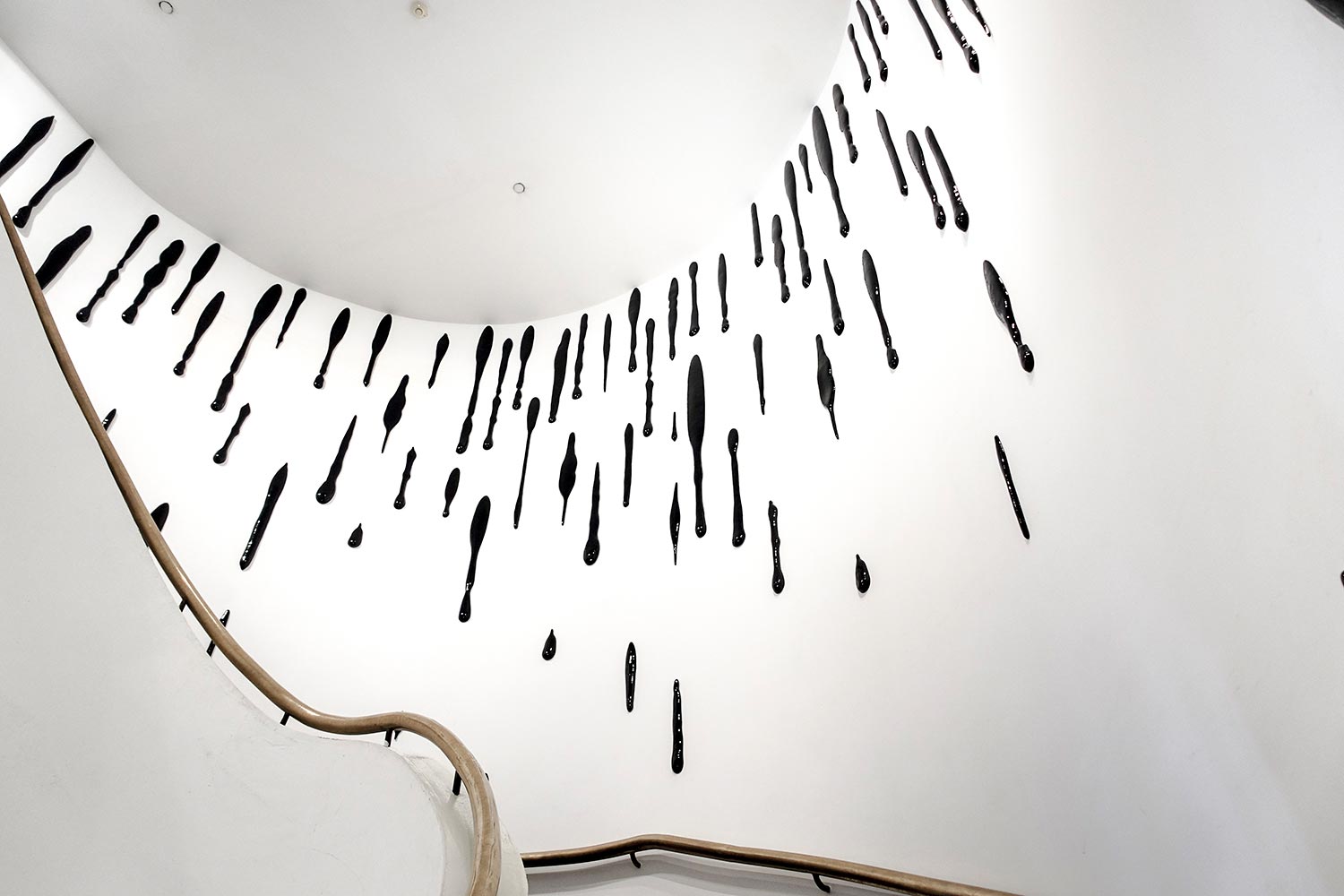
“We live in a time when it is increasingly difficult to separate angels from Mara,” Dr. Apinan remarked, prior to the launch of this year’s edition. “With ANGELS & MARA, we have invited artists from different generations, cultures, and practices to respond to these contradictions through their own experiences. Bangkok becomes the arena for these encounters—from sacred temples to museums and the contemporary city. I’m excited by the diversity and fearlessness of this line-up, and I hope visitors will not only discover extraordinary art, but also see Bangkok, and perhaps themselves, from a different perspective.”
Overall, one thing visitors to BAB will no doubt notice is a strong showing of talent from the broader Southeast Asian region. Interestingly, Dr. Apinan and the Bangkok Art Biennale Foundation have twice taken a number of these regional artists to the Venice Art Biennale as part of a continuing collateral event entitled ‘The Spirits of Maritime Crossing’. I was in attendance back in May when this year’s group unveiled their works within the magnificent Palazzo Rocca Contarini Corfù, exploring the concepts of human migration and ecological fragility. The show quickly became one of the recommended exhibitions at the 61st La Biennale di Venezia, further supporting the argument that Bangkok’s “Venice of the East” moniker is now more accurately an art-related analogy.