


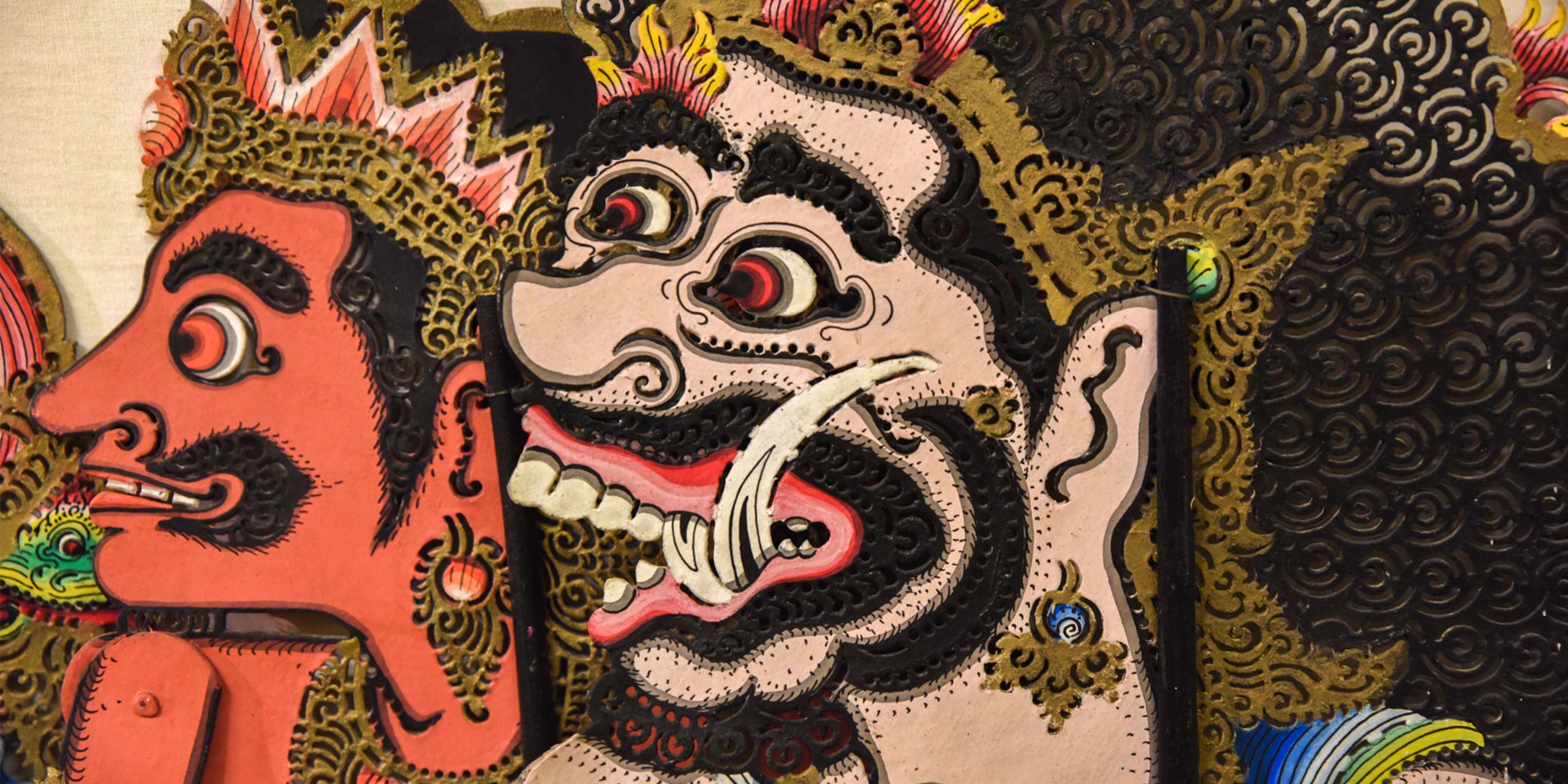
The demon arrives without warning. It creeps up on a vulnerable princess, unaware of the mystical threat looming behind her. Then, in a whirl of movement, the supernatural creature is attacked by a heroic Balinese warrior, who sends the demon into retreat and saves the princess’s life.
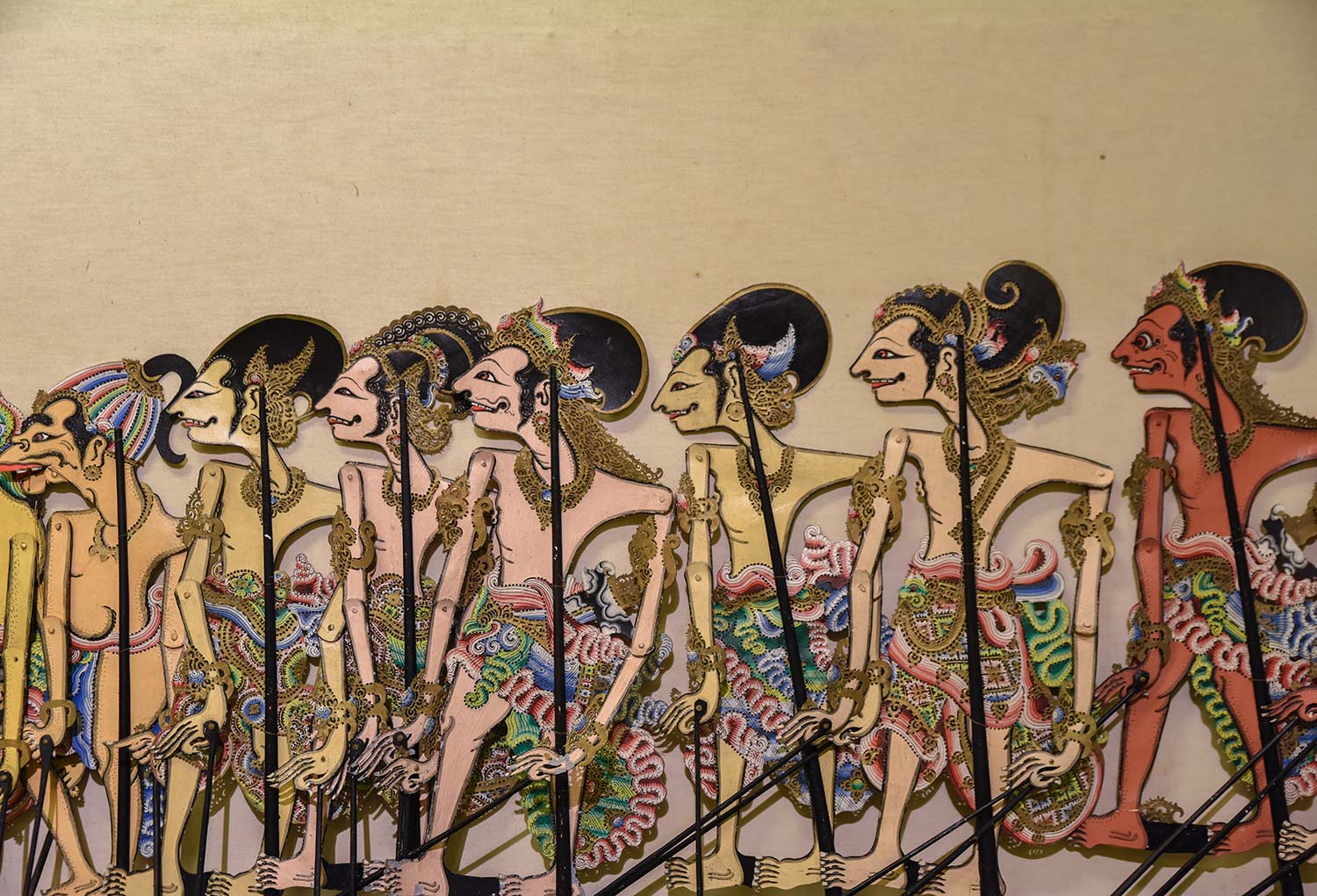
All of this unfolds on the large fabric screen positioned in front of me at Oka Kartini, a Balinese cultural studio in the tourist hotspot of Ubud. What I have just watched is called Wayang Kulit. This ancient Indonesian form of shadow puppetry sees performers manipulate small leather puppets while hidden behind a backlit screen.
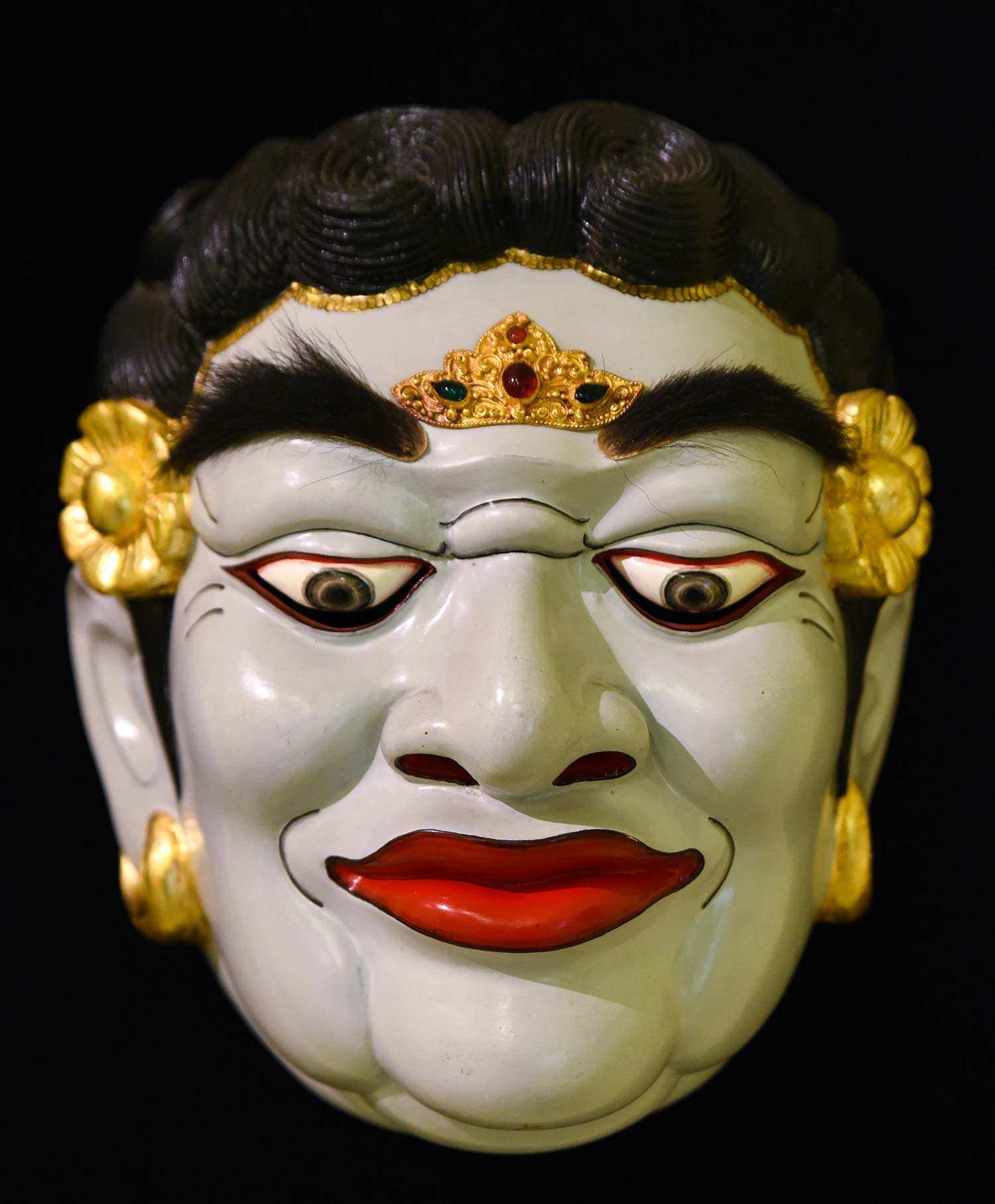
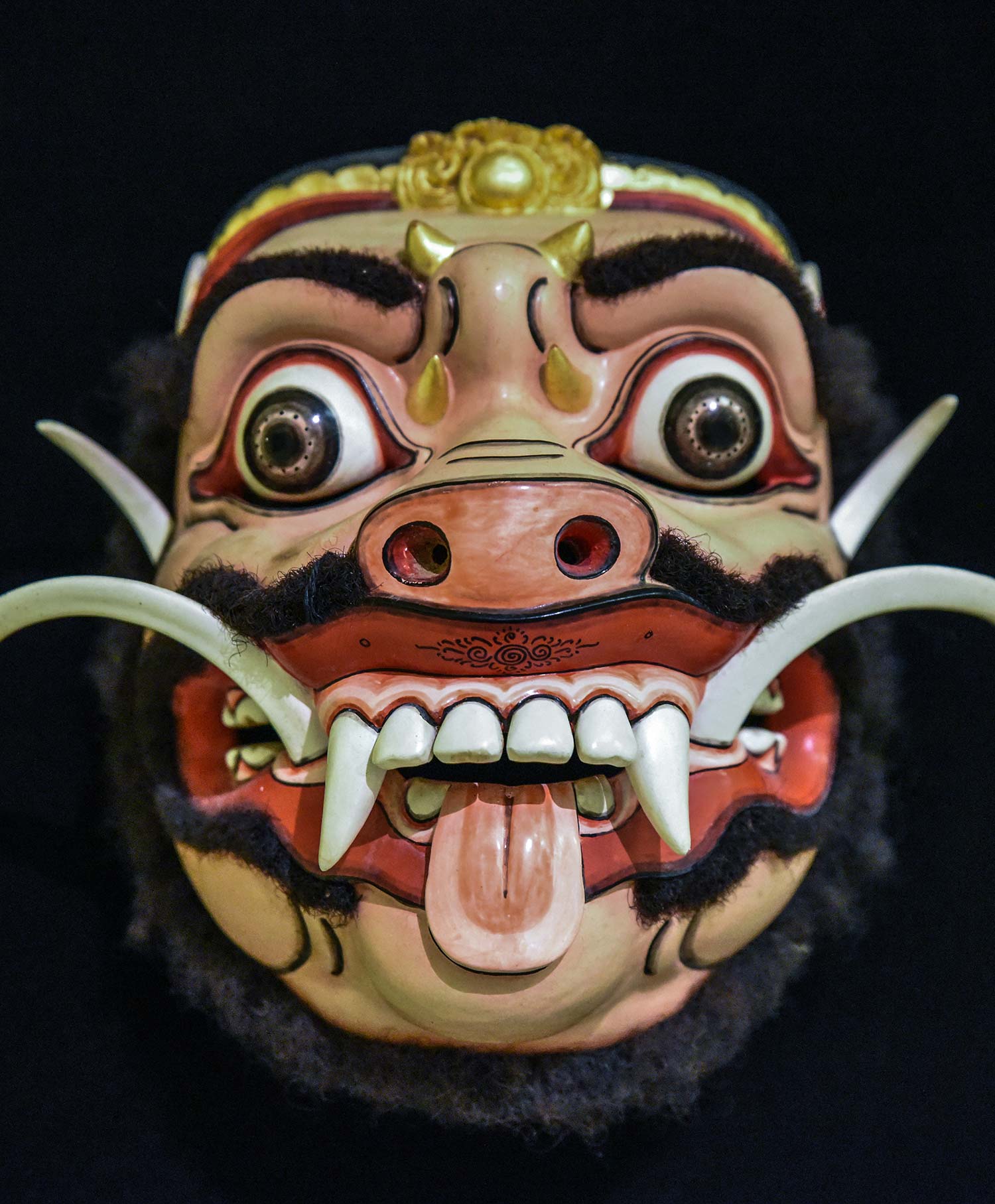
Shadow puppetry is perhaps the oldest and most revered art form in Indonesia, with a diverse array of styles performed across this vast archipelago. Each region has developed its own spin on Wayang puppet plays over the past 1,000 years.
Bali, for example, uses flat leather puppets in its most popular form of puppetry, Wayang Kulit. Elsewhere in Indonesia, visitors are more likely to encounter shadow plays involving larger wooden puppets known as Wayang Klitik. In Bali, Wayang Kulit is performed during religious festivals, for tourists, and as a way of teaching mythology to local schoolchildren.
While shadow puppetry in other parts of Indonesia typically tells stories drawn from Islamic legends, Balinese performances tend to draw from Hindu mythology. That reflects Bali’s unusual position as the only Hindu-majority Island in the Muslim-majority nation of Indonesia.
This curious situation dates to the ancient Majapahit kingdom, which is believed to have helped popularise shadow puppetry in Bali. Islam began spreading across Indonesia during the 13th century, and in the following century, Islamic forces defeated the Hindu Majapahit empire, which once controlled large parts of the archipelago.
Many of Majapahit’s leaders, artists, and priests subsequently relocated to Bali. Those migrants are credited with shaping many key aspects of Balinese culture, including Wayang Kulit.
Historians also believe that when Indian traders introduced Hinduism to Indonesia more than 1,000 years ago, they brought shadow puppetry with them. That helps explain why many Indonesian puppet plays—even in Muslim-majority regions—still draw themes and stories from Hindu epics such as the Ramayana.
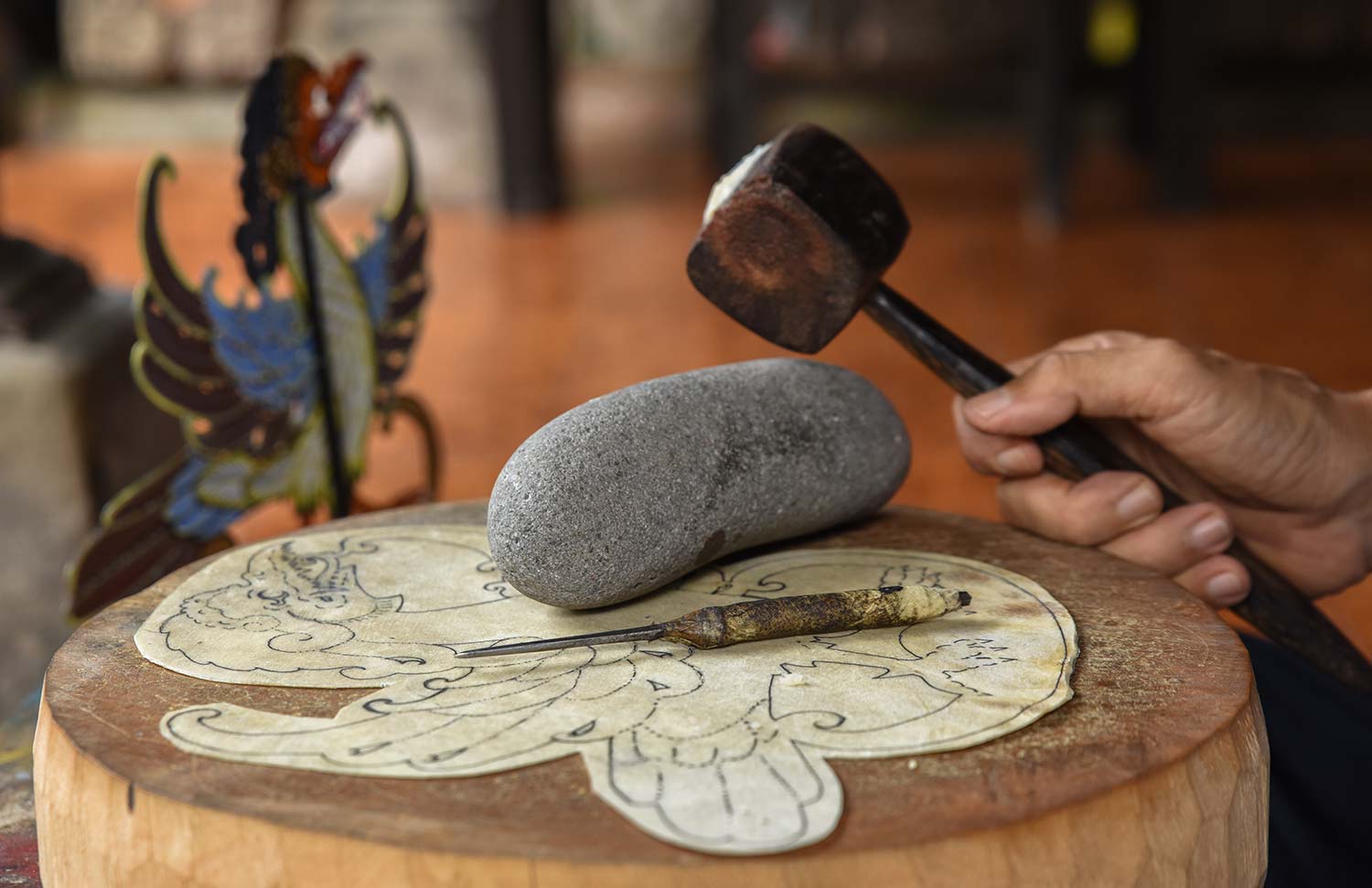
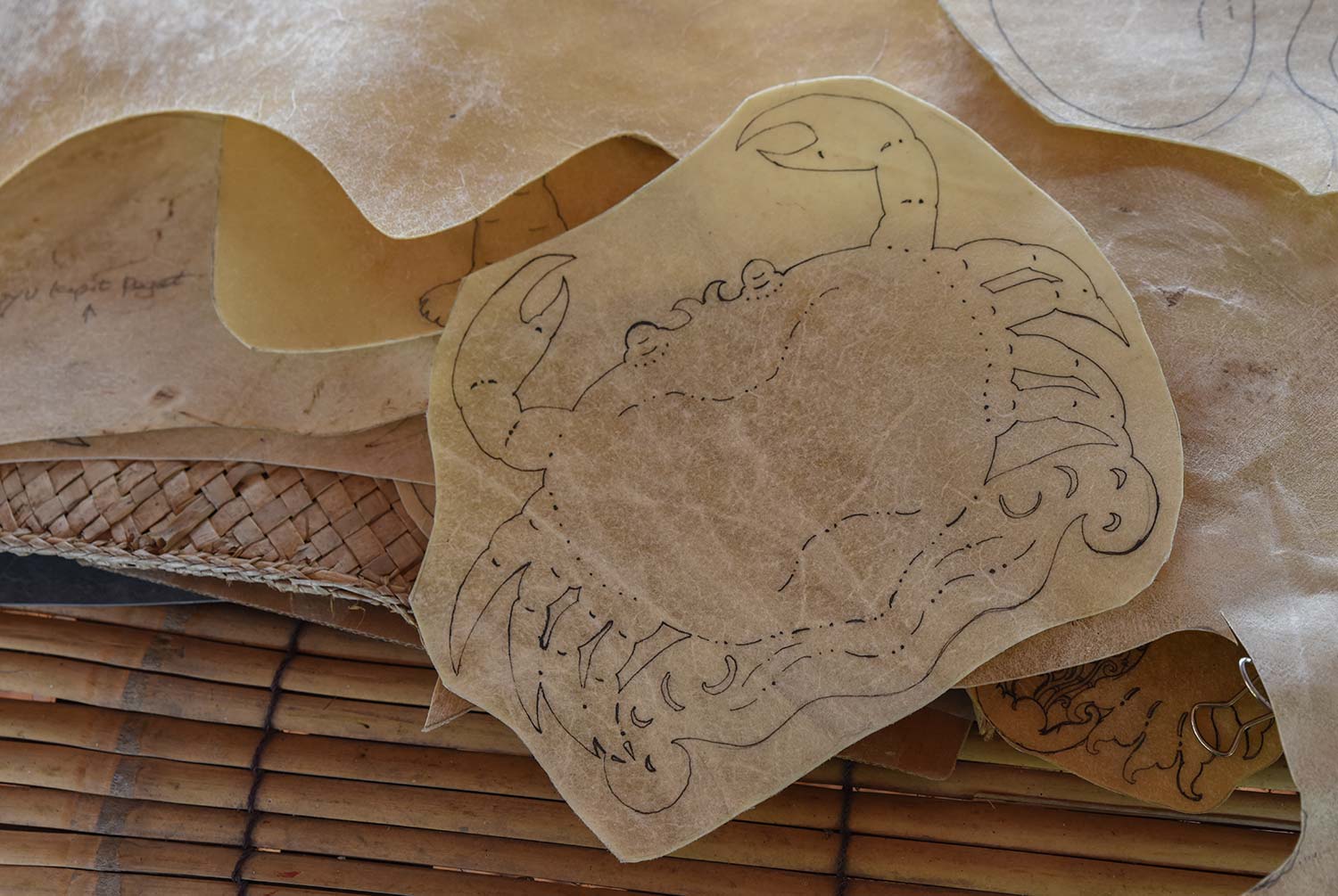
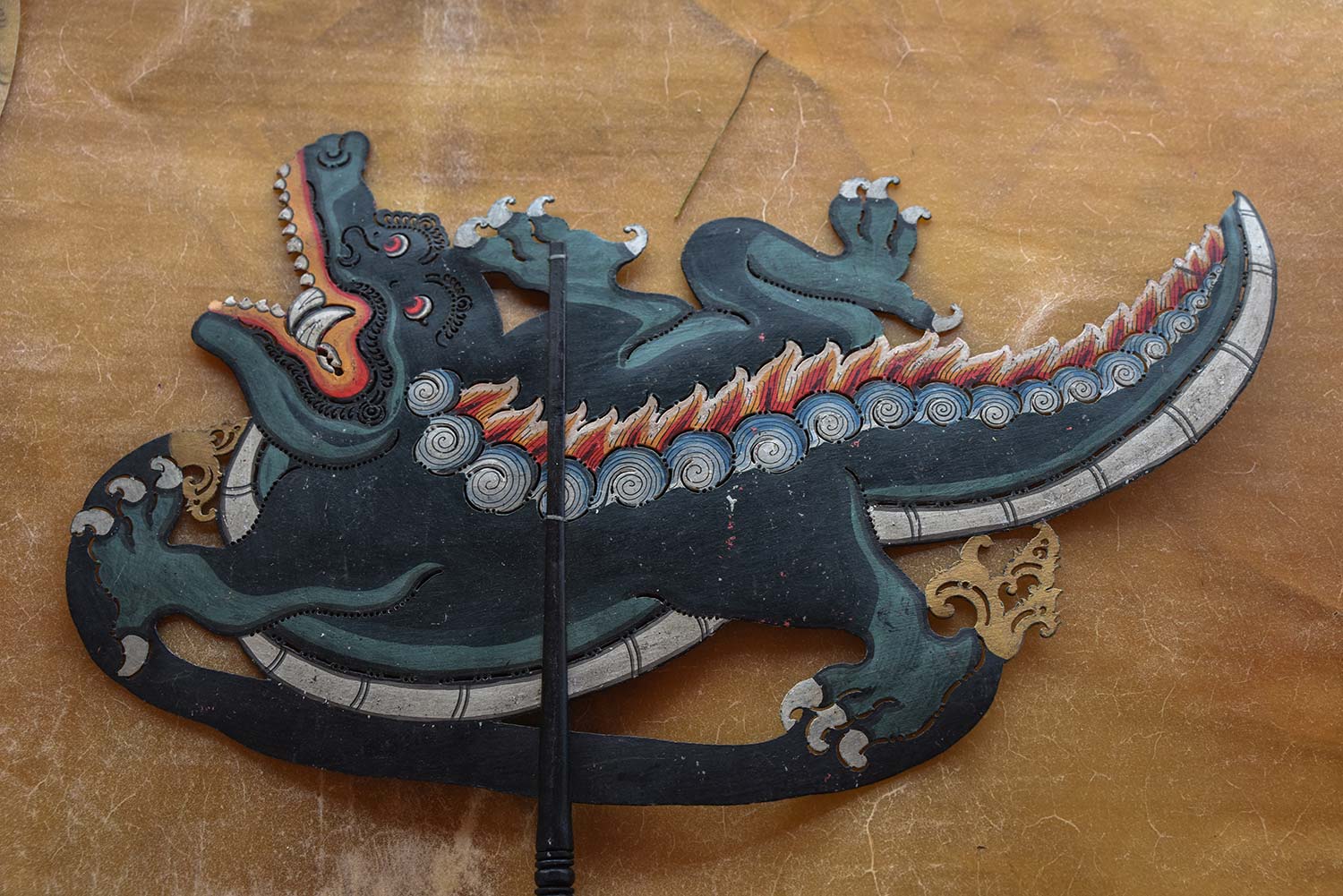
Tourists can attend these lively and captivating performances at venues across Bali. Many workshops also allow visitors to learn how to craft and decorate their own Wayang Kulit puppets. Local artisans demonstrate how each puppet is cut from leather, stitched together, and painted to resemble figures from Balinese mythology.
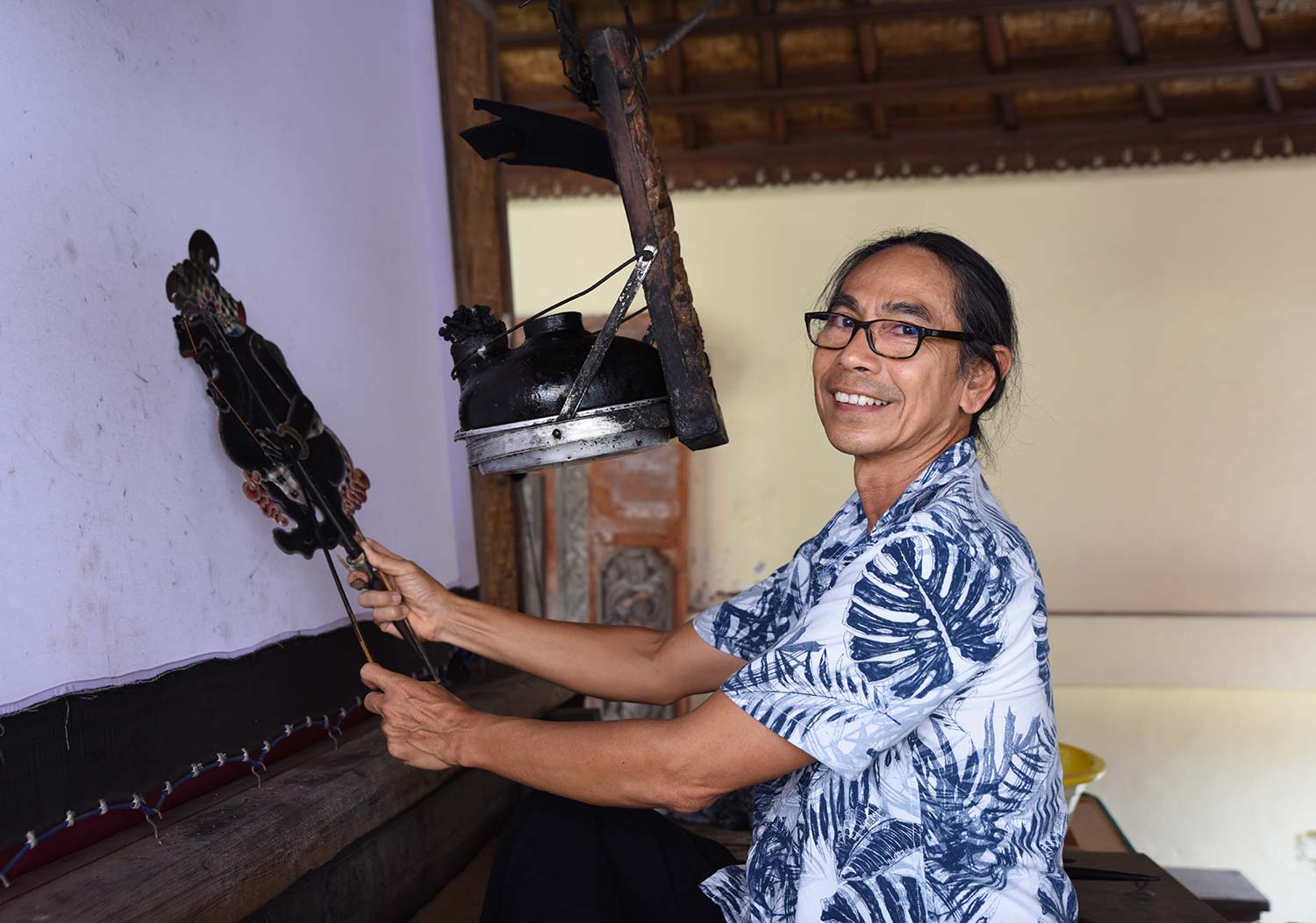
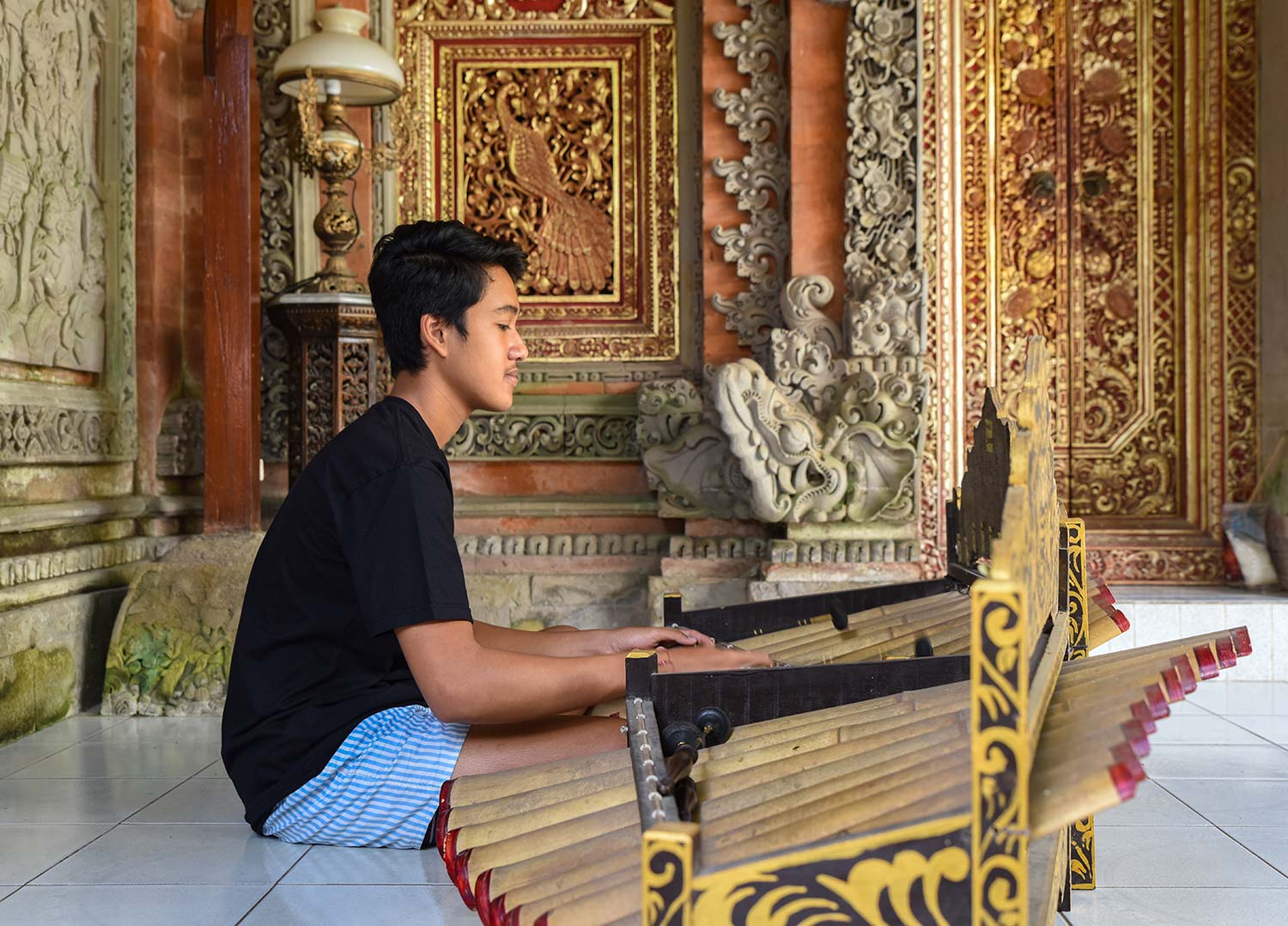
Several such workshops are offered across the island, including at Oka Kartini. The performance I watched there was drawn from Hindu mythology and executed by master puppeteer and puppet craftsman Pak Putra.
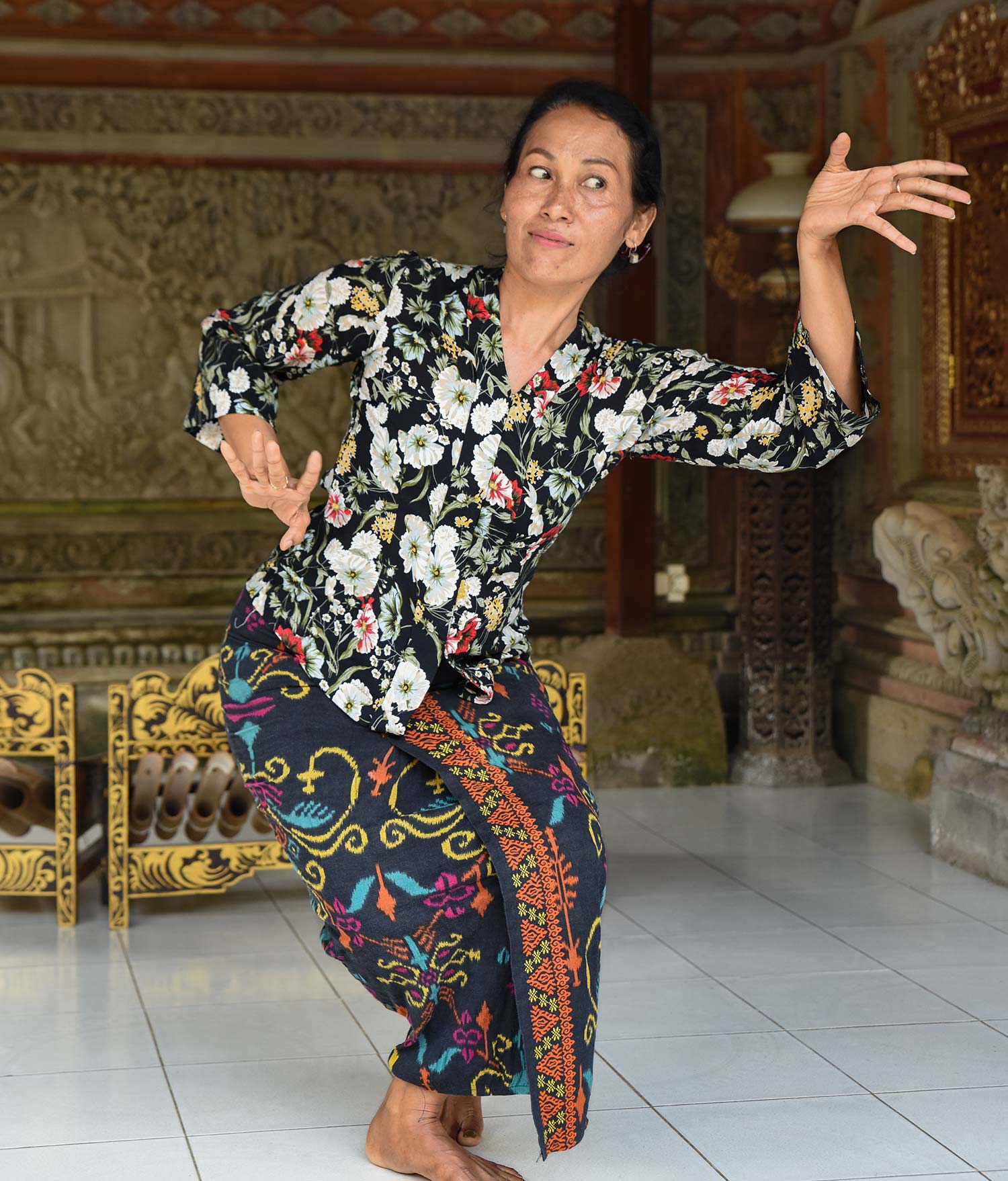
The middle-aged Balinese artist runs Oka Kartini with his wife, Ibu Cokin, a retired Balinese dancer who now teaches visitors how to sway and twirl as she once did for audiences across the island. Together, they stage Wayang Kulit performances every Wednesday, Friday, and Sunday at 8:00 p.m.
Pak Putra appears to possess magic in his hands. Or so it seemed as I stepped behind the backlit screen to watch him manipulate the puppets. His movements are swift, fluid, and instinctive, making an immensely difficult craft appear remarkably simple. That is the skill of a professional dalang—the Balinese term for a puppet master.

Even while operating the puppets, Pak Putra explained some of the deeper symbolism embedded within Wayang Kulit. The puppeteer represents a deity, he said, while the screen symbolises the universe. The slots holding the puppets represent Mother Earth, while the rope stretching across the screen symbolises human muscles.
The oil lamp used for illumination represents the sun, while its three threads stand for Hinduism’s principal deities: Brahma, the creator, Vishnu, the preserver, and Shiva, the destroyer. Each performance revolves around the eternal battle between good and evil. Heroes enter the screen from the right-hand side; villains arrive from the left.
All the while, Pak Putra operates as a one-man orchestra. His hands manipulate the puppets, his feet control wooden and metal instruments to create sound effects, and his voice delivers narration and chants at key moments.
It is a performance style that has survived for centuries. Bali may have modernised rapidly over recent decades, but many of its oldest traditions continue to endure through artists like Pak Putra and Ibu Cokin.