
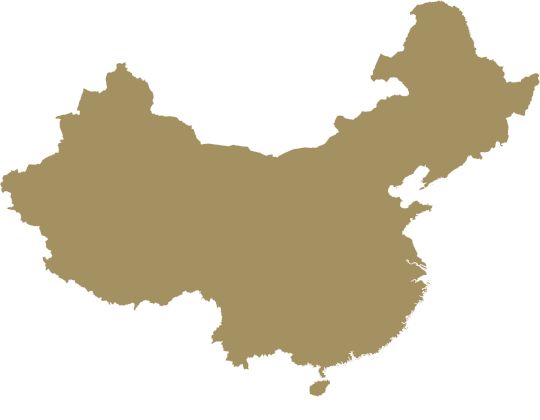

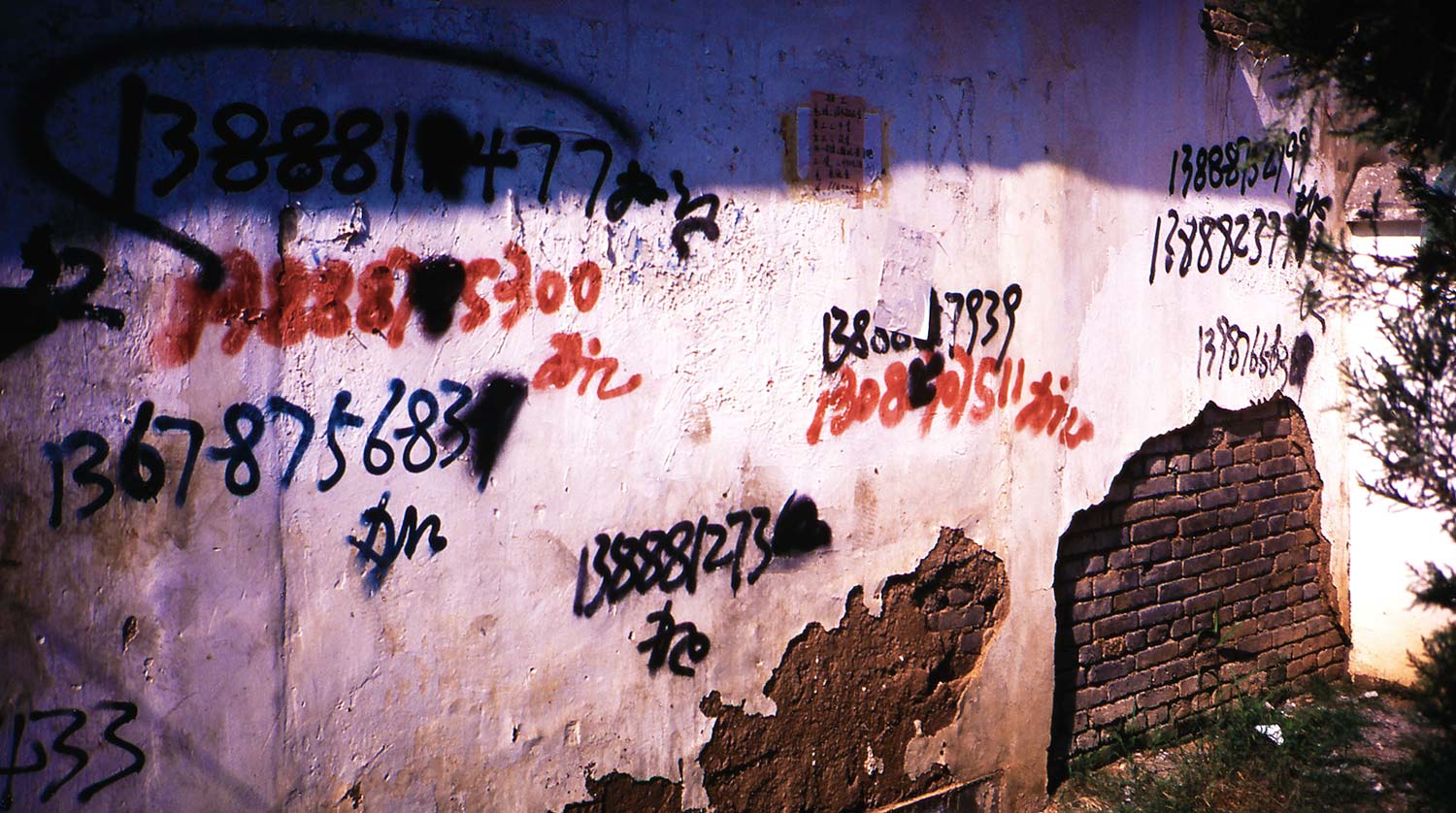
Punk fashions, Mandarin rap, futuristic shopping malls, and walls covered in hand-painted phone numbers are probably not what most travelers expect to encounter in China’s tropical deep south. But then Jinghong, the laidback capital of Xishuangbanna in Yunnan Province near the borders of Laos and Myanmar, doesn’t conform to easy expectations.
Set along the wide sweep of the Mekong River—known here as the Lancang—Jinghong feels culturally and geographically distinct from much of China.
Palm trees line broad boulevards. Gold-roofed Buddhist temples rise between modern apartment towers. Night markets steam beneath humid evening skies while peacock motifs adorn everything from hotels to public squares. At times, the city feels closer in spirit to northern Thailand or Laos than Beijing or Shanghai.
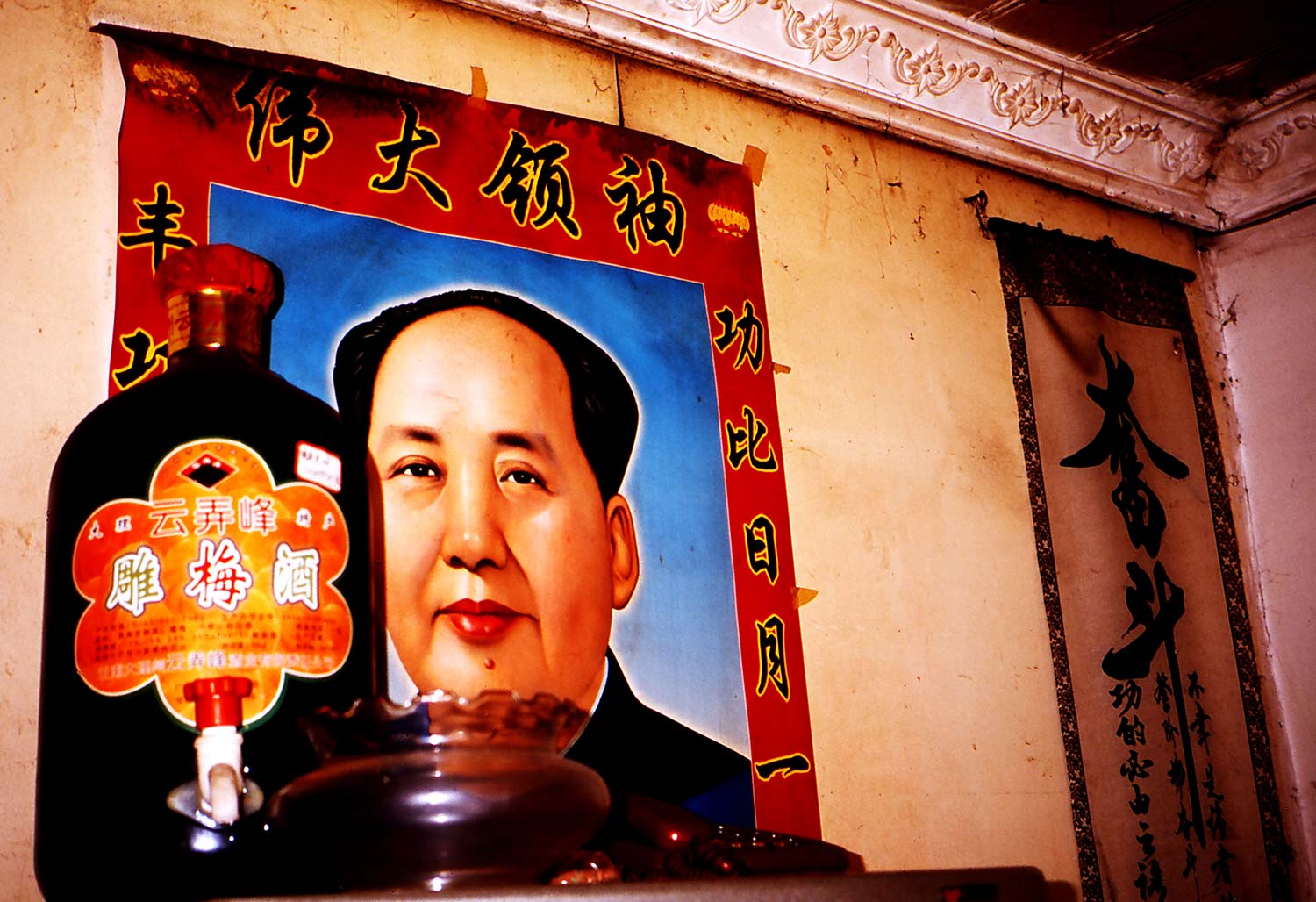
Yet Jinghong is also unmistakably modern China: ambitious, commercial, self-conscious, and rapidly evolving.
Along the riverfront promenade at dusk, teenagers in oversized sweatshirts and baggy trousers drift toward cocktail bars and milk tea shops while Mandarin-language rap echoes from brightly lit storefronts nearby.
In shopping malls, Hollywood blockbusters occasionally appear dubbed into Mandarin, though local films still dominate the cinemas. Boutiques display locally produced fashions that combine faux-fur flourishes, futuristic cuts, stone-washed denim, and unapologetically loud styling in combinations that can seem both chaotic and confident.
Elsewhere, advertisements featuring smiling Caucasian models promote luxury apartments, watches, cosmetics, and imported liquor. Western imagery appears throughout the city, though usually filtered through distinctly Chinese tastes and ambitions. Jinghong does not feel like a place trying to imitate the West so much as one enthusiastically remixing global influences into something its own.
Whatever outsiders may debate about modern China, most residents in Jinghong appear far more focused on the opportunities created by the country’s rapid rise: better infrastructure, growing prosperity, expanding tourism, and a sense that this once-overlooked corner of Yunnan is now firmly connected to the wider world.
That hybrid identity gives the city much of its fascination.
Jinghong serves as the capital of the Xishuangbanna Dai Autonomous Prefecture, home to the Dai minority whose Theravada Buddhist traditions, cuisine, architecture, and language remain deeply tied to the cultures of Southeast Asia.
The region’s subtropical climate only reinforces the sensation of having slipped into another world entirely. For much of the year, the elevated geography creates a springlike warmth that feels a world away from the harsher winters associated with northern China.
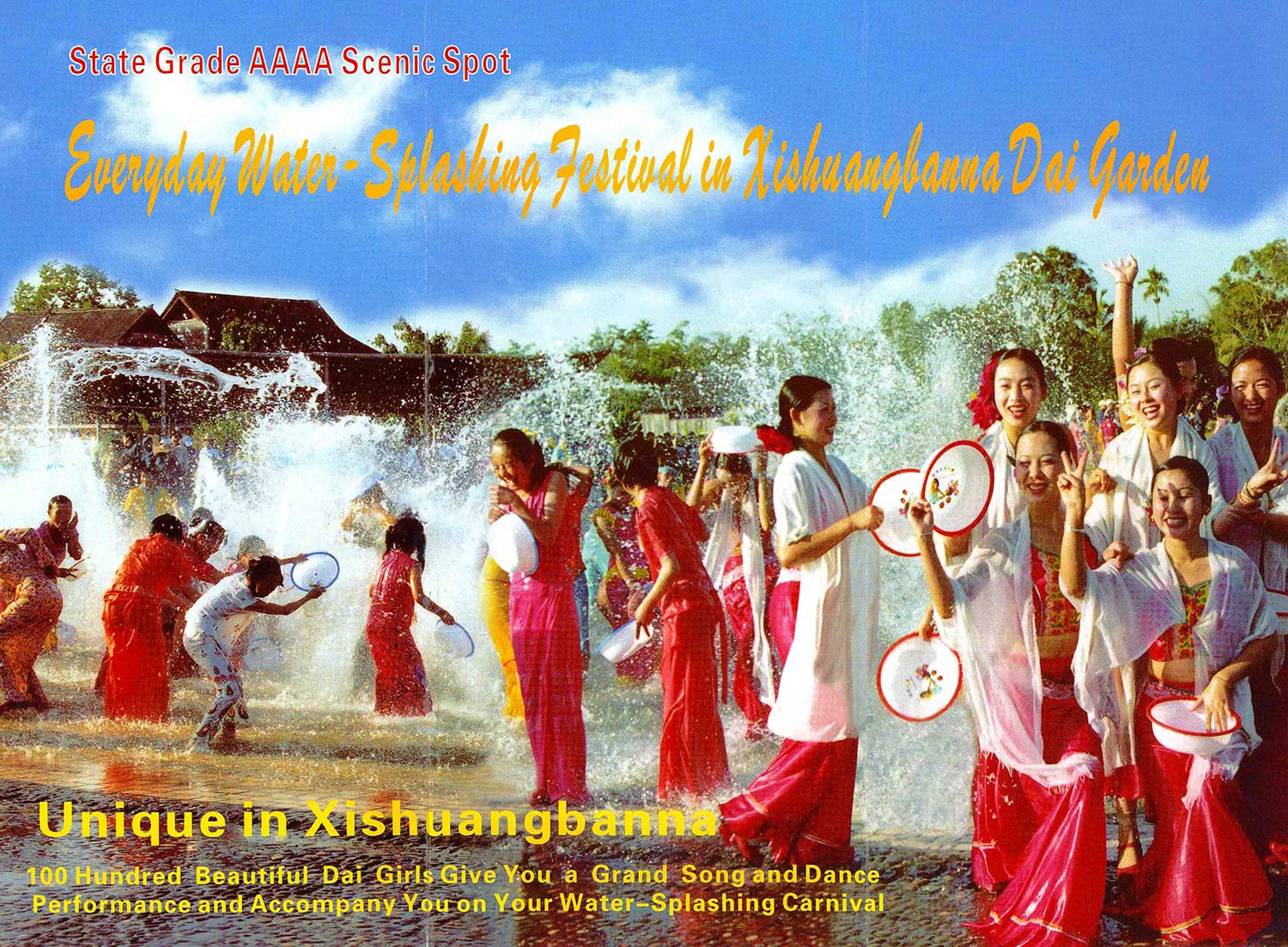
Nowhere does Jinghong’s collision of tourism, performance, and living culture become more apparent than at Dai Garden, one of the region’s most curious attractions located around 25 kilometres east of the city.
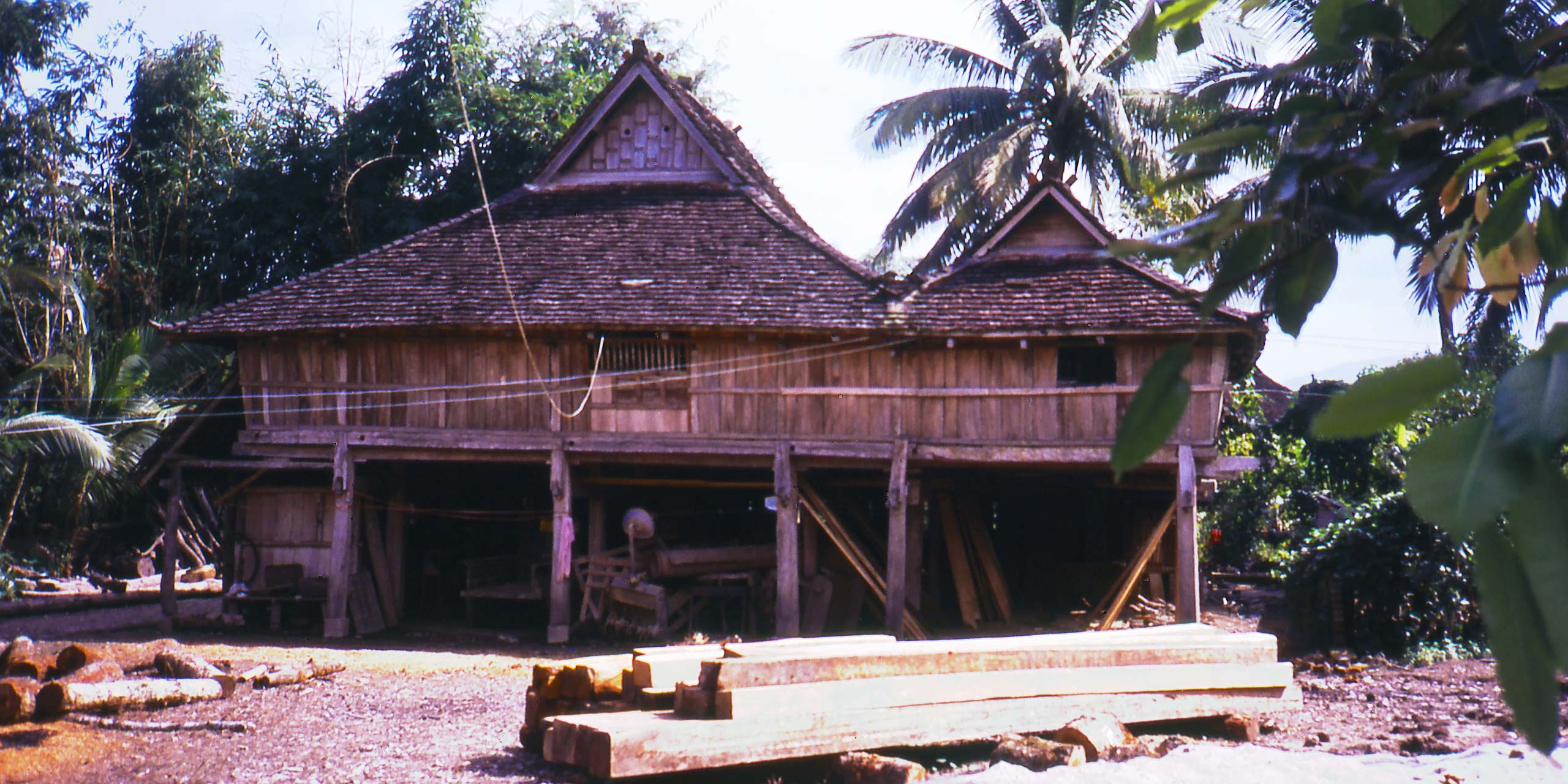
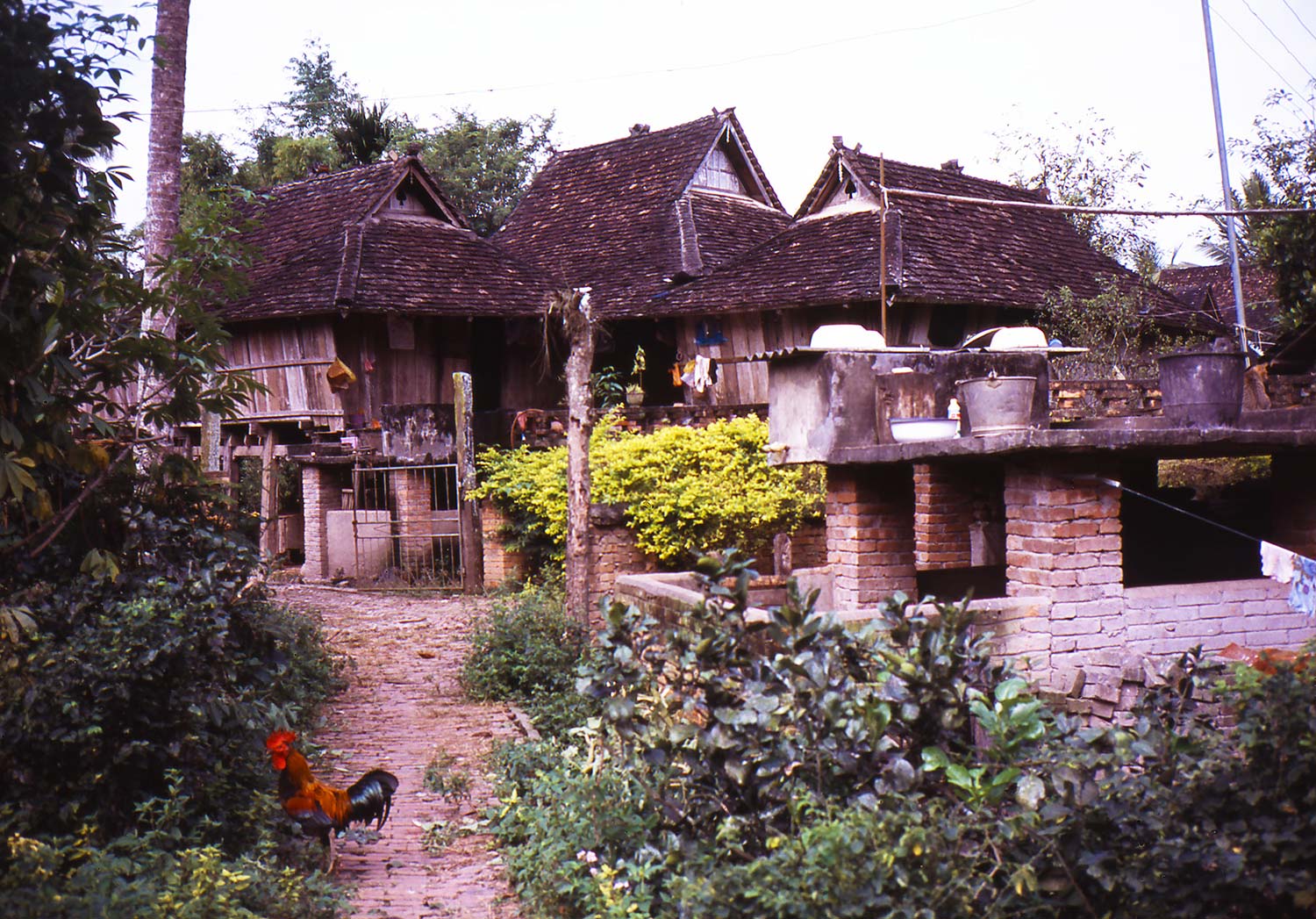
Promoted in brochures as a “state grade AAAA scenic spot,” the sprawling complex combines several traditional Dai villages into a carefully curated tourism zone built around dance performances, temples, stilted wooden houses, and demonstrations of local customs.
Visitors wander through narrow village lanes lined with souvenir stalls while loudspeakers announce upcoming cultural shows. At scheduled intervals, performers in ornate costumes emerge to dance before splashing visitors with water, a nod to traditional Dai New Year celebrations believed to bring good fortune.
The experience can occasionally feel staged, but not entirely artificial. Families still live within the villages. Elderly residents sit weaving beneath raised wooden homes while monks move quietly through nearby temples. Children weave between tour groups, clutching smartphones and grilled snacks from roadside stalls.
That uneasy overlap between authenticity and performance runs throughout modern Jinghong.
At the city’s sprawling night markets, vendors grill river fish beside trays of glistening insects, frog skewers, tropical mushrooms, and unfamiliar herbs gathered from surrounding forests.
Elsewhere, public walls are layered with graffiti-like advertisements listing mobile phone numbers for furniture sales, motorcycle repairs, or secondhand goods. Competitors sometimes black out individual digits to sabotage rival businesses before painting fresh numbers nearby.
Beyond the city centre, the edges of Jinghong quickly become rougher and more rural. On the outskirts, agricultural workers still drive rattling tractors through muddy roads while small factories and weathered brick homes sit in sharp contrast to the polished malls and riverside developments closer to downtown.
Yet those contradictions make Jinghong memorable. This is a city where Buddhist temples stand beside neon-lit shopping centres; where minority culture is simultaneously preserved, commercialised, and lived; where Chinese domestic tourism collides with centuries-old Mekong traditions.
Late at night, the riverfront fills once again. Music drifts through the humid air. Neon reflects across the Mekong while tourists pose for photographs beneath glowing palm trees. Somewhere beyond the city, the river continues south toward Laos, Thailand, Cambodia, and Vietnam.
Jinghong sits at the beginning of that journey: tropical, theatrical, occasionally absurd, and far more layered than many travelers expect.