

He was persecuted for being gay, imprisoned for being German, and bombed to death by the Japanese. Yet European painter Walter Spies also left behind a giant and inspiring legacy in Bali, where he changed the art scene forever.
Some 84 years after his death, Spies remains a legend on this Indonesian island. From the 1920s onward, he created new forms of Balinese art, mentored dozens of young Balinese artists, and greatly boosted the global renown of the island’s creative scene via his powerful international connections. The German-Russian artist was visited in Bali by many famous friends, including international celebrities such as Charlie Chaplin and King Leopold III of Belgium.
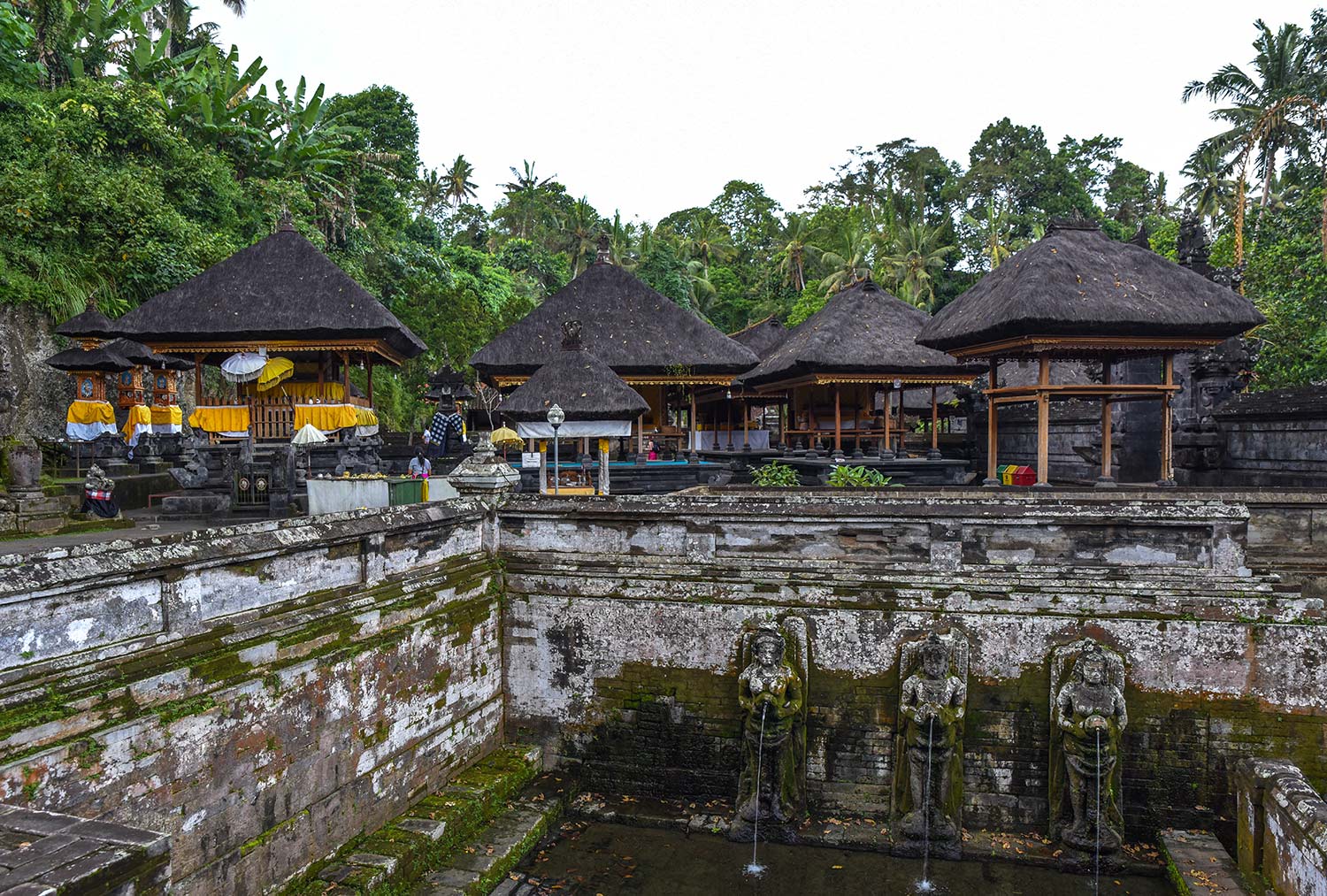
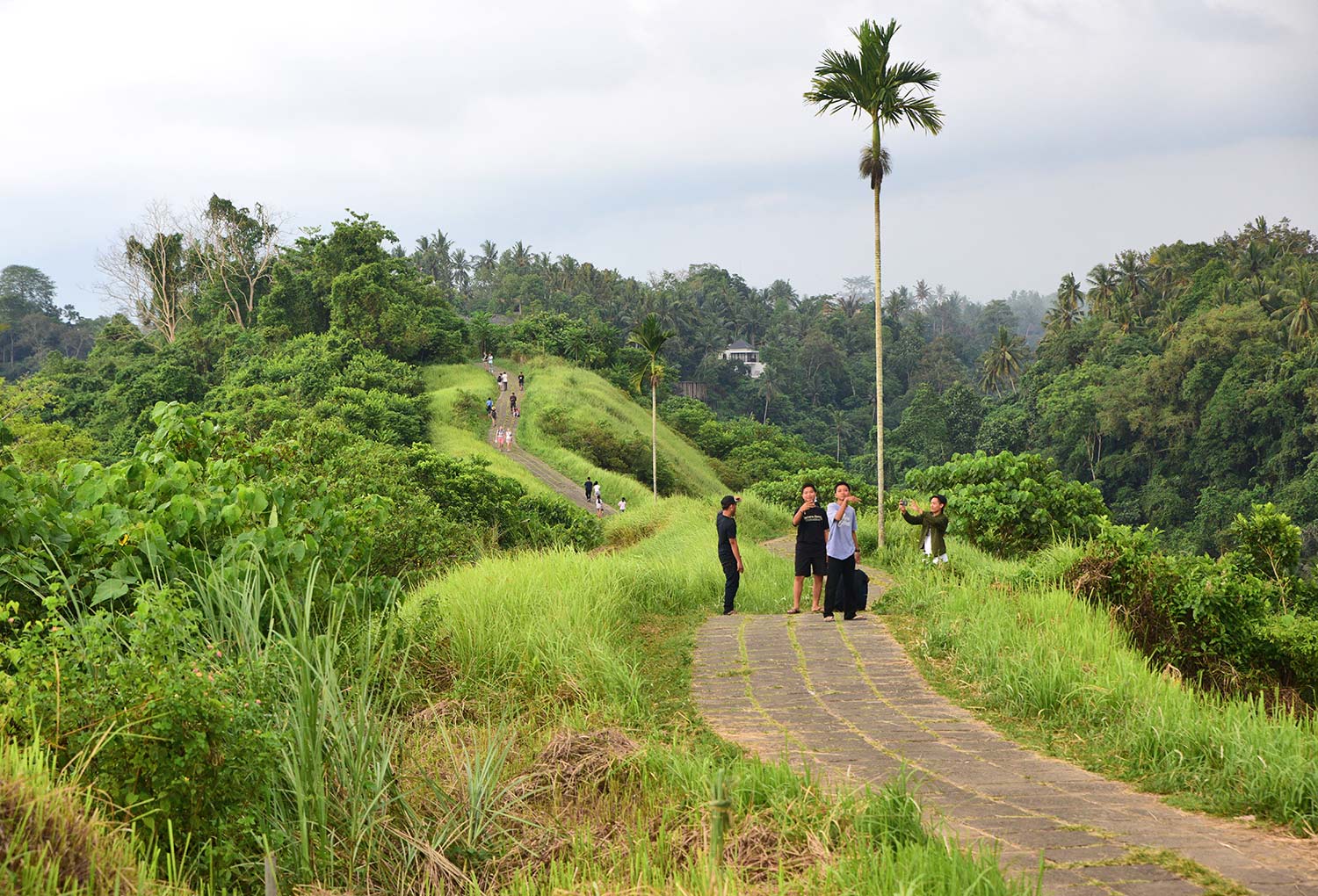
Back then, to Westerners, Bali was a far-flung and little-known island in a far-flung and little-known country. These days, it is one of the most famous and crowded travel destinations on the planet, renowned for its picturesque beaches, majestic rainforests, towering volcanoes, wellness tourism, and cheap resorts.
Behind that tourist facade lies Bali’s soul, which, luckily, remains in fine health. Despite rampant overtourism and overdevelopment, Bali arguably has the best-preserved cultural heritage in all of Southeast Asia. In fact, last year Bali was voted the world’s best cultural destination by Tripadvisor and won an array of prizes at the 2025 Indonesia Cultural Awards.
Bali has preserved numerous ancient customs, rituals, and art forms, many of which are intended to honour the island’s Hindu deities or placate its army of demons. What makes Bali even more special from this perspective is that most of these ancient traditions are not hidden away.
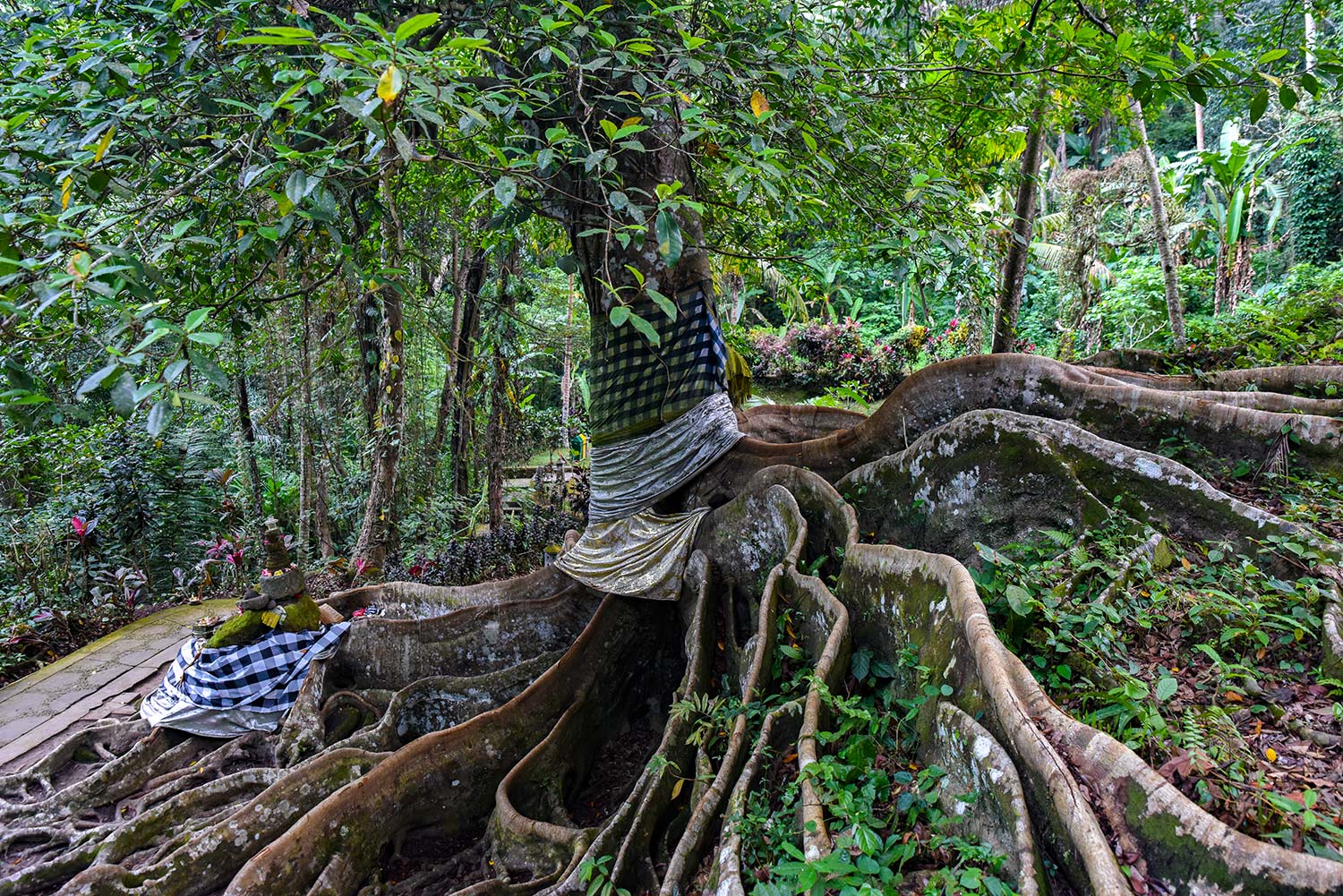
Tourists to the island can witness local artisans handcrafting Keris daggers—part weapon, part ornament, and part lucky charm—believed to have the power to ward off evil spirits. They can also see locals trying to appease those same demons by offering them canang sari, a bowl woven from coconut leaves and stacked with flower petals, or watch a performance of Bali’s renowned Barong dance, named after one of the island’s most kindly spirits.
This passion for creativity and spirituality also flows through Bali’s many fascinating museums and art galleries. Ubud is flush with such facilities. This jungle-hemmed town has conflicting identities: it is simultaneously a crowded tourist hub and the island’s capital of art.
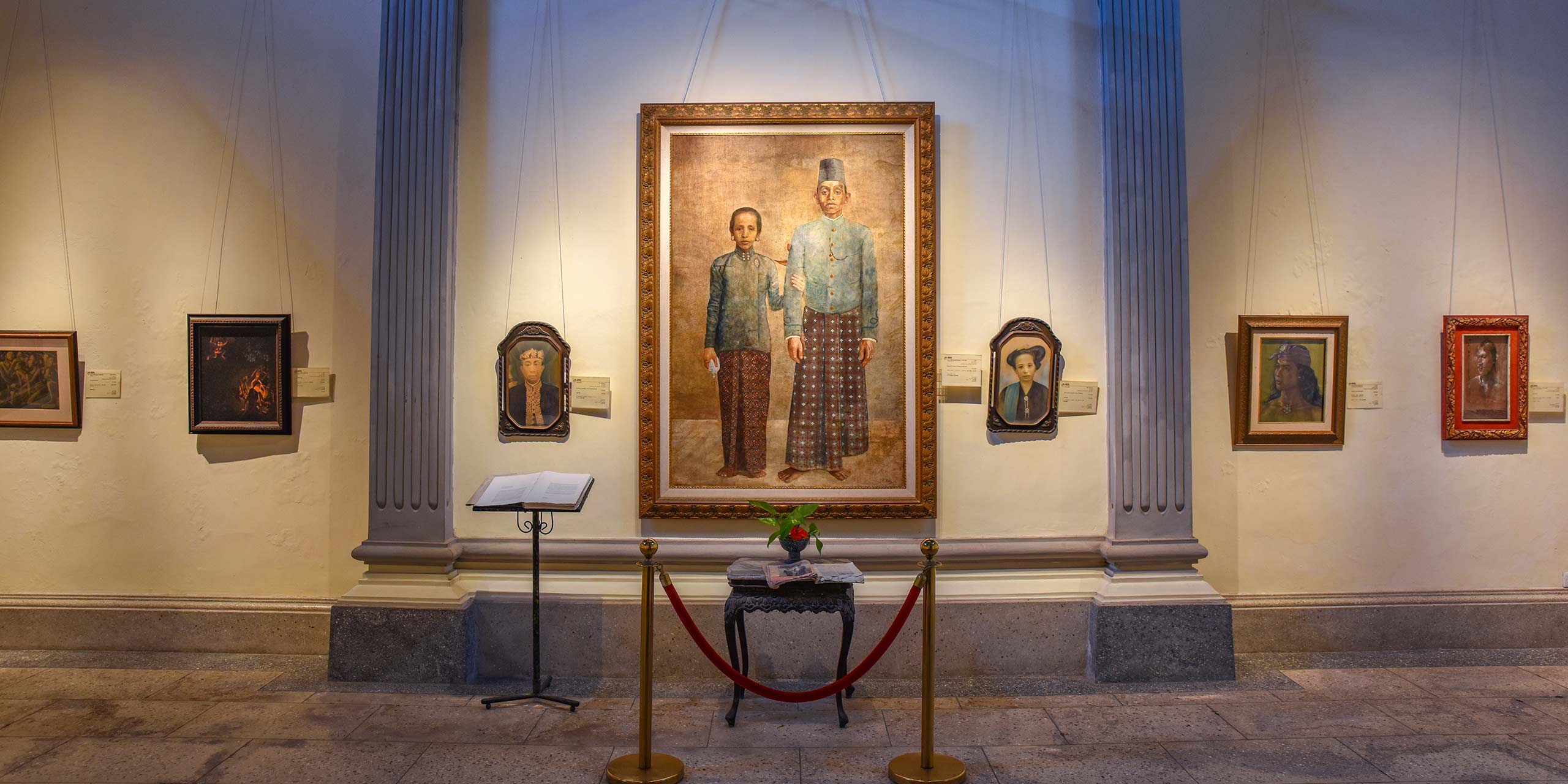
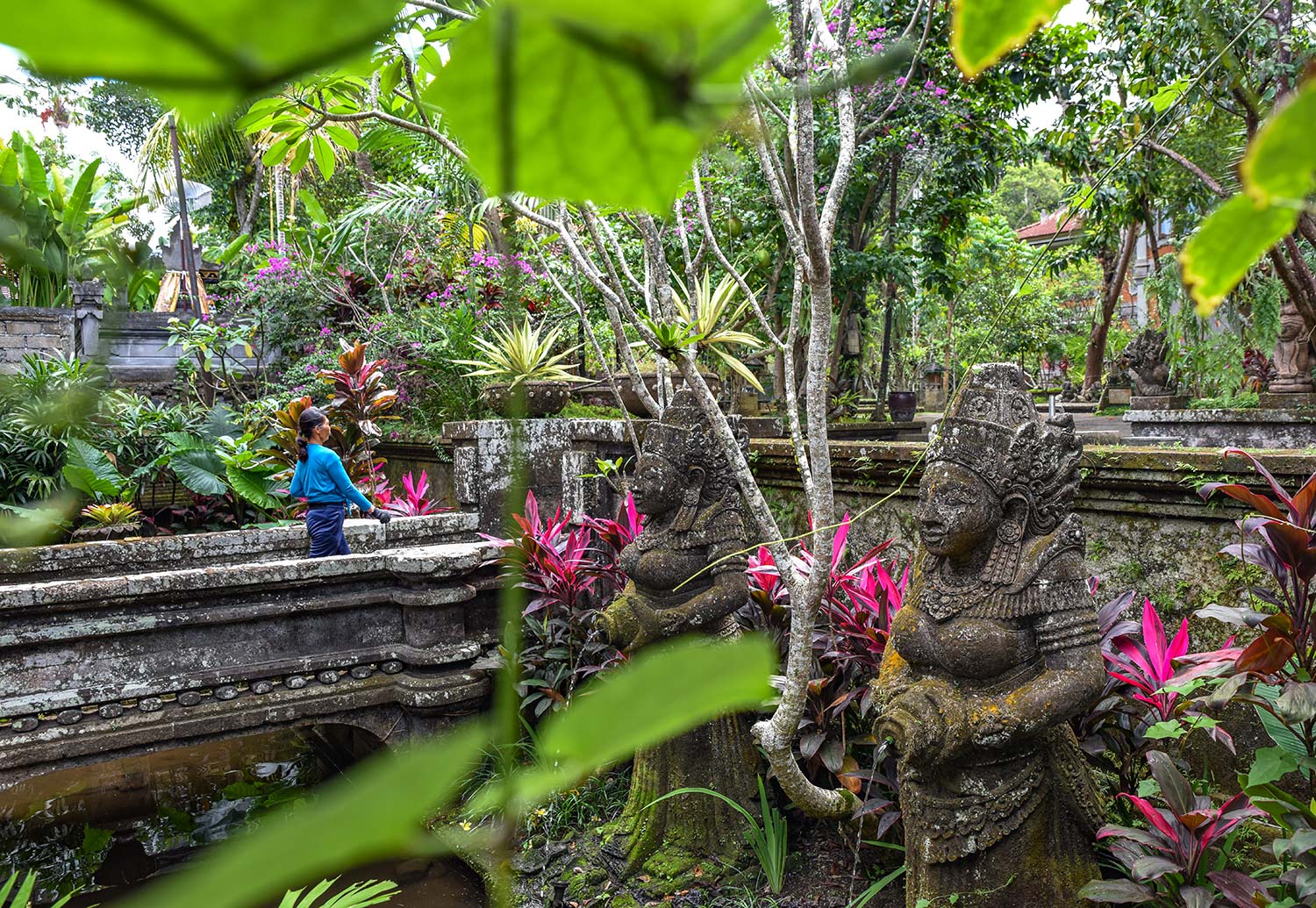
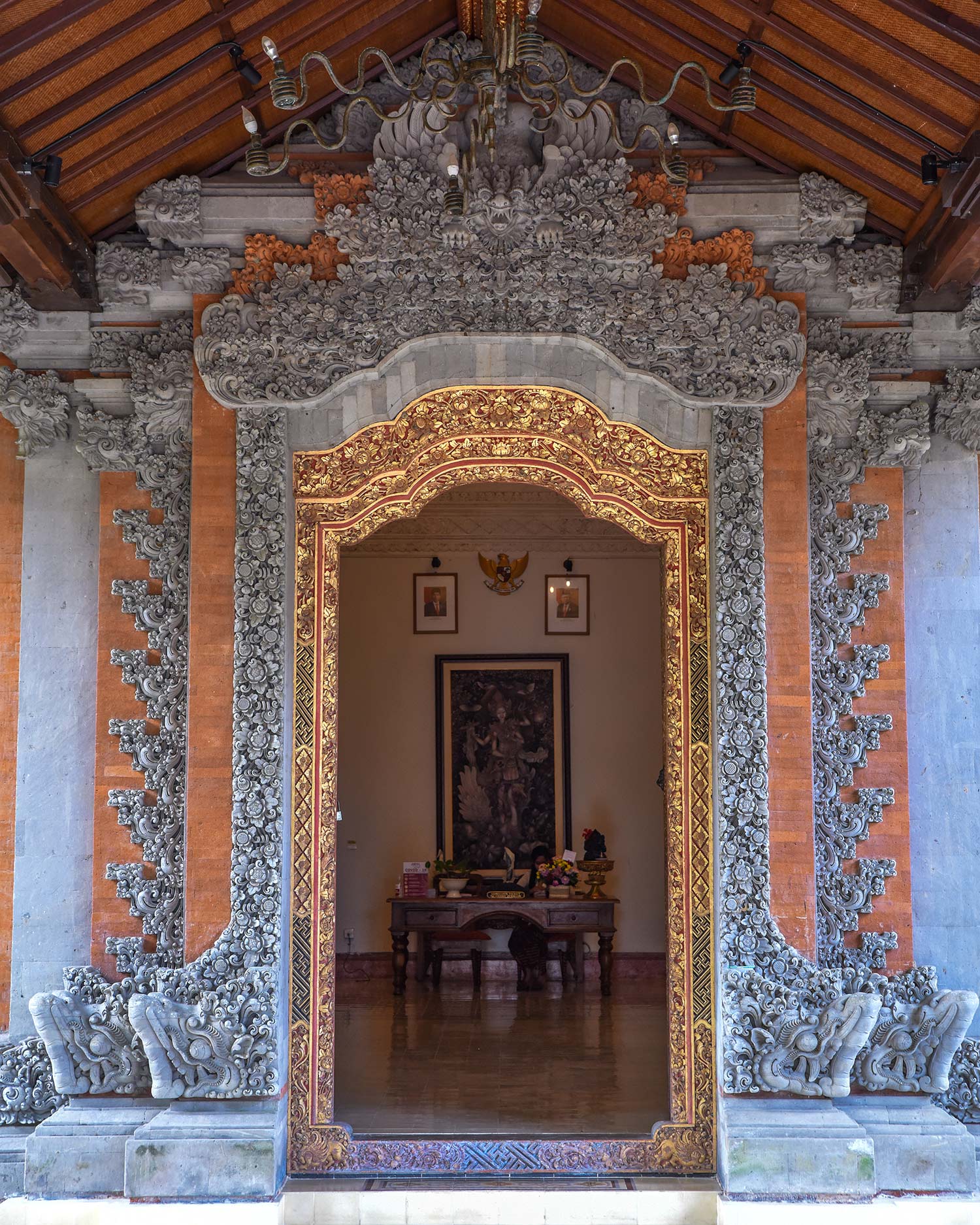
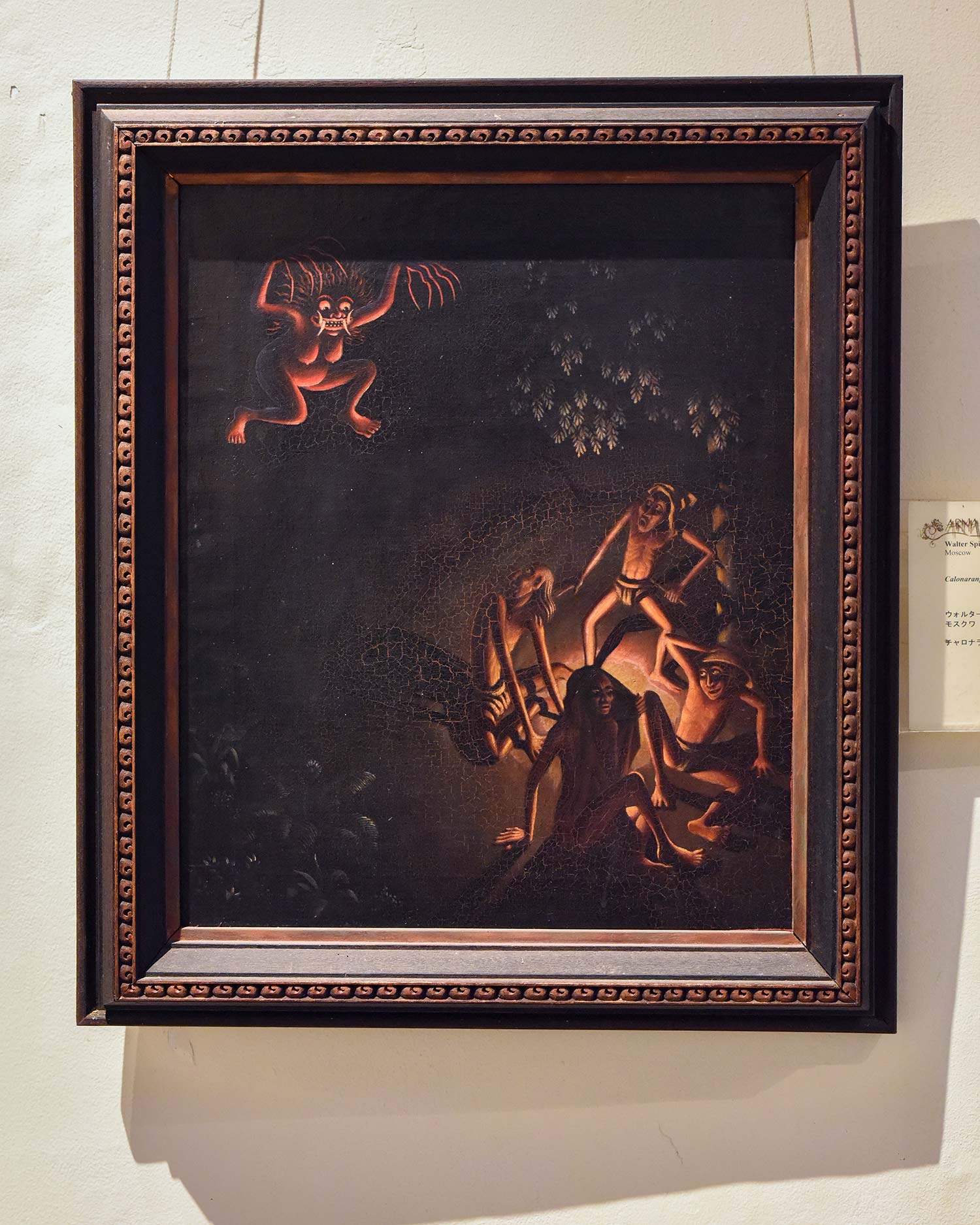
Several of Ubud’s galleries and museums display works by Spies, including Museum Puri Lukisan and Neka Art Museum. But one stands apart: the Agung Rai Museum of Art (ARMA) is, essentially, the posthumous home of Spies’ brilliance. Nowhere in Bali or elsewhere has a larger collection of his pieces than this sprawling facility, where a sculpture of the artist sits amid lush gardens.
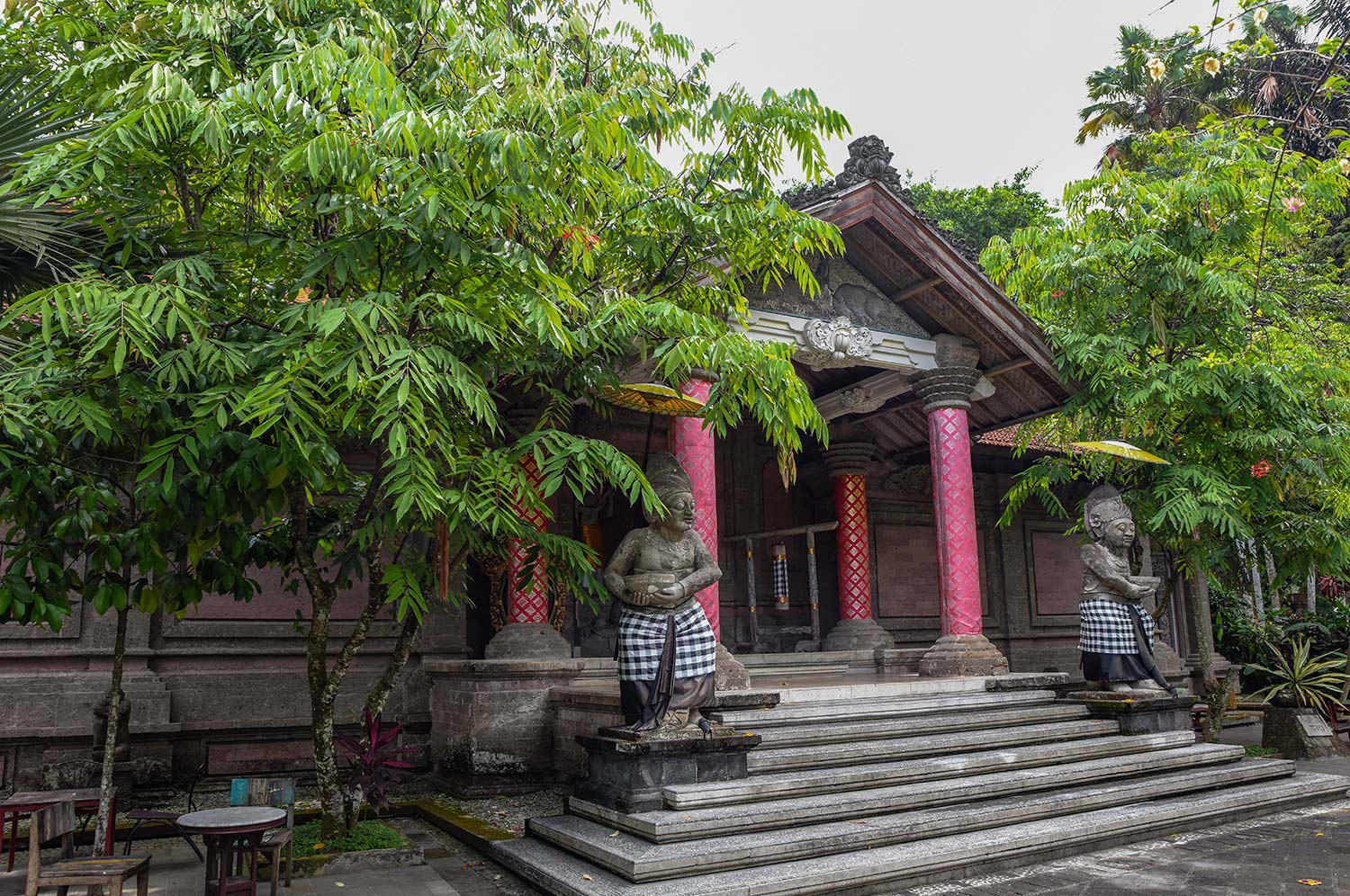
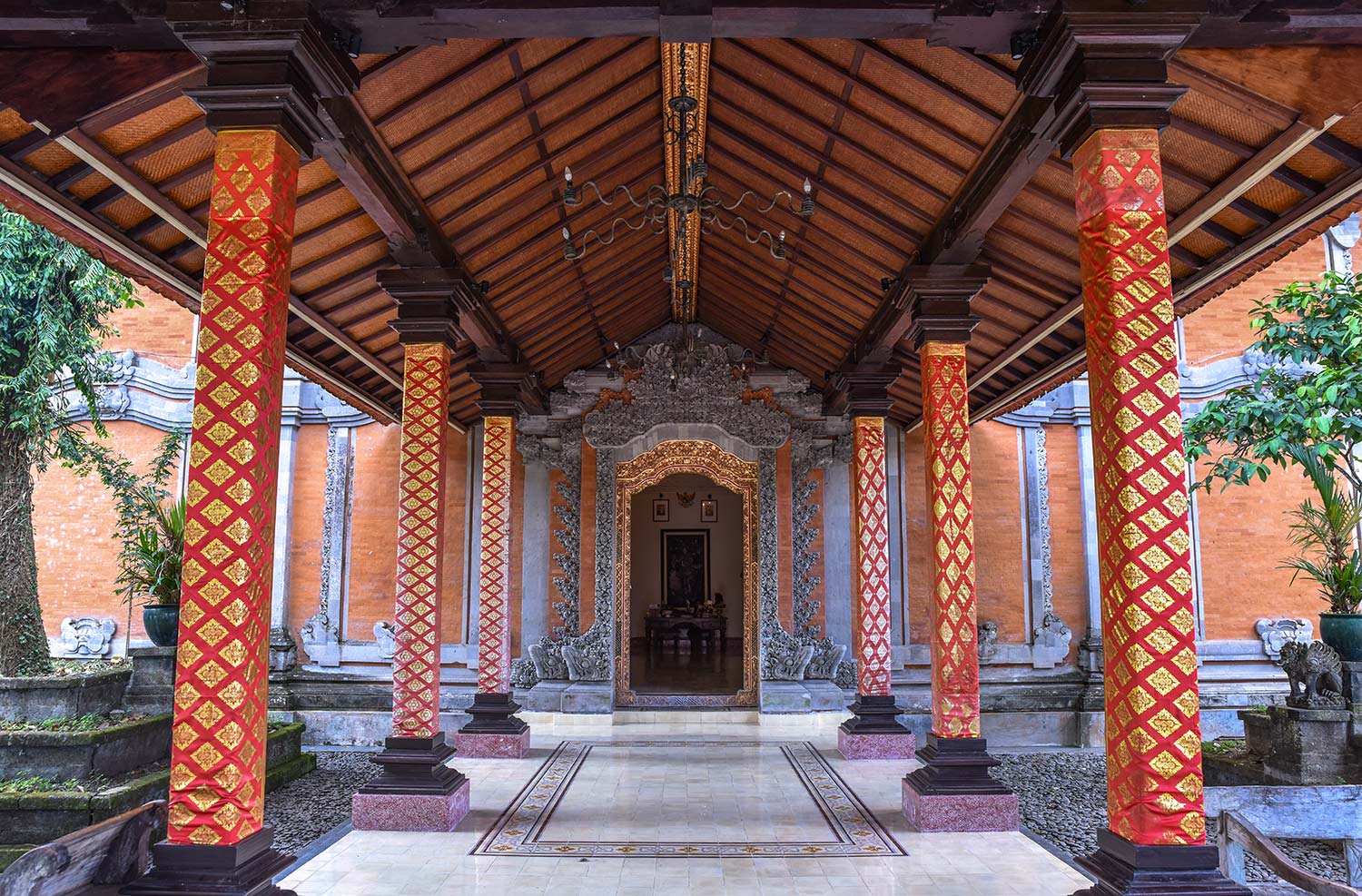
The Agung Rai Museum of Art was the perfect venue in May and June 2025 to hold ROOTS, an exhibition celebrating a century of Spies’ influence on Balinese art. This show also highlighted artists shaped by Spies’ style, such as local painter Made Bayak. The museum is blessed to have more than half a dozen pieces by Spies. That may not sound like a lot until you learn about the scarcity of his paintings.
Spies was famously secretive with his creative process, very rarely letting people witness him at work, especially in his own studio, which he treated as a sanctuary. Most of his paintings were pre-ordered by foreign buyers and were shipped overseas soon after he applied the finishing strokes.
They are even less common today, according to the book Walter Spies: A Life in Art by John Stowell. One of the rare, detailed accounts of Spies’ life and work, Stowell’s impressive book states that the German artist made fewer than 80 paintings while based in Bali during the 1920s and 1930s. Only about 40 of those are still known to exist, including his work Blick von der Höhe, which in 2013 sold for an extraordinary $4 million USD.
Spies completed that painting in 1934. By then, he had already led an extraordinary life. Born in Russia in 1895 to wealthy German parents, he was raised in an upscale part of Moscow. This comfortable life was disrupted in 1914 with the outbreak of World War I, during which Russia and Germany faced off.
Because he was a German citizen, Spies was treated as an enemy of Russia and was imprisoned in the Ural Mountains until 1918. After the war ended, Spies immediately moved to Germany and reveled in the booming, innovative art scenes of Berlin and Dresden. However, life was not simple in post-WWI Germany, which was mired in economic crises.
In 1923, Spies picked up an atlas. He traced his fingers across the maps until they landed on an exotic, faraway place he had previously seen in a book. Bali was to be his next destination. At that stage, Indonesia was known as the Dutch East Indies and was under the control of the Netherlands.
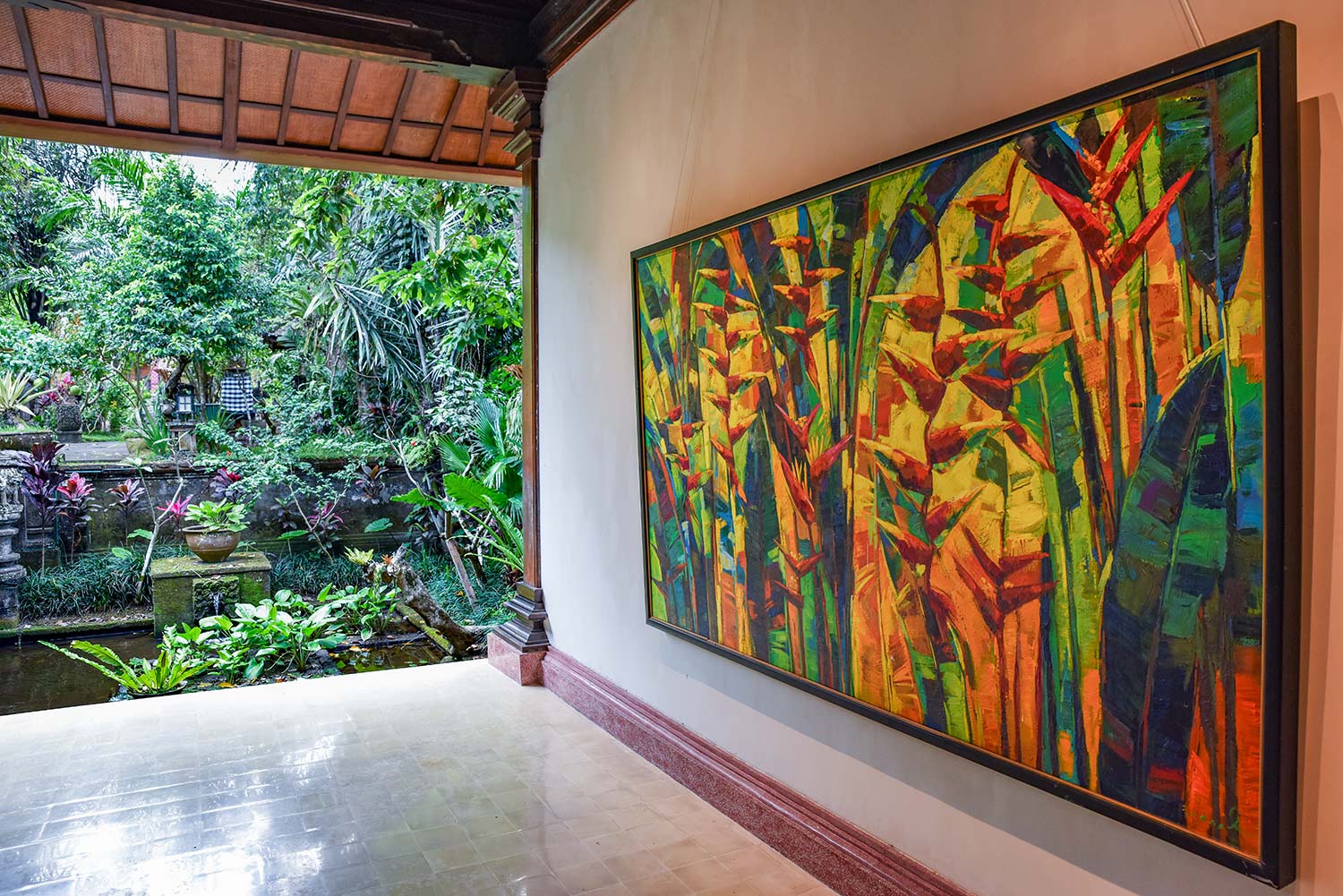
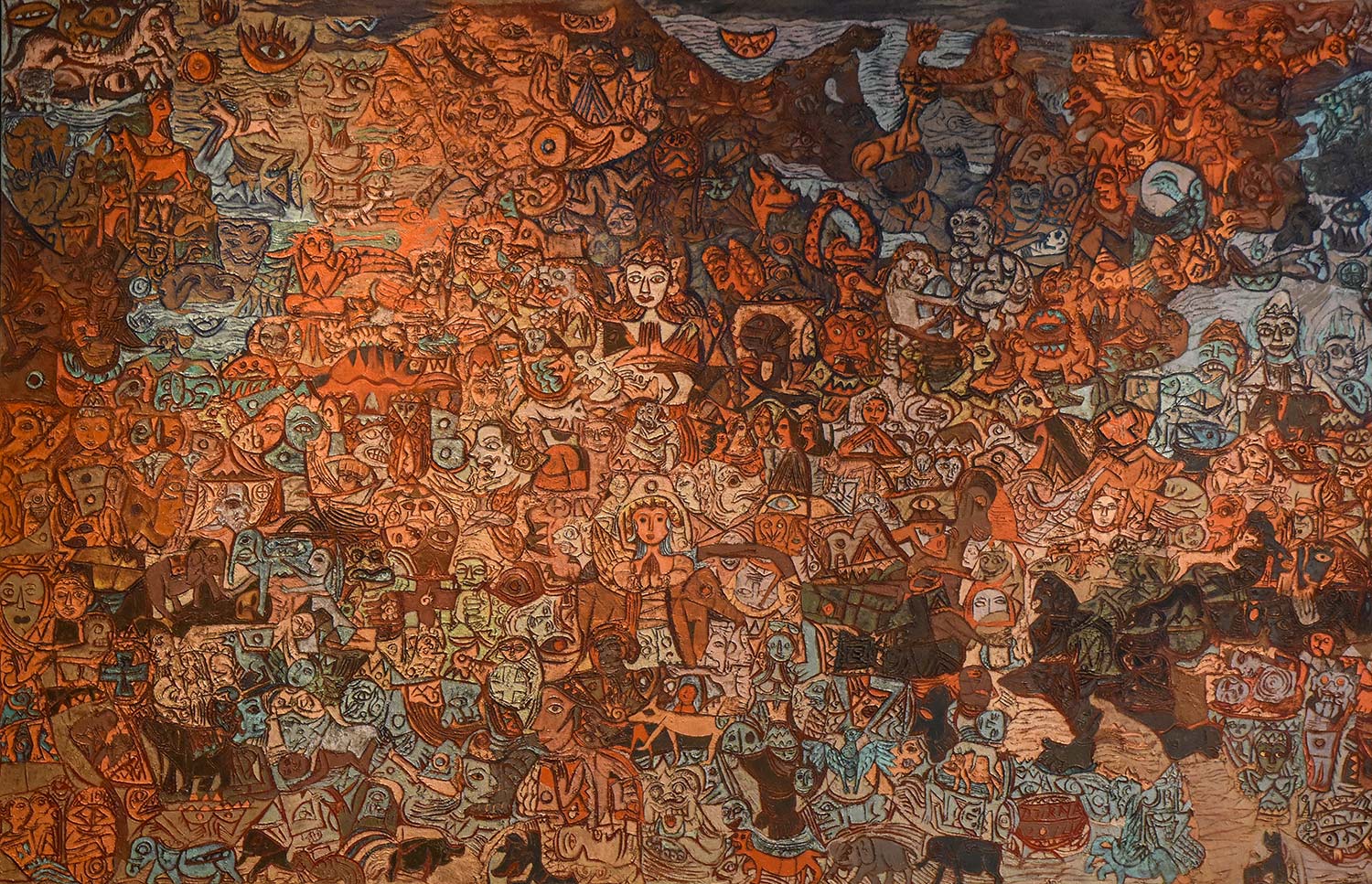
Spies visited multiple destinations across Indonesia, studying the art scenes of each, but he became besotted with one. Bali was calling. By 1927, Spies was ensconced in Ubud, where tourists can now stay in one of his former homes located on the grounds of the boutique Hotel Tjampuhan. He learned the Balinese language and studied its music, sculpture, woodwork, and paintings.
Crucially, Spies became a patron of Ubud’s Royal family, who not only ensured he was financially secure but also helped legitimize him among local creatives. He was duly welcomed into studios and workshops across Bali and forged many creative relationships with Indonesian artists.
More importantly, Spies and Ubud-based Dutch artist Rudolf Bonnet helped create Pita Maha, a cooperative of more than 100 local and foreign artists. Through Pita Maha, Spies passed on artistic skills, gave career advice to Balinese members, and allowed them to expand their reach by gradually creating a global market for their works.
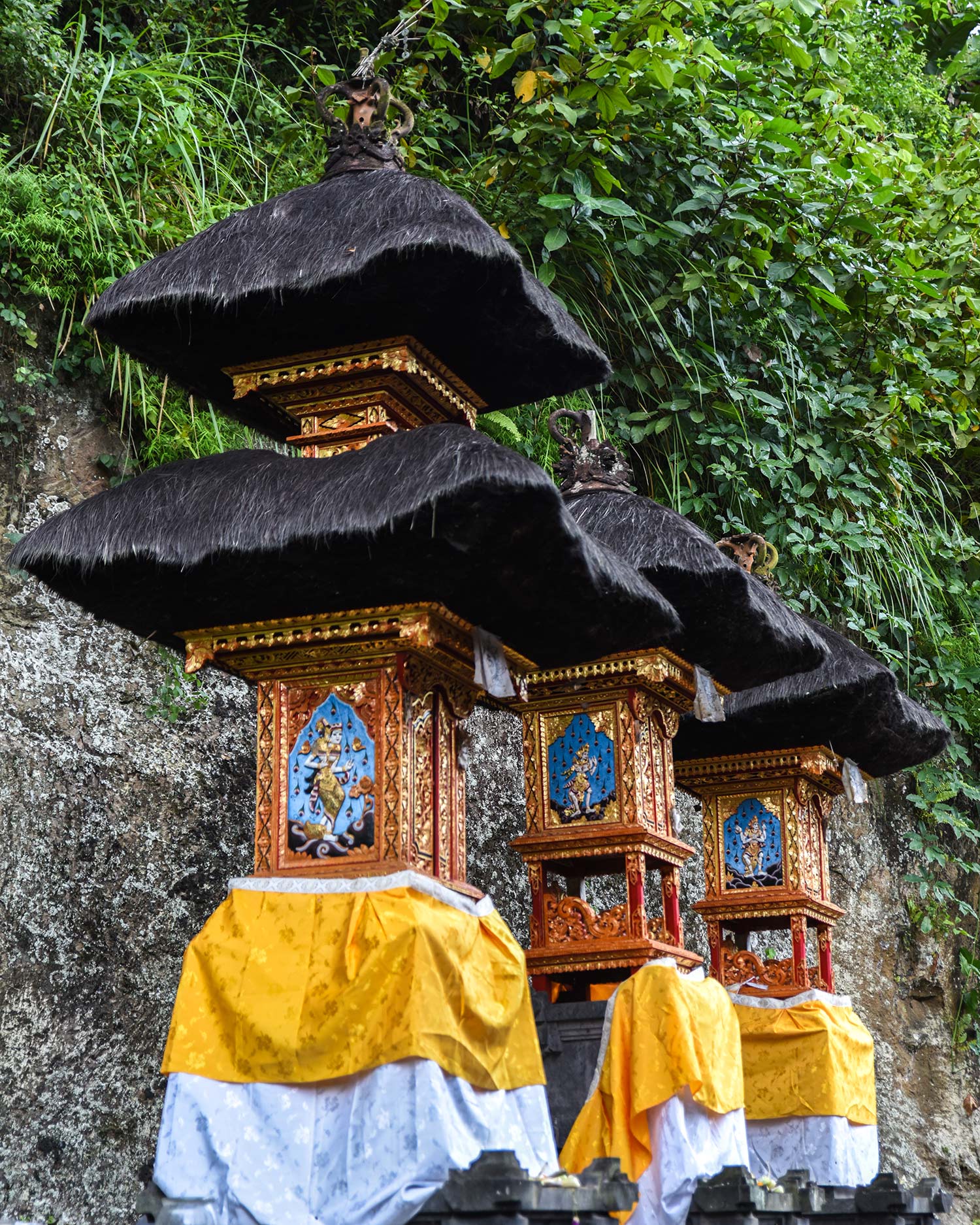
Spies and Bonnet’s input is widely credited with helping birth a new style of Indonesian art, sometimes called Balinese modernism. It fused the traditional forms of Balinese painting, which focused on religious and mythological depictions, with European styles of expressionism and realism. The results were detailed paintings that accurately depicted real-life settings but populated them with characters from Balinese lore.
Once more, however, Spies had his comfortable life ripped apart. First, he was targeted for his sexuality, then for his nationality. In 1938, Dutch East Indies authorities launched a crackdown on homosexuality. Witch hunts ensued, and countless gay men were arrested on trumped-up charges.
This included Spies, who was soon charged with having sex with underage males. A questionable trial ensued, the outcome of which seemed predetermined. He continued creating art during his eight-month prison stint, only to be released from jail straight into the cauldron of WWII.
With Nazi Germany having spooked the planet, Spies again found himself being persecuted for his German nationality. The Dutch confined him to POW camps in Sumatra and Java. Then, in 1942, Spies was being transported on a Dutch ship when it was bombed and destroyed by Japanese forces. His extraordinary life ended in a hail of violence. Yet, eight decades later, Spies’ creative influence still courses through the schools, studios, galleries, and museums of Bali.