

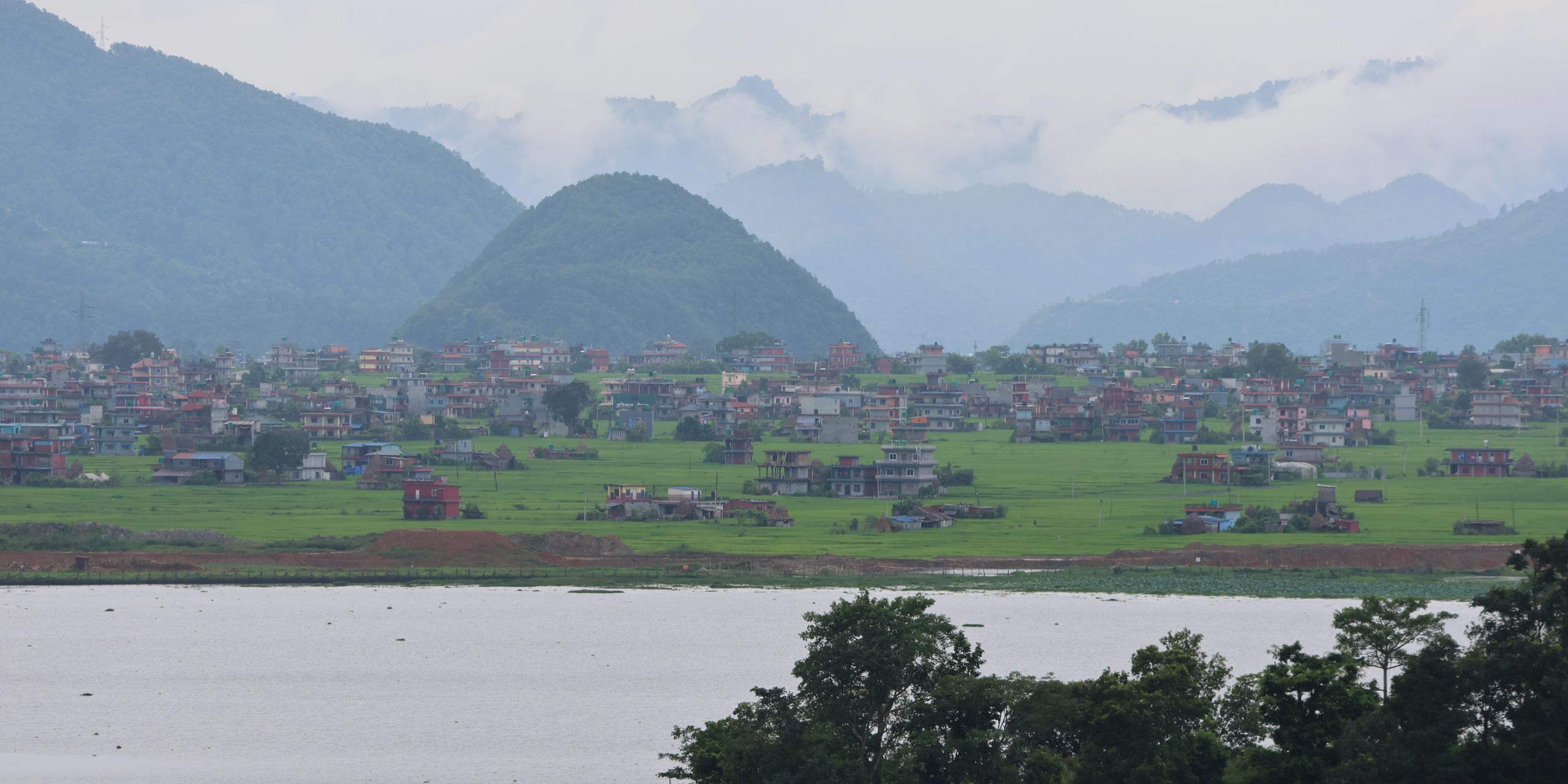
“When I was a young boy, there were no concrete roads to Begnas Lake,” recalls Ganesh Pariyar. “People grew their own food and were mostly self-sufficient. We used to fetch water from local wells. Back then, leopards came into the villages at night, and children sometimes disappeared. My parents warned me about them whenever I took the buffaloes down to the lake to graze.”
Pariyar and his Canadian wife, Lilly Mason, run a hotel perched on a high ridge between two strikingly beautiful lakes, Begnas and Rupa, less than an hour from Pokhara.
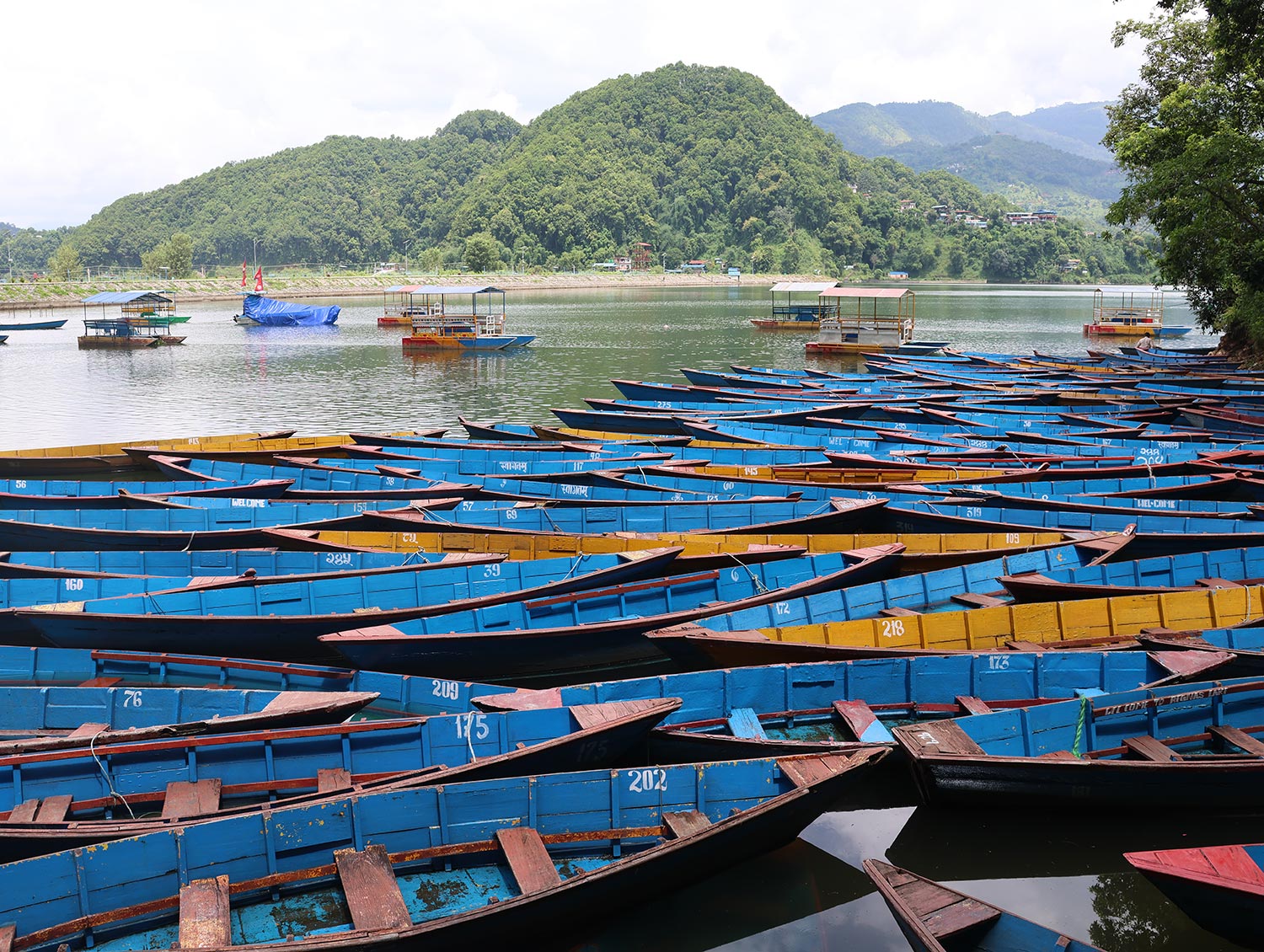
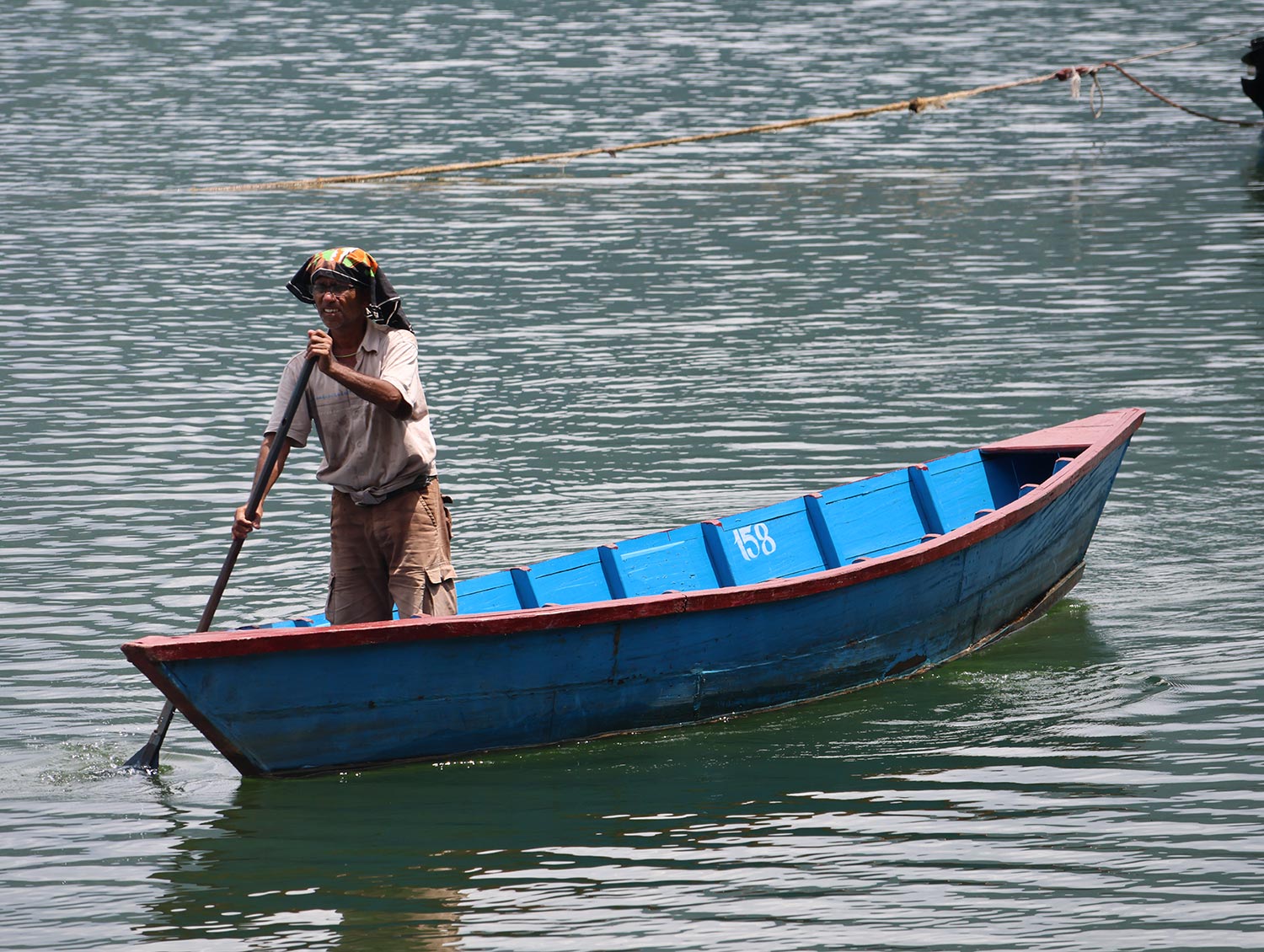
Pokhara, a sprawling town stretched along the shores of Phewa Lake, Nepal’s second-largest body of water, has sat firmly on the tourist map for about forty years. First embraced by backpackers, it has steadily climbed upmarket with a new airport, a cable car to Sarangkot high above the town, and a rush of hotel and property developments.
By day, paddle-boarders and kayakers drift across still waters while paragliders fill the sky. By night, techno thumps across Lakeside, the main tourist zone lined with bars, clubs, souvenir shops and restaurants where visitors can choose between Korean or Turkish menus in the Himalayan foothills.
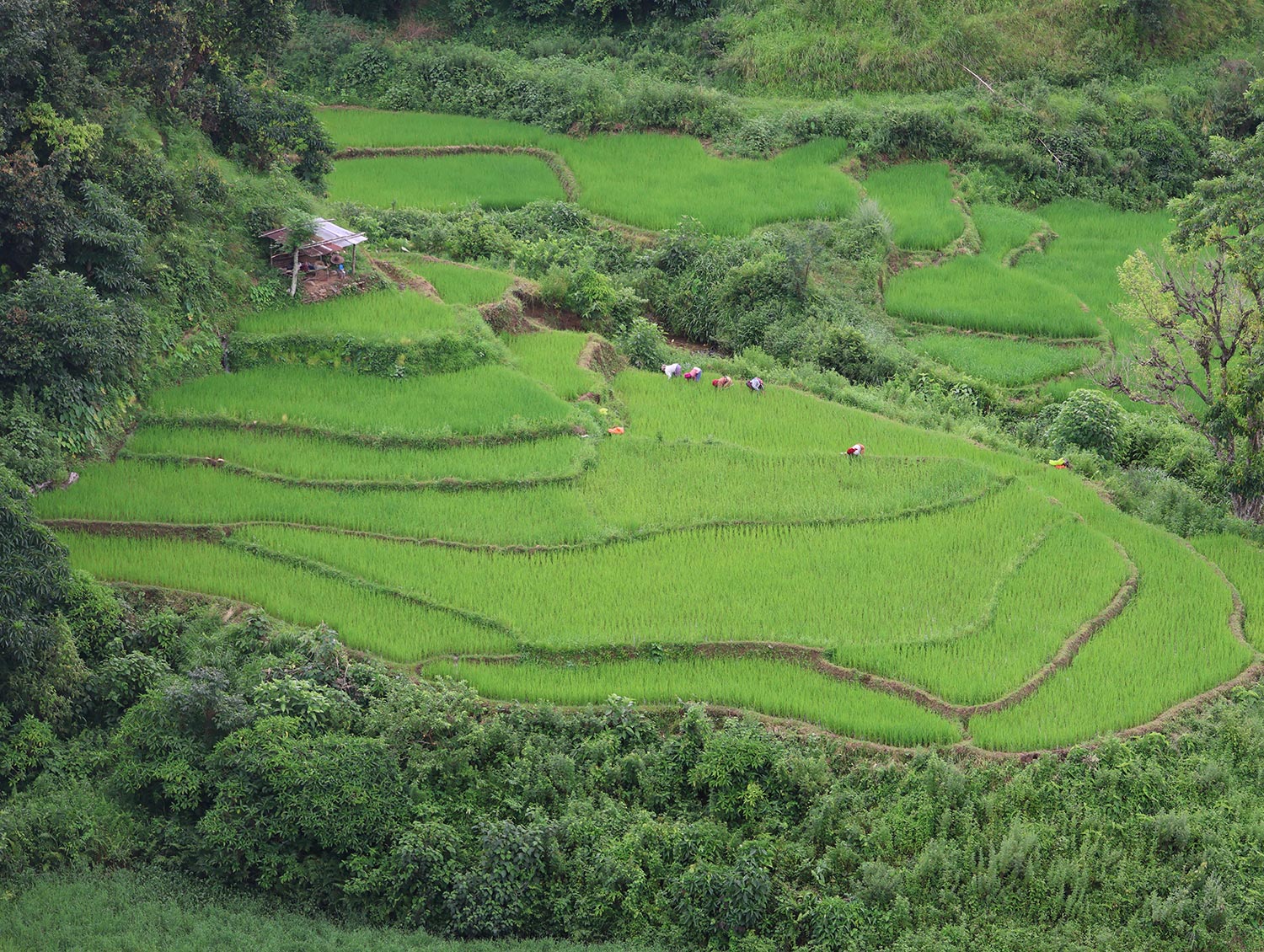
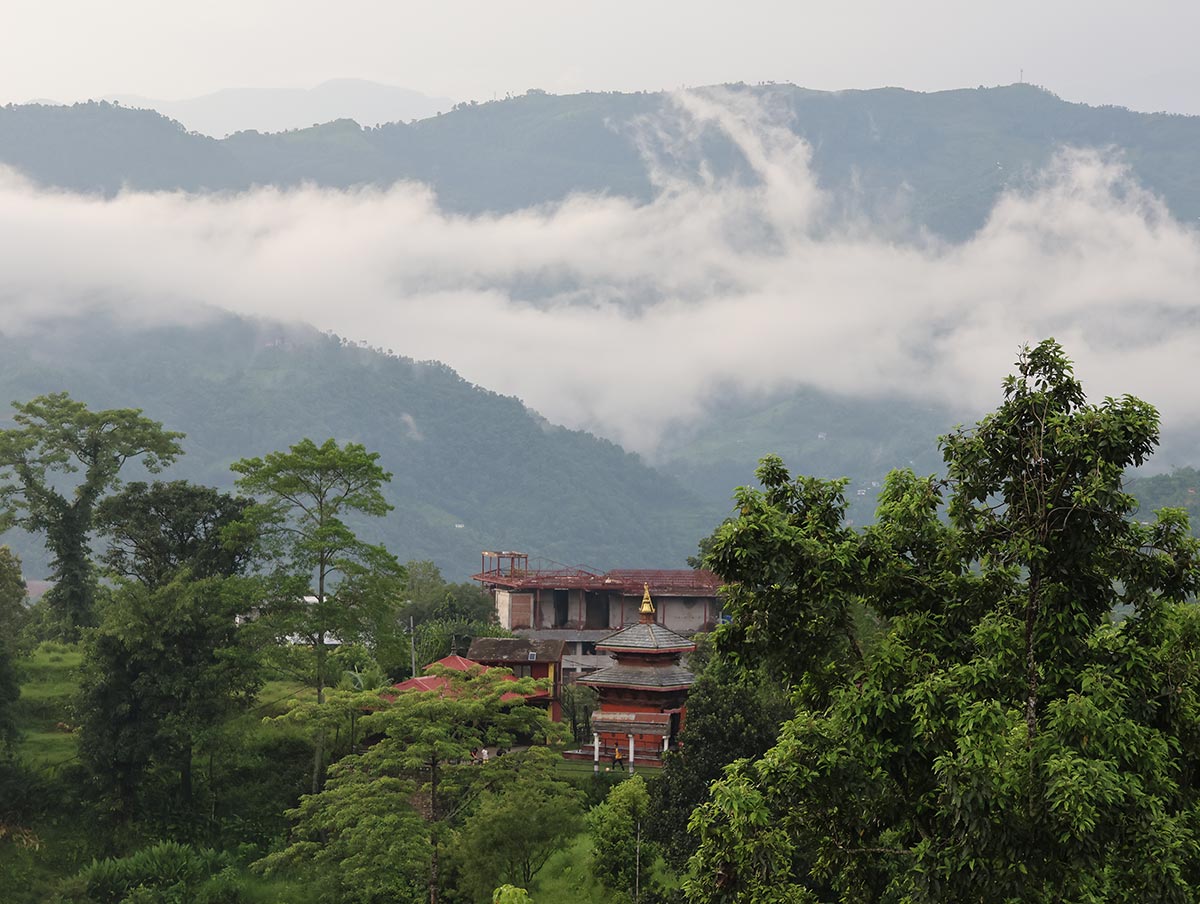
Yet Pokhara’s hinterland remains far less explored. Development has moved slowly in the hills between the Annapurna Range and the resort town. Begnas Lake, Nepal’s third largest, feels like a world apart. Encircled by high green ridges, shimmering rice terraces and several waterfalls, the area offers excellent hikes and the chance to see impressive wildlife without entering a national park. The jungle slopes above the lake are home to martens, deer, eagles and bold macaque troops.
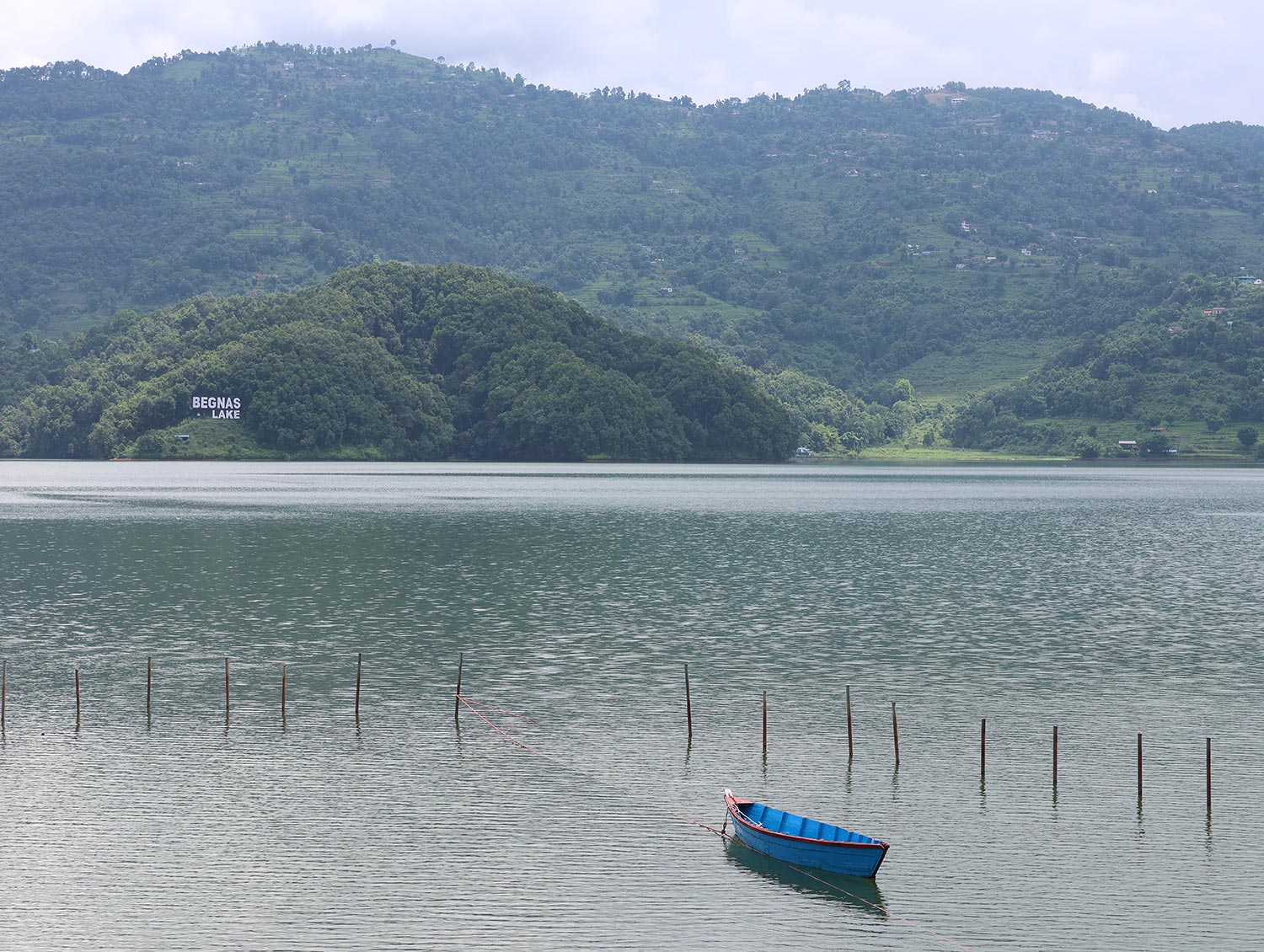
Birdlife is exceptional. Cattle egrets and hummingbirds are as common as woodpeckers, buzzards, cuckoos, herons, great cormorants and bulbuls. White-tailed sea eagles sometimes appear. On clear days, the Annapurna and Dhaulagiri ranges, together with the iconic Machapuchhre (Fishtail Mountain), rise in the distance. On the western shore, the village of Majhikuna offers budget lodgings and boat rentals and attracts long-stay visitors in peak season.
“Foreigners come to boat, swim and hike, while locals from across Nepal visit to eat our famous grilled fish,” Pariyar says.
Mason, who has lived here for five years, cherishes the laid-back rhythm. “There are very few foreigners living in the area, and although we get busy in high season, most of the year is quiet, which suits us.”
The peace draws many solo travellers, helped by a nearby meditation centre that sees a steady flow of devotees year-round.
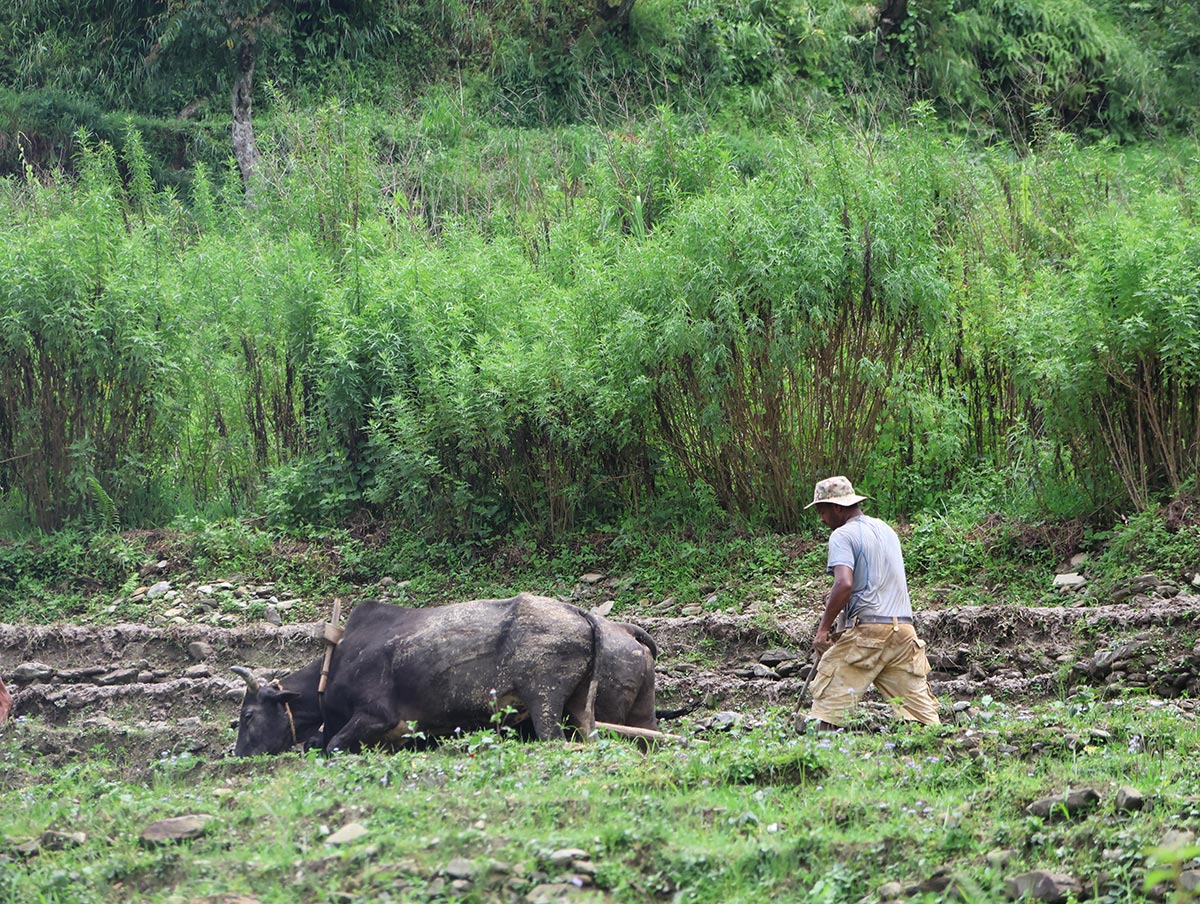
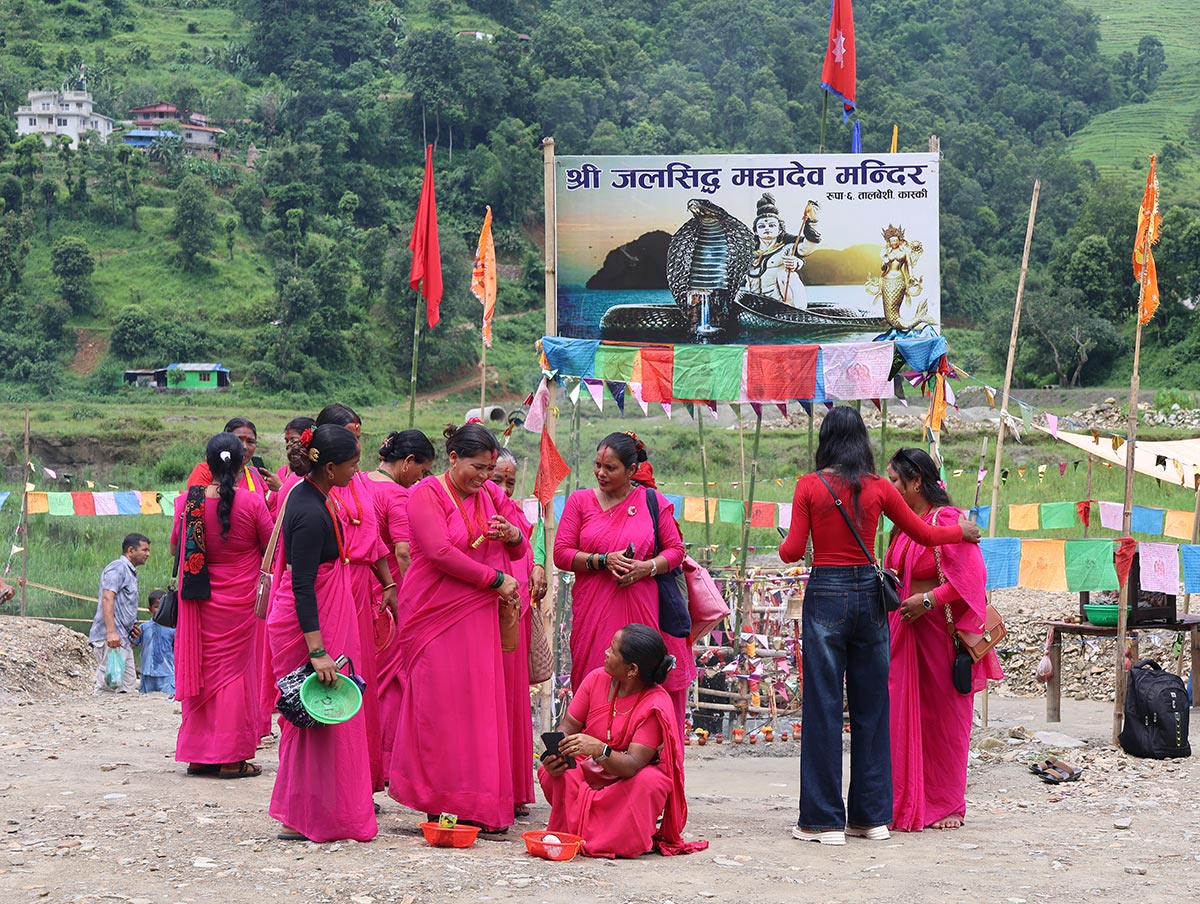
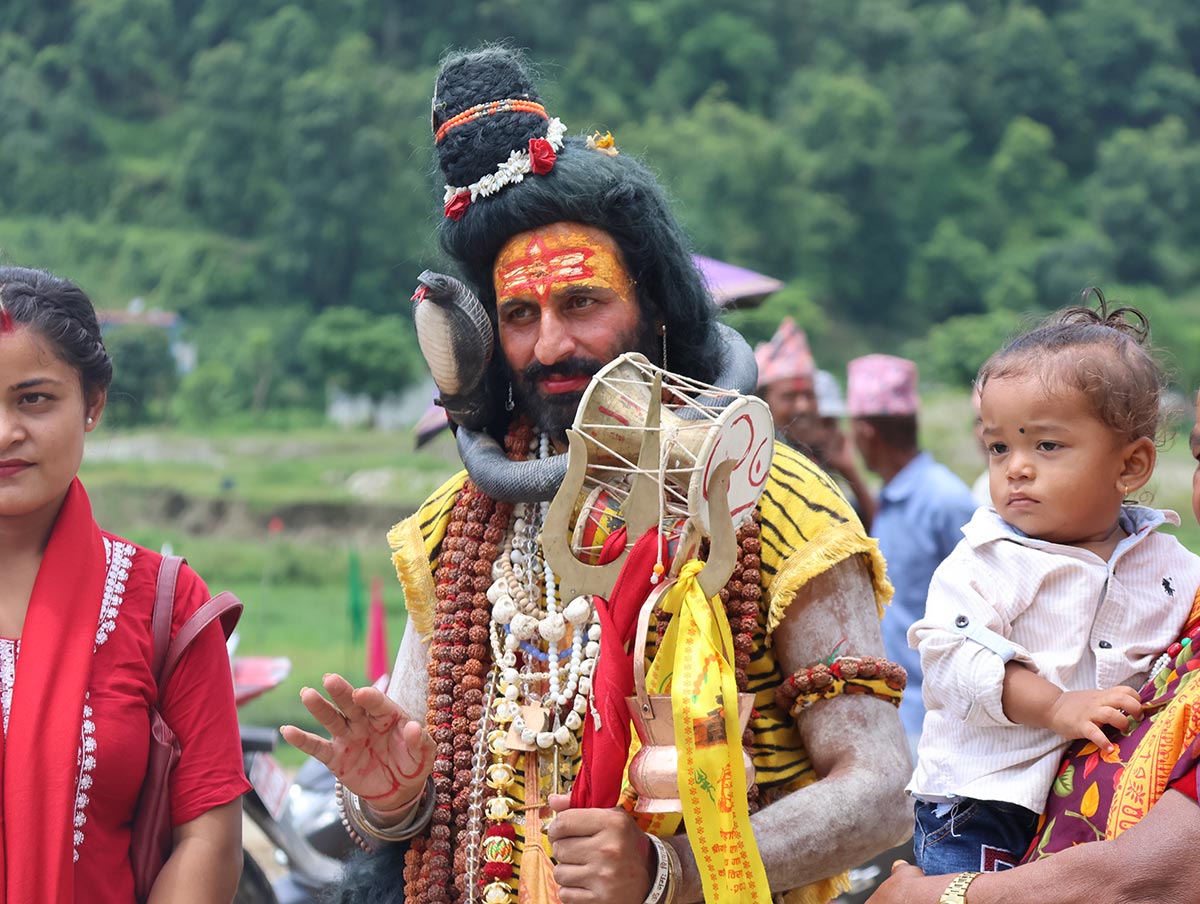
A short walk from Begnas brings travellers to Rupa Lake, a smaller body of water split by a dramatic suspension bridge straight out of an adventure film. Crossing high above the water is a thrill. Below, hikers pass goat herders and rice fields still ploughed by water buffalo. Swimming and fishing are prohibited, and in the centre of the lake’s northern half, a large tree trunk spouts water like a natural fountain. It is considered sacred to Shiva and has become a pilgrimage spot. On weekends, village women arrive in their finest clothes to pray and dance around the wooden marvel.
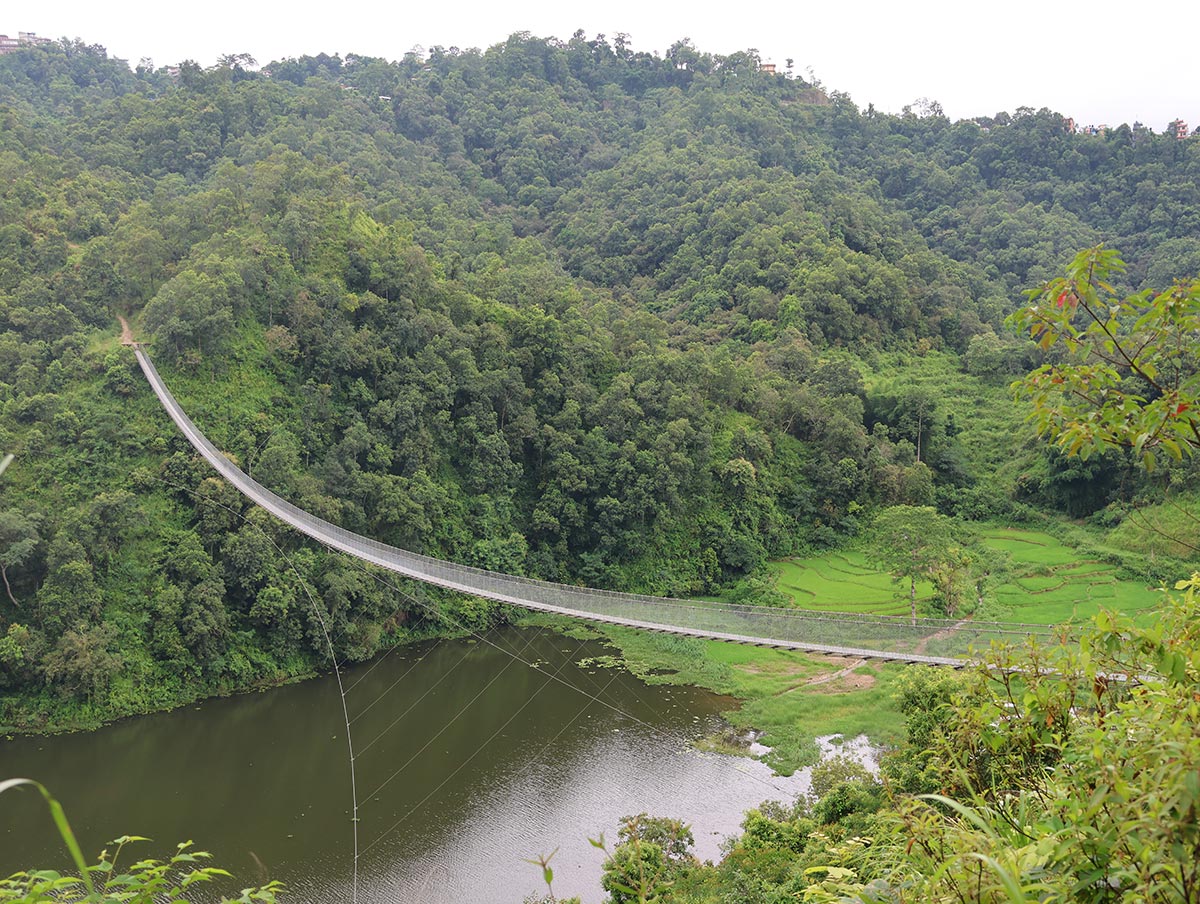
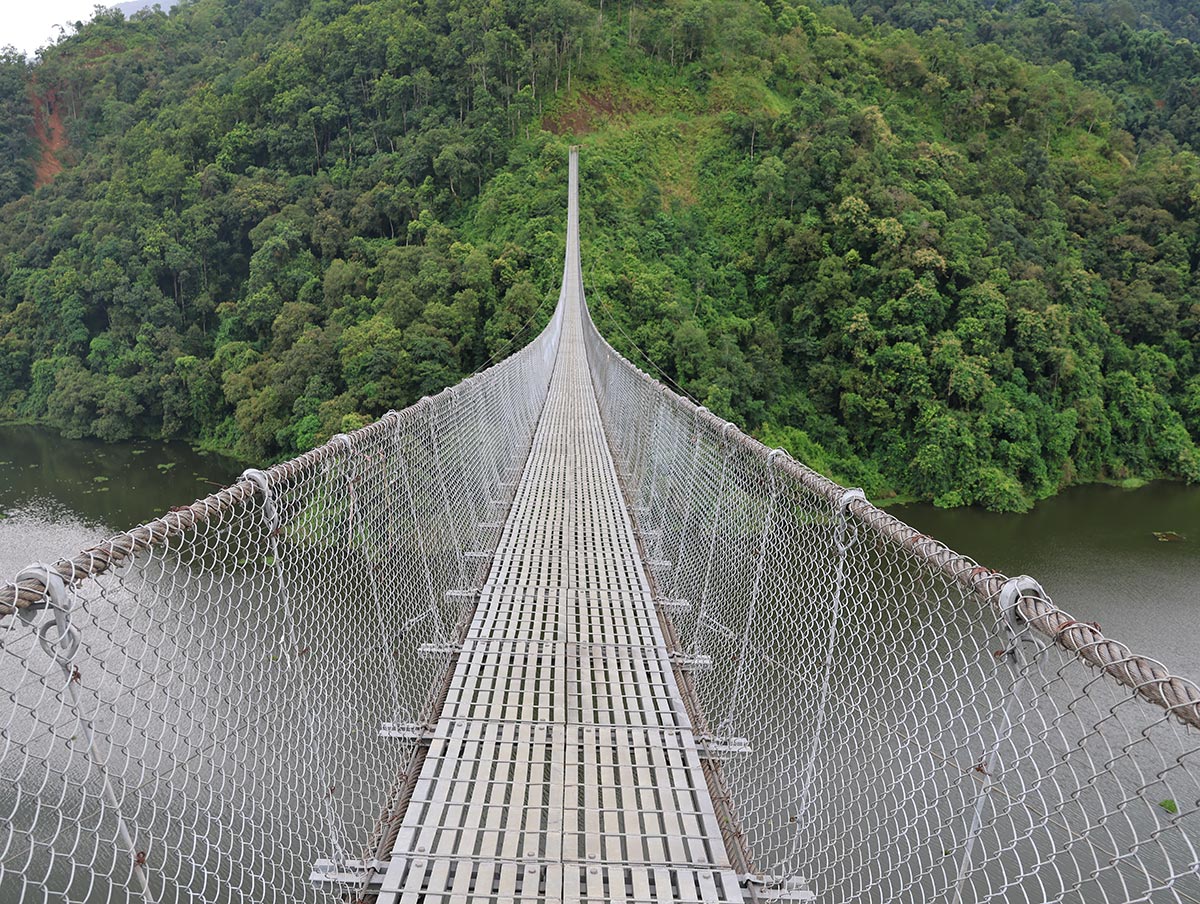
“The famous grilled fish mostly comes from Rupa Lake,” Mason explains. “Fishing is illegal for individuals, but there’s a cooperative that harvests and sells it. The lake doesn’t get depleted that way.”
Local regulation extends beyond fishing. Pariyar is part of the Begnas Youth Committee, which organises lake clean-ups and maintains a football pitch. Part of the forest around the lake is classified as a community jungle. A jungle committee funded by the government meets to decide how the forest should be managed.
“The committee ensures no development takes place around the lakeshores. It also decides how many trees can be logged each year,” Mason says.
Their biggest issue now is the macaques that roam the forest and surrounding farms. “We planted corn and beans recently,” Pariyar says. “I remember thinking about whether to harvest the beans that evening. I left it until the next morning, and by then the monkeys had taken half.”
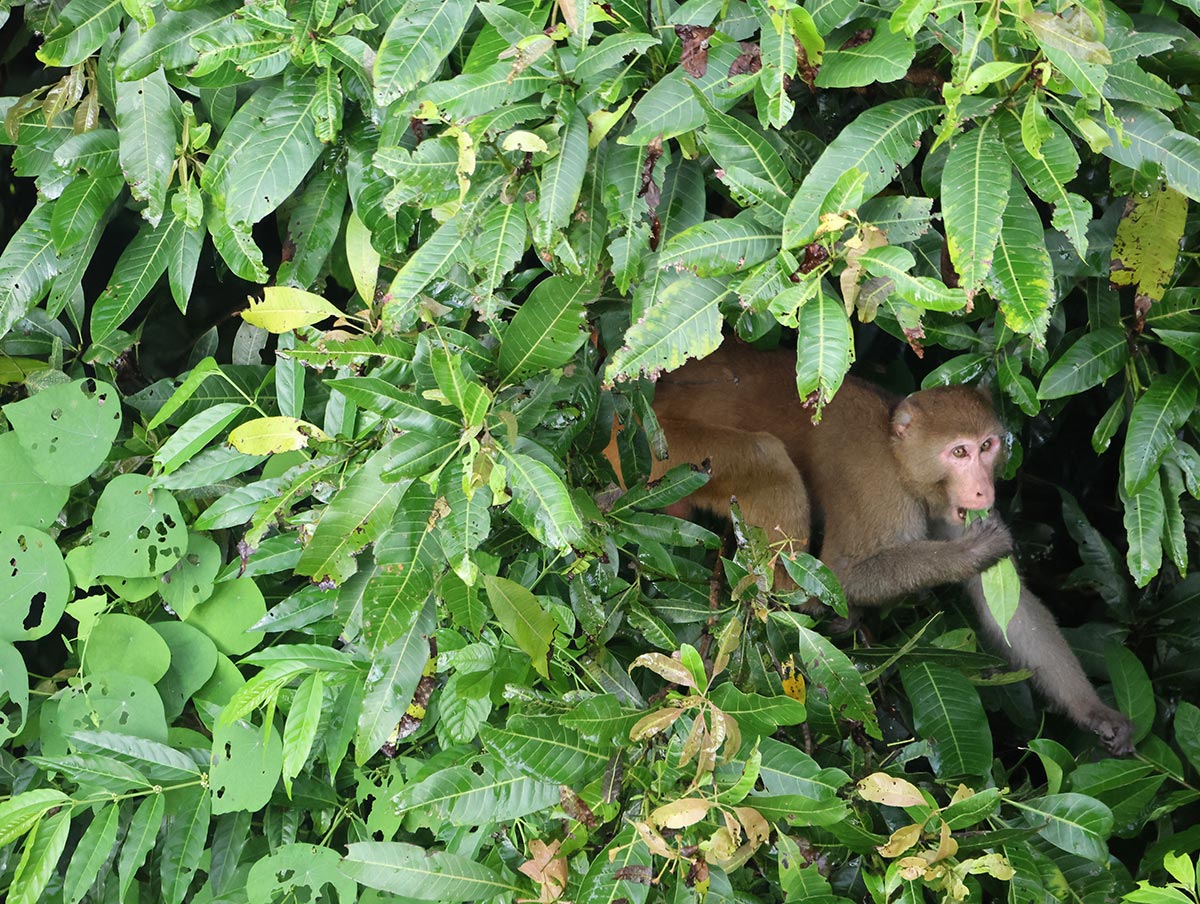
Local groups are now discussing the creation of a fruit forest to distract the monkeys by planting bananas and berries. An agricultural school nearby has also advised farmers to switch to crops the macaques avoid, such as garlic, onions, ginger, medicinal plants and coffee. Some villages have already adapted, and their coffee is sold in local shops and restaurants.
The fate of the leopards reflects the area’s shifting balance. “The big cats are still around, but they have retreated deeper into the forest and are rarely seen,” Pariyar says. “Dogs have gone missing recently, though, which is why ours have a strict curfew and are not allowed out after dark. In the daytime, leopards no longer appear, and the lakes are perfectly safe for hiking.”
Pariyar welcomes the slow rise of tourism around the lakes. “My father worked in the first hotel that opened here thirty years ago. Back then, there was no road. Things have changed, and many of my friends have gone abroad for work. But the lakes remain the same. Come and enjoy the peace, swim, eat fish and trek through our jungles just a few miles from Pokhara.”