

Taiwan’s dining scene reached a new milestone this week with the unveiling of the MICHELIN Guide Taiwan 2025, an expanded edition that recognizes more restaurants, broadens its geographical coverage, and deepens its focus on sustainability.
The eighth edition of the Guide highlights 53 starred establishments across the island and a total of 419 recommended venues, a sharp increase from 343 last year. For the first time, inspectors included restaurants in New Taipei City, Hsinchu City and Hsinchu County, reflecting Taiwan’s increasingly diverse culinary map.
“The eighth edition of the MICHELIN Guide Taiwan reflects a culinary landscape that is both deeply rooted in heritage and boldly evolving,” said Gwendal Poullennec, International Director of the MICHELIN Guide. “This year’s selection celebrates the creativity and growing sophistication of Taiwan’s culinary scene, with chefs reimagining traditions and embracing sustainability.”
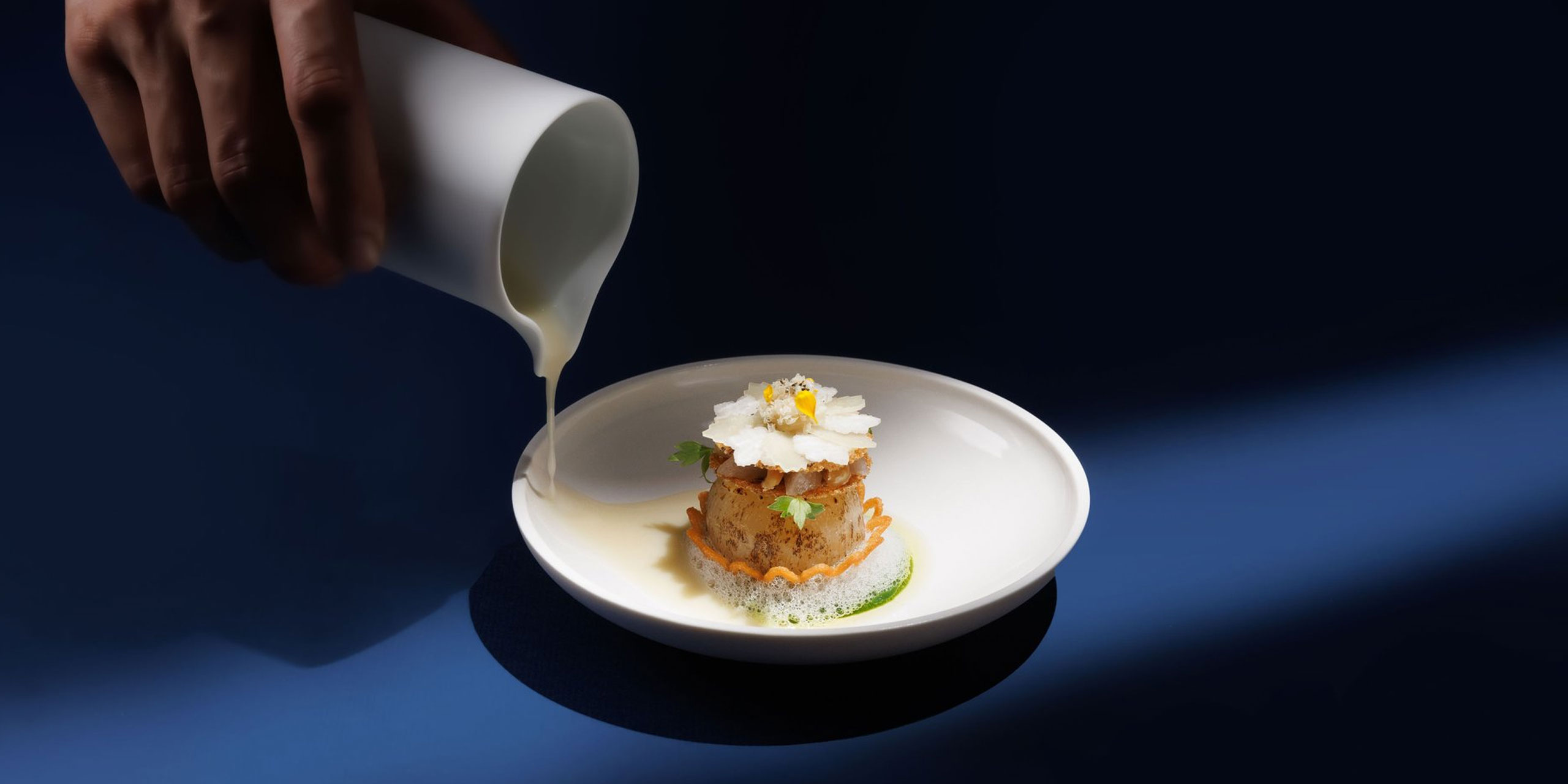
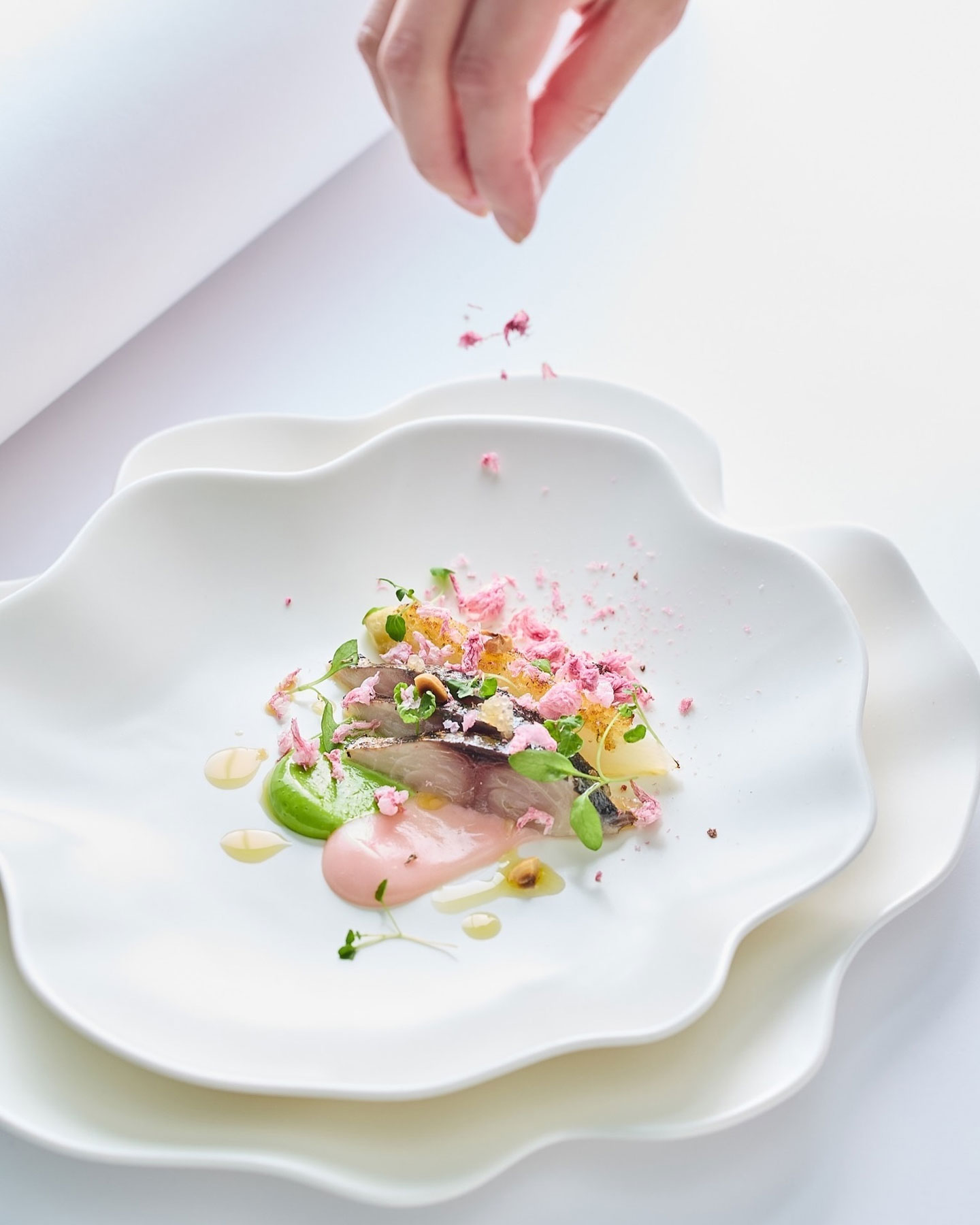
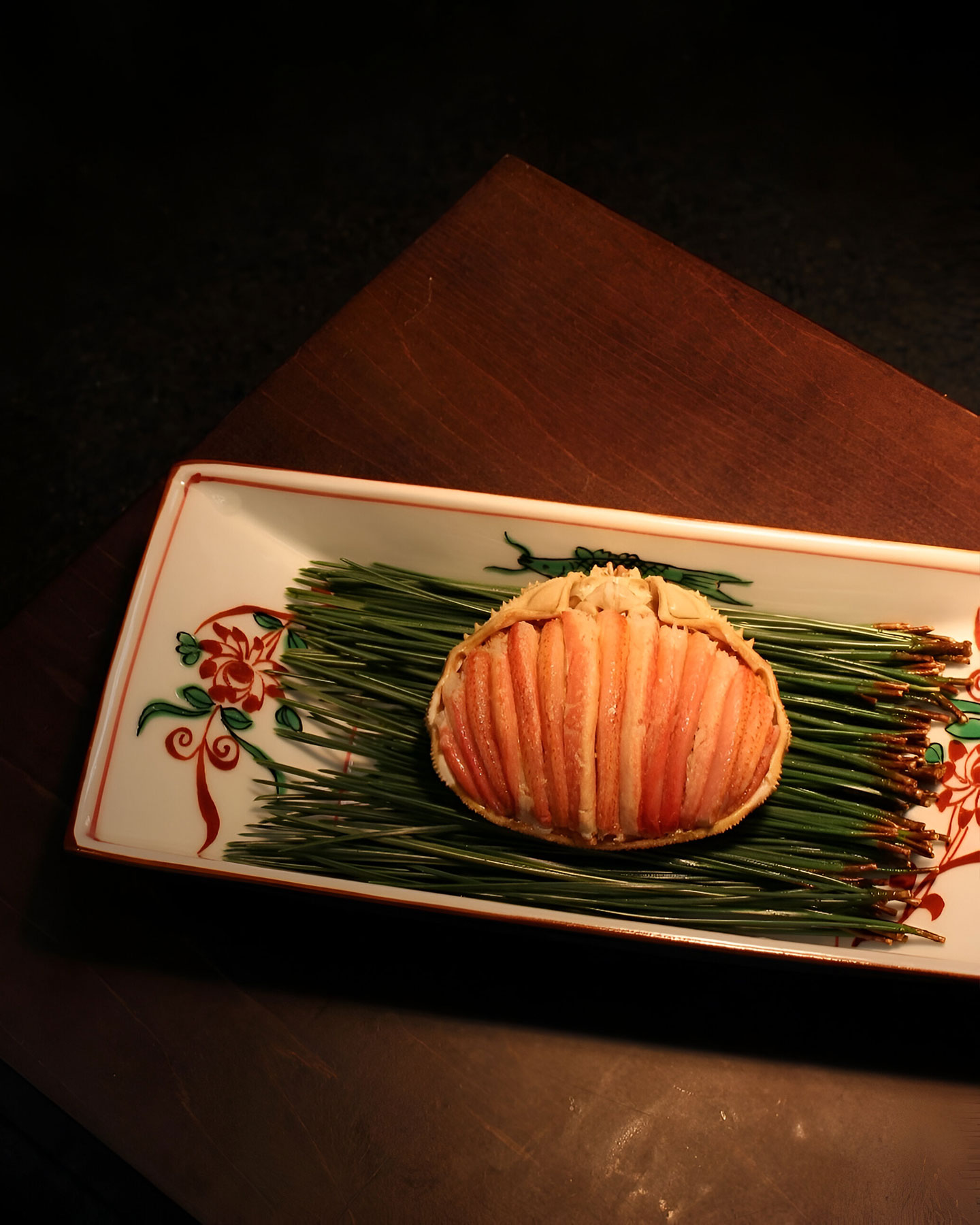
The biggest headlines of the ceremony came from Taipei, where three restaurants were promoted to Two MICHELIN Stars. A, Eika, and Yu Kapo now join the elite ranks, raising Taiwan’s total of two-starred venues to seven. A is celebrated for its French-rooted tasting menu enriched with Asian influences, pairing premium ingredients such as king prawn, scallop and veal with bold presentation. Eika, meanwhile, draws from Japanese tradition and layers it with Taiwanese flavors and global techniques, producing refined dishes such as shirako with bottarga and wood-fired pigeon. Yu Kapo, under the stewardship of chef Masa Chung, has established itself as a standard bearer for kappo cuisine in Taiwan, with kamameshi and tempura among its signature offerings.
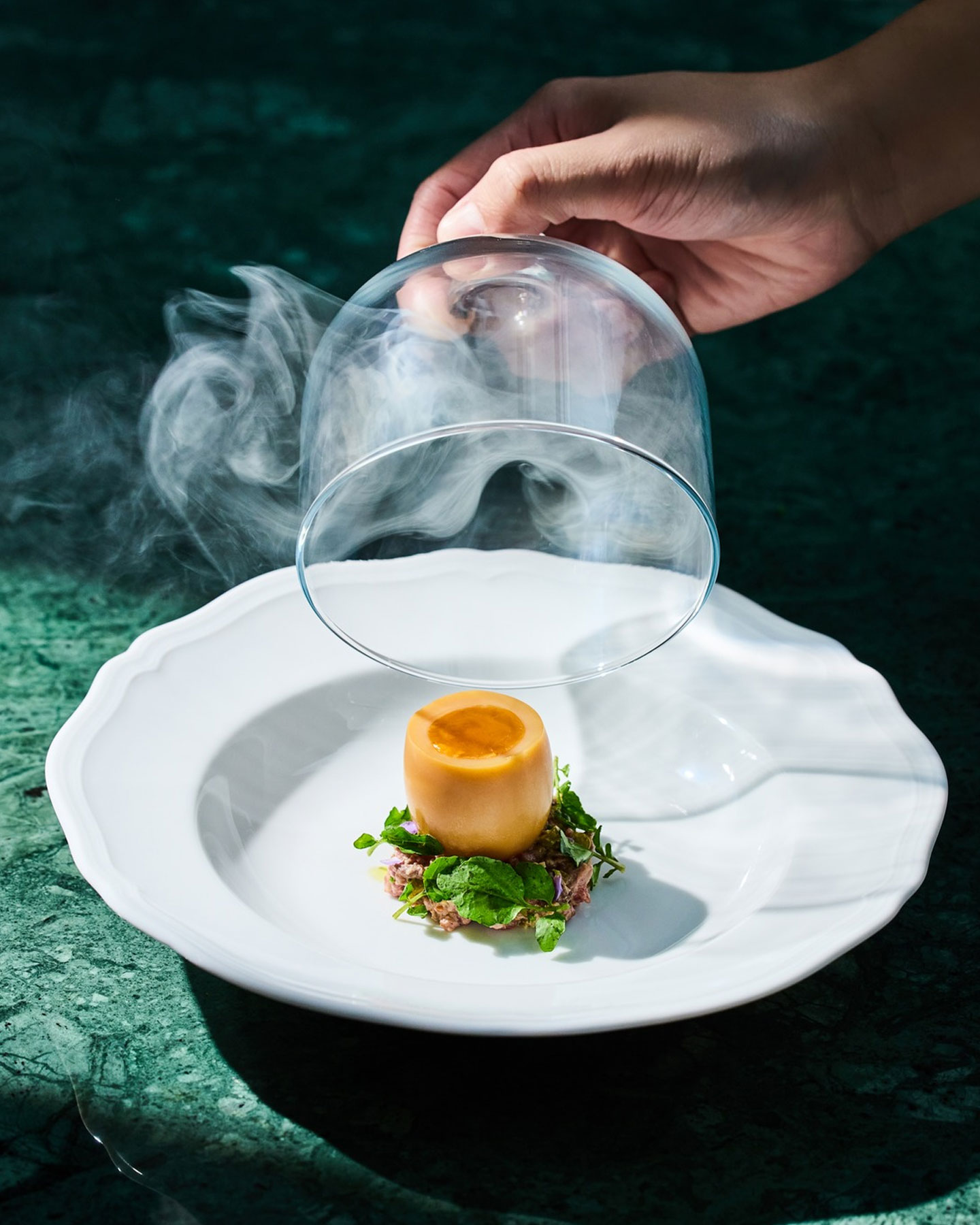
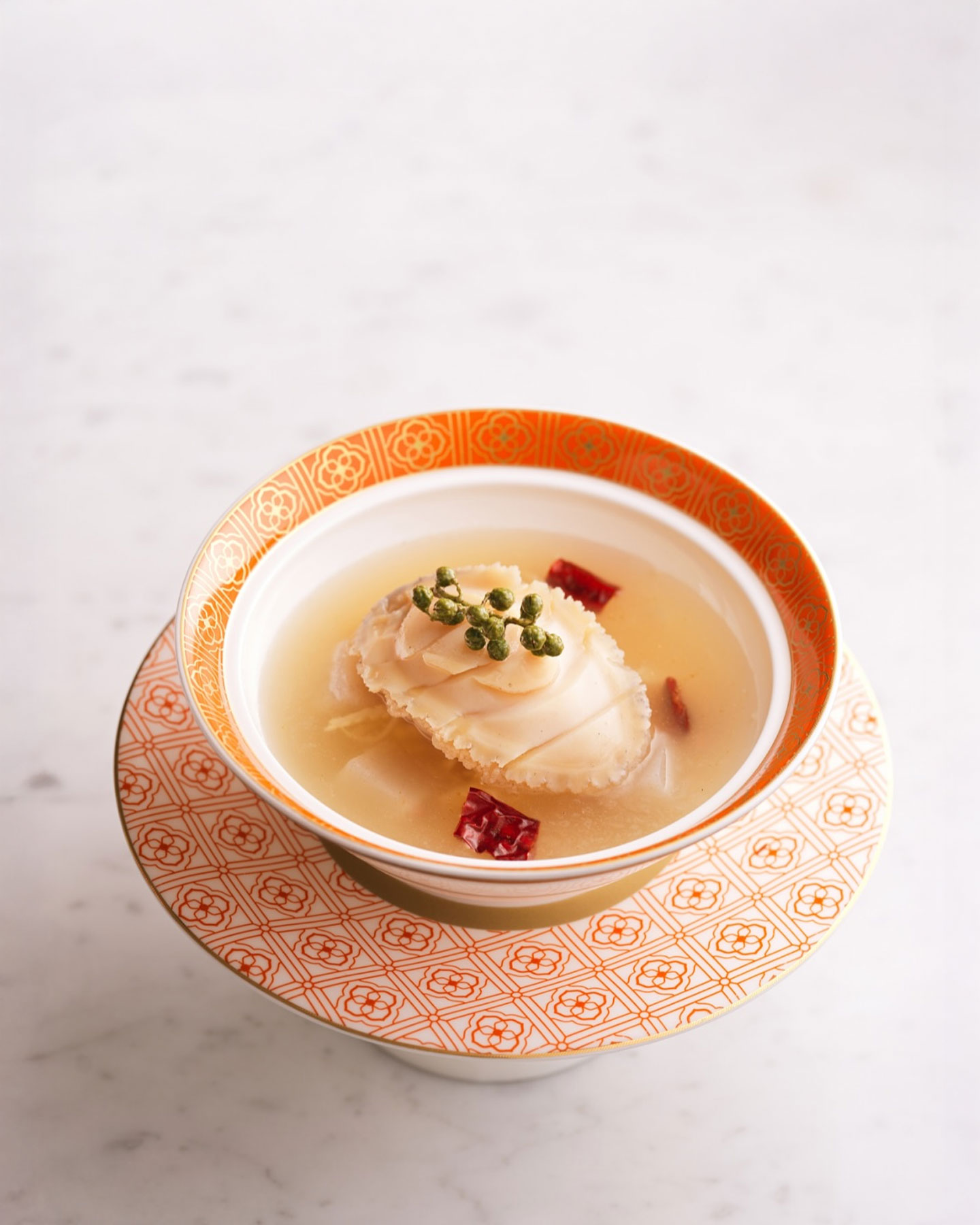
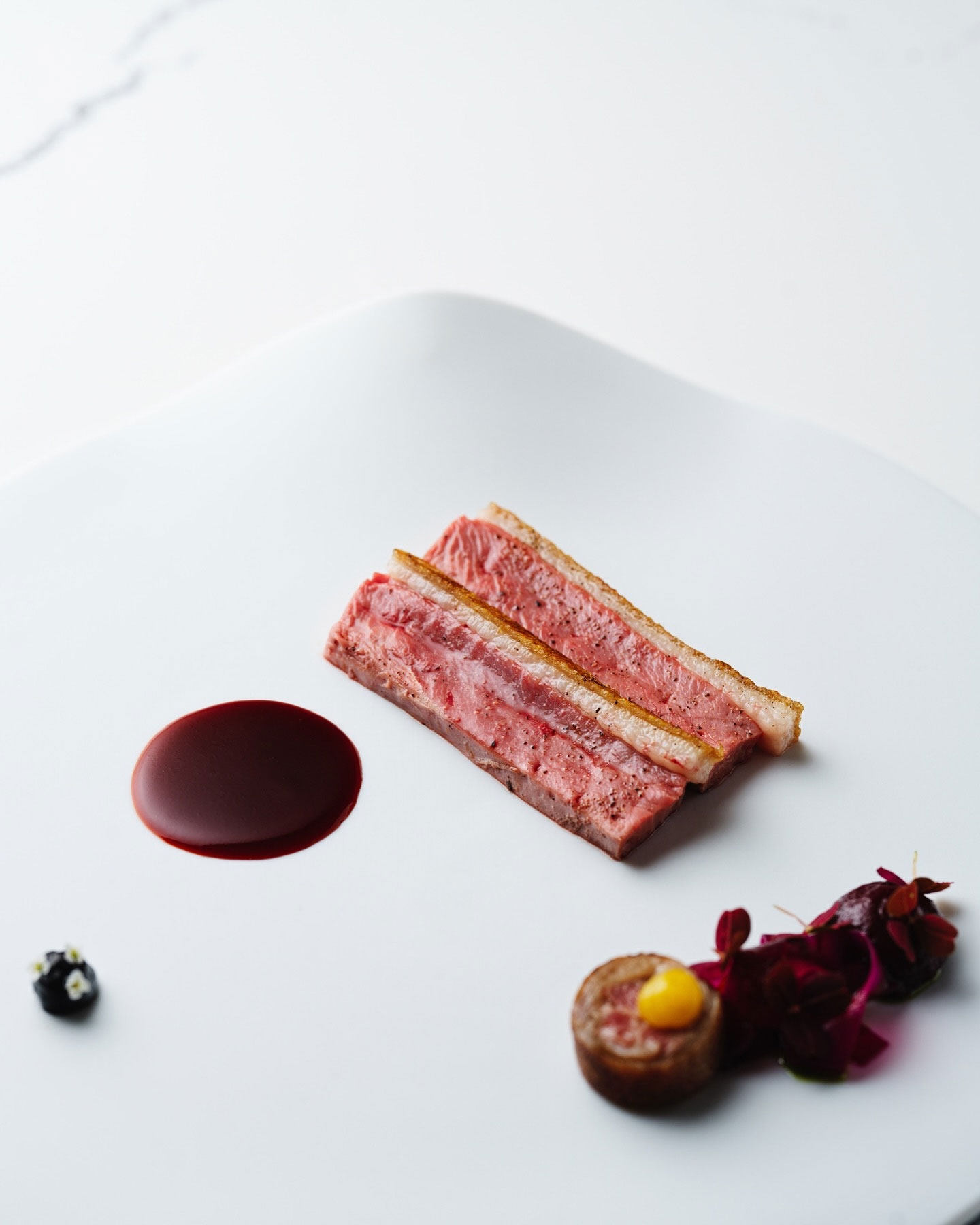
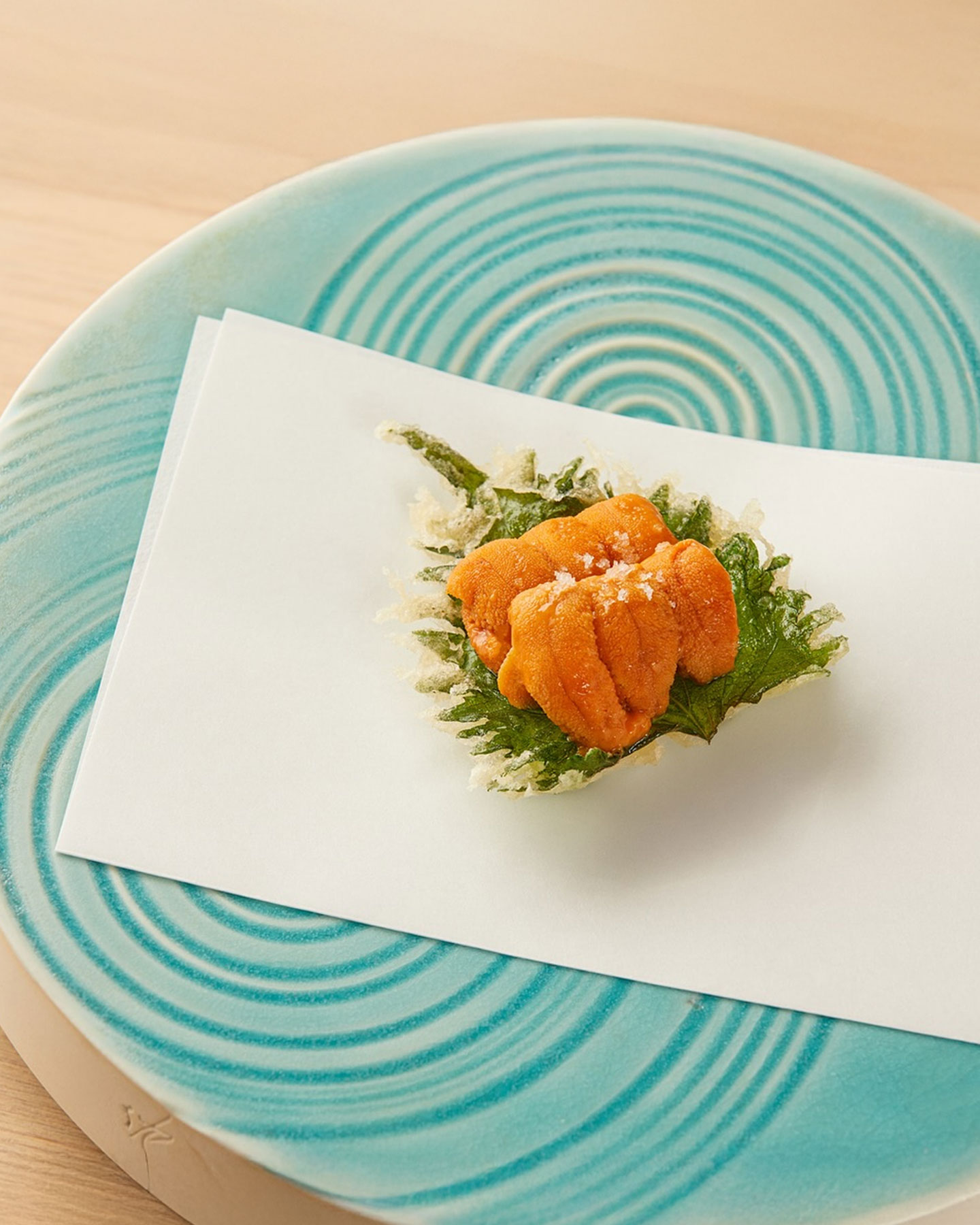
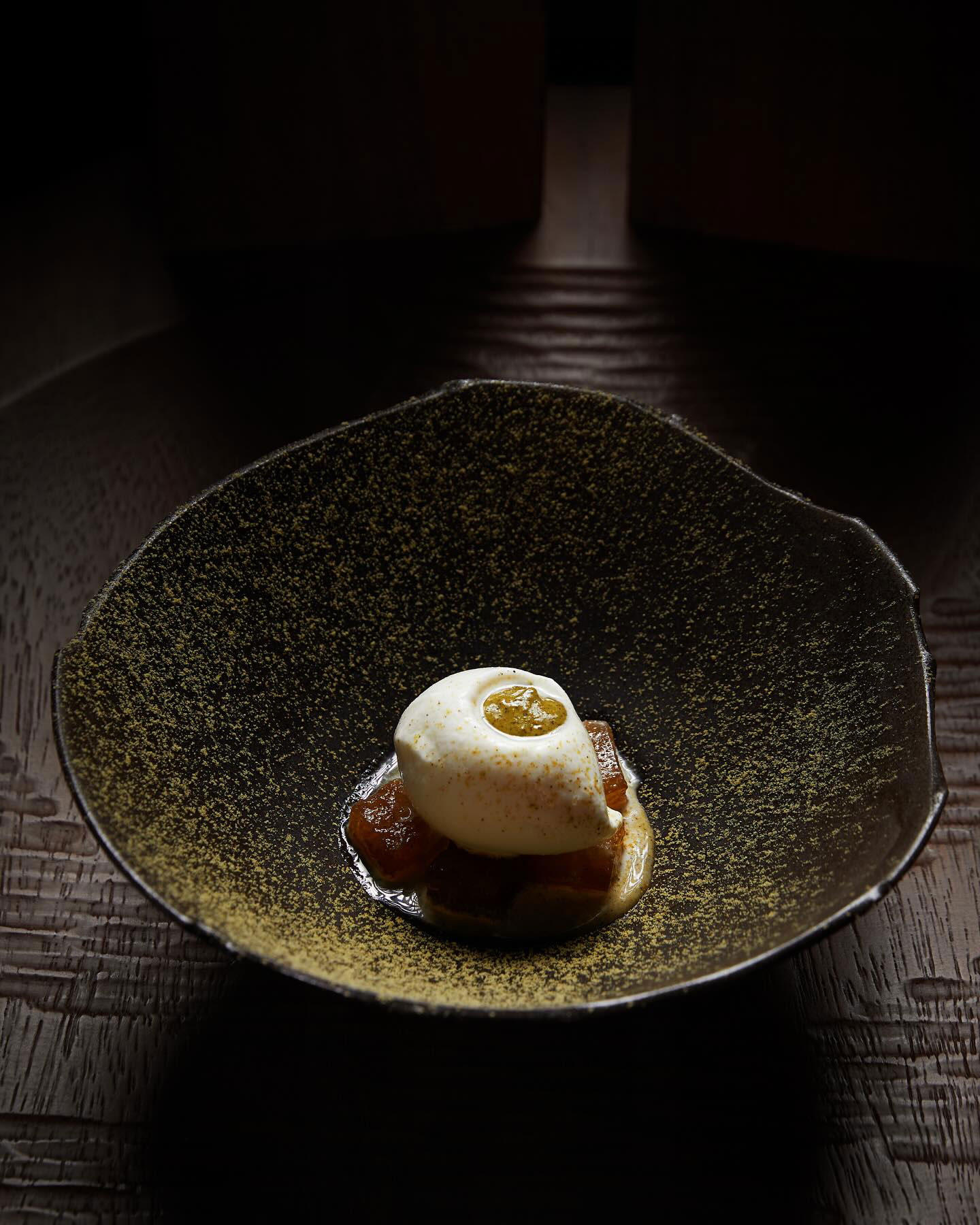
Eight restaurants also earned a MICHELIN Star for the first time. In Taipei, the list includes aMaze, Chuan Ya, FRASSI, Motoichi, La Vie by Thomas Bühner, Sushi Kajin and Hosu. Each has carved out a distinctive identity: aMaze, which opened in 2024, presents a creative degustation menu that reimagines classical cuisine with modern touches; Chuan Ya pays homage to the depth of Sichuan flavors, from home-style recipes to imperial traditions; FRASSI demonstrates inventive Italian cooking; Motoichi fuses omakase-style dining with tempura; La Vie by German chef Thomas Bühner introduces contemporary European cooking to Taipei; and Sushi Kajin brings precision and seasonality to the fore. Hosu, recognized last year with a Green Star, retains its distinction with a menu that honors Taiwan’s diverse ethnic groups while maintaining a strong sustainability ethos. Beyond the capital, Kaohsiung’s the FRONT HOUSE made an impression with a menu rooted in Taiwanese heritage and enhanced by the chef’s international influences, using local ingredients such as dried cauliflower, black garlic and line-caught fish from Penghu.
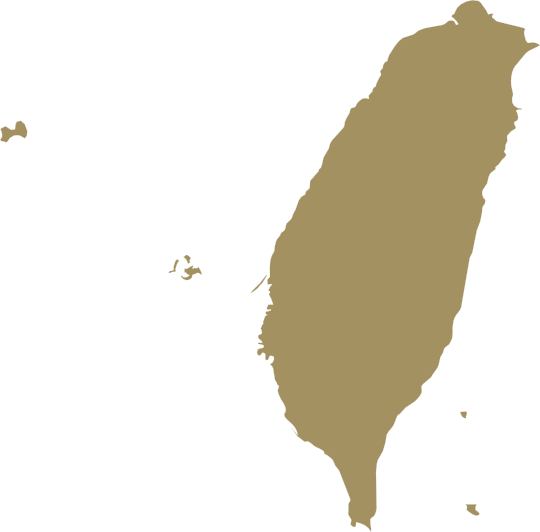
The Guide’s expanded coverage has widened the spotlight across Taiwan. Taipei still leads with 157 restaurants recognized, but Taichung, Tainan and Kaohsiung all saw strong representation, and the addition of New Taipei, Hsinchu City and Hsinchu County underscores the depth of Taiwan’s regional cuisines. Inspectors reported a rising emphasis on Hakka cooking, Taiwanese small eats and chefs willing to experiment with traditional forms, often sourcing locally and presenting with modern flair.
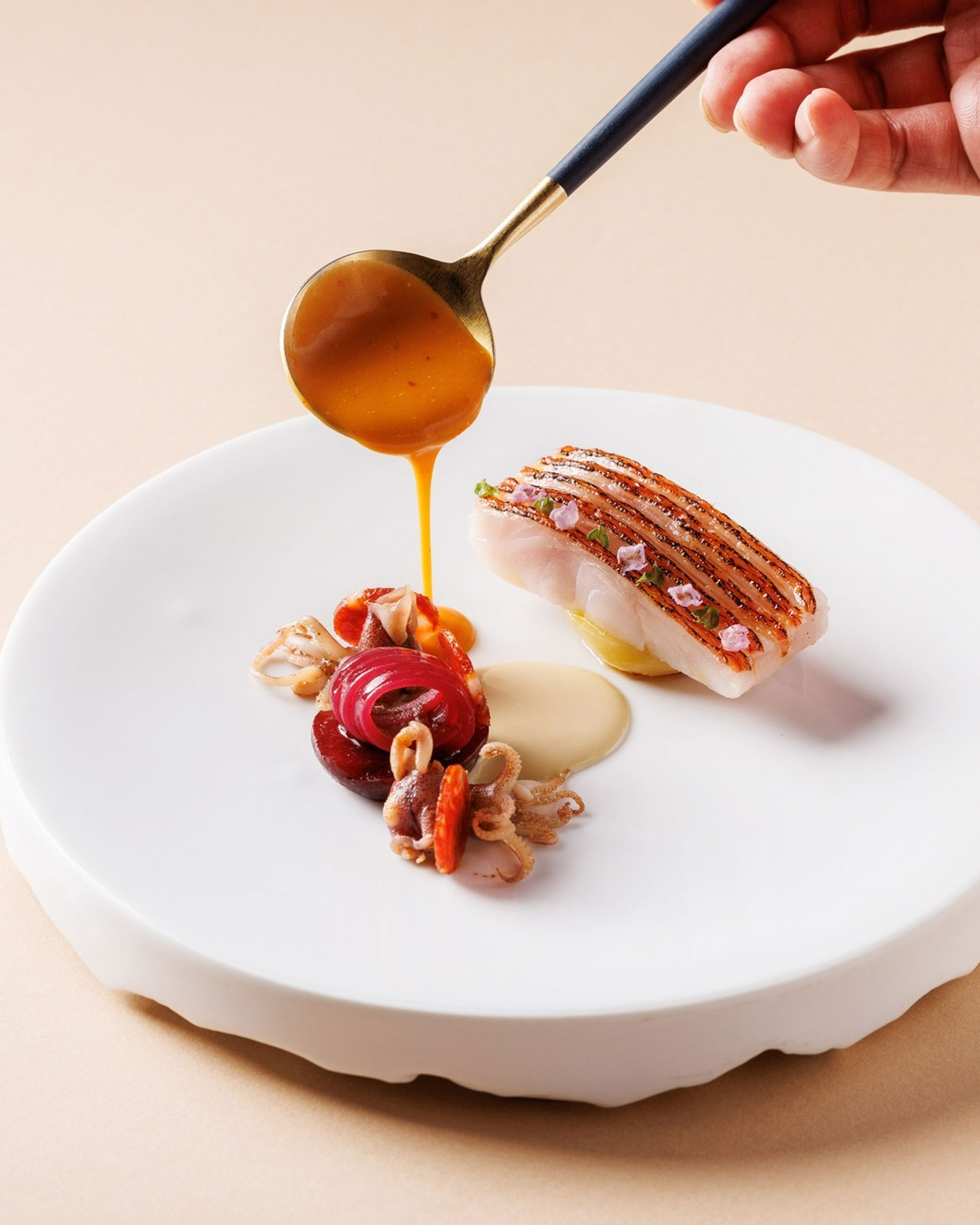
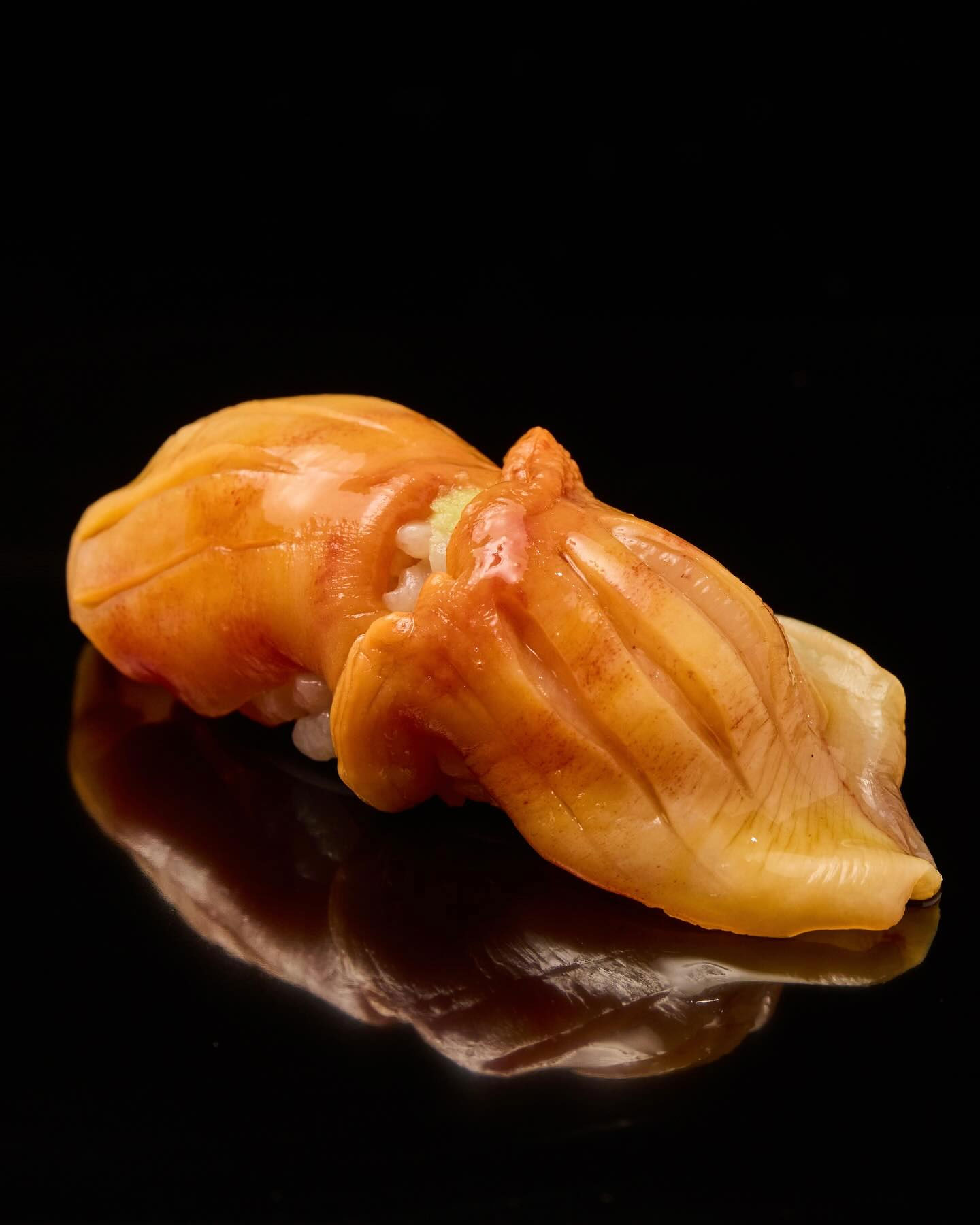
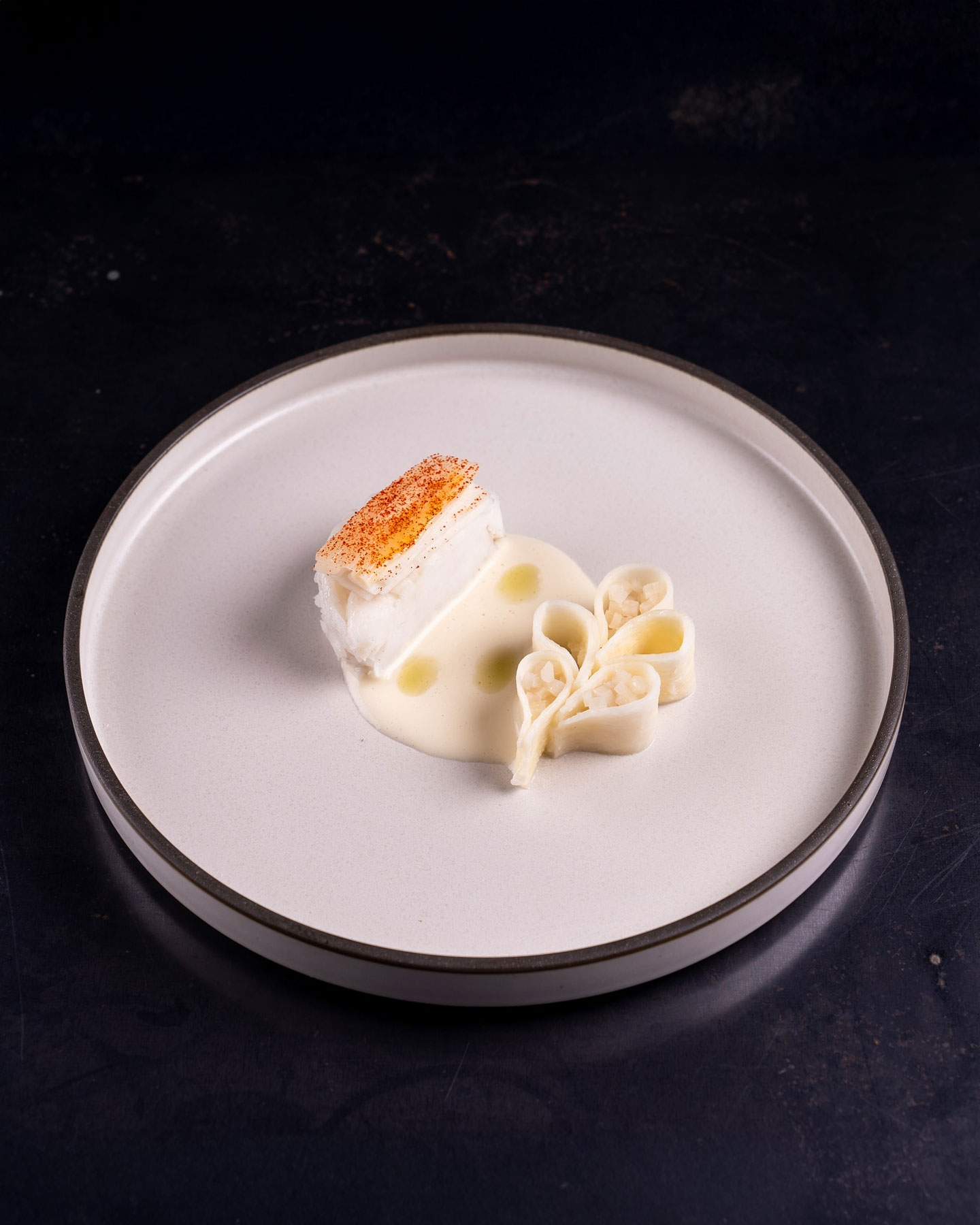
Sustainability continues to be a defining theme. Seven restaurants now hold the MICHELIN Green Star, awarded for exemplary eco-conscious practices. Newcomer Tu Pang in Taichung was singled out for its commitment to marine conservation, carbon reduction and farmland education, alongside efforts to revive millet as a traditional grain. These initiatives, the Guide noted, reflect a growing integration of environmental responsibility into Taiwan’s fine dining identity.
The ceremony also saw the presentation of several special awards. The Service Award went to Kiky Chen of the FRONT HOUSE in Kaohsiung, praised for hospitality that complements the kitchen’s creativity. The Sommelier Award was given to Yia Yia Chen of Hosu in Taipei, recognized for thoughtful wine pairings that showcase Taiwan’s terroir while adhering to sustainable principles. The Young Chef Award was presented to 31-year-old Yung Yen Hsia, who recently opened a Bib Gourmand restaurant in Kaohsiung and has been acclaimed for elevating Taiwanese home cooking into refined dining while retaining emotional resonance. The Opening of the Year award went to aMaze, a restaurant that has made a swift impact on Taipei’s culinary landscape since its debut last August.
Beyond the individual accolades, the 2025 edition points to the maturation of Taiwan’s culinary culture. The growth from 343 to 419 establishments, the embrace of new cities and regions, and the blend of tradition with bold innovation all underscore the dynamism of the island’s dining scene. Inspectors highlighted how chefs are increasingly willing to reinterpret heritage, adapt home cooking and bring lesser-known cuisines to the fine dining stage.