

Once upon an empire, my elevated vantage point would have offered sweeping views across the waters of the Pearl River Delta. Some 400 years ago, when Portugal controlled a string of territories across Asia, soldiers stationed on this Macau hilltop scanned the horizon for would-be invaders.
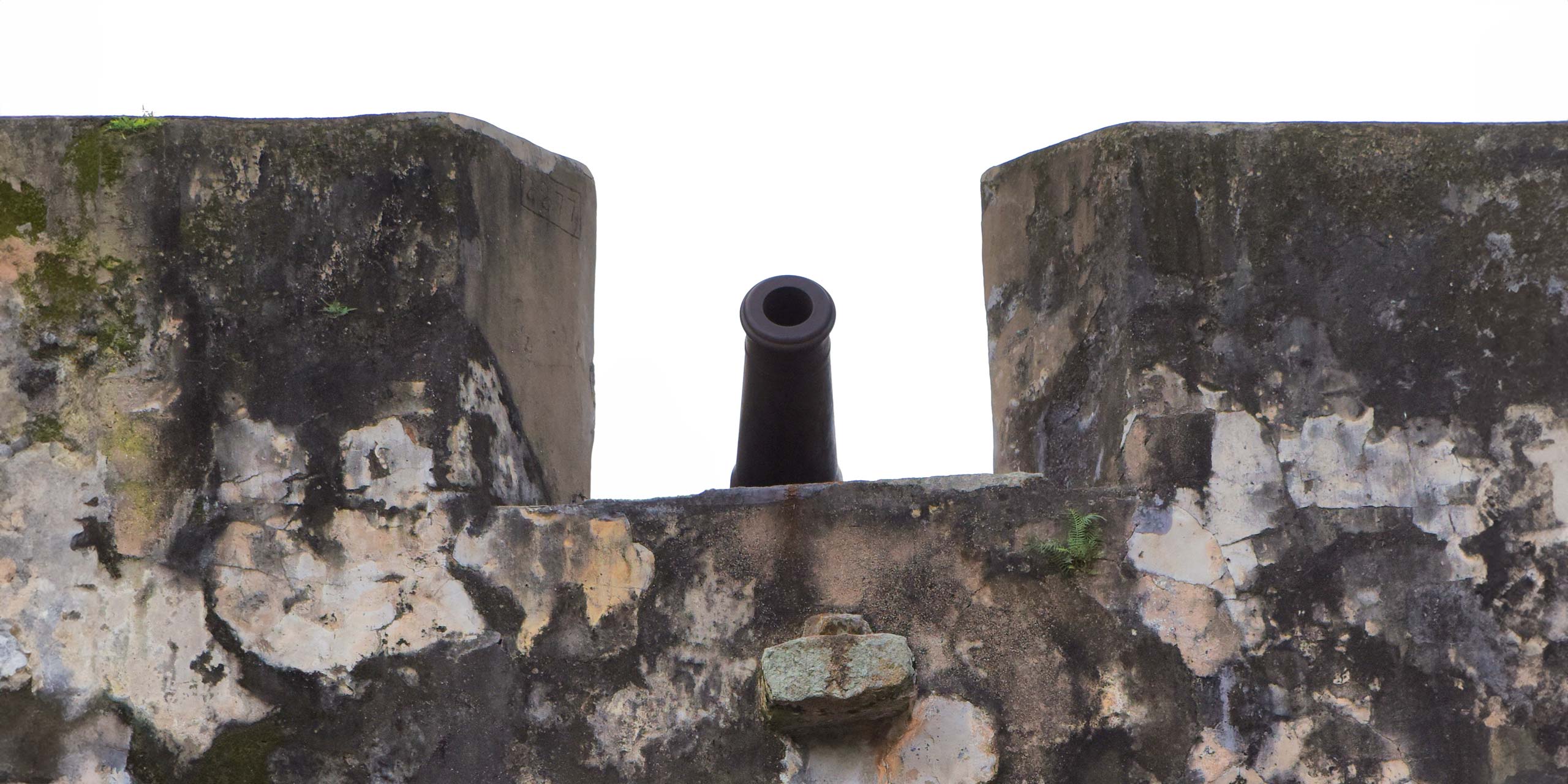
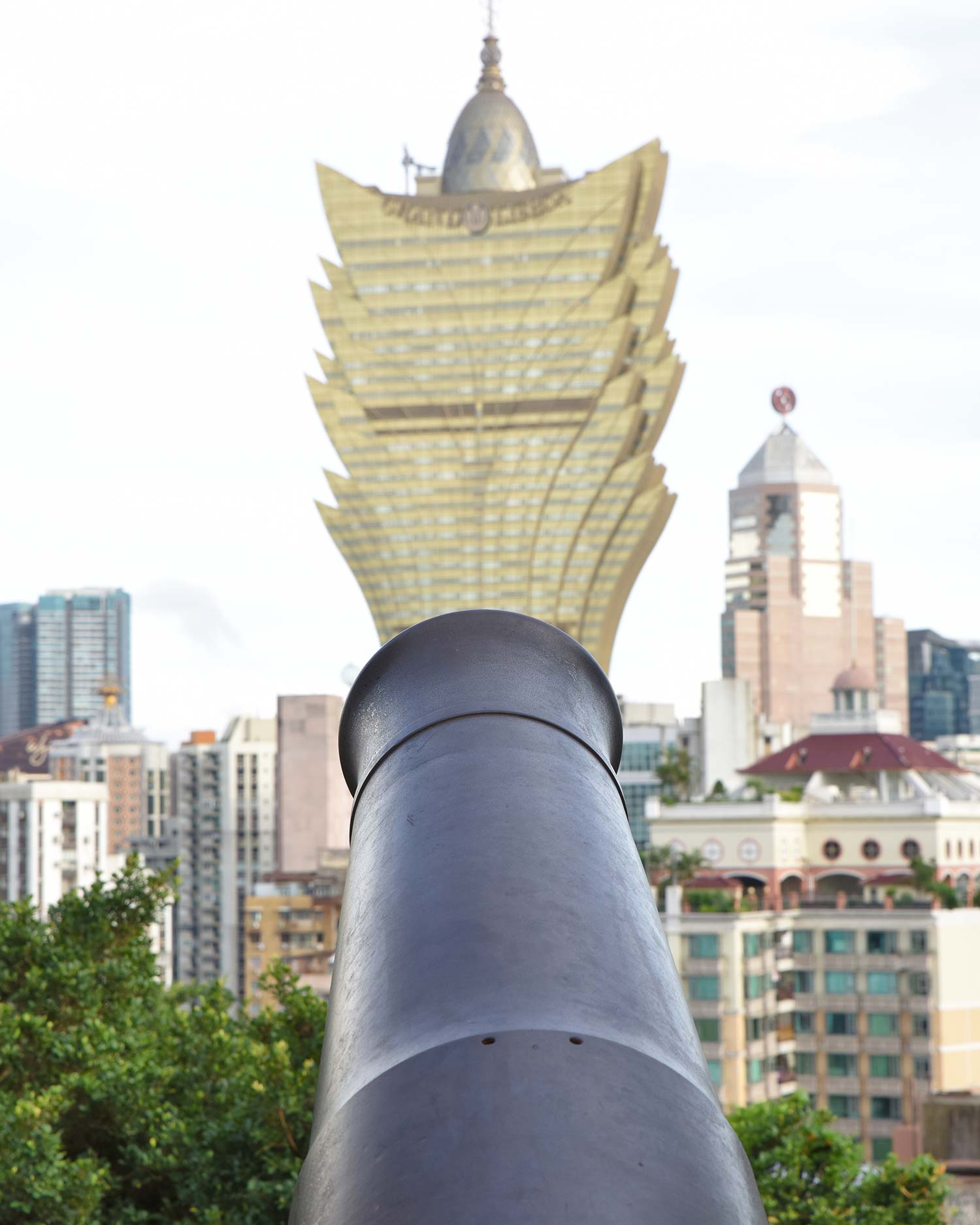
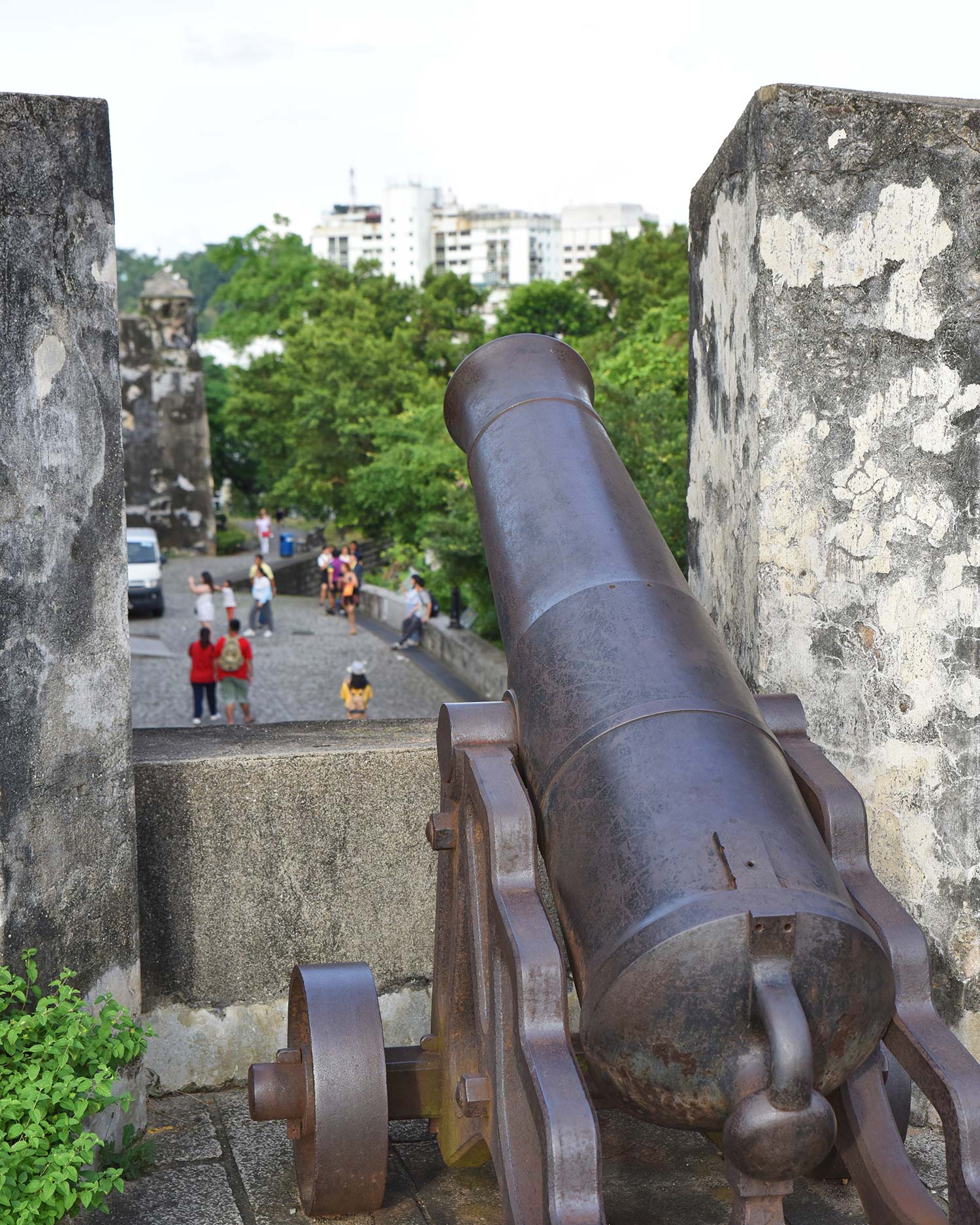
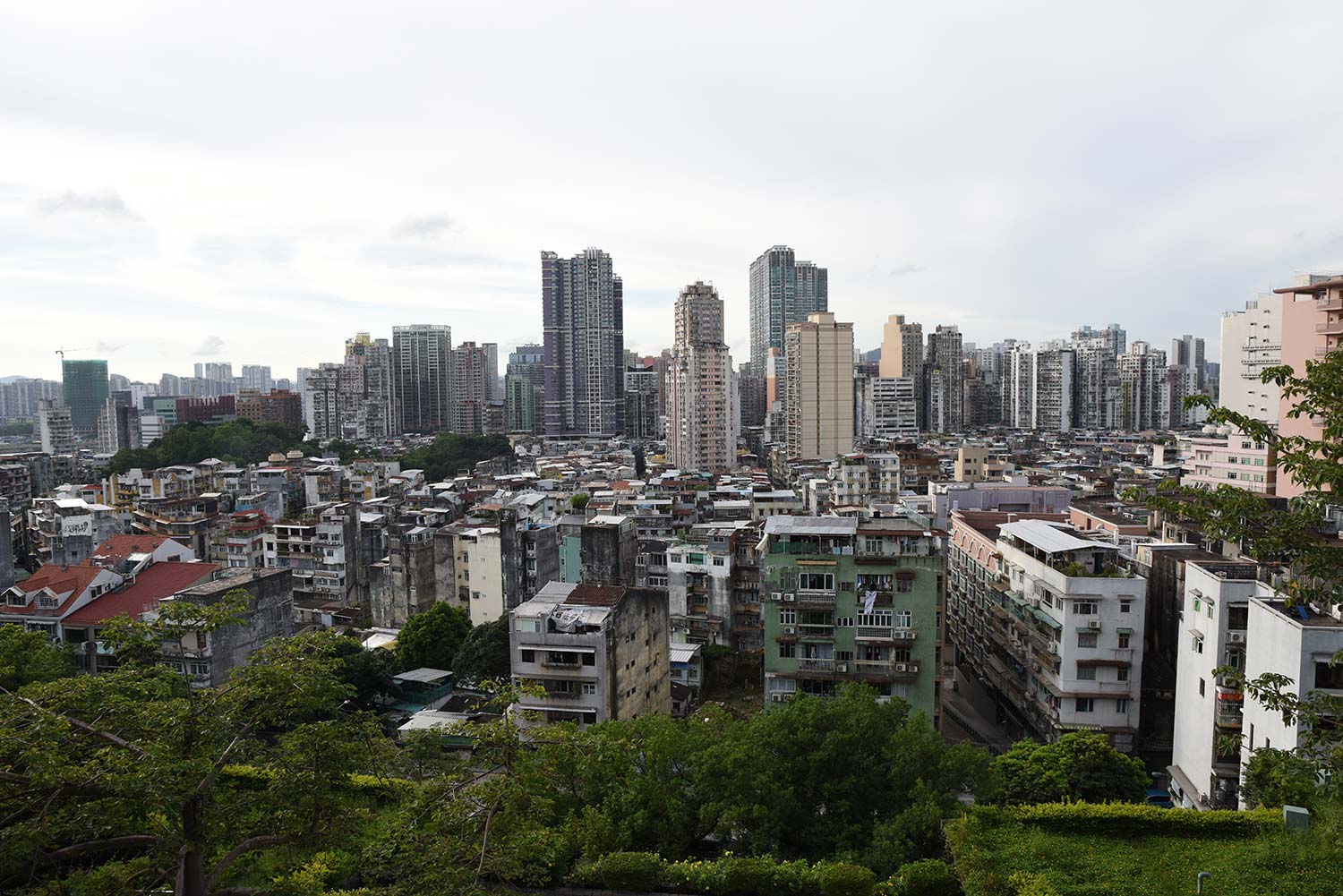
Today, all I can see is the thicket of skyscrapers and casinos that dominates downtown Macau. I’m leaning against one of the dozen or so timeworn cannons that still notionally point towards the sea but, thanks to centuries of reclamation and development, now appear trained on the modern city.
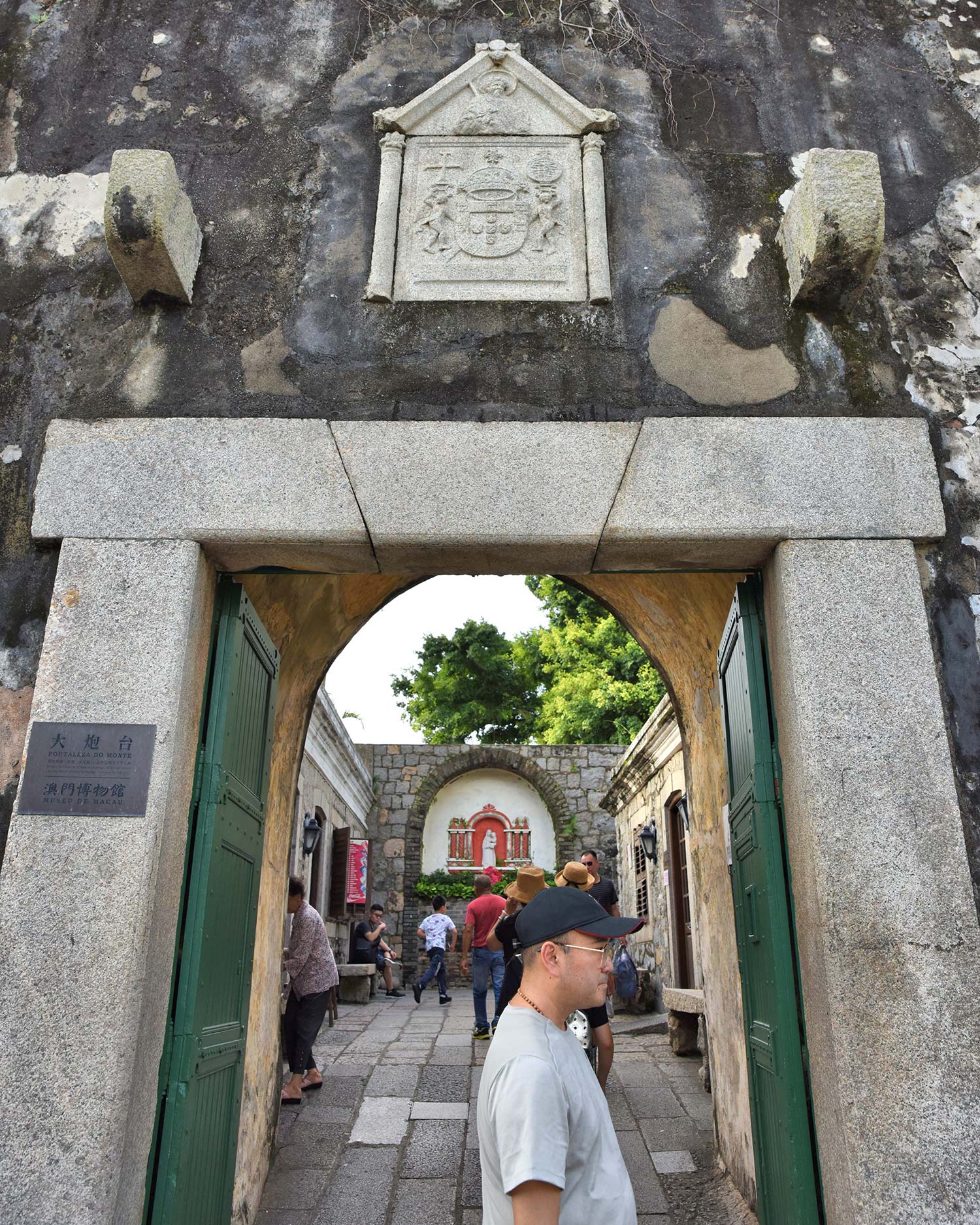
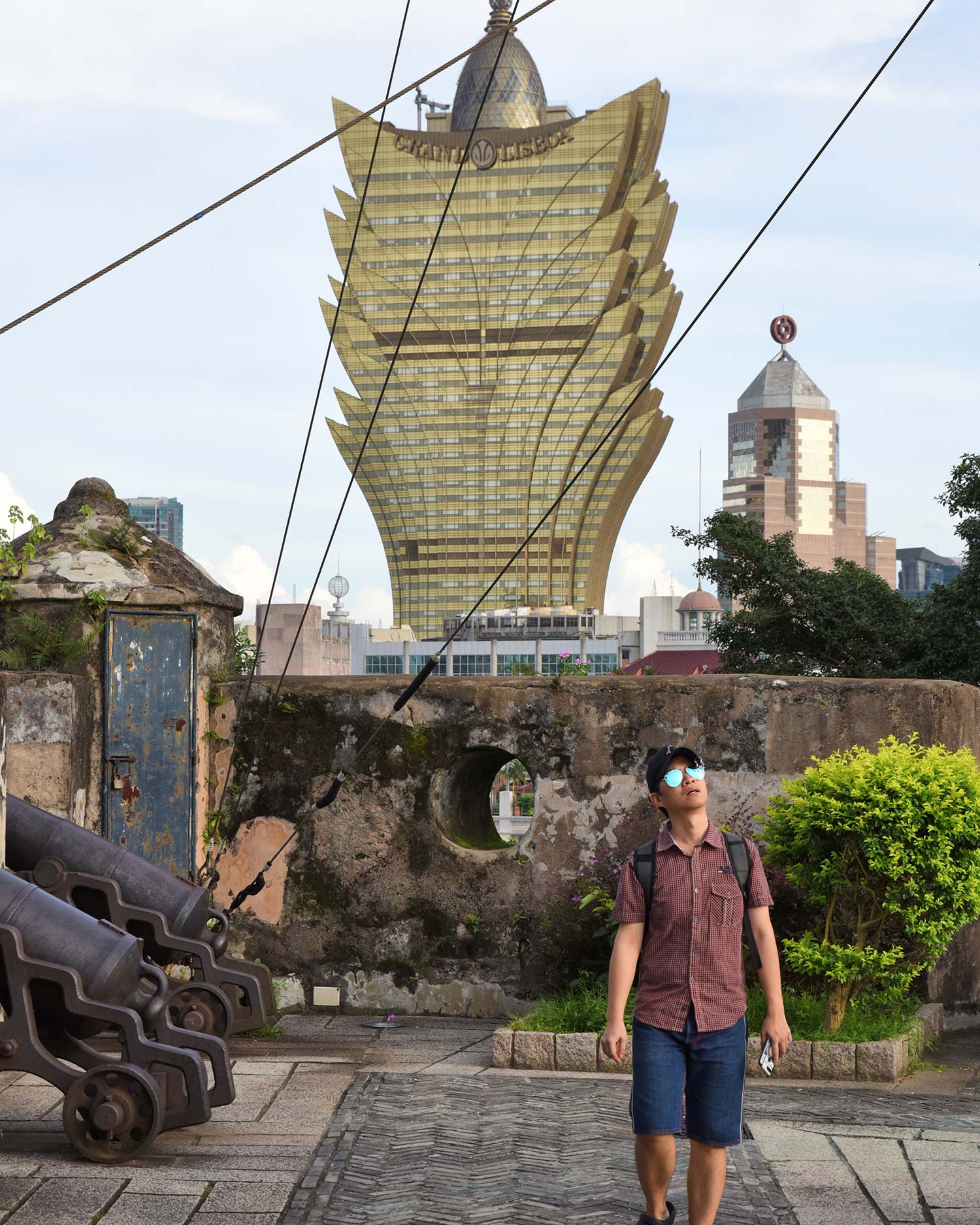
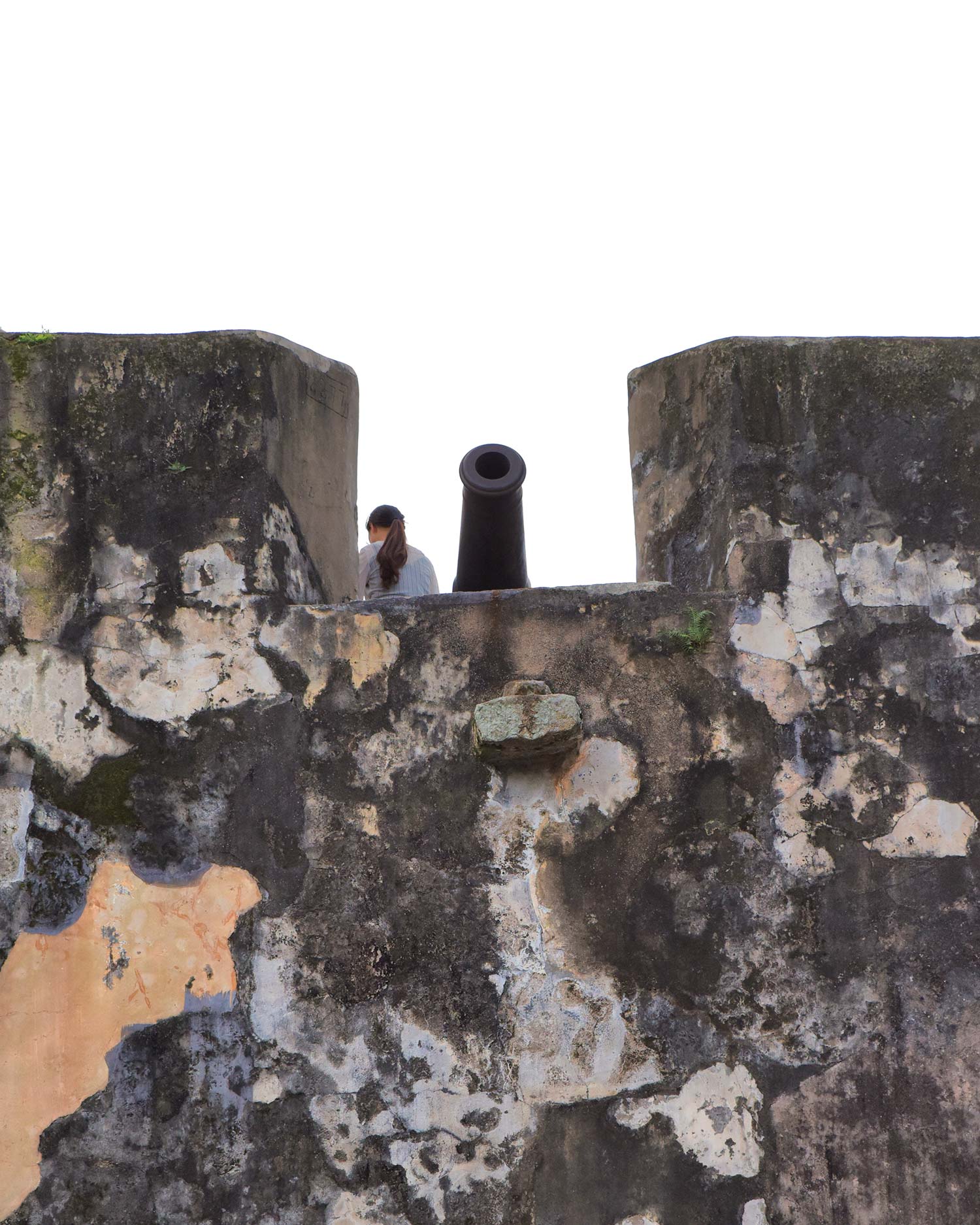
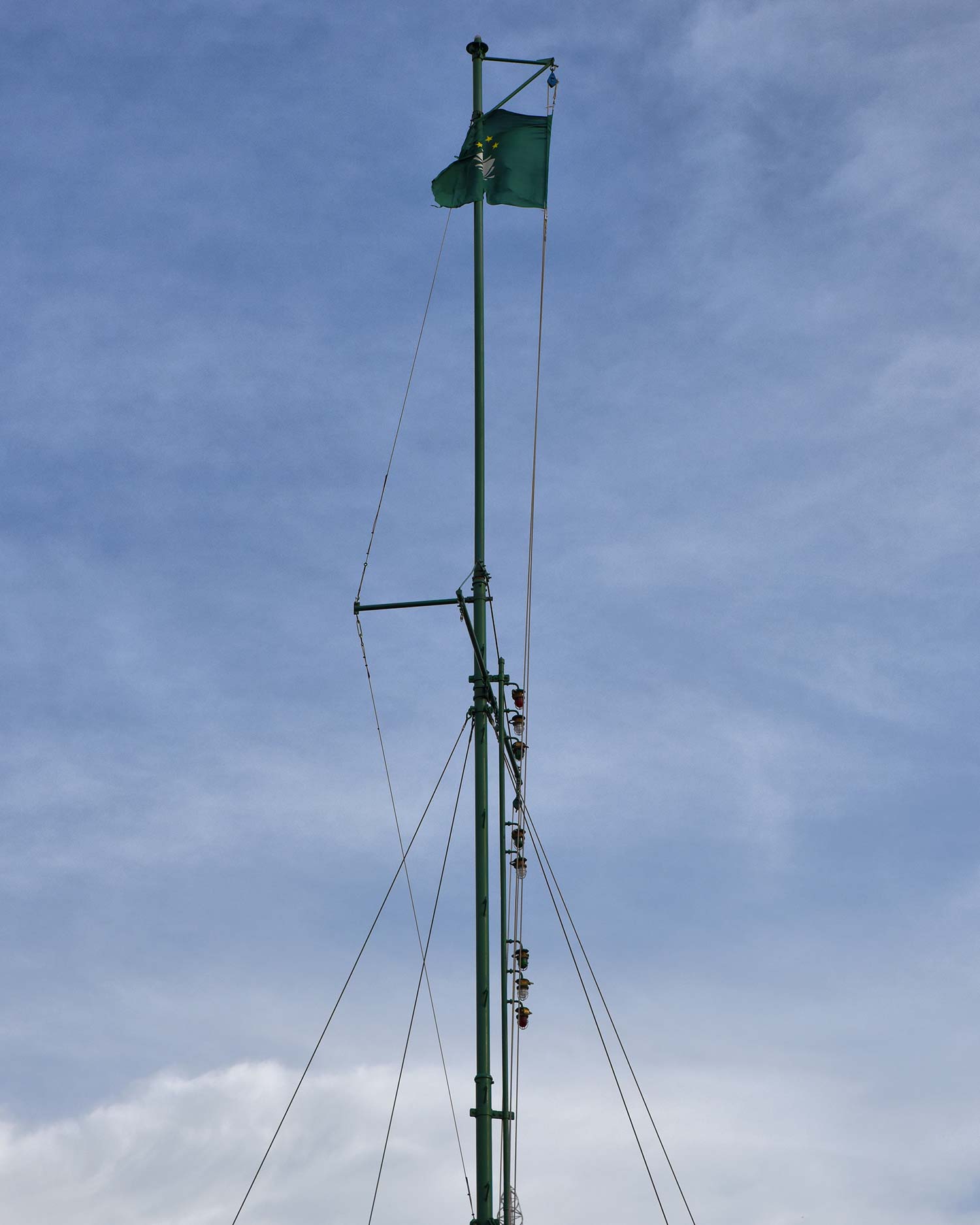
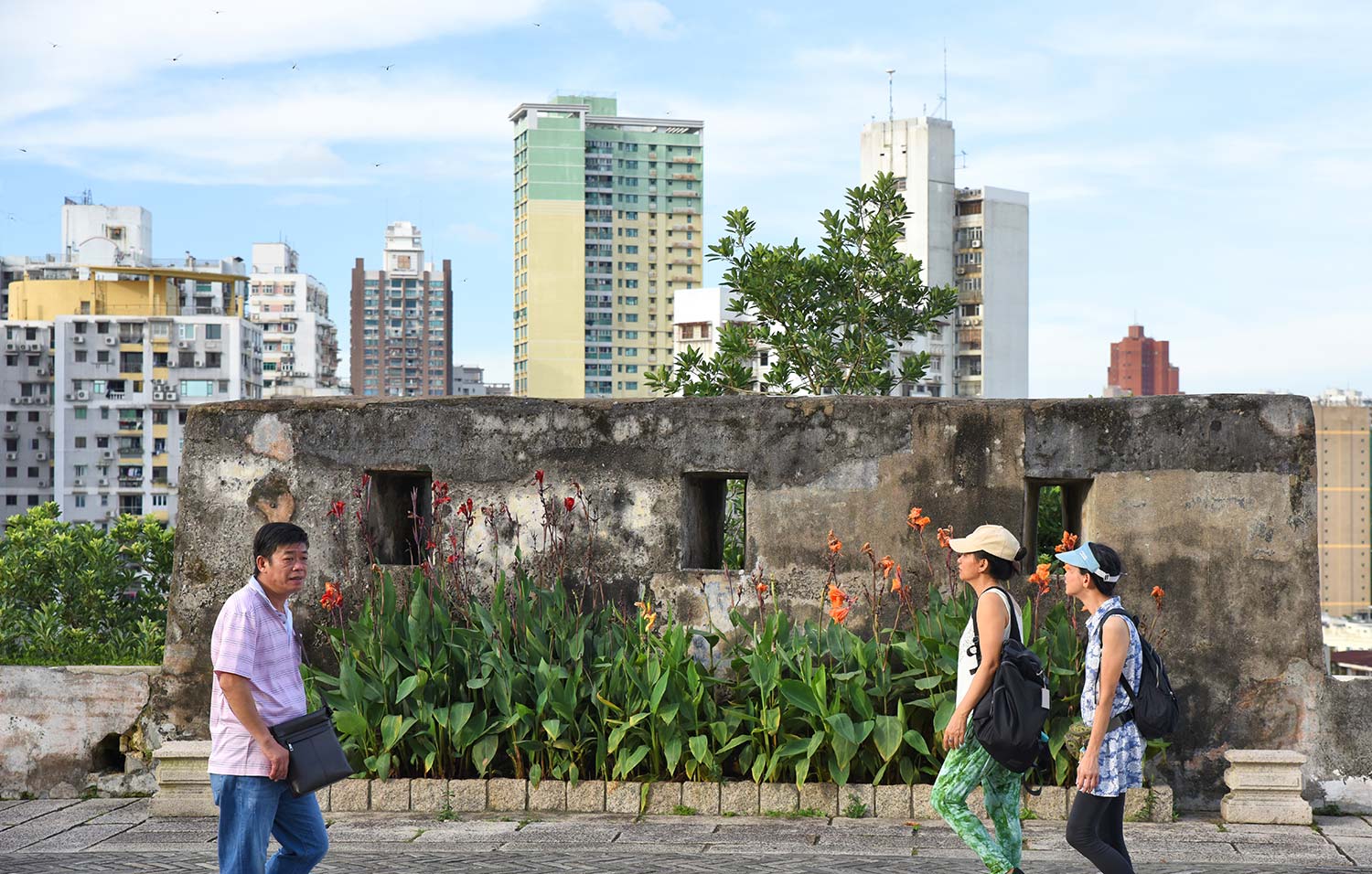
Once vital defensive weapons, these cannons are now relics at Monte Fort, one of Macau’s most significant historic attractions. Visitors wander its manicured grounds, taking in military artefacts, sprawling city views and the Macao Museum.
Yet Macau might look very different today were it not for this four-century-old stronghold.
Across the 17th, 18th and 19th centuries, Macau faced repeated attacks, including raids by Chinese and Japanese pirates seeking the wealth accumulated by the Portuguese after establishing their settlement here in 1557.
By the end of the 1500s, Macau remained the only European colony in this part of Asia. That made it enormously valuable, both strategically and financially. Huge volumes of maritime trade flowed through the Pearl River Delta to Macau and nearby Canton, now Guangzhou.
It was perhaps inevitable that Macau would eventually attract the attention of the Dutch, who were battling the Portuguese for colonial supremacy across Asia.
Dutch forces made three attempts to raid Macau in the early 1600s. Each was unsuccessful and relatively small in scale, but the Portuguese recognised that their fiercest colonial rivals could eventually mount a far more serious invasion.
So, in 1617, Portuguese officials commissioned a formidable new bodyguard for their city: Monte Fort.
They chose Mount Hill, 52 metres above sea level, which offered clear views of ships approaching Macau. The position also overlooked one of the colony’s most important landmarks, St Paul’s Cathedral.
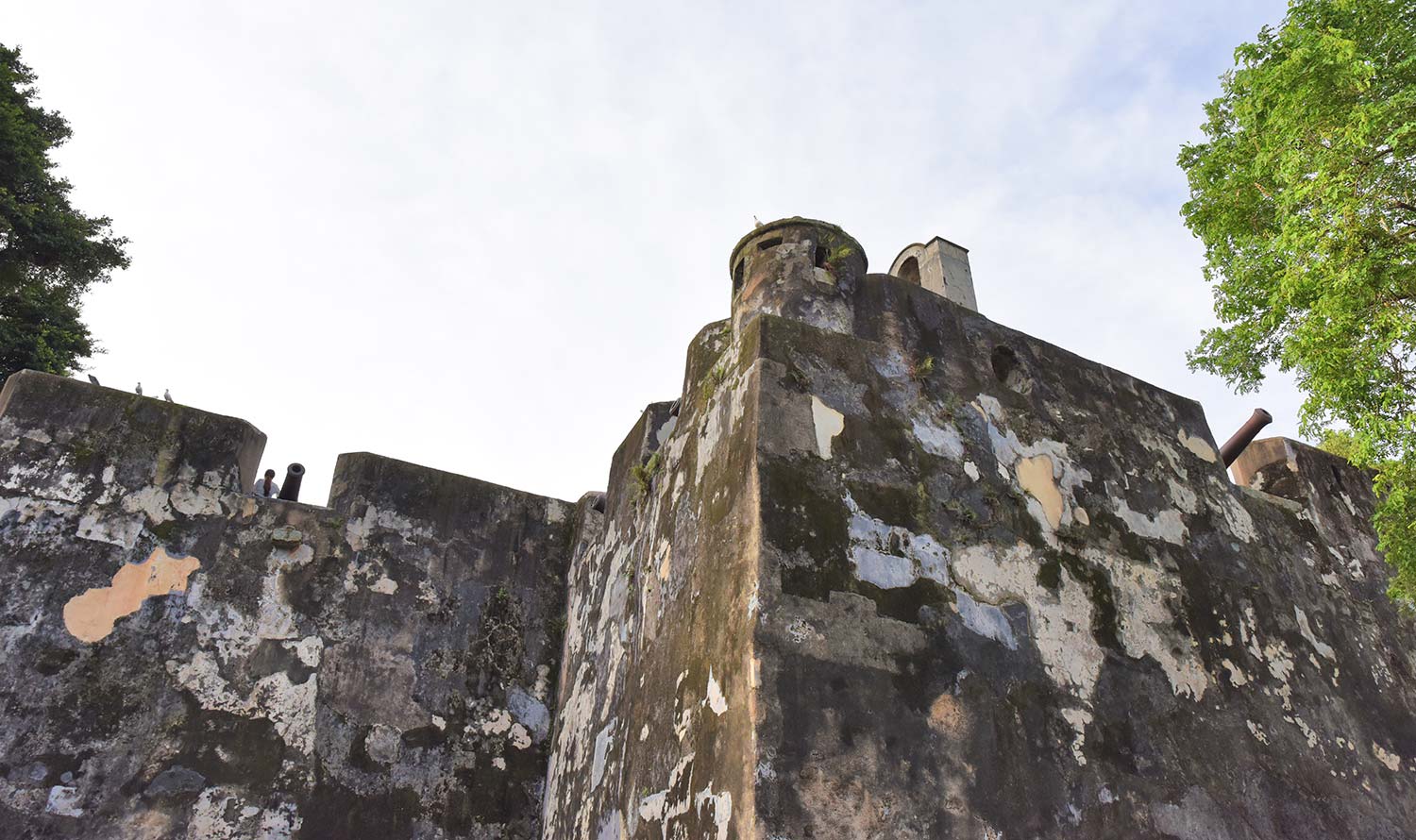
After nine years of construction, the Portuguese had created an imposing military complex. Trapezoidal in shape, Monte Fort covered 8,000 square metres and was ringed by rammed-earth walls around nine metres high and three metres thick. More than 30 cannons lined its defences, while two lookout towers stood above the walls.
Within were barracks, warehouses and an arsenal supposedly stocked with enough weapons and ammunition to withstand a siege lasting up to two years.
Monte Fort proved its worth before it was even finished.
In 1622, the Dutch launched by far their largest attack on Macau, sending 13 ships carrying 1,300 men to seize the territory. When the fleet was spotted from the fort’s lookouts, warnings rang out across the city.
Many residents fled. Those who remained included Portuguese officials and soldiers determined to hold the colony despite being heavily outnumbered. Their greatest advantage was the unfinished fortress looming above them.
As the Dutch ships approached Macau, they came under cannon fire. Troops who managed to reach shore faced further bombardment and struggled to overcome the settlement’s defences.
The invasion failed. The Dutch retreated, leaving Monte Fort to fulfil the purpose for which it had been built. Within a few years, construction was complete, giving the fortress the form that visitors largely encounter today. The Dutch never again attempted a major invasion of Macau.
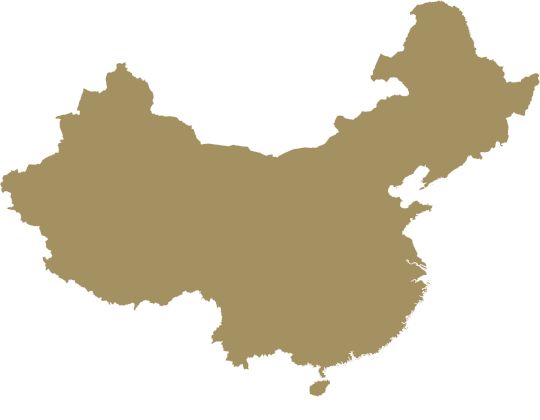
Portugal retained control of Macau until 1999, when sovereignty was transferred to China. Macau has since operated as one of China’s two special administrative regions, alongside neighbouring Hong Kong, retaining its own currency, passports and legal system.
This layered history is explored through maps, text and artefacts at the Macao Museum, which opened within Monte Fort in 1998, decades after the fortress ceased operating as a military installation.
In 2005, Monte Fort gained another distinction when it was included within the Historic Centre of Macao, a UNESCO World Heritage Site comprising more than 20 buildings and public spaces scattered through the oldest part of the city.
Many reveal the architectural and cultural fusion created by centuries of contact between China and Europe. But few played as decisive a role in Macau’s story as this old fortress on the hill.
Four centuries after its cannons helped repel an invasion, Monte Fort still stands guard over the city. Only now, instead of enemy ships, its ramparts look out across the towers, casinos and crowded streets of the Macau it helped preserve.