

Most of the year, it’s too hot in Bangkok to linger in the city’s few parks and green spaces.
And that’s not likely to improve. In fact, some climate experts suggest that Thailand’s annual average temperature could rival the Sahara’s current 29°C by 2070, or even by 2057 in a high-emissions future, fundamentally shifting its baseline environment toward desert-level heat.
No wonder Bangkok residents pack the Thai capital’s many air-conditioned shopping malls, particularly on weekends, to escape the ever-increasing temperatures outside.
But malls, by and large, are boring and expensive affairs. The same brands at the same prices, unaffordable to many Thais, replicate themselves from one giant consumer edifice to the next.
The number of people who can afford to drive a Lamborghini out of a showroom at Siam Paragon is minute. Young people with limited means are particularly marginalized. Indoor public spaces are rare, with sports clubs among the few exceptions, and Generation Z is searching for alternatives.
To some extent, the city’s business and creative establishments are listening. New mixed-use developments and cultural attractions designed to offer visitors something beyond conventional shopping are cropping up all over town.
In May, 1981 Soul & Sold opened on Ramkhamhaeng Road under The Mall Group, one of Thailand’s major retail operators. Retail curator Sheeva, a vintage car collector, bar owner and former host of a long-running classic-car television show, explains how this radical departure from traditional shopping is intended to revitalize an old mall that had been closed for half a decade.
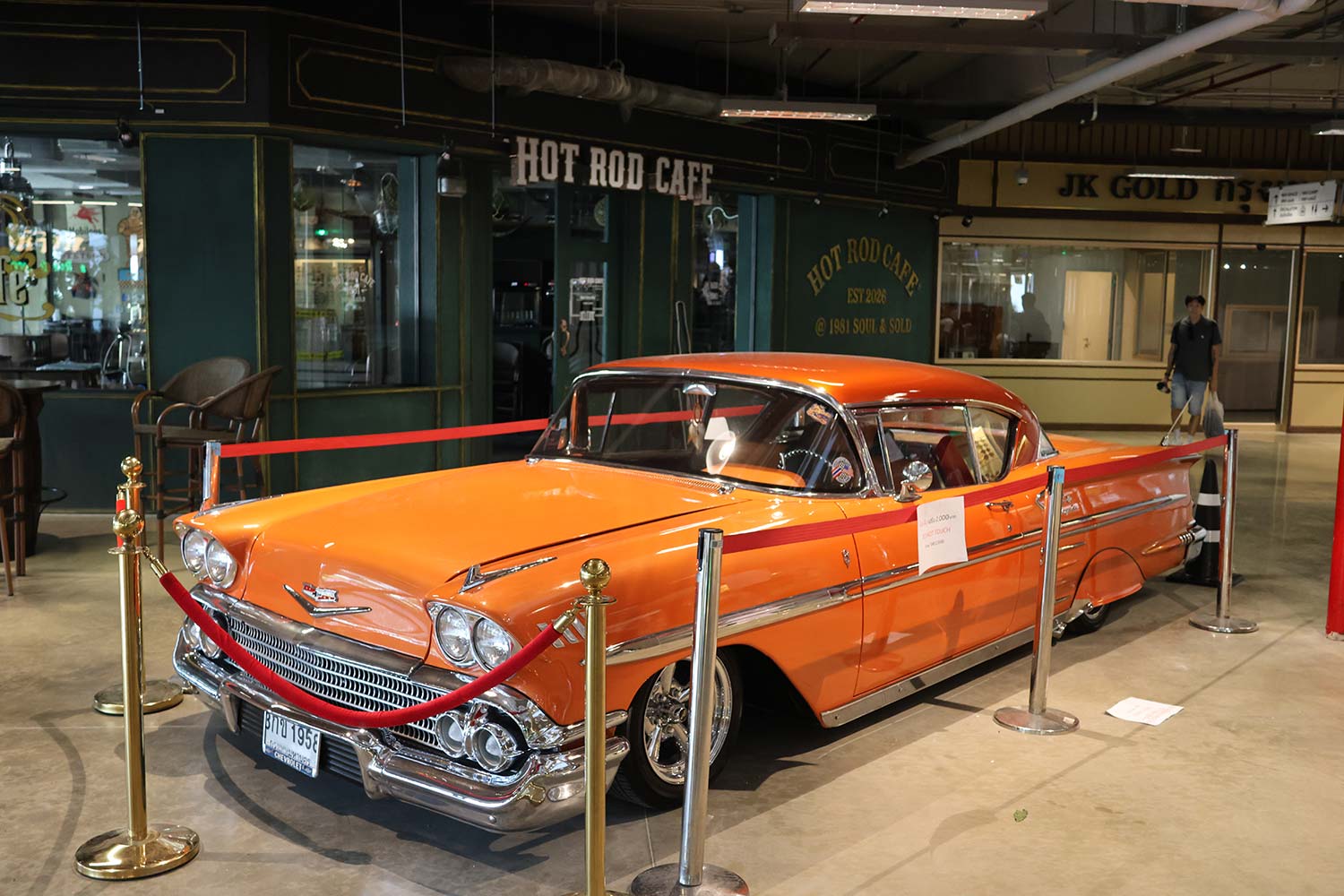
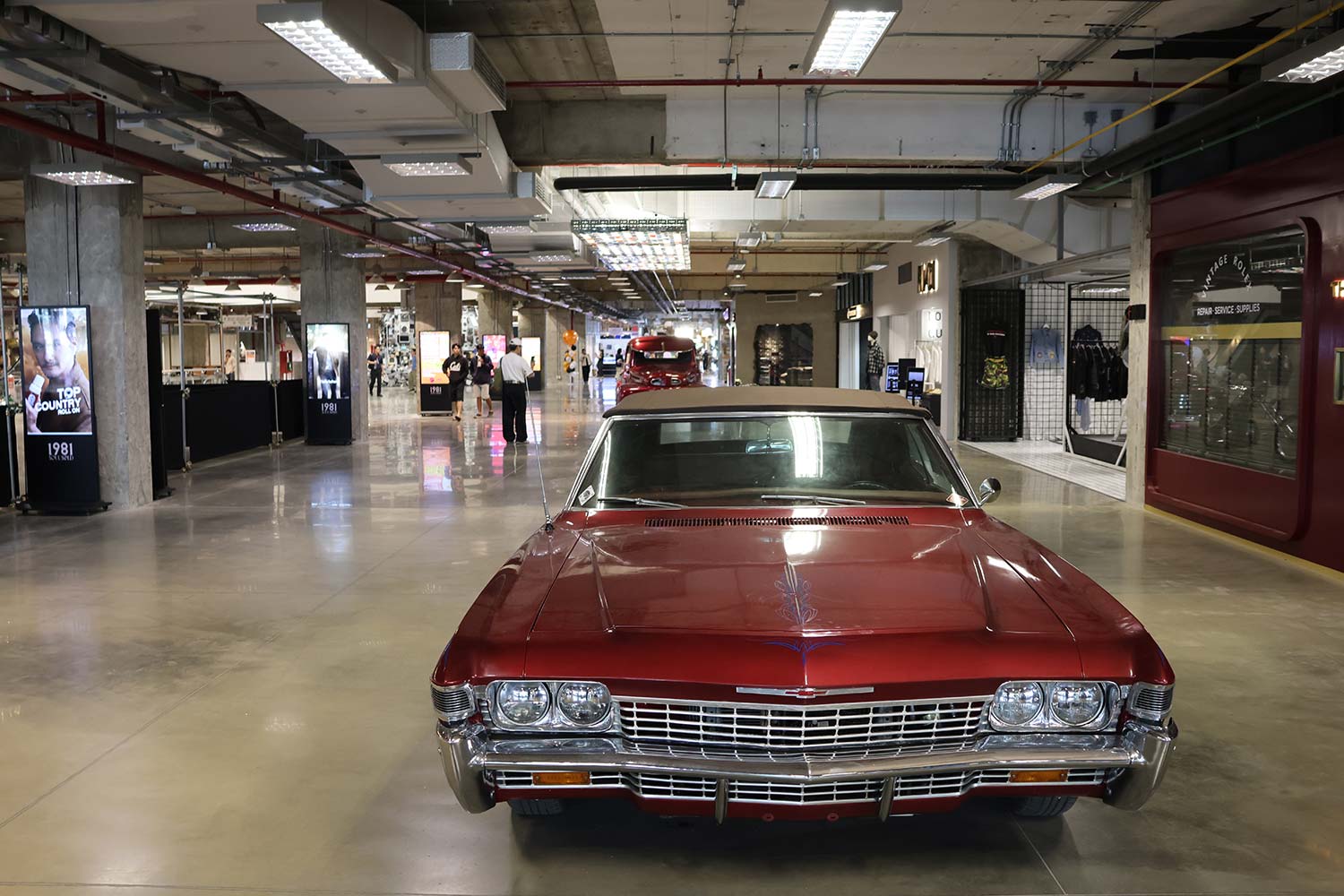
“We are close to the campuses of Assumption and Ramkhamhaeng universities. Back in the ’80s, before Bangkok had big malls, Ramkhamhaeng Road was the place where hippies would shop. There was a lot of fashion and vintage gear available from small outlets. I want to take 1981 Soul & Sold back to this concept, as a community space, not just a business.”
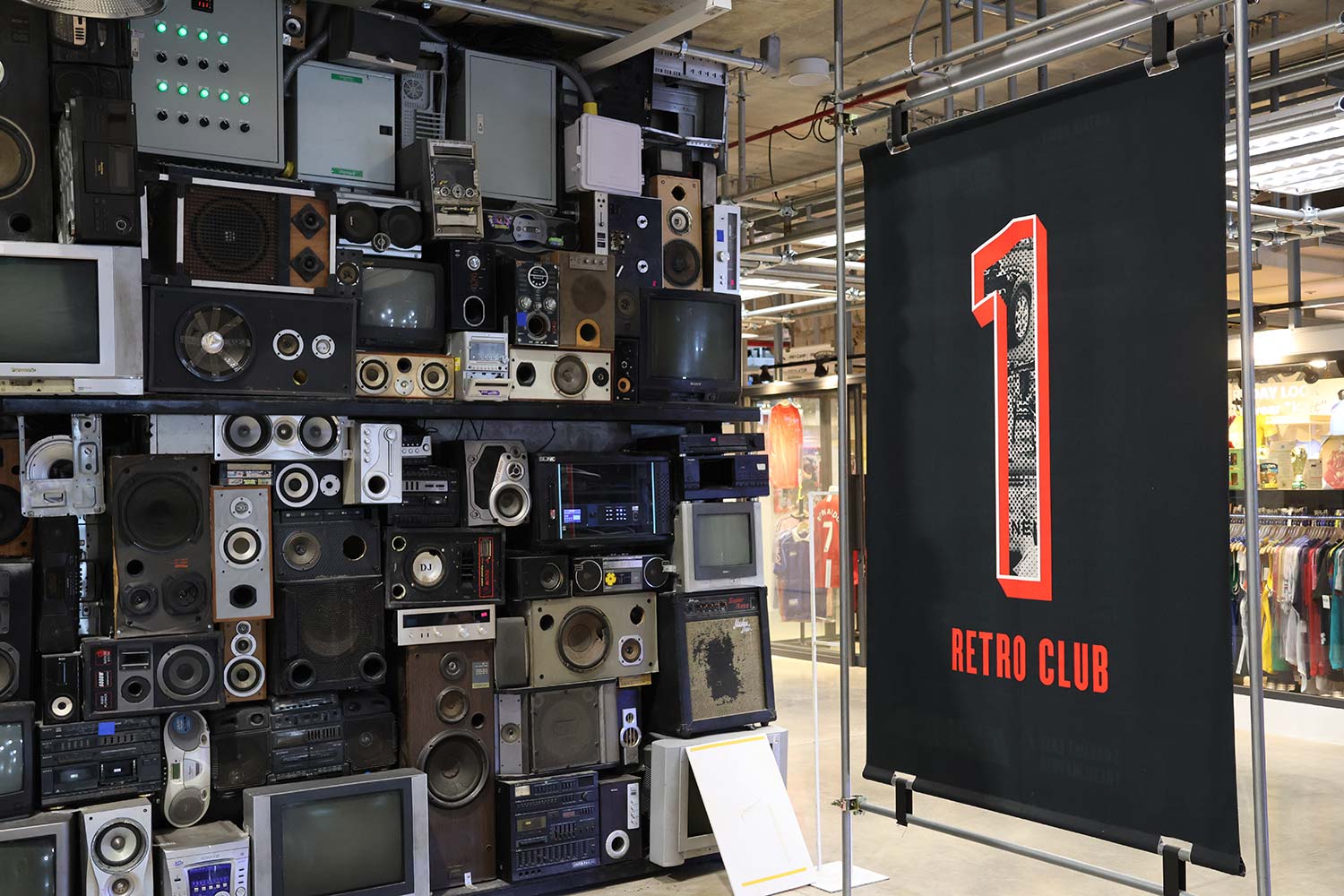
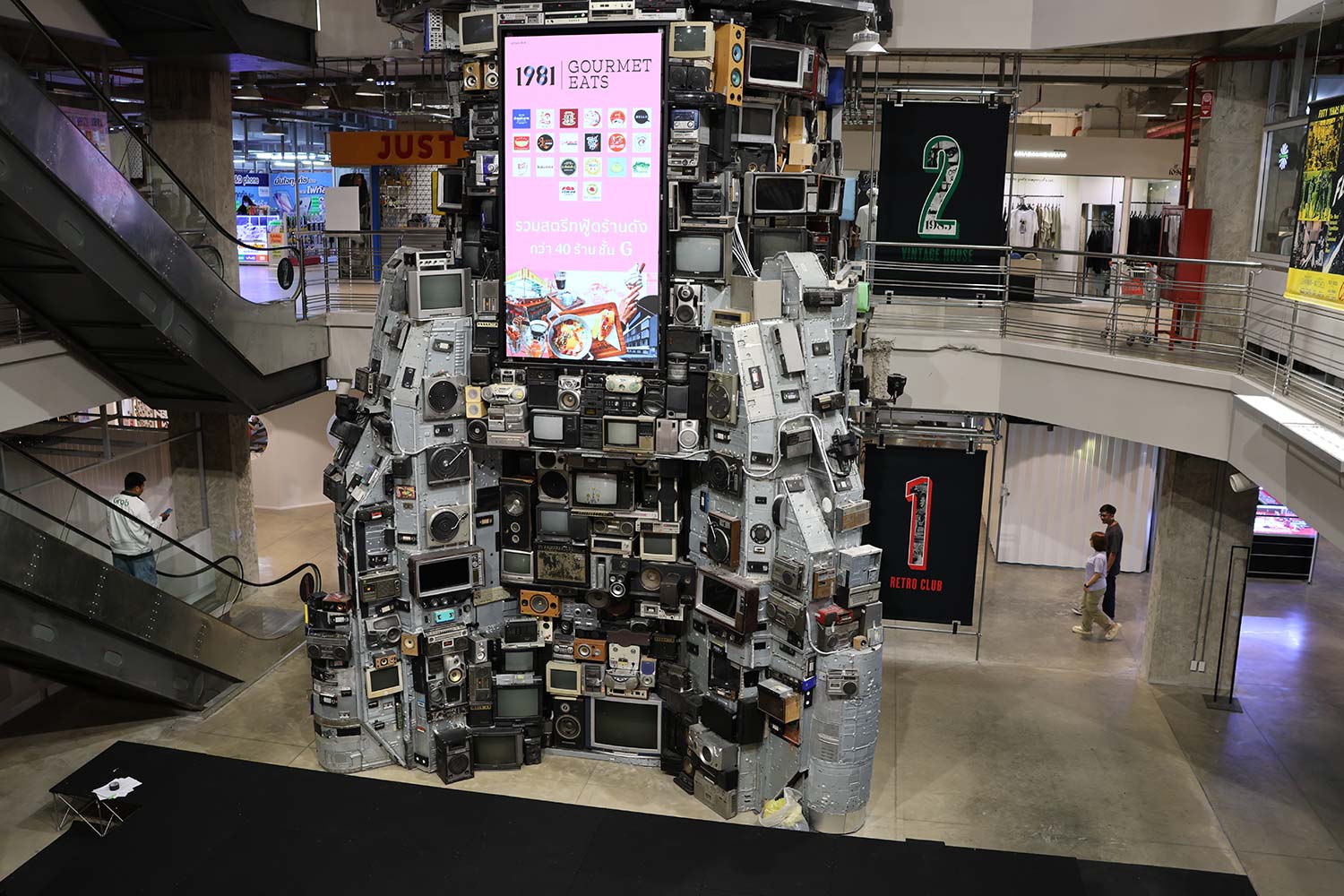
Sheeva ripped all the marble out of the building and left its raw concrete walls exposed. A giant three-story art installation made from countless old television sets, VHS recorders and other vintage electronic equipment rises through the building’s atrium, resembling a remnant from a cyberpunk film set.
Sheeva chose 1981 for the name because the year marked major changes in media, art and popular culture, from the launch of MTV and the release of Andy Warhol’s Myths series to the royal wedding of Prince Charles and Lady Diana Spencer. Fashion was also shifting away from the hippie styles of the 1970s toward sharper, more structured European silhouettes.
“Initially, I thought about niche markets, particularly vintage gear, but now I try to attract Generation Z kids who use social media and are looking for something outside the usual,” Sheeva explains.
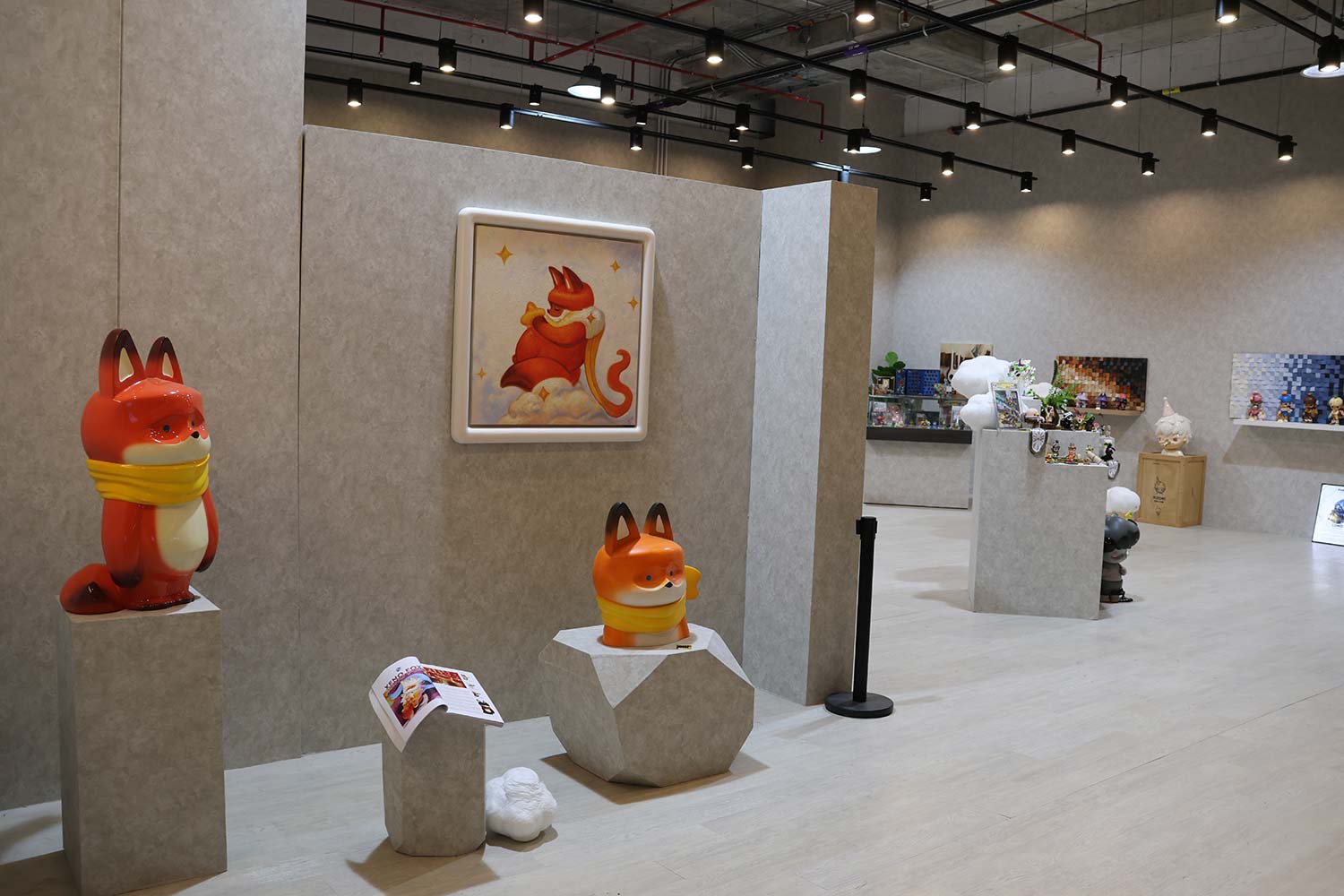
1981 Soul & Sold offers vintage clothing, vinyl record stores, leather boutiques and shops selling recycled and upcycled goods. There is a library with a resident artist who will draw anyone’s portrait in two minutes, regular live music from well-known Thai performers, four barbers, two tattoo shops and plenty of selfie spots, including several vintage American cars. During the recent FIFA World Cup, visitors could watch matches on a giant screen surrounded by lanterns.
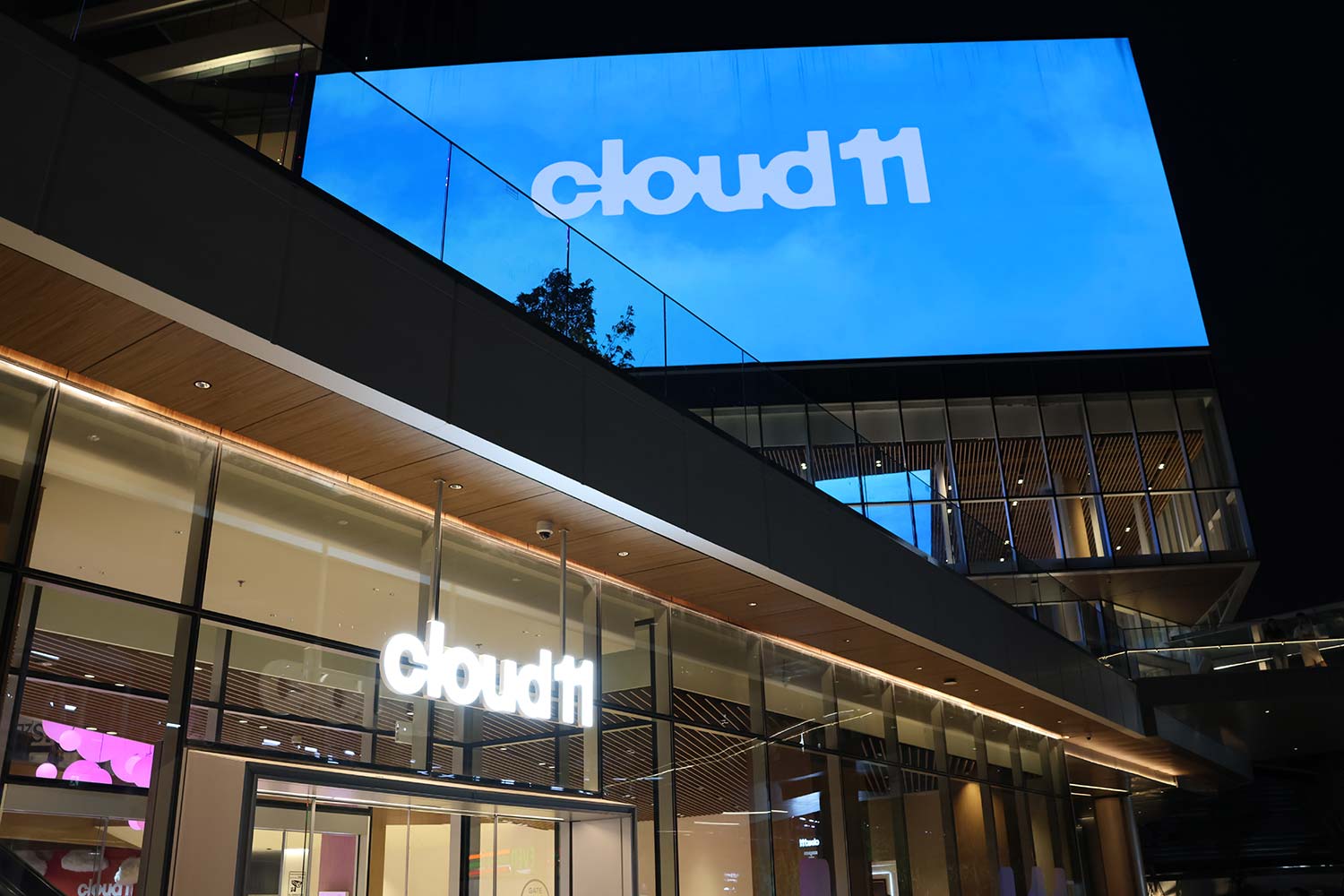
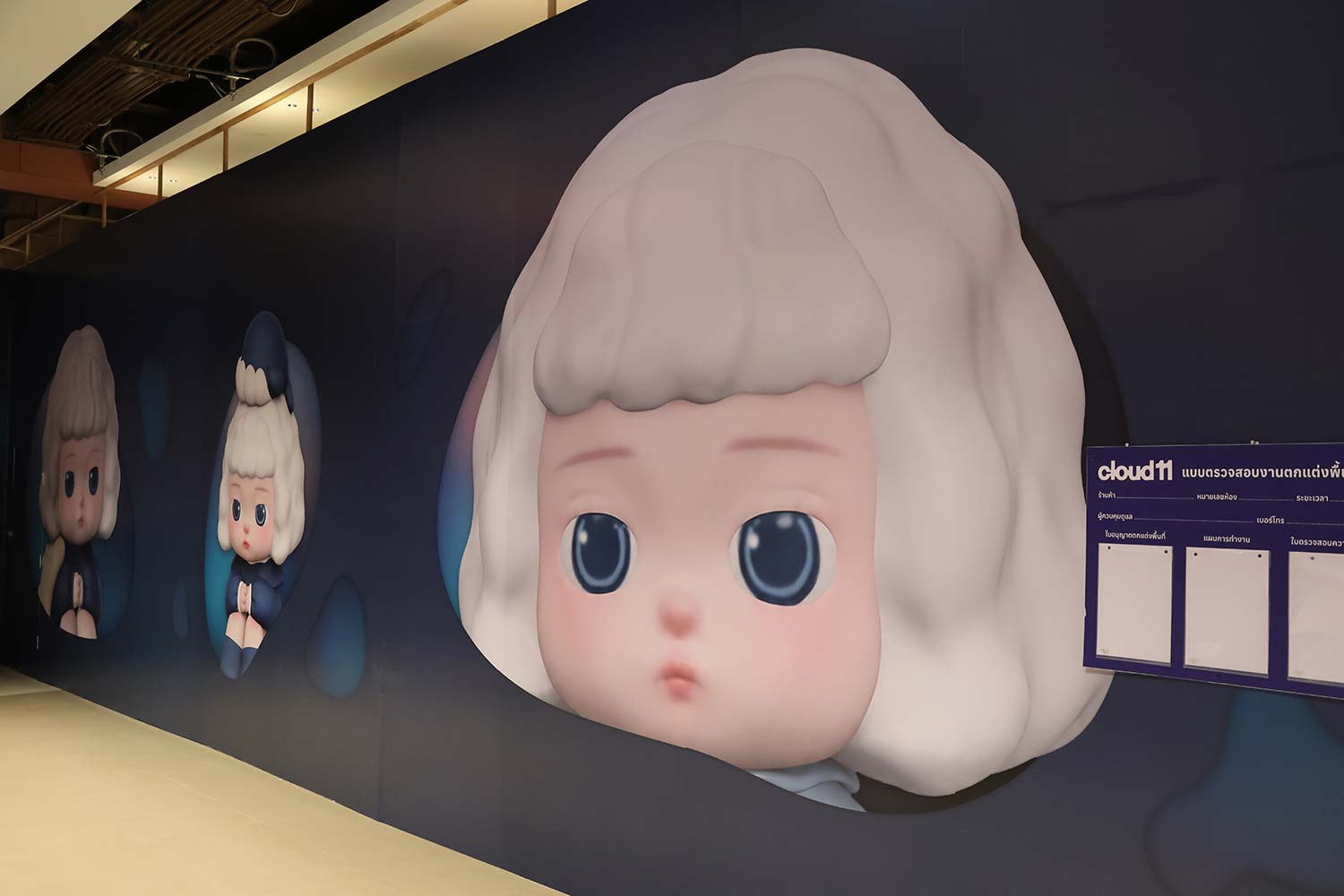
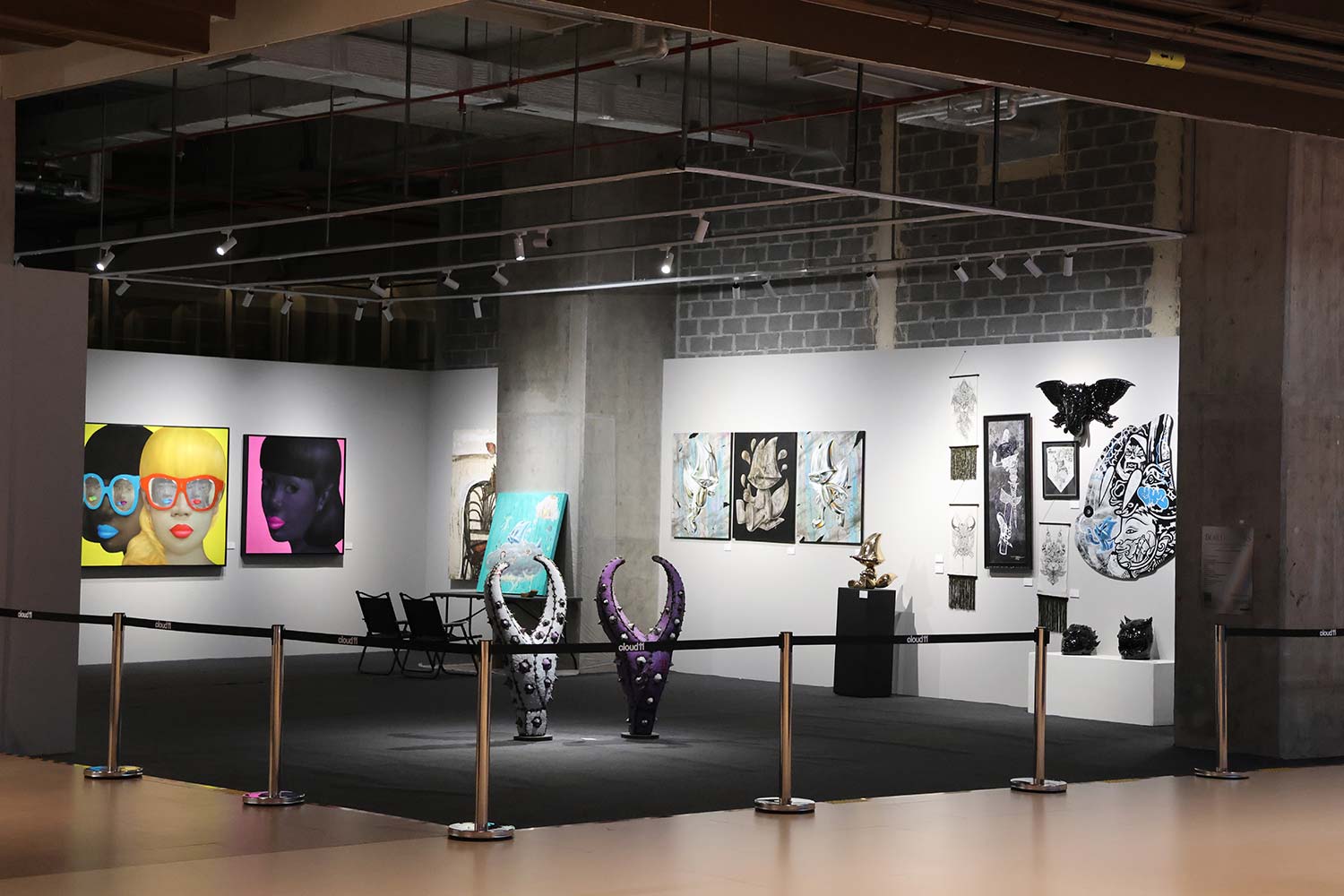
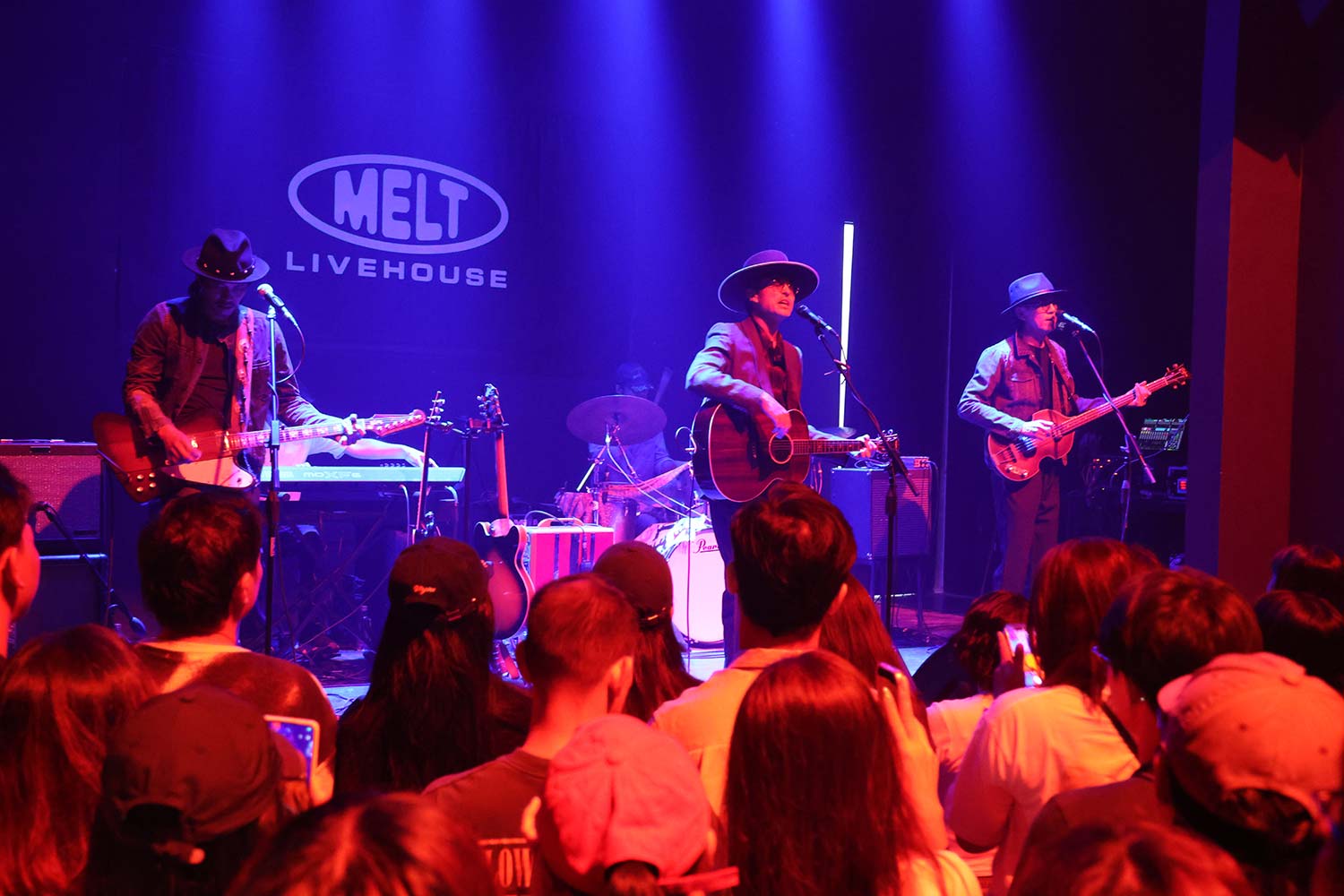
In the east of the city, in Punnawithi, Cloud 11 is a more conventional proposition than 1981 Soul & Sold, yet the 250,000-square-meter complex remains a far cry from a regular mall. It houses the Melt Livehouse music venue, a film club, coworking spaces and an entire floor of Thai contemporary art galleries, all framed by commissioned artworks covering the walls. A 17,000-square-meter elevated rooftop park serves as the complex’s green heart, complete with a running track, pet-friendly areas and lawns designed for those brave enough to endure the city’s heat.
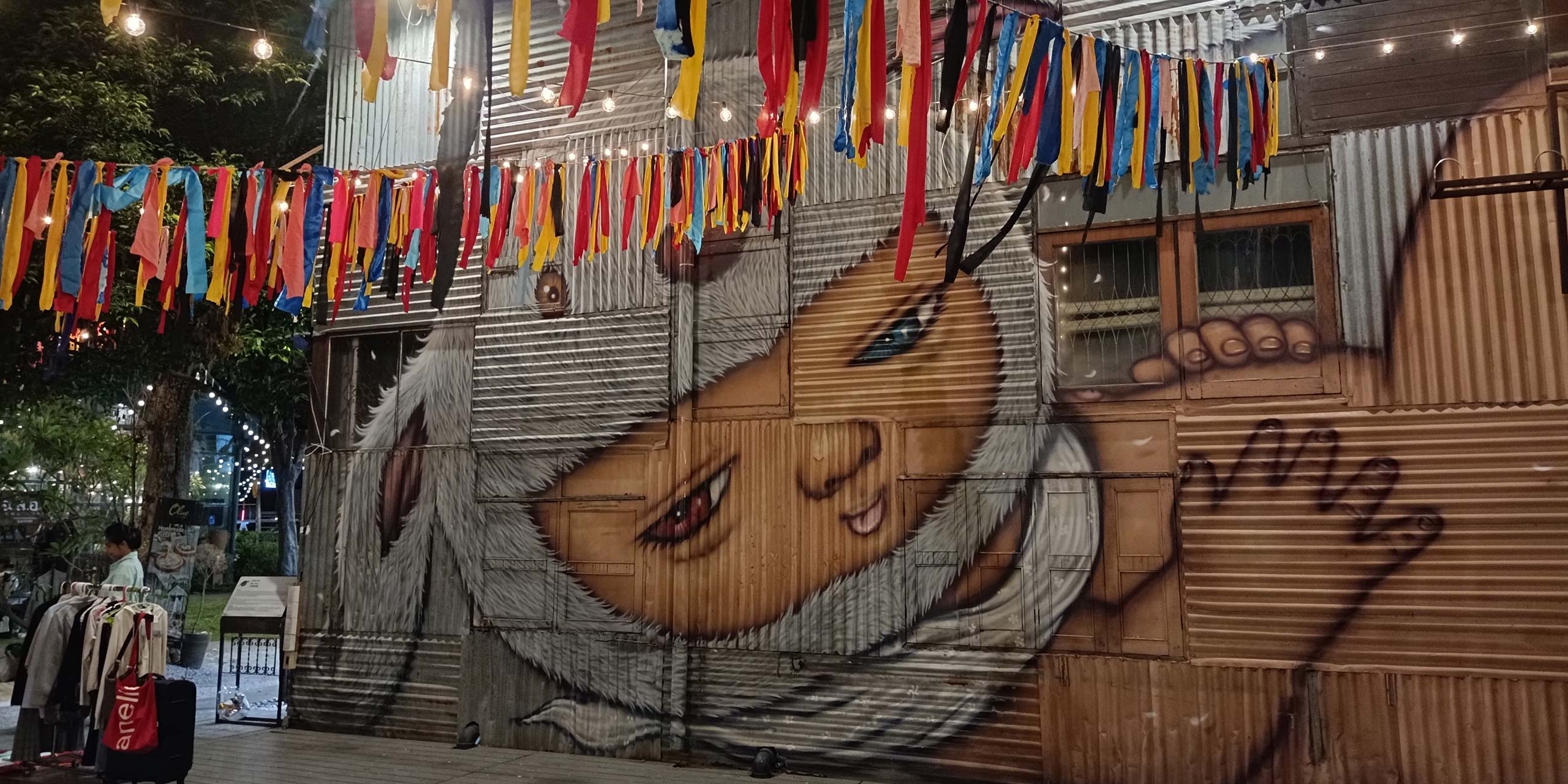
For young people seeking community after dark, the open-air ChangChui Creative Park has offered an alternative since 2017. Spread across a sprawling 17,600-square-meter site in Bangkok’s Bang Phlat district, the park features 18 buildings constructed from repurposed and recycled materials. Its centerpiece is a decommissioned Lockheed passenger jet. Beyond this landmark, the park offers art galleries, a cinema, a music venue, design studios, bookstores, a vintage barbershop and a greenhouse, all interwoven with food stalls, cafes and bars.
Another open-air space best visited at night, Warehouse Talad Noi sits in the heart of Bangkok’s historic Talad Noi neighborhood, a gritty district of old shophouses, motorcycle repair workshops and century-old warehouses. This sprawling former industrial complex has been reimagined as a multifunctional community space that thrives on its unpolished charm. Warehouse Talad Noi offers a rotating mix of art exhibitions, vintage boutiques, independent designer stores, cafes and bars. It functions as a gathering place for Bangkok’s creative community, where artists, DJs, collectors and night owls meet in surroundings closer to an indie playground than a commercialized retail development.
The move away from pure retail is not limited to commercial developers, nor does it appear to be a fad. Dib Bangkok, a major contemporary art museum in a renovated warehouse near the city’s port, opened in late 2025. Founded by the Osathanugrah family, whose business interests include a large share of Thailand’s energy drink market, it strengthens Bangkok’s growing reputation for communal spaces that offer something beyond shopping.
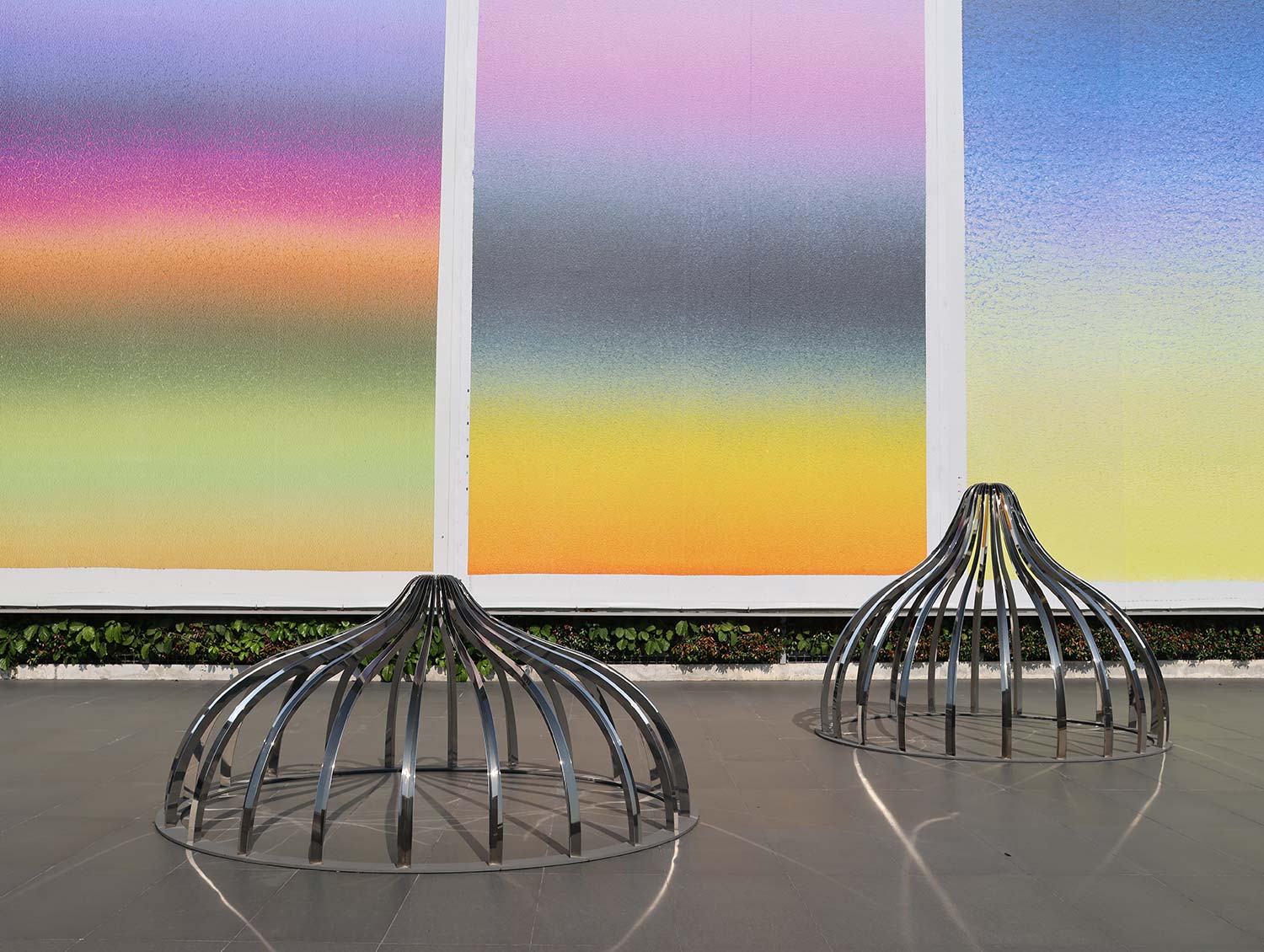
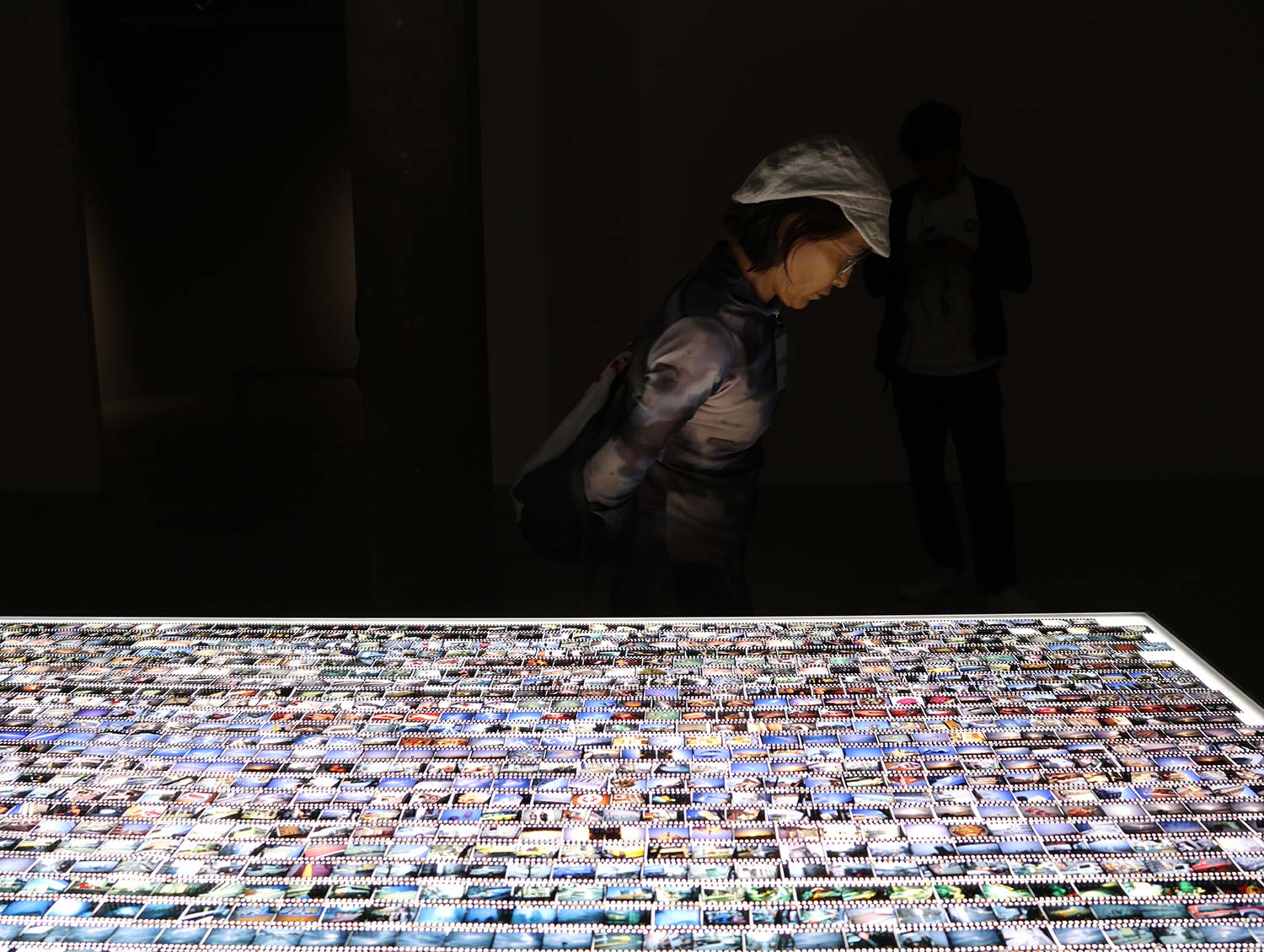
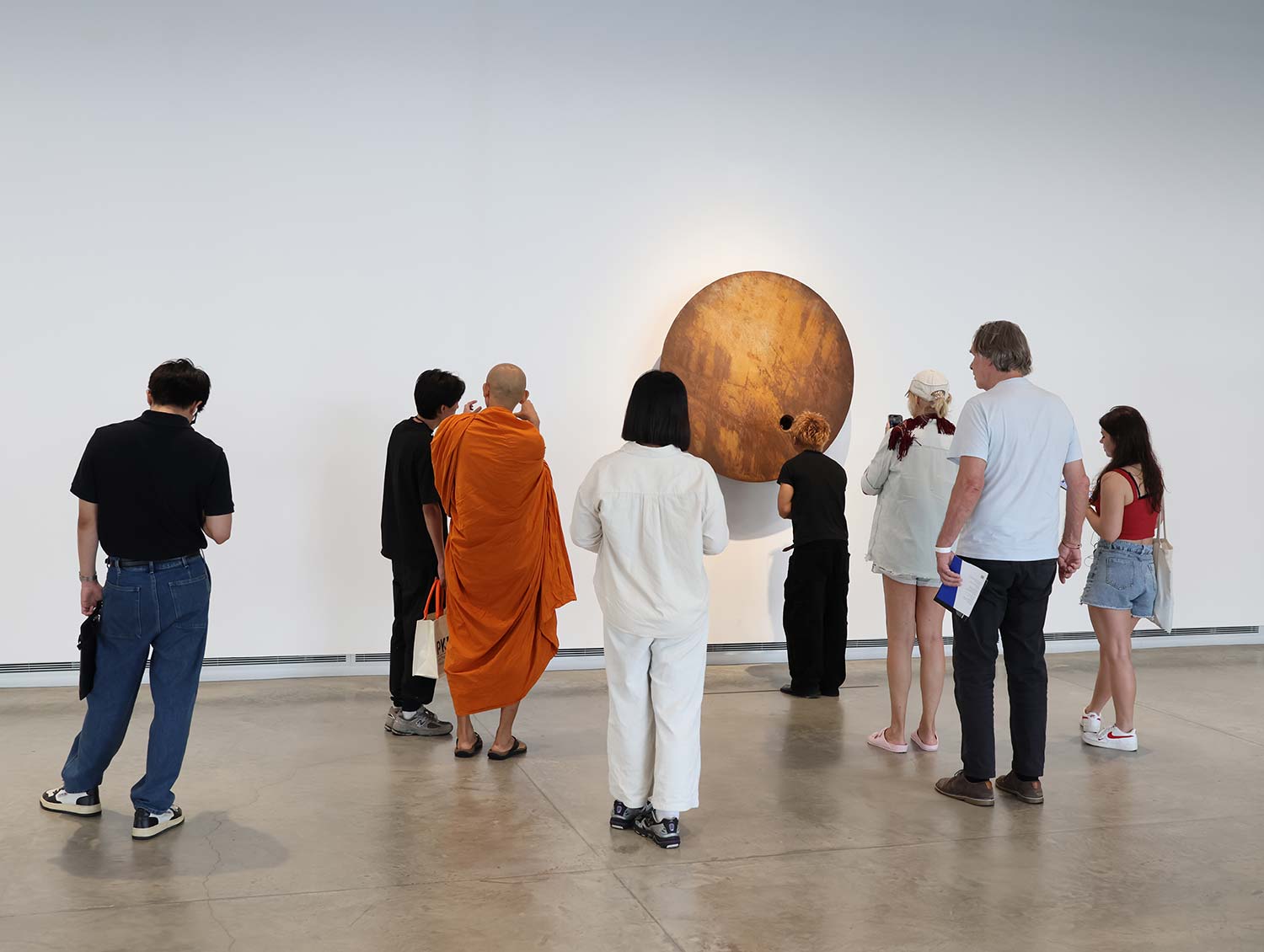
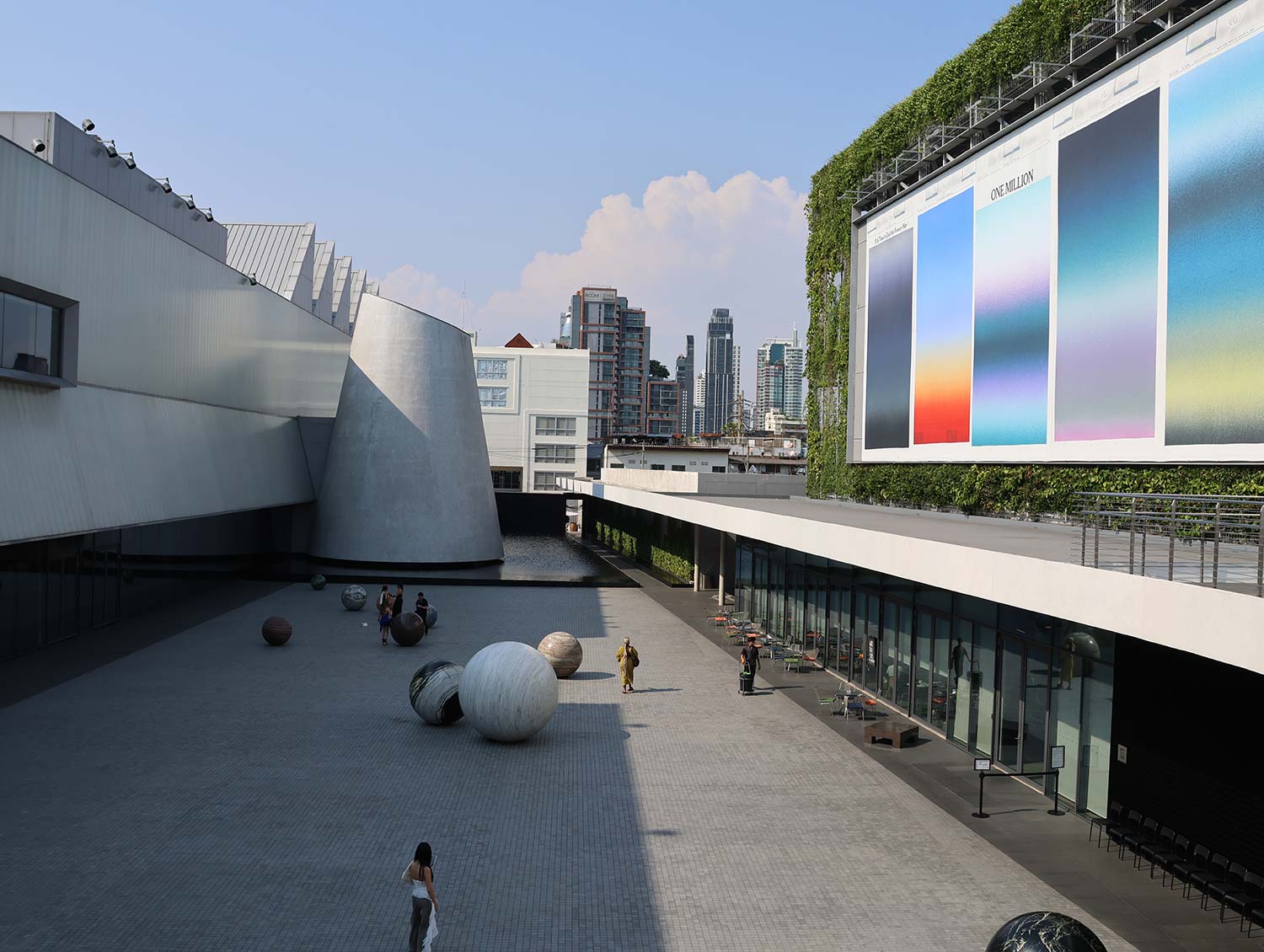
The museum was intentionally designed as an inclusive cultural hub, positioning itself as a bridge between local communities, Southeast Asian artists and the wider international art world. Dib Bangkok director Dr. Miwako Tezuka says, “For Dib, it is about building structures that support artists and audiences alike, while remaining attentive to the local context and its evolving needs.”
While admission is anything but cheap, the museum is hugely popular with young, affluent art lovers who never tire of taking selfies in front of its many immersive installations.
For a city defined by stifling heat and sprawling mega-malls, these experimental spaces offer an alternative built on local creativity, community and shared experience rather than global luxury brands.
1981 Soul & Sold’s retail curator Sheeva is optimistic about the concept’s prospects. “If we become famous and successful with young Thais, we will soon attract foreign visitors to our community space as well.”