


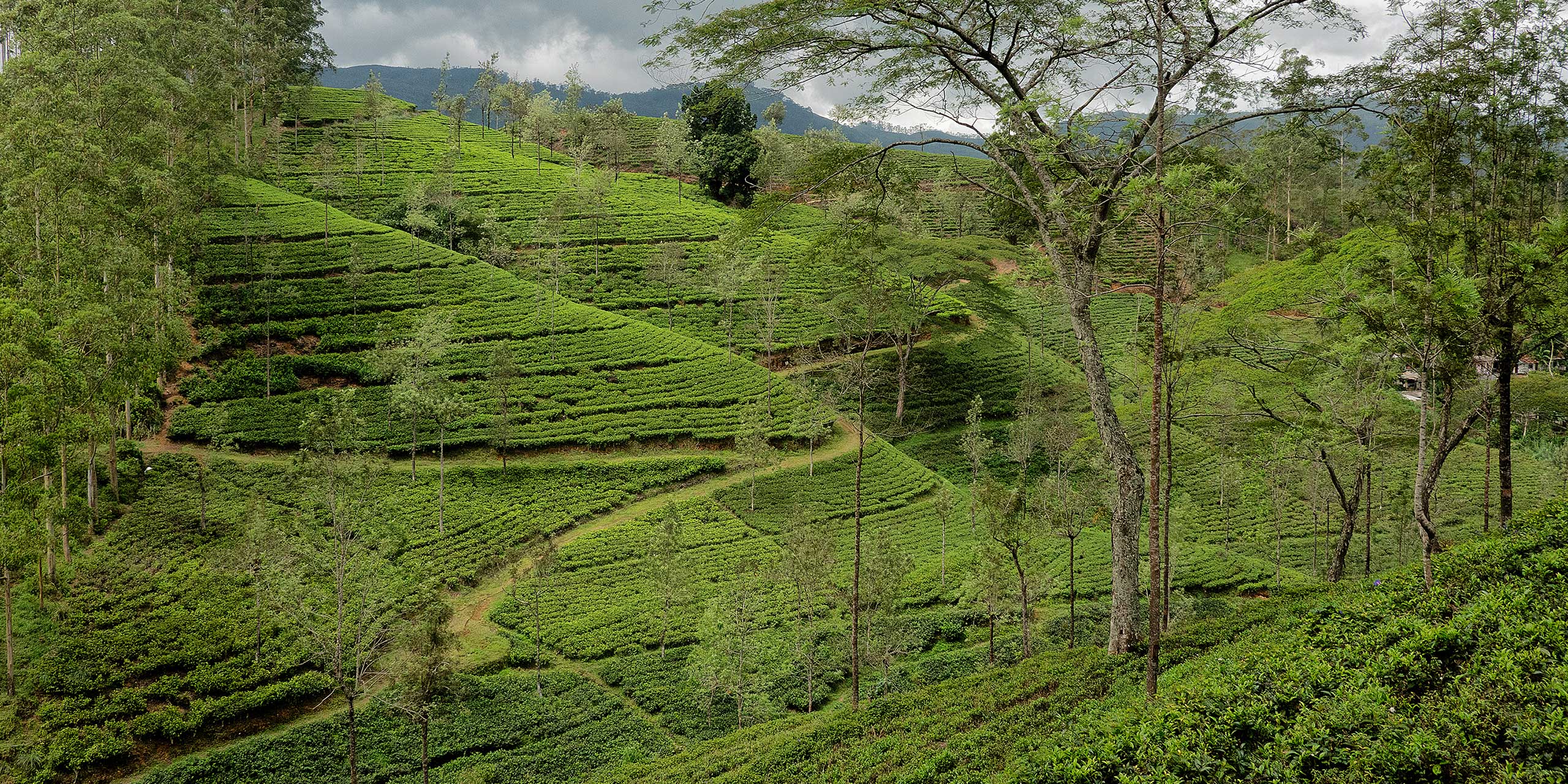
We’d been walking in a torrential downpour for five hours, visibility was close to nil, and at last count, I think I’d had something like fourteen leeches squirming and wiggling into pretty much every available warm spot on me that they could find.
Renowned bard Robert Burns’ famous stanza, “The best laid plans of mice and men go awry,” was apt in describing our predicament. And the weather was more akin to his native Scotland than the tropical climate of Sri Lanka. But hey, even the tough moments on the trail are better than sitting in the office or in front of a computer screen. So, we put on game faces and kept trudging upwards into the mist.
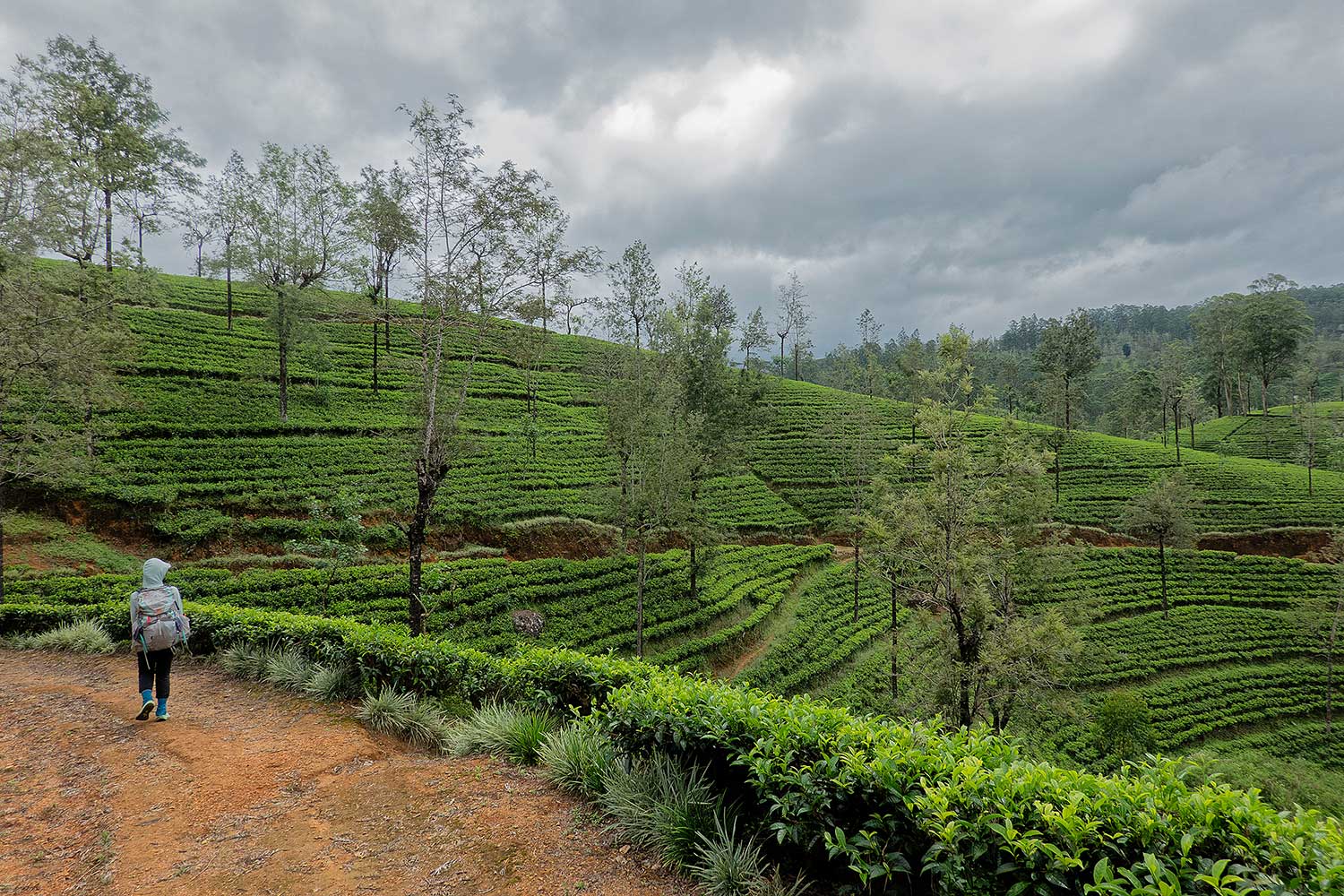
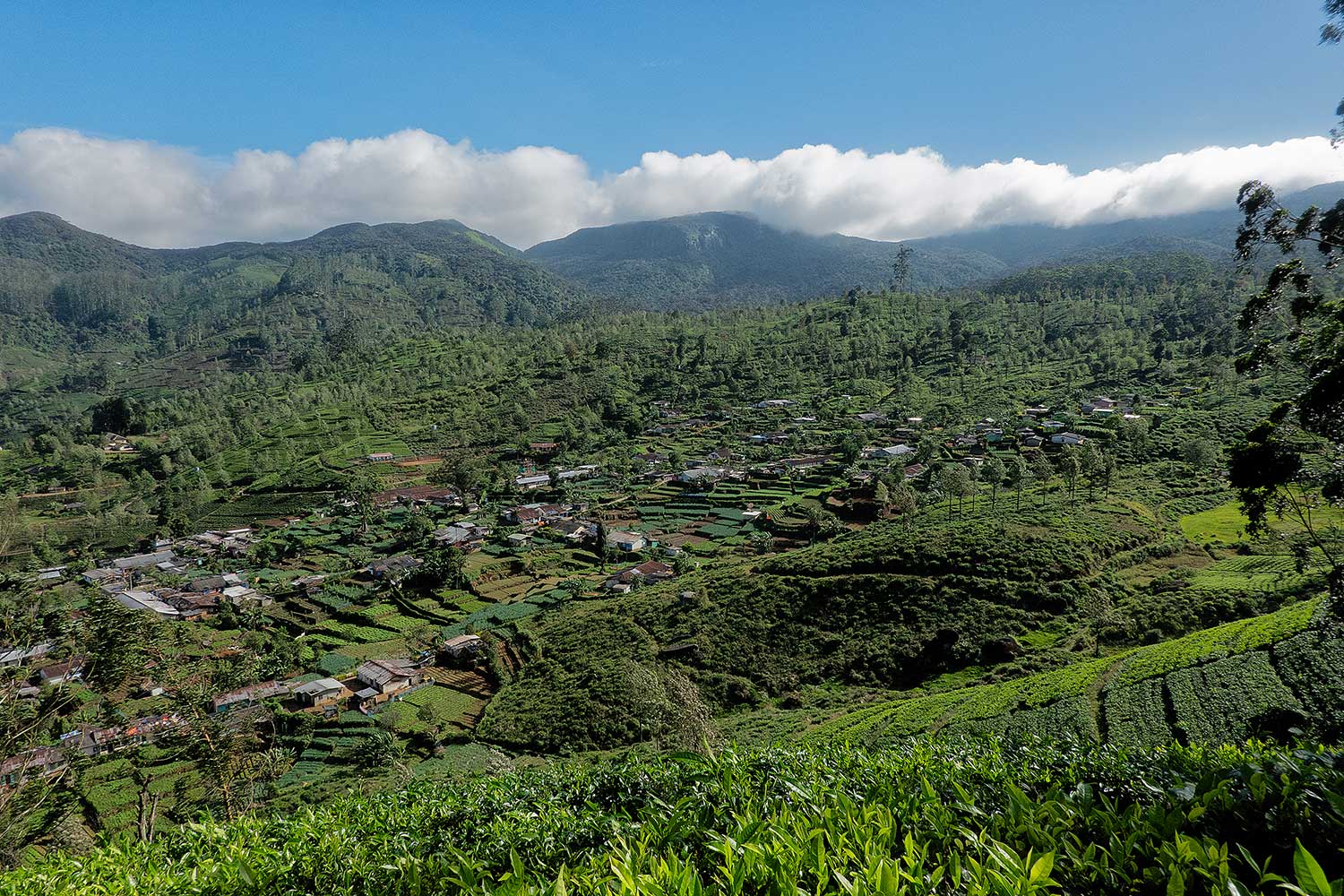
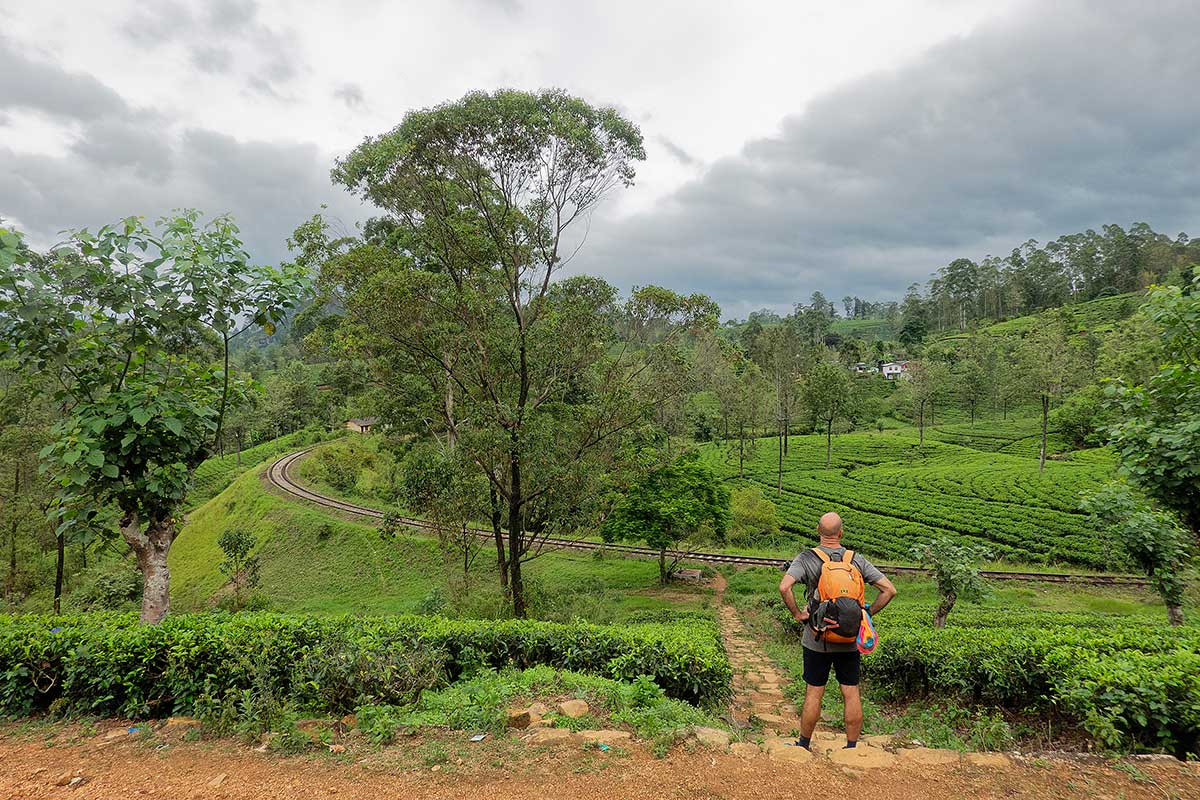
While not every moment was idyllic, plenty of them certainly were, as my wife and I followed Sri Lanka’s new and highly acclaimed Pekoe Trail, a 300-kilometer walking path through the country’s spectacular tea country.
Spaniard and long-time Sri Lanka resident Miguel Cunat wanted to help his adopted country after the pandemic and economic downturn had all but killed off tourism. Cunat combined his love of hiking with a vision of bringing visitors to less-visited parts of the country. He spent ten years exploring, researching, and linking existing tracks that had been used to transport the island’s famed tea from the mountainous highlands to factories.
In 2023, the trail became a reality, winding through some of the most picturesque and verdant landscapes to be found anywhere in Asia, offering walkers an authentic view of Sri Lanka’s past and present.
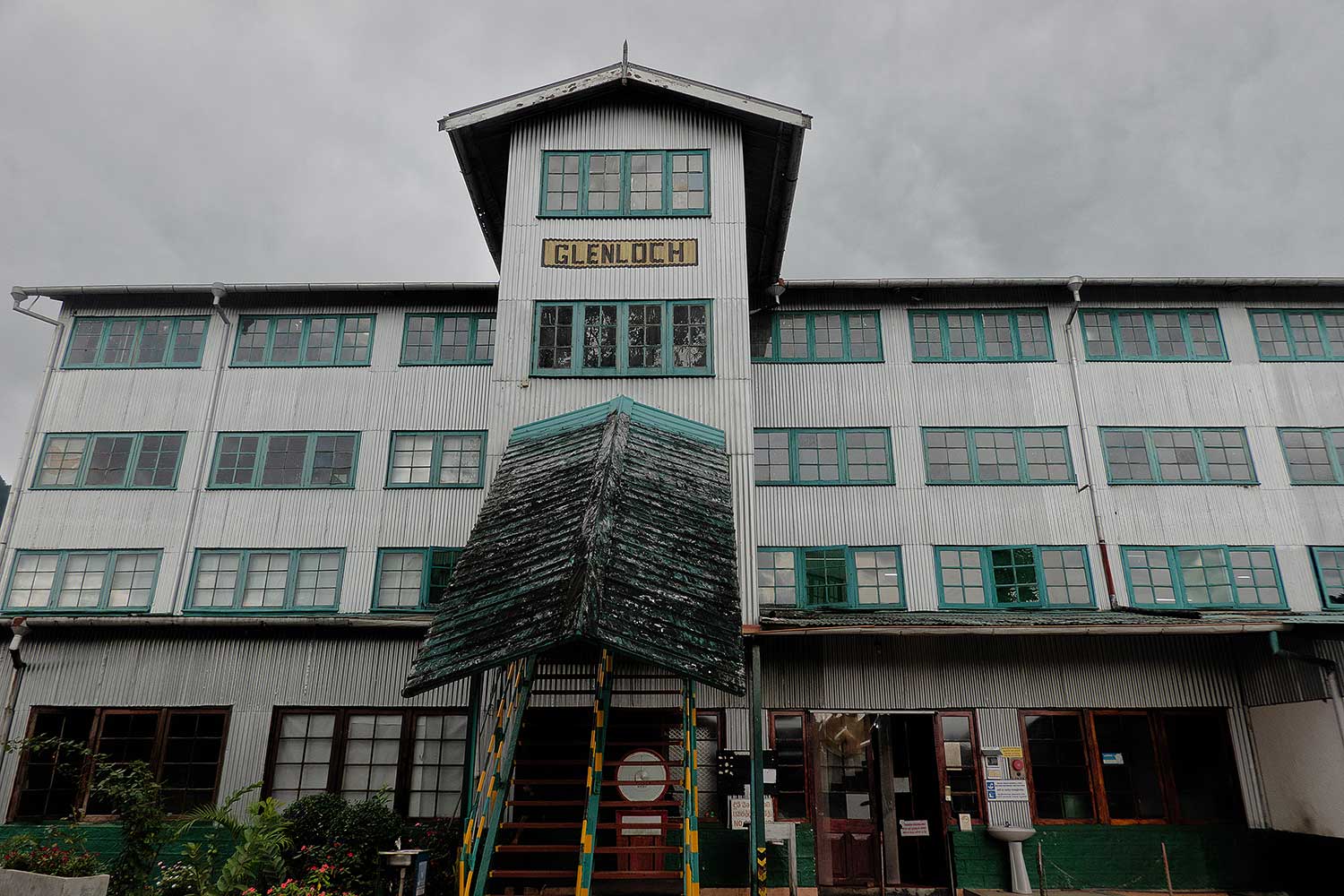
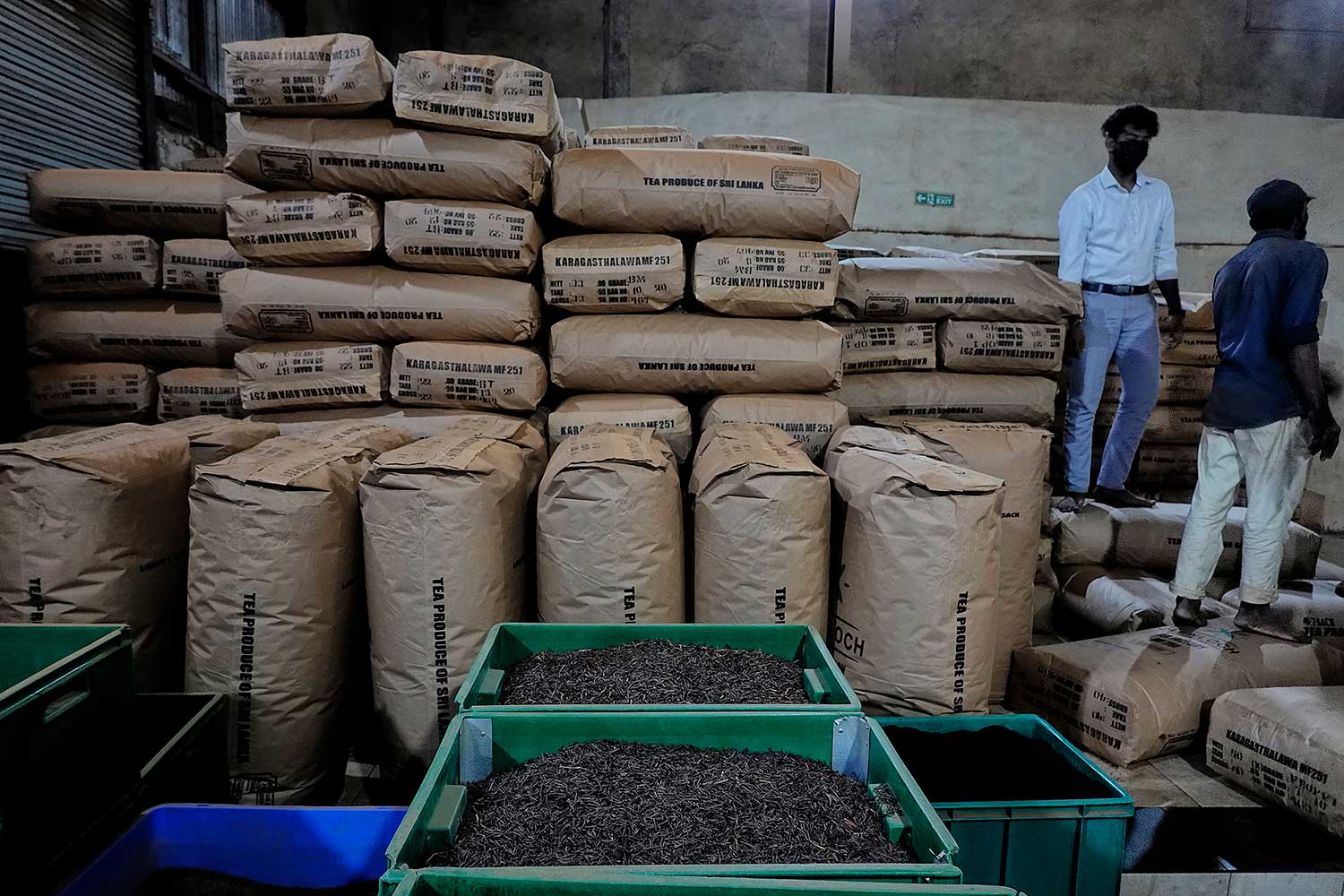

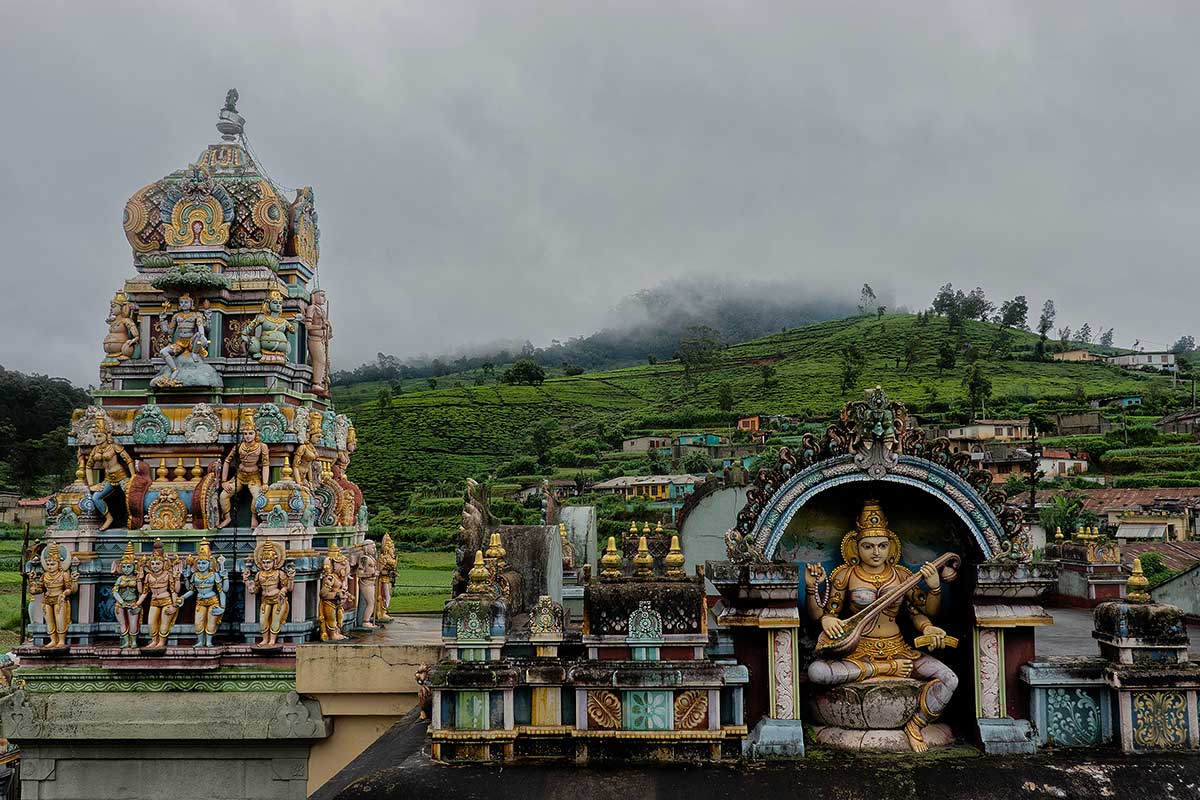
The majority of the aptly named Pekoe Trail (pekoe is a high-quality black tea produced in Sri Lanka and India) passes through the heart of the island’s magnificent tea country, through estates and plantations that were started during British colonial times.
When a rust disease decimated the island’s coffee crop in 1869, Ceylon tea cultivation became the country’s top export and has continued through today, with Sri Lanka being the fourth-largest producer of tea in the world (behind China, India, and Kenya), and a contributor of over 20% of the world’s total tea export.
The tea country in Sri Lanka is Tamil country. Workers here are all descendants of bonded laborers who were sent by the British from India in the 1800s. For years, they were exploited and discriminated against. Even today, they work long hours in both blazing sun and pouring rain to harvest the prized leaves.
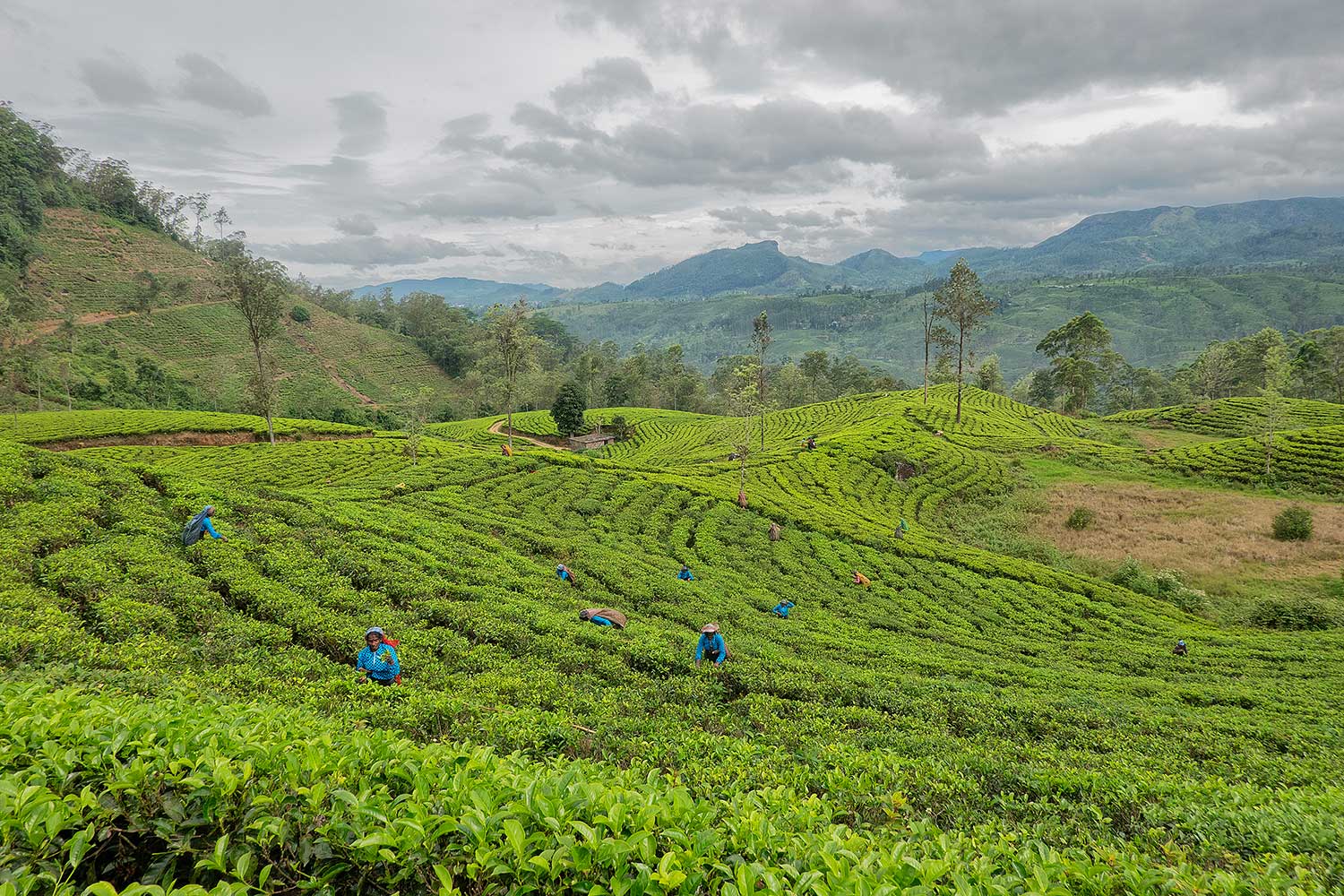
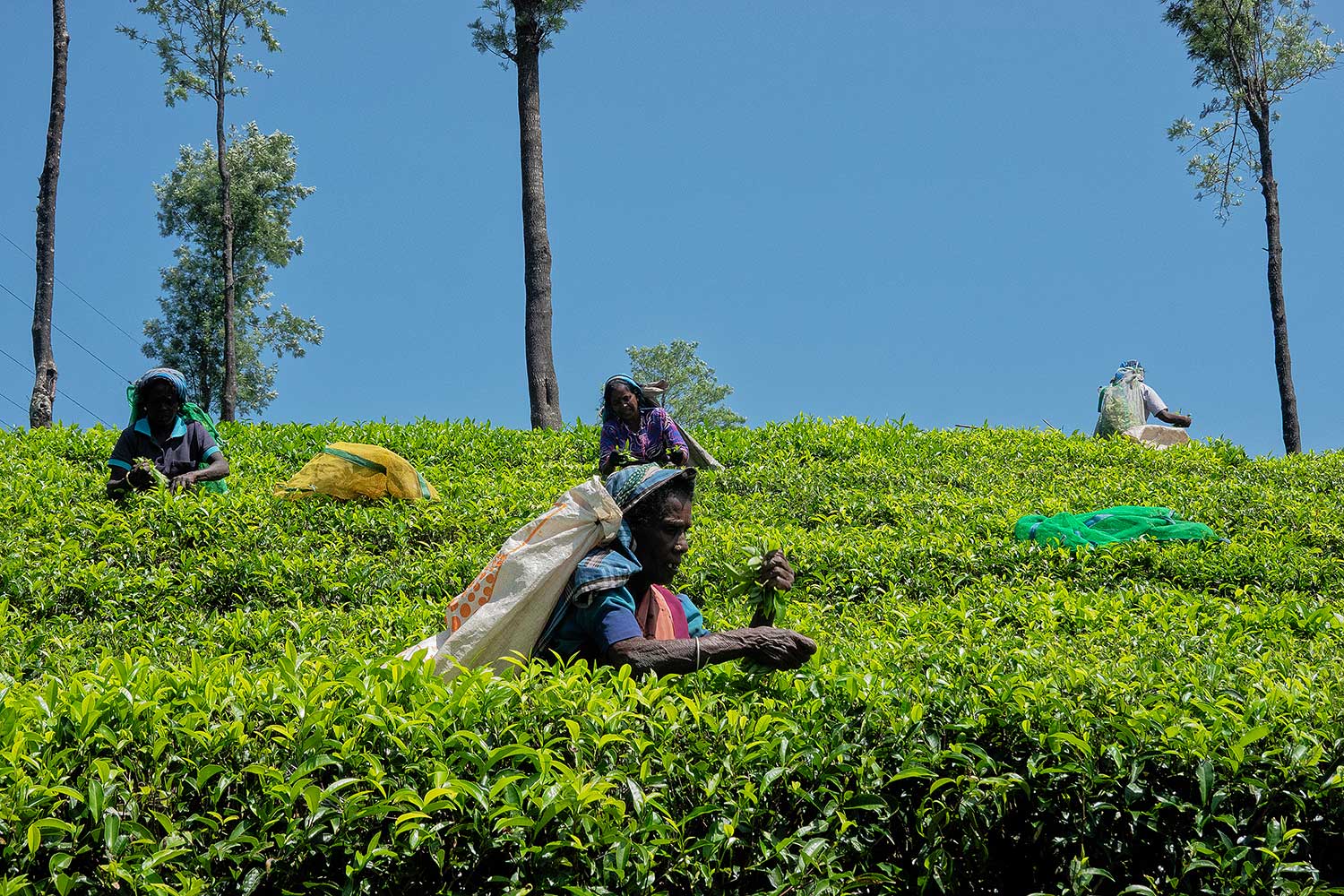
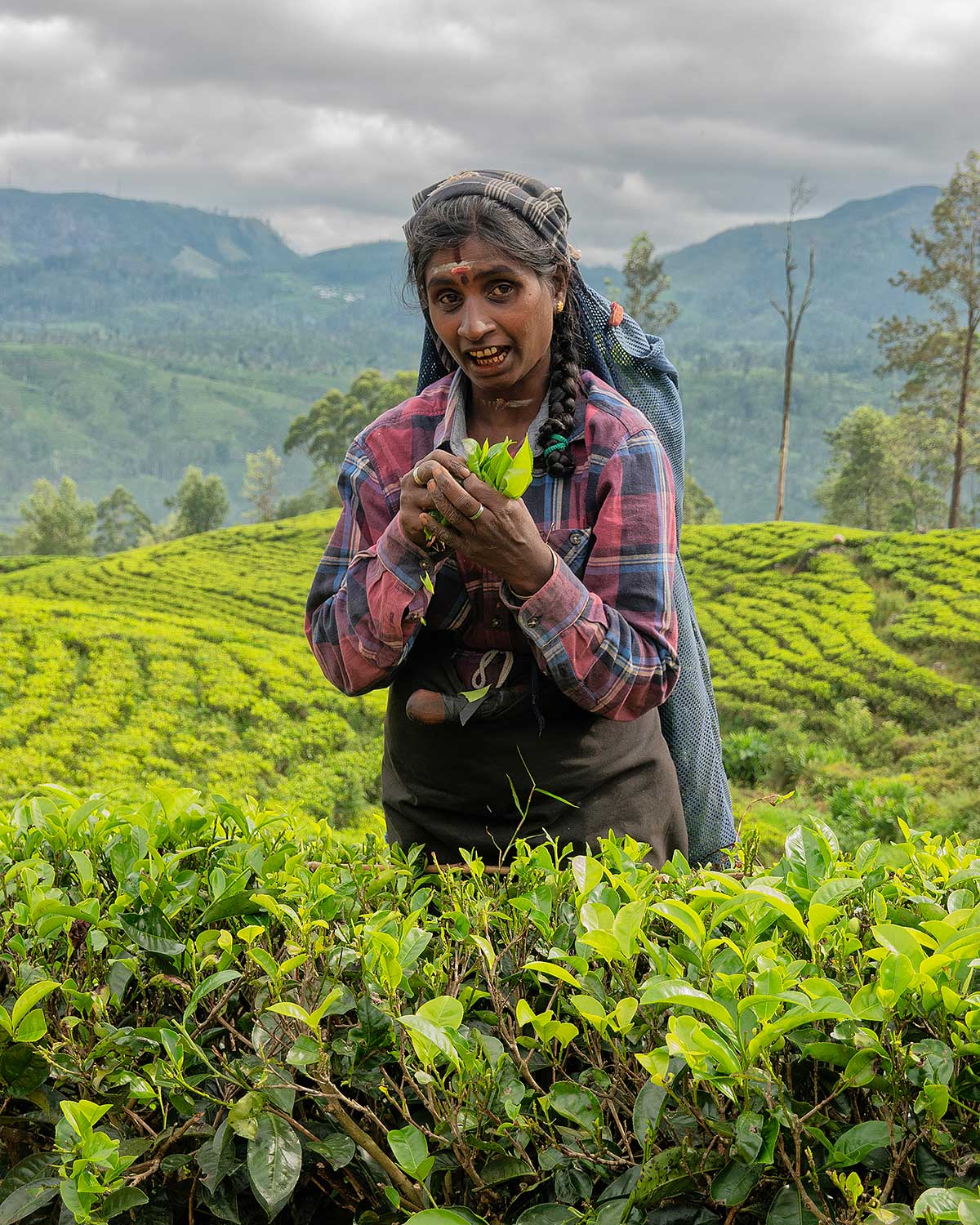
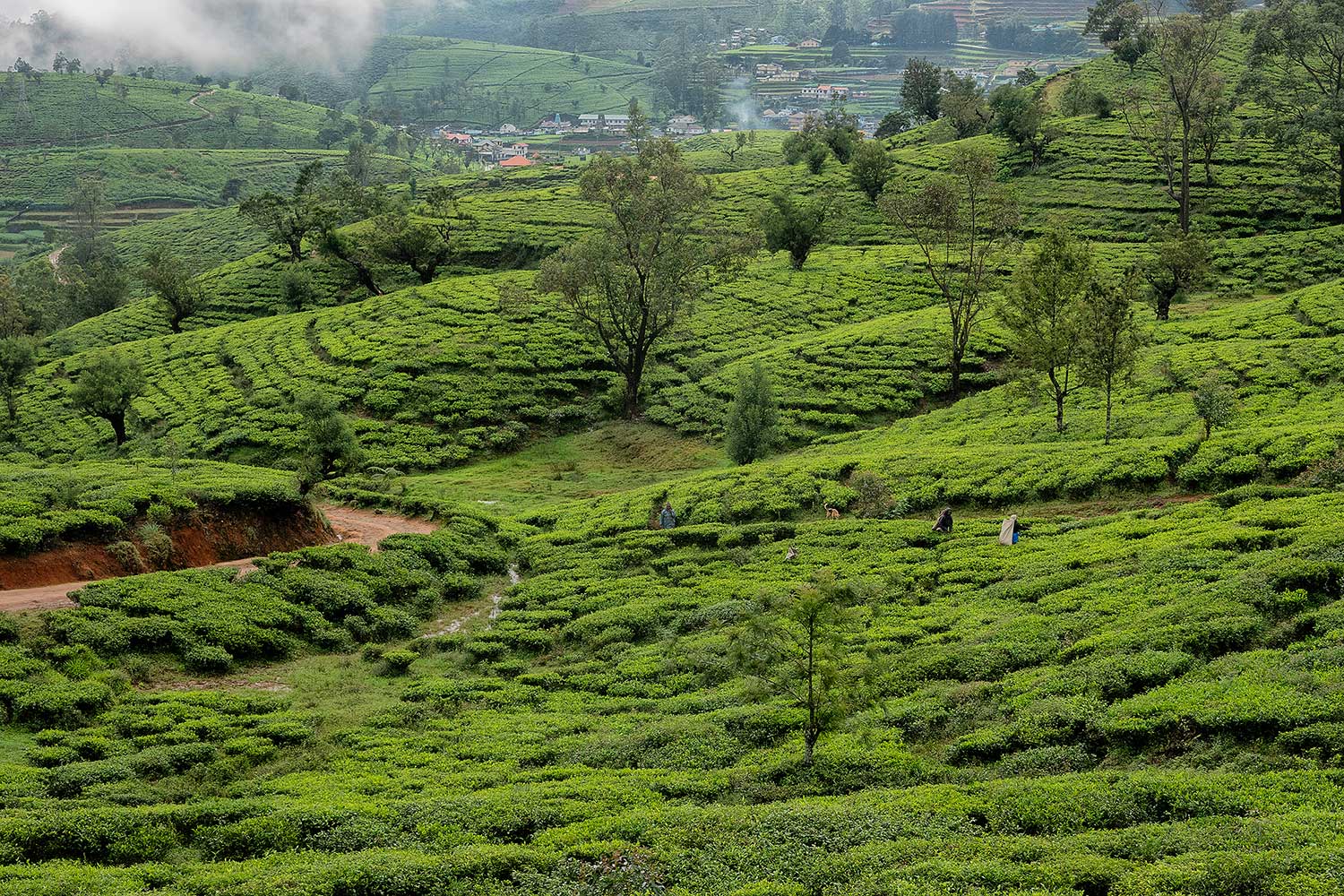
Indeed, out on the trail, most of the tea pickers we encountered were older women and men, all of whom were fantastically welcoming. They would often pause to ask us what we were doing. The ladies would cackle with mirth and shake their heads in bewilderment when we told them we were walking 300 kilometers across the mountains for the sake of enjoyment.
Perhaps the greatest feature of the Pekoe Trail is just how real, how genuine a travel experience it is. As the trail is just a few years old, it is not yet overrun with foreign visitors. While the trails aren’t taking you over Himalayan mountains and there are plenty of well-graded soft paths through the plantations, you’ll still sweat buckets. And yes, there’s a reason why the entire route is so incredibly technicolor green. There is plenty of moisture, and yes, moisture brings out those bloodsucking leeches.
During our three-week journey, we had the routes almost entirely to ourselves. Other than the highland hamlet of Ella and the trail terminuses of Kandy and Nuwara Eliya, the Pekoe Trail sticks to rural small-village Sri Lanka, where tourists almost never venture.
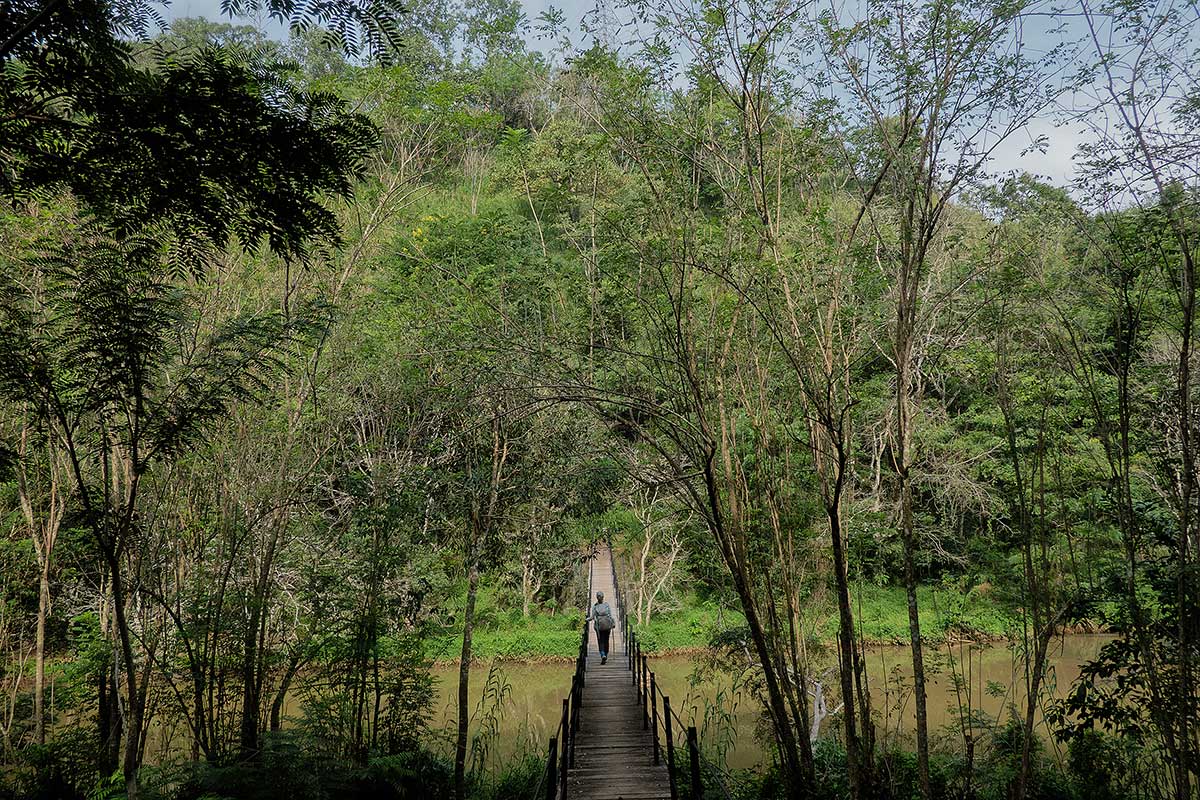
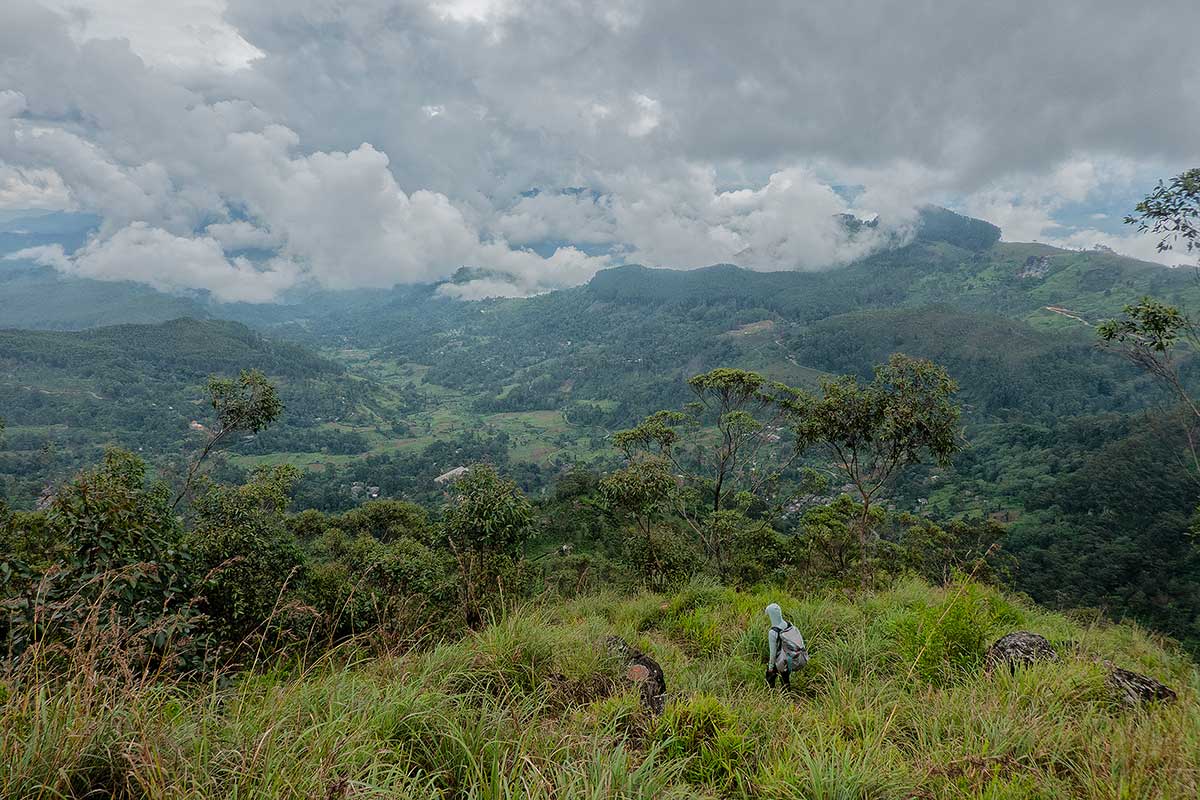
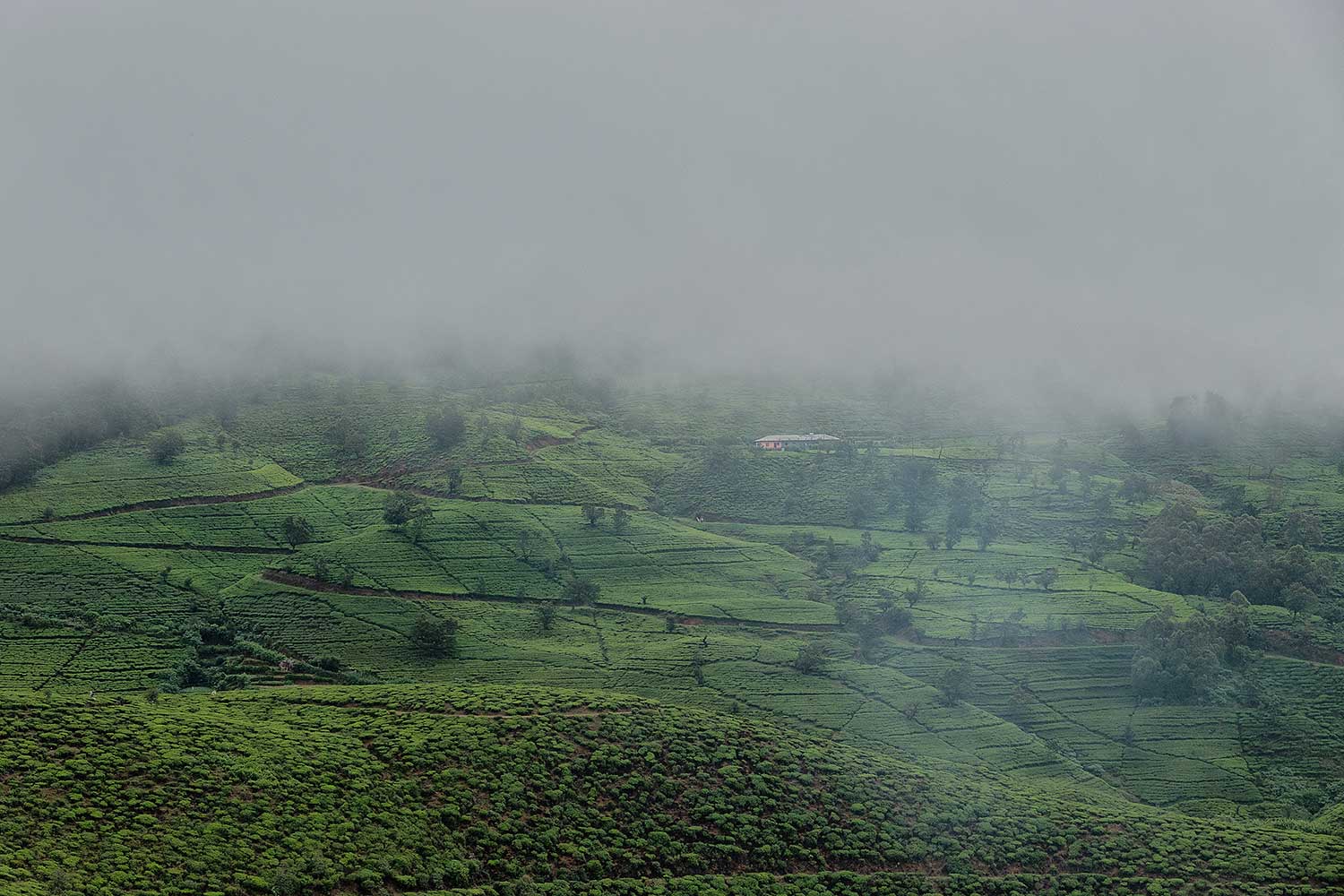
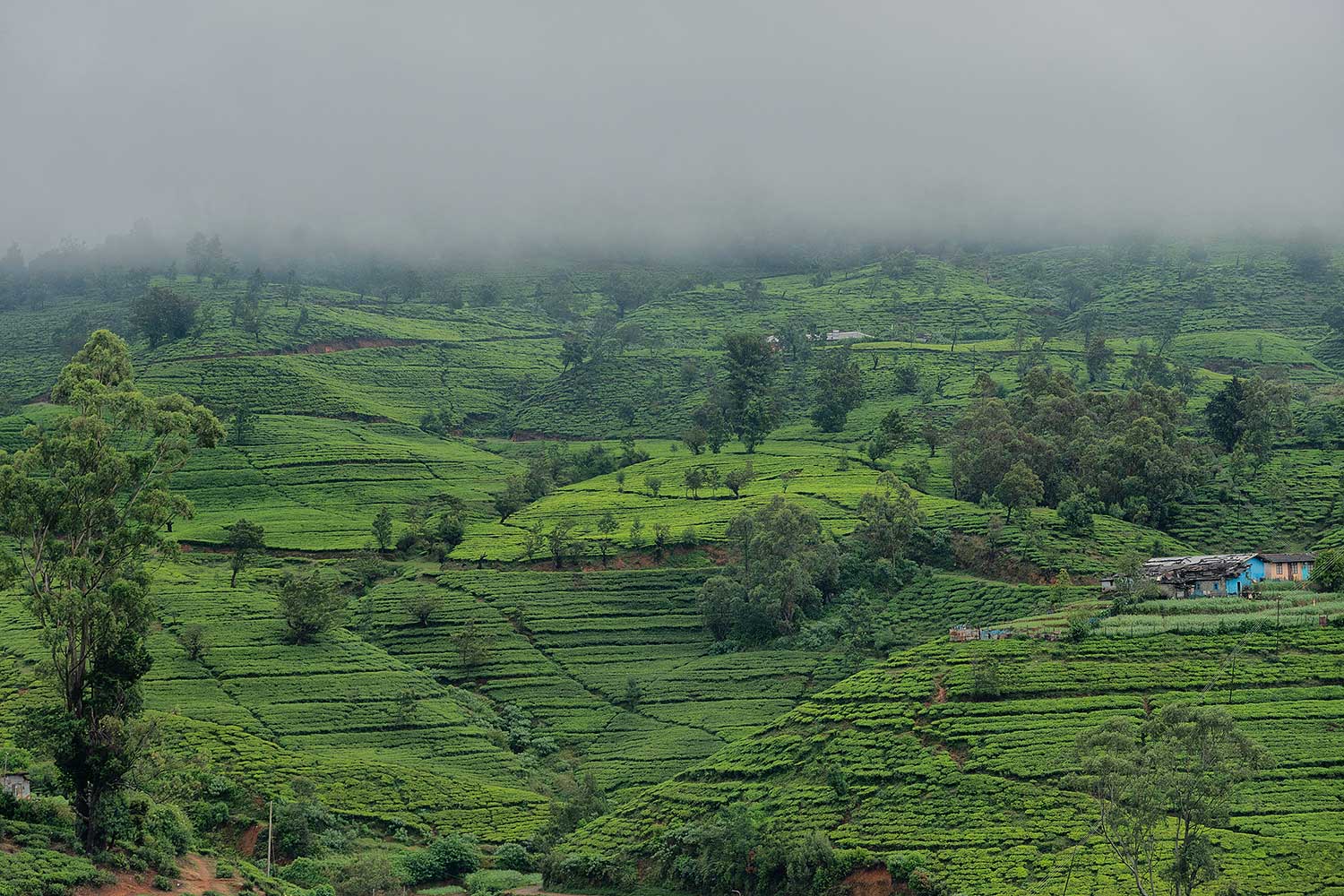
We had entire valleys, like Bogawantalawa, known as the “golden valley,” all to ourselves. Other highlights included undisturbed views of sacred Mount Adams, the country’s most noted peak, with nary another soul in sight. As veteran world hikers used to dealing with crowds everywhere from Everest to the Alps, this was a balm to the soul.
Travelling on foot, we were also able to enter Horton Plains National Park through its little-used Dayagama Valley entrance, where we wandered through a mist- and moss-laden forest before traversing the high-altitude plains and descending back into tea country via the appropriately named Devil’s Staircase. Exhausted after a 30-plus-kilometer day, we checked into a former tea-estate bungalow, now turned into a boutique hotel replete with a five-star chef.
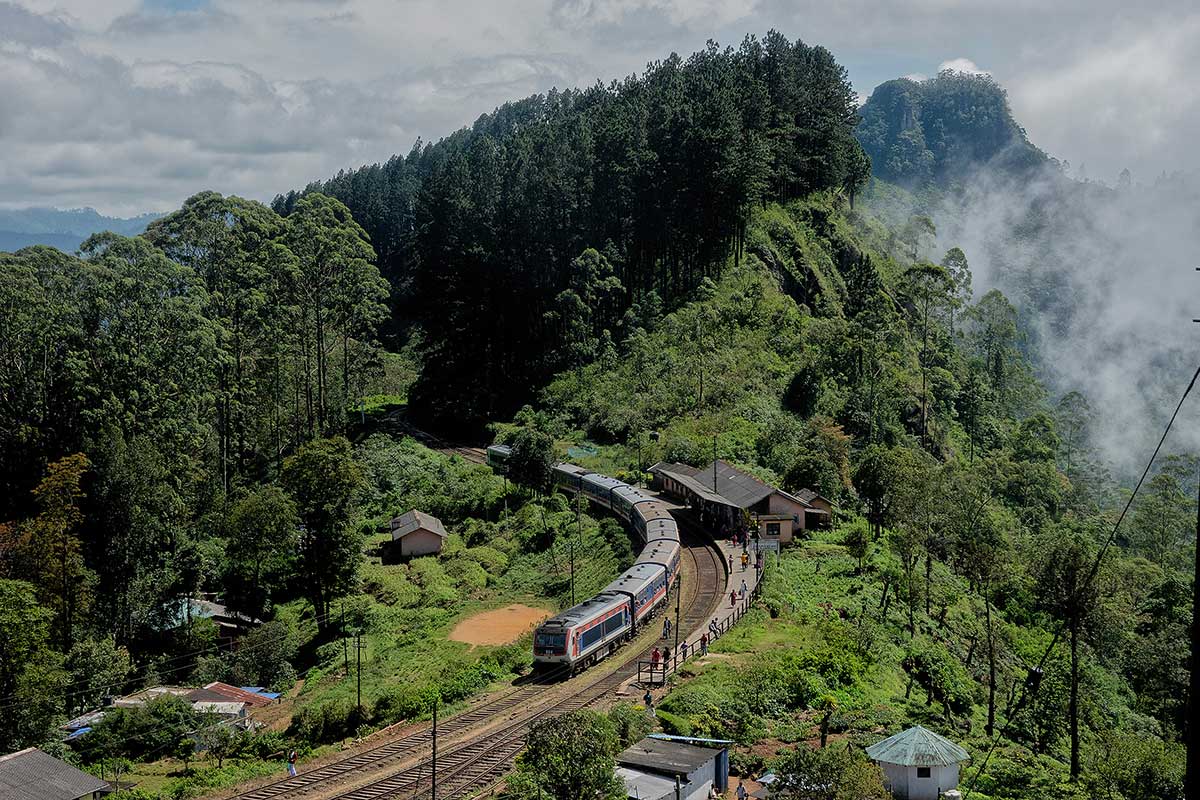
The Pekoe Trail also traverses some of the most iconic stretches of the famous Hill Country Railway, where a tea transport train network now serves as one of the world’s most beautiful train rides. We passed across and then far up above the Nine Arch Bridge, a nine-arch viaduct surrounded by jungle foliage that is one of Sri Lanka’s most photographed spots. While most tourists are content to ride the slow iron rails from Kandy to Ella, the trail follows the rail bed for several rather intrepid kilometers, including passing through some short, harrowing tunnels and then climbing up to idyllic lookouts over the tracks.
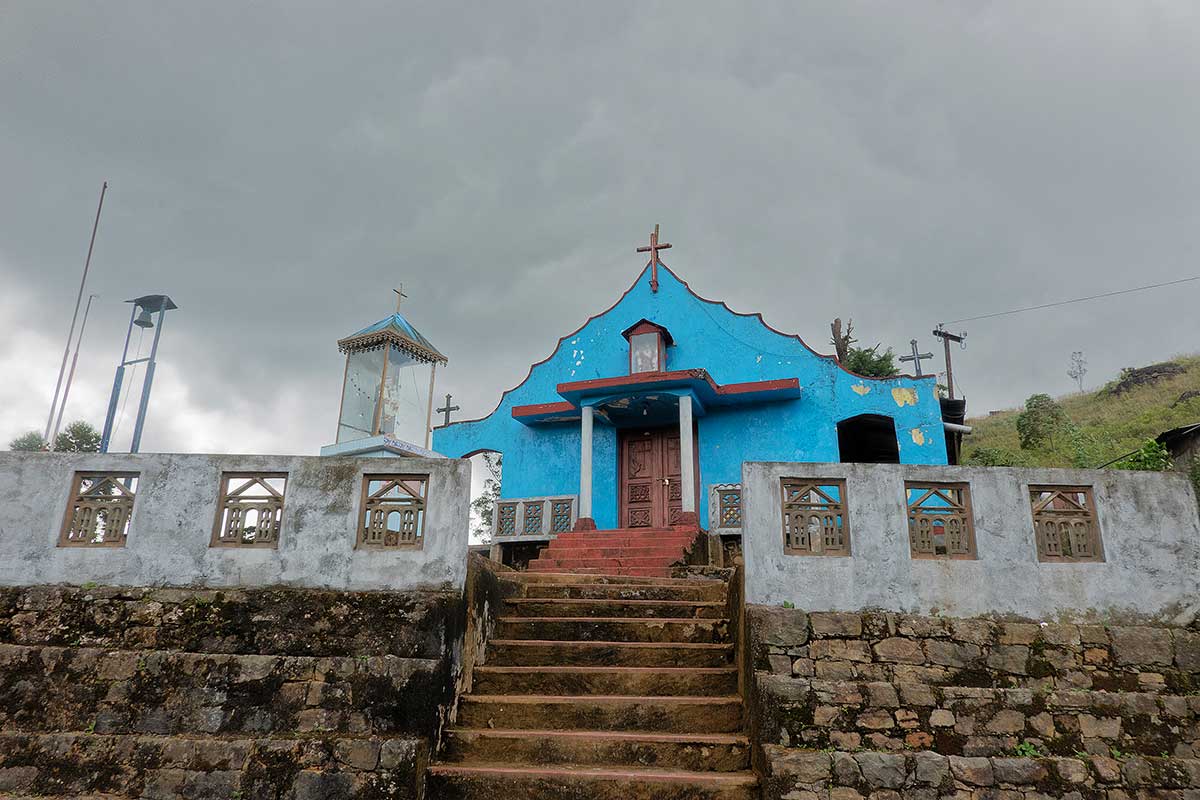
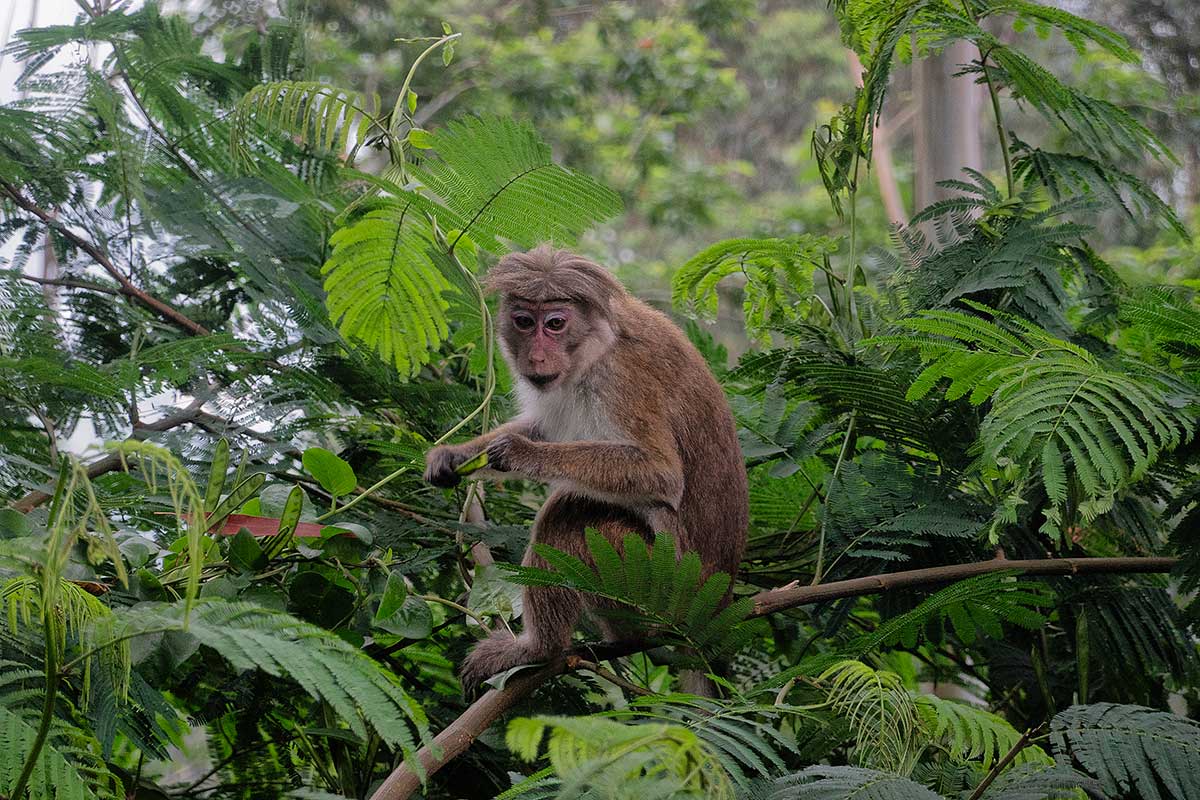
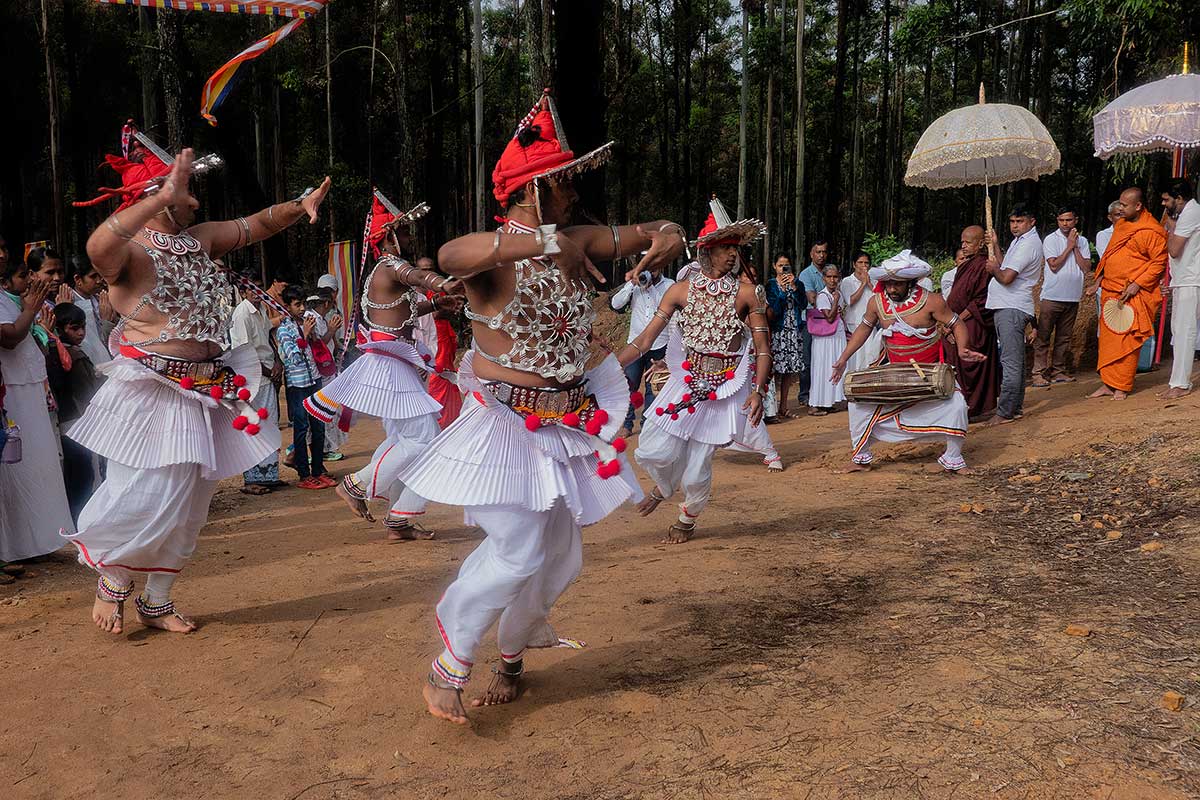
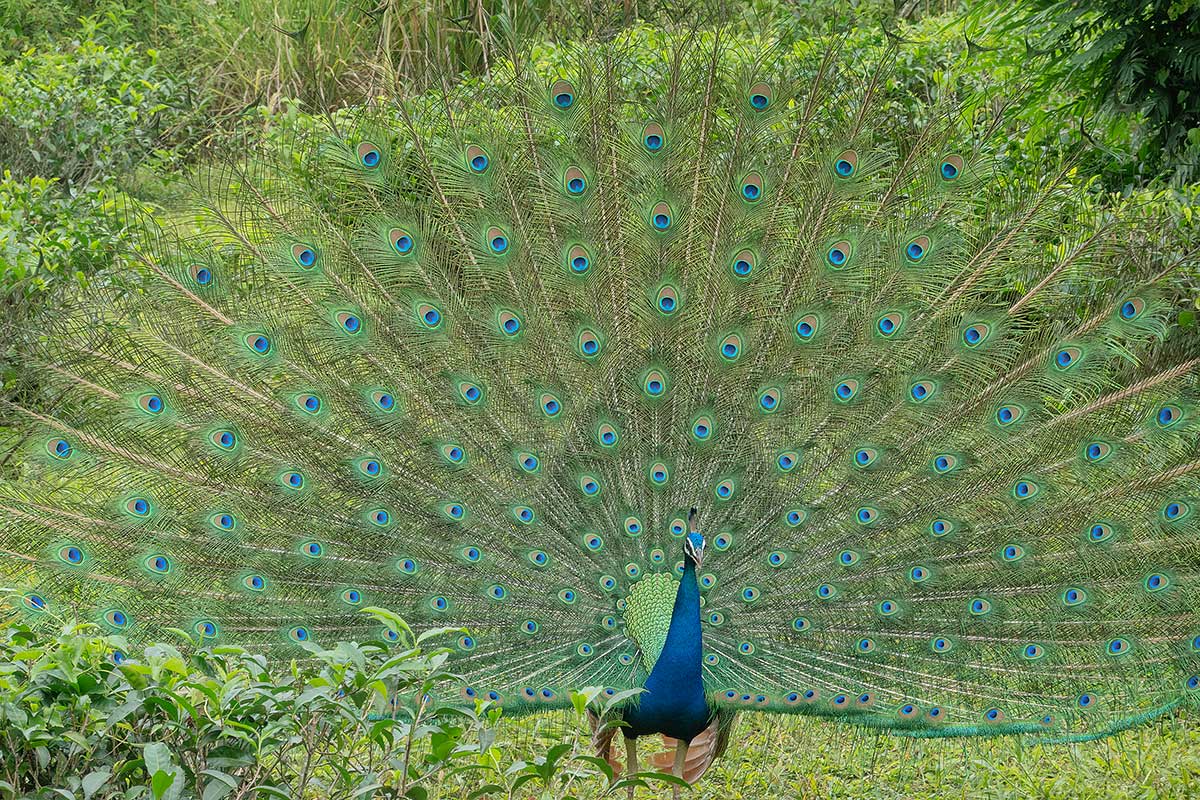
On our last day on the trail, the skies cleared. The route was dry and leech-free, and we traversed several ridges of tea, every bend giving way to a new vista of verdant valleys and patterned rows of endless tea. We spotted groups of endemic toque macaques scuttling through the trees, and even several wild Indian peafowl, with the colorful males busy engaging in mating displays. In a small village with both an old church and a new Buddhist temple, a monthly poya festival was being held, featuring frantic dancers wearing elaborate costumes.
We gazed at the spectacle, marvelled over the joys and surprises of spontaneous travel, and savoured pretty much every minute on Sri Lanka’s newest meander through the tea. On this excellent new Asian sustainable tourism experience, you’re sure to find rapturous discoveries aplenty.