


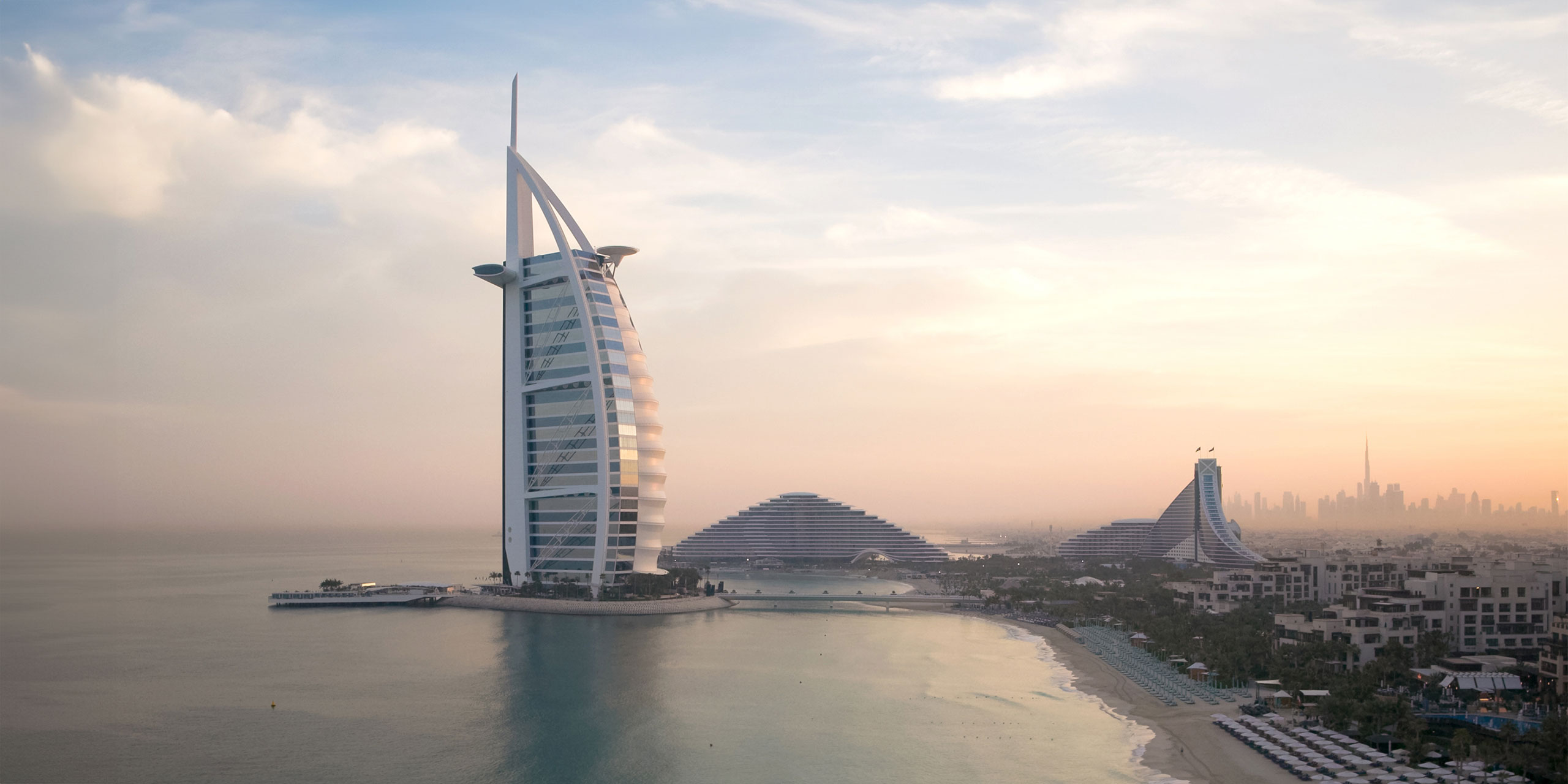
Dubai’s most iconic hotel, Jumeirah Burj Al Arab, is set for a major spruce-up aimed at preserving the landmark for the long term.
The sail-shaped luxury property has been one of the defining symbols of Dubai since opening in 1999, helping to project the city’s ambitions onto the global stage while establishing itself as one of the most recognisable hotels in the world.
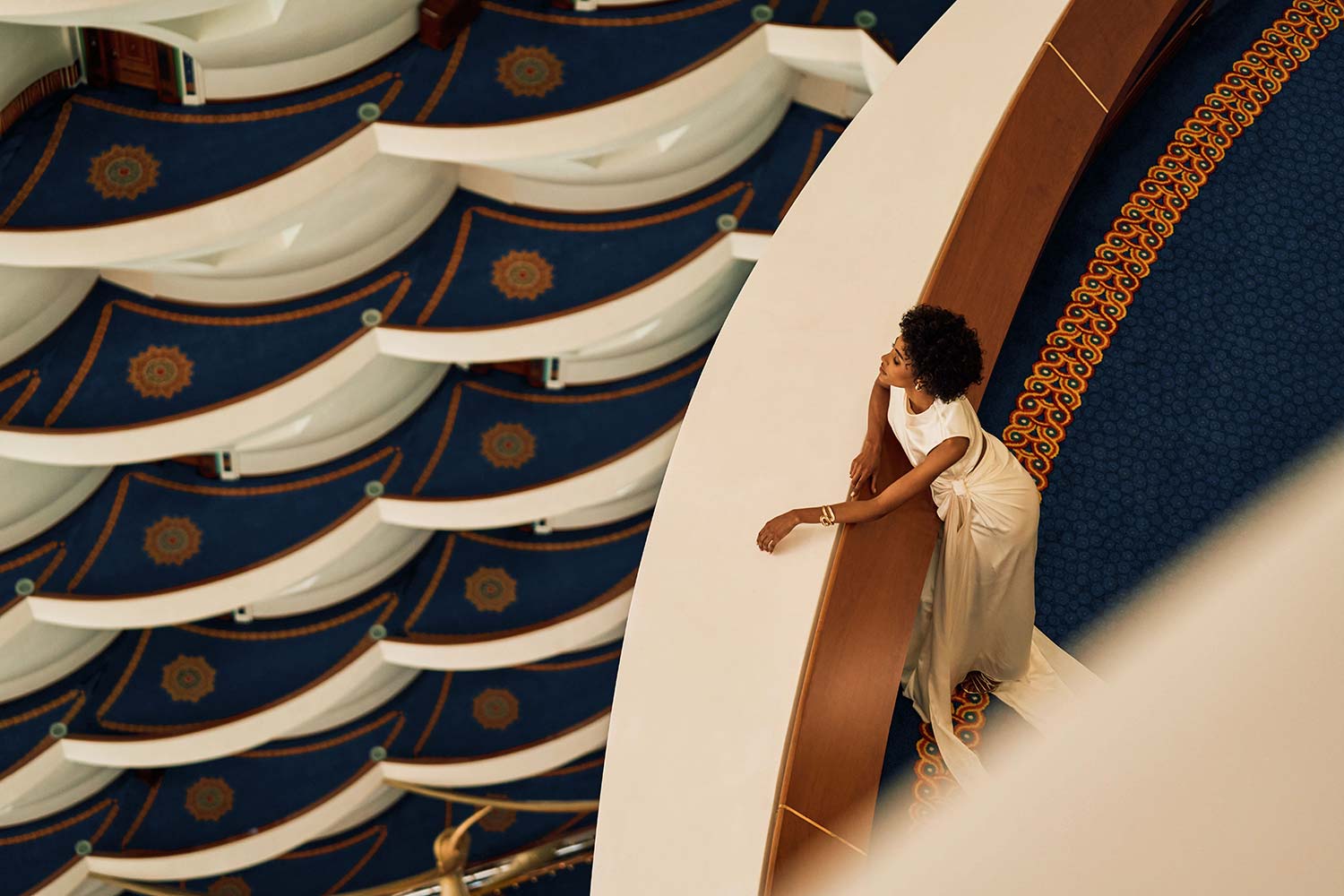
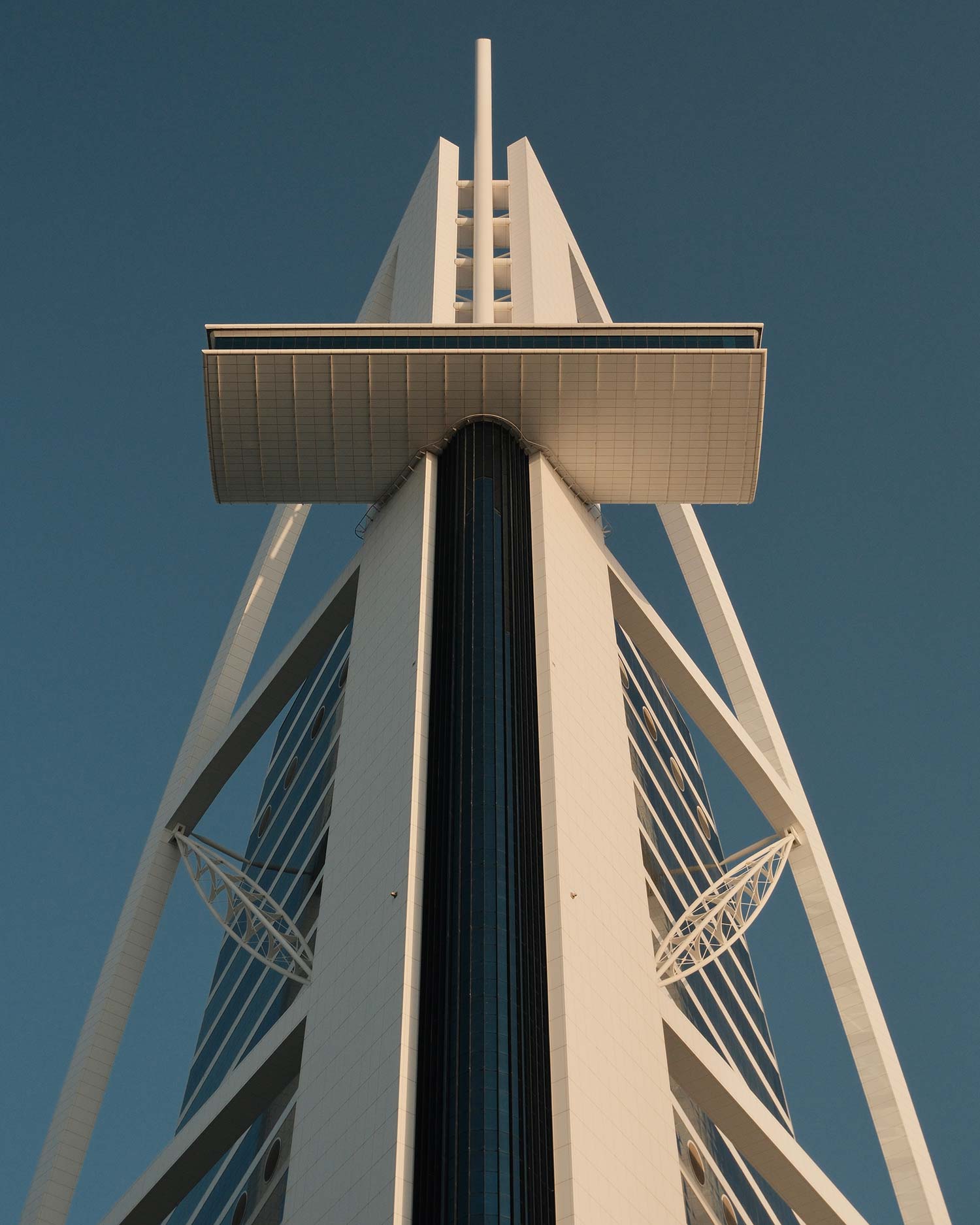
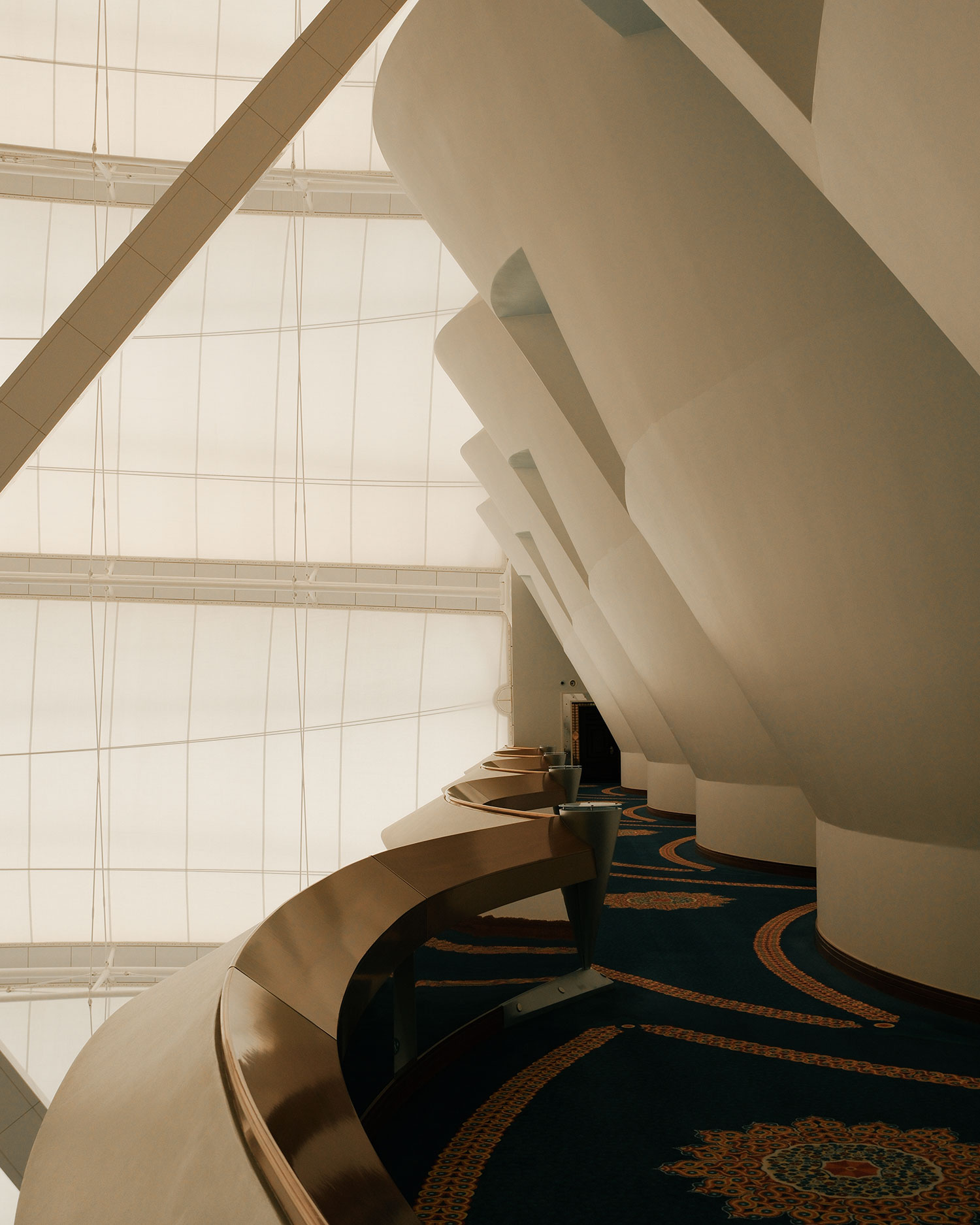
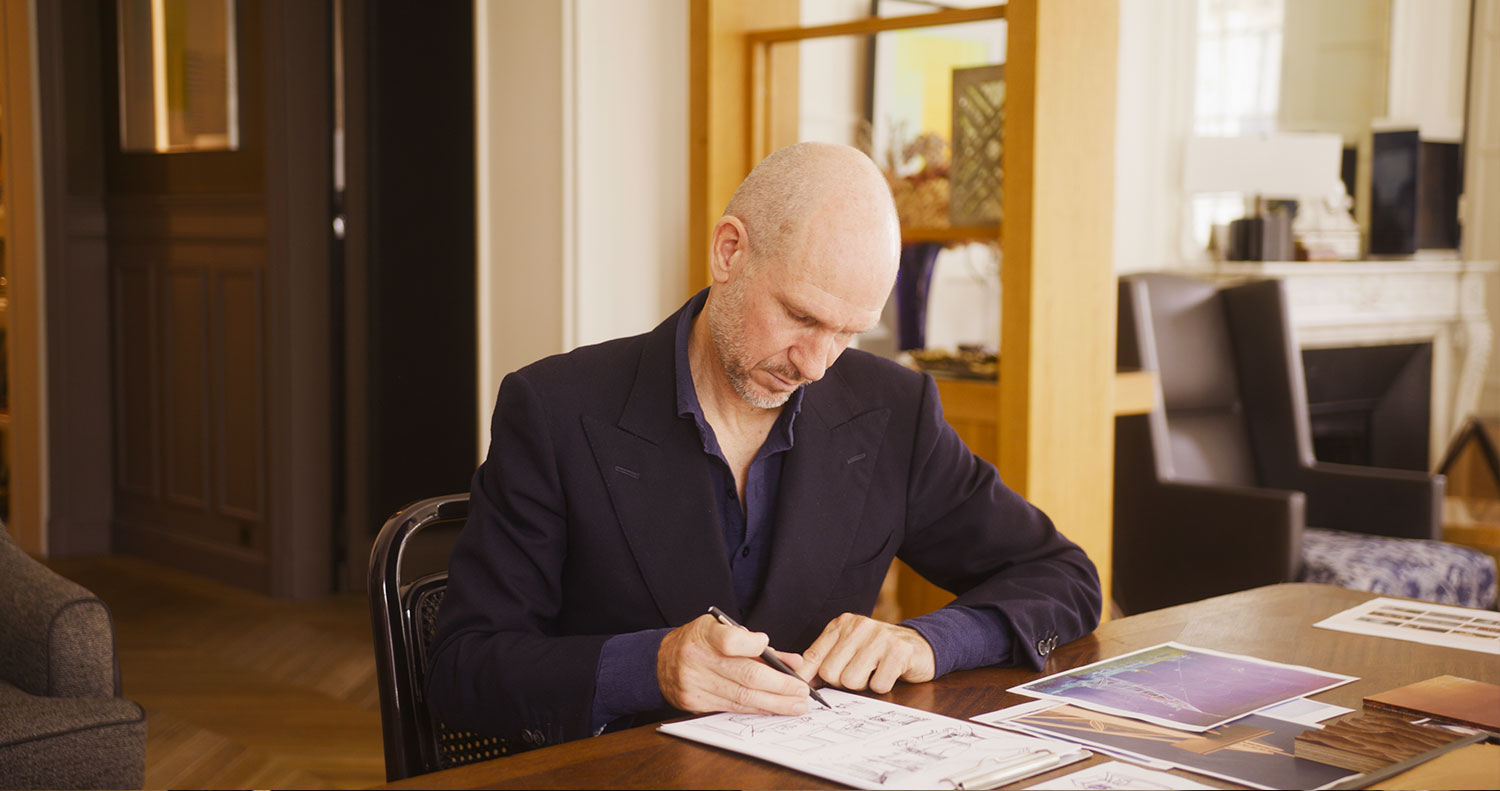
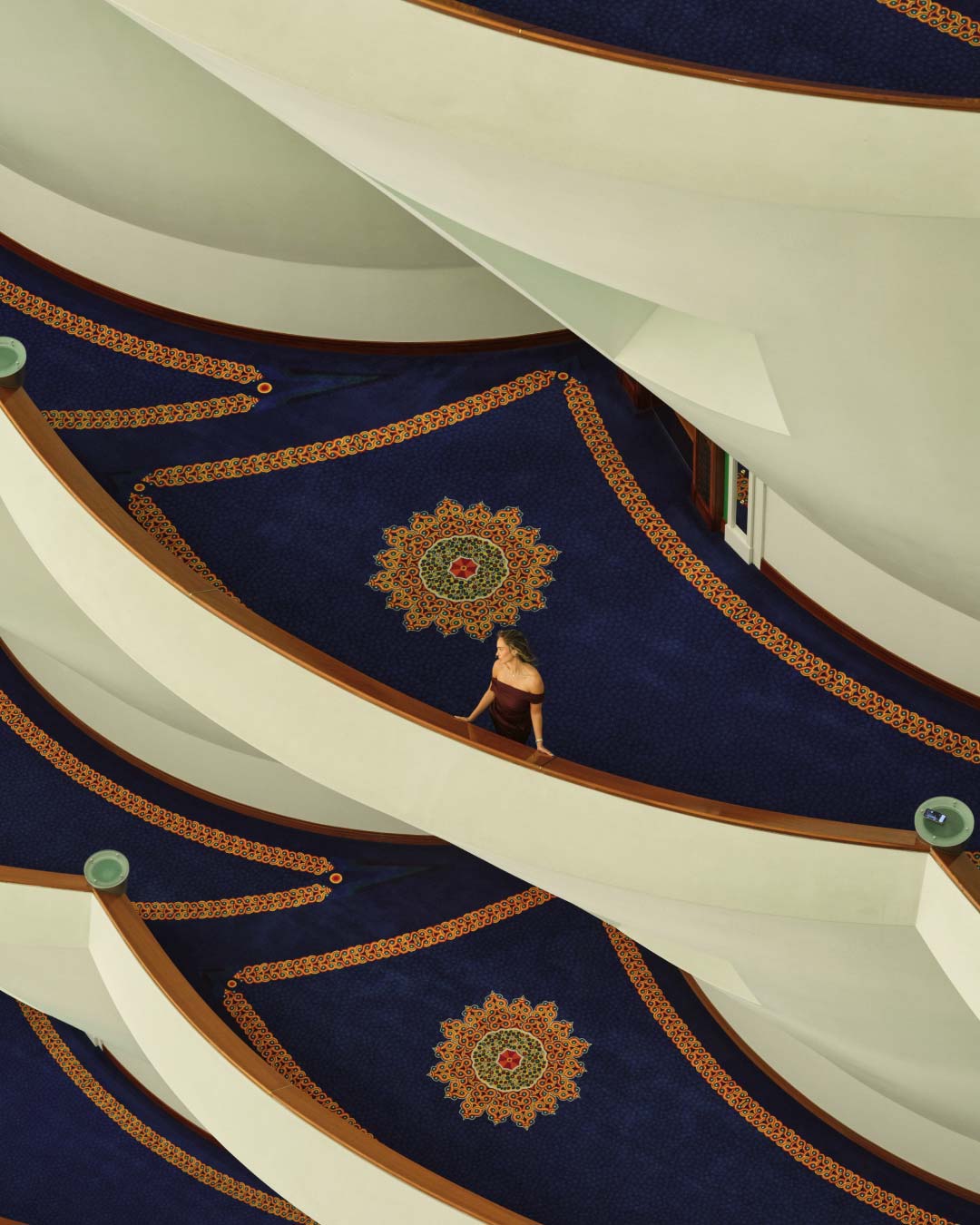
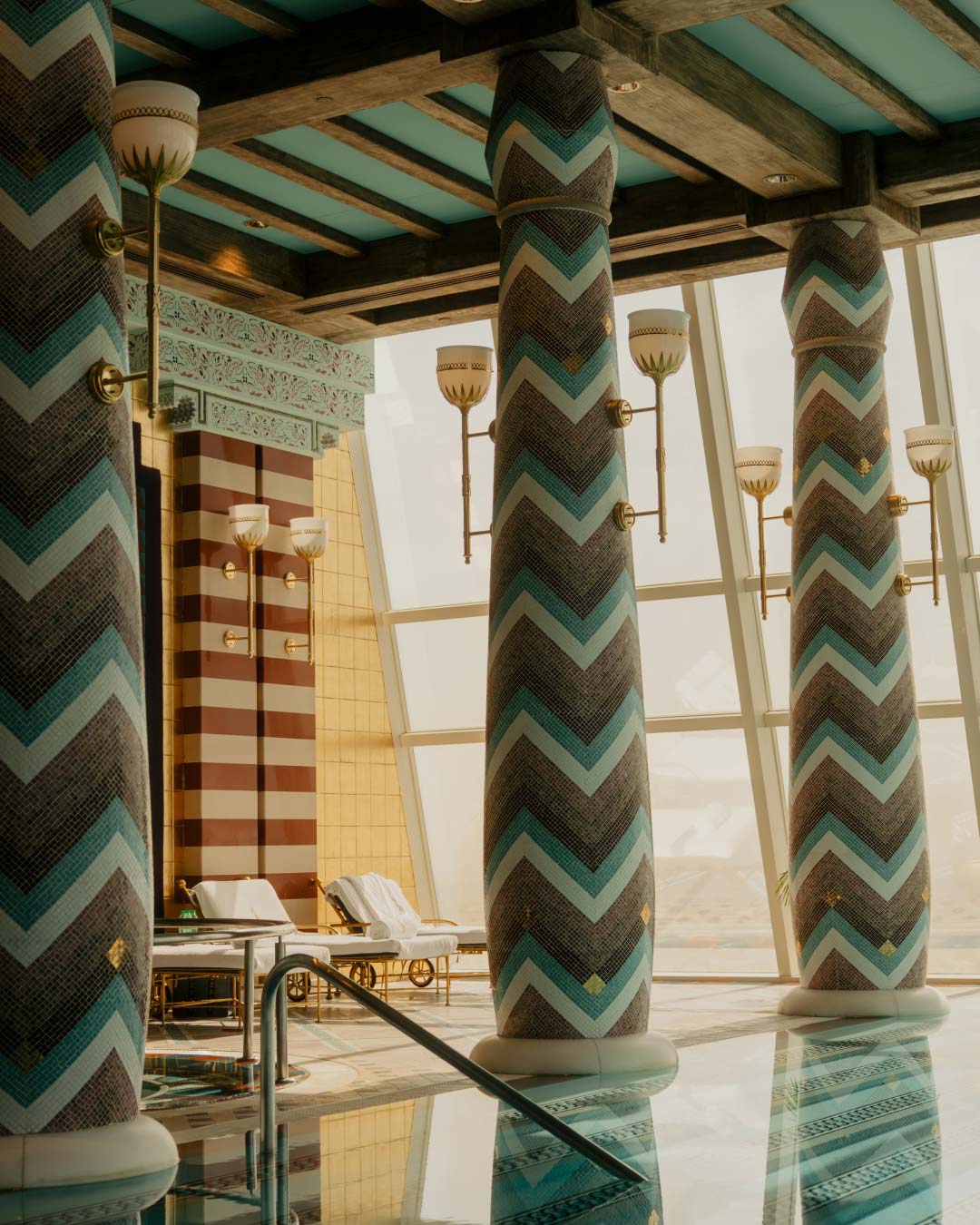
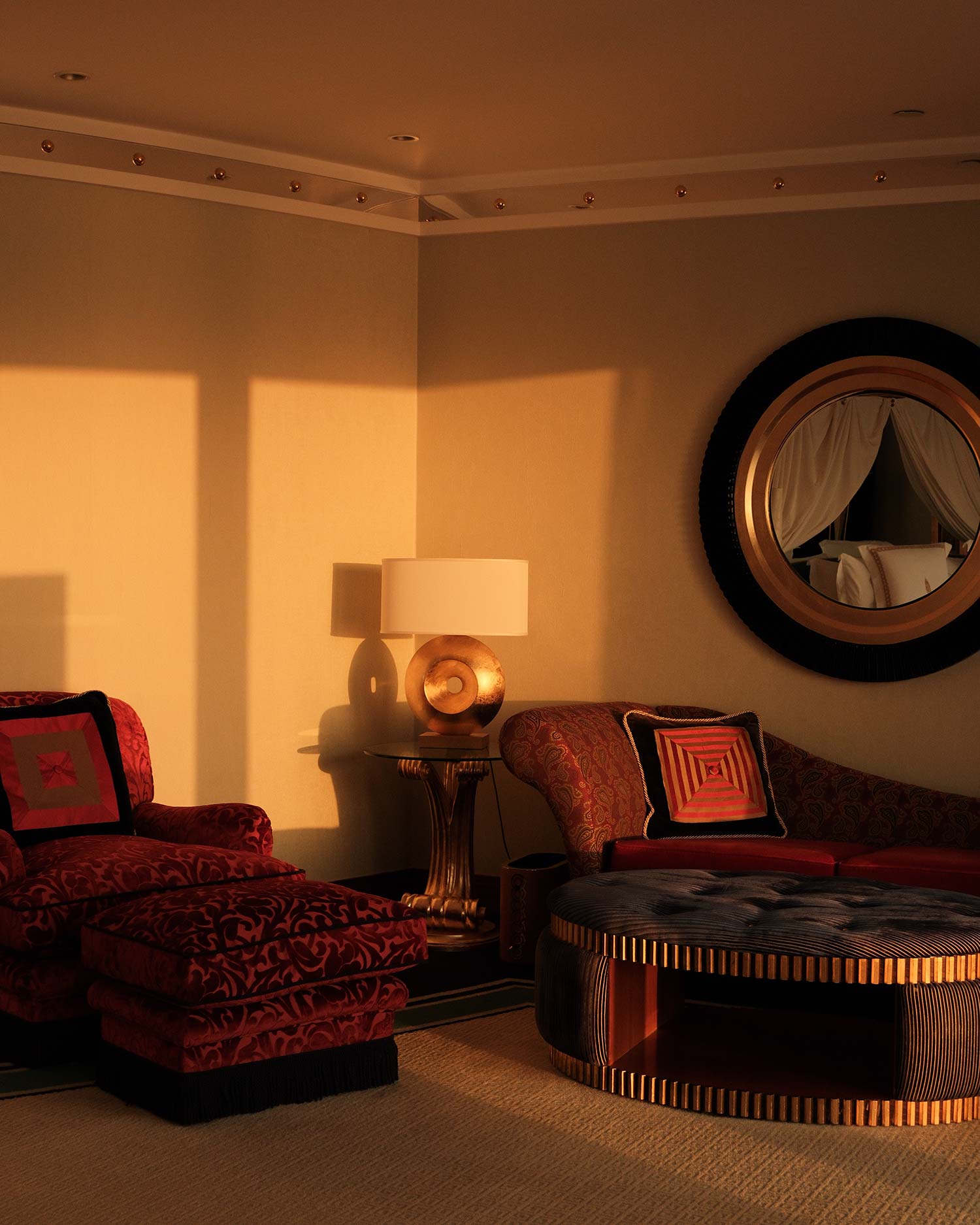
Now, after more than 25 years of continuous operations, the hotel is set to undergo a phased restoration programme that will focus on conserving and enhancing its distinctive interiors. The project is expected to run for around 18 months.
Jumeirah said the restoration is intended to safeguard the legacy of the property for future generations. The work will be led by French interior architect Tristan Auer, who was selected following what the company described as a rigorous process.
Auer is known for high-profile restoration and redesign projects that balance heritage with contemporary refinement. His past work includes Hôtel de Crillon in Paris and the transformation of Les Bains Douches, suggesting Burj Al Arab’s next chapter will be more careful refresh than dramatic overhaul.
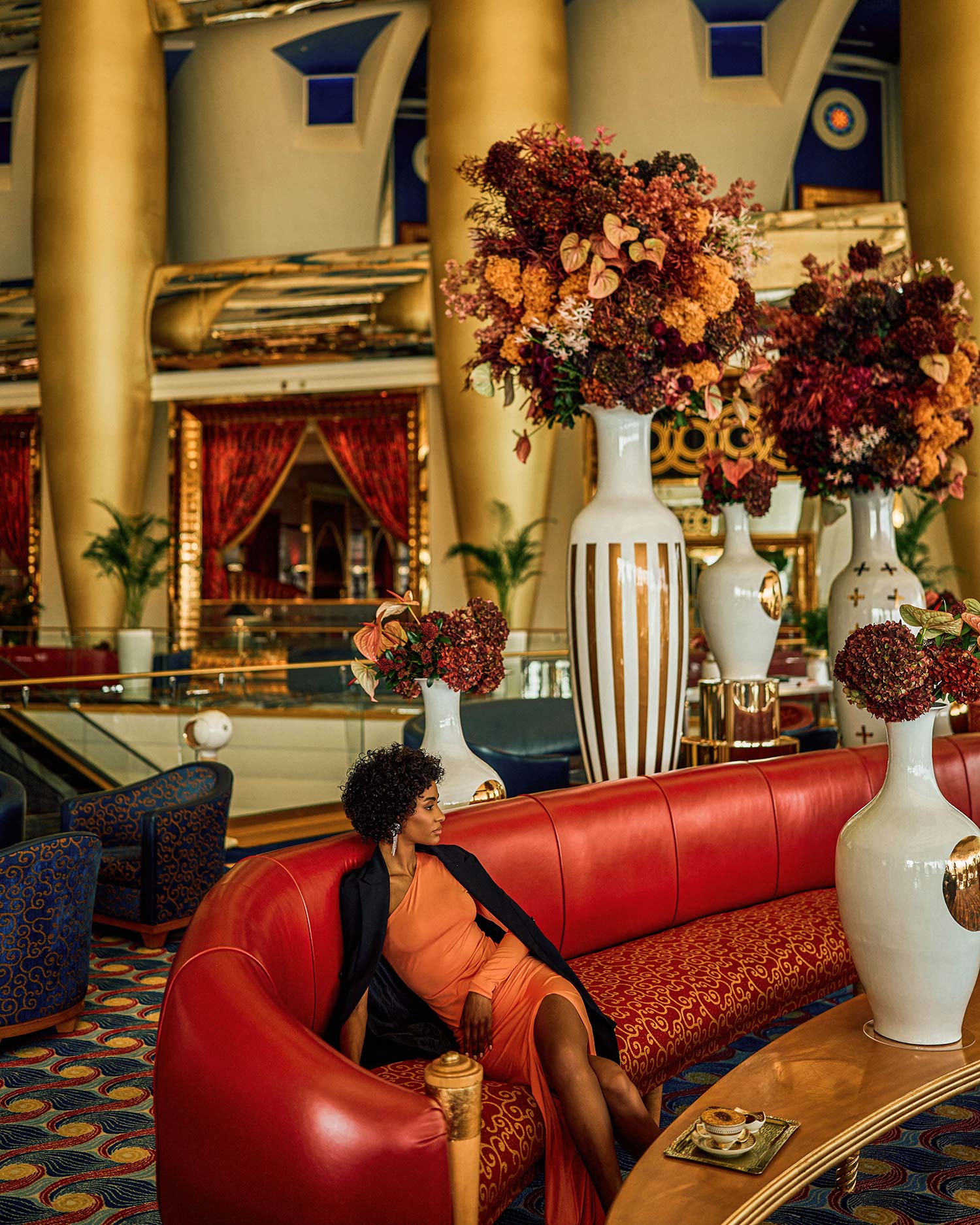
Since its debut, Burj Al Arab has occupied a singular place in Dubai’s hospitality story. Built on its own man-made island off Jumeirah Beach, its dhow sail silhouette became shorthand for the city’s larger-than-life rise, while its opulent interiors and personalised butler service helped redefine luxury hospitality in the emirate.
“Jumeirah Burj Al Arab is far more than an architectural landmark; it is a symbol of ambition, craftsmanship, and enduring excellence,” said Thomas B. Meier, Chief Executive Officer of Jumeirah, who described the restoration as a new chapter in the life of the property.
Auer called the commission “a profound privilege”, adding that preserving the legacy of such an iconic address was both an honour and a responsibility.
The hotel remains the flagship of Jumeirah’s portfolio and the sole property in its limited-edition collection of landmark addresses. With 198 suites and interiors layered with marble, gold leaf, and Swarovski crystals, Burj Al Arab has never exactly been a study in restraint.
But restraint is not why people remember it. This restoration is about making sure they still do.