
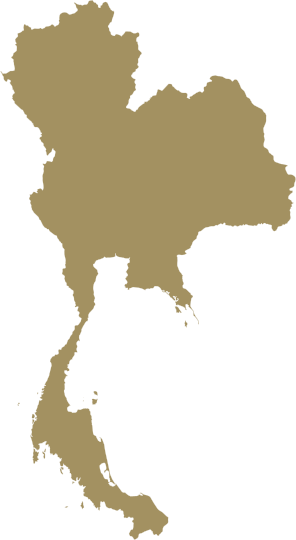

Thoet Thai, about an hour’s drive from Chiang Rai, looks like little more than a roadside strip of gas stations, convenience stores, and low-slung eateries. The sort of place you stop for lunch or to fill the tank, then move on.
Yet this unassuming town sits at the heart of the Golden Triangle, the once-mythic borderland of Thailand, Myanmar, and Laos long associated with narcotics, militias, and smuggling routes.
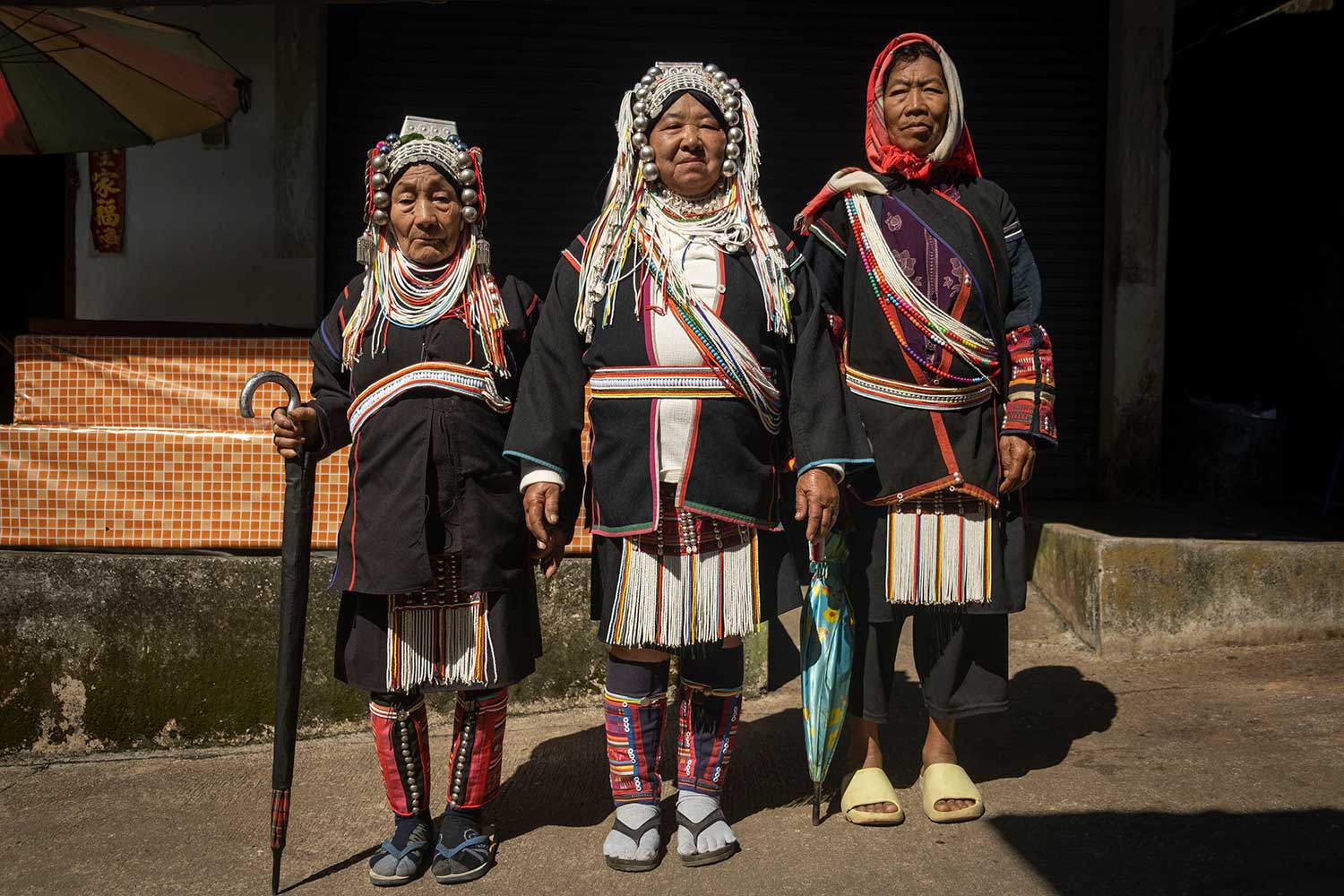
Its complexity is most visible at the morning market. Shan, or Tai Yai, mingle with Yunnan Chinese traders and an array of hill tribes, including Akha, Lisu, Lahu, Yao, Hmong, and Karen. The Akha women stand out, their silver headdresses catching the light as they move between stalls.
The food reflects this mix. There are jars of Chinese pickles, Shan tofu noodles, and Lahu-style grilled sticky rice. Then there’s the occasional cow’s head resting in a butcher’s bucket, which feels less like a delicacy and more like a test.
Thoet Thai is better known, however, as the former base of Khun Sa, the Shan warlord who, at his peak in the 1980s, controlled one of the world’s largest opium and heroin empires.
Born Chan Chi-Fu in 1934 in Burma’s Shan State, he rose from teenage militia leader to commander of the Mong Tai Army. Forced out of Myanmar in the late 1970s, he relocated here when the town was still an isolated village surrounded by forested hills.
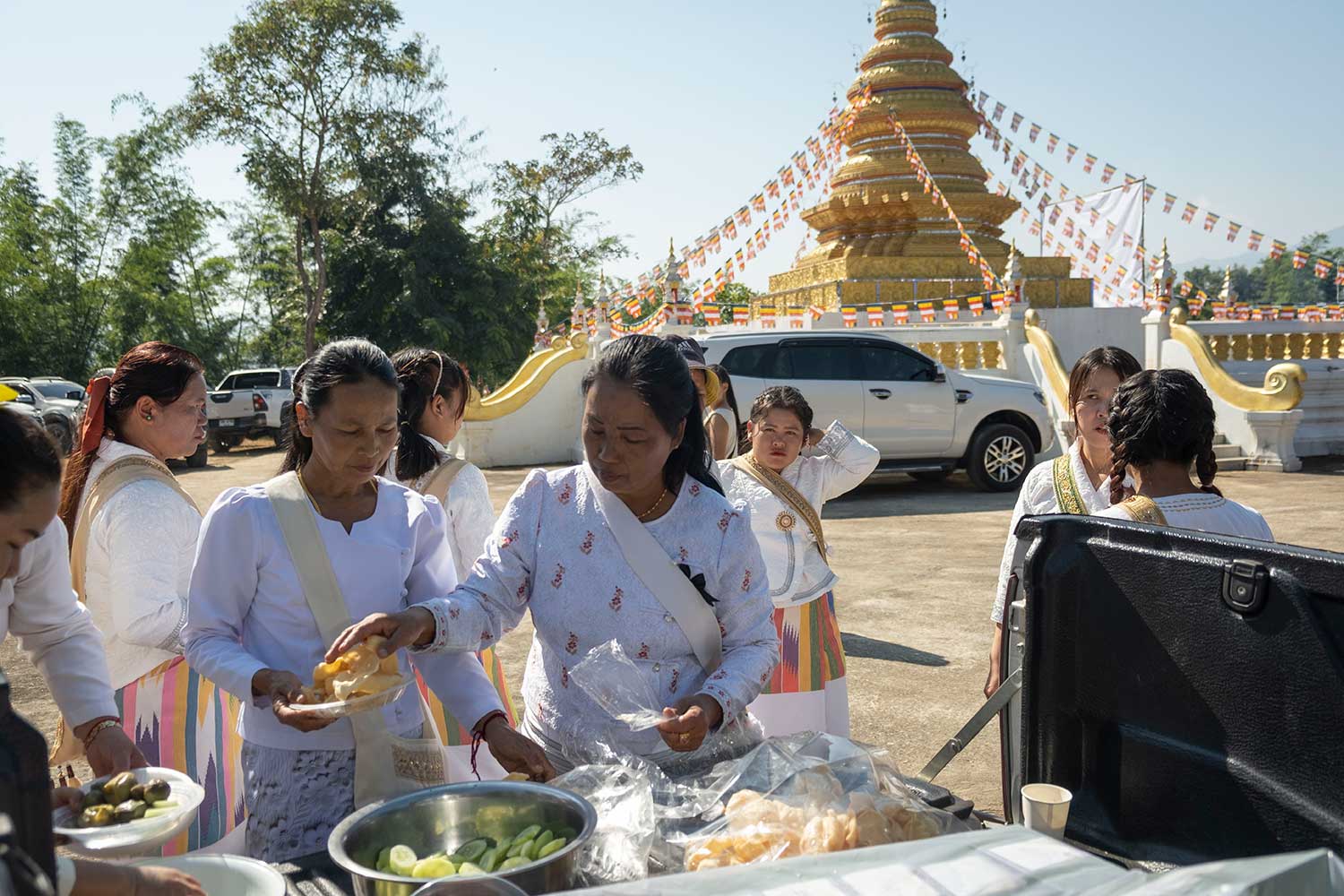
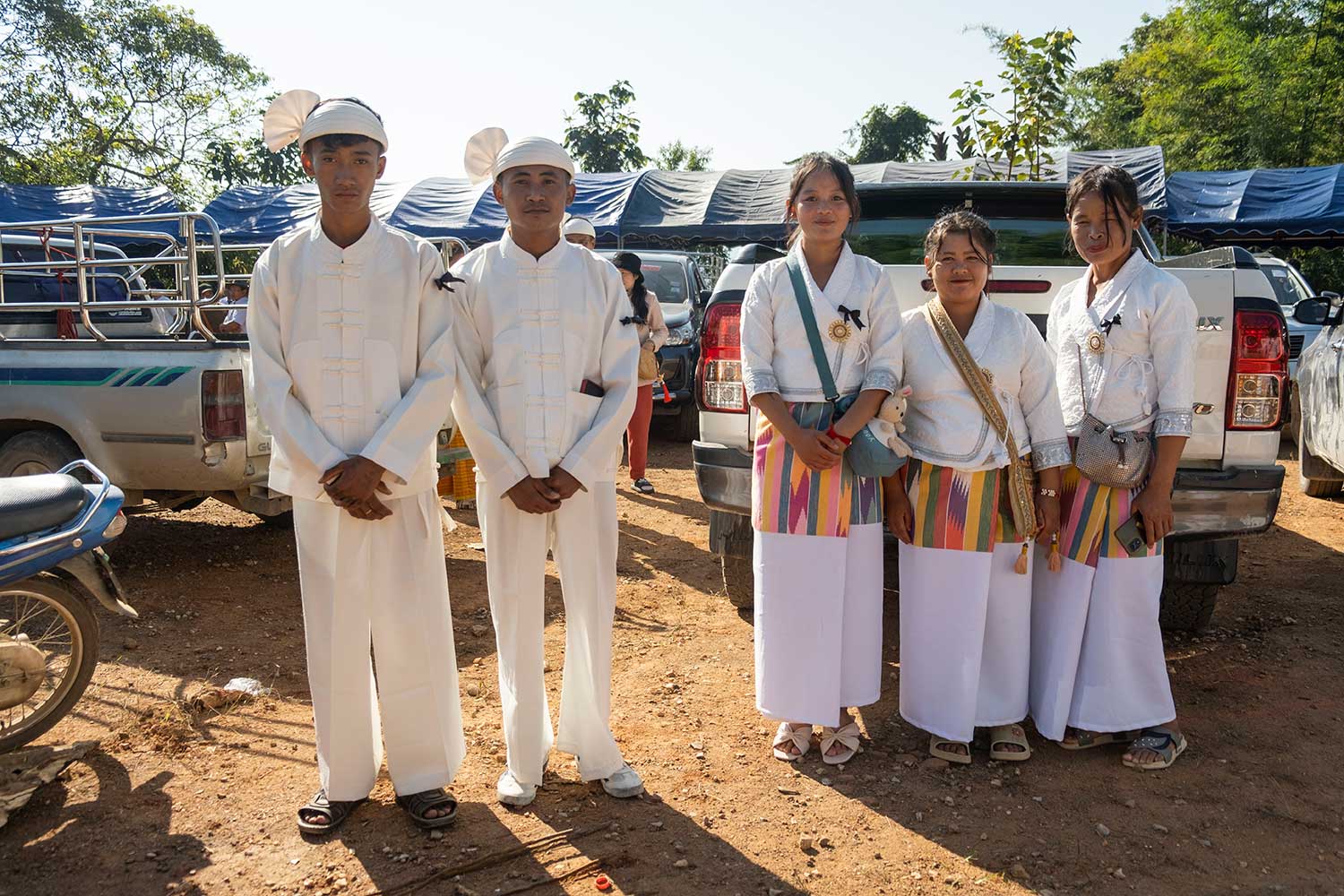
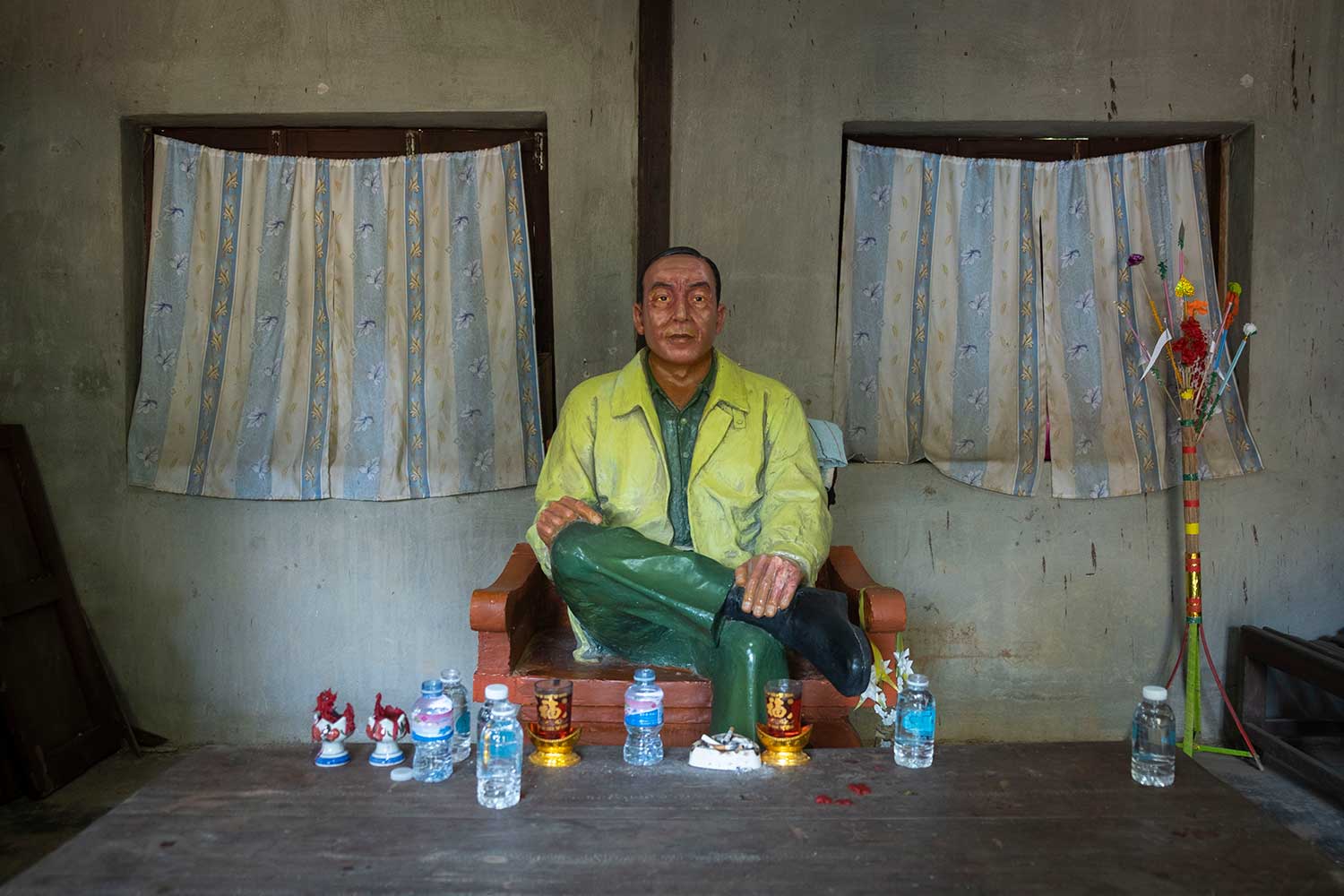
His headquarters still stands, now a modest museum. For a man whose empire was worth millions, possibly billions, the buildings are strikingly plain.
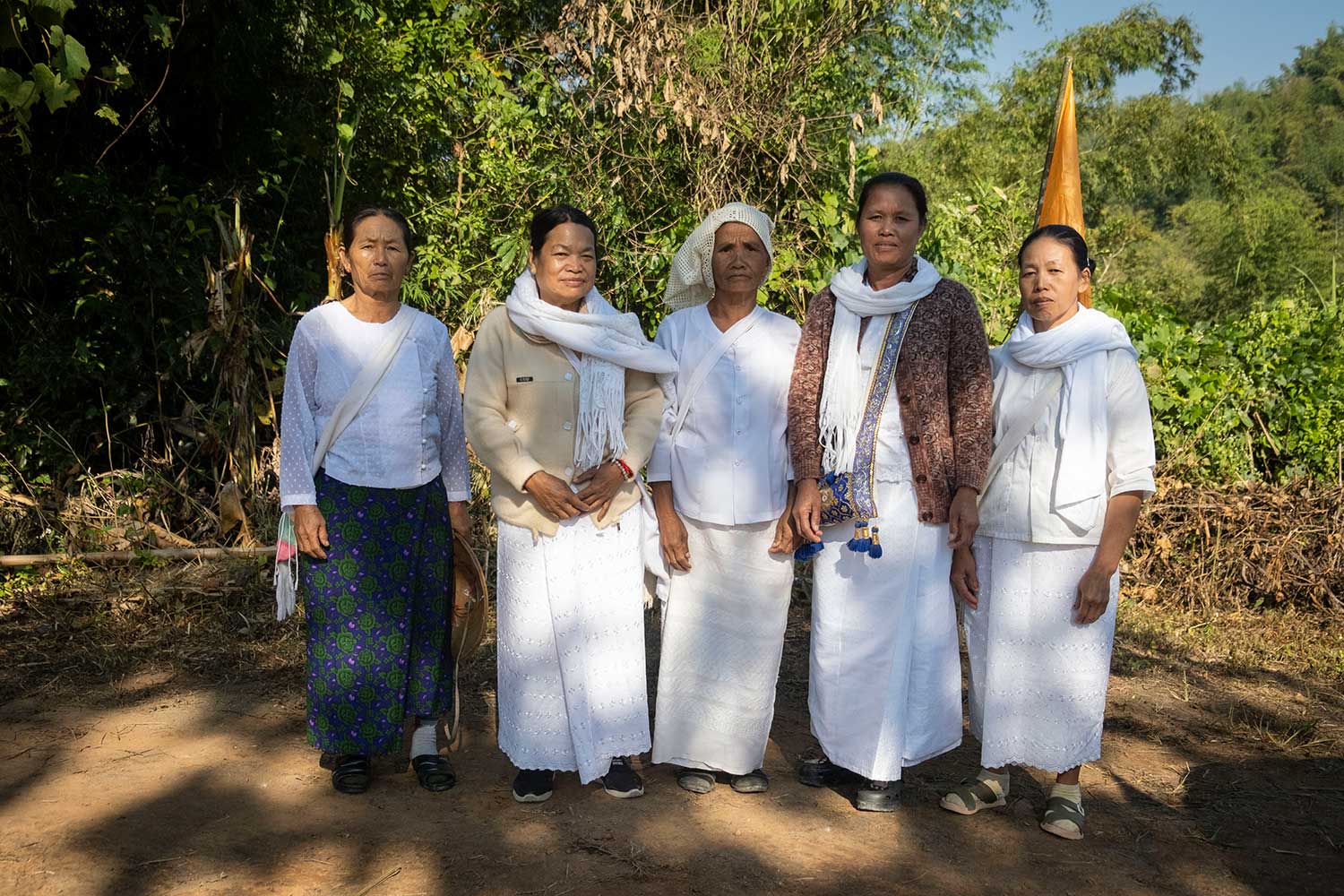
A trio of monks pose beside a bronze statue of Khun Sa on horseback. One offers a simple verdict.
“He was good for the Shan people. He fought the Burmese Army.”
Nearly two decades after his death, Khun Sa remains a deeply contradictory figure. To many locals, he was not just a trafficker but a patron who funded schools, clinics, and temples. U.S. authorities saw a different man, believing him responsible for a significant share of the region’s opium production and placing a $2 million bounty on his head.
In 1996, he surrendered to the Burmese government and spent his final years in Yangon, where he worked as a businessman.
Leaving Thoet Thai, the road climbs north into the hills. Chinese tombs dot the landscape, and houses display red banners marked with auspicious characters.
Many of the Chinese communities here trace their roots to Kuomintang soldiers who fled Yunnan after the Communist victory in China’s civil war. Allowed to remain as a buffer against communism, they later became deeply involved in the opium trade.
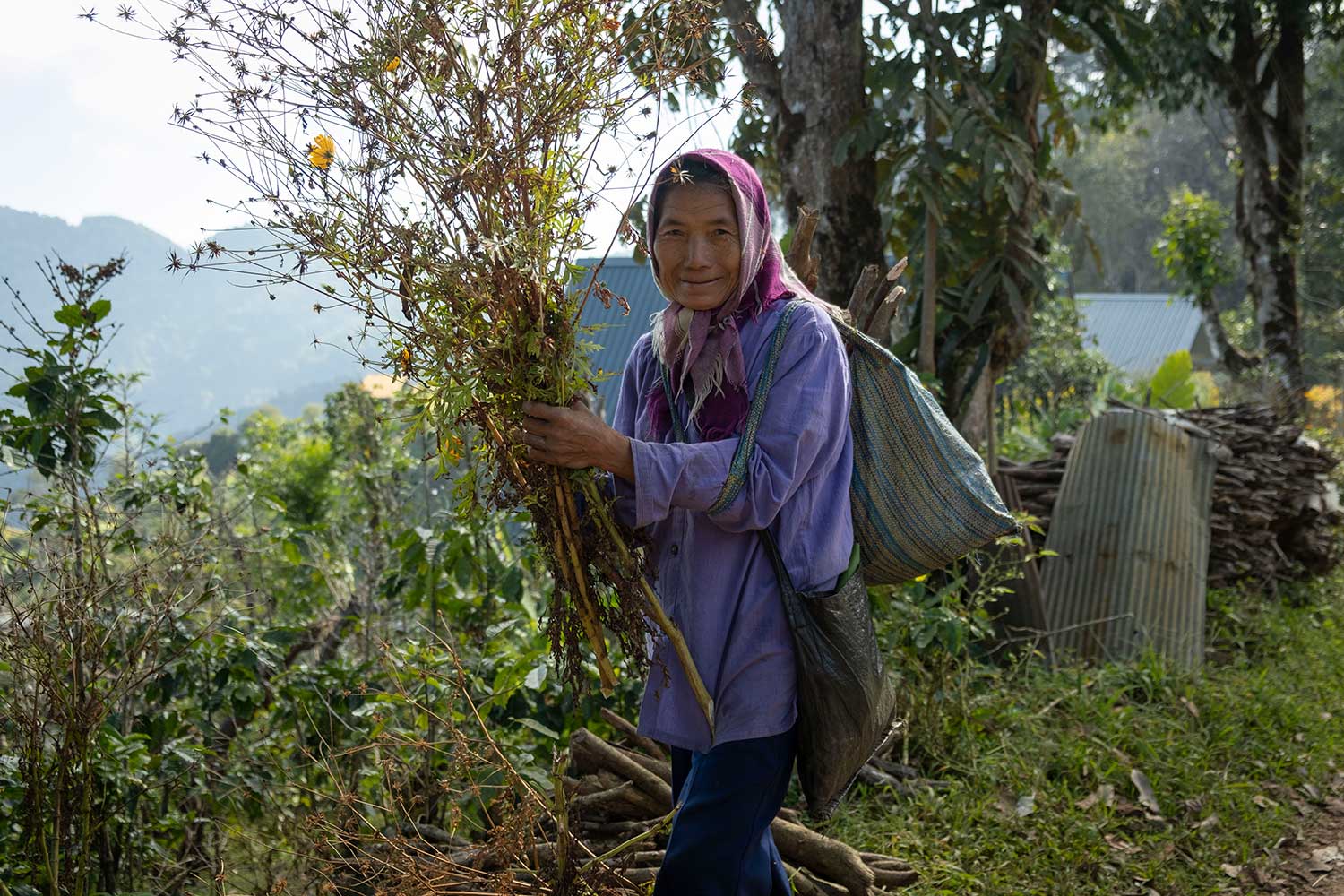
The hill tribes faced similar pressures. Rice is difficult to grow at these elevations, and opium poppies offered a reliable alternative, particularly as global demand surged after World War II.
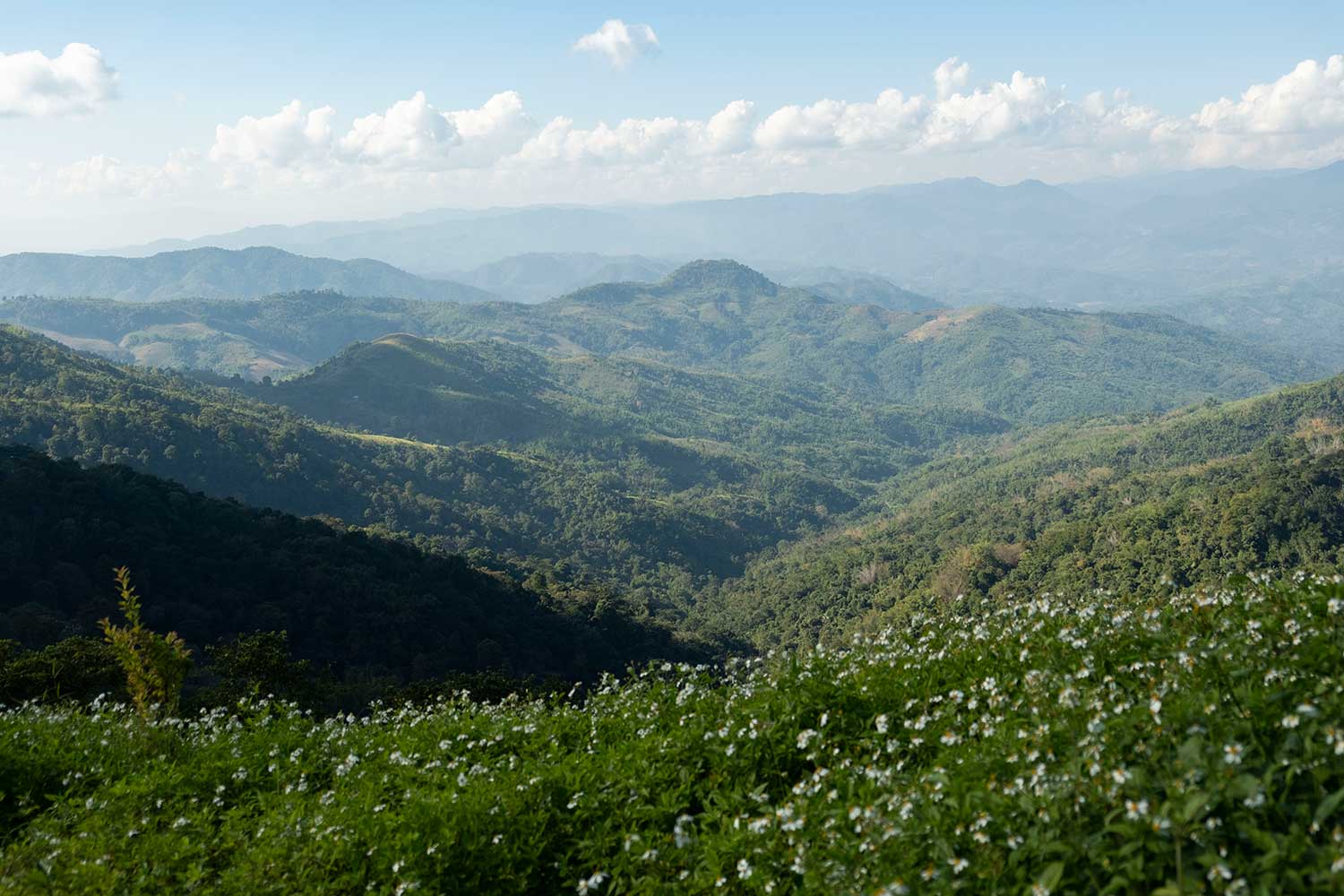
Today, Thailand’s side of the Golden Triangle tells a different story. Around Doi Tung, opium has largely been replaced by coffee and macadamia nuts through development initiatives led by the late Princess Mother Srinagarindra. Forests have returned, and the hills are once again green.
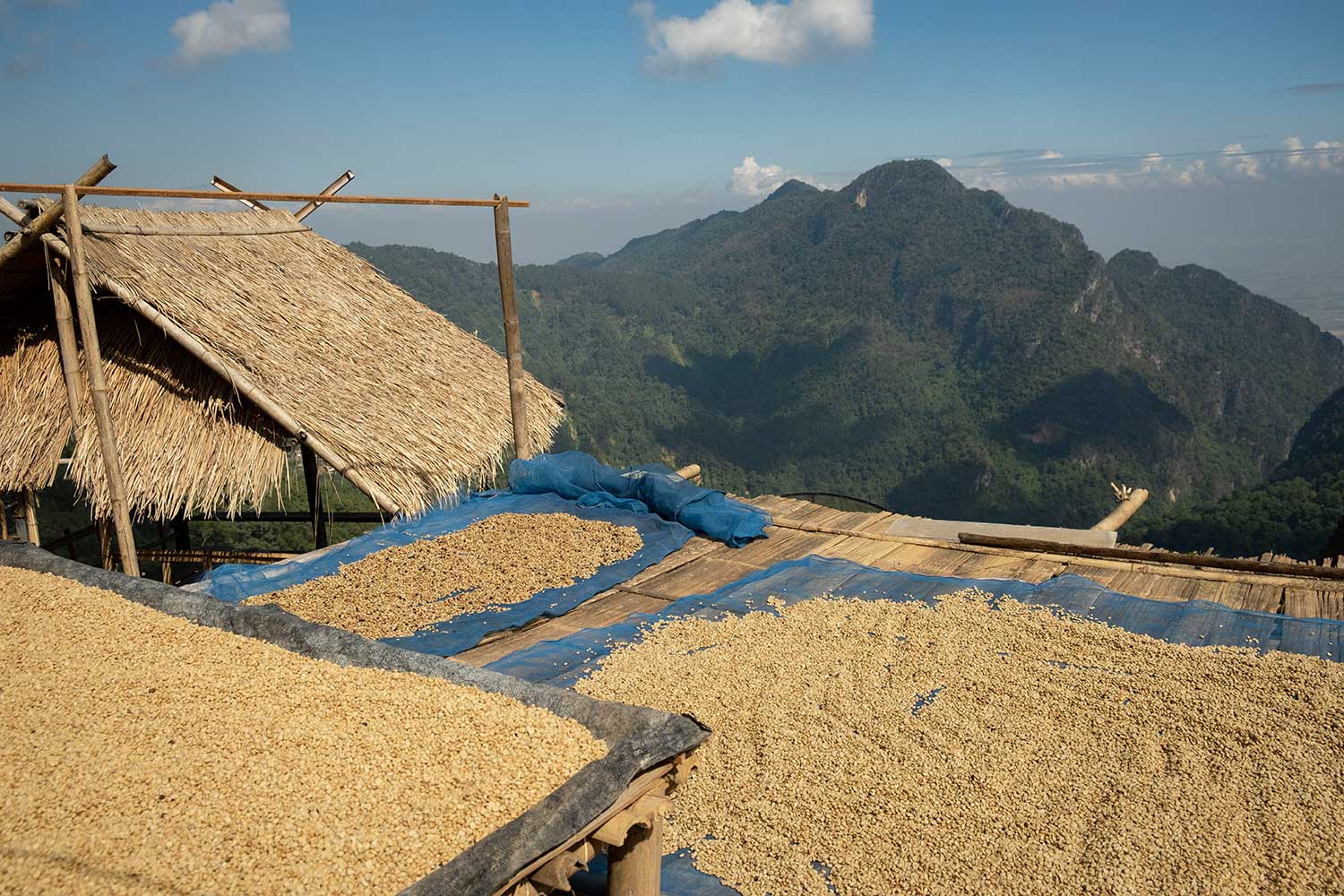
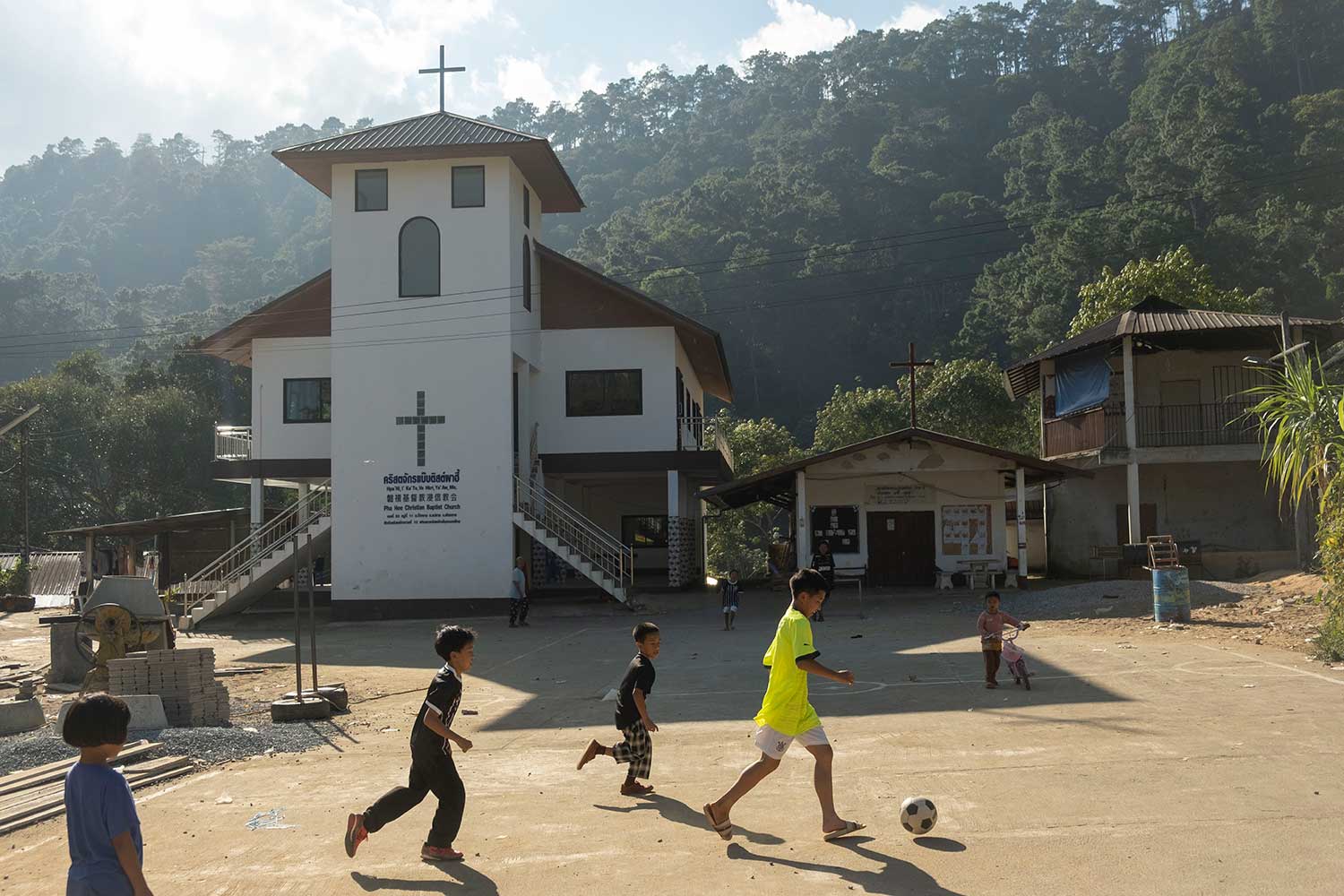
At Pha Hi, an Akha village near the Myanmar border, coffee beans dry in the sun outside wooden houses and small homestays. A local café serves Catimor beans with a nutty, slightly herbal profile.
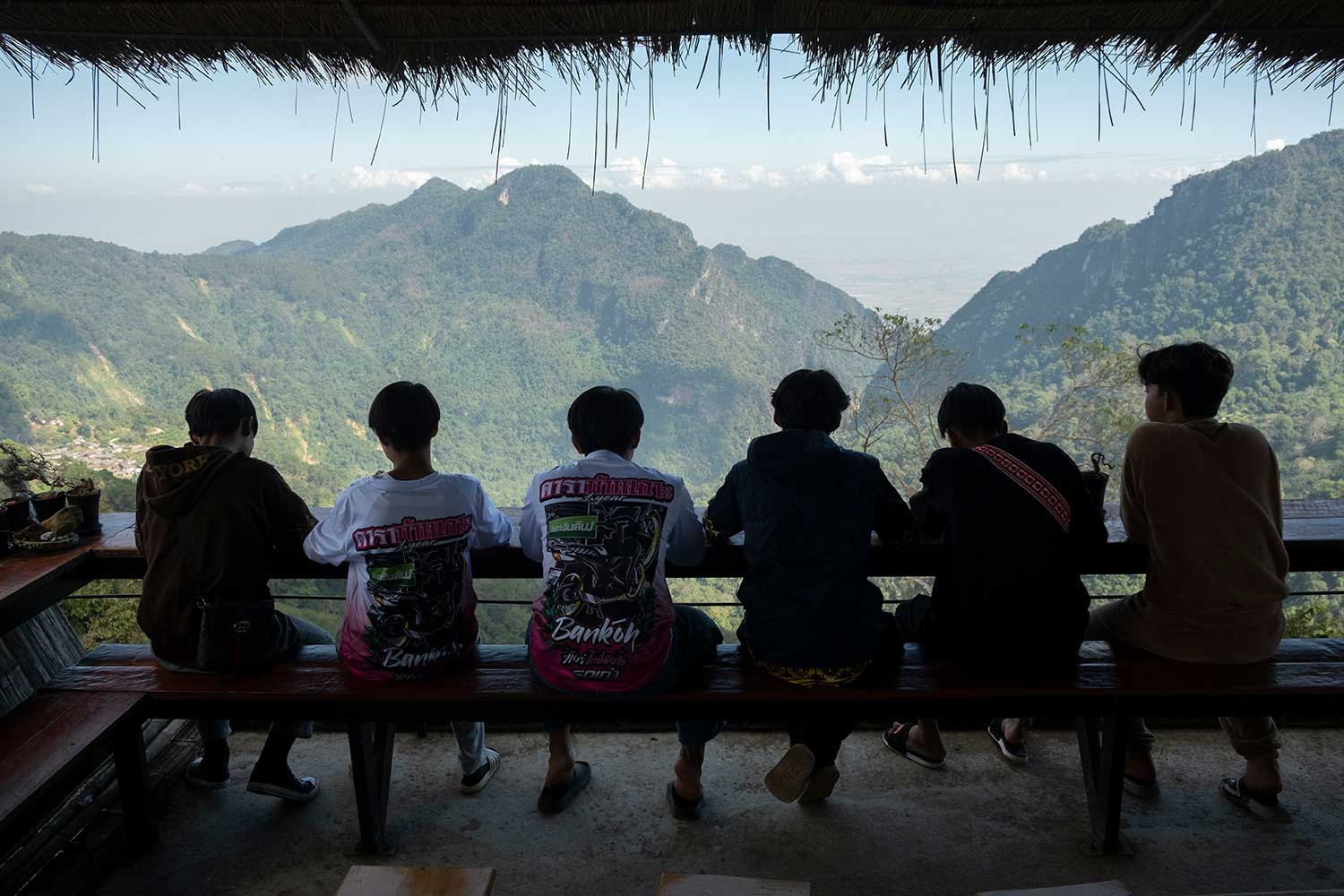
It could almost pass for a Bangkok café. The view is better, though. Clouds drift across the mountains in slow, shifting patterns.
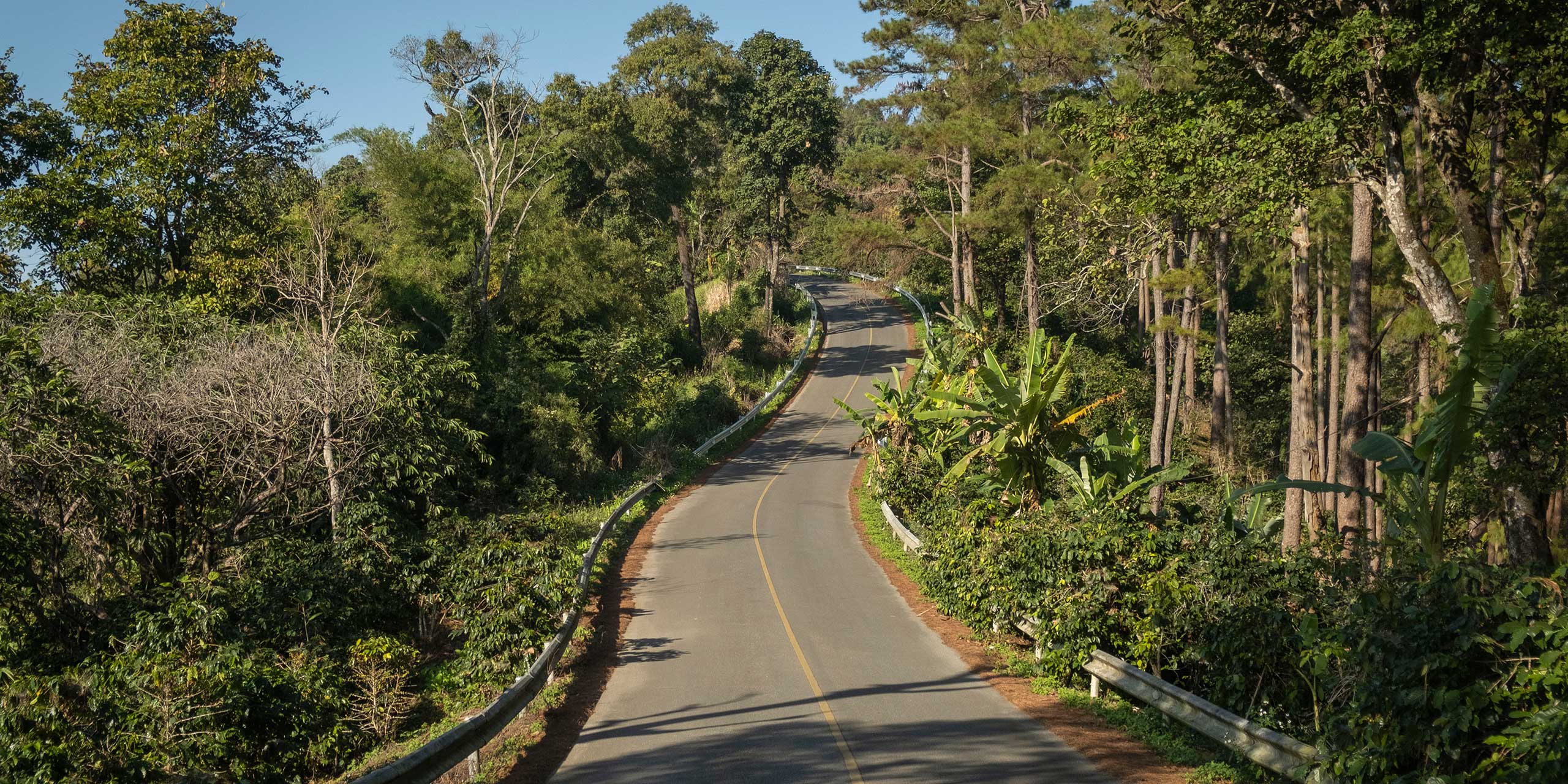
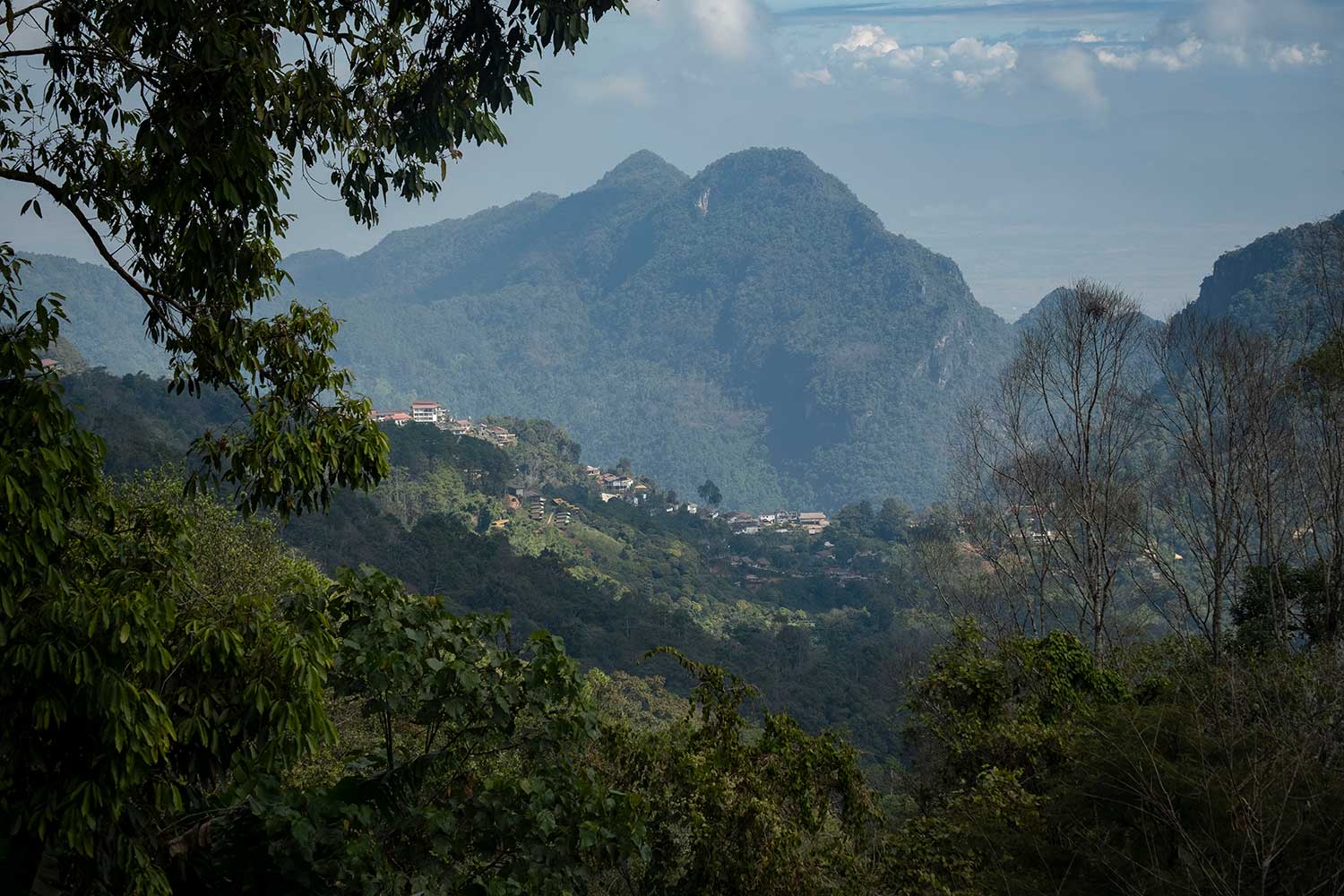
The road from Doi Tung to Mae Sai is one of the most striking in northern Thailand. Coffee plants line one side, while the land falls away toward Myanmar’s Shan State on the other. The ridges stretch out, quiet and remote.
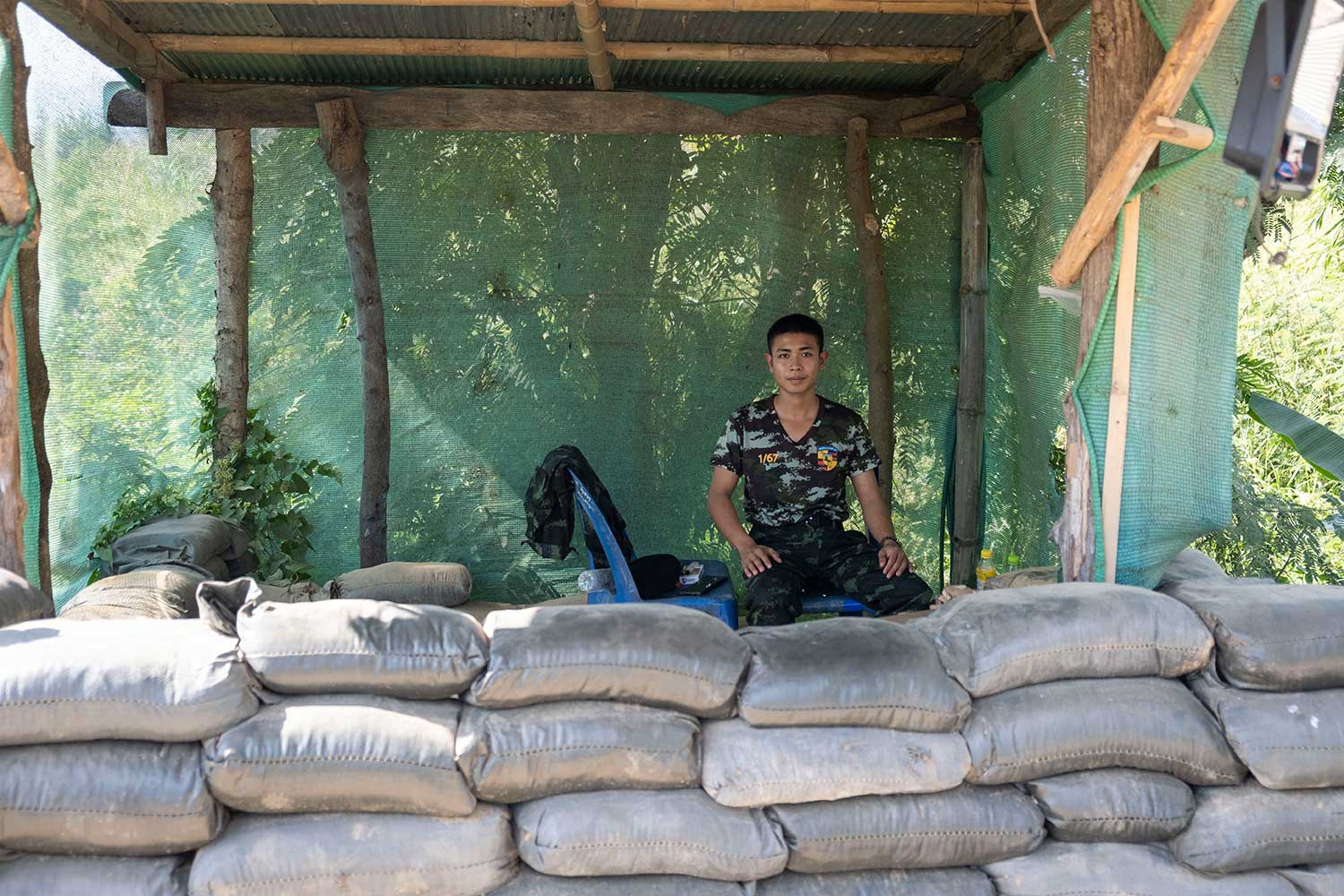
The border feels surprisingly open. From one viewpoint, a Thai soldier steps from a camouflaged post and politely waves me along.
The reality is less calm. While opium production has fluctuated, methamphetamine now dominates the regional drug trade, produced in clandestine labs across northern Shan State.
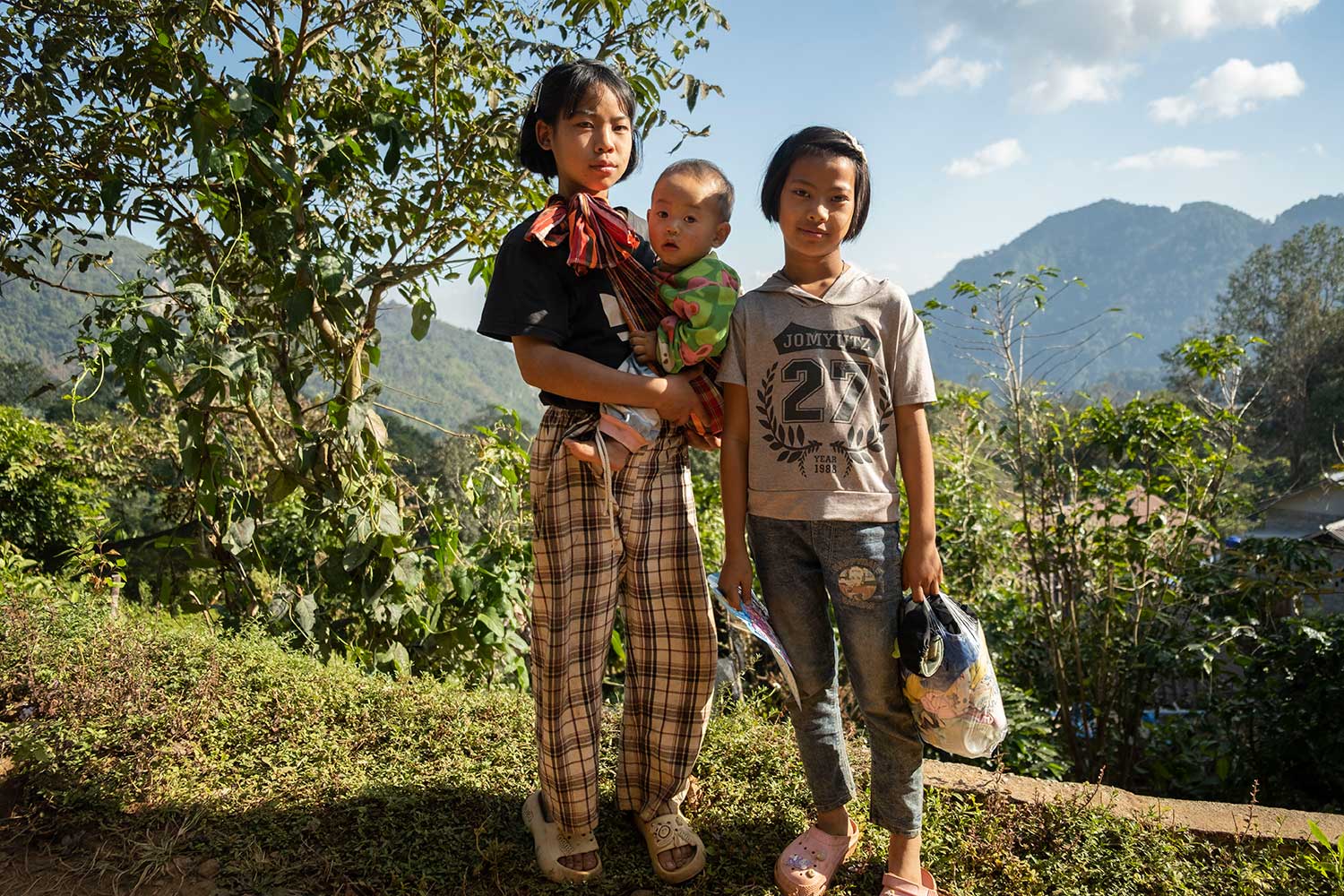
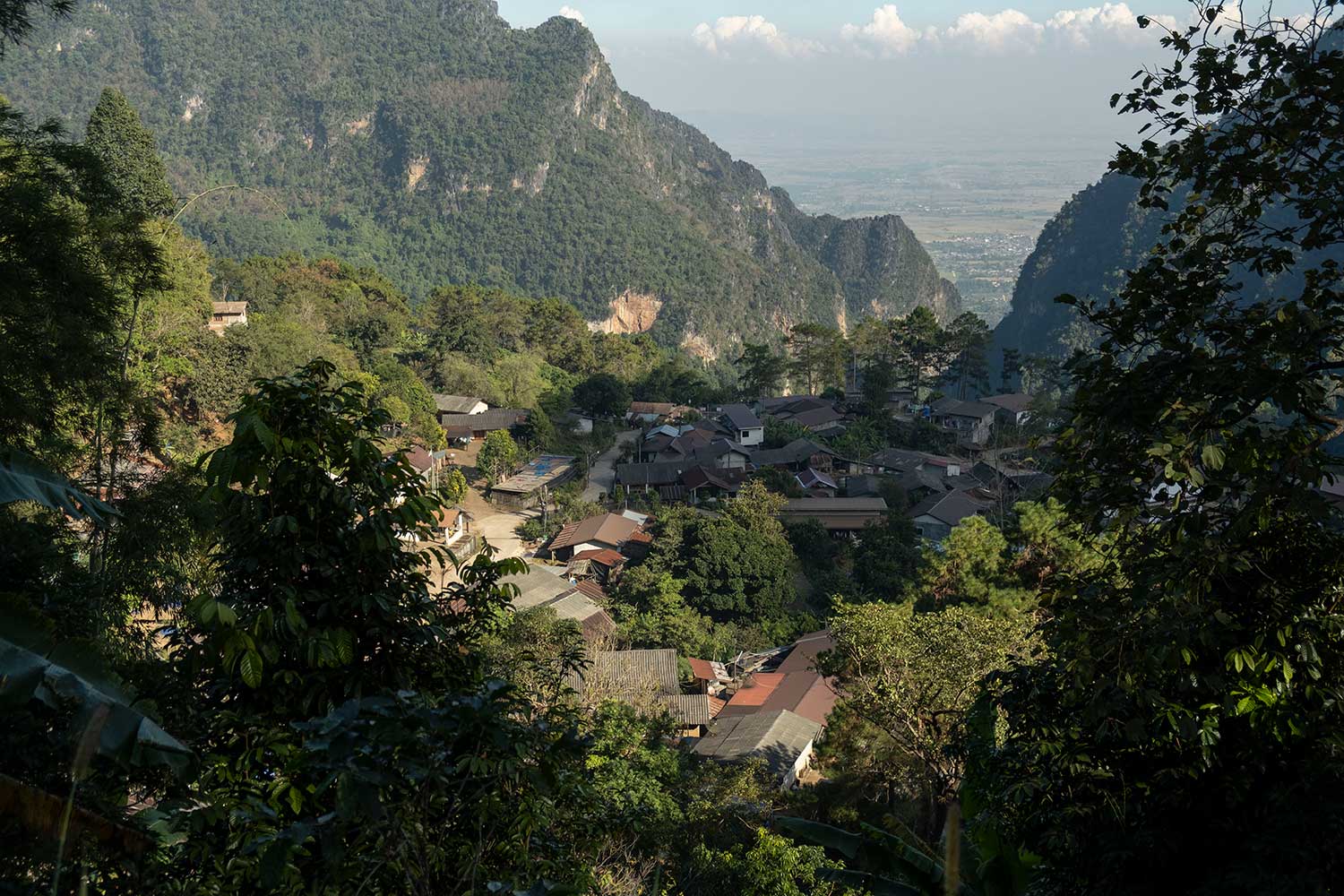
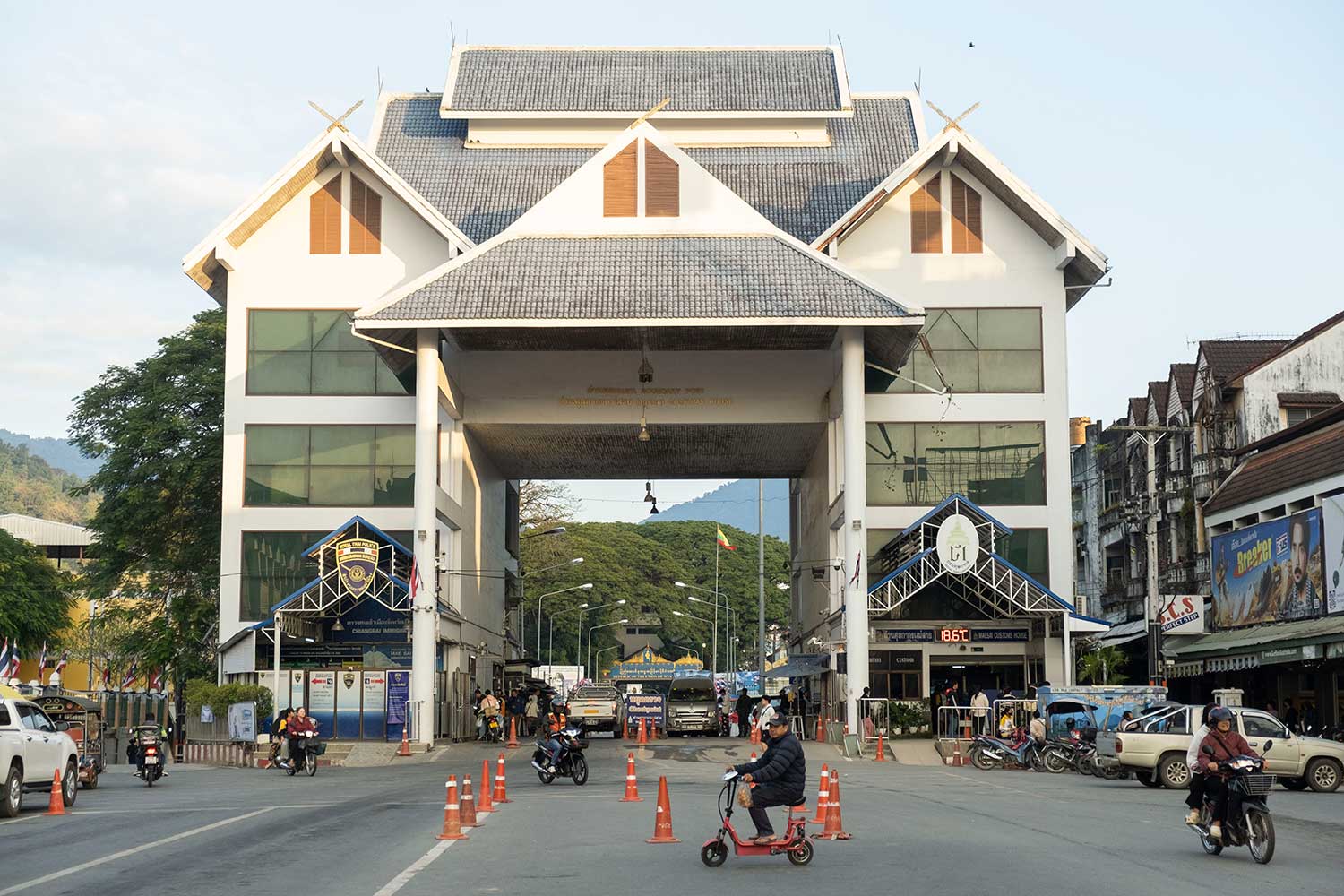
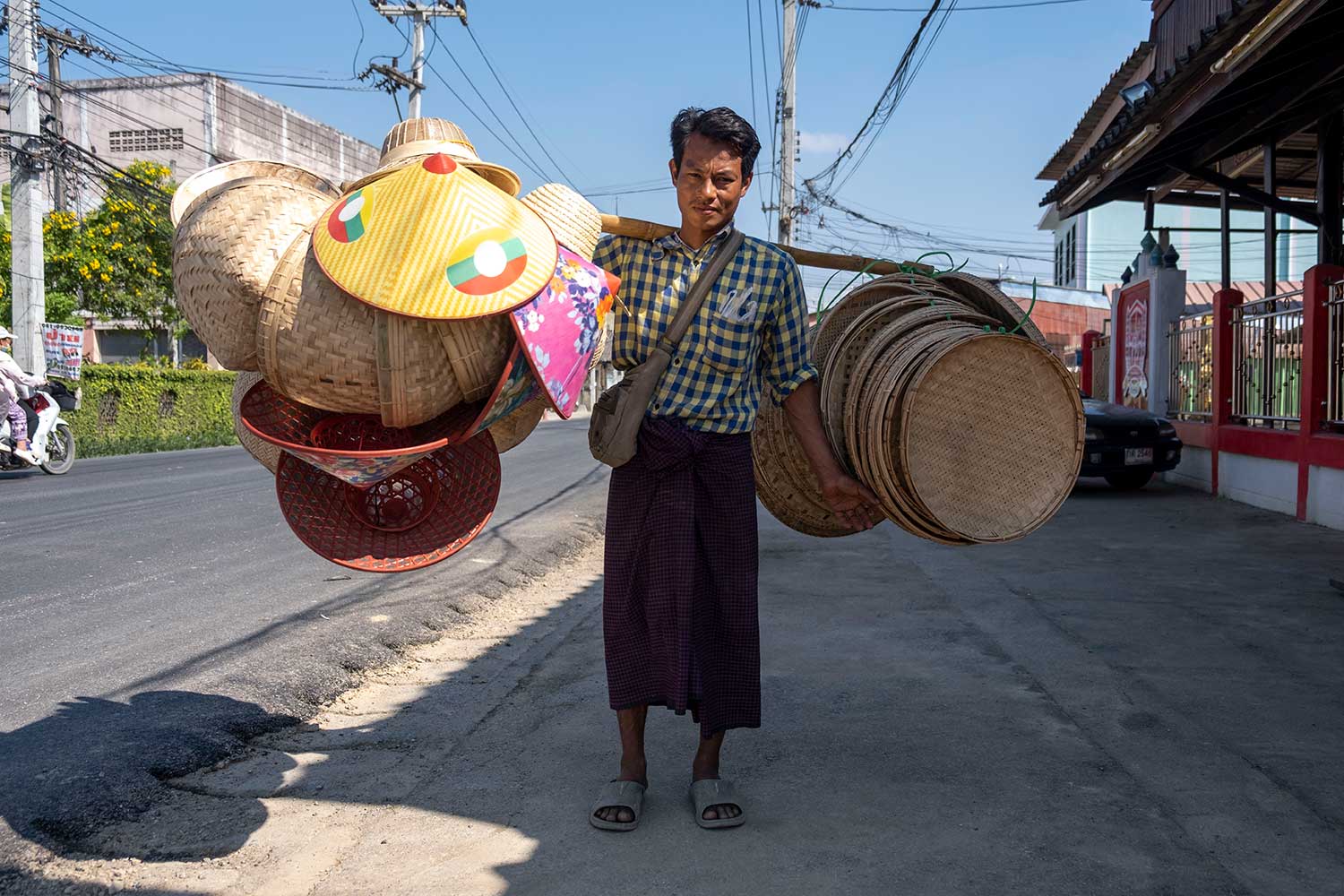
Mae Sai, Thailand’s northernmost town, has a different energy. Dusty, crowded, and slightly frayed at the edges, it feels closer to Myanmar than Thailand. Many residents wear thanaka paste on their cheeks or chew betel nut.
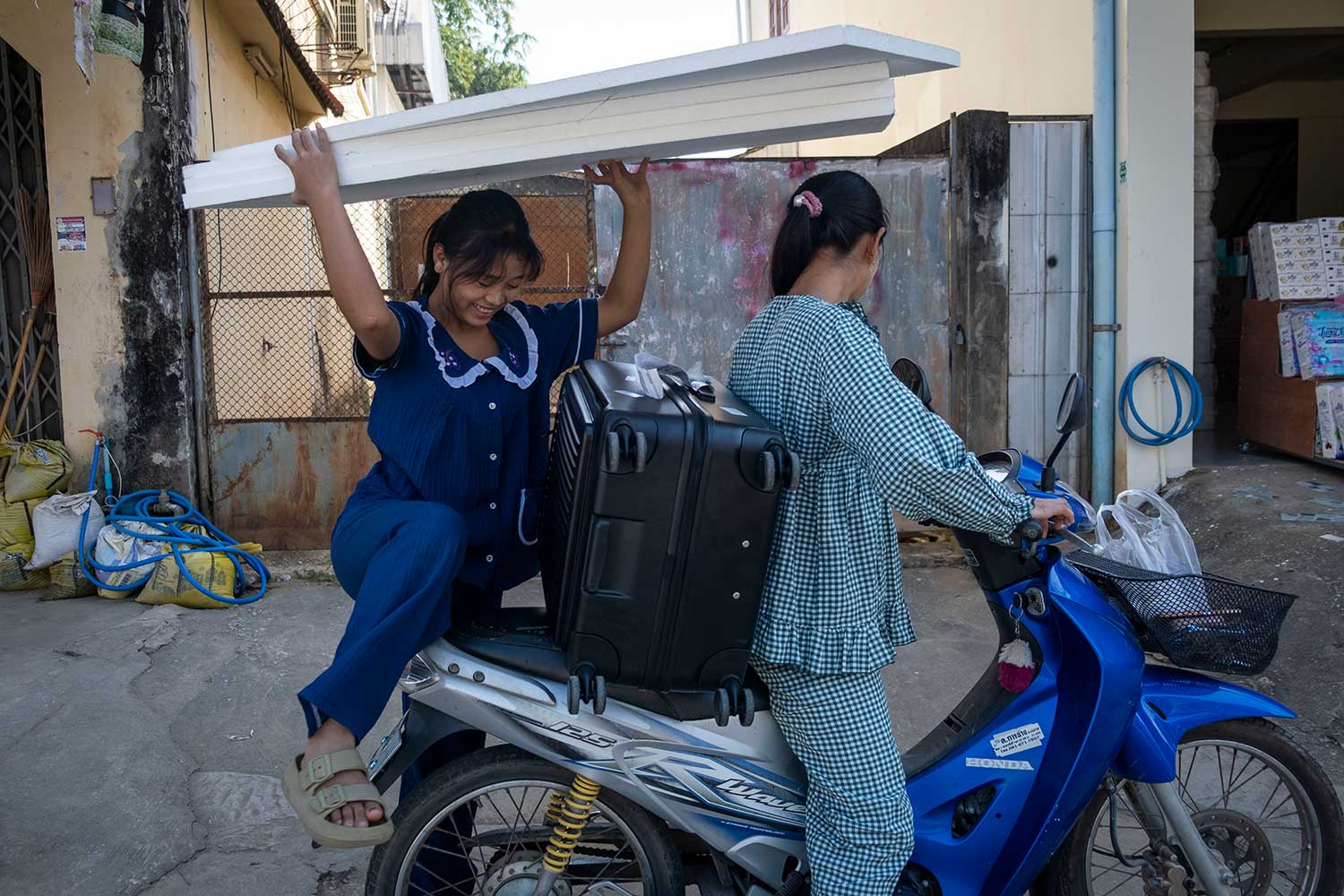
Across the narrow Ruak River lies Tachileik. The two towns sit almost face-to-face. You can watch daily life unfold on the other side, monks in maroon robes, traders loading motorcycles, a parallel rhythm just out of reach.
Historically, Tachileik was a key node in the opium trade, with mule caravans passing through on their way across the region. Today, Mae Sai’s border market offers fewer traces of that past. Most stalls sell blankets, counterfeit sunglasses, and cheap electronics.
More noticeable is the absence of a phone signal. Thai authorities have restricted telecom access in parts of the border area to curb cross-border scam operations.
After a breakfast of samosas from a Burmese vendor, I leave Mae Sai and head south toward the Mekong. The terrain softens, the road curving through cornfields and banana groves.
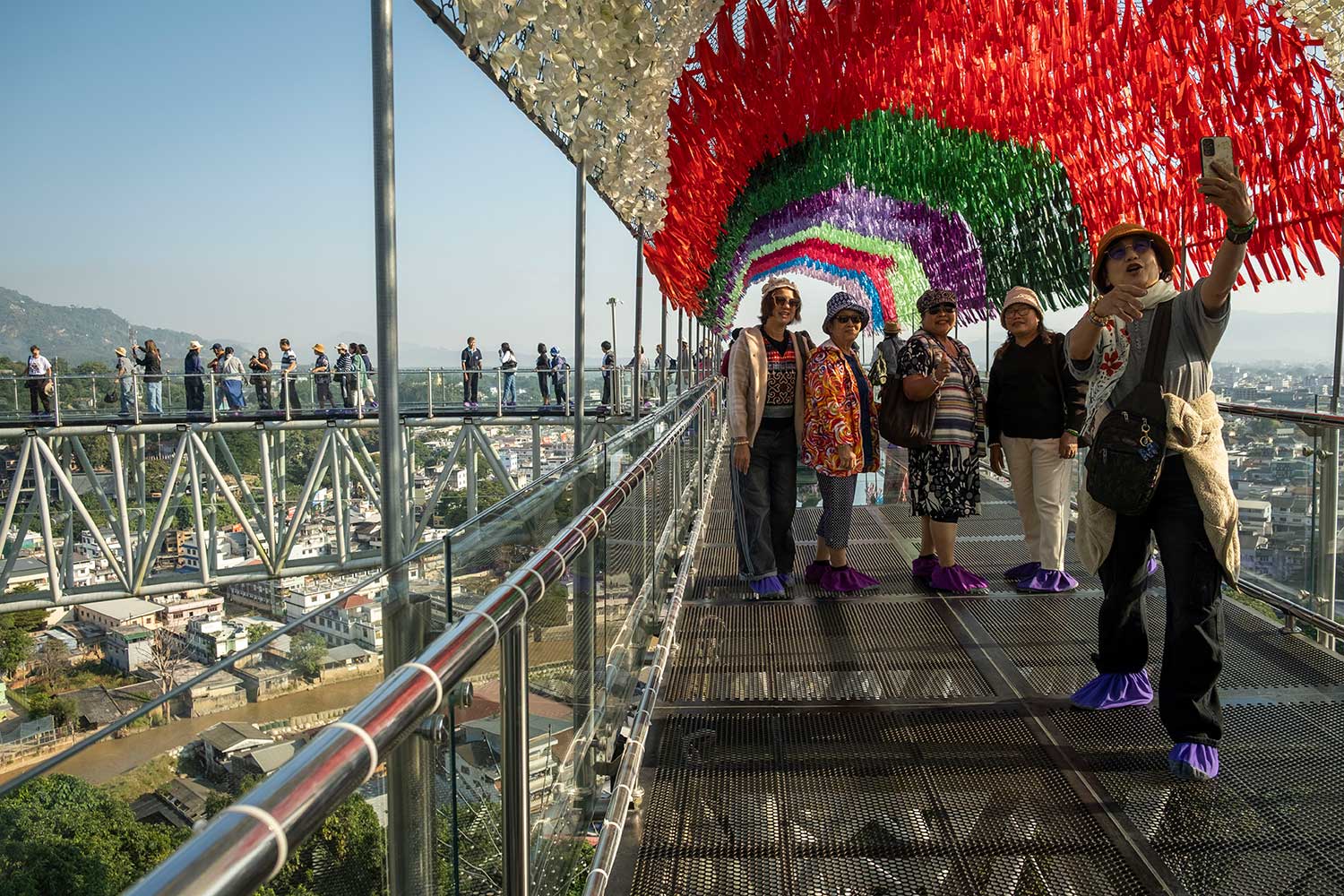
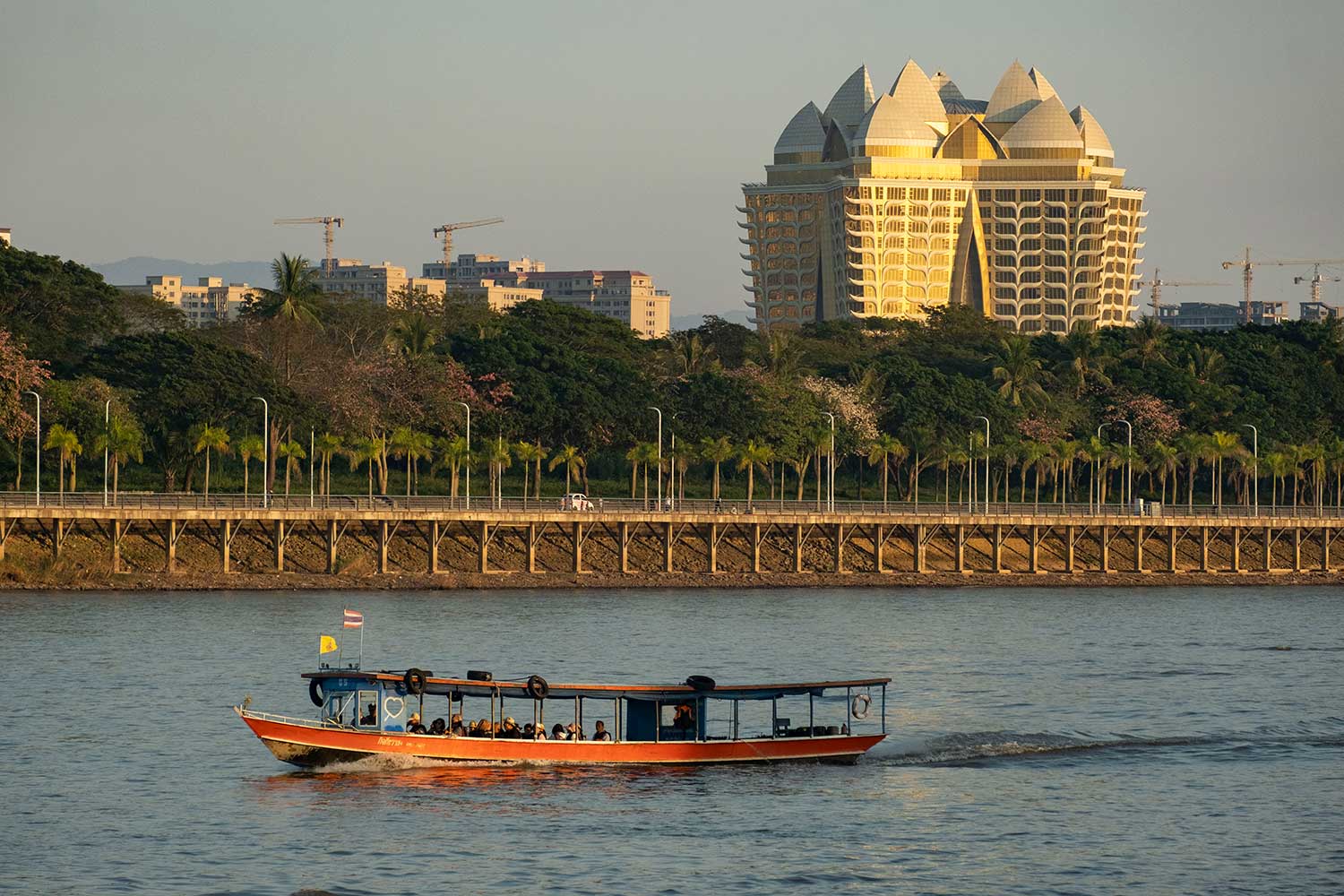
Then, almost without warning, a cluster of high-rise buildings appears across the river in Laos. This is the Golden Triangle Special Economic Zone, centered on the King’s Roman Casino, a development linked to a Chinese operator under U.S. sanctions.
From Ban Sop Ruak on the Thai side, the most immediate impression is less geopolitical and more auditory. Karaoke drifts across the Mekong.
This is the official Golden Triangle, where Thailand, Laos, and Myanmar converge. In 1967, it was the site of a brief but violent clash between Khun Sa’s forces and Kuomintang troops over control of opium routes, which ended when the Lao army intervened and seized the cargo.
Today, the scene is calmer. Tourist boats replace gunboats. Souvenir stalls sell elephant-print pants.
Yet the past lingers. In the landscape, in the stories, and in the uneasy sense that, for all its transformation, the Golden Triangle has not entirely shed its shadow.