


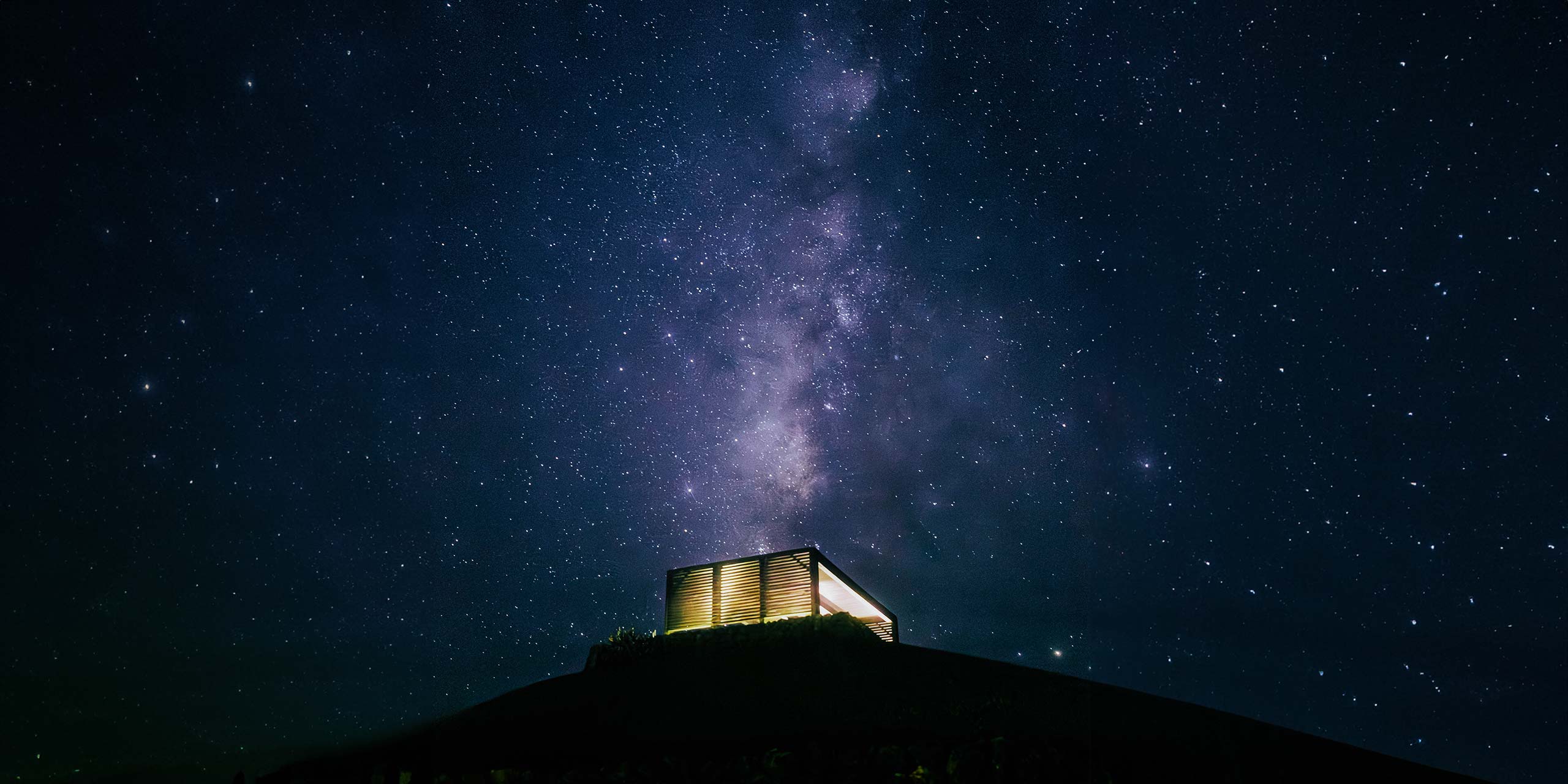
While we often hear about the health benefits of sunlight, in the heart of winter, those rays can feel few and far between. At times like these, turning your attention to the night sky offers a different kind of nourishment. Stargazing and moon gazing may not provide a welcome dose of vitamin D on a dreary day. Still, they offer other rewards, inviting stillness, reflection, and a renewed sense of perspective at a time when many of us are seeking quieter, more meaningful experiences and a deeper connection with the natural world.
Sitting beneath a clear night sky can be described as awe-inspiring. The vastness above makes everyday concerns feel smaller and our place in the universe more interconnected. For millennia, people have looked to the stars not just for navigation, but for meaning, guidance, and storytelling. Today, this ancient practice is being rediscovered through a modern lens, with astrotourism emerging as one of the most compelling trends in wellness travel.
Astral appeal
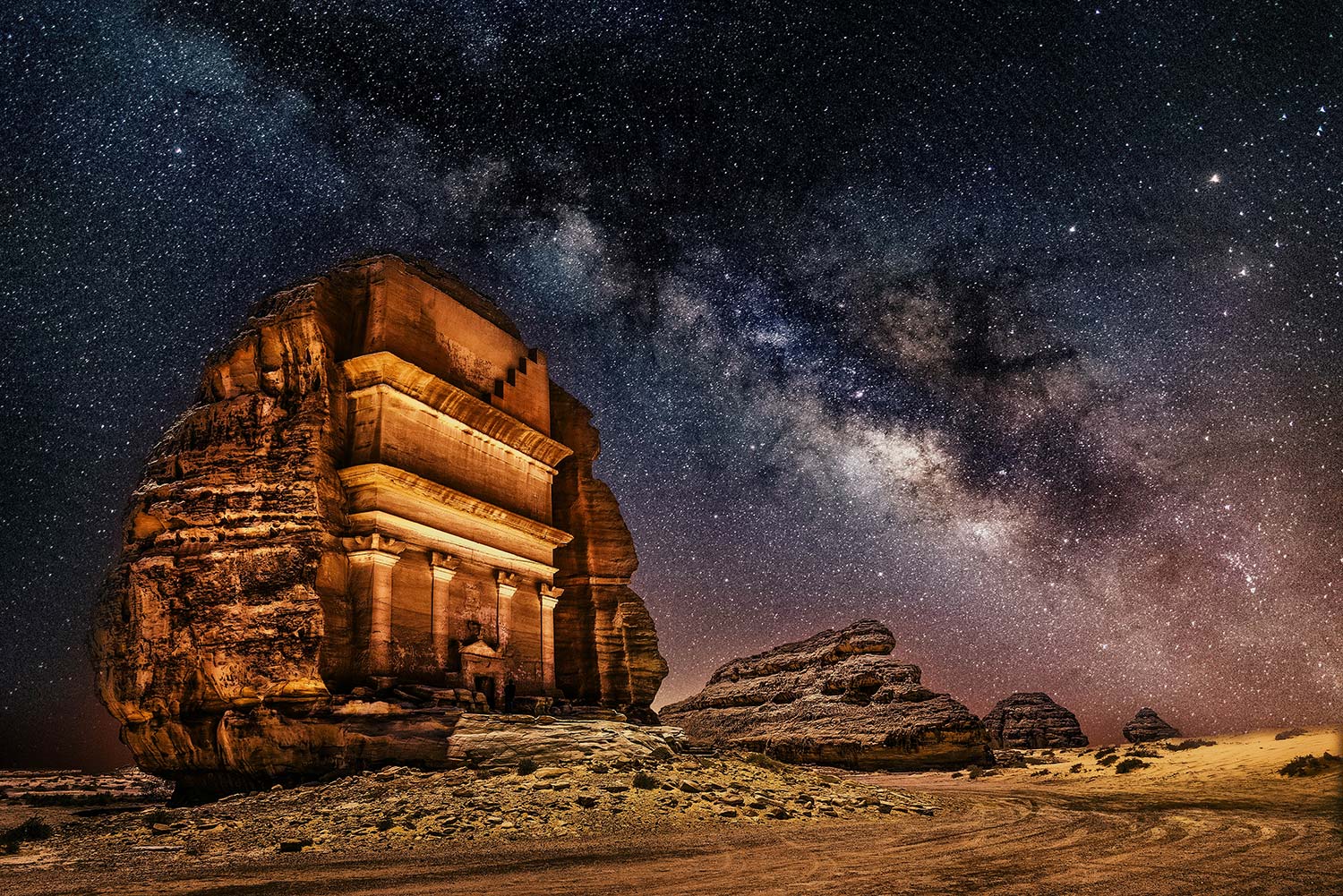
Most of us know the thrill of spotting a shooting star as it streaks across the night sky. Psychologists describe the emotional response evoked by vast natural phenomena such as star-filled skies as a sense of awe, an emotion that shifts perspective and deepens our sense of connection to the world around us.
But the appeal of stargazing extends beyond that moment of wonder. It requires no elaborate equipment, little physical effort, and no fixed itinerary, just a willingness to step outside and look up. In an era defined by constant stimulation, that simplicity can feel like a rare luxury.
Stargazing also aligns naturally with wellness travel. Research links time spent in natural darkness with improved sleep patterns and reduced sensory overload, while mindfulness practices emphasize presence, patience, and curiosity. Perhaps this explains why stargazing continues to resonate so strongly, bridging scientific curiosity and quiet reflection in equal measure.
Conditions, however, matter almost as much as mindset. Timing is crucial, particularly when it comes to the phase of the moon. Skies are darkest during the new moon, making it easier to see faint stars and the Milky Way. Winter months often offer better visibility as well, thanks to cooler, drier air, particularly in high-altitude or desert regions. Weather conditions also play a role. Clear skies, low humidity, and minimal wind create ideal viewing conditions. Many experienced stargazers plan trips around meteor showers or planetary alignments, helping to fuel the rise of astrotourism centered on specific celestial events.
Why dark skies matter
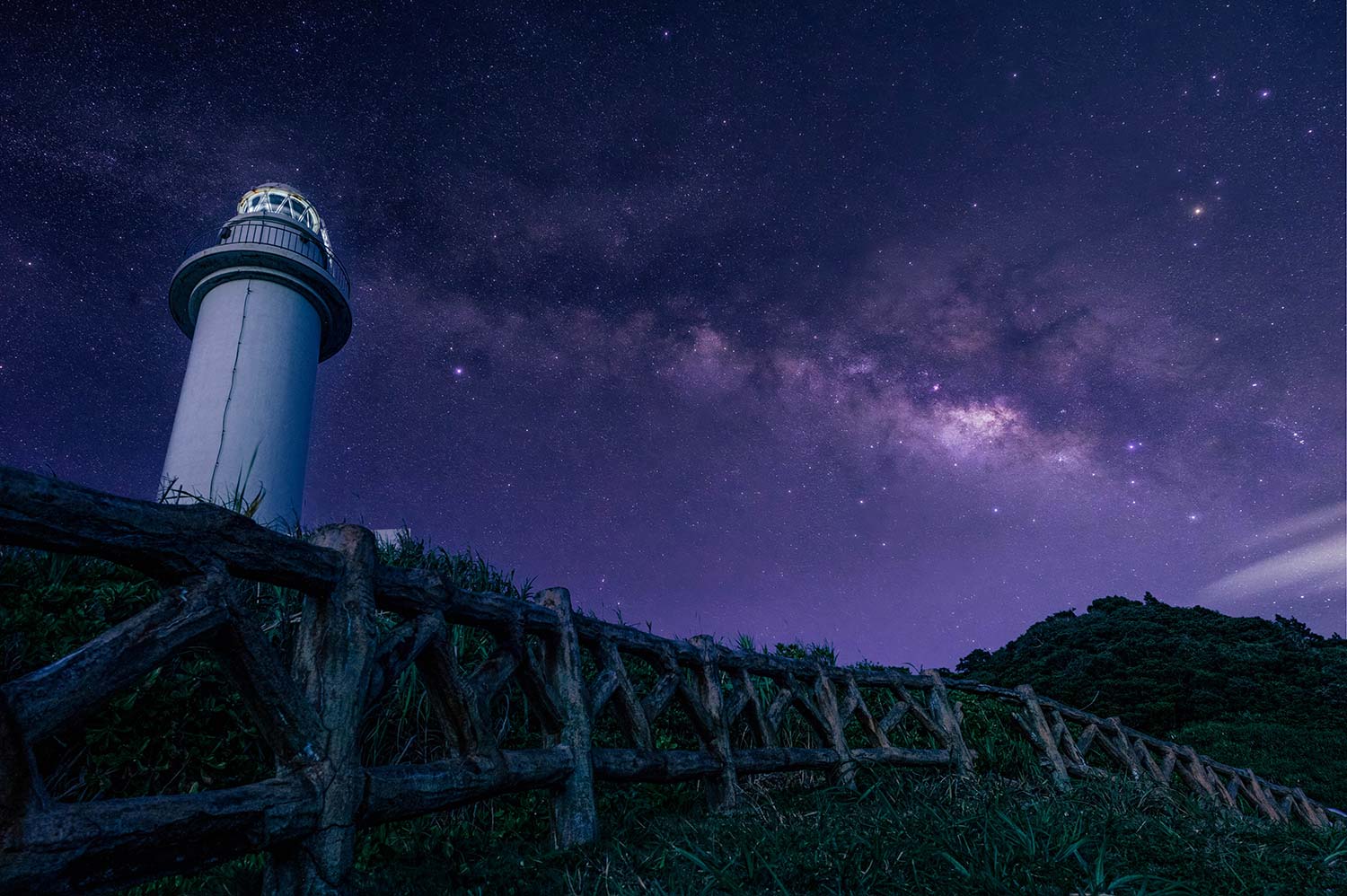
Place matters just as much as timing. The best stargazing destinations tend to share several defining characteristics: remoteness, which reduces artificial light; elevation, which minimizes atmospheric distortion; and dry climates, where cloud cover is limited. Increasingly, travelers are also drawn to destinations that actively protect the night environment, recognizing that responsible tourism plays a role in preserving dark skies for future generations.
That rarity is no longer abstract. Dark skies are becoming increasingly difficult to find. According to global studies, more than 80% of the world’s population now lives under light-polluted skies, a figure that continues to rise each year. As a result, most people can no longer see the Milky Way from where they live.
Light pollution does more than obscure the stars. It disrupts wildlife behavior and migration patterns, interferes with astronomical research, contributes to unnecessary energy consumption, and can affect human health by disturbing natural circadian rhythms. Exposure to artificial lighting has also been linked to increased stress and sleep disorders.
In response, organizations such as the International Dark-Sky Association have established the International Dark Sky Places Program, which recognizes and protects areas committed to preserving natural darkness. Since 2001, more than 200 dark sky places across 22 countries, covering over 160,000 square kilometers, have been designated worldwide. For travelers, these protected landscapes offer not only exceptional stargazing but also the chance to experience familiar environments in entirely new ways.
Where to go stargazing in Asia
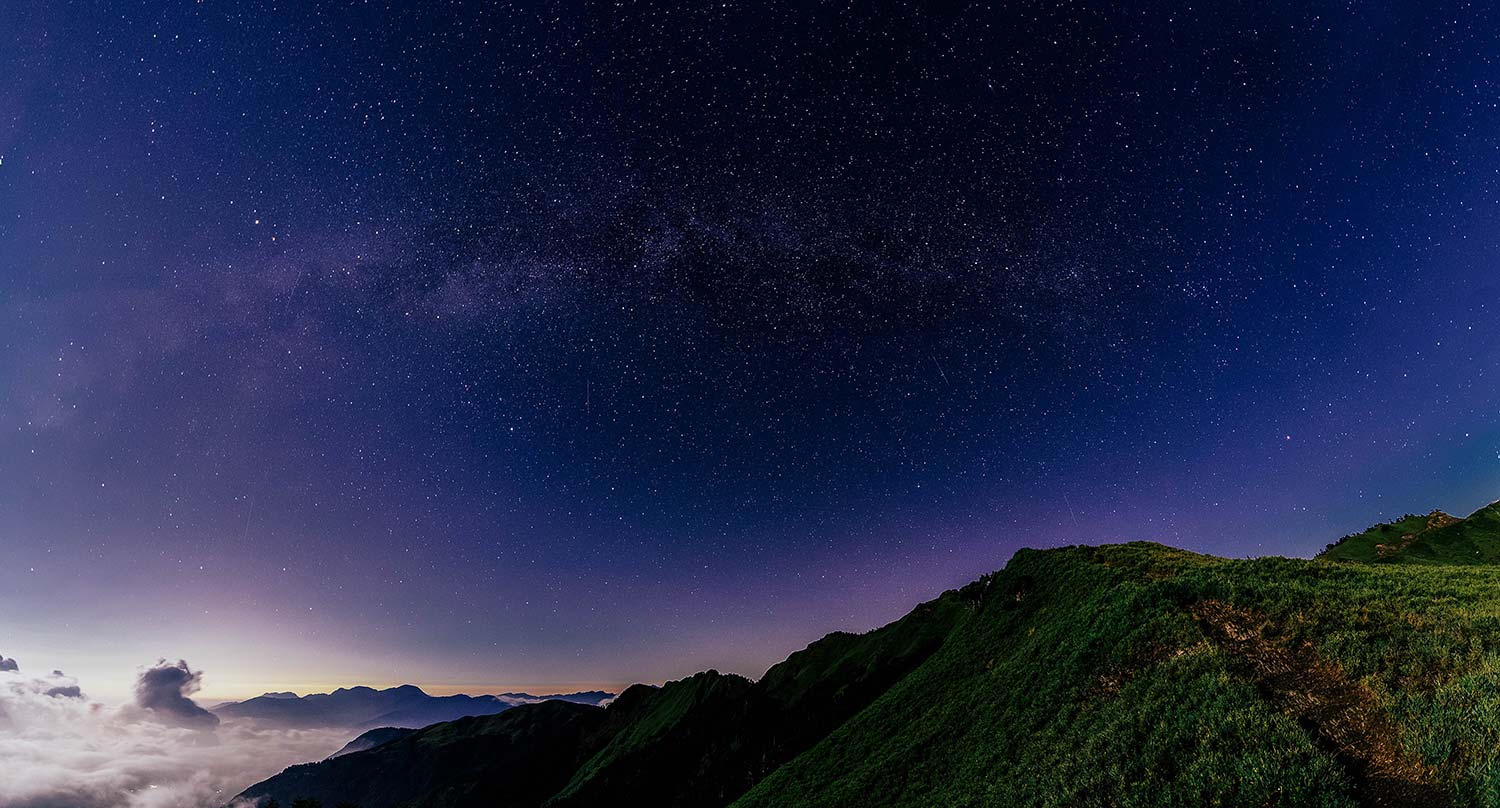
Asia is home to some of the world’s most compelling dark-sky destinations, many of them located in remote regions where cultural heritage and natural beauty intersect. In northwest Saudi Arabia, the Al Ula Manara and Al Gharameel Nature Reserves offer vast desert skies framed by ancient sandstone formations. Travelers can experience this on the Cross Country Saudi Arabia itinerary, which includes a stay at Habitas Al Ula with guided astronomy sessions and desert exploration.
Japan also offers excellent stargazing opportunities. Bisei Town in Okayama Prefecture enacted the country’s first light-pollution ordinance as early as 1989. Further south, the Honeymoon to South Korea and Okinawa itinerary brings travelers close to Iriomote-Ishigaki National Park, where subtropical skies and minimal artificial light create ideal conditions for watching the night sky.
In Taiwan, Hehuan Mountain rises more than 3,400 meters above sea level, making it one of East Asia’s highest and clearest stargazing locations. The Coastal Taiwanese Road Trip itinerary passes near this region. Further north, Huanglong International Dark Sky Park in China combines celestial observation with limestone pools and alpine scenery, creating a striking setting for night sky exploration.
The art of moon gazing
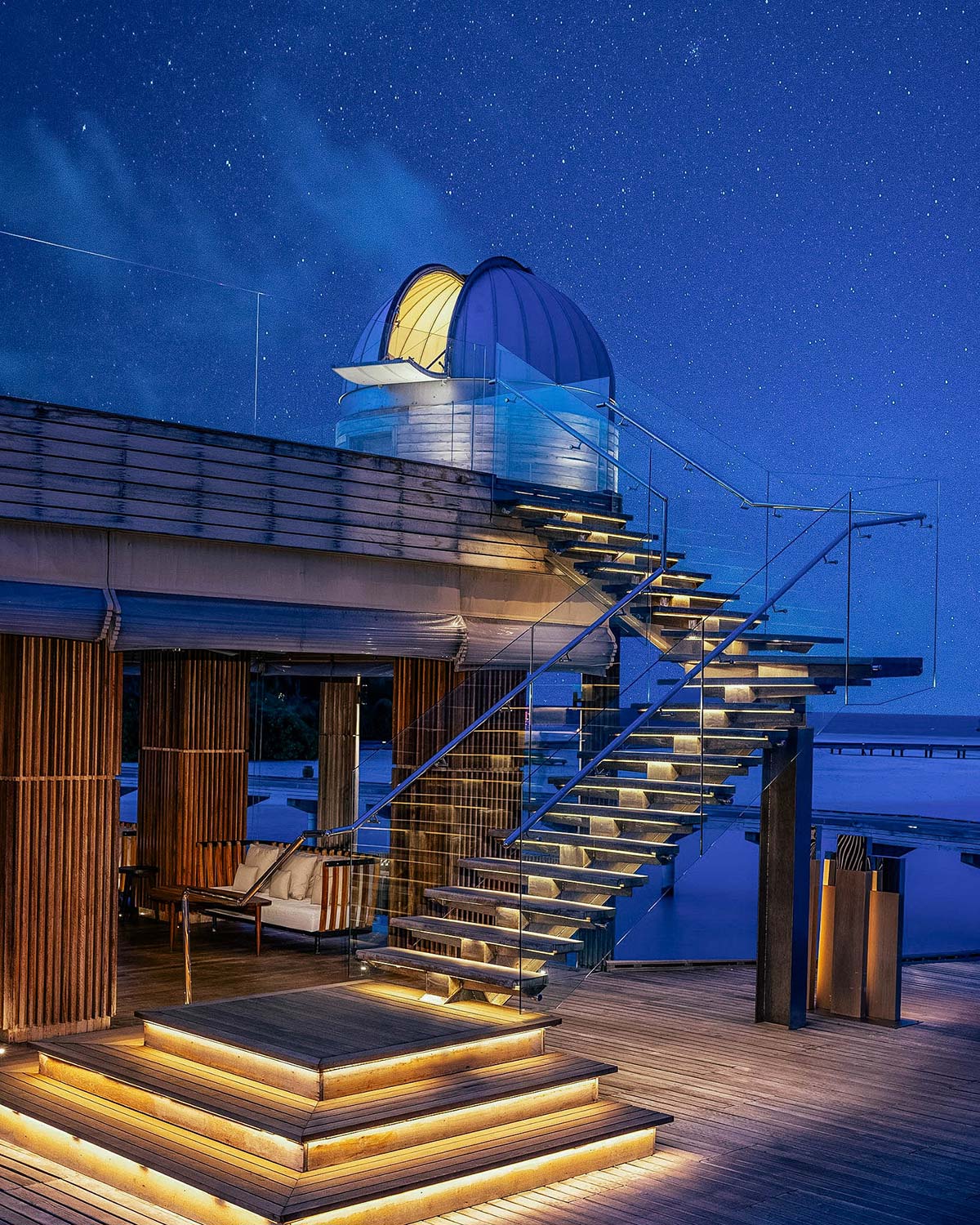
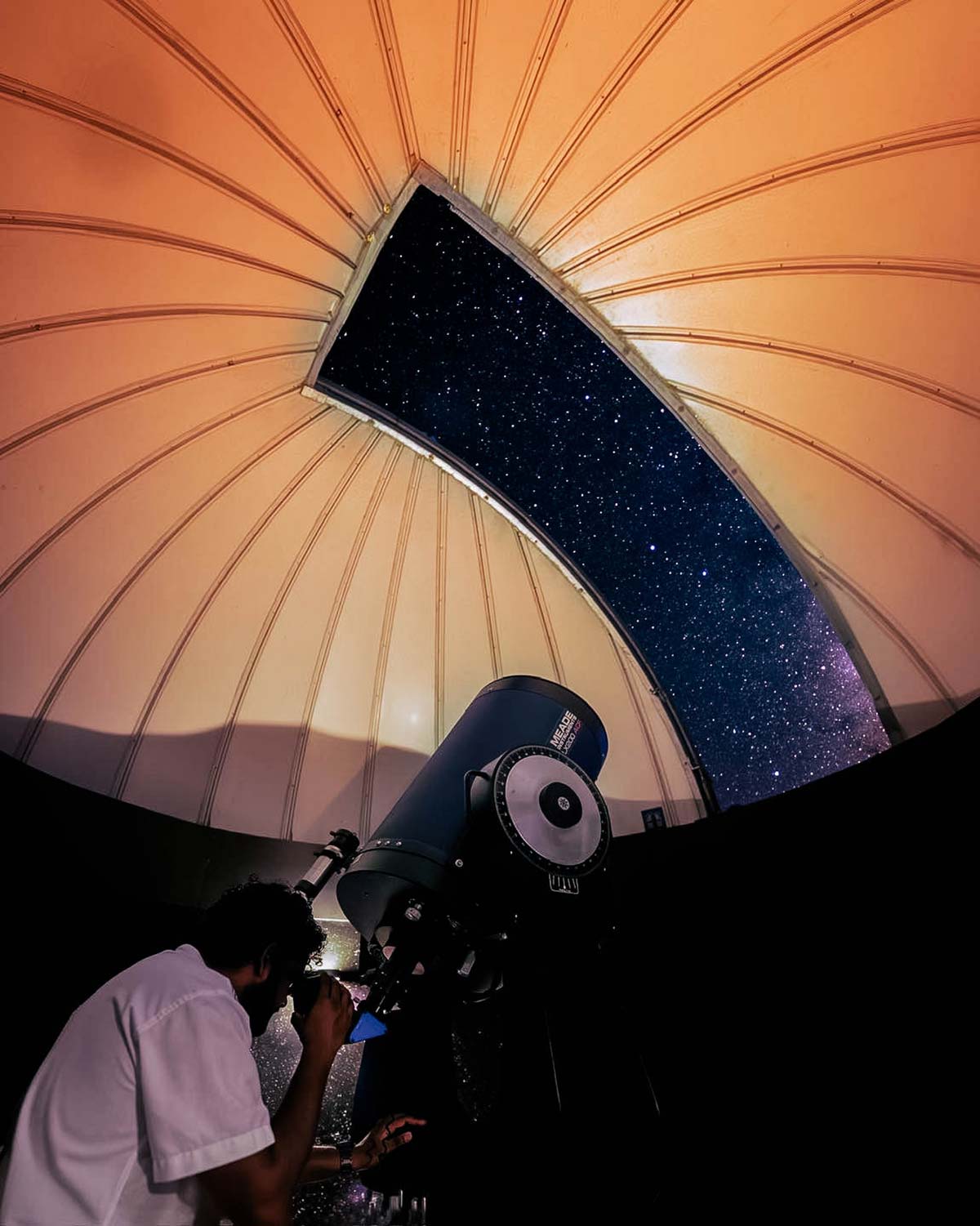
While stargazing draws the gaze outward, moon gazing encourages a quieter, more inward form of reflection. The practice involves observing the moon’s light, shape, and movement, often during the full or rising moon. Across cultures, the moon has long been associated with cycles, emotion, and renewal. Its steady rhythm has guided calendars, agricultural practices, and spiritual rituals for centuries.
In Ayurvedic philosophy, the moon is linked with cooling, grounding energy and is traditionally associated with calming the mind and restoring balance. Lunar practices are thought to soothe internal heat and promote emotional steadiness, making moon gazing a natural companion to meditation and slow breathing techniques. While scientific research on moon gazing itself remains limited, many wellness traditions emphasize its role in relaxation, nervous system regulation, and improved sleep.
Moonlight meditation is increasingly incorporated into retreat programs, from beachfront sessions in the Maldives to desert-based rituals in the Middle East. Travelers can experience this sense of lunar stillness on the Blissful Break in Kaafu Atoll itinerary, where guests are invited to lie on the powder-white sands of the Maldives and watch the moon rise over the Indian Ocean.