


The Taj Mahal may be India’s showstopper—one of the Seven Wonders of the World and a global symbol of love—but beyond that marble masterpiece lies a constellation of lesser-known wonders. From a mesmerizing Islamic tower in Delhi to the rock-hewn sanctuaries of Mahabalipuram, the vast necropolis of Hyderabad, Goa’s UNESCO-listed basilica, Kolkata’s dramatic temple of death, and India’s most beautiful railway station in Mumbai, the subcontinent brims with marvels to rival its most famous monument.
Qutb Minar (Delhi)
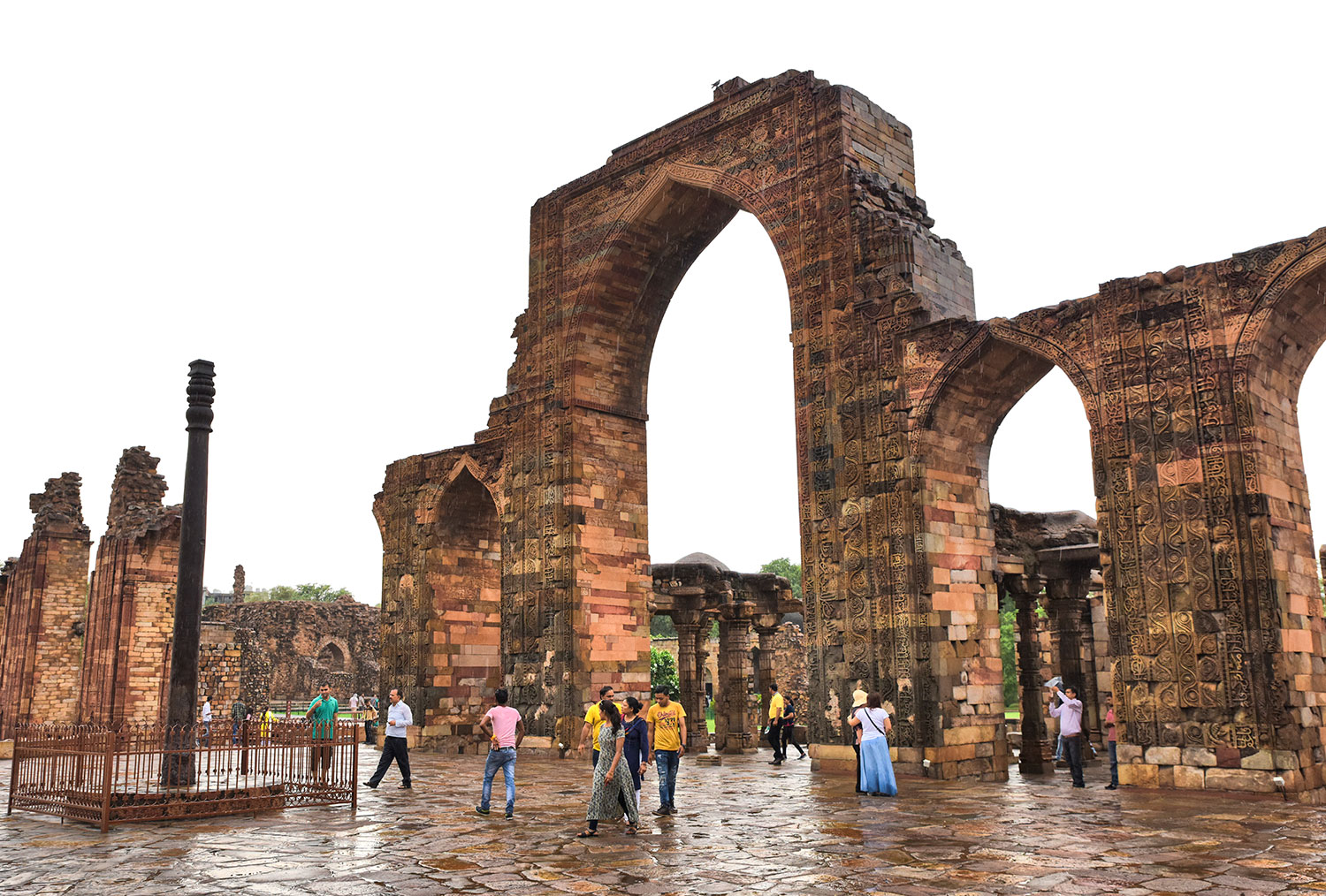
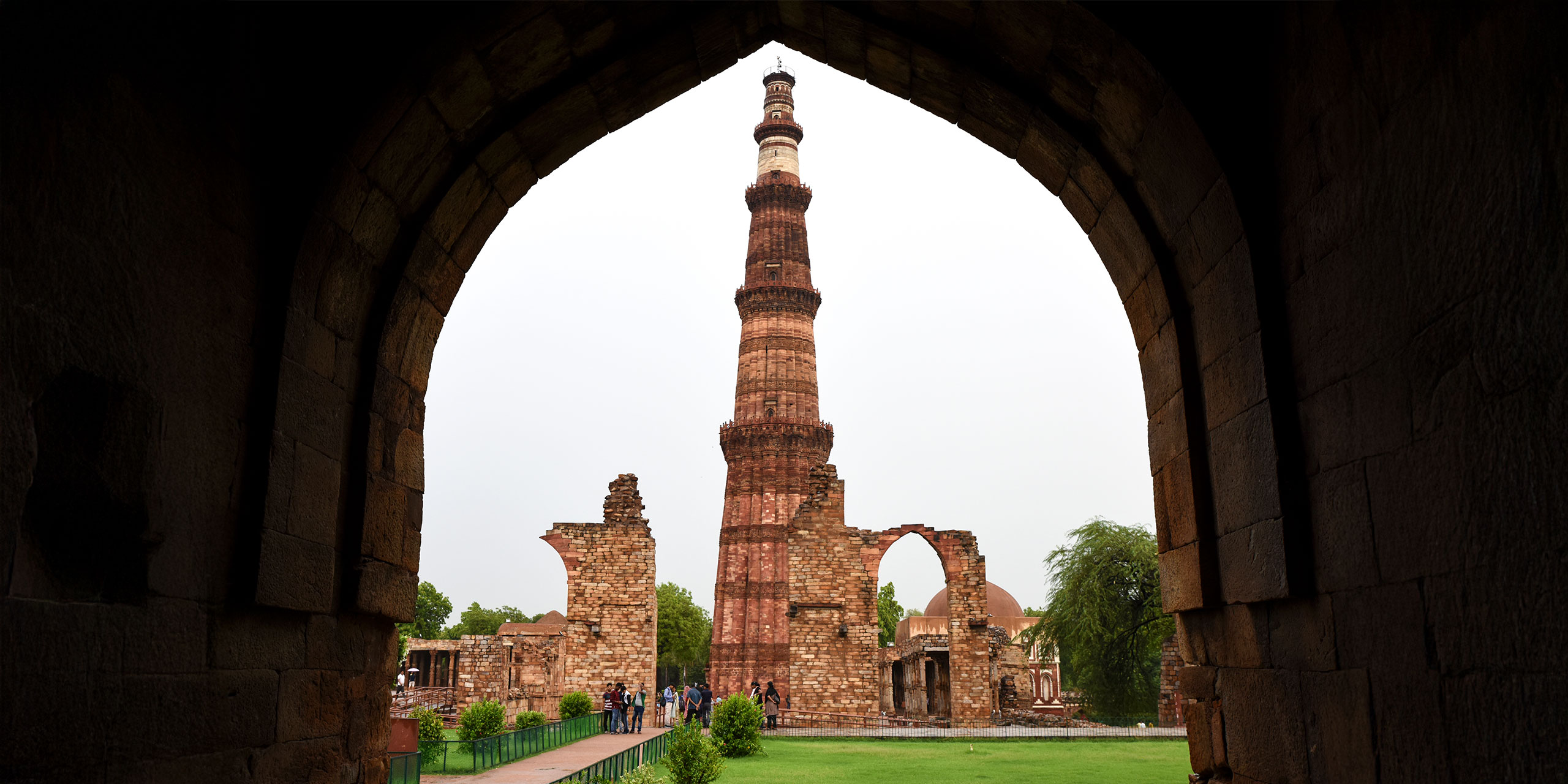
In almost any other Indian city, Qutb Minar would be the star attraction. But Delhi, so laden with history, keeps this colossal gem somewhat in the shadows. Hidden on the capital’s southern fringes, far from the tourist crush of Humayun’s Tomb and the Red Fort, these immense Islamic complexes reward those who make the journey.
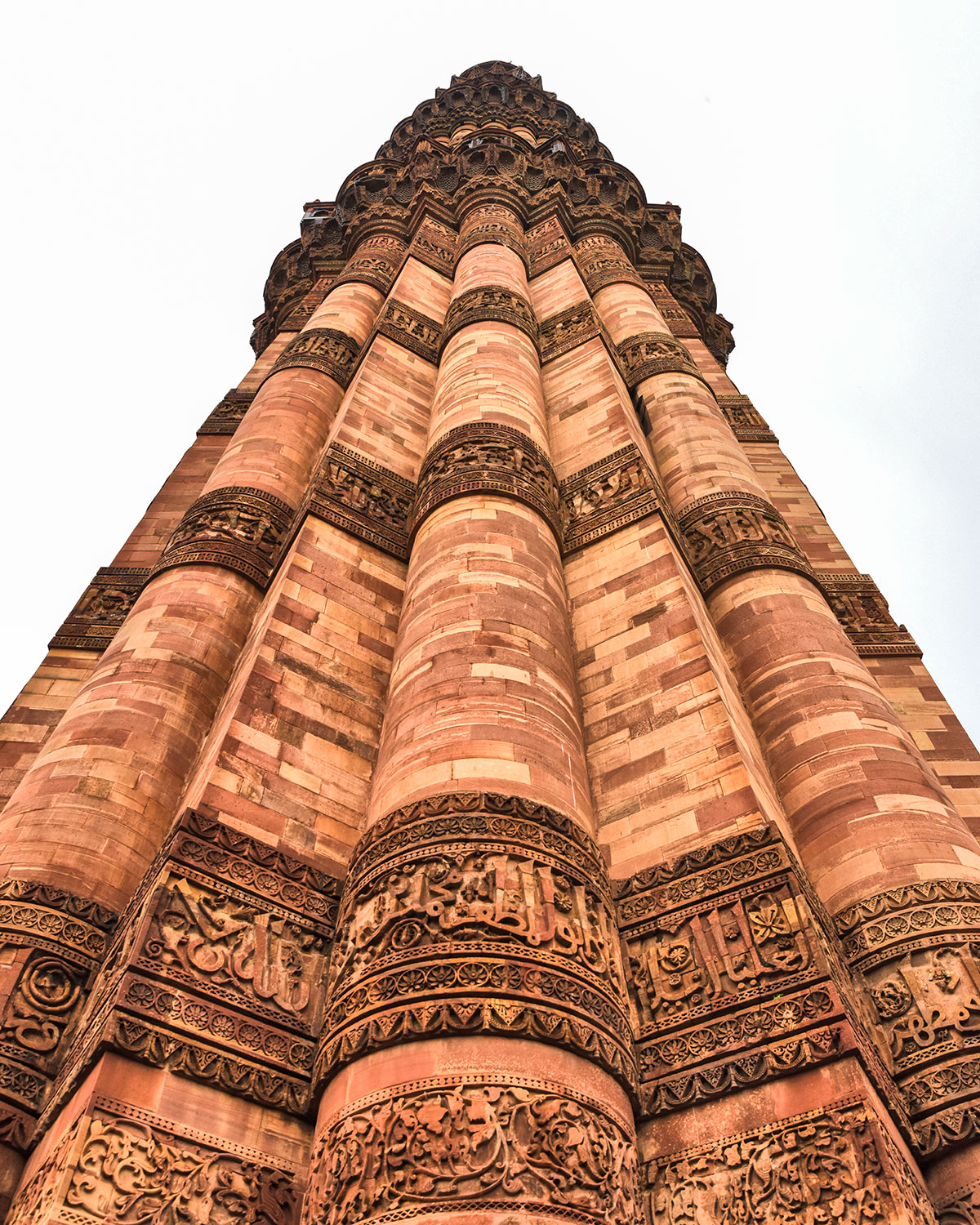
The 72-metre-high minaret was begun in the 1200s by Qutb-ud-din Aibak, founder of the Delhi Sultanate, the great Muslim empire that ruled northern India. Today, the name Qutb Minar refers not just to the tower but to an entire UNESCO World Heritage Site of spellbinding ruins—from northern India’s oldest mosque, Quwwat-ul-Islam, to the graceful Alai-Darwaza gate and a scattering of beautifully weathered tombs.
At its heart stands that red sandstone spire, etched with intricate Arabesque patterns — a soaring needle announcing the faithful to prayer. Around it, the remnants of a vanished age shimmer in the Delhi haze.
Cave Temples (Mahabalipuram)
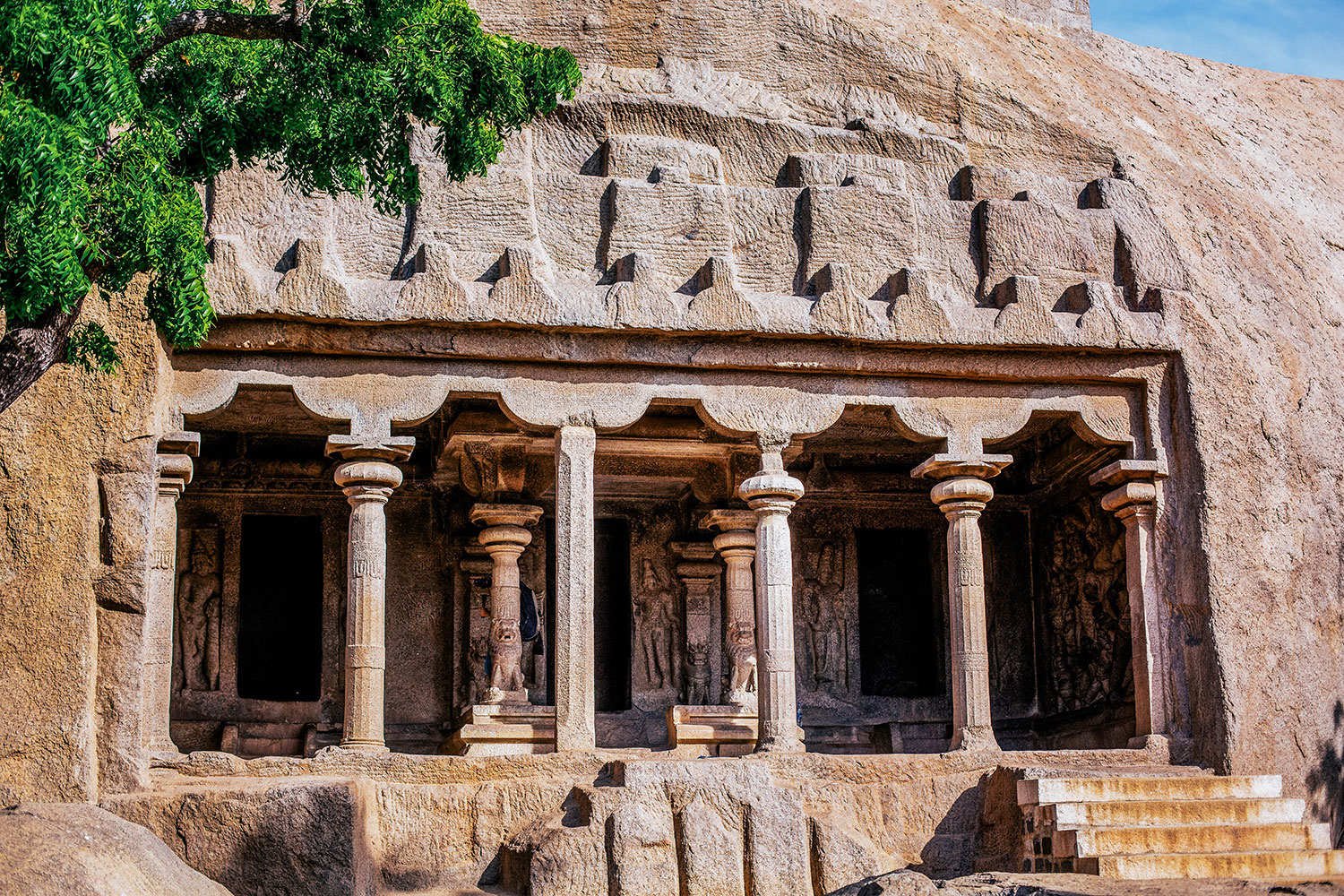
About 50 kilometers south of Chennai, the coastal town of Mahabalipuram hides a treasure trove of rock-cut art that glows from the shadows. Between the 4th and 9th centuries AD, the Pallava kings chiseled their devotion into living stone, creating an extraordinary gallery of Dravidian sculpture by the sea.
Once a bustling maritime port, Mahabalipuram is now a sleepy resort popular with domestic travelers who wander among its sculpted shrines — a UNESCO-listed wonderland of granite reliefs, cave sanctuaries, and freestanding temples.
Among the highlights are the Adivaraha and Mahishasura Mardini caves, the Ganesha Ratha, and the intricately carved Varaha Cave Temple. But the masterpiece is Arjuna’s Penance, a 13-by-29-metre tableau of gods, elephants, and celestial beings — more than a hundred figures frozen in motion, carved with almost unimaginable precision.
Qutb Shahi Tombs (Hyderabad)
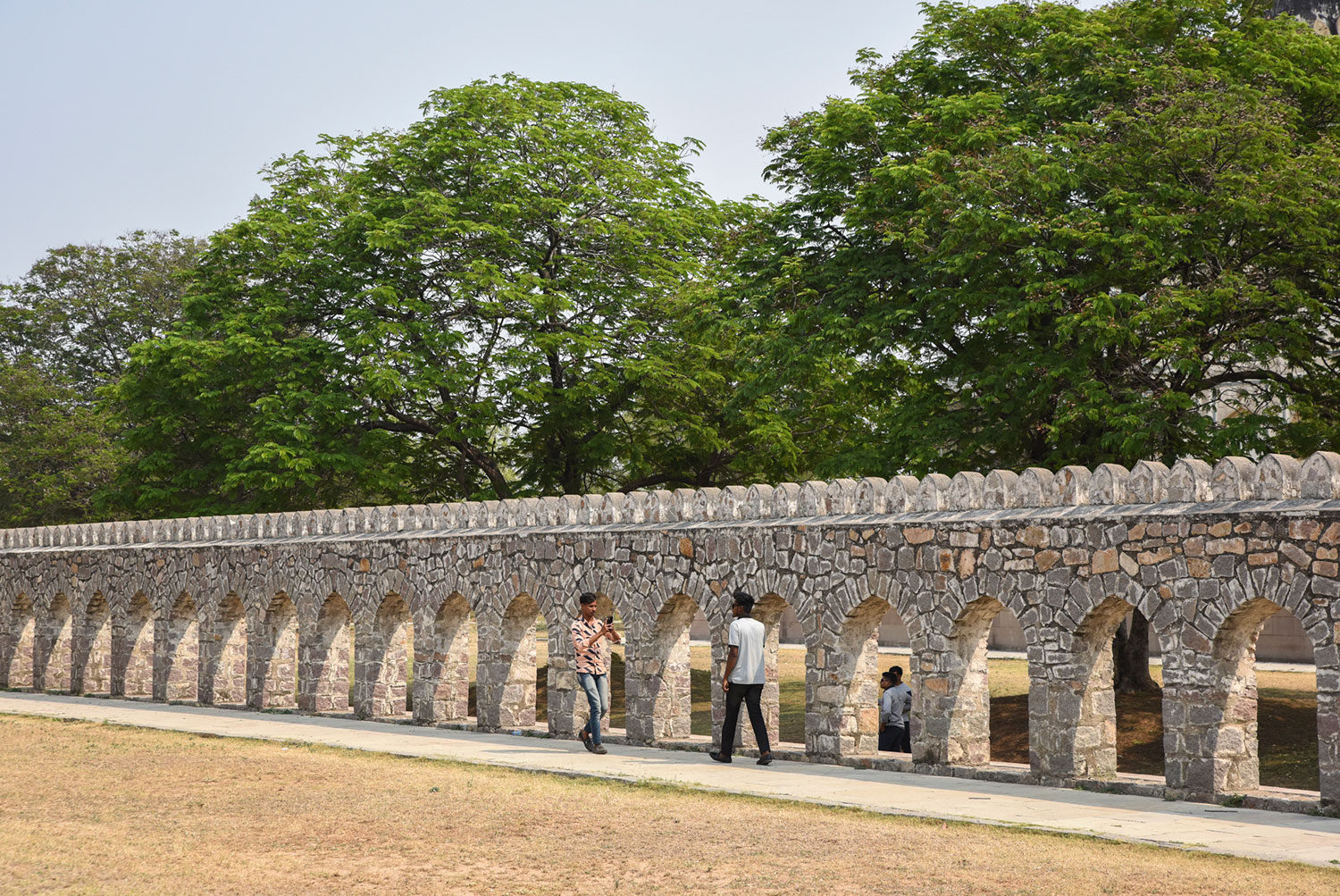
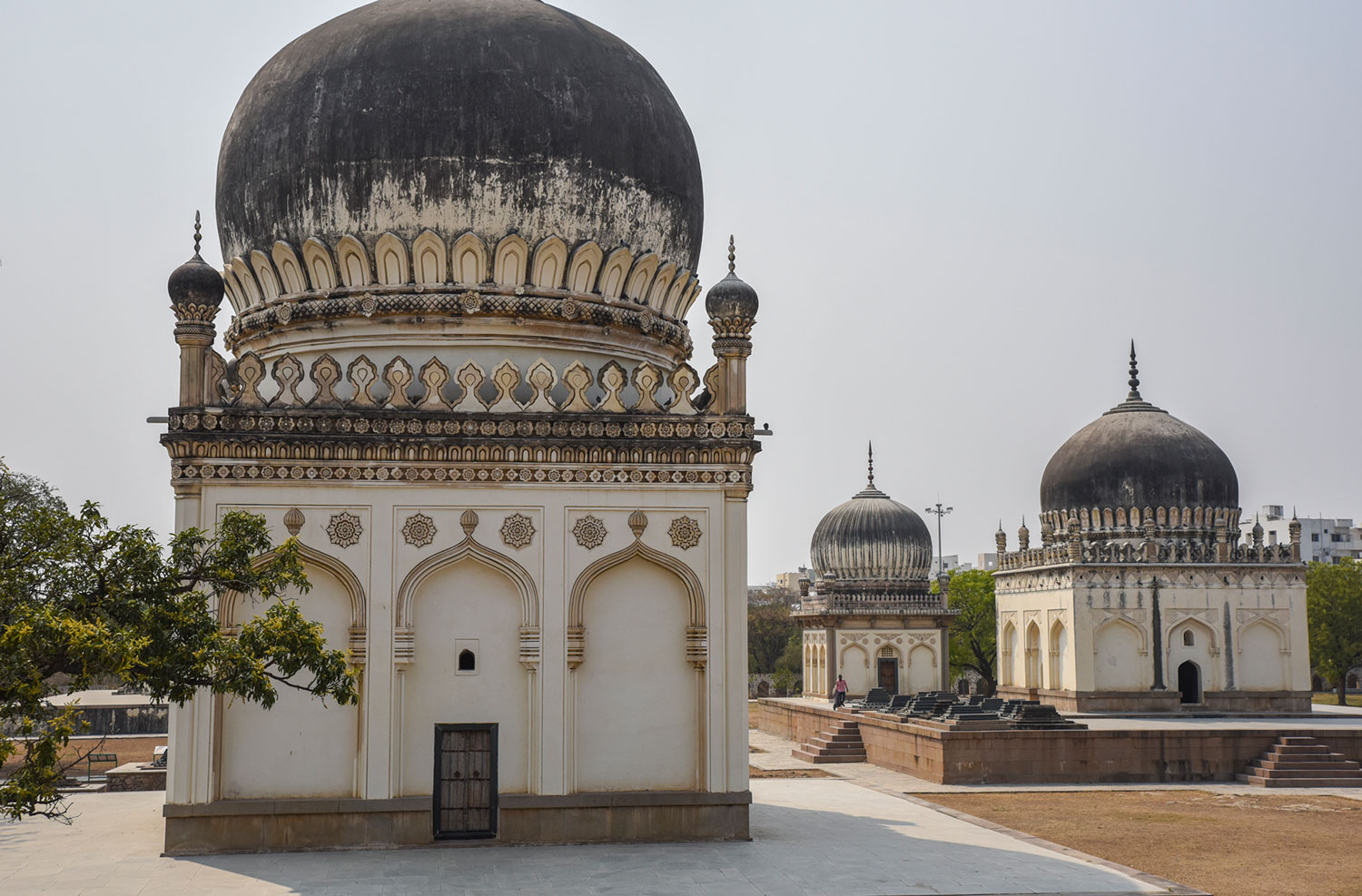
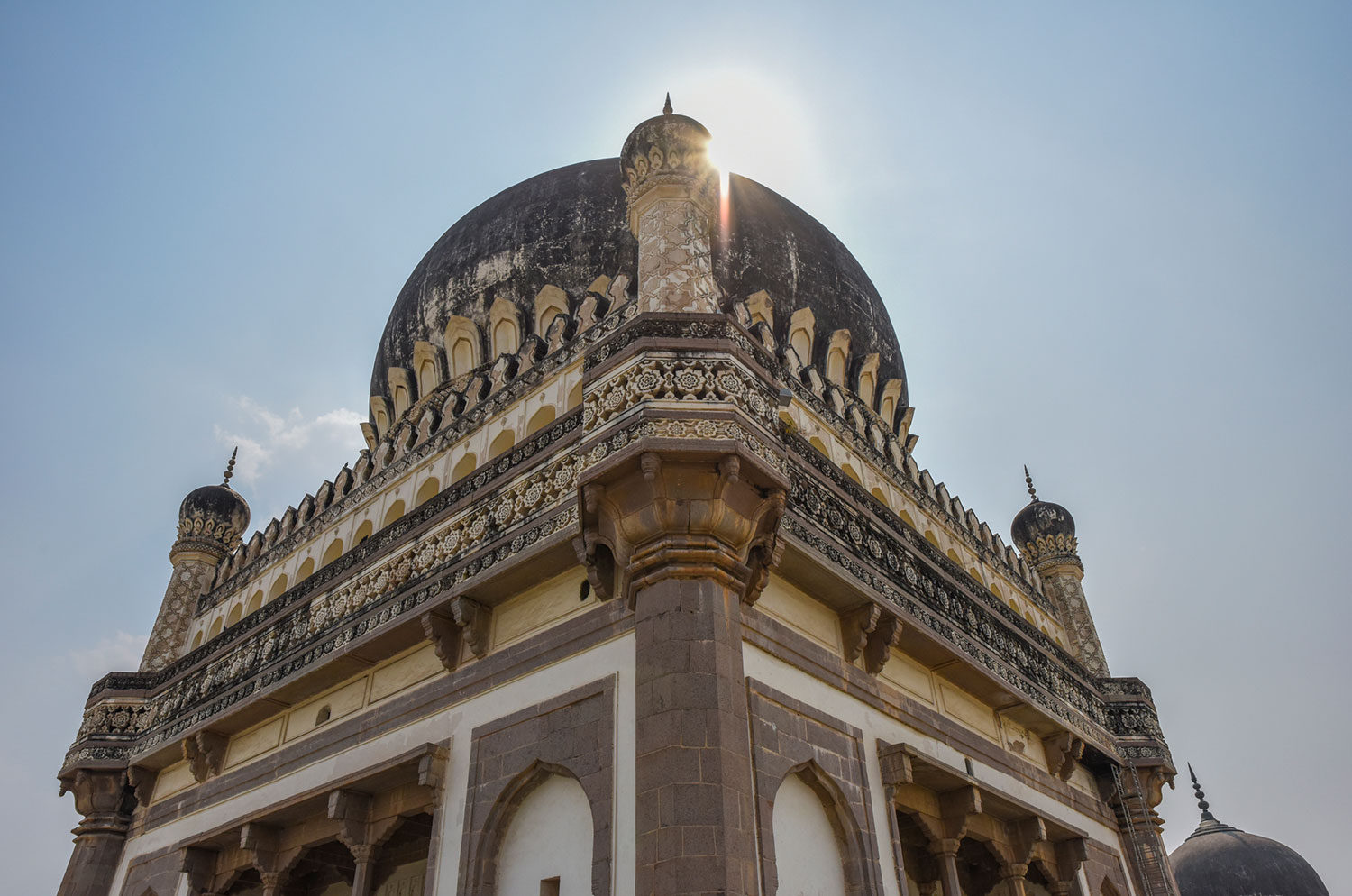
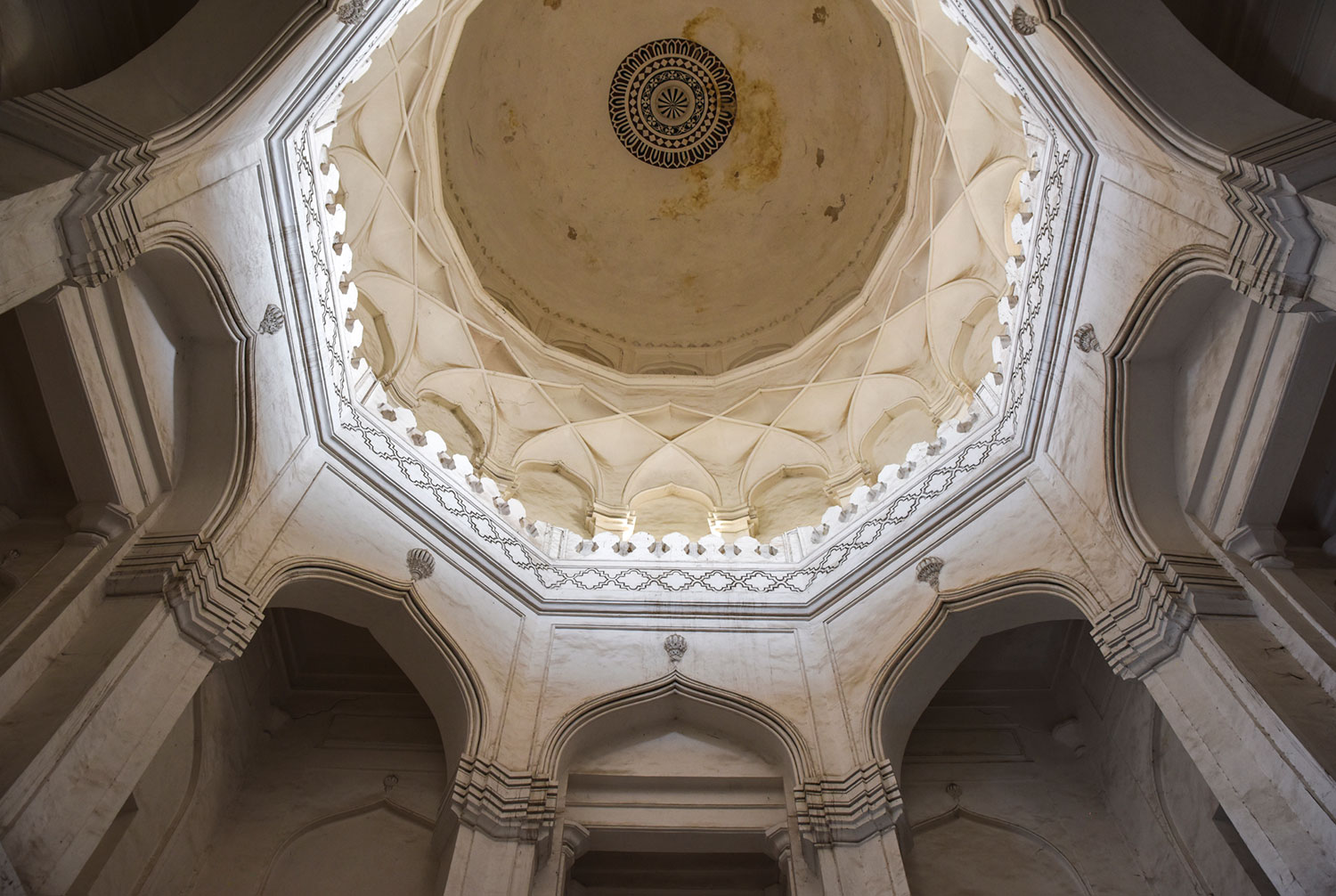
Few places make death look this majestic. The Qutb Shahi Tombs, spread across 106 acres near Hyderabad, form a city of the dead built by the rulers of the Golconda Kingdom — the dynasty that founded Hyderabad and grew rich on the diamond trade between 1518 and 1687.
The complex holds around 80 monumental mausoleums, some rising 40 meters, their granite domes swelling like stone onions above carved arcades and delicate tilework. Thanks to a decade-long restoration effort, this grand necropolis has regained its former splendor.
Each tomb holds a royal soul — sultans and nobles whose wealth once dazzled the world. A small museum at the entrance tells their story, but the true narrative lies in the silence of the domes and the shimmer of sunlight on stone.
Basilica of Bom Jesus (Goa)
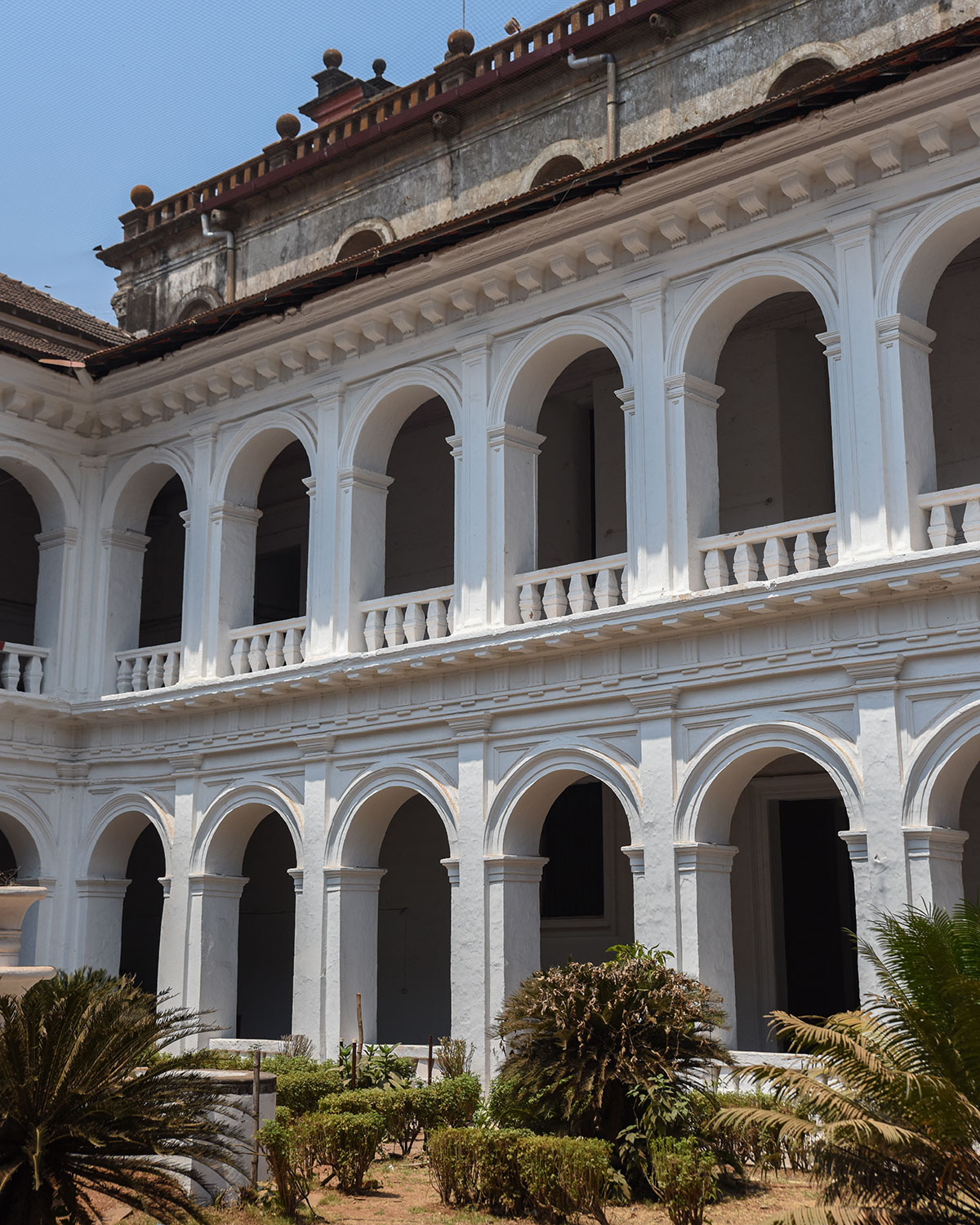
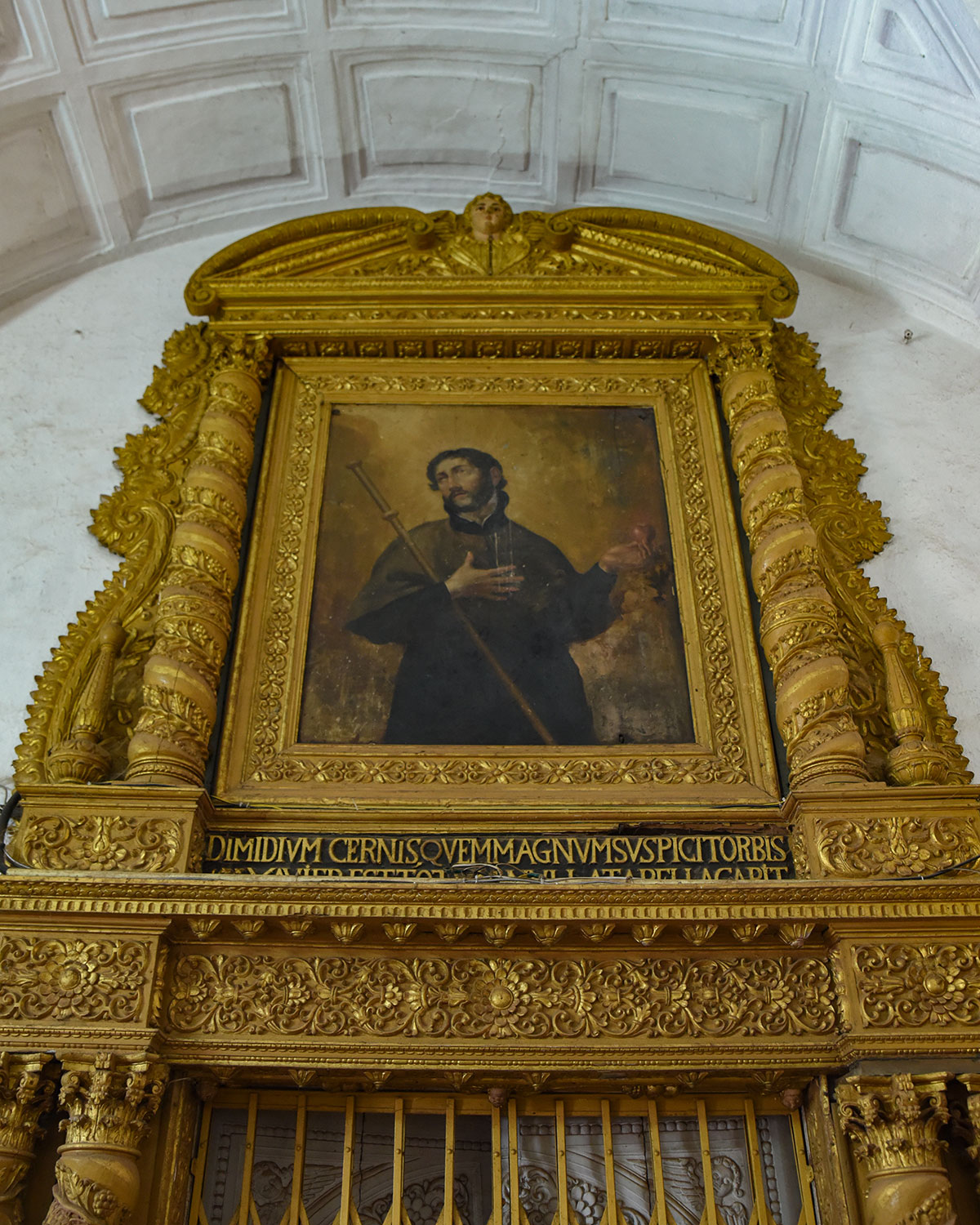
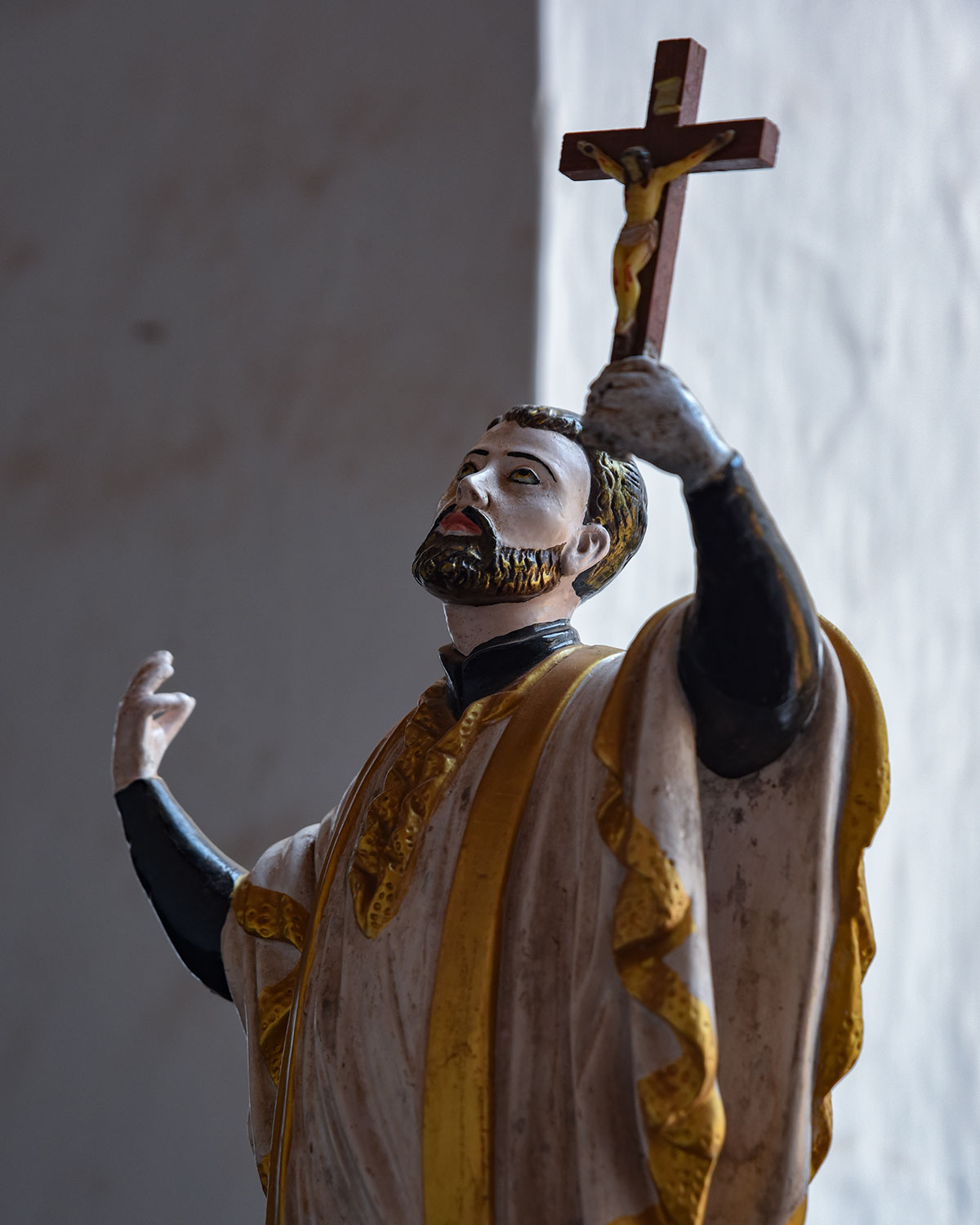
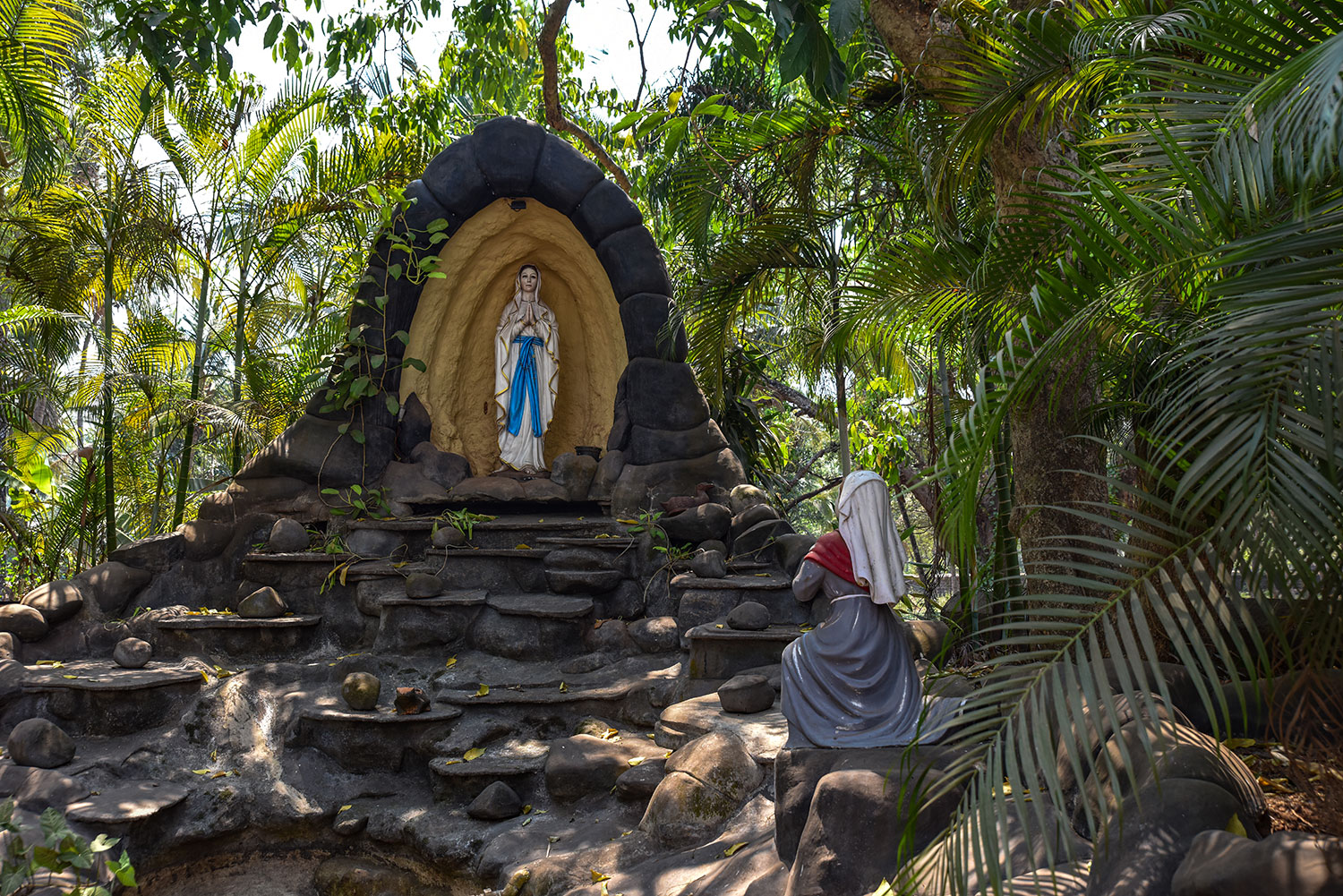
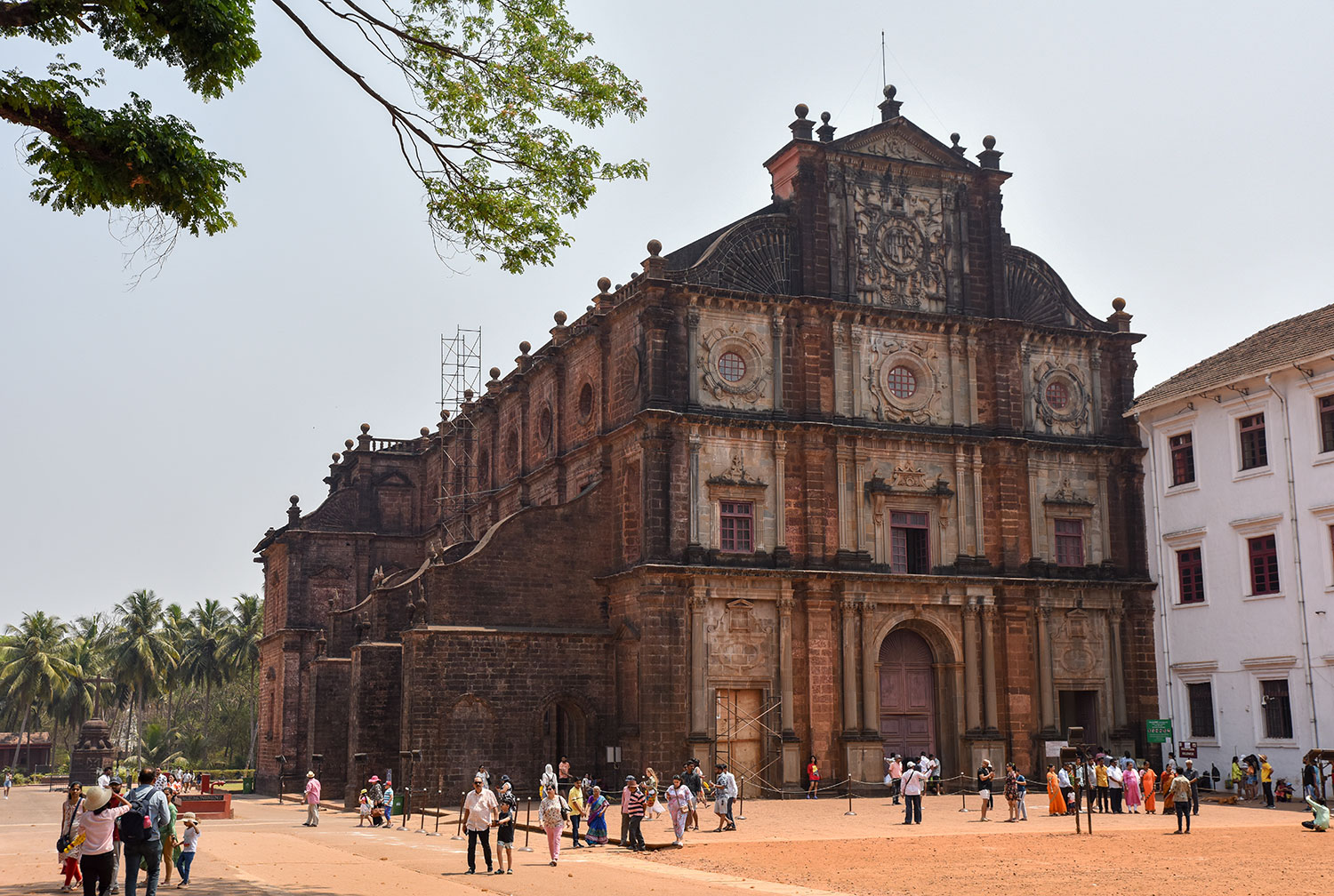
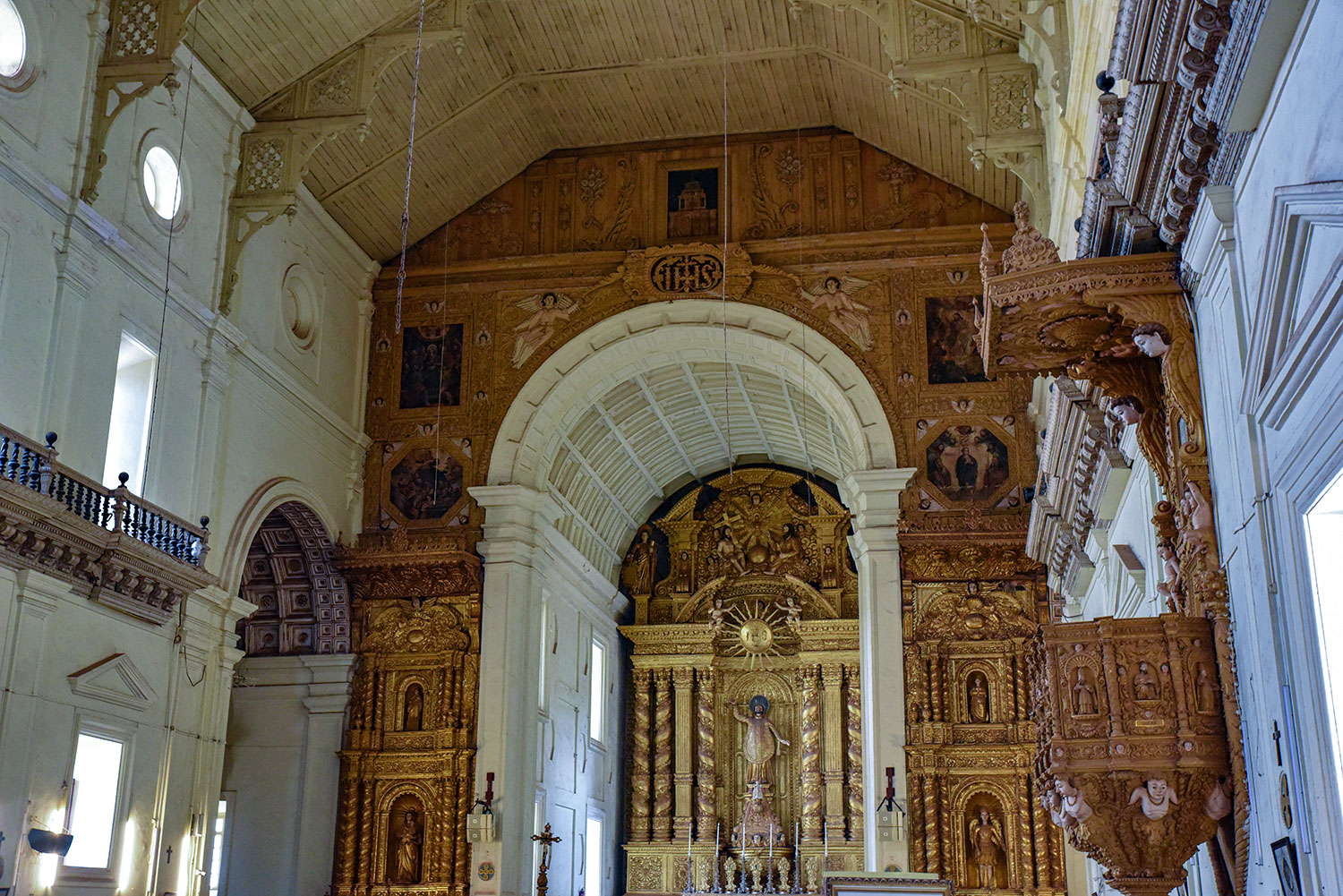
Goa may be famed for its beaches and palm-fringed serenity, yet venture 15 kilometers inland and you’ll find one of India’s most extraordinary Christian monuments. In Old Goa, the ruins and churches of a once-mighty Portuguese city still echo with faith and colonial grandeur — none more striking than the Basilica of Bom Jesus.
Built in the late 1500s, this red-brick giant stretches 60 meters long and soars 20 meters high. Its baroque façade brims with biblical carvings, the masonry alive with angels, saints, and intricate flourishes. Inside, in a glass casket, rest the remains of St Francis Xavier — the Spanish missionary who helped bring Christianity to Asia.
It’s a place of solemn beauty: sunlight filtering through stained glass, dust motes swirling, and the faint scent of incense mingling with the Atlantic breeze.
Dakshineswar Kali Temple (Kolkata)
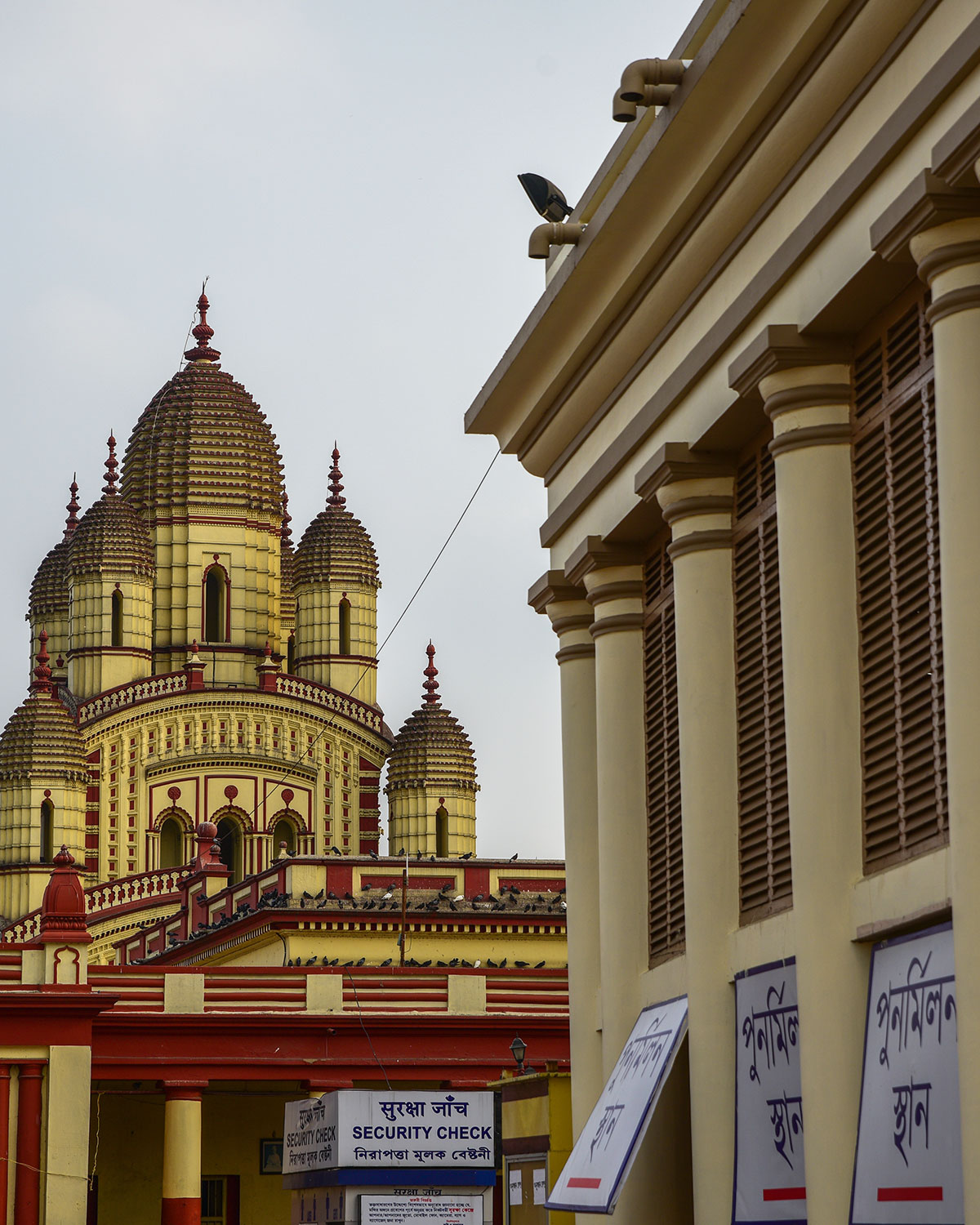
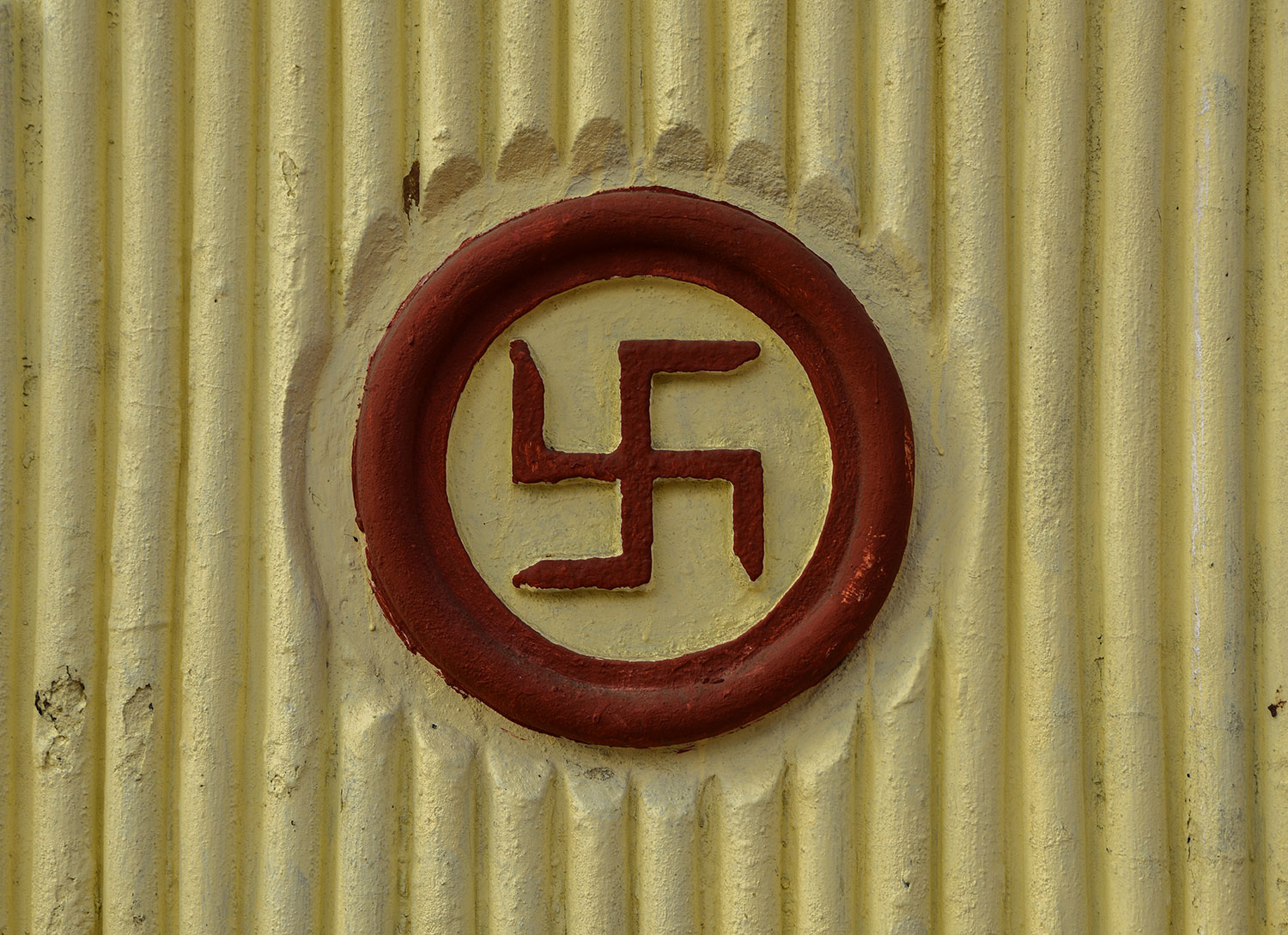
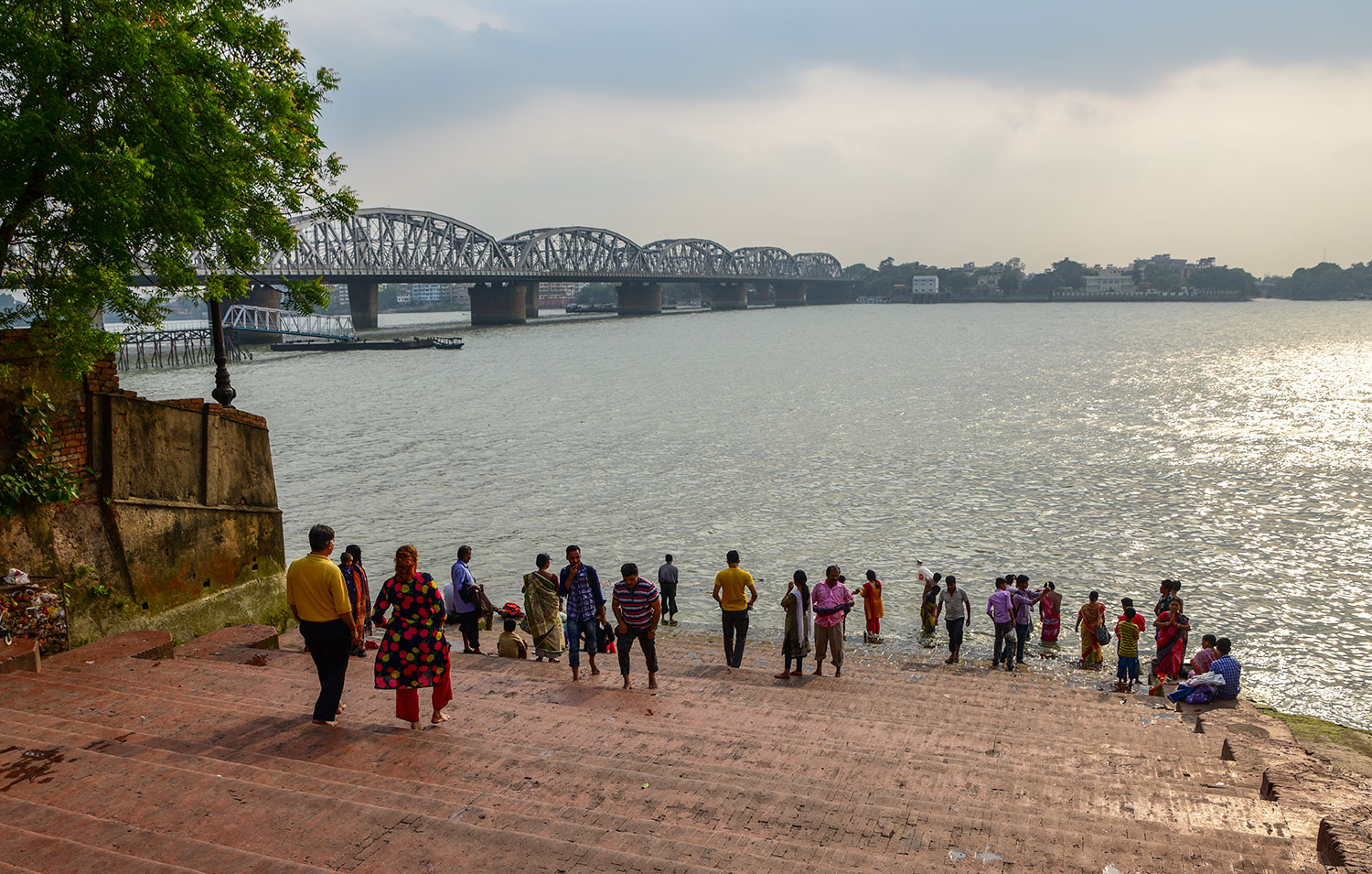
Kali is not a goddess to be trifled with. Sword in one hand, a severed head in the other, she embodies death and destruction — and yet, for her devotees, she also represents fierce protection and renewal. Nowhere is her power more tangible than at Dakshineswar Kali Temple, on the western banks of the Hooghly River in Kolkata.
Completed in the mid-1800s, the temple is a vision in cream and red, crowned by nine domes and wrapped in delicate stuccowork and striped arches. The setting is peaceful, even serene — pilgrims bathing in the river, bells chiming, the air thick with the scent of marigolds and ghee lamps.
It’s both spectacle and sanctuary — a vivid reflection of Kolkata’s devotion to the divine feminine.
Chhatrapati Shivaji Terminus (Mumbai)
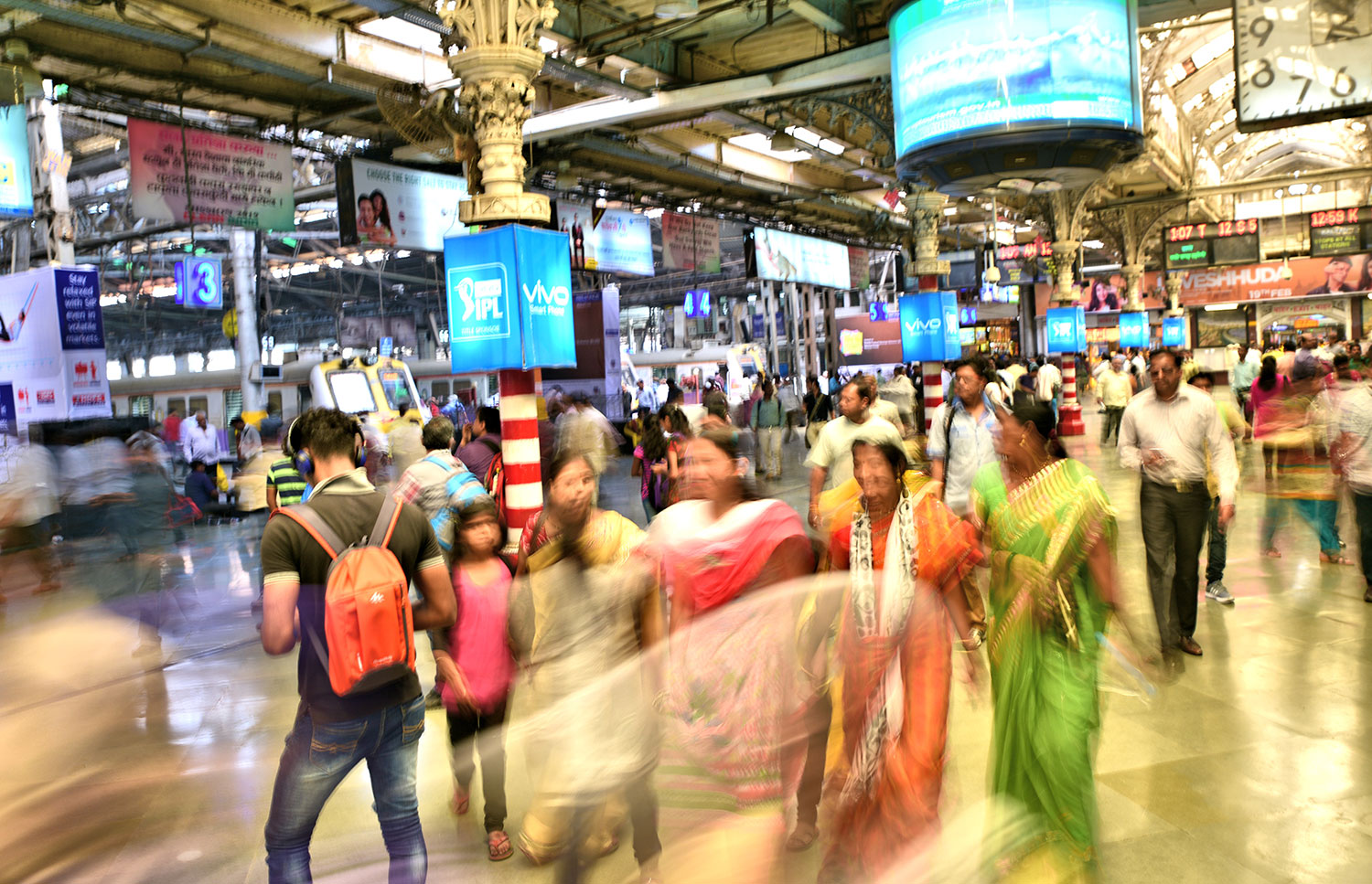

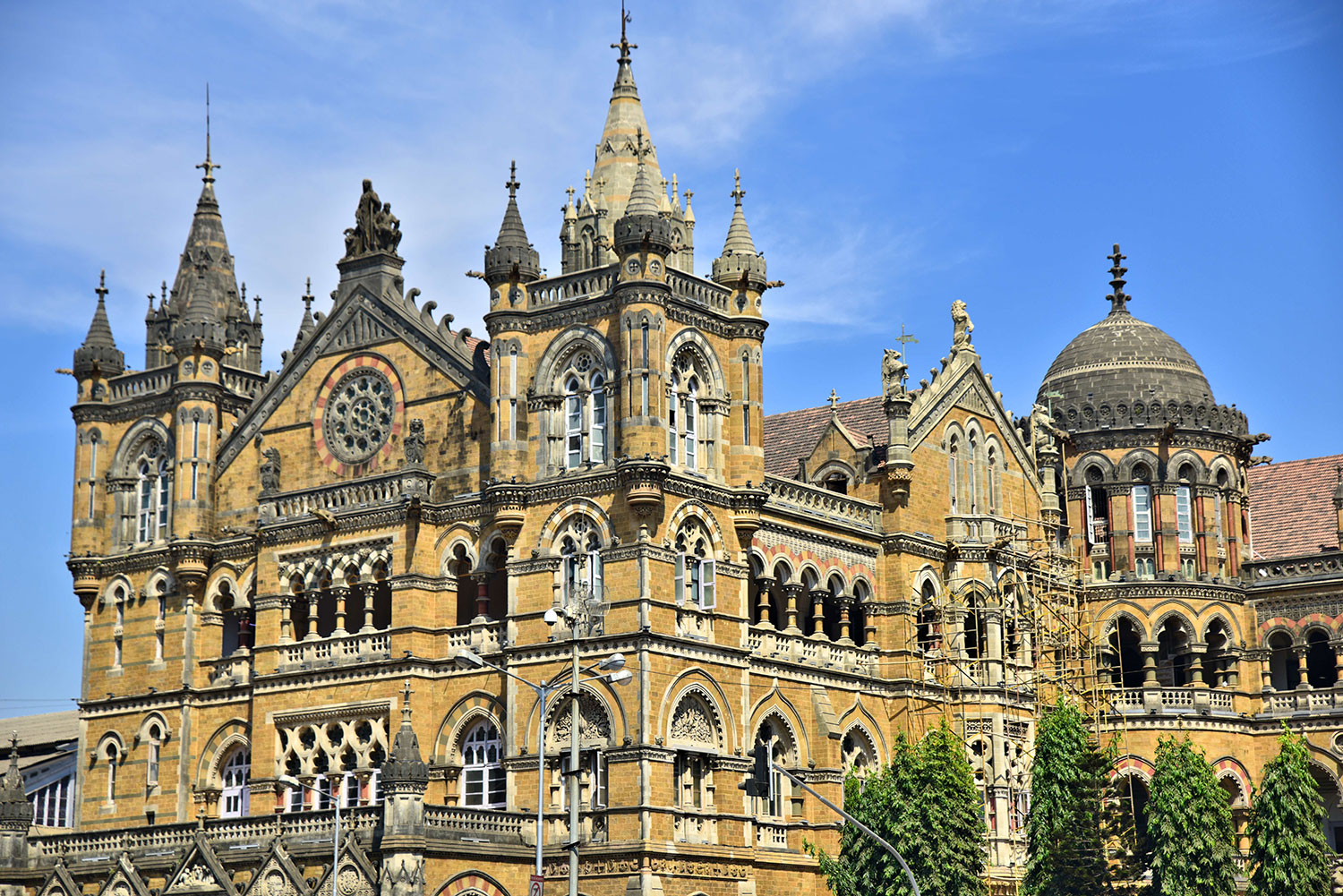
Inside, it’s pandemonium; outside, it’s poetry in stone. Mumbai’s Chhatrapati Shivaji Terminus, serving three million passengers a day, is as much a cathedral as a train station.
Built in the 1800s during the British Raj, this Victorian Gothic masterpiece — now a UNESCO World Heritage Site — is a triumph of design and endurance. The façade bristles with turrets, arches, gargoyles, and hand-carved statues, while inside, sunlight pours through stained glass onto the rush of humanity.
From the street, it looks like a palace. In truth, it’s a temple to movement — the beating heart of a city that never stands still.