


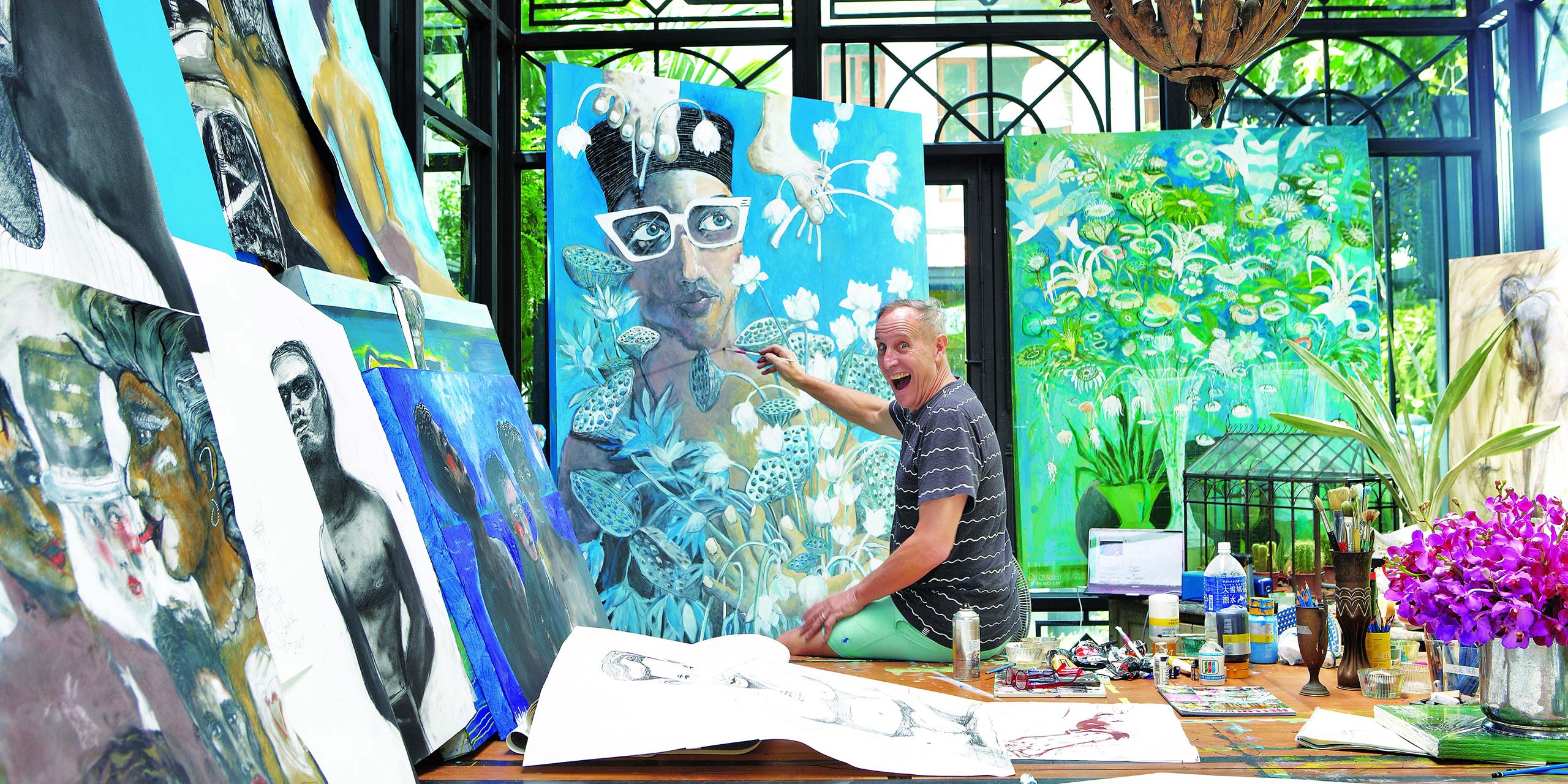
Bill Bensley has spent four decades designing hotels that feel like elaborate fantasies. Jungle-tented camps reached by zipline, exuberant garden estates bursting with color, and maximalist resorts that blur the boundary between theater and architecture have become his signature across Asia and beyond.
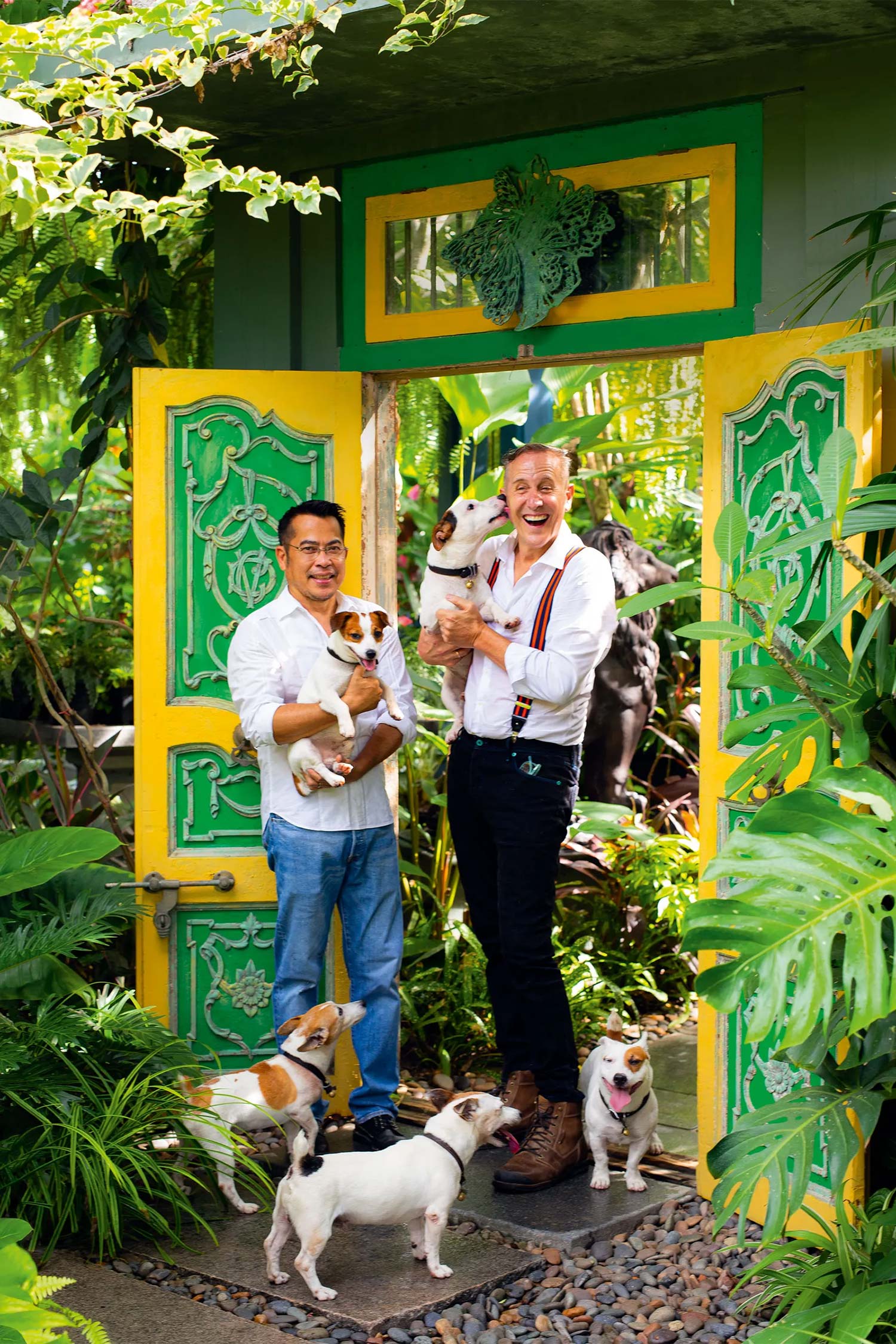
After studying at California Polytechnic Pomona and Harvard, Bensley arrived in Asia in 1984, first working as a landscape architect in Hong Kong before relocating to Thailand to establish his own studio. A Bali office followed soon after, along with a life rooted in the region and shared with his husband, Jirachai.
Today, the Bangkok-based designer remains one of the hospitality industry’s most distinctive creative forces, balancing global hotel projects with painting and conservation initiatives that are increasingly shaping his legacy.
Where do you see tourism heading over the next decade? Has long-haul travel peaked, and will luxury continue to grow?
Over the next decade, tourism will blend wanderlust with intentionality. Long-haul travel remains compelling, with destinations from South Africa to the Amazon attracting visitors through wildlife encounters, local adventures, and immersive cultural experiences. The “White Lotus” effect, for instance, has renewed interest in Thailand’s luxury resorts, while film and media continue to spotlight previously overlooked destinations.
Travelers are becoming more sustainability-conscious, with alternatives such as train journeys or curated regional experiences gaining traction. Increasingly, the goal is to travel smarter, slower, and with purpose.
The luxury segment continues to thrive, driven by affluent travelers seeking personalization, authenticity, and meaningful engagement with destinations. Wellness, sustainability, and local connection are no longer niche interests but central expectations. The winners will be those who combine extravagance with thoughtfulness and narrative depth.
What can high-end hotels do to support sustainability and preserve natural landscapes?
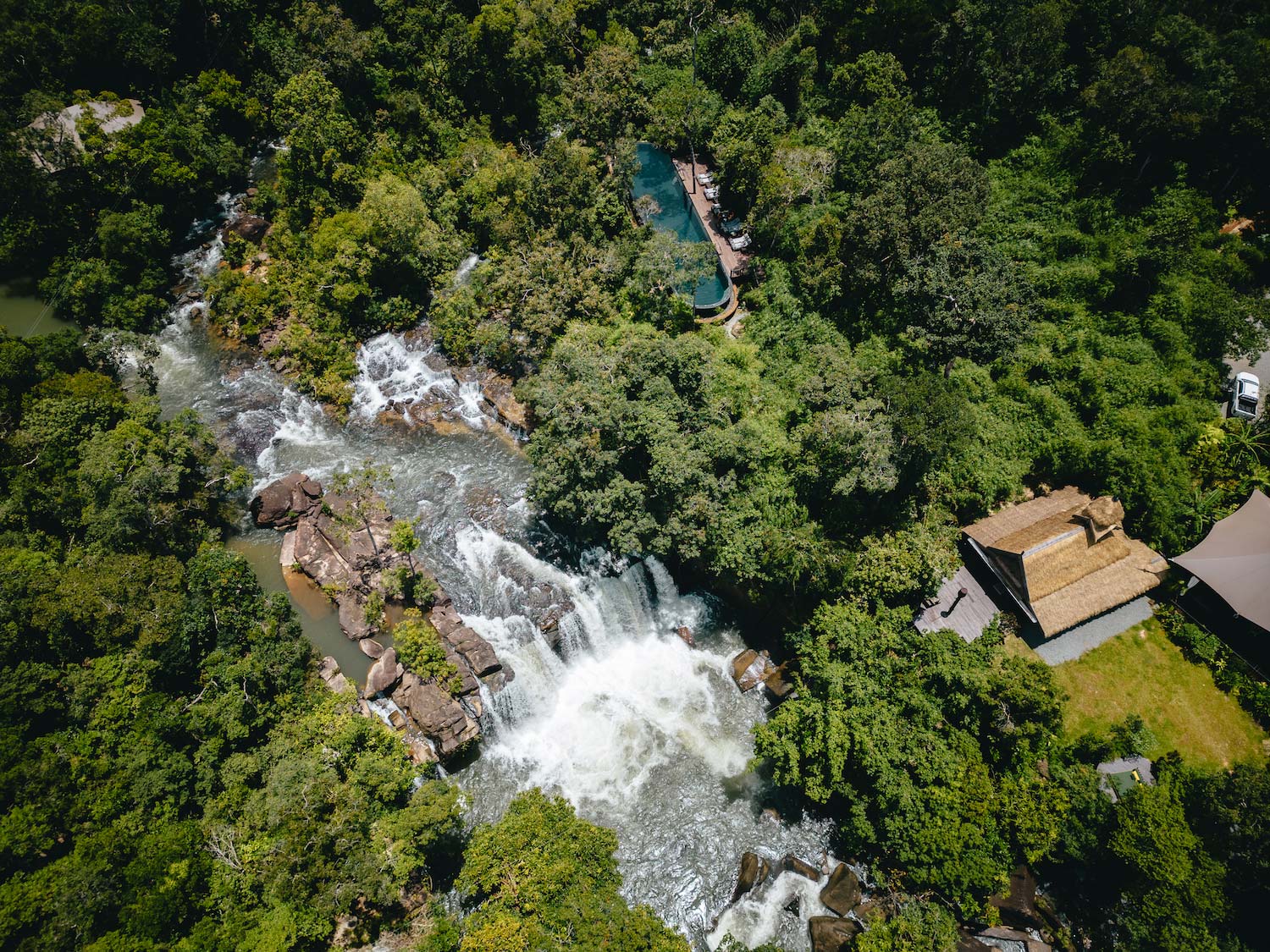
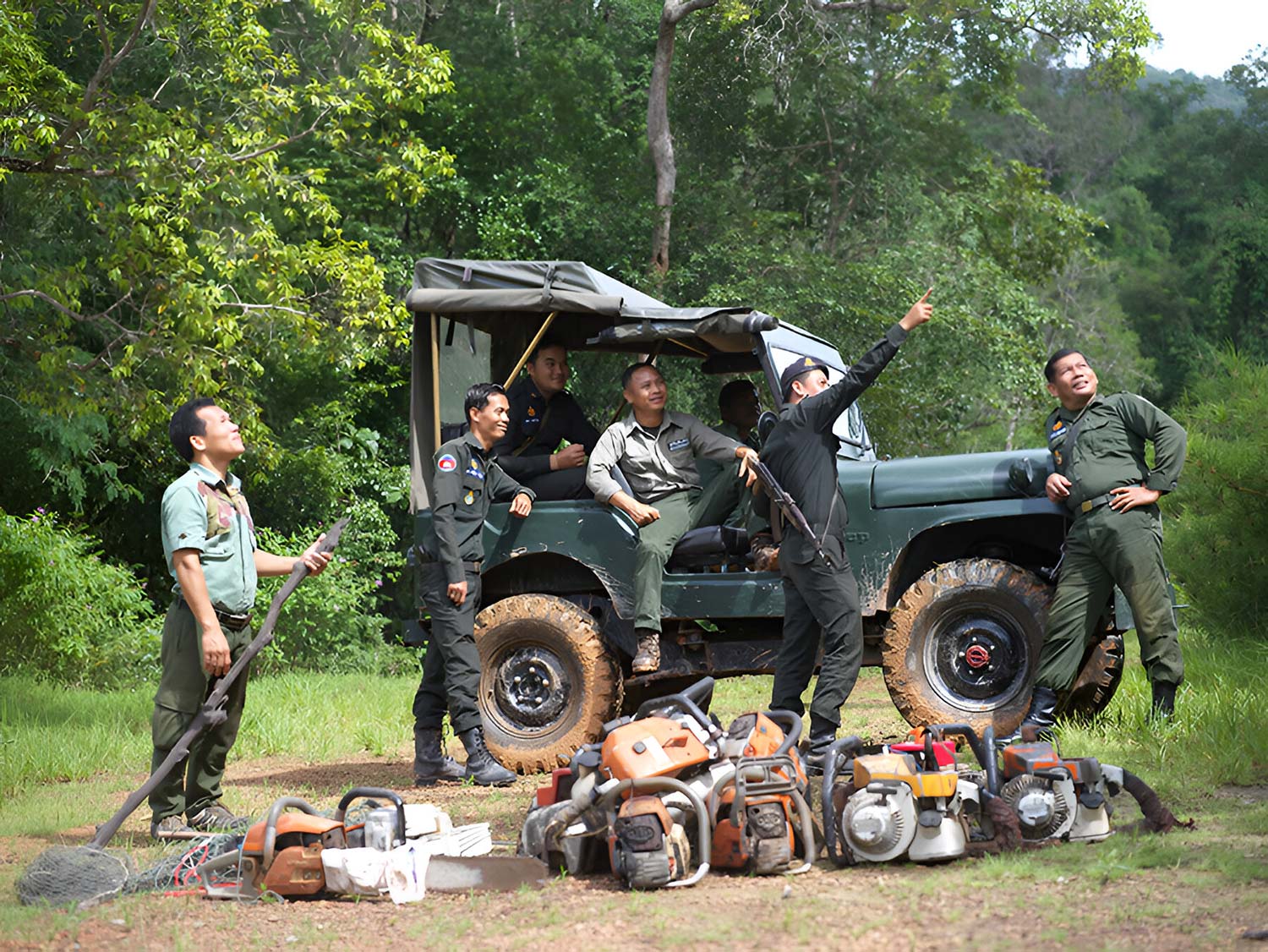
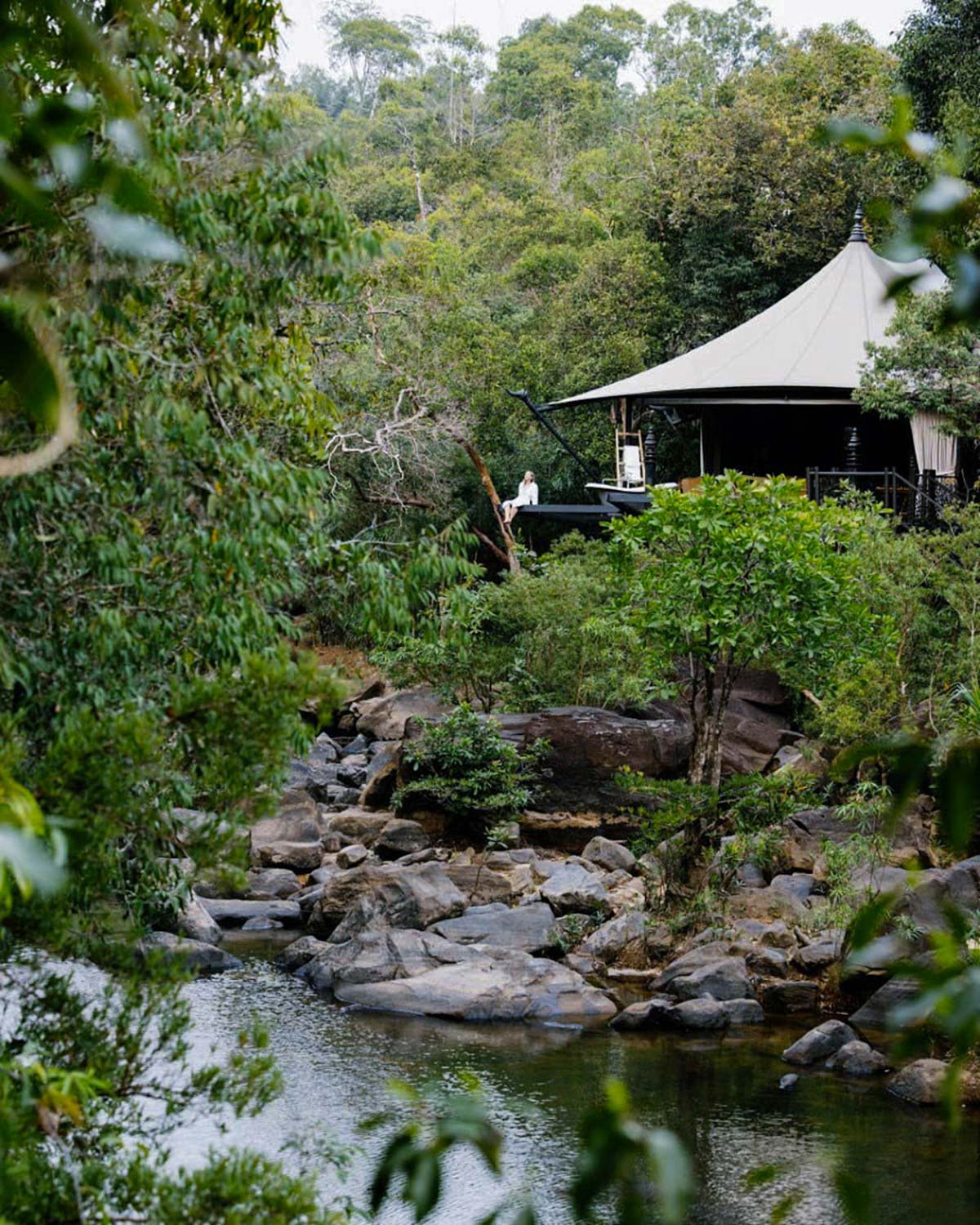
We set a precedent with Shinta Mani Wild in Cambodia’s Cardamom Forest by taking stewardship of national park land to prevent logging and mining. By funding ranger patrols through the hospitality model, we’ve helped protect a fragile ecosystem while demonstrating that conservation and luxury can coexist.
I would encourage high-end operators to study that example and adopt practical sustainability measures that go beyond surface-level gestures.
Is the work still exciting? Does completing a project today carry the same meaning as it did thirty years ago?
Absolutely. If the excitement had faded, I would have retired long ago and painted cabbages in the countryside. The thrill has never been the finish line; it’s the pursuit. Thirty years ago, I was driven by ambition and survival. Today, the motivation is legacy, storytelling, and protecting wild places.
When a project concludes, satisfaction comes not only from design but from impact. Safeguarding forests, employing local artisans, and proving that luxury can operate with conscience gives each project deeper significance than ever before.
What’s your favorite Bensley-designed hotel and why?
Choosing a favorite is nearly impossible, but Shinta Mani Wild holds a special place. It was the first time I could design entirely from instinct rather than a traditional brief.
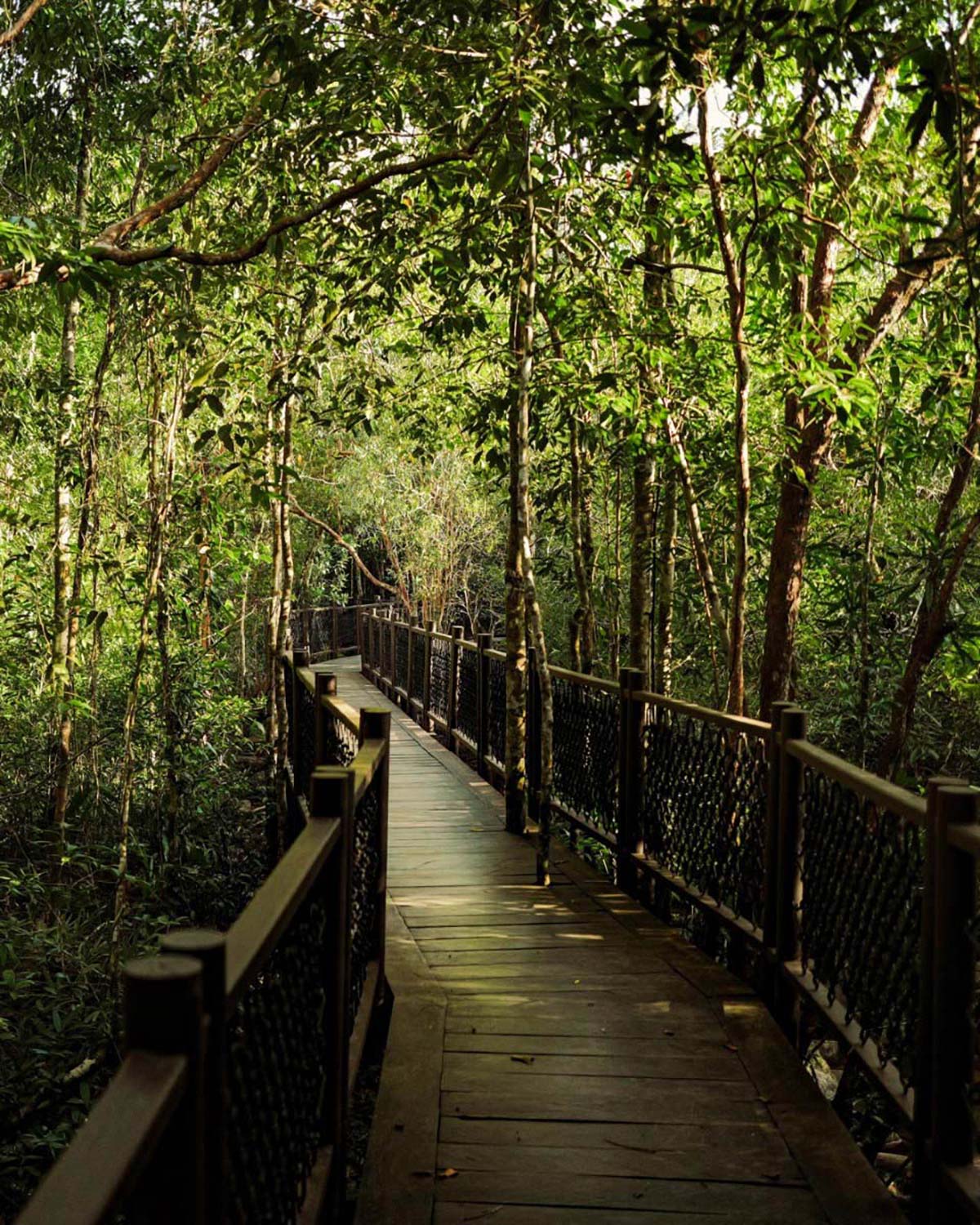
The project aimed to protect the Cambodian rainforest and wildlife from logging and poaching while demonstrating that conservation and high design can coexist. Elevated tented villas, canopy walkways, and a zipline arrival created a sense of theatrical immersion.
More importantly, it functions as a living conservation story, with guests participating in ranger patrols and experiencing nature firsthand. It represents the culmination of decades of design experience shaped into a cohesive series of experiences.
You once said you were taking 300 flights a year. Have you reduced your travel?
Back then, I was effectively living in airports, which was unsustainable personally and environmentally. I’ve made a deliberate effort to travel less, replacing many long-haul trips with remote collaboration and extended time in my Bangkok studio or at Baan Botanica.
Ironically, staying grounded has increased creativity. More time in one place allows for painting, gardening, and deeper design exploration. When I do travel now, it’s with intention rather than habit.
You’ve been painting extensively in recent years. What themes are you exploring?
Painting has become a playground for ideas that don’t belong in hotels or landscapes. It allows for uninhibited experimentation with color, narrative, and satire.
Much of the work reflects conservation themes, often presented with humor. Tigers in top hats or elephants sipping cocktails create playful entry points into serious environmental conversations. Ultimately, painting is another form of storytelling and world-building.
What projects are currently on the horizon?
Several projects remain in development, including hotels in Africa, the Maldives, Turkey, Saudi Arabia, Laos, and Thailand, alongside hotel and residential work in India and additional confidential concepts. Parallel to these endeavors, ongoing art initiatives continue to raise funds for conservation and humanitarian programs in Cambodia through the Shinta Mani Foundation.