


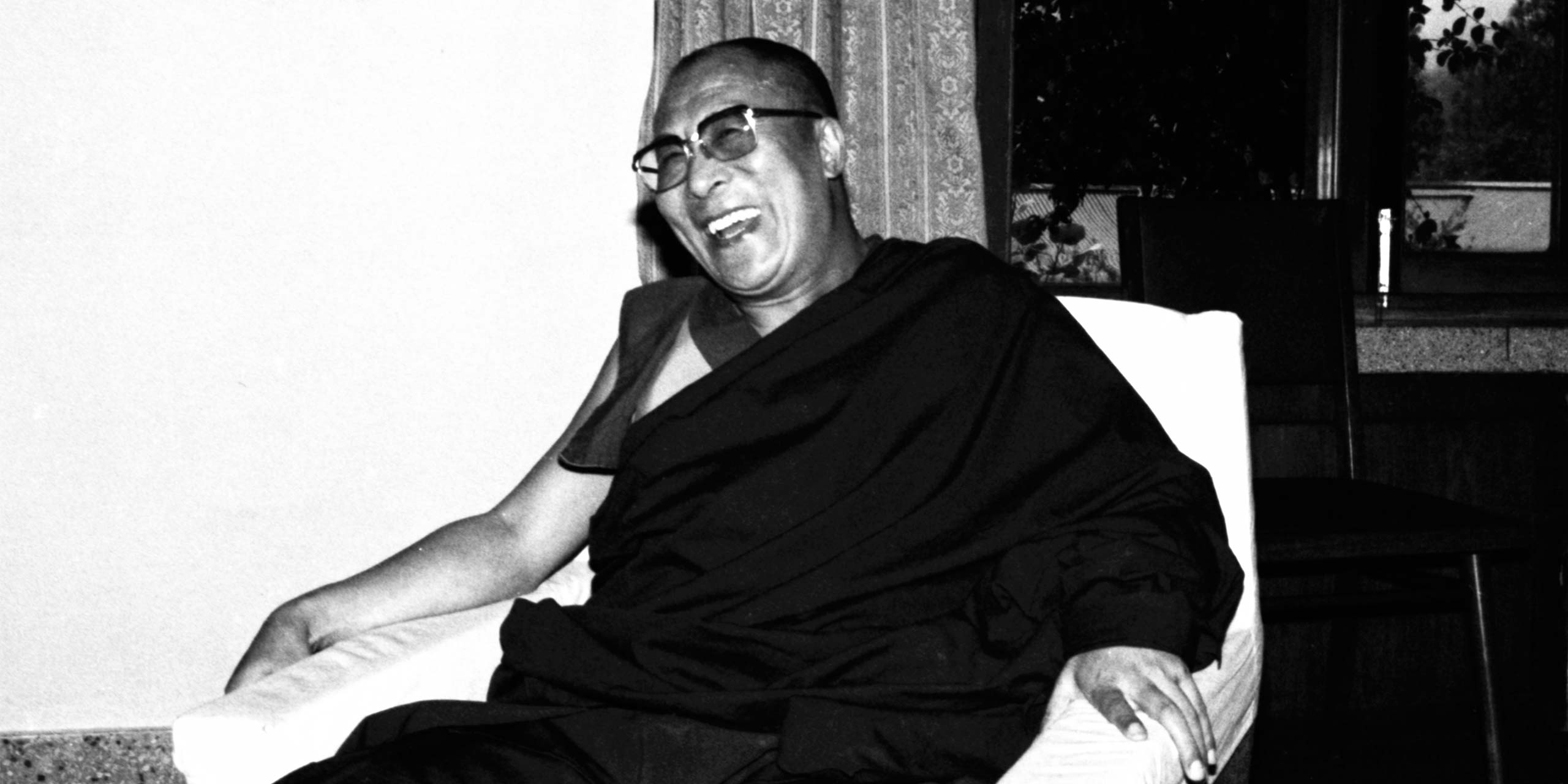
The Dalai Lama once told me that when his tutor died, the body did not decompose for nearly two weeks.
The claim was not offered in a monastery courtyard or whispered to devotees. It came during a week of conversations with Western scientists, neuroscientists, cognitive psychologists and philosophers from Columbia, Berkeley and other institutions.
They had gathered in the Himalayan hill town of McLeod Ganj to probe one question: what happens to consciousness at death?
According to Tibetan Buddhism, death is not a single event but a sequence of dissolutions. At its deepest stage lies what is known as the “clear light,” the most subtle level of mind. Advanced Tantric meditators train for decades to recognize this state.
In rare cases, the Dalai Lama said, that subtle consciousness can remain present even after breathing and heartbeat cease.
“Memory is not brain,” he told the group, describing the idea as a hypothesis from the Buddhist perspective, one open to scientific investigation.
When highly trained practitioners enter the clear-light state at death, he said, “very subtle consciousness” continues. If it remains, the body may not decay.
He cited his tutor, Kyabjey Ling Rinpoche, who he said remained in that state for 13 days. “His body remained very fresh.”
The Dalai Lama was careful to emphasize that this does not imply immortality. Consciousness may continue, but lifespan does not extend. Nor can one hop from body to body to escape death.
Still, the suggestion that awareness might persist beyond measurable brain activity challenges core assumptions of modern neuroscience. The Dalai Lama has long invited dialogue on precisely that fault line.
Throughout our discussions, conducted over a period spanning almost a decade, he oscillated easily between metaphysics and empiricism, laughing at times, qualifying at others. If scientific evidence disproved a traditional Buddhist claim, he has often said, Buddhism should change.
But the tradition’s understanding of death runs deep.
Even ordinary people, he explained, experience brief glimpses of the clear light. A coarse version arises during yawning, sneezing, falling asleep, and orgasm.
“Orgasm is the strongest of the four,” he said plainly, explaining that Tantric practice uses that intensity to familiarize the mind with the experience of dissolution.
The goal is not preservation of the body, but liberation from rebirth.
According to the Bardo Thodol, often translated as The Tibetan Book of the Dead, consciousness passes through an intermediate state lasting up to 49 days. During this period, it encounters visions shaped by its own karma: luminous forms, frightening deities, seductive illusions.
Attendants whisper instructions into the ear of the deceased, even if the person was deaf in life. The subtle mind, the text says, can still hear.
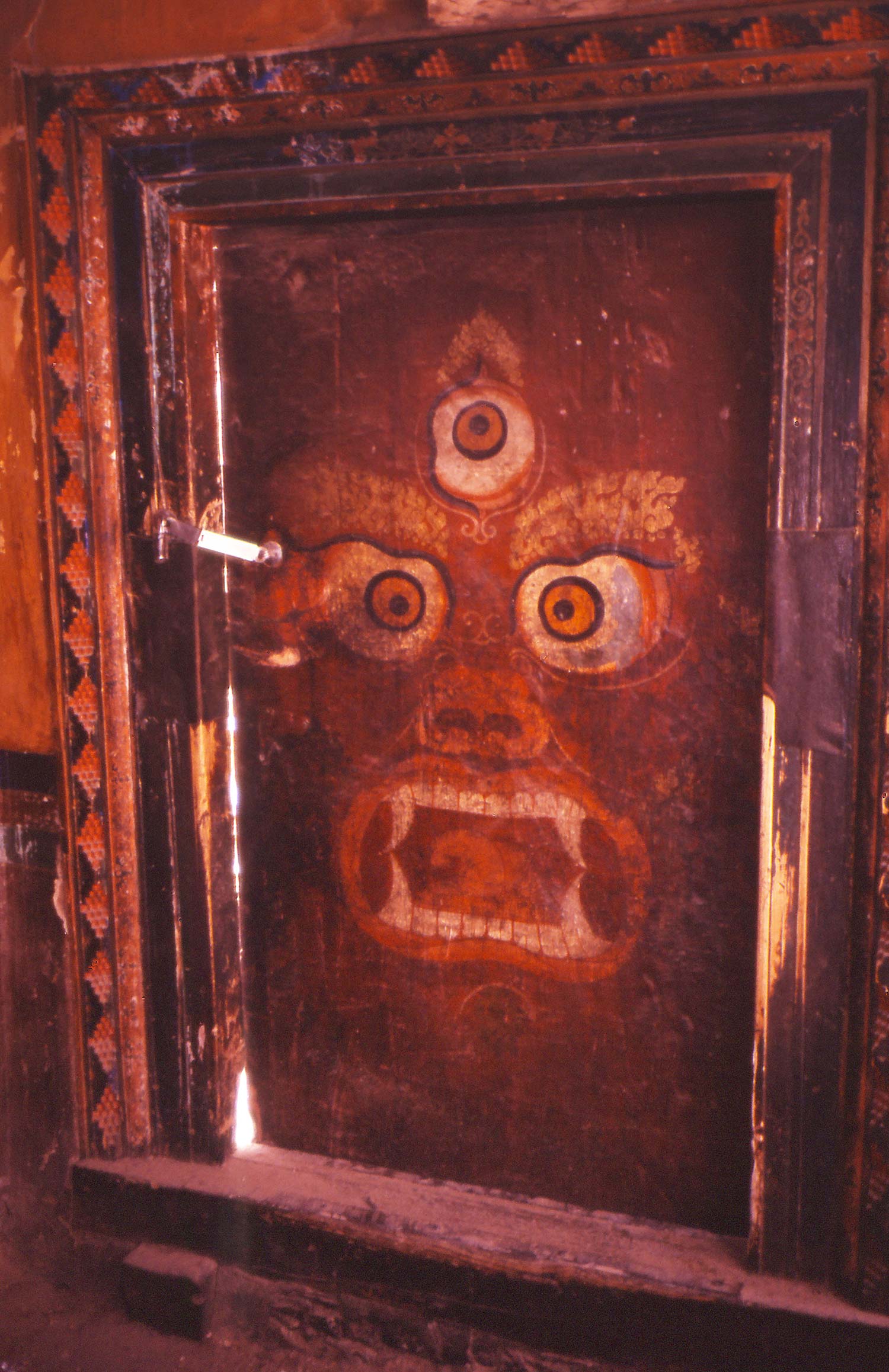
Confusion at this stage is dangerous. The consciousness may long desperately for a body and rush toward the first womb it perceives. The text warns that appearances are deceptive: good rebirths may look unappealing; harmful ones attractive.
All beings, believers and skeptics alike, remain subject to this cycle, the Dalai Lama said. Only enlightenment ends it.
If ignorance and destructive actions dominate, rebirth can descend into darker realms. Classical cosmology describes hell states of intense suffering. The imagery is graphic, but its purpose is moral instruction rather than spectacle. Actions carry consequences.
For centuries, Tibetan practice confronted death directly. Some ascetics meditated in charnel grounds to erode fear. Ritual instruments fashioned from human bone reminded practitioners of impermanence. The body was never treated as permanent or central, merely a temporary vehicle.
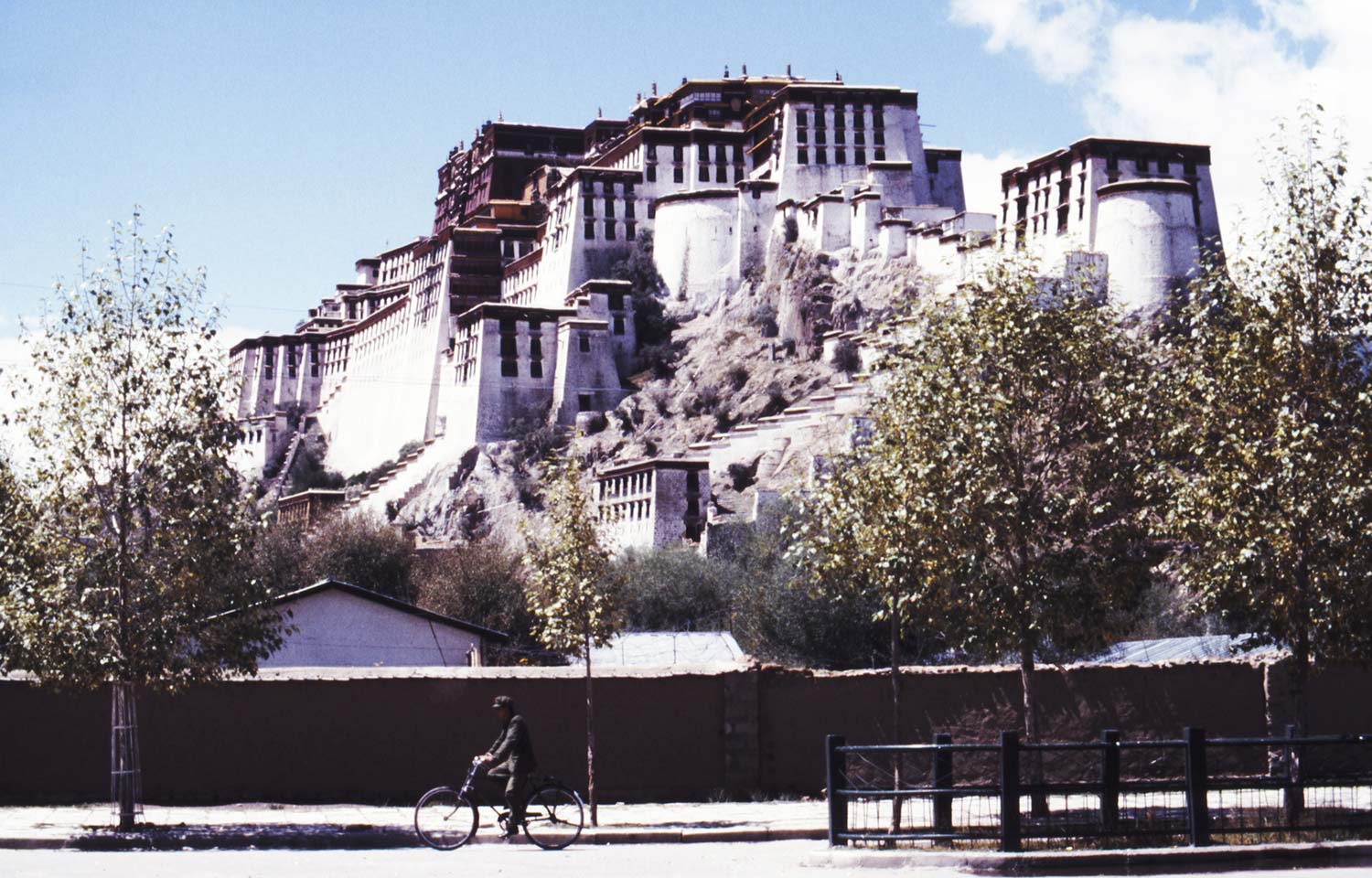
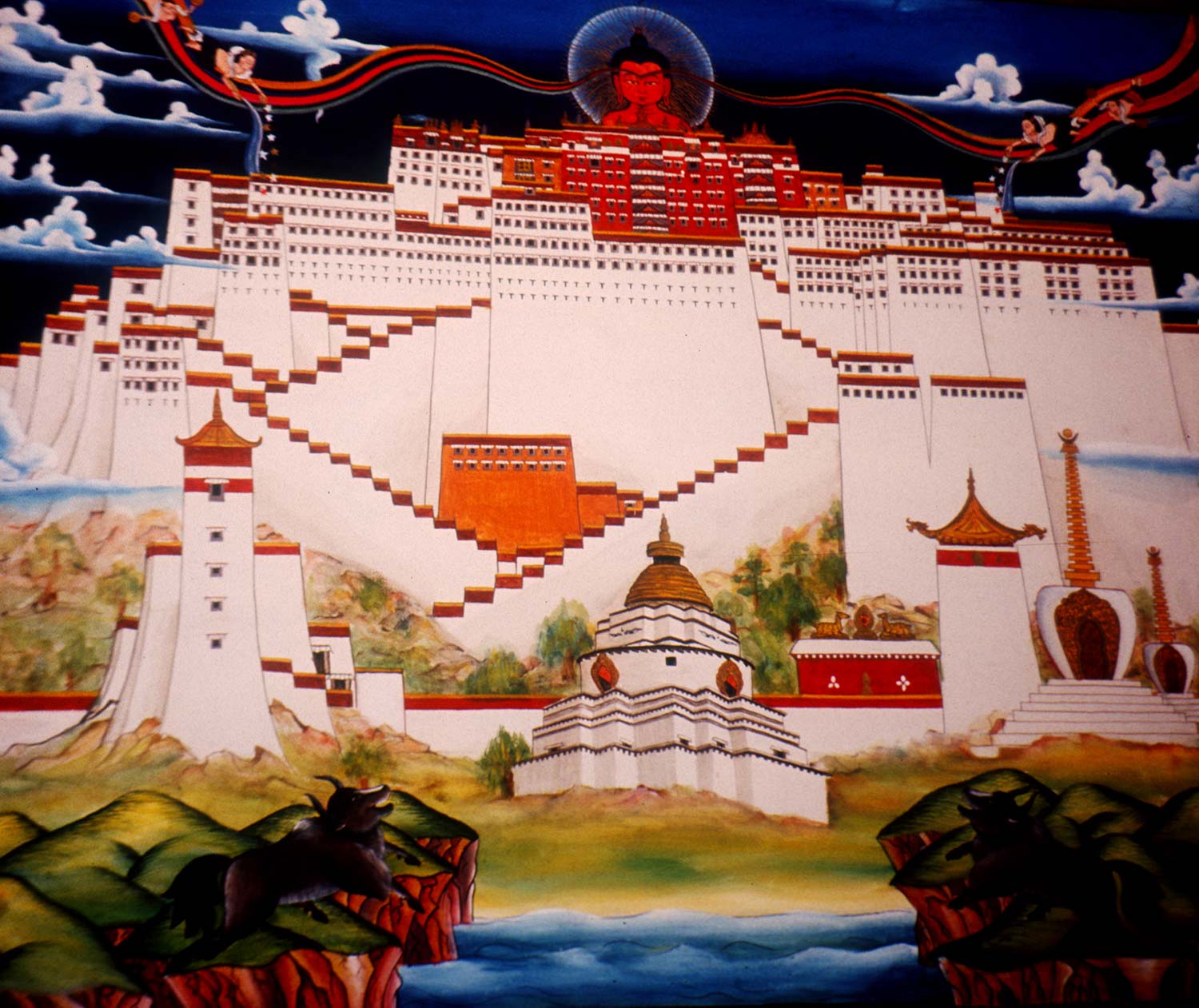
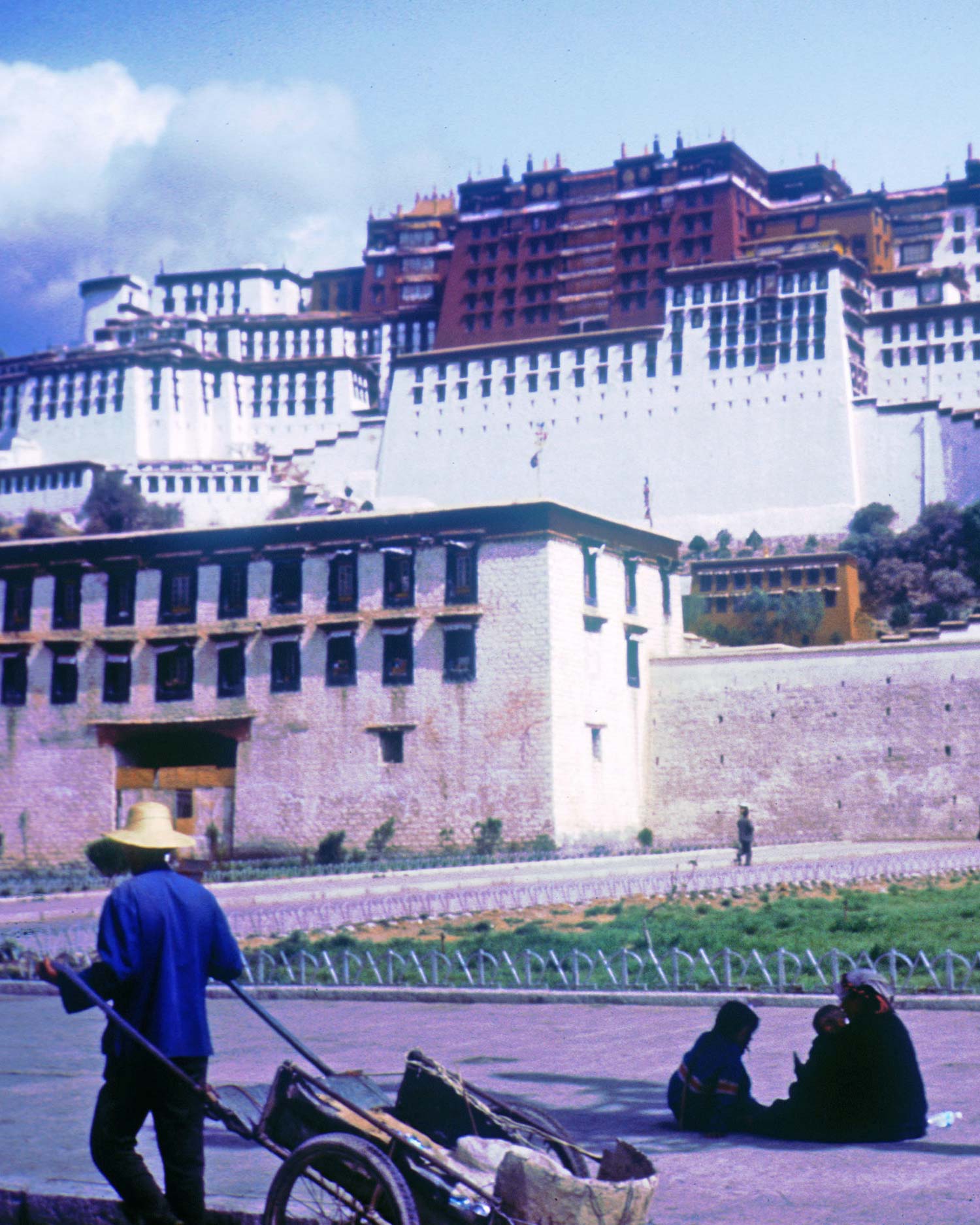
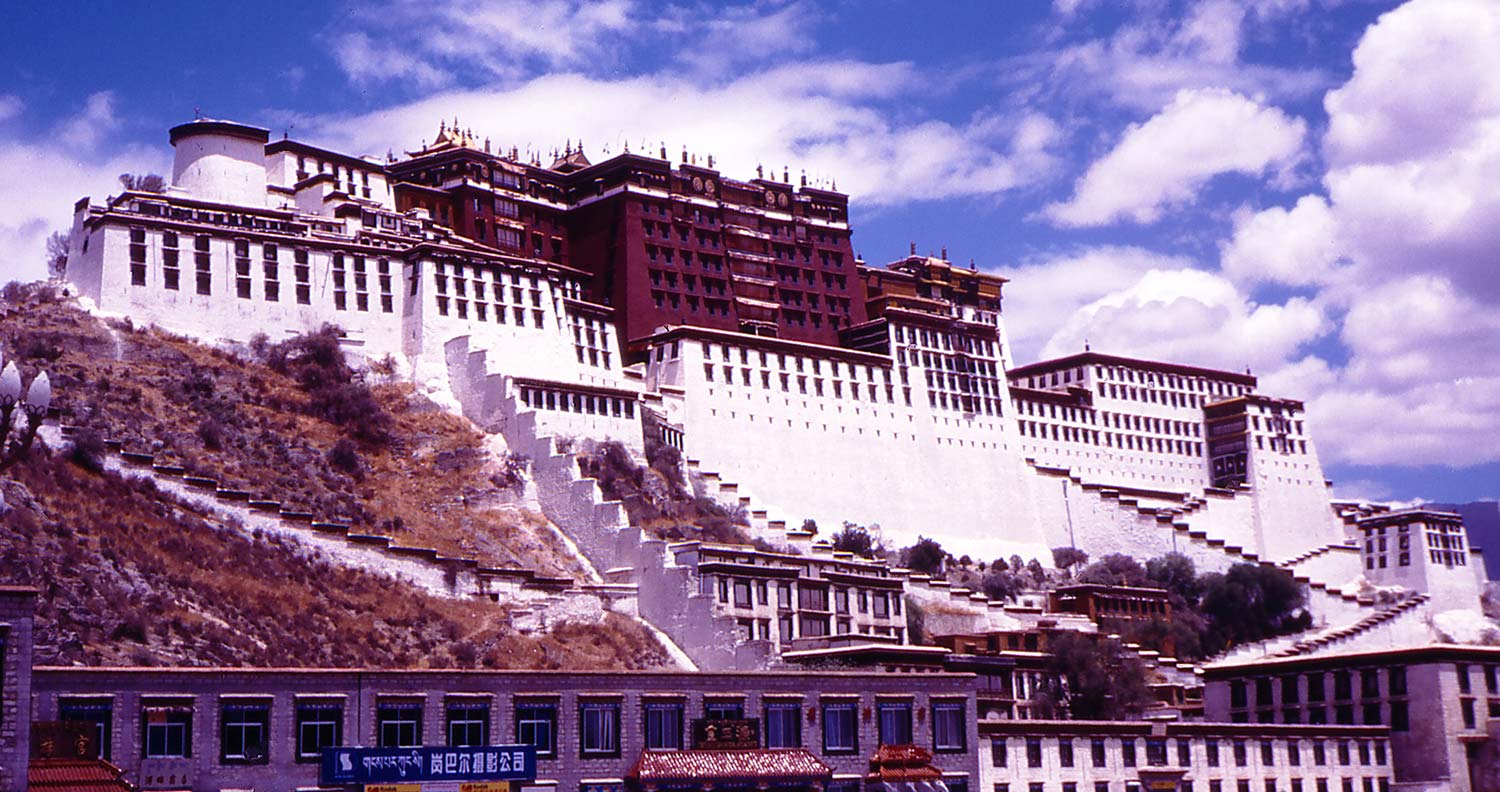
Today, the Dalai Lama lives in comfortable exile in McLeod Ganj, guarded by Indian security and surrounded by a bustling Tibetan refugee community. His quarters are modest. A model of the Potala Palace, his former home in Lhasa, sits nearby.
Yet the survival of the deeper philosophical traditions concerns him.
“Profound religious teaching is not allowed,” he said of conditions inside Tibet. “They say Tibetans may recite prayers. But to practice Buddhism, you must study volumes of texts and meditate. Without knowledge, it is difficult to practice.”
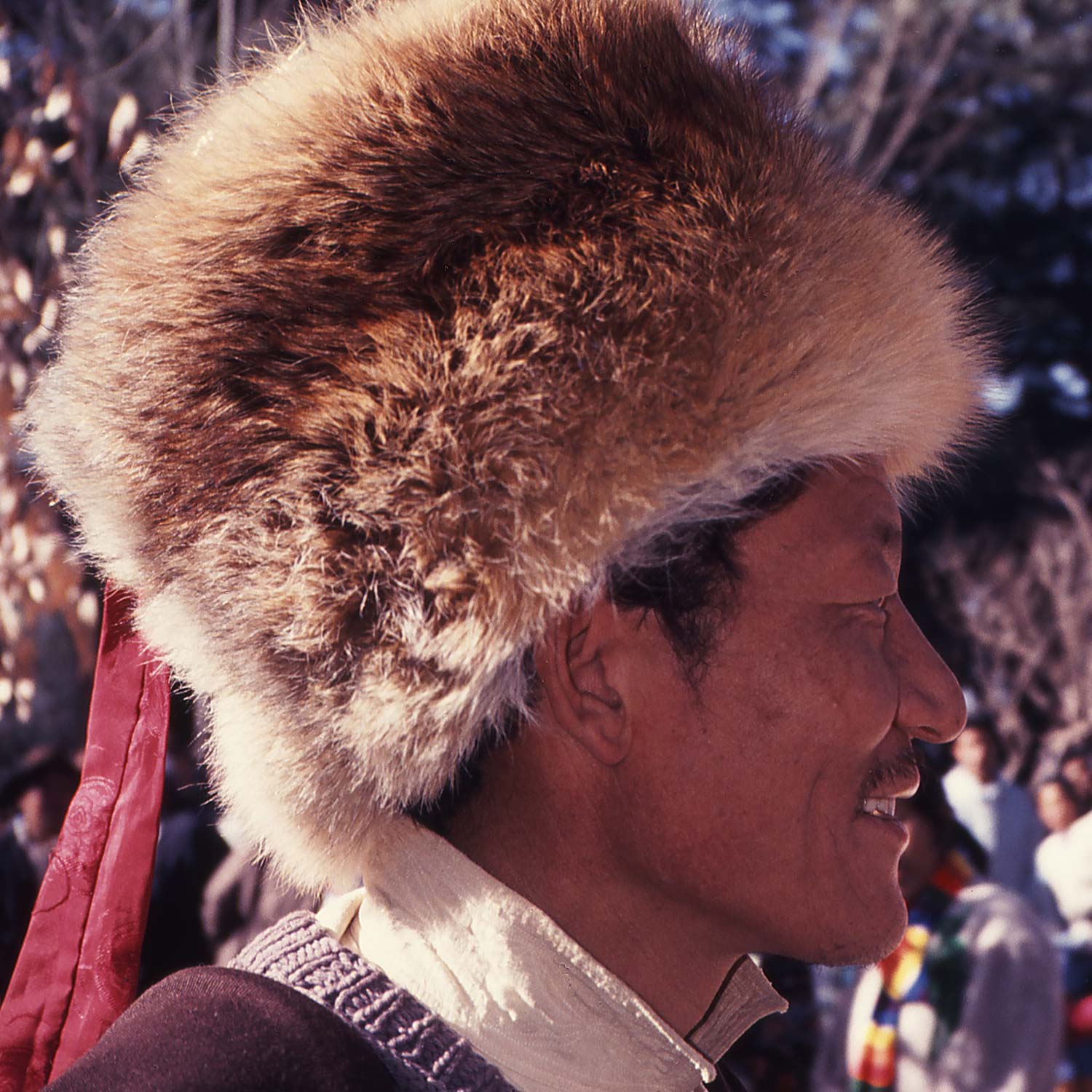
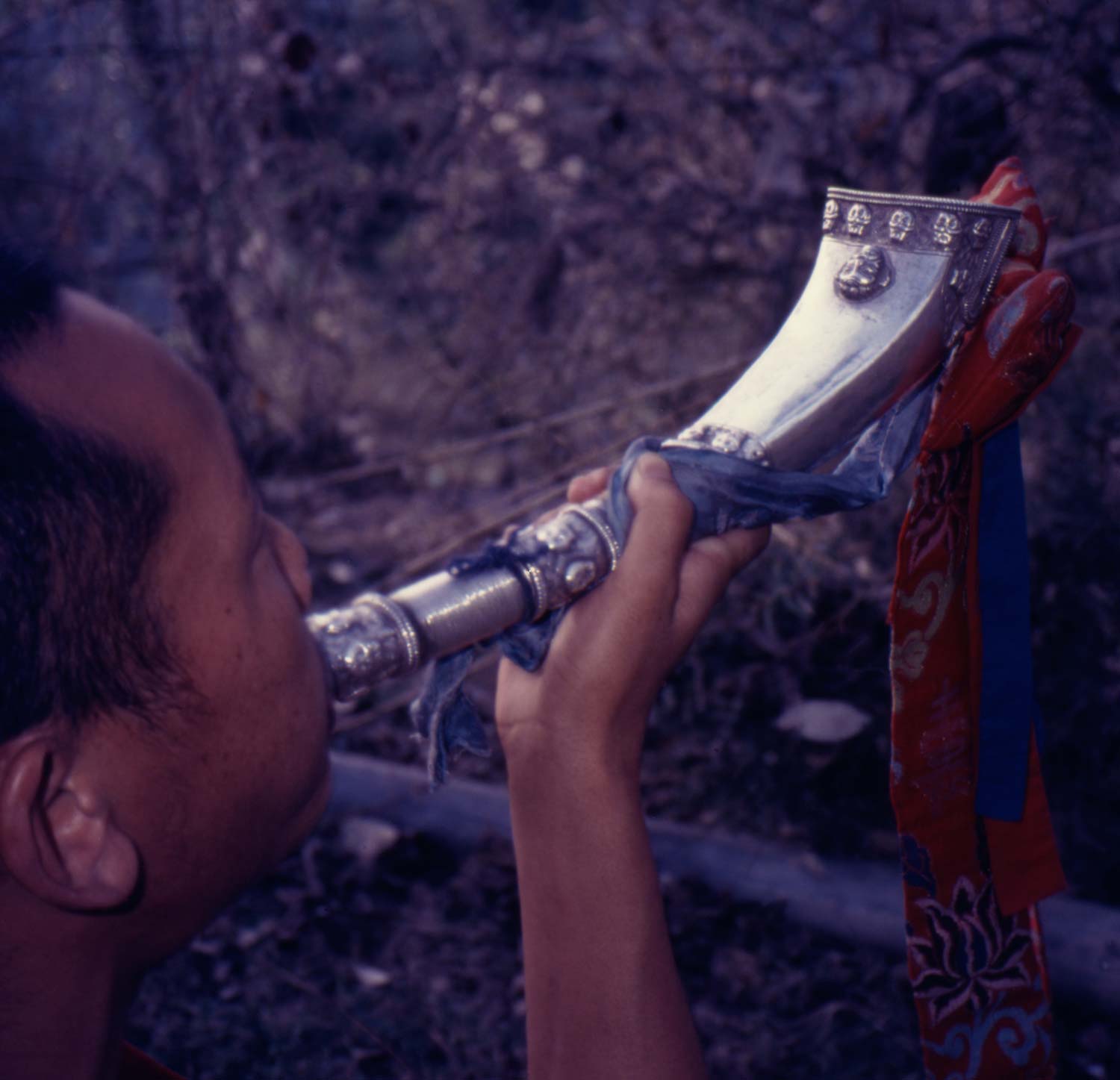
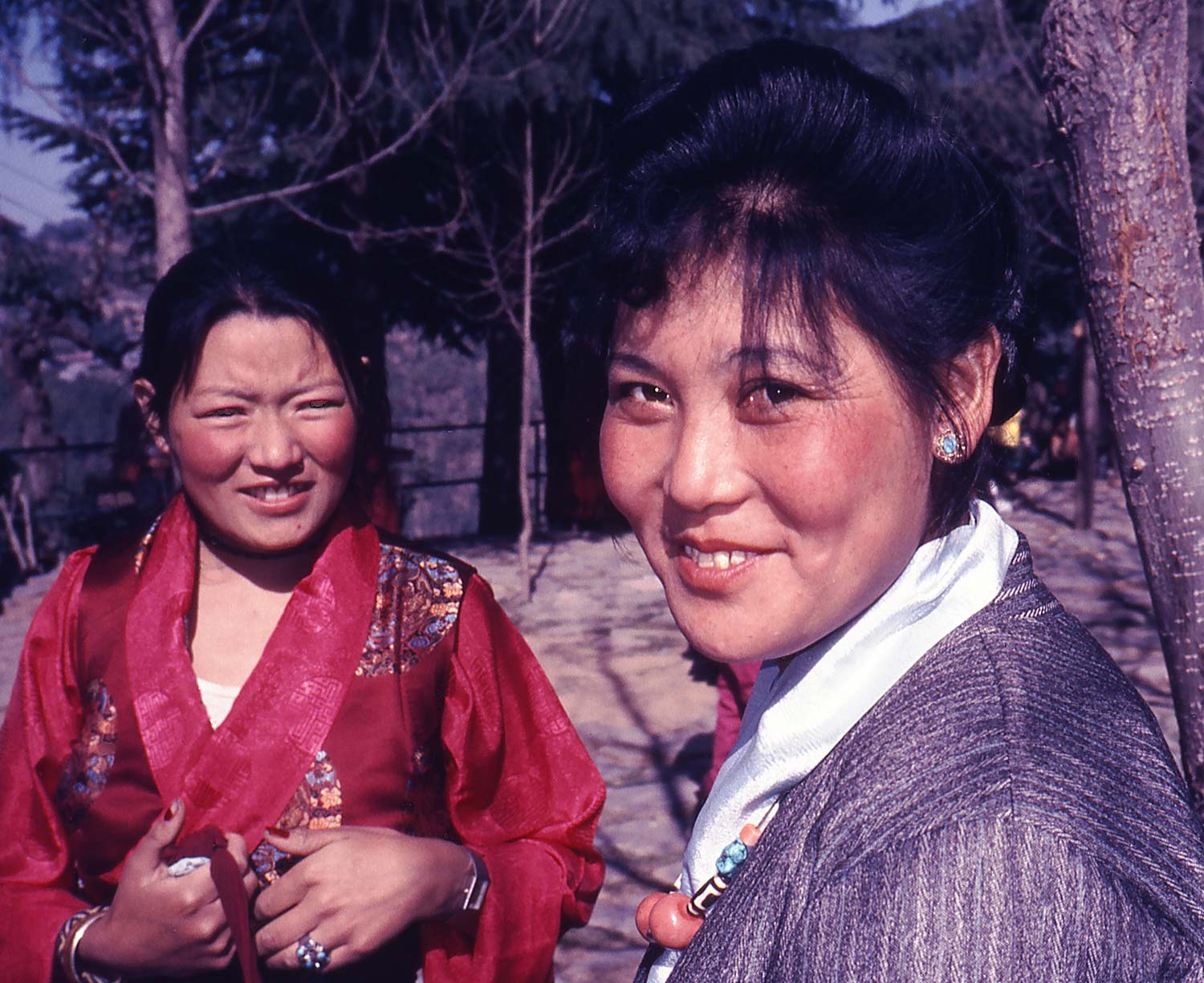
Many senior scholars are elderly, ill or weakened by imprisonment. Younger Tibetans may inherit ritual forms without access to the rigorous contemplative training that gives them meaning.
Death, in this context, becomes more than a biological event. It is cultural survival.
During one exchange, the conversation turned unexpectedly to Mao Zedong.
I asked what happens to people who do not believe in rebirth, or who commit grave acts while alive. I mentioned Mao as an example.
The Dalai Lama leaned forward slightly.
“According to some indications,” he said, “Chairman Mao has already emerged as one Chinese boy.”
He laughed.
“According to some mysterious investigations.”
Were these investigations conducted by Tibetan Buddhists?
“Oh yes, of course,” he said, laughing harder. “Certainly not Chinese Communist sources.”
He added that he had no interest in formally recognizing such a reincarnation, “unless we create an institution for Mao Zedong’s reincarnation,” he joked.
The laughter did not obscure the doctrine beneath it. No one escapes karma. Political power, revolutionary fervor, and atheism do not override the Wheel of Life.
Each Dalai Lama is believed to be a manifestation of Avalokiteshvara, the Bodhisattva of Compassion, reborn deliberately to assist others. Yet the current Dalai Lama says he does not remember his previous 13 incarnations.
When asked whether he himself had achieved nirvana, he shook his head.
“No. For that, you need deep meditation and isolation. At least some months, perhaps years.”
Public responsibility has made that nearly impossible. He once expressed a desire to undertake a three-year retreat but was urged to continue advocating globally for Tibet.
“My spiritual stage,” he said, “is still developing. The most important factor now is time.”
Age matters in advanced Tantric practice, he added. The ideal period for intense training is before 40. He smiled at the irony.
For all the metaphysical claims, preserved corpses, subtle consciousness, rebirth, the Dalai Lama consistently returns to practical ethics: altruism, compassion, understanding emptiness.
“Emptiness,” he clarified, using the Sanskrit-derived term for the absence of inherent existence. “That is a difficult subject.”
The week’s discussions did not resolve the question of whether consciousness can persist beyond measurable neural activity. Science demands replicable evidence. Buddhism offers disciplined inner observation refined over centuries.
Between them lies an unresolved frontier.
If subtle awareness does continue, the implications are profound. If it does not, then centuries of contemplative tradition require reinterpretation.
The Dalai Lama appears untroubled by the uncertainty.
As we concluded our interviews, I asked him again whether he had reached enlightenment.
He laughed softly.
“I think you may achieve it first,” he said.
The remark was light, but it captured the paradox at the heart of his worldview. Death is certain, rebirth is inevitable, liberation rare, and yet urgency is tempered by patience.
In the thin mountain air above Dharamsala, beneath armed guard and political exile, the conversation about what survives death remains unfinished.
So does the experiment.