
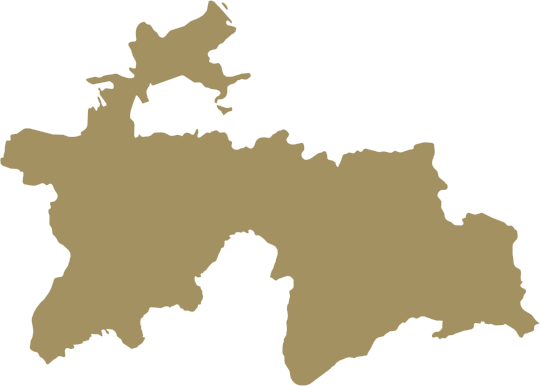
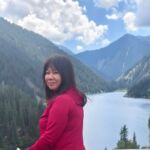
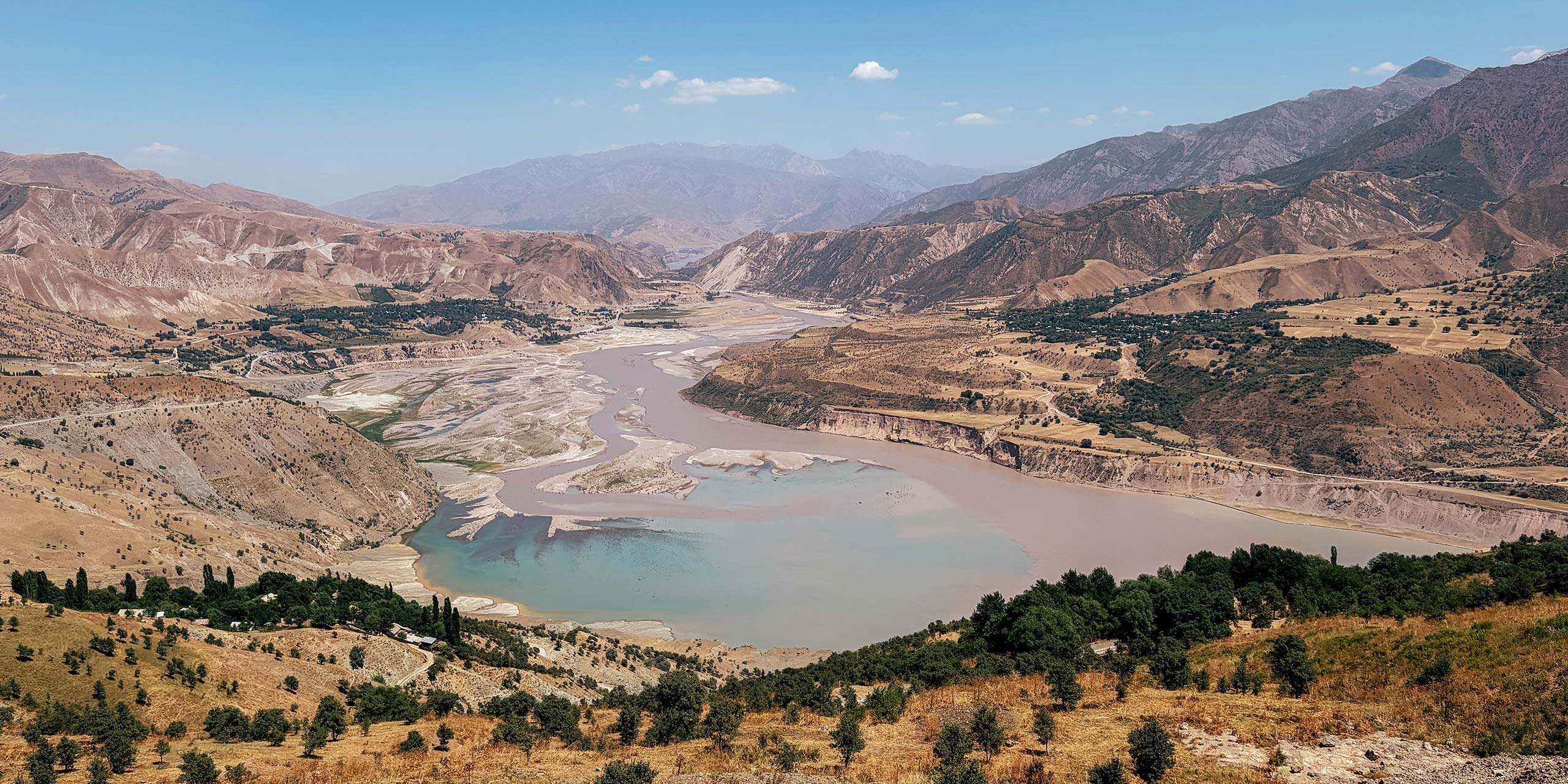
Tajikistan surprised me almost immediately. I had expected mountains and adventure, but not the warmth of the people, the grandeur of Dushanbe or the sheer scale of the landscapes that waited beyond the capital.
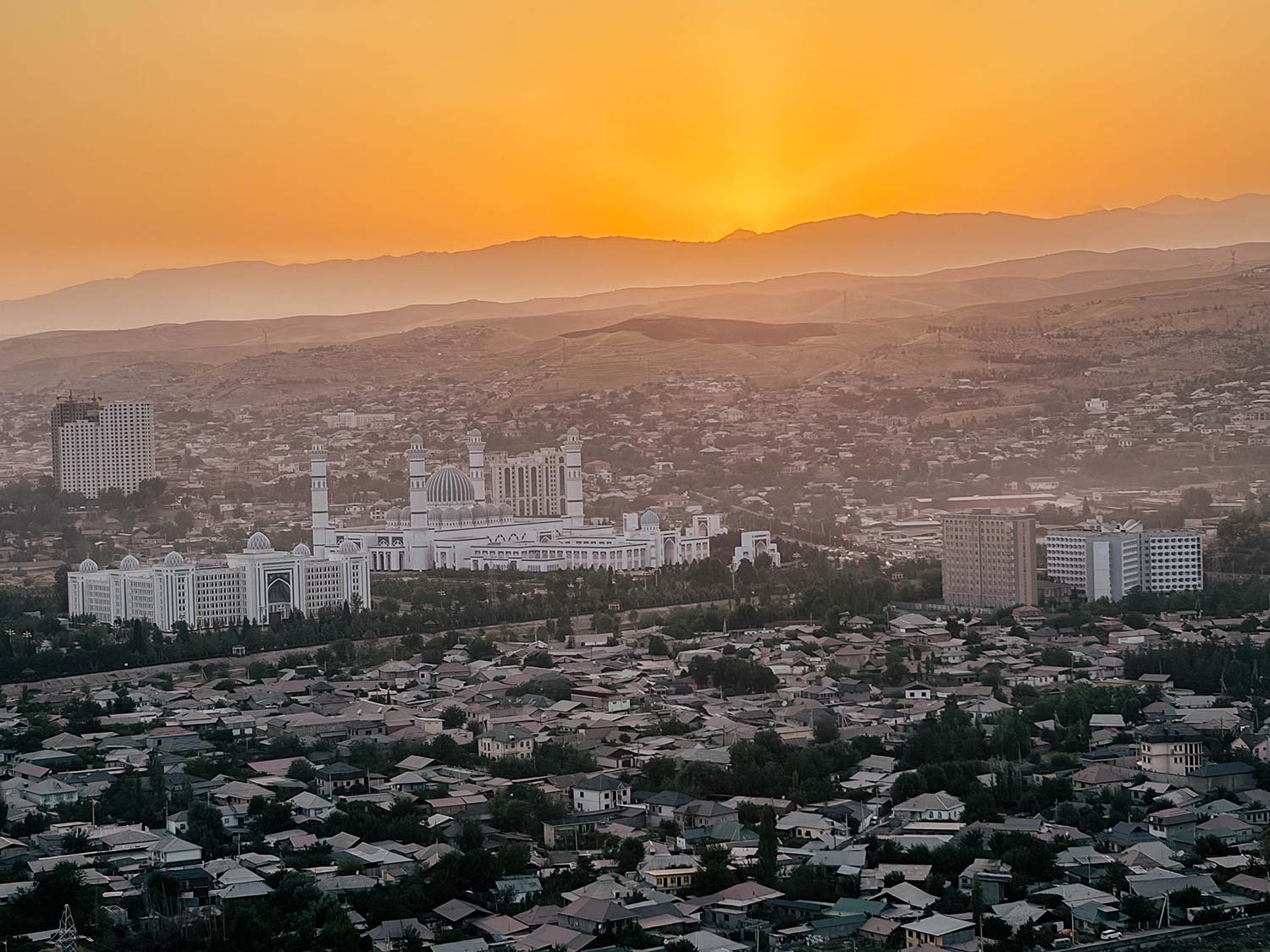
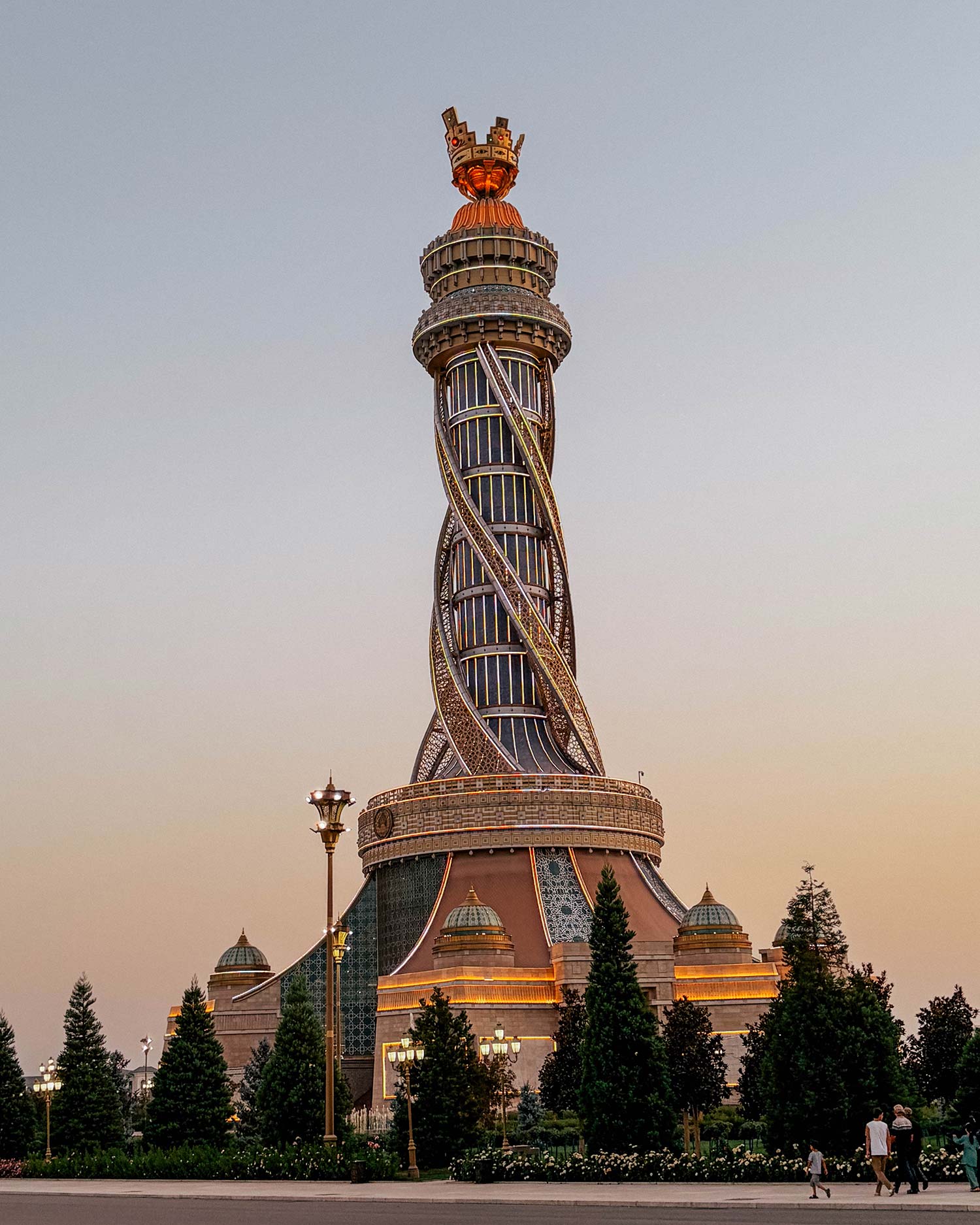
Dushanbe itself was the first revelation. Its broad avenues, immaculate parks and monumental architecture felt far grander than I had imagined. We visited the National Museum and Independence Tower, climbing to the observation deck for views across the city, and stopped at the enormous Grand Mosque. Everything seemed carefully built and beautifully maintained.
But it was the road beyond Dushanbe that I had really come for.
The next morning, we set off on our shortened journey along the Pamir Highway. Our driver was Zohir, although we quickly renamed him “Marco” because he reminded us of someone we knew. The nickname stuck for the rest of the trip.
At first, the road was smooth and easy. Then the city disappeared behind us, the tarmac narrowed, and the mountains began to close in. Soon we were following rough roads through deep valleys, with huge walls of rock rising on either side.
I had seen dramatic landscapes before, including during 11 years living in Arizona, but nothing prepared me for the Pamirs. Around every corner was another view that seemed bigger than the last. We kept saying, “It can’t get any better than this.” Somehow, it always did.
There were moments when I preferred not to look down. The road occasionally clung to the mountainside above sheer drops, and I learned to focus on the peaks rather than what lay immediately below my window. Thankfully, “Marco” was an excellent driver.
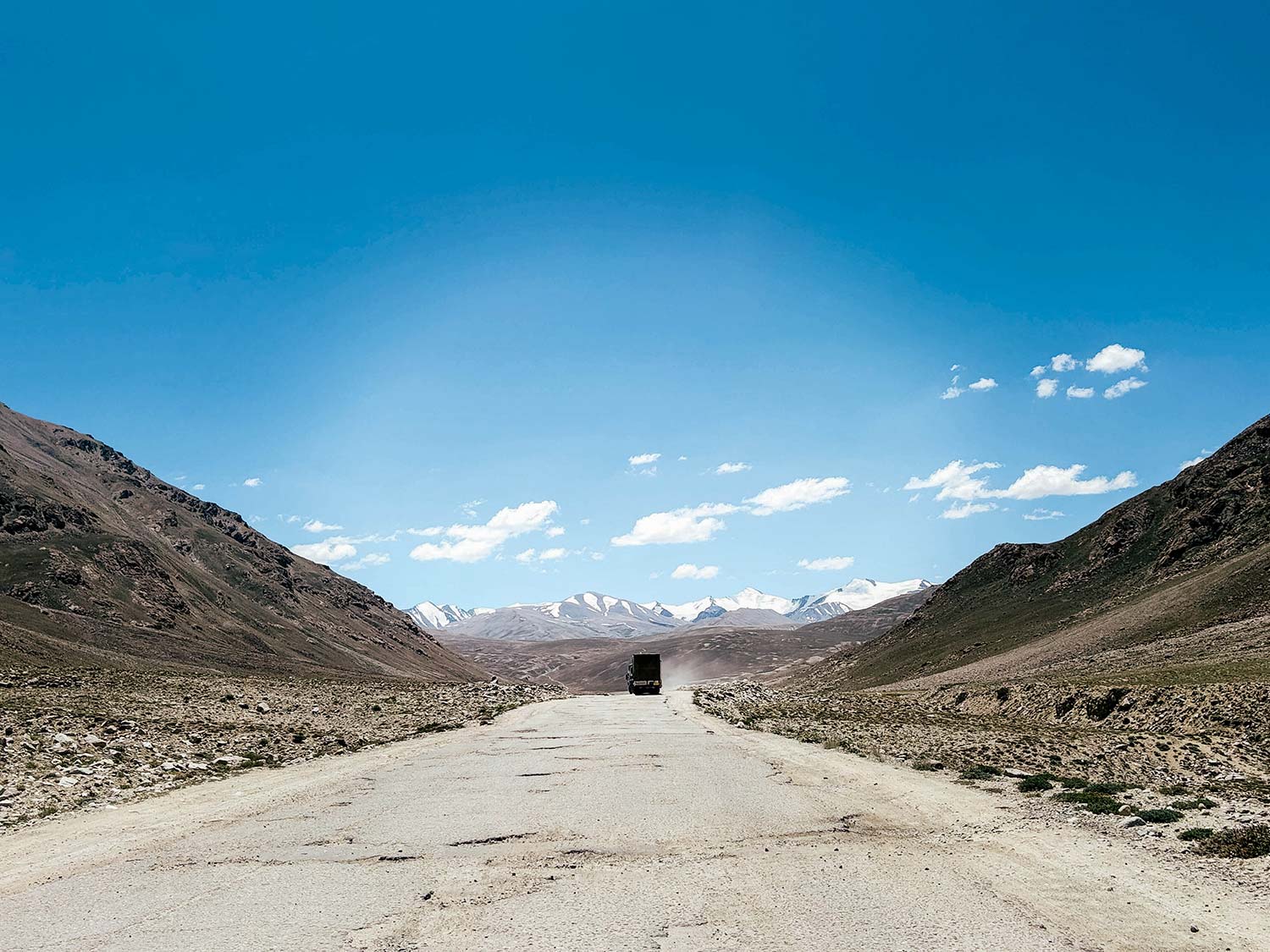
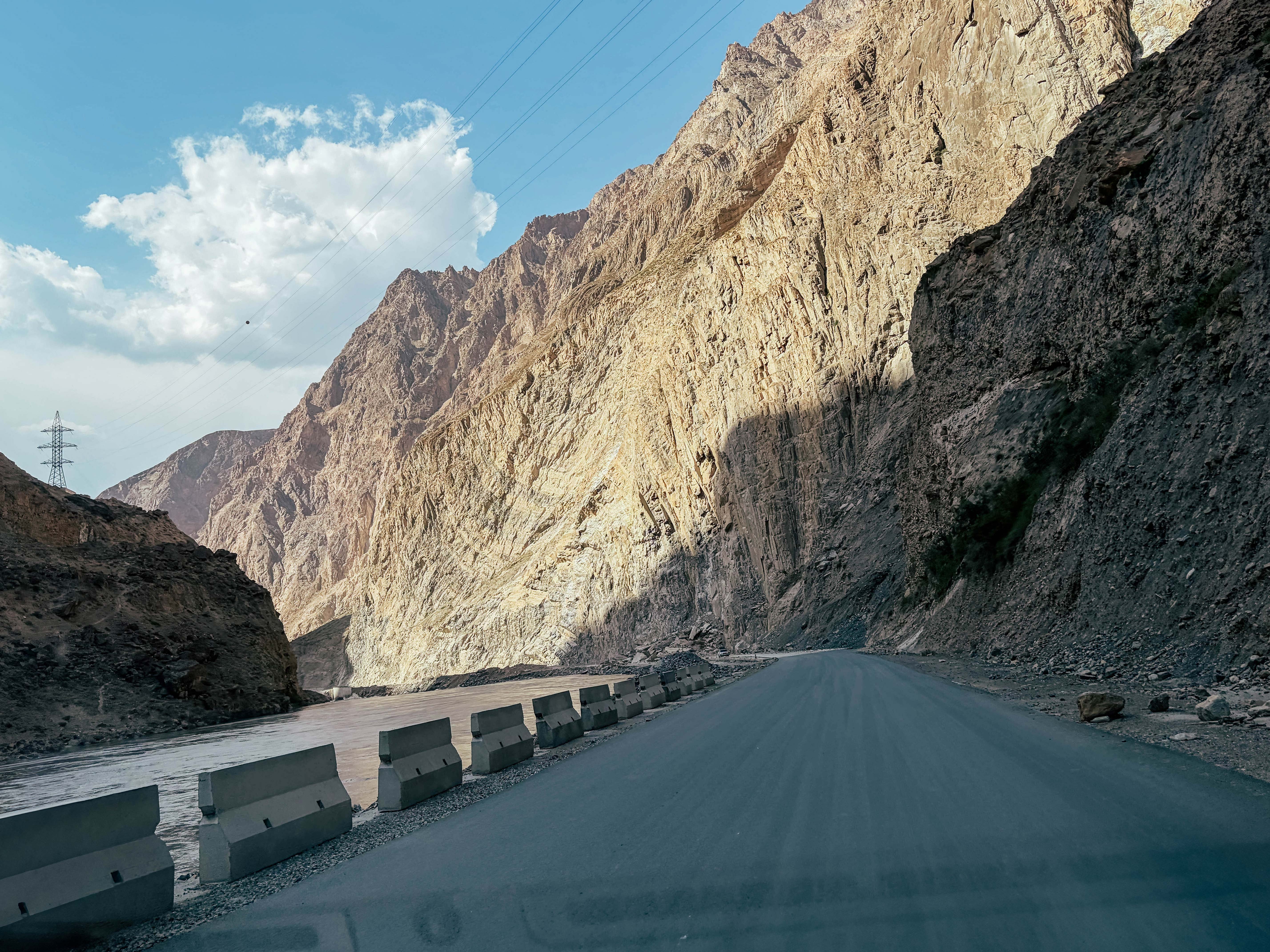
Our guide, Bek, kept us supplied with samosas, snacks and water, while we had brought some of our favourites from Thailand. The hours passed easily: eating, talking, laughing and constantly reaching for our phones as another extraordinary landscape appeared.
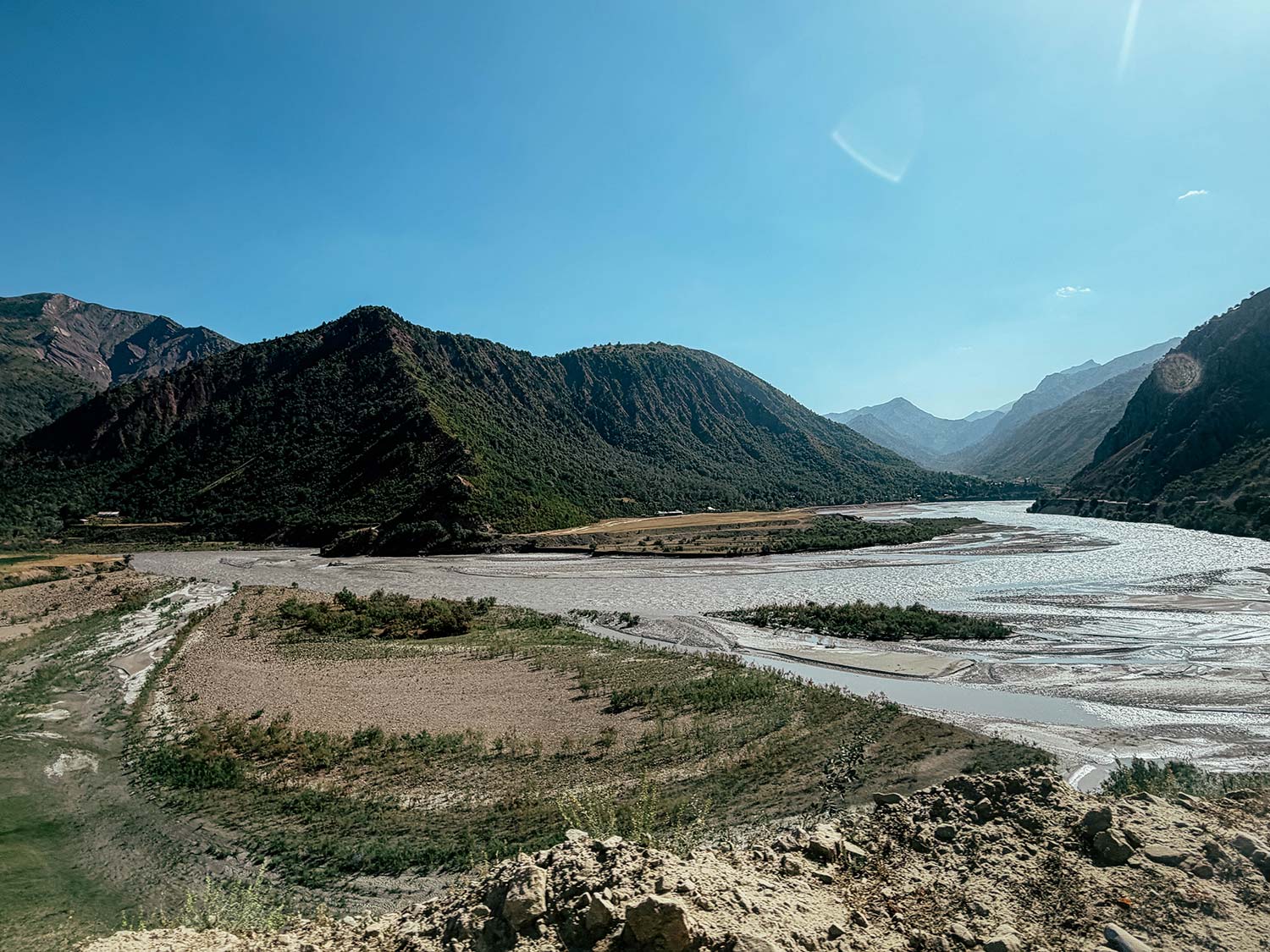
By evening we had reached Qalai Khumb, on the Panj River. Across the water was Afghanistan.
That proximity became one of the most fascinating parts of the journey. For much of the road towards Khorog, the Panj formed a narrow boundary between two countries and two very different worlds. Yet looking across the river, we saw simply everyday life: small villages tucked beneath the mountains, people riding motorbikes, and families going about their routines.
Afghanistan is a place most of us know through news reports. Seeing it just a few hundred metres away made it suddenly tangible and human.
The mountains, meanwhile, grew wilder. Sometimes we drove beside the river; elsewhere the road climbed high above it. One member of our group took so many photographs and videos that she filled her iPhone. We laughed, but the rest of us were hardly any better. It was almost impossible to put the camera away.
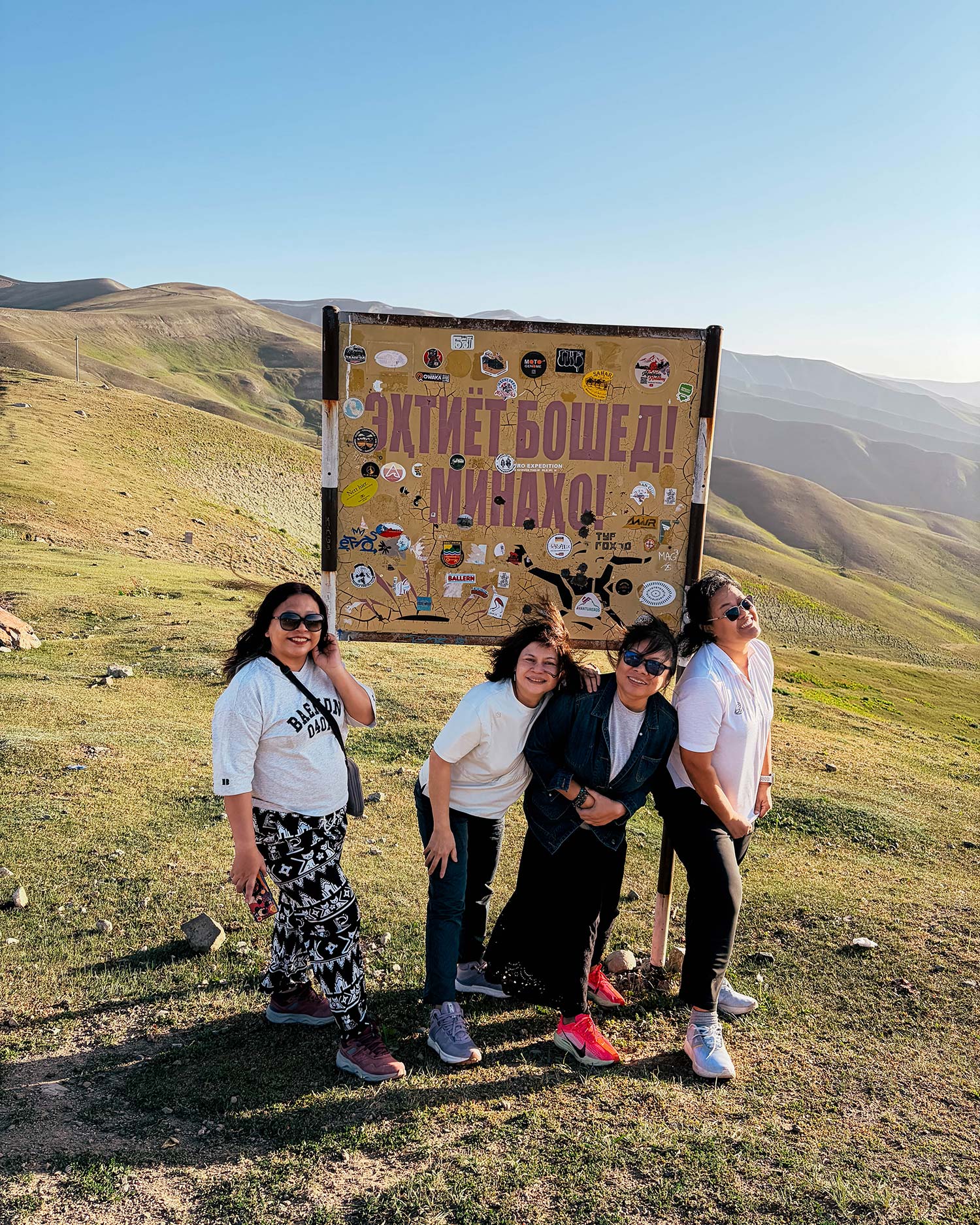
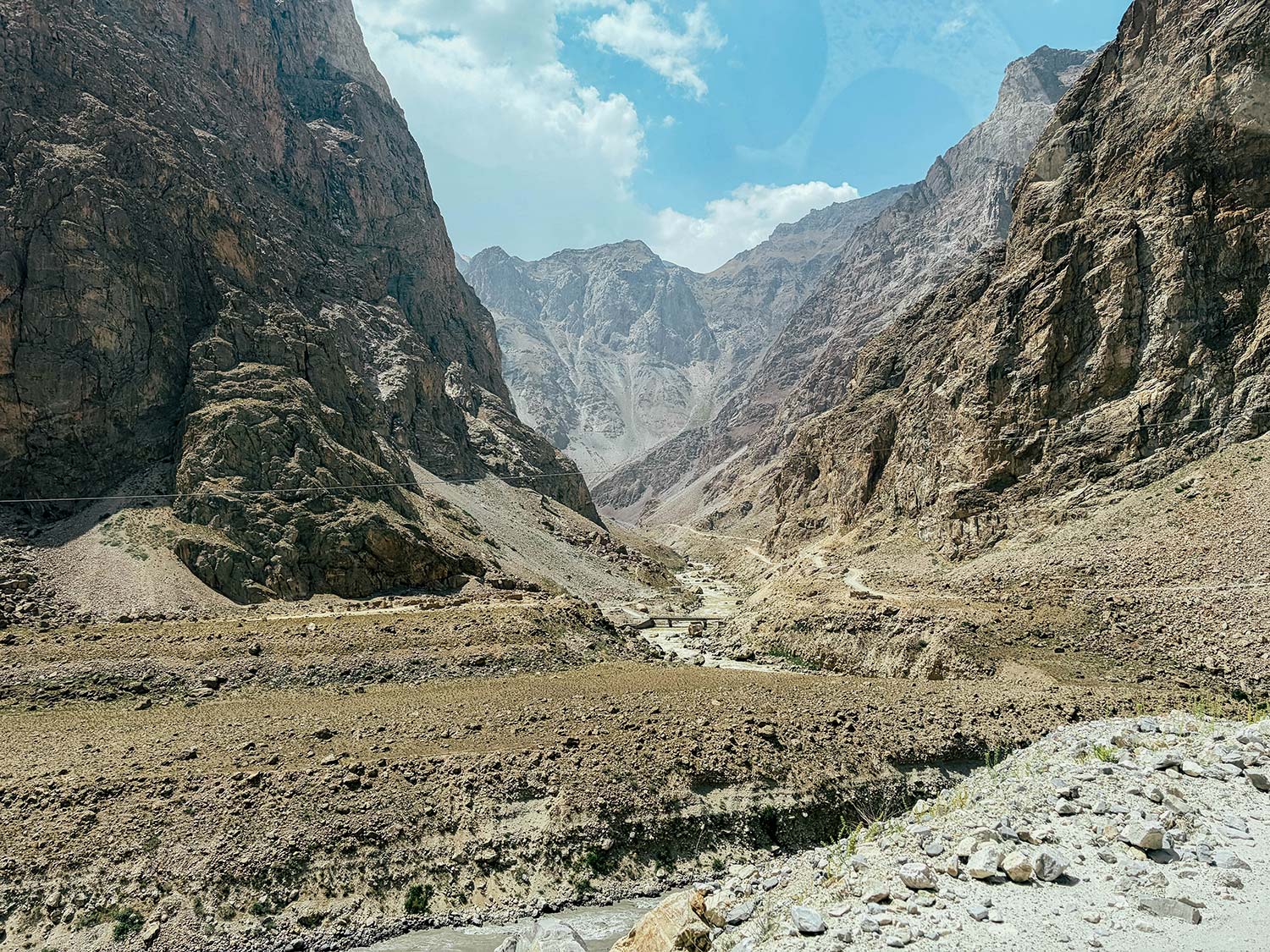
The journey was also a reminder that adventure is not always comfortable. From Khorog we attempted a long day trip to Bulunkul Lake, high in the Pamirs. Bek warned us it would be tough. He was right.
The road was relentlessly rough, and as we climbed I developed a severe altitude headache and nausea. Bulunkul was beautiful, but I struggled to appreciate it. Most of the return journey was spent wishing the bumps would stop.
Travel does that sometimes. Not every experience unfolds perfectly, and the difficult days often become as memorable as the easy ones.
On our return towards Dushanbe, I found myself thinking about how quickly this part of Tajikistan might change. New tunnels are being blasted through the mountains, and roads are being improved. Soldiers allowed us through two unfinished tunnels, one of which saved almost an hour.
In five years, perhaps much of this journey will be smoother and faster. That will undoubtedly make life easier for local communities and travellers. Yet I wondered whether something might also disappear. Right now, the rough roads, long distances and unpredictability are inseparable from the Pamir experience. You come here knowing that the journey itself is the adventure.
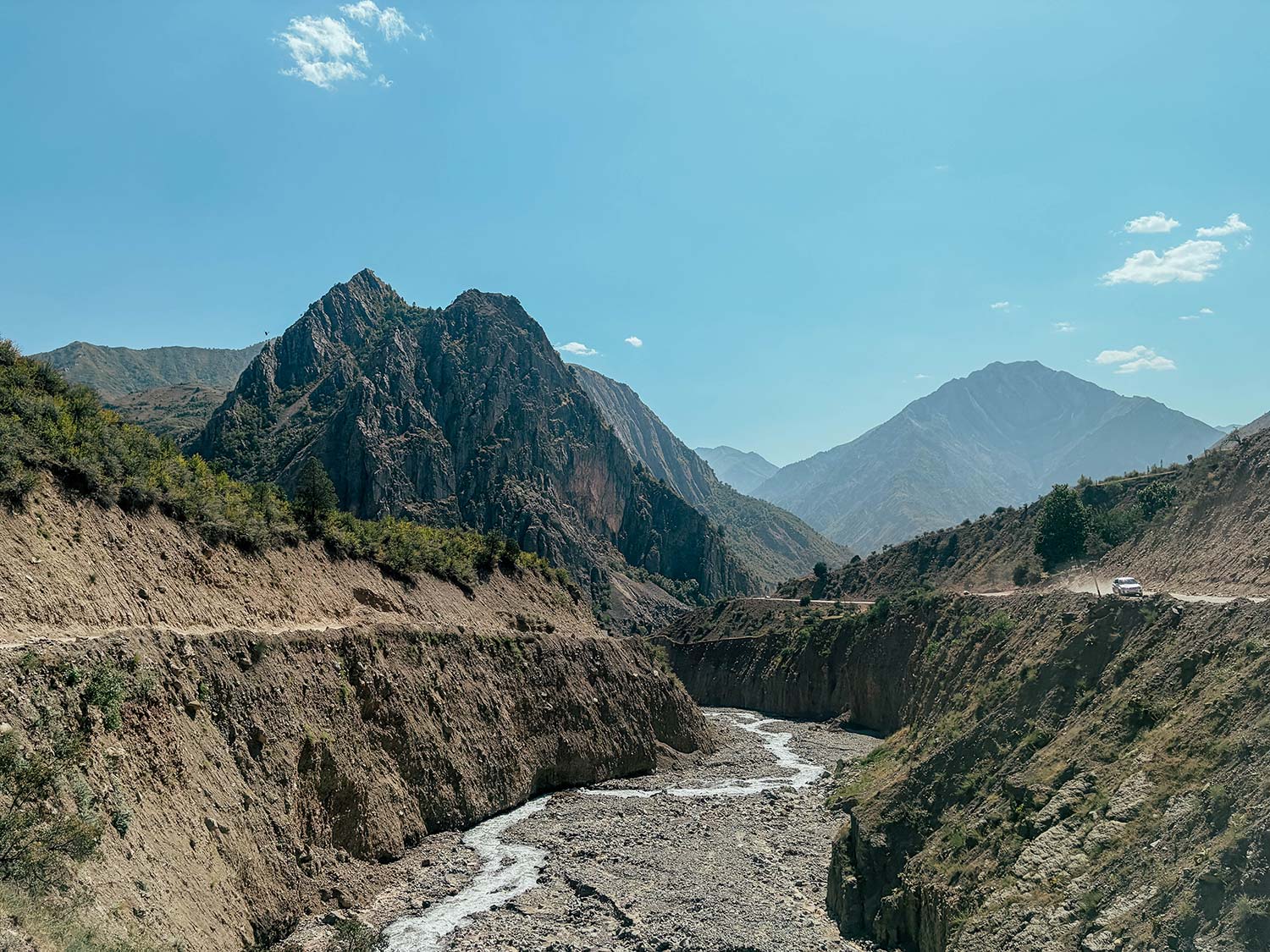
There were smaller pleasures too: lunch beside a waterfall; a mountain stream diverted through a pipe that had become a natural roadside car wash; jewellery shopping in Khorog; and an entire conversation with a shopkeeper conducted through gestures, smiles and laughter because we shared no common language.
On our final night beside the Panj, we bought a bottle of Tajik vodka and raised a farewell toast. After days of mountain roads, cliff edges, altitude and landscapes that had filled our phones with photographs, a few shots also ensured a very good night’s sleep.
Seven hours of driving brought us back to Dushanbe the following day. Suddenly the wild Pamirs were behind us.
I had arrived in Tajikistan knowing relatively little about the country. I left with images that will stay with me for a long time: mountains stretching seemingly without end, the Panj River threading between Tajikistan and Afghanistan, strangers smiling despite the language barrier, and a road that always seemed to have one more surprise waiting around the corner.
Tajikistan had been nothing as I expected. That, perhaps, was the best thing about it.