

South Korea is quietly emerging as one of the world’s most compelling wellness destinations. In the Land of the Morning Calm, ancient healing philosophies meet the precision of modern innovation. With government-backed investment in AI-driven spa technologies and a new wave of immersive retreats, the country is redefining the art of wellbeing travel.
At the heart of this movement lies K-wellness—a philosophy that marries balance and beauty. Much like K-beauty or K-pop, it is sleek, thoughtful, and meticulously crafted, blending mindful ritual with futuristic therapies. The result is a culture of wellness that feels distinctly Korean yet universally transformative.
Digital calm meets deep sleep
Technology and tranquillity converge in South Korea’s latest approach to rest. AI-powered wearables now track everything from heart rate to hydration, while companies such as Samsung are transforming them into intelligent wellness companions. On the clinical side, digital therapeutics like Somzz and WELT-I—cognitive behavioural therapy apps for insomnia—have been formally approved as medical devices. The newest breakthrough, Sleep Thera, uses “sonified neuromodulation” to recalibrate brain waves and restore deep sleep through sound and light.
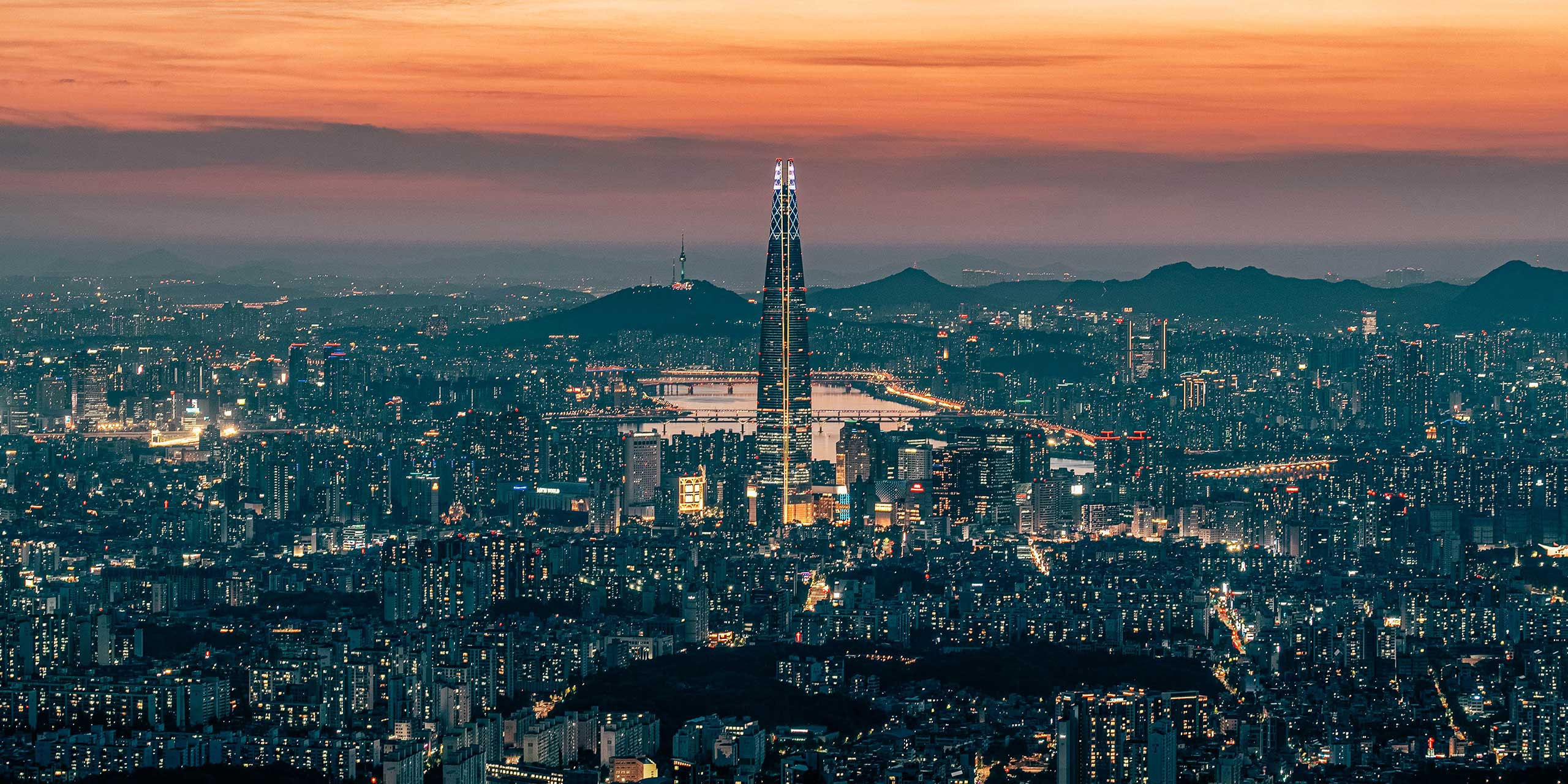
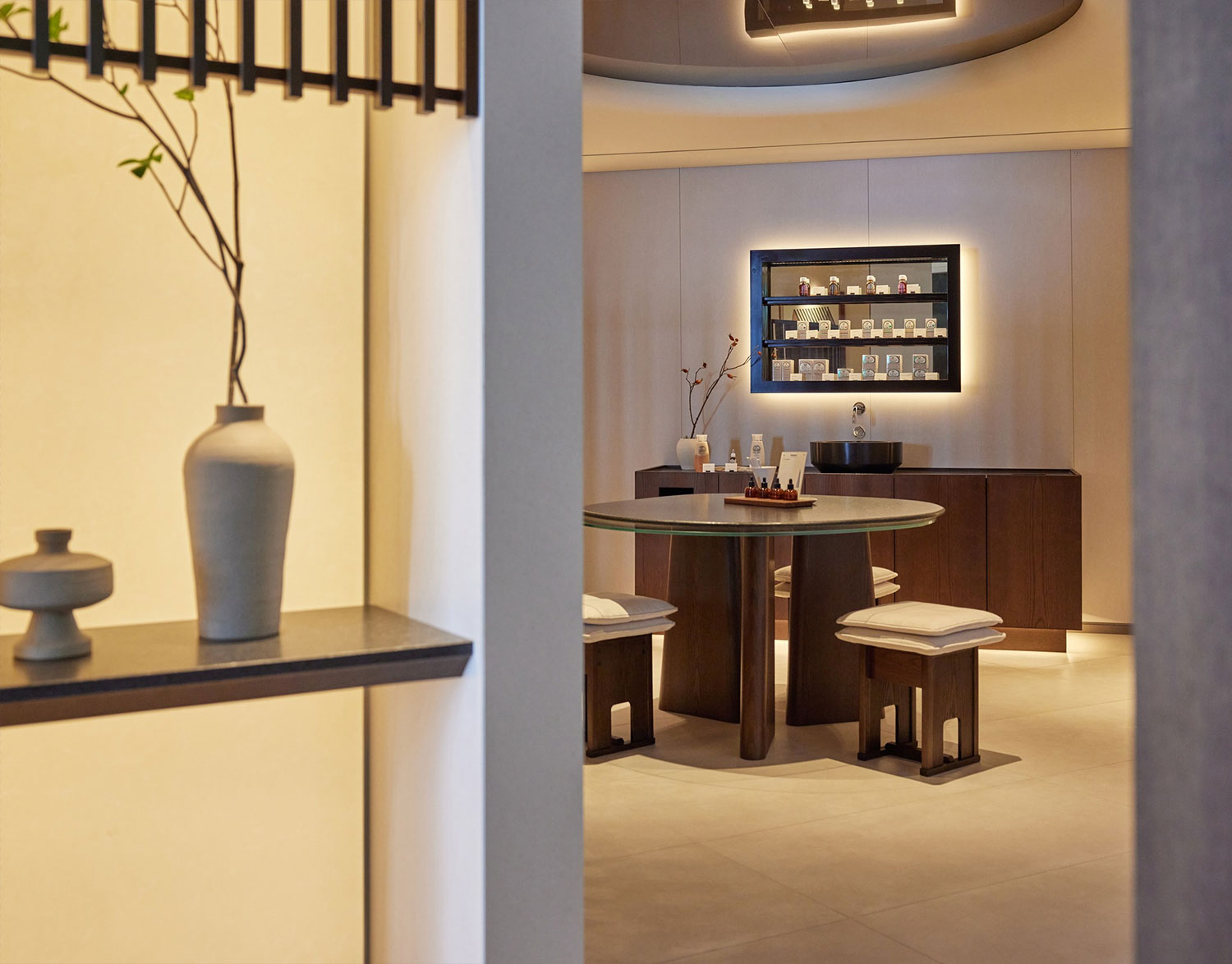
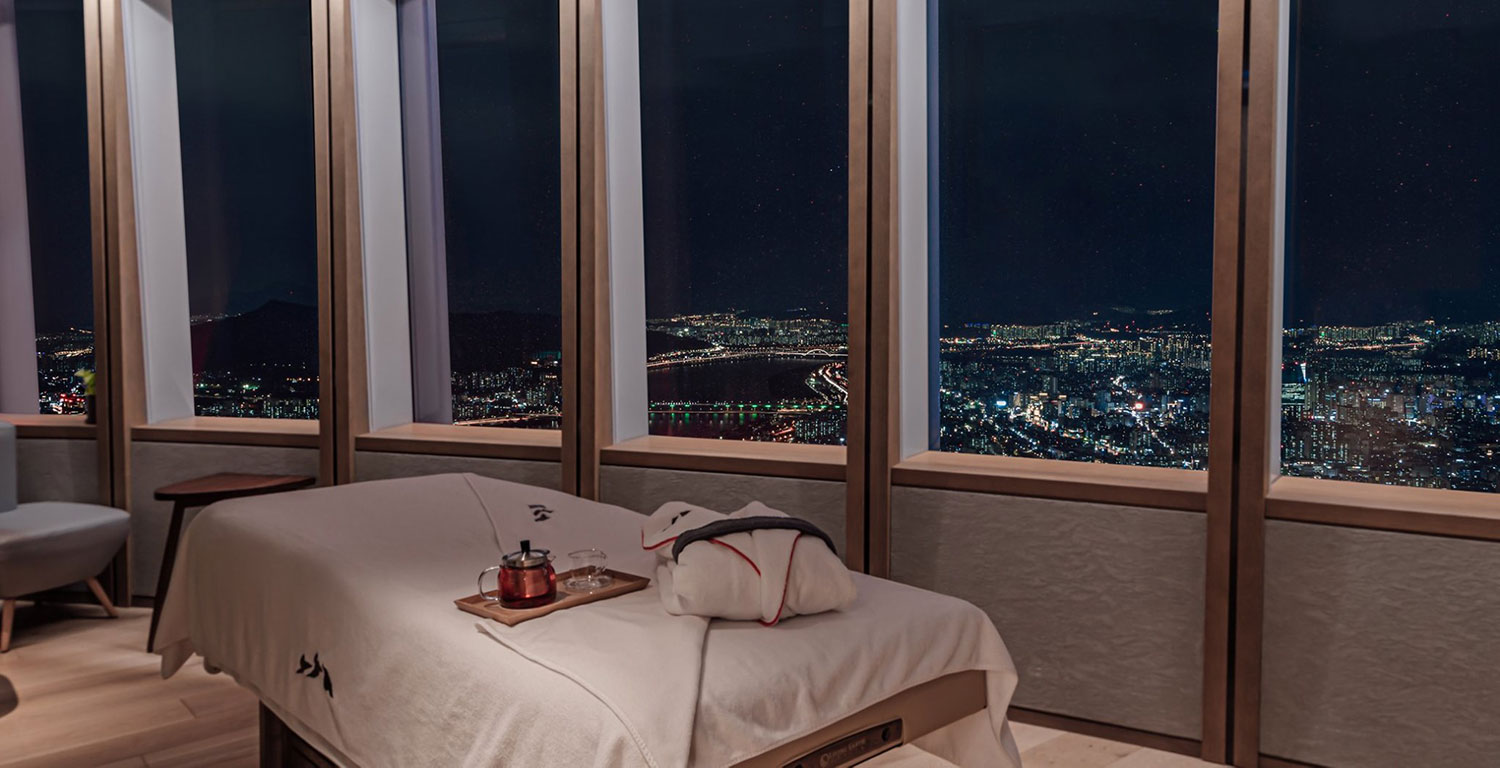
For those who prefer analog calm, Signiel Seoul offers restorative serenity high above the city. Every element—from its plush bedding to the Evian Spa and panoramic skyline views—is designed to lull the senses. In Busan, the sister property combines ocean vistas with soothing rituals to create a sanctuary of sea-cooled stillness.
Hanbang & Jjimjilbangs: tradition meets everyday wellness
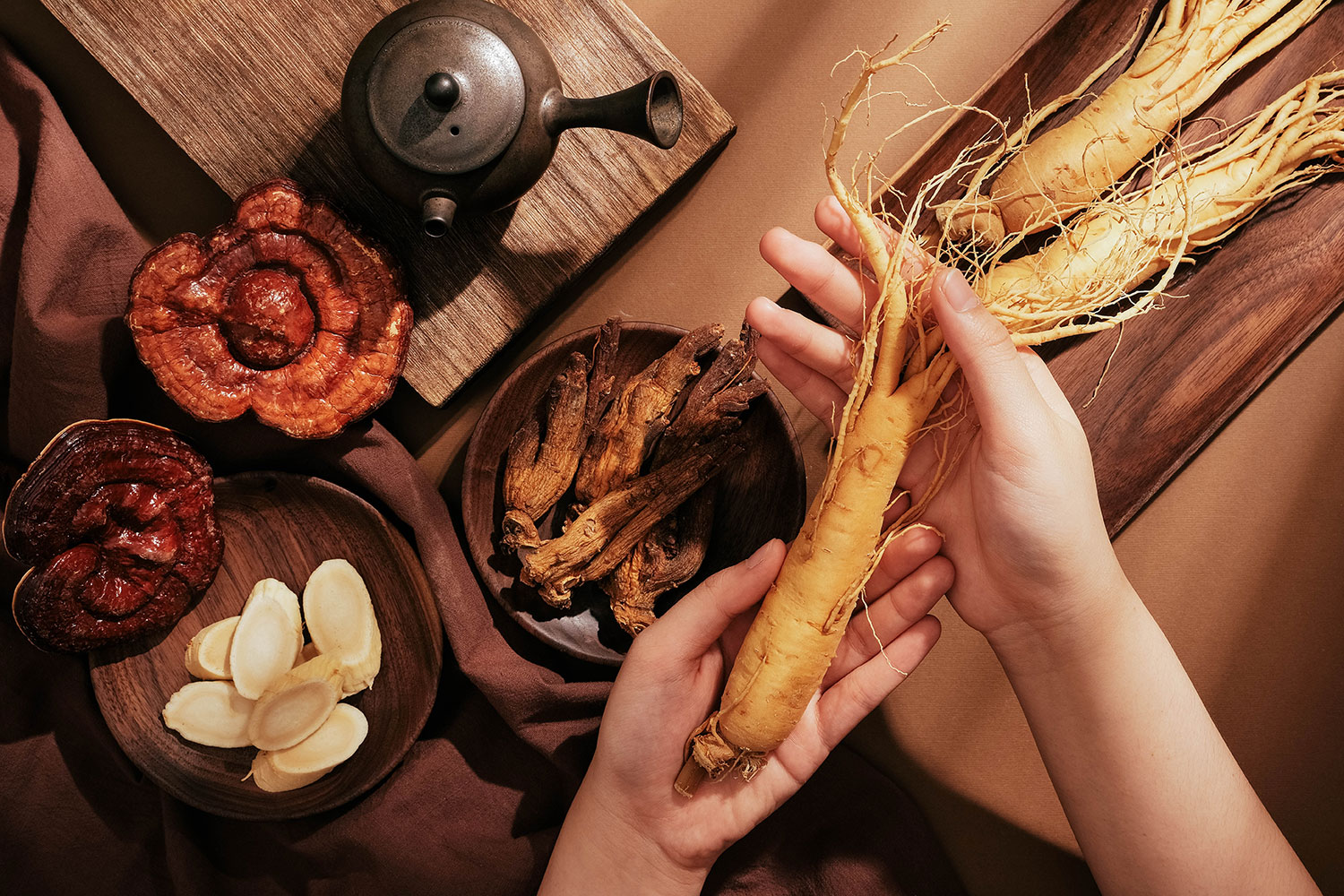
Centuries of Korean herbal medicine—hanbang—continue to shape the country’s contemporary wellness identity. Acupuncture, moxibustion, and herbal tonics featuring ginseng, mugwort, and liquorice are prescribed alongside modern diagnostics, their roots traced to the Dongui Bogam, a 17th-century medical text recognised by UNESCO.
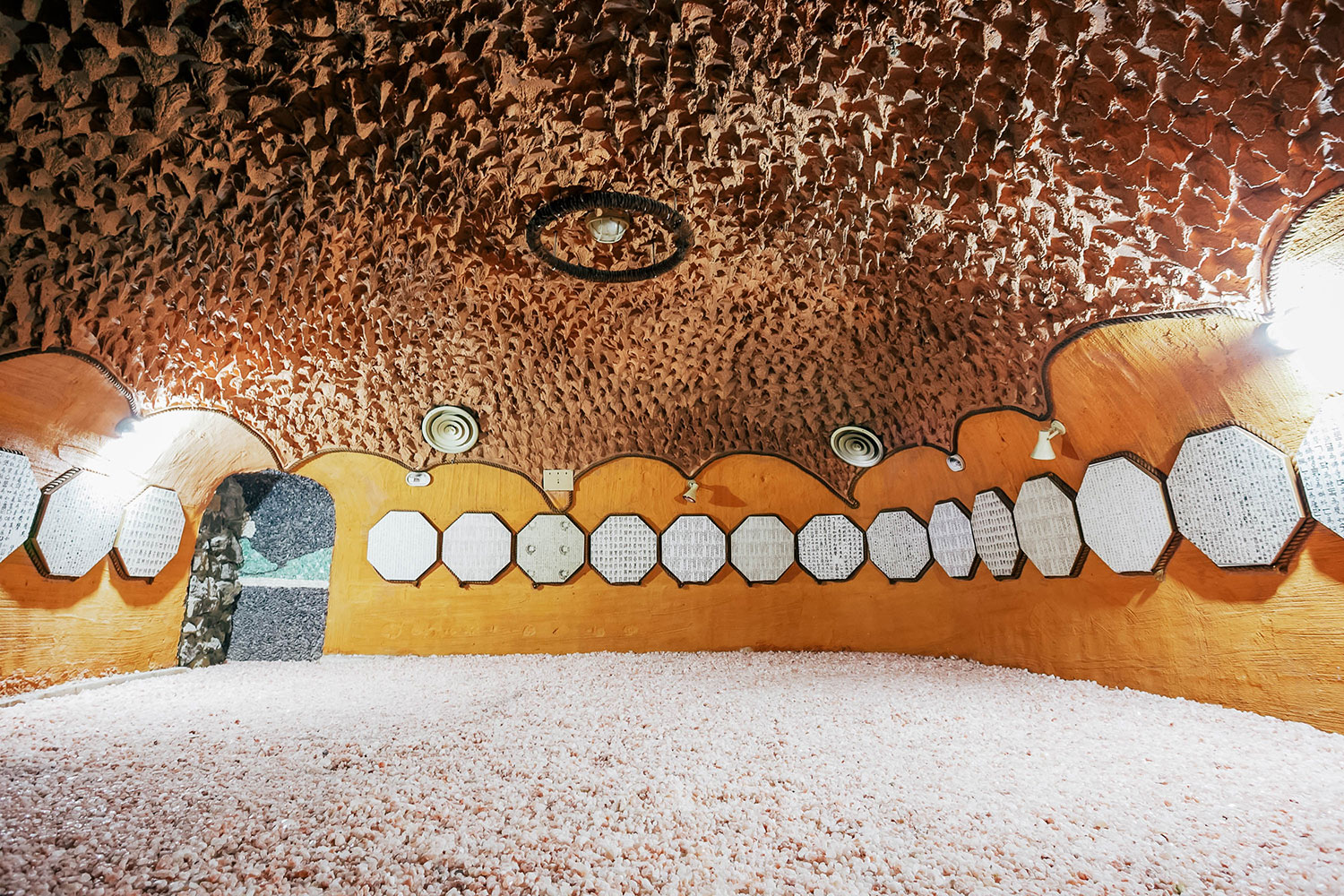
Equally intrinsic to daily life are jjimjilbangs, or bathhouse complexes, where locals gather to unwind in jade, salt, or charcoal saunas before dozing in communal rest rooms. These open-all-hours institutions capture Korea’s communal spirit: healing through heat, herbs, and togetherness. Travellers can experience it firsthand on the Revitalization, Korean Style itinerary, which includes Busan’s coastal calm and a visit to the nation’s largest jjimjilbang.
Medical tourism: healing inside and out
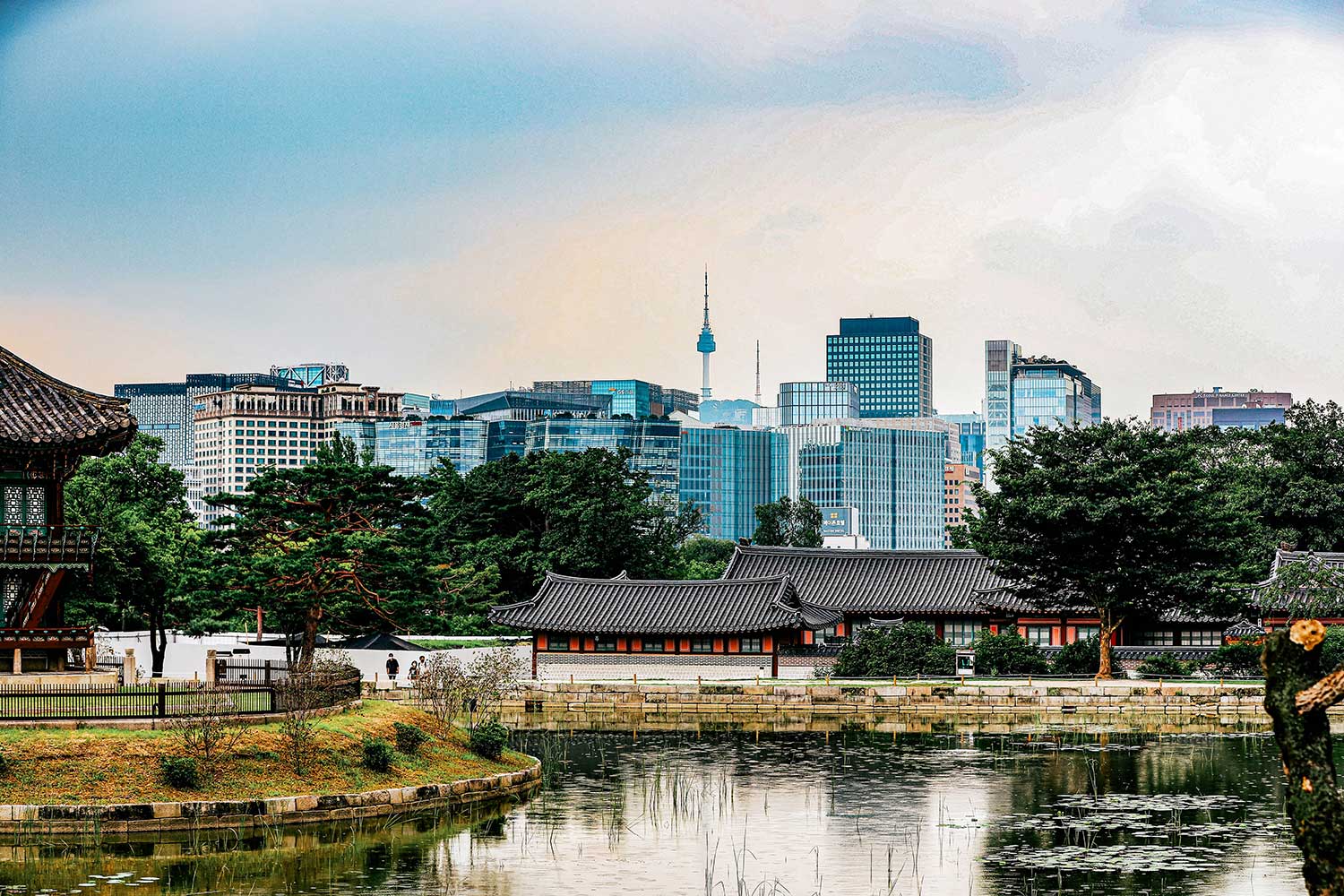
South Korea’s reputation for cutting-edge medicine is drawing record numbers of visitors—1.17 million foreign patients in 2024 alone. While Seoul remains the centre of excellence, travellers arrive from every corner of the globe seeking advanced dermatology, regenerative treatments, and world-class surgical care.
More than half come for skin rejuvenation—everything from stem-cell therapy to bespoke laser facials—while others combine aesthetic enhancement with recovery programmes that emphasise nutrition, herbal remedies, and massage. It’s the embodiment of K-wellness: beauty, balance, and science intertwined.
Temple stays and spiritual practices
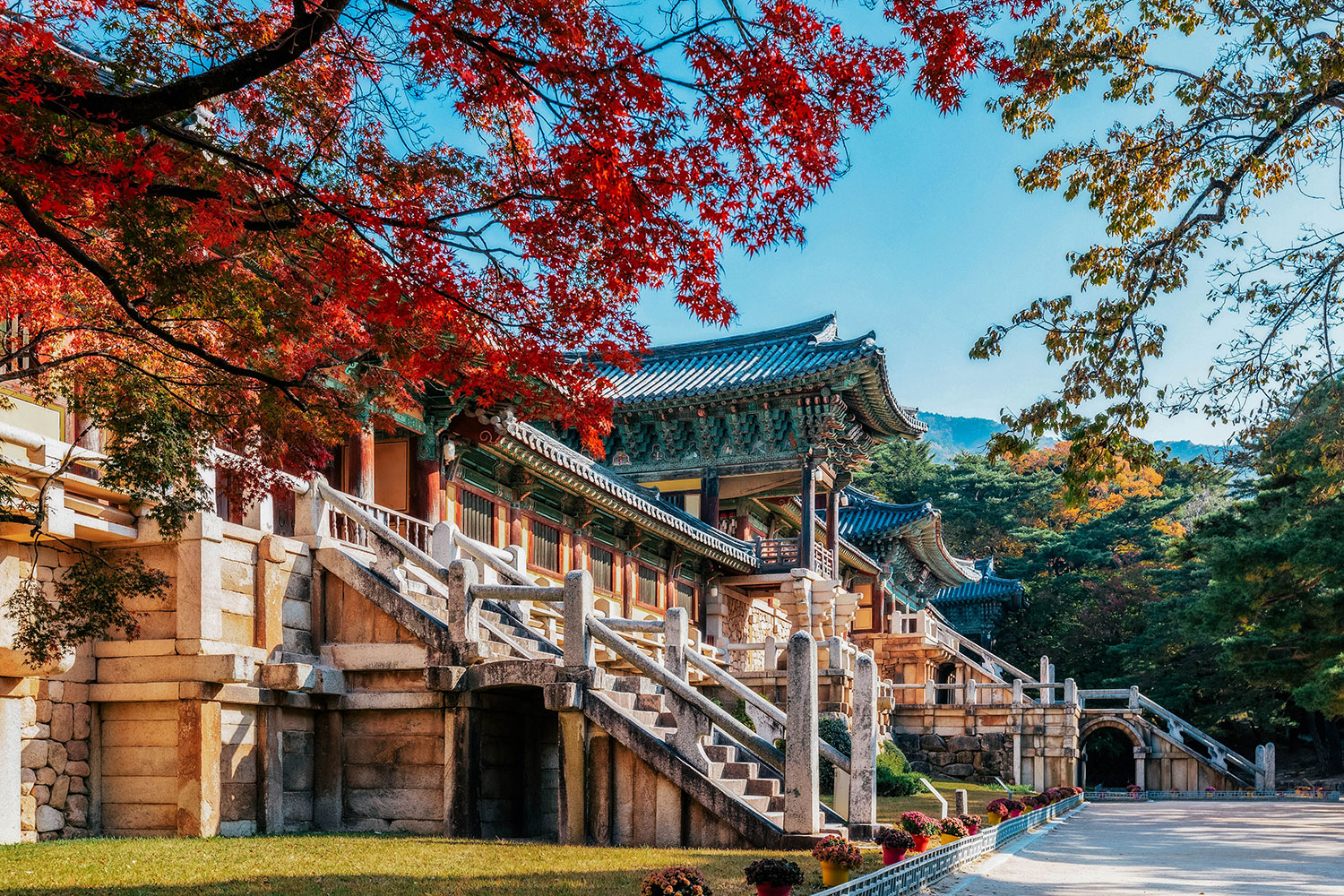
With a Buddhist heritage stretching back more than 1,700 years, Korea’s temples offer another dimension of healing. The government-supported Templestay programme invites guests to share the monastic rhythm of Seon (Zen) Buddhism—dawn meditation, silent meals, and tea ceremonies beneath pine-cloaked mountains.
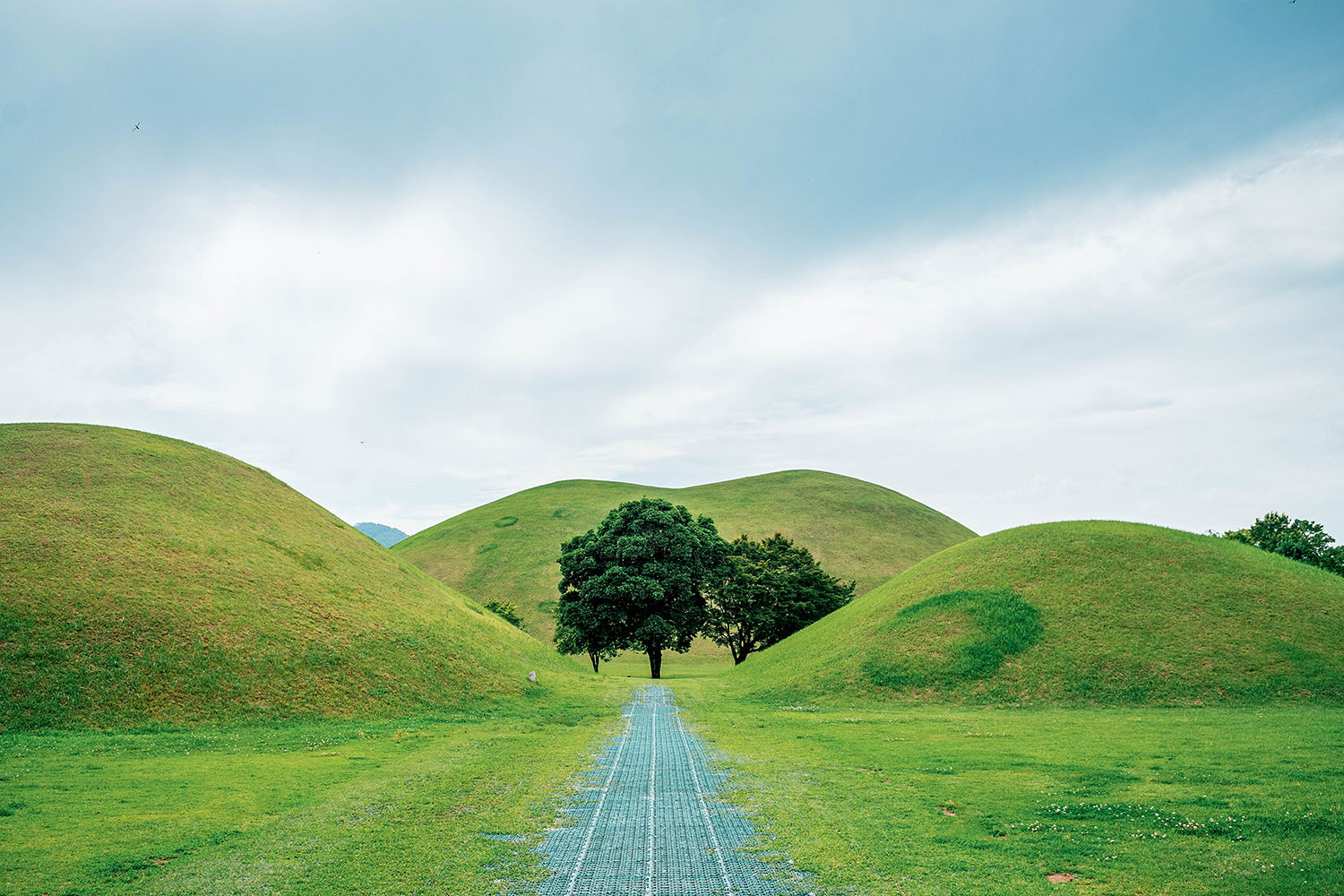
The Classic South Korea Itinerary includes temple visits within Gyeongju National Park, home to the exquisite Bulguksa Temple, symbolising the land of Buddha. For modern-day seekers, JW Marriott Jeju Resort & Spa provides a serene counterpoint: sunrise yoga, volcanic-stone therapies, and a spa honoured by the World Spa Awards as among the country’s finest.
Korean wellness trends to watch
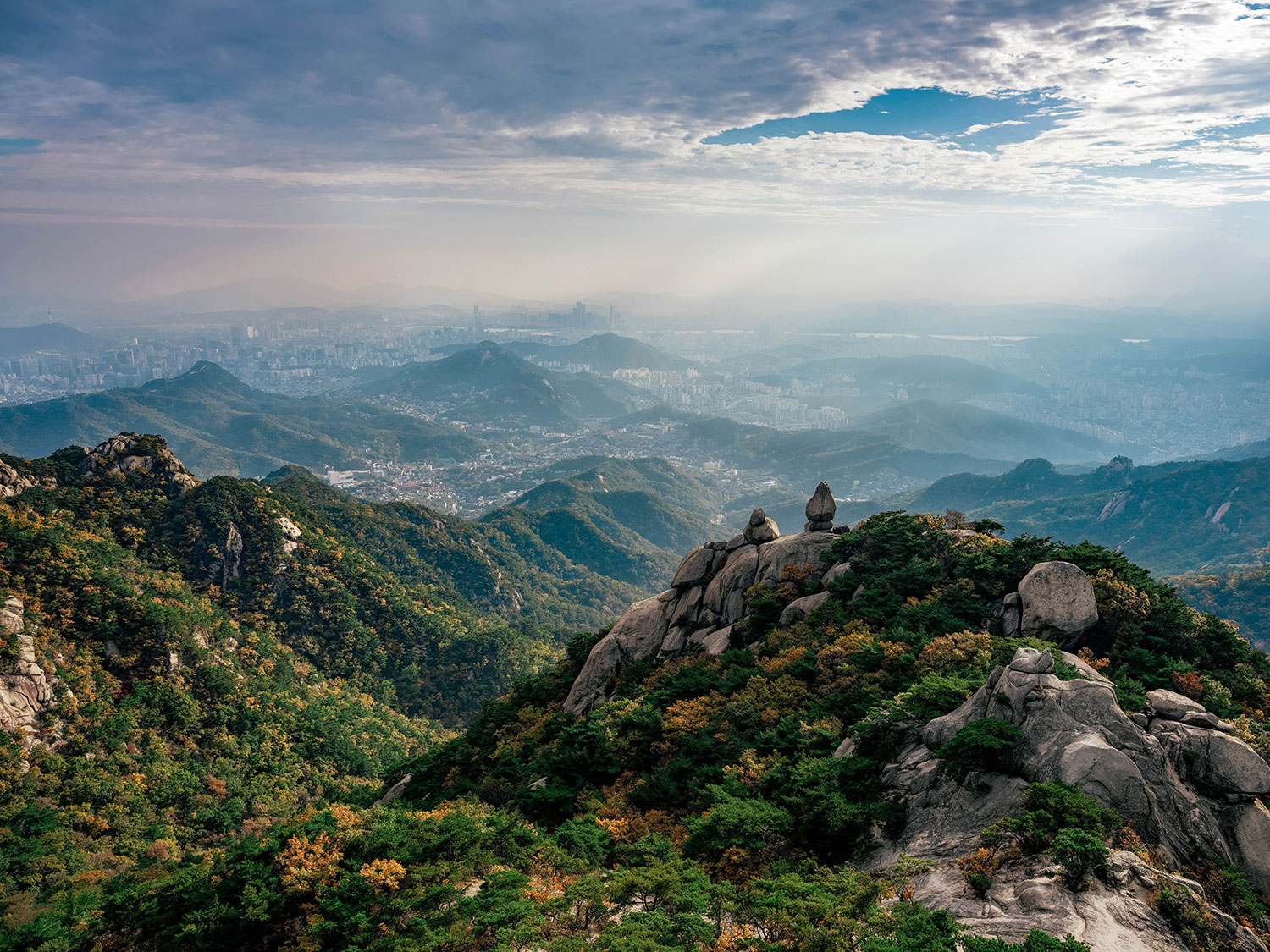
Korea’s wellness culture continues to evolve, blending science, sensorial design, and a reverence for nature. Sanlimyok, or forest bathing, is gaining momentum as travellers seek restoration in cedar and birch groves. Studies show it lowers cortisol and blood pressure while inviting a meditative calm.
Skincare too has become an art form: fermented botanicals deliver the dewy “glass skin” glow, while adaptogenic mushrooms and Korean pine enhance both immunity and radiance. Culinary wellbeing follows suit, with a focus on gut health and longevity foods. On Remote Lands’ Culture, Food and White Sand Beaches itinerary, guests can sample temple cuisine, join kimchi-making classes, and discover the nutritional depth behind Korea’s most beloved dishes.
South Korea is quietly sculpting the future of holistic travel. From AI-enhanced rest and herbal wisdom to spiritual retreat and cultured cuisine, every experience honours equilibrium between body, mind, and tradition.