


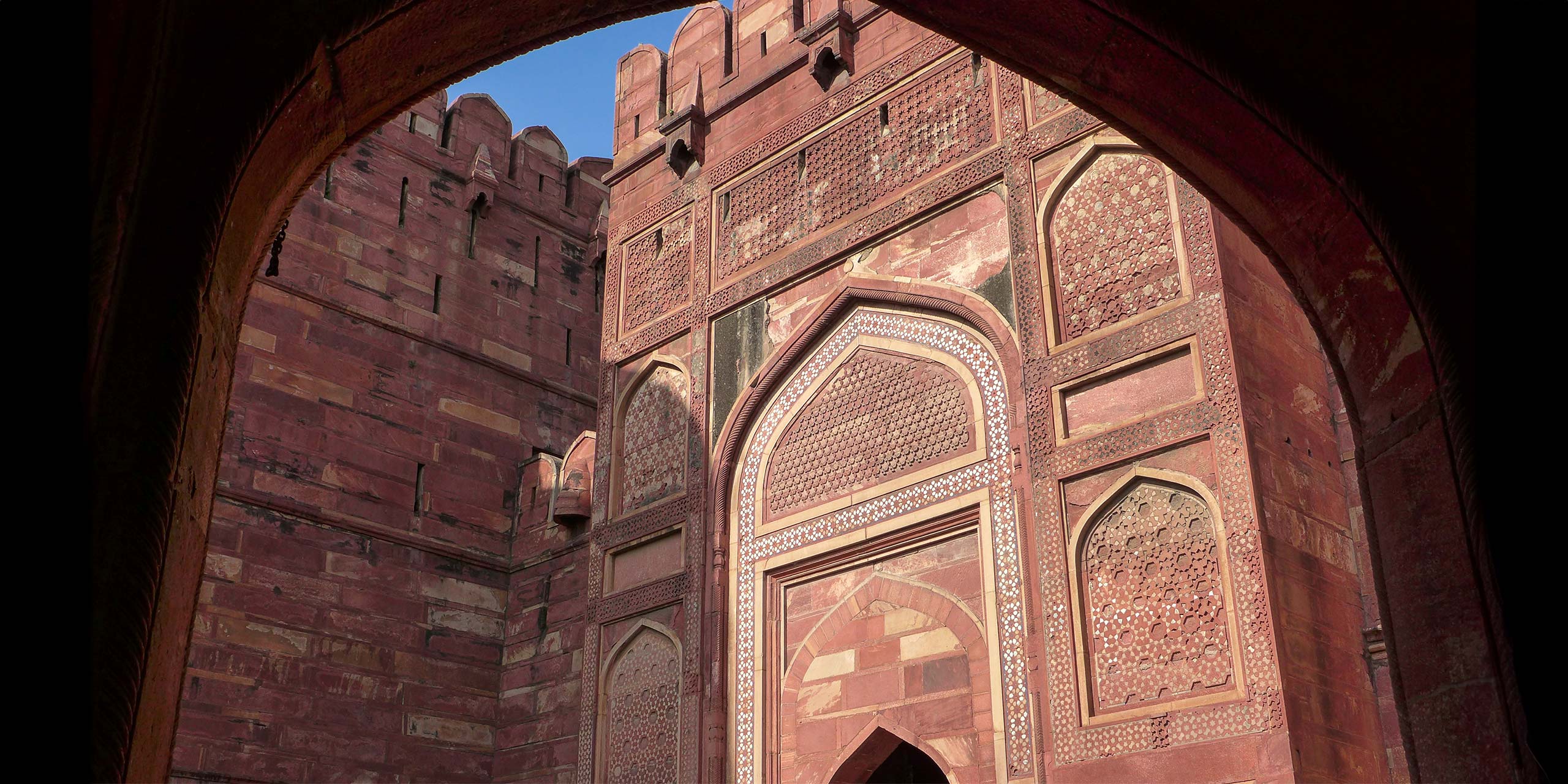
They loom over Indian cities as reminders of turbulent eras marked by invasions and warring dynasties. Scattered across the country are dozens of beautiful and innovative fortresses that once enclosed royal headquarters and shielded rulers from violent upheaval.
Some were pivotal to European colonisation. Others influenced the Taj Mahal, helped define the layout of India’s capital, or became home to powerful Islamic demons. From Hyderabad to Agra, Delhi and Kochi, here are the stories behind five of India’s finest remaining forts.
Agra Fort (Agra)
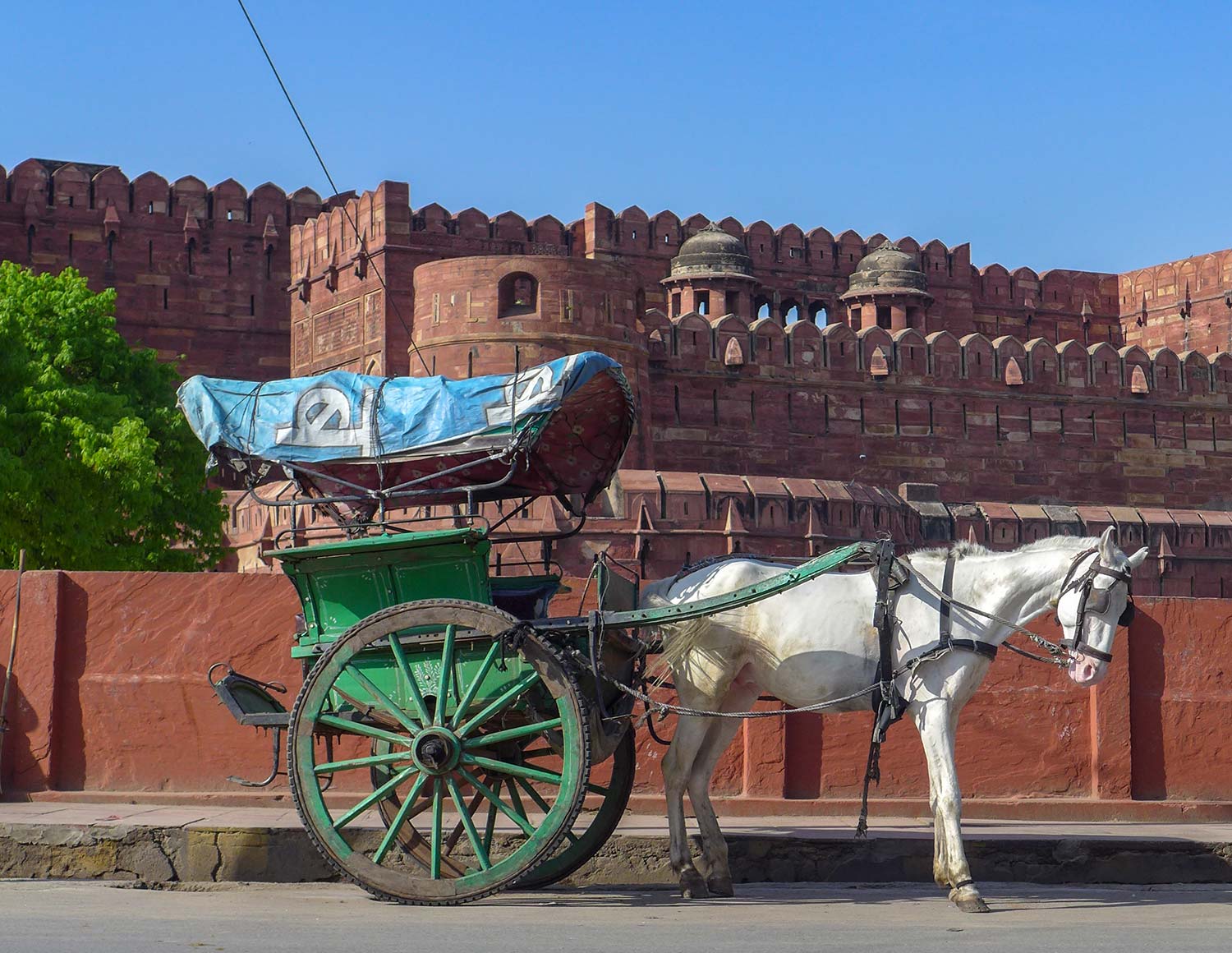
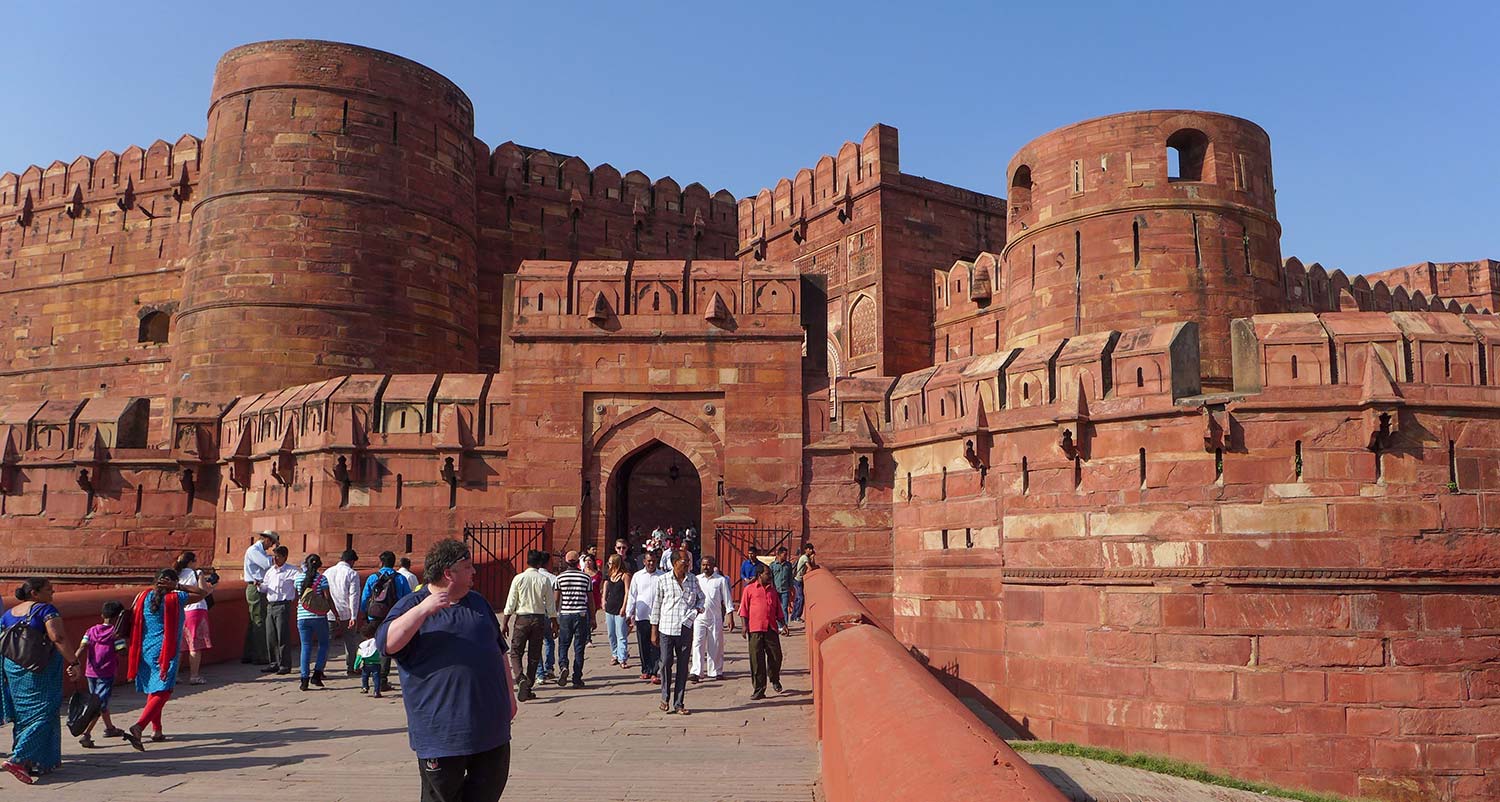
If not for a nearby Wonder of the World, Agra Fort would be the city’s chief tourist attraction. Instead, on both of my visits, this impressive citadel was almost empty compared to its celebrity neighbour, the Taj Mahal.
Most travellers visit Agra on day trips from Delhi or rushed overnight stays, intent solely on seeing that famous tomb. This leaves those who venture beyond the Taj to explore the red-sandstone marvel of Agra Fort with a far more tranquil experience.
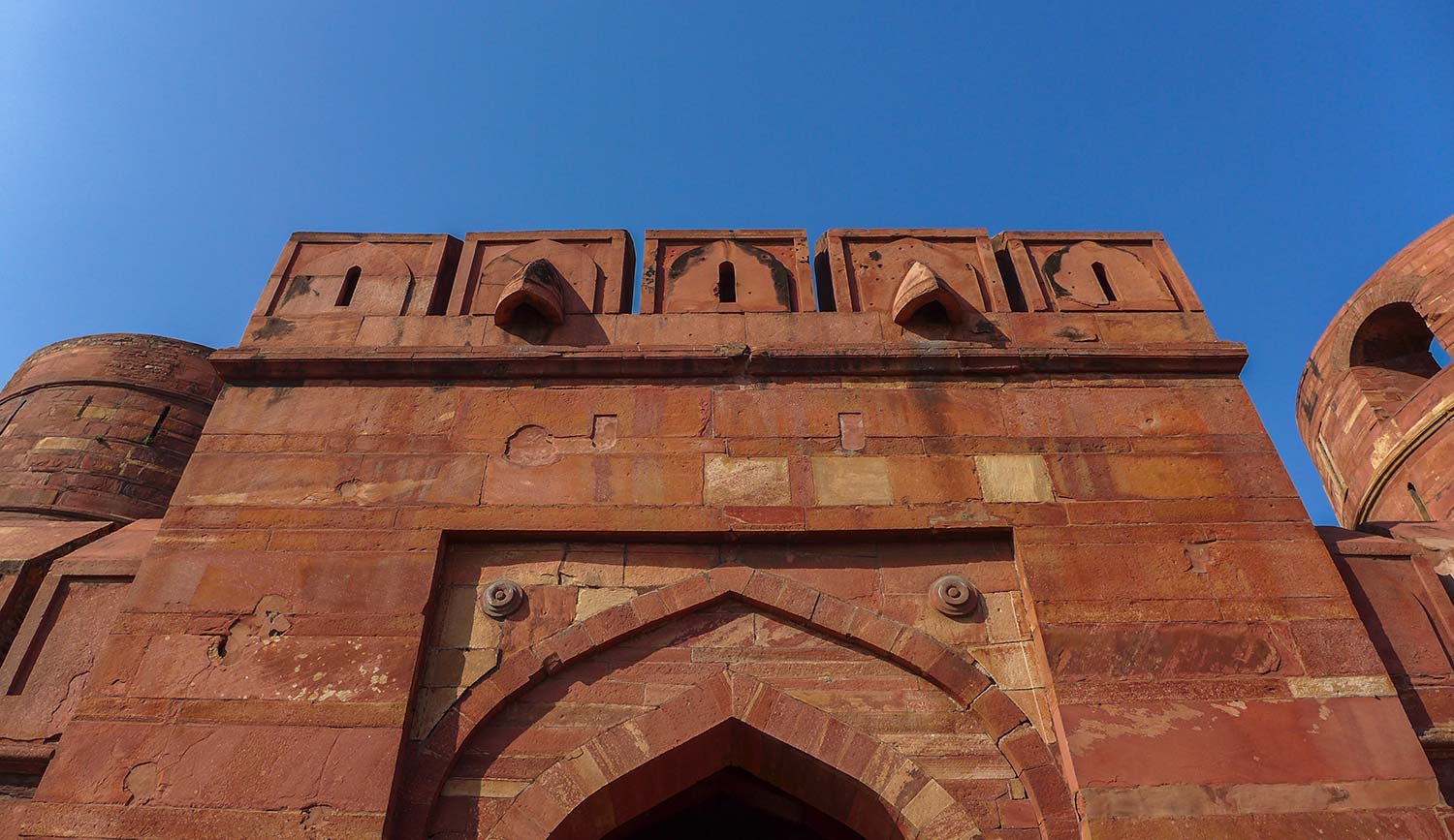
Commissioned in the 1500s by Akbar, emperor of the Mughal Empire, the fort served both as his royal residence and as a military base. It is protected by colossal walls stretching 2.5km around and reaching up to 21m in height.
Visitors can wander much of the site to see former imperial halls and weapons stores, all adorned with Mughal architectural flourishes. Also seen in landmarks such as the Taj Mahal and Humayun’s Tomb, this style blends Turkic, Persian, Central Asian and Indian Hindu elements.
Feroz Shah Kotla Fort (Delhi)
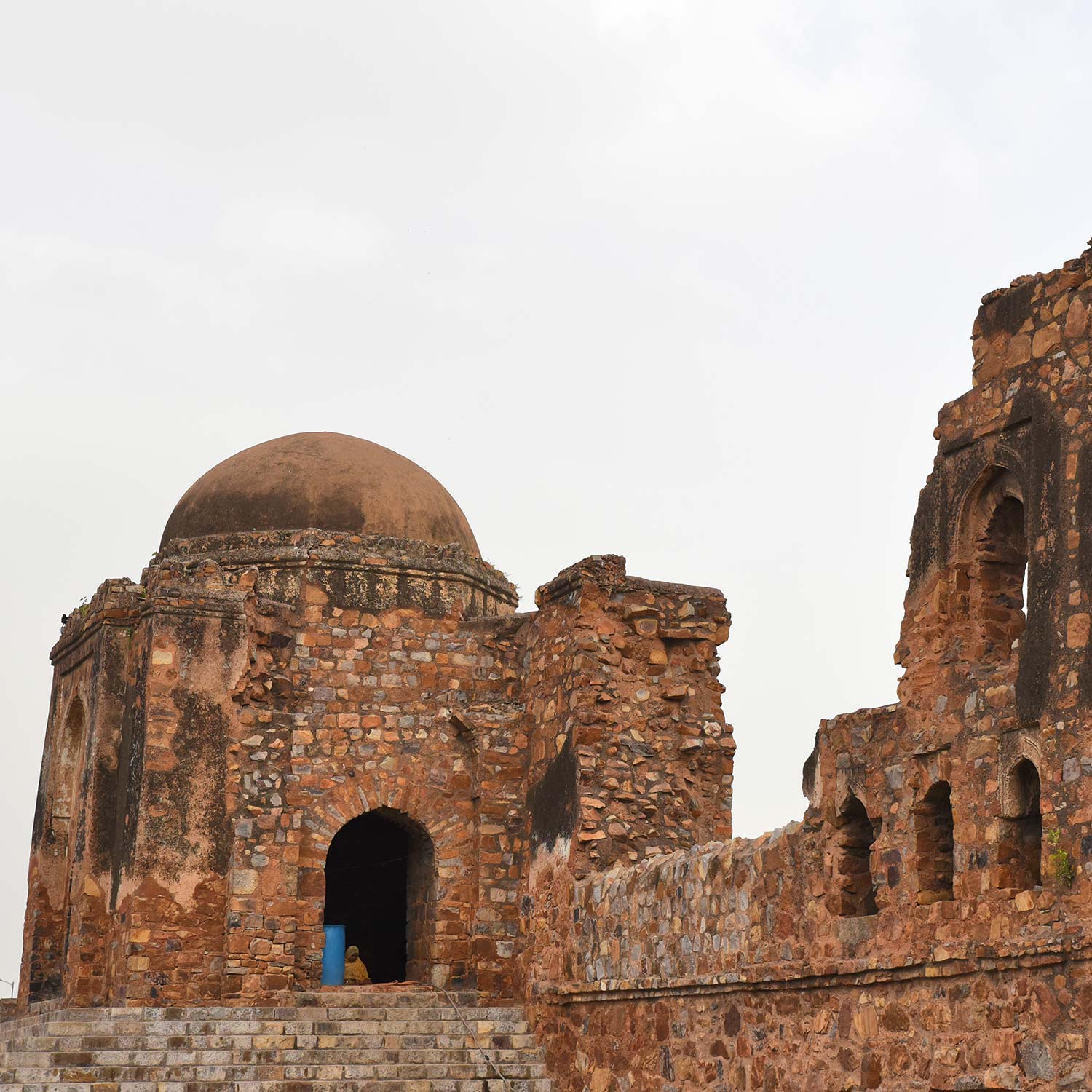
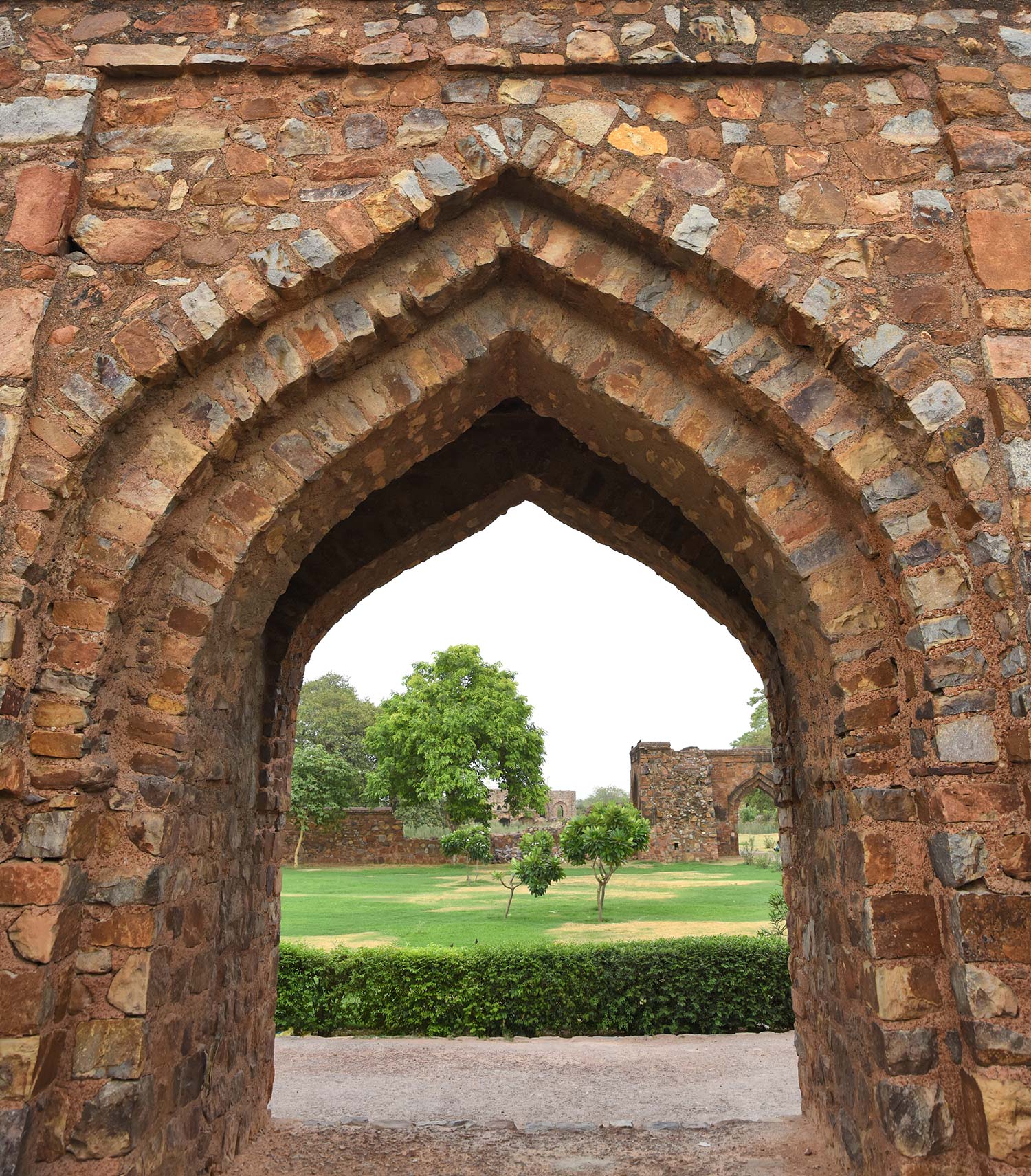
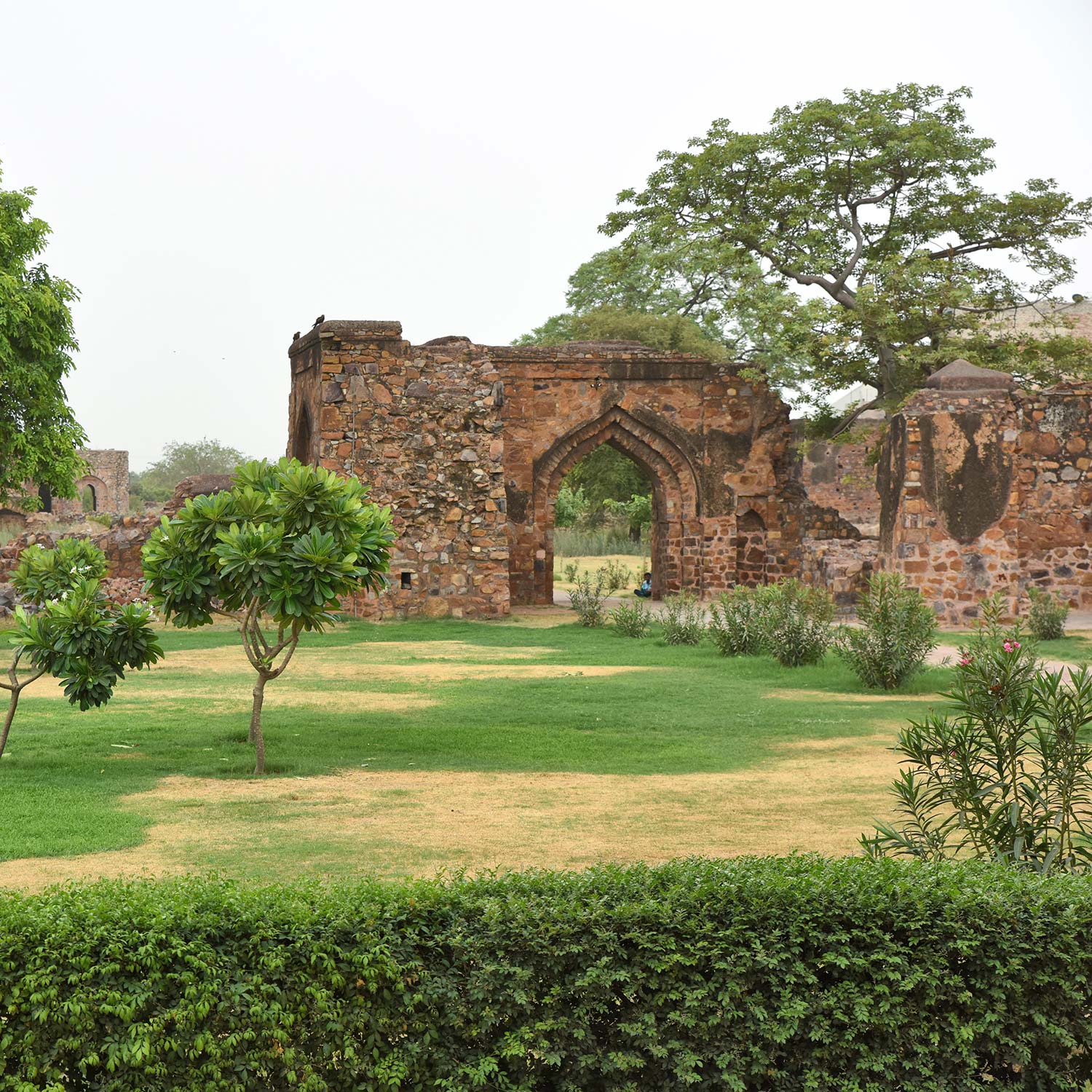
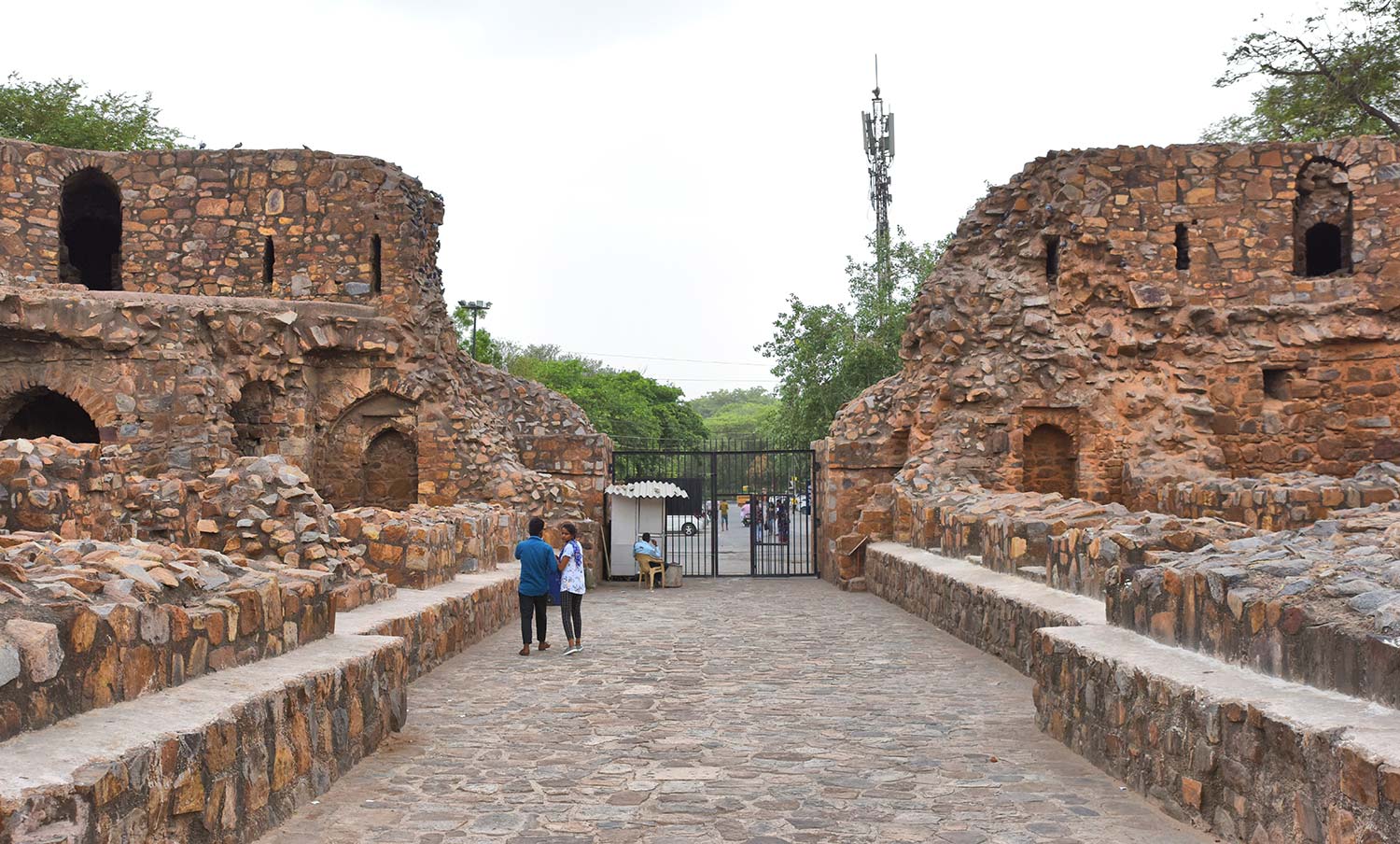
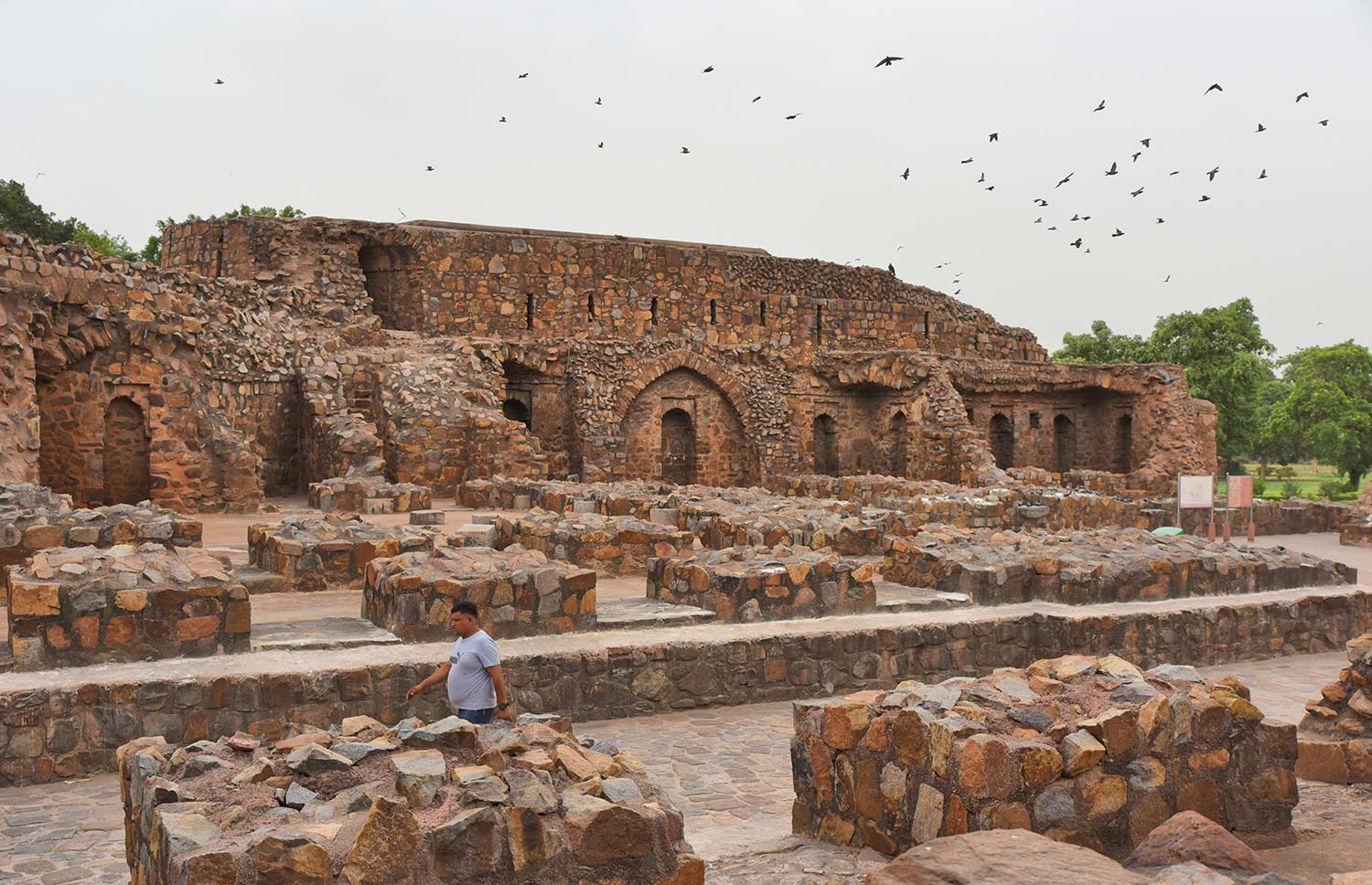
I came to see a sports venue and instead found myself in a field of demons. My cricket fandom had drawn me to Delhi’s Feroz Shah Kotla Stadium, but a weathered walled complex beside its entrance quickly stole my attention.
A quick search revealed it to be Feroz Shah Kotla Fort, one of Delhi’s oldest surviving structures, commissioned in the 1350s by Sultan Feroz Shah Tughlaq. From the outside, it appears unremarkable, and I almost didn’t bother entering.
Inside, however, I found extensive remains: fortifications, stepwells, mosques and manicured gardens. Like Agra Fort, it would be far more famous were it not surrounded by Delhi’s overwhelming wealth of historic sites.
What truly distinguishes Feroz Shah Kotla is its eerie folklore. Nowhere in Delhi, locals say, is more infested with shapeshifting demons. Known as jinn, they feature prominently in the Qur’an and are said to attach themselves to people and cause misfortune. Believers leave offerings to ward them off, and at the fort I saw letters, coins and amulets left as gifts.
Golconda Fort (Hyderabad)
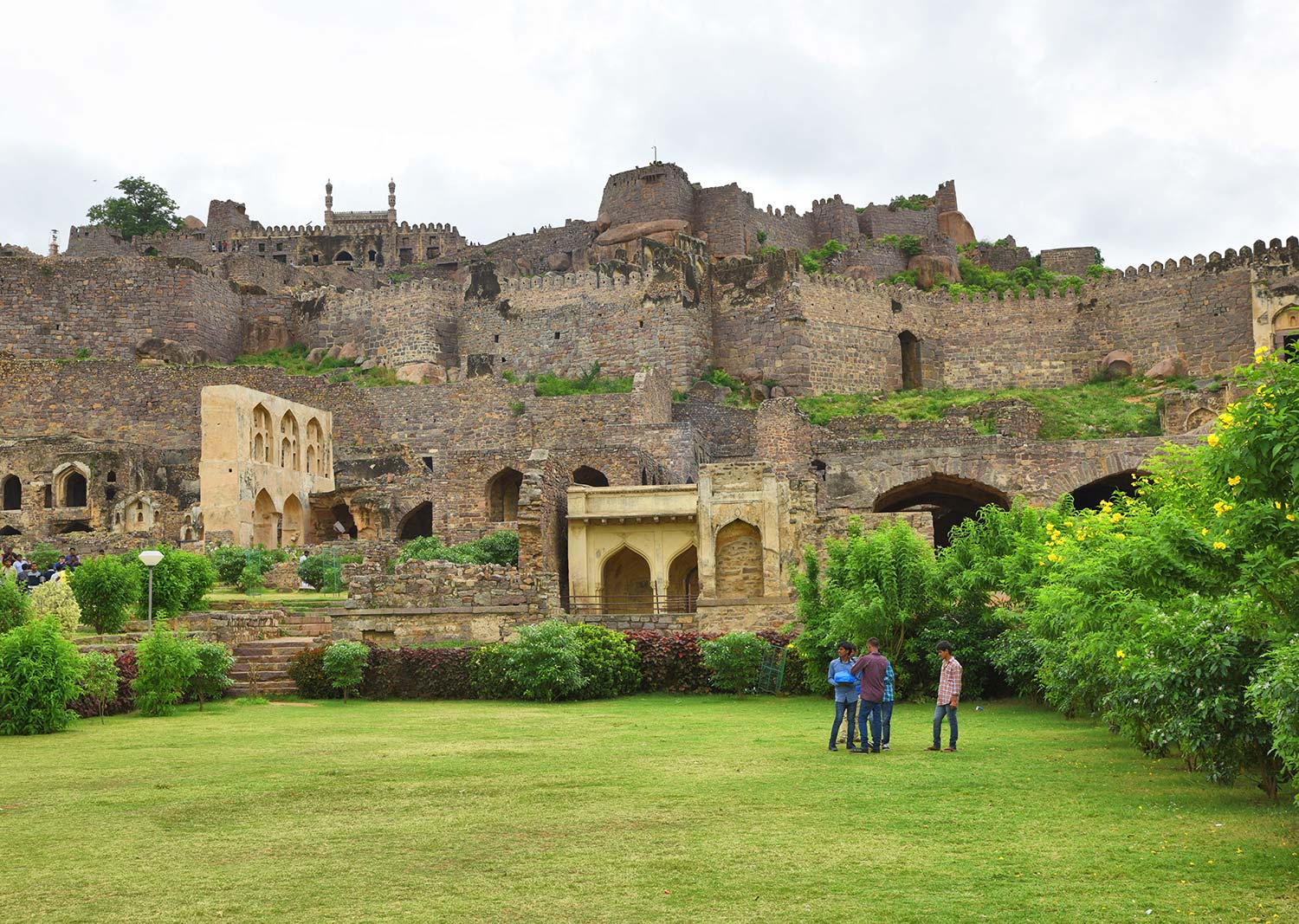
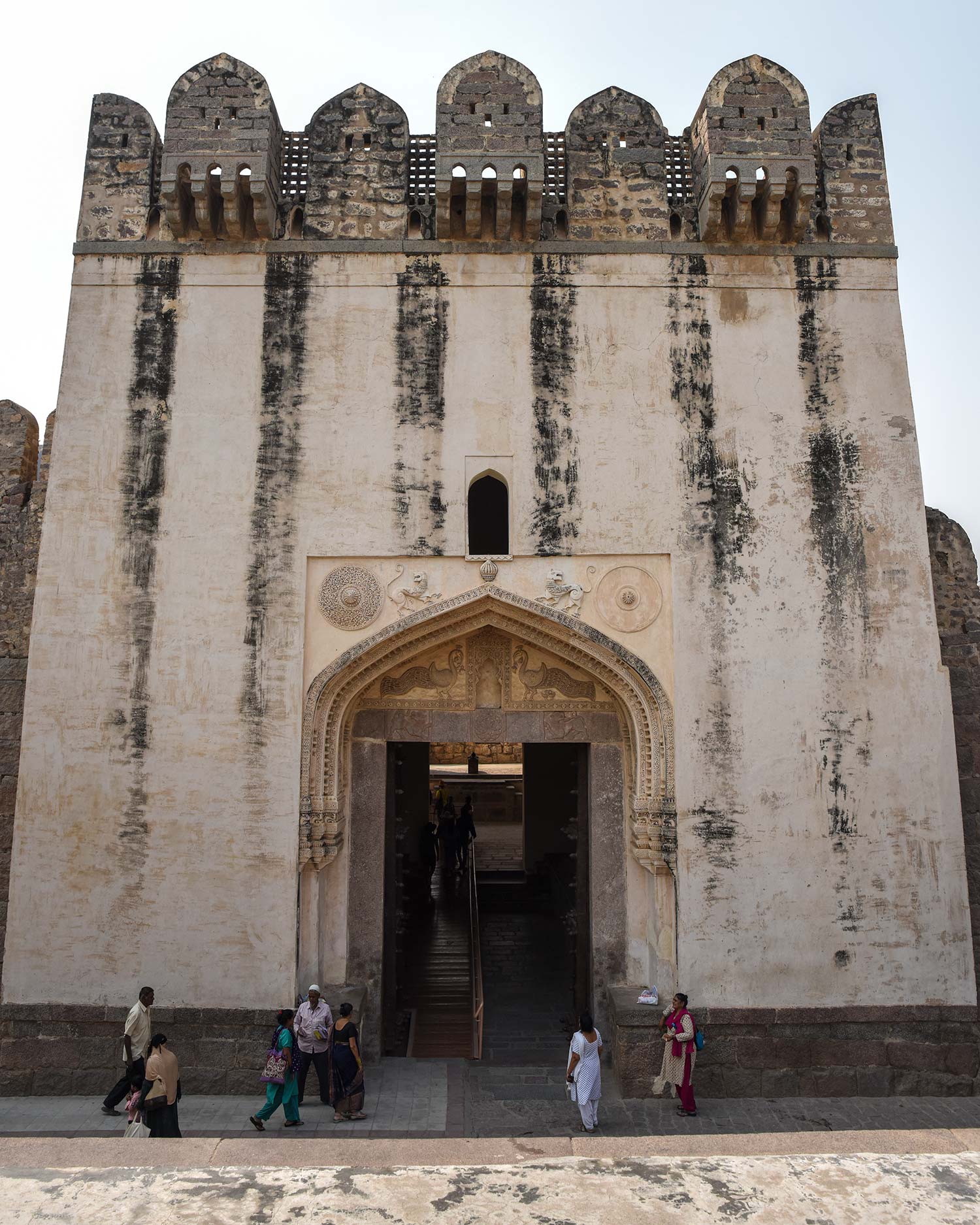
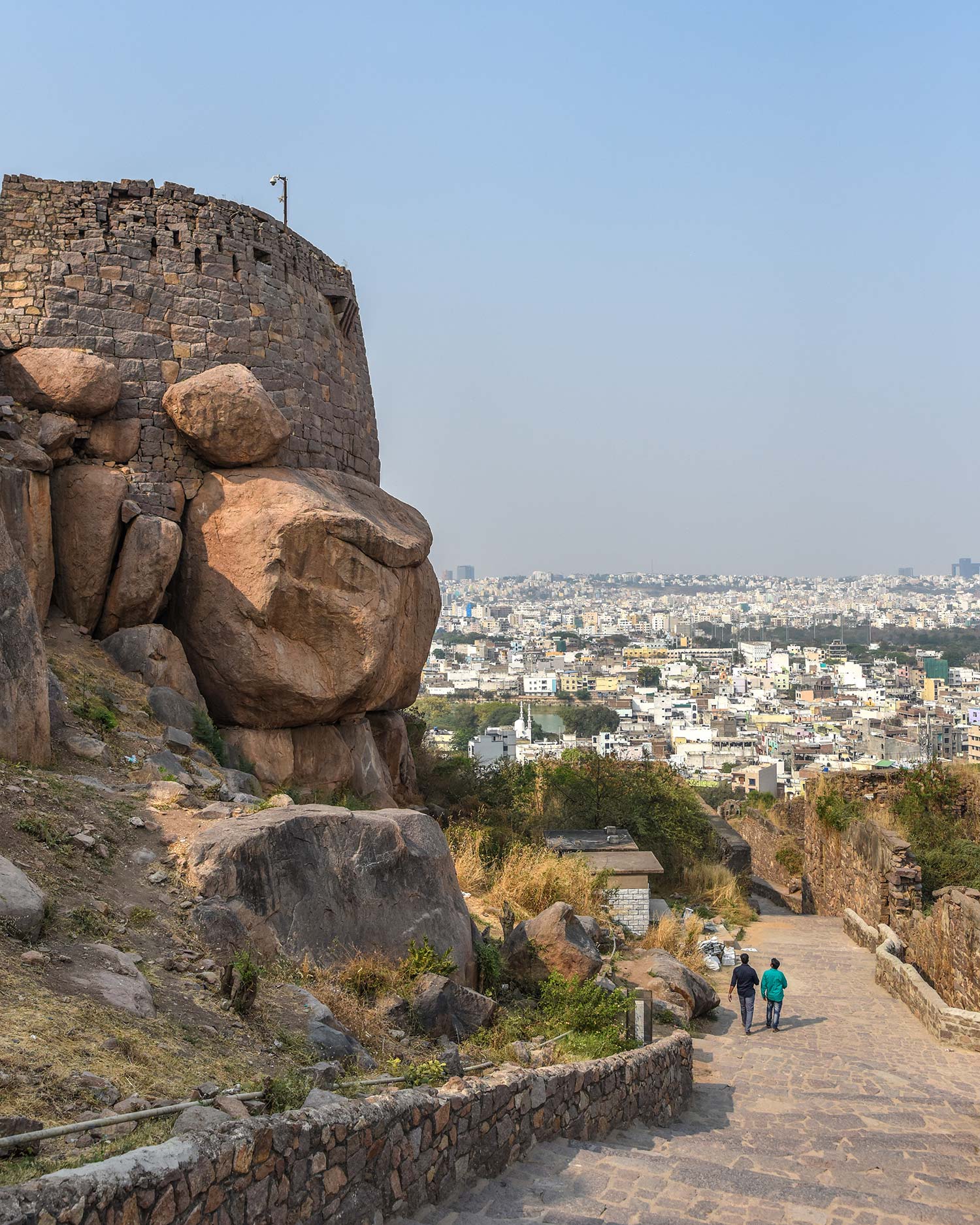
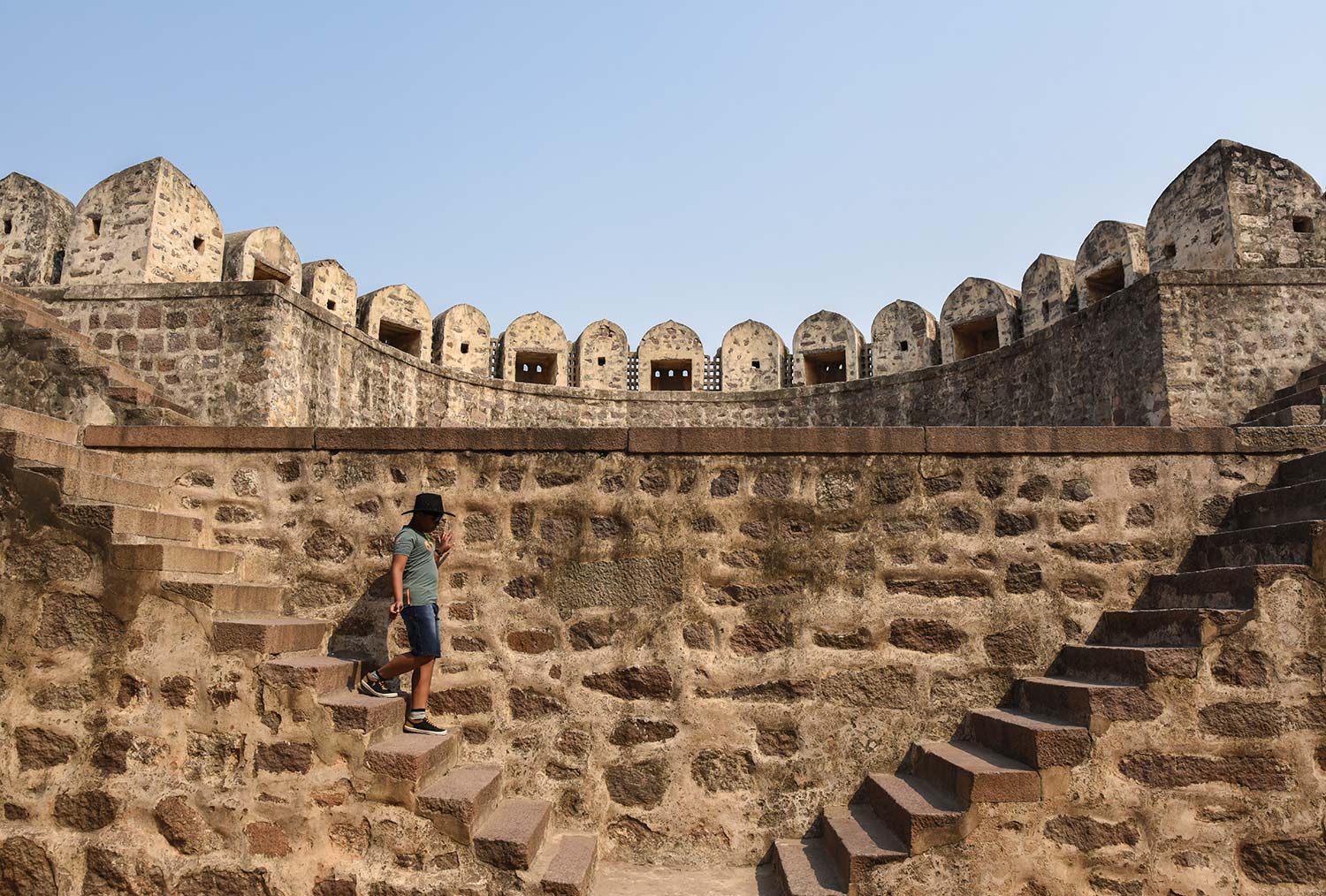
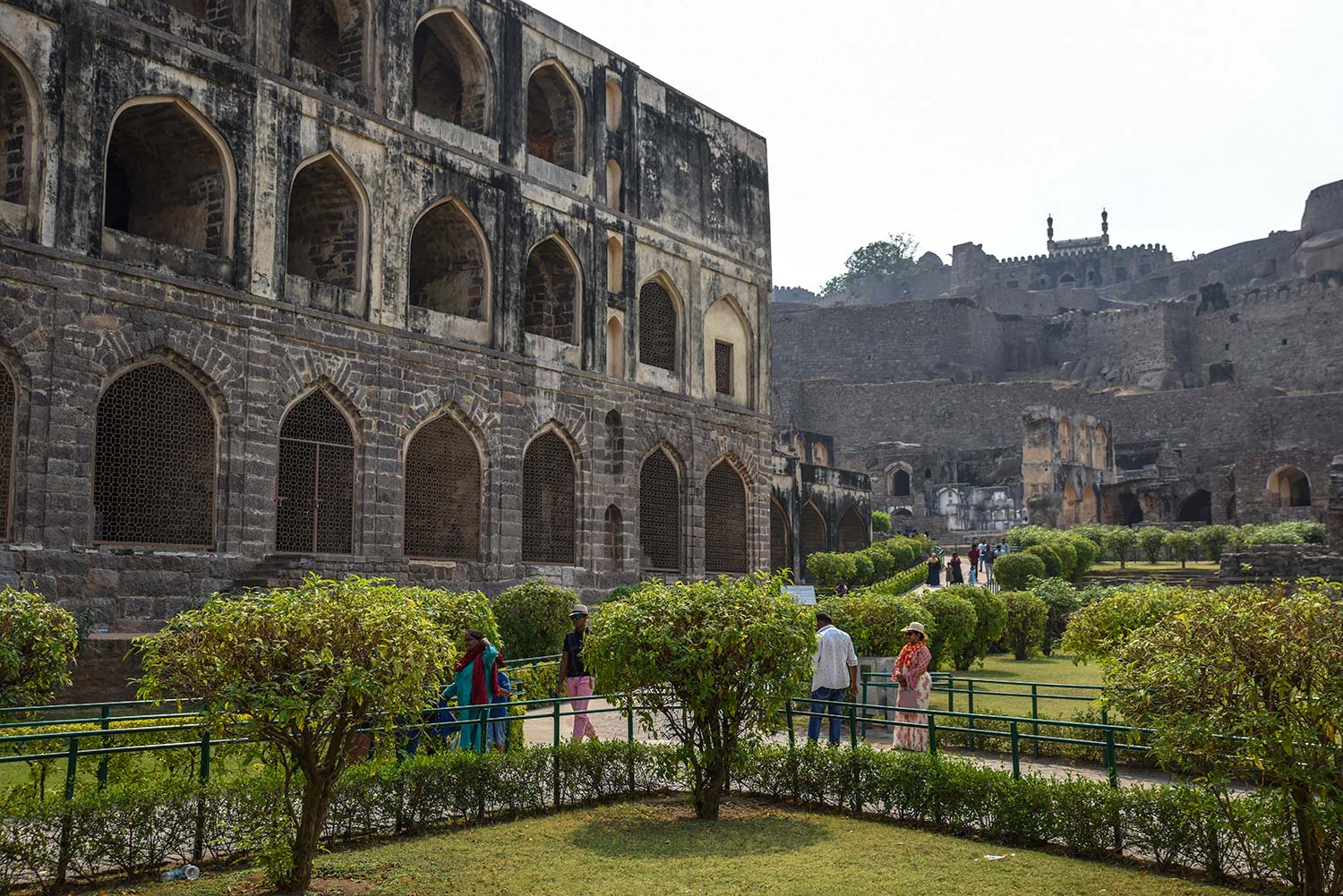
Hyderabad is perhaps India’s most underrated city—thanks in part to the scale, majesty and history of its UNESCO-listed Golconda heritage zone. The city was founded in the late 1500s by the rulers of the Golconda Kingdom, who had long dominated southern India from the formidable Golconda Fort.
Today, the vast and well-preserved remains of the fort stretch across a hillside in western Hyderabad. They sit beside the equally memorable Qutb Shahi Tombs, a cluster of around 80 grand monuments honouring Golconda royalty.
Visitors enjoy broad access to the site. Within its 5km exterior walls lie the remains of temples, mosques, stepwells, fountains, royal residences, ceremonial halls and landscaped gardens. Those who climb to its summit are rewarded with sweeping views of the tombs and of the broader Hyderabad cityscape.
Red Fort (Delhi)
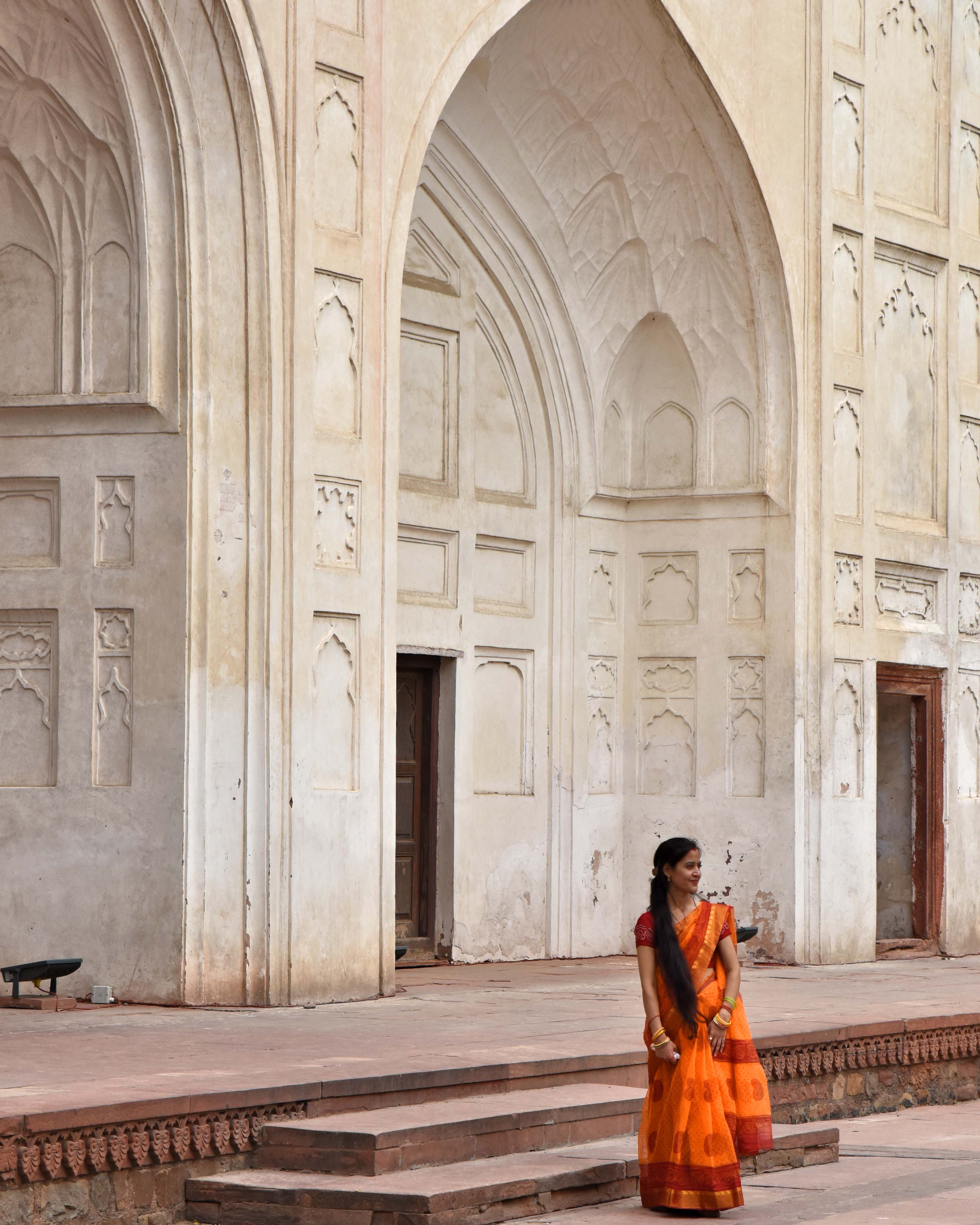
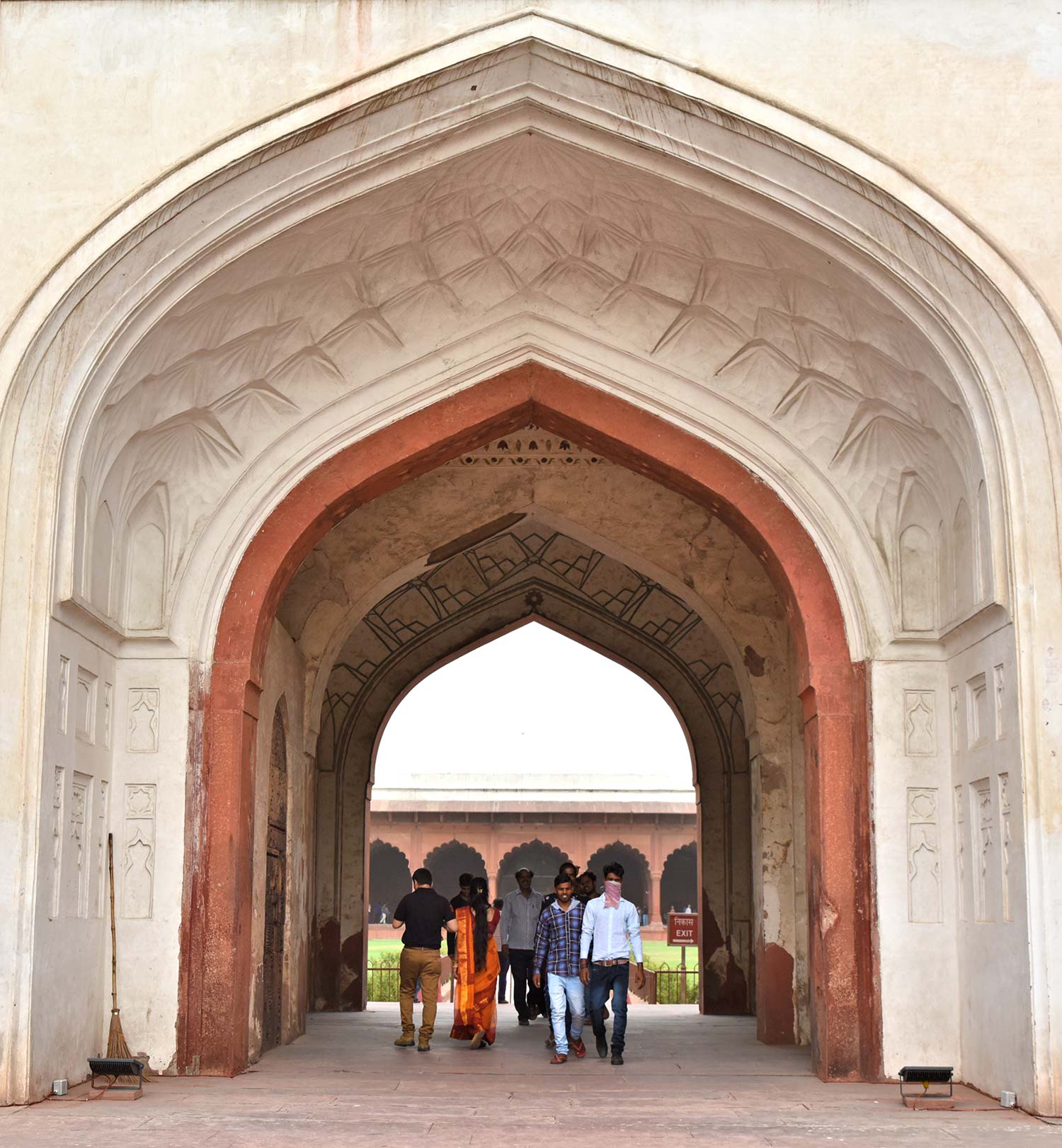
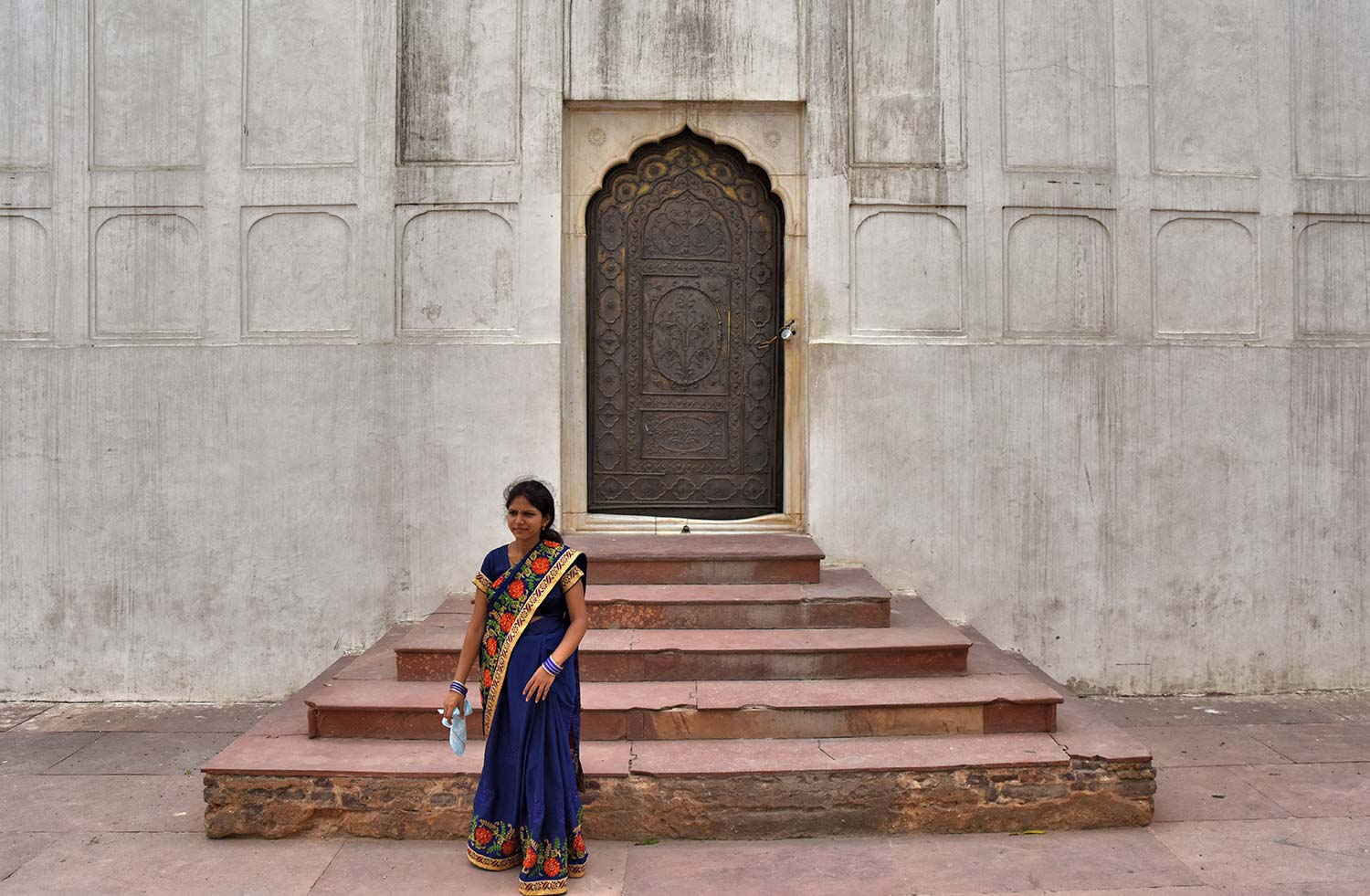
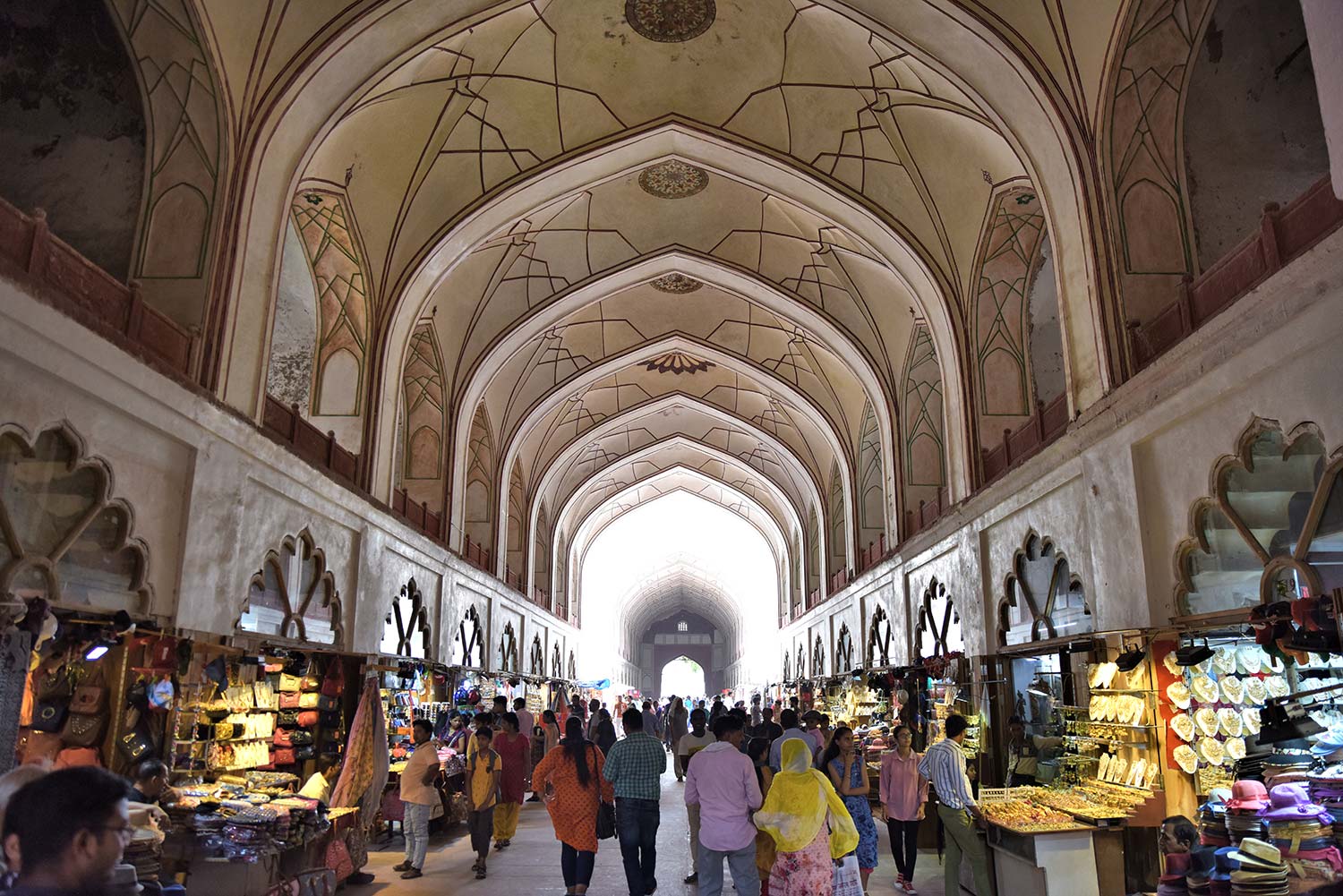
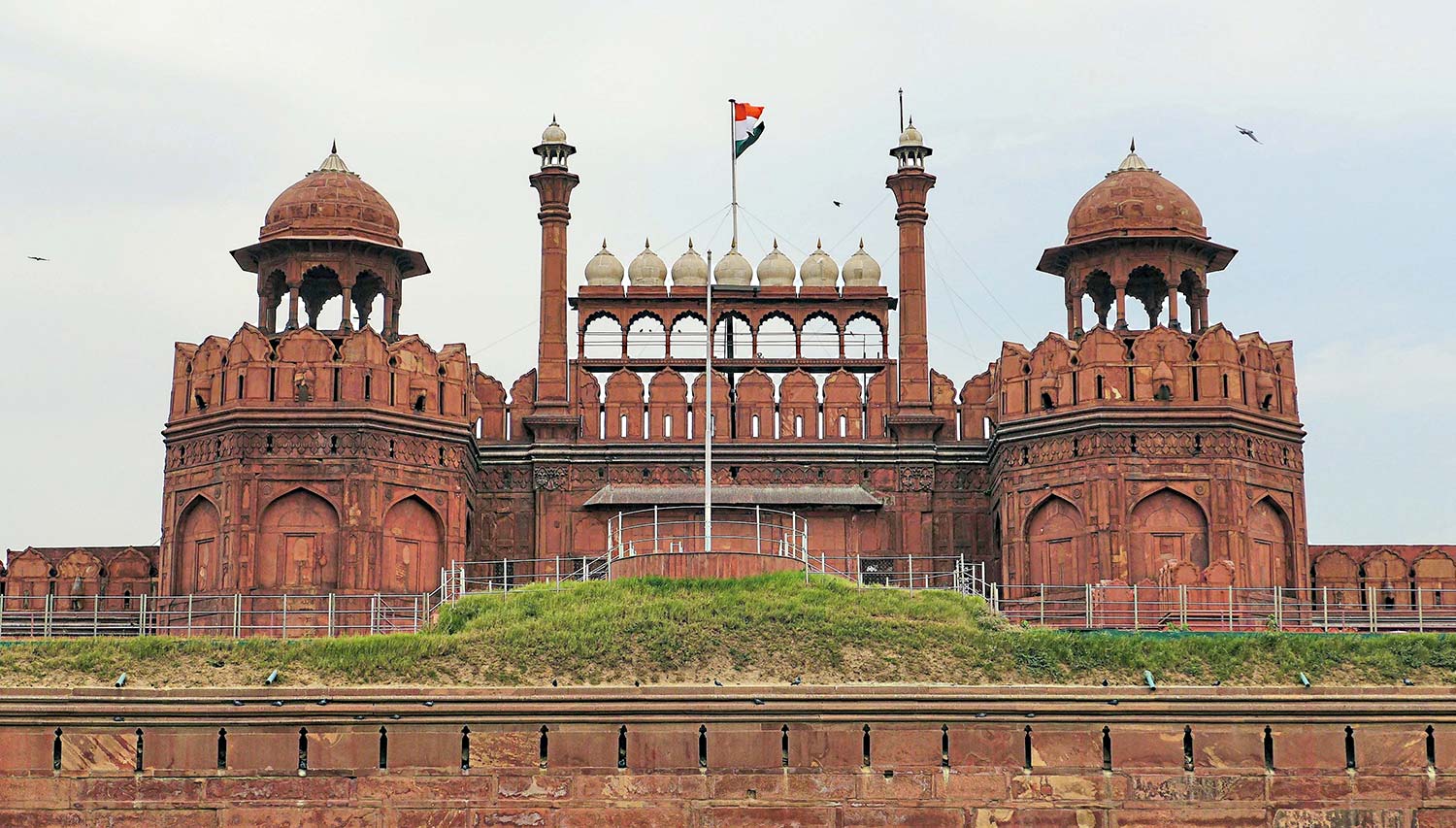
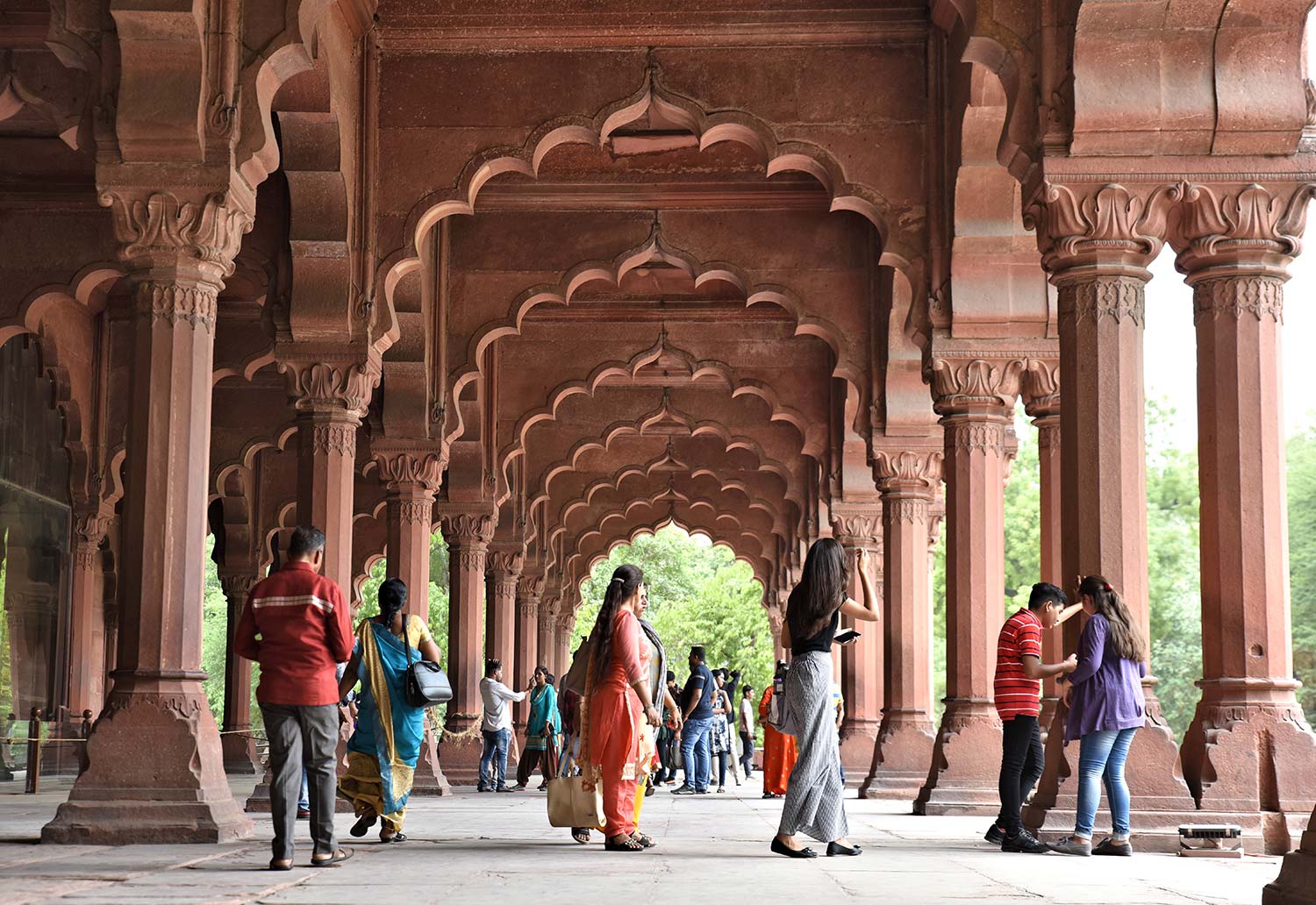
Few cities in Asia can rival Delhi’s extraordinary collection of historical landmarks—Humayun’s Tomb, Jama Masjid, Qutb Minar, India Gate, Purana Qila and Safdarjung Tomb among them. Yet towering over them all, both literally and symbolically, is the monumental Red Fort.
This red-sandstone citadel remains the focal point of Old Delhi nearly 400 years after Mughal emperor Shah Jahan built it to replace his previous residence at Agra Fort. Designed in the sublime Mughal style, it features minarets, decorative arches, graceful pavilions, onion domes, marble inlays and intricate carvings. Its vast size never detracts from its elegance.
Fort Kochi (Kochi)
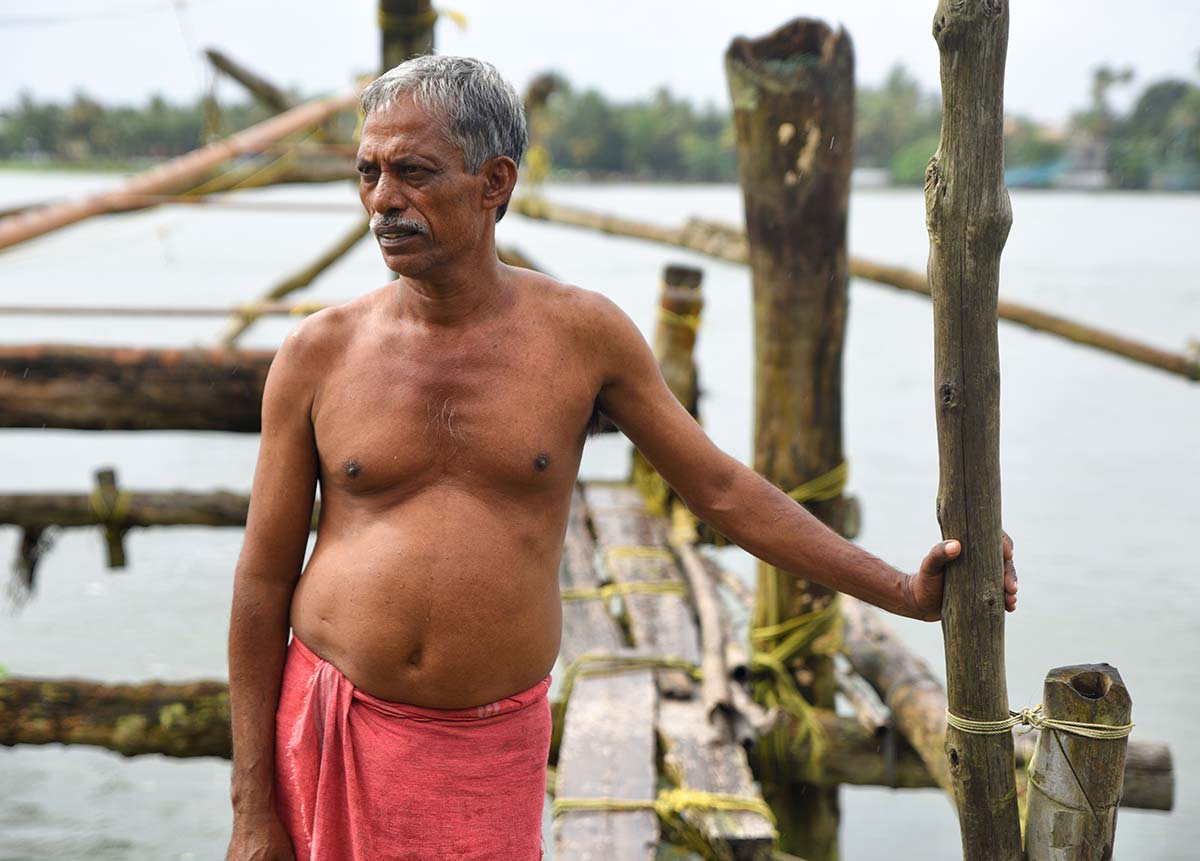
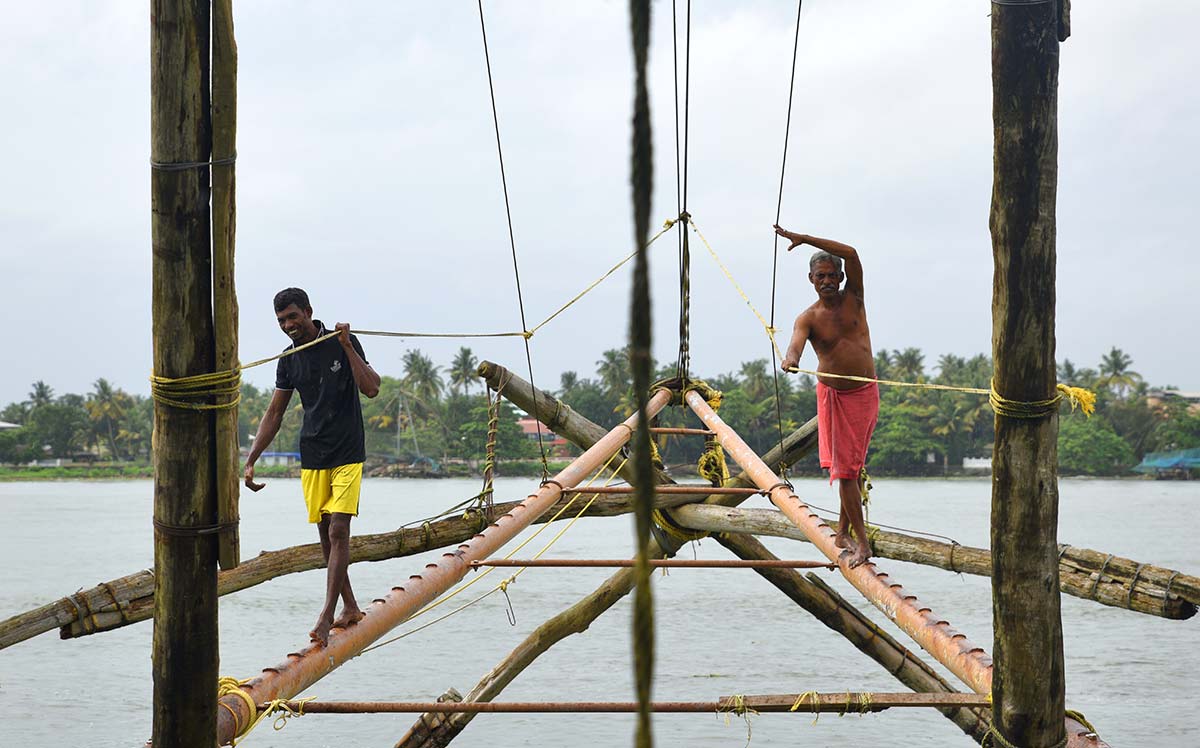

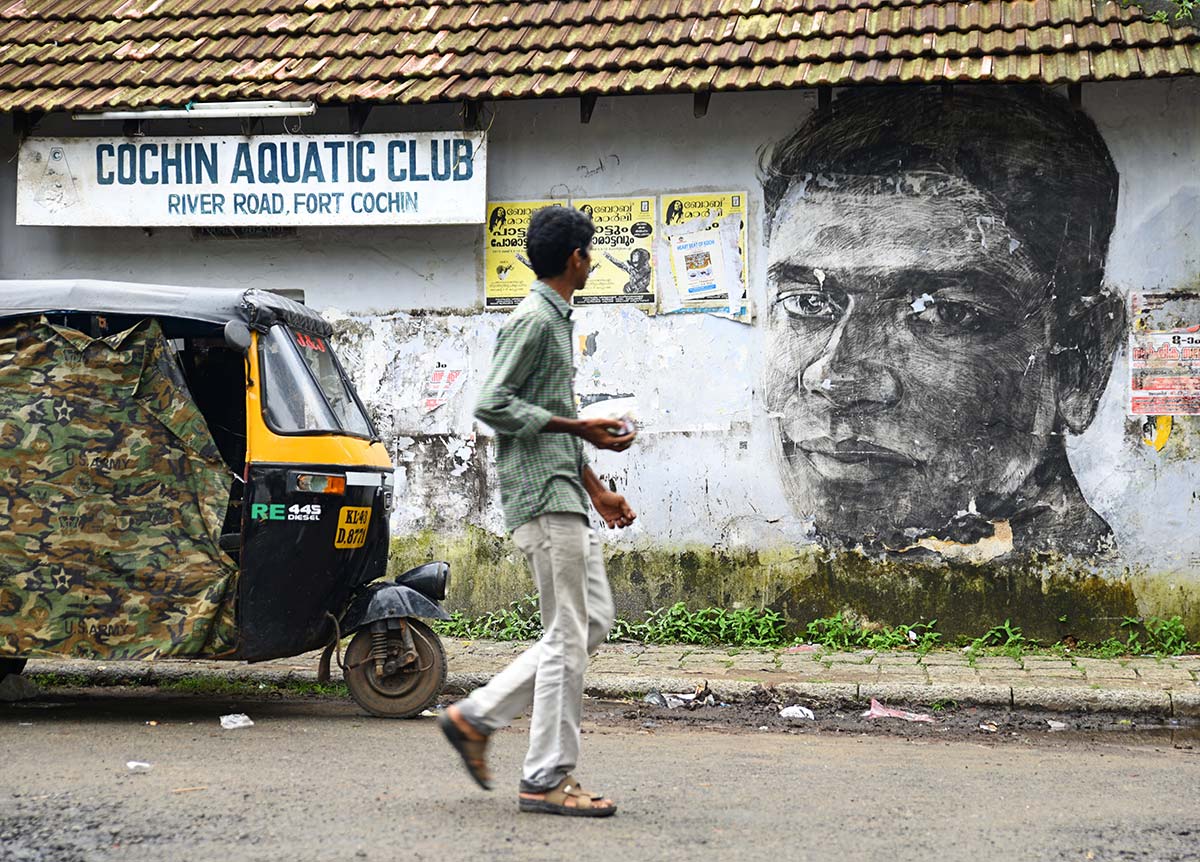
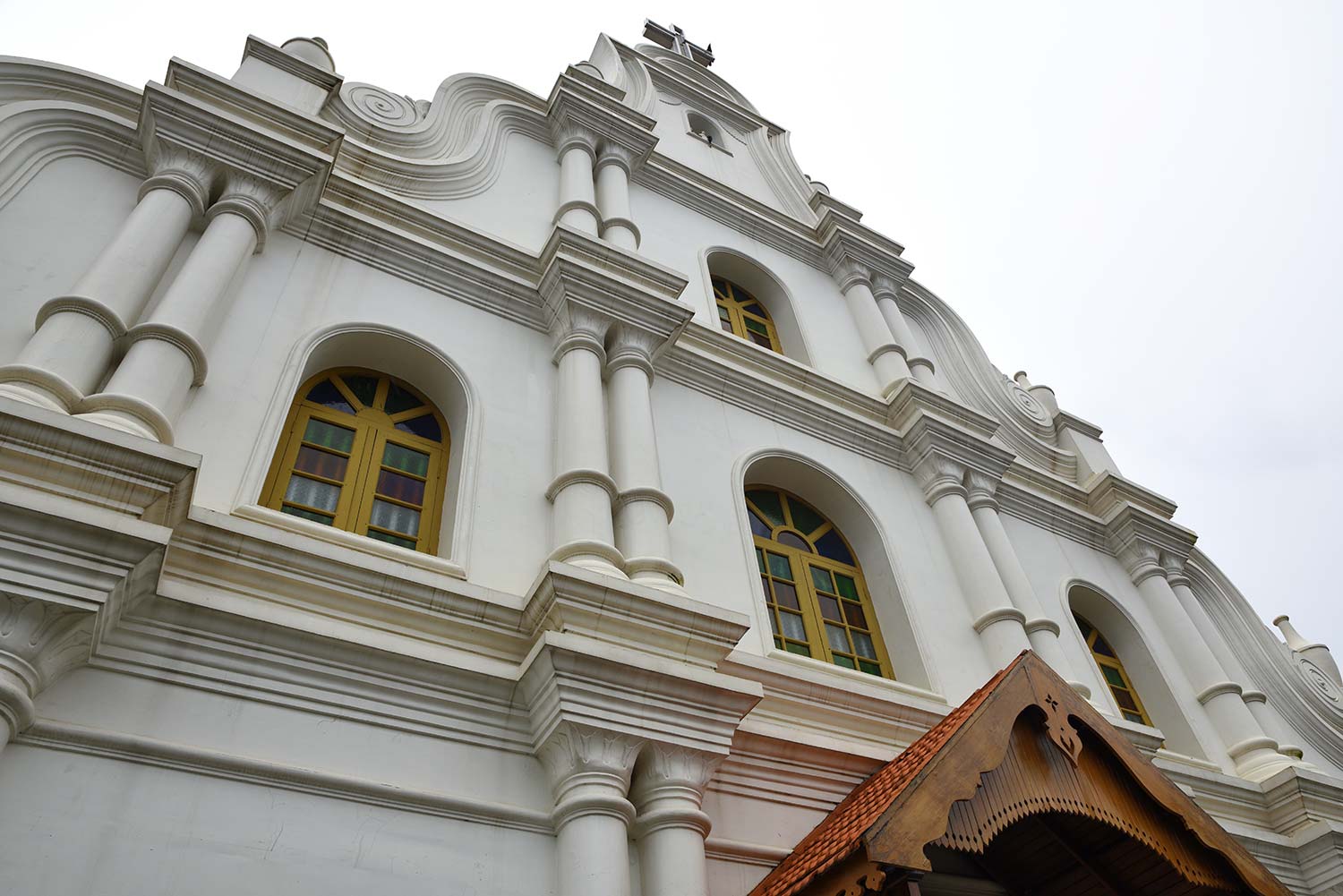
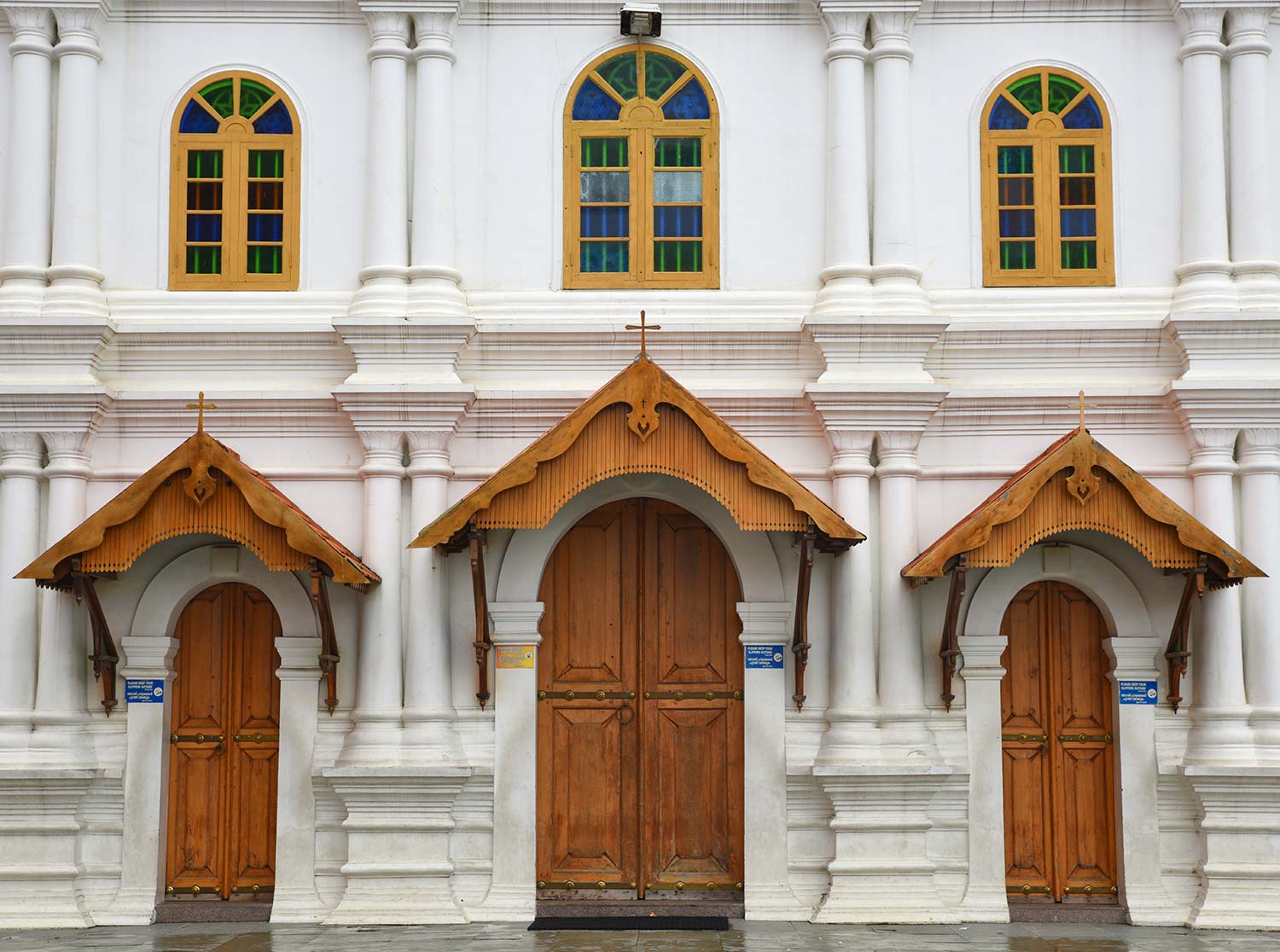
In the late 1400s, Fort Kochi witnessed the birth of an era that reshaped Asia and continues to influence the region today. European colonialism in the continent began here, in Kerala, when Portuguese explorer Vasco da Gama landed in 1498 and soon established Fort Kochi—a heavily fortified settlement unlike anything India had seen.
Today, Fort Kochi is a major tourist draw, though only fragments of the original fort survive. Visitors can see Da Gama’s burial place beneath India’s oldest European church, the stately Church of St Francis. Compact and walkable, Fort Kochi offers appealing attractions within a short stroll.
Highlights include Santa Cruz Cathedral, Mahatma Gandhi Beach, Vasco de Gama Square and the Indian Naval Maritime Museum. Down on Fort Kochi Beach, fishermen still operate ancient wooden contraptions that raise and lower enormous fishing nets into the sea.