


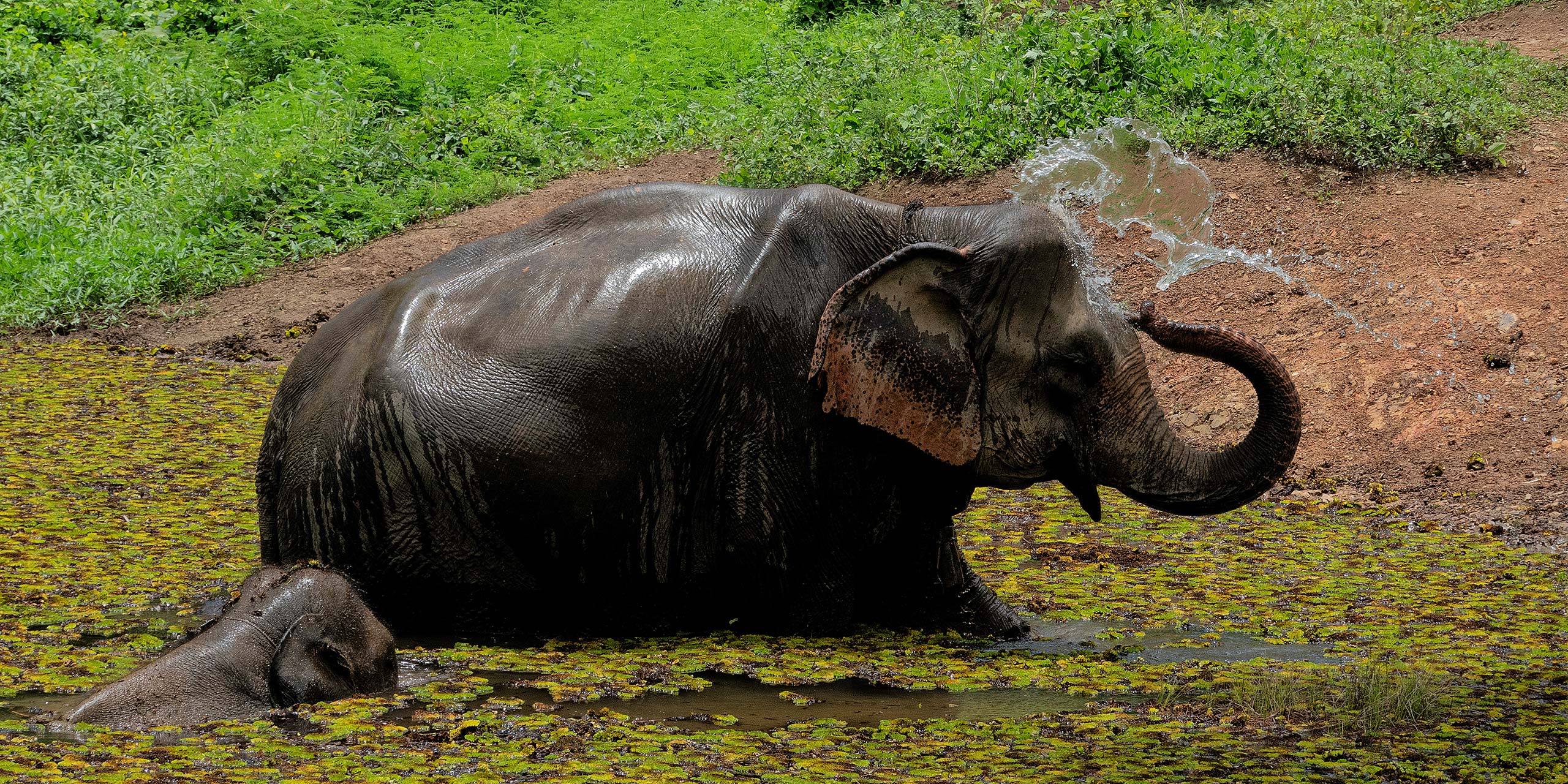
Laos’ earliest recorded history dates back to the mid-1300s, when warrior-king Fa Ngum named his kingdom Lan Xang, meaning “Kingdom of the Million Elephants.” The powerful realm has long been a source of pride for Lao people, with elephants themselves regarded as auspicious symbols of prosperity and good fortune.
Today, however, the land of the million is in peril. Elephant numbers in Laos have fallen to fewer than a thousand, with researchers and wildlife biologists offering increasingly bleak predictions for the future. One group in remote Sainyabuli has taken on the challenge of reversing the decline.
The Elephant Conservation Center not only allows visitors to spend time in the elephants’ world, but also offers an illuminating look at how elephant tourism can evolve for the better.
Deforestation in Laos has resulted in a vast loss of habitat where elephants can find food, leading to greater interaction between wild elephants and humans, which rarely ends well. Wild elephant numbers have now fallen to fewer than 300. Captive elephants are not faring much better, with their population down to around 400.
For years, elephants here were heavily overworked and used primarily in large-scale logging operations. Although the government moved to ban this practice in 2016, decades of overwork and the use of hormones to control the animals had lasting consequences. Stress and infertility meant that breeding rates collapsed. During the past decade, for every ten elephants that have died, only one has been born, leading to a severe population decline.
Tourism also shares part of the responsibility for the animals’ decline. Research has found that making an elephant carry more than ten percent of its body weight and using saddles can cause physical harm, yet many camps continue to cater to visitors seeking rides and photo opportunities atop the animals. Despite calls from some European countries to boycott elephant tourism, riding through the jungle on an elephant remains high on many travelers’ Southeast Asia bucket lists.
Neighboring Thailand has made greater progress in elephant conservation. The country ended the use of elephants in logging more than 25 years ago, and greater resources and international support have helped fund wildlife centers, mobile veterinary clinics, and conservation programs. Laos has lagged considerably behind.
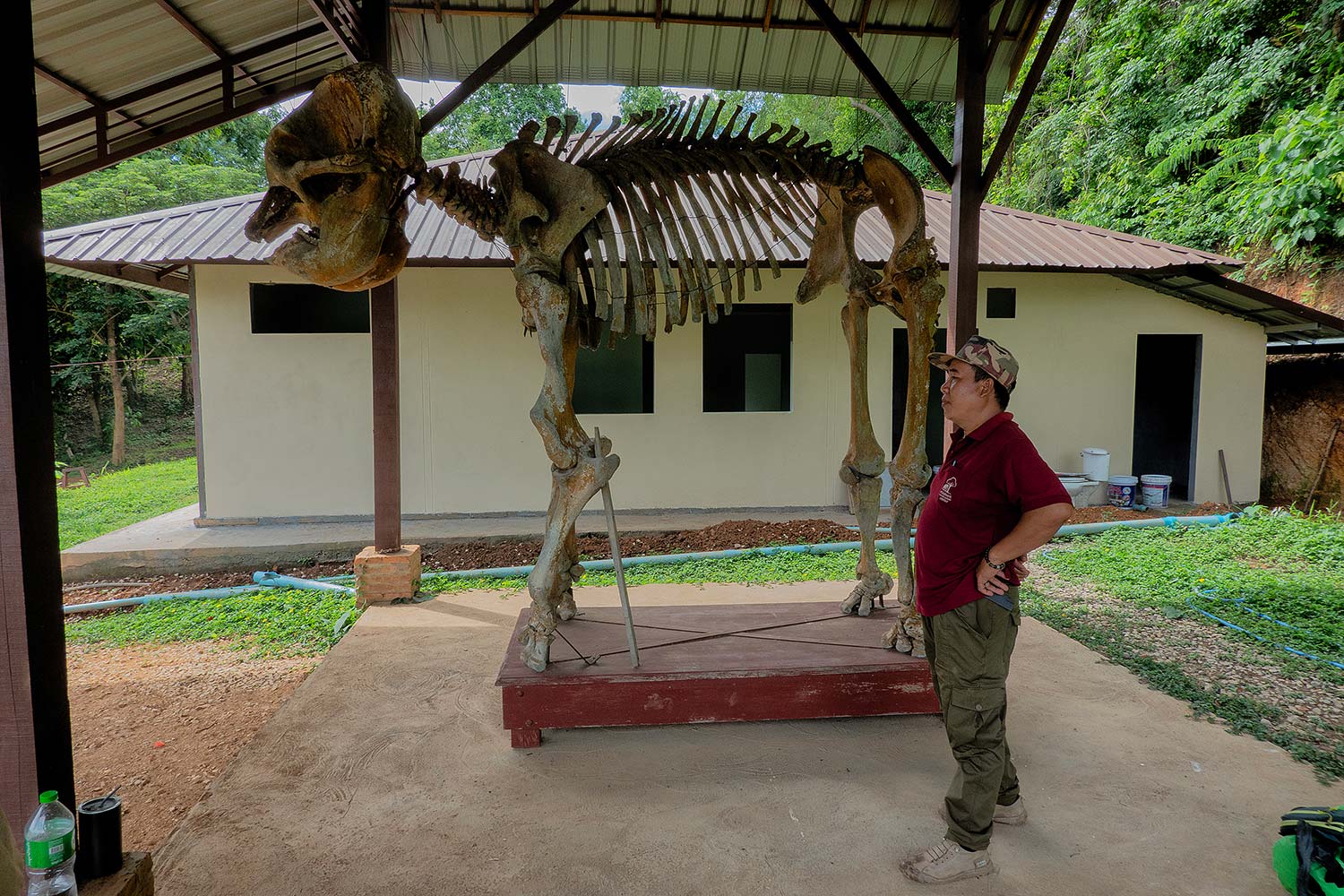
The Elephant Conservation Center, better known as ECC, is attempting to change that. The center offers a natural environment where elephants can be protected, cared for, and bred while giving visitors the opportunity to observe them on their own terms. Home to around 25 elephants, it is the largest herd under human care in Laos and houses the country’s only elephant hospital.
Visitors learn about elephant reproductive health, positive reinforcement techniques, and the way mahouts are trained as lifelong caretakers and guardians. They also gain insight into efforts to eventually reintroduce animals into the wild.
Getting to Sainyabuli was once an ordeal, but a new bridge across the Mekong has dramatically reduced travel times. During the dry season, the area can now be reached from Luang Prabang in around three hours by regular vehicle.
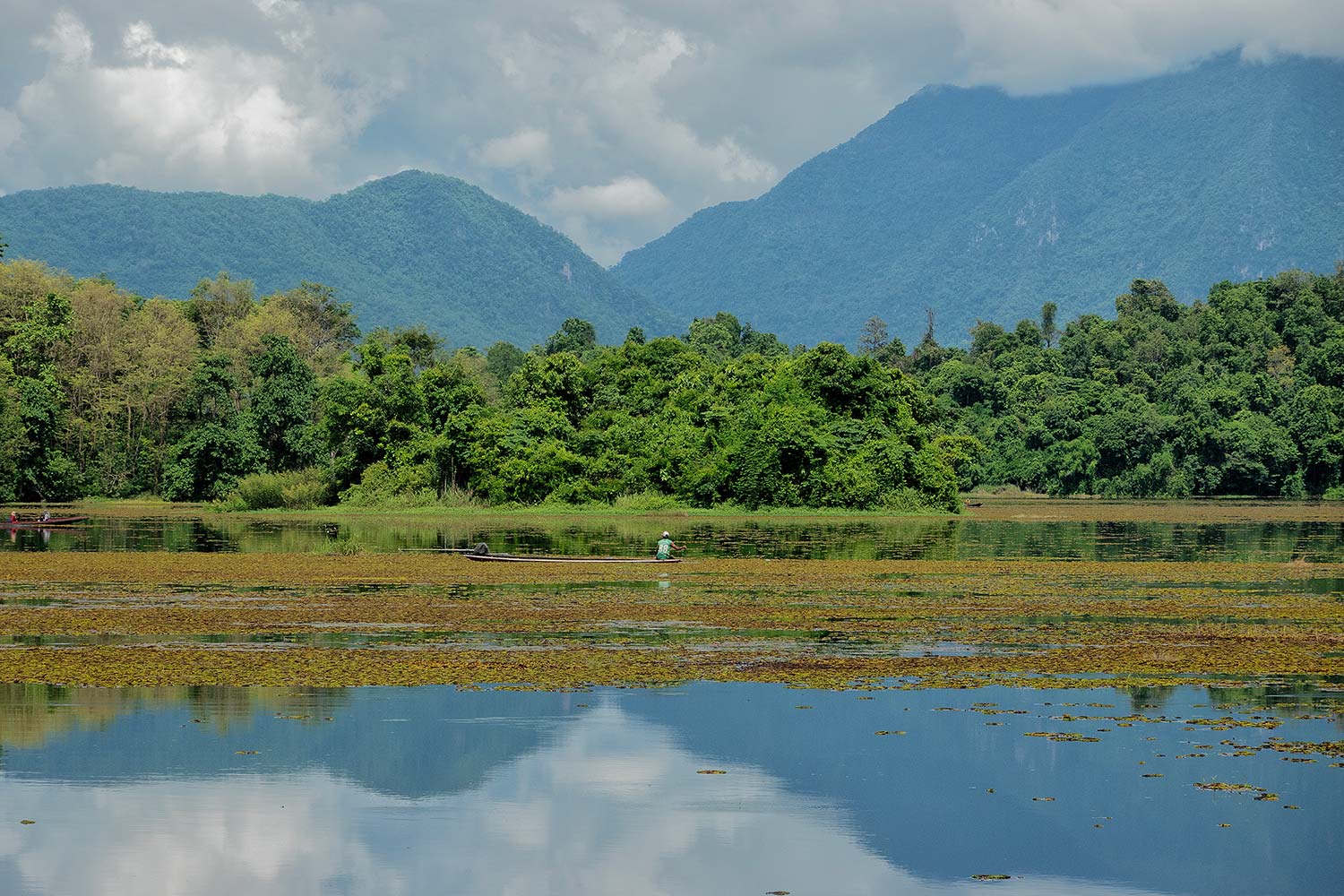
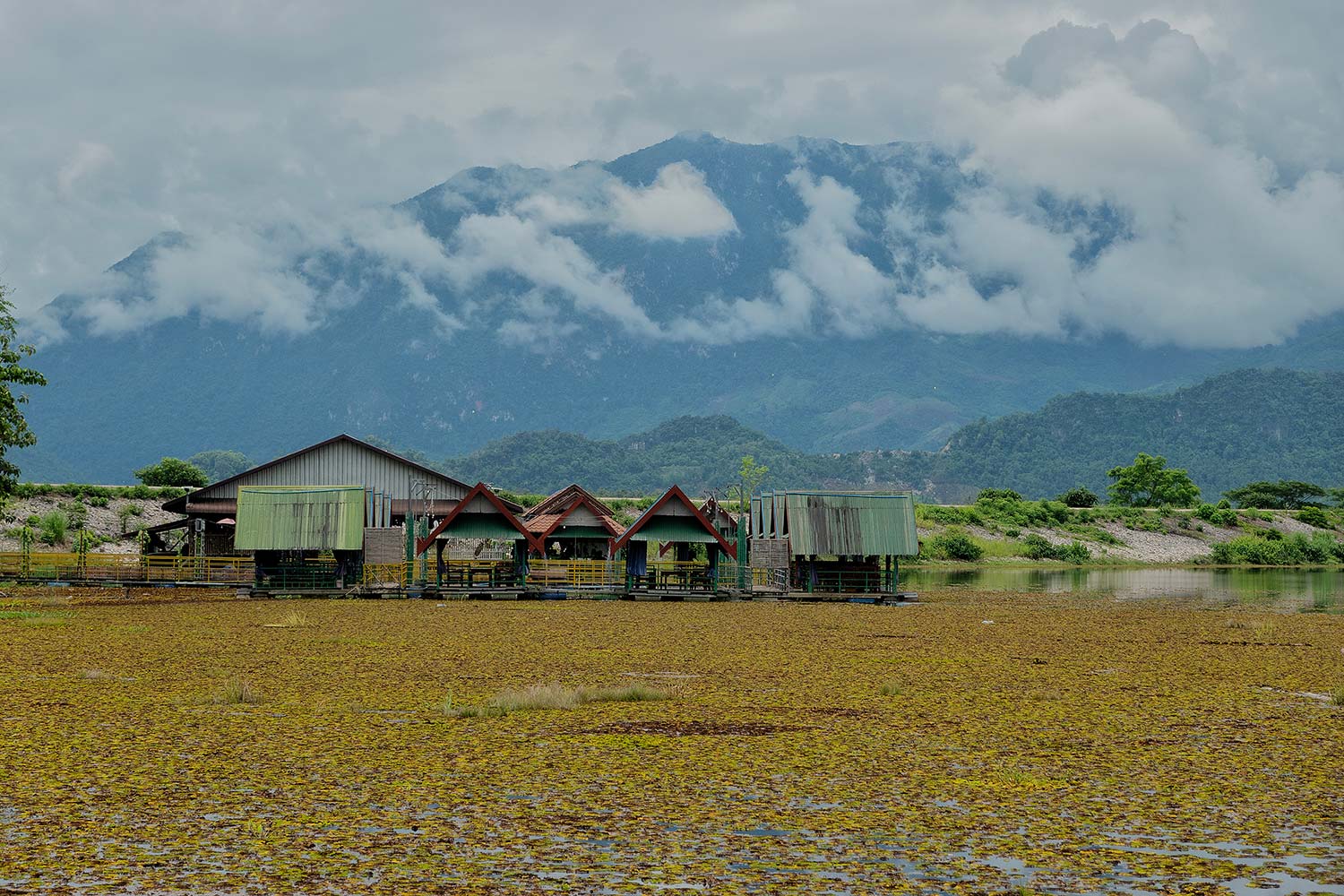
Set beside the beautiful Nam Tien Lake, every visit begins with a slow boat journey across the water, passing rural limestone karst landscapes and tiny fishing villages. Depending on the season, stretches of colorful Salvinia cucullata, more commonly known as Asian water moss, drift across the lake’s surface.
The ECC itself sits quietly within its surroundings, with guests staying in rustic thatched bungalows perched on a hillside overlooking the lake. Visitors cannot simply arrive for a day trip. This is first and foremost an elephant’s home and a protected environment where people are guests rather than the other way around. Since the costs of feeding, housing, and running a conservation program focused on returning elephants to the wild are considerable, overnight full-board stays also help support the center’s work.
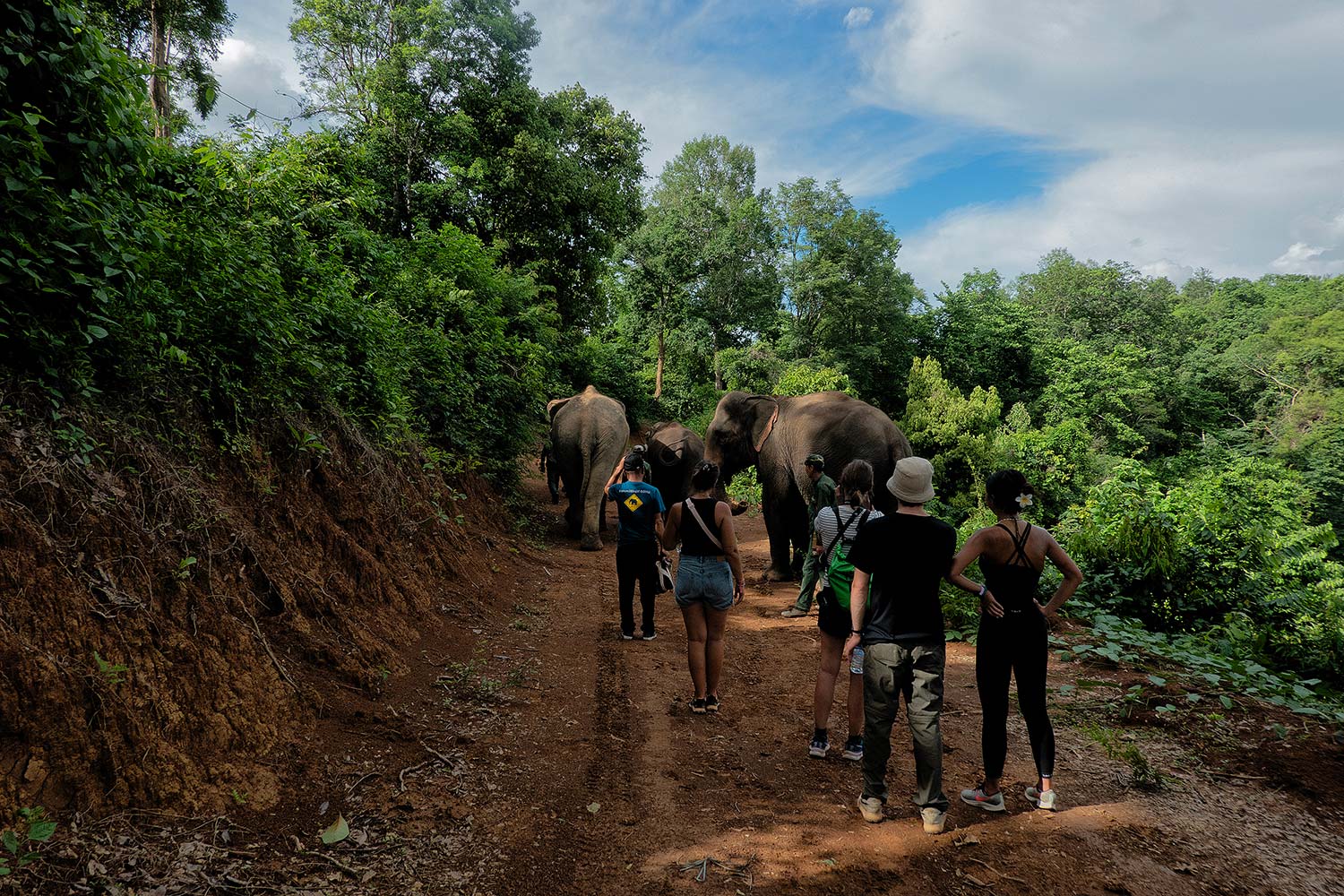
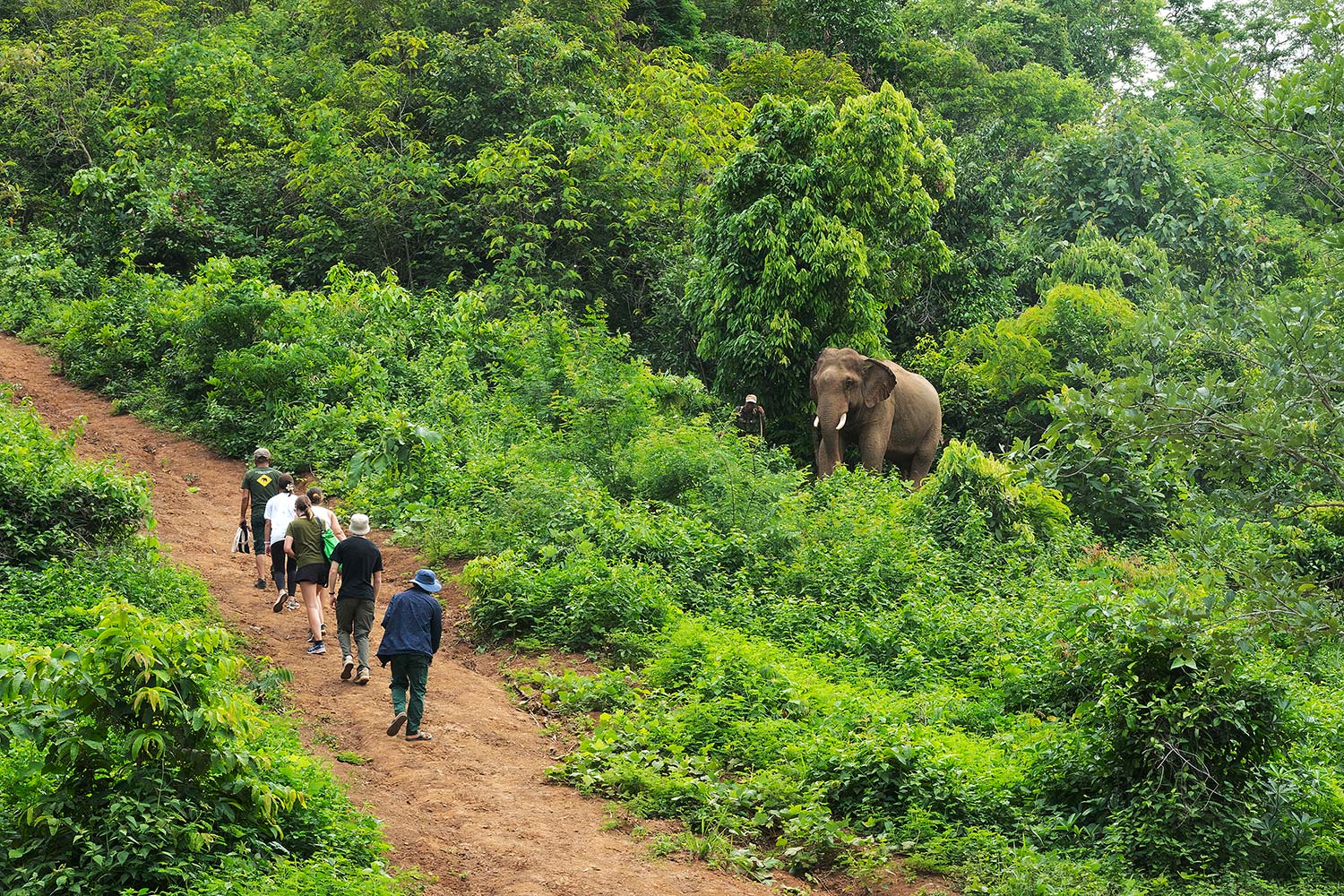
Although structured activities are offered, including visits to the elephant hospital and talks with veterinary staff, much of the experience revolves around observing the rhythms of an active conservation program. Guests might head out on jungle walks or watch mahouts guide elephants down for afternoon bathing sessions, but much of the appeal comes from simply spending time immersed in daily life at the center.
The elephants at the ECC arrive through a variety of routes. Some have been rescued from the logging industry or confiscated from wildlife traffickers. Others come from elephant camps no longer able to care for them, while some arrive from owners seeking successful breeding opportunities, as the ECC operates Laos’ only active breeding program.
Part of the center’s funding goes toward purchasing elephants in need, a difficult undertaking given the costs involved. Chinese zoos have reportedly paid up to $25,000 per elephant in recent years for use in circus attractions, placing conservation organizations at a financial disadvantage when attempting to match offers.
Once an elephant arrives, the costs continue to mount. Feeding a single animal can cost around $500 a month, while GPS tracking collars used for elephants, eventually released into the wild, can cost as much as $4,000.
There is also a significant human story behind the conservation effort. A century ago in Sainyabuli, nearly every family owned an elephant. Men would spend years caring for them, forming close personal bonds over time. Elephants were highly valued because they supported families economically, and mahouts took responsibility for ensuring they remained healthy, well-fed, and safely integrated into village life.
The end of logging changed that relationship. Mahouts often had little choice but to join tourism ventures or elephant camps, as feeding and caring for elephants independently became financially impossible. As elephant populations declined, many families were forced to seek other work despite often having limited education and few alternatives.
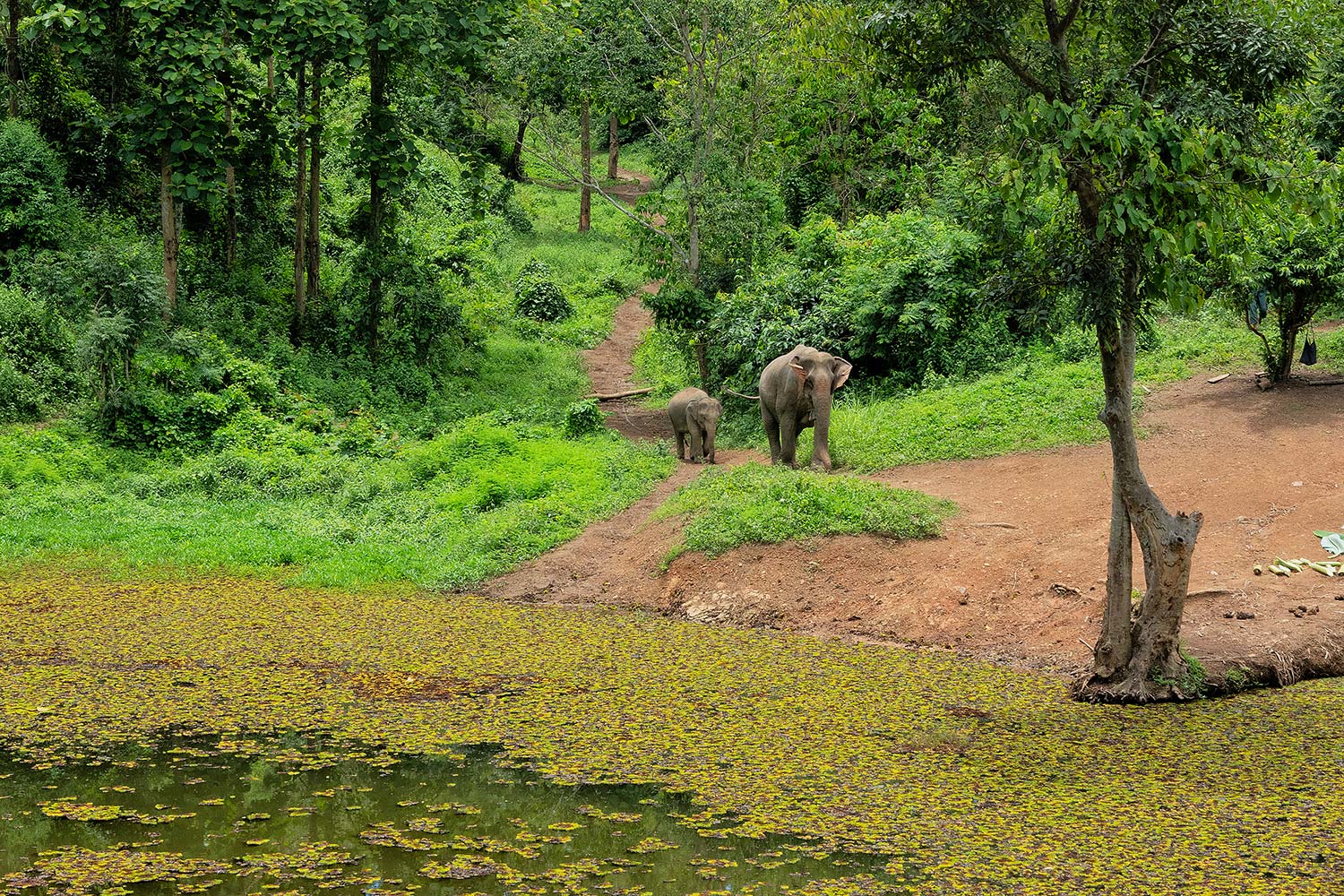
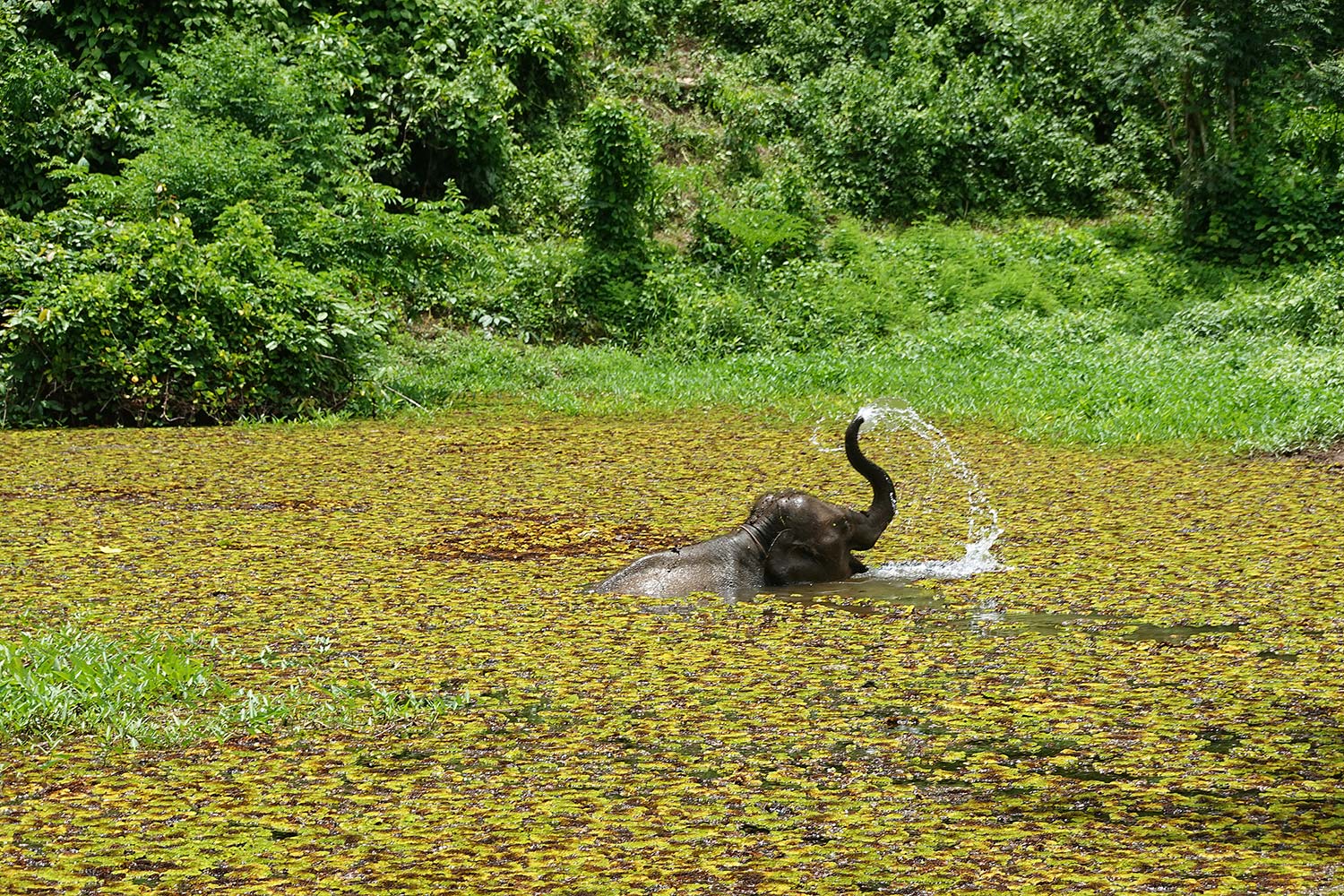
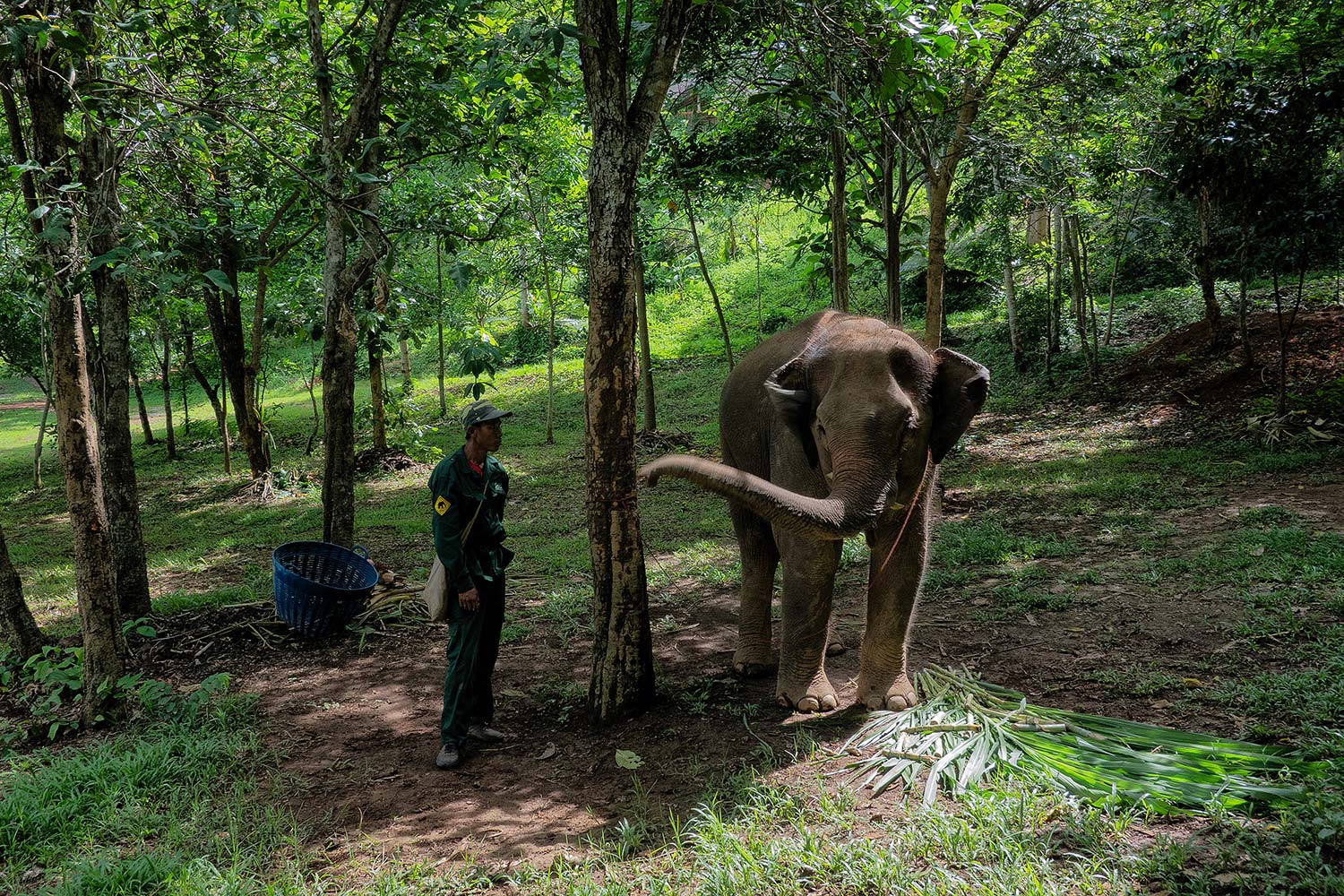
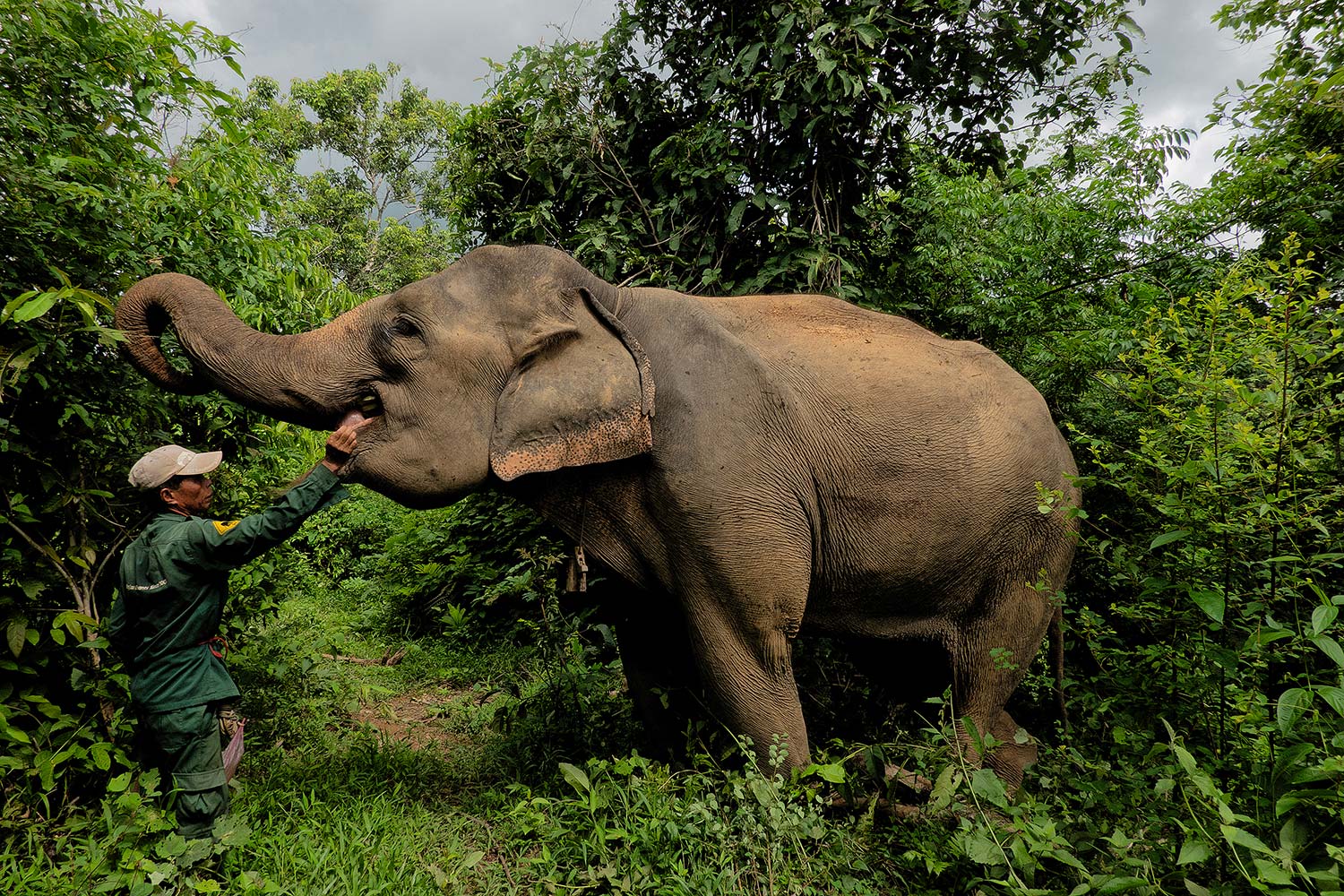
At the ECC, each elephant still has an assigned mahout, and the bond between them remains evident. This is especially noticeable among some of the more temperamental animals, which seem to settle only when their mahout is nearby.
Mahouts accompany elephants throughout the day, guide them to the lake for bathing, and ensure they are safely settled in the forest each night. They are an essential part of the conservation effort and would play a critical role if elephants eventually reach the point of reintroduction into nearby Nam Phouy National Park.
Covering some 2,000 square kilometers, the protected park serves as the center’s long-term goal for rewilding efforts. The ECC trains and equips ranger teams there while preparing elephants for a possible return to independent life in the jungle.
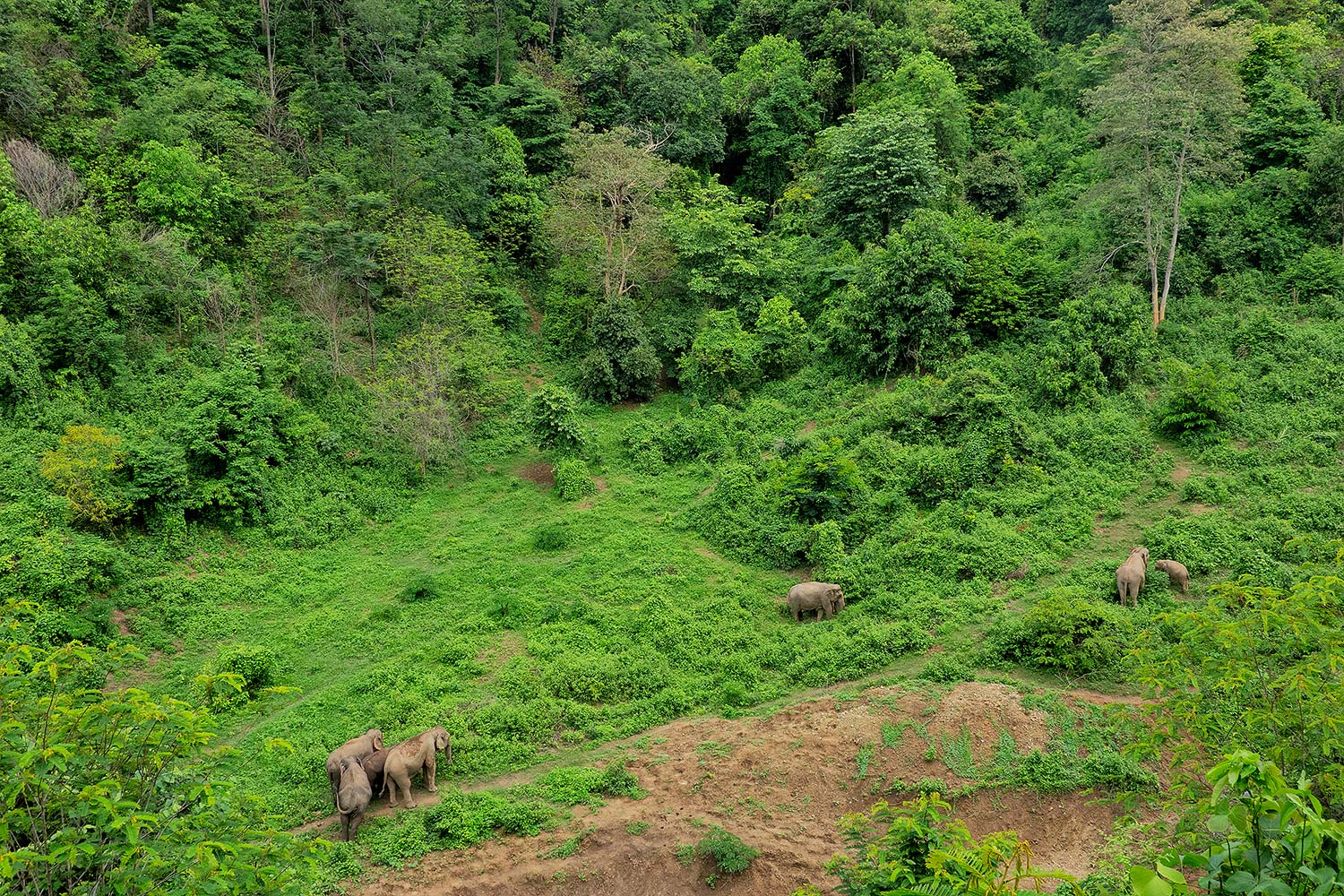
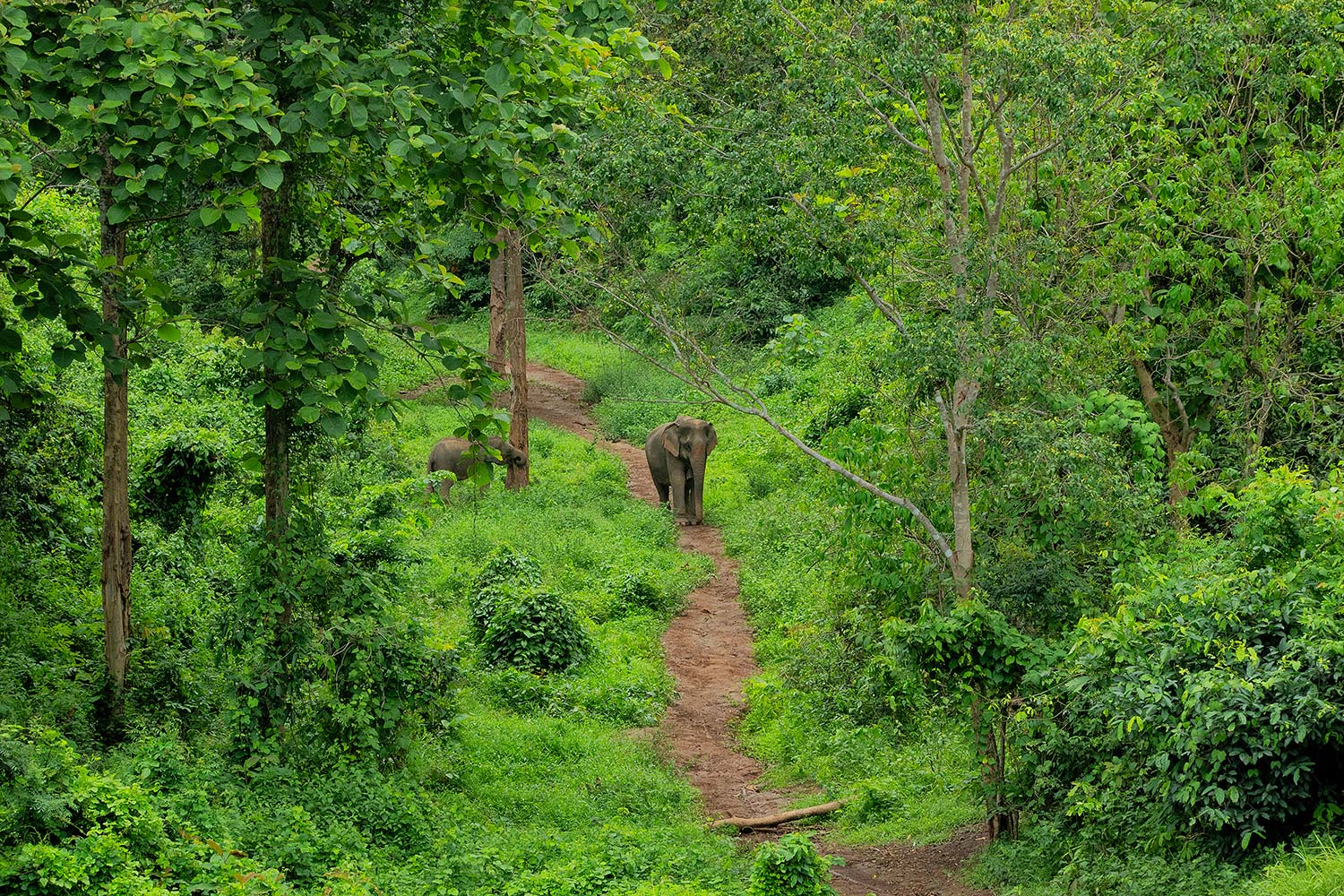
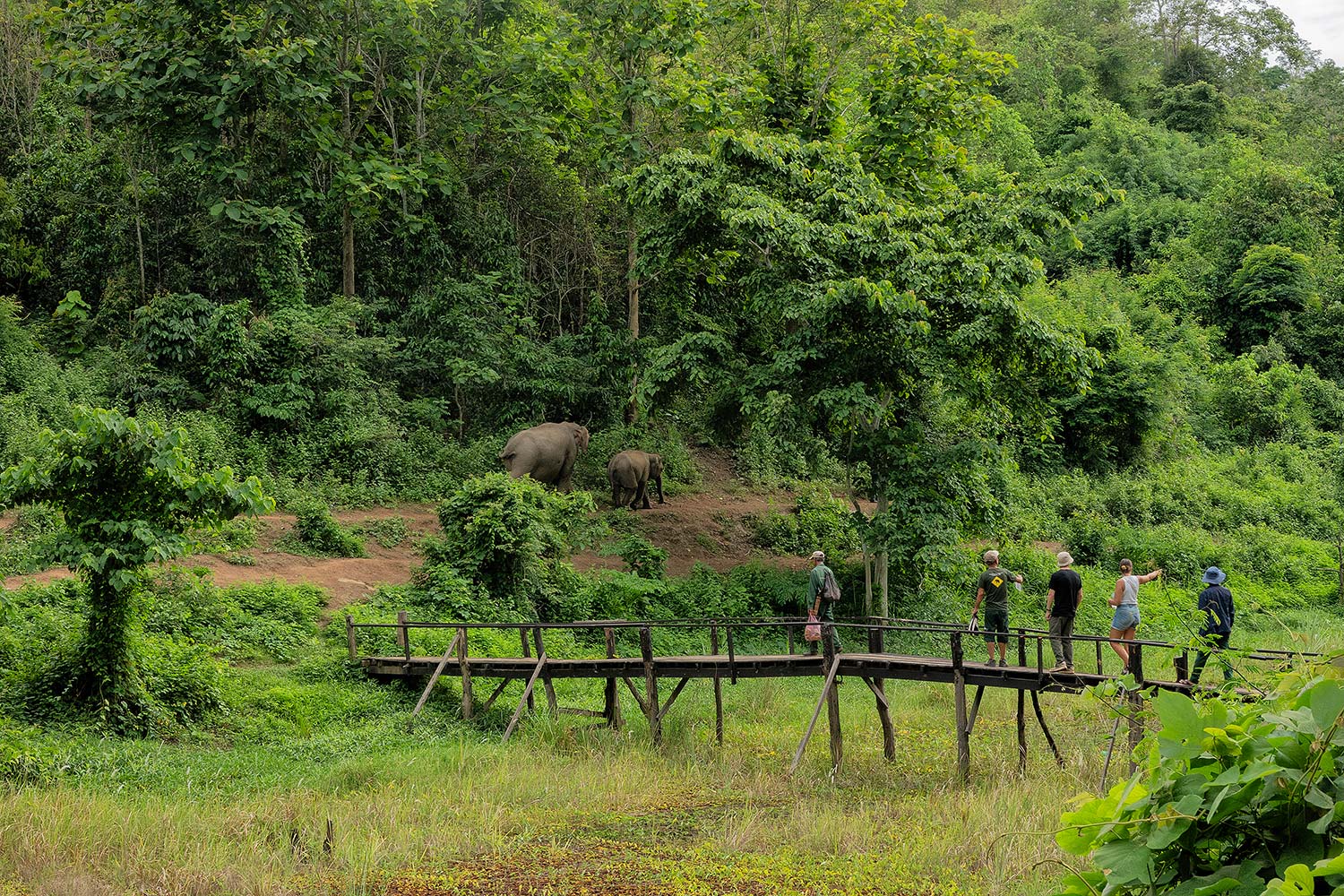
My first day at the ECC was largely spent learning about the center’s operations and facilities. The second morning, however, was spent alongside the elephants in their habitat, heading deep into the jungle where they fed, gathered at watering holes to bathe, and wandered through the hills with their mahouts nearby.
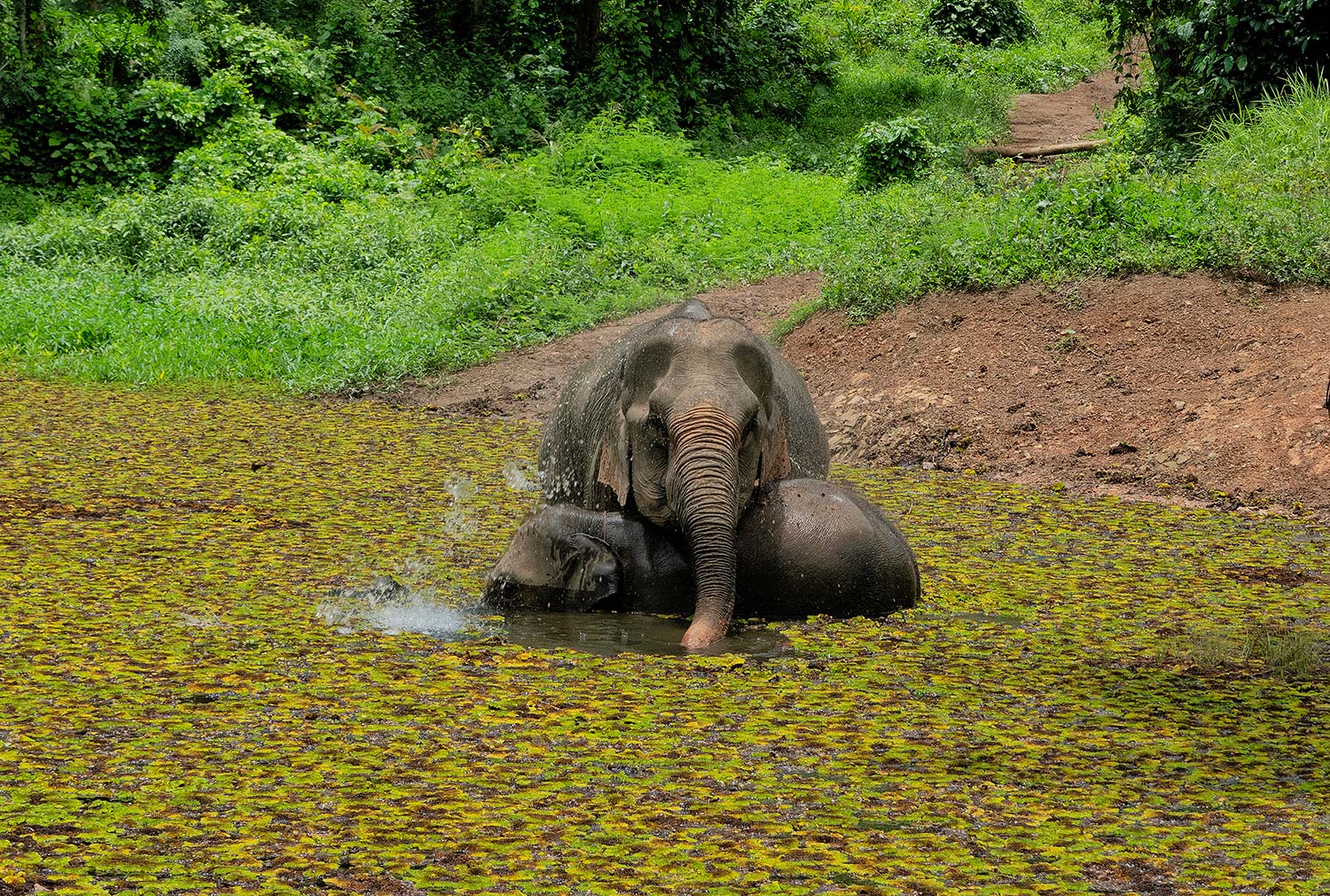
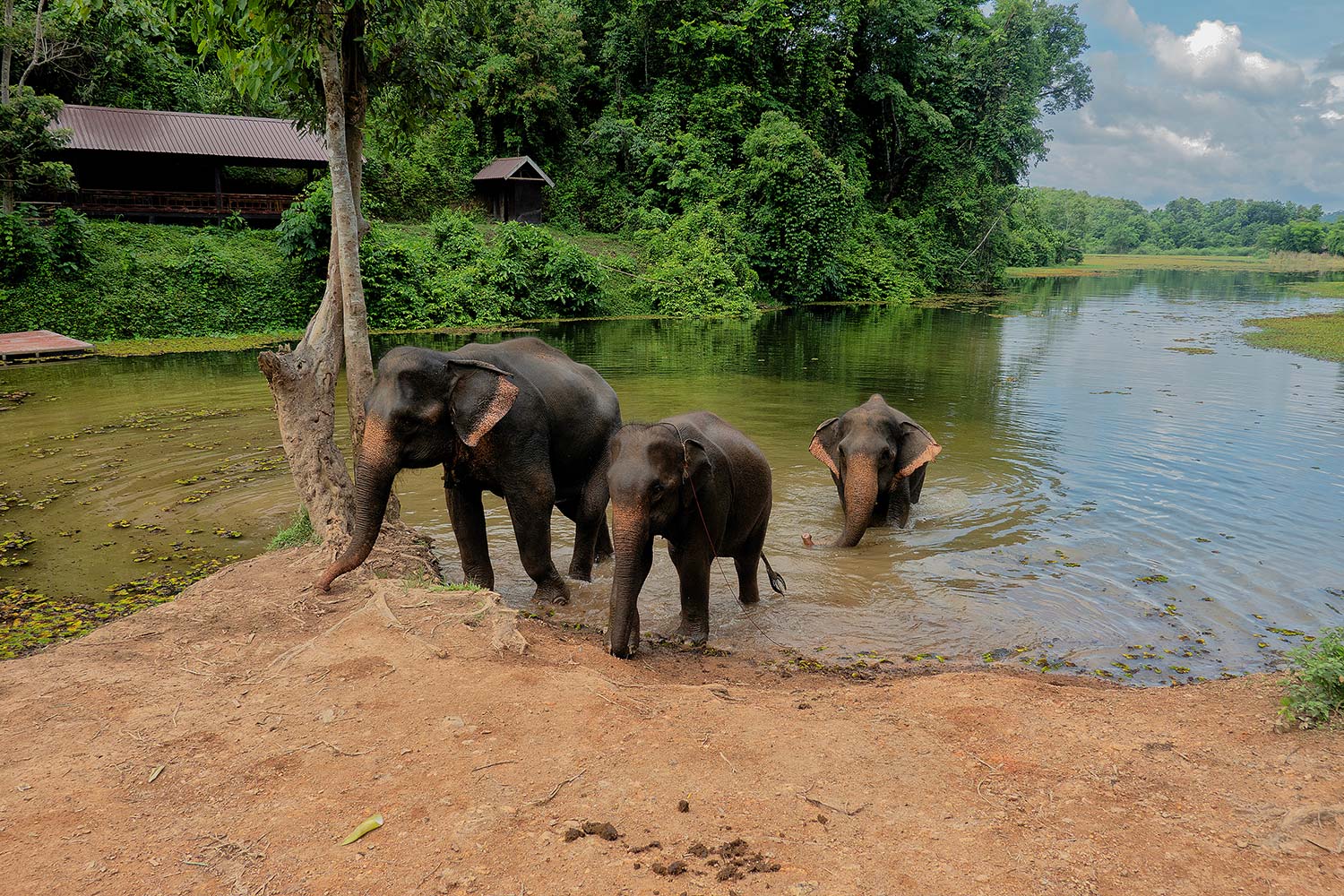
The protected area occupied by the herd spans nearly 15,000 acres of forest between two mountain ranges, giving both elephants and visitors ample space. Although guests can get close to the herd during guided walks, the ECC has also built viewing platforms and shelters overlooking key gathering points. Visitors have excellent vantage points from which to observe the activity, while the elephants remain free from intrusion and able to focus on behaving naturally within their environment.
There are plenty of elephant camps in Laos, some of which still fall short of ethical standards. Others provide opportunities to observe elephants without riding or bathing alongside them, though many remain small operations with only a handful of animals.
Every effort to help Laos’ elephants matters, but the work taking place in Sainyabuli offers a rare glimpse into what meaningful conservation progress can look like in the former Kingdom of a Million Elephants.
To learn more about the Elephant Conservation Center, visit: www.elephantconservationcenter.com