


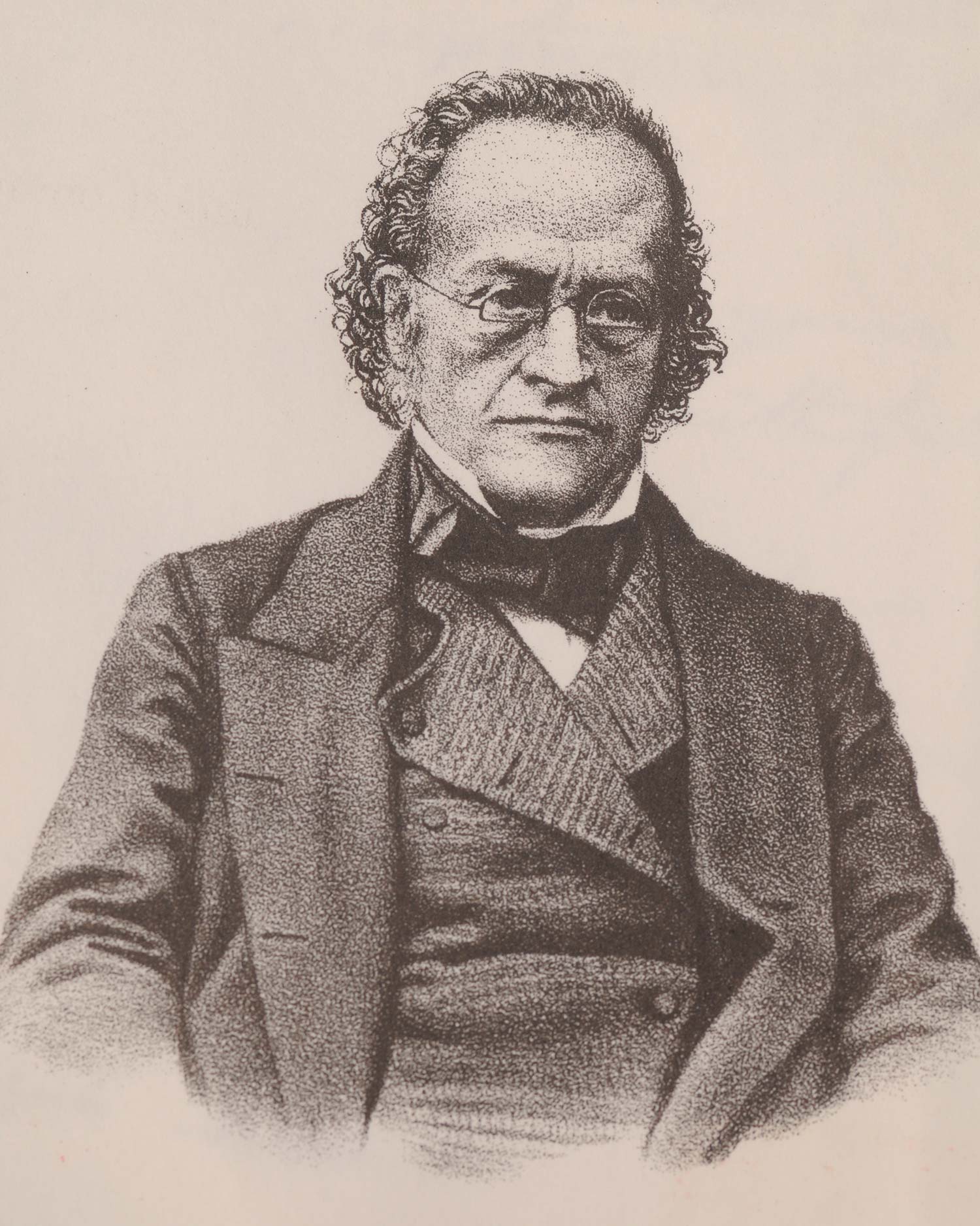
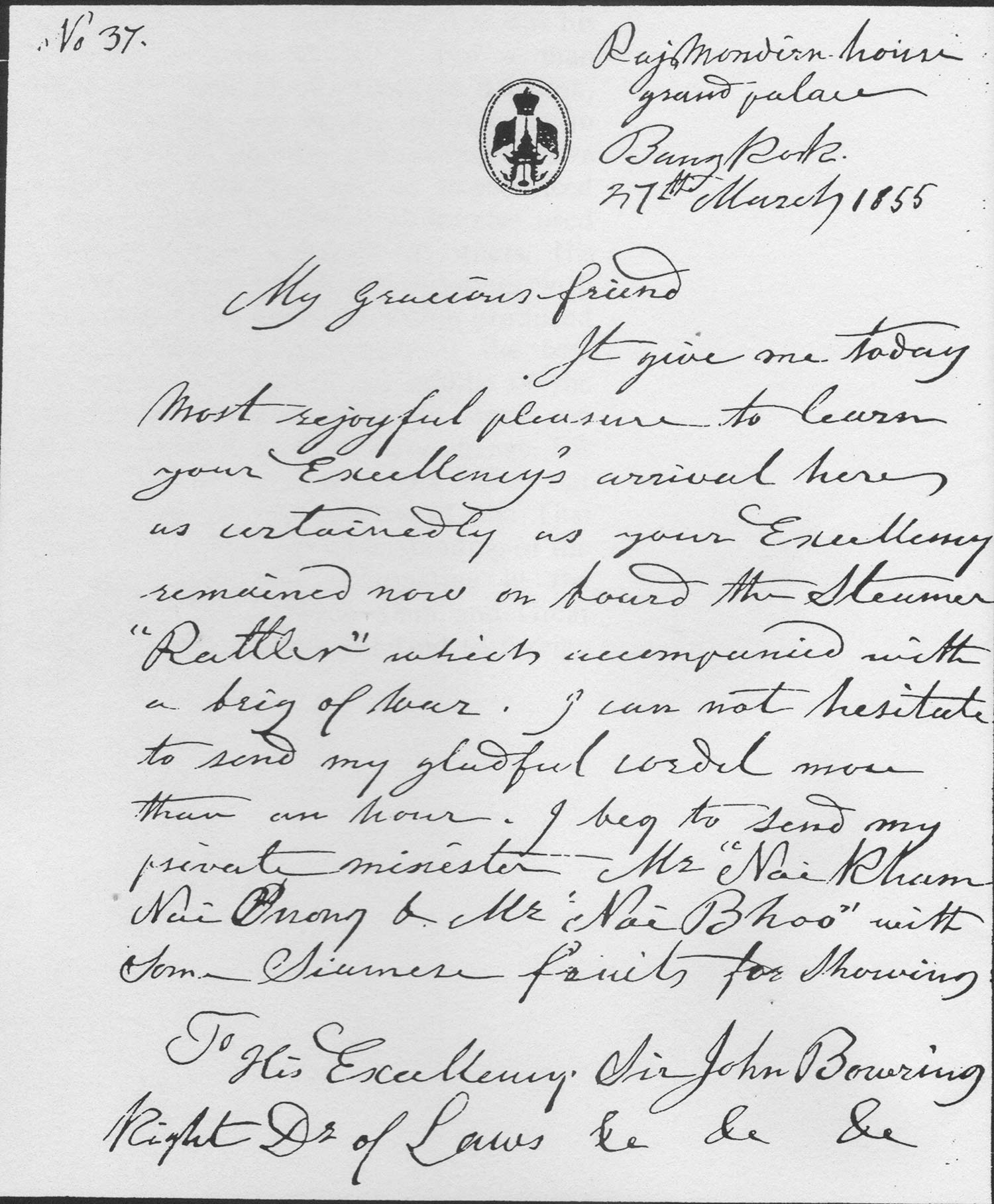
We may think we live in an era of unprecedented change, with technological innovation, global conflict and climate change dominating the daily news. Yet the mid-19th century was just as tumultuous. Railways and the telegraph transformed travel and communication, while the political map was repeatedly redrawn as European powers expanded their colonial empires in Africa and Asia. It was against this backdrop that Sir John Bowring, the governor of Hong Kong, arrived in Bangkok in 1855 to discuss trade with Siam on behalf of the British government.
King Mongkut of Siam already knew from previous correspondence that if he did not agree to abolish import and export monopolies and open the country to free trade, the British might use force to achieve their aims. Just a few years earlier, in 1852, they had overrun Lower Burma following a similar trade dispute, so King Mongkut decided that the best approach was to accede to the request.
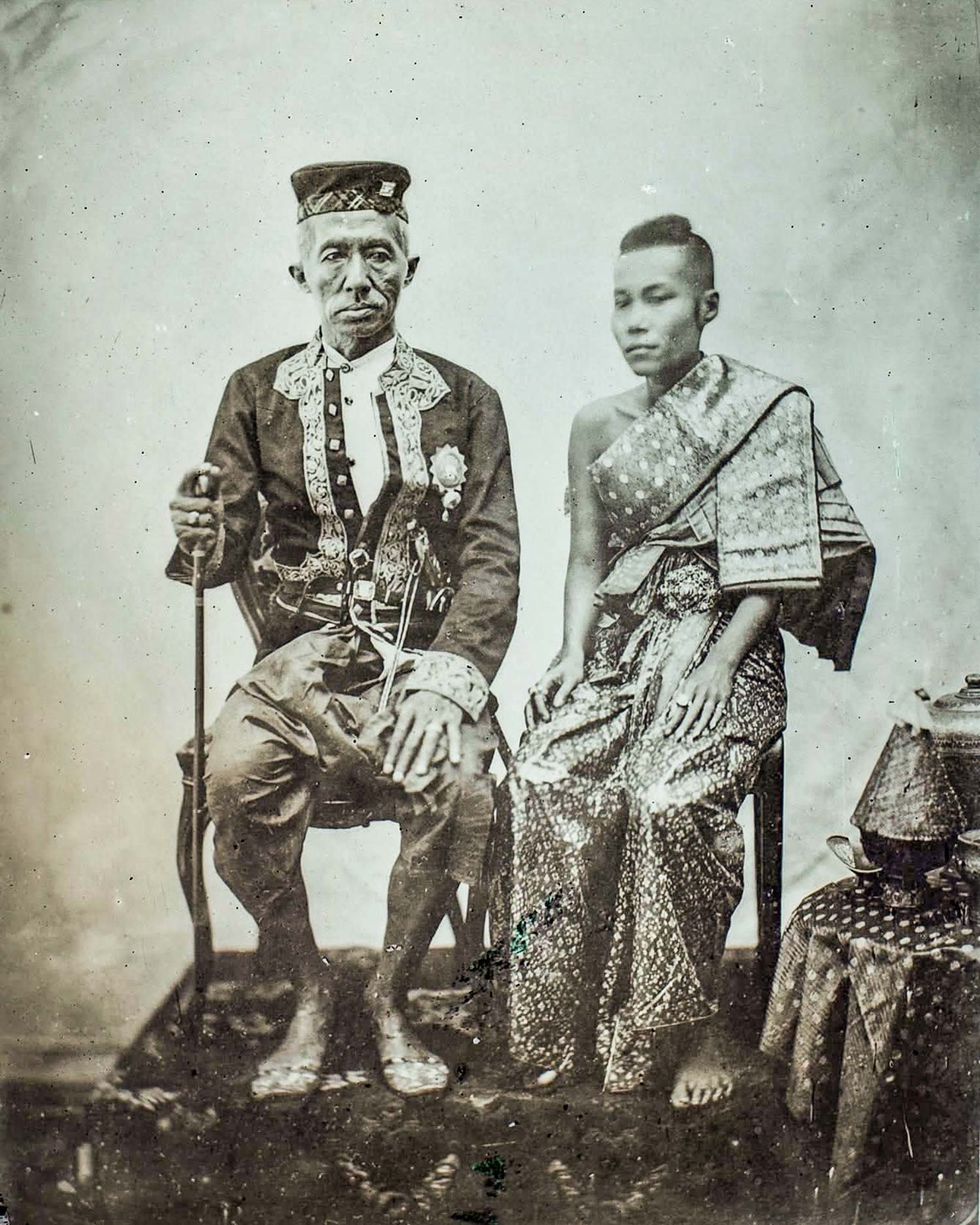
It seems the knight and the king hit it off, sharing wine and cigars in the king’s private apartments, and negotiations were completed within a couple of weeks. The Bowring Treaty, as it is now known, set import and export duties at 3% and allowed for the establishment of a British consulate in Bangkok to protect the interests of British subjects in Siam.
Although the treaty was good news for traders, the goods that could thereafter be exported from Siam for a small tax would be enough to make a modern environmentalist’s hair stand on end. They included ivory, ebony, rhinoceros horn and hide, pelican quills, turtle shells, tiger bones and skins, peacock tails, and kingfisher feathers.
These exotic items were readily available in those days, and nobody imagined that within a century many of them would have become scarce or disappeared from much of Siam. To put things in perspective, however, the population of the entire country at the time was only about six million, less than a tenth of what it is today, so the bounty of its forests must have seemed limitless.
The treaty was significant because it opened Siam to foreign trade, but equally significant was the two-volume book Bowring wrote about the country, titled The Kingdom and People of Siam. Published in England in 1857, it was an early precursor to the guidebooks that are so popular among modern travelers.
There are no hotel or restaurant listings, but descriptions of the ancient city of Ayutthaya and the mighty Mekong River, along with accounts of Siamese habits and customs, captivated an audience that previously knew little or nothing of this exotic and remote kingdom. The book concludes with a 100-page personal journal recounting Bowring’s experiences in Siam, which makes for riveting reading.
When Bowring first met King Mongkut, he was clearly impressed by his host, who was “clad in a crimson dress, and wearing a head-dress resplendent in diamonds and other precious stones, a gold girdle, and a short dagger splendidly embossed and enriched with jewels.” The knight was also treated to a display of Siamese pomp while attending a royal parade. “I was carried in a gaudy gilded chair, with a scarlet umbrella over me, borne by eight bearers, with a crowd of attendants.”
However, he was disturbed by the custom of “crawling obeisance” performed by everyone in the king’s presence, and he was scathing in his criticism of the behavior of Buddhist monks. “Their contemplative habits seem the annihilation, instead of the development, of mental action. To say the best, their religion is but harmless and useless—a dream instead of a life, and a life unavailing as a dream.”
This tendency to be alternately dazzled and disgusted by elements of Siamese culture recurs frequently in the accounts of 19th-century Western observers, and Bowring’s attitudes were echoed many times by those who followed him. As a friend of Jeremy Bentham, the founder of utilitarianism, who espoused a scientific approach to philosophy and a humanist approach to economics and politics, Bowring was certainly among the progressive thinkers of his day.
He favored universal suffrage and opposed slavery, so we might expect someone with such a democratic outlook to have been more open-minded about aspects of an unfamiliar culture. While it is perhaps understandable that he deplored the servitude implicit in kowtowing to superiors, although Bowring himself would have felt compelled to bow before his own monarch, Queen Victoria, his condemnation of the monks’ contemplative habits reflects an ignorance of Buddhist principles and the practice of meditation.
The simplest explanation for Bowring’s criticism of matters he did not understand is that he was a product of his time, as are we all. Swaggering confidence in the superiority of Western culture and values is evident in the writings of virtually all 19th-century travelers, and Bowring was no exception. Nevertheless, compared with other publications of the era, The Kingdom and People of Siam exhibits a freshness and vitality that can only be attributed to Bowring’s insatiable curiosity about and fascination with other cultures. This curiosity led him to become one of the most accomplished polyglots of his era, acquiring a working knowledge of around 100 languages.
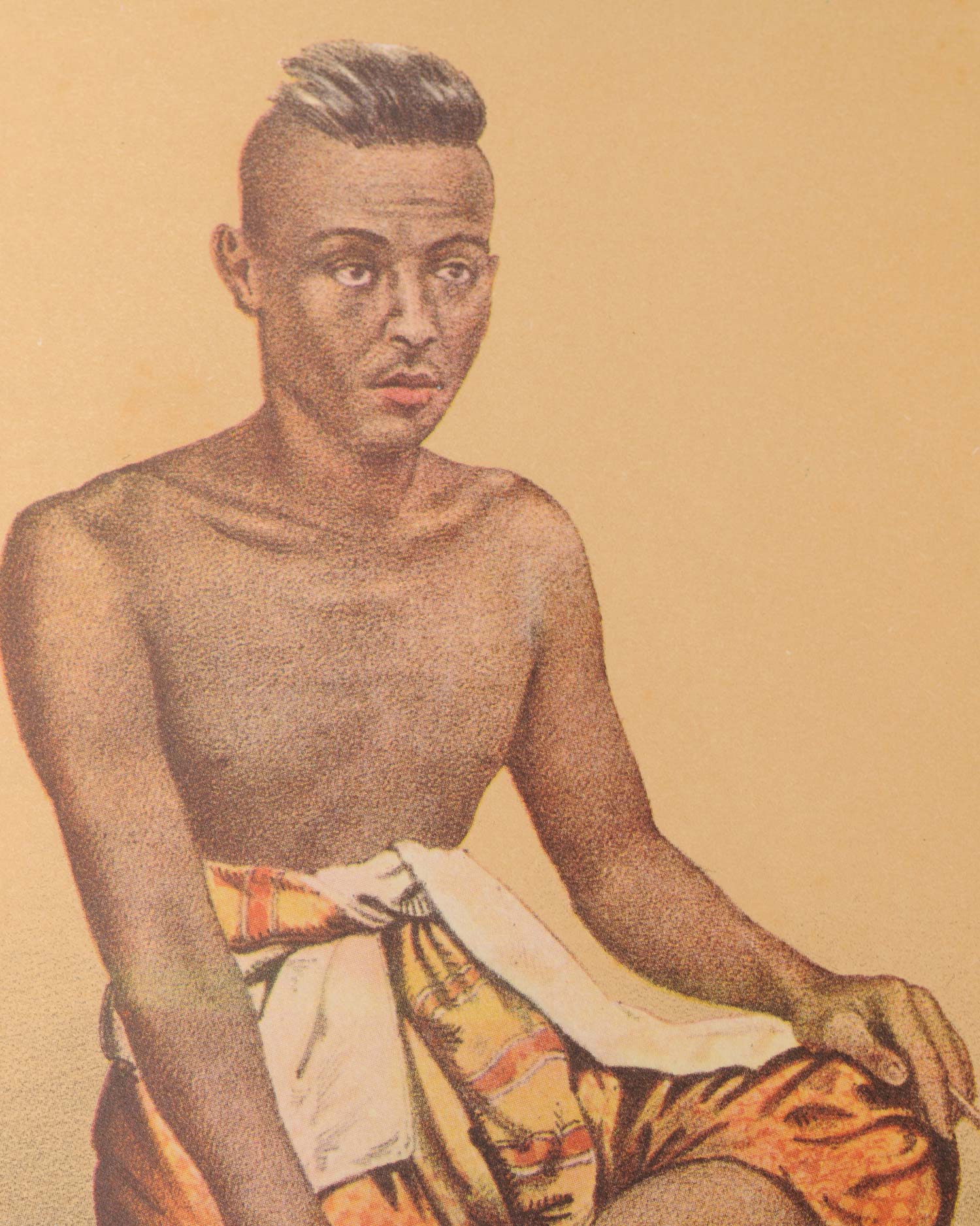
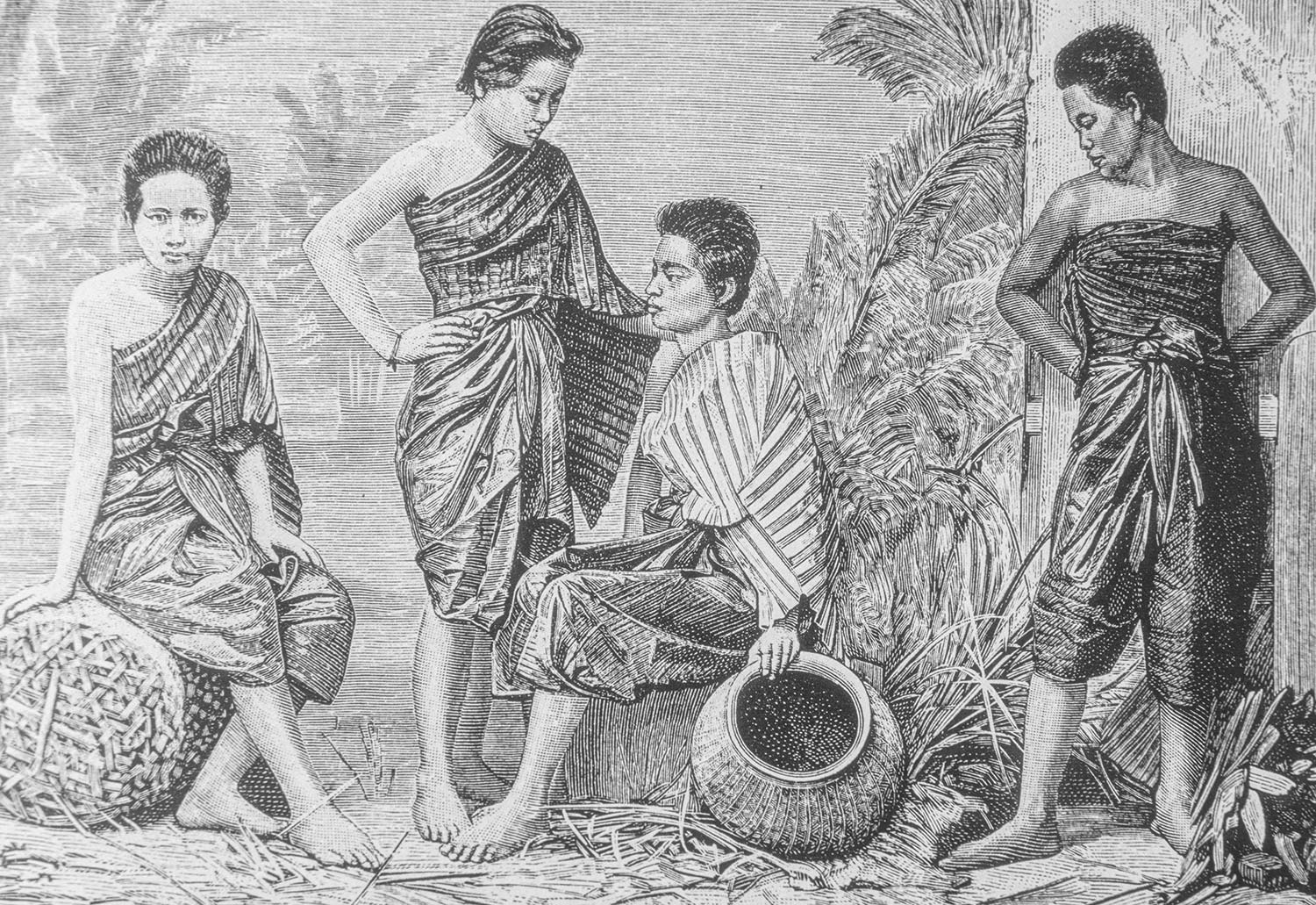
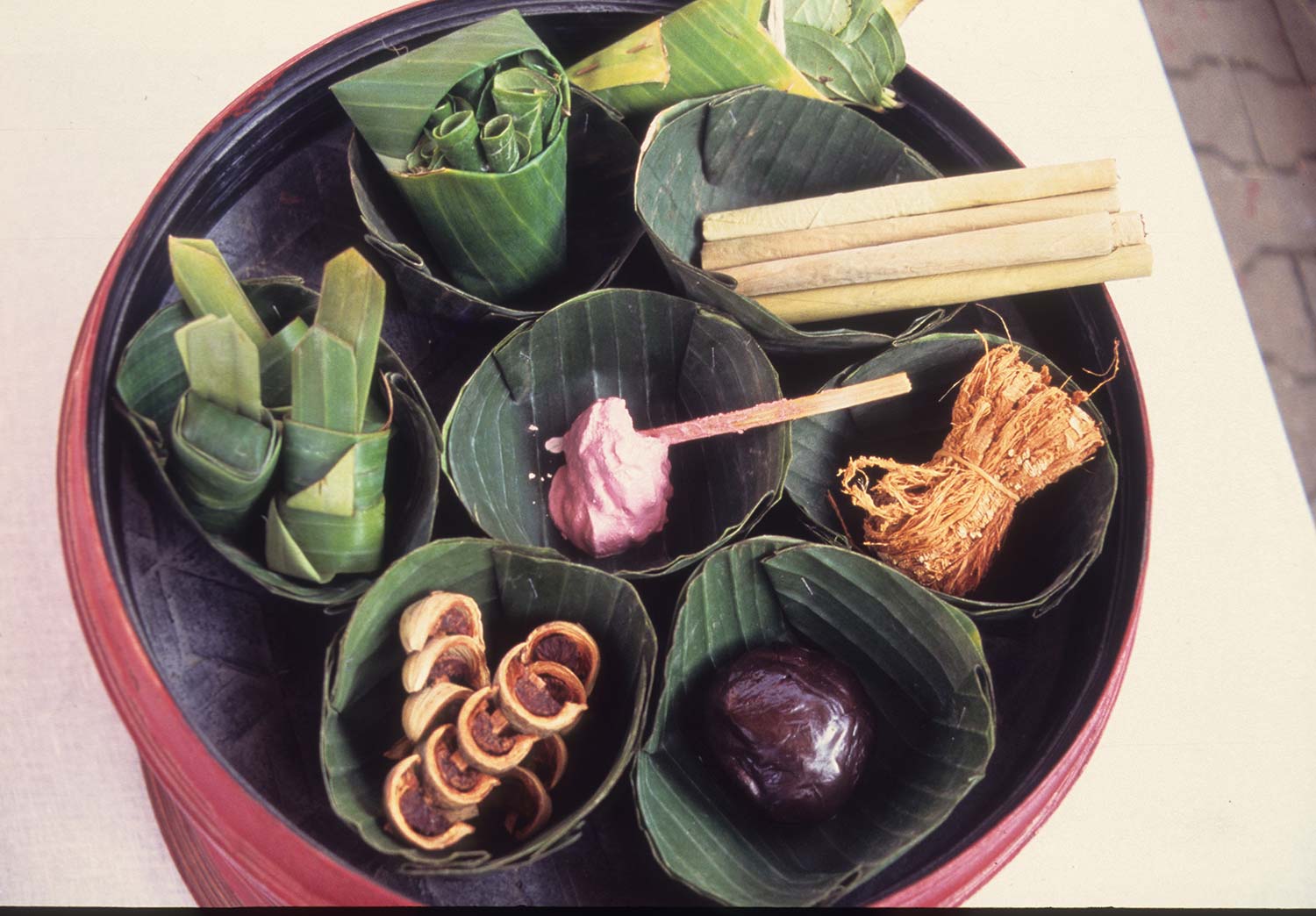
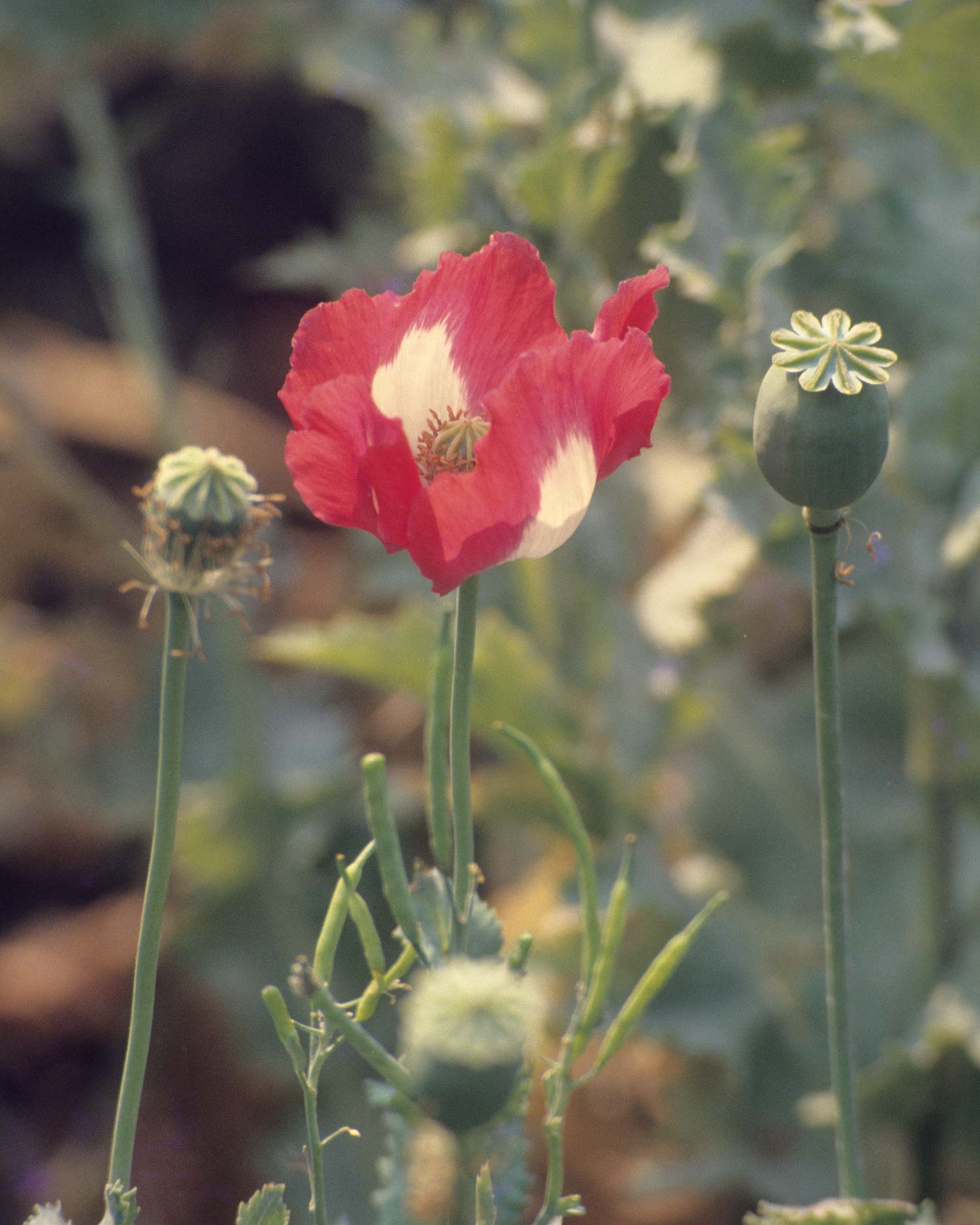
In the section of his book devoted to Siam and its culture, Bowring takes a characteristically anthropological approach, describing such aspects of daily life as dress, food and dining customs, as well as habits including betel chewing and opium smoking. Of Siamese dress, Bowring writes that common people wore nothing but “a long piece of cotton printed cloth, passed round the waist and between the thighs, the ends of the cloth being stuck in behind.”
He also observed that “Young women employ a sort of silk scarf to screen the bosom; a refinement which, after marriage, is much neglected: indeed, no sense of shame or impropriety appears to be connected with the exposure of the body above the waist.” Although Western criticism of other aspects of Siamese culture was largely ignored, it seems to have succeeded in imparting “a sense of shame or impropriety,” as within a few decades the people of Siam were covering their upper bodies, especially in urban areas.
When it came to eating in Siam, Bowring noted that “the guests help themselves out of a common dish with spoons or with their fingers,” in sharp contrast to the Western custom of each person eating from an individual plate with a knife and fork. King Mongkut had clearly considered this cultural difference before the knight’s arrival and served his guests in what Bowring termed “European-Oriental style,” which we can take to mean mild Siamese dishes served in a Western manner. At one meal, Bowring observed a hapless Siamese noble who “held the prongs of the fork in his hand, not knowing which end was to be employed.”
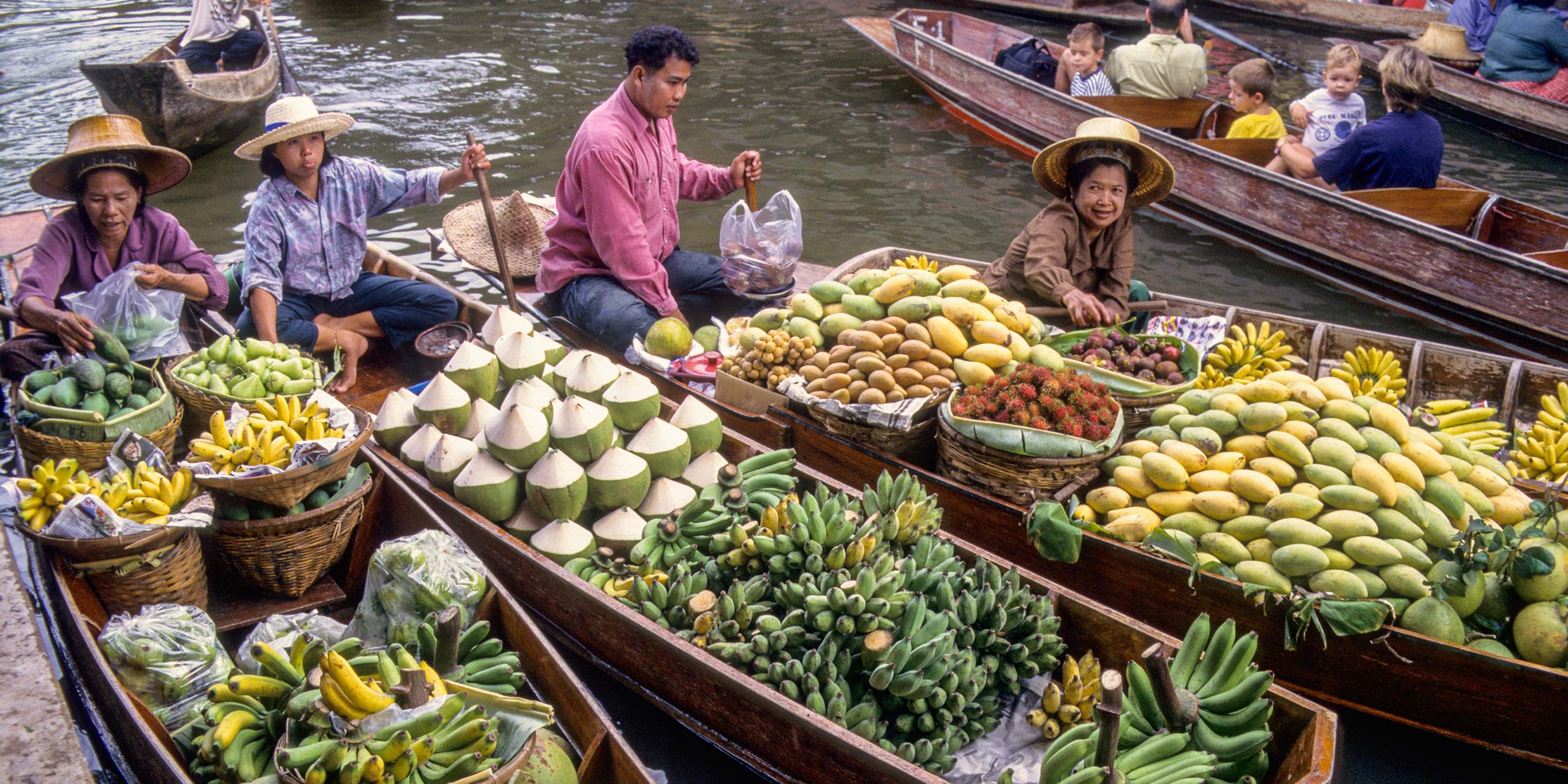
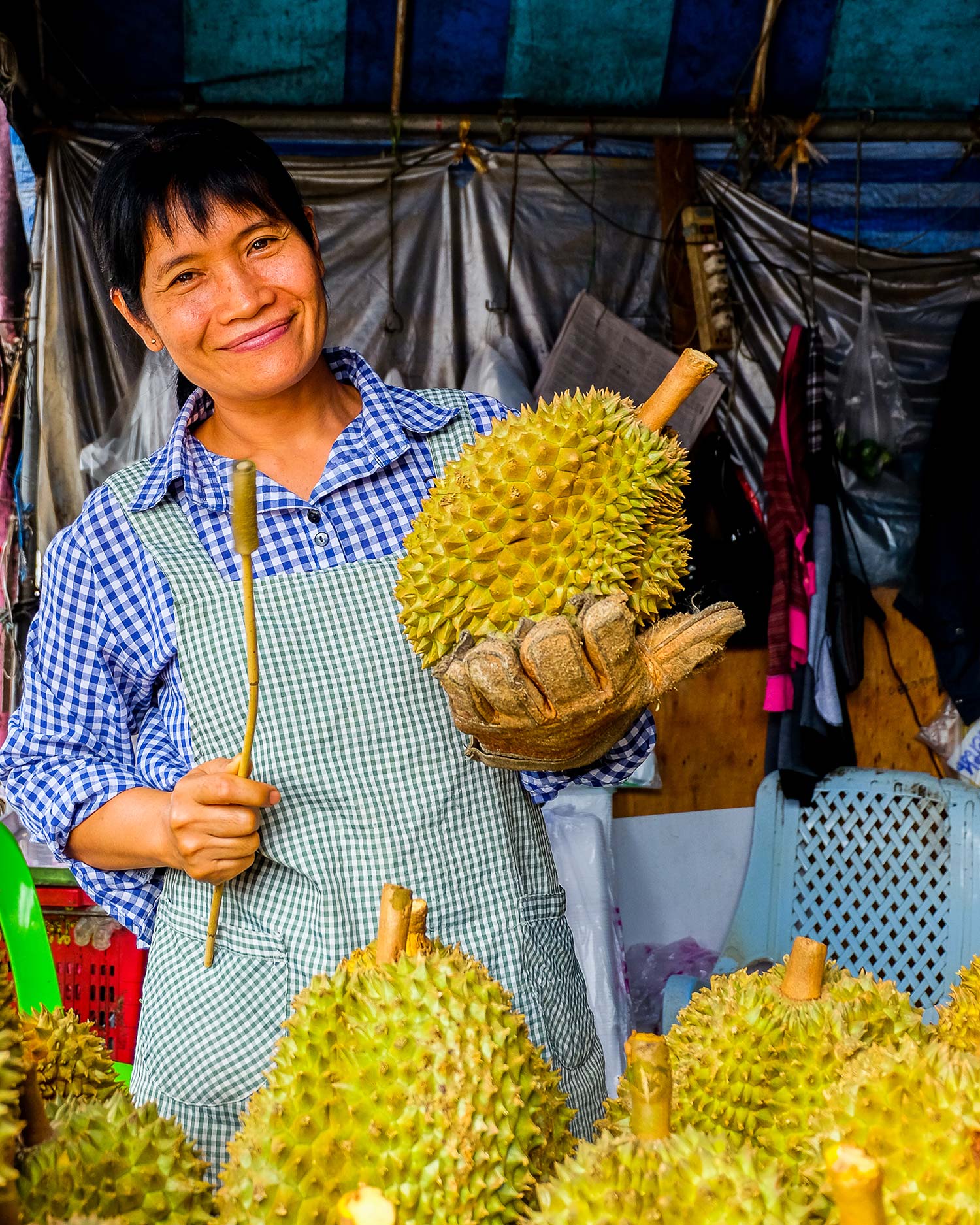
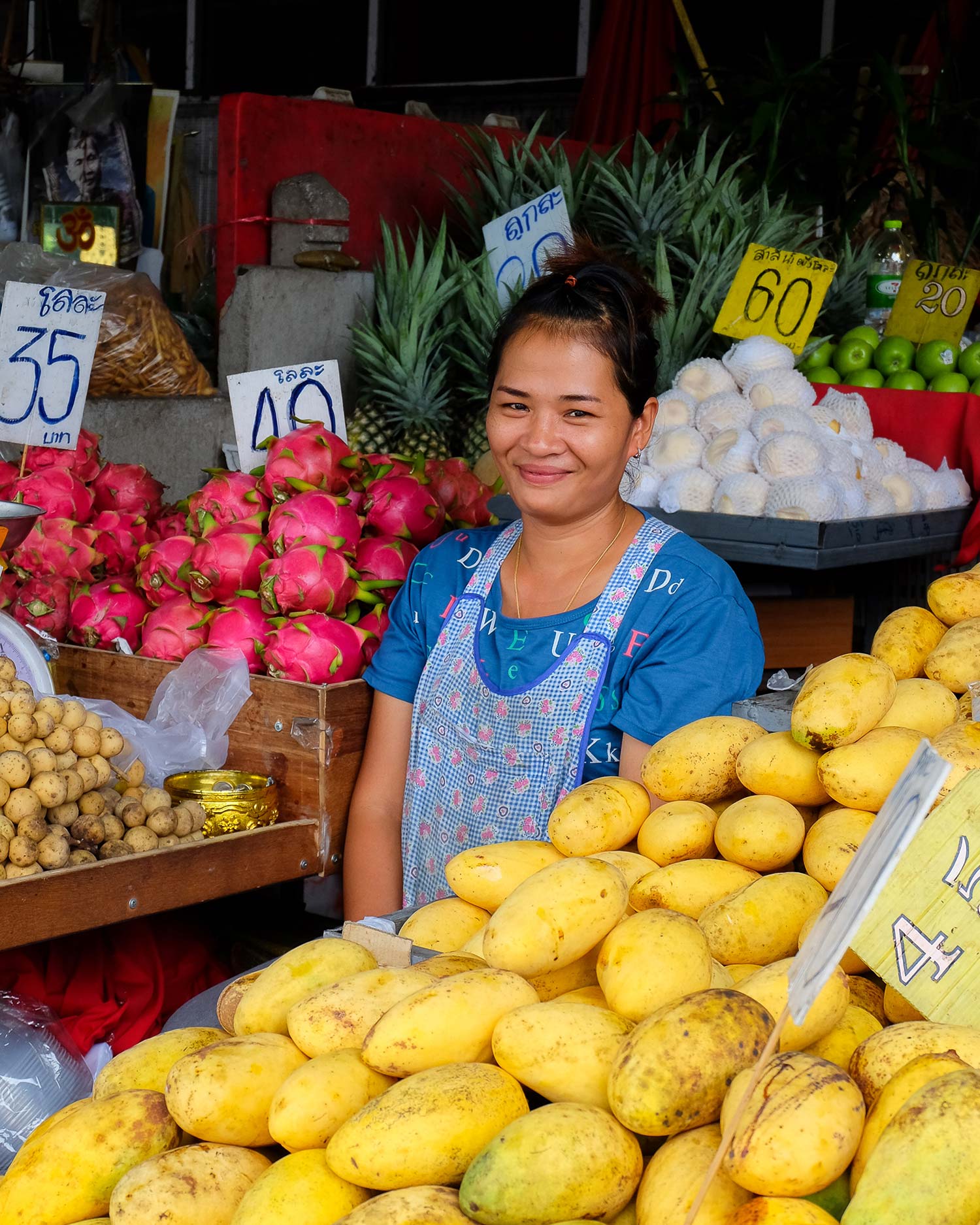
After noting that the Siamese generally ate rice accompanied by spicy curries and nam pla phrik (fish sauce with chopped chilies), Bowring gushed over the variety and quality of the fruits he tasted during his visit. “Siamese durians, mangoes and mangosteens, and some others, appeared to me of unparalleled size and flavour … We had mangoes which in their greatest girth measured above nineteen inches.” Sensing that he had hit the spot, King Mongkut frequently treated the knight to unusual fruits that he had never seen or tasted before.
Overall, Bowring’s book is an absorbing read, packed with insights not only into 19th-century Siamese life but also into the mind of a curious Englishman of the Victorian era. If you are looking for a colorful introduction to Thai culture and its recent history, read The Kingdom and People of Siam.