

Almost every ancient civilization developed some form of ceramics. Pottery fragments found in China and Japan date back nearly 20,000 years. In southeastern China, however, craftspeople eventually perfected a combination of materials, firing techniques and glazes that produced something exceptionally light, thin and refined. First prized by China’s imperial courts, it would later become coveted around the world.
Porcelain is a distinct type of ceramic made by firing raw materials at extremely high temperatures until they become hard, translucent and glass-like. The word itself comes from the old Italian porcellana, referring to cowrie shells whose smooth surfaces and pale color resembled Chinese porcelain.
The secret of porcelain was not simply guarded. It was practiced, tested and refined over generations in Jingdezhen, an inland Chinese city that supplied emperors, merchants and eventually the world with ceramics unlike anything being produced elsewhere. Its porcelain was thinner, lighter, harder and more translucent than ordinary pottery.
The key to this transformation lay partly beneath the hills surrounding the city. Jingdezhen stood close to deposits of kaolin and petuntse, the materials used to produce true hard-paste porcelain when fired at temperatures exceeding 1,300 degrees Celsius in specially designed kilns. The result was something radically different: vessels that were at once delicate, durable and almost unnaturally refined.
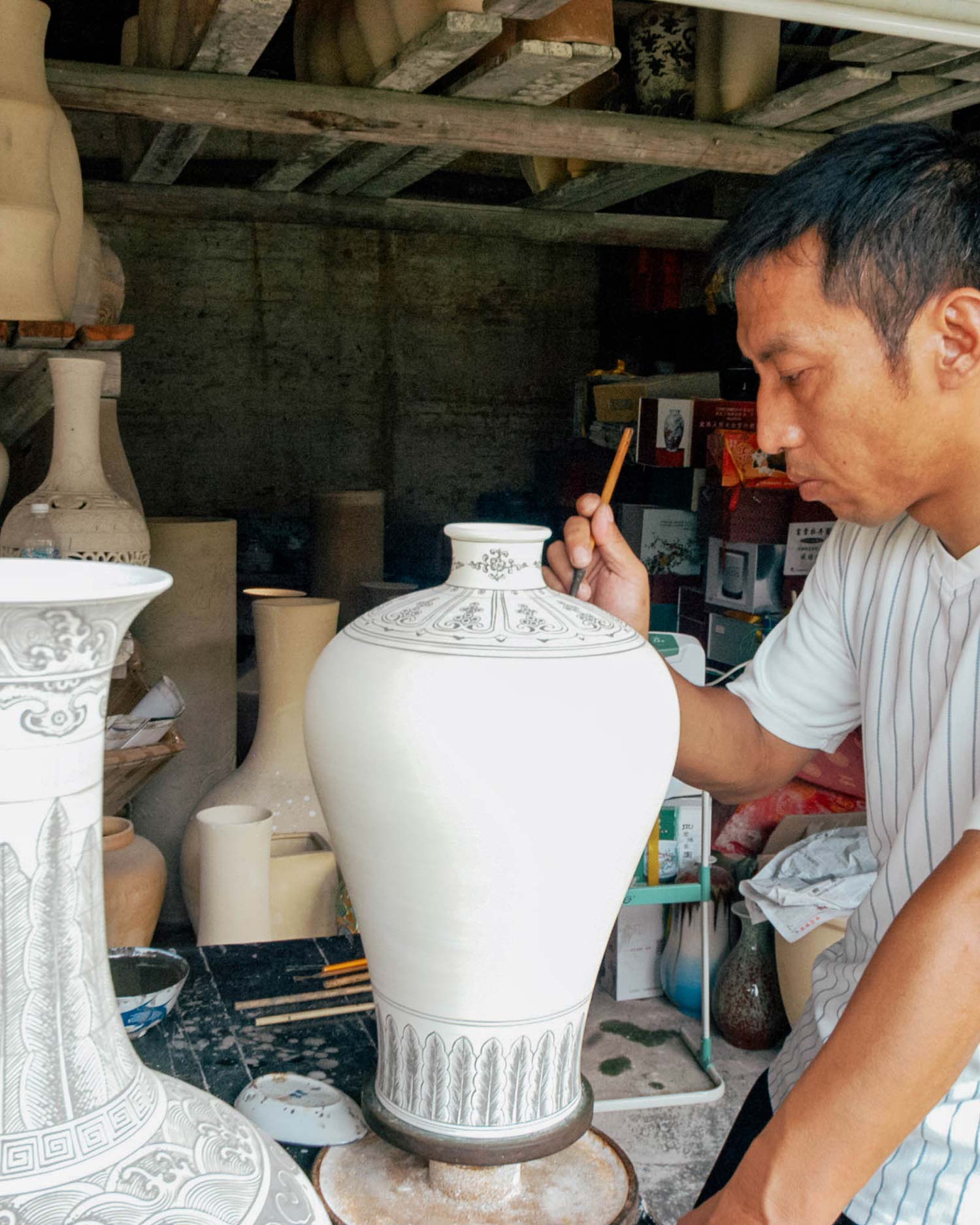
By the Song dynasty, and especially under the Ming and Qing, Jingdezhen had developed into a vast manufacturing network. Kilns burned day and night as production became increasingly specialized, with throwing, trimming, glazing, painting and firing divided among thousands of workers and workshops. Imperial kilns produced porcelain for the court, while private kilns supplied maritime traders who carried Jingdezhen wares across Asia, the Middle East and Africa, and eventually to Europe.
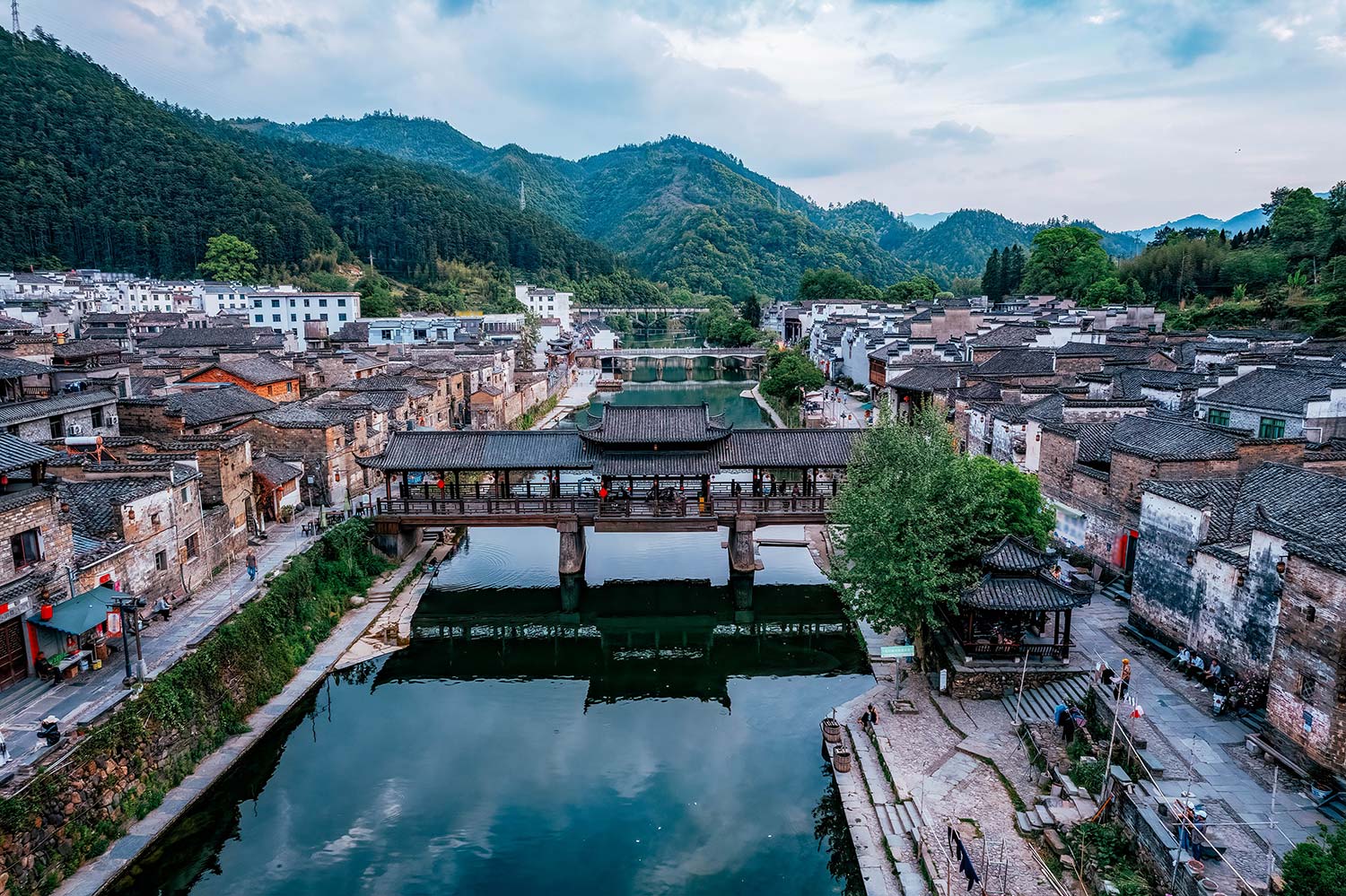
The city itself does not immediately appear monumental. Its skyline remains relatively low, its streets broad and functional, and its atmosphere more industrial than historic. The surrounding landscape, still green and heavily forested, makes Jingdezhen feel more remote than it is, despite the city lying less than an hour by bullet train from the provincial capital, Nanchang.
To understand Jingdezhen, it helps to begin with the river. The Chang River flows quietly through the city, and it was along its banks that production once began, long before any porcelain entered a kiln. Stone was crushed, washed and milled into clay in chains of workshops supplying the furnaces. Remnants of that system survive in long factory buildings with broken windows, rusted frames and the outlines of old chimneys hunkered against the riverbanks.
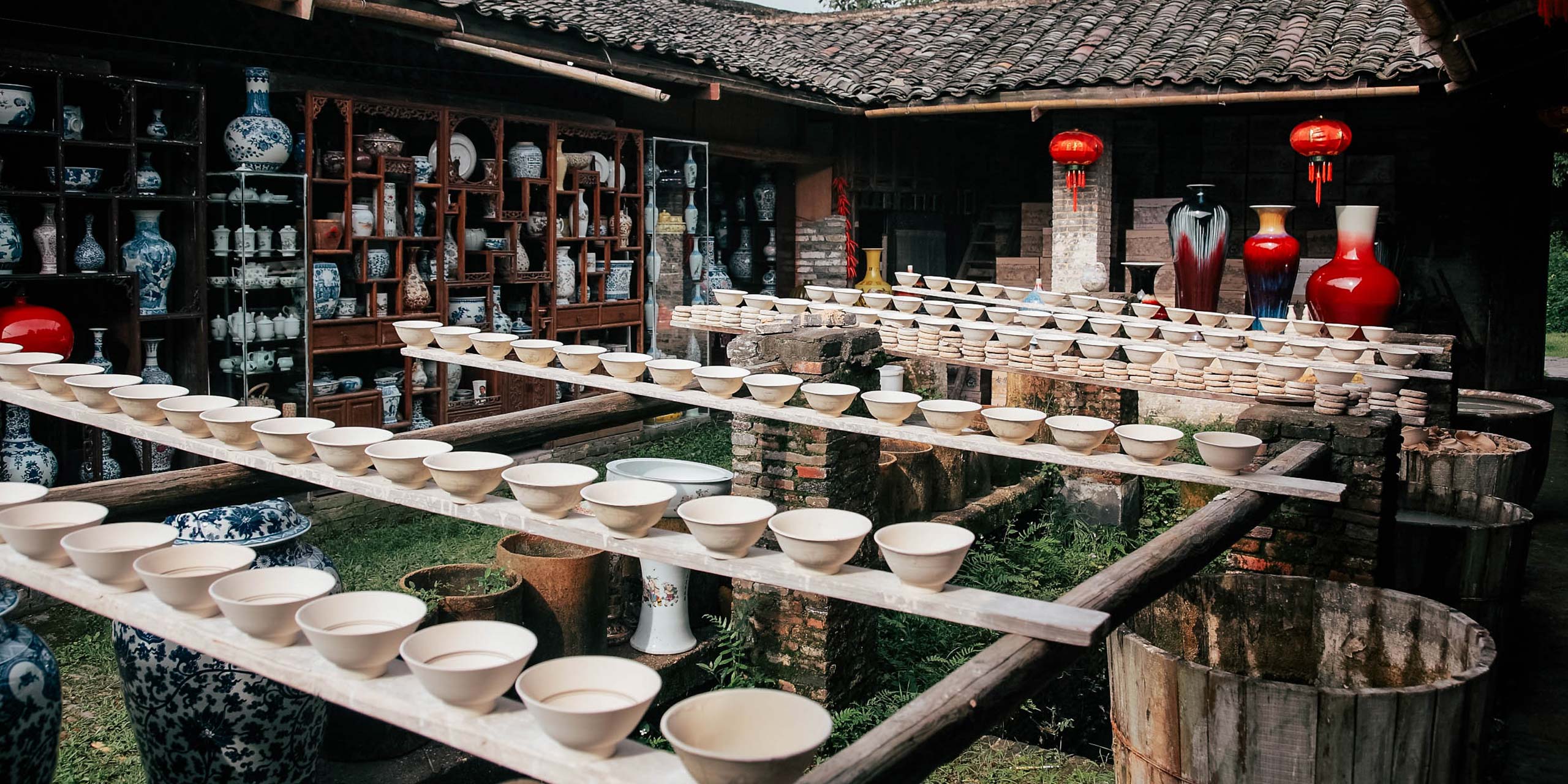
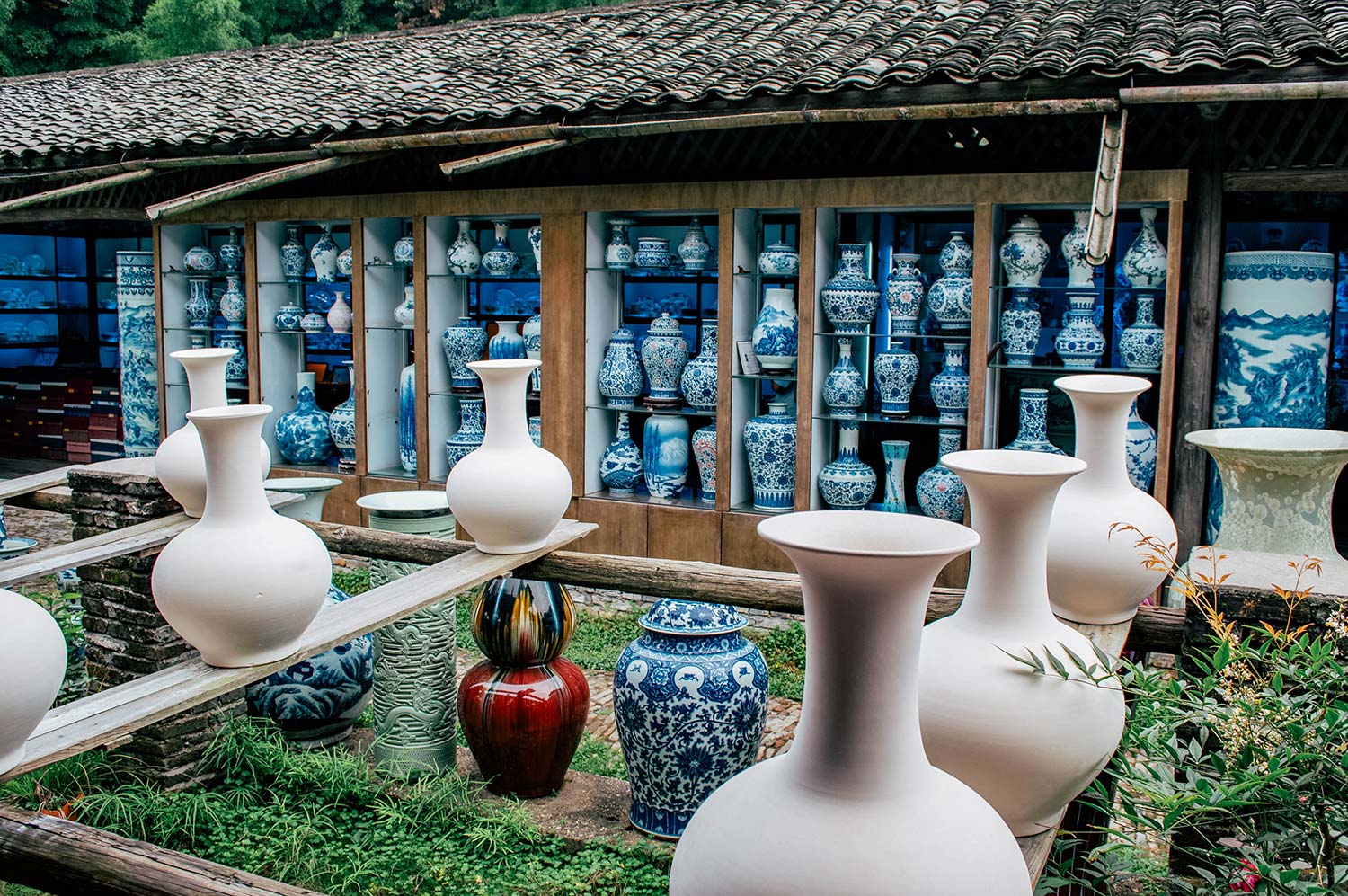
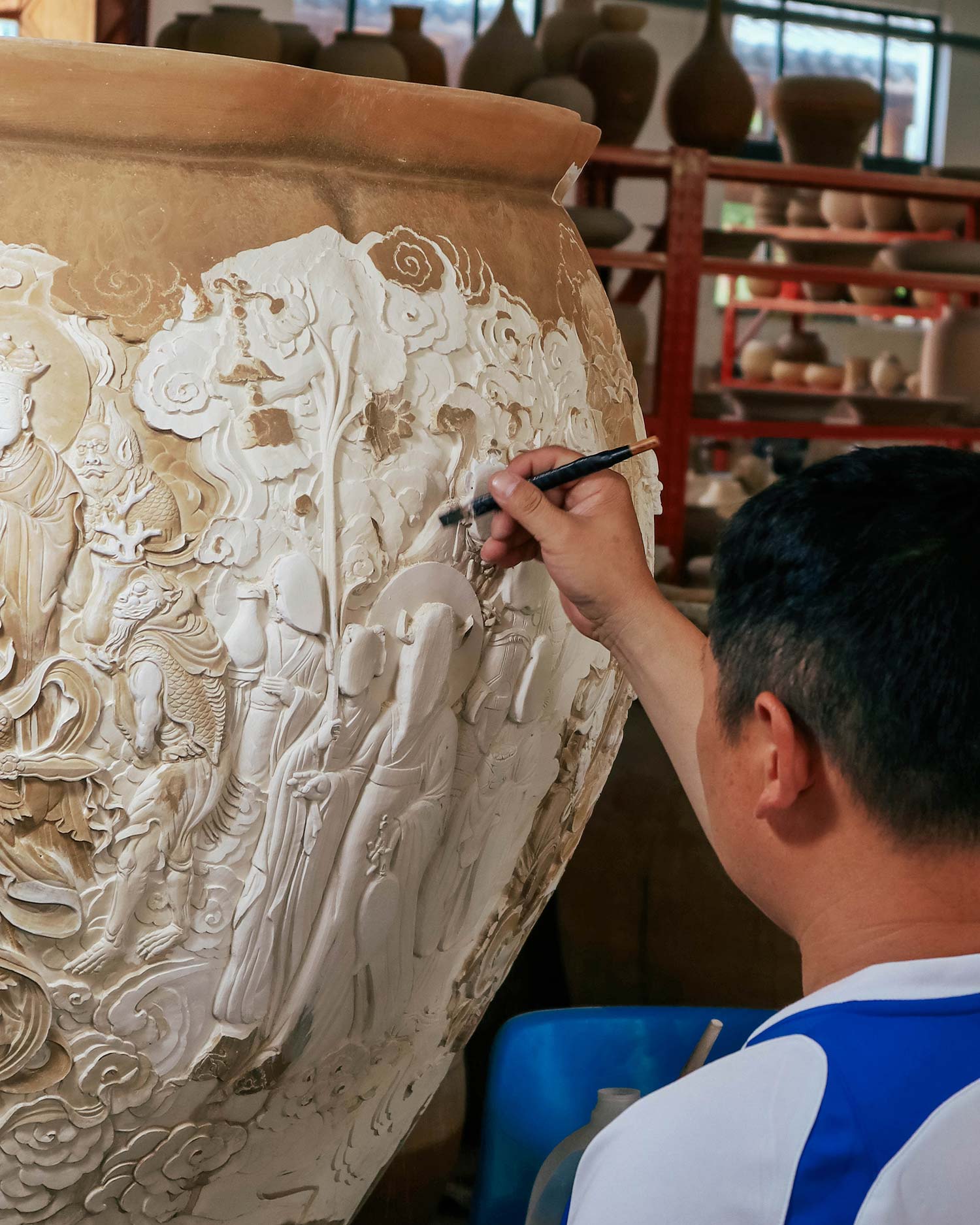
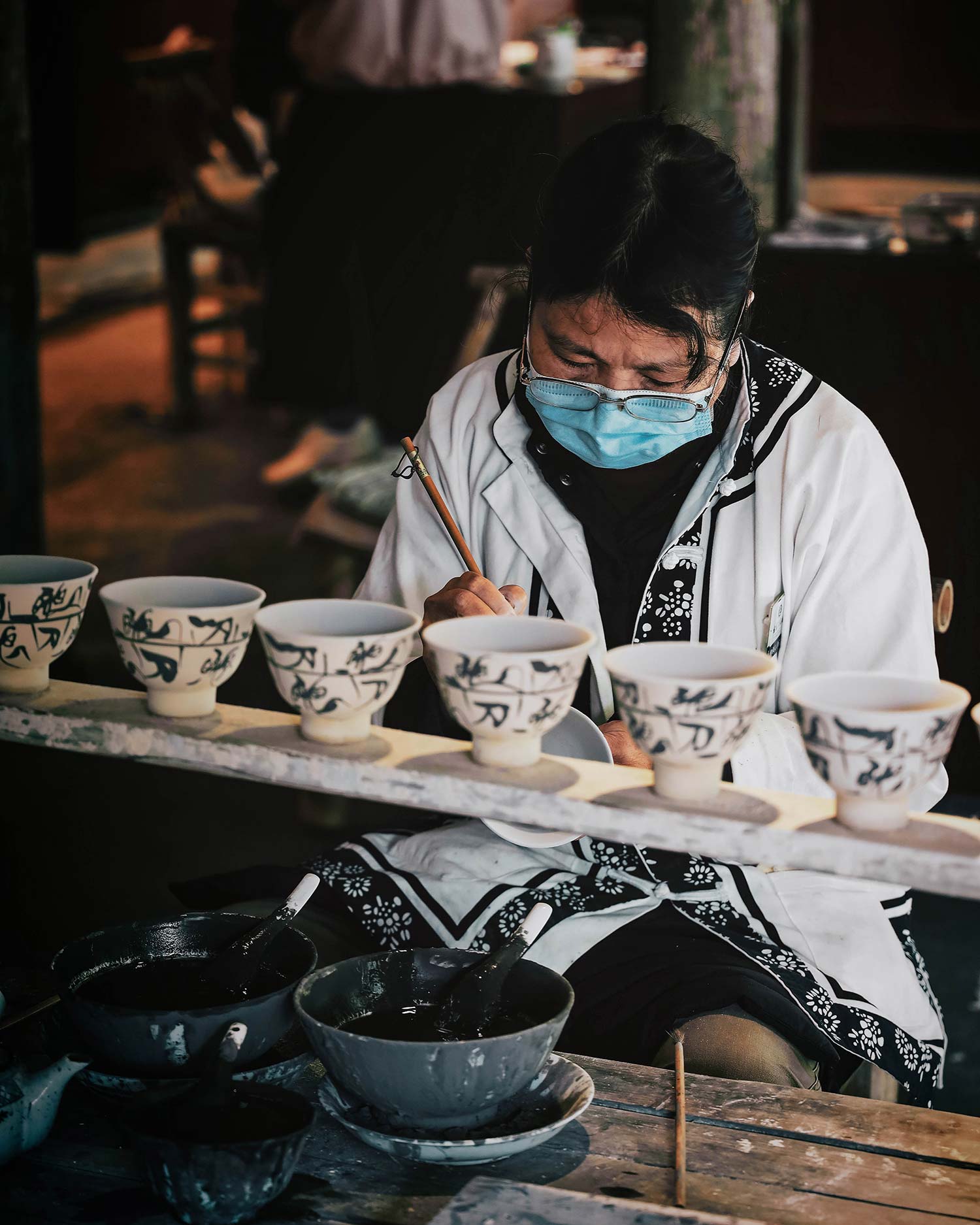
There are tourists, but not in the overwhelming numbers found at many Chinese heritage destinations. The people moving through Jingdezhen are just as likely to be students, ceramicists, collectors or buyers. Workshops line otherwise ordinary streets, many barely marked beyond an open door revealing clay being thrown, trimmed, stacked or painted by hand. Shelves hold everything from delicate teacups to unfinished sculptural experiments, while shops sell pigments, molds, glazes, tools and kiln supplies.
The scale of production that once emerged from this landscape was immense, yet only flawless works received the mark of the imperial kiln. Defective pieces were destroyed, and over the centuries Jingdezhen’s firing sites accumulated mountains of discarded porcelain shards. Many of these fragments are now repurposed by contemporary artists and craftspeople working across the city.
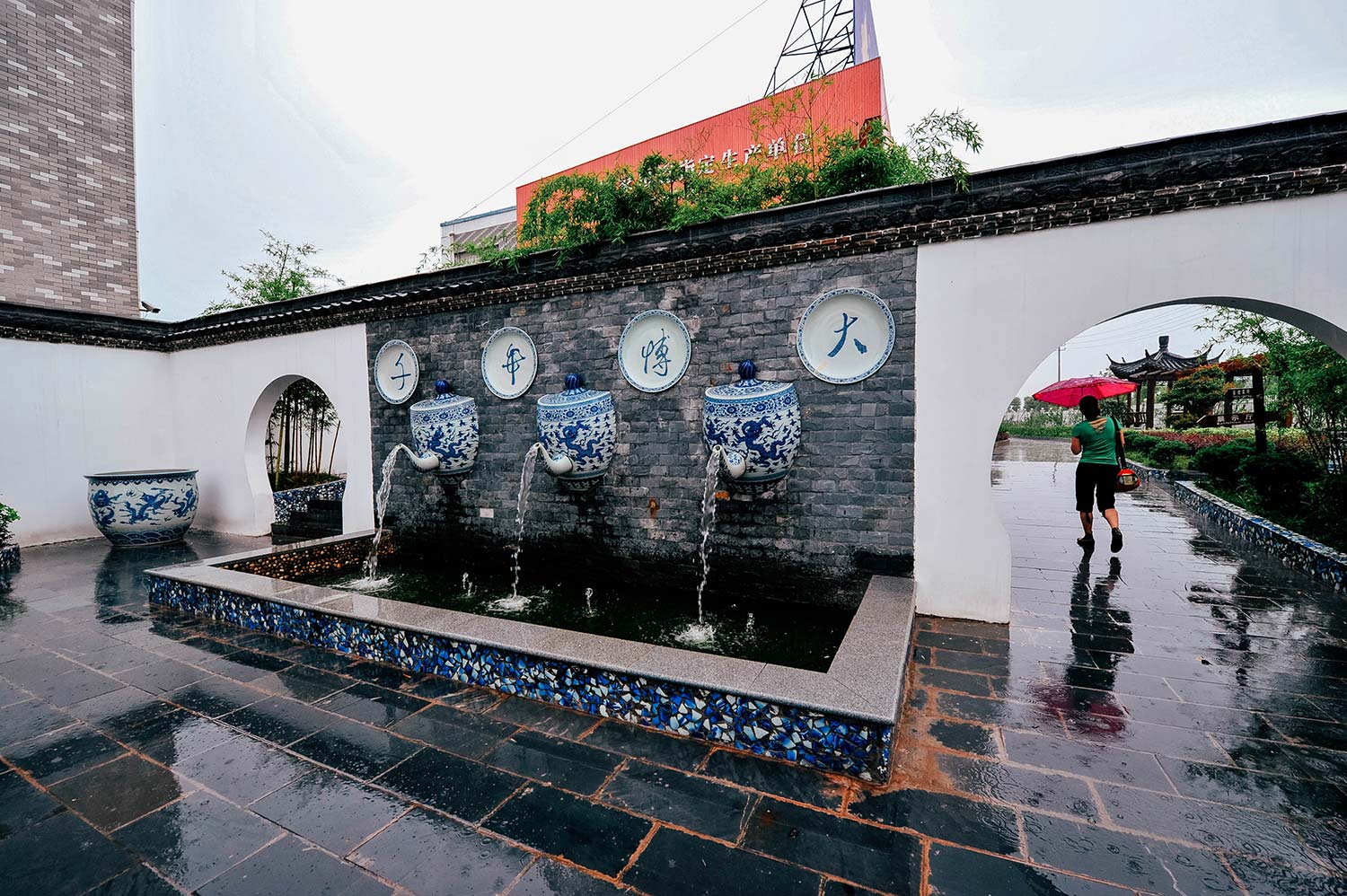
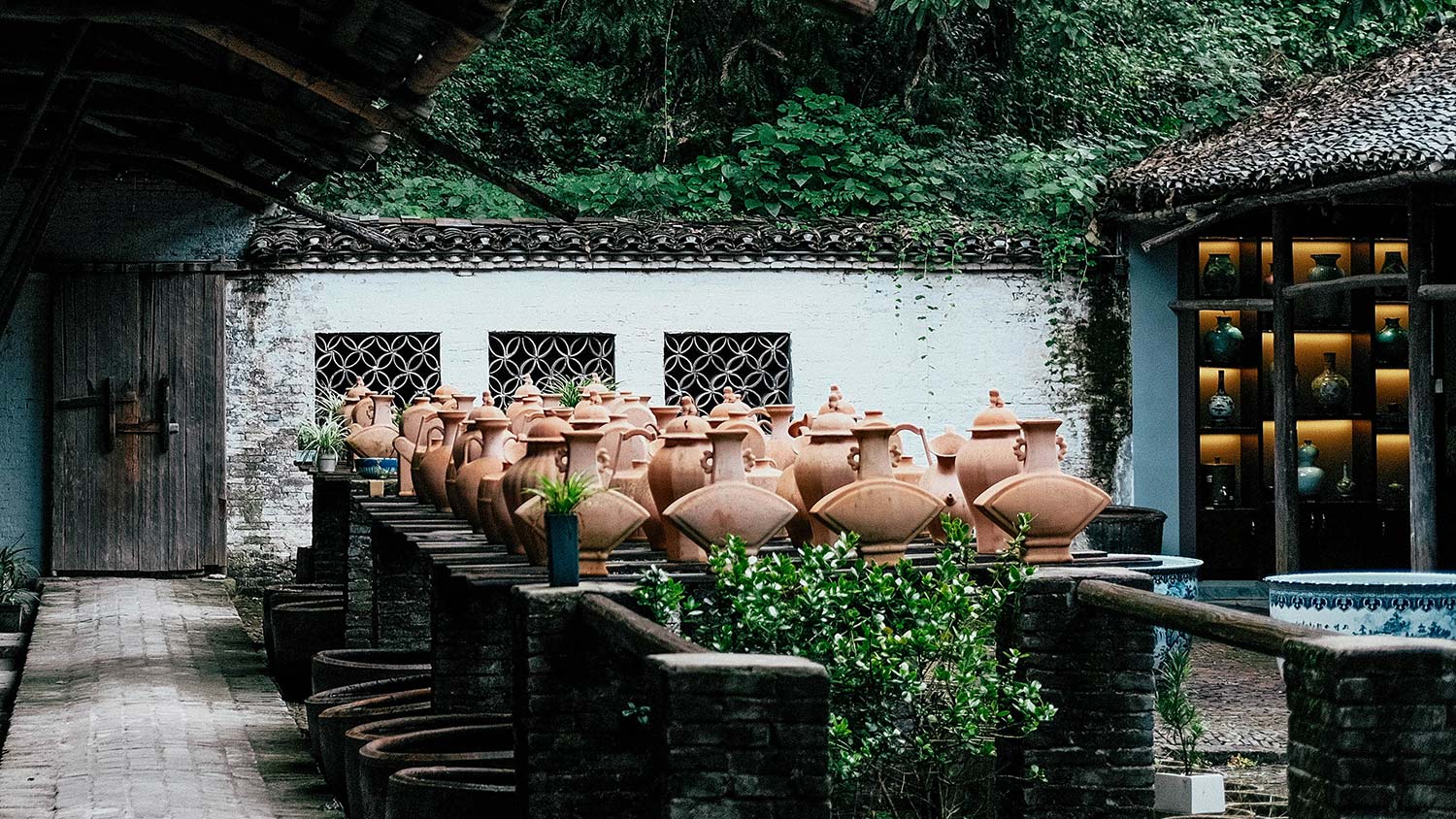
For centuries, the rest of the world struggled to reproduce what Jingdezhen had mastered. Across the Islamic world and later Europe, potters experimented with different clays and glazes to imitate porcelain’s qualities. Some came close aesthetically, but true porcelain remained elusive. It was not merely beautiful but chemically and technically difficult to produce translucent yet strong, delicate yet capable of surviving imperial banquets and long ocean voyages.
By the early modern period, porcelain had become an obsession among European elites. Vast quantities of silver flowed into China in exchange for porcelain, silk, tea and other goods. Imported pieces were displayed in royal collections and aristocratic cabinets as symbols of refinement, wealth and access to global trade. European courts invested heavily in workshops dedicated to reproducing them, yet the process resisted imitation.
François Xavier d’Entrecolles, a French Jesuit missionary, spent time in Jingdezhen in the early 18th century and observed its production system closely enough to document it in extraordinary detail. In letters sent to Europe, he described the sourcing of kaolin and petuntse, the preparation of clay, the organization of labor, and the structure of the kilns. European potters had already begun producing hard-paste porcelain at Meissen in Germany, but his accounts gave the West an unprecedented understanding of how Chinese porcelain was made.
I once had the rare opportunity to handle a set of Ming-era vases salvaged from a Portuguese merchant ship that sank off the coast of the Philippines in the 16th century. The exhibition’s curator told me that, had they reached Portugal as intended, they would have been among the first Ming vases to arrive on the continent. I remember how impossibly light and translucent they felt. They seemed extraordinarily delicate, yet they had spent 500 years at the bottom of the sea and emerged virtually unchanged.
Production in Jingdezhen continued after the fall of the Qing dynasty, first through private workshops and later in state-run factories under the Communist government. Since China’s economic opening in the late 20th century, the city has reinvented itself, attracting artists, collectors and independent studios to a place that never entirely stopped making porcelain.
Walking through Jingdezhen today, it becomes clear that what survived was not merely the ability to manufacture porcelain, but an entire landscape organized around it. The large state-run factories that once dominated the city have mostly disappeared, yet their footprints remain visible along the river. Many industrial complexes have been converted into cultural districts, studios, cafés and exhibition spaces.
The scale of the old production system still lingers inside these buildings: long corridors, broad factory floors and high ceilings designed for continuous industrial work. Some spaces have been carefully restored, while others remain only partially altered, preserving layers of smoke, dust and machinery within their new creative settings. At night, markets appear beneath strings of lights, selling ceramics beside food stalls and temporary workshops. Areas that once processed raw materials now return finished objects directly to public life.
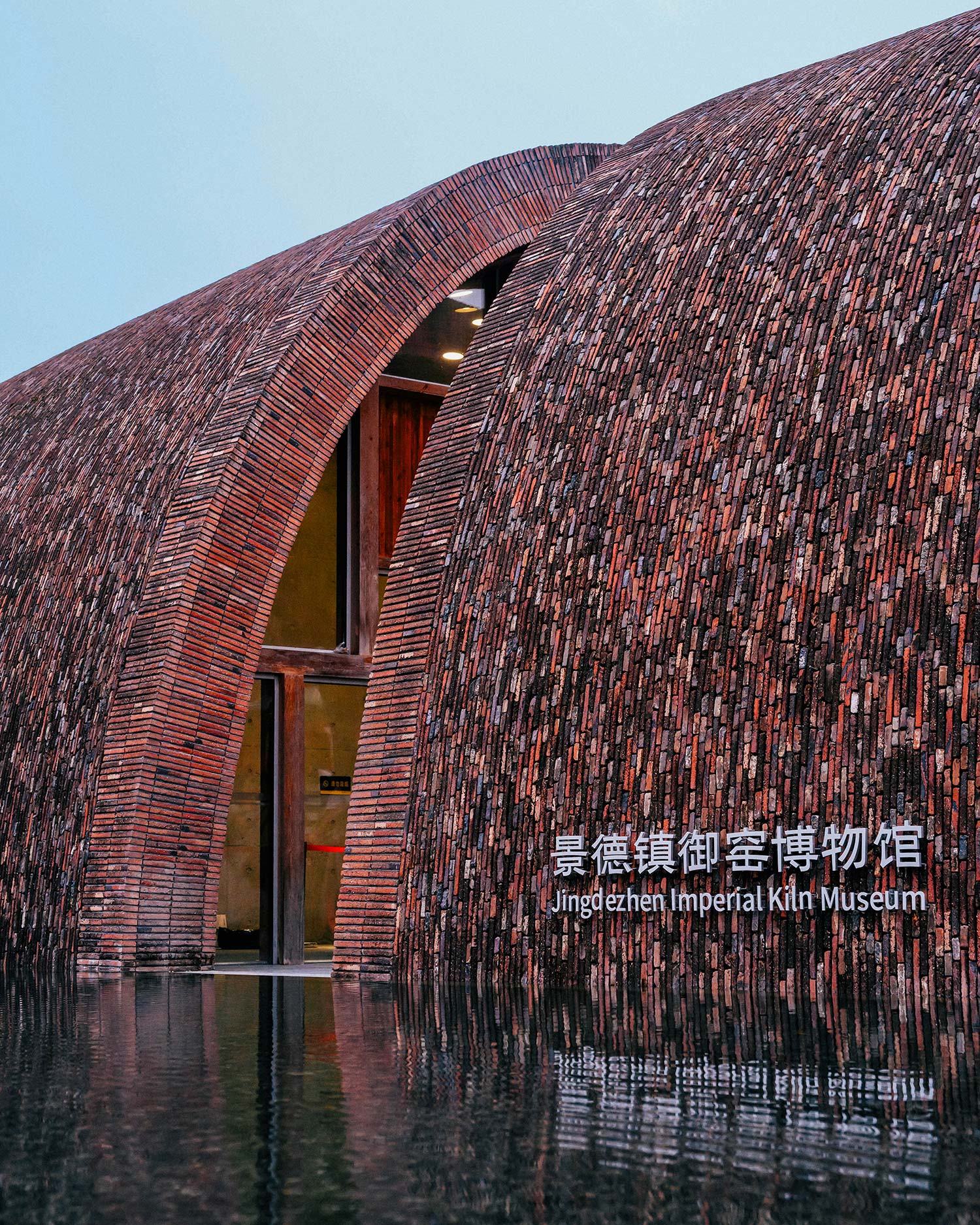
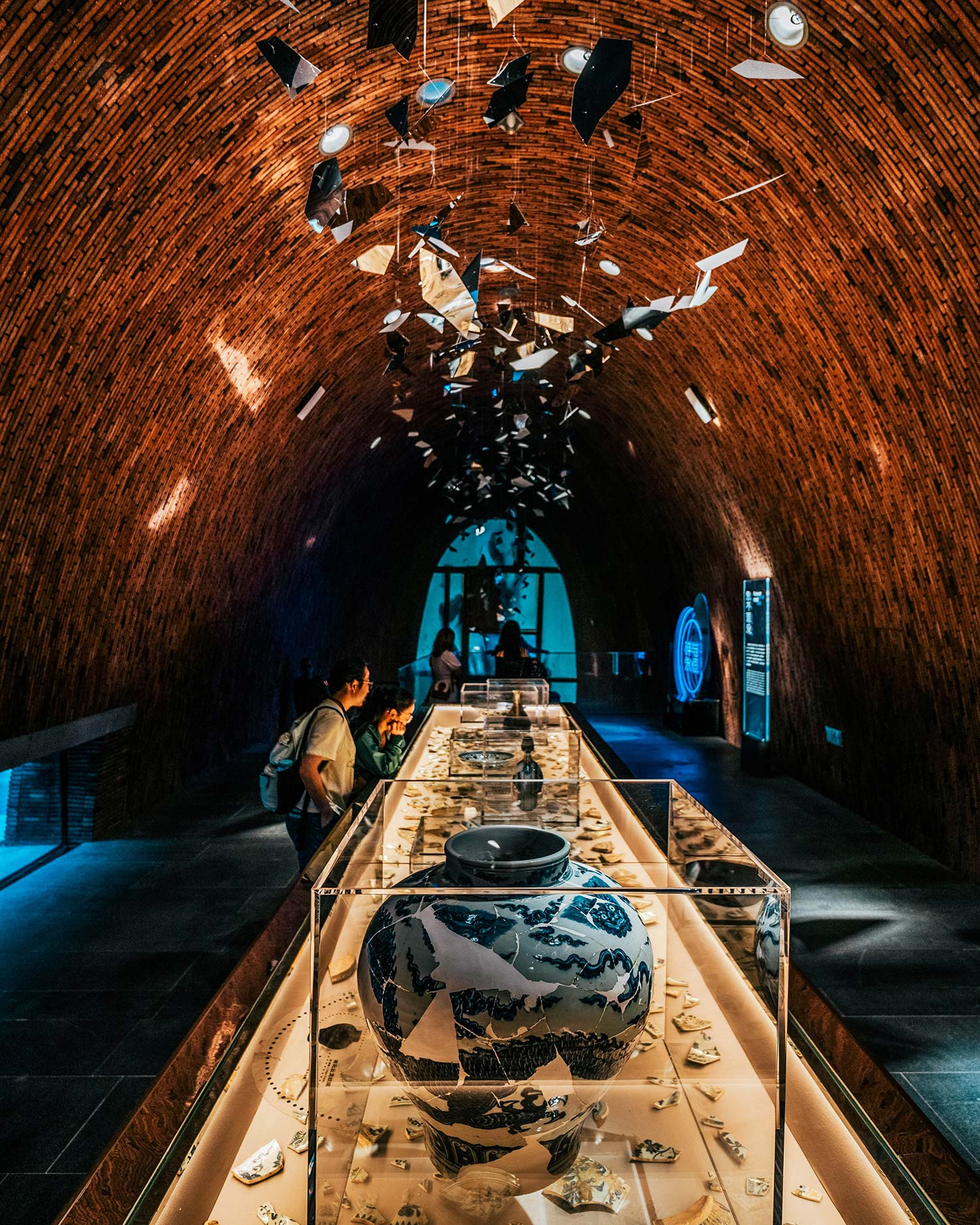
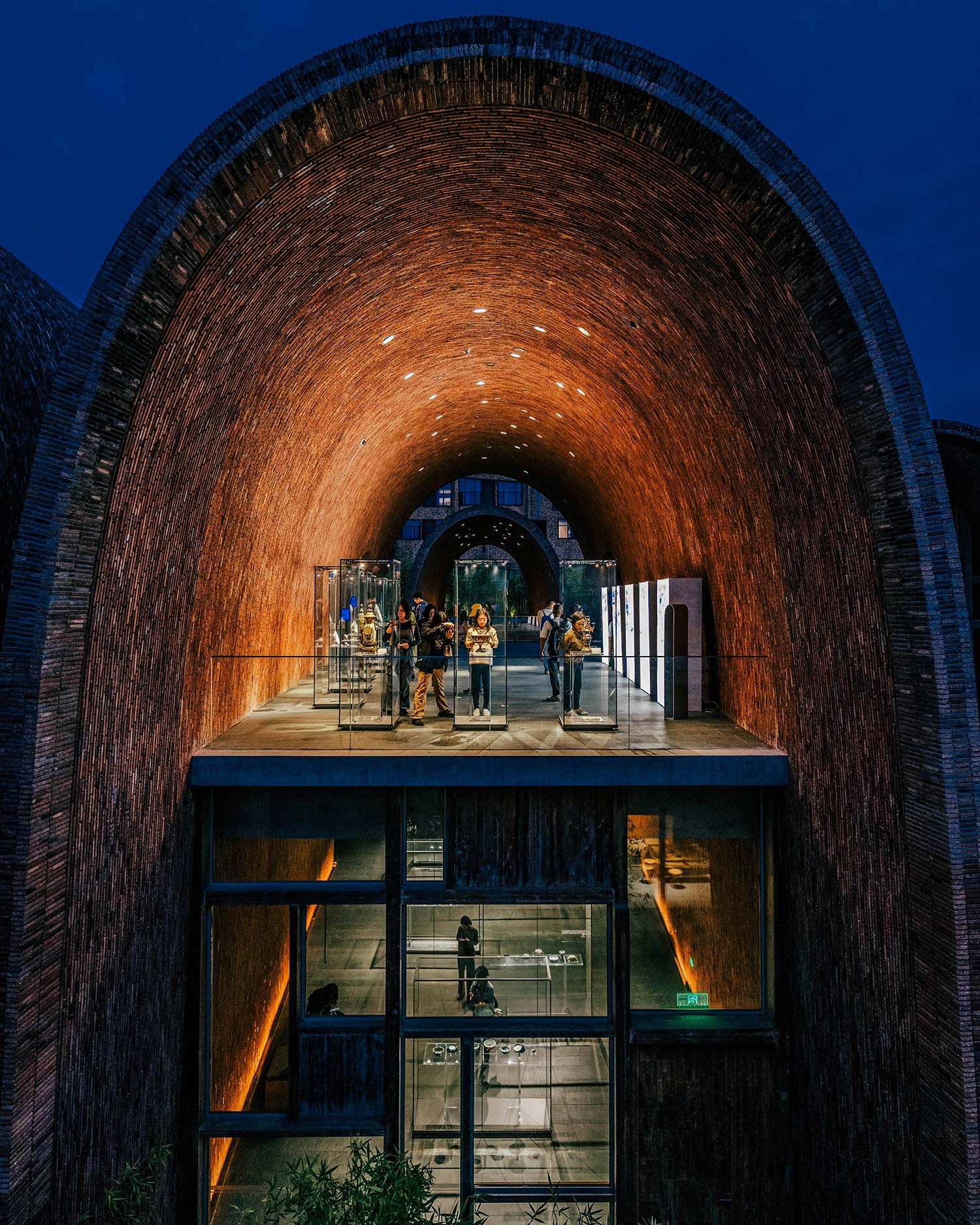
Jingdezhen today sits somewhere between a production center and a heritage destination. Much of the world’s mass-produced ceramics are now made elsewhere, more cheaply and on a greater scale. Here, the emphasis has shifted towards smaller studios, experimental work, traditional techniques and contemporary ceramic art.
The city lacks the singular landmark or spectacle that defines many travel destinations. Instead, it reveals itself through repetition: another kiln, another workshop, another wall dusted white with clay. Understanding accumulates gradually through the movement of materials and labor across the city.
That continuity is visible inside the Jingdezhen China Ceramics Museum, whose collection spans centuries of production, from Song celadons to Ming blue-and-white wares. Seen together, the pieces demonstrate that Jingdezhen was never simply producing isolated luxury objects. It sustained an entire culture organized around porcelain.
This gradual accumulation also changes the meaning of the “secret” that once defined the city. The story is often reduced to a formula stolen and carried westward, but Jingdezhen suggests something more complicated. The secret was never simply a recipe. It was the infrastructure surrounding it: the river, the kilns, the division of labor, generations of technical knowledge, and the rhythms of a city organized for centuries around transforming stone into clay, and clay into something otherworldly.