
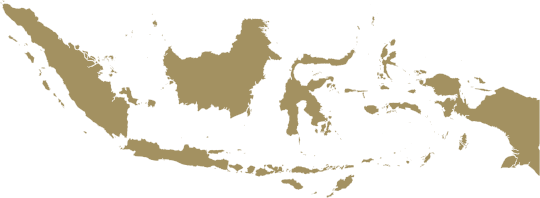

Indonesia’s spiritual heart beats strongest in places that lie beyond the familiar. While the legendary stupas and spires of Borobudur and Prambanan near Yogyakarta steal the spotlight, a network of lesser-trodden sanctuaries whispers stories of devotion, artistry, and enduring traditions. These sites, infused with mystery and reverence, invite travellers to pause, reflect, and connect with the country’s heritage.
Candi Cetho, Central Java
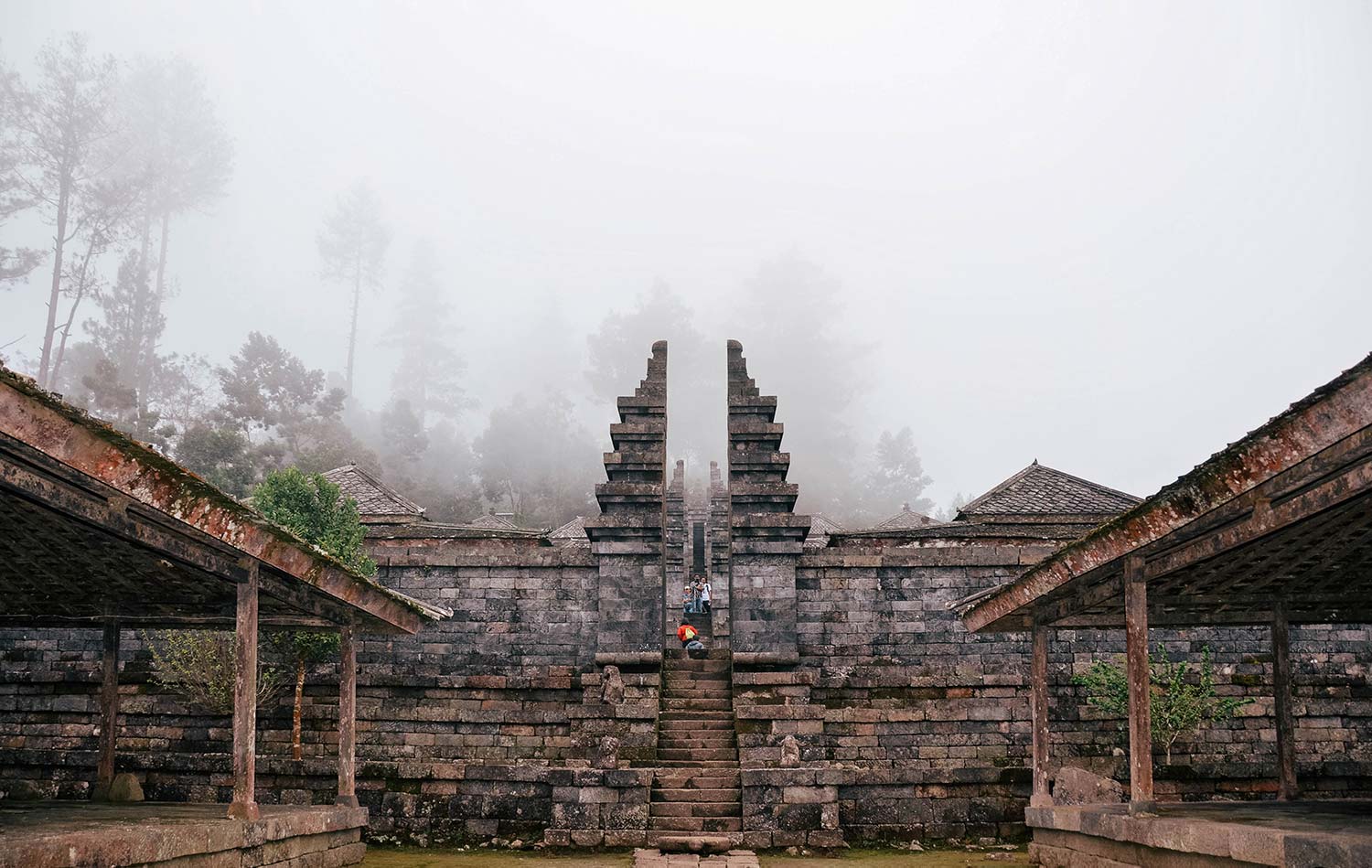
At the edge of the clouds on Mount Lawu, Candi Cetho rises like a hymn to the heavens. Its layered terraces, built in the 15th century, seem designed to bring the devout closer to enlightenment. The Mahabharata carvings etched into its stones tell stories that have guided pilgrims for centuries.
Here, the mountain air is sharp, the silence profound, and the sense of connection to the divine unmistakable. Even today, local worshippers leave offerings of flowers and incense, a reminder that Cetho remains a living place of devotion.
For those who choose to linger in Central Java’s highlands, MesaStila Resort mirrors this calm with its focus on renewal, offering volcanic spring pools and Javanese healing rituals.
Candi Jawi, East Java
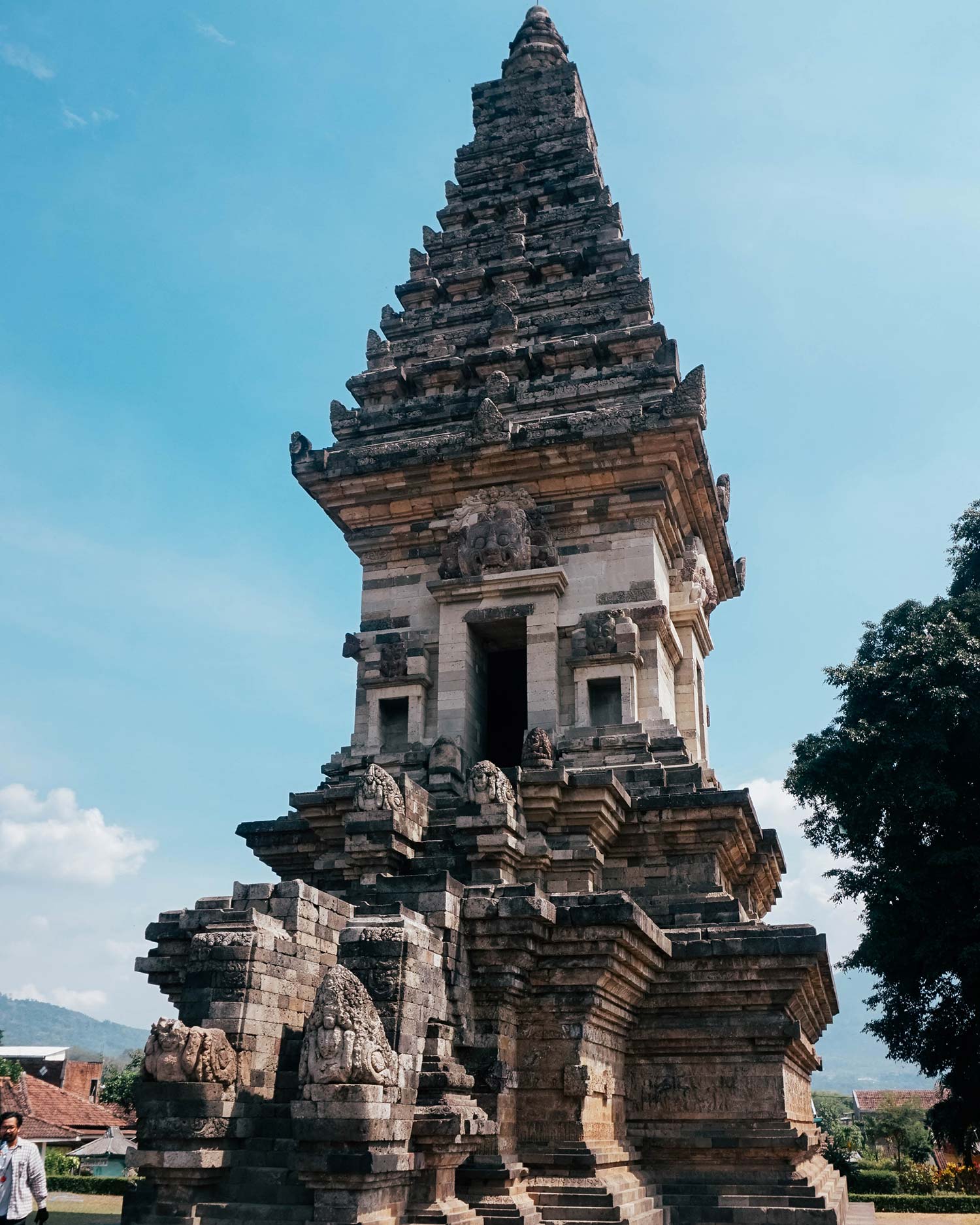
Candi Jawi is as much a reflection as a monument. Encircled by lotus-filled ponds, it stands like a solitary guardian of East Java’s spiritual syncretism, where Hindu and Buddhist influences intertwine.
Its slender spire points skyward, while local tales suggest it was a place of quiet retreat, far removed from the royal court’s intrigues. Early morning light transforms the temple into a vision of peace, with its stonework mirrored in the still waters below.
A short distance away, Tugu Malang, with its curated collection of Indonesian art and antiques, immerses guests in the region’s layered history.
Londa Burial Caves, Tana Toraja, Sulawesi
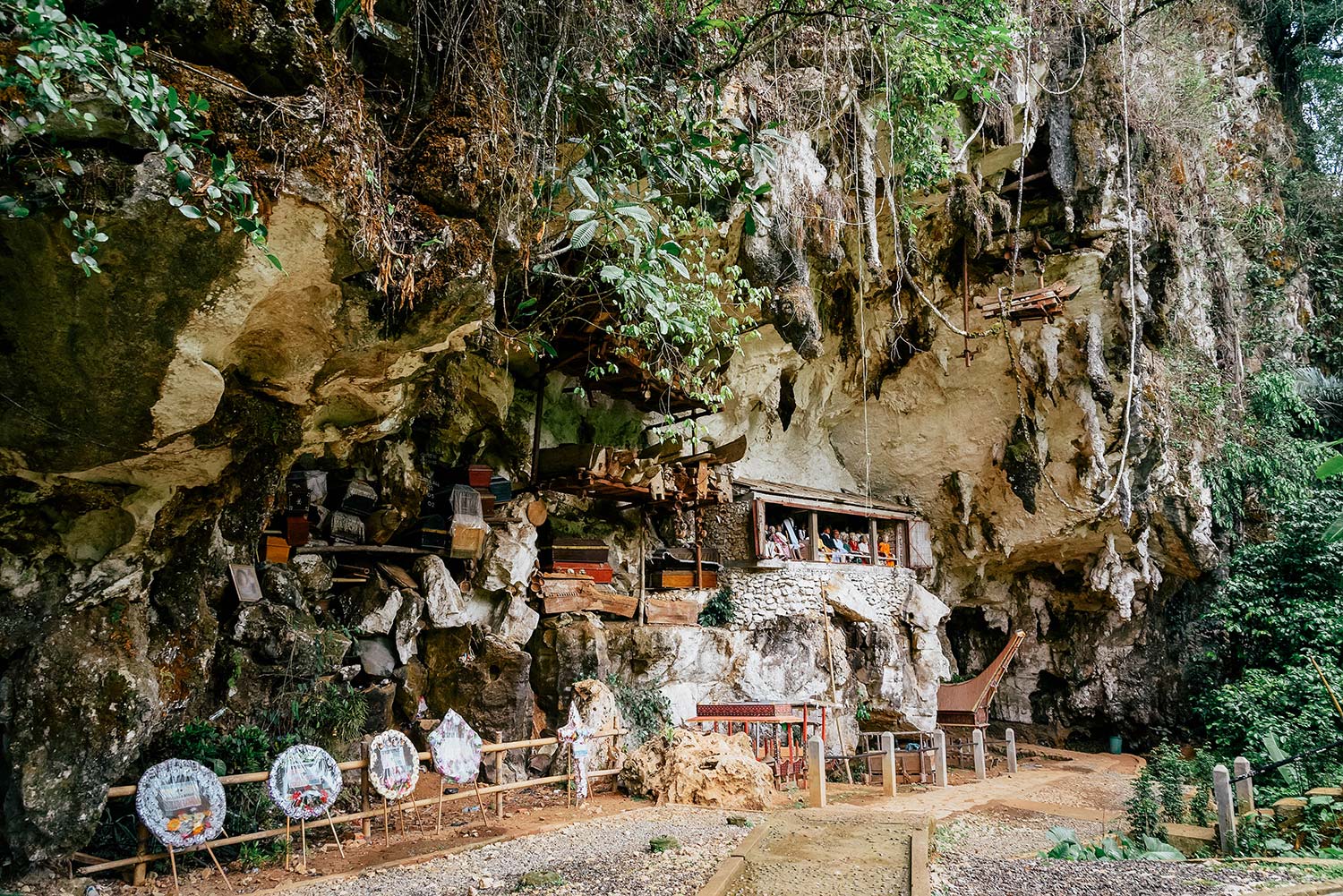
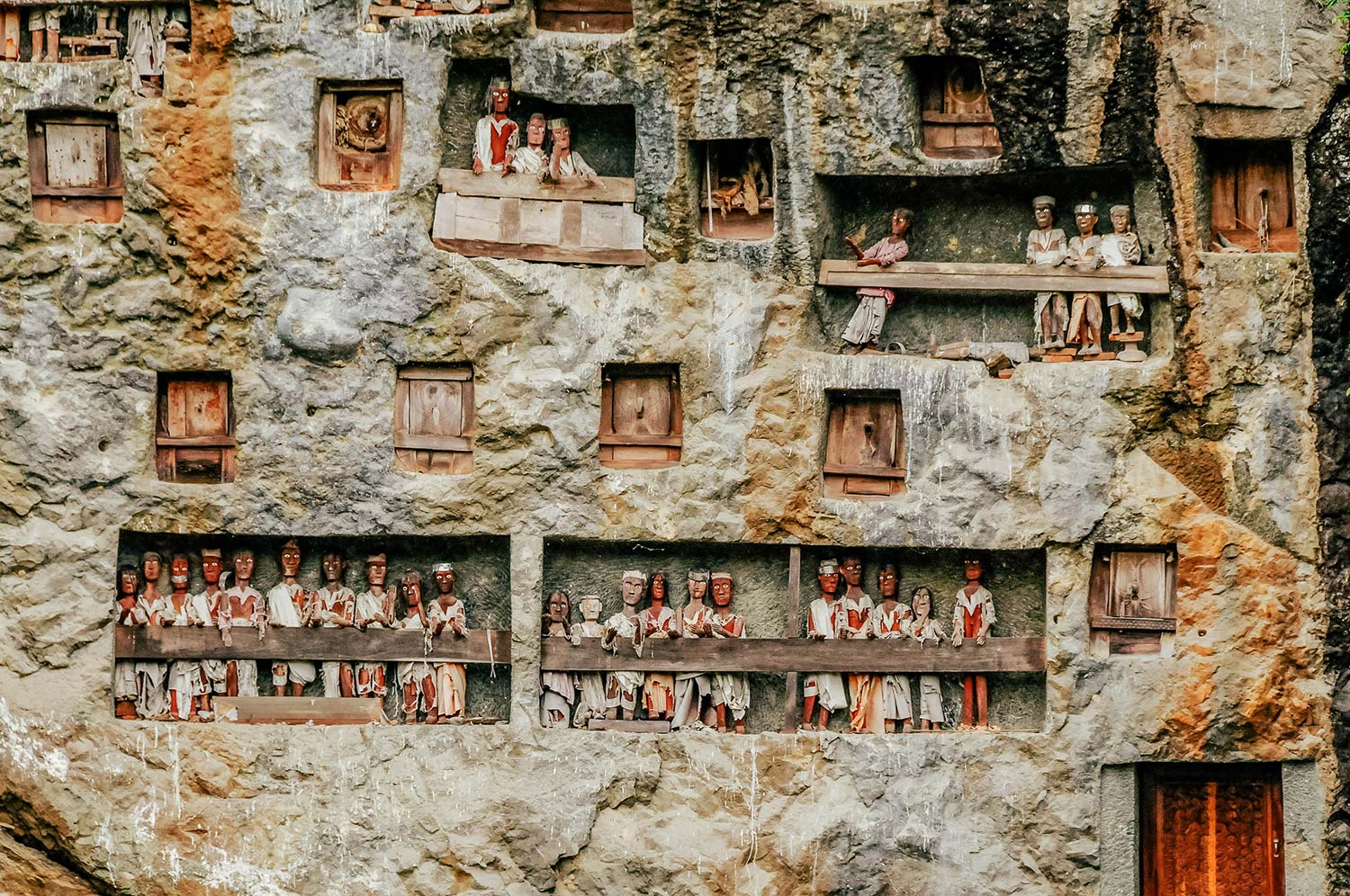
The cliffs of Tana Toraja hold their secrets close. Inside the Londa Burial Caves, wooden coffins rest in carved crevices, watched over by tau-tau effigies. These guardians, carved in the likeness of the dead, embody the Torajan belief in life’s cyclical nature.
Step into the dimly lit caves, where shadows play against ancient wood, and you’ll sense the quiet reverence that shapes this culture’s approach to life—and death. Outside, buffalo effigies and carvings of roosters serve as symbols of status and spiritual strength, adding to the site’s layered symbolism.
The nearby Toraja Heritage Hotel complements this journey with architecture that reflects the iconic boat-shaped roofs of Tongkonan houses.
Kelimutu Crater Lakes, Flores (Nusa Tenggara)
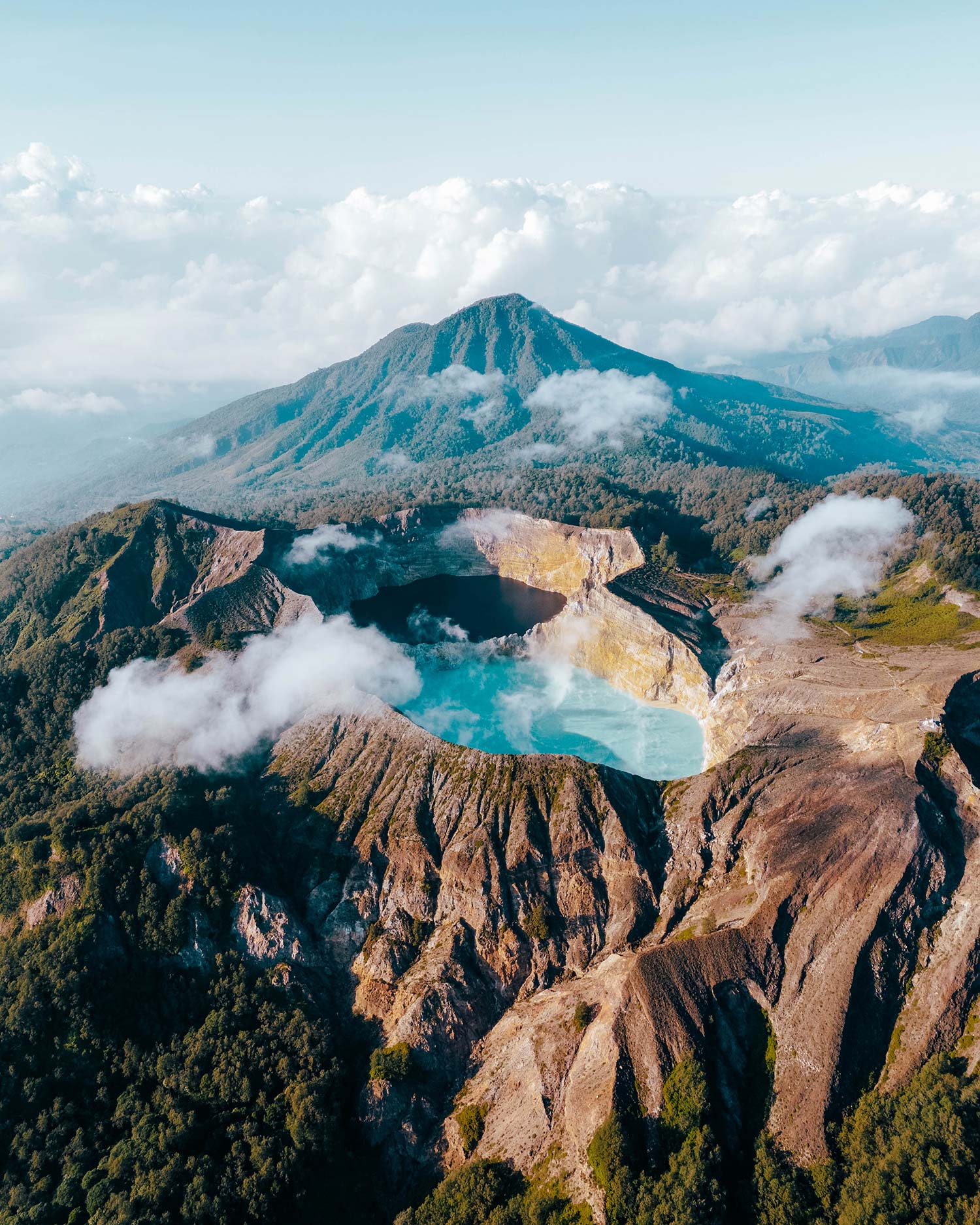
At sunrise, Kelimutu’s crater lakes seem alive. Their vibrant colours shift with the light—one moment turquoise, the next a deep green—while volcanic vapours rise gently from their surfaces. For the Lio people, these lakes are not merely a geological marvel but sacred resting places for the souls of the departed.
Many visitors bring small offerings, emulating local traditions and adding a personal layer of connection to this sacred site. Witnessing this spectacle, bathed in the golden light of dawn, feels like standing on the threshold of the otherworldly.
Tucked into the surrounding forest, Kelimutu Crater Lakes Ecolodge offers an understated retreat where the rhythm of nature sets the tone.
Pura Lempuyang, Bali
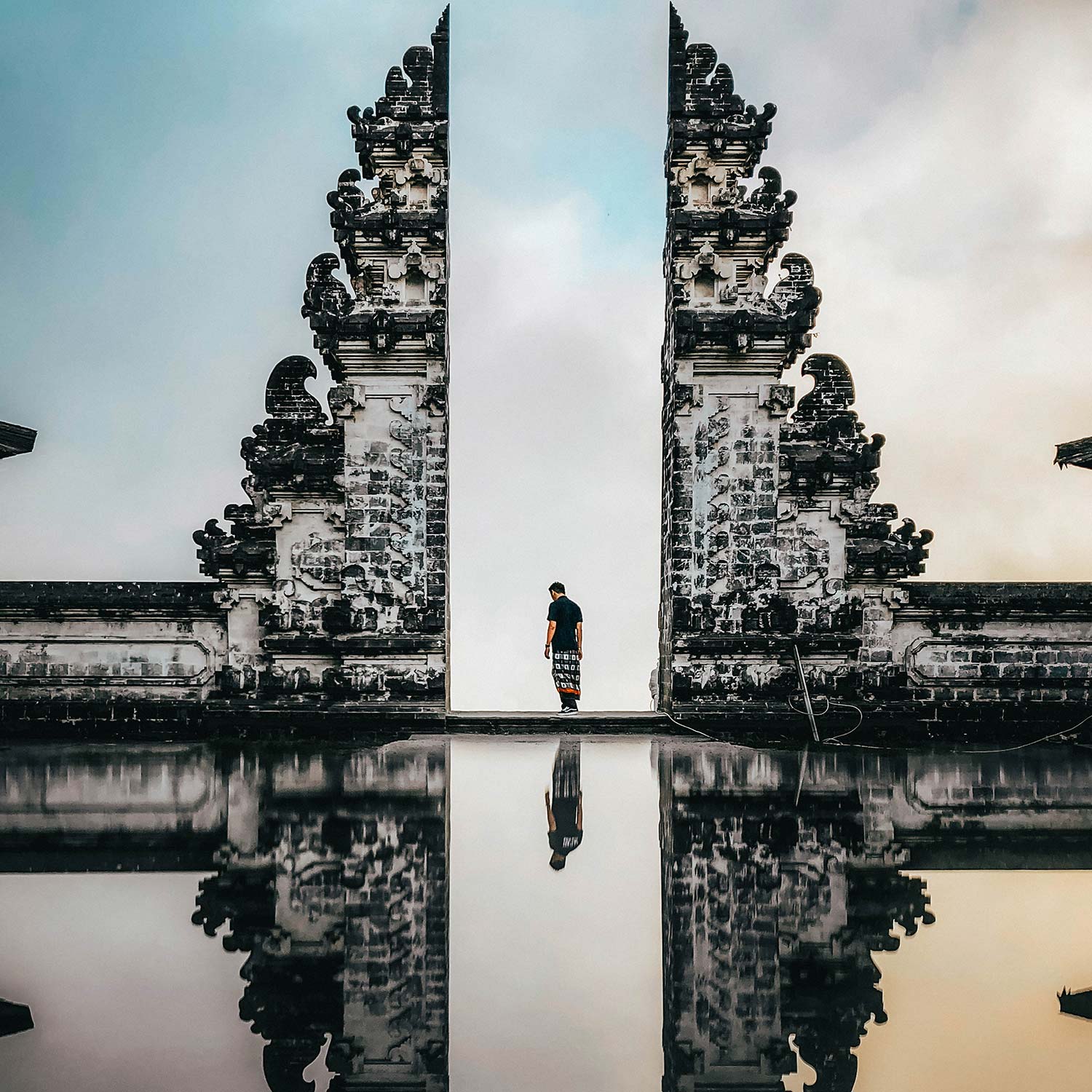
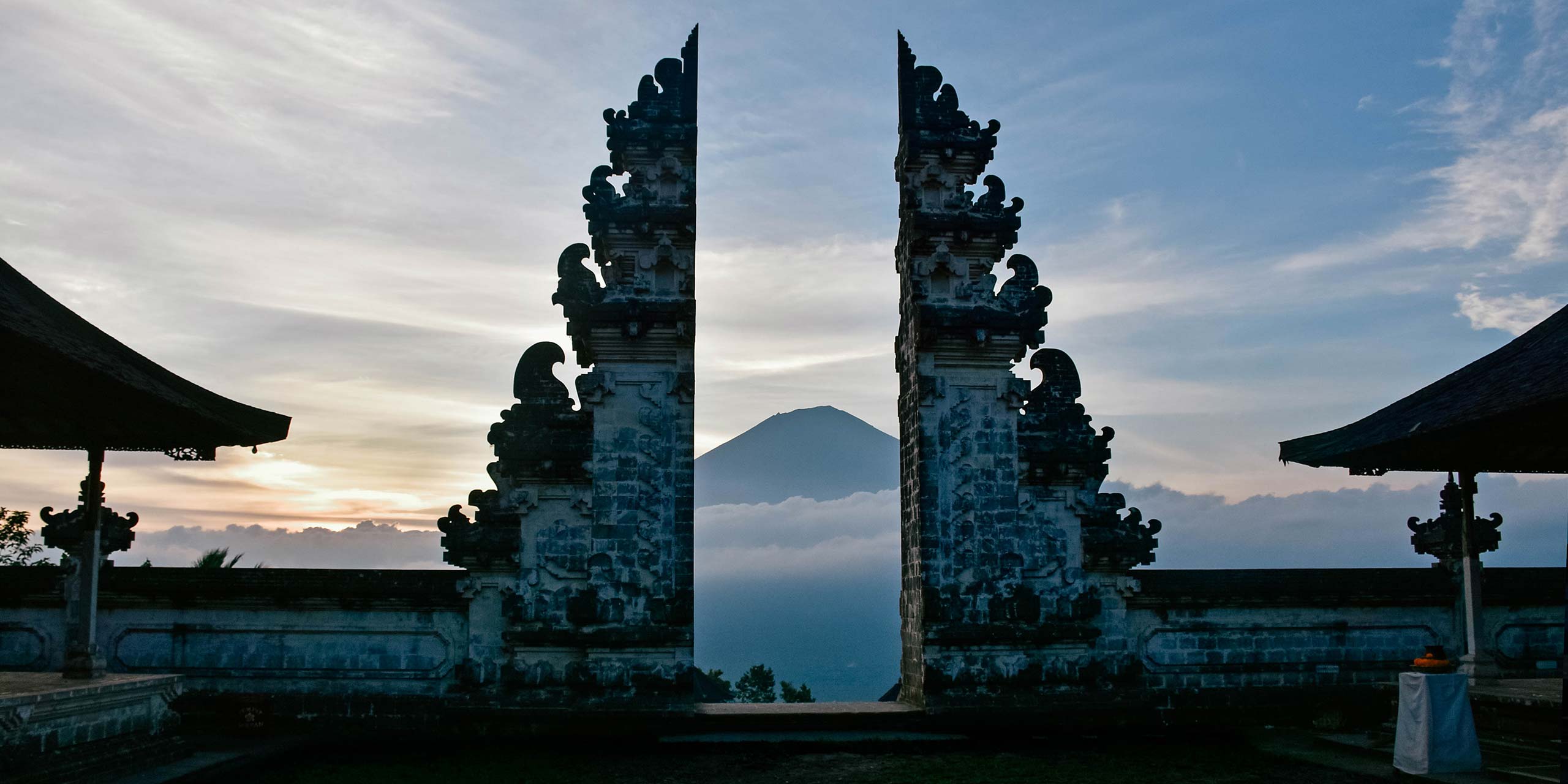
The journey to Pura Lempuyang begins long before the first step. Known as the “Gates of Heaven,” this ancient temple complex unfolds across a series of climbs, each shrine revealing a fresh vista of Mount Agung.
For those who make the ascent, the reward isn’t just the view but the stillness found along the way—a rare moment of reflection amid Bali’s fast-paced tourism. The temple complex is one of the Sad Kahyangan, or six sanctuaries of the world, considered vital to maintaining the island’s spiritual balance.
Amankila’s hillside suites and cascading pools provide the perfect setting to unwind after experiencing the temple’s quiet power.
Muaro Jambi Temple Complex, Sumatra
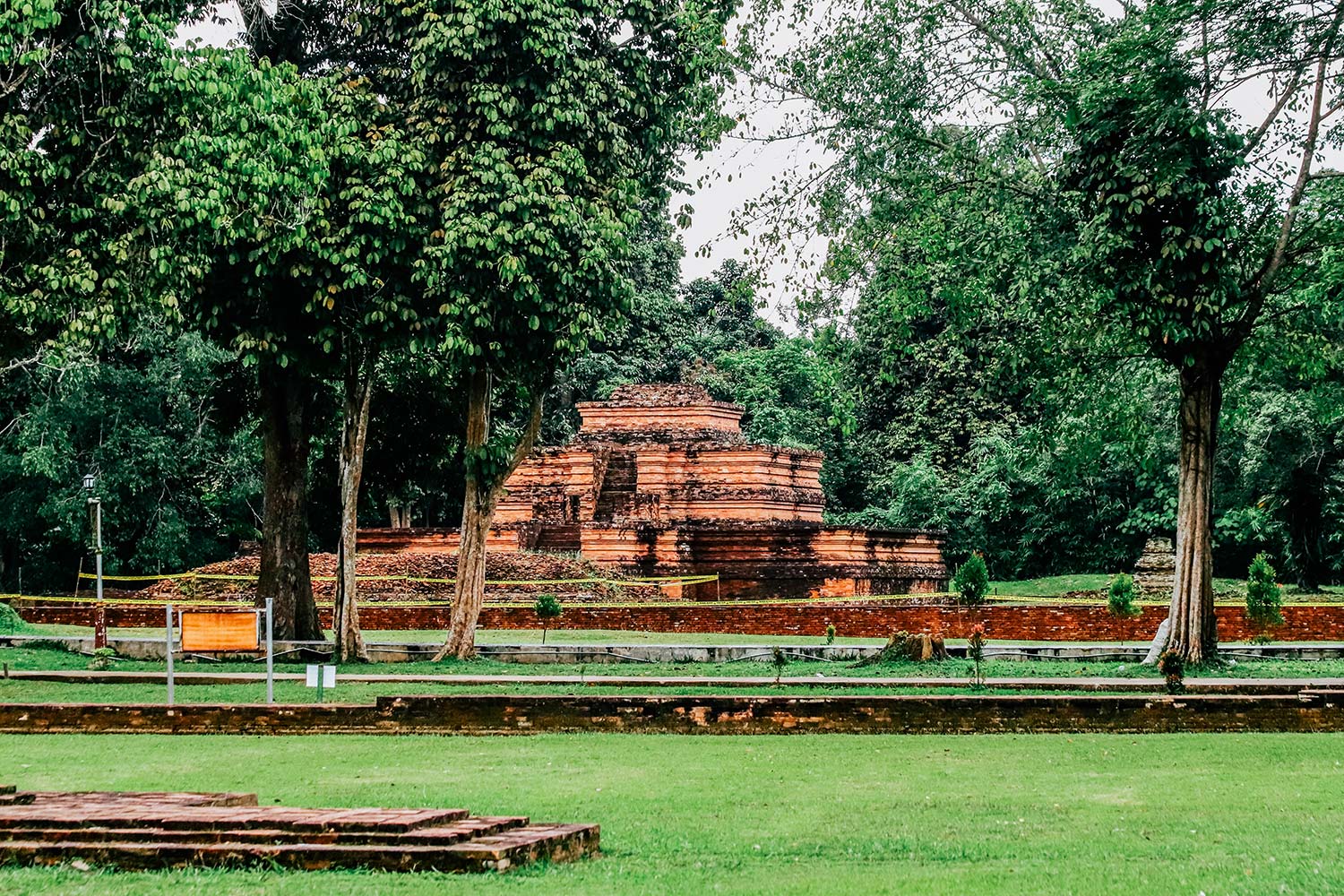
To wander through Muaro Jambi is to walk in the footsteps of scholars and monks from centuries past. This sprawling archaeological site, hidden within Jambi’s dense jungles, was once a hub of Buddhist learning.
Its crumbling stupas and intricate canal systems remain shrouded in mist most mornings, lending the entire complex an air of mystery. The temple’s alignment with the Batanghari River, meanwhile, suggests a deliberate spiritual significance, connecting the physical and metaphysical worlds.
The Sheraton Lampung, set amid lush gardens, offers a serene contrast to the dense jungle of Muaro Jambi.
Candi Kalasan, Central Java
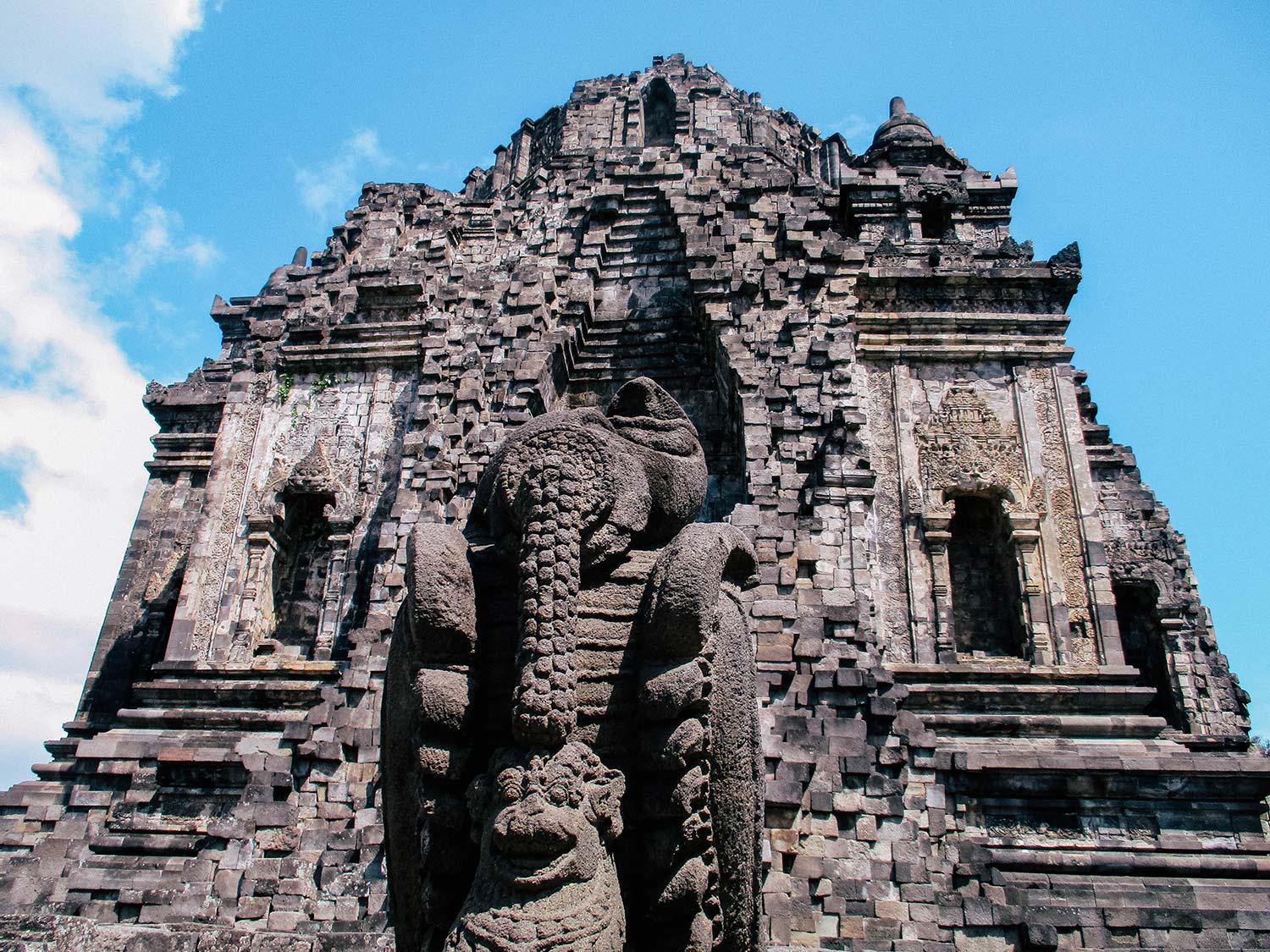
Dedicated to the goddess Tara, Candi Kalasan holds a quiet dignity. Its delicate carvings, dating back to the 8th century, are among the finest examples of Shailendra artistry, while the faint traces of stucco hint at its former brilliance.
This temple–thought to have been a gift of unity between Hindu and Buddhist communities–stands as a reminder of how faith once transcended division. In its intricate carvings, you can still trace celestial dancers and lotus motifs, symbols of divine beauty and enlightenment.
Hotel Tentrem Yogyakarta, inspired by the Javanese concept of tranquillity, offers a peaceful base for visitors exploring the region’s spiritual legacy.
These sanctuaries stir the soul and connect travellers to Indonesia’s spiritual core. Beyond the crowds and postcard moments, they reveal a world where devotion, history, and artistry meet. Whether it’s the quiet of a temple terrace, the golden light on a crater lake, or the resonance of ancient traditions, these experiences linger long after they’ve ended.