

The sun had only been up an hour, and the morning mist hung heavy above the jungle floor. In the thick of Thailand‘s Huai Kha Khaeng wildlife sanctuary, photographer Alexander Coke Smith dozed in the blind.
“Err, Dad,” his nine-year-old son Junior murmured. “Dad? There’s a leopard. Outside.”
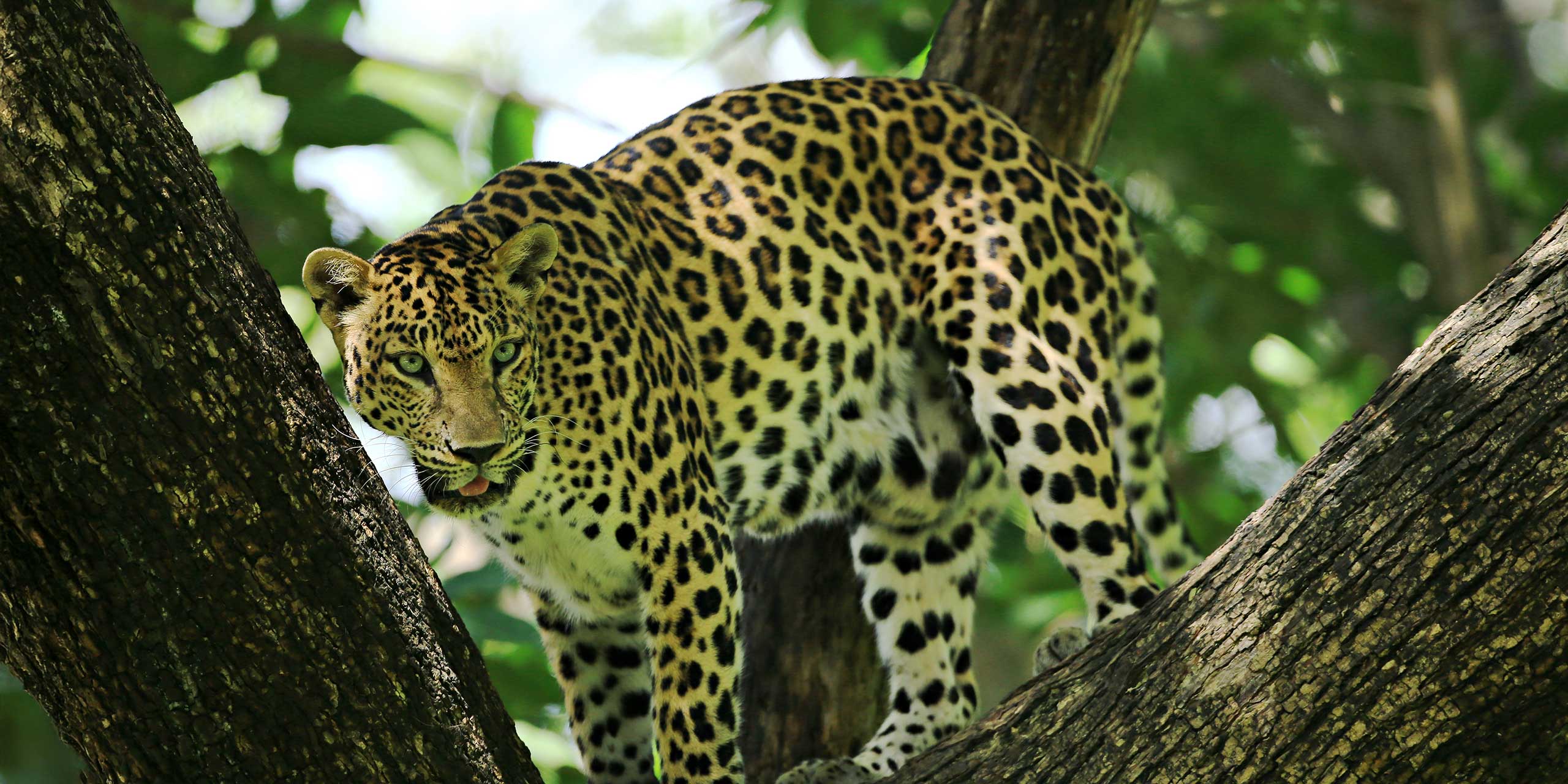
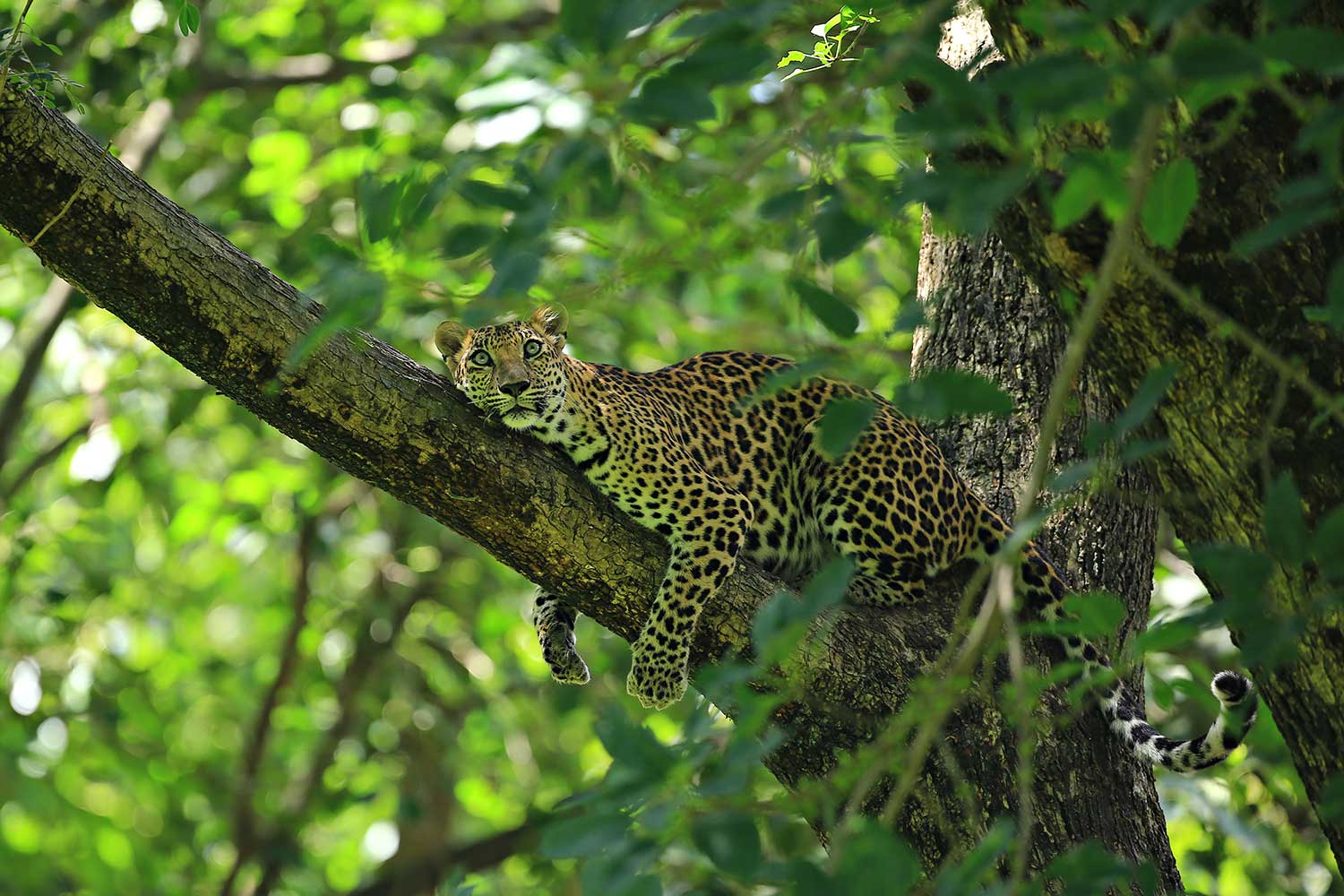
Smith didn’t bother opening his eyes. Junior, a regular companion on these trips, was always fooling about. “Bugger off, kiddo,” Smith responded, turning in his hammock. But the youngster persisted. Eventually, Smith sat up and half-heartedly peered through the flap. Sure enough, a melanistic leopard (black panther) lay sunning itself less than 50 meters away.
For the next 90 minutes, father and son clicked relentlessly, snapping about 5,000 images. Smith remembers a distant muntjac (barking deer) calling throughout the shoot but assumed it was warning of the panther’s presence. It was only when the pair trekked back to the trail that they discovered the real reason for the deer’s distress.
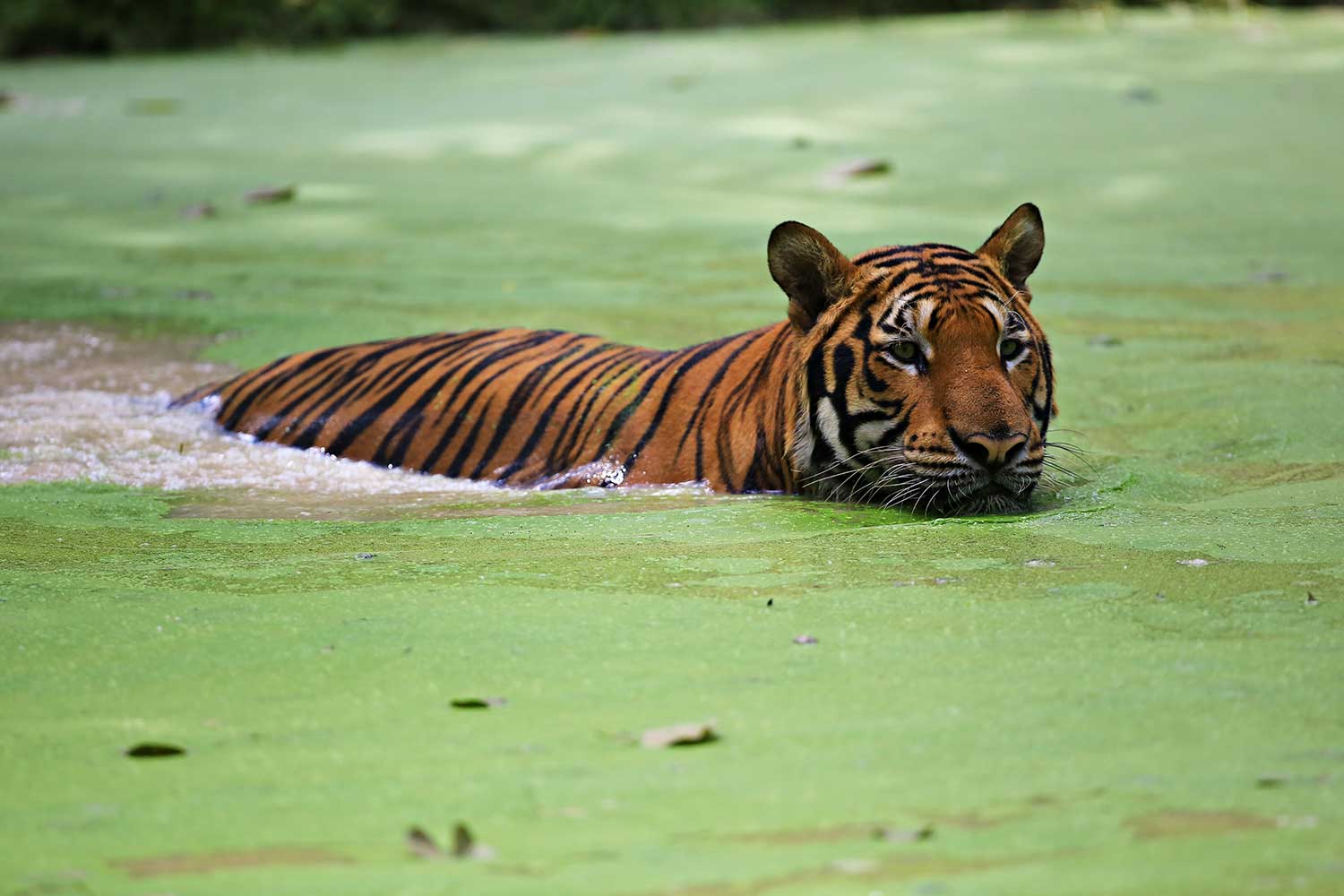
“About 20 meters behind the blind, we spotted fresh tiger scat and three sets of paw prints,” Smith says. “A mother and her two cubs must’ve been watching us the whole time. Three tigers, just meters away.
“It was one of those moments that happen maybe once in a lifetime. And that’s if you’re lucky.”
It is these extraordinary occasions that make the long, idle hours wildlife photographers spend worthwhile. And few destinations offer such opportunities as Thailand. Recent global biodiversity rankings continue to place the country among the most species-rich in Asia—home to more than 10% of the world’s animal species, according to the National Research Council of Thailand.
Access to such vast and diverse wildlife hotspots has inevitably fueled the rise of a passionate and increasingly professional wildlife photography community. The expansion of national parks and the success of long-term conservation efforts have coincided with the emergence of an upwardly mobile middle class. This new generation has greater access to the funds needed to invest in professional camera equipment, with popular 2025 models like the Canon EOS R5 or Sony A1 retailing for well above $3,000 for the body alone.
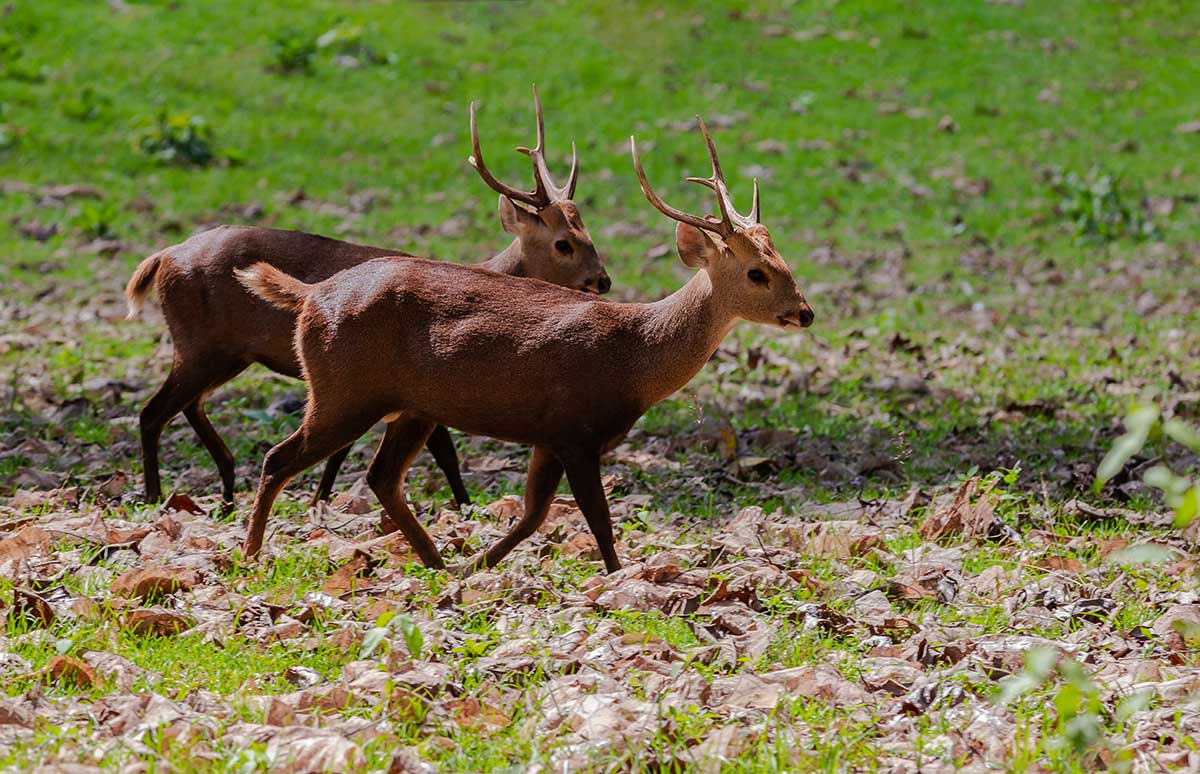
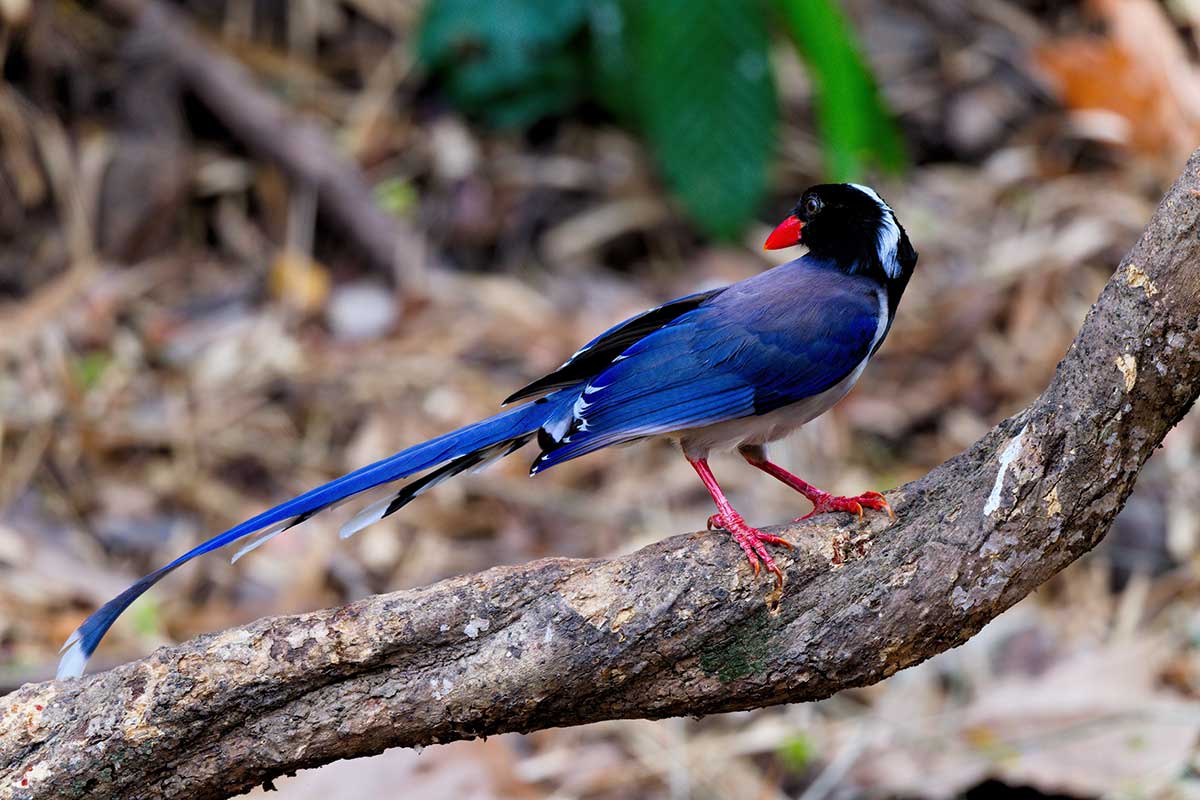
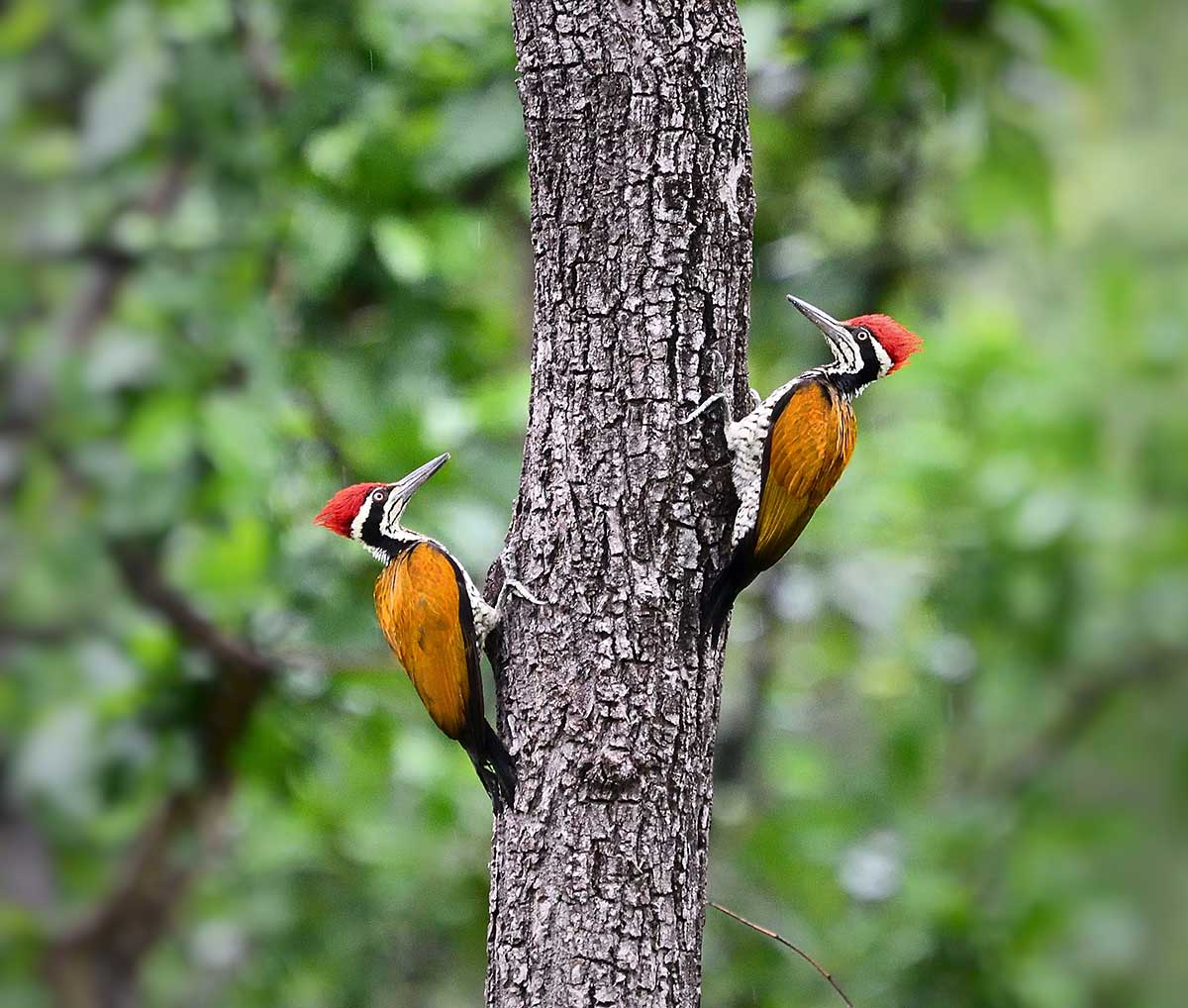
Still, pursuing the perfect shot in Thailand is not without its challenges. Many parts of the country remain off-limits or are difficult to access. There is also a propensity in some cases for the forestry services and Department of National Parks, Wildlife and Plant Conservation (DNP) to act as an anti-wildlife viewing entity due to justified concerns regarding human injury and poaching. However, these limitations contribute to Thailand’s unique appeal among photographers.
“There’s a real mystique around taking wildlife pictures in Thailand,” explains Baramee ‘Kong’ Temboonkiat, one of Thailand’s leading wildlife photographers. “Unlike other countries, we don’t have organized safaris where the animals are essentially lined up for you. It therefore requires a deep understanding of animal behavior and a lot of patience. The upshot is the rewards are much greater.”
Kong hails from the first wave of contemporary Thai wildlife photographers. Raised on a diet of nature documentaries during a period of heightened conservation awareness, he joined a photography club at college in the mid-90s. After graduating, Kong joined the Advanced Thailand Geographic magazine. He initially focused on capturing birds and wild plants, but soon grew disillusioned with what he perceived as photographers’ disrespect for their subjects.
“Bird photography was big back then, but people didn’t have much consideration for the birds,” Kong says. “They would behave in ways that disrupted the birds’ lives and potentially endanger them, such as cutting down branches and leaves to get closer or taking photos without hiding themselves.
“I hated being in that environment. I soon switched to focus on large fauna instead.”
The decision proved to be a game-changer. Kong went on to win an array of prestigious awards, including the Annual Nature & Wildlife Photography Contest (ANWPC) — one of the longest-running wildlife photo competitions in Thailand — on three separate occasions. His work has appeared in leading nature publications around the world over the last 20 years. He now also mentors younger photographers and has partnered with conservation NGOs on education initiatives aimed at discouraging unethical shooting practices.
Today, he is best known for his shots of the Chinese goral, a small goat-like ungulate native to the mountainous regions of Myanmar, China, India and Thailand. For almost two decades, Kong has furthered local knowledge of the animal, which the International Union for Conservation of Nature lists as a vulnerable species. In doing so, he has also supported the discovery of two additional goral habitats in Thailand. Arguably his most iconic snap to date, for which he won his second ANWPC, captures a lone goral on a cliff edge in Khao Soi Dao wildlife sanctuary, staring from afar towards the lens.
“Unlike typical wildlife photos that tend to be close up, I wanted to frame the goral in its natural habitat,” Kong explains. “I’d sit on a jagged cliff for hours on end, taking photos of the landscape where I wanted it to be. It was almost like I was wishing it into existence.”
Each weekend, he returned to the same cliff, sitting for hours in near silence. With the contest deadline just hours away, Kong was ready to call it a day when his wish finally came true.
“In hindsight, there was no reason whatsoever for the goral to be there. It was a sheer cliff face going nowhere without a food source,” he says. “When, from nowhere, this spindly outline leapt from one cliff to another. I grabbed my camera, pointed the lens, and, for a split second, the goral turned towards me. Click. That was it!”
Throughout his career, about 130 national parks, Khao Soi Dao included, have opened in Thailand. From Kaeng Krachan’s almost 3,000-square kilometer area to the peak of Doi Inthanon, the country, with at least 156 protected areas as of 2025, ranks among the highest in Asia. And the total has soared since the early 1990s, in part thanks to the 1989 Logging Ban.
The ban was a landmark for conservation in Thailand. Huge production forest estates were suspended almost overnight, with about half converted into protected areas. The rest remained as reserved forests. But many of these are now also receiving protected status, according to Tim Redford, director of the Surviving Together program at international NGO Freeland Foundation, which focuses on the protection of vulnerable people, wildlife and ecosystems. “It’s been a long-term commitment. And it’s one of the best examples of stopping deforestation in the region.”
The DNP’s ranger recruitment drive and training programs, which the Freeland Foundation helped implement, have also contributed towards combating illegal poaching and improving patrols of protected areas. But the most significant success story to date has arguably been the growing awareness amongst the public of the need to protect the country’s wildlife and ecosystems.
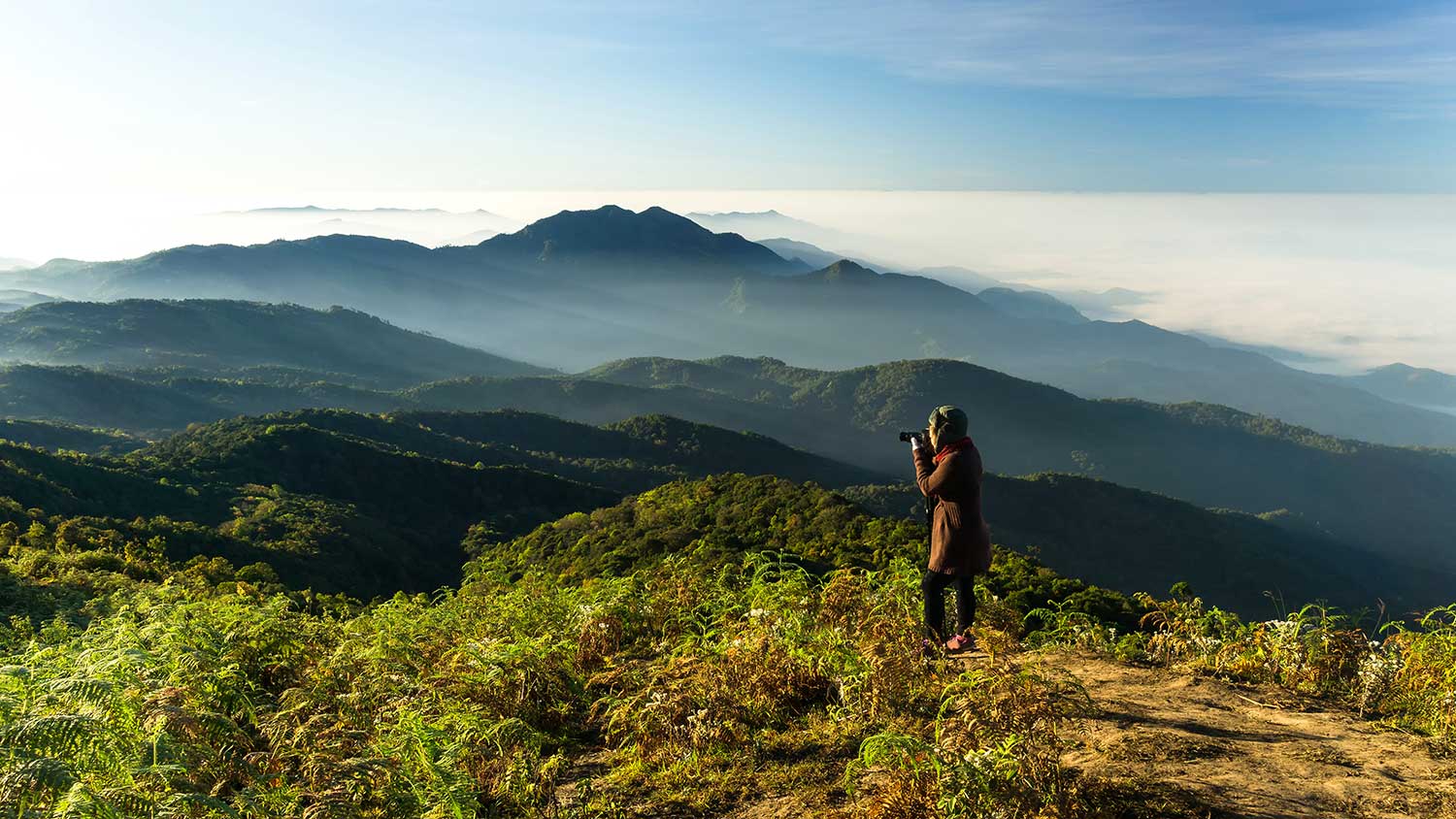
“Conservation is a luxury item. Many neighboring countries, for instance, still don’t have the advantage of enjoying nature for its intrinsic value like they now can in Thailand,” Redford says. “The increased popularity of wildlife photography here is a perfect example of this. People can now go out and tell the story of what they’re seeing. Because of that, the Thai public has a greater awareness of where the country is with conservation.”
Beyond simply being ambassadors for nature, wildlife photographers, in some cases, use their influence to lobby authorities and affect policy. Given the cost associated with serious wildlife photography equipment, many Thai shutterbugs tend to be wealthy. And this affluence often comes with political clout.
“As a result of the growing interest in wildlife photography, you’re getting a whole new class of lobbyists for the environment,” Smith says. “I’ve heard of numerous incidents when infrastructure projects, such as roads, were scrapped after a quiet word in the right ear.”
The North American photographer, whose day job is teaching environmental studies at a Bangkok international school, has lived in Thailand for the best part of a decade. During this time, he has primarily focused on capturing “niche animals”, such as endemic species or those with unique behavioral traits, to document as many species as possible within the Thai borders.
During a 12,000-kilometre journey around Thailand in 2022, Smith recorded 400 bird species and 50 species of mammals just by skirting the perimeters and buffer zones of protected areas. A common account of his travels, meanwhile, was frequent incidents of tiger sightings outside of the reserves, especially within the Western Forest Complex.
“They don’t usually leave their territories unless they have to,” Smith says. “What I think, and others agree, is that this shows the territories are starting to fill up, so some tigers are being forced out to the perimeter. This indirect sign of numbers increasing is encouraging.”
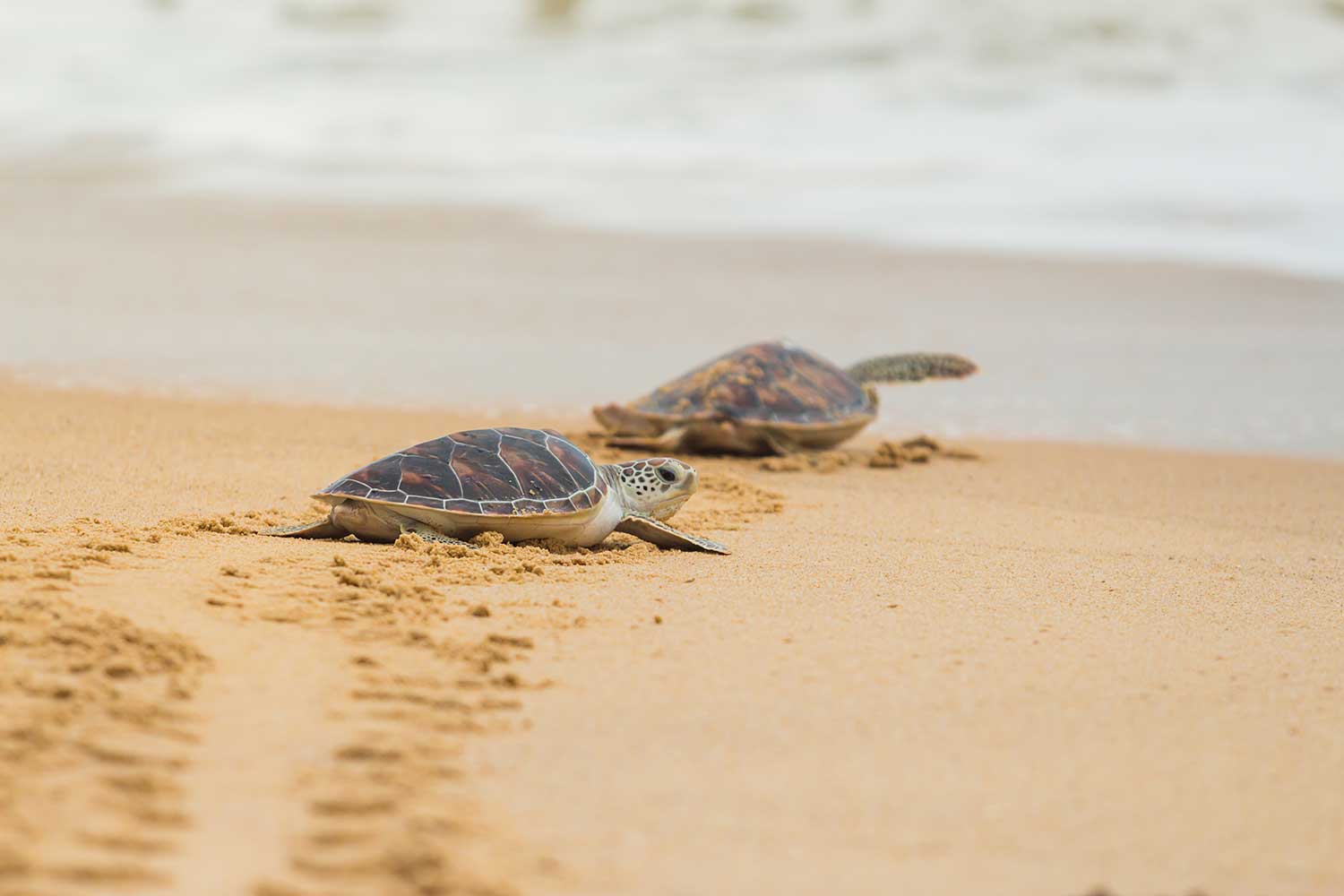
There have been similar stories — albeit anecdotal — of wildlife recovering across Thailand. Park officials have recorded increased sightings of dolphins, dugongs, reef sharks and primates in places they normally avoid. One of the most shared moments came in 2020, when video clips showed a large herd of elephants crossing a road in Chachoengsao, and leatherback sea turtles nesting on beaches in Phang Nga and Phuket.
These sightings were widely linked to the drop in human activity during the pandemic, but experts say the real credit lies elsewhere.
“The media glamourized a recovery of wildlife that doesn’t necessarily exist,” Freeland’s Redford says. “We have already seen considerable increases in recent years, and that’s due to effective protection.
“But to say these increases are because of the pandemic is, in most cases, wrong.”
Today, with wildlife imagery increasingly manipulated through AI and digital tools, Thailand’s field photographers are offering something that can’t be faked: proof. Moments of patience, proximity and presence all captured in real time.
And in a region grappling with biodiversity loss and overdevelopment, Thailand’s conservation efforts — and the photographers chronicling them — are helping shape a different narrative: one where nature’s stories are still told by those willing to wait.