
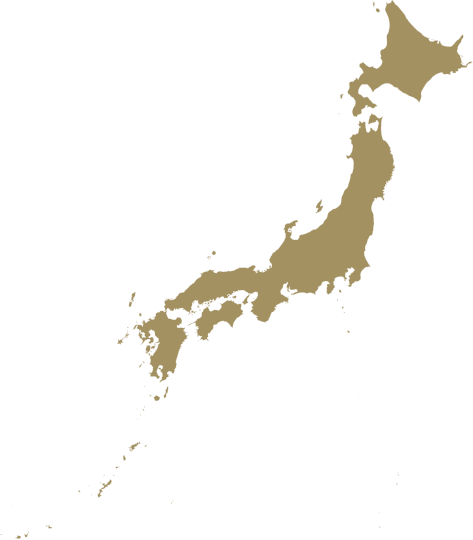

Since the late 1800s, Japan has safeguarded hundreds of its most significant structures, artworks, and relics by placing them on a heritage protection register. It is, inadvertently, a wonderful resource for travelers.
By browsing this list, travelers can pinpoint treasures near them during their journey through Japan. Here are six National Treasures to consider for your itinerary— from sacred complexes to imperial legacies and museum marvels.
Of Deer and Devotion

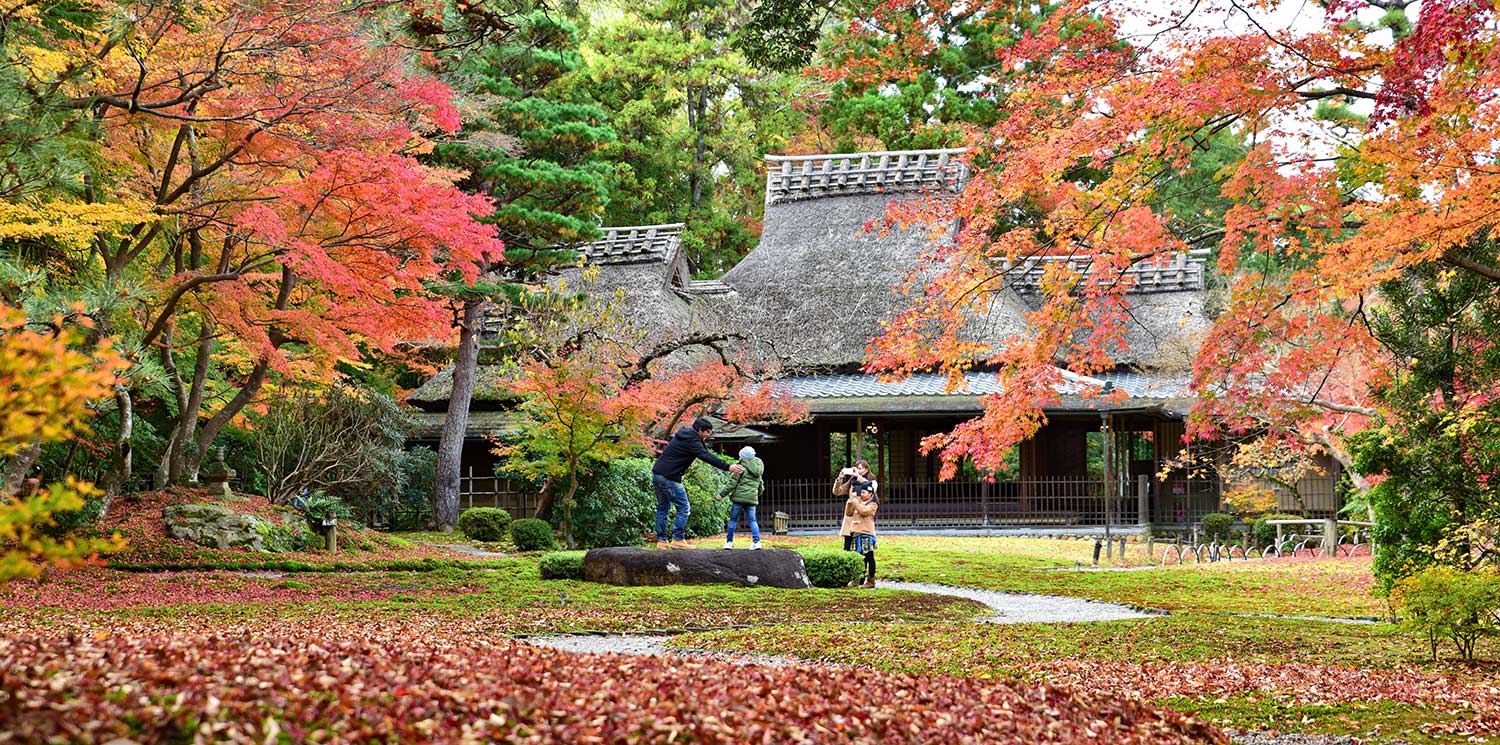
Nara served as the country’s first permanent capital in the 8th century. Today, the grand remnants of its Imperial past are nestled within the scenic 8-square-kilometer Nara Park, a UNESCO World Heritage Site.
This lovely destination is home to meadows roamed by deer, two classical gardens, the Nara National Museum, and an array of ancient religious structures. National Treasures are scattered throughout the museum and neighboring temples and shrines.
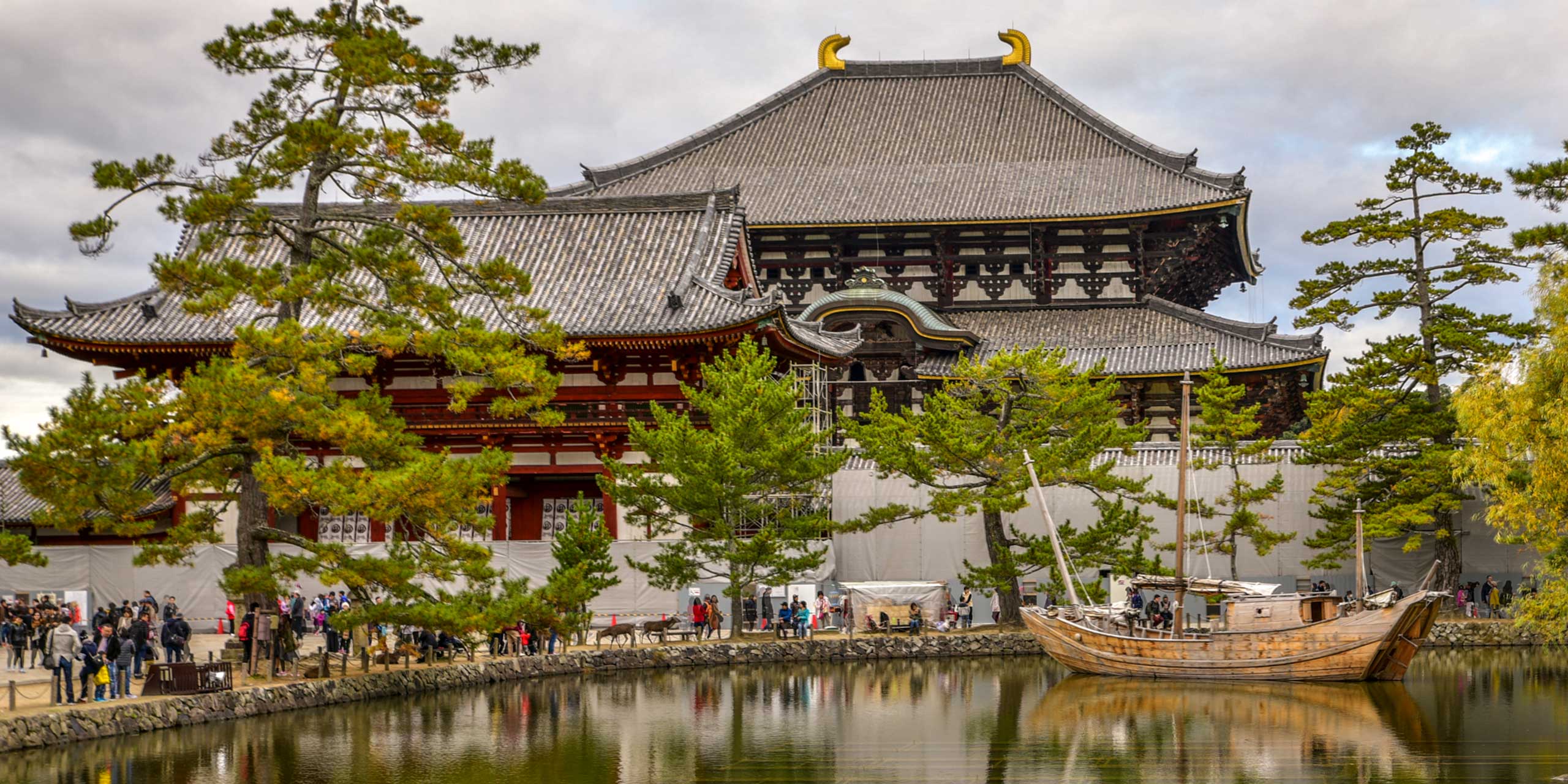
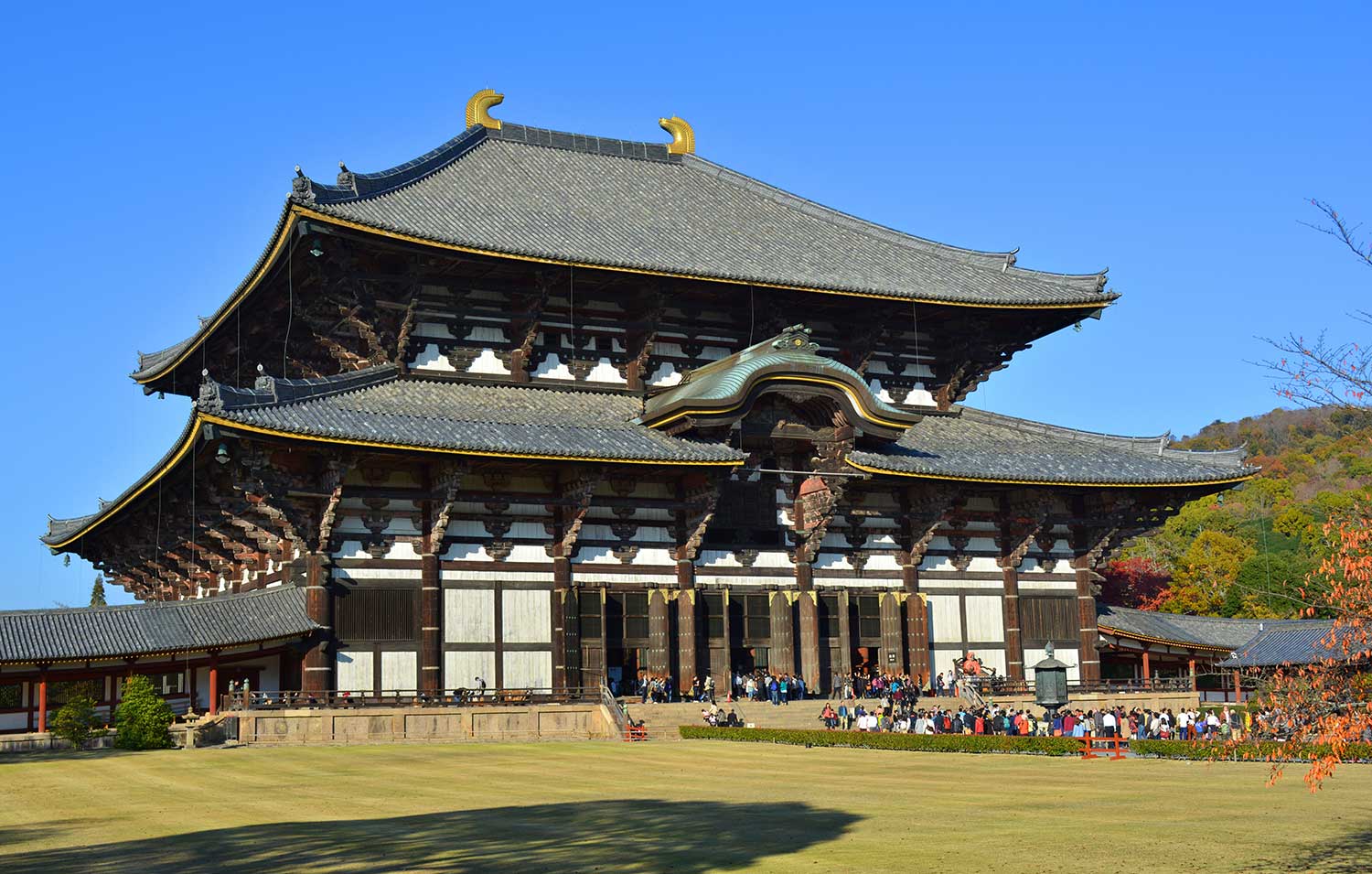
Perhaps the most spectacular is the Great Buddha of Nara. When this capital rose, Buddhism was taking root in Japan. Emperor Shomu commissioned a wealth of Buddhist monuments, including Todaiji Temple, still one of the world’s largest wooden buildings.
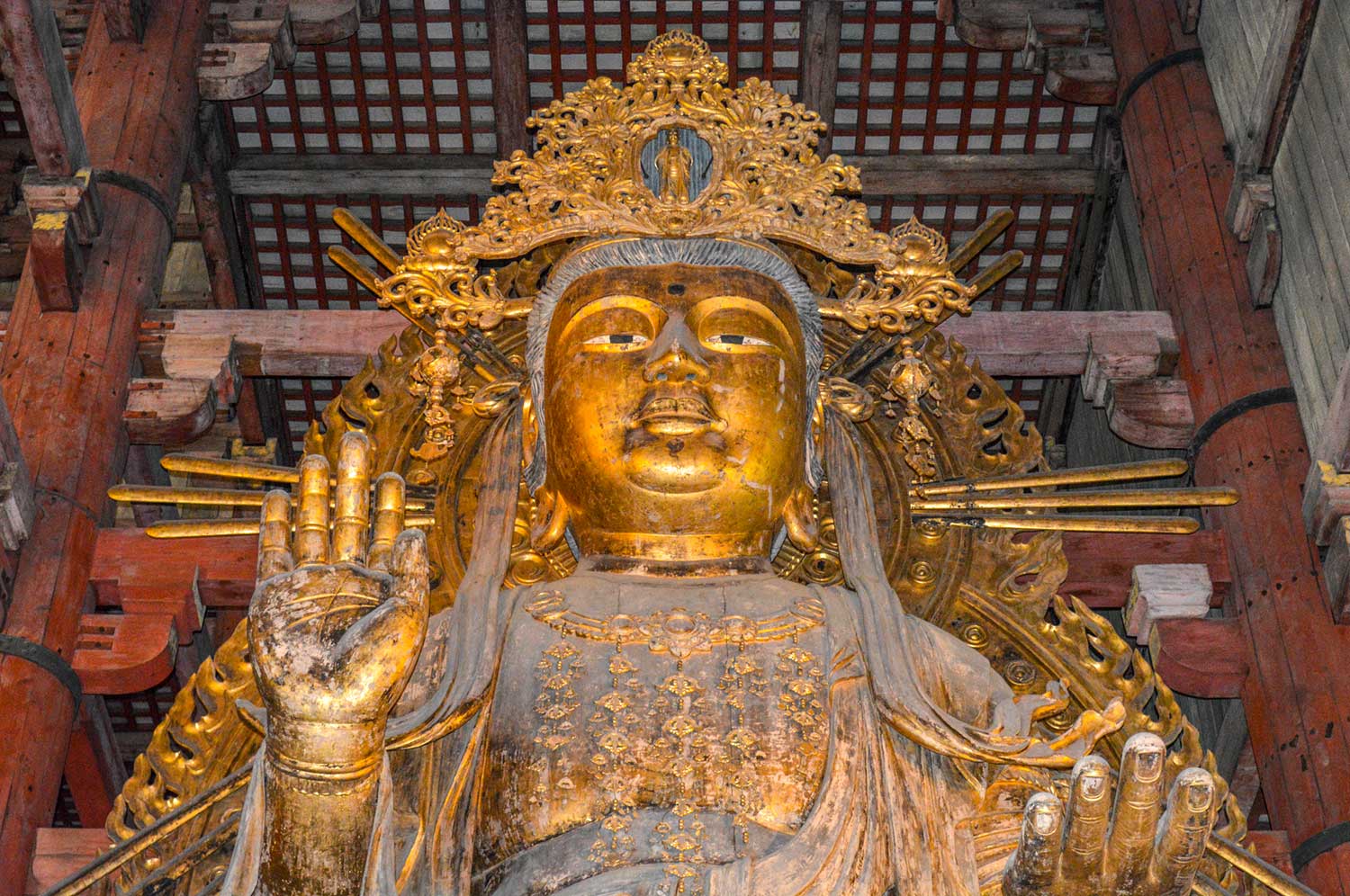
Inside its lofty prayer hall sits a towering, gleaming National Treasure: the 16-meter-tall bronze Great Buddha. So massive and intricate is this statue of Vairocana (the Great Sun Buddha) that thousands of artisans are said to have collaborated on its creation. It remains one of Nara’s most photographed icons.
Towering Over Time
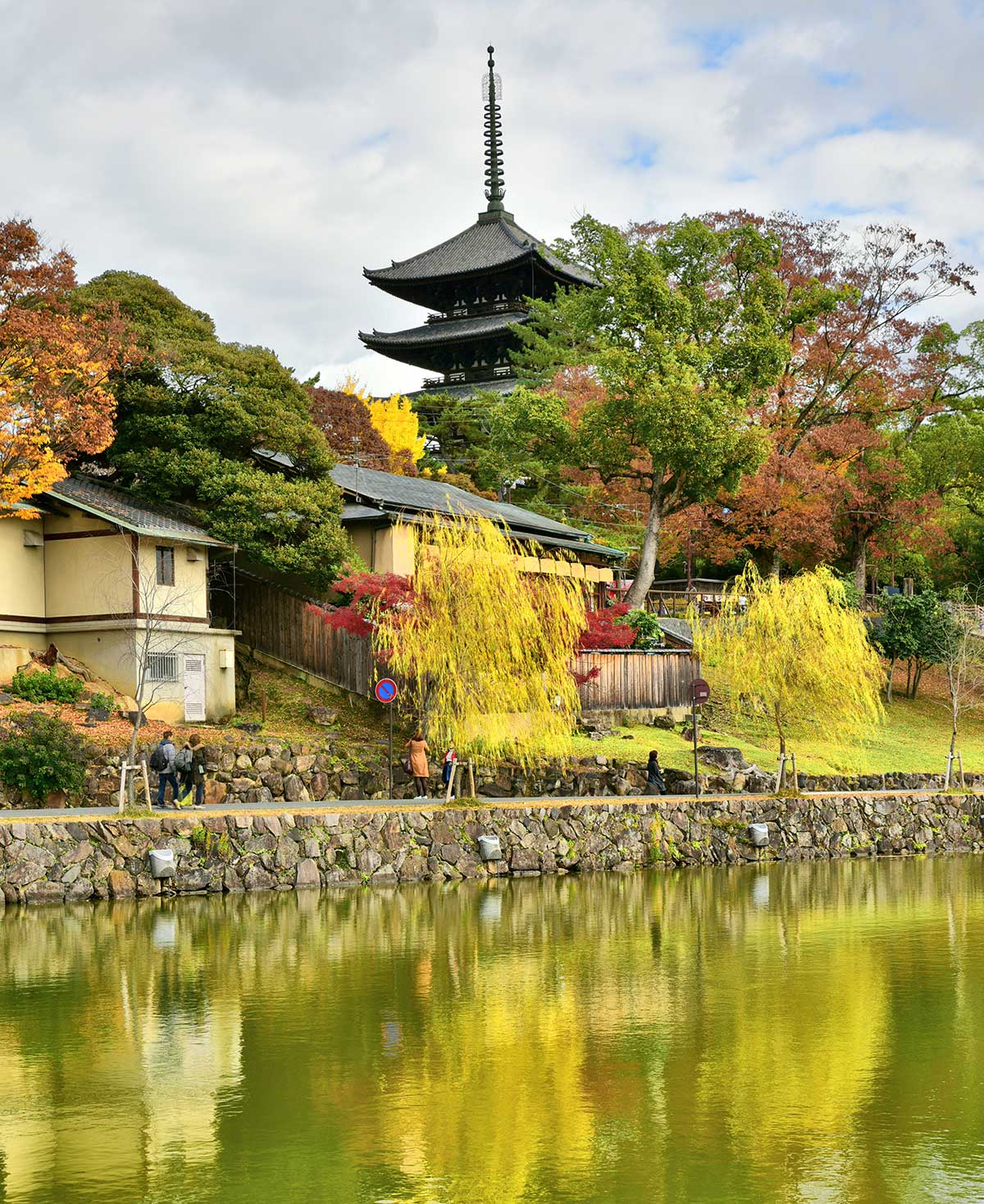
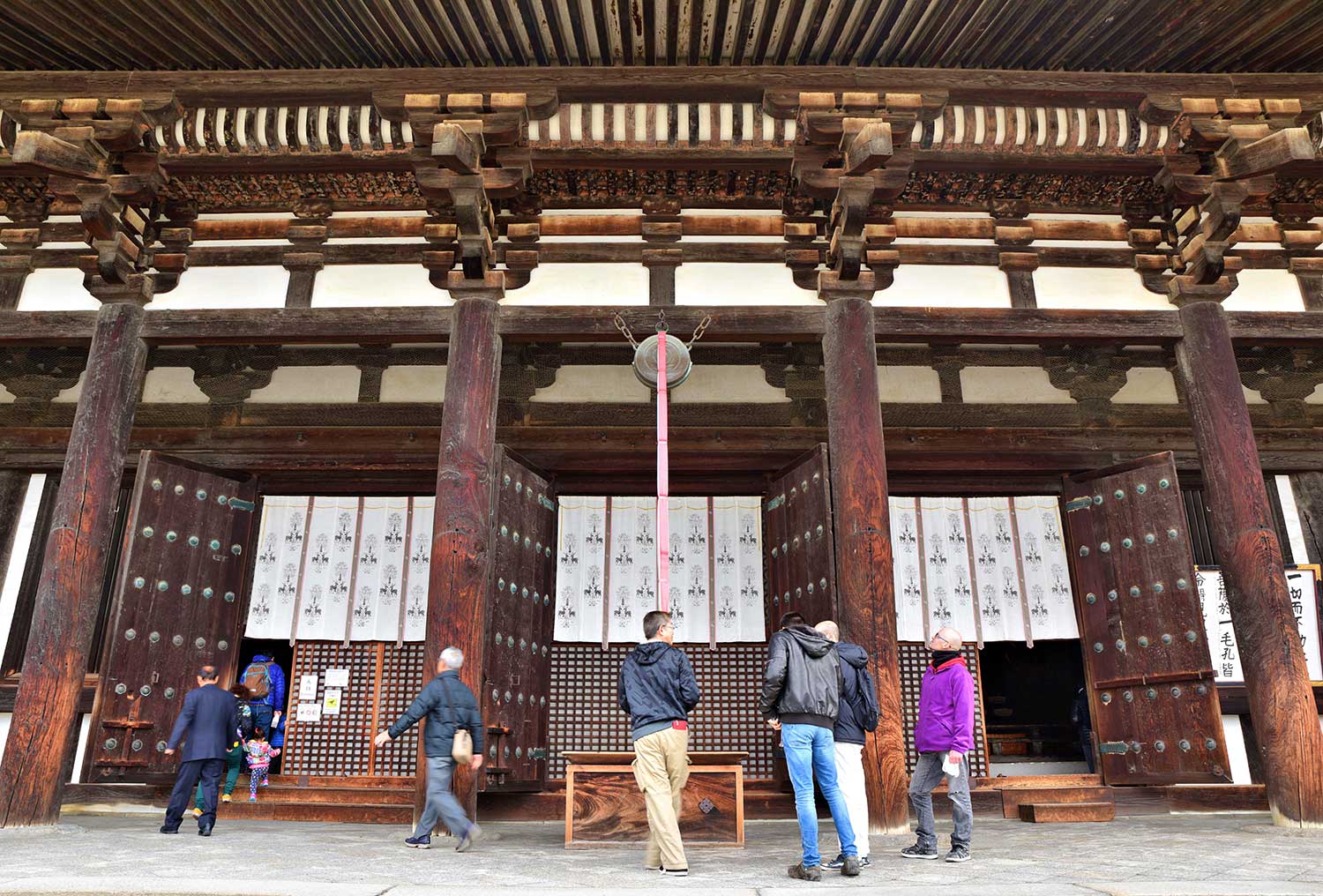
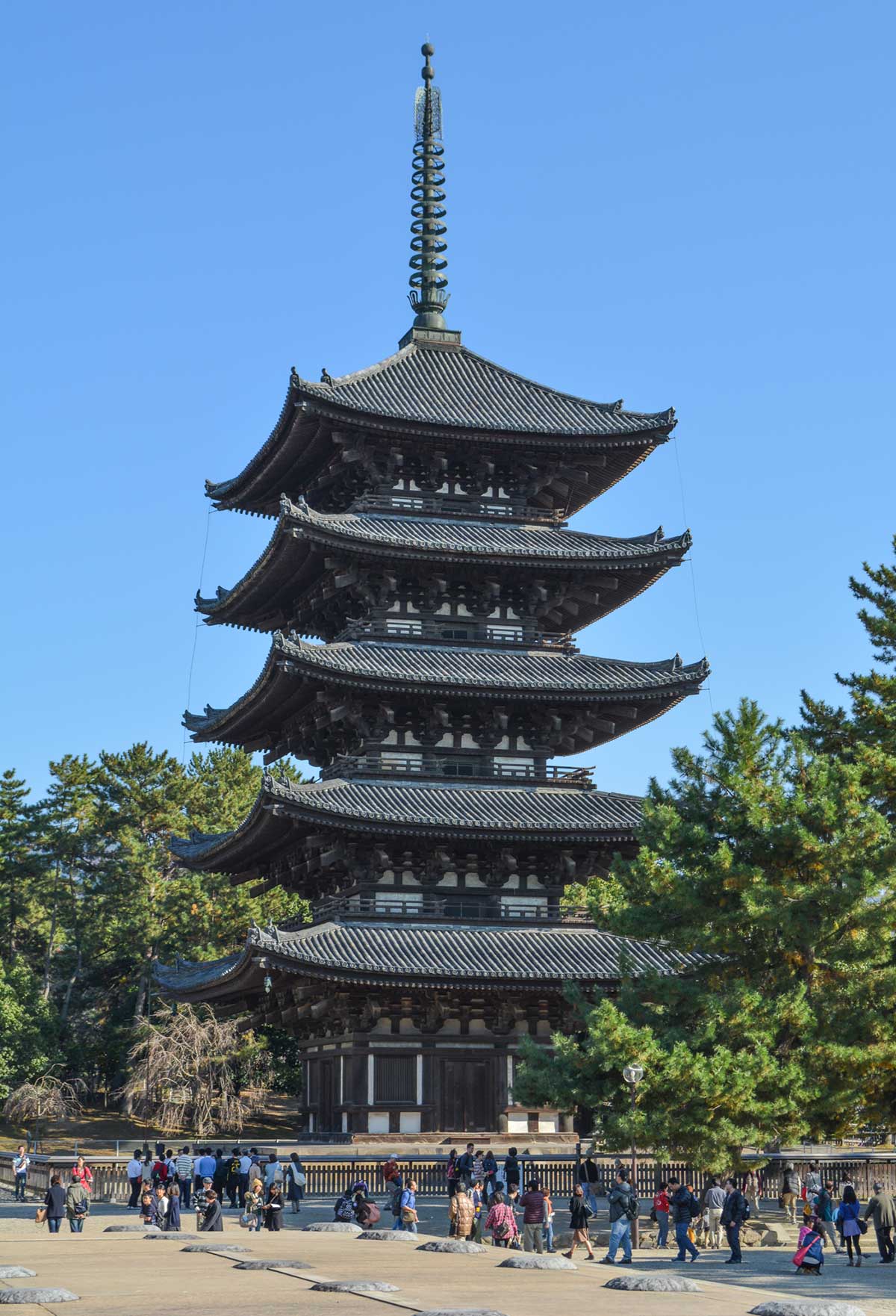
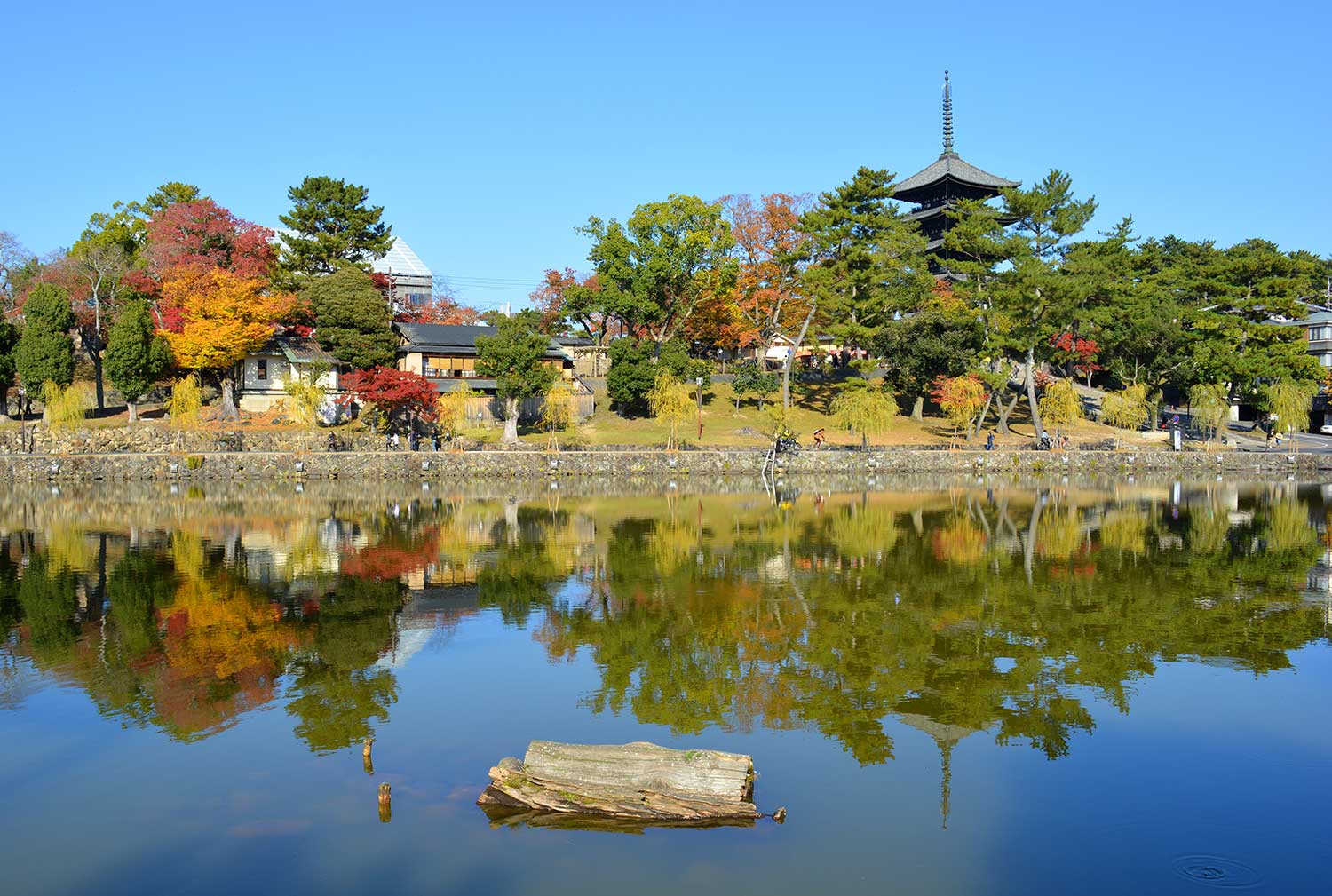
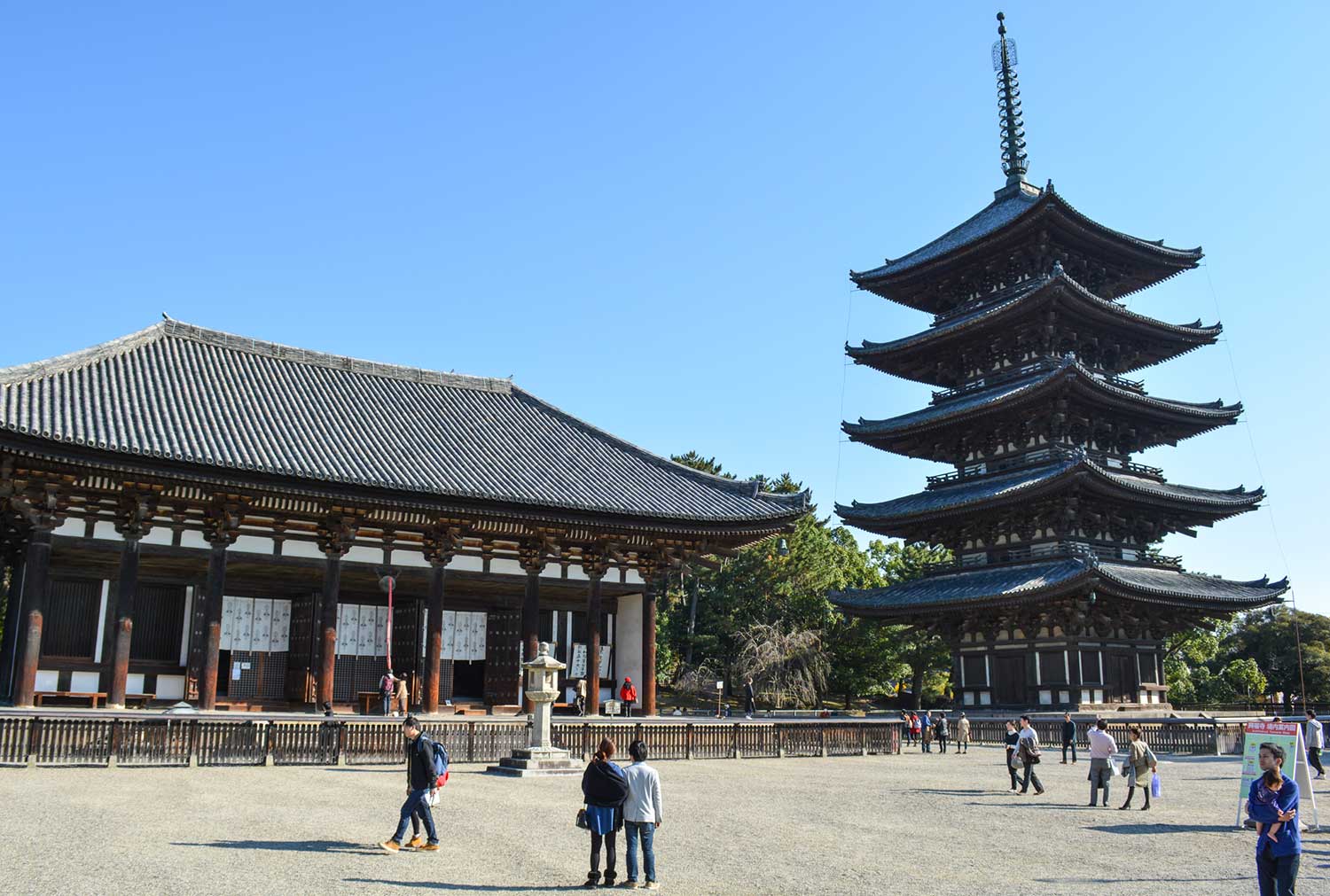
Dominating the skyline of Nara’s historic temple district is the Kofukuji Five-Story Pagoda, a graceful structure dating back almost 1,300 years. At 50 meters tall, it ranks among the world’s tallest pagodas—a commanding sight when it was first constructed to house relics of the Buddha.
While today’s skyscrapers might dwarf it in height, this elegant wooden structure remains majestic, its layered roof and timeworn woodwork capturing the spiritual and architectural richness of early Japan.
The Soul of a Nation
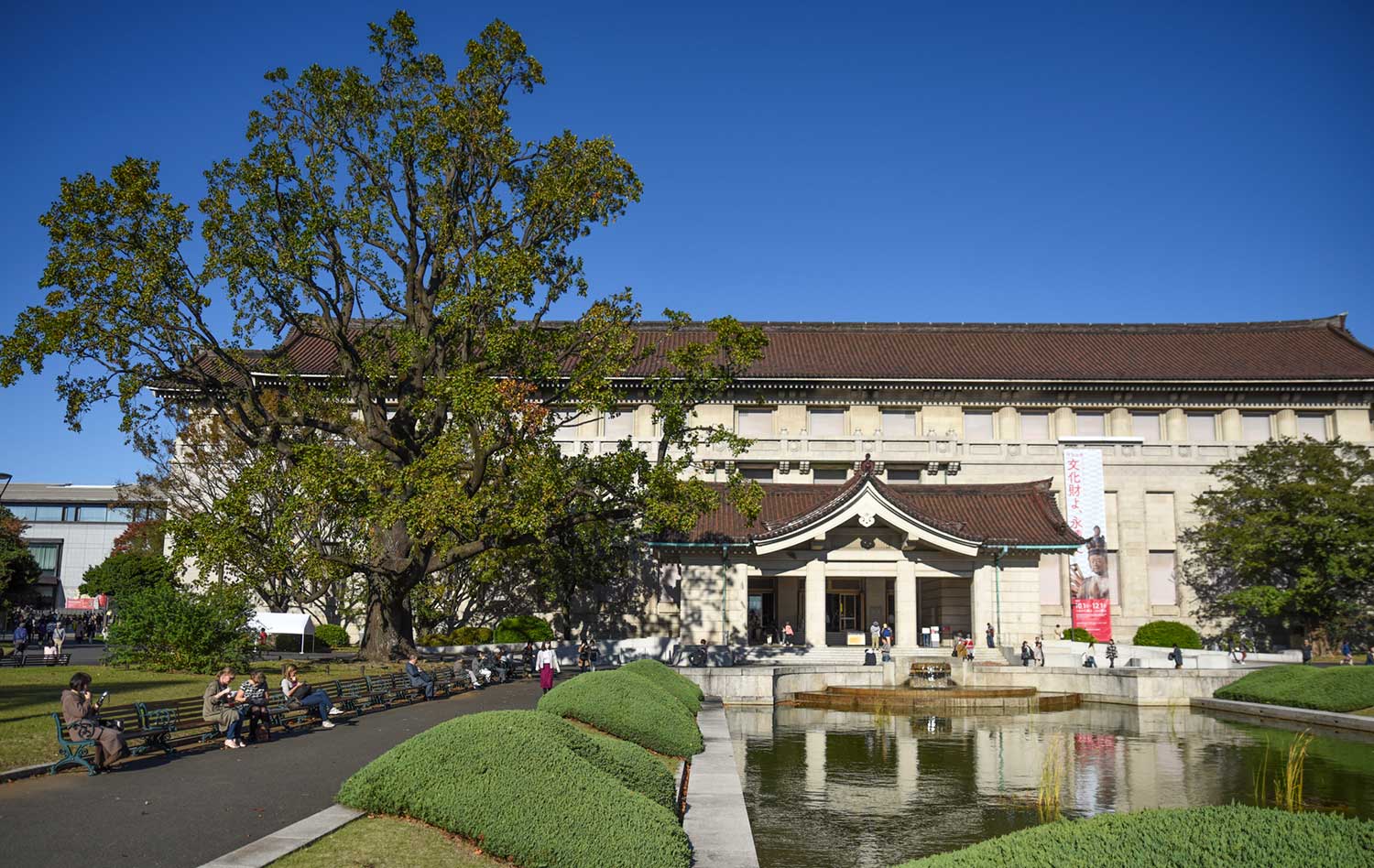
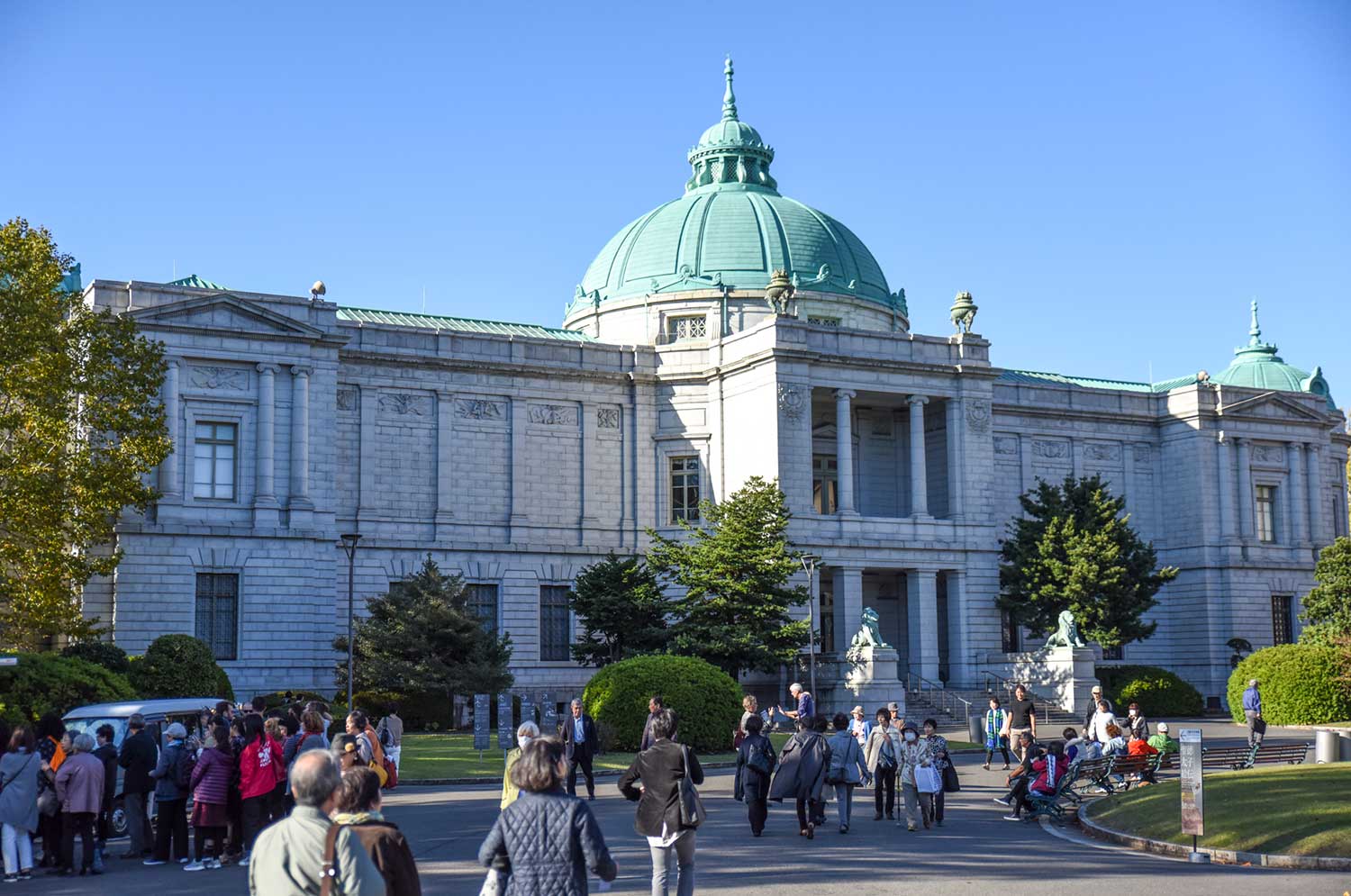
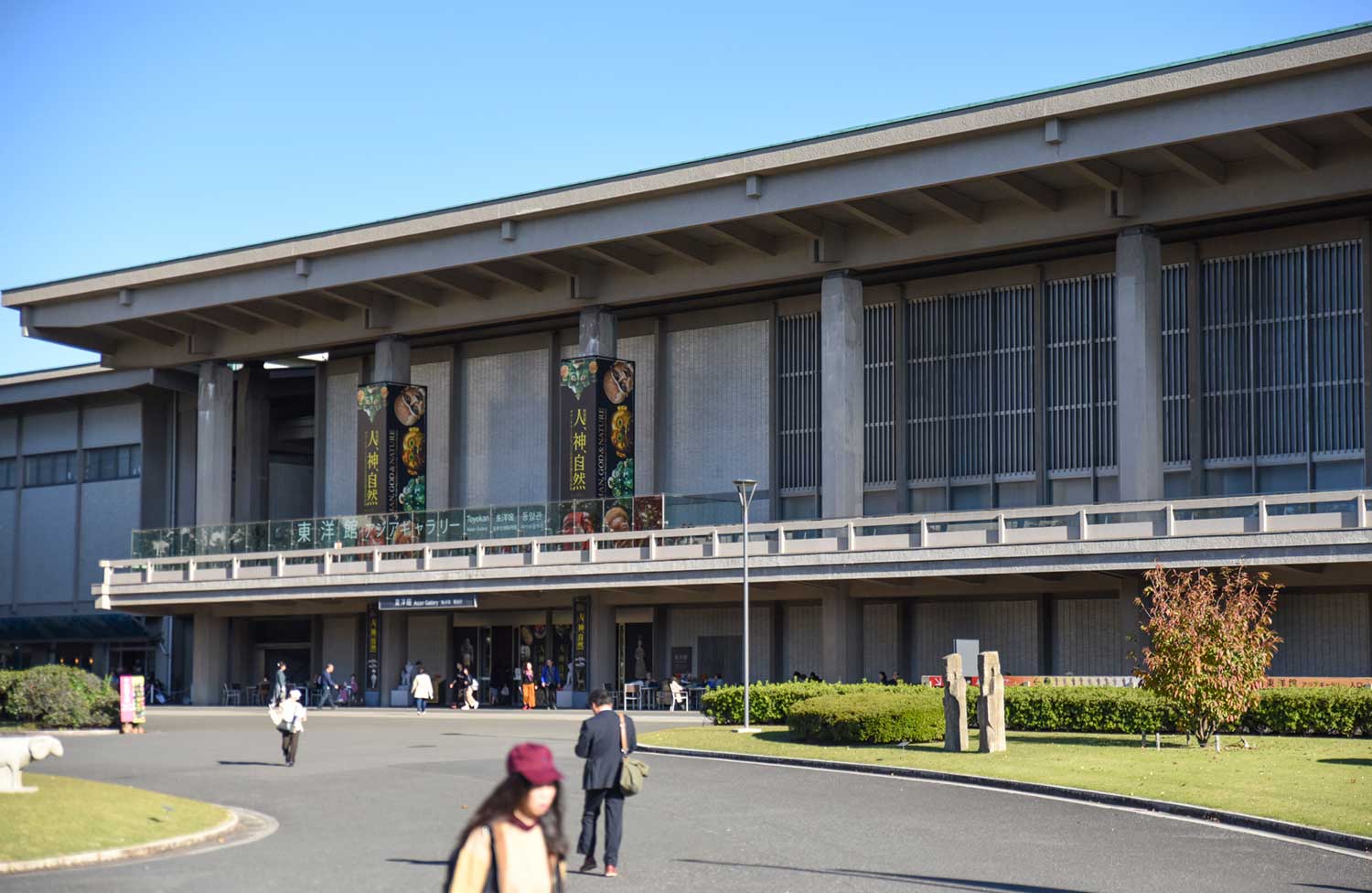
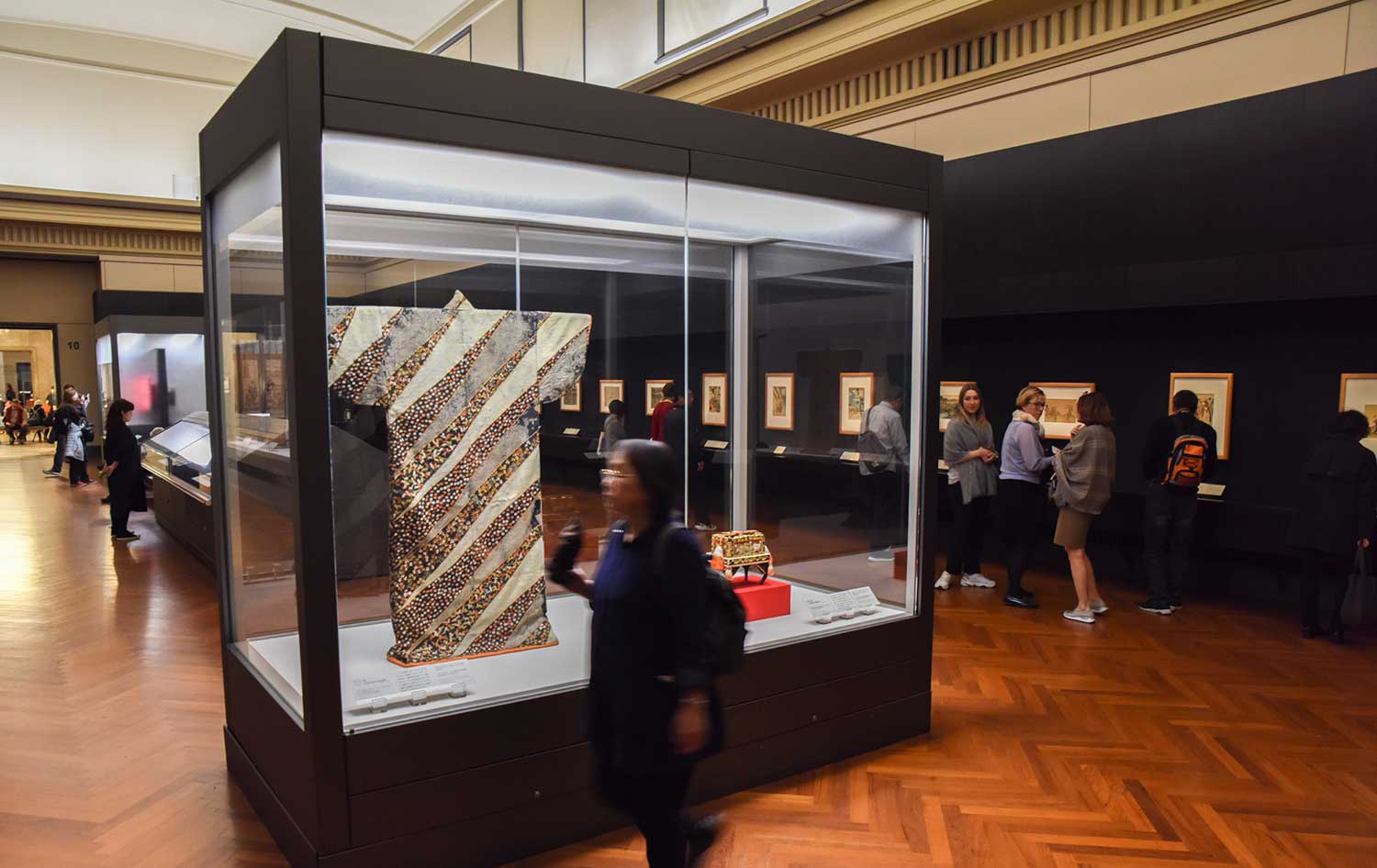
Flanking Ueno Park in the capital, the Tokyo National Museum is one of Asia’s most impressive cultural institutions. Home to around 100,000 items, including more than 100 designated National Treasures, its galleries span centuries of Japanese artistry and history.
Among the most prized pieces are 12th-century religious paintings depicting Shinto and Buddhist deities, refined 13th-century calligraphy, such as the Illustrations and Explanations of the Three Jewels, and musical instruments dating back 800 years, from Suzumushi mouth organs to Kamakura-era Hichiriki flutes.
Samurai enthusiasts flock to the museum’s vast collection of antique swords, which includes around 20 National Treasures, some of which are more than 1,000 years old. The treasures also include rare lacquerware, historic documents, imperial robes, tomb sculptures, ceramics, and other artifacts that tell the story of Japan’s cultural evolution.
Through the Sacred Forest
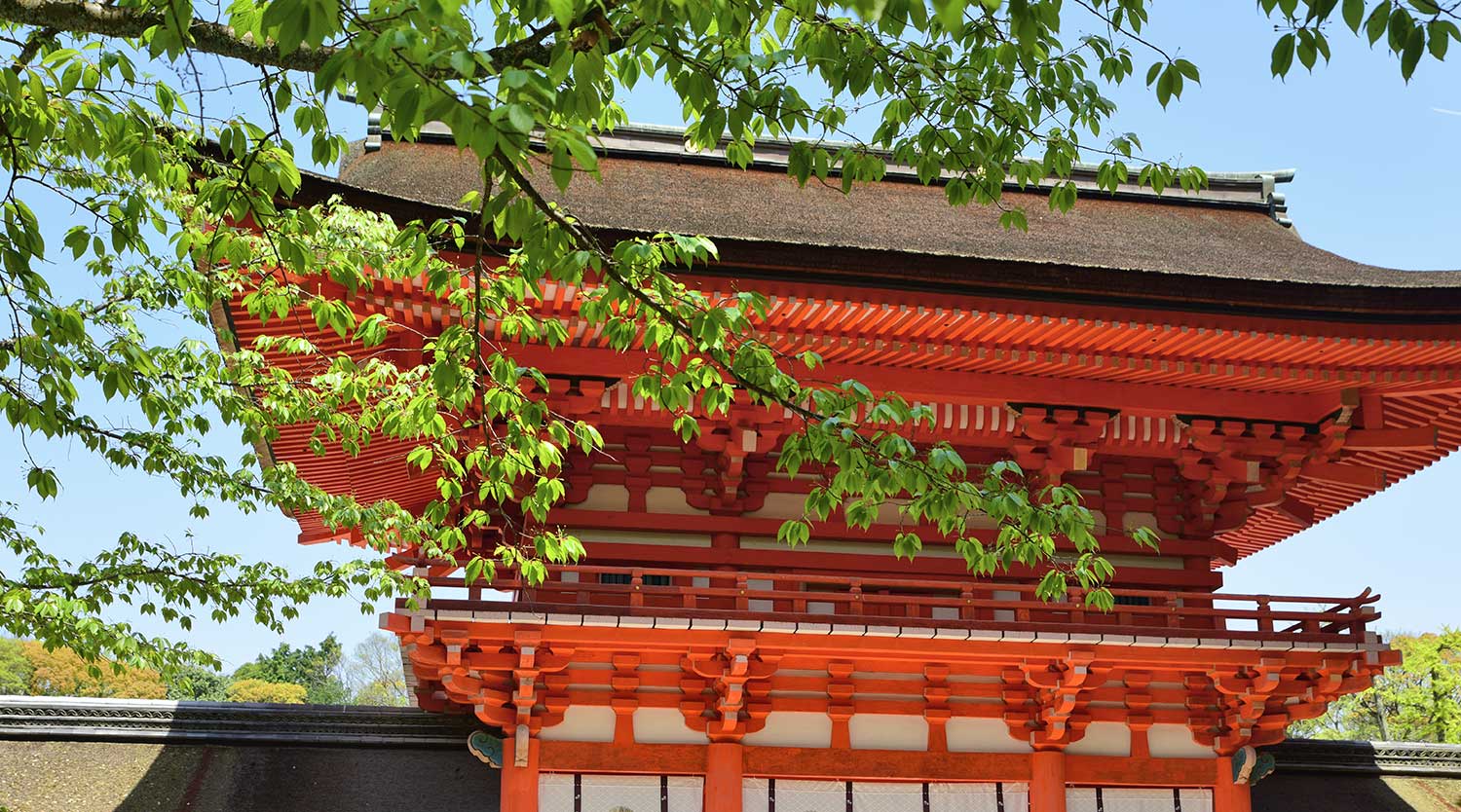
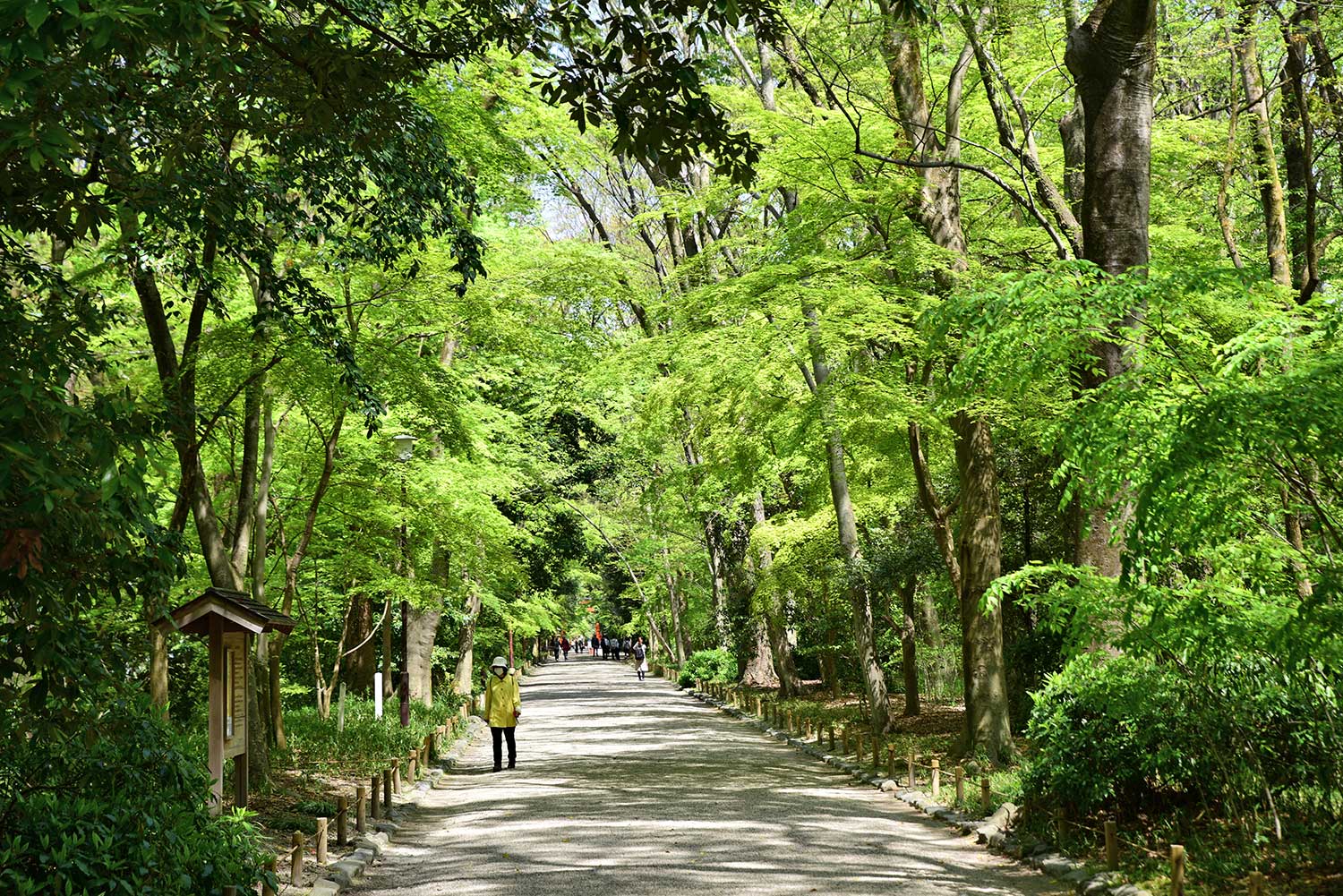
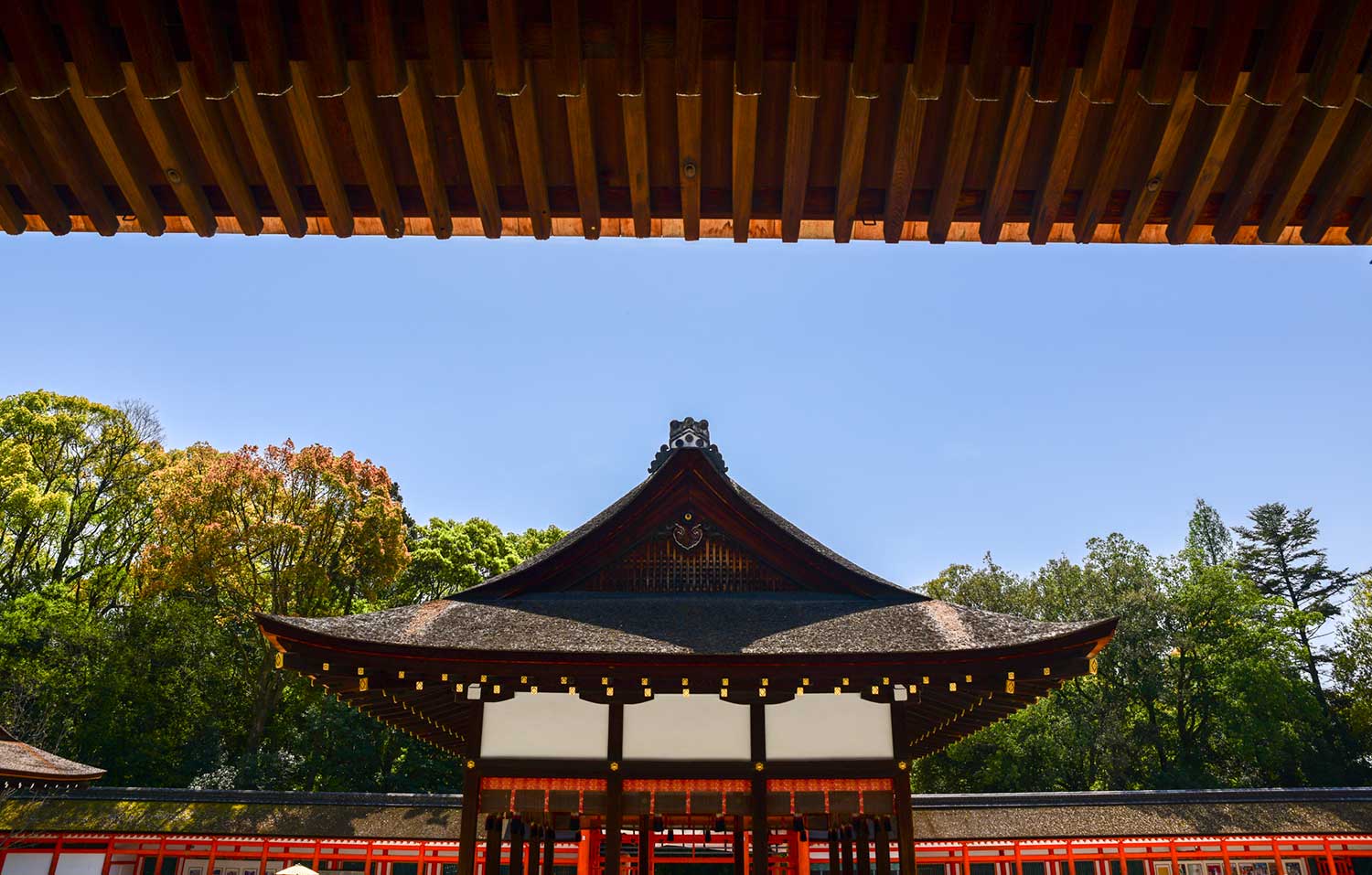
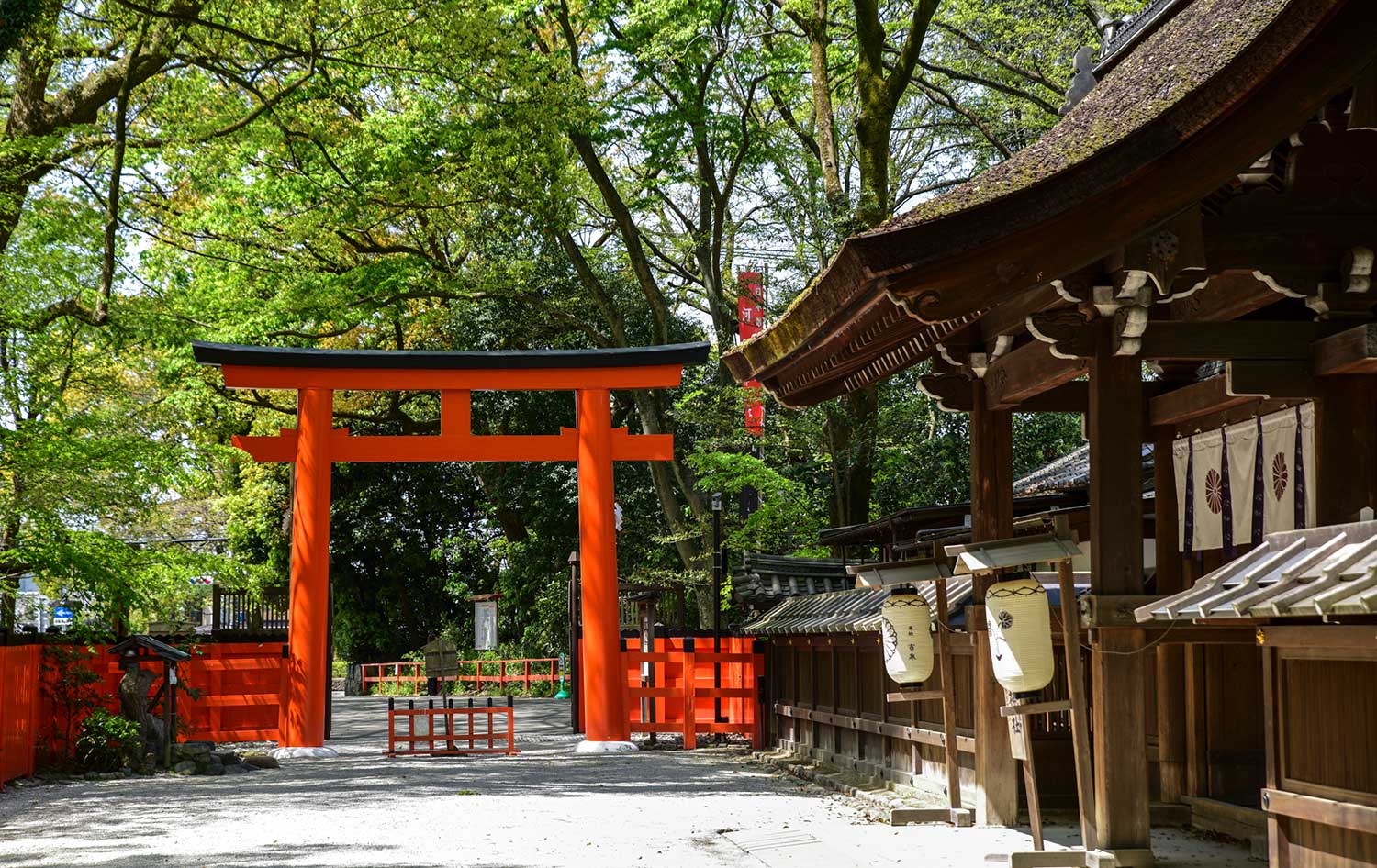
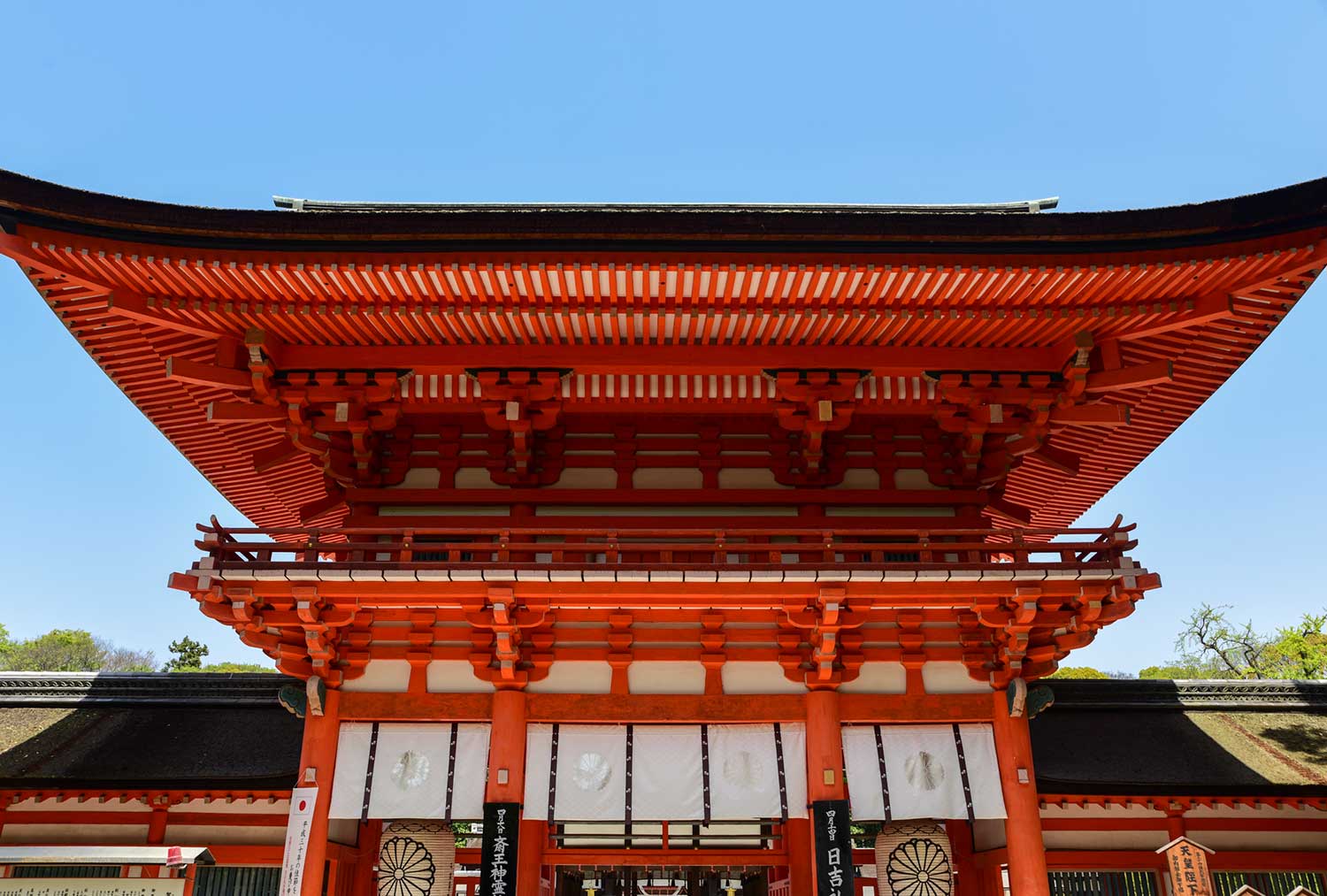
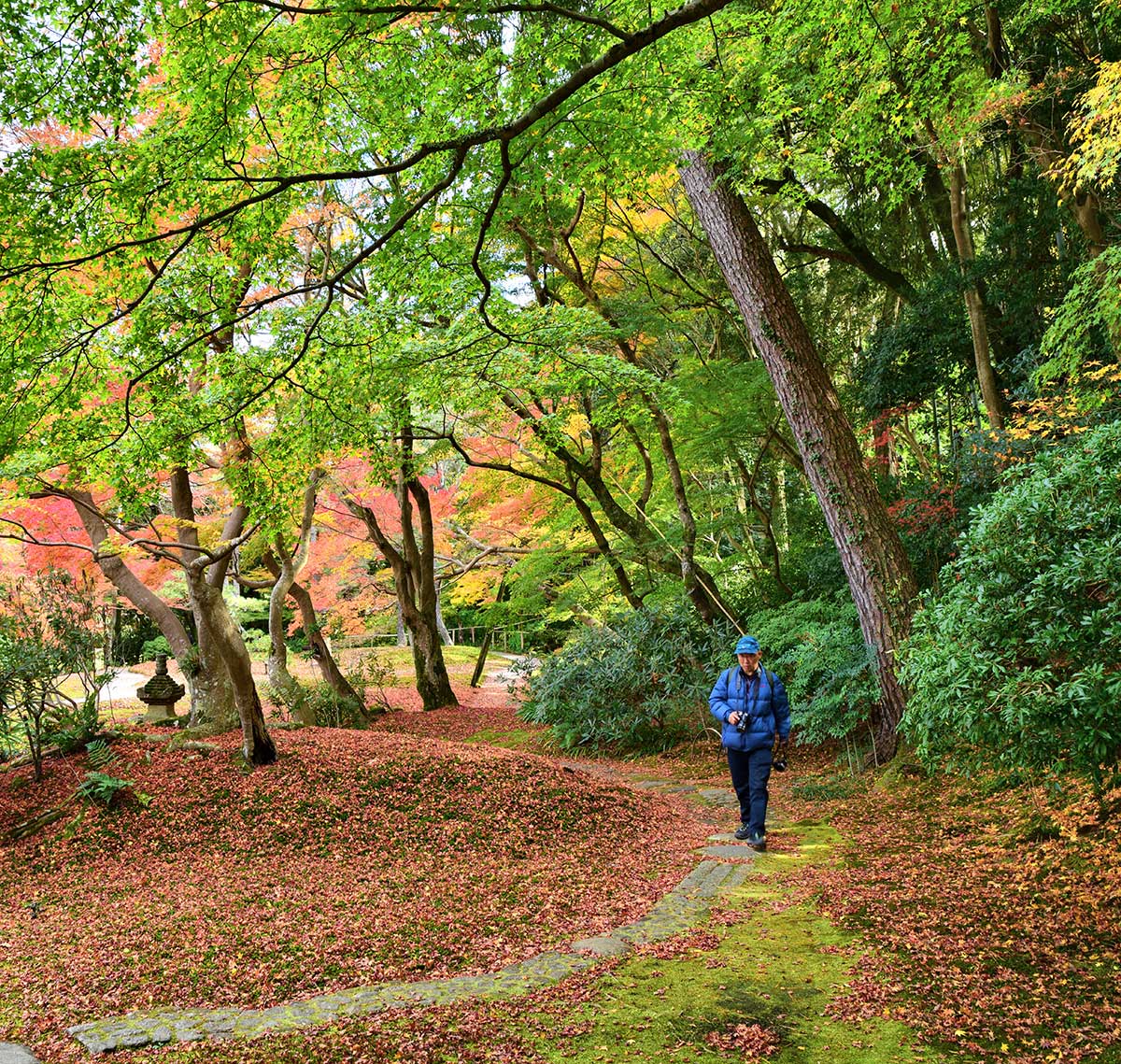
Shimogamo Shrine is so sacred that it’s protected by an ancient forest. In Japan’s twin religions—Buddhism and Shinto—trees hold high spiritual value, especially those in prehistoric groves like the chinju no mori that envelops this site.
Visitors enter Shimogamo through a stone path shaded by elm and hackberry trees in Tadasu no Mori, one of Japan’s most revered sacred forests. Painted in vibrant red, the shrine is so old its origins are uncertain, though worship here likely began more than 2,000 years ago.
Today, it’s a favorite venue for traditional weddings and the annual Aoi Matsuri parade, which is one of Kyoto’s three great festivals.
Steeped in Mystery
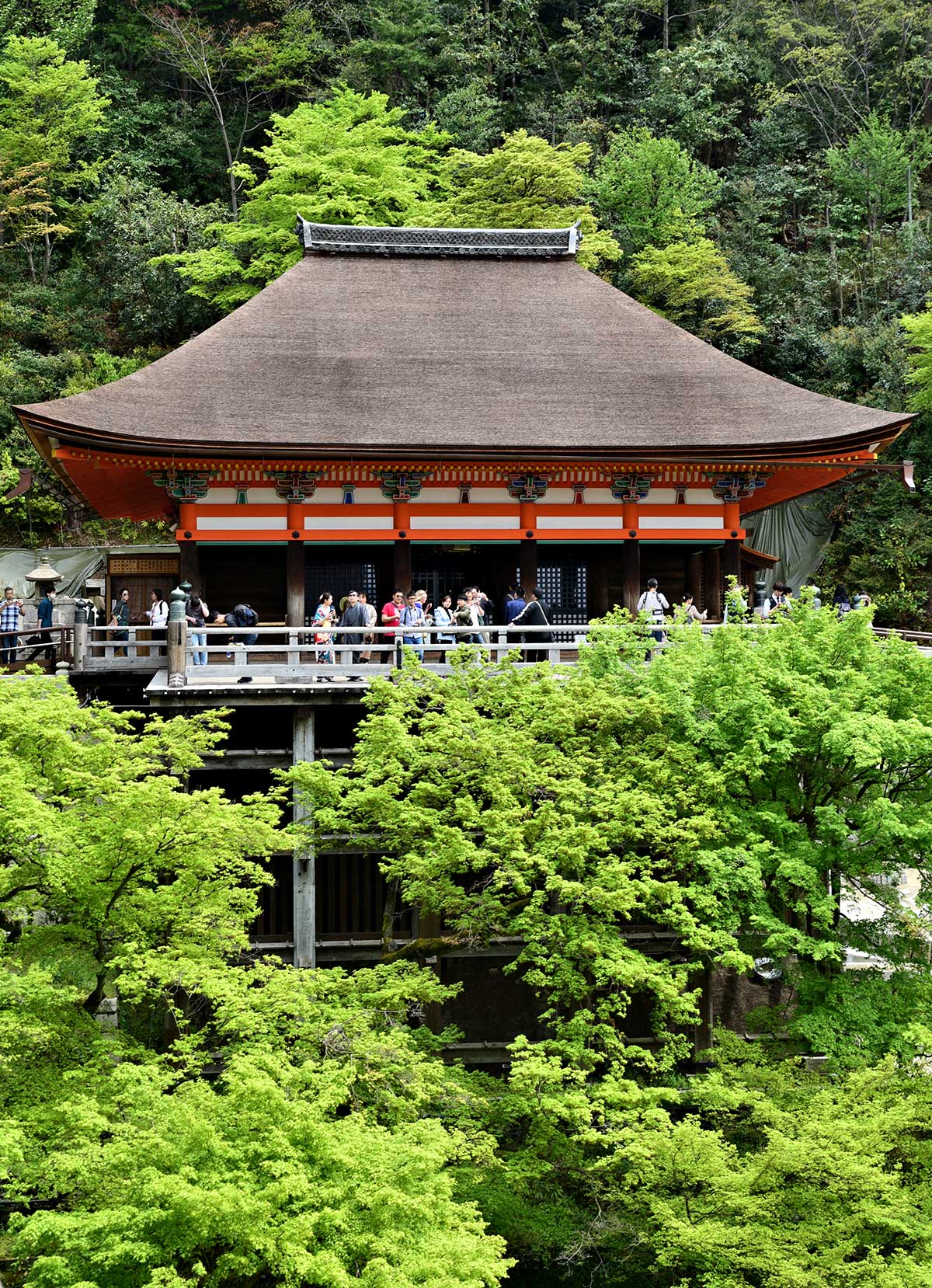
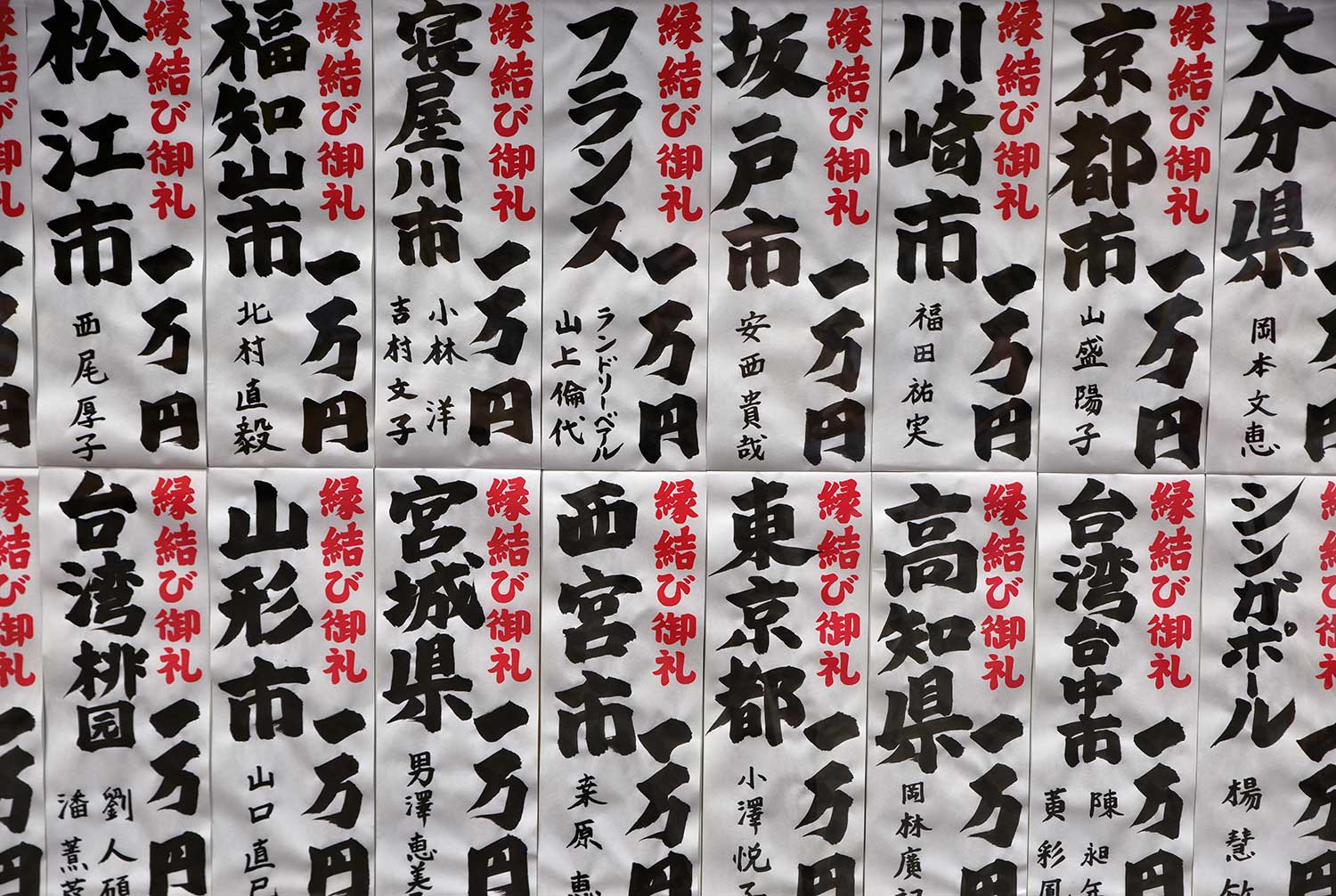
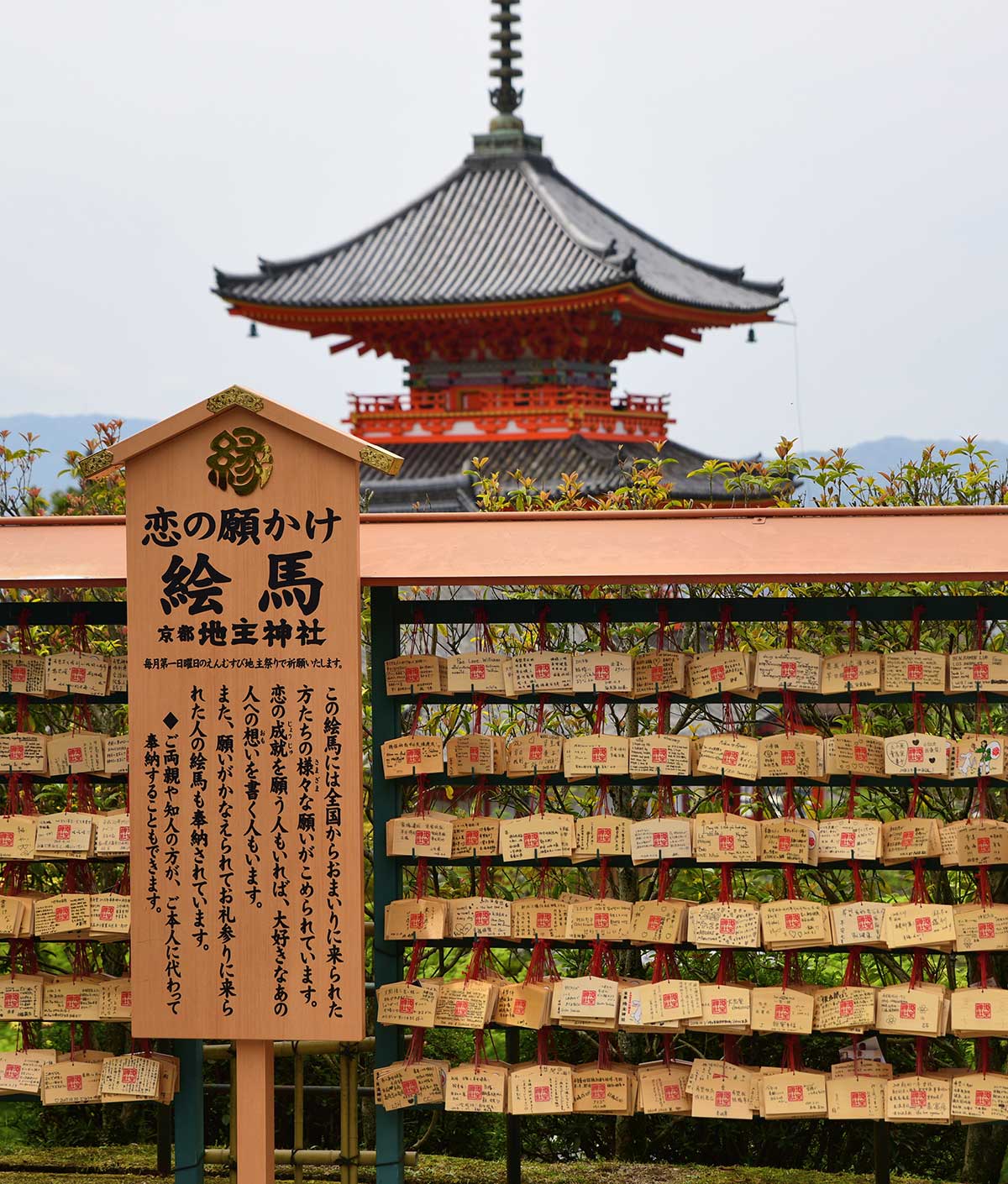
Even in Kyoto, where historic treasures abound, Kiyomizu Temple is impossible to miss. Set dramatically on the slope of Mount Otowa, its blood-red facade glows against a backdrop of forested hills.
This 1,200-year-old Buddhist temple, a National Treasure, is remarkable for its construction: a prayer hall perched atop more than 100 towering stilts, offering panoramic views over Kyoto’s oldest neighborhoods.
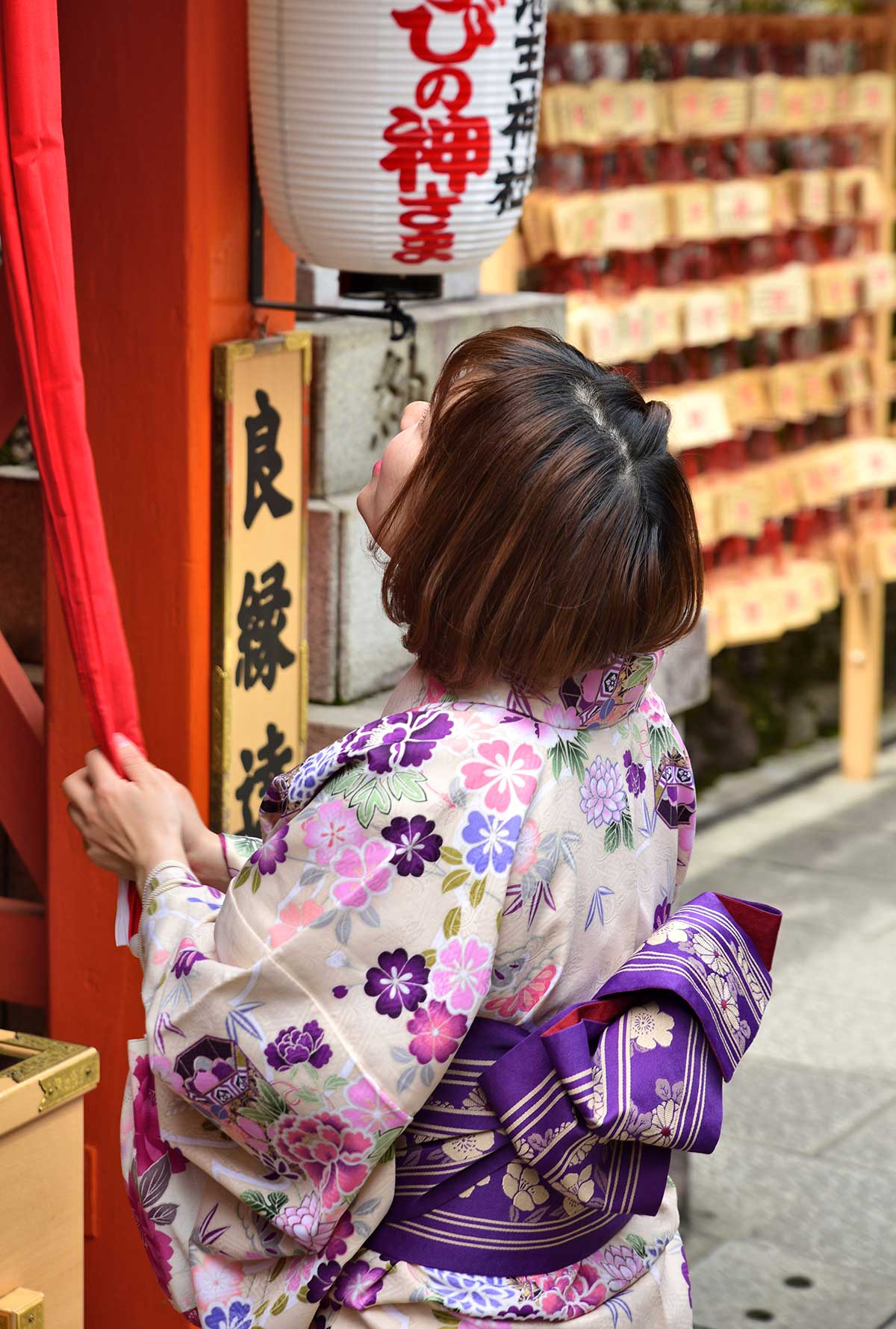
Behind the main temple lies the shadowy Jishu-Jinja Shrine. Once frequented by those seeking to curse their rivals, it’s dedicated to Okage Myojin, an ominous Shinto deity once petitioned for dark favors.
Western Fortress
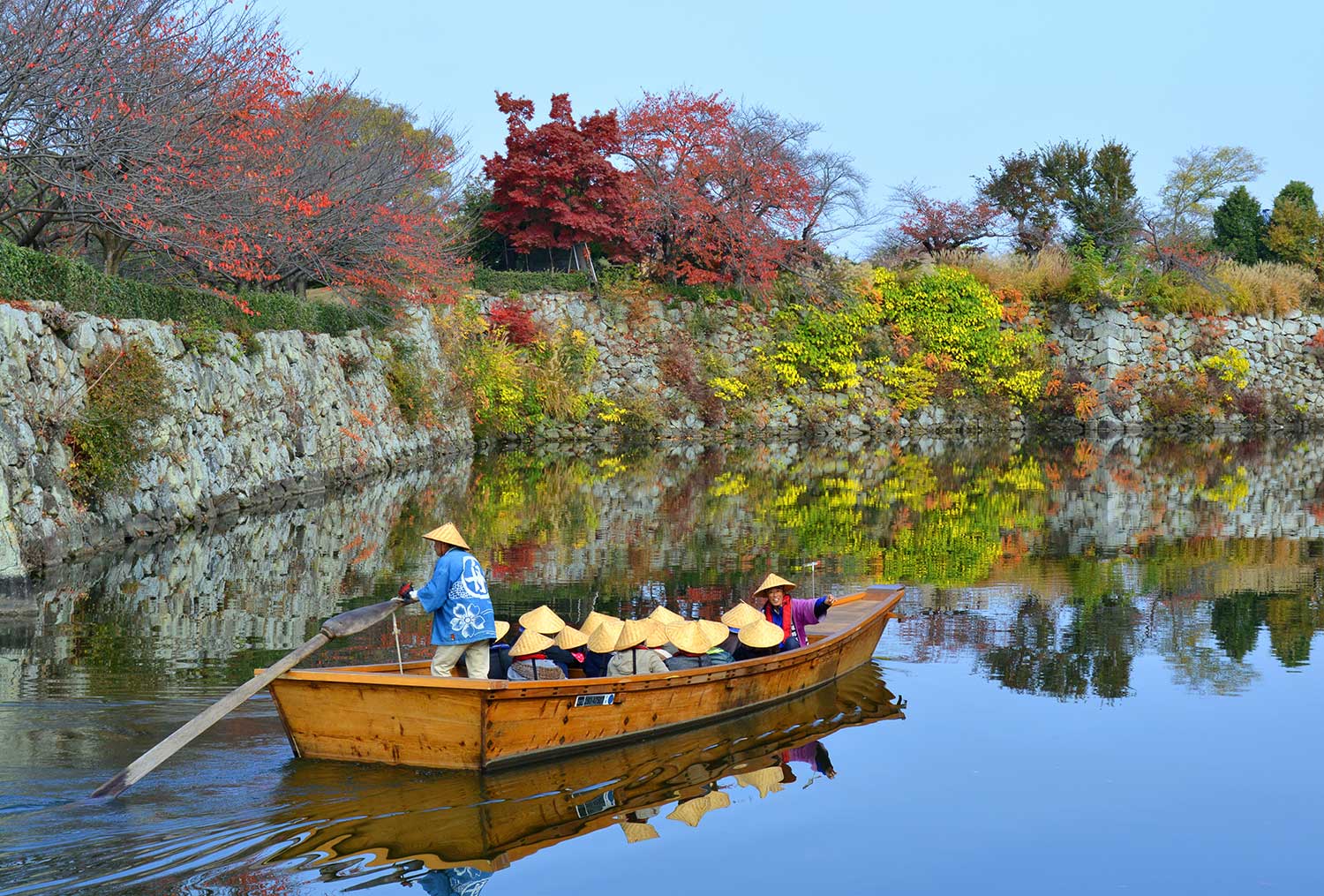
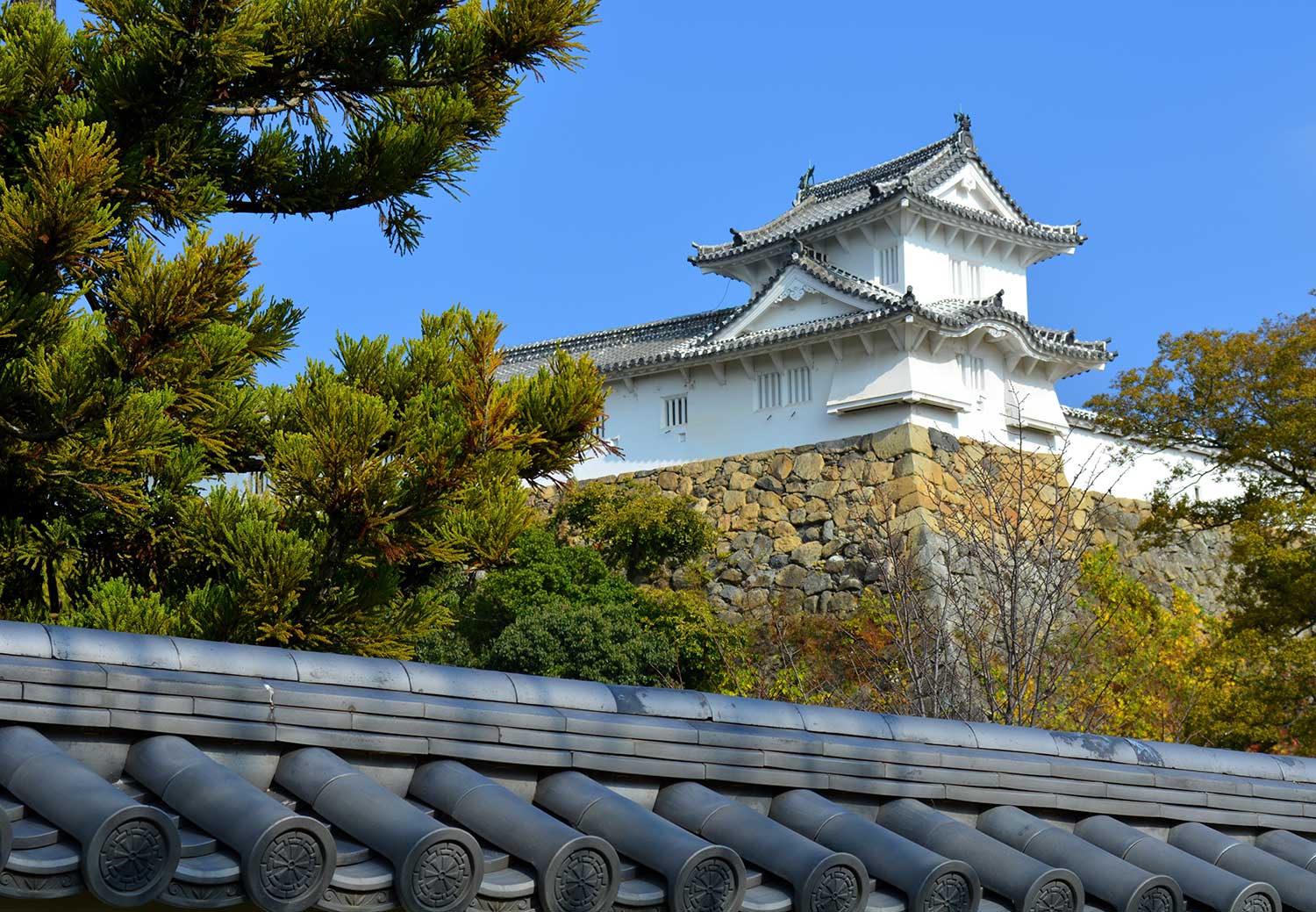
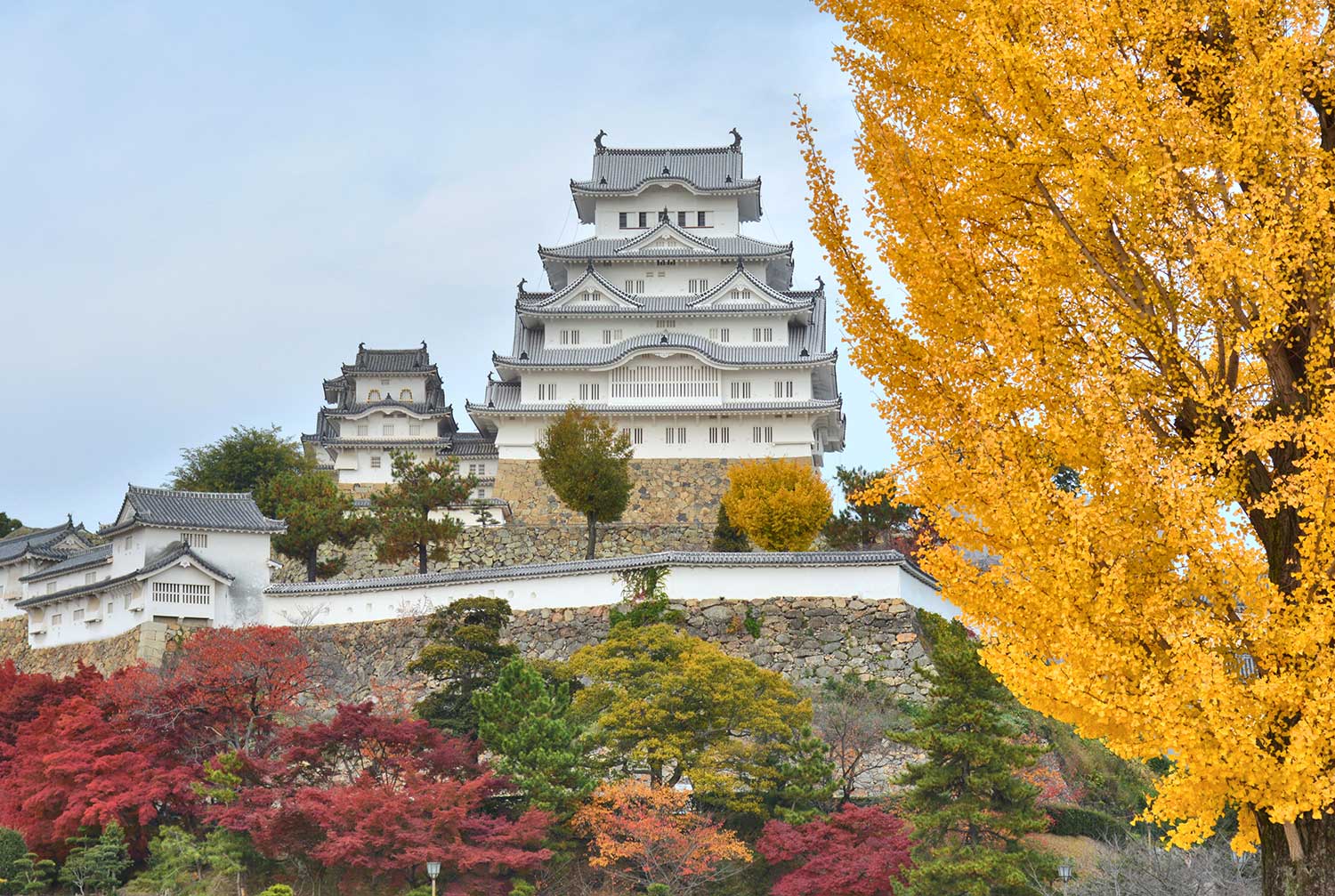
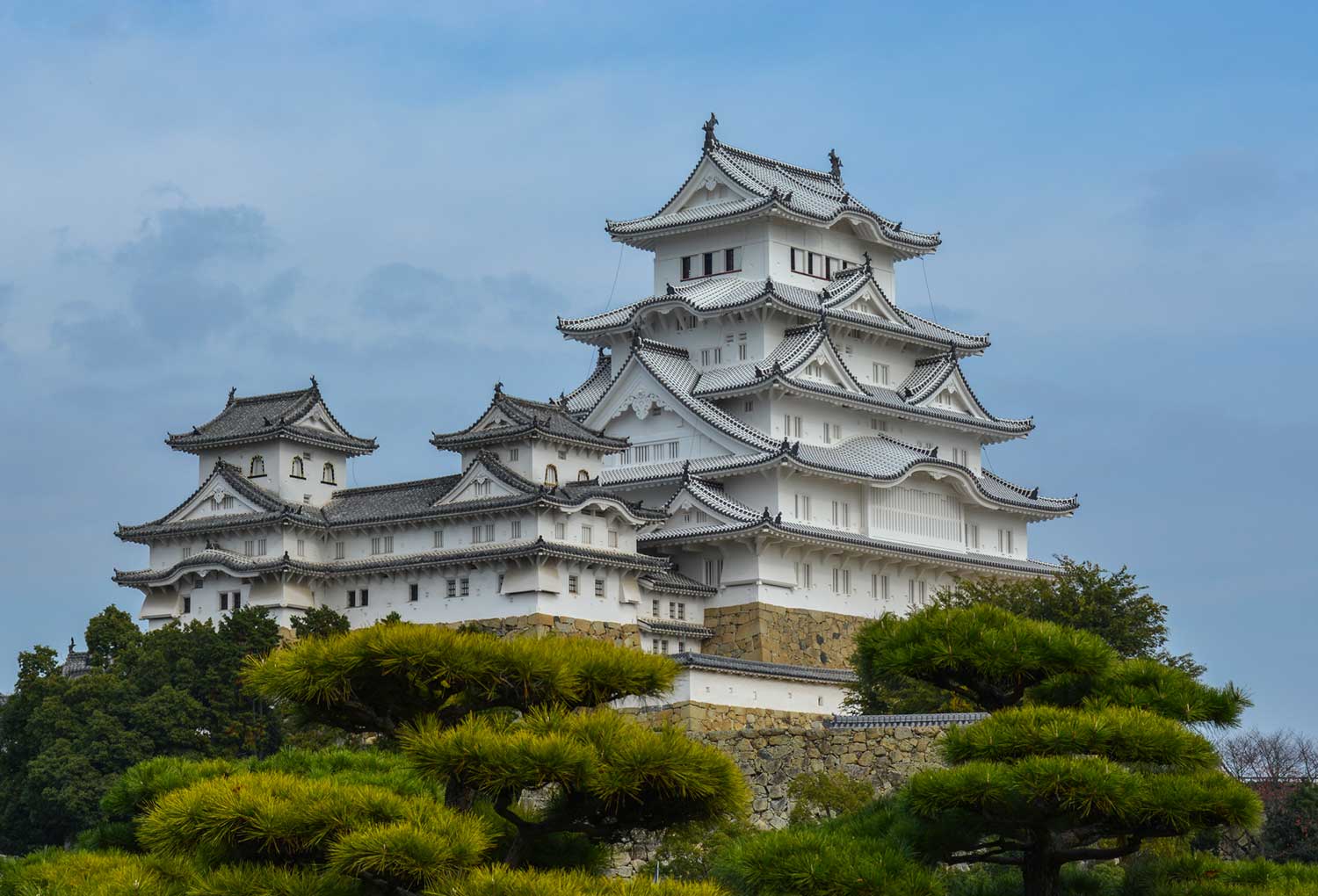
Often overshadowed by neighboring cities like Kyoto and Osaka, the western coastal city of Himeji is home to perhaps Japan’s most magnificent castle. Himeji Castle, a dazzling white hilltop citadel, stretches across 265 acres and includes more than 80 buildings.
Painstakingly restored in recent years, the castle gleams anew, echoing the grandeur it gained in the late 1500s when warlord Ikeda Terumasa expanded it into a six-story stronghold bristling with defensive installations.
Now Himeji’s top attraction, it can be admired from both land and water. Boat tours of its moat are especially enchanting during cherry blossom season in April or the colorful autumn bloom of October and November.