

Shapeshifting mammals, head-lopping samurai, a hidden portal to the past, and an unlikely beach are among the unusual attractions overshadowed by Tokyo’s trove of world-famous sights. Japan’s massive capital is full of popular tourist destinations, but it also bulges with little-known places that range from spooky to quaint to downright weird. Here are five of Tokyo’s finest offbeat attractions.
Yanagimori Shrine
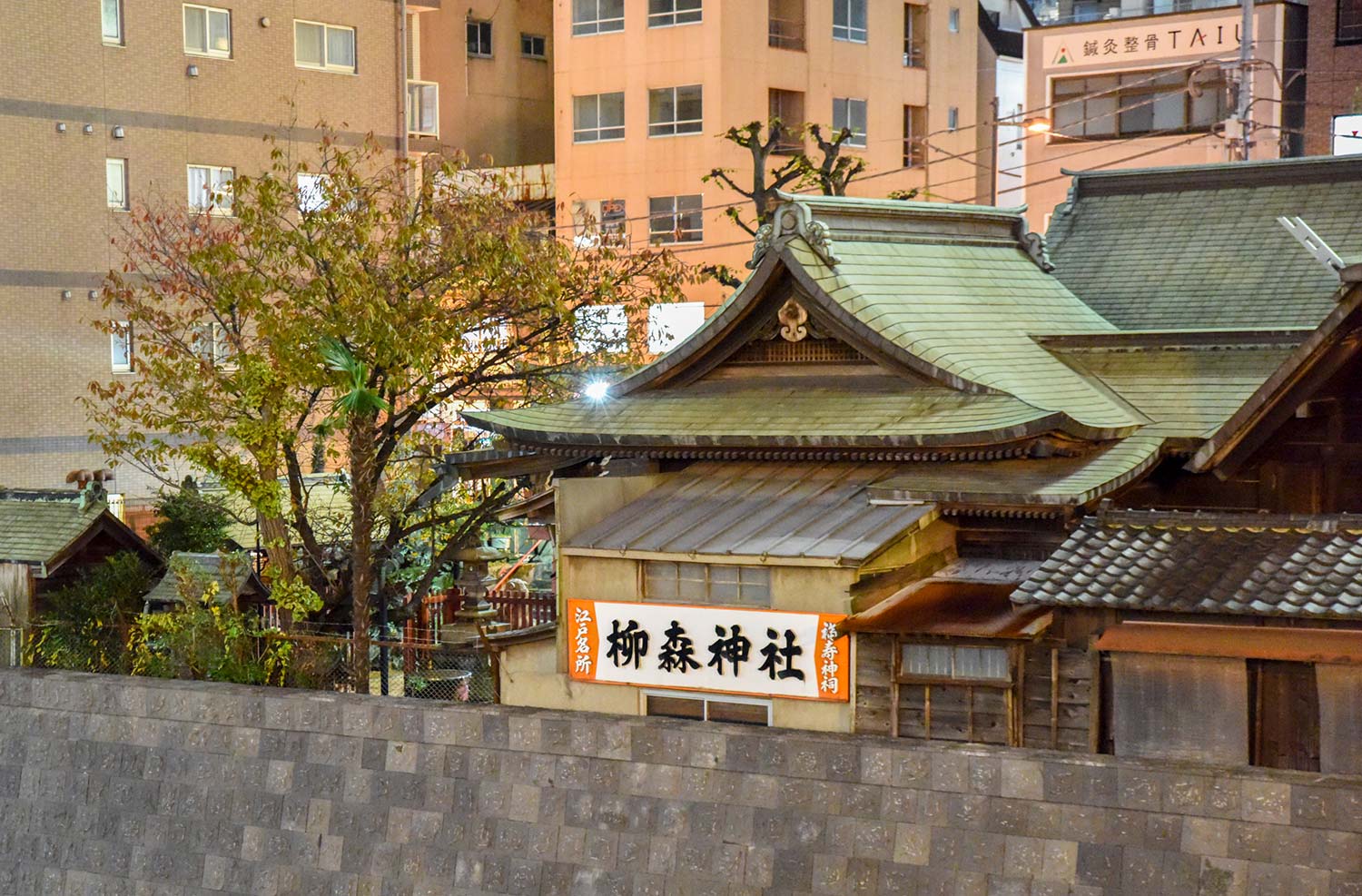
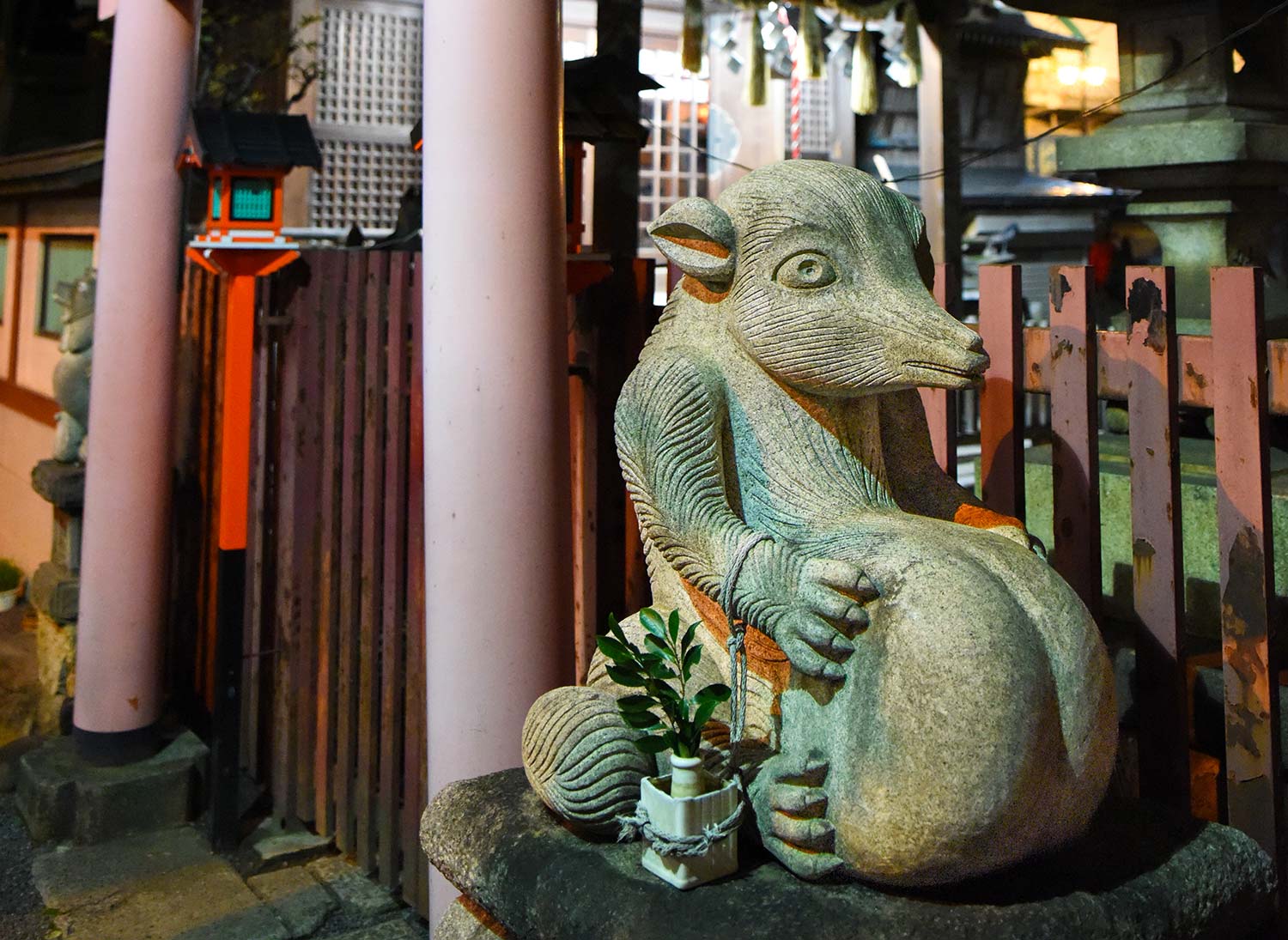
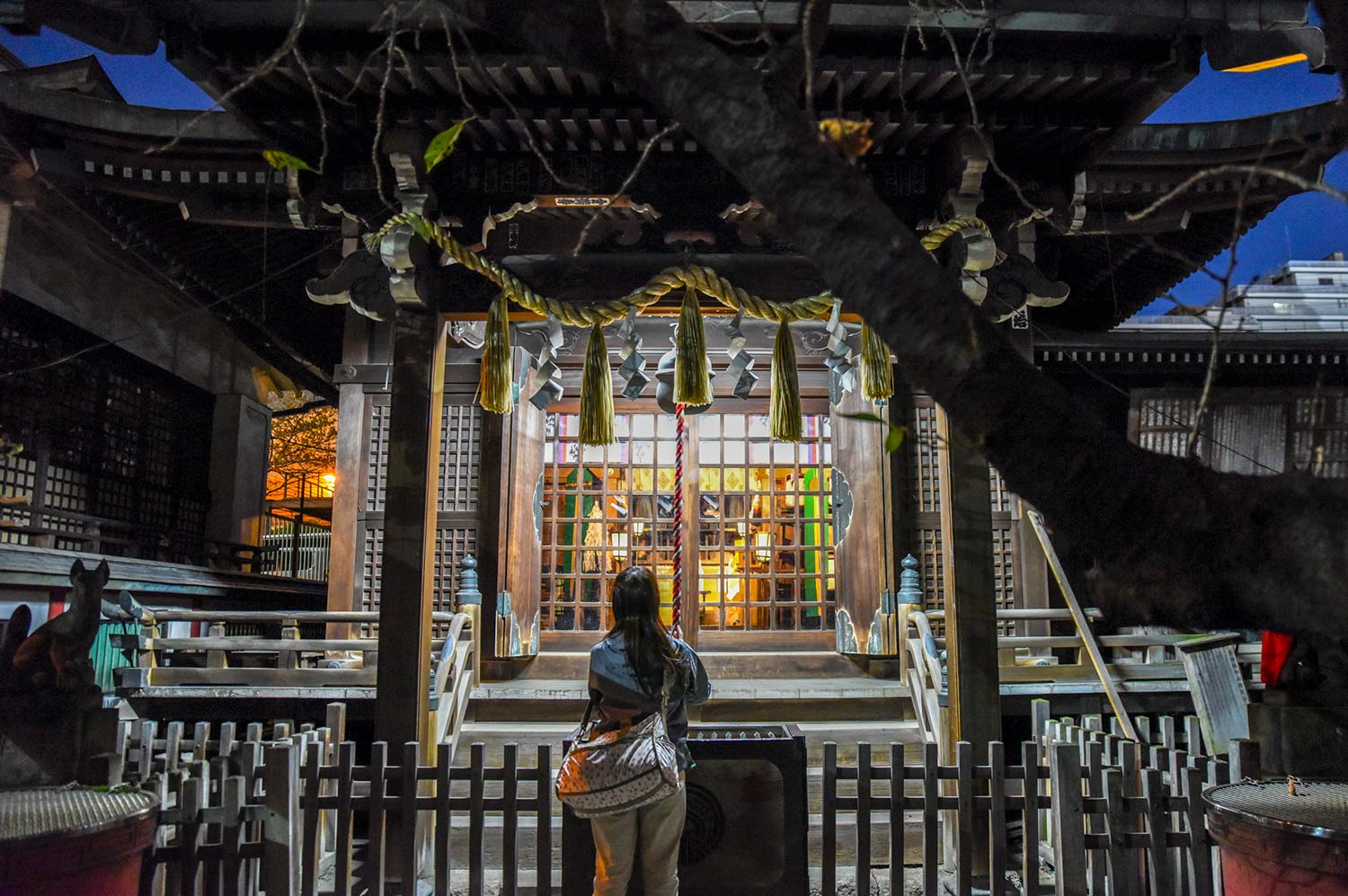
It’s an odd welcome to a beautiful building. In Tokyo’s Akihabara district—famous for its neon-lit stores specializing in manga, anime, and electronics—a bizarre mammal guards the gate to Yanagimori Shrine.
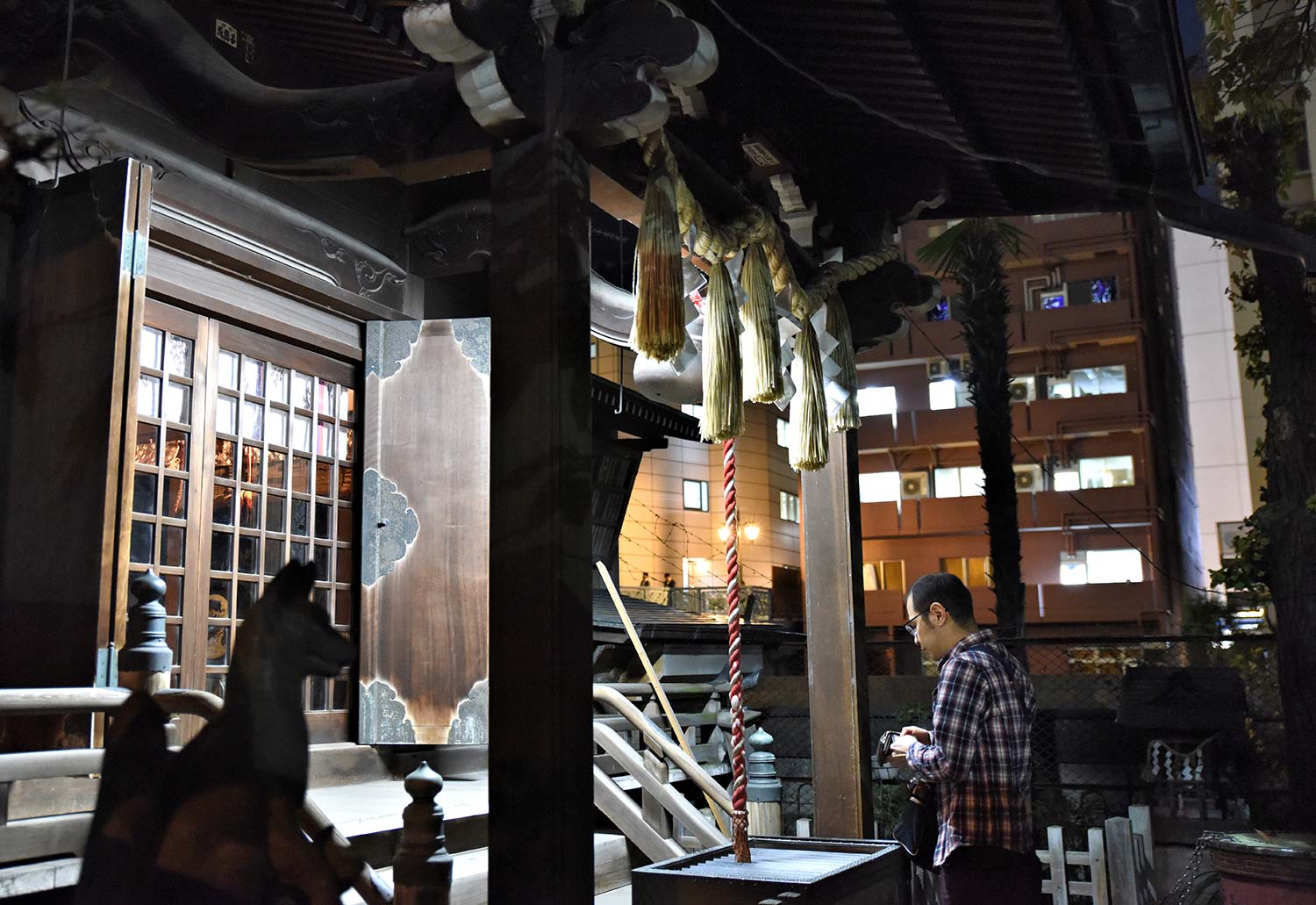
As tourists enter this Shinto place of worship, they encounter a stone statue of a raccoon with an enormous scrotum. His name is Tanuki. He is not a cartoonish character from Japanese pop culture but rather a member of the Yokai, a group of shapeshifting supernatural creatures pivotal to Japanese mythology.
Yokai can be dangerous, like the Inugami dogs depicted at Tokyo’s Oiwa Inari Tamiya Jinja shrine. Or they can be harmless, as embodied by the Kitsune fox statues at Toyokawa Inari Betsuin Temple, and also by Tanuki. Locals pause at Tanuki’s feet to bow their heads in prayer, since this odd raccoon is said to deliver good fortune to those who show him reverence.
Kyu Iwasaki-tei
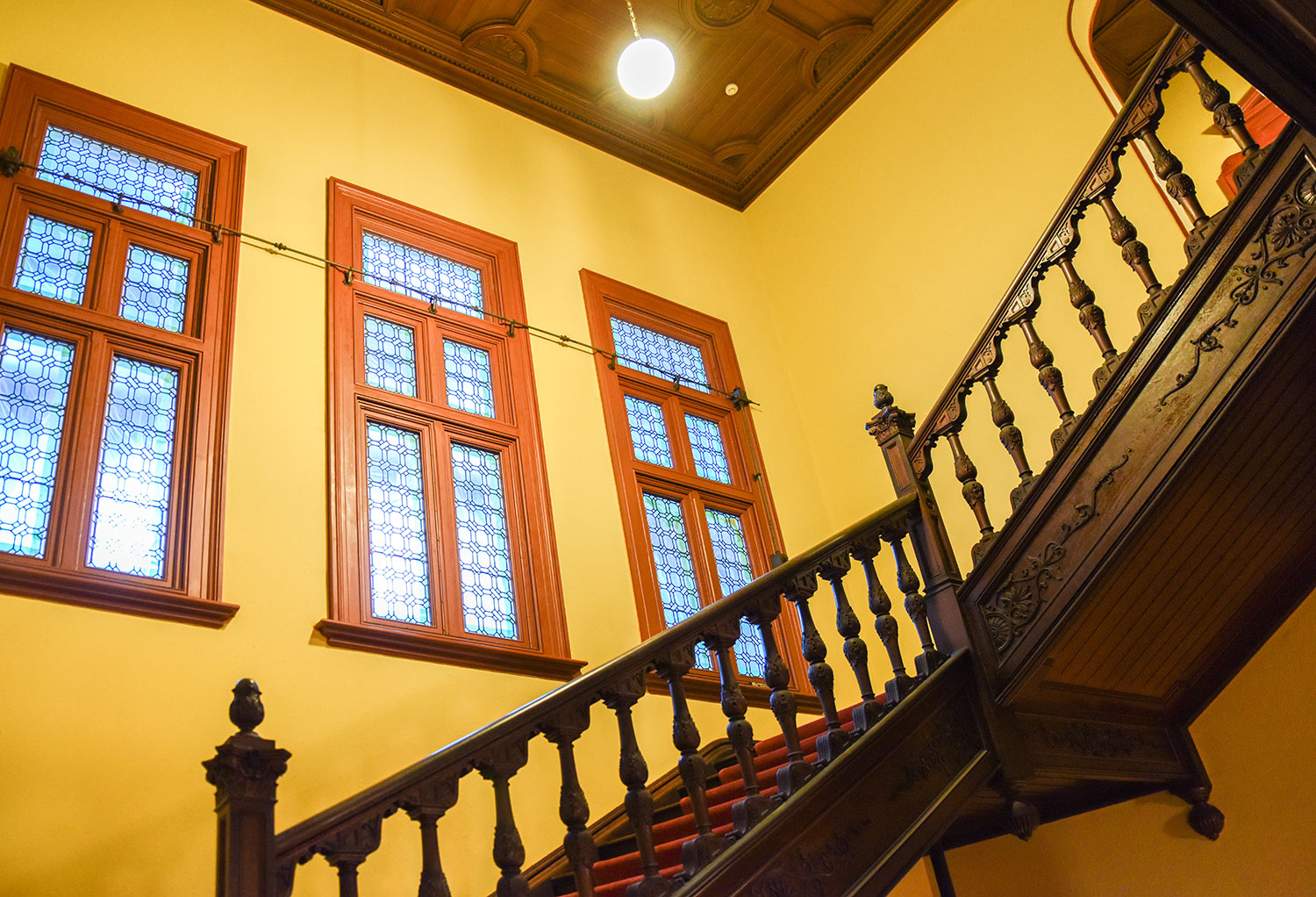
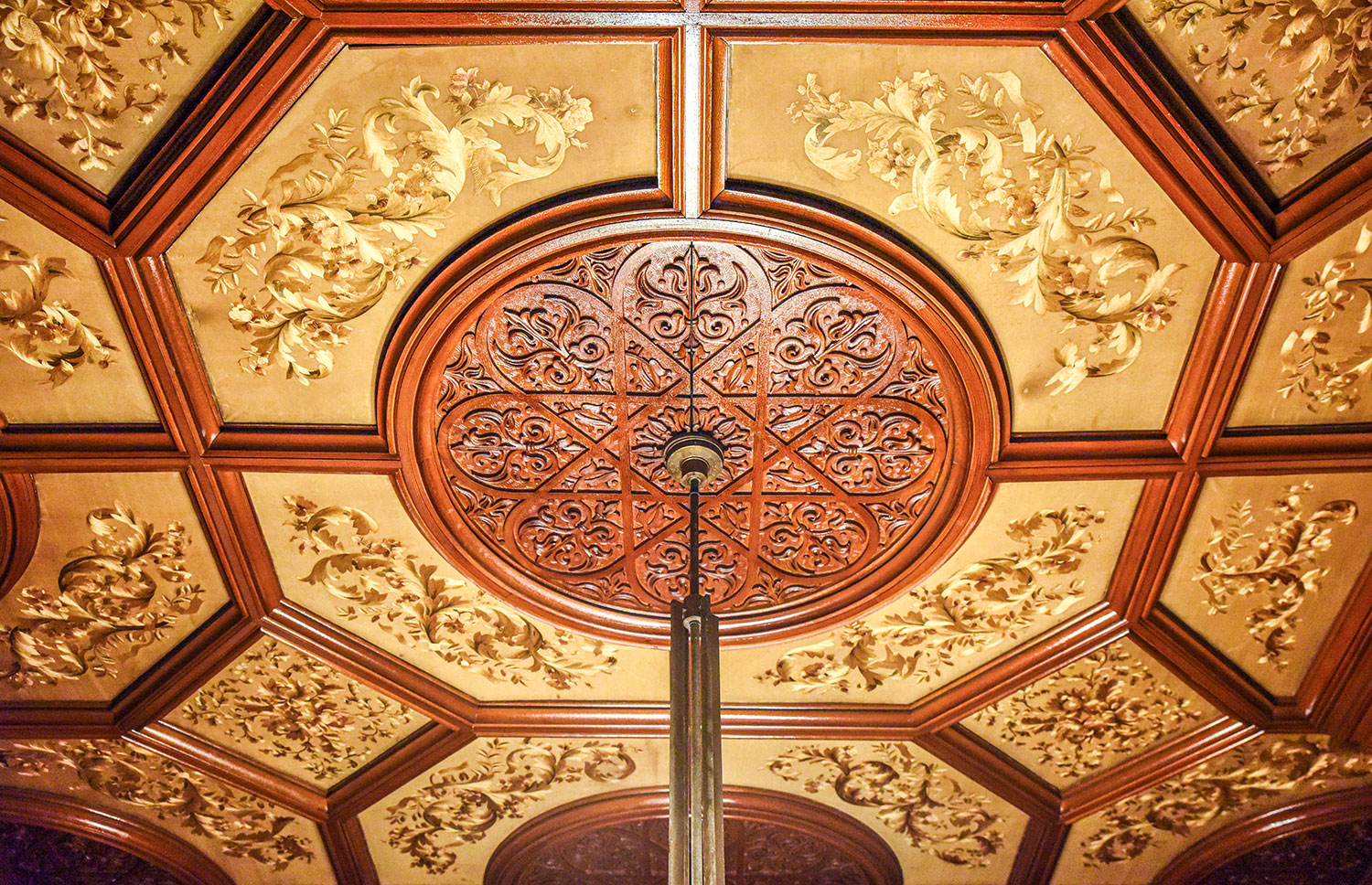
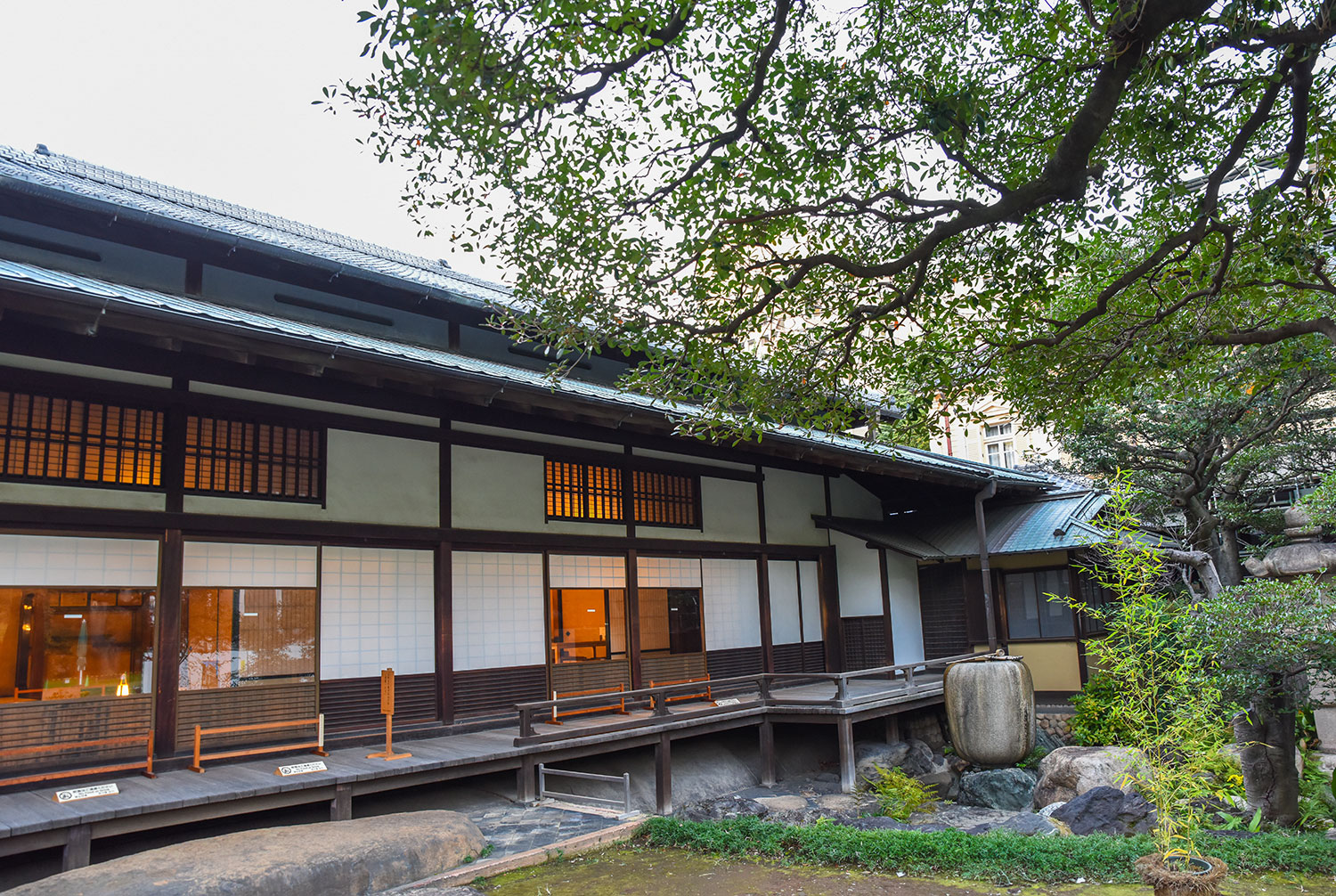
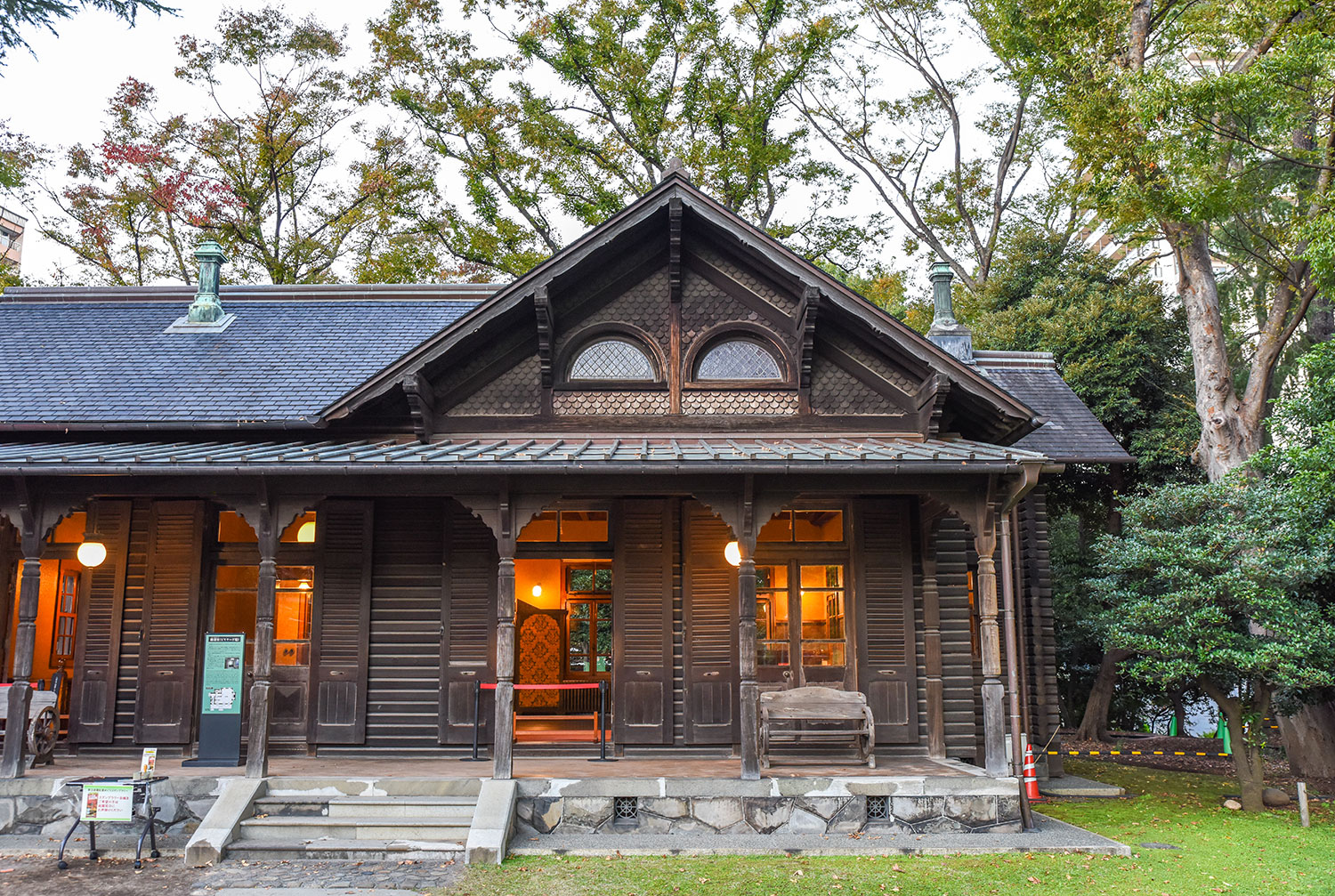
Encircled by magnificent, landscaped gardens, this lavish European-style mansion in downtown Tokyo tells the tale of a mighty dynasty—not one commanded by an emperor or protected by samurai warriors, but a modern dynasty symbolizing Japan’s economic success since opening to the Western world in the late 1800s.
Built in the late 19th century, Kyu Iwasaki-tei was the home of the influential Iwasaki family, founders of the Mitsubishi company more than 150 years ago. Today, Mitsubishi has grown into a multinational giant producing electronics, industrial machinery, and more than one million vehicles annually worldwide.
Some of this history is explained inside Kyu Iwasaki-tei, which now functions as a museum. Tourists also appreciate its photogenic design: a distinctive blend of Japanese, Swiss, British, and Pennsylvanian architectural styles, complemented by meticulously maintained gardens.
Odaiba Beach
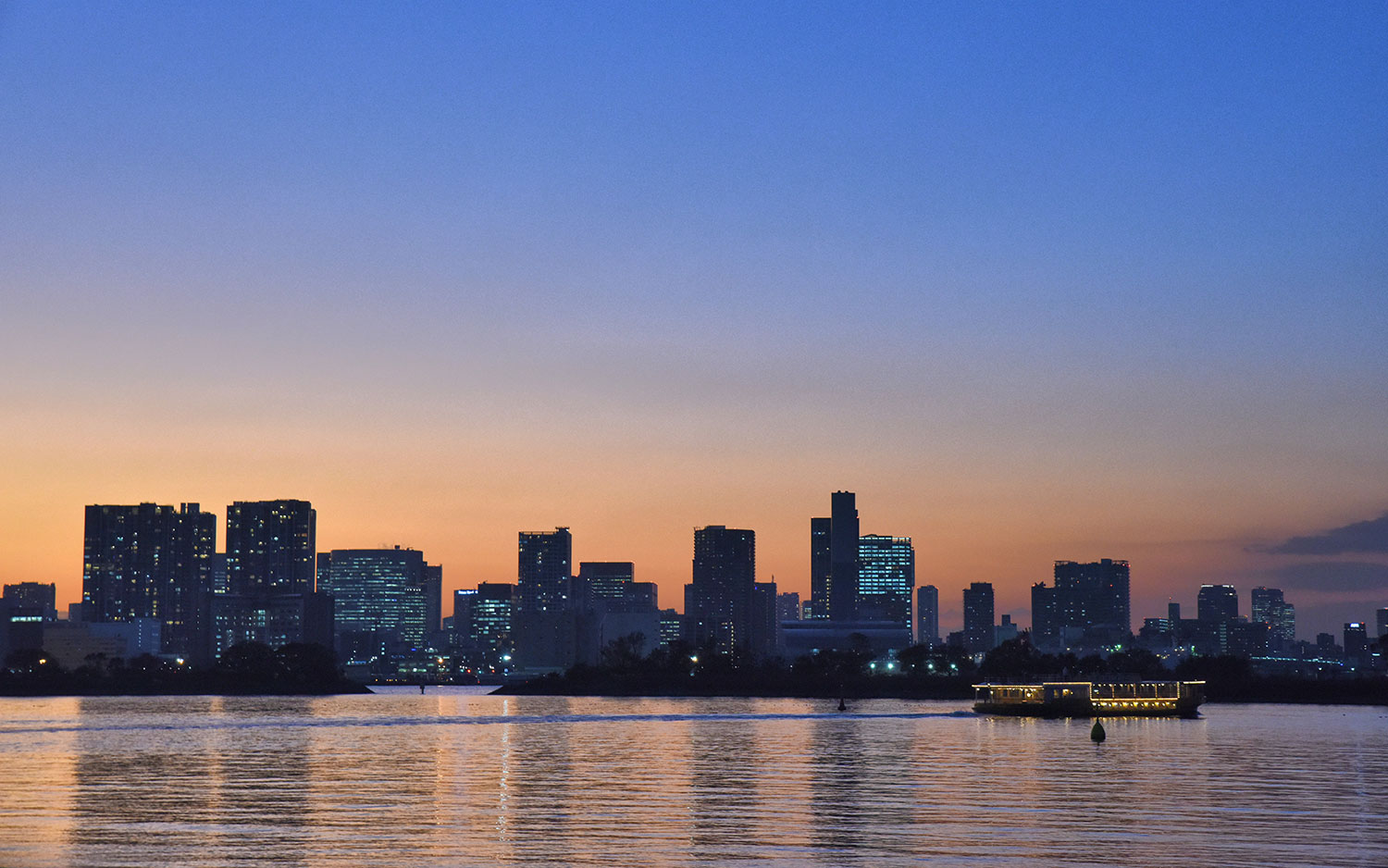
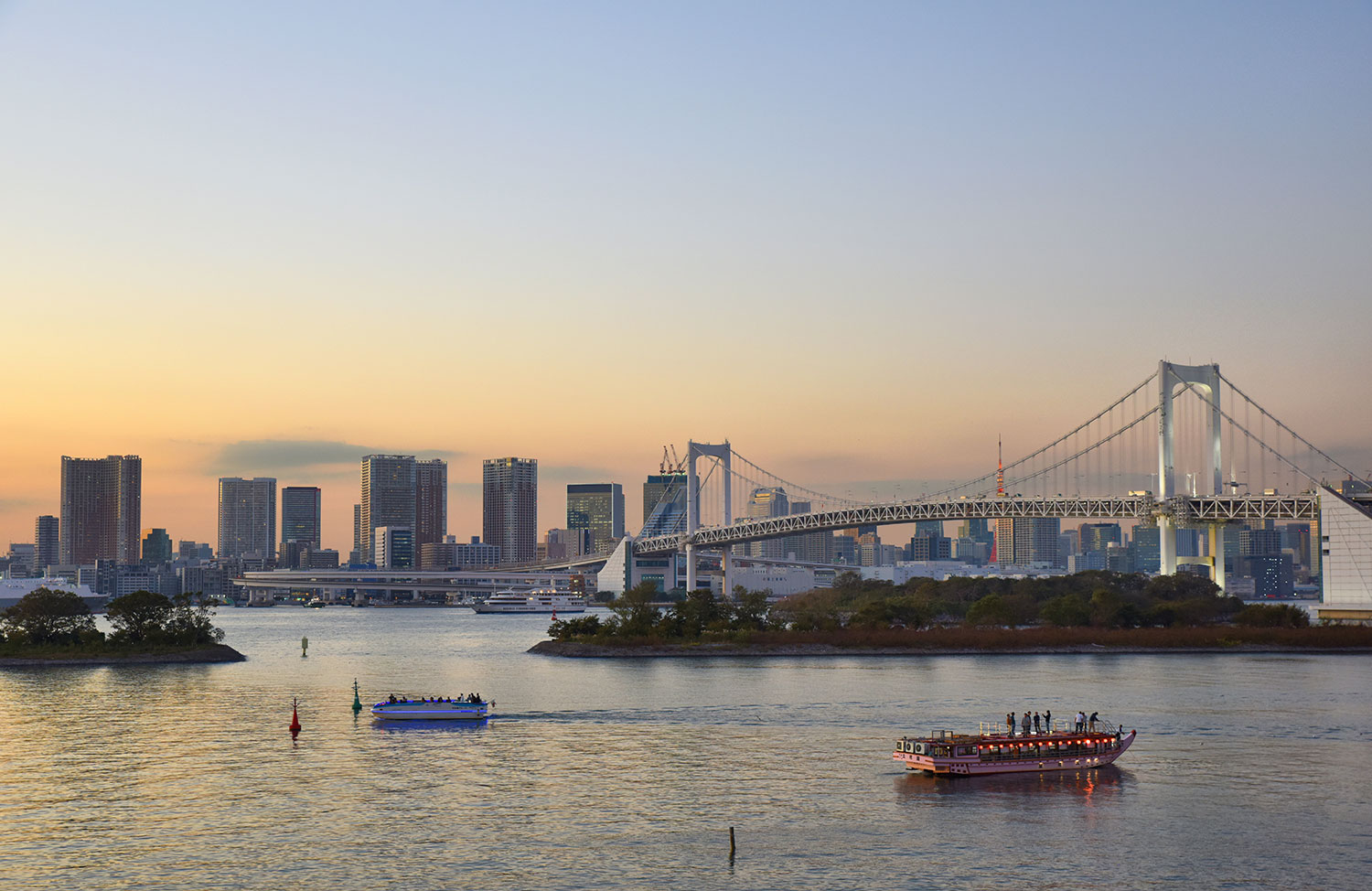
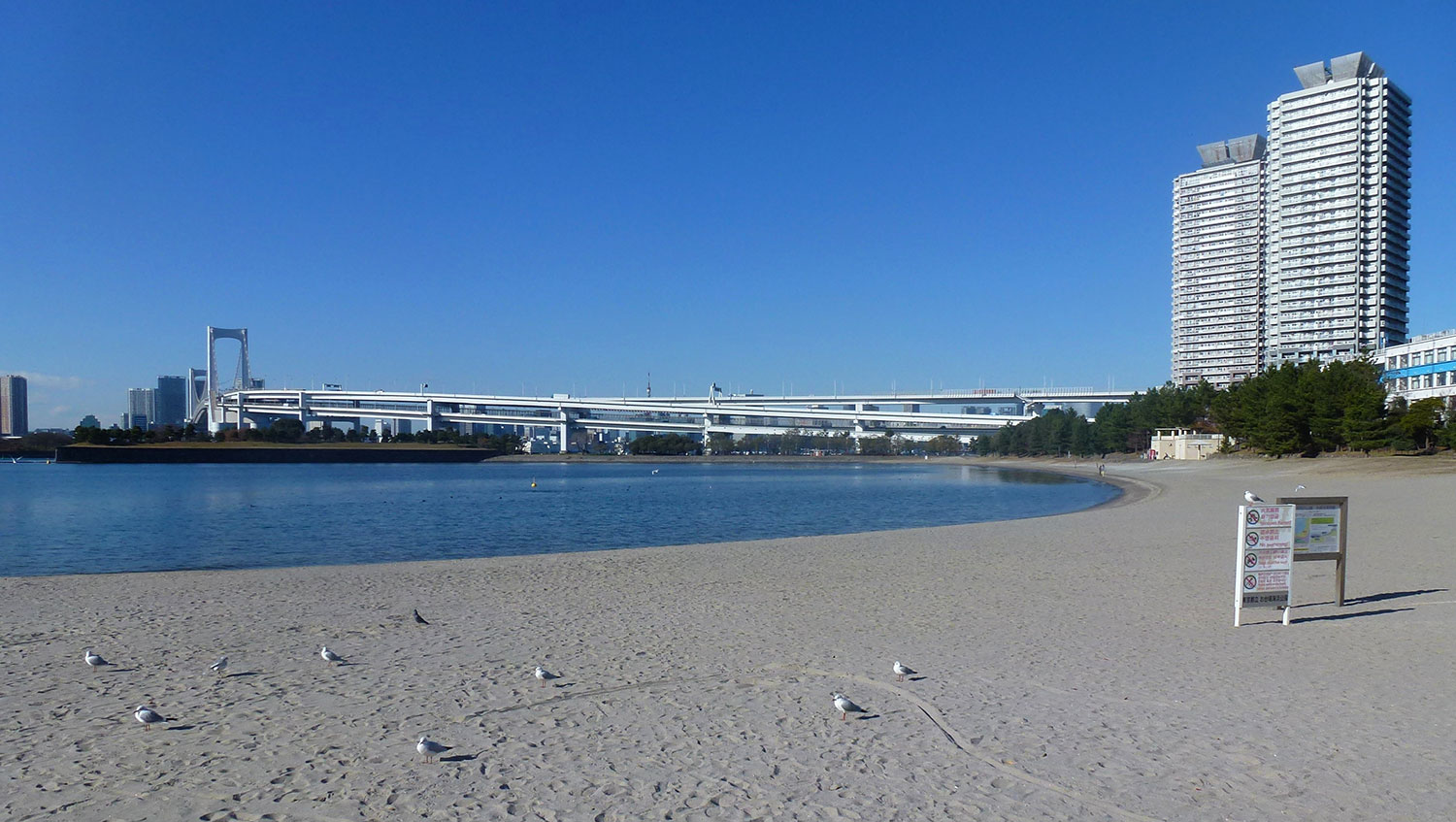
Sunbathing on a scenic beach seems wildly out of place in Tokyo. By some measures, the world’s largest city, Japan’s capital is dominated by skyscrapers, museums, shopping districts, and nightlife.
Yet visitors can unwind on the 1-kilometer-long, manmade Odaiba Beach. Granted, it’s not natural, and swimming isn’t allowed, but the sand is soft, the water clean, and the view memorable—especially at sunset, when the skyline glows.
Local families and couples picnic here by day, while at night the beach draws crowds thanks to its two adjoining shopping centers, packed with restaurants and bars. Located about 4 kilometers southeast of Tokyo Tower, Odaiba Beach is easily reached by public transport.
Sengakuji Temple
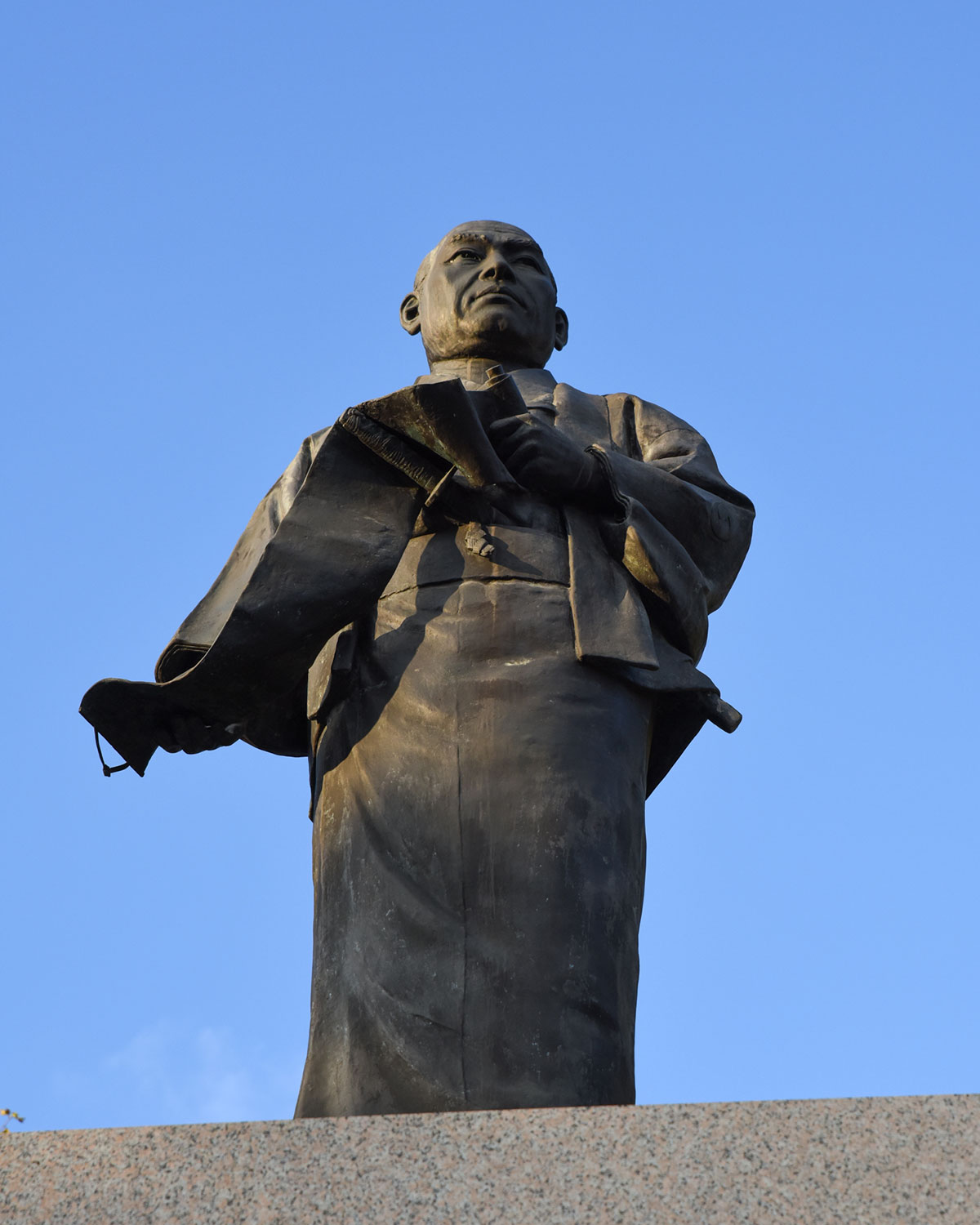
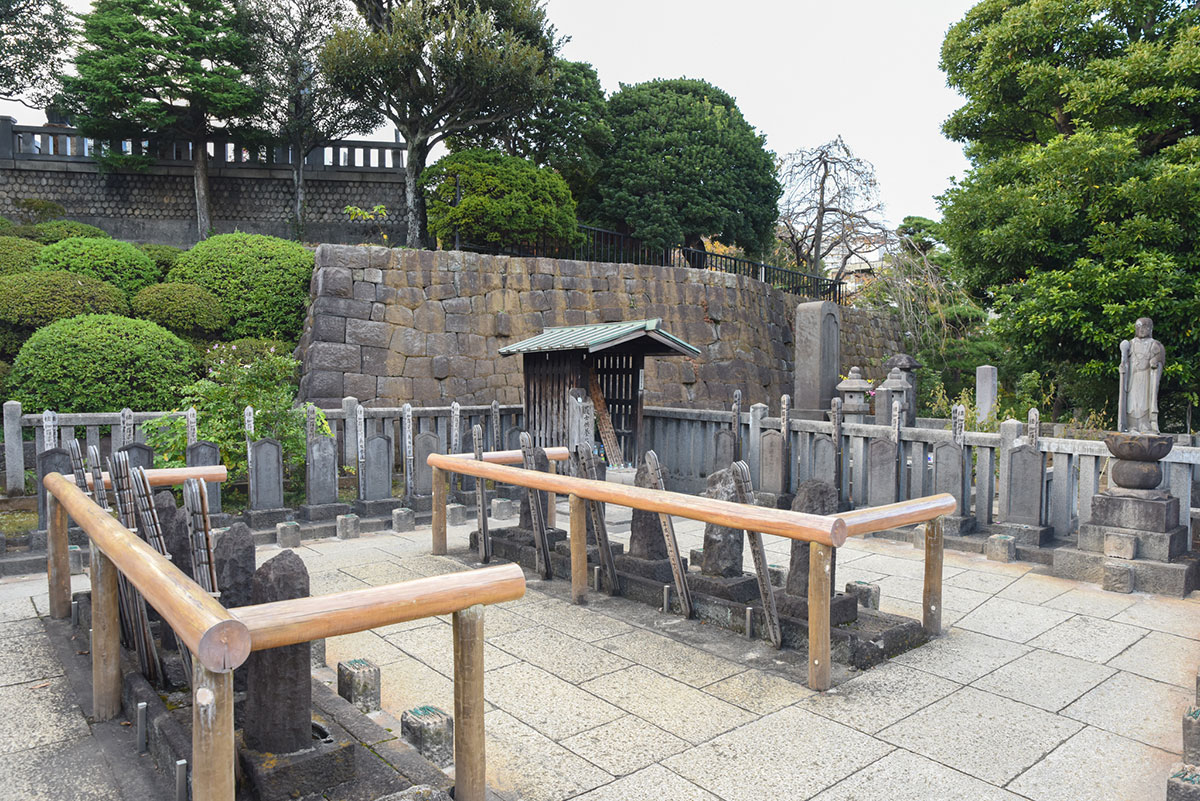
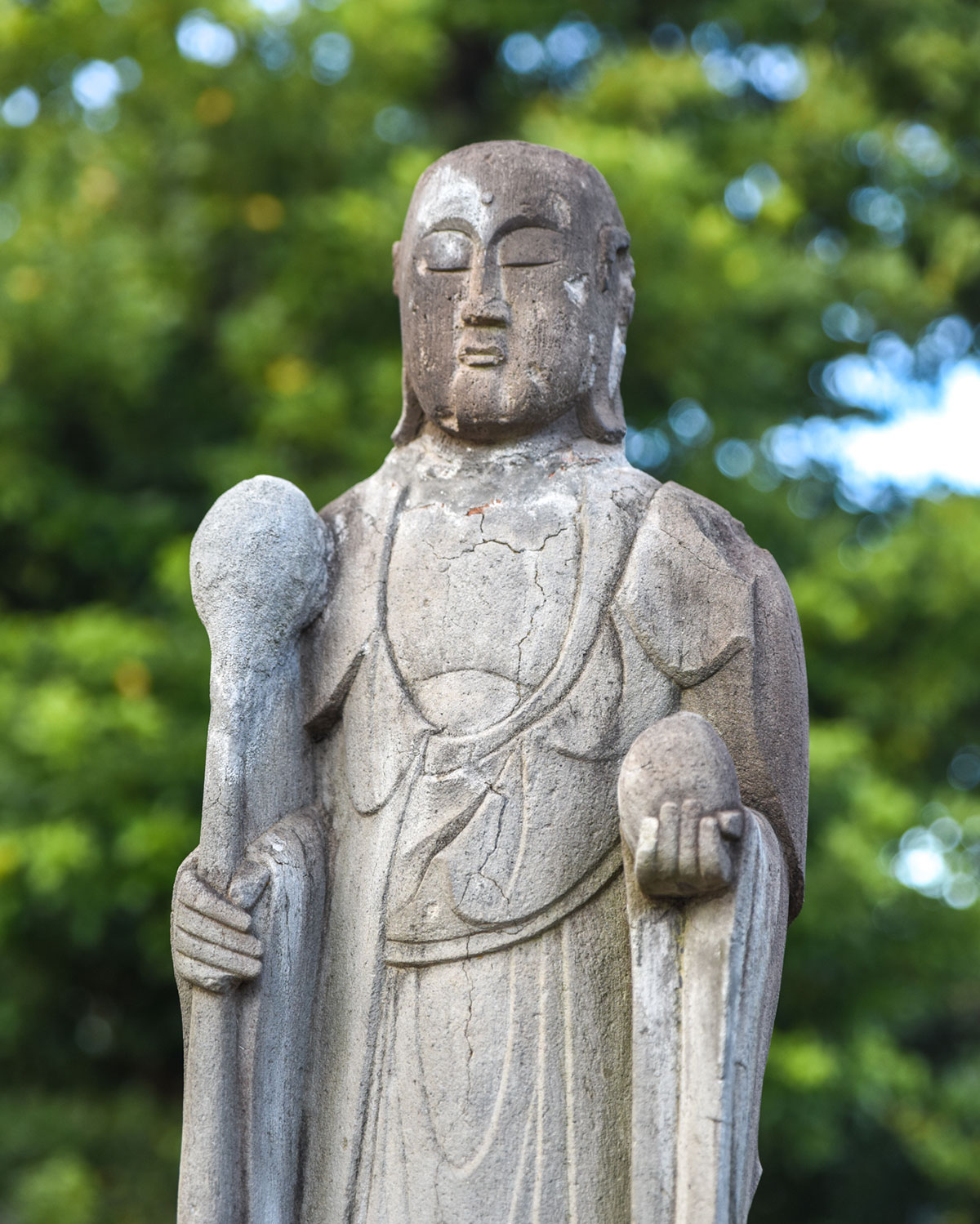
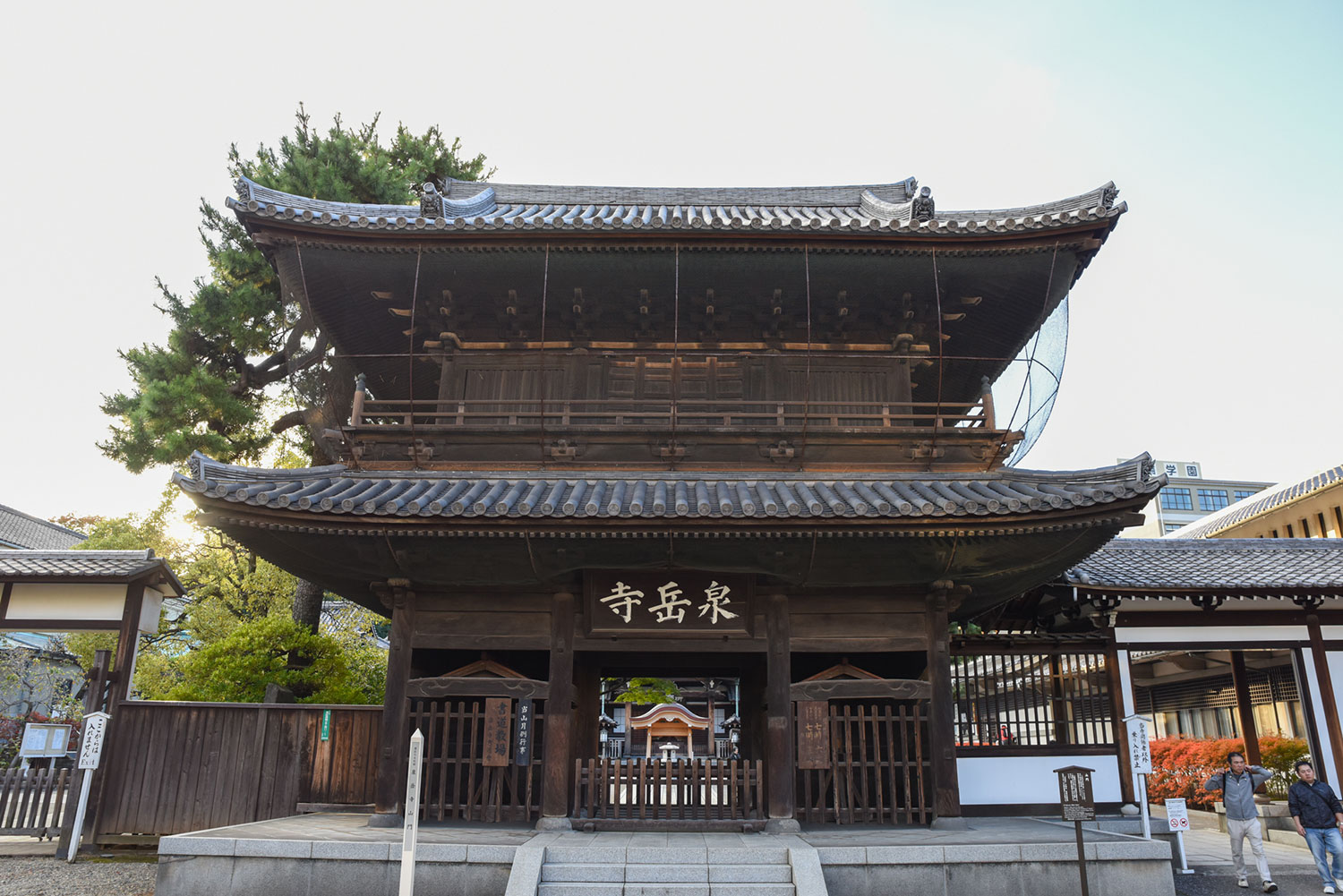
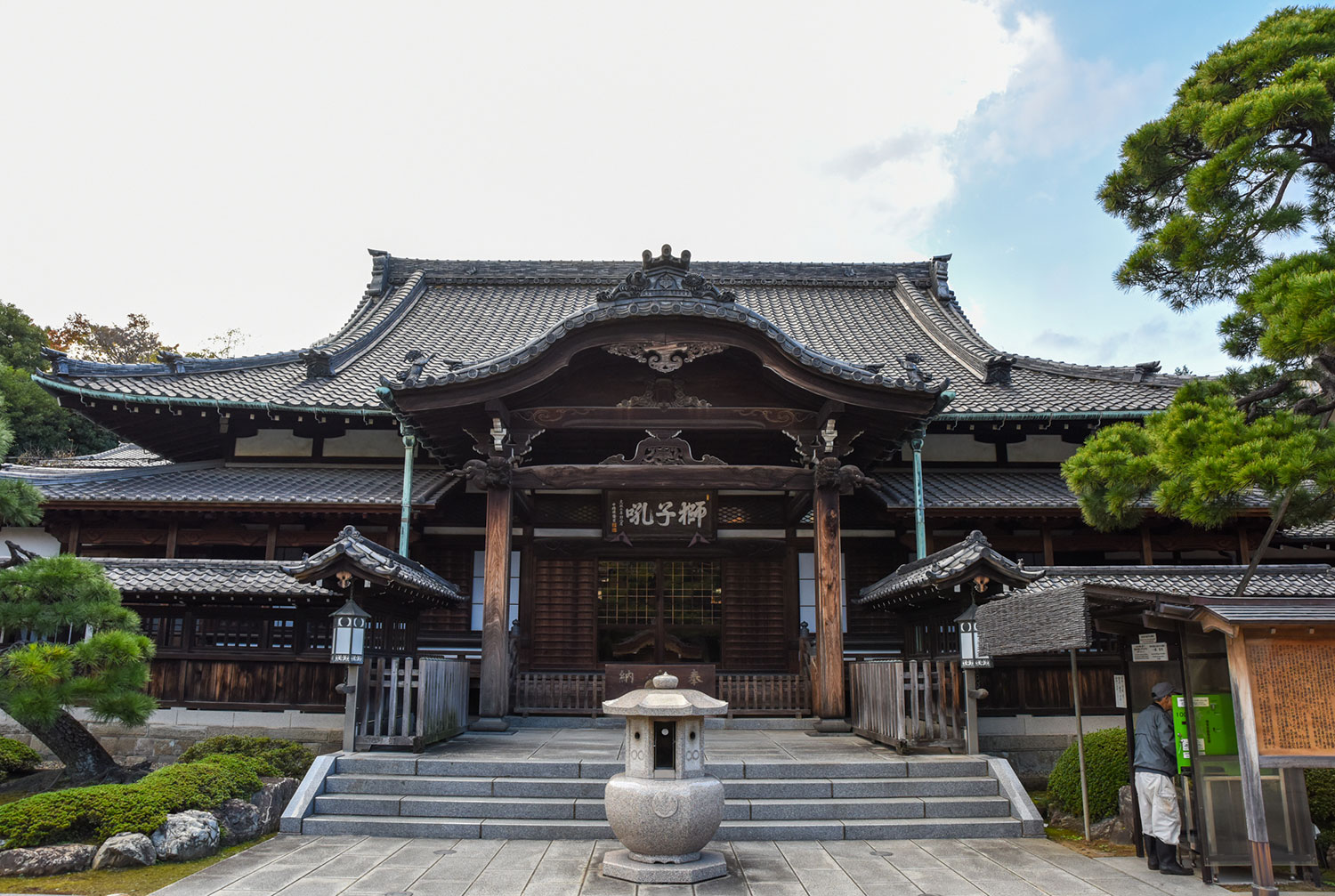
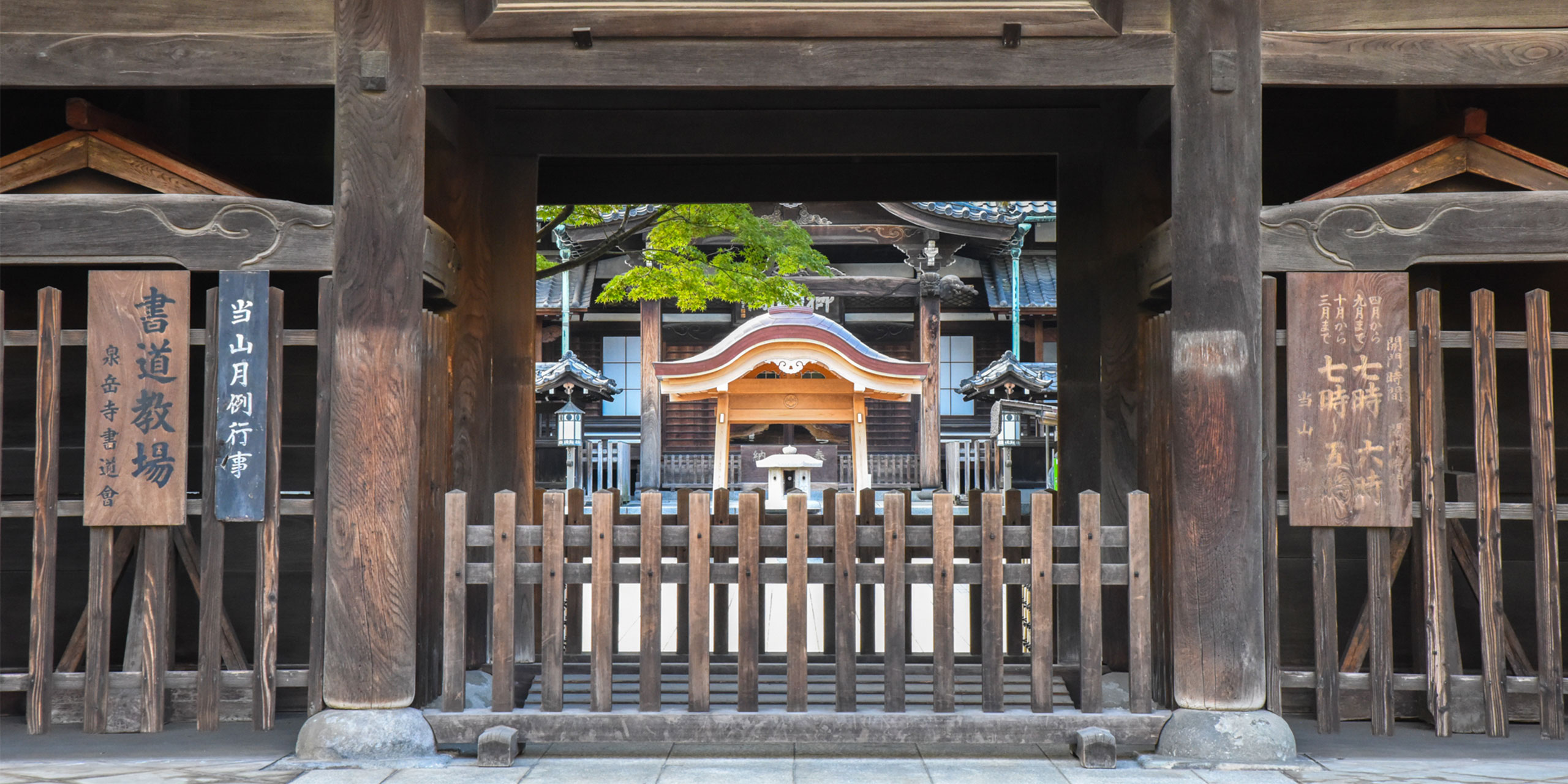
Amid the serenity of Tokyo’s 400-year-old Sengakuji Temple lurks eerie history. It recounts the tale of 47 furious samurai and the severed head they delivered as a grisly gift. Many Tokyo residents visit this Buddhist site in Minato ward to honor the warriors buried here, among gates, prayer halls, and tombs.
Brochures at Sengakuji recount the infamous Ako Incident of 1703. The 47 samurai were loyal retainers of Asano Takuminokami, a wealthy feudal lord. When Asano was insulted by high-ranking guest Kira Yoshinaka, he retaliated with violence, leading to his imprisonment and forced suicide.
Enraged, his 47 samurai tracked down Kira, decapitated him, and carried his head to Asano’s grave as a final offering. They then committed ritual group suicide. Their loyalty and honorable deaths are still revered by Japanese visitors and are commemorated each December during the temple’s Ako Gishisai festival.
Shitamachi Museum
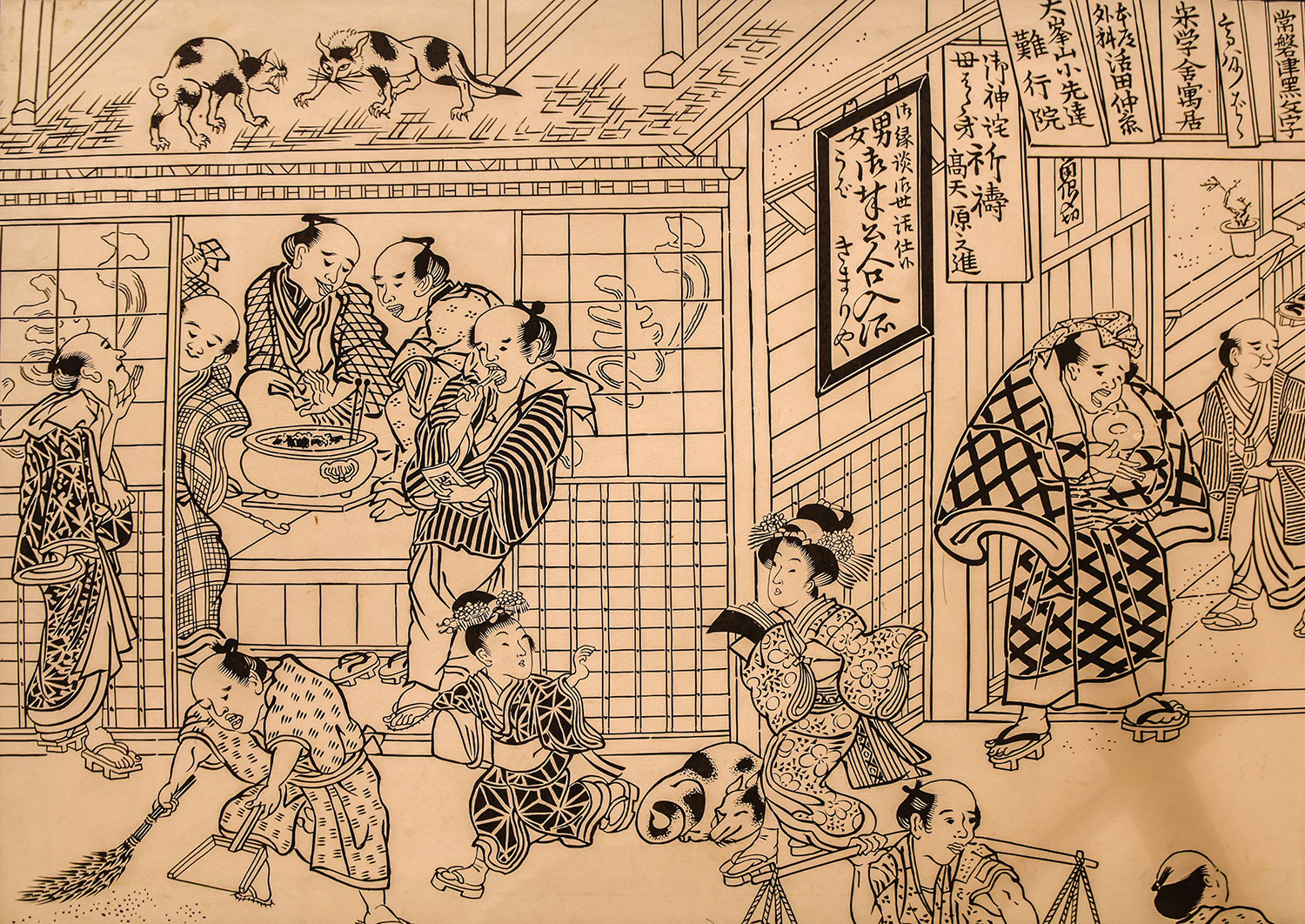
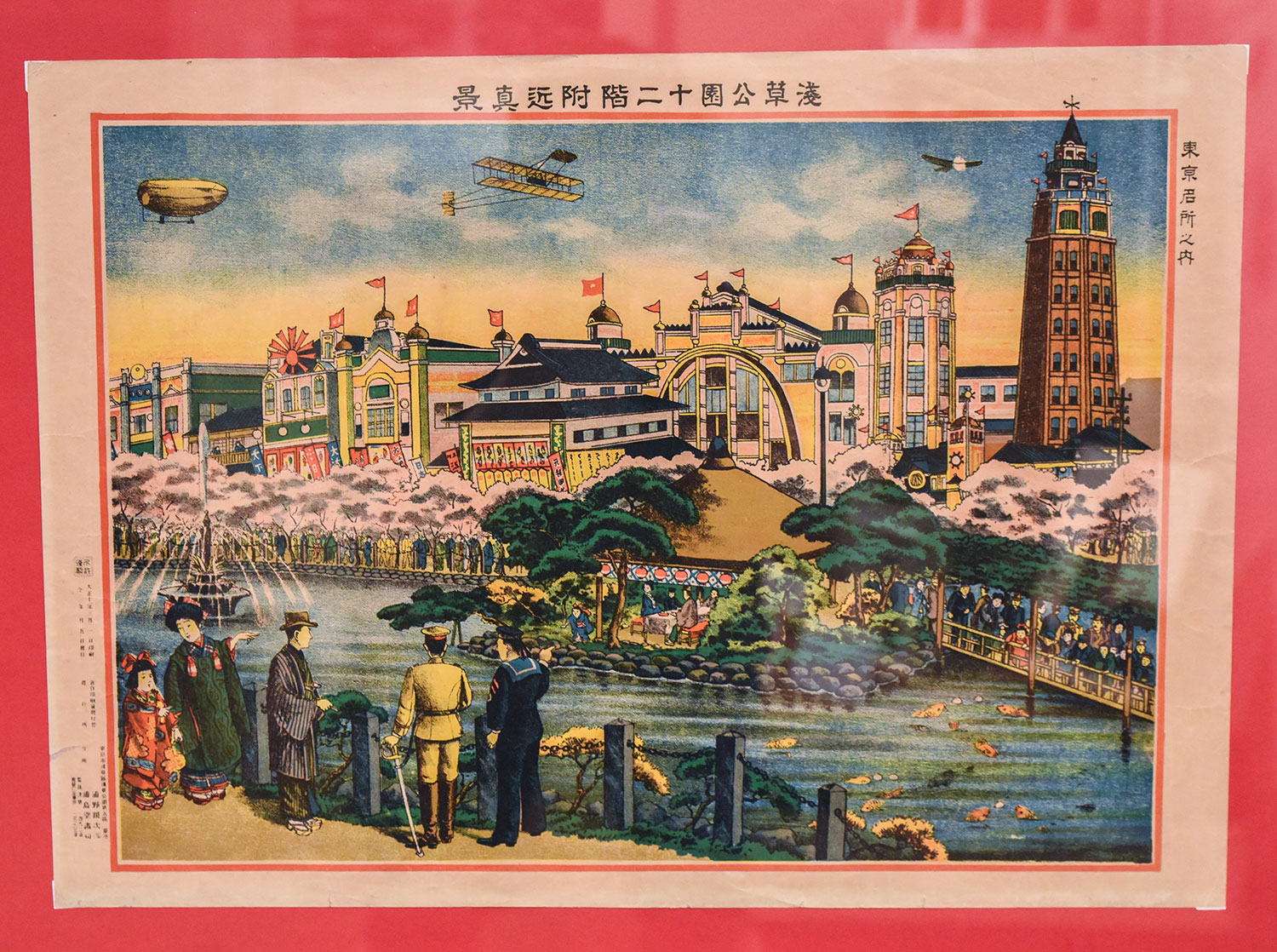
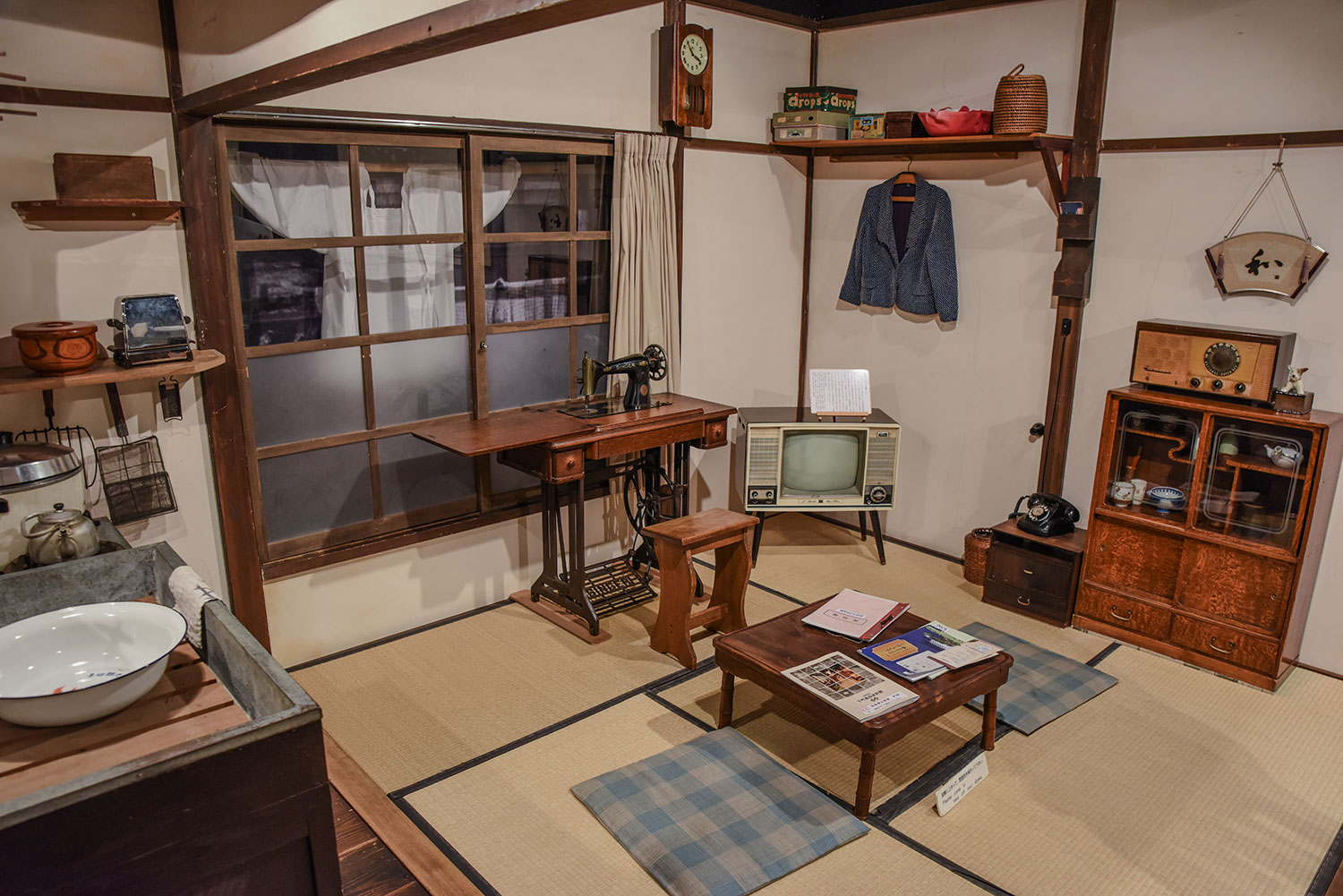
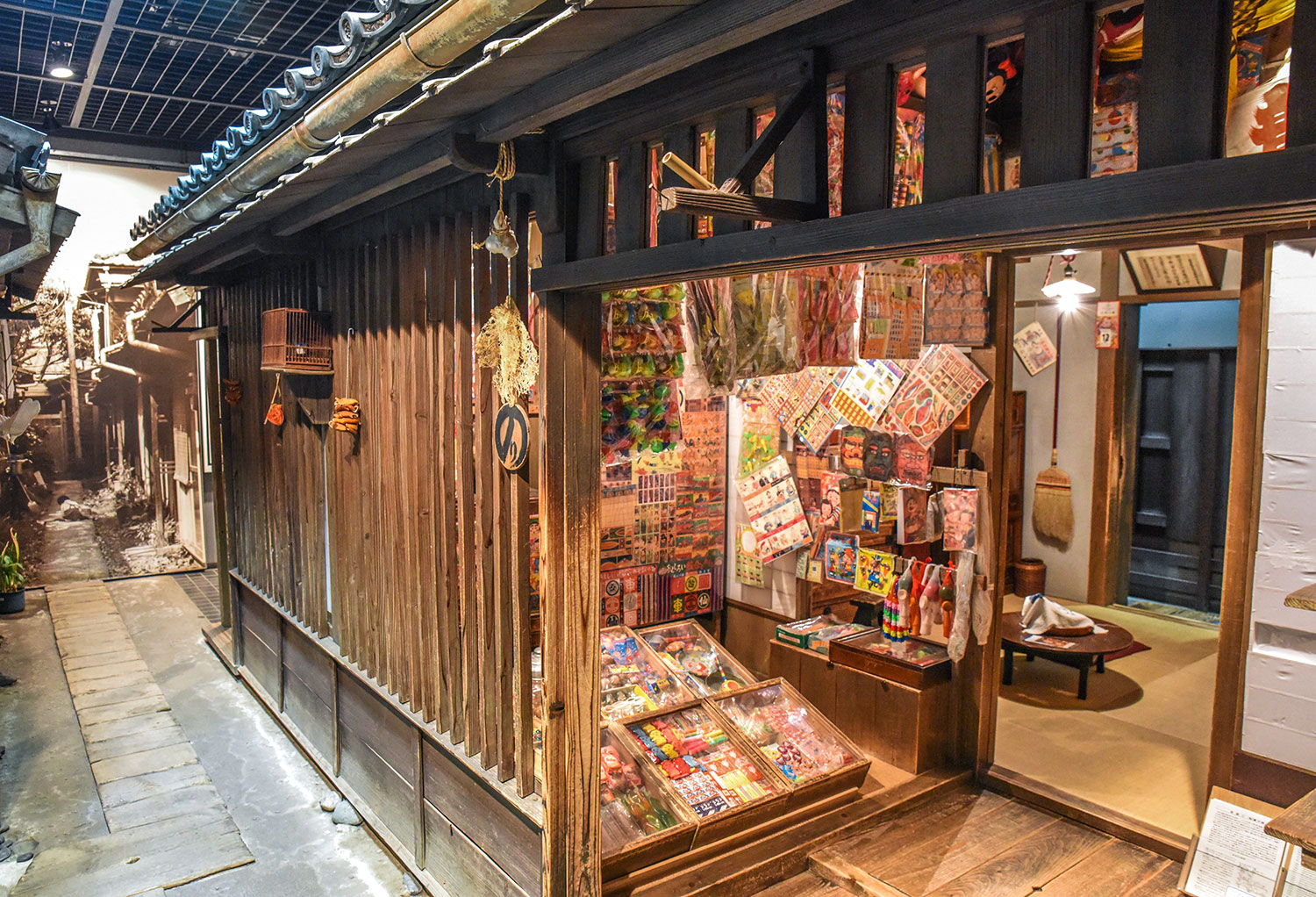
By the pretty Shinobazu Pond in Ueno Park lies a portal to Tokyo’s past. The Shitamachi Museum offers a peek into the everyday lives of the city’s working class in the 1800s—an instructive contrast to the grand palaces and elite museums showcasing the era’s privileged few.
Spread across two floors, the museum recreates streets from the Shitamachi district, once a humble area of merchants and craftsmen. Visitors can enter Nagaya rowhouses outfitted with traditional businesses: a liquor store, craft workshop, coppersmith studio, dagashiya candy shop, public bathhouse, and family home.
Each space is furnished with genuine antiques from the 1800s through the early 1900s. The museum is well worth a 45-minute stop while exploring Ueno Park and its many cultural highlights, including the Tokyo National Museum and the Tokyo Metropolitan Art Museum..