


There is more to noctourism than looking up at the heavens. Stargazing and moon-gazing, often grouped under astrotourism, are certainly part of this growing travel trend. But other after-dark experiences encourage travelers to explore what happens once daylight fades.
Vacations tend to revolve around daylight: sunrise hikes, afternoons at the beach and the pursuit of the perfect sunset photograph. Yet when the sun slips below the horizon, some places are only just waking up.
How noctourism is changing the way we travel
Favoring activities that embrace darkness rather than retreat from it, noctourism offers an alternative to nightlife tourism. Instead of hitting bars and clubs, a different kind of night owl is heading outdoors to see familiar places from another perspective.
As heat waves become more frequent, travelers are seeking cooler temperatures, often found only after dark. Hotels and tour operators are responding with guided wildlife walks, after-hours museum visits, and late-night food tours.
Crowding is also encouraging travelers to rethink their visiting hours. Rather than jostling for space at famous landmarks during peak times, evening tours can allow them to explore when visitor numbers begin to thin.
Darkness changes the experience, too. With less to see, other senses come into focus. Whether following the aroma of sizzling food through a busy market or listening for nocturnal wildlife, travelers may find themselves paying closer attention to their surroundings.
Dark nature
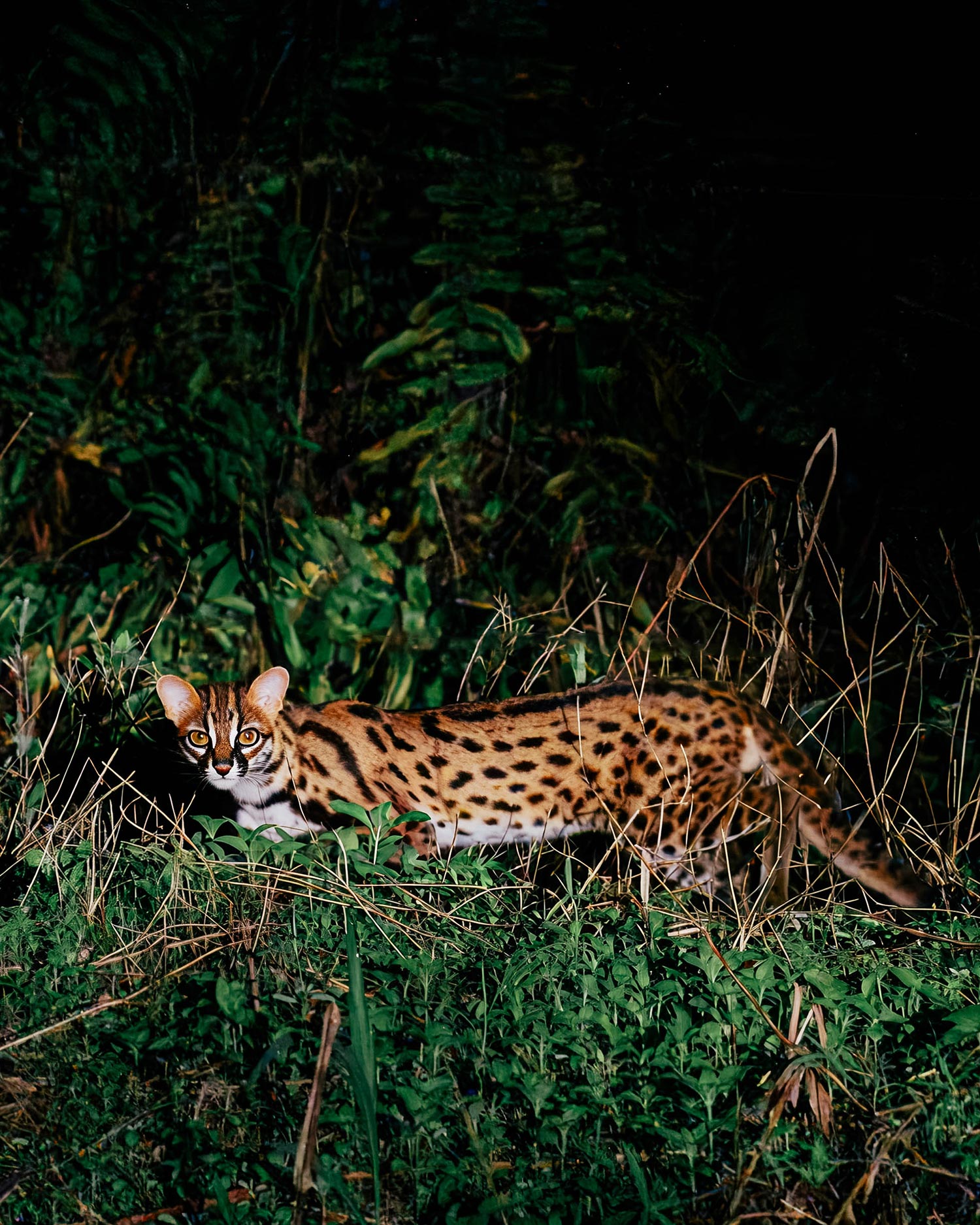
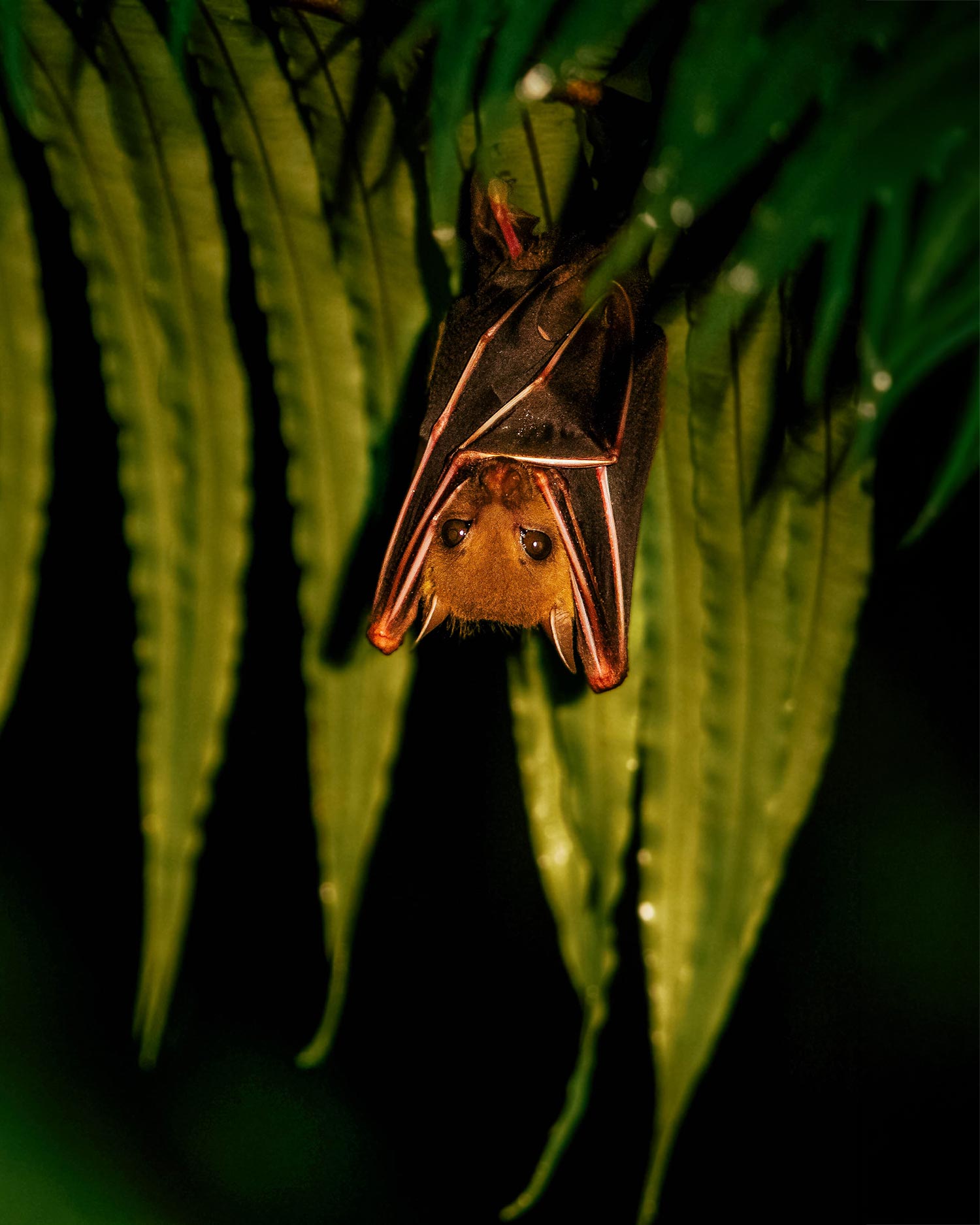
When daylight fades, a different cast of wildlife emerges. Many mammals, birds, reptiles and amphibians are active after dark, along with countless insects and other invertebrates. Even some flowers wait until dusk to release their perfume, including evening primrose and night-blooming jasmine.
Night safaris offer the chance to glimpse elusive animals going about their lives. Depending on the setting, guides may use red-light flashlights, thermal imaging cameras and other night-vision equipment to help visitors observe wildlife while limiting disturbance.
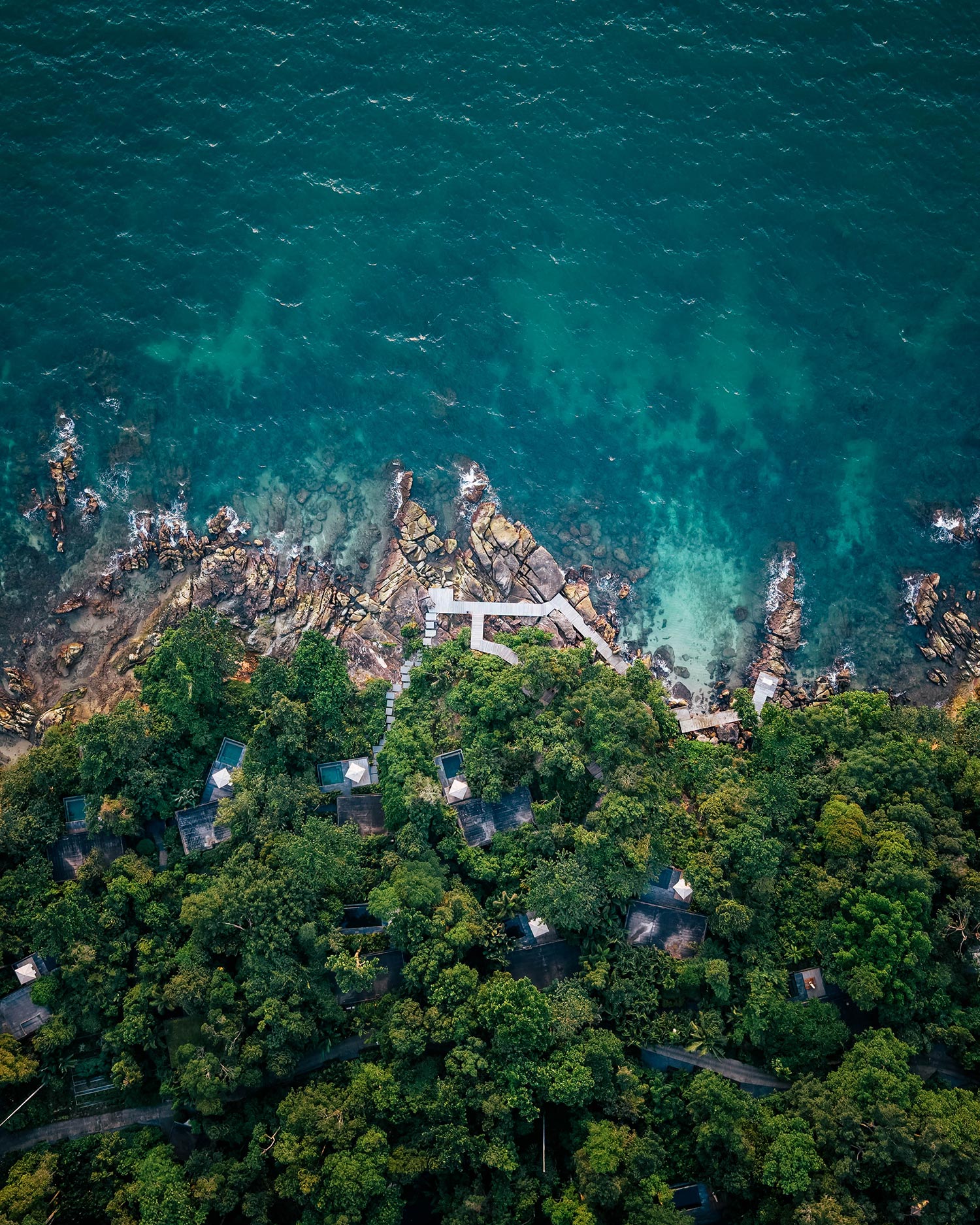
Borneo Rainforest Lodge sits in the heart of the Danum Valley Conservation Area and features on Remote Lands’ Classic Malaysian Borneo itinerary. Here, guests can take night safaris through one of the world’s oldest tropical rainforests, home to rare species including the clouded leopard and marbled cat.
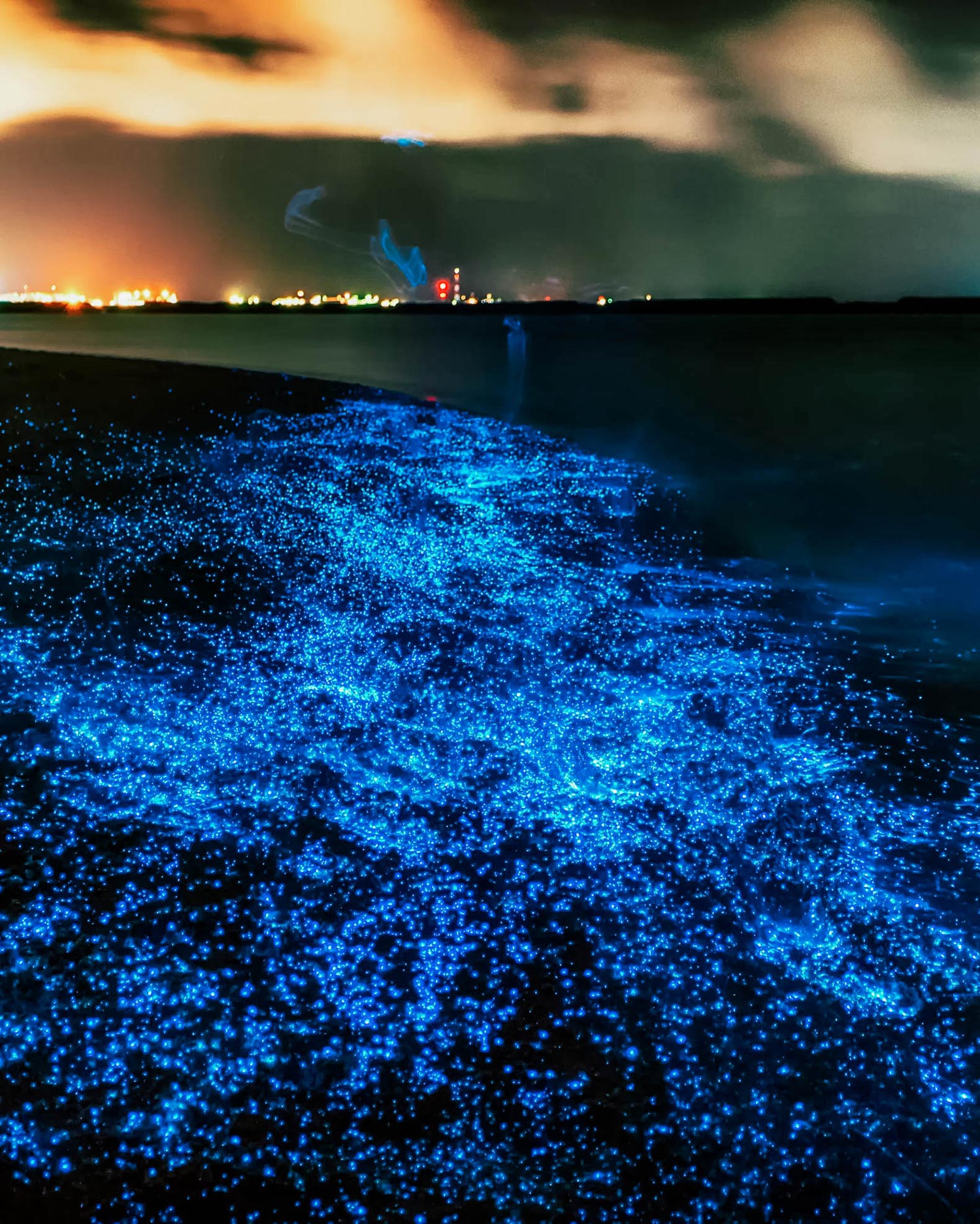
The experience is not restricted to land. An underwater world comes alive after dark, accessible through diving, snorkeling and swimming. At Six Senses Krabey Island in Cambodia, featured on the Classic Cambodia itinerary, a guided swim offers the chance to encounter bioluminescent plankton, its tiny flashes of light shimmering in the water.
Bright lights, big city
After sunset, historic streets, illuminated landmarks and ancient temples take on a different atmosphere. Guided tours make the most of this setting, combining local history with the opportunity to explore in cooler conditions and, sometimes, with fewer visitors.
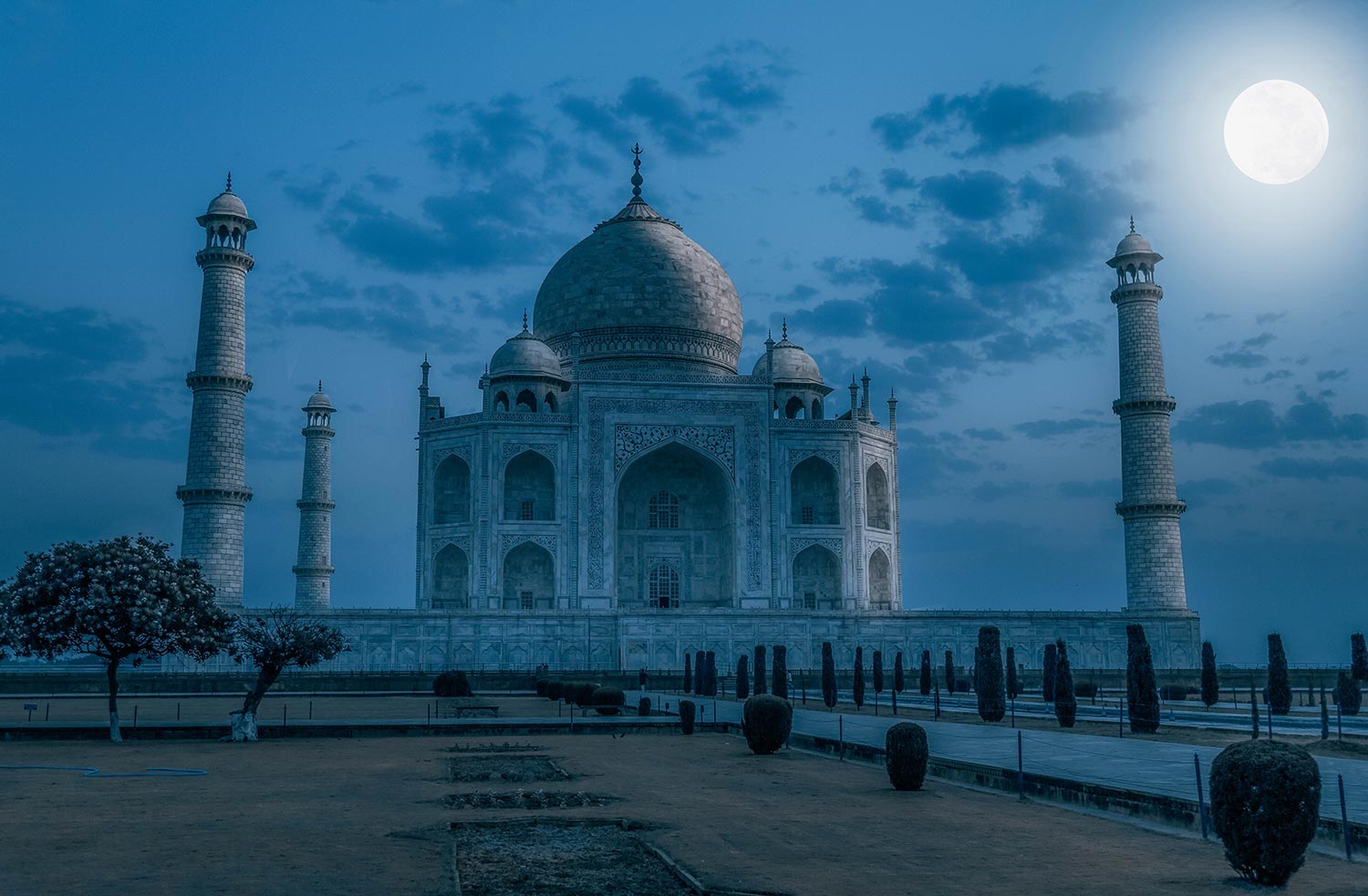
Few experiences capture a sense of occasion quite like seeing the Taj Mahal by the light of a full moon. These limited evening viewings require separate planning. For travelers visiting during daylight hours, the Classic India itinerary offers the chance to see the monument at sunset.
Many museums now open late, making their collections accessible to people unable to visit during the day. Live music, performances, talks and workshops can also change the character of a visit, drawing audiences who might not otherwise step inside.
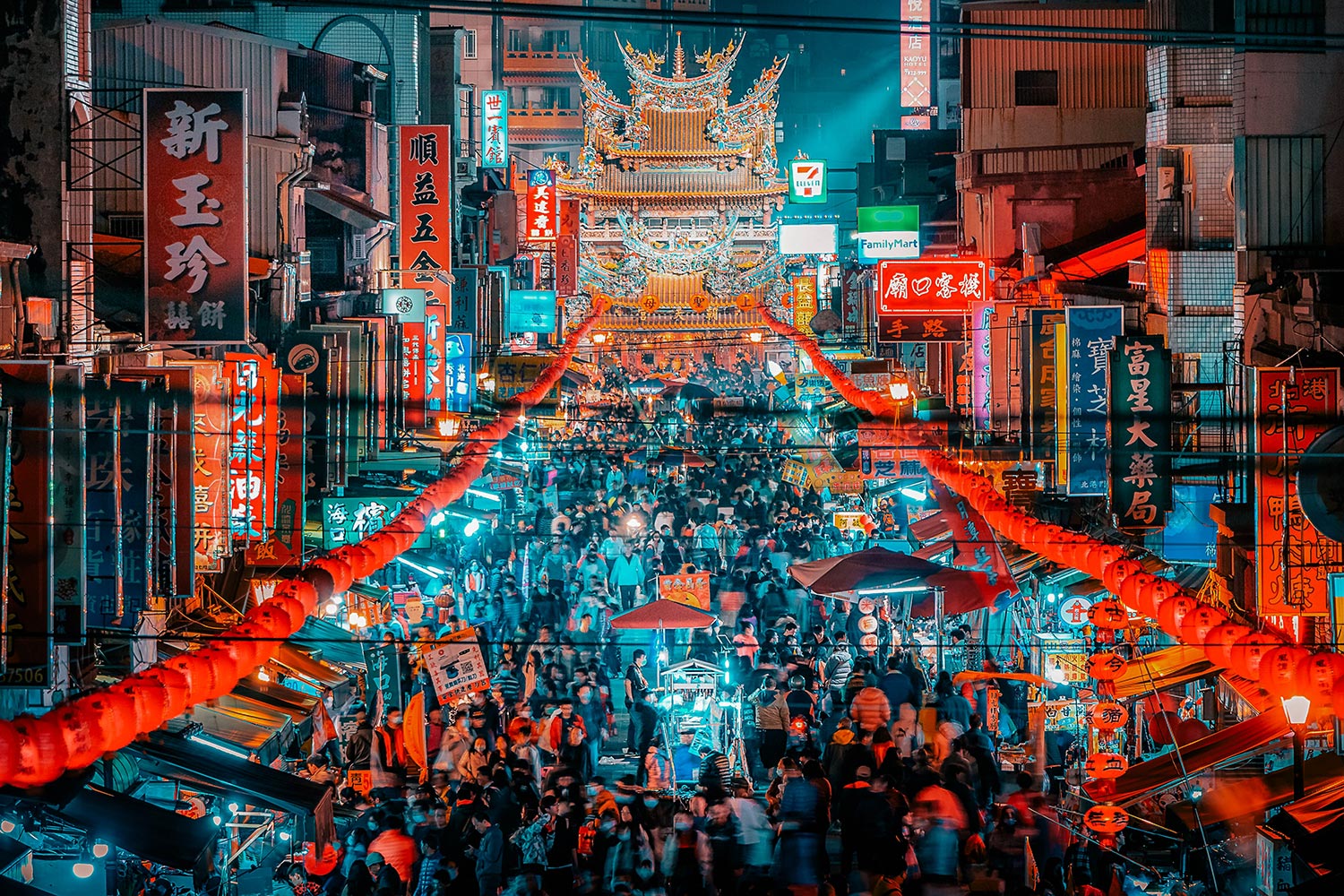
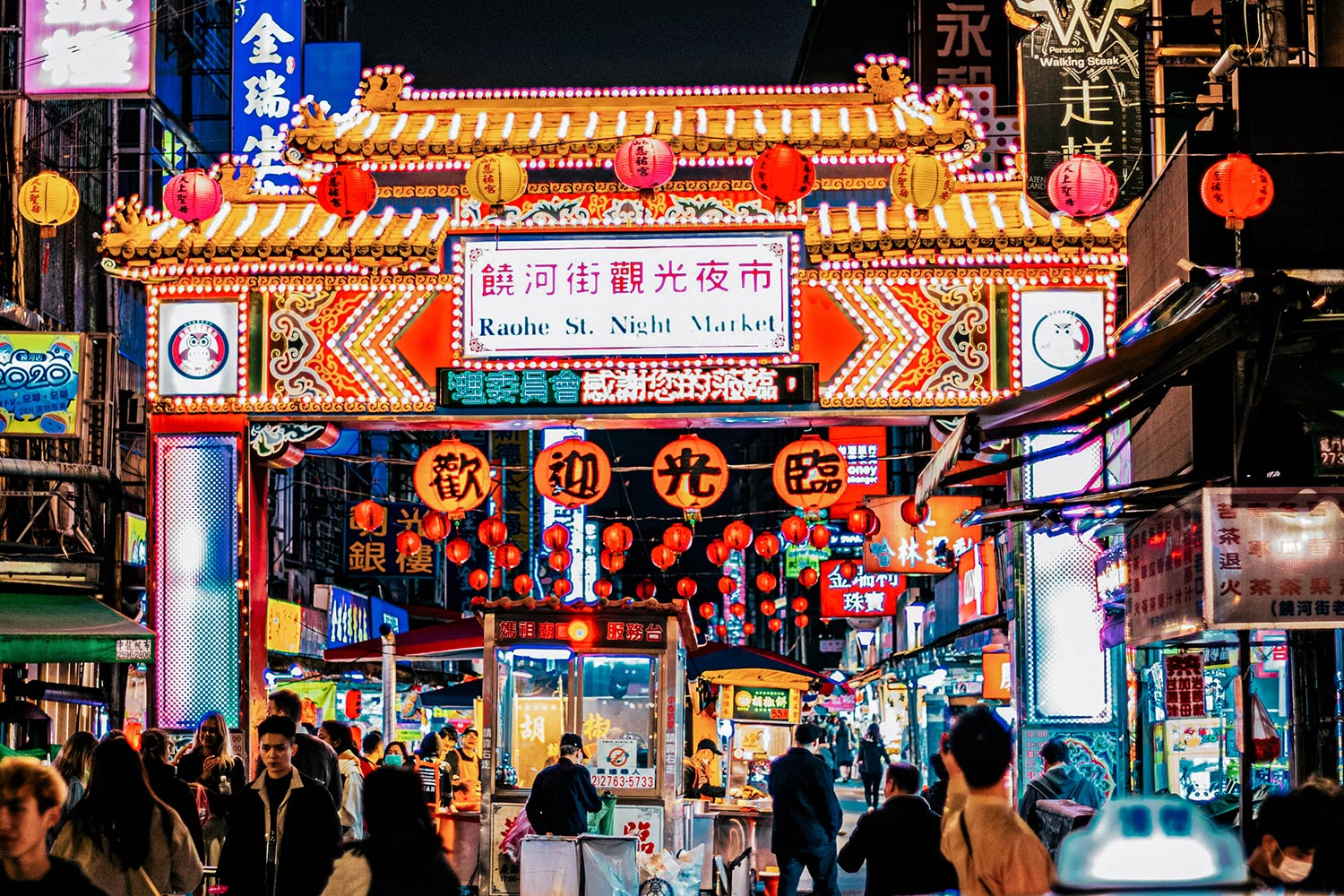
If museums nourish the mind, food markets feed every other sense. Nowhere is this more evident than in Taipei. Walking its lively streets, accompanied by the aroma of sizzling street food, is one of the best ways to experience the city after dark.
Taipei is renowned for its food scene, which travelers can sample on the Taste of Taiwan: The Ultimate Foodie Adventure itinerary. The city offers everything from Michelin-starred dining to classic noodle dishes and handmade dumplings. For an evening devoted to street food, iconic markets such as Raohe and Shilin are a good place to start.
The rarest spectacles
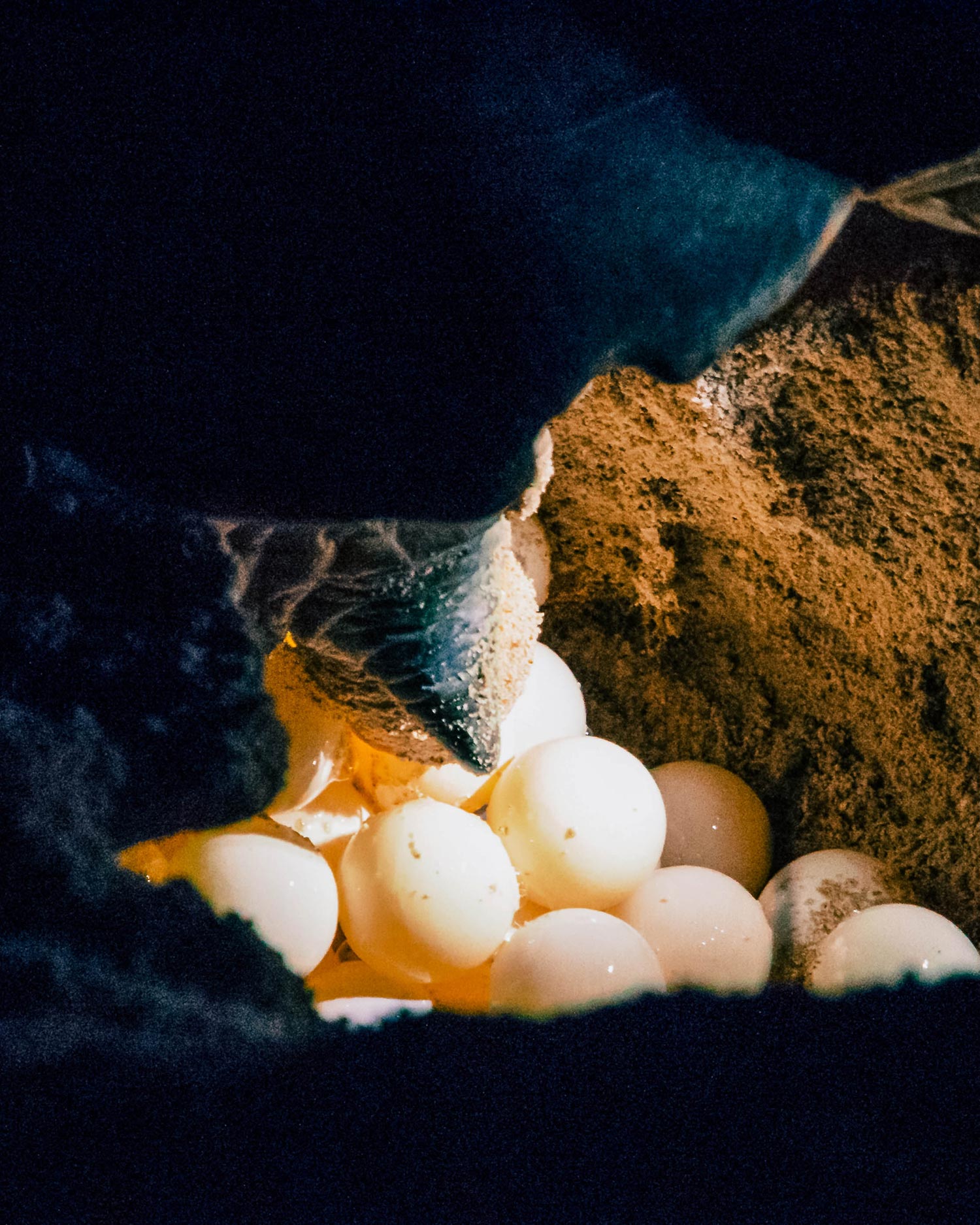
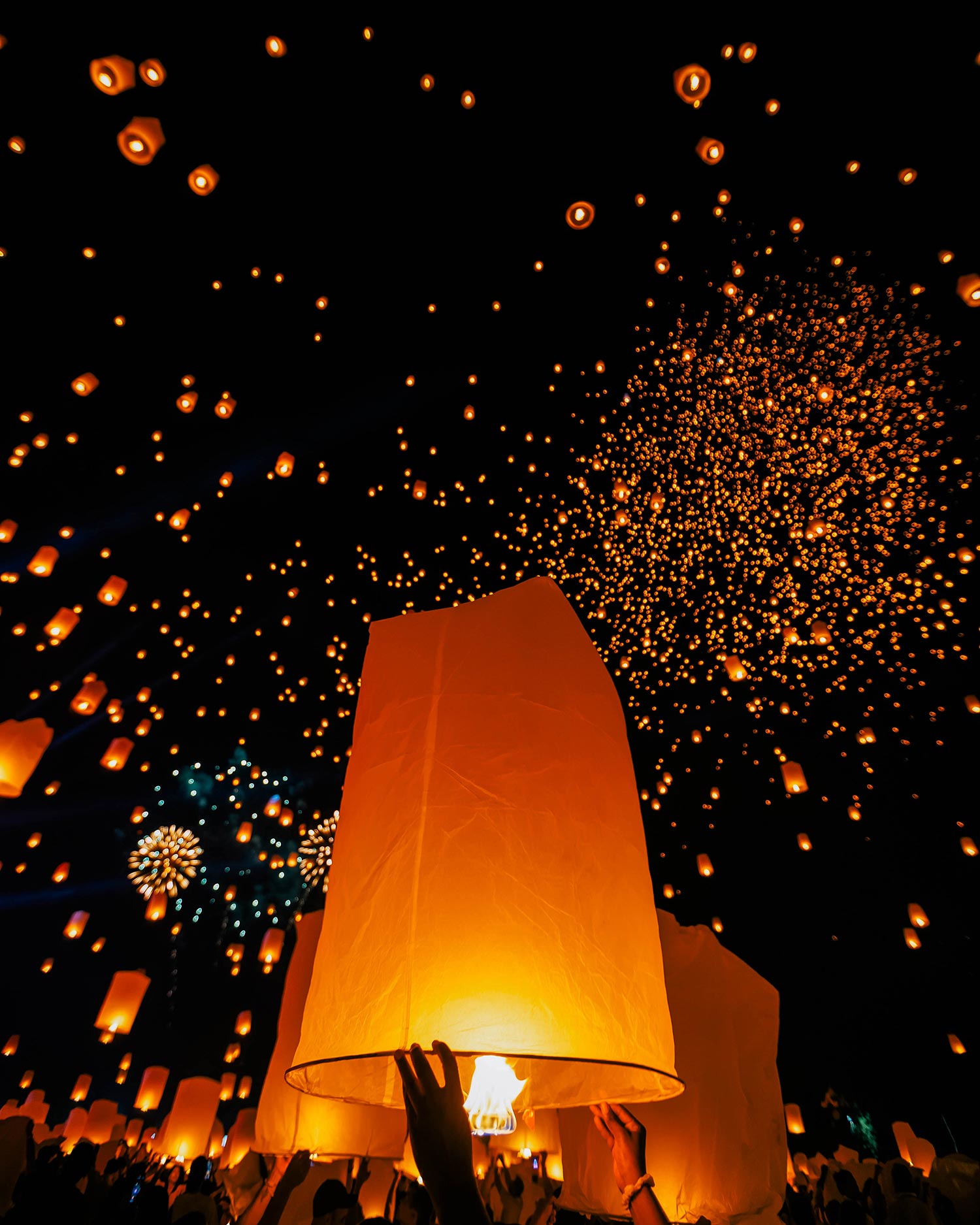
Some after-dark spectacles are fleeting or happen only at certain times of year. Meteor showers and lunar eclipses reward careful planning, while dark-sky destinations offer opportunities to see stars usually obscured by urban light pollution. On clear, moonless nights, the Milky Way can be a spectacle in its own right.
Some of nature’s most extraordinary experiences take place much closer to Earth. Overnight guests on Selingan Island in Malaysia’s Turtle Islands Park may witness turtles coming ashore to lay their eggs. Visits follow the conservation program’s procedures, with opportunities to observe nesting and hatchling releases subject to conditions.
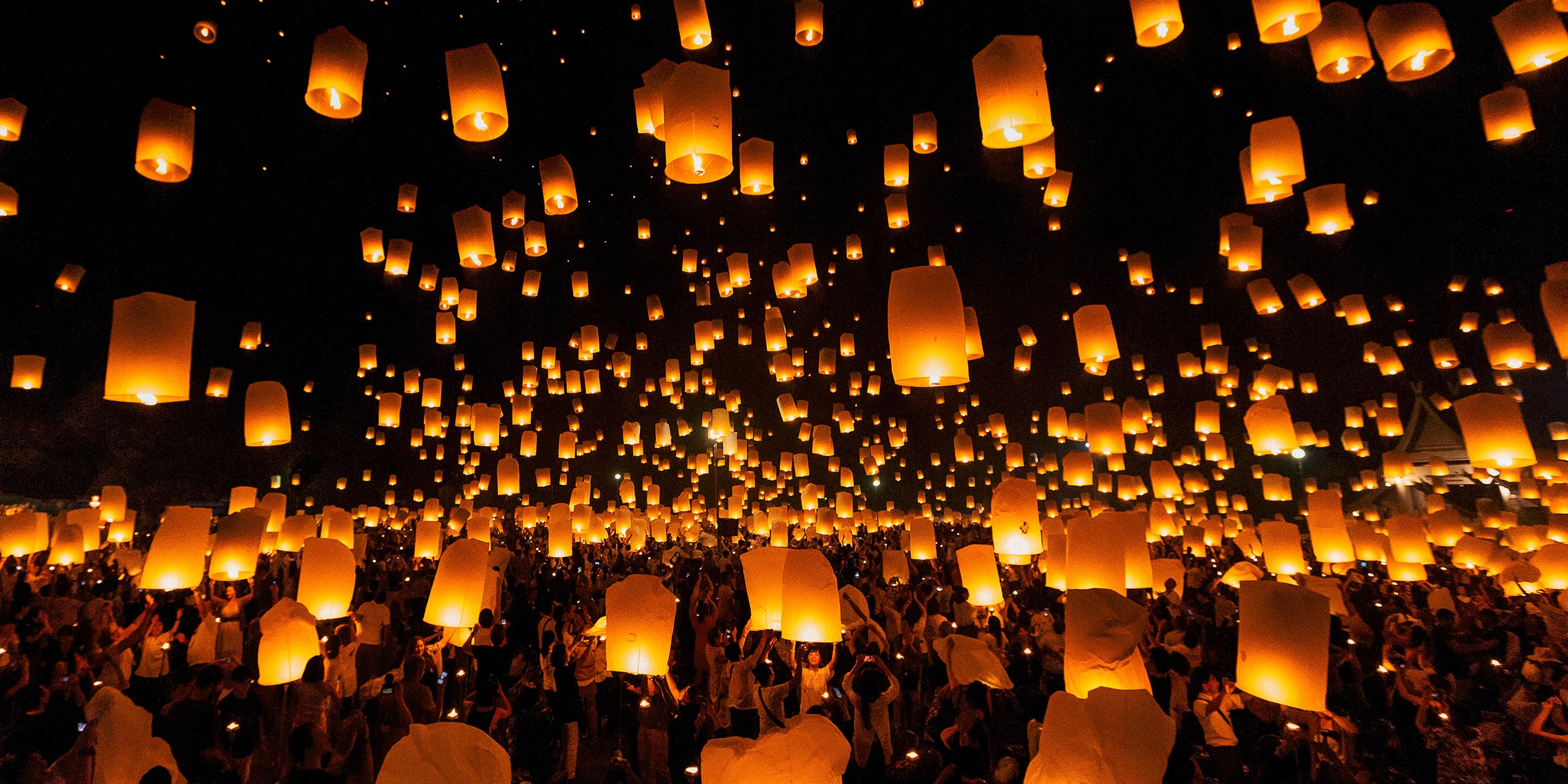
Usually held in November, Yi Peng is one of northern Thailand’s most striking festivals. Glowing paper lanterns rise into the sky at organized celebrations, associated with making merit and letting go of misfortune.
Visitors to Chiang Mai during the festival can plan their trip around the celebrations as part of the Classic Thailand itinerary, which includes a stay in the former capital of the Lanna Kingdom.